The typical mindfulness app journey begins with basics: a ten-minute breathing exercise, perhaps some body awareness guided by a soothing voice. For many practitioners, these foundational practices serve their purpose, establishing daily consistency and introducing core concepts.
But what happens when you've moved beyond needing constant instruction? What about the athlete seeking performance enhancement, the artist confronting creative blocks, or the person managing chronic pain who needs specialized approaches?
How Do I Transition from Guided to Unguided Meditation Using an App?
The movement from externally directed to self-directed practice represents one of the most significant milestones in contemplative development. Mindfulness apps can support this transition through graduated exposure to silence, but the process requires intentional planning rather than random exploration of available content.
Most practitioners attempt this transition too abruptly, jumping from heavily guided sessions directly to silent sitting. This approach frequently results in frustration and abandonment of the practice. The more effective path involves systematic reduction of verbal instruction while maintaining structural support through timing and environmental cues.
The neurological basis for this transition relates to the development of what researchers term "metacognitive awareness" - the brain's capacity to observe its own processes without constant external reminders. This skill develops gradually through repeated exposure to decreasing levels of instruction, allowing the practitioner's internal guidance system to strengthen over time.
What Are the Best Features for Supporting Self-Practice?
Interval timing represents the most crucial feature for transitioning practitioners. Unlike simple countdown timers, sophisticated apps offer customizable bell sequences that can mark specific phases of practice.
A forty-minute session might include opening and closing bells, with subtle chimes every ten minutes to support sustained attention without verbal interruption.
The most effective interval systems allow practitioners to adjust both the tone and volume of these markers. Harsh bells can jolt the nervous system out of deeper states, while barely audible chimes may fail to provide sufficient anchor points for maintaining focus.
Advanced practitioners often prefer Tibetan singing bowl sounds or soft wooden bells that blend seamlessly with the meditation environment.
Moreover, progressive guidance features offer another essential bridge toward independence. These programs begin with standard instruction but gradually increase periods of silence within each session. Over the course of weeks or months, the ratio shifts from primarily guided to primarily silent, with occasional verbal cues serving as checkpoints rather than constant direction.
How Can I Use Soundscapes to Deepen My Concentration?
The strategic use of ambient sound during unguided practice serves a fundamentally different purpose than background music during guided sessions. Rather than masking external noise, carefully selected soundscapes can function as objects of meditation themselves, providing a consistent focal point while allowing for deeper states of concentration.
Binaural beats represent one of the most sophisticated sound technologies available through meditation apps. These audio patterns present slightly different frequencies to each ear, theoretically encouraging the brain to synchronize at specific wavelengths associated with meditative states.
While the scientific evidence for binaural beats remains mixed, some practitioners report enhanced focus when using frequencies between 4-8 Hz (theta range) or 8-12 Hz (alpha range).
Meanwhile, natural soundscapes offer more universally accessible options. The consistent yet varied nature of rain, ocean waves, or forest sounds provides what psychologists term "pink noise" - a frequency distribution that many find conducive to sustained attention.
Unlike white noise, which can feel harsh or clinical, pink noise patterns mirror natural environments and support longer meditation periods without causing auditory fatigue.
The key distinction between using sound as background versus foreground lies in intentionality. Advanced practitioners might spend entire sessions focused exclusively on the layered complexity within a thunderstorm recording, noting how attention moves between rain intensity, thunder timing, and underlying silence.
This approach transforms ambient sound from distraction management into contemplative investigation.
Can Apps Support Mindfulness for Specific Performance Goals?
Performance-oriented mindfulness applications represent a significant departure from general wellness approaches. While traditional meditation emphasizes acceptance and non-striving, performance mindfulness deliberately cultivates specific mental qualities like sustained attention, emotional regulation under pressure, and rapid recovery from setbacks.
The neuroscience supporting performance mindfulness centers on the brain's capacity for what researchers call "cognitive flexibility" – the ability to shift attention strategically while maintaining awareness of internal states.
Elite performers in various domains demonstrate enhanced connectivity between prefrontal control networks and areas responsible for interoceptive awareness, allowing them to adjust their mental approach in real-time based on internal feedback.
Apps designed for performance goals typically incorporate elements from sports psychology, cognitive behavioral therapy, and traditional contemplative practices. This integration acknowledges that peak performance requires both the calm awareness cultivated through meditation and the goal-oriented focus necessary for achieving specific outcomes.
Which App Content Is Designed for Athletic Mental Training?
Specialized athletic mindfulness programs within apps focus on three primary areas:
Pre-performance preparation
In-the-moment awareness
Post-performance recovery
Each phase requires distinct mental skills, and the most sophisticated apps provide targeted practices for all three.
Pre-performance visualization sessions guide athletes through detailed mental rehearsal of their sport-specific movements and scenarios. These practices go beyond simple positive thinking to include systematic preparation for potential challenges, adverse conditions, or competitive pressure. Advanced visualization might involve rehearsing not just successful outcomes, but also recovery strategies for mistakes or setbacks during competition.
Flow state cultivation represents another specialized application. Apps targeting this experience provide practices designed to achieve the precise balance of challenge and skill that characterizes peak performance states. These sessions often incorporate breath regulation techniques that support the autonomic nervous system patterns associated with effortless concentration.
Lastly, recovery-focused content addresses the mental aspects of physical restoration. Rather than generic relaxation, these practices help athletes process competitive stress, release muscular tension through targeted body awareness, and maintain psychological resilience throughout demanding training cycles.
Phase | Practice |
|---|---|
Pre-performance | Visualization, challenge rehearsal |
In-the-moment | Flow state, breath regulation |
Post-performance | Recovery, stress processing |
How Can I Use Apps to Cultivate Focus for Creative or Professional Work?
Professional focus applications within mindfulness apps typically operate on shorter timeframes than traditional meditation sessions. These "micro-practices" acknowledge the reality of modern work environments while providing genuine contemplative benefits for cognitive performance.
Attention reset practices serve as mental palate cleansers between demanding tasks. A three-to-five-minute session might involve systematic attention to breath, allowing the mind to disengage from problem-solving mode and return to a state of open awareness. These brief interventions can prevent the accumulative mental fatigue that often impairs creative thinking later in the day.
Moreover, creative block dissolution techniques draw from both mindfulness and creativity research. These practices often involve deliberately expanding awareness beyond focused thinking, allowing unconscious processing to continue while conscious effort temporarily releases. Apps might guide users through exercises that alternate between concentrated focus on a creative challenge and periods of completely open, non-directed awareness.
Decision-making clarity practices also help professionals navigate complex choices by cultivating what researchers term "somatic markers," the subtle bodily sensations that often accompany wise decisions.
Advanced app content might guide users through systematic exploration of how different options feel in the body, developing sensitivity to internal wisdom that operates below conscious reasoning.
What Advanced App Features Can Enhance My Practice?
Technological integration in advanced mindfulness apps moves beyond simple audio delivery to provide real-time biofeedback and interactive elements that support deeper practice development.
These features represent the cutting edge of contemplative technology, though their effectiveness depends largely on how skillfully they're integrated into an overall practice approach.
The most sophisticated apps now incorporate artificial intelligence that adapts content based on user progress, biometric feedback, and stated goals. While this personalization can provide valuable support, it also raises important questions about the role of external guidance in developing internal wisdom and self-reliance.
How Does Biofeedback Integration Work With Mindfulness Apps?
Biofeedback integration represents the most technologically advanced approach to app-based mindfulness training. These systems typically use external sensors to measure physiological indicators like heart rate variability, breathing patterns, or even brain wave activity, providing real-time feedback about the user's internal state during practice.
Heart rate variability (HRV) monitoring has become one of the most common biofeedback integration in meditation apps. HRV measures the subtle variations in time between heartbeats, which reflects the balance between sympathetic and parasympathetic nervous system activity. Apps with HRV integration can provide immediate feedback about whether breathing practices are successfully activating the relaxation response.
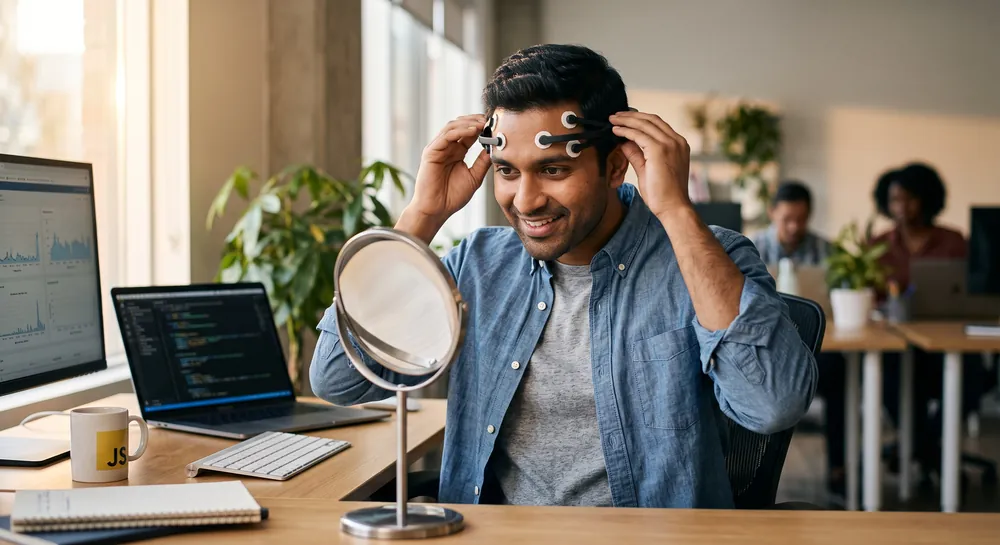
Meanwhile, EEG-based feedback systems offer direct measurement of brain wave patterns during meditation. Some apps can sync with consumer EEG devices to provide feedback about attention, relaxation, and other mental states in real-time. While the accuracy of consumer EEG devices remains limited compared to clinical equipment, they can provide helpful guidance for developing concentration skills.
What Is the Purpose of Community and Live Practice Features?
Social features in advanced mindfulness apps address one of the primary limitations of individual practice: the absence of community support and accountability.
While meditation is fundamentally a personal practice, the presence of others can provide motivation, guidance, and the shared wisdom that emerges from group practice.
Live group meditation sessions through apps create virtual sanghas (practice communities) that can support consistency and deepen commitment. These sessions often include brief teachings, guided practices, and sometimes discussion periods where participants can share insights or challenges.
The synchronous nature of live sessions creates a sense of shared presence that many find more engaging than solo practice.
Accountability features help practitioners maintain consistency through gentle social pressure and community support. These might include practice streaks, group challenges, or partner systems where people check in with each other about their meditation commitment.
While external motivation should eventually give way to intrinsic engagement, community support can be crucial during difficult periods or when establishing new practice habits.
Are There Any Risks or Limitations to Advanced App Use?
The sophisticated features available in advanced mindfulness apps can create new forms of dependency and distraction that may actually hinder contemplative development. While technology can support practice in valuable ways, it can also become a substitute for the kind of inner development that ultimately depends on direct experience rather than external guidance.
Over-quantification represents one of the primary risks of advanced app features. When practice becomes primarily about achieving specific metrics, maintaining streaks, or optimizing biofeedback scores, the fundamental purpose of mindfulness can become secondary to performance indicators.
The convenience of app-based practice can also create unrealistic expectations about the nature of contemplative development. Traditional mindfulness training acknowledges that genuine insight often emerges through periods of difficulty, confusion, and apparent stagnation.
How Can I Integrate App-Based Learning with Traditional Practices?
The most skillful approach to advanced app use recognizes these technologies as supplements to, rather than replacements for, comprehensive contemplative training.
Apps excel at providing consistency, introducing new techniques, and offering specialized content, but they cannot replace the depth of guidance available through experienced teachers or the collective wisdom that emerges in practice communities.
Integration strategies typically involve using apps for daily maintenance while seeking deeper instruction through other means. A practitioner might use morning app sessions to establish consistency while attending weekly group meetings or periodic retreats for more intensive training. This approach leverages the convenience of technology while maintaining access to the interpersonal dimensions of contemplative learning.
Conclusion
Transitioning to advanced practice requires shifting from external guidance to internal self-regulation, a process that relies on the development of metacognitive awareness. Rather than abandoning instruction abruptly, the most effective approach utilizes systematic reductions in verbal cues through customizable interval timers and progressive silence features.
This structural support allows the brain to gradually strengthen its own monitoring systems while preventing the frustration often associated with a sudden jump to unguided meditation.
For performance-oriented goals, advanced apps utilize biofeedback—such as heart rate variability (HRV) and EEG monitoring—to provide real-time physiological data that accelerates the recognition of internal mental states. These tools, combined with specialized content for athletic flow or professional focus, help cultivate the cognitive flexibility needed to maintain resilience and awareness under pressure.
However, the ultimate goal of advanced practice is to ensure that technology remains a supplement to inner development, avoiding the traps of digital dependency or over-quantification in favor of a balanced, comprehensive contemplative path.
Frequently Asked Questions
How can I move from guided to unguided meditation using apps?
A gradual reduction of verbal guidance is far more effective than an abrupt jump to silence, because it allows your brain to strengthen metacognitive awareness. Using interval bells and progressive guidance features helps you sustain attention without constant instruction.
What app features best support a self-directed meditation practice?
Customizable interval timers with subtle chimes mark different practice phases, while progressive guidance programs slowly increase silent periods. Template builders also let you design your own sequence, such as five minutes of breath focus followed by open monitoring.
How can I use soundscapes to deepen concentration?
Natural soundscapes like rain or ocean waves act as a consistent focal point, and their pink-noise quality supports long sessions without auditory fatigue. Advanced practitioners often treat the layered details of these sounds—like shifts in rainfall intensity—as the meditation object itself.
Can mindfulness apps support athletic or professional performance goals?
Yes, performance-oriented apps cultivate cognitive flexibility by blending meditation with sports psychology. They typically target pre-performance visualization, flow state cues, and recovery, helping you rehearse focus and resilience under pressure.
What are the benefits of biofeedback integration in meditation apps?
Biofeedback, such as EEG measurement, gives real-time physiological cues during practice, making it easier to notice how breathing or focus affects your nervous system. This accelerates the learning of internal state recognition, shortening the time needed to develop sensitivity.
Is there a risk of becoming too dependent on meditation apps?
Over-reliance can weaken your ability to maintain attention without external support, preventing the development of genuine inner confidence. Periodic silent, unguided practice is essential to ensure the app remains a tool rather than a crutch.
How should I balance app use with traditional teacher-led practice?
Apps work best as daily supplements that provide consistency and specialized content, not as replacements for human guidance. Regular in-person teaching or group practice offers personalized feedback and relational depth that technology cannot fully replicate.
Emotiv is a neurotechnology leader helping advance neuroscience research through accessible EEG and brain data tools.
Medical Disclaimer: The information provided on this website is for educational and informational purposes only and is not intended as medical or health advice. This content may contain errors and should not be relied upon to make life-altering health, medical, or lifestyle choices. Always seek the advice of your physician or other qualified health provider with any questions you may have regarding a medical condition or treatment.
Christian Burgos