Top 8 EEG Headsets for BCI Development
Emotiv
Updated on
Jan 27, 2026
Top 8 EEG Headsets for BCI Development
Emotiv
Updated on
Jan 27, 2026
Top 8 EEG Headsets for BCI Development
Emotiv
Updated on
Jan 27, 2026
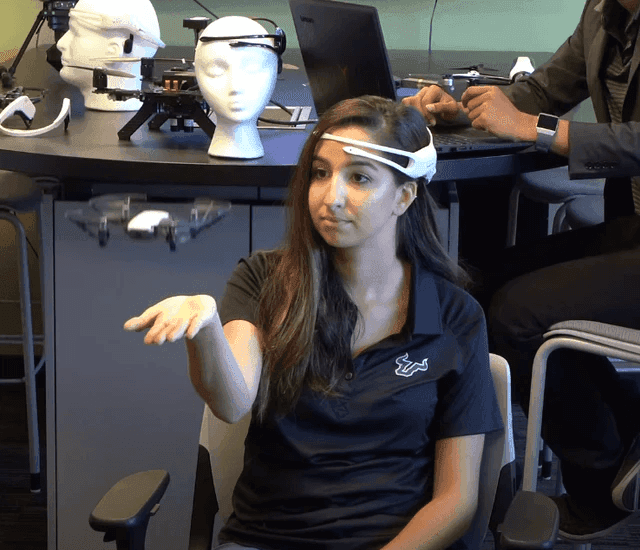
When you choose an EEG headset for BCI development, you’re not just buying a piece of hardware. You’re investing in an entire ecosystem. The device itself is just the beginning. The real work happens with the software, the developer kits, and the community support that comes with it. A headset with amazing specs can become a frustrating paperweight if the software is clunky or the documentation is a mess. That’s why this guide looks beyond the channel count. We’ll explore the full picture: the quality of the SDKs, the real-world feedback from other developers, and the kind of support you can expect when you hit a roadblock. My aim is to help you choose a complete toolkit that will support your project from its first line of code to its final launch.
Key Takeaways
Define your project’s goal before choosing your gear: The best headset is the one that fits your specific needs. A high-channel device like the Flex is built for detailed academic research, while a user-friendly model like the Epoc X is better suited for developing commercial applications or prototypes.
Look beyond the hardware to the software toolkit: A headset is only as powerful as the software that supports it. A robust SDK, clear documentation, and an active developer community are essential for efficiently turning raw brain data into a functional application.
Prioritize a clean signal and practical design: Your BCI application’s success depends on reliable data. Choose a headset known for quality signal acquisition, a straightforward setup, and a comfortable fit for extended use to ensure a solid foundation for your work.
What to Look For in a BCI-Ready EEG Headset
Choosing the right EEG headset is the first and most critical step in any brain-computer interface project. The hardware you select will define the quality of data you can collect, the types of applications you can build, and how quickly you can get your project off the ground. It’s easy to get caught up in the technical specifications, but the “best” headset really depends on what you’re trying to achieve. Are you conducting academic research that requires high-density data, or are you building a prototype for a new gaming controller? The needs for each are completely different.
Think of it like choosing a camera. A professional photographer needs a high-end DSLR with interchangeable lenses, while a casual user might just need a good smartphone camera. Both are great tools, but they’re designed for different purposes. Similarly, some BCI projects need a high channel count and raw data access, while others benefit more from a comfortable, easy-to-use device with powerful, pre-built software detections. Before you start comparing models, take a moment to outline your project goals, your technical skill level, and your budget. This will help you focus on the features that truly matter for your work. Below are the key factors I always consider when evaluating an EEG headset for BCI development.
Channel Count and Signal Quality
When you see “channel count,” just think of it as the number of sensors on the headset. A higher channel count gives you more data points across the scalp, which can provide a more detailed picture of brain activity. This is crucial for complex academic research where you need high spatial resolution. However, more isn’t always better. For many BCI applications, like controlling a simple device or an in-game action, a few strategically placed channels are all you need.
Signal quality is arguably even more important. EEG signals are tiny and can easily be contaminated by “noise” like muscle tension or even eye blinks. A good headset uses quality sensors and smart design to capture the cleanest possible signal, giving you a reliable foundation to build upon.
Wireless vs. Wired Connectivity
For most modern BCI applications, wireless is the way to go. It gives your users the freedom to move naturally without being tethered to a computer, which is essential for creating immersive and practical experiences. Imagine testing an application that helps a user control a wheelchair or interact with a smart home—a tangle of wires would make that nearly impossible.
A wireless setup also makes for a much faster and cleaner user experience. As our own Epoc X headset demonstrates, reliable wireless connectivity means you can implement your research or application just about anywhere. While some specialized lab environments might still use wired systems for specific data transmission needs, the portability and ease of use of wireless headsets have made them the standard for BCI development.
Software Integration and SDK Support
The hardware is only half the story. A great headset can be frustrating to use if it isn’t backed by powerful, accessible software. When you’re evaluating a device, look closely at its software ecosystem. Does it come with a robust Software Development Kit (SDK)? A good SDK, like the tools we offer for developers, provides the code, libraries, and documentation you need to access the data stream and start building your application right away.
Check what programming languages are supported and if there’s an active community forum where you can ask questions. A platform with well-documented APIs and ready-to-use examples will save you countless hours of development time, letting you focus on creating your unique BCI experience instead of wrestling with the hardware.
Comfort for Extended Sessions
This might seem like a minor detail, but it’s incredibly important. If a BCI application is going to be used for more than a few minutes at a time, the headset has to be comfortable. An uncomfortable device can cause distraction, fatigue, and even muscle tension in the user, which can introduce noise into the EEG data and compromise your results.
Look for headsets with an ergonomic design, adjustable components, and a lightweight build. The materials matter, too—soft, flexible sensors are generally more pleasant to wear than hard, rigid ones. As the field of wearable BCI advances, form factors are becoming more diverse, with options like the discreet MN8 earbuds showing that powerful brain-sensing technology doesn’t have to be bulky or intrusive.
Price and Value
EEG headsets can range from a few hundred dollars to tens of thousands, so your budget will naturally play a big role in your decision. However, it’s important to think in terms of overall value, not just the initial price tag. The cheapest option might not be the most cost-effective in the long run.
Consider what’s included with the headset. Does it come with essential software like EmotivPRO for data acquisition and analysis, or will you have to pay for that separately? What level of technical support is offered? A slightly more expensive headset that includes a comprehensive software suite, a flexible SDK, and reliable customer support often provides far more value by reducing your development time and helping you get your project to the finish line faster.
Our Top Picks: The Best EEG Headsets for BCI Development
Choosing the right hardware is the first major step in any brain-computer interface project. The headset you pick will define the type of data you can collect and the complexity of the applications you can build. A device with more channels might be perfect for detailed academic research, while a more portable, user-friendly headset could be ideal for a consumer-facing app. It’s all about matching the tool to the task at hand. To help you find the perfect fit, I’ve put together a list of some of the best EEG headsets available for BCI development. This list covers a wide range, from accessible consumer devices to powerful research-grade systems, so you can find the right tool for your specific goals and budget. We’ll look at our own Emotiv lineup as well as some other notable options in the field to give you a complete picture of what’s out there.
Emotiv Epoc X - 14 Channel EEG Headset
The Epoc X is a fantastic all-rounder for BCI development. With 14 channels, it provides high-resolution spatial data from key areas across the cerebral cortex. Its wireless design gives you the freedom to move, which is ideal for creating more dynamic and interactive applications. The headset is designed for a quick and easy setup with saline-based sensors, so you can spend less time prepping and more time developing. It’s compatible with our software suites, including EmotivPRO for data analysis and EmotivBCI for translating brain signals into commands, making it a solid choice for both new and experienced developers.
Emotiv Flex Saline - 32 Channel EEG Headset
When your project demands a higher level of detail, the Flex Saline is the way to go. This headset features a flexible cap design that can accommodate up to 32 channels, allowing you to capture a much richer and more comprehensive map of brain activity. The saline-based sensors are easy to prepare and offer great conductivity with minimal setup time. This high-density coverage is perfect for advanced academic research, detailed neuromarketing studies, or complex BCI applications that require precise source localization. The Flex gives you the power to explore brain dynamics with incredible granularity.
Emotiv Flex Gel - 32 Channel EEG Headset
For researchers and developers who need to run extended sessions, the Flex Gel offers the same 32-channel high-density array as its saline counterpart but uses traditional EEG gel. While gel-based sensors require a bit more cleanup, they provide an exceptionally stable and reliable signal connection over long periods. This makes the Flex Gel an ideal choice for lengthy experiments or any BCI application where signal integrity is the absolute top priority. It’s a true research-grade tool that delivers the robust performance needed for the most demanding projects in neuroscience and BCI.
Emotiv Insight - 5 Channel EEG Headset
If you’re just starting your journey into BCI or have a project that doesn’t require high-density data, the Insight is a perfect entry point. This sleek, lightweight headset features five channels and uses our semi-dry polymer sensors, which means no saline or gel is required for setup. It’s designed to be worn comfortably for everyday use, making it great for building practical BCI applications or tools for cognitive wellness. The Insight strikes a great balance between performance and accessibility, giving you access to reliable brain data in a user-friendly package.
Emotiv MN8 - 2 Channel EEG Earbuds
The MN8 redefines what a BCI device can be. These discreet earbuds contain two EEG channels, making them one of the most portable and non-invasive options available. While two channels may seem limited, they are strategically placed to capture valuable data for specific applications, such as attention and focus. The MN8 is perfect for developers looking to integrate brain data into everyday consumer tech, mobile apps, or workplace wellness tools. Its simple form factor removes many barriers to entry, making it an exciting tool for innovative and accessible BCI projects.
Neurosity Crown - 8 Channel EEG Headset
The Neurosity Crown is an 8-channel EEG headset designed with developers in mind. One of its standout features is the onboard computer, which processes data directly on the device. This allows the Crown to run applications in the background and store data without being constantly tethered to another machine. It’s built to be comfortable for long coding sessions and comes with a dedicated focus application to get you started. The combination of its hardware and software ecosystem makes it a compelling option for developers who want to build applications that can run with a degree of autonomy.
g.tec g.Nautilus Research
For those working in high-level academic or clinical research, the g.tec g.Nautilus is a name that frequently comes up. This is a professional, research-grade system known for its exceptional signal quality and reliability. It’s a wireless, multi-channel device that comes in various configurations, allowing researchers to tailor it to their specific experimental needs. The g.Nautilus is often used in demanding BCI research scenarios where clean, artifact-free data is non-negotiable. It represents the upper echelon of EEG hardware and is a powerful tool for pushing the boundaries of neuroscience.
ANT Neuro eego mylab
The ANT Neuro eego mylab is another high-performance system designed for the rigors of scientific research. It’s a versatile and modular EEG solution that can be configured with up to 64 channels for detailed brain mapping. The system is known for its high-quality data acquisition and is suitable for a wide range of applications, from fundamental neuroscience research to advanced BCI development and neurofeedback studies. Its robust design and powerful software integration make it a staple in many university labs and research institutions around the world.
Comparing BCI Headsets: Performance vs. Price
Finding the right BCI headset often comes down to balancing performance with price. Your project’s needs will determine whether you can start with a simple, budget-friendly device or if you need to invest in a system with more channels and higher data fidelity. To help you decide, I’ve broken down some of the most popular options into three key price categories, so you can see what to expect at each level.
Entry-Level Options Under $500
If you’re just starting out or working on a project with a tight budget, there are some solid entry-level headsets. The NeuroSky MindWave Mobile2 is one of the most affordable options available. It uses a single EEG channel, which is great for basic BCI commands and simple applications. It also has a strong community with plenty of open-source projects to get you started. Other devices in this range are often geared toward meditation and wellness apps. While they provide access to brainwave data and have SDKs for developers, the signal quality can sometimes be a bit noisy for more complex BCI work.
Mid-Range Solutions: $500-$1000
This price range is where you start to see a significant jump in capability, making it a sweet spot for many developers and researchers. Here, you’ll find multi-channel headsets that deliver much cleaner and more detailed data. Our Emotiv Insight headset offers 5 channels and is designed for everyday use, while the Epoc X provides 14 channels for more robust applications. These devices are built for creating sophisticated BCI projects. For those who need to work directly with the raw data stream for deep analysis, a subscription to our EmotivPRO software provides that access and a suite of powerful analysis tools.
Professional-Grade Systems: Above $1000
When your research or application demands the highest resolution and data quality, you’ll want to look at professional-grade systems. These headsets are designed for advanced scientific research and complex commercial development. Our Emotiv Flex headset is a prime example, offering up to 32 channels that you can place anywhere on the scalp for maximum flexibility. This level of customization allows you to target specific brain regions with precision. The data quality from these systems is comparable to traditional, expensive lab equipment, but with the portability and ease-of-use that modern BCI development requires. It’s a serious investment for serious projects.
Real Talk: What Developers Are Saying
Technical specifications are a great starting point, but they don’t tell the whole story. The real test of a BCI-ready headset is how it performs in the hands of the people building with it every day. To give you a clearer picture, I’ve gathered feedback from across the community—from academic papers to direct user reviews—to show you what it’s really like to work with these tools. This isn’t just about unboxing; it’s about the entire development journey, from the quality of the raw data to the support you get when you hit a roadblock.
Choosing a headset means investing in an ecosystem, and you deserve to know what you’re getting into. Are developers getting clean, reliable data for their applications? Is the software intuitive, or does it have a steep learning curve? How easy is it to get the hardware set up and connected for a session? And what happens when you need help? These are the questions that matter most when you’re turning a BCI concept into a reality. Let’s look at what your fellow developers have to say about their experiences.
Feedback on Data Quality and Accuracy
A common question I hear from developers is whether consumer-grade EEG headsets can provide data that’s reliable enough for serious applications. The research community has put these devices to the test, and the results are promising. For example, one study that exposed users to a VR roller-coaster experience found that a deep learning approach could achieve accuracy rates of 78–96% with EEG data. Other systemic reviews have concluded that consumer headsets can be reliably used for applications like drowsiness detection. This shows that with the right hardware and analytical approach, you can build robust BCI applications.
The Programming and Development Experience
A great BCI headset is only as good as the software and community that support it. When you choose a device, you’re also choosing its development environment. Accessibility and reliability have made certain devices a staple in the field, which means you’ll find more documentation, code samples, and community knowledge to help you get started. In fact, a 2023 study found that nearly 70% of academic studies using consumer-grade EEG devices utilized Emotiv products. This widespread adoption points to a mature and dependable ecosystem, which is a huge advantage when you’re building something new. You can explore our developer resources to see what’s available.
Reviews on Setup and Connectivity
Developers need tools that work without a fuss. You don’t want to spend half your day troubleshooting connectivity issues or calibrating sensors when you could be coding. The feedback on modern wireless headsets is often focused on this practical, day-to-day experience. For instance, one researcher described our Epoc X headset as being “easy to use and implement research everywhere.” They specifically pointed to its mobility, reliable results, and user-friendly software as key benefits. This kind of seamless setup is crucial, whether you’re conducting research outside a traditional lab or rapidly prototyping a new BCI application.
Reports on Customer Support and Reliability
When you’re deep in a project, hitting a technical wall can be a major setback. That’s when responsive and helpful customer support becomes invaluable. Knowing there’s a knowledgeable team ready to help you troubleshoot can make all the difference. It’s a factor that many developers weigh heavily when choosing their hardware. Looking through user reviews, you’ll often find comments about the support experience. Many customers have praised our team for being quick and helpful, which provides peace of mind. Good support shows that a company is invested in your success long after the initial purchase.
Common Hurdles in BCI Development (And How to Clear Them)
Getting started with brain-computer interface development is an exciting step, but like any new tech frontier, it comes with its own set of challenges. From ensuring you’re working with clean data to getting the hang of a new development environment, there are a few common hurdles you might encounter. The good news is that these are well-known problems with straightforward solutions. A few years ago, this kind of work was mostly confined to academic labs with expensive, bulky equipment. The high cost and complexity were significant barriers for independent developers and smaller research teams. Today, the landscape is completely different. Portable, wireless EEG headsets have made BCI development more accessible than ever, opening the door for innovation in everything from assistive technology to interactive art.
However, easier access doesn’t eliminate the core challenges of working with sensitive biological data. You still need to get a clean signal, learn the software tools, and ensure your hardware is set up correctly for every session. Think of it like learning any new skill—there are fundamentals you have to master before you can get creative. With the right hardware, software, and a little bit of know-how, you can spend less time troubleshooting and more time building something amazing. Let’s walk through some of the most common obstacles and how you can clear them, so you can move from idea to prototype with confidence.
Managing Signal Quality and Noise
One of the first things you’ll learn about non-invasive EEG is that the brain signals you want to measure are tiny, and they can easily get mixed with other electrical signals. This “noise” often comes from muscle movements (EMG), like clenching your jaw, or even just blinking your eyes (EOG). Getting clean data is crucial for any BCI application. The key is to start with a headset that provides a strong, stable connection and then use software to refine the signal. Our EmotivPRO software, for example, lets you see the data in real-time and apply filters to clean up noise, so you can be confident in the quality of your data from the get-go.
Overcoming the Development Learning Curve
Jumping into any new field has a learning curve, and BCI is no different. In the past, EEG hardware was clunky and required messy gels, making the barrier to entry pretty high. Thankfully, technology has come a long way. Modern headsets use simple saline-based sensors or even dry sensors, which makes setup much faster and more comfortable for long sessions. To make the software side easier, we provide a comprehensive developer toolkit with SDKs and documentation. This gives you the resources to integrate EEG data into your applications without needing a Ph.D. in neuroscience to get started.
Dealing with Hardware Setup and Calibration
You can’t build a great BCI application without a solid hardware foundation, and that starts with proper setup. Getting a good fit and ensuring all the sensors are making proper contact is the most important step. It might sound tedious, but today’s wireless headsets are designed to make this process quick and painless. Our software includes a real-time sensor contact map that shows you exactly which sensors need adjusting, taking the guesswork out of it. Taking a few minutes to get the setup right ensures the data you collect is reliable, which is essential for building accurate and responsive brain-computer interface applications.
Choosing Your Toolkit: The Best SDKs and Programming Tools
Once you’ve picked your hardware, the next step is diving into the software. A great EEG headset is only half the equation; the Software Development Kit (SDK) and programming tools are what let you transform raw brain data into a functional application. Think of the SDK as the bridge between your headset and your code. It provides the libraries, documentation, and code samples you need to access the data stream and build commands. The right toolkit makes all the difference, turning a complex process into a creative one. When you’re evaluating your options, you’ll want to think about a few key things.
First, consider what programming language you want to work in. Many developers have a preferred language, like Python or C++, so finding an SDK that supports it can save you a lot of time and flatten the learning curve. You’ll also want to look at the cost. Some platforms offer free, open-source tools, which are great for getting started, while others provide access to more advanced features through a subscription. Finally, think about your project’s needs. If you’re building an application that reacts instantly to user input, you’ll need a system that’s built for reliable, real-time data processing. Our developer tools are designed to give you the flexibility and power needed to build a wide range of BCI applications, from academic research to interactive experiences.
Python Integration and Libraries
Python is a powerhouse in the worlds of data science and machine learning, so it’s no surprise that it’s a favorite among BCI developers. Its extensive libraries for data analysis and visualization make it perfect for working with complex EEG data. When you’re looking at headsets, check to see what kind of Python support they offer. Some, like the Neurosity Crown, are primarily built for JavaScript but can be used with Python through third-party tools like BrainFlow.
We know how important this flexibility is, which is why our SDKs are designed to be versatile. You can access Emotiv data streams and integrate them into your Python projects, allowing you to leverage familiar libraries like NumPy and SciPy for your analysis. This approach gives you the freedom to build on your existing skills and create a development environment that works for you.
Free vs. Paid Development Platforms
The cost of development tools is a practical consideration for any project. Some companies offer free local SDKs, which can be a fantastic starting point for independent developers or those experimenting with BCI for the first time. This model lowers the barrier to entry and encourages a community of creators to start building without an initial investment.
Other platforms, including ours, offer access to raw data and advanced toolkits through a subscription model. For example, a license for EmotivPRO gives you access to our full suite of tools for recording and analyzing high-resolution EEG data. While this comes at a cost, it’s designed for researchers and developers who need reliable, research-grade data and advanced detection suites for their professional projects. It’s a trade-off between open access and a professionally supported ecosystem with more powerful features.
Requirements for Real-Time Data Processing
For most BCI applications, from assistive technology to gaming, real-time feedback is essential. Any noticeable delay between a user’s intent and the system’s response can break the experience. This means your entire setup—from the headset to the software—needs to be optimized for low-latency data processing. Key requirements include high-quality signal acquisition to minimize noise, a stable wireless connection to prevent data loss, and efficient algorithms that can process the data stream instantly.
This is where the quality of your hardware really shines. A device like the Emotiv Epoc X is built to provide a clean, stable stream of brain data, which is the foundation for any successful real-time BCI application. When your hardware delivers reliable data, you can focus your energy on what matters most: writing the code that brings your innovative ideas to life.
What Can You Build? Inspiring BCI Applications
Once you have the right EEG headset, the real fun begins. Brain-computer interfaces are powering a new wave of applications that change how we interact with technology. From making games more immersive to creating new forms of art, the possibilities are expanding every day. People have used BCI to translate brain signals into art, play video games with their minds, and help individuals with disabilities gain more independence. Here are some of the most exciting areas where developers are making an impact with BCI.
Gaming and Interactive Entertainment
Imagine a game where your character reacts to your focus level or you cast a spell just by thinking it. This is the future of interactive entertainment that BCI makes possible. Developers are using EEG data to create more immersive gaming experiences that go beyond a controller. You can build games that adapt to a player’s emotional state, creating dynamic storylines or adjusting difficulty on the fly. Our EmotivBCI software gives you the tools to translate mental commands into game inputs, opening up a new dimension of play for more engaging and personalized experiences.
Assistive Technology
BCI has incredible potential to create life-changing assistive technologies. For individuals with limited mobility, a brain-computer interface can offer a new way to interact with their environment and communicate. Developers are building systems that allow users to control prosthetic limbs, navigate wheelchairs, or type on a screen using only their brain signals. These applications provide a greater sense of independence and connection. This is a core focus for many using our tools for academic research, where technology has a direct and meaningful impact on people’s daily lives.
Creative and Artistic Projects
Your brain is the ultimate creative tool, and with BCI, you can translate its activity directly into art. Artists are using EEG headsets to generate visuals that shift with their emotional state or compose music that reflects their focus. A 2023 study found that a majority of projects using consumer-grade EEG devices were for creative applications, highlighting the growing interest in this field. With a versatile headset like the Epoc X, you can capture the neural signals behind inspiration and turn them into something tangible. The only limit is your imagination.
Cognitive Wellness Tools
While BCI is not a medical tool, it can provide access to powerful cognitive wellness applications. Developers are creating apps that help people understand and engage with their own mental states. You could build a meditation aid that provides real-time feedback on your state of calm or an application that helps you recognize patterns in your focus throughout the day. These tools don’t diagnose or treat, but they offer valuable insights. Our cognitive wellness solutions are designed to help you build applications that empower users to learn more about their own minds.
Making Your Choice: How to Pick the Right Headset
The best EEG headset isn’t a one-size-fits-all solution; the right device depends entirely on your project. A university lab has different needs than a startup developing a commercial BCI application or a hobbyist building a proof-of-concept. To help you find the perfect fit, I’ve broken down the key considerations for three common paths: academic research, commercial development, and prototyping. Thinking about your end goal, budget, and required data granularity will help you match your project’s requirements with the right hardware.
For Academic Research
For academic work, data reliability and a proven track record are everything. You need a device validated in other studies so your results can be trusted within the scientific community. It’s worth noting that nearly 70% of studies using consumer-grade EEG have utilized Emotiv Epoc headsets, making them a popular choice in academic research and education. Choosing a widely used headset can streamline your methodology and lend credibility to your findings. You’ll want a system that offers raw EEG data access and is compatible with standard analysis software to ensure your research is both rigorous and repeatable.
For Commercial Development
When building a product for the market, you have to balance performance with cost to create something effective and accessible. High ownership cost can be a major barrier to BCI technology becoming mainstream. Your focus should be on a headset that delivers high-quality signal acquisition, stable wireless data transmission, and long-term wearing comfort—all critical for a positive user experience. As a developer, you’ll also need a robust SDK and solid support to integrate the hardware into your application smoothly and scale your product efficiently.
For Prototypes and Proof-of-Concepts
In the early stages of development, your goal is to test an idea and get reliable results without a massive investment. This is where accessible, consumer-grade headsets shine. Research shows these devices can achieve high accuracy rates in experimental applications, demonstrating their effectiveness for initial testing. The versatility of these headsets means you can explore a wide range of brain-computer interface applications, from simple control systems to creative projects. The key is finding a device that is easy to set up and provides clean enough data to prove your concept works.
Ready to Buy? Here’s Where to Look
Once you’ve narrowed down your options, the next step is figuring out the best way to purchase your EEG headset. It’s not just about finding the lowest price; it’s also about ensuring you get a genuine product, solid support, and the best possible value for your investment. Thinking through where you buy can save you a lot of headaches down the road. Here are a few key things to consider as you get ready to make your purchase.
Buying Direct from Manufacturers
Going straight to the source is often the safest bet. When you buy directly from a company like Emotiv, you know you’re getting an authentic device with the latest software and firmware. This route also gives you direct access to the people who made the product, which can be invaluable for troubleshooting. For example, our Epoc X headset is designed for mobility and ease of use, and purchasing from us ensures you get the full support system designed to help you get your research or project running smoothly. It’s the most straightforward way to guarantee you’re starting with a quality, reliable piece of hardware.
Finding Academic Discounts and Promotions
The cost of EEG equipment can be a real hurdle, especially if you’re a student or part of a research institution with a tight budget. The good news is that many manufacturers offer academic pricing to help make their technology more accessible. Before you pay full price, always check the company’s website for an education or research section. We, for instance, have programs specifically to support academic research and education. It’s also smart to keep an eye out for seasonal sales or special promotions, which can make a significant difference in the total cost. A little research here can go a long way.
Understanding Warranties and Technical Support
When you’re deep in a BCI project, the last thing you want is a hardware issue with no one to turn to. That’s why a solid warranty and responsive technical support are non-negotiable. Before you click “buy,” take a moment to read the warranty details. How long does it last? What does it cover? Also, look for reviews or community feedback about the company’s customer service. You want a team that is known for being helpful and quick to respond. Having that reliable support system in place provides peace of mind and ensures your BCI development work can continue without long interruptions if something goes wrong.
Related Articles
Frequently Asked Questions
How many channels do I actually need for my BCI project? This is one of the most common questions, and the answer really comes down to your project’s complexity. For many BCI applications, like controlling a simple game or a smart home device, a headset with 5 to 14 channels is more than enough to get the job done. A higher channel count, like the 32 channels on our Flex headset, is essential when you need high-resolution data for academic research or detailed brain mapping. Don’t assume more is always better; start with your goal and choose the channel count that gives you the specific data you need without overcomplicating things.
I’m not a programmer or neuroscientist. Can I still get started with BCI? Absolutely. While a technical background is helpful, the tools available today are far more accessible than they used to be. Many headsets come with user-friendly software that lets you see and record brain data without writing a single line of code. For instance, our EmotivBCI software is designed to let you train mental commands with a simple interface. You can start by exploring what’s possible with the out-of-the-box software and then, if you decide to go deeper, you can begin learning the programming side with the help of our developer resources and community forums.
What’s the real difference between saline and gel sensors? The main difference comes down to setup time versus session length. Saline-based sensors, like those on the Epoc X and Flex Saline, are incredibly fast to set up. You just need to moisten them with a saline solution, and you’re ready to go, which is perfect for most applications. Gel-based sensors, used in our Flex Gel headset, take a bit more time to apply and clean up. However, they provide an exceptionally stable signal connection that is ideal for very long recording sessions where you need the highest possible data integrity from start to finish.
Is a consumer-grade headset accurate enough for real research or a commercial product? Yes, it certainly can be. The key is to match the right device to the right question. Independent academic studies have shown that modern consumer headsets can provide reliable, high-quality data for a wide range of applications, from creative projects to drowsiness detection. For serious research or commercial development, you’ll want a device with a proven track record and robust software for data analysis, like our Epoc X or Flex headsets. The data quality from these systems is suitable for peer-reviewed publications and building dependable consumer-facing products.
Beyond the headset, what else do I need to get started? The headset is your data collection tool, but the software is where the magic happens. At a minimum, you’ll need software to view and record the EEG data, like our EmotivPRO application. If you plan to build your own BCI application, you’ll also need a Software Development Kit (SDK) that works with your preferred programming language. Think of the hardware and software as a complete ecosystem. A good platform will provide you with the headset, the data analysis tools, and the developer resources you need to bring your project to life.
When you choose an EEG headset for BCI development, you’re not just buying a piece of hardware. You’re investing in an entire ecosystem. The device itself is just the beginning. The real work happens with the software, the developer kits, and the community support that comes with it. A headset with amazing specs can become a frustrating paperweight if the software is clunky or the documentation is a mess. That’s why this guide looks beyond the channel count. We’ll explore the full picture: the quality of the SDKs, the real-world feedback from other developers, and the kind of support you can expect when you hit a roadblock. My aim is to help you choose a complete toolkit that will support your project from its first line of code to its final launch.
Key Takeaways
Define your project’s goal before choosing your gear: The best headset is the one that fits your specific needs. A high-channel device like the Flex is built for detailed academic research, while a user-friendly model like the Epoc X is better suited for developing commercial applications or prototypes.
Look beyond the hardware to the software toolkit: A headset is only as powerful as the software that supports it. A robust SDK, clear documentation, and an active developer community are essential for efficiently turning raw brain data into a functional application.
Prioritize a clean signal and practical design: Your BCI application’s success depends on reliable data. Choose a headset known for quality signal acquisition, a straightforward setup, and a comfortable fit for extended use to ensure a solid foundation for your work.
What to Look For in a BCI-Ready EEG Headset
Choosing the right EEG headset is the first and most critical step in any brain-computer interface project. The hardware you select will define the quality of data you can collect, the types of applications you can build, and how quickly you can get your project off the ground. It’s easy to get caught up in the technical specifications, but the “best” headset really depends on what you’re trying to achieve. Are you conducting academic research that requires high-density data, or are you building a prototype for a new gaming controller? The needs for each are completely different.
Think of it like choosing a camera. A professional photographer needs a high-end DSLR with interchangeable lenses, while a casual user might just need a good smartphone camera. Both are great tools, but they’re designed for different purposes. Similarly, some BCI projects need a high channel count and raw data access, while others benefit more from a comfortable, easy-to-use device with powerful, pre-built software detections. Before you start comparing models, take a moment to outline your project goals, your technical skill level, and your budget. This will help you focus on the features that truly matter for your work. Below are the key factors I always consider when evaluating an EEG headset for BCI development.
Channel Count and Signal Quality
When you see “channel count,” just think of it as the number of sensors on the headset. A higher channel count gives you more data points across the scalp, which can provide a more detailed picture of brain activity. This is crucial for complex academic research where you need high spatial resolution. However, more isn’t always better. For many BCI applications, like controlling a simple device or an in-game action, a few strategically placed channels are all you need.
Signal quality is arguably even more important. EEG signals are tiny and can easily be contaminated by “noise” like muscle tension or even eye blinks. A good headset uses quality sensors and smart design to capture the cleanest possible signal, giving you a reliable foundation to build upon.
Wireless vs. Wired Connectivity
For most modern BCI applications, wireless is the way to go. It gives your users the freedom to move naturally without being tethered to a computer, which is essential for creating immersive and practical experiences. Imagine testing an application that helps a user control a wheelchair or interact with a smart home—a tangle of wires would make that nearly impossible.
A wireless setup also makes for a much faster and cleaner user experience. As our own Epoc X headset demonstrates, reliable wireless connectivity means you can implement your research or application just about anywhere. While some specialized lab environments might still use wired systems for specific data transmission needs, the portability and ease of use of wireless headsets have made them the standard for BCI development.
Software Integration and SDK Support
The hardware is only half the story. A great headset can be frustrating to use if it isn’t backed by powerful, accessible software. When you’re evaluating a device, look closely at its software ecosystem. Does it come with a robust Software Development Kit (SDK)? A good SDK, like the tools we offer for developers, provides the code, libraries, and documentation you need to access the data stream and start building your application right away.
Check what programming languages are supported and if there’s an active community forum where you can ask questions. A platform with well-documented APIs and ready-to-use examples will save you countless hours of development time, letting you focus on creating your unique BCI experience instead of wrestling with the hardware.
Comfort for Extended Sessions
This might seem like a minor detail, but it’s incredibly important. If a BCI application is going to be used for more than a few minutes at a time, the headset has to be comfortable. An uncomfortable device can cause distraction, fatigue, and even muscle tension in the user, which can introduce noise into the EEG data and compromise your results.
Look for headsets with an ergonomic design, adjustable components, and a lightweight build. The materials matter, too—soft, flexible sensors are generally more pleasant to wear than hard, rigid ones. As the field of wearable BCI advances, form factors are becoming more diverse, with options like the discreet MN8 earbuds showing that powerful brain-sensing technology doesn’t have to be bulky or intrusive.
Price and Value
EEG headsets can range from a few hundred dollars to tens of thousands, so your budget will naturally play a big role in your decision. However, it’s important to think in terms of overall value, not just the initial price tag. The cheapest option might not be the most cost-effective in the long run.
Consider what’s included with the headset. Does it come with essential software like EmotivPRO for data acquisition and analysis, or will you have to pay for that separately? What level of technical support is offered? A slightly more expensive headset that includes a comprehensive software suite, a flexible SDK, and reliable customer support often provides far more value by reducing your development time and helping you get your project to the finish line faster.
Our Top Picks: The Best EEG Headsets for BCI Development
Choosing the right hardware is the first major step in any brain-computer interface project. The headset you pick will define the type of data you can collect and the complexity of the applications you can build. A device with more channels might be perfect for detailed academic research, while a more portable, user-friendly headset could be ideal for a consumer-facing app. It’s all about matching the tool to the task at hand. To help you find the perfect fit, I’ve put together a list of some of the best EEG headsets available for BCI development. This list covers a wide range, from accessible consumer devices to powerful research-grade systems, so you can find the right tool for your specific goals and budget. We’ll look at our own Emotiv lineup as well as some other notable options in the field to give you a complete picture of what’s out there.
Emotiv Epoc X - 14 Channel EEG Headset
The Epoc X is a fantastic all-rounder for BCI development. With 14 channels, it provides high-resolution spatial data from key areas across the cerebral cortex. Its wireless design gives you the freedom to move, which is ideal for creating more dynamic and interactive applications. The headset is designed for a quick and easy setup with saline-based sensors, so you can spend less time prepping and more time developing. It’s compatible with our software suites, including EmotivPRO for data analysis and EmotivBCI for translating brain signals into commands, making it a solid choice for both new and experienced developers.
Emotiv Flex Saline - 32 Channel EEG Headset
When your project demands a higher level of detail, the Flex Saline is the way to go. This headset features a flexible cap design that can accommodate up to 32 channels, allowing you to capture a much richer and more comprehensive map of brain activity. The saline-based sensors are easy to prepare and offer great conductivity with minimal setup time. This high-density coverage is perfect for advanced academic research, detailed neuromarketing studies, or complex BCI applications that require precise source localization. The Flex gives you the power to explore brain dynamics with incredible granularity.
Emotiv Flex Gel - 32 Channel EEG Headset
For researchers and developers who need to run extended sessions, the Flex Gel offers the same 32-channel high-density array as its saline counterpart but uses traditional EEG gel. While gel-based sensors require a bit more cleanup, they provide an exceptionally stable and reliable signal connection over long periods. This makes the Flex Gel an ideal choice for lengthy experiments or any BCI application where signal integrity is the absolute top priority. It’s a true research-grade tool that delivers the robust performance needed for the most demanding projects in neuroscience and BCI.
Emotiv Insight - 5 Channel EEG Headset
If you’re just starting your journey into BCI or have a project that doesn’t require high-density data, the Insight is a perfect entry point. This sleek, lightweight headset features five channels and uses our semi-dry polymer sensors, which means no saline or gel is required for setup. It’s designed to be worn comfortably for everyday use, making it great for building practical BCI applications or tools for cognitive wellness. The Insight strikes a great balance between performance and accessibility, giving you access to reliable brain data in a user-friendly package.
Emotiv MN8 - 2 Channel EEG Earbuds
The MN8 redefines what a BCI device can be. These discreet earbuds contain two EEG channels, making them one of the most portable and non-invasive options available. While two channels may seem limited, they are strategically placed to capture valuable data for specific applications, such as attention and focus. The MN8 is perfect for developers looking to integrate brain data into everyday consumer tech, mobile apps, or workplace wellness tools. Its simple form factor removes many barriers to entry, making it an exciting tool for innovative and accessible BCI projects.
Neurosity Crown - 8 Channel EEG Headset
The Neurosity Crown is an 8-channel EEG headset designed with developers in mind. One of its standout features is the onboard computer, which processes data directly on the device. This allows the Crown to run applications in the background and store data without being constantly tethered to another machine. It’s built to be comfortable for long coding sessions and comes with a dedicated focus application to get you started. The combination of its hardware and software ecosystem makes it a compelling option for developers who want to build applications that can run with a degree of autonomy.
g.tec g.Nautilus Research
For those working in high-level academic or clinical research, the g.tec g.Nautilus is a name that frequently comes up. This is a professional, research-grade system known for its exceptional signal quality and reliability. It’s a wireless, multi-channel device that comes in various configurations, allowing researchers to tailor it to their specific experimental needs. The g.Nautilus is often used in demanding BCI research scenarios where clean, artifact-free data is non-negotiable. It represents the upper echelon of EEG hardware and is a powerful tool for pushing the boundaries of neuroscience.
ANT Neuro eego mylab
The ANT Neuro eego mylab is another high-performance system designed for the rigors of scientific research. It’s a versatile and modular EEG solution that can be configured with up to 64 channels for detailed brain mapping. The system is known for its high-quality data acquisition and is suitable for a wide range of applications, from fundamental neuroscience research to advanced BCI development and neurofeedback studies. Its robust design and powerful software integration make it a staple in many university labs and research institutions around the world.
Comparing BCI Headsets: Performance vs. Price
Finding the right BCI headset often comes down to balancing performance with price. Your project’s needs will determine whether you can start with a simple, budget-friendly device or if you need to invest in a system with more channels and higher data fidelity. To help you decide, I’ve broken down some of the most popular options into three key price categories, so you can see what to expect at each level.
Entry-Level Options Under $500
If you’re just starting out or working on a project with a tight budget, there are some solid entry-level headsets. The NeuroSky MindWave Mobile2 is one of the most affordable options available. It uses a single EEG channel, which is great for basic BCI commands and simple applications. It also has a strong community with plenty of open-source projects to get you started. Other devices in this range are often geared toward meditation and wellness apps. While they provide access to brainwave data and have SDKs for developers, the signal quality can sometimes be a bit noisy for more complex BCI work.
Mid-Range Solutions: $500-$1000
This price range is where you start to see a significant jump in capability, making it a sweet spot for many developers and researchers. Here, you’ll find multi-channel headsets that deliver much cleaner and more detailed data. Our Emotiv Insight headset offers 5 channels and is designed for everyday use, while the Epoc X provides 14 channels for more robust applications. These devices are built for creating sophisticated BCI projects. For those who need to work directly with the raw data stream for deep analysis, a subscription to our EmotivPRO software provides that access and a suite of powerful analysis tools.
Professional-Grade Systems: Above $1000
When your research or application demands the highest resolution and data quality, you’ll want to look at professional-grade systems. These headsets are designed for advanced scientific research and complex commercial development. Our Emotiv Flex headset is a prime example, offering up to 32 channels that you can place anywhere on the scalp for maximum flexibility. This level of customization allows you to target specific brain regions with precision. The data quality from these systems is comparable to traditional, expensive lab equipment, but with the portability and ease-of-use that modern BCI development requires. It’s a serious investment for serious projects.
Real Talk: What Developers Are Saying
Technical specifications are a great starting point, but they don’t tell the whole story. The real test of a BCI-ready headset is how it performs in the hands of the people building with it every day. To give you a clearer picture, I’ve gathered feedback from across the community—from academic papers to direct user reviews—to show you what it’s really like to work with these tools. This isn’t just about unboxing; it’s about the entire development journey, from the quality of the raw data to the support you get when you hit a roadblock.
Choosing a headset means investing in an ecosystem, and you deserve to know what you’re getting into. Are developers getting clean, reliable data for their applications? Is the software intuitive, or does it have a steep learning curve? How easy is it to get the hardware set up and connected for a session? And what happens when you need help? These are the questions that matter most when you’re turning a BCI concept into a reality. Let’s look at what your fellow developers have to say about their experiences.
Feedback on Data Quality and Accuracy
A common question I hear from developers is whether consumer-grade EEG headsets can provide data that’s reliable enough for serious applications. The research community has put these devices to the test, and the results are promising. For example, one study that exposed users to a VR roller-coaster experience found that a deep learning approach could achieve accuracy rates of 78–96% with EEG data. Other systemic reviews have concluded that consumer headsets can be reliably used for applications like drowsiness detection. This shows that with the right hardware and analytical approach, you can build robust BCI applications.
The Programming and Development Experience
A great BCI headset is only as good as the software and community that support it. When you choose a device, you’re also choosing its development environment. Accessibility and reliability have made certain devices a staple in the field, which means you’ll find more documentation, code samples, and community knowledge to help you get started. In fact, a 2023 study found that nearly 70% of academic studies using consumer-grade EEG devices utilized Emotiv products. This widespread adoption points to a mature and dependable ecosystem, which is a huge advantage when you’re building something new. You can explore our developer resources to see what’s available.
Reviews on Setup and Connectivity
Developers need tools that work without a fuss. You don’t want to spend half your day troubleshooting connectivity issues or calibrating sensors when you could be coding. The feedback on modern wireless headsets is often focused on this practical, day-to-day experience. For instance, one researcher described our Epoc X headset as being “easy to use and implement research everywhere.” They specifically pointed to its mobility, reliable results, and user-friendly software as key benefits. This kind of seamless setup is crucial, whether you’re conducting research outside a traditional lab or rapidly prototyping a new BCI application.
Reports on Customer Support and Reliability
When you’re deep in a project, hitting a technical wall can be a major setback. That’s when responsive and helpful customer support becomes invaluable. Knowing there’s a knowledgeable team ready to help you troubleshoot can make all the difference. It’s a factor that many developers weigh heavily when choosing their hardware. Looking through user reviews, you’ll often find comments about the support experience. Many customers have praised our team for being quick and helpful, which provides peace of mind. Good support shows that a company is invested in your success long after the initial purchase.
Common Hurdles in BCI Development (And How to Clear Them)
Getting started with brain-computer interface development is an exciting step, but like any new tech frontier, it comes with its own set of challenges. From ensuring you’re working with clean data to getting the hang of a new development environment, there are a few common hurdles you might encounter. The good news is that these are well-known problems with straightforward solutions. A few years ago, this kind of work was mostly confined to academic labs with expensive, bulky equipment. The high cost and complexity were significant barriers for independent developers and smaller research teams. Today, the landscape is completely different. Portable, wireless EEG headsets have made BCI development more accessible than ever, opening the door for innovation in everything from assistive technology to interactive art.
However, easier access doesn’t eliminate the core challenges of working with sensitive biological data. You still need to get a clean signal, learn the software tools, and ensure your hardware is set up correctly for every session. Think of it like learning any new skill—there are fundamentals you have to master before you can get creative. With the right hardware, software, and a little bit of know-how, you can spend less time troubleshooting and more time building something amazing. Let’s walk through some of the most common obstacles and how you can clear them, so you can move from idea to prototype with confidence.
Managing Signal Quality and Noise
One of the first things you’ll learn about non-invasive EEG is that the brain signals you want to measure are tiny, and they can easily get mixed with other electrical signals. This “noise” often comes from muscle movements (EMG), like clenching your jaw, or even just blinking your eyes (EOG). Getting clean data is crucial for any BCI application. The key is to start with a headset that provides a strong, stable connection and then use software to refine the signal. Our EmotivPRO software, for example, lets you see the data in real-time and apply filters to clean up noise, so you can be confident in the quality of your data from the get-go.
Overcoming the Development Learning Curve
Jumping into any new field has a learning curve, and BCI is no different. In the past, EEG hardware was clunky and required messy gels, making the barrier to entry pretty high. Thankfully, technology has come a long way. Modern headsets use simple saline-based sensors or even dry sensors, which makes setup much faster and more comfortable for long sessions. To make the software side easier, we provide a comprehensive developer toolkit with SDKs and documentation. This gives you the resources to integrate EEG data into your applications without needing a Ph.D. in neuroscience to get started.
Dealing with Hardware Setup and Calibration
You can’t build a great BCI application without a solid hardware foundation, and that starts with proper setup. Getting a good fit and ensuring all the sensors are making proper contact is the most important step. It might sound tedious, but today’s wireless headsets are designed to make this process quick and painless. Our software includes a real-time sensor contact map that shows you exactly which sensors need adjusting, taking the guesswork out of it. Taking a few minutes to get the setup right ensures the data you collect is reliable, which is essential for building accurate and responsive brain-computer interface applications.
Choosing Your Toolkit: The Best SDKs and Programming Tools
Once you’ve picked your hardware, the next step is diving into the software. A great EEG headset is only half the equation; the Software Development Kit (SDK) and programming tools are what let you transform raw brain data into a functional application. Think of the SDK as the bridge between your headset and your code. It provides the libraries, documentation, and code samples you need to access the data stream and build commands. The right toolkit makes all the difference, turning a complex process into a creative one. When you’re evaluating your options, you’ll want to think about a few key things.
First, consider what programming language you want to work in. Many developers have a preferred language, like Python or C++, so finding an SDK that supports it can save you a lot of time and flatten the learning curve. You’ll also want to look at the cost. Some platforms offer free, open-source tools, which are great for getting started, while others provide access to more advanced features through a subscription. Finally, think about your project’s needs. If you’re building an application that reacts instantly to user input, you’ll need a system that’s built for reliable, real-time data processing. Our developer tools are designed to give you the flexibility and power needed to build a wide range of BCI applications, from academic research to interactive experiences.
Python Integration and Libraries
Python is a powerhouse in the worlds of data science and machine learning, so it’s no surprise that it’s a favorite among BCI developers. Its extensive libraries for data analysis and visualization make it perfect for working with complex EEG data. When you’re looking at headsets, check to see what kind of Python support they offer. Some, like the Neurosity Crown, are primarily built for JavaScript but can be used with Python through third-party tools like BrainFlow.
We know how important this flexibility is, which is why our SDKs are designed to be versatile. You can access Emotiv data streams and integrate them into your Python projects, allowing you to leverage familiar libraries like NumPy and SciPy for your analysis. This approach gives you the freedom to build on your existing skills and create a development environment that works for you.
Free vs. Paid Development Platforms
The cost of development tools is a practical consideration for any project. Some companies offer free local SDKs, which can be a fantastic starting point for independent developers or those experimenting with BCI for the first time. This model lowers the barrier to entry and encourages a community of creators to start building without an initial investment.
Other platforms, including ours, offer access to raw data and advanced toolkits through a subscription model. For example, a license for EmotivPRO gives you access to our full suite of tools for recording and analyzing high-resolution EEG data. While this comes at a cost, it’s designed for researchers and developers who need reliable, research-grade data and advanced detection suites for their professional projects. It’s a trade-off between open access and a professionally supported ecosystem with more powerful features.
Requirements for Real-Time Data Processing
For most BCI applications, from assistive technology to gaming, real-time feedback is essential. Any noticeable delay between a user’s intent and the system’s response can break the experience. This means your entire setup—from the headset to the software—needs to be optimized for low-latency data processing. Key requirements include high-quality signal acquisition to minimize noise, a stable wireless connection to prevent data loss, and efficient algorithms that can process the data stream instantly.
This is where the quality of your hardware really shines. A device like the Emotiv Epoc X is built to provide a clean, stable stream of brain data, which is the foundation for any successful real-time BCI application. When your hardware delivers reliable data, you can focus your energy on what matters most: writing the code that brings your innovative ideas to life.
What Can You Build? Inspiring BCI Applications
Once you have the right EEG headset, the real fun begins. Brain-computer interfaces are powering a new wave of applications that change how we interact with technology. From making games more immersive to creating new forms of art, the possibilities are expanding every day. People have used BCI to translate brain signals into art, play video games with their minds, and help individuals with disabilities gain more independence. Here are some of the most exciting areas where developers are making an impact with BCI.
Gaming and Interactive Entertainment
Imagine a game where your character reacts to your focus level or you cast a spell just by thinking it. This is the future of interactive entertainment that BCI makes possible. Developers are using EEG data to create more immersive gaming experiences that go beyond a controller. You can build games that adapt to a player’s emotional state, creating dynamic storylines or adjusting difficulty on the fly. Our EmotivBCI software gives you the tools to translate mental commands into game inputs, opening up a new dimension of play for more engaging and personalized experiences.
Assistive Technology
BCI has incredible potential to create life-changing assistive technologies. For individuals with limited mobility, a brain-computer interface can offer a new way to interact with their environment and communicate. Developers are building systems that allow users to control prosthetic limbs, navigate wheelchairs, or type on a screen using only their brain signals. These applications provide a greater sense of independence and connection. This is a core focus for many using our tools for academic research, where technology has a direct and meaningful impact on people’s daily lives.
Creative and Artistic Projects
Your brain is the ultimate creative tool, and with BCI, you can translate its activity directly into art. Artists are using EEG headsets to generate visuals that shift with their emotional state or compose music that reflects their focus. A 2023 study found that a majority of projects using consumer-grade EEG devices were for creative applications, highlighting the growing interest in this field. With a versatile headset like the Epoc X, you can capture the neural signals behind inspiration and turn them into something tangible. The only limit is your imagination.
Cognitive Wellness Tools
While BCI is not a medical tool, it can provide access to powerful cognitive wellness applications. Developers are creating apps that help people understand and engage with their own mental states. You could build a meditation aid that provides real-time feedback on your state of calm or an application that helps you recognize patterns in your focus throughout the day. These tools don’t diagnose or treat, but they offer valuable insights. Our cognitive wellness solutions are designed to help you build applications that empower users to learn more about their own minds.
Making Your Choice: How to Pick the Right Headset
The best EEG headset isn’t a one-size-fits-all solution; the right device depends entirely on your project. A university lab has different needs than a startup developing a commercial BCI application or a hobbyist building a proof-of-concept. To help you find the perfect fit, I’ve broken down the key considerations for three common paths: academic research, commercial development, and prototyping. Thinking about your end goal, budget, and required data granularity will help you match your project’s requirements with the right hardware.
For Academic Research
For academic work, data reliability and a proven track record are everything. You need a device validated in other studies so your results can be trusted within the scientific community. It’s worth noting that nearly 70% of studies using consumer-grade EEG have utilized Emotiv Epoc headsets, making them a popular choice in academic research and education. Choosing a widely used headset can streamline your methodology and lend credibility to your findings. You’ll want a system that offers raw EEG data access and is compatible with standard analysis software to ensure your research is both rigorous and repeatable.
For Commercial Development
When building a product for the market, you have to balance performance with cost to create something effective and accessible. High ownership cost can be a major barrier to BCI technology becoming mainstream. Your focus should be on a headset that delivers high-quality signal acquisition, stable wireless data transmission, and long-term wearing comfort—all critical for a positive user experience. As a developer, you’ll also need a robust SDK and solid support to integrate the hardware into your application smoothly and scale your product efficiently.
For Prototypes and Proof-of-Concepts
In the early stages of development, your goal is to test an idea and get reliable results without a massive investment. This is where accessible, consumer-grade headsets shine. Research shows these devices can achieve high accuracy rates in experimental applications, demonstrating their effectiveness for initial testing. The versatility of these headsets means you can explore a wide range of brain-computer interface applications, from simple control systems to creative projects. The key is finding a device that is easy to set up and provides clean enough data to prove your concept works.
Ready to Buy? Here’s Where to Look
Once you’ve narrowed down your options, the next step is figuring out the best way to purchase your EEG headset. It’s not just about finding the lowest price; it’s also about ensuring you get a genuine product, solid support, and the best possible value for your investment. Thinking through where you buy can save you a lot of headaches down the road. Here are a few key things to consider as you get ready to make your purchase.
Buying Direct from Manufacturers
Going straight to the source is often the safest bet. When you buy directly from a company like Emotiv, you know you’re getting an authentic device with the latest software and firmware. This route also gives you direct access to the people who made the product, which can be invaluable for troubleshooting. For example, our Epoc X headset is designed for mobility and ease of use, and purchasing from us ensures you get the full support system designed to help you get your research or project running smoothly. It’s the most straightforward way to guarantee you’re starting with a quality, reliable piece of hardware.
Finding Academic Discounts and Promotions
The cost of EEG equipment can be a real hurdle, especially if you’re a student or part of a research institution with a tight budget. The good news is that many manufacturers offer academic pricing to help make their technology more accessible. Before you pay full price, always check the company’s website for an education or research section. We, for instance, have programs specifically to support academic research and education. It’s also smart to keep an eye out for seasonal sales or special promotions, which can make a significant difference in the total cost. A little research here can go a long way.
Understanding Warranties and Technical Support
When you’re deep in a BCI project, the last thing you want is a hardware issue with no one to turn to. That’s why a solid warranty and responsive technical support are non-negotiable. Before you click “buy,” take a moment to read the warranty details. How long does it last? What does it cover? Also, look for reviews or community feedback about the company’s customer service. You want a team that is known for being helpful and quick to respond. Having that reliable support system in place provides peace of mind and ensures your BCI development work can continue without long interruptions if something goes wrong.
Related Articles
Frequently Asked Questions
How many channels do I actually need for my BCI project? This is one of the most common questions, and the answer really comes down to your project’s complexity. For many BCI applications, like controlling a simple game or a smart home device, a headset with 5 to 14 channels is more than enough to get the job done. A higher channel count, like the 32 channels on our Flex headset, is essential when you need high-resolution data for academic research or detailed brain mapping. Don’t assume more is always better; start with your goal and choose the channel count that gives you the specific data you need without overcomplicating things.
I’m not a programmer or neuroscientist. Can I still get started with BCI? Absolutely. While a technical background is helpful, the tools available today are far more accessible than they used to be. Many headsets come with user-friendly software that lets you see and record brain data without writing a single line of code. For instance, our EmotivBCI software is designed to let you train mental commands with a simple interface. You can start by exploring what’s possible with the out-of-the-box software and then, if you decide to go deeper, you can begin learning the programming side with the help of our developer resources and community forums.
What’s the real difference between saline and gel sensors? The main difference comes down to setup time versus session length. Saline-based sensors, like those on the Epoc X and Flex Saline, are incredibly fast to set up. You just need to moisten them with a saline solution, and you’re ready to go, which is perfect for most applications. Gel-based sensors, used in our Flex Gel headset, take a bit more time to apply and clean up. However, they provide an exceptionally stable signal connection that is ideal for very long recording sessions where you need the highest possible data integrity from start to finish.
Is a consumer-grade headset accurate enough for real research or a commercial product? Yes, it certainly can be. The key is to match the right device to the right question. Independent academic studies have shown that modern consumer headsets can provide reliable, high-quality data for a wide range of applications, from creative projects to drowsiness detection. For serious research or commercial development, you’ll want a device with a proven track record and robust software for data analysis, like our Epoc X or Flex headsets. The data quality from these systems is suitable for peer-reviewed publications and building dependable consumer-facing products.
Beyond the headset, what else do I need to get started? The headset is your data collection tool, but the software is where the magic happens. At a minimum, you’ll need software to view and record the EEG data, like our EmotivPRO application. If you plan to build your own BCI application, you’ll also need a Software Development Kit (SDK) that works with your preferred programming language. Think of the hardware and software as a complete ecosystem. A good platform will provide you with the headset, the data analysis tools, and the developer resources you need to bring your project to life.
When you choose an EEG headset for BCI development, you’re not just buying a piece of hardware. You’re investing in an entire ecosystem. The device itself is just the beginning. The real work happens with the software, the developer kits, and the community support that comes with it. A headset with amazing specs can become a frustrating paperweight if the software is clunky or the documentation is a mess. That’s why this guide looks beyond the channel count. We’ll explore the full picture: the quality of the SDKs, the real-world feedback from other developers, and the kind of support you can expect when you hit a roadblock. My aim is to help you choose a complete toolkit that will support your project from its first line of code to its final launch.
Key Takeaways
Define your project’s goal before choosing your gear: The best headset is the one that fits your specific needs. A high-channel device like the Flex is built for detailed academic research, while a user-friendly model like the Epoc X is better suited for developing commercial applications or prototypes.
Look beyond the hardware to the software toolkit: A headset is only as powerful as the software that supports it. A robust SDK, clear documentation, and an active developer community are essential for efficiently turning raw brain data into a functional application.
Prioritize a clean signal and practical design: Your BCI application’s success depends on reliable data. Choose a headset known for quality signal acquisition, a straightforward setup, and a comfortable fit for extended use to ensure a solid foundation for your work.
What to Look For in a BCI-Ready EEG Headset
Choosing the right EEG headset is the first and most critical step in any brain-computer interface project. The hardware you select will define the quality of data you can collect, the types of applications you can build, and how quickly you can get your project off the ground. It’s easy to get caught up in the technical specifications, but the “best” headset really depends on what you’re trying to achieve. Are you conducting academic research that requires high-density data, or are you building a prototype for a new gaming controller? The needs for each are completely different.
Think of it like choosing a camera. A professional photographer needs a high-end DSLR with interchangeable lenses, while a casual user might just need a good smartphone camera. Both are great tools, but they’re designed for different purposes. Similarly, some BCI projects need a high channel count and raw data access, while others benefit more from a comfortable, easy-to-use device with powerful, pre-built software detections. Before you start comparing models, take a moment to outline your project goals, your technical skill level, and your budget. This will help you focus on the features that truly matter for your work. Below are the key factors I always consider when evaluating an EEG headset for BCI development.
Channel Count and Signal Quality
When you see “channel count,” just think of it as the number of sensors on the headset. A higher channel count gives you more data points across the scalp, which can provide a more detailed picture of brain activity. This is crucial for complex academic research where you need high spatial resolution. However, more isn’t always better. For many BCI applications, like controlling a simple device or an in-game action, a few strategically placed channels are all you need.
Signal quality is arguably even more important. EEG signals are tiny and can easily be contaminated by “noise” like muscle tension or even eye blinks. A good headset uses quality sensors and smart design to capture the cleanest possible signal, giving you a reliable foundation to build upon.
Wireless vs. Wired Connectivity
For most modern BCI applications, wireless is the way to go. It gives your users the freedom to move naturally without being tethered to a computer, which is essential for creating immersive and practical experiences. Imagine testing an application that helps a user control a wheelchair or interact with a smart home—a tangle of wires would make that nearly impossible.
A wireless setup also makes for a much faster and cleaner user experience. As our own Epoc X headset demonstrates, reliable wireless connectivity means you can implement your research or application just about anywhere. While some specialized lab environments might still use wired systems for specific data transmission needs, the portability and ease of use of wireless headsets have made them the standard for BCI development.
Software Integration and SDK Support
The hardware is only half the story. A great headset can be frustrating to use if it isn’t backed by powerful, accessible software. When you’re evaluating a device, look closely at its software ecosystem. Does it come with a robust Software Development Kit (SDK)? A good SDK, like the tools we offer for developers, provides the code, libraries, and documentation you need to access the data stream and start building your application right away.
Check what programming languages are supported and if there’s an active community forum where you can ask questions. A platform with well-documented APIs and ready-to-use examples will save you countless hours of development time, letting you focus on creating your unique BCI experience instead of wrestling with the hardware.
Comfort for Extended Sessions
This might seem like a minor detail, but it’s incredibly important. If a BCI application is going to be used for more than a few minutes at a time, the headset has to be comfortable. An uncomfortable device can cause distraction, fatigue, and even muscle tension in the user, which can introduce noise into the EEG data and compromise your results.
Look for headsets with an ergonomic design, adjustable components, and a lightweight build. The materials matter, too—soft, flexible sensors are generally more pleasant to wear than hard, rigid ones. As the field of wearable BCI advances, form factors are becoming more diverse, with options like the discreet MN8 earbuds showing that powerful brain-sensing technology doesn’t have to be bulky or intrusive.
Price and Value
EEG headsets can range from a few hundred dollars to tens of thousands, so your budget will naturally play a big role in your decision. However, it’s important to think in terms of overall value, not just the initial price tag. The cheapest option might not be the most cost-effective in the long run.
Consider what’s included with the headset. Does it come with essential software like EmotivPRO for data acquisition and analysis, or will you have to pay for that separately? What level of technical support is offered? A slightly more expensive headset that includes a comprehensive software suite, a flexible SDK, and reliable customer support often provides far more value by reducing your development time and helping you get your project to the finish line faster.
Our Top Picks: The Best EEG Headsets for BCI Development
Choosing the right hardware is the first major step in any brain-computer interface project. The headset you pick will define the type of data you can collect and the complexity of the applications you can build. A device with more channels might be perfect for detailed academic research, while a more portable, user-friendly headset could be ideal for a consumer-facing app. It’s all about matching the tool to the task at hand. To help you find the perfect fit, I’ve put together a list of some of the best EEG headsets available for BCI development. This list covers a wide range, from accessible consumer devices to powerful research-grade systems, so you can find the right tool for your specific goals and budget. We’ll look at our own Emotiv lineup as well as some other notable options in the field to give you a complete picture of what’s out there.
Emotiv Epoc X - 14 Channel EEG Headset
The Epoc X is a fantastic all-rounder for BCI development. With 14 channels, it provides high-resolution spatial data from key areas across the cerebral cortex. Its wireless design gives you the freedom to move, which is ideal for creating more dynamic and interactive applications. The headset is designed for a quick and easy setup with saline-based sensors, so you can spend less time prepping and more time developing. It’s compatible with our software suites, including EmotivPRO for data analysis and EmotivBCI for translating brain signals into commands, making it a solid choice for both new and experienced developers.
Emotiv Flex Saline - 32 Channel EEG Headset
When your project demands a higher level of detail, the Flex Saline is the way to go. This headset features a flexible cap design that can accommodate up to 32 channels, allowing you to capture a much richer and more comprehensive map of brain activity. The saline-based sensors are easy to prepare and offer great conductivity with minimal setup time. This high-density coverage is perfect for advanced academic research, detailed neuromarketing studies, or complex BCI applications that require precise source localization. The Flex gives you the power to explore brain dynamics with incredible granularity.
Emotiv Flex Gel - 32 Channel EEG Headset
For researchers and developers who need to run extended sessions, the Flex Gel offers the same 32-channel high-density array as its saline counterpart but uses traditional EEG gel. While gel-based sensors require a bit more cleanup, they provide an exceptionally stable and reliable signal connection over long periods. This makes the Flex Gel an ideal choice for lengthy experiments or any BCI application where signal integrity is the absolute top priority. It’s a true research-grade tool that delivers the robust performance needed for the most demanding projects in neuroscience and BCI.
Emotiv Insight - 5 Channel EEG Headset
If you’re just starting your journey into BCI or have a project that doesn’t require high-density data, the Insight is a perfect entry point. This sleek, lightweight headset features five channels and uses our semi-dry polymer sensors, which means no saline or gel is required for setup. It’s designed to be worn comfortably for everyday use, making it great for building practical BCI applications or tools for cognitive wellness. The Insight strikes a great balance between performance and accessibility, giving you access to reliable brain data in a user-friendly package.
Emotiv MN8 - 2 Channel EEG Earbuds
The MN8 redefines what a BCI device can be. These discreet earbuds contain two EEG channels, making them one of the most portable and non-invasive options available. While two channels may seem limited, they are strategically placed to capture valuable data for specific applications, such as attention and focus. The MN8 is perfect for developers looking to integrate brain data into everyday consumer tech, mobile apps, or workplace wellness tools. Its simple form factor removes many barriers to entry, making it an exciting tool for innovative and accessible BCI projects.
Neurosity Crown - 8 Channel EEG Headset
The Neurosity Crown is an 8-channel EEG headset designed with developers in mind. One of its standout features is the onboard computer, which processes data directly on the device. This allows the Crown to run applications in the background and store data without being constantly tethered to another machine. It’s built to be comfortable for long coding sessions and comes with a dedicated focus application to get you started. The combination of its hardware and software ecosystem makes it a compelling option for developers who want to build applications that can run with a degree of autonomy.
g.tec g.Nautilus Research
For those working in high-level academic or clinical research, the g.tec g.Nautilus is a name that frequently comes up. This is a professional, research-grade system known for its exceptional signal quality and reliability. It’s a wireless, multi-channel device that comes in various configurations, allowing researchers to tailor it to their specific experimental needs. The g.Nautilus is often used in demanding BCI research scenarios where clean, artifact-free data is non-negotiable. It represents the upper echelon of EEG hardware and is a powerful tool for pushing the boundaries of neuroscience.
ANT Neuro eego mylab
The ANT Neuro eego mylab is another high-performance system designed for the rigors of scientific research. It’s a versatile and modular EEG solution that can be configured with up to 64 channels for detailed brain mapping. The system is known for its high-quality data acquisition and is suitable for a wide range of applications, from fundamental neuroscience research to advanced BCI development and neurofeedback studies. Its robust design and powerful software integration make it a staple in many university labs and research institutions around the world.
Comparing BCI Headsets: Performance vs. Price
Finding the right BCI headset often comes down to balancing performance with price. Your project’s needs will determine whether you can start with a simple, budget-friendly device or if you need to invest in a system with more channels and higher data fidelity. To help you decide, I’ve broken down some of the most popular options into three key price categories, so you can see what to expect at each level.
Entry-Level Options Under $500
If you’re just starting out or working on a project with a tight budget, there are some solid entry-level headsets. The NeuroSky MindWave Mobile2 is one of the most affordable options available. It uses a single EEG channel, which is great for basic BCI commands and simple applications. It also has a strong community with plenty of open-source projects to get you started. Other devices in this range are often geared toward meditation and wellness apps. While they provide access to brainwave data and have SDKs for developers, the signal quality can sometimes be a bit noisy for more complex BCI work.
Mid-Range Solutions: $500-$1000
This price range is where you start to see a significant jump in capability, making it a sweet spot for many developers and researchers. Here, you’ll find multi-channel headsets that deliver much cleaner and more detailed data. Our Emotiv Insight headset offers 5 channels and is designed for everyday use, while the Epoc X provides 14 channels for more robust applications. These devices are built for creating sophisticated BCI projects. For those who need to work directly with the raw data stream for deep analysis, a subscription to our EmotivPRO software provides that access and a suite of powerful analysis tools.
Professional-Grade Systems: Above $1000
When your research or application demands the highest resolution and data quality, you’ll want to look at professional-grade systems. These headsets are designed for advanced scientific research and complex commercial development. Our Emotiv Flex headset is a prime example, offering up to 32 channels that you can place anywhere on the scalp for maximum flexibility. This level of customization allows you to target specific brain regions with precision. The data quality from these systems is comparable to traditional, expensive lab equipment, but with the portability and ease-of-use that modern BCI development requires. It’s a serious investment for serious projects.
Real Talk: What Developers Are Saying
Technical specifications are a great starting point, but they don’t tell the whole story. The real test of a BCI-ready headset is how it performs in the hands of the people building with it every day. To give you a clearer picture, I’ve gathered feedback from across the community—from academic papers to direct user reviews—to show you what it’s really like to work with these tools. This isn’t just about unboxing; it’s about the entire development journey, from the quality of the raw data to the support you get when you hit a roadblock.
Choosing a headset means investing in an ecosystem, and you deserve to know what you’re getting into. Are developers getting clean, reliable data for their applications? Is the software intuitive, or does it have a steep learning curve? How easy is it to get the hardware set up and connected for a session? And what happens when you need help? These are the questions that matter most when you’re turning a BCI concept into a reality. Let’s look at what your fellow developers have to say about their experiences.
Feedback on Data Quality and Accuracy
A common question I hear from developers is whether consumer-grade EEG headsets can provide data that’s reliable enough for serious applications. The research community has put these devices to the test, and the results are promising. For example, one study that exposed users to a VR roller-coaster experience found that a deep learning approach could achieve accuracy rates of 78–96% with EEG data. Other systemic reviews have concluded that consumer headsets can be reliably used for applications like drowsiness detection. This shows that with the right hardware and analytical approach, you can build robust BCI applications.
The Programming and Development Experience
A great BCI headset is only as good as the software and community that support it. When you choose a device, you’re also choosing its development environment. Accessibility and reliability have made certain devices a staple in the field, which means you’ll find more documentation, code samples, and community knowledge to help you get started. In fact, a 2023 study found that nearly 70% of academic studies using consumer-grade EEG devices utilized Emotiv products. This widespread adoption points to a mature and dependable ecosystem, which is a huge advantage when you’re building something new. You can explore our developer resources to see what’s available.
Reviews on Setup and Connectivity
Developers need tools that work without a fuss. You don’t want to spend half your day troubleshooting connectivity issues or calibrating sensors when you could be coding. The feedback on modern wireless headsets is often focused on this practical, day-to-day experience. For instance, one researcher described our Epoc X headset as being “easy to use and implement research everywhere.” They specifically pointed to its mobility, reliable results, and user-friendly software as key benefits. This kind of seamless setup is crucial, whether you’re conducting research outside a traditional lab or rapidly prototyping a new BCI application.
Reports on Customer Support and Reliability
When you’re deep in a project, hitting a technical wall can be a major setback. That’s when responsive and helpful customer support becomes invaluable. Knowing there’s a knowledgeable team ready to help you troubleshoot can make all the difference. It’s a factor that many developers weigh heavily when choosing their hardware. Looking through user reviews, you’ll often find comments about the support experience. Many customers have praised our team for being quick and helpful, which provides peace of mind. Good support shows that a company is invested in your success long after the initial purchase.
Common Hurdles in BCI Development (And How to Clear Them)
Getting started with brain-computer interface development is an exciting step, but like any new tech frontier, it comes with its own set of challenges. From ensuring you’re working with clean data to getting the hang of a new development environment, there are a few common hurdles you might encounter. The good news is that these are well-known problems with straightforward solutions. A few years ago, this kind of work was mostly confined to academic labs with expensive, bulky equipment. The high cost and complexity were significant barriers for independent developers and smaller research teams. Today, the landscape is completely different. Portable, wireless EEG headsets have made BCI development more accessible than ever, opening the door for innovation in everything from assistive technology to interactive art.
However, easier access doesn’t eliminate the core challenges of working with sensitive biological data. You still need to get a clean signal, learn the software tools, and ensure your hardware is set up correctly for every session. Think of it like learning any new skill—there are fundamentals you have to master before you can get creative. With the right hardware, software, and a little bit of know-how, you can spend less time troubleshooting and more time building something amazing. Let’s walk through some of the most common obstacles and how you can clear them, so you can move from idea to prototype with confidence.
Managing Signal Quality and Noise
One of the first things you’ll learn about non-invasive EEG is that the brain signals you want to measure are tiny, and they can easily get mixed with other electrical signals. This “noise” often comes from muscle movements (EMG), like clenching your jaw, or even just blinking your eyes (EOG). Getting clean data is crucial for any BCI application. The key is to start with a headset that provides a strong, stable connection and then use software to refine the signal. Our EmotivPRO software, for example, lets you see the data in real-time and apply filters to clean up noise, so you can be confident in the quality of your data from the get-go.
Overcoming the Development Learning Curve
Jumping into any new field has a learning curve, and BCI is no different. In the past, EEG hardware was clunky and required messy gels, making the barrier to entry pretty high. Thankfully, technology has come a long way. Modern headsets use simple saline-based sensors or even dry sensors, which makes setup much faster and more comfortable for long sessions. To make the software side easier, we provide a comprehensive developer toolkit with SDKs and documentation. This gives you the resources to integrate EEG data into your applications without needing a Ph.D. in neuroscience to get started.
Dealing with Hardware Setup and Calibration
You can’t build a great BCI application without a solid hardware foundation, and that starts with proper setup. Getting a good fit and ensuring all the sensors are making proper contact is the most important step. It might sound tedious, but today’s wireless headsets are designed to make this process quick and painless. Our software includes a real-time sensor contact map that shows you exactly which sensors need adjusting, taking the guesswork out of it. Taking a few minutes to get the setup right ensures the data you collect is reliable, which is essential for building accurate and responsive brain-computer interface applications.
Choosing Your Toolkit: The Best SDKs and Programming Tools
Once you’ve picked your hardware, the next step is diving into the software. A great EEG headset is only half the equation; the Software Development Kit (SDK) and programming tools are what let you transform raw brain data into a functional application. Think of the SDK as the bridge between your headset and your code. It provides the libraries, documentation, and code samples you need to access the data stream and build commands. The right toolkit makes all the difference, turning a complex process into a creative one. When you’re evaluating your options, you’ll want to think about a few key things.
First, consider what programming language you want to work in. Many developers have a preferred language, like Python or C++, so finding an SDK that supports it can save you a lot of time and flatten the learning curve. You’ll also want to look at the cost. Some platforms offer free, open-source tools, which are great for getting started, while others provide access to more advanced features through a subscription. Finally, think about your project’s needs. If you’re building an application that reacts instantly to user input, you’ll need a system that’s built for reliable, real-time data processing. Our developer tools are designed to give you the flexibility and power needed to build a wide range of BCI applications, from academic research to interactive experiences.
Python Integration and Libraries
Python is a powerhouse in the worlds of data science and machine learning, so it’s no surprise that it’s a favorite among BCI developers. Its extensive libraries for data analysis and visualization make it perfect for working with complex EEG data. When you’re looking at headsets, check to see what kind of Python support they offer. Some, like the Neurosity Crown, are primarily built for JavaScript but can be used with Python through third-party tools like BrainFlow.
We know how important this flexibility is, which is why our SDKs are designed to be versatile. You can access Emotiv data streams and integrate them into your Python projects, allowing you to leverage familiar libraries like NumPy and SciPy for your analysis. This approach gives you the freedom to build on your existing skills and create a development environment that works for you.
Free vs. Paid Development Platforms
The cost of development tools is a practical consideration for any project. Some companies offer free local SDKs, which can be a fantastic starting point for independent developers or those experimenting with BCI for the first time. This model lowers the barrier to entry and encourages a community of creators to start building without an initial investment.
Other platforms, including ours, offer access to raw data and advanced toolkits through a subscription model. For example, a license for EmotivPRO gives you access to our full suite of tools for recording and analyzing high-resolution EEG data. While this comes at a cost, it’s designed for researchers and developers who need reliable, research-grade data and advanced detection suites for their professional projects. It’s a trade-off between open access and a professionally supported ecosystem with more powerful features.
Requirements for Real-Time Data Processing
For most BCI applications, from assistive technology to gaming, real-time feedback is essential. Any noticeable delay between a user’s intent and the system’s response can break the experience. This means your entire setup—from the headset to the software—needs to be optimized for low-latency data processing. Key requirements include high-quality signal acquisition to minimize noise, a stable wireless connection to prevent data loss, and efficient algorithms that can process the data stream instantly.
This is where the quality of your hardware really shines. A device like the Emotiv Epoc X is built to provide a clean, stable stream of brain data, which is the foundation for any successful real-time BCI application. When your hardware delivers reliable data, you can focus your energy on what matters most: writing the code that brings your innovative ideas to life.
What Can You Build? Inspiring BCI Applications
Once you have the right EEG headset, the real fun begins. Brain-computer interfaces are powering a new wave of applications that change how we interact with technology. From making games more immersive to creating new forms of art, the possibilities are expanding every day. People have used BCI to translate brain signals into art, play video games with their minds, and help individuals with disabilities gain more independence. Here are some of the most exciting areas where developers are making an impact with BCI.
Gaming and Interactive Entertainment
Imagine a game where your character reacts to your focus level or you cast a spell just by thinking it. This is the future of interactive entertainment that BCI makes possible. Developers are using EEG data to create more immersive gaming experiences that go beyond a controller. You can build games that adapt to a player’s emotional state, creating dynamic storylines or adjusting difficulty on the fly. Our EmotivBCI software gives you the tools to translate mental commands into game inputs, opening up a new dimension of play for more engaging and personalized experiences.
Assistive Technology
BCI has incredible potential to create life-changing assistive technologies. For individuals with limited mobility, a brain-computer interface can offer a new way to interact with their environment and communicate. Developers are building systems that allow users to control prosthetic limbs, navigate wheelchairs, or type on a screen using only their brain signals. These applications provide a greater sense of independence and connection. This is a core focus for many using our tools for academic research, where technology has a direct and meaningful impact on people’s daily lives.
Creative and Artistic Projects
Your brain is the ultimate creative tool, and with BCI, you can translate its activity directly into art. Artists are using EEG headsets to generate visuals that shift with their emotional state or compose music that reflects their focus. A 2023 study found that a majority of projects using consumer-grade EEG devices were for creative applications, highlighting the growing interest in this field. With a versatile headset like the Epoc X, you can capture the neural signals behind inspiration and turn them into something tangible. The only limit is your imagination.
Cognitive Wellness Tools
While BCI is not a medical tool, it can provide access to powerful cognitive wellness applications. Developers are creating apps that help people understand and engage with their own mental states. You could build a meditation aid that provides real-time feedback on your state of calm or an application that helps you recognize patterns in your focus throughout the day. These tools don’t diagnose or treat, but they offer valuable insights. Our cognitive wellness solutions are designed to help you build applications that empower users to learn more about their own minds.
Making Your Choice: How to Pick the Right Headset
The best EEG headset isn’t a one-size-fits-all solution; the right device depends entirely on your project. A university lab has different needs than a startup developing a commercial BCI application or a hobbyist building a proof-of-concept. To help you find the perfect fit, I’ve broken down the key considerations for three common paths: academic research, commercial development, and prototyping. Thinking about your end goal, budget, and required data granularity will help you match your project’s requirements with the right hardware.
For Academic Research
For academic work, data reliability and a proven track record are everything. You need a device validated in other studies so your results can be trusted within the scientific community. It’s worth noting that nearly 70% of studies using consumer-grade EEG have utilized Emotiv Epoc headsets, making them a popular choice in academic research and education. Choosing a widely used headset can streamline your methodology and lend credibility to your findings. You’ll want a system that offers raw EEG data access and is compatible with standard analysis software to ensure your research is both rigorous and repeatable.
For Commercial Development
When building a product for the market, you have to balance performance with cost to create something effective and accessible. High ownership cost can be a major barrier to BCI technology becoming mainstream. Your focus should be on a headset that delivers high-quality signal acquisition, stable wireless data transmission, and long-term wearing comfort—all critical for a positive user experience. As a developer, you’ll also need a robust SDK and solid support to integrate the hardware into your application smoothly and scale your product efficiently.
For Prototypes and Proof-of-Concepts
In the early stages of development, your goal is to test an idea and get reliable results without a massive investment. This is where accessible, consumer-grade headsets shine. Research shows these devices can achieve high accuracy rates in experimental applications, demonstrating their effectiveness for initial testing. The versatility of these headsets means you can explore a wide range of brain-computer interface applications, from simple control systems to creative projects. The key is finding a device that is easy to set up and provides clean enough data to prove your concept works.
Ready to Buy? Here’s Where to Look
Once you’ve narrowed down your options, the next step is figuring out the best way to purchase your EEG headset. It’s not just about finding the lowest price; it’s also about ensuring you get a genuine product, solid support, and the best possible value for your investment. Thinking through where you buy can save you a lot of headaches down the road. Here are a few key things to consider as you get ready to make your purchase.
Buying Direct from Manufacturers
Going straight to the source is often the safest bet. When you buy directly from a company like Emotiv, you know you’re getting an authentic device with the latest software and firmware. This route also gives you direct access to the people who made the product, which can be invaluable for troubleshooting. For example, our Epoc X headset is designed for mobility and ease of use, and purchasing from us ensures you get the full support system designed to help you get your research or project running smoothly. It’s the most straightforward way to guarantee you’re starting with a quality, reliable piece of hardware.
Finding Academic Discounts and Promotions
The cost of EEG equipment can be a real hurdle, especially if you’re a student or part of a research institution with a tight budget. The good news is that many manufacturers offer academic pricing to help make their technology more accessible. Before you pay full price, always check the company’s website for an education or research section. We, for instance, have programs specifically to support academic research and education. It’s also smart to keep an eye out for seasonal sales or special promotions, which can make a significant difference in the total cost. A little research here can go a long way.
Understanding Warranties and Technical Support
When you’re deep in a BCI project, the last thing you want is a hardware issue with no one to turn to. That’s why a solid warranty and responsive technical support are non-negotiable. Before you click “buy,” take a moment to read the warranty details. How long does it last? What does it cover? Also, look for reviews or community feedback about the company’s customer service. You want a team that is known for being helpful and quick to respond. Having that reliable support system in place provides peace of mind and ensures your BCI development work can continue without long interruptions if something goes wrong.
Related Articles
Frequently Asked Questions
How many channels do I actually need for my BCI project? This is one of the most common questions, and the answer really comes down to your project’s complexity. For many BCI applications, like controlling a simple game or a smart home device, a headset with 5 to 14 channels is more than enough to get the job done. A higher channel count, like the 32 channels on our Flex headset, is essential when you need high-resolution data for academic research or detailed brain mapping. Don’t assume more is always better; start with your goal and choose the channel count that gives you the specific data you need without overcomplicating things.
I’m not a programmer or neuroscientist. Can I still get started with BCI? Absolutely. While a technical background is helpful, the tools available today are far more accessible than they used to be. Many headsets come with user-friendly software that lets you see and record brain data without writing a single line of code. For instance, our EmotivBCI software is designed to let you train mental commands with a simple interface. You can start by exploring what’s possible with the out-of-the-box software and then, if you decide to go deeper, you can begin learning the programming side with the help of our developer resources and community forums.
What’s the real difference between saline and gel sensors? The main difference comes down to setup time versus session length. Saline-based sensors, like those on the Epoc X and Flex Saline, are incredibly fast to set up. You just need to moisten them with a saline solution, and you’re ready to go, which is perfect for most applications. Gel-based sensors, used in our Flex Gel headset, take a bit more time to apply and clean up. However, they provide an exceptionally stable signal connection that is ideal for very long recording sessions where you need the highest possible data integrity from start to finish.
Is a consumer-grade headset accurate enough for real research or a commercial product? Yes, it certainly can be. The key is to match the right device to the right question. Independent academic studies have shown that modern consumer headsets can provide reliable, high-quality data for a wide range of applications, from creative projects to drowsiness detection. For serious research or commercial development, you’ll want a device with a proven track record and robust software for data analysis, like our Epoc X or Flex headsets. The data quality from these systems is suitable for peer-reviewed publications and building dependable consumer-facing products.
Beyond the headset, what else do I need to get started? The headset is your data collection tool, but the software is where the magic happens. At a minimum, you’ll need software to view and record the EEG data, like our EmotivPRO application. If you plan to build your own BCI application, you’ll also need a Software Development Kit (SDK) that works with your preferred programming language. Think of the hardware and software as a complete ecosystem. A good platform will provide you with the headset, the data analysis tools, and the developer resources you need to bring your project to life.
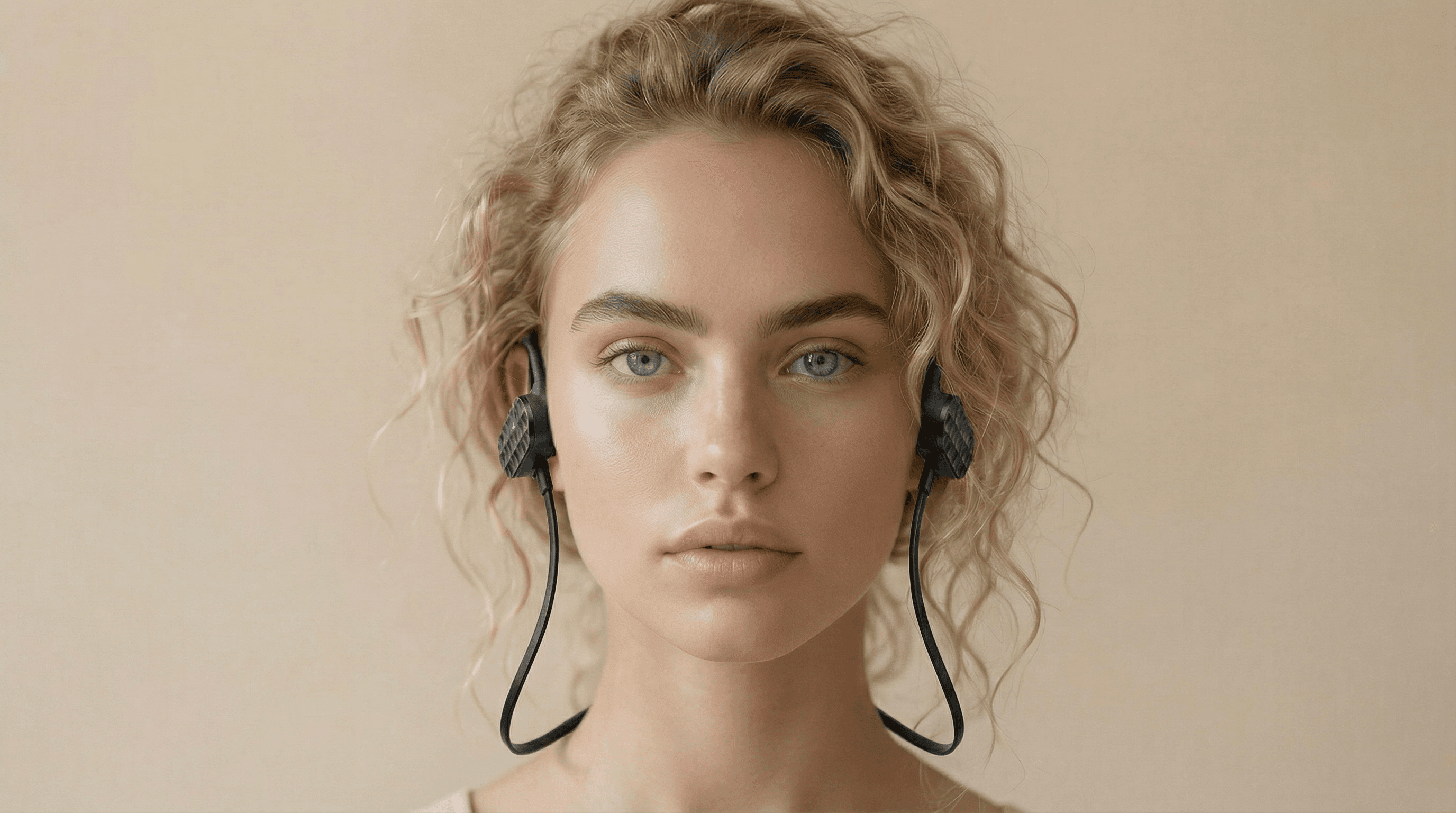
Continue reading