Hardware Electrical Engineer (PEMF/VNS) – Hanoi or Ho Chi Minh City, Vietnam
Duc Nguyen
Updated on
Oct 29, 2025
Hardware Electrical Engineer (PEMF/VNS) – Hanoi or Ho Chi Minh City, Vietnam
Duc Nguyen
Updated on
Oct 29, 2025
Hardware Electrical Engineer (PEMF/VNS) – Hanoi or Ho Chi Minh City, Vietnam
Duc Nguyen
Updated on
Oct 29, 2025
Location: Hanoi or Ho Chi Minh City, Vietnam (on-site with Engineering team)
Employment: Full-time (open to contractor/contract-to-hire per HR guidance)
Role overview
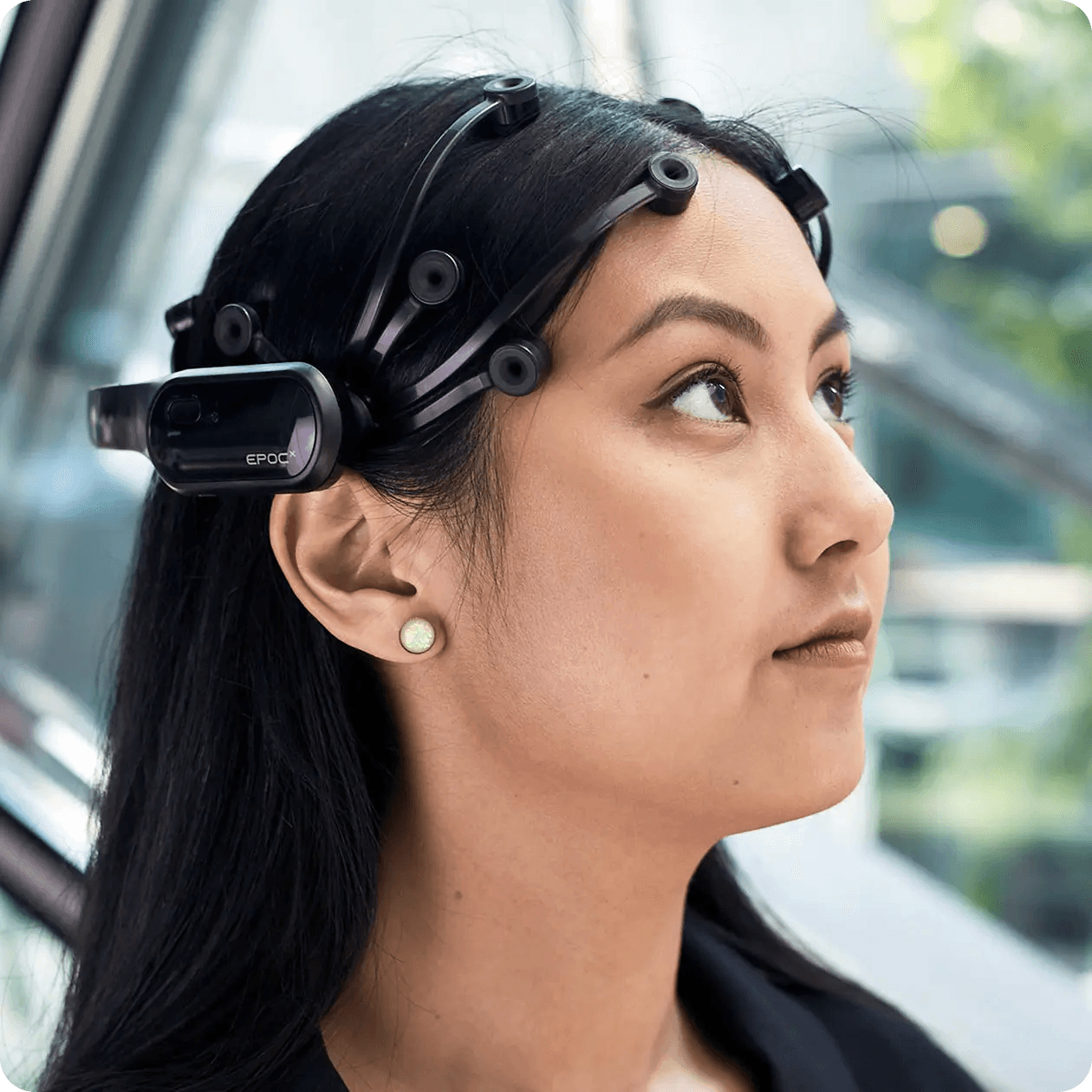
We are building a closed-loop neurostimulation alpha prototype integrating EEG-driven control with peripheral stimulation modalities (PEMF and tVNS). You will lead the hardware design and bring-up of the stimulation drivers, ensuring safety, reliability, and integration with our software control loop.
Key responsibilities
Design and bench-validate a high-current PEMF driver capable of pulsed magnetic field generation (frequency, duty cycle, rise/fall characteristics per spec).
Design and bench-validate a current-controlled tVNS output stage with compliance voltage, current limits, and isolation per safety best practices.
Select components (MOSFETs, gate drivers, coils, PSU, current sense, isolation, protection) and prepare BoM with alternates and lead-time mitigation.
Develop Rev A control PCB (PEMF + VNS) from schematic to layout, DFM checks, and release for fab/assembly.
Implement safety measures: HW interlocks, emergency stop, fusing, TVS/ESD,
overcurrent/overvoltage protection; collaborate with SW for software limits.Bring-up and debugging: oscilloscope measurements, load emulation, thermal/EMI
considerations, iterative tuning with SW to meet latency targets.Documentation: schematics, layout notes, test plans, bench reports, and design rationale.
Collaborate across time zones with SW, PM, and manufacturing on schedule and risk mitigation.
Minimum qualifications
B.S. or higher in Electrical/Electronics Engineering (or equivalent experience).
5+ years in power electronics/analog design, including pulsed power or motor/solenoid/coil driving.
Hands-on experience with high-current MOSFET stages (50–200 V class), gate drivers, snubbers, and layout for fast edges.
Experience designing precision current sources (e.g., Howland/modified current pump) and bi-phasic/mono-phasic stimulation paths.
Comfort with isolation techniques (isolated DC-DC, digital isolators), patient leakage and basic medical safety practices.
Proficient with schematic/layout tools (e.g., Altium, KiCad) and lab equipment (oscilloscope, function generator, e-loads).
Strong documentation and communication skills.
Preferred qualifications
Experience with neuro/biomedical stimulation systems (TENS/tVNS, FES, implantable/external stimulators) or EMC for medical devices.
Familiarity with EEG systems and noise mitigation during stimulation.
Vendor/supplier engagement in APAC; building BoMs with alternates and lifecycle awareness.
What success looks like (first 90 days)
Week 2–3: Component shortlist and initial BoM with alternates and lead times.
Week 4–6: PEMF and tVNS breadboard prototypes validated on bench with dummy loads and safety checks.
Week 6–8: Rev A PCB design complete and sent for fab/assembly.
Week 9–12: Integrated alpha prototype dry run, with documented test data and iteration plan.
EMOTIV is committed to an inclusive workplace that does not discriminate against race, nationality, religion, age, marital status, physical or mental disability, sexual orientation, gender, or gender identity. We believe in diversity and encourage any qualified individual to apply. We are an EEOC Employer.
Application Process
Send your resume to Ms. Huyen at huyennguyen@emotiv.com.
Location: Hanoi or Ho Chi Minh City, Vietnam (on-site with Engineering team)
Employment: Full-time (open to contractor/contract-to-hire per HR guidance)
Role overview
We are building a closed-loop neurostimulation alpha prototype integrating EEG-driven control with peripheral stimulation modalities (PEMF and tVNS). You will lead the hardware design and bring-up of the stimulation drivers, ensuring safety, reliability, and integration with our software control loop.
Key responsibilities
Design and bench-validate a high-current PEMF driver capable of pulsed magnetic field generation (frequency, duty cycle, rise/fall characteristics per spec).
Design and bench-validate a current-controlled tVNS output stage with compliance voltage, current limits, and isolation per safety best practices.
Select components (MOSFETs, gate drivers, coils, PSU, current sense, isolation, protection) and prepare BoM with alternates and lead-time mitigation.
Develop Rev A control PCB (PEMF + VNS) from schematic to layout, DFM checks, and release for fab/assembly.
Implement safety measures: HW interlocks, emergency stop, fusing, TVS/ESD,
overcurrent/overvoltage protection; collaborate with SW for software limits.Bring-up and debugging: oscilloscope measurements, load emulation, thermal/EMI
considerations, iterative tuning with SW to meet latency targets.Documentation: schematics, layout notes, test plans, bench reports, and design rationale.
Collaborate across time zones with SW, PM, and manufacturing on schedule and risk mitigation.
Minimum qualifications
B.S. or higher in Electrical/Electronics Engineering (or equivalent experience).
5+ years in power electronics/analog design, including pulsed power or motor/solenoid/coil driving.
Hands-on experience with high-current MOSFET stages (50–200 V class), gate drivers, snubbers, and layout for fast edges.
Experience designing precision current sources (e.g., Howland/modified current pump) and bi-phasic/mono-phasic stimulation paths.
Comfort with isolation techniques (isolated DC-DC, digital isolators), patient leakage and basic medical safety practices.
Proficient with schematic/layout tools (e.g., Altium, KiCad) and lab equipment (oscilloscope, function generator, e-loads).
Strong documentation and communication skills.
Preferred qualifications
Experience with neuro/biomedical stimulation systems (TENS/tVNS, FES, implantable/external stimulators) or EMC for medical devices.
Familiarity with EEG systems and noise mitigation during stimulation.
Vendor/supplier engagement in APAC; building BoMs with alternates and lifecycle awareness.
What success looks like (first 90 days)
Week 2–3: Component shortlist and initial BoM with alternates and lead times.
Week 4–6: PEMF and tVNS breadboard prototypes validated on bench with dummy loads and safety checks.
Week 6–8: Rev A PCB design complete and sent for fab/assembly.
Week 9–12: Integrated alpha prototype dry run, with documented test data and iteration plan.
EMOTIV is committed to an inclusive workplace that does not discriminate against race, nationality, religion, age, marital status, physical or mental disability, sexual orientation, gender, or gender identity. We believe in diversity and encourage any qualified individual to apply. We are an EEOC Employer.
Application Process
Send your resume to Ms. Huyen at huyennguyen@emotiv.com.
Location: Hanoi or Ho Chi Minh City, Vietnam (on-site with Engineering team)
Employment: Full-time (open to contractor/contract-to-hire per HR guidance)
Role overview
We are building a closed-loop neurostimulation alpha prototype integrating EEG-driven control with peripheral stimulation modalities (PEMF and tVNS). You will lead the hardware design and bring-up of the stimulation drivers, ensuring safety, reliability, and integration with our software control loop.
Key responsibilities
Design and bench-validate a high-current PEMF driver capable of pulsed magnetic field generation (frequency, duty cycle, rise/fall characteristics per spec).
Design and bench-validate a current-controlled tVNS output stage with compliance voltage, current limits, and isolation per safety best practices.
Select components (MOSFETs, gate drivers, coils, PSU, current sense, isolation, protection) and prepare BoM with alternates and lead-time mitigation.
Develop Rev A control PCB (PEMF + VNS) from schematic to layout, DFM checks, and release for fab/assembly.
Implement safety measures: HW interlocks, emergency stop, fusing, TVS/ESD,
overcurrent/overvoltage protection; collaborate with SW for software limits.Bring-up and debugging: oscilloscope measurements, load emulation, thermal/EMI
considerations, iterative tuning with SW to meet latency targets.Documentation: schematics, layout notes, test plans, bench reports, and design rationale.
Collaborate across time zones with SW, PM, and manufacturing on schedule and risk mitigation.
Minimum qualifications
B.S. or higher in Electrical/Electronics Engineering (or equivalent experience).
5+ years in power electronics/analog design, including pulsed power or motor/solenoid/coil driving.
Hands-on experience with high-current MOSFET stages (50–200 V class), gate drivers, snubbers, and layout for fast edges.
Experience designing precision current sources (e.g., Howland/modified current pump) and bi-phasic/mono-phasic stimulation paths.
Comfort with isolation techniques (isolated DC-DC, digital isolators), patient leakage and basic medical safety practices.
Proficient with schematic/layout tools (e.g., Altium, KiCad) and lab equipment (oscilloscope, function generator, e-loads).
Strong documentation and communication skills.
Preferred qualifications
Experience with neuro/biomedical stimulation systems (TENS/tVNS, FES, implantable/external stimulators) or EMC for medical devices.
Familiarity with EEG systems and noise mitigation during stimulation.
Vendor/supplier engagement in APAC; building BoMs with alternates and lifecycle awareness.
What success looks like (first 90 days)
Week 2–3: Component shortlist and initial BoM with alternates and lead times.
Week 4–6: PEMF and tVNS breadboard prototypes validated on bench with dummy loads and safety checks.
Week 6–8: Rev A PCB design complete and sent for fab/assembly.
Week 9–12: Integrated alpha prototype dry run, with documented test data and iteration plan.
EMOTIV is committed to an inclusive workplace that does not discriminate against race, nationality, religion, age, marital status, physical or mental disability, sexual orientation, gender, or gender identity. We believe in diversity and encourage any qualified individual to apply. We are an EEOC Employer.
Application Process
Send your resume to Ms. Huyen at huyennguyen@emotiv.com.
Continue reading