Choosing the Right EEG SDK: A Developer's Guide
Emotiv
Updated on
Feb 19, 2026
Choosing the Right EEG SDK: A Developer's Guide
Emotiv
Updated on
Feb 19, 2026
Choosing the Right EEG SDK: A Developer's Guide
Emotiv
Updated on
Feb 19, 2026
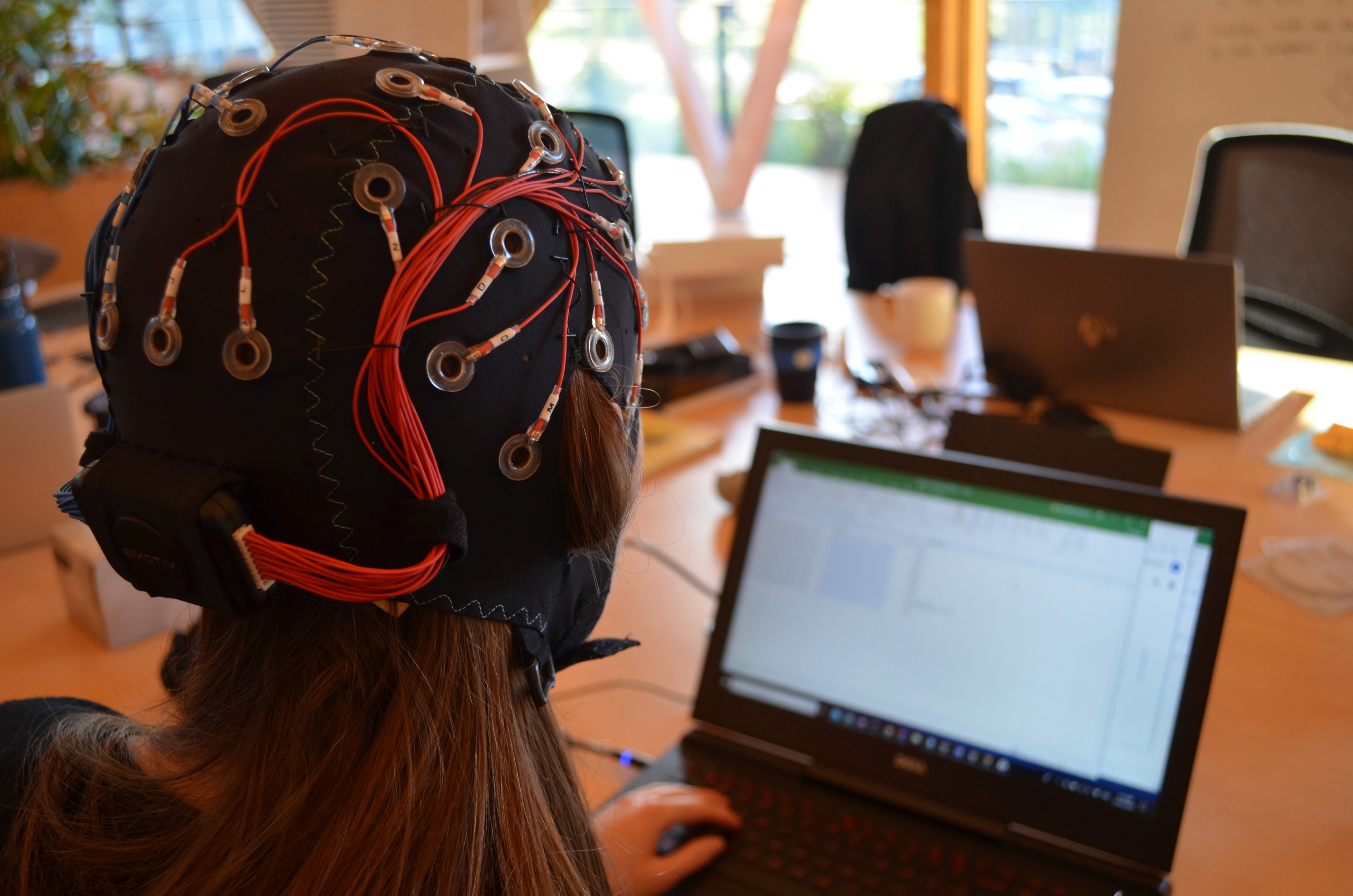
You have a powerful EEG headset, ready to capture the intricate electrical signals of the brain. But how do you translate that raw data into a functional application? That’s where an eeg sdk, or Software Development Kit, comes in. Think of it as the essential bridge connecting the hardware on your head to the software on your screen. It handles the complex, low-level communication, so you don't have to. This toolkit allows you to focus on your true goal: building something amazing. Whether you're developing a brain-computer interface, conducting academic research, or creating a cognitive wellness tool, the right SDK is your foundation. This guide will walk you through everything you need to know, from key features and programming languages to common challenges and pricing models.
Key Takeaways
An SDK is your creative foundation: It handles the heavy lifting of connecting to hardware and interpreting brain signals, which frees you up to concentrate on designing and building your unique application.
Choose an SDK that fits your project: Before you commit, consider your preferred programming language, your target platform (desktop, web, or mobile), and the specific data features you need to bring your idea to life.
Look for strong documentation and community support: The best SDKs are backed by clear guides and an active developer community, providing invaluable resources for troubleshooting common challenges like noisy data and integration issues.
What is an EEG SDK?
If you're a developer looking to work with brain data, an EEG SDK, or Software Development Kit, is your essential toolkit. Think of it as the bridge that connects an EEG headset to the application you want to build. Instead of having to figure out how to communicate with the hardware from scratch, an SDK gives you the pre-built components to access and work with brainwave data. It handles the complex, low-level tasks of device connection, data transmission, and signal interpretation, so you can focus on creating your unique user experience. This means less time spent on hardware protocols and more time innovating.
Whether you're building an application for academic research, creating a new type of interactive game, or exploring tools for cognitive wellness, the right SDK provides a solid foundation. It essentially translates the raw electrical signals from the brain into a format that your software can understand and use. This makes the technology much more accessible, allowing developers from various fields to integrate brain data into their projects without needing a deep background in neuroscience or electrical engineering. Our goal is to provide you with the tools you need to bring your ideas to life, turning complex brain signals into actionable data for your software.
What's Inside an EEG SDK
So, what do you actually get when you download an SDK? Typically, it’s a package containing several key resources. You'll find libraries, which are collections of pre-written code for programming languages like Python or C++, that handle core functions. You'll also get an API (Application Programming Interface), which defines how your application can make requests and get information from the EEG device. To help you get started, most SDKs include comprehensive documentation explaining how everything works, along with sample projects and code snippets you can adapt for your own use. You can explore our developer tools to see how these components come together.
How SDKs Handle Brain Data
An SDK’s primary job is to manage the flow of information from the headset to your computer in real time. It establishes a stable connection with the device, receives the continuous stream of EEG data, and organizes it into a usable format. Some SDKs also include functions for initial data processing, like filtering out noise from muscle movements or electrical interference. This real-time capability is what makes it possible to build reactive applications. For example, a brain-computer interface relies on the SDK to deliver immediate data that allows a user to control a digital object or command with their brain activity.
Who are the Leading EEG SDK Providers?
When you’re ready to start building with brain data, choosing the right Software Development Kit (SDK) is one of the most important decisions you’ll make. The SDK you select will shape your entire development process, from how you access data to the final performance of your application. The market includes a variety of providers, each with different strengths. Some focus on specific research applications, while others offer more general-purpose tools. Your project’s goals, your technical skills, and your budget will all play a role in finding the perfect fit. To help you get started, let’s look at the landscape of EEG SDKs, including our own offerings at Emotiv, other options on the market, and the key differences between open-source and commercial solutions.
A Look at Emotiv's SDKs
Here at Emotiv, we’ve designed our SDKs to be powerful yet approachable for developers. We know that integrating EEG data can present unique hurdles, so we provide comprehensive documentation and a user-friendly interface to make the process smoother. Preparing for integration challenges is something we emphasize, as developers often need to manage data accuracy and real-time processing. Our goal is to give you the tools and support to handle these tasks effectively. Whether you're building a brain-computer interface or a cognitive wellness application, our SDKs are built to help you bring your ideas to life with a solid foundation.
Exploring Other SDKs on the Market
Beyond Emotiv, the field includes several other SDKs that are popular with developers. Different headsets and their corresponding SDKs are designed with specific applications in mind, from gaming to academic research. As you explore your options, you’ll find that each has unique features and capabilities. A review of consumer BCIs can offer a broader perspective on the hardware available. Understanding the strengths and weaknesses of each SDK is essential for figuring out which one aligns best with your project’s requirements. Taking the time to research these alternatives will help you make a more informed decision.
Open-Source vs. Commercial: What's the Difference?
One of the first choices you'll face is whether to use an open-source or a commercial SDK. Open-source SDKs offer flexibility and are often free, which can be appealing. However, they may lack the dedicated support and polished documentation that commercial options provide. This can sometimes lead to a longer development cycle as you work through integration issues on your own. Commercial SDKs, like ours, typically include robust support systems and detailed guides to help you avoid common developer mistakes. This can be invaluable for teams aiming to create a high-quality application efficiently.
What Programming Languages Do EEG SDKs Support?
When you’re ready to start building with EEG data, one of the first questions you'll ask is, "Can I use my favorite programming language?" The answer depends on the SDK you choose, and it’s a critical piece of the puzzle. Your choice of language impacts everything from development speed to application performance. Most SDK providers understand that developers have different needs and preferences, so they often support a range of popular languages. Whether you're a data scientist who lives in Python, a systems programmer who needs the speed of C++, or a web developer building the next great browser-based app, there's likely an SDK that fits your workflow. This flexibility means you can leverage your existing skills and your team's expertise without having to learn a new language from scratch. Let's look at some of the most common languages supported by EEG SDKs and where they shine.
Working with Python
If you work in data science or machine learning, you probably spend most of your time with Python. It has become the standard for analyzing complex datasets, and for good reason. With powerful libraries like NumPy, SciPy, and scikit-learn, you can perform sophisticated analysis and build predictive models with just a few lines of code. Many EEG SDKs, including ours, offer strong Python support. This allows you to easily stream brain data directly into your analysis scripts, making it simpler to prototype new ideas and visualize complex neural patterns. Our developer resources include examples to help you get started with Python right away.
Building with C/C++
For applications that demand high performance and low latency, C and C++ are often the best tools for the job. If you're developing a real-time brain-computer interface or a system that needs to process data with minimal delay, the speed of C++ is essential. These languages give you closer control over hardware and memory management, which is critical for performance-intensive tasks. Many SDKs provide C/C++ libraries that allow you to build robust, high-speed applications that can handle the continuous flow of EEG data without breaking a sweat. This makes them ideal for demanding research projects and commercial applications where efficiency is key.
Developing for the Web with JavaScript
Imagine creating an interactive neuro-powered experience that runs in any web browser. With JavaScript support, that's entirely possible. Web-based applications make your work incredibly accessible, as users don't need to install special software to participate. This is perfect for large-scale academic studies, online educational tools, or even neuromarketing research conducted remotely. SDKs that support web development often use technologies like WebSockets to stream data from an EEG device to the browser in real time. This opens up a world of possibilities for creating engaging and widely available applications powered by brain data.
Creating Mobile Apps
The ability to collect and analyze EEG data on a smartphone or tablet has completely changed the game. Mobile apps allow you to take your research out of the lab and into the real world. You can build tools that provide access to cognitive wellness exercises, conduct studies in natural environments, or create portable BCI applications. SDKs with support for iOS and Android provide the foundation you need to build these mobile experiences. By integrating EEG data into a mobile app, you can create powerful, personalized tools that users can carry with them wherever they go, opening up new avenues for research and development.
What Key Features Should You Look For in an EEG SDK?
When you're ready to start building, the right software development kit (SDK) can make all the difference. A great SDK feels like a true partner in your project, providing the tools and flexibility you need to bring your ideas to life. As you compare your options, think about how each one aligns with your project's goals. Some features are non-negotiable for certain applications, while others are nice-to-haves that can streamline your workflow. Here are four key features to look for when choosing an EEG SDK.
Live Data Streaming
For any application that relies on real-time interaction, from brain-computer interfaces to biofeedback apps, live data streaming is a must. Your SDK should give your programs direct access to the EEG device, allowing you to pull brainwave data and motion data from the headset as it’s being generated. This capability is the foundation for creating dynamic and responsive experiences. Without it, you’re limited to working with recorded data, which closes the door on many innovative BCI applications. Make sure the SDK you choose can provide the immediate feedback and analysis necessary for your project to function in real time.
Built-in Machine Learning Tools
Raw EEG data is complex. To turn those signals into meaningful commands or insights, you’ll likely need machine learning. An SDK with built-in machine learning tools can save you a significant amount of development time. These tools help you train algorithms to recognize specific brain patterns associated with different mental states or commands. This feature is especially useful for developers who aren't machine learning experts but want to incorporate powerful classification capabilities into their applications. Because EEG data can be used to analyze and predict a variety of cognitive states, having these tools integrated directly into the SDK simplifies the entire process.
Broad Device and Platform Support
Flexibility is key. A good SDK shouldn't lock you into a specific programming language or operating system. Look for one that supports a wide range of platforms and offers libraries for popular languages like Python and C/C++. This ensures you can work in an environment you're already comfortable with and deploy your application across different devices, whether it's a desktop computer, a mobile phone, or a web browser. An SDK that provides a versatile set of software tools gives you the freedom to build for the platform that makes the most sense for your users, rather than being limited by the SDK’s constraints.
Helpful Docs and a Strong Community
Even the most powerful SDK is useless without clear instructions. Comprehensive documentation is one of the most important features to look for. Well-written guides, tutorials, and code samples can dramatically shorten your learning curve and help you overcome technical hurdles. Beyond official documentation, a strong developer community is an invaluable resource. Active forums or community channels give you a place to ask questions, share solutions, and learn from others who are working on similar projects. An SDK provider that offers the necessary tools and support shows a commitment to helping developers succeed.
What Challenges Do Developers Face with EEG SDKs?
Working with an EEG SDK can feel like having a superpower, giving you direct access to brain data. But like any powerful tool, it comes with its own set of challenges. Getting your application to run smoothly means anticipating a few common hurdles, from messy data to tricky integrations. Knowing what to expect can save you a lot of time and frustration, so let's walk through some of the key obstacles you might encounter and how to approach them.
Handling Noisy Signals
One of the first things you'll notice about raw EEG data is that it’s… noisy. The electrical signals from the brain are incredibly faint, and they can easily be drowned out by other signals. Everything from a simple eye blink and muscle tension in the jaw to electrical interference from nearby devices can create artifacts in your data. This is a fundamental challenge in neuroscience, where the goal is to find a clear signal within a lot of background noise. A good SDK will offer built-in tools for filtering and pre-processing to help you clean up the data, making it much more reliable for your application.
Solving Compatibility Puzzles
An SDK doesn't exist in a vacuum. It needs to play nicely with your operating system, programming language, and any other libraries you’re using. This is where compatibility issues can pop up. Sometimes, integration errors arise from version conflicts or bugs within the SDK’s own components. Before committing to an SDK, it’s smart to check the documentation for a clear list of dependencies and supported platforms. This simple step can help you avoid getting stuck trying to solve a frustrating compatibility puzzle down the road. A well-supported SDK with an active developer community can also be a huge help here.
Optimizing for Performance
If you're building a real-time application, like a brain-computer interface or a live feedback tool, performance is everything. You need an SDK that can process and stream data with minimal delay, or latency. A slow or inefficient SDK can create a laggy user experience and consume too many of your system’s resources, like CPU and memory. When evaluating an SDK, look into how it handles data buffering and processing. You want a solution that is optimized for the kind of high-speed, continuous data stream that comes from an EEG device, ensuring your application feels responsive and runs efficiently.
Tips for Testing and Debugging
Once you’ve integrated an SDK, the work isn’t over. You need to test it thoroughly to make sure it functions as expected within your application. Skipping proper unit and integration testing is a frequent misstep that can lead to bugs and instability later on. Treat the SDK’s features as core components of your app and build test cases around them. It’s also helpful to choose an SDK with robust error handling and clear logging. When something inevitably goes wrong, good diagnostics will make the debugging process much faster and less painful, allowing you to pinpoint and fix issues with confidence.
How Do EEG SDK Pricing Models Compare?
The cost of an EEG SDK can range from completely free to a significant commercial investment, so it’s important to understand what you’re getting at each level. Most providers structure their pricing around your intended use, whether you’re building a personal project, a research tool, or a commercial application. Thinking about your project’s end goal from the start will help you find a pricing model that fits your budget and your ambitions. It’s all about matching the license to your project’s scale and purpose, ensuring you have the right tools without overspending.
Exploring Free & Open-Source SDKs
Many companies offer free or open-source SDKs, which are perfect for developers who want to experiment with EEG data or build a prototype without an upfront cost. For example, the BrainAccess SDK is available as a free download for both Windows and Linux. Similarly, Neuroelectrics provides a free SDK to anyone who owns one of their devices, allowing them to create custom programs. Other SDKs also support developers by allowing free use for personal projects and testing. This approach lowers the barrier to entry and encourages developers to explore what’s possible with brain-computer interfaces. It’s a great way to get your hands dirty and test an idea before committing to a paid license.
Understanding Commercial Licenses
While free SDKs are great for getting started, you’ll typically need a commercial license once you plan to monetize your application. This is a standard practice in the software world. For instance, some SDKs specify that any app intended for business use or that generates revenue requires a special commercial license. These licenses ensure you have the proper rights to use the software in a for-profit product. Commercial-tier SDKs also often provide access to features essential for professional applications, such as the real-time data streaming that is critical for creating a reliable user experience. This ensures that developers can build robust, market-ready applications while complying with the provider's terms.
Finding Academic Discounts and Trials
If you’re a researcher, you’re in luck. Many EEG providers recognize the budget constraints of academic work and offer discounts or special licenses to support scientific discovery. It’s always worth reaching out to a company to see what they offer for research use. The high cost of traditional research-grade EEG equipment can sometimes limit a lab’s output, so having access to more affordable software tools can make a huge difference. These academic programs help put powerful technology into the hands of researchers who are pushing the boundaries of neuroscience, potentially easing the financial constraints that often come with academic projects and fostering new innovations in the field.
What Can You Build with an EEG SDK?
An EEG SDK gives you the tools to turn brain data into meaningful applications. The possibilities are incredibly broad, spanning from assistive technologies to creative new forms of interaction. Whether you're a researcher, a product developer, or a hobbyist, an SDK is your starting point. Here are some of the most exciting areas where developers are making an impact.
Powering Brain-Computer Interfaces
An EEG SDK is the engine behind a brain-computer interface (BCI). These systems allow you to create applications that interpret brain activity and translate it into commands for computers or other devices. This is a game-changer for assistive technology, offering new ways for people to communicate and interact with their environment. For example, you could develop software that allows a user to control a wheelchair or type on a screen using brain signals. Our EmotivBCI software helps you build these kinds of powerful applications.
Advancing Academic Research
For those in academia, an EEG SDK is an indispensable tool. It gives you direct access to real-time brain data, which is crucial for exploring cognitive processes. Imagine streaming and analyzing brain activity as a participant completes a task or learns a new skill. This capability is essential for studies aiming to deepen our understanding of how the brain works. Our tools are designed to support academic research and education, helping you gather high-quality data for your next publication or classroom project.
Gaining Insights with Neuromarketing
Ever wonder what a customer is really thinking? In the world of neuromarketing, an EEG SDK helps you find out. By analyzing brainwave patterns, you can get a clearer picture of a person's unfiltered emotional and cognitive responses to an advertisement, product, or brand experience. This goes beyond what traditional surveys can tell you, offering genuine insights into what captures attention and drives decisions. You can build applications that measure engagement, helping businesses create more effective marketing campaigns.
Developing Cognitive Wellness Apps
EEG technology also opens the door to creating applications focused on personal well-being. With an SDK, you can develop apps that provide access to cognitive wellness tools, giving users feedback on states like attention and relaxation. These applications can be used in various settings, from corporate wellness programs to educational environments, helping people understand their own mental states better. For instance, you could build a tool that helps a student recognize when their focus is drifting, allowing them to refocus their efforts.
How Do You Choose the Right EEG SDK?
With several EEG SDKs available, picking the one that fits your project can feel like a big decision. It’s not just about the technology; it’s about finding a partner for your development journey. The right choice can streamline your work and help you bring your ideas to life, while the wrong one can lead to frustrating roadblocks. To make a confident choice, I always recommend breaking the decision down into three key steps: defining your needs, comparing the features, and checking for long-term support. This approach helps you look past the marketing and focus on what truly matters for your specific application.
Define Your Project's Needs
Before you look at a single line of code, you need a clear vision for your project. Start by asking yourself some fundamental questions. What problem are you trying to solve? Are you building a real-time brain-computer interface or collecting data for later analysis in an academic study? What specific brain data do you need: raw EEG, frequency bands, or performance metrics like focus and stress? Thinking about your budget and timeline is also crucial. Having these answers upfront acts as your compass, guiding you toward the SDKs that are actually relevant to your work and helping you avoid those that aren’t.
Compare Features and Limitations
Once you have a shortlist of potential SDKs, it’s time to get into the details. Look at core functionalities like real-time data streaming, compatibility with different programming languages, and the types of data you can access. For example, some SDKs provide raw EEG streams, while others offer pre-processed mental state detections. Make sure the SDK works seamlessly with your chosen EEG headset. It’s also smart to look at the limitations. Are there caps on data usage, or does the license restrict commercial use? Our EmotivPRO software, for instance, is designed for robust data acquisition and analysis for research applications.
Check for Long-Term Support
An SDK is more than just a tool; it’s a foundation for your project. That’s why evaluating long-term support is so important. Does the provider offer clear, comprehensive documentation? Is there an active community forum or developer portal where you can ask questions and share solutions? Regular updates are also a great sign, as they show the provider is committed to fixing bugs and adding new features. Choosing an SDK with strong support can save you countless hours of troubleshooting down the road, making it a wise investment for any serious developer.
What Are the Technical Requirements for an EEG SDK?
Before you commit to an SDK, it’s essential to check its technical requirements. Think of it as checking the foundation before building a house. Ensuring the SDK is compatible with your hardware, operating system, and performance needs will save you from major headaches down the road. Getting these details right from the start allows you to focus on what really matters: building an innovative application with brain data.
Matching Your Hardware
Your EEG hardware and SDK need to be a perfect match. The number of channels on your device, from a simple 2-channel setup to a multi-channel research-grade headset, directly impacts the kind of data you can collect. An SDK designed for a 5-channel device might not support the data stream from a 32-channel Flex headset. Always verify that the SDK you’re considering explicitly supports your specific hardware model and its channel count. This ensures you can access the full depth of data your device is capable of capturing, which is critical for the success of your project.
Checking System Requirements
Once you've confirmed hardware compatibility, the next step is to check the system requirements. Does the SDK work with your preferred operating system, whether it's Windows, macOS, or Linux? What programming languages does it support? Most SDKs offer compatibility with popular languages like Python, C++, or JavaScript, but you should never assume. Dig into the documentation to find a definitive list. Our developer resources provide detailed information on compatibility for Emotiv SDKs. Aligning the SDK with your existing tech stack and skills will make the development process much smoother.
Considering Network and Latency
For applications that rely on real-time data, such as brain-computer interfaces, latency is a critical factor. You need an SDK that can process data with minimal delay. It’s also important to consider how the SDK handles common EEG challenges, like a low signal-to-noise ratio and other sources of interference. A robust SDK will provide tools or methods for filtering noise and ensuring data quality. Finally, be mindful of potential integration issues, such as version conflicts or bugs, which can disrupt your workflow. Look for an SDK with clear documentation and an active support community to help you work through these challenges.
What Do Other Developers Think About Popular EEG SDKs?
Technical specifications and feature lists are a great starting point, but they don’t tell the whole story. To really understand how an EEG SDK performs, it’s helpful to see what other developers, researchers, and creators are saying about it. Community feedback reveals the practical realities of working with a specific tool, from the initial setup to the final data analysis.
Looking at user experiences can highlight an SDK’s strengths and weaknesses in ways that official documentation can’t. You can learn about the quality of customer support, the stability of the software in different environments, and the clever workarounds the community has discovered. This collective wisdom helps you anticipate challenges and decide if an SDK is the right fit for your project’s specific demands. By learning from the experiences of others, you can make a more informed choice and get your project running smoothly.
Hearing from the Community
When you’re evaluating an SDK, the experiences of your peers are invaluable. Developers and technologists often share their honest opinions in forums, on social media, and in product reviews. For example, feedback for some hardware, like the Zeto headset, often centers on its practical benefits in a professional setting. One EEG technologist noted, "I appreciate the time savings that come with using the Zeto." This kind of comment tells you that the community values tools that are not just powerful but also efficient and easy to integrate into a daily workflow. These firsthand accounts provide a layer of insight that goes beyond a simple feature comparison, giving you a feel for how the SDK and its associated hardware will actually perform for you and your team.
Real-World Performance Insights
An SDK might look great on paper, but its true test is how it performs in a real-world setting. Academic papers and case studies can offer a window into this. For instance, one study on low-cost EEG systems highlighted how an entire class of undergraduate students could design and implement their own EEG-based projects. This demonstrates that the SDK was accessible enough for educational purposes, allowing students with varying levels of technical skill to get hands-on experience. Insights like these are crucial because they show how an SDK functions outside of a perfect lab environment, proving its utility for collaborative projects, educational programs, or applications that need to be user-friendly for a broader audience.
What People Love (and What They Don't)
Digging into community discussions reveals common themes about what developers appreciate and what frustrates them. Users often praise SDKs that offer clear documentation, responsive support, and a straightforward setup process. As some customer testimonials show, efficiency and time-saving features are frequently highlighted as major benefits. On the other hand, common complaints often revolve around a steep learning curve, inconsistent hardware connectivity, or difficulties in processing noisy data. While these frustrations can be a deterrent, they also provide a realistic picture of the challenges you might face. Understanding both the pros and cons helps you weigh what’s most important for your project and whether you have the resources to overcome potential hurdles.
Related Articles
Frequently Asked Questions
Do I need a background in neuroscience to use an EEG SDK? Not at all. While understanding the basics is helpful, you don’t need to be a neuroscientist to get started. A good SDK is designed to do the heavy lifting for you by translating complex brain signals into a more understandable format. It handles the low-level data processing, so you can focus on building your application. Our goal is to make this technology accessible, and we provide extensive documentation and developer resources to guide you through the process.
What's the main difference between a free SDK and a paid commercial one? The biggest difference usually comes down to your project's purpose and the level of support you need. Free or open-source SDKs are fantastic for personal projects, academic research, and prototyping an idea without an initial investment. A commercial license is typically required when you plan to sell your application or use it for business purposes. These paid licenses often include more advanced features, dedicated technical support, and regular updates, which are essential for building a reliable, market-ready product.
My EEG data looks really noisy. Is that normal? Yes, that’s completely normal and one of the first things every developer encounters. Raw EEG signals are incredibly subtle and can easily be influenced by things like blinking, clenching your jaw, or even electrical interference from other devices in the room. This is a fundamental challenge of working with brain data. Most SDKs, including ours, provide built-in filters and processing tools to help you clean up these signal artifacts and isolate the brain activity you want to work with.
Which programming language should I start with for my EEG project? The best language really depends on what you want to build. If your project involves data analysis or machine learning, Python is an excellent choice because of its powerful scientific libraries. For applications that require high speed and real-time performance, like a fast-paced brain-computer interface, C++ is often the preferred language. If you want to create an interactive experience that runs in a web browser, making it easily accessible to a wide audience, then JavaScript is the way to go.
Can I use one SDK with different EEG headsets? Generally, an SDK is designed to work specifically with the hardware created by the same company. This is because the SDK needs to know exactly how to communicate with the device’s unique sensors and internal components. It’s very unlikely that an SDK from one provider will be compatible with a headset from another. Before you commit to any tools, always check the SDK’s documentation to confirm which hardware models it supports to ensure a smooth development process.
You have a powerful EEG headset, ready to capture the intricate electrical signals of the brain. But how do you translate that raw data into a functional application? That’s where an eeg sdk, or Software Development Kit, comes in. Think of it as the essential bridge connecting the hardware on your head to the software on your screen. It handles the complex, low-level communication, so you don't have to. This toolkit allows you to focus on your true goal: building something amazing. Whether you're developing a brain-computer interface, conducting academic research, or creating a cognitive wellness tool, the right SDK is your foundation. This guide will walk you through everything you need to know, from key features and programming languages to common challenges and pricing models.
Key Takeaways
An SDK is your creative foundation: It handles the heavy lifting of connecting to hardware and interpreting brain signals, which frees you up to concentrate on designing and building your unique application.
Choose an SDK that fits your project: Before you commit, consider your preferred programming language, your target platform (desktop, web, or mobile), and the specific data features you need to bring your idea to life.
Look for strong documentation and community support: The best SDKs are backed by clear guides and an active developer community, providing invaluable resources for troubleshooting common challenges like noisy data and integration issues.
What is an EEG SDK?
If you're a developer looking to work with brain data, an EEG SDK, or Software Development Kit, is your essential toolkit. Think of it as the bridge that connects an EEG headset to the application you want to build. Instead of having to figure out how to communicate with the hardware from scratch, an SDK gives you the pre-built components to access and work with brainwave data. It handles the complex, low-level tasks of device connection, data transmission, and signal interpretation, so you can focus on creating your unique user experience. This means less time spent on hardware protocols and more time innovating.
Whether you're building an application for academic research, creating a new type of interactive game, or exploring tools for cognitive wellness, the right SDK provides a solid foundation. It essentially translates the raw electrical signals from the brain into a format that your software can understand and use. This makes the technology much more accessible, allowing developers from various fields to integrate brain data into their projects without needing a deep background in neuroscience or electrical engineering. Our goal is to provide you with the tools you need to bring your ideas to life, turning complex brain signals into actionable data for your software.
What's Inside an EEG SDK
So, what do you actually get when you download an SDK? Typically, it’s a package containing several key resources. You'll find libraries, which are collections of pre-written code for programming languages like Python or C++, that handle core functions. You'll also get an API (Application Programming Interface), which defines how your application can make requests and get information from the EEG device. To help you get started, most SDKs include comprehensive documentation explaining how everything works, along with sample projects and code snippets you can adapt for your own use. You can explore our developer tools to see how these components come together.
How SDKs Handle Brain Data
An SDK’s primary job is to manage the flow of information from the headset to your computer in real time. It establishes a stable connection with the device, receives the continuous stream of EEG data, and organizes it into a usable format. Some SDKs also include functions for initial data processing, like filtering out noise from muscle movements or electrical interference. This real-time capability is what makes it possible to build reactive applications. For example, a brain-computer interface relies on the SDK to deliver immediate data that allows a user to control a digital object or command with their brain activity.
Who are the Leading EEG SDK Providers?
When you’re ready to start building with brain data, choosing the right Software Development Kit (SDK) is one of the most important decisions you’ll make. The SDK you select will shape your entire development process, from how you access data to the final performance of your application. The market includes a variety of providers, each with different strengths. Some focus on specific research applications, while others offer more general-purpose tools. Your project’s goals, your technical skills, and your budget will all play a role in finding the perfect fit. To help you get started, let’s look at the landscape of EEG SDKs, including our own offerings at Emotiv, other options on the market, and the key differences between open-source and commercial solutions.
A Look at Emotiv's SDKs
Here at Emotiv, we’ve designed our SDKs to be powerful yet approachable for developers. We know that integrating EEG data can present unique hurdles, so we provide comprehensive documentation and a user-friendly interface to make the process smoother. Preparing for integration challenges is something we emphasize, as developers often need to manage data accuracy and real-time processing. Our goal is to give you the tools and support to handle these tasks effectively. Whether you're building a brain-computer interface or a cognitive wellness application, our SDKs are built to help you bring your ideas to life with a solid foundation.
Exploring Other SDKs on the Market
Beyond Emotiv, the field includes several other SDKs that are popular with developers. Different headsets and their corresponding SDKs are designed with specific applications in mind, from gaming to academic research. As you explore your options, you’ll find that each has unique features and capabilities. A review of consumer BCIs can offer a broader perspective on the hardware available. Understanding the strengths and weaknesses of each SDK is essential for figuring out which one aligns best with your project’s requirements. Taking the time to research these alternatives will help you make a more informed decision.
Open-Source vs. Commercial: What's the Difference?
One of the first choices you'll face is whether to use an open-source or a commercial SDK. Open-source SDKs offer flexibility and are often free, which can be appealing. However, they may lack the dedicated support and polished documentation that commercial options provide. This can sometimes lead to a longer development cycle as you work through integration issues on your own. Commercial SDKs, like ours, typically include robust support systems and detailed guides to help you avoid common developer mistakes. This can be invaluable for teams aiming to create a high-quality application efficiently.
What Programming Languages Do EEG SDKs Support?
When you’re ready to start building with EEG data, one of the first questions you'll ask is, "Can I use my favorite programming language?" The answer depends on the SDK you choose, and it’s a critical piece of the puzzle. Your choice of language impacts everything from development speed to application performance. Most SDK providers understand that developers have different needs and preferences, so they often support a range of popular languages. Whether you're a data scientist who lives in Python, a systems programmer who needs the speed of C++, or a web developer building the next great browser-based app, there's likely an SDK that fits your workflow. This flexibility means you can leverage your existing skills and your team's expertise without having to learn a new language from scratch. Let's look at some of the most common languages supported by EEG SDKs and where they shine.
Working with Python
If you work in data science or machine learning, you probably spend most of your time with Python. It has become the standard for analyzing complex datasets, and for good reason. With powerful libraries like NumPy, SciPy, and scikit-learn, you can perform sophisticated analysis and build predictive models with just a few lines of code. Many EEG SDKs, including ours, offer strong Python support. This allows you to easily stream brain data directly into your analysis scripts, making it simpler to prototype new ideas and visualize complex neural patterns. Our developer resources include examples to help you get started with Python right away.
Building with C/C++
For applications that demand high performance and low latency, C and C++ are often the best tools for the job. If you're developing a real-time brain-computer interface or a system that needs to process data with minimal delay, the speed of C++ is essential. These languages give you closer control over hardware and memory management, which is critical for performance-intensive tasks. Many SDKs provide C/C++ libraries that allow you to build robust, high-speed applications that can handle the continuous flow of EEG data without breaking a sweat. This makes them ideal for demanding research projects and commercial applications where efficiency is key.
Developing for the Web with JavaScript
Imagine creating an interactive neuro-powered experience that runs in any web browser. With JavaScript support, that's entirely possible. Web-based applications make your work incredibly accessible, as users don't need to install special software to participate. This is perfect for large-scale academic studies, online educational tools, or even neuromarketing research conducted remotely. SDKs that support web development often use technologies like WebSockets to stream data from an EEG device to the browser in real time. This opens up a world of possibilities for creating engaging and widely available applications powered by brain data.
Creating Mobile Apps
The ability to collect and analyze EEG data on a smartphone or tablet has completely changed the game. Mobile apps allow you to take your research out of the lab and into the real world. You can build tools that provide access to cognitive wellness exercises, conduct studies in natural environments, or create portable BCI applications. SDKs with support for iOS and Android provide the foundation you need to build these mobile experiences. By integrating EEG data into a mobile app, you can create powerful, personalized tools that users can carry with them wherever they go, opening up new avenues for research and development.
What Key Features Should You Look For in an EEG SDK?
When you're ready to start building, the right software development kit (SDK) can make all the difference. A great SDK feels like a true partner in your project, providing the tools and flexibility you need to bring your ideas to life. As you compare your options, think about how each one aligns with your project's goals. Some features are non-negotiable for certain applications, while others are nice-to-haves that can streamline your workflow. Here are four key features to look for when choosing an EEG SDK.
Live Data Streaming
For any application that relies on real-time interaction, from brain-computer interfaces to biofeedback apps, live data streaming is a must. Your SDK should give your programs direct access to the EEG device, allowing you to pull brainwave data and motion data from the headset as it’s being generated. This capability is the foundation for creating dynamic and responsive experiences. Without it, you’re limited to working with recorded data, which closes the door on many innovative BCI applications. Make sure the SDK you choose can provide the immediate feedback and analysis necessary for your project to function in real time.
Built-in Machine Learning Tools
Raw EEG data is complex. To turn those signals into meaningful commands or insights, you’ll likely need machine learning. An SDK with built-in machine learning tools can save you a significant amount of development time. These tools help you train algorithms to recognize specific brain patterns associated with different mental states or commands. This feature is especially useful for developers who aren't machine learning experts but want to incorporate powerful classification capabilities into their applications. Because EEG data can be used to analyze and predict a variety of cognitive states, having these tools integrated directly into the SDK simplifies the entire process.
Broad Device and Platform Support
Flexibility is key. A good SDK shouldn't lock you into a specific programming language or operating system. Look for one that supports a wide range of platforms and offers libraries for popular languages like Python and C/C++. This ensures you can work in an environment you're already comfortable with and deploy your application across different devices, whether it's a desktop computer, a mobile phone, or a web browser. An SDK that provides a versatile set of software tools gives you the freedom to build for the platform that makes the most sense for your users, rather than being limited by the SDK’s constraints.
Helpful Docs and a Strong Community
Even the most powerful SDK is useless without clear instructions. Comprehensive documentation is one of the most important features to look for. Well-written guides, tutorials, and code samples can dramatically shorten your learning curve and help you overcome technical hurdles. Beyond official documentation, a strong developer community is an invaluable resource. Active forums or community channels give you a place to ask questions, share solutions, and learn from others who are working on similar projects. An SDK provider that offers the necessary tools and support shows a commitment to helping developers succeed.
What Challenges Do Developers Face with EEG SDKs?
Working with an EEG SDK can feel like having a superpower, giving you direct access to brain data. But like any powerful tool, it comes with its own set of challenges. Getting your application to run smoothly means anticipating a few common hurdles, from messy data to tricky integrations. Knowing what to expect can save you a lot of time and frustration, so let's walk through some of the key obstacles you might encounter and how to approach them.
Handling Noisy Signals
One of the first things you'll notice about raw EEG data is that it’s… noisy. The electrical signals from the brain are incredibly faint, and they can easily be drowned out by other signals. Everything from a simple eye blink and muscle tension in the jaw to electrical interference from nearby devices can create artifacts in your data. This is a fundamental challenge in neuroscience, where the goal is to find a clear signal within a lot of background noise. A good SDK will offer built-in tools for filtering and pre-processing to help you clean up the data, making it much more reliable for your application.
Solving Compatibility Puzzles
An SDK doesn't exist in a vacuum. It needs to play nicely with your operating system, programming language, and any other libraries you’re using. This is where compatibility issues can pop up. Sometimes, integration errors arise from version conflicts or bugs within the SDK’s own components. Before committing to an SDK, it’s smart to check the documentation for a clear list of dependencies and supported platforms. This simple step can help you avoid getting stuck trying to solve a frustrating compatibility puzzle down the road. A well-supported SDK with an active developer community can also be a huge help here.
Optimizing for Performance
If you're building a real-time application, like a brain-computer interface or a live feedback tool, performance is everything. You need an SDK that can process and stream data with minimal delay, or latency. A slow or inefficient SDK can create a laggy user experience and consume too many of your system’s resources, like CPU and memory. When evaluating an SDK, look into how it handles data buffering and processing. You want a solution that is optimized for the kind of high-speed, continuous data stream that comes from an EEG device, ensuring your application feels responsive and runs efficiently.
Tips for Testing and Debugging
Once you’ve integrated an SDK, the work isn’t over. You need to test it thoroughly to make sure it functions as expected within your application. Skipping proper unit and integration testing is a frequent misstep that can lead to bugs and instability later on. Treat the SDK’s features as core components of your app and build test cases around them. It’s also helpful to choose an SDK with robust error handling and clear logging. When something inevitably goes wrong, good diagnostics will make the debugging process much faster and less painful, allowing you to pinpoint and fix issues with confidence.
How Do EEG SDK Pricing Models Compare?
The cost of an EEG SDK can range from completely free to a significant commercial investment, so it’s important to understand what you’re getting at each level. Most providers structure their pricing around your intended use, whether you’re building a personal project, a research tool, or a commercial application. Thinking about your project’s end goal from the start will help you find a pricing model that fits your budget and your ambitions. It’s all about matching the license to your project’s scale and purpose, ensuring you have the right tools without overspending.
Exploring Free & Open-Source SDKs
Many companies offer free or open-source SDKs, which are perfect for developers who want to experiment with EEG data or build a prototype without an upfront cost. For example, the BrainAccess SDK is available as a free download for both Windows and Linux. Similarly, Neuroelectrics provides a free SDK to anyone who owns one of their devices, allowing them to create custom programs. Other SDKs also support developers by allowing free use for personal projects and testing. This approach lowers the barrier to entry and encourages developers to explore what’s possible with brain-computer interfaces. It’s a great way to get your hands dirty and test an idea before committing to a paid license.
Understanding Commercial Licenses
While free SDKs are great for getting started, you’ll typically need a commercial license once you plan to monetize your application. This is a standard practice in the software world. For instance, some SDKs specify that any app intended for business use or that generates revenue requires a special commercial license. These licenses ensure you have the proper rights to use the software in a for-profit product. Commercial-tier SDKs also often provide access to features essential for professional applications, such as the real-time data streaming that is critical for creating a reliable user experience. This ensures that developers can build robust, market-ready applications while complying with the provider's terms.
Finding Academic Discounts and Trials
If you’re a researcher, you’re in luck. Many EEG providers recognize the budget constraints of academic work and offer discounts or special licenses to support scientific discovery. It’s always worth reaching out to a company to see what they offer for research use. The high cost of traditional research-grade EEG equipment can sometimes limit a lab’s output, so having access to more affordable software tools can make a huge difference. These academic programs help put powerful technology into the hands of researchers who are pushing the boundaries of neuroscience, potentially easing the financial constraints that often come with academic projects and fostering new innovations in the field.
What Can You Build with an EEG SDK?
An EEG SDK gives you the tools to turn brain data into meaningful applications. The possibilities are incredibly broad, spanning from assistive technologies to creative new forms of interaction. Whether you're a researcher, a product developer, or a hobbyist, an SDK is your starting point. Here are some of the most exciting areas where developers are making an impact.
Powering Brain-Computer Interfaces
An EEG SDK is the engine behind a brain-computer interface (BCI). These systems allow you to create applications that interpret brain activity and translate it into commands for computers or other devices. This is a game-changer for assistive technology, offering new ways for people to communicate and interact with their environment. For example, you could develop software that allows a user to control a wheelchair or type on a screen using brain signals. Our EmotivBCI software helps you build these kinds of powerful applications.
Advancing Academic Research
For those in academia, an EEG SDK is an indispensable tool. It gives you direct access to real-time brain data, which is crucial for exploring cognitive processes. Imagine streaming and analyzing brain activity as a participant completes a task or learns a new skill. This capability is essential for studies aiming to deepen our understanding of how the brain works. Our tools are designed to support academic research and education, helping you gather high-quality data for your next publication or classroom project.
Gaining Insights with Neuromarketing
Ever wonder what a customer is really thinking? In the world of neuromarketing, an EEG SDK helps you find out. By analyzing brainwave patterns, you can get a clearer picture of a person's unfiltered emotional and cognitive responses to an advertisement, product, or brand experience. This goes beyond what traditional surveys can tell you, offering genuine insights into what captures attention and drives decisions. You can build applications that measure engagement, helping businesses create more effective marketing campaigns.
Developing Cognitive Wellness Apps
EEG technology also opens the door to creating applications focused on personal well-being. With an SDK, you can develop apps that provide access to cognitive wellness tools, giving users feedback on states like attention and relaxation. These applications can be used in various settings, from corporate wellness programs to educational environments, helping people understand their own mental states better. For instance, you could build a tool that helps a student recognize when their focus is drifting, allowing them to refocus their efforts.
How Do You Choose the Right EEG SDK?
With several EEG SDKs available, picking the one that fits your project can feel like a big decision. It’s not just about the technology; it’s about finding a partner for your development journey. The right choice can streamline your work and help you bring your ideas to life, while the wrong one can lead to frustrating roadblocks. To make a confident choice, I always recommend breaking the decision down into three key steps: defining your needs, comparing the features, and checking for long-term support. This approach helps you look past the marketing and focus on what truly matters for your specific application.
Define Your Project's Needs
Before you look at a single line of code, you need a clear vision for your project. Start by asking yourself some fundamental questions. What problem are you trying to solve? Are you building a real-time brain-computer interface or collecting data for later analysis in an academic study? What specific brain data do you need: raw EEG, frequency bands, or performance metrics like focus and stress? Thinking about your budget and timeline is also crucial. Having these answers upfront acts as your compass, guiding you toward the SDKs that are actually relevant to your work and helping you avoid those that aren’t.
Compare Features and Limitations
Once you have a shortlist of potential SDKs, it’s time to get into the details. Look at core functionalities like real-time data streaming, compatibility with different programming languages, and the types of data you can access. For example, some SDKs provide raw EEG streams, while others offer pre-processed mental state detections. Make sure the SDK works seamlessly with your chosen EEG headset. It’s also smart to look at the limitations. Are there caps on data usage, or does the license restrict commercial use? Our EmotivPRO software, for instance, is designed for robust data acquisition and analysis for research applications.
Check for Long-Term Support
An SDK is more than just a tool; it’s a foundation for your project. That’s why evaluating long-term support is so important. Does the provider offer clear, comprehensive documentation? Is there an active community forum or developer portal where you can ask questions and share solutions? Regular updates are also a great sign, as they show the provider is committed to fixing bugs and adding new features. Choosing an SDK with strong support can save you countless hours of troubleshooting down the road, making it a wise investment for any serious developer.
What Are the Technical Requirements for an EEG SDK?
Before you commit to an SDK, it’s essential to check its technical requirements. Think of it as checking the foundation before building a house. Ensuring the SDK is compatible with your hardware, operating system, and performance needs will save you from major headaches down the road. Getting these details right from the start allows you to focus on what really matters: building an innovative application with brain data.
Matching Your Hardware
Your EEG hardware and SDK need to be a perfect match. The number of channels on your device, from a simple 2-channel setup to a multi-channel research-grade headset, directly impacts the kind of data you can collect. An SDK designed for a 5-channel device might not support the data stream from a 32-channel Flex headset. Always verify that the SDK you’re considering explicitly supports your specific hardware model and its channel count. This ensures you can access the full depth of data your device is capable of capturing, which is critical for the success of your project.
Checking System Requirements
Once you've confirmed hardware compatibility, the next step is to check the system requirements. Does the SDK work with your preferred operating system, whether it's Windows, macOS, or Linux? What programming languages does it support? Most SDKs offer compatibility with popular languages like Python, C++, or JavaScript, but you should never assume. Dig into the documentation to find a definitive list. Our developer resources provide detailed information on compatibility for Emotiv SDKs. Aligning the SDK with your existing tech stack and skills will make the development process much smoother.
Considering Network and Latency
For applications that rely on real-time data, such as brain-computer interfaces, latency is a critical factor. You need an SDK that can process data with minimal delay. It’s also important to consider how the SDK handles common EEG challenges, like a low signal-to-noise ratio and other sources of interference. A robust SDK will provide tools or methods for filtering noise and ensuring data quality. Finally, be mindful of potential integration issues, such as version conflicts or bugs, which can disrupt your workflow. Look for an SDK with clear documentation and an active support community to help you work through these challenges.
What Do Other Developers Think About Popular EEG SDKs?
Technical specifications and feature lists are a great starting point, but they don’t tell the whole story. To really understand how an EEG SDK performs, it’s helpful to see what other developers, researchers, and creators are saying about it. Community feedback reveals the practical realities of working with a specific tool, from the initial setup to the final data analysis.
Looking at user experiences can highlight an SDK’s strengths and weaknesses in ways that official documentation can’t. You can learn about the quality of customer support, the stability of the software in different environments, and the clever workarounds the community has discovered. This collective wisdom helps you anticipate challenges and decide if an SDK is the right fit for your project’s specific demands. By learning from the experiences of others, you can make a more informed choice and get your project running smoothly.
Hearing from the Community
When you’re evaluating an SDK, the experiences of your peers are invaluable. Developers and technologists often share their honest opinions in forums, on social media, and in product reviews. For example, feedback for some hardware, like the Zeto headset, often centers on its practical benefits in a professional setting. One EEG technologist noted, "I appreciate the time savings that come with using the Zeto." This kind of comment tells you that the community values tools that are not just powerful but also efficient and easy to integrate into a daily workflow. These firsthand accounts provide a layer of insight that goes beyond a simple feature comparison, giving you a feel for how the SDK and its associated hardware will actually perform for you and your team.
Real-World Performance Insights
An SDK might look great on paper, but its true test is how it performs in a real-world setting. Academic papers and case studies can offer a window into this. For instance, one study on low-cost EEG systems highlighted how an entire class of undergraduate students could design and implement their own EEG-based projects. This demonstrates that the SDK was accessible enough for educational purposes, allowing students with varying levels of technical skill to get hands-on experience. Insights like these are crucial because they show how an SDK functions outside of a perfect lab environment, proving its utility for collaborative projects, educational programs, or applications that need to be user-friendly for a broader audience.
What People Love (and What They Don't)
Digging into community discussions reveals common themes about what developers appreciate and what frustrates them. Users often praise SDKs that offer clear documentation, responsive support, and a straightforward setup process. As some customer testimonials show, efficiency and time-saving features are frequently highlighted as major benefits. On the other hand, common complaints often revolve around a steep learning curve, inconsistent hardware connectivity, or difficulties in processing noisy data. While these frustrations can be a deterrent, they also provide a realistic picture of the challenges you might face. Understanding both the pros and cons helps you weigh what’s most important for your project and whether you have the resources to overcome potential hurdles.
Related Articles
Frequently Asked Questions
Do I need a background in neuroscience to use an EEG SDK? Not at all. While understanding the basics is helpful, you don’t need to be a neuroscientist to get started. A good SDK is designed to do the heavy lifting for you by translating complex brain signals into a more understandable format. It handles the low-level data processing, so you can focus on building your application. Our goal is to make this technology accessible, and we provide extensive documentation and developer resources to guide you through the process.
What's the main difference between a free SDK and a paid commercial one? The biggest difference usually comes down to your project's purpose and the level of support you need. Free or open-source SDKs are fantastic for personal projects, academic research, and prototyping an idea without an initial investment. A commercial license is typically required when you plan to sell your application or use it for business purposes. These paid licenses often include more advanced features, dedicated technical support, and regular updates, which are essential for building a reliable, market-ready product.
My EEG data looks really noisy. Is that normal? Yes, that’s completely normal and one of the first things every developer encounters. Raw EEG signals are incredibly subtle and can easily be influenced by things like blinking, clenching your jaw, or even electrical interference from other devices in the room. This is a fundamental challenge of working with brain data. Most SDKs, including ours, provide built-in filters and processing tools to help you clean up these signal artifacts and isolate the brain activity you want to work with.
Which programming language should I start with for my EEG project? The best language really depends on what you want to build. If your project involves data analysis or machine learning, Python is an excellent choice because of its powerful scientific libraries. For applications that require high speed and real-time performance, like a fast-paced brain-computer interface, C++ is often the preferred language. If you want to create an interactive experience that runs in a web browser, making it easily accessible to a wide audience, then JavaScript is the way to go.
Can I use one SDK with different EEG headsets? Generally, an SDK is designed to work specifically with the hardware created by the same company. This is because the SDK needs to know exactly how to communicate with the device’s unique sensors and internal components. It’s very unlikely that an SDK from one provider will be compatible with a headset from another. Before you commit to any tools, always check the SDK’s documentation to confirm which hardware models it supports to ensure a smooth development process.
You have a powerful EEG headset, ready to capture the intricate electrical signals of the brain. But how do you translate that raw data into a functional application? That’s where an eeg sdk, or Software Development Kit, comes in. Think of it as the essential bridge connecting the hardware on your head to the software on your screen. It handles the complex, low-level communication, so you don't have to. This toolkit allows you to focus on your true goal: building something amazing. Whether you're developing a brain-computer interface, conducting academic research, or creating a cognitive wellness tool, the right SDK is your foundation. This guide will walk you through everything you need to know, from key features and programming languages to common challenges and pricing models.
Key Takeaways
An SDK is your creative foundation: It handles the heavy lifting of connecting to hardware and interpreting brain signals, which frees you up to concentrate on designing and building your unique application.
Choose an SDK that fits your project: Before you commit, consider your preferred programming language, your target platform (desktop, web, or mobile), and the specific data features you need to bring your idea to life.
Look for strong documentation and community support: The best SDKs are backed by clear guides and an active developer community, providing invaluable resources for troubleshooting common challenges like noisy data and integration issues.
What is an EEG SDK?
If you're a developer looking to work with brain data, an EEG SDK, or Software Development Kit, is your essential toolkit. Think of it as the bridge that connects an EEG headset to the application you want to build. Instead of having to figure out how to communicate with the hardware from scratch, an SDK gives you the pre-built components to access and work with brainwave data. It handles the complex, low-level tasks of device connection, data transmission, and signal interpretation, so you can focus on creating your unique user experience. This means less time spent on hardware protocols and more time innovating.
Whether you're building an application for academic research, creating a new type of interactive game, or exploring tools for cognitive wellness, the right SDK provides a solid foundation. It essentially translates the raw electrical signals from the brain into a format that your software can understand and use. This makes the technology much more accessible, allowing developers from various fields to integrate brain data into their projects without needing a deep background in neuroscience or electrical engineering. Our goal is to provide you with the tools you need to bring your ideas to life, turning complex brain signals into actionable data for your software.
What's Inside an EEG SDK
So, what do you actually get when you download an SDK? Typically, it’s a package containing several key resources. You'll find libraries, which are collections of pre-written code for programming languages like Python or C++, that handle core functions. You'll also get an API (Application Programming Interface), which defines how your application can make requests and get information from the EEG device. To help you get started, most SDKs include comprehensive documentation explaining how everything works, along with sample projects and code snippets you can adapt for your own use. You can explore our developer tools to see how these components come together.
How SDKs Handle Brain Data
An SDK’s primary job is to manage the flow of information from the headset to your computer in real time. It establishes a stable connection with the device, receives the continuous stream of EEG data, and organizes it into a usable format. Some SDKs also include functions for initial data processing, like filtering out noise from muscle movements or electrical interference. This real-time capability is what makes it possible to build reactive applications. For example, a brain-computer interface relies on the SDK to deliver immediate data that allows a user to control a digital object or command with their brain activity.
Who are the Leading EEG SDK Providers?
When you’re ready to start building with brain data, choosing the right Software Development Kit (SDK) is one of the most important decisions you’ll make. The SDK you select will shape your entire development process, from how you access data to the final performance of your application. The market includes a variety of providers, each with different strengths. Some focus on specific research applications, while others offer more general-purpose tools. Your project’s goals, your technical skills, and your budget will all play a role in finding the perfect fit. To help you get started, let’s look at the landscape of EEG SDKs, including our own offerings at Emotiv, other options on the market, and the key differences between open-source and commercial solutions.
A Look at Emotiv's SDKs
Here at Emotiv, we’ve designed our SDKs to be powerful yet approachable for developers. We know that integrating EEG data can present unique hurdles, so we provide comprehensive documentation and a user-friendly interface to make the process smoother. Preparing for integration challenges is something we emphasize, as developers often need to manage data accuracy and real-time processing. Our goal is to give you the tools and support to handle these tasks effectively. Whether you're building a brain-computer interface or a cognitive wellness application, our SDKs are built to help you bring your ideas to life with a solid foundation.
Exploring Other SDKs on the Market
Beyond Emotiv, the field includes several other SDKs that are popular with developers. Different headsets and their corresponding SDKs are designed with specific applications in mind, from gaming to academic research. As you explore your options, you’ll find that each has unique features and capabilities. A review of consumer BCIs can offer a broader perspective on the hardware available. Understanding the strengths and weaknesses of each SDK is essential for figuring out which one aligns best with your project’s requirements. Taking the time to research these alternatives will help you make a more informed decision.
Open-Source vs. Commercial: What's the Difference?
One of the first choices you'll face is whether to use an open-source or a commercial SDK. Open-source SDKs offer flexibility and are often free, which can be appealing. However, they may lack the dedicated support and polished documentation that commercial options provide. This can sometimes lead to a longer development cycle as you work through integration issues on your own. Commercial SDKs, like ours, typically include robust support systems and detailed guides to help you avoid common developer mistakes. This can be invaluable for teams aiming to create a high-quality application efficiently.
What Programming Languages Do EEG SDKs Support?
When you’re ready to start building with EEG data, one of the first questions you'll ask is, "Can I use my favorite programming language?" The answer depends on the SDK you choose, and it’s a critical piece of the puzzle. Your choice of language impacts everything from development speed to application performance. Most SDK providers understand that developers have different needs and preferences, so they often support a range of popular languages. Whether you're a data scientist who lives in Python, a systems programmer who needs the speed of C++, or a web developer building the next great browser-based app, there's likely an SDK that fits your workflow. This flexibility means you can leverage your existing skills and your team's expertise without having to learn a new language from scratch. Let's look at some of the most common languages supported by EEG SDKs and where they shine.
Working with Python
If you work in data science or machine learning, you probably spend most of your time with Python. It has become the standard for analyzing complex datasets, and for good reason. With powerful libraries like NumPy, SciPy, and scikit-learn, you can perform sophisticated analysis and build predictive models with just a few lines of code. Many EEG SDKs, including ours, offer strong Python support. This allows you to easily stream brain data directly into your analysis scripts, making it simpler to prototype new ideas and visualize complex neural patterns. Our developer resources include examples to help you get started with Python right away.
Building with C/C++
For applications that demand high performance and low latency, C and C++ are often the best tools for the job. If you're developing a real-time brain-computer interface or a system that needs to process data with minimal delay, the speed of C++ is essential. These languages give you closer control over hardware and memory management, which is critical for performance-intensive tasks. Many SDKs provide C/C++ libraries that allow you to build robust, high-speed applications that can handle the continuous flow of EEG data without breaking a sweat. This makes them ideal for demanding research projects and commercial applications where efficiency is key.
Developing for the Web with JavaScript
Imagine creating an interactive neuro-powered experience that runs in any web browser. With JavaScript support, that's entirely possible. Web-based applications make your work incredibly accessible, as users don't need to install special software to participate. This is perfect for large-scale academic studies, online educational tools, or even neuromarketing research conducted remotely. SDKs that support web development often use technologies like WebSockets to stream data from an EEG device to the browser in real time. This opens up a world of possibilities for creating engaging and widely available applications powered by brain data.
Creating Mobile Apps
The ability to collect and analyze EEG data on a smartphone or tablet has completely changed the game. Mobile apps allow you to take your research out of the lab and into the real world. You can build tools that provide access to cognitive wellness exercises, conduct studies in natural environments, or create portable BCI applications. SDKs with support for iOS and Android provide the foundation you need to build these mobile experiences. By integrating EEG data into a mobile app, you can create powerful, personalized tools that users can carry with them wherever they go, opening up new avenues for research and development.
What Key Features Should You Look For in an EEG SDK?
When you're ready to start building, the right software development kit (SDK) can make all the difference. A great SDK feels like a true partner in your project, providing the tools and flexibility you need to bring your ideas to life. As you compare your options, think about how each one aligns with your project's goals. Some features are non-negotiable for certain applications, while others are nice-to-haves that can streamline your workflow. Here are four key features to look for when choosing an EEG SDK.
Live Data Streaming
For any application that relies on real-time interaction, from brain-computer interfaces to biofeedback apps, live data streaming is a must. Your SDK should give your programs direct access to the EEG device, allowing you to pull brainwave data and motion data from the headset as it’s being generated. This capability is the foundation for creating dynamic and responsive experiences. Without it, you’re limited to working with recorded data, which closes the door on many innovative BCI applications. Make sure the SDK you choose can provide the immediate feedback and analysis necessary for your project to function in real time.
Built-in Machine Learning Tools
Raw EEG data is complex. To turn those signals into meaningful commands or insights, you’ll likely need machine learning. An SDK with built-in machine learning tools can save you a significant amount of development time. These tools help you train algorithms to recognize specific brain patterns associated with different mental states or commands. This feature is especially useful for developers who aren't machine learning experts but want to incorporate powerful classification capabilities into their applications. Because EEG data can be used to analyze and predict a variety of cognitive states, having these tools integrated directly into the SDK simplifies the entire process.
Broad Device and Platform Support
Flexibility is key. A good SDK shouldn't lock you into a specific programming language or operating system. Look for one that supports a wide range of platforms and offers libraries for popular languages like Python and C/C++. This ensures you can work in an environment you're already comfortable with and deploy your application across different devices, whether it's a desktop computer, a mobile phone, or a web browser. An SDK that provides a versatile set of software tools gives you the freedom to build for the platform that makes the most sense for your users, rather than being limited by the SDK’s constraints.
Helpful Docs and a Strong Community
Even the most powerful SDK is useless without clear instructions. Comprehensive documentation is one of the most important features to look for. Well-written guides, tutorials, and code samples can dramatically shorten your learning curve and help you overcome technical hurdles. Beyond official documentation, a strong developer community is an invaluable resource. Active forums or community channels give you a place to ask questions, share solutions, and learn from others who are working on similar projects. An SDK provider that offers the necessary tools and support shows a commitment to helping developers succeed.
What Challenges Do Developers Face with EEG SDKs?
Working with an EEG SDK can feel like having a superpower, giving you direct access to brain data. But like any powerful tool, it comes with its own set of challenges. Getting your application to run smoothly means anticipating a few common hurdles, from messy data to tricky integrations. Knowing what to expect can save you a lot of time and frustration, so let's walk through some of the key obstacles you might encounter and how to approach them.
Handling Noisy Signals
One of the first things you'll notice about raw EEG data is that it’s… noisy. The electrical signals from the brain are incredibly faint, and they can easily be drowned out by other signals. Everything from a simple eye blink and muscle tension in the jaw to electrical interference from nearby devices can create artifacts in your data. This is a fundamental challenge in neuroscience, where the goal is to find a clear signal within a lot of background noise. A good SDK will offer built-in tools for filtering and pre-processing to help you clean up the data, making it much more reliable for your application.
Solving Compatibility Puzzles
An SDK doesn't exist in a vacuum. It needs to play nicely with your operating system, programming language, and any other libraries you’re using. This is where compatibility issues can pop up. Sometimes, integration errors arise from version conflicts or bugs within the SDK’s own components. Before committing to an SDK, it’s smart to check the documentation for a clear list of dependencies and supported platforms. This simple step can help you avoid getting stuck trying to solve a frustrating compatibility puzzle down the road. A well-supported SDK with an active developer community can also be a huge help here.
Optimizing for Performance
If you're building a real-time application, like a brain-computer interface or a live feedback tool, performance is everything. You need an SDK that can process and stream data with minimal delay, or latency. A slow or inefficient SDK can create a laggy user experience and consume too many of your system’s resources, like CPU and memory. When evaluating an SDK, look into how it handles data buffering and processing. You want a solution that is optimized for the kind of high-speed, continuous data stream that comes from an EEG device, ensuring your application feels responsive and runs efficiently.
Tips for Testing and Debugging
Once you’ve integrated an SDK, the work isn’t over. You need to test it thoroughly to make sure it functions as expected within your application. Skipping proper unit and integration testing is a frequent misstep that can lead to bugs and instability later on. Treat the SDK’s features as core components of your app and build test cases around them. It’s also helpful to choose an SDK with robust error handling and clear logging. When something inevitably goes wrong, good diagnostics will make the debugging process much faster and less painful, allowing you to pinpoint and fix issues with confidence.
How Do EEG SDK Pricing Models Compare?
The cost of an EEG SDK can range from completely free to a significant commercial investment, so it’s important to understand what you’re getting at each level. Most providers structure their pricing around your intended use, whether you’re building a personal project, a research tool, or a commercial application. Thinking about your project’s end goal from the start will help you find a pricing model that fits your budget and your ambitions. It’s all about matching the license to your project’s scale and purpose, ensuring you have the right tools without overspending.
Exploring Free & Open-Source SDKs
Many companies offer free or open-source SDKs, which are perfect for developers who want to experiment with EEG data or build a prototype without an upfront cost. For example, the BrainAccess SDK is available as a free download for both Windows and Linux. Similarly, Neuroelectrics provides a free SDK to anyone who owns one of their devices, allowing them to create custom programs. Other SDKs also support developers by allowing free use for personal projects and testing. This approach lowers the barrier to entry and encourages developers to explore what’s possible with brain-computer interfaces. It’s a great way to get your hands dirty and test an idea before committing to a paid license.
Understanding Commercial Licenses
While free SDKs are great for getting started, you’ll typically need a commercial license once you plan to monetize your application. This is a standard practice in the software world. For instance, some SDKs specify that any app intended for business use or that generates revenue requires a special commercial license. These licenses ensure you have the proper rights to use the software in a for-profit product. Commercial-tier SDKs also often provide access to features essential for professional applications, such as the real-time data streaming that is critical for creating a reliable user experience. This ensures that developers can build robust, market-ready applications while complying with the provider's terms.
Finding Academic Discounts and Trials
If you’re a researcher, you’re in luck. Many EEG providers recognize the budget constraints of academic work and offer discounts or special licenses to support scientific discovery. It’s always worth reaching out to a company to see what they offer for research use. The high cost of traditional research-grade EEG equipment can sometimes limit a lab’s output, so having access to more affordable software tools can make a huge difference. These academic programs help put powerful technology into the hands of researchers who are pushing the boundaries of neuroscience, potentially easing the financial constraints that often come with academic projects and fostering new innovations in the field.
What Can You Build with an EEG SDK?
An EEG SDK gives you the tools to turn brain data into meaningful applications. The possibilities are incredibly broad, spanning from assistive technologies to creative new forms of interaction. Whether you're a researcher, a product developer, or a hobbyist, an SDK is your starting point. Here are some of the most exciting areas where developers are making an impact.
Powering Brain-Computer Interfaces
An EEG SDK is the engine behind a brain-computer interface (BCI). These systems allow you to create applications that interpret brain activity and translate it into commands for computers or other devices. This is a game-changer for assistive technology, offering new ways for people to communicate and interact with their environment. For example, you could develop software that allows a user to control a wheelchair or type on a screen using brain signals. Our EmotivBCI software helps you build these kinds of powerful applications.
Advancing Academic Research
For those in academia, an EEG SDK is an indispensable tool. It gives you direct access to real-time brain data, which is crucial for exploring cognitive processes. Imagine streaming and analyzing brain activity as a participant completes a task or learns a new skill. This capability is essential for studies aiming to deepen our understanding of how the brain works. Our tools are designed to support academic research and education, helping you gather high-quality data for your next publication or classroom project.
Gaining Insights with Neuromarketing
Ever wonder what a customer is really thinking? In the world of neuromarketing, an EEG SDK helps you find out. By analyzing brainwave patterns, you can get a clearer picture of a person's unfiltered emotional and cognitive responses to an advertisement, product, or brand experience. This goes beyond what traditional surveys can tell you, offering genuine insights into what captures attention and drives decisions. You can build applications that measure engagement, helping businesses create more effective marketing campaigns.
Developing Cognitive Wellness Apps
EEG technology also opens the door to creating applications focused on personal well-being. With an SDK, you can develop apps that provide access to cognitive wellness tools, giving users feedback on states like attention and relaxation. These applications can be used in various settings, from corporate wellness programs to educational environments, helping people understand their own mental states better. For instance, you could build a tool that helps a student recognize when their focus is drifting, allowing them to refocus their efforts.
How Do You Choose the Right EEG SDK?
With several EEG SDKs available, picking the one that fits your project can feel like a big decision. It’s not just about the technology; it’s about finding a partner for your development journey. The right choice can streamline your work and help you bring your ideas to life, while the wrong one can lead to frustrating roadblocks. To make a confident choice, I always recommend breaking the decision down into three key steps: defining your needs, comparing the features, and checking for long-term support. This approach helps you look past the marketing and focus on what truly matters for your specific application.
Define Your Project's Needs
Before you look at a single line of code, you need a clear vision for your project. Start by asking yourself some fundamental questions. What problem are you trying to solve? Are you building a real-time brain-computer interface or collecting data for later analysis in an academic study? What specific brain data do you need: raw EEG, frequency bands, or performance metrics like focus and stress? Thinking about your budget and timeline is also crucial. Having these answers upfront acts as your compass, guiding you toward the SDKs that are actually relevant to your work and helping you avoid those that aren’t.
Compare Features and Limitations
Once you have a shortlist of potential SDKs, it’s time to get into the details. Look at core functionalities like real-time data streaming, compatibility with different programming languages, and the types of data you can access. For example, some SDKs provide raw EEG streams, while others offer pre-processed mental state detections. Make sure the SDK works seamlessly with your chosen EEG headset. It’s also smart to look at the limitations. Are there caps on data usage, or does the license restrict commercial use? Our EmotivPRO software, for instance, is designed for robust data acquisition and analysis for research applications.
Check for Long-Term Support
An SDK is more than just a tool; it’s a foundation for your project. That’s why evaluating long-term support is so important. Does the provider offer clear, comprehensive documentation? Is there an active community forum or developer portal where you can ask questions and share solutions? Regular updates are also a great sign, as they show the provider is committed to fixing bugs and adding new features. Choosing an SDK with strong support can save you countless hours of troubleshooting down the road, making it a wise investment for any serious developer.
What Are the Technical Requirements for an EEG SDK?
Before you commit to an SDK, it’s essential to check its technical requirements. Think of it as checking the foundation before building a house. Ensuring the SDK is compatible with your hardware, operating system, and performance needs will save you from major headaches down the road. Getting these details right from the start allows you to focus on what really matters: building an innovative application with brain data.
Matching Your Hardware
Your EEG hardware and SDK need to be a perfect match. The number of channels on your device, from a simple 2-channel setup to a multi-channel research-grade headset, directly impacts the kind of data you can collect. An SDK designed for a 5-channel device might not support the data stream from a 32-channel Flex headset. Always verify that the SDK you’re considering explicitly supports your specific hardware model and its channel count. This ensures you can access the full depth of data your device is capable of capturing, which is critical for the success of your project.
Checking System Requirements
Once you've confirmed hardware compatibility, the next step is to check the system requirements. Does the SDK work with your preferred operating system, whether it's Windows, macOS, or Linux? What programming languages does it support? Most SDKs offer compatibility with popular languages like Python, C++, or JavaScript, but you should never assume. Dig into the documentation to find a definitive list. Our developer resources provide detailed information on compatibility for Emotiv SDKs. Aligning the SDK with your existing tech stack and skills will make the development process much smoother.
Considering Network and Latency
For applications that rely on real-time data, such as brain-computer interfaces, latency is a critical factor. You need an SDK that can process data with minimal delay. It’s also important to consider how the SDK handles common EEG challenges, like a low signal-to-noise ratio and other sources of interference. A robust SDK will provide tools or methods for filtering noise and ensuring data quality. Finally, be mindful of potential integration issues, such as version conflicts or bugs, which can disrupt your workflow. Look for an SDK with clear documentation and an active support community to help you work through these challenges.
What Do Other Developers Think About Popular EEG SDKs?
Technical specifications and feature lists are a great starting point, but they don’t tell the whole story. To really understand how an EEG SDK performs, it’s helpful to see what other developers, researchers, and creators are saying about it. Community feedback reveals the practical realities of working with a specific tool, from the initial setup to the final data analysis.
Looking at user experiences can highlight an SDK’s strengths and weaknesses in ways that official documentation can’t. You can learn about the quality of customer support, the stability of the software in different environments, and the clever workarounds the community has discovered. This collective wisdom helps you anticipate challenges and decide if an SDK is the right fit for your project’s specific demands. By learning from the experiences of others, you can make a more informed choice and get your project running smoothly.
Hearing from the Community
When you’re evaluating an SDK, the experiences of your peers are invaluable. Developers and technologists often share their honest opinions in forums, on social media, and in product reviews. For example, feedback for some hardware, like the Zeto headset, often centers on its practical benefits in a professional setting. One EEG technologist noted, "I appreciate the time savings that come with using the Zeto." This kind of comment tells you that the community values tools that are not just powerful but also efficient and easy to integrate into a daily workflow. These firsthand accounts provide a layer of insight that goes beyond a simple feature comparison, giving you a feel for how the SDK and its associated hardware will actually perform for you and your team.
Real-World Performance Insights
An SDK might look great on paper, but its true test is how it performs in a real-world setting. Academic papers and case studies can offer a window into this. For instance, one study on low-cost EEG systems highlighted how an entire class of undergraduate students could design and implement their own EEG-based projects. This demonstrates that the SDK was accessible enough for educational purposes, allowing students with varying levels of technical skill to get hands-on experience. Insights like these are crucial because they show how an SDK functions outside of a perfect lab environment, proving its utility for collaborative projects, educational programs, or applications that need to be user-friendly for a broader audience.
What People Love (and What They Don't)
Digging into community discussions reveals common themes about what developers appreciate and what frustrates them. Users often praise SDKs that offer clear documentation, responsive support, and a straightforward setup process. As some customer testimonials show, efficiency and time-saving features are frequently highlighted as major benefits. On the other hand, common complaints often revolve around a steep learning curve, inconsistent hardware connectivity, or difficulties in processing noisy data. While these frustrations can be a deterrent, they also provide a realistic picture of the challenges you might face. Understanding both the pros and cons helps you weigh what’s most important for your project and whether you have the resources to overcome potential hurdles.
Related Articles
Frequently Asked Questions
Do I need a background in neuroscience to use an EEG SDK? Not at all. While understanding the basics is helpful, you don’t need to be a neuroscientist to get started. A good SDK is designed to do the heavy lifting for you by translating complex brain signals into a more understandable format. It handles the low-level data processing, so you can focus on building your application. Our goal is to make this technology accessible, and we provide extensive documentation and developer resources to guide you through the process.
What's the main difference between a free SDK and a paid commercial one? The biggest difference usually comes down to your project's purpose and the level of support you need. Free or open-source SDKs are fantastic for personal projects, academic research, and prototyping an idea without an initial investment. A commercial license is typically required when you plan to sell your application or use it for business purposes. These paid licenses often include more advanced features, dedicated technical support, and regular updates, which are essential for building a reliable, market-ready product.
My EEG data looks really noisy. Is that normal? Yes, that’s completely normal and one of the first things every developer encounters. Raw EEG signals are incredibly subtle and can easily be influenced by things like blinking, clenching your jaw, or even electrical interference from other devices in the room. This is a fundamental challenge of working with brain data. Most SDKs, including ours, provide built-in filters and processing tools to help you clean up these signal artifacts and isolate the brain activity you want to work with.
Which programming language should I start with for my EEG project? The best language really depends on what you want to build. If your project involves data analysis or machine learning, Python is an excellent choice because of its powerful scientific libraries. For applications that require high speed and real-time performance, like a fast-paced brain-computer interface, C++ is often the preferred language. If you want to create an interactive experience that runs in a web browser, making it easily accessible to a wide audience, then JavaScript is the way to go.
Can I use one SDK with different EEG headsets? Generally, an SDK is designed to work specifically with the hardware created by the same company. This is because the SDK needs to know exactly how to communicate with the device’s unique sensors and internal components. It’s very unlikely that an SDK from one provider will be compatible with a headset from another. Before you commit to any tools, always check the SDK’s documentation to confirm which hardware models it supports to ensure a smooth development process.