EEG Machine Price: What to Know Before You Buy
Emotiv
Updated on
Feb 18, 2026
EEG Machine Price: What to Know Before You Buy
Emotiv
Updated on
Feb 18, 2026
EEG Machine Price: What to Know Before You Buy
Emotiv
Updated on
Feb 18, 2026
What makes one EEG headset cost $500 while another costs over $15,000? It’s not just about the brand name. The price is directly tied to the technology inside. Key specifications like the number of channels, data sampling rate, and the type of electrodes used are the biggest drivers of cost. A higher channel count gives you more detailed brain data but also increases hardware complexity. Similarly, faster data speeds provide richer insights but require more powerful components. This guide will demystify the technical specs, explaining exactly how they translate into the final EEG machine price so you can understand what you’re paying for and choose the features that matter most for your work.
Key Takeaways
Focus on your project’s needs first: Define your specific goals before shopping to avoid overpaying for features you don’t need. The right device is one that matches your technical requirements, whether it’s a 2-channel or a 32-channel system.
Look beyond the sticker price: A smart budget accounts for the total cost of ownership, including recurring expenses like software subscriptions, consumables, and potential training, which gives you a more realistic financial picture.
New is often the better value: While a used device might seem like a bargain, purchasing new from a manufacturer guarantees a full warranty, customer support, and access to the latest software, protecting your investment in the long run.
What Factors Influence an EEG Machine’s Price?
When you start looking for an EEG machine, the first thing you’ll probably notice is the huge range in price. Some devices cost a few hundred dollars, while others can run into the tens of thousands. This isn’t arbitrary—the price tag is a reflection of the technology inside. Understanding what drives these costs will help you find the right device for your needs without overspending. The final price comes down to a combination of hardware specifications, software capabilities, build quality, and convenience features. Let’s break down the four biggest factors that determine how much you can expect to pay.
Channel Count and Electrode Type
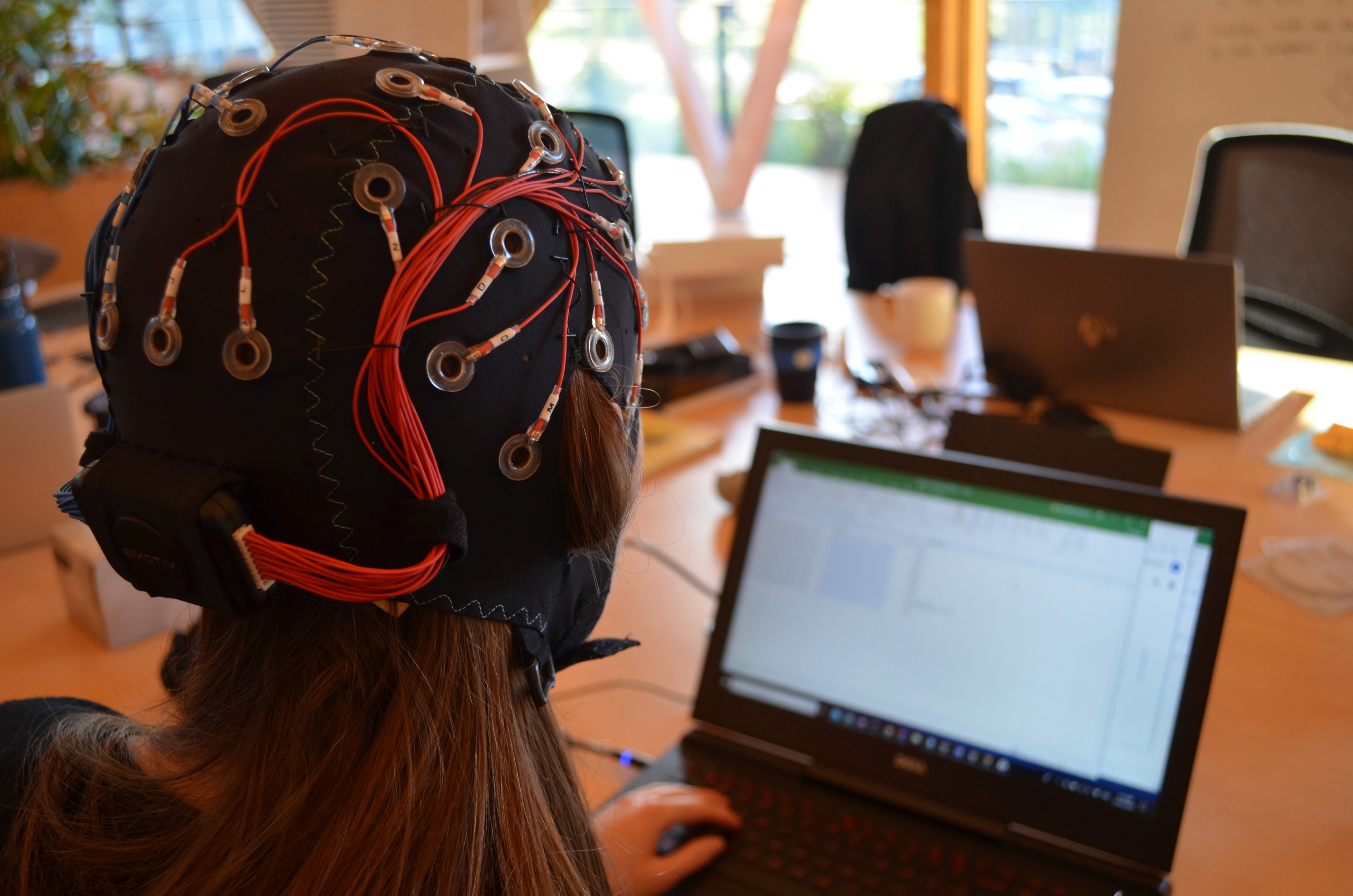
One of the most significant factors in an EEG machine’s price is its channel count. A “channel” refers to a single electrode that detects electrical activity from the brain. A device with more channels can gather data from more locations, providing a more detailed picture of brain activity. A simple 2-channel device is great for basic applications, while a 32-channel headset like our Flex system is designed for detailed academic research. The type of electrode also matters. Gel-based electrodes often provide a very clean signal but require more prep time, while saline and dry electrodes offer greater convenience and comfort, which can influence the overall system cost.
Software and Analysis Tools
The EEG hardware is only half of the story. The software that comes with it is what turns raw brainwave data into meaningful insights. The sophistication of these analysis tools plays a huge role in the total price. Basic software might only show you the raw data, but a professional-grade platform like EmotivPRO gives you access to real-time data display, performance metrics, frequency analysis, and easy data export. When you’re comparing prices, make sure to look at what software is included and whether advanced features require an ongoing subscription. The right software is just as important as the hardware itself.
Brand and Build Quality
Like with any technology, brand reputation and build quality affect the price. Established brands with a long history of producing reliable equipment for the research community often have higher price points. This premium reflects years of research and development, as well as the cost of providing robust customer support and warranties. The quality of the materials and construction also matters. A device built to withstand daily use in a busy lab will be more durable—and more expensive—than a consumer-grade headset designed for personal use. Investing in a well-built device from a reputable company can save you headaches down the road, especially for serious academic research.
Portability and Wireless Features
The freedom to collect data anywhere is a game-changer, but that convenience comes at a cost. Wireless EEG devices are typically more expensive than their wired counterparts because they require advanced technology like Bluetooth connectivity, onboard data processing, and long-lasting batteries. A stationary system that tethers a user to a computer is simpler and therefore cheaper to produce. However, portable, wireless headsets open up a world of possibilities for brain-computer interface applications and studies in real-world environments. If your work requires participants to move freely, the investment in a portable system is well worth it.
How Much Do EEG Machines Cost?
The price of an EEG machine isn’t a single number—it’s a wide spectrum. Costs can range from under a thousand dollars for a portable device to well over $25,000 for a system used in a hospital. The right machine for you depends entirely on your goals. Are you a developer building a brain-computer interface, a researcher studying cognitive states, or a clinician diagnosing medical conditions?
Each use case requires different capabilities, and that’s what drives the price. Understanding the main price tiers is the first step to finding a system that fits both your project and your budget. Let’s break down what you can expect to find at each level.
Portable EEG Systems ($500-$5,000)
This is the most accessible category and a fantastic starting point for many researchers, developers, and citizen scientists. Devices in this range are designed for portability and ease of use, making them perfect for studies outside of a traditional lab. You’ll typically find systems with 2 to 14 channels, like our MN8 earbuds or the Insight headset.
While they have fewer channels than more expensive systems, these devices are powerful tools for a wide range of applications, from neuromarketing studies to BCI development. The price includes not just the hardware but also access to software platforms that help you collect and begin to make sense of the data.
Research-Grade Devices ($5,000-$25,000)
When your work requires higher-density data and more detailed spatial resolution, you’ll likely be looking at devices in this price bracket. These systems typically offer 32 channels or more and provide the flexibility needed for advanced academic and commercial research. For example, our Flex headset allows you to place sensors anywhere on the scalp, giving you complete control over your experiment’s design.
The jump in price reflects the increased channel count, higher data fidelity, and more robust software solutions for complex analysis. These devices are the workhorses of many neuroscience labs, providing the quality and flexibility needed to publish peer-reviewed research and develop sophisticated neurotechnology applications.
Clinical-Grade Systems ($25,000+)
At the highest end of the spectrum are clinical-grade EEG systems. These are the machines you’d find in a hospital or a specialized neurology clinic, used for diagnosing medical conditions. Their price, which can easily exceed $100,000, is justified by their extremely high channel counts (often 64 to 256 channels), medical-grade certifications, and highly specialized software designed for clinical diagnostics and patient management.
For most researchers and developers, a clinical system is overkill. The complexity, cost, and stringent operating requirements are tailored for medical professionals. Unless your work involves clinical diagnostics, your budget is better allocated to a portable or research-grade system that fits your project goals.
New vs. Used Equipment
Finding a used EEG headset at a steep discount can seem like a great deal, but it’s wise to be cautious. While you might save money upfront, there are hidden risks. Used equipment often comes without a warranty, customer support, or access to the latest software updates. You also can’t be certain about the device’s condition or how it was handled by its previous owner.
The technology in this field moves quickly, and an older device might not be compatible with current software or meet the data quality standards for your research. Before you buy used, consider the total cost of ownership and the potential headaches. Sometimes, investing in a new device is the more reliable and ultimately more cost-effective choice for your project. You can learn more about what affects the EEG headset cost to make an informed decision.
A Look at EEG Brands and Prices
The EEG market is diverse, with options ranging from accessible consumer devices to powerful clinical systems. Understanding the key players and what they offer is the first step in finding the right fit for your project and budget. Let’s break down the landscape to see how different brands and device types stack up, so you can feel confident in your choice.
Emotiv EEG Headsets and Prices
For a long time, EEG technology felt confined to labs and hospitals. We wanted to change that. Emotiv offers a range of wireless EEG headsets designed for applications from brain-computer interface development to neuromarketing research. Our goal is to make brain data acquisition accessible. Our lineup starts with the discreet MN8 EEG earbuds and scales up to the 14-channel Epoc X and the 32-channel Flex headsets for more demanding research. This variety means you can find a device that matches your project’s complexity and budget, with prices starting around $500.
Traditional Clinical EEG Systems
On the other end of the spectrum are traditional clinical EEG systems. These are the heavy-duty machines you’d find in a neurology department, and their prices reflect that, often ranging from $20,000 to over $150,000. Why the huge price tag? These systems are built for in-depth clinical diagnostics, featuring a very high number of channels and complex software for detailed analysis by medical professionals. While incredibly powerful, their cost and complexity make them impractical for most research outside of a clinical setting. Understanding this distinction is key when you’re looking for an EEG machine for sale for your specific project.
Consumer vs. Research-Grade Options
It’s easy to get lost comparing consumer and research-grade devices. A common myth is that consumer-grade devices are only for simple wellness applications, but the lines are blurring. The key is to look past the labels and focus on the specs that matter for your work. A higher price tag doesn’t always guarantee the performance you need. Instead of assuming more expensive is better, I recommend you define your project’s requirements first. Making a smart investment means matching the device’s capabilities—like channel count and data quality—to your specific goals, not just buying the most expensive option available.
Which Specs Affect Cost the Most?
When you’re looking at different EEG machines, the price tags can seem all over the map. What makes one device cost a few hundred dollars while another costs tens of thousands? While brand reputation and build quality play a role, the biggest price drivers are usually found in the technical specifications. Understanding which features have the most significant impact on cost will help you zero in on the right device for your needs without overspending on capabilities you won’t use.
Three key specs have the most substantial influence on an EEG machine’s price: the number of channels, the quality of the data it collects, and the type of electrodes it uses. A higher channel count allows you to gather data from more areas of the brain simultaneously, but it also adds complexity and cost. Similarly, faster data speeds and higher resolution provide a more detailed picture of neural activity but require more powerful—and expensive—internal components. Finally, the type of electrodes affects not just the initial purchase price but also the time and resources needed for setup and maintenance. Let’s break down how each of these factors into the final cost.
How Channel Count Affects Price
The number of channels is one of the most direct factors influencing an EEG headset’s price. Each channel corresponds to an electrode sensor that detects electrical activity from a specific location on the scalp. A simple device might have just a few channels, while advanced systems for academic research and education can have 32, 64, or even more. More channels provide greater spatial resolution, meaning you can pinpoint the source of brain activity with more accuracy. However, adding channels increases hardware complexity and cost, so it’s essential to match the channel count to your project’s requirements. A 2-channel device like our MN8 is perfect for certain applications, while a 32-channel headset like our Flex is built for more demanding research.
Data Speed and Resolution
Beyond how many data points you collect, the quality of that data is a major cost driver. This comes down to two main factors: sampling rate (speed) and resolution. The sampling rate, measured in Hertz (Hz), determines how many times per second the device records data from each channel. A higher sampling rate captures fast-changing brain signals more accurately. Resolution refers to the precision of each measurement. Together, these specs determine the richness and detail of your data. Achieving high-fidelity data requires sophisticated sensors and processors, which naturally increases the price. For many research and brain-computer interface applications, investing in a device with a robust sampling rate and high resolution is crucial for obtaining meaningful results.
Electrode Type and Prep Time
The type of electrodes an EEG system uses can significantly affect both the upfront cost and the long-term operational expenses. Traditional systems often use gel-based electrodes, which require applying a conductive gel to the scalp. While effective, this process is time-consuming and messy. Saline-based electrodes, like those in our Epoc X headset, offer a much faster and more convenient alternative by using a simple salt-water solution. Dry electrodes require no preparation at all but can sometimes present challenges in maintaining a stable connection. When evaluating cost, think about the total time investment. A headset that saves you 15 minutes of prep time per session can translate into significant savings, especially in large-scale studies.
Common EEG Pricing Myths to Avoid
When you’re shopping for an EEG machine, it’s easy to get tripped up by a few common assumptions about price. Believing these myths can lead you to overspend on features you don’t need or underestimate the total investment required for your project. Let’s clear up some of the biggest misconceptions so you can approach your purchase with confidence. Understanding the full picture of what goes into EEG pricing helps you find the right device that fits both your research goals and your budget, without any surprises along the way.
Myth: A Higher Price Means Better Performance
It’s a classic assumption: if it costs more, it must be better. While this can be true, it’s not a universal rule in the world of EEG. A higher price tag doesn’t automatically guarantee better performance for your specific needs. The best device is the one that aligns with your project, whether that’s for neuromarketing research or developing a new brain-computer interface. You might think a higher price tag automatically means a better device, but performance is tied to specific features and technology, not just the cost. An expensive clinical system with 128 channels is overkill if your work only requires a 5-channel headset. Focus on the specs that matter to you, not just the price.
Myth: The Sticker Price is the Final Price
Seeing the initial hardware cost is just the first step. The sticker price rarely represents the total cost of ownership. The final price of an EEG machine can vary based on the software, accessories, and support you need to get your work done. Think about potential recurring costs like software subscriptions for advanced analysis tools, such as our EmotivPRO platform. You should also factor in the cost of consumables like saline solution or gel, replacement sensors, and any specialized training your team might need. Always look beyond the initial hardware price and consider the long-term investment required to operate the system effectively.
Myth: Used Equipment is Always a Bargain
Finding a used EEG headset at a steep discount can feel like a major win, but it’s important to proceed with caution. While you might save money upfront, used equipment comes with risks. You often don’t know the device’s history, how it was maintained, or if it has any underlying issues that could compromise your data quality. Furthermore, used devices typically don’t come with a warranty, customer support, or access to the latest software updates. Buying directly from a manufacturer like Emotiv ensures you receive a fully tested, reliable EEG headset backed by a warranty and our dedicated support team, giving you peace of mind and protecting your investment.
Where Can You Buy an EEG Machine?
Once you have a budget in mind, the next step is figuring out where to actually make your purchase. You have a few solid options, each with its own set of pros and cons. The right choice for you will depend on your specific needs, whether you’re looking for the latest technology with full support or trying to find a good deal on a pre-owned device. Let’s walk through the most common places to buy an EEG machine so you can decide which path is best for your project.
Authorized Dealers and Distributors
One of the most reliable ways to purchase an EEG machine is through an authorized dealer. These companies are officially approved to sell products from specific manufacturers, which means you can trust the quality and authenticity of the equipment. They often carry a mix of new, used, and refurbished devices, giving you a range of options to fit your budget. Places like LabX are well-known marketplaces for specialized equipment, including neurology and EEG systems. Going through a distributor can be a great way to access professional-grade equipment and expert advice, ensuring you get a system that meets industry standards.
Online Marketplaces
Online marketplaces can be a good place to find a wide variety of EEG systems, often at competitive prices. You can find everything from older, used clinical machines to newer consumer-grade devices. However, it’s important to be cautious. Prices can vary dramatically based on the machine’s age, brand, condition, and included features. While you might find a system for a few thousand dollars, more advanced refurbished units can cost much more. When browsing these sites, be sure to do your homework on the seller and ask for detailed information about the device’s history and condition before you commit.
Direct from the Manufacturer
Buying directly from the manufacturer is usually the safest and most straightforward route. When you purchase from the source, you’re guaranteed to receive the latest model with a full warranty and access to dedicated customer support. This is especially important for complex equipment like an EEG headset. There’s a certain peace of mind that comes with knowing you have a direct line to the experts who designed the product. For instance, you can explore and purchase our full range of Emotiv EEG headsets directly from our website, ensuring you get an authentic product backed by our team.
How to Save on Your EEG Purchase
Investing in an EEG system is a big step, but the initial price tag doesn’t have to be a barrier. Whether you’re setting up a new lab or expanding your personal toolkit, there are several practical ways to manage the cost without compromising on quality. Let’s walk through a few strategies to make your purchase more affordable and ensure you get the most value from your investment.
Leasing and Rental Options
If a full purchase isn’t in the budget right now, leasing or renting an EEG machine can be a great alternative. This approach significantly lowers your upfront costs, making high-quality technology accessible for smaller clinics, startups, or research projects. With EEG systems ranging anywhere from a thousand dollars to over $50,000 depending on the specs, renting allows you to get the capabilities you need for a specific project without the long-term financial commitment. It’s a flexible option that lets you test out a system or fulfill a short-term need before deciding on a permanent investment.
Discounts for Research and Education
Many EEG manufacturers, including us at Emotiv, are passionate about supporting the next wave of scientific discovery. That’s why we often provide special pricing for educational institutions and research organizations. If you’re part of a university or a non-commercial research group, always ask about available discounts. This is part of a broader effort to make neuroscience tools more accessible for academic research and education. It helps challenge the old idea that powerful EEG technology is only available in a hospital setting. Don’t hesitate to reach out and see if your work qualifies for a discount—it can make a significant difference in your budget.
Warranties and Service Plans
A smart investment goes beyond the initial sticker price. When you’re comparing EEG systems, be sure to look closely at the included warranties and available service plans. A comprehensive warranty can save you from unexpected repair costs down the line, protecting your investment for years to come. It’s easy to assume that a higher price tag guarantees reliability, but a solid service plan is your true safety net. Factoring in these long-term support costs gives you a more accurate picture of the total cost of ownership and helps you avoid surprise expenses for maintenance or technical support.
What Hidden Costs Should You Budget For?
The sticker price of an EEG machine is just the beginning of your investment. To create a realistic budget, you need to account for the ongoing costs that come with owning and operating the equipment. These expenses, often overlooked during the initial purchase, can significantly impact the total cost of ownership over the device’s lifetime. From software subscriptions that unlock advanced features to the everyday consumables needed for data acquisition, these recurring costs are a crucial part of the financial picture.
Thinking about these expenses upfront helps you make a more informed decision and ensures you have the resources to support your projects long-term. Let’s break down the most common hidden costs you should factor into your budget: software, training, maintenance, and consumables. By planning for these, you can avoid surprises and keep your research or development work running smoothly without unexpected financial hurdles.
Software Subscriptions and Updates
The hardware is only half the story. To turn raw brainwave data into meaningful insights, you need powerful software. While some EEG systems come with basic software, accessing advanced analysis and visualization tools often requires a separate purchase or an ongoing subscription. The initial hardware cost doesn’t always include the full software suite, and you might find that essential features are locked behind a paywall. Be sure to investigate what’s included with your device and what will require a recurring fee. For example, our EmotivPRO software provides access to dense data streams and analysis tools, which is a separate consideration from the headset itself.
Training and Support
EEG technology has a learning curve, and getting your team proficient can be an additional expense. While some systems are designed for ease of use, more complex research-grade devices may require specialized training to ensure you’re collecting high-quality data. This is especially true if you’re considering used equipment, which often comes without the manufacturer’s support or training resources. Investing in proper training can save you time and prevent costly errors down the line. It’s a critical step for anyone conducting serious academic research and education to ensure data integrity and repeatable results.
Maintenance and Parts
Like any sophisticated piece of technology, an EEG headset requires regular care to perform at its best. This includes routine cleaning and proper storage to extend the life of the sensors and electronics. Over time, parts like electrodes, sensor pads, and cables will wear out and need replacement. Some studies suggest that the cost of maintenance and cleaning can add up significantly with each use. When choosing a device, look into the cost and availability of replacement parts. For instance, the components for a headset like our Flex Saline are designed for durability, but planning for eventual replacements is a smart budgeting practice.
Consumables and Accessories
Many EEG systems rely on consumables to ensure a good connection between the electrodes and the scalp. Depending on the type of headset you choose, this could mean a regular supply of conductive gel, saline solution, or disposable electrode caps. These items are essential for optimal operation and represent an ongoing operational cost that you’ll need to budget for. Before you buy, calculate the cost-per-use for these consumables to get a clear picture of your long-term expenses. Accessories like carrying cases or extra batteries can also add to the overall cost, so be sure to factor those in as well.
How to Choose the Right EEG Machine for Your Budget
Finding the right EEG device for your budget isn’t about hunting for the cheapest option. It’s about making a smart investment that aligns with your goals. The perfect device is one that meets your project’s technical needs without burdening you with features you’ll never use or surprise costs you didn’t plan for. A little bit of planning can help you find that sweet spot between capability and cost.
To make the best choice, you need to think beyond the sticker price and consider the entire picture. This means clearly defining your project, understanding the total cost of ownership over time, and being honest about which features are essential and which are just nice to have. By breaking it down this way, you can confidently select an EEG machine that provides the best value and sets your work up for success from day one.
Match the Specs to Your Project
Before you even look at prices, get crystal clear on what you need the device to do. The technical requirements for a simple brain-computer interface project are very different from those for a multi-subject academic study. The biggest cost driver is often the channel count. Do you need the high-density data from a 32-channel headset like our Flex, or will the targeted data from a 5-channel Insight or 2-channel MN8 earbuds suffice? Don’t pay for more channels than your research protocol or application demands. Think about your specific use case—whether it’s for neuromarketing, cognitive wellness, or development—and let that guide your technical requirements.
Calculate the Total Cost of Ownership
The price on the box is just the beginning. A smart investment considers the total cost of ownership, which includes all expenses over the life of the device. This means factoring in software subscriptions, like a license for our powerful EmotivPRO analysis software, and the cost of consumables like saline solution or replacement sensors. Also, consider if you’ll need any specialized training or ongoing support. Mapping out these recurring costs gives you a much more realistic picture of your budget and helps you avoid unexpected expenses that could derail your project later on. It ensures your initial purchase is sustainable for the long haul.
Prioritize Your Must-Have Features
Create a simple list of “must-have” versus “nice-to-have” features. Portability, wireless capability, and quick setup times are essential for some, while others might prioritize the highest possible data resolution. For example, the Epoc X is a great all-around option that balances performance with ease of use. While a heavily discounted used device might seem tempting, be cautious. It often comes without a warranty, customer support, or access to the latest software updates, which can end up costing you more in the long run. Investing in a new device ensures you get reliable hardware and the full support of the team behind it.
Related Articles
Frequently Asked Questions
Why do some EEG machines cost a few hundred dollars while others cost tens of thousands? The huge price range comes down to what the machine is built to do. A clinical system used in a hospital needs a very high number of channels and medical-grade certifications to diagnose conditions, which drives the price way up. On the other hand, a portable headset designed for research or development is focused on accessibility and ease of use. The final price is a mix of its channel count, data quality, software capabilities, and whether it’s wireless and portable.
Do I really need a headset with a high channel count for my project? Not necessarily. It’s a common myth that more channels automatically means better results. The right channel count depends entirely on your project’s goals. If you need to pinpoint brain activity from very specific, deep regions, then a high-density headset like our Flex is the right tool. But for many brain-computer interface, neuromarketing, or cognitive wellness applications, a device with fewer channels, like our Insight or Epoc X, provides exactly the data you need without the extra cost and complexity.
What are the most common ‘hidden costs’ I should budget for beyond the price of the headset? The initial hardware purchase is just one piece of the puzzle. You should always plan for ongoing costs like software subscriptions for advanced analysis, which are often separate from the device itself. Also, factor in consumables like saline solution or replacement sensors that you’ll need over time. Finally, consider if your team will need any specialized training to get the most out of the system. Planning for these expenses from the start gives you a much more realistic picture of the total investment.
Is it better to buy a new EEG device or a used one? While a used device might seem like a good deal upfront, it can come with significant risks. Used equipment often lacks a warranty, customer support, or access to the latest software, which could leave you stranded if you run into issues. You also don’t know its history or how well it was maintained. Buying a new device directly from a manufacturer ensures you get a reliable, fully tested piece of hardware that is backed by a support team ready to help you succeed.
How much does the software contribute to the overall cost? The software is a huge part of the value and can be a significant factor in the total cost. The hardware collects the raw data, but the software is what turns that data into something you can actually work with. A basic, free application might just show you the raw signal, while a professional platform like our EmotivPRO provides real-time performance metrics and advanced analysis tools. When comparing devices, always look at what software is included and what advanced features might require a subscription.
What makes one EEG headset cost $500 while another costs over $15,000? It’s not just about the brand name. The price is directly tied to the technology inside. Key specifications like the number of channels, data sampling rate, and the type of electrodes used are the biggest drivers of cost. A higher channel count gives you more detailed brain data but also increases hardware complexity. Similarly, faster data speeds provide richer insights but require more powerful components. This guide will demystify the technical specs, explaining exactly how they translate into the final EEG machine price so you can understand what you’re paying for and choose the features that matter most for your work.
Key Takeaways
Focus on your project’s needs first: Define your specific goals before shopping to avoid overpaying for features you don’t need. The right device is one that matches your technical requirements, whether it’s a 2-channel or a 32-channel system.
Look beyond the sticker price: A smart budget accounts for the total cost of ownership, including recurring expenses like software subscriptions, consumables, and potential training, which gives you a more realistic financial picture.
New is often the better value: While a used device might seem like a bargain, purchasing new from a manufacturer guarantees a full warranty, customer support, and access to the latest software, protecting your investment in the long run.
What Factors Influence an EEG Machine’s Price?
When you start looking for an EEG machine, the first thing you’ll probably notice is the huge range in price. Some devices cost a few hundred dollars, while others can run into the tens of thousands. This isn’t arbitrary—the price tag is a reflection of the technology inside. Understanding what drives these costs will help you find the right device for your needs without overspending. The final price comes down to a combination of hardware specifications, software capabilities, build quality, and convenience features. Let’s break down the four biggest factors that determine how much you can expect to pay.
Channel Count and Electrode Type
One of the most significant factors in an EEG machine’s price is its channel count. A “channel” refers to a single electrode that detects electrical activity from the brain. A device with more channels can gather data from more locations, providing a more detailed picture of brain activity. A simple 2-channel device is great for basic applications, while a 32-channel headset like our Flex system is designed for detailed academic research. The type of electrode also matters. Gel-based electrodes often provide a very clean signal but require more prep time, while saline and dry electrodes offer greater convenience and comfort, which can influence the overall system cost.
Software and Analysis Tools
The EEG hardware is only half of the story. The software that comes with it is what turns raw brainwave data into meaningful insights. The sophistication of these analysis tools plays a huge role in the total price. Basic software might only show you the raw data, but a professional-grade platform like EmotivPRO gives you access to real-time data display, performance metrics, frequency analysis, and easy data export. When you’re comparing prices, make sure to look at what software is included and whether advanced features require an ongoing subscription. The right software is just as important as the hardware itself.
Brand and Build Quality
Like with any technology, brand reputation and build quality affect the price. Established brands with a long history of producing reliable equipment for the research community often have higher price points. This premium reflects years of research and development, as well as the cost of providing robust customer support and warranties. The quality of the materials and construction also matters. A device built to withstand daily use in a busy lab will be more durable—and more expensive—than a consumer-grade headset designed for personal use. Investing in a well-built device from a reputable company can save you headaches down the road, especially for serious academic research.
Portability and Wireless Features
The freedom to collect data anywhere is a game-changer, but that convenience comes at a cost. Wireless EEG devices are typically more expensive than their wired counterparts because they require advanced technology like Bluetooth connectivity, onboard data processing, and long-lasting batteries. A stationary system that tethers a user to a computer is simpler and therefore cheaper to produce. However, portable, wireless headsets open up a world of possibilities for brain-computer interface applications and studies in real-world environments. If your work requires participants to move freely, the investment in a portable system is well worth it.
How Much Do EEG Machines Cost?
The price of an EEG machine isn’t a single number—it’s a wide spectrum. Costs can range from under a thousand dollars for a portable device to well over $25,000 for a system used in a hospital. The right machine for you depends entirely on your goals. Are you a developer building a brain-computer interface, a researcher studying cognitive states, or a clinician diagnosing medical conditions?
Each use case requires different capabilities, and that’s what drives the price. Understanding the main price tiers is the first step to finding a system that fits both your project and your budget. Let’s break down what you can expect to find at each level.
Portable EEG Systems ($500-$5,000)
This is the most accessible category and a fantastic starting point for many researchers, developers, and citizen scientists. Devices in this range are designed for portability and ease of use, making them perfect for studies outside of a traditional lab. You’ll typically find systems with 2 to 14 channels, like our MN8 earbuds or the Insight headset.
While they have fewer channels than more expensive systems, these devices are powerful tools for a wide range of applications, from neuromarketing studies to BCI development. The price includes not just the hardware but also access to software platforms that help you collect and begin to make sense of the data.
Research-Grade Devices ($5,000-$25,000)
When your work requires higher-density data and more detailed spatial resolution, you’ll likely be looking at devices in this price bracket. These systems typically offer 32 channels or more and provide the flexibility needed for advanced academic and commercial research. For example, our Flex headset allows you to place sensors anywhere on the scalp, giving you complete control over your experiment’s design.
The jump in price reflects the increased channel count, higher data fidelity, and more robust software solutions for complex analysis. These devices are the workhorses of many neuroscience labs, providing the quality and flexibility needed to publish peer-reviewed research and develop sophisticated neurotechnology applications.
Clinical-Grade Systems ($25,000+)
At the highest end of the spectrum are clinical-grade EEG systems. These are the machines you’d find in a hospital or a specialized neurology clinic, used for diagnosing medical conditions. Their price, which can easily exceed $100,000, is justified by their extremely high channel counts (often 64 to 256 channels), medical-grade certifications, and highly specialized software designed for clinical diagnostics and patient management.
For most researchers and developers, a clinical system is overkill. The complexity, cost, and stringent operating requirements are tailored for medical professionals. Unless your work involves clinical diagnostics, your budget is better allocated to a portable or research-grade system that fits your project goals.
New vs. Used Equipment
Finding a used EEG headset at a steep discount can seem like a great deal, but it’s wise to be cautious. While you might save money upfront, there are hidden risks. Used equipment often comes without a warranty, customer support, or access to the latest software updates. You also can’t be certain about the device’s condition or how it was handled by its previous owner.
The technology in this field moves quickly, and an older device might not be compatible with current software or meet the data quality standards for your research. Before you buy used, consider the total cost of ownership and the potential headaches. Sometimes, investing in a new device is the more reliable and ultimately more cost-effective choice for your project. You can learn more about what affects the EEG headset cost to make an informed decision.
A Look at EEG Brands and Prices
The EEG market is diverse, with options ranging from accessible consumer devices to powerful clinical systems. Understanding the key players and what they offer is the first step in finding the right fit for your project and budget. Let’s break down the landscape to see how different brands and device types stack up, so you can feel confident in your choice.
Emotiv EEG Headsets and Prices
For a long time, EEG technology felt confined to labs and hospitals. We wanted to change that. Emotiv offers a range of wireless EEG headsets designed for applications from brain-computer interface development to neuromarketing research. Our goal is to make brain data acquisition accessible. Our lineup starts with the discreet MN8 EEG earbuds and scales up to the 14-channel Epoc X and the 32-channel Flex headsets for more demanding research. This variety means you can find a device that matches your project’s complexity and budget, with prices starting around $500.
Traditional Clinical EEG Systems
On the other end of the spectrum are traditional clinical EEG systems. These are the heavy-duty machines you’d find in a neurology department, and their prices reflect that, often ranging from $20,000 to over $150,000. Why the huge price tag? These systems are built for in-depth clinical diagnostics, featuring a very high number of channels and complex software for detailed analysis by medical professionals. While incredibly powerful, their cost and complexity make them impractical for most research outside of a clinical setting. Understanding this distinction is key when you’re looking for an EEG machine for sale for your specific project.
Consumer vs. Research-Grade Options
It’s easy to get lost comparing consumer and research-grade devices. A common myth is that consumer-grade devices are only for simple wellness applications, but the lines are blurring. The key is to look past the labels and focus on the specs that matter for your work. A higher price tag doesn’t always guarantee the performance you need. Instead of assuming more expensive is better, I recommend you define your project’s requirements first. Making a smart investment means matching the device’s capabilities—like channel count and data quality—to your specific goals, not just buying the most expensive option available.
Which Specs Affect Cost the Most?
When you’re looking at different EEG machines, the price tags can seem all over the map. What makes one device cost a few hundred dollars while another costs tens of thousands? While brand reputation and build quality play a role, the biggest price drivers are usually found in the technical specifications. Understanding which features have the most significant impact on cost will help you zero in on the right device for your needs without overspending on capabilities you won’t use.
Three key specs have the most substantial influence on an EEG machine’s price: the number of channels, the quality of the data it collects, and the type of electrodes it uses. A higher channel count allows you to gather data from more areas of the brain simultaneously, but it also adds complexity and cost. Similarly, faster data speeds and higher resolution provide a more detailed picture of neural activity but require more powerful—and expensive—internal components. Finally, the type of electrodes affects not just the initial purchase price but also the time and resources needed for setup and maintenance. Let’s break down how each of these factors into the final cost.
How Channel Count Affects Price
The number of channels is one of the most direct factors influencing an EEG headset’s price. Each channel corresponds to an electrode sensor that detects electrical activity from a specific location on the scalp. A simple device might have just a few channels, while advanced systems for academic research and education can have 32, 64, or even more. More channels provide greater spatial resolution, meaning you can pinpoint the source of brain activity with more accuracy. However, adding channels increases hardware complexity and cost, so it’s essential to match the channel count to your project’s requirements. A 2-channel device like our MN8 is perfect for certain applications, while a 32-channel headset like our Flex is built for more demanding research.
Data Speed and Resolution
Beyond how many data points you collect, the quality of that data is a major cost driver. This comes down to two main factors: sampling rate (speed) and resolution. The sampling rate, measured in Hertz (Hz), determines how many times per second the device records data from each channel. A higher sampling rate captures fast-changing brain signals more accurately. Resolution refers to the precision of each measurement. Together, these specs determine the richness and detail of your data. Achieving high-fidelity data requires sophisticated sensors and processors, which naturally increases the price. For many research and brain-computer interface applications, investing in a device with a robust sampling rate and high resolution is crucial for obtaining meaningful results.
Electrode Type and Prep Time
The type of electrodes an EEG system uses can significantly affect both the upfront cost and the long-term operational expenses. Traditional systems often use gel-based electrodes, which require applying a conductive gel to the scalp. While effective, this process is time-consuming and messy. Saline-based electrodes, like those in our Epoc X headset, offer a much faster and more convenient alternative by using a simple salt-water solution. Dry electrodes require no preparation at all but can sometimes present challenges in maintaining a stable connection. When evaluating cost, think about the total time investment. A headset that saves you 15 minutes of prep time per session can translate into significant savings, especially in large-scale studies.
Common EEG Pricing Myths to Avoid
When you’re shopping for an EEG machine, it’s easy to get tripped up by a few common assumptions about price. Believing these myths can lead you to overspend on features you don’t need or underestimate the total investment required for your project. Let’s clear up some of the biggest misconceptions so you can approach your purchase with confidence. Understanding the full picture of what goes into EEG pricing helps you find the right device that fits both your research goals and your budget, without any surprises along the way.
Myth: A Higher Price Means Better Performance
It’s a classic assumption: if it costs more, it must be better. While this can be true, it’s not a universal rule in the world of EEG. A higher price tag doesn’t automatically guarantee better performance for your specific needs. The best device is the one that aligns with your project, whether that’s for neuromarketing research or developing a new brain-computer interface. You might think a higher price tag automatically means a better device, but performance is tied to specific features and technology, not just the cost. An expensive clinical system with 128 channels is overkill if your work only requires a 5-channel headset. Focus on the specs that matter to you, not just the price.
Myth: The Sticker Price is the Final Price
Seeing the initial hardware cost is just the first step. The sticker price rarely represents the total cost of ownership. The final price of an EEG machine can vary based on the software, accessories, and support you need to get your work done. Think about potential recurring costs like software subscriptions for advanced analysis tools, such as our EmotivPRO platform. You should also factor in the cost of consumables like saline solution or gel, replacement sensors, and any specialized training your team might need. Always look beyond the initial hardware price and consider the long-term investment required to operate the system effectively.
Myth: Used Equipment is Always a Bargain
Finding a used EEG headset at a steep discount can feel like a major win, but it’s important to proceed with caution. While you might save money upfront, used equipment comes with risks. You often don’t know the device’s history, how it was maintained, or if it has any underlying issues that could compromise your data quality. Furthermore, used devices typically don’t come with a warranty, customer support, or access to the latest software updates. Buying directly from a manufacturer like Emotiv ensures you receive a fully tested, reliable EEG headset backed by a warranty and our dedicated support team, giving you peace of mind and protecting your investment.
Where Can You Buy an EEG Machine?
Once you have a budget in mind, the next step is figuring out where to actually make your purchase. You have a few solid options, each with its own set of pros and cons. The right choice for you will depend on your specific needs, whether you’re looking for the latest technology with full support or trying to find a good deal on a pre-owned device. Let’s walk through the most common places to buy an EEG machine so you can decide which path is best for your project.
Authorized Dealers and Distributors
One of the most reliable ways to purchase an EEG machine is through an authorized dealer. These companies are officially approved to sell products from specific manufacturers, which means you can trust the quality and authenticity of the equipment. They often carry a mix of new, used, and refurbished devices, giving you a range of options to fit your budget. Places like LabX are well-known marketplaces for specialized equipment, including neurology and EEG systems. Going through a distributor can be a great way to access professional-grade equipment and expert advice, ensuring you get a system that meets industry standards.
Online Marketplaces
Online marketplaces can be a good place to find a wide variety of EEG systems, often at competitive prices. You can find everything from older, used clinical machines to newer consumer-grade devices. However, it’s important to be cautious. Prices can vary dramatically based on the machine’s age, brand, condition, and included features. While you might find a system for a few thousand dollars, more advanced refurbished units can cost much more. When browsing these sites, be sure to do your homework on the seller and ask for detailed information about the device’s history and condition before you commit.
Direct from the Manufacturer
Buying directly from the manufacturer is usually the safest and most straightforward route. When you purchase from the source, you’re guaranteed to receive the latest model with a full warranty and access to dedicated customer support. This is especially important for complex equipment like an EEG headset. There’s a certain peace of mind that comes with knowing you have a direct line to the experts who designed the product. For instance, you can explore and purchase our full range of Emotiv EEG headsets directly from our website, ensuring you get an authentic product backed by our team.
How to Save on Your EEG Purchase
Investing in an EEG system is a big step, but the initial price tag doesn’t have to be a barrier. Whether you’re setting up a new lab or expanding your personal toolkit, there are several practical ways to manage the cost without compromising on quality. Let’s walk through a few strategies to make your purchase more affordable and ensure you get the most value from your investment.
Leasing and Rental Options
If a full purchase isn’t in the budget right now, leasing or renting an EEG machine can be a great alternative. This approach significantly lowers your upfront costs, making high-quality technology accessible for smaller clinics, startups, or research projects. With EEG systems ranging anywhere from a thousand dollars to over $50,000 depending on the specs, renting allows you to get the capabilities you need for a specific project without the long-term financial commitment. It’s a flexible option that lets you test out a system or fulfill a short-term need before deciding on a permanent investment.
Discounts for Research and Education
Many EEG manufacturers, including us at Emotiv, are passionate about supporting the next wave of scientific discovery. That’s why we often provide special pricing for educational institutions and research organizations. If you’re part of a university or a non-commercial research group, always ask about available discounts. This is part of a broader effort to make neuroscience tools more accessible for academic research and education. It helps challenge the old idea that powerful EEG technology is only available in a hospital setting. Don’t hesitate to reach out and see if your work qualifies for a discount—it can make a significant difference in your budget.
Warranties and Service Plans
A smart investment goes beyond the initial sticker price. When you’re comparing EEG systems, be sure to look closely at the included warranties and available service plans. A comprehensive warranty can save you from unexpected repair costs down the line, protecting your investment for years to come. It’s easy to assume that a higher price tag guarantees reliability, but a solid service plan is your true safety net. Factoring in these long-term support costs gives you a more accurate picture of the total cost of ownership and helps you avoid surprise expenses for maintenance or technical support.
What Hidden Costs Should You Budget For?
The sticker price of an EEG machine is just the beginning of your investment. To create a realistic budget, you need to account for the ongoing costs that come with owning and operating the equipment. These expenses, often overlooked during the initial purchase, can significantly impact the total cost of ownership over the device’s lifetime. From software subscriptions that unlock advanced features to the everyday consumables needed for data acquisition, these recurring costs are a crucial part of the financial picture.
Thinking about these expenses upfront helps you make a more informed decision and ensures you have the resources to support your projects long-term. Let’s break down the most common hidden costs you should factor into your budget: software, training, maintenance, and consumables. By planning for these, you can avoid surprises and keep your research or development work running smoothly without unexpected financial hurdles.
Software Subscriptions and Updates
The hardware is only half the story. To turn raw brainwave data into meaningful insights, you need powerful software. While some EEG systems come with basic software, accessing advanced analysis and visualization tools often requires a separate purchase or an ongoing subscription. The initial hardware cost doesn’t always include the full software suite, and you might find that essential features are locked behind a paywall. Be sure to investigate what’s included with your device and what will require a recurring fee. For example, our EmotivPRO software provides access to dense data streams and analysis tools, which is a separate consideration from the headset itself.
Training and Support
EEG technology has a learning curve, and getting your team proficient can be an additional expense. While some systems are designed for ease of use, more complex research-grade devices may require specialized training to ensure you’re collecting high-quality data. This is especially true if you’re considering used equipment, which often comes without the manufacturer’s support or training resources. Investing in proper training can save you time and prevent costly errors down the line. It’s a critical step for anyone conducting serious academic research and education to ensure data integrity and repeatable results.
Maintenance and Parts
Like any sophisticated piece of technology, an EEG headset requires regular care to perform at its best. This includes routine cleaning and proper storage to extend the life of the sensors and electronics. Over time, parts like electrodes, sensor pads, and cables will wear out and need replacement. Some studies suggest that the cost of maintenance and cleaning can add up significantly with each use. When choosing a device, look into the cost and availability of replacement parts. For instance, the components for a headset like our Flex Saline are designed for durability, but planning for eventual replacements is a smart budgeting practice.
Consumables and Accessories
Many EEG systems rely on consumables to ensure a good connection between the electrodes and the scalp. Depending on the type of headset you choose, this could mean a regular supply of conductive gel, saline solution, or disposable electrode caps. These items are essential for optimal operation and represent an ongoing operational cost that you’ll need to budget for. Before you buy, calculate the cost-per-use for these consumables to get a clear picture of your long-term expenses. Accessories like carrying cases or extra batteries can also add to the overall cost, so be sure to factor those in as well.
How to Choose the Right EEG Machine for Your Budget
Finding the right EEG device for your budget isn’t about hunting for the cheapest option. It’s about making a smart investment that aligns with your goals. The perfect device is one that meets your project’s technical needs without burdening you with features you’ll never use or surprise costs you didn’t plan for. A little bit of planning can help you find that sweet spot between capability and cost.
To make the best choice, you need to think beyond the sticker price and consider the entire picture. This means clearly defining your project, understanding the total cost of ownership over time, and being honest about which features are essential and which are just nice to have. By breaking it down this way, you can confidently select an EEG machine that provides the best value and sets your work up for success from day one.
Match the Specs to Your Project
Before you even look at prices, get crystal clear on what you need the device to do. The technical requirements for a simple brain-computer interface project are very different from those for a multi-subject academic study. The biggest cost driver is often the channel count. Do you need the high-density data from a 32-channel headset like our Flex, or will the targeted data from a 5-channel Insight or 2-channel MN8 earbuds suffice? Don’t pay for more channels than your research protocol or application demands. Think about your specific use case—whether it’s for neuromarketing, cognitive wellness, or development—and let that guide your technical requirements.
Calculate the Total Cost of Ownership
The price on the box is just the beginning. A smart investment considers the total cost of ownership, which includes all expenses over the life of the device. This means factoring in software subscriptions, like a license for our powerful EmotivPRO analysis software, and the cost of consumables like saline solution or replacement sensors. Also, consider if you’ll need any specialized training or ongoing support. Mapping out these recurring costs gives you a much more realistic picture of your budget and helps you avoid unexpected expenses that could derail your project later on. It ensures your initial purchase is sustainable for the long haul.
Prioritize Your Must-Have Features
Create a simple list of “must-have” versus “nice-to-have” features. Portability, wireless capability, and quick setup times are essential for some, while others might prioritize the highest possible data resolution. For example, the Epoc X is a great all-around option that balances performance with ease of use. While a heavily discounted used device might seem tempting, be cautious. It often comes without a warranty, customer support, or access to the latest software updates, which can end up costing you more in the long run. Investing in a new device ensures you get reliable hardware and the full support of the team behind it.
Related Articles
Frequently Asked Questions
Why do some EEG machines cost a few hundred dollars while others cost tens of thousands? The huge price range comes down to what the machine is built to do. A clinical system used in a hospital needs a very high number of channels and medical-grade certifications to diagnose conditions, which drives the price way up. On the other hand, a portable headset designed for research or development is focused on accessibility and ease of use. The final price is a mix of its channel count, data quality, software capabilities, and whether it’s wireless and portable.
Do I really need a headset with a high channel count for my project? Not necessarily. It’s a common myth that more channels automatically means better results. The right channel count depends entirely on your project’s goals. If you need to pinpoint brain activity from very specific, deep regions, then a high-density headset like our Flex is the right tool. But for many brain-computer interface, neuromarketing, or cognitive wellness applications, a device with fewer channels, like our Insight or Epoc X, provides exactly the data you need without the extra cost and complexity.
What are the most common ‘hidden costs’ I should budget for beyond the price of the headset? The initial hardware purchase is just one piece of the puzzle. You should always plan for ongoing costs like software subscriptions for advanced analysis, which are often separate from the device itself. Also, factor in consumables like saline solution or replacement sensors that you’ll need over time. Finally, consider if your team will need any specialized training to get the most out of the system. Planning for these expenses from the start gives you a much more realistic picture of the total investment.
Is it better to buy a new EEG device or a used one? While a used device might seem like a good deal upfront, it can come with significant risks. Used equipment often lacks a warranty, customer support, or access to the latest software, which could leave you stranded if you run into issues. You also don’t know its history or how well it was maintained. Buying a new device directly from a manufacturer ensures you get a reliable, fully tested piece of hardware that is backed by a support team ready to help you succeed.
How much does the software contribute to the overall cost? The software is a huge part of the value and can be a significant factor in the total cost. The hardware collects the raw data, but the software is what turns that data into something you can actually work with. A basic, free application might just show you the raw signal, while a professional platform like our EmotivPRO provides real-time performance metrics and advanced analysis tools. When comparing devices, always look at what software is included and what advanced features might require a subscription.
What makes one EEG headset cost $500 while another costs over $15,000? It’s not just about the brand name. The price is directly tied to the technology inside. Key specifications like the number of channels, data sampling rate, and the type of electrodes used are the biggest drivers of cost. A higher channel count gives you more detailed brain data but also increases hardware complexity. Similarly, faster data speeds provide richer insights but require more powerful components. This guide will demystify the technical specs, explaining exactly how they translate into the final EEG machine price so you can understand what you’re paying for and choose the features that matter most for your work.
Key Takeaways
Focus on your project’s needs first: Define your specific goals before shopping to avoid overpaying for features you don’t need. The right device is one that matches your technical requirements, whether it’s a 2-channel or a 32-channel system.
Look beyond the sticker price: A smart budget accounts for the total cost of ownership, including recurring expenses like software subscriptions, consumables, and potential training, which gives you a more realistic financial picture.
New is often the better value: While a used device might seem like a bargain, purchasing new from a manufacturer guarantees a full warranty, customer support, and access to the latest software, protecting your investment in the long run.
What Factors Influence an EEG Machine’s Price?
When you start looking for an EEG machine, the first thing you’ll probably notice is the huge range in price. Some devices cost a few hundred dollars, while others can run into the tens of thousands. This isn’t arbitrary—the price tag is a reflection of the technology inside. Understanding what drives these costs will help you find the right device for your needs without overspending. The final price comes down to a combination of hardware specifications, software capabilities, build quality, and convenience features. Let’s break down the four biggest factors that determine how much you can expect to pay.
Channel Count and Electrode Type
One of the most significant factors in an EEG machine’s price is its channel count. A “channel” refers to a single electrode that detects electrical activity from the brain. A device with more channels can gather data from more locations, providing a more detailed picture of brain activity. A simple 2-channel device is great for basic applications, while a 32-channel headset like our Flex system is designed for detailed academic research. The type of electrode also matters. Gel-based electrodes often provide a very clean signal but require more prep time, while saline and dry electrodes offer greater convenience and comfort, which can influence the overall system cost.
Software and Analysis Tools
The EEG hardware is only half of the story. The software that comes with it is what turns raw brainwave data into meaningful insights. The sophistication of these analysis tools plays a huge role in the total price. Basic software might only show you the raw data, but a professional-grade platform like EmotivPRO gives you access to real-time data display, performance metrics, frequency analysis, and easy data export. When you’re comparing prices, make sure to look at what software is included and whether advanced features require an ongoing subscription. The right software is just as important as the hardware itself.
Brand and Build Quality
Like with any technology, brand reputation and build quality affect the price. Established brands with a long history of producing reliable equipment for the research community often have higher price points. This premium reflects years of research and development, as well as the cost of providing robust customer support and warranties. The quality of the materials and construction also matters. A device built to withstand daily use in a busy lab will be more durable—and more expensive—than a consumer-grade headset designed for personal use. Investing in a well-built device from a reputable company can save you headaches down the road, especially for serious academic research.
Portability and Wireless Features
The freedom to collect data anywhere is a game-changer, but that convenience comes at a cost. Wireless EEG devices are typically more expensive than their wired counterparts because they require advanced technology like Bluetooth connectivity, onboard data processing, and long-lasting batteries. A stationary system that tethers a user to a computer is simpler and therefore cheaper to produce. However, portable, wireless headsets open up a world of possibilities for brain-computer interface applications and studies in real-world environments. If your work requires participants to move freely, the investment in a portable system is well worth it.
How Much Do EEG Machines Cost?
The price of an EEG machine isn’t a single number—it’s a wide spectrum. Costs can range from under a thousand dollars for a portable device to well over $25,000 for a system used in a hospital. The right machine for you depends entirely on your goals. Are you a developer building a brain-computer interface, a researcher studying cognitive states, or a clinician diagnosing medical conditions?
Each use case requires different capabilities, and that’s what drives the price. Understanding the main price tiers is the first step to finding a system that fits both your project and your budget. Let’s break down what you can expect to find at each level.
Portable EEG Systems ($500-$5,000)
This is the most accessible category and a fantastic starting point for many researchers, developers, and citizen scientists. Devices in this range are designed for portability and ease of use, making them perfect for studies outside of a traditional lab. You’ll typically find systems with 2 to 14 channels, like our MN8 earbuds or the Insight headset.
While they have fewer channels than more expensive systems, these devices are powerful tools for a wide range of applications, from neuromarketing studies to BCI development. The price includes not just the hardware but also access to software platforms that help you collect and begin to make sense of the data.
Research-Grade Devices ($5,000-$25,000)
When your work requires higher-density data and more detailed spatial resolution, you’ll likely be looking at devices in this price bracket. These systems typically offer 32 channels or more and provide the flexibility needed for advanced academic and commercial research. For example, our Flex headset allows you to place sensors anywhere on the scalp, giving you complete control over your experiment’s design.
The jump in price reflects the increased channel count, higher data fidelity, and more robust software solutions for complex analysis. These devices are the workhorses of many neuroscience labs, providing the quality and flexibility needed to publish peer-reviewed research and develop sophisticated neurotechnology applications.
Clinical-Grade Systems ($25,000+)
At the highest end of the spectrum are clinical-grade EEG systems. These are the machines you’d find in a hospital or a specialized neurology clinic, used for diagnosing medical conditions. Their price, which can easily exceed $100,000, is justified by their extremely high channel counts (often 64 to 256 channels), medical-grade certifications, and highly specialized software designed for clinical diagnostics and patient management.
For most researchers and developers, a clinical system is overkill. The complexity, cost, and stringent operating requirements are tailored for medical professionals. Unless your work involves clinical diagnostics, your budget is better allocated to a portable or research-grade system that fits your project goals.
New vs. Used Equipment
Finding a used EEG headset at a steep discount can seem like a great deal, but it’s wise to be cautious. While you might save money upfront, there are hidden risks. Used equipment often comes without a warranty, customer support, or access to the latest software updates. You also can’t be certain about the device’s condition or how it was handled by its previous owner.
The technology in this field moves quickly, and an older device might not be compatible with current software or meet the data quality standards for your research. Before you buy used, consider the total cost of ownership and the potential headaches. Sometimes, investing in a new device is the more reliable and ultimately more cost-effective choice for your project. You can learn more about what affects the EEG headset cost to make an informed decision.
A Look at EEG Brands and Prices
The EEG market is diverse, with options ranging from accessible consumer devices to powerful clinical systems. Understanding the key players and what they offer is the first step in finding the right fit for your project and budget. Let’s break down the landscape to see how different brands and device types stack up, so you can feel confident in your choice.
Emotiv EEG Headsets and Prices
For a long time, EEG technology felt confined to labs and hospitals. We wanted to change that. Emotiv offers a range of wireless EEG headsets designed for applications from brain-computer interface development to neuromarketing research. Our goal is to make brain data acquisition accessible. Our lineup starts with the discreet MN8 EEG earbuds and scales up to the 14-channel Epoc X and the 32-channel Flex headsets for more demanding research. This variety means you can find a device that matches your project’s complexity and budget, with prices starting around $500.
Traditional Clinical EEG Systems
On the other end of the spectrum are traditional clinical EEG systems. These are the heavy-duty machines you’d find in a neurology department, and their prices reflect that, often ranging from $20,000 to over $150,000. Why the huge price tag? These systems are built for in-depth clinical diagnostics, featuring a very high number of channels and complex software for detailed analysis by medical professionals. While incredibly powerful, their cost and complexity make them impractical for most research outside of a clinical setting. Understanding this distinction is key when you’re looking for an EEG machine for sale for your specific project.
Consumer vs. Research-Grade Options
It’s easy to get lost comparing consumer and research-grade devices. A common myth is that consumer-grade devices are only for simple wellness applications, but the lines are blurring. The key is to look past the labels and focus on the specs that matter for your work. A higher price tag doesn’t always guarantee the performance you need. Instead of assuming more expensive is better, I recommend you define your project’s requirements first. Making a smart investment means matching the device’s capabilities—like channel count and data quality—to your specific goals, not just buying the most expensive option available.
Which Specs Affect Cost the Most?
When you’re looking at different EEG machines, the price tags can seem all over the map. What makes one device cost a few hundred dollars while another costs tens of thousands? While brand reputation and build quality play a role, the biggest price drivers are usually found in the technical specifications. Understanding which features have the most significant impact on cost will help you zero in on the right device for your needs without overspending on capabilities you won’t use.
Three key specs have the most substantial influence on an EEG machine’s price: the number of channels, the quality of the data it collects, and the type of electrodes it uses. A higher channel count allows you to gather data from more areas of the brain simultaneously, but it also adds complexity and cost. Similarly, faster data speeds and higher resolution provide a more detailed picture of neural activity but require more powerful—and expensive—internal components. Finally, the type of electrodes affects not just the initial purchase price but also the time and resources needed for setup and maintenance. Let’s break down how each of these factors into the final cost.
How Channel Count Affects Price
The number of channels is one of the most direct factors influencing an EEG headset’s price. Each channel corresponds to an electrode sensor that detects electrical activity from a specific location on the scalp. A simple device might have just a few channels, while advanced systems for academic research and education can have 32, 64, or even more. More channels provide greater spatial resolution, meaning you can pinpoint the source of brain activity with more accuracy. However, adding channels increases hardware complexity and cost, so it’s essential to match the channel count to your project’s requirements. A 2-channel device like our MN8 is perfect for certain applications, while a 32-channel headset like our Flex is built for more demanding research.
Data Speed and Resolution
Beyond how many data points you collect, the quality of that data is a major cost driver. This comes down to two main factors: sampling rate (speed) and resolution. The sampling rate, measured in Hertz (Hz), determines how many times per second the device records data from each channel. A higher sampling rate captures fast-changing brain signals more accurately. Resolution refers to the precision of each measurement. Together, these specs determine the richness and detail of your data. Achieving high-fidelity data requires sophisticated sensors and processors, which naturally increases the price. For many research and brain-computer interface applications, investing in a device with a robust sampling rate and high resolution is crucial for obtaining meaningful results.
Electrode Type and Prep Time
The type of electrodes an EEG system uses can significantly affect both the upfront cost and the long-term operational expenses. Traditional systems often use gel-based electrodes, which require applying a conductive gel to the scalp. While effective, this process is time-consuming and messy. Saline-based electrodes, like those in our Epoc X headset, offer a much faster and more convenient alternative by using a simple salt-water solution. Dry electrodes require no preparation at all but can sometimes present challenges in maintaining a stable connection. When evaluating cost, think about the total time investment. A headset that saves you 15 minutes of prep time per session can translate into significant savings, especially in large-scale studies.
Common EEG Pricing Myths to Avoid
When you’re shopping for an EEG machine, it’s easy to get tripped up by a few common assumptions about price. Believing these myths can lead you to overspend on features you don’t need or underestimate the total investment required for your project. Let’s clear up some of the biggest misconceptions so you can approach your purchase with confidence. Understanding the full picture of what goes into EEG pricing helps you find the right device that fits both your research goals and your budget, without any surprises along the way.
Myth: A Higher Price Means Better Performance
It’s a classic assumption: if it costs more, it must be better. While this can be true, it’s not a universal rule in the world of EEG. A higher price tag doesn’t automatically guarantee better performance for your specific needs. The best device is the one that aligns with your project, whether that’s for neuromarketing research or developing a new brain-computer interface. You might think a higher price tag automatically means a better device, but performance is tied to specific features and technology, not just the cost. An expensive clinical system with 128 channels is overkill if your work only requires a 5-channel headset. Focus on the specs that matter to you, not just the price.
Myth: The Sticker Price is the Final Price
Seeing the initial hardware cost is just the first step. The sticker price rarely represents the total cost of ownership. The final price of an EEG machine can vary based on the software, accessories, and support you need to get your work done. Think about potential recurring costs like software subscriptions for advanced analysis tools, such as our EmotivPRO platform. You should also factor in the cost of consumables like saline solution or gel, replacement sensors, and any specialized training your team might need. Always look beyond the initial hardware price and consider the long-term investment required to operate the system effectively.
Myth: Used Equipment is Always a Bargain
Finding a used EEG headset at a steep discount can feel like a major win, but it’s important to proceed with caution. While you might save money upfront, used equipment comes with risks. You often don’t know the device’s history, how it was maintained, or if it has any underlying issues that could compromise your data quality. Furthermore, used devices typically don’t come with a warranty, customer support, or access to the latest software updates. Buying directly from a manufacturer like Emotiv ensures you receive a fully tested, reliable EEG headset backed by a warranty and our dedicated support team, giving you peace of mind and protecting your investment.
Where Can You Buy an EEG Machine?
Once you have a budget in mind, the next step is figuring out where to actually make your purchase. You have a few solid options, each with its own set of pros and cons. The right choice for you will depend on your specific needs, whether you’re looking for the latest technology with full support or trying to find a good deal on a pre-owned device. Let’s walk through the most common places to buy an EEG machine so you can decide which path is best for your project.
Authorized Dealers and Distributors
One of the most reliable ways to purchase an EEG machine is through an authorized dealer. These companies are officially approved to sell products from specific manufacturers, which means you can trust the quality and authenticity of the equipment. They often carry a mix of new, used, and refurbished devices, giving you a range of options to fit your budget. Places like LabX are well-known marketplaces for specialized equipment, including neurology and EEG systems. Going through a distributor can be a great way to access professional-grade equipment and expert advice, ensuring you get a system that meets industry standards.
Online Marketplaces
Online marketplaces can be a good place to find a wide variety of EEG systems, often at competitive prices. You can find everything from older, used clinical machines to newer consumer-grade devices. However, it’s important to be cautious. Prices can vary dramatically based on the machine’s age, brand, condition, and included features. While you might find a system for a few thousand dollars, more advanced refurbished units can cost much more. When browsing these sites, be sure to do your homework on the seller and ask for detailed information about the device’s history and condition before you commit.
Direct from the Manufacturer
Buying directly from the manufacturer is usually the safest and most straightforward route. When you purchase from the source, you’re guaranteed to receive the latest model with a full warranty and access to dedicated customer support. This is especially important for complex equipment like an EEG headset. There’s a certain peace of mind that comes with knowing you have a direct line to the experts who designed the product. For instance, you can explore and purchase our full range of Emotiv EEG headsets directly from our website, ensuring you get an authentic product backed by our team.
How to Save on Your EEG Purchase
Investing in an EEG system is a big step, but the initial price tag doesn’t have to be a barrier. Whether you’re setting up a new lab or expanding your personal toolkit, there are several practical ways to manage the cost without compromising on quality. Let’s walk through a few strategies to make your purchase more affordable and ensure you get the most value from your investment.
Leasing and Rental Options
If a full purchase isn’t in the budget right now, leasing or renting an EEG machine can be a great alternative. This approach significantly lowers your upfront costs, making high-quality technology accessible for smaller clinics, startups, or research projects. With EEG systems ranging anywhere from a thousand dollars to over $50,000 depending on the specs, renting allows you to get the capabilities you need for a specific project without the long-term financial commitment. It’s a flexible option that lets you test out a system or fulfill a short-term need before deciding on a permanent investment.
Discounts for Research and Education
Many EEG manufacturers, including us at Emotiv, are passionate about supporting the next wave of scientific discovery. That’s why we often provide special pricing for educational institutions and research organizations. If you’re part of a university or a non-commercial research group, always ask about available discounts. This is part of a broader effort to make neuroscience tools more accessible for academic research and education. It helps challenge the old idea that powerful EEG technology is only available in a hospital setting. Don’t hesitate to reach out and see if your work qualifies for a discount—it can make a significant difference in your budget.
Warranties and Service Plans
A smart investment goes beyond the initial sticker price. When you’re comparing EEG systems, be sure to look closely at the included warranties and available service plans. A comprehensive warranty can save you from unexpected repair costs down the line, protecting your investment for years to come. It’s easy to assume that a higher price tag guarantees reliability, but a solid service plan is your true safety net. Factoring in these long-term support costs gives you a more accurate picture of the total cost of ownership and helps you avoid surprise expenses for maintenance or technical support.
What Hidden Costs Should You Budget For?
The sticker price of an EEG machine is just the beginning of your investment. To create a realistic budget, you need to account for the ongoing costs that come with owning and operating the equipment. These expenses, often overlooked during the initial purchase, can significantly impact the total cost of ownership over the device’s lifetime. From software subscriptions that unlock advanced features to the everyday consumables needed for data acquisition, these recurring costs are a crucial part of the financial picture.
Thinking about these expenses upfront helps you make a more informed decision and ensures you have the resources to support your projects long-term. Let’s break down the most common hidden costs you should factor into your budget: software, training, maintenance, and consumables. By planning for these, you can avoid surprises and keep your research or development work running smoothly without unexpected financial hurdles.
Software Subscriptions and Updates
The hardware is only half the story. To turn raw brainwave data into meaningful insights, you need powerful software. While some EEG systems come with basic software, accessing advanced analysis and visualization tools often requires a separate purchase or an ongoing subscription. The initial hardware cost doesn’t always include the full software suite, and you might find that essential features are locked behind a paywall. Be sure to investigate what’s included with your device and what will require a recurring fee. For example, our EmotivPRO software provides access to dense data streams and analysis tools, which is a separate consideration from the headset itself.
Training and Support
EEG technology has a learning curve, and getting your team proficient can be an additional expense. While some systems are designed for ease of use, more complex research-grade devices may require specialized training to ensure you’re collecting high-quality data. This is especially true if you’re considering used equipment, which often comes without the manufacturer’s support or training resources. Investing in proper training can save you time and prevent costly errors down the line. It’s a critical step for anyone conducting serious academic research and education to ensure data integrity and repeatable results.
Maintenance and Parts
Like any sophisticated piece of technology, an EEG headset requires regular care to perform at its best. This includes routine cleaning and proper storage to extend the life of the sensors and electronics. Over time, parts like electrodes, sensor pads, and cables will wear out and need replacement. Some studies suggest that the cost of maintenance and cleaning can add up significantly with each use. When choosing a device, look into the cost and availability of replacement parts. For instance, the components for a headset like our Flex Saline are designed for durability, but planning for eventual replacements is a smart budgeting practice.
Consumables and Accessories
Many EEG systems rely on consumables to ensure a good connection between the electrodes and the scalp. Depending on the type of headset you choose, this could mean a regular supply of conductive gel, saline solution, or disposable electrode caps. These items are essential for optimal operation and represent an ongoing operational cost that you’ll need to budget for. Before you buy, calculate the cost-per-use for these consumables to get a clear picture of your long-term expenses. Accessories like carrying cases or extra batteries can also add to the overall cost, so be sure to factor those in as well.
How to Choose the Right EEG Machine for Your Budget
Finding the right EEG device for your budget isn’t about hunting for the cheapest option. It’s about making a smart investment that aligns with your goals. The perfect device is one that meets your project’s technical needs without burdening you with features you’ll never use or surprise costs you didn’t plan for. A little bit of planning can help you find that sweet spot between capability and cost.
To make the best choice, you need to think beyond the sticker price and consider the entire picture. This means clearly defining your project, understanding the total cost of ownership over time, and being honest about which features are essential and which are just nice to have. By breaking it down this way, you can confidently select an EEG machine that provides the best value and sets your work up for success from day one.
Match the Specs to Your Project
Before you even look at prices, get crystal clear on what you need the device to do. The technical requirements for a simple brain-computer interface project are very different from those for a multi-subject academic study. The biggest cost driver is often the channel count. Do you need the high-density data from a 32-channel headset like our Flex, or will the targeted data from a 5-channel Insight or 2-channel MN8 earbuds suffice? Don’t pay for more channels than your research protocol or application demands. Think about your specific use case—whether it’s for neuromarketing, cognitive wellness, or development—and let that guide your technical requirements.
Calculate the Total Cost of Ownership
The price on the box is just the beginning. A smart investment considers the total cost of ownership, which includes all expenses over the life of the device. This means factoring in software subscriptions, like a license for our powerful EmotivPRO analysis software, and the cost of consumables like saline solution or replacement sensors. Also, consider if you’ll need any specialized training or ongoing support. Mapping out these recurring costs gives you a much more realistic picture of your budget and helps you avoid unexpected expenses that could derail your project later on. It ensures your initial purchase is sustainable for the long haul.
Prioritize Your Must-Have Features
Create a simple list of “must-have” versus “nice-to-have” features. Portability, wireless capability, and quick setup times are essential for some, while others might prioritize the highest possible data resolution. For example, the Epoc X is a great all-around option that balances performance with ease of use. While a heavily discounted used device might seem tempting, be cautious. It often comes without a warranty, customer support, or access to the latest software updates, which can end up costing you more in the long run. Investing in a new device ensures you get reliable hardware and the full support of the team behind it.
Related Articles
Frequently Asked Questions
Why do some EEG machines cost a few hundred dollars while others cost tens of thousands? The huge price range comes down to what the machine is built to do. A clinical system used in a hospital needs a very high number of channels and medical-grade certifications to diagnose conditions, which drives the price way up. On the other hand, a portable headset designed for research or development is focused on accessibility and ease of use. The final price is a mix of its channel count, data quality, software capabilities, and whether it’s wireless and portable.
Do I really need a headset with a high channel count for my project? Not necessarily. It’s a common myth that more channels automatically means better results. The right channel count depends entirely on your project’s goals. If you need to pinpoint brain activity from very specific, deep regions, then a high-density headset like our Flex is the right tool. But for many brain-computer interface, neuromarketing, or cognitive wellness applications, a device with fewer channels, like our Insight or Epoc X, provides exactly the data you need without the extra cost and complexity.
What are the most common ‘hidden costs’ I should budget for beyond the price of the headset? The initial hardware purchase is just one piece of the puzzle. You should always plan for ongoing costs like software subscriptions for advanced analysis, which are often separate from the device itself. Also, factor in consumables like saline solution or replacement sensors that you’ll need over time. Finally, consider if your team will need any specialized training to get the most out of the system. Planning for these expenses from the start gives you a much more realistic picture of the total investment.
Is it better to buy a new EEG device or a used one? While a used device might seem like a good deal upfront, it can come with significant risks. Used equipment often lacks a warranty, customer support, or access to the latest software, which could leave you stranded if you run into issues. You also don’t know its history or how well it was maintained. Buying a new device directly from a manufacturer ensures you get a reliable, fully tested piece of hardware that is backed by a support team ready to help you succeed.
How much does the software contribute to the overall cost? The software is a huge part of the value and can be a significant factor in the total cost. The hardware collects the raw data, but the software is what turns that data into something you can actually work with. A basic, free application might just show you the raw signal, while a professional platform like our EmotivPRO provides real-time performance metrics and advanced analysis tools. When comparing devices, always look at what software is included and what advanced features might require a subscription.
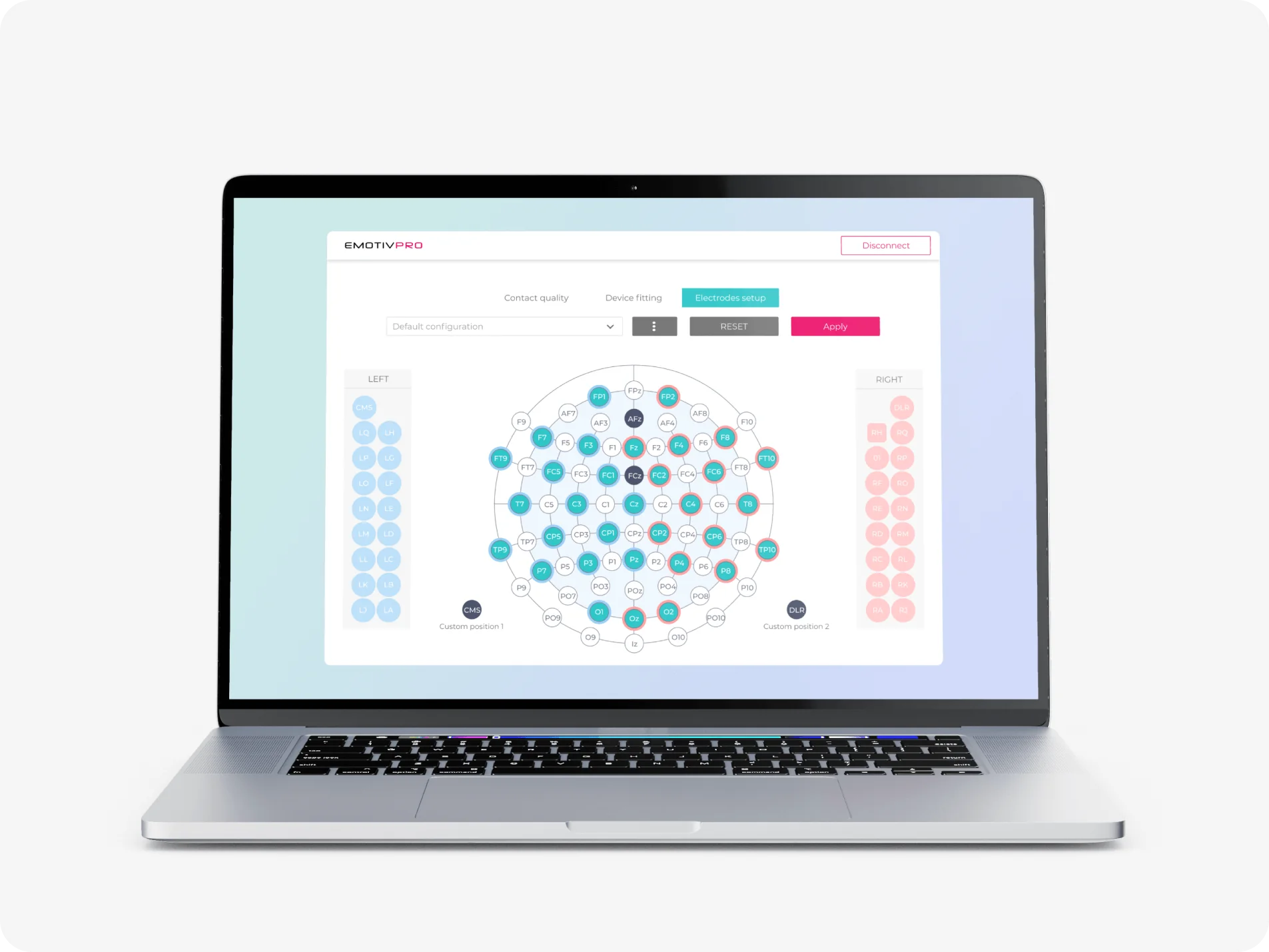
Continue reading