Cognitive Assessment Tools: A Complete Guide

Heidi Duran

Jan 30, 2026

Share:

We track our heart rate during a workout, monitor our sleep patterns, and count our daily steps. But what about checking in on our brain’s performance? This is where cognitive assessment tools come into play. Think of them not as intimidating tests, but as instruments designed to give you a clear snapshot of how well your brain is handling key functions like memory, attention, and problem-solving. They provide valuable insights that can help you understand your cognitive strengths and identify areas that might need more support. In this guide, we’ll walk through what these tools are, explore the most common types, and explain how they are used to build a more complete picture of brain health.


View Products

Key Takeaways

  • Choose the Right Tool for the Job: Cognitive assessments evaluate specific brain functions like memory and attention, not overall intelligence. Your choice of tool—whether a quick screener or a deep dive—should always match your specific goals.

  • A Test Score Isn't the Whole Story: A single assessment is a snapshot in time, not a final diagnosis or a prediction of your future. Always consult a professional to interpret results, as they can account for important context like your background and health history.

  • Digital Tools Offer Deeper Insights: Modern digital assessments provide more objective and detailed data than paper tests. By incorporating technology like EEG, they can show the cognitive processes behind a task, giving you a more complete view of brain performance.

What Are Cognitive Assessment Tools and Why Do They Matter?

You’ve probably heard the term "cognitive assessment," but what does it really mean? Simply put, cognitive assessment tools are instruments designed to evaluate how well your brain is performing key functions. Think of them as a check-up for your brain’s abilities, like memory, attention, language, and problem-solving. These tools are not about measuring intelligence; instead, they help create a snapshot of your cognitive health at a specific moment in time.

Why is this so important? Because understanding our cognitive function is the first step toward maintaining it. These assessments can help identify subtle changes that might otherwise go unnoticed. By getting a clearer picture of cognitive strengths and weaknesses, individuals and professionals can make more informed decisions. Whether used in a clinical setting to screen for potential issues or in research to understand the human brain, these tools provide invaluable insights that can guide the next steps.

What is Cognitive Function Evaluation?

A cognitive function evaluation is the process of using specific, standardized tests to measure brain performance. There’s no single "best" tool for this; the right one depends on the situation. In a doctor's office, for example, an effective tool is often one that's quick to administer (usually five minutes or less), scientifically validated, and easy for staff to use. The goal is to get a reliable baseline or screen for individuals who might benefit from a more in-depth look. This initial evaluation is a crucial part of a proactive approach to brain health, helping to flag areas that may need more attention.

Why Early Detection is Key

When it comes to cognitive changes, timing can make a significant difference. Early detection is critical because it opens the door to timely intervention and support. Identifying cognitive shifts in their initial stages allows individuals to access therapies and resources when they may be most effective. It also gives people and their families the ability to plan for the future, make lifestyle adjustments, and build a strong support system. Think of it as having a map—the sooner you know where you are, the better you can chart your course forward. This proactive stance empowers everyone involved to face the future with more confidence and preparation.

How They're Used in Healthcare and Research

In clinical practice, healthcare providers use a variety of cognitive assessment tools to screen for cognitive impairment. You might hear names like the Mini-Cog or the General Practitioner Assessment of Cognition (GPCOG). These are designed to be brief yet effective, making them practical for busy clinics. Beyond the clinic, these tools are fundamental in research. Scientists use them to study how different factors—from lifestyle to new technologies—affect cognitive function. For those in academic research and education, these assessments provide the data needed to push the boundaries of what we know about the brain.

What Are the Most Common Cognitive Assessment Tools?

When it comes to evaluating cognitive health, professionals have a variety of tools at their disposal. Think of these like a doctor's toolkit—each instrument has a specific purpose. Some are quick screeners designed to give a general overview, while others are more detailed, offering a deeper look into specific cognitive domains. These assessments aren't about passing or failing; they're about gathering information to build a complete picture of a person's cognitive function. Let's walk through some of the most widely used tools in healthcare and research settings so you can get familiar with what they are and what they measure.

Mini-Mental State Examination (MMSE)

You might have heard of the MMSE, as it's one of the classic cognitive screeners. It’s a 30-point questionnaire that a clinician administers to assess various cognitive functions like memory, orientation, attention, and language skills. It’s been a go-to for decades because it’s straightforward and relatively quick. However, it’s good to know its limitations. As healthcare providers at Creyos note, "the MMSE may be less sensitive for detecting early cognitive decline compared to other tools." It serves as a great starting point, but it's often used alongside other, more sensitive assessments for a comprehensive evaluation.

Montreal Cognitive Assessment (MoCA)

The Montreal Cognitive Assessment, or MoCA, is another popular tool, and for good reason. It’s known for being particularly effective at identifying early signs of Mild Cognitive Impairment (MCI). The Alzheimer's Association highlights that the MoCA "evaluates multiple cognitive domains such as memory, executive function, attention, language, and visuospatial skills." This broad scope allows it to pick up on subtle changes that other tests might miss. What’s also great is that digital versions are available, which makes the assessment more accessible and easier to administer in different settings, including telehealth appointments.

Mini-Cog and Clock Drawing Test

If you’re looking for a very quick screening tool, the Mini-Cog is a fantastic example. It’s designed to be fast and efficient. According to the American Academy of Family Physicians, the Mini-Cog "takes approximately three minutes to administer." It has two simple parts: first, the person is asked to remember three unrelated words, and second, they complete a clock-drawing test, where they draw a clock face with the hands pointing to a specific time. This combination is surprisingly effective at flagging potential cognitive issues, especially in older adults, making it a valuable tool in busy clinical environments.

Trail Making Test and Verbal Fluency Assessments

For a more in-depth look, clinicians often turn to tools like the Trail Making Test and verbal fluency assessments. These aren't just simple screeners; they're key components of a comprehensive evaluation. The Trail Making Test assesses processing speed and executive function by asking someone to connect a sequence of numbers and letters. Verbal fluency tests measure language abilities by asking a person to name as many words as they can from a certain category in a set amount of time. As noted in Psychology Today, these tests are effective in assessing executive function and language, providing valuable insights into a person's cognitive health.

How Do Cognitive Assessment Tools Differ?

Cognitive assessment tools aren't interchangeable. Think of them like a mechanic's tools—you wouldn't use a sledgehammer to fix a delicate watch. Each assessment is designed for a specific purpose, and they vary quite a bit in what they measure, how they're used, and the level of detail they provide. Some are quick screeners meant to be used in a busy doctor's office, while others are in-depth evaluations that require a specialist and a significant time commitment.

Understanding these differences is key to appreciating their value and limitations. Key factors that set them apart include their sensitivity to early-stage cognitive changes, the time and effort required for administration, whether they offer a quick snapshot or a deep analysis, and the format they use—classic pen-and-paper or a modern digital interface. Choosing the right tool depends entirely on the situation and the specific questions that need answers. A researcher studying subtle attention shifts will need a different instrument than a clinician conducting an initial memory screening. Let's break down these distinctions.

Detecting Early vs. Later Stage Changes

One of the most important differences between cognitive tools is their sensitivity. Some assessments are specifically designed to detect very subtle, early signs of cognitive change. For example, the Montreal Cognitive Assessment (MoCA) is known for its ability to identify mild cognitive impairment with a high degree of accuracy. This makes it incredibly valuable for catching potential issues before they become more pronounced.

Other tools might be less sensitive to these initial shifts but are effective for measuring the progression of more established cognitive conditions. They provide a reliable way to track changes over time. The right choice depends on the goal: are you looking for the earliest possible signs, or are you measuring more significant changes in cognitive function?

Time and Effort: How Are They Administered?

The practical side of how these tests are given also varies widely. Some are incredibly brief by design. The Mini-Cog, for instance, can be administered in just three to four minutes, making it a practical choice for a primary care physician during a routine check-up. Others require more time; the Mini-Mental State Examination (MMSE) typically takes around eight minutes, while the MoCA can take ten to twelve.

This time commitment is a major factor in clinical and research settings where efficiency matters. Beyond just the time, most of these assessments must be administered by a trained professional who knows how to score and interpret the results correctly, adding another layer to the process.

Quick Screenings vs. Deep Dives

Not all assessments are meant to provide a final answer. Many of the most common tools are screeners—quick, simple tests designed to flag a potential problem that warrants a closer look. Because they can be completed in just a few minutes, they are perfect for initial evaluations in busy settings. Think of a screening as a first pass.

If a screening tool indicates a potential issue, the next step is usually a "deep dive." This involves a more comprehensive evaluation, often using a battery of different tests to build a complete picture of a person's cognitive strengths and weaknesses. As many experts note, multiple tools are often necessary to get an accurate understanding of someone's cognitive health.

Digital vs. Pen-and-Paper Formats

The format of the test also plays a big role. For decades, cognitive assessments were done with pen and paper. While still widely used, this traditional format has its limits. Scoring can be subjective, meaning two different administrators might interpret the same answers slightly differently, which can affect the results.

Today, many of these classic tests are available in digital formats. Digital assessments offer greater objectivity and consistency in scoring, removing the element of human error. They can also capture more nuanced data, like response times, that a paper test can't. This move toward digital tools helps create a more standardized and reliable approach to cognitive assessment.

Let's Clear Up Some Common Myths

Cognitive assessment tools are incredibly useful, but they're also widely misunderstood. These misconceptions can create unnecessary anxiety and lead to misinterpreting the results. To make sure you're getting the most out of these tools, let's clear the air and tackle some of the most common myths head-on. Understanding what these assessments are—and what they aren’t—is the first step toward using them effectively for research, development, or personal insight.

When we talk about measuring something as complex as the human brain, it's natural for myths to pop up. These tools are often portrayed in media as futuristic mind-readers or definitive judges of intelligence, which isn't accurate. The reality is much more nuanced. They are scientific instruments designed to provide specific data points about cognitive function. By debunking these myths, we can move past the hype and focus on the practical applications and the valuable information these assessments provide. This clarity helps everyone, from researchers designing studies to individuals exploring their own cognitive patterns, to use these tools responsibly and effectively. It's about separating the facts from the fiction so you can approach cognitive data with clarity and confidence, ensuring the insights you gather are both meaningful and correctly interpreted.

Myth #1: They're Just Another IQ Test

It’s a common mistake to lump cognitive assessments in with IQ tests, but they serve different purposes. While both evaluate mental abilities, an IQ test typically aims to produce a single score to represent general intelligence. Cognitive assessments, on the other hand, measure specific cognitive abilities across different domains, such as memory, attention, verbal reasoning, and processing speed. Think of it this way: an IQ test gives you a final grade, while a cognitive assessment gives you a detailed report card showing your strengths and areas for improvement across various subjects.

Myth #2: A Test Can Give a Definitive Diagnosis

A score from a single cognitive test is not a diagnosis. These tools are screeners, designed to identify potential areas of concern that may need further investigation. A complete and accurate diagnosis requires a comprehensive evaluation from a qualified professional. This process often includes clinical interviews, a review of medical history, and sometimes multiple types of assessments. A cognitive test is just one valuable piece of a much larger puzzle, providing important clues but not the final answer. It helps guide the next steps, rather than being the final word.

Myth #3: A Score Predicts the Future

A cognitive assessment score is a snapshot of your abilities at a specific moment in time, not a crystal ball. It doesn't lock you into a predetermined future or define your potential. Cognitive function can change over time due to factors like lifestyle, health, and continued learning. A low score doesn't mean decline is inevitable, and a high score doesn't guarantee future performance. The results are best used as a baseline to understand current function, not as a definitive prediction of what's to come.

Myth #4: Culture and Education Don't Matter

It’s easy to assume that cognitive tests are completely objective, but that’s not always the case. A person's educational background, language proficiency, and cultural experiences can all influence their performance. For example, a question that relies on specific cultural knowledge might be challenging for someone from a different background, regardless of their cognitive ability. It's crucial to consider these contextual factors when interpreting results to ensure a fair and accurate understanding of an individual's cognitive profile.

Why Go Digital? The Benefits of Modern Assessment Tools

While traditional pen-and-paper tests have been the standard for a long time, digital tools are changing the game. They offer a more dynamic, detailed, and accessible way to understand cognitive function. Going digital means you can capture richer data, reduce human error, and make assessments more convenient for everyone involved. By integrating technologies like EEG, we can move beyond simple right-or-wrong answers and start to see the cognitive processes behind them. This shift allows for a more nuanced and comprehensive view of brain health and performance, giving researchers and practitioners a clearer picture than ever before.

The Power of EEG-Based Assessment

Traditional cognitive tests can tell you what a person’s answer is, but they can’t tell you why. That’s where EEG-based assessments come in. By measuring brain activity directly, these tools offer a window into the cognitive processes at play during a task. This approach provides insights that traditional tests simply cannot capture, allowing for a much deeper understanding of cognitive function. For researchers and practitioners, this means access to a richer dataset that can help identify subtle changes in brain patterns. Our academic research solutions are designed to help you explore these very insights.

Get Real-Time Brain Activity Insights

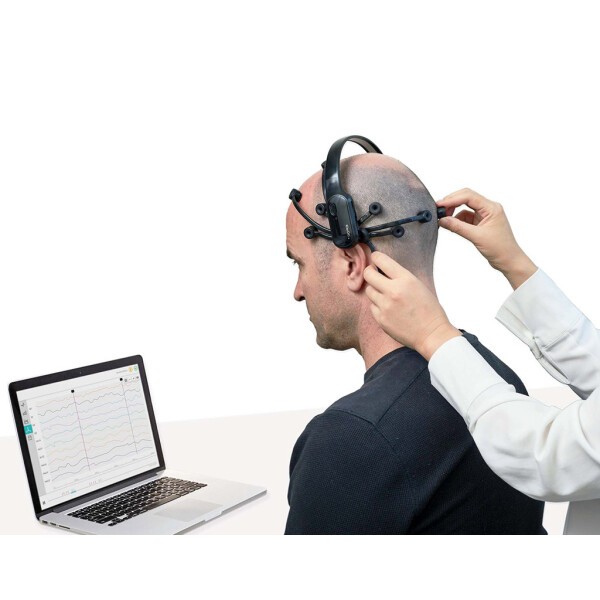
One of the biggest advantages of digital assessments is the ability to see brain activity in real time. Instead of just scoring a final result, you can analyze how someone approaches and completes a task from start to finish. Are they struggling with a particular step? Is their focus wavering? This moment-by-moment data is incredibly valuable. With software like EmotivPRO, you can visualize and analyze this streaming data, giving you a more complete picture of cognitive engagement and workload during an assessment.

Gather Objective Neurological Data

Digital tools bring a new level of objectivity and consistency to cognitive assessments. Because they are standardized, they reduce the potential for human error or bias in administration and scoring. This fairness is crucial for reliable results. Digital platforms can also detect subtle signs of cognitive changes that might be missed in a paper-based test. This precision helps create a more accurate and dependable baseline of a person's cognitive state, which is essential for anyone using our tools to access cognitive wellness information.

Assess from Anywhere with Telehealth Integration

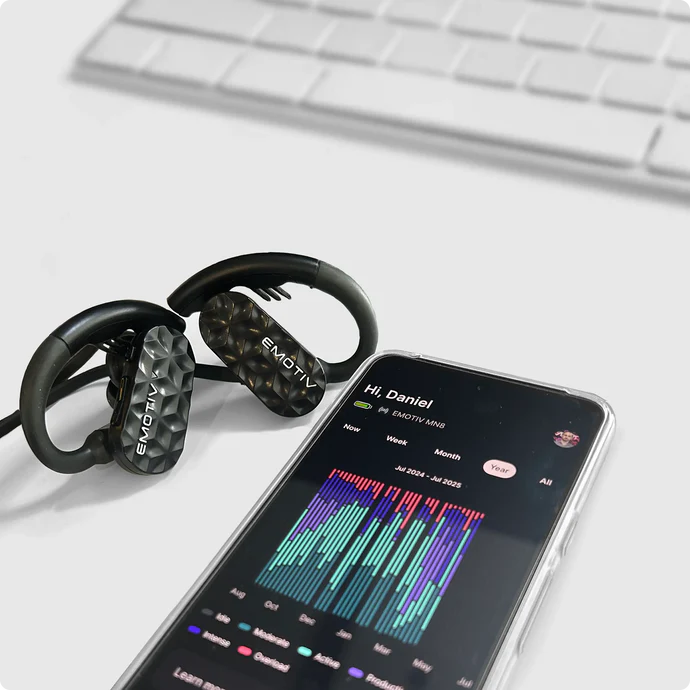
The flexibility of digital tools makes them perfect for remote use. Assessments can be completed from the comfort of a person’s home, removing geographical barriers and making cognitive evaluations more accessible. This is especially important in the context of telehealth. Portable EEG devices, like our Insight headset, are lightweight and easy to use, making remote data collection straightforward. With automatic scoring and detailed reports, digital assessments save time and provide practitioners with the information they need, no matter where their clients are.

How to Choose the Right Assessment Tool

With so many options available, selecting the right cognitive assessment tool can feel overwhelming. The best choice depends on your specific goals, the person being assessed, and the setting. Thinking through a few key factors can help you make an informed decision and ensure the results are both accurate and meaningful.

Choosing Your Format: Traditional vs. Digital

One of the first choices you'll face is whether to use a traditional pen-and-paper format or a modern digital one. While paper tests have a long history, digital assessment tools are quickly becoming the standard for good reason. They can be administered remotely, offer instant, automated scoring, and often capture more detailed information. This allows them to pick up on subtle changes that might otherwise be missed. Digital formats open the door to more dynamic and objective ways of understanding brain function, moving beyond simple right-or-wrong answers to provide a richer, more nuanced picture of cognitive performance.

Why You Might Need More Than One Tool

It’s a common myth that a single, brief cognitive test can provide a complete picture of someone's cognitive health. In reality, a comprehensive evaluation almost always requires more than one tool. Think of it like a puzzle—you need multiple pieces to see the whole image. Relying on just one screening can be misleading and may lead to an inaccurate understanding of a person's cognitive state. Using a combination of assessments allows for a more reliable view, helping to confirm findings and explore different cognitive domains. This layered approach is crucial for building an accurate and helpful profile.

The Importance of Professional Guidance

Cognitive assessment tools are powerful, but they aren't designed for self-diagnosis. The results need to be interpreted by a trained professional who can consider the full context, including medical history, lifestyle, and other relevant factors. If a screening test indicates potential concerns, the next step should always be a more thorough evaluation with a specialist. As the Alzheimer's Association advises, these tools are part of a larger diagnostic process. A professional can guide you through the results, explain what they mean, and recommend the appropriate next steps, ensuring the information is used constructively and accurately.

Tailoring Assessments for Different Groups

Not all cognitive assessment tools are created equal, and a one-size-fits-all approach doesn't work. It's essential to choose an assessment that is appropriate for the individual's cultural, linguistic, and educational background. Some tests have inherent biases that can affect results for people from diverse populations. Fortunately, researchers have developed tools specifically designed to be more culturally fair. Using a validated assessment—one that has been proven to be reliable for specific groups—ensures that the results are as accurate and meaningful as possible. This thoughtful selection process is key to a fair and effective evaluation.

Related Articles


View Products

Frequently Asked Questions

What's the real advantage of using an EEG-based assessment over a standard test? Think of it this way: a standard cognitive test shows you the final answer someone gives, but it can't tell you how they got there. An EEG-based assessment gives you a look behind the curtain. By measuring brain activity in real time, it provides objective data on the cognitive processes at play, such as attention and mental workload. This adds a much deeper layer of information, moving beyond a simple score to show the effort and engagement involved in completing the task.

Can I use these cognitive assessment tools on my own at home? While many digital tools are accessible from home, they are designed to be used with professional guidance. These are not DIY diagnostic kits. The results from any cognitive assessment are most valuable when interpreted by a trained professional who can place them in the context of your overall health and history. They can help you understand what the data means and determine the appropriate next steps, if any are needed.

If a cognitive assessment isn't an IQ test, what's the key difference? It's a common point of confusion, but their goals are quite different. An IQ test typically aims to measure general intelligence and assign a single score. A cognitive assessment, on the other hand, breaks down your mental performance into specific functions. It creates a detailed profile of distinct abilities like memory, processing speed, and executive function, showing you a pattern of strengths and weaknesses rather than one overarching number.

Does a low score on a cognitive test mean I'm going to have problems later on? Not at all. A cognitive assessment score is simply a snapshot of your performance on a particular day, not a prediction of your future. Many things can affect your score, from how much sleep you got the night before to your current stress levels. The result is best viewed as a single data point that can serve as a baseline or a conversation starter with a healthcare professional, not as a definitive statement about what's to come.

Why is it sometimes necessary to use more than one assessment tool? Relying on a single test can sometimes provide an incomplete or even misleading picture of cognitive function. Each tool measures slightly different things or approaches them from a different angle. Using a combination of assessments allows professionals to cross-reference the findings and build a more reliable and comprehensive understanding. It ensures that any conclusions are based on a well-rounded view rather than the results of just one screener.

We track our heart rate during a workout, monitor our sleep patterns, and count our daily steps. But what about checking in on our brain’s performance? This is where cognitive assessment tools come into play. Think of them not as intimidating tests, but as instruments designed to give you a clear snapshot of how well your brain is handling key functions like memory, attention, and problem-solving. They provide valuable insights that can help you understand your cognitive strengths and identify areas that might need more support. In this guide, we’ll walk through what these tools are, explore the most common types, and explain how they are used to build a more complete picture of brain health.


View Products

Key Takeaways

  • Choose the Right Tool for the Job: Cognitive assessments evaluate specific brain functions like memory and attention, not overall intelligence. Your choice of tool—whether a quick screener or a deep dive—should always match your specific goals.

  • A Test Score Isn't the Whole Story: A single assessment is a snapshot in time, not a final diagnosis or a prediction of your future. Always consult a professional to interpret results, as they can account for important context like your background and health history.

  • Digital Tools Offer Deeper Insights: Modern digital assessments provide more objective and detailed data than paper tests. By incorporating technology like EEG, they can show the cognitive processes behind a task, giving you a more complete view of brain performance.

What Are Cognitive Assessment Tools and Why Do They Matter?

You’ve probably heard the term "cognitive assessment," but what does it really mean? Simply put, cognitive assessment tools are instruments designed to evaluate how well your brain is performing key functions. Think of them as a check-up for your brain’s abilities, like memory, attention, language, and problem-solving. These tools are not about measuring intelligence; instead, they help create a snapshot of your cognitive health at a specific moment in time.

Why is this so important? Because understanding our cognitive function is the first step toward maintaining it. These assessments can help identify subtle changes that might otherwise go unnoticed. By getting a clearer picture of cognitive strengths and weaknesses, individuals and professionals can make more informed decisions. Whether used in a clinical setting to screen for potential issues or in research to understand the human brain, these tools provide invaluable insights that can guide the next steps.

What is Cognitive Function Evaluation?

A cognitive function evaluation is the process of using specific, standardized tests to measure brain performance. There’s no single "best" tool for this; the right one depends on the situation. In a doctor's office, for example, an effective tool is often one that's quick to administer (usually five minutes or less), scientifically validated, and easy for staff to use. The goal is to get a reliable baseline or screen for individuals who might benefit from a more in-depth look. This initial evaluation is a crucial part of a proactive approach to brain health, helping to flag areas that may need more attention.

Why Early Detection is Key

When it comes to cognitive changes, timing can make a significant difference. Early detection is critical because it opens the door to timely intervention and support. Identifying cognitive shifts in their initial stages allows individuals to access therapies and resources when they may be most effective. It also gives people and their families the ability to plan for the future, make lifestyle adjustments, and build a strong support system. Think of it as having a map—the sooner you know where you are, the better you can chart your course forward. This proactive stance empowers everyone involved to face the future with more confidence and preparation.

How They're Used in Healthcare and Research

In clinical practice, healthcare providers use a variety of cognitive assessment tools to screen for cognitive impairment. You might hear names like the Mini-Cog or the General Practitioner Assessment of Cognition (GPCOG). These are designed to be brief yet effective, making them practical for busy clinics. Beyond the clinic, these tools are fundamental in research. Scientists use them to study how different factors—from lifestyle to new technologies—affect cognitive function. For those in academic research and education, these assessments provide the data needed to push the boundaries of what we know about the brain.

What Are the Most Common Cognitive Assessment Tools?

When it comes to evaluating cognitive health, professionals have a variety of tools at their disposal. Think of these like a doctor's toolkit—each instrument has a specific purpose. Some are quick screeners designed to give a general overview, while others are more detailed, offering a deeper look into specific cognitive domains. These assessments aren't about passing or failing; they're about gathering information to build a complete picture of a person's cognitive function. Let's walk through some of the most widely used tools in healthcare and research settings so you can get familiar with what they are and what they measure.

Mini-Mental State Examination (MMSE)

You might have heard of the MMSE, as it's one of the classic cognitive screeners. It’s a 30-point questionnaire that a clinician administers to assess various cognitive functions like memory, orientation, attention, and language skills. It’s been a go-to for decades because it’s straightforward and relatively quick. However, it’s good to know its limitations. As healthcare providers at Creyos note, "the MMSE may be less sensitive for detecting early cognitive decline compared to other tools." It serves as a great starting point, but it's often used alongside other, more sensitive assessments for a comprehensive evaluation.

Montreal Cognitive Assessment (MoCA)

The Montreal Cognitive Assessment, or MoCA, is another popular tool, and for good reason. It’s known for being particularly effective at identifying early signs of Mild Cognitive Impairment (MCI). The Alzheimer's Association highlights that the MoCA "evaluates multiple cognitive domains such as memory, executive function, attention, language, and visuospatial skills." This broad scope allows it to pick up on subtle changes that other tests might miss. What’s also great is that digital versions are available, which makes the assessment more accessible and easier to administer in different settings, including telehealth appointments.

Mini-Cog and Clock Drawing Test

If you’re looking for a very quick screening tool, the Mini-Cog is a fantastic example. It’s designed to be fast and efficient. According to the American Academy of Family Physicians, the Mini-Cog "takes approximately three minutes to administer." It has two simple parts: first, the person is asked to remember three unrelated words, and second, they complete a clock-drawing test, where they draw a clock face with the hands pointing to a specific time. This combination is surprisingly effective at flagging potential cognitive issues, especially in older adults, making it a valuable tool in busy clinical environments.

Trail Making Test and Verbal Fluency Assessments

For a more in-depth look, clinicians often turn to tools like the Trail Making Test and verbal fluency assessments. These aren't just simple screeners; they're key components of a comprehensive evaluation. The Trail Making Test assesses processing speed and executive function by asking someone to connect a sequence of numbers and letters. Verbal fluency tests measure language abilities by asking a person to name as many words as they can from a certain category in a set amount of time. As noted in Psychology Today, these tests are effective in assessing executive function and language, providing valuable insights into a person's cognitive health.

How Do Cognitive Assessment Tools Differ?

Cognitive assessment tools aren't interchangeable. Think of them like a mechanic's tools—you wouldn't use a sledgehammer to fix a delicate watch. Each assessment is designed for a specific purpose, and they vary quite a bit in what they measure, how they're used, and the level of detail they provide. Some are quick screeners meant to be used in a busy doctor's office, while others are in-depth evaluations that require a specialist and a significant time commitment.

Understanding these differences is key to appreciating their value and limitations. Key factors that set them apart include their sensitivity to early-stage cognitive changes, the time and effort required for administration, whether they offer a quick snapshot or a deep analysis, and the format they use—classic pen-and-paper or a modern digital interface. Choosing the right tool depends entirely on the situation and the specific questions that need answers. A researcher studying subtle attention shifts will need a different instrument than a clinician conducting an initial memory screening. Let's break down these distinctions.

Detecting Early vs. Later Stage Changes

One of the most important differences between cognitive tools is their sensitivity. Some assessments are specifically designed to detect very subtle, early signs of cognitive change. For example, the Montreal Cognitive Assessment (MoCA) is known for its ability to identify mild cognitive impairment with a high degree of accuracy. This makes it incredibly valuable for catching potential issues before they become more pronounced.

Other tools might be less sensitive to these initial shifts but are effective for measuring the progression of more established cognitive conditions. They provide a reliable way to track changes over time. The right choice depends on the goal: are you looking for the earliest possible signs, or are you measuring more significant changes in cognitive function?

Time and Effort: How Are They Administered?

The practical side of how these tests are given also varies widely. Some are incredibly brief by design. The Mini-Cog, for instance, can be administered in just three to four minutes, making it a practical choice for a primary care physician during a routine check-up. Others require more time; the Mini-Mental State Examination (MMSE) typically takes around eight minutes, while the MoCA can take ten to twelve.

This time commitment is a major factor in clinical and research settings where efficiency matters. Beyond just the time, most of these assessments must be administered by a trained professional who knows how to score and interpret the results correctly, adding another layer to the process.

Quick Screenings vs. Deep Dives

Not all assessments are meant to provide a final answer. Many of the most common tools are screeners—quick, simple tests designed to flag a potential problem that warrants a closer look. Because they can be completed in just a few minutes, they are perfect for initial evaluations in busy settings. Think of a screening as a first pass.

If a screening tool indicates a potential issue, the next step is usually a "deep dive." This involves a more comprehensive evaluation, often using a battery of different tests to build a complete picture of a person's cognitive strengths and weaknesses. As many experts note, multiple tools are often necessary to get an accurate understanding of someone's cognitive health.

Digital vs. Pen-and-Paper Formats

The format of the test also plays a big role. For decades, cognitive assessments were done with pen and paper. While still widely used, this traditional format has its limits. Scoring can be subjective, meaning two different administrators might interpret the same answers slightly differently, which can affect the results.

Today, many of these classic tests are available in digital formats. Digital assessments offer greater objectivity and consistency in scoring, removing the element of human error. They can also capture more nuanced data, like response times, that a paper test can't. This move toward digital tools helps create a more standardized and reliable approach to cognitive assessment.

Let's Clear Up Some Common Myths

Cognitive assessment tools are incredibly useful, but they're also widely misunderstood. These misconceptions can create unnecessary anxiety and lead to misinterpreting the results. To make sure you're getting the most out of these tools, let's clear the air and tackle some of the most common myths head-on. Understanding what these assessments are—and what they aren’t—is the first step toward using them effectively for research, development, or personal insight.

When we talk about measuring something as complex as the human brain, it's natural for myths to pop up. These tools are often portrayed in media as futuristic mind-readers or definitive judges of intelligence, which isn't accurate. The reality is much more nuanced. They are scientific instruments designed to provide specific data points about cognitive function. By debunking these myths, we can move past the hype and focus on the practical applications and the valuable information these assessments provide. This clarity helps everyone, from researchers designing studies to individuals exploring their own cognitive patterns, to use these tools responsibly and effectively. It's about separating the facts from the fiction so you can approach cognitive data with clarity and confidence, ensuring the insights you gather are both meaningful and correctly interpreted.

Myth #1: They're Just Another IQ Test

It’s a common mistake to lump cognitive assessments in with IQ tests, but they serve different purposes. While both evaluate mental abilities, an IQ test typically aims to produce a single score to represent general intelligence. Cognitive assessments, on the other hand, measure specific cognitive abilities across different domains, such as memory, attention, verbal reasoning, and processing speed. Think of it this way: an IQ test gives you a final grade, while a cognitive assessment gives you a detailed report card showing your strengths and areas for improvement across various subjects.

Myth #2: A Test Can Give a Definitive Diagnosis

A score from a single cognitive test is not a diagnosis. These tools are screeners, designed to identify potential areas of concern that may need further investigation. A complete and accurate diagnosis requires a comprehensive evaluation from a qualified professional. This process often includes clinical interviews, a review of medical history, and sometimes multiple types of assessments. A cognitive test is just one valuable piece of a much larger puzzle, providing important clues but not the final answer. It helps guide the next steps, rather than being the final word.

Myth #3: A Score Predicts the Future

A cognitive assessment score is a snapshot of your abilities at a specific moment in time, not a crystal ball. It doesn't lock you into a predetermined future or define your potential. Cognitive function can change over time due to factors like lifestyle, health, and continued learning. A low score doesn't mean decline is inevitable, and a high score doesn't guarantee future performance. The results are best used as a baseline to understand current function, not as a definitive prediction of what's to come.

Myth #4: Culture and Education Don't Matter

It’s easy to assume that cognitive tests are completely objective, but that’s not always the case. A person's educational background, language proficiency, and cultural experiences can all influence their performance. For example, a question that relies on specific cultural knowledge might be challenging for someone from a different background, regardless of their cognitive ability. It's crucial to consider these contextual factors when interpreting results to ensure a fair and accurate understanding of an individual's cognitive profile.

Why Go Digital? The Benefits of Modern Assessment Tools

While traditional pen-and-paper tests have been the standard for a long time, digital tools are changing the game. They offer a more dynamic, detailed, and accessible way to understand cognitive function. Going digital means you can capture richer data, reduce human error, and make assessments more convenient for everyone involved. By integrating technologies like EEG, we can move beyond simple right-or-wrong answers and start to see the cognitive processes behind them. This shift allows for a more nuanced and comprehensive view of brain health and performance, giving researchers and practitioners a clearer picture than ever before.

The Power of EEG-Based Assessment

Traditional cognitive tests can tell you what a person’s answer is, but they can’t tell you why. That’s where EEG-based assessments come in. By measuring brain activity directly, these tools offer a window into the cognitive processes at play during a task. This approach provides insights that traditional tests simply cannot capture, allowing for a much deeper understanding of cognitive function. For researchers and practitioners, this means access to a richer dataset that can help identify subtle changes in brain patterns. Our academic research solutions are designed to help you explore these very insights.

Get Real-Time Brain Activity Insights

One of the biggest advantages of digital assessments is the ability to see brain activity in real time. Instead of just scoring a final result, you can analyze how someone approaches and completes a task from start to finish. Are they struggling with a particular step? Is their focus wavering? This moment-by-moment data is incredibly valuable. With software like EmotivPRO, you can visualize and analyze this streaming data, giving you a more complete picture of cognitive engagement and workload during an assessment.

Gather Objective Neurological Data

Digital tools bring a new level of objectivity and consistency to cognitive assessments. Because they are standardized, they reduce the potential for human error or bias in administration and scoring. This fairness is crucial for reliable results. Digital platforms can also detect subtle signs of cognitive changes that might be missed in a paper-based test. This precision helps create a more accurate and dependable baseline of a person's cognitive state, which is essential for anyone using our tools to access cognitive wellness information.

Assess from Anywhere with Telehealth Integration

The flexibility of digital tools makes them perfect for remote use. Assessments can be completed from the comfort of a person’s home, removing geographical barriers and making cognitive evaluations more accessible. This is especially important in the context of telehealth. Portable EEG devices, like our Insight headset, are lightweight and easy to use, making remote data collection straightforward. With automatic scoring and detailed reports, digital assessments save time and provide practitioners with the information they need, no matter where their clients are.

How to Choose the Right Assessment Tool

With so many options available, selecting the right cognitive assessment tool can feel overwhelming. The best choice depends on your specific goals, the person being assessed, and the setting. Thinking through a few key factors can help you make an informed decision and ensure the results are both accurate and meaningful.

Choosing Your Format: Traditional vs. Digital

One of the first choices you'll face is whether to use a traditional pen-and-paper format or a modern digital one. While paper tests have a long history, digital assessment tools are quickly becoming the standard for good reason. They can be administered remotely, offer instant, automated scoring, and often capture more detailed information. This allows them to pick up on subtle changes that might otherwise be missed. Digital formats open the door to more dynamic and objective ways of understanding brain function, moving beyond simple right-or-wrong answers to provide a richer, more nuanced picture of cognitive performance.

Why You Might Need More Than One Tool

It’s a common myth that a single, brief cognitive test can provide a complete picture of someone's cognitive health. In reality, a comprehensive evaluation almost always requires more than one tool. Think of it like a puzzle—you need multiple pieces to see the whole image. Relying on just one screening can be misleading and may lead to an inaccurate understanding of a person's cognitive state. Using a combination of assessments allows for a more reliable view, helping to confirm findings and explore different cognitive domains. This layered approach is crucial for building an accurate and helpful profile.

The Importance of Professional Guidance

Cognitive assessment tools are powerful, but they aren't designed for self-diagnosis. The results need to be interpreted by a trained professional who can consider the full context, including medical history, lifestyle, and other relevant factors. If a screening test indicates potential concerns, the next step should always be a more thorough evaluation with a specialist. As the Alzheimer's Association advises, these tools are part of a larger diagnostic process. A professional can guide you through the results, explain what they mean, and recommend the appropriate next steps, ensuring the information is used constructively and accurately.

Tailoring Assessments for Different Groups

Not all cognitive assessment tools are created equal, and a one-size-fits-all approach doesn't work. It's essential to choose an assessment that is appropriate for the individual's cultural, linguistic, and educational background. Some tests have inherent biases that can affect results for people from diverse populations. Fortunately, researchers have developed tools specifically designed to be more culturally fair. Using a validated assessment—one that has been proven to be reliable for specific groups—ensures that the results are as accurate and meaningful as possible. This thoughtful selection process is key to a fair and effective evaluation.

Related Articles


View Products

Frequently Asked Questions

What's the real advantage of using an EEG-based assessment over a standard test? Think of it this way: a standard cognitive test shows you the final answer someone gives, but it can't tell you how they got there. An EEG-based assessment gives you a look behind the curtain. By measuring brain activity in real time, it provides objective data on the cognitive processes at play, such as attention and mental workload. This adds a much deeper layer of information, moving beyond a simple score to show the effort and engagement involved in completing the task.

Can I use these cognitive assessment tools on my own at home? While many digital tools are accessible from home, they are designed to be used with professional guidance. These are not DIY diagnostic kits. The results from any cognitive assessment are most valuable when interpreted by a trained professional who can place them in the context of your overall health and history. They can help you understand what the data means and determine the appropriate next steps, if any are needed.

If a cognitive assessment isn't an IQ test, what's the key difference? It's a common point of confusion, but their goals are quite different. An IQ test typically aims to measure general intelligence and assign a single score. A cognitive assessment, on the other hand, breaks down your mental performance into specific functions. It creates a detailed profile of distinct abilities like memory, processing speed, and executive function, showing you a pattern of strengths and weaknesses rather than one overarching number.

Does a low score on a cognitive test mean I'm going to have problems later on? Not at all. A cognitive assessment score is simply a snapshot of your performance on a particular day, not a prediction of your future. Many things can affect your score, from how much sleep you got the night before to your current stress levels. The result is best viewed as a single data point that can serve as a baseline or a conversation starter with a healthcare professional, not as a definitive statement about what's to come.

Why is it sometimes necessary to use more than one assessment tool? Relying on a single test can sometimes provide an incomplete or even misleading picture of cognitive function. Each tool measures slightly different things or approaches them from a different angle. Using a combination of assessments allows professionals to cross-reference the findings and build a more reliable and comprehensive understanding. It ensures that any conclusions are based on a well-rounded view rather than the results of just one screener.

We track our heart rate during a workout, monitor our sleep patterns, and count our daily steps. But what about checking in on our brain’s performance? This is where cognitive assessment tools come into play. Think of them not as intimidating tests, but as instruments designed to give you a clear snapshot of how well your brain is handling key functions like memory, attention, and problem-solving. They provide valuable insights that can help you understand your cognitive strengths and identify areas that might need more support. In this guide, we’ll walk through what these tools are, explore the most common types, and explain how they are used to build a more complete picture of brain health.


View Products

Key Takeaways

  • Choose the Right Tool for the Job: Cognitive assessments evaluate specific brain functions like memory and attention, not overall intelligence. Your choice of tool—whether a quick screener or a deep dive—should always match your specific goals.

  • A Test Score Isn't the Whole Story: A single assessment is a snapshot in time, not a final diagnosis or a prediction of your future. Always consult a professional to interpret results, as they can account for important context like your background and health history.

  • Digital Tools Offer Deeper Insights: Modern digital assessments provide more objective and detailed data than paper tests. By incorporating technology like EEG, they can show the cognitive processes behind a task, giving you a more complete view of brain performance.

What Are Cognitive Assessment Tools and Why Do They Matter?

You’ve probably heard the term "cognitive assessment," but what does it really mean? Simply put, cognitive assessment tools are instruments designed to evaluate how well your brain is performing key functions. Think of them as a check-up for your brain’s abilities, like memory, attention, language, and problem-solving. These tools are not about measuring intelligence; instead, they help create a snapshot of your cognitive health at a specific moment in time.

Why is this so important? Because understanding our cognitive function is the first step toward maintaining it. These assessments can help identify subtle changes that might otherwise go unnoticed. By getting a clearer picture of cognitive strengths and weaknesses, individuals and professionals can make more informed decisions. Whether used in a clinical setting to screen for potential issues or in research to understand the human brain, these tools provide invaluable insights that can guide the next steps.

What is Cognitive Function Evaluation?

A cognitive function evaluation is the process of using specific, standardized tests to measure brain performance. There’s no single "best" tool for this; the right one depends on the situation. In a doctor's office, for example, an effective tool is often one that's quick to administer (usually five minutes or less), scientifically validated, and easy for staff to use. The goal is to get a reliable baseline or screen for individuals who might benefit from a more in-depth look. This initial evaluation is a crucial part of a proactive approach to brain health, helping to flag areas that may need more attention.

Why Early Detection is Key

When it comes to cognitive changes, timing can make a significant difference. Early detection is critical because it opens the door to timely intervention and support. Identifying cognitive shifts in their initial stages allows individuals to access therapies and resources when they may be most effective. It also gives people and their families the ability to plan for the future, make lifestyle adjustments, and build a strong support system. Think of it as having a map—the sooner you know where you are, the better you can chart your course forward. This proactive stance empowers everyone involved to face the future with more confidence and preparation.

How They're Used in Healthcare and Research

In clinical practice, healthcare providers use a variety of cognitive assessment tools to screen for cognitive impairment. You might hear names like the Mini-Cog or the General Practitioner Assessment of Cognition (GPCOG). These are designed to be brief yet effective, making them practical for busy clinics. Beyond the clinic, these tools are fundamental in research. Scientists use them to study how different factors—from lifestyle to new technologies—affect cognitive function. For those in academic research and education, these assessments provide the data needed to push the boundaries of what we know about the brain.

What Are the Most Common Cognitive Assessment Tools?

When it comes to evaluating cognitive health, professionals have a variety of tools at their disposal. Think of these like a doctor's toolkit—each instrument has a specific purpose. Some are quick screeners designed to give a general overview, while others are more detailed, offering a deeper look into specific cognitive domains. These assessments aren't about passing or failing; they're about gathering information to build a complete picture of a person's cognitive function. Let's walk through some of the most widely used tools in healthcare and research settings so you can get familiar with what they are and what they measure.

Mini-Mental State Examination (MMSE)

You might have heard of the MMSE, as it's one of the classic cognitive screeners. It’s a 30-point questionnaire that a clinician administers to assess various cognitive functions like memory, orientation, attention, and language skills. It’s been a go-to for decades because it’s straightforward and relatively quick. However, it’s good to know its limitations. As healthcare providers at Creyos note, "the MMSE may be less sensitive for detecting early cognitive decline compared to other tools." It serves as a great starting point, but it's often used alongside other, more sensitive assessments for a comprehensive evaluation.

Montreal Cognitive Assessment (MoCA)

The Montreal Cognitive Assessment, or MoCA, is another popular tool, and for good reason. It’s known for being particularly effective at identifying early signs of Mild Cognitive Impairment (MCI). The Alzheimer's Association highlights that the MoCA "evaluates multiple cognitive domains such as memory, executive function, attention, language, and visuospatial skills." This broad scope allows it to pick up on subtle changes that other tests might miss. What’s also great is that digital versions are available, which makes the assessment more accessible and easier to administer in different settings, including telehealth appointments.

Mini-Cog and Clock Drawing Test

If you’re looking for a very quick screening tool, the Mini-Cog is a fantastic example. It’s designed to be fast and efficient. According to the American Academy of Family Physicians, the Mini-Cog "takes approximately three minutes to administer." It has two simple parts: first, the person is asked to remember three unrelated words, and second, they complete a clock-drawing test, where they draw a clock face with the hands pointing to a specific time. This combination is surprisingly effective at flagging potential cognitive issues, especially in older adults, making it a valuable tool in busy clinical environments.

Trail Making Test and Verbal Fluency Assessments

For a more in-depth look, clinicians often turn to tools like the Trail Making Test and verbal fluency assessments. These aren't just simple screeners; they're key components of a comprehensive evaluation. The Trail Making Test assesses processing speed and executive function by asking someone to connect a sequence of numbers and letters. Verbal fluency tests measure language abilities by asking a person to name as many words as they can from a certain category in a set amount of time. As noted in Psychology Today, these tests are effective in assessing executive function and language, providing valuable insights into a person's cognitive health.

How Do Cognitive Assessment Tools Differ?

Cognitive assessment tools aren't interchangeable. Think of them like a mechanic's tools—you wouldn't use a sledgehammer to fix a delicate watch. Each assessment is designed for a specific purpose, and they vary quite a bit in what they measure, how they're used, and the level of detail they provide. Some are quick screeners meant to be used in a busy doctor's office, while others are in-depth evaluations that require a specialist and a significant time commitment.

Understanding these differences is key to appreciating their value and limitations. Key factors that set them apart include their sensitivity to early-stage cognitive changes, the time and effort required for administration, whether they offer a quick snapshot or a deep analysis, and the format they use—classic pen-and-paper or a modern digital interface. Choosing the right tool depends entirely on the situation and the specific questions that need answers. A researcher studying subtle attention shifts will need a different instrument than a clinician conducting an initial memory screening. Let's break down these distinctions.

Detecting Early vs. Later Stage Changes

One of the most important differences between cognitive tools is their sensitivity. Some assessments are specifically designed to detect very subtle, early signs of cognitive change. For example, the Montreal Cognitive Assessment (MoCA) is known for its ability to identify mild cognitive impairment with a high degree of accuracy. This makes it incredibly valuable for catching potential issues before they become more pronounced.

Other tools might be less sensitive to these initial shifts but are effective for measuring the progression of more established cognitive conditions. They provide a reliable way to track changes over time. The right choice depends on the goal: are you looking for the earliest possible signs, or are you measuring more significant changes in cognitive function?

Time and Effort: How Are They Administered?

The practical side of how these tests are given also varies widely. Some are incredibly brief by design. The Mini-Cog, for instance, can be administered in just three to four minutes, making it a practical choice for a primary care physician during a routine check-up. Others require more time; the Mini-Mental State Examination (MMSE) typically takes around eight minutes, while the MoCA can take ten to twelve.

This time commitment is a major factor in clinical and research settings where efficiency matters. Beyond just the time, most of these assessments must be administered by a trained professional who knows how to score and interpret the results correctly, adding another layer to the process.

Quick Screenings vs. Deep Dives

Not all assessments are meant to provide a final answer. Many of the most common tools are screeners—quick, simple tests designed to flag a potential problem that warrants a closer look. Because they can be completed in just a few minutes, they are perfect for initial evaluations in busy settings. Think of a screening as a first pass.

If a screening tool indicates a potential issue, the next step is usually a "deep dive." This involves a more comprehensive evaluation, often using a battery of different tests to build a complete picture of a person's cognitive strengths and weaknesses. As many experts note, multiple tools are often necessary to get an accurate understanding of someone's cognitive health.

Digital vs. Pen-and-Paper Formats

The format of the test also plays a big role. For decades, cognitive assessments were done with pen and paper. While still widely used, this traditional format has its limits. Scoring can be subjective, meaning two different administrators might interpret the same answers slightly differently, which can affect the results.

Today, many of these classic tests are available in digital formats. Digital assessments offer greater objectivity and consistency in scoring, removing the element of human error. They can also capture more nuanced data, like response times, that a paper test can't. This move toward digital tools helps create a more standardized and reliable approach to cognitive assessment.

Let's Clear Up Some Common Myths

Cognitive assessment tools are incredibly useful, but they're also widely misunderstood. These misconceptions can create unnecessary anxiety and lead to misinterpreting the results. To make sure you're getting the most out of these tools, let's clear the air and tackle some of the most common myths head-on. Understanding what these assessments are—and what they aren’t—is the first step toward using them effectively for research, development, or personal insight.

When we talk about measuring something as complex as the human brain, it's natural for myths to pop up. These tools are often portrayed in media as futuristic mind-readers or definitive judges of intelligence, which isn't accurate. The reality is much more nuanced. They are scientific instruments designed to provide specific data points about cognitive function. By debunking these myths, we can move past the hype and focus on the practical applications and the valuable information these assessments provide. This clarity helps everyone, from researchers designing studies to individuals exploring their own cognitive patterns, to use these tools responsibly and effectively. It's about separating the facts from the fiction so you can approach cognitive data with clarity and confidence, ensuring the insights you gather are both meaningful and correctly interpreted.

Myth #1: They're Just Another IQ Test

It’s a common mistake to lump cognitive assessments in with IQ tests, but they serve different purposes. While both evaluate mental abilities, an IQ test typically aims to produce a single score to represent general intelligence. Cognitive assessments, on the other hand, measure specific cognitive abilities across different domains, such as memory, attention, verbal reasoning, and processing speed. Think of it this way: an IQ test gives you a final grade, while a cognitive assessment gives you a detailed report card showing your strengths and areas for improvement across various subjects.

Myth #2: A Test Can Give a Definitive Diagnosis

A score from a single cognitive test is not a diagnosis. These tools are screeners, designed to identify potential areas of concern that may need further investigation. A complete and accurate diagnosis requires a comprehensive evaluation from a qualified professional. This process often includes clinical interviews, a review of medical history, and sometimes multiple types of assessments. A cognitive test is just one valuable piece of a much larger puzzle, providing important clues but not the final answer. It helps guide the next steps, rather than being the final word.

Myth #3: A Score Predicts the Future

A cognitive assessment score is a snapshot of your abilities at a specific moment in time, not a crystal ball. It doesn't lock you into a predetermined future or define your potential. Cognitive function can change over time due to factors like lifestyle, health, and continued learning. A low score doesn't mean decline is inevitable, and a high score doesn't guarantee future performance. The results are best used as a baseline to understand current function, not as a definitive prediction of what's to come.

Myth #4: Culture and Education Don't Matter

It’s easy to assume that cognitive tests are completely objective, but that’s not always the case. A person's educational background, language proficiency, and cultural experiences can all influence their performance. For example, a question that relies on specific cultural knowledge might be challenging for someone from a different background, regardless of their cognitive ability. It's crucial to consider these contextual factors when interpreting results to ensure a fair and accurate understanding of an individual's cognitive profile.

Why Go Digital? The Benefits of Modern Assessment Tools

While traditional pen-and-paper tests have been the standard for a long time, digital tools are changing the game. They offer a more dynamic, detailed, and accessible way to understand cognitive function. Going digital means you can capture richer data, reduce human error, and make assessments more convenient for everyone involved. By integrating technologies like EEG, we can move beyond simple right-or-wrong answers and start to see the cognitive processes behind them. This shift allows for a more nuanced and comprehensive view of brain health and performance, giving researchers and practitioners a clearer picture than ever before.

The Power of EEG-Based Assessment

Traditional cognitive tests can tell you what a person’s answer is, but they can’t tell you why. That’s where EEG-based assessments come in. By measuring brain activity directly, these tools offer a window into the cognitive processes at play during a task. This approach provides insights that traditional tests simply cannot capture, allowing for a much deeper understanding of cognitive function. For researchers and practitioners, this means access to a richer dataset that can help identify subtle changes in brain patterns. Our academic research solutions are designed to help you explore these very insights.

Get Real-Time Brain Activity Insights

One of the biggest advantages of digital assessments is the ability to see brain activity in real time. Instead of just scoring a final result, you can analyze how someone approaches and completes a task from start to finish. Are they struggling with a particular step? Is their focus wavering? This moment-by-moment data is incredibly valuable. With software like EmotivPRO, you can visualize and analyze this streaming data, giving you a more complete picture of cognitive engagement and workload during an assessment.

Gather Objective Neurological Data

Digital tools bring a new level of objectivity and consistency to cognitive assessments. Because they are standardized, they reduce the potential for human error or bias in administration and scoring. This fairness is crucial for reliable results. Digital platforms can also detect subtle signs of cognitive changes that might be missed in a paper-based test. This precision helps create a more accurate and dependable baseline of a person's cognitive state, which is essential for anyone using our tools to access cognitive wellness information.

Assess from Anywhere with Telehealth Integration

The flexibility of digital tools makes them perfect for remote use. Assessments can be completed from the comfort of a person’s home, removing geographical barriers and making cognitive evaluations more accessible. This is especially important in the context of telehealth. Portable EEG devices, like our Insight headset, are lightweight and easy to use, making remote data collection straightforward. With automatic scoring and detailed reports, digital assessments save time and provide practitioners with the information they need, no matter where their clients are.

How to Choose the Right Assessment Tool

With so many options available, selecting the right cognitive assessment tool can feel overwhelming. The best choice depends on your specific goals, the person being assessed, and the setting. Thinking through a few key factors can help you make an informed decision and ensure the results are both accurate and meaningful.

Choosing Your Format: Traditional vs. Digital

One of the first choices you'll face is whether to use a traditional pen-and-paper format or a modern digital one. While paper tests have a long history, digital assessment tools are quickly becoming the standard for good reason. They can be administered remotely, offer instant, automated scoring, and often capture more detailed information. This allows them to pick up on subtle changes that might otherwise be missed. Digital formats open the door to more dynamic and objective ways of understanding brain function, moving beyond simple right-or-wrong answers to provide a richer, more nuanced picture of cognitive performance.

Why You Might Need More Than One Tool

It’s a common myth that a single, brief cognitive test can provide a complete picture of someone's cognitive health. In reality, a comprehensive evaluation almost always requires more than one tool. Think of it like a puzzle—you need multiple pieces to see the whole image. Relying on just one screening can be misleading and may lead to an inaccurate understanding of a person's cognitive state. Using a combination of assessments allows for a more reliable view, helping to confirm findings and explore different cognitive domains. This layered approach is crucial for building an accurate and helpful profile.

The Importance of Professional Guidance

Cognitive assessment tools are powerful, but they aren't designed for self-diagnosis. The results need to be interpreted by a trained professional who can consider the full context, including medical history, lifestyle, and other relevant factors. If a screening test indicates potential concerns, the next step should always be a more thorough evaluation with a specialist. As the Alzheimer's Association advises, these tools are part of a larger diagnostic process. A professional can guide you through the results, explain what they mean, and recommend the appropriate next steps, ensuring the information is used constructively and accurately.

Tailoring Assessments for Different Groups

Not all cognitive assessment tools are created equal, and a one-size-fits-all approach doesn't work. It's essential to choose an assessment that is appropriate for the individual's cultural, linguistic, and educational background. Some tests have inherent biases that can affect results for people from diverse populations. Fortunately, researchers have developed tools specifically designed to be more culturally fair. Using a validated assessment—one that has been proven to be reliable for specific groups—ensures that the results are as accurate and meaningful as possible. This thoughtful selection process is key to a fair and effective evaluation.

Related Articles


View Products

Frequently Asked Questions

What's the real advantage of using an EEG-based assessment over a standard test? Think of it this way: a standard cognitive test shows you the final answer someone gives, but it can't tell you how they got there. An EEG-based assessment gives you a look behind the curtain. By measuring brain activity in real time, it provides objective data on the cognitive processes at play, such as attention and mental workload. This adds a much deeper layer of information, moving beyond a simple score to show the effort and engagement involved in completing the task.

Can I use these cognitive assessment tools on my own at home? While many digital tools are accessible from home, they are designed to be used with professional guidance. These are not DIY diagnostic kits. The results from any cognitive assessment are most valuable when interpreted by a trained professional who can place them in the context of your overall health and history. They can help you understand what the data means and determine the appropriate next steps, if any are needed.

If a cognitive assessment isn't an IQ test, what's the key difference? It's a common point of confusion, but their goals are quite different. An IQ test typically aims to measure general intelligence and assign a single score. A cognitive assessment, on the other hand, breaks down your mental performance into specific functions. It creates a detailed profile of distinct abilities like memory, processing speed, and executive function, showing you a pattern of strengths and weaknesses rather than one overarching number.

Does a low score on a cognitive test mean I'm going to have problems later on? Not at all. A cognitive assessment score is simply a snapshot of your performance on a particular day, not a prediction of your future. Many things can affect your score, from how much sleep you got the night before to your current stress levels. The result is best viewed as a single data point that can serve as a baseline or a conversation starter with a healthcare professional, not as a definitive statement about what's to come.

Why is it sometimes necessary to use more than one assessment tool? Relying on a single test can sometimes provide an incomplete or even misleading picture of cognitive function. Each tool measures slightly different things or approaches them from a different angle. Using a combination of assessments allows professionals to cross-reference the findings and build a more reliable and comprehensive understanding. It ensures that any conclusions are based on a well-rounded view rather than the results of just one screener.

© 2026 EMOTIV, All rights reserved.

Consent

Your Privacy Choices (Cookie Settings)

*Disclaimer – EMOTIV products are intended to be used for research applications and personal use only. Our products are not sold as Medical Devices as defined in EU directive 93/42/EEC. Our products are not designed or intended to be used for diagnosis or treatment of disease.

Note on Translations: Non-English versions of this website has been translated for your convenience using artificial intelligence. While we strive for accuracy, automated translations may contain errors or nuances that differ from the original text. For the most accurate information, please refer to the English version of this site.

© 2026 EMOTIV, All rights reserved.

Consent

Your Privacy Choices (Cookie Settings)

*Disclaimer – EMOTIV products are intended to be used for research applications and personal use only. Our products are not sold as Medical Devices as defined in EU directive 93/42/EEC. Our products are not designed or intended to be used for diagnosis or treatment of disease.

Note on Translations: Non-English versions of this website has been translated for your convenience using artificial intelligence. While we strive for accuracy, automated translations may contain errors or nuances that differ from the original text. For the most accurate information, please refer to the English version of this site.

© 2026 EMOTIV, All rights reserved.

Consent

Your Privacy Choices (Cookie Settings)

*Disclaimer – EMOTIV products are intended to be used for research applications and personal use only. Our products are not sold as Medical Devices as defined in EU directive 93/42/EEC. Our products are not designed or intended to be used for diagnosis or treatment of disease.

Note on Translations: Non-English versions of this website has been translated for your convenience using artificial intelligence. While we strive for accuracy, automated translations may contain errors or nuances that differ from the original text. For the most accurate information, please refer to the English version of this site.