Propranolol, a medication often thought of for heart issues, has found a place in managing anxiety. It works by blocking certain body signals, which can help calm the physical symptoms of stress. But like any medication, it's not a simple fix.
Understanding how propranolol for anxiety works, what effects it has, and who should be cautious is important before considering it.
What Is Propranolol and How Does It Help Manage Anxiety?
Propranolol wasn't initially developed with mental health in mind. It first made its appearance in the early 1960s, primarily as a treatment for heart conditions like angina and high blood pressure.
Its ability to manage the physical symptoms of stress and excitement, however, soon became apparent. This led to its exploration and eventual use in situations where the body's 'fight or flight' response was causing significant distress, such as public speaking or performance anxiety.
It's a good example of how a medication's application can expand as we learn more about its effects.
How Do Non-Selective Beta-Blockers Like Propranolol Impact the Nervous System?
Propranolol belongs to a group of drugs called non-selective beta-blockers. This means it doesn't just target one type of beta receptor in the body; it blocks both beta-1 and beta-2 receptors.
These receptors are part of the sympathetic nervous system, which is responsible for the body's stress response. By blocking these receptors, propranolol essentially puts a damper on the effects of adrenaline and noradrenaline, the hormones that surge during stressful moments.
This broad action is what allows it to affect various bodily functions, from heart rate to muscle tension.
What Is the Biological Mechanism for How Propranolol Reduces Anxiety?
How Does Blocking Adrenergic Receptors with Propranolol Affect Body Chemistry?
Propranolol's main action is to attach to and block beta-adrenergic receptors. Beta-1 receptors are found mostly in the heart, and blocking them slows down the heart rate and reduces how forcefully the heart pumps.
Beta-2 receptors are found in other places, like the lungs and blood vessels. Blocking these can cause the airways to narrow slightly and affect blood flow.
How Does Propranolol Control Physical Symptoms Like Heart Rate and Tremors?
When propranolol blocks these receptors, it directly impacts the physical symptoms of anxiety. The heart doesn't beat as fast, which can reduce the feeling of a racing heart. It also lessens the muscle tension that can lead to tremors or shaking.
Furthermore, the sweating often associated with anxiety is decreased because the sweat glands are less stimulated. Essentially, propranolol dampens the body's physical reaction to stress.
Can Propranolol Interrupt the Physical Feedback Loop of Anxious Thoughts?
Anxiety often involves a cycle: a stressful thought or situation triggers physical symptoms, and those physical symptoms then make you feel more anxious.
For example, a pounding heart can make someone worry they are having a heart attack, increasing their fear. By reducing these physical sensations, propranolol can help break this cycle.
When the body doesn't react as intensely, the mind may perceive the situation as less threatening, which can lessen the overall feeling of anxiety.
Does Propranolol Cross the Blood-Brain Barrier to Affect Brain Function?
This is a complex question. While propranolol is known to cross the blood-brain barrier to some extent, its primary effects are considered to be on the peripheral nervous system – the nerves outside the brain and spinal cord.
However, some research suggests it might influence certain brain functions indirectly by altering the signals reaching the brain. The exact extent and significance of its presence and action within the central nervous system are still areas of ongoing study.
It's not thought to work by directly altering neurotransmitters like serotonin or dopamine in the way some other psychiatric medications do.
What Do EEG Studies Show About Propranolol’s Impact on the Central Nervous System?
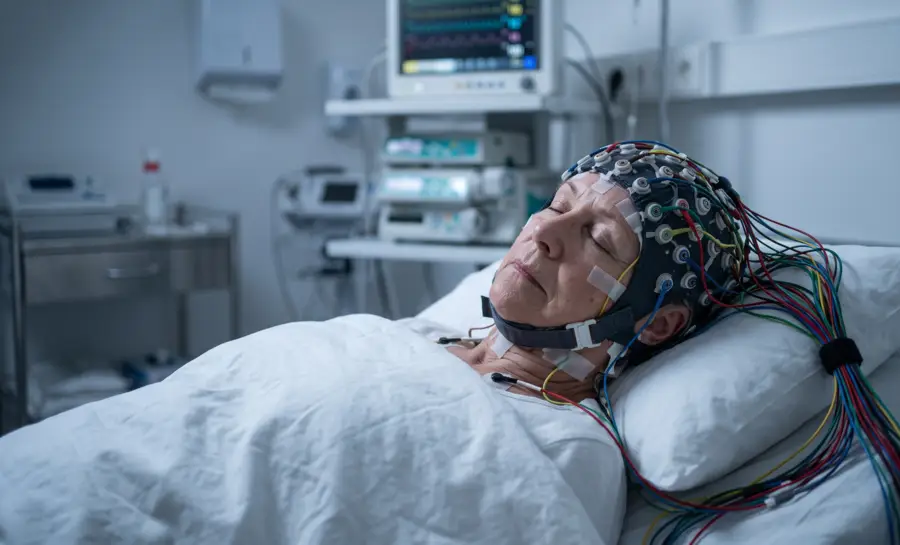
Given that propranolol is lipophilic and crosses the blood-brain barrier, researchers utilize electroencephalography (EEG) as an investigational tool to monitor its impact on the central nervous system.
By measuring real-time electrical activity, EEG studies provide a neurophysiological window into how the drug modulates brain state and processing.
One significant area of research involves assessing changes in sleep architecture; EEG data often reveals that propranolol can affect REM sleep or increase nighttime awakenings, providing a biological basis for patient reports of vivid dreams or insomnia.
Additionally, neuroscientists use EEG to observe cortical responses during cognitive tasks, particularly those requiring attention under emotional stress, to determine how beta-adrenergic blockade affects the brain's functional efficiency.
A particularly compelling application of EEG in this field is the study of fear memory reconsolidation. Scientists use event-related potentials (ERPs) and oscillatory analysis to track how propranolol interferes with the "restoring" of fearful memories after they have been triggered. These studies help demonstrate how the drug might dampen the emotional salience of a memory at a neural level, even if the factual details of the event remain intact.
It is essential to frame these insights within the context of clinical research; while EEG is a powerful method for understanding the pharmacodynamics of propranolol within the human brain, it is not currently utilized as a standard clinical diagnostic tool for individuals prescribed the medication for cardiovascular or anxiety-related conditions.
What Are the Most Common Side Effects and Risks of Propranolol for Anxiety?
While propranolol can be helpful for managing anxiety symptoms, it's important to be aware of the possible side effects. These can range from mild annoyances to more significant issues.
Understanding these potential reactions can help individuals and their healthcare providers make informed decisions.
What Are the Manageable Side Effects Like Dizziness and Fatigue from Propranolol?
Many people experience some side effects when starting propranolol. Dizziness and feeling lightheaded are frequently reported. This can sometimes be managed by standing up slowly and staying hydrated.
Fatigue, or a general feeling of tiredness and low energy, is another common complaint. Some find that taking the medication at bedtime helps mitigate this.
Cold hands and feet can also occur, as propranolol affects circulation. These effects are often temporary and may lessen as the body adjusts to the medication.
How Does Propranolol Affect Mood and Sleep Patterns in Patients with Anxiety?
Beyond the more common physical symptoms, propranolol can also influence mood and sleep patterns.
Some individuals report experiencing depression or mood swings. Difficulty falling asleep or staying asleep has also been noted.
In rarer instances, more severe psychological effects like vivid dreams or even hallucinations have been reported. It is important to report any significant changes in mood or sleep to a healthcare provider.
Can Taking Propranolol Impact Exercise Performance and Physical Activity?
As a beta-blocker, propranolol can affect physical activity. It may reduce exercise capacity by slowing the heart rate and limiting the body's natural response to exertion. This can manifest as feeling unusually tired during physical activity or experiencing a reduced ability to perform at previous levels.
Why Is It Dangerous to Stop Taking Propranolol Suddenly for Anxiety?
Abruptly stopping propranolol is generally not recommended. The body can become accustomed to the medication's presence, and sudden cessation can lead to withdrawal symptoms.
These might include a rapid increase in heart rate, elevated blood pressure, or even a worsening of anxiety symptoms. It is always advisable to consult with a healthcare professional to discuss a plan for gradually reducing the dose if discontinuing the medication is desired.
Which Groups of People Should Avoid Using Propranolol for Anxiety Management?
While propranolol can be a useful tool for managing certain anxiety-related physical symptoms, it's not suitable for everyone. Understanding who should exercise caution or avoid it altogether is really important.
Why Is Propranolol Dangerous for Individuals with Asthma or Bradycardia?
Individuals with a history of asthma or other obstructive airway diseases should generally not take propranolol. This is because the drug can block beta-2 adrenergic receptors, which are present in the lungs.
Blocking these receptors can lead to bronchoconstriction, making it harder to breathe. It's a significant risk that outweighs potential benefits for anxiety management in these patients.
Similarly, people who already have a slow heart rate, a condition known as bradycardia, need to be very careful. Propranolol works by slowing the heart rate. If your heart rate is already low, adding propranolol could push it to dangerously slow levels, impacting blood flow to the brain and other vital organs.
Is Propranolol Safe for People with Diabetes or Low Blood Pressure?
For people managing diabetes, propranolol can mask some of the warning signs of low blood sugar, or hypoglycemia. Symptoms like rapid heartbeat and tremors, which often signal low blood sugar, can be blunted by beta-blockers. This means someone might not realize their blood sugar is dangerously low until it becomes a more serious problem.
People who already experience low blood pressure, or hypotension, also need to be monitored closely. Propranolol can further lower blood pressure, potentially leading to dizziness, lightheadedness, or even fainting.
What Are the Most Critical Medication Interactions to Avoid with Propranolol?
Propranolol can interact with a wide range of other medications. For instance, combining it with other drugs that slow heart rate, like certain calcium channel blockers or digoxin, can increase the risk of severe bradycardia.
Certain antidepressants, antipsychotics, and even some over-the-counter cold remedies can also interact with propranolol, potentially altering its effectiveness or increasing the risk of side effects.
Always inform your healthcare provider about all medications, including prescription drugs, over-the-counter products, and any herbal supplements you are taking.
Is Propranolol an Effective Tool for Long-Term Anxiety Relief?
Propranolol can be useful for tackling the physical symptoms, like a racing heart or shaky hands, which is why doctors sometimes reach for it, especially when other treatments haven't worked out or have caused bothersome side effects.
However, it's not a magic bullet. Real-world experiences show that while it might help some people, it can also bring its own set of problems, including mood changes like depression, sleep issues, and fatigue.
The official studies don't always capture the full picture of what people go through. It really comes down to a careful chat with your doctor to weigh the potential benefits against these risks, considering your own health history and what you're hoping to achieve.
It's a tool, but one that needs to be used with a clear understanding of both its strengths and its limitations.
References
Frishman, W. H. (2008). Fifty years of beta-adrenergic blockade: a golden era in clinical medicine and molecular pharmacology. The American journal of medicine, 121(11), 933-934. https://doi.org/10.1016/j.amjmed.2008.06.025
Laurens, C., Abot, A., Delarue, A., & Knauf, C. (2019). Central effects of beta-blockers may be due to nitric oxide and hydrogen peroxide release independently of their ability to cross the blood-brain barrier. Frontiers in Neuroscience, 13, 33. https://doi.org/10.3389/fnins.2019.00033
Santos, T. B., de Oliveira, A. S. C., Soster, L. A., Bueno, C., & Borginho, C. P. (2024). Propranolol-Induced Sleepwalking: A Case Report. Sleep Science, 17(S 01), A097.
Vetere, G., Piserchia, V., Borreca, A., Novembre, G., Aceti, M., & Ammassari-Teule, M. (2013). Reactivating fear memory under propranolol resets pre-trauma levels of dendritic spines in basolateral amygdala but not dorsal hippocampus neurons. Frontiers in behavioral neuroscience, 7, 211. https://doi.org/10.3389/fnbeh.2013.00211
Frequently Asked Questions
What is Propranolol and how does it help with anxiety?
Propranolol is a type of medicine called a beta-blocker. It works by blocking the effects of adrenaline, a hormone that causes your body to react to stress. For anxiety, it helps calm down the physical symptoms like a racing heart, sweating, and trembling, which can make you feel less anxious overall.
Is Propranolol a common medication for anxiety?
While Propranolol is primarily used for heart conditions and high blood pressure, doctors sometimes prescribe it for anxiety, especially for specific situations like public speaking or performance anxiety. It's not usually the first choice for long-term anxiety treatment but can be very effective for managing physical symptoms.
How does Propranolol stop physical anxiety symptoms?
When you feel anxious, your body releases adrenaline. Propranolol blocks the 'beta receptors' that adrenaline usually attaches to. This means adrenaline can't cause your heart to beat faster, your palms to sweat, or your hands to shake as much, helping to break the cycle of physical anxiety.
Does Propranolol affect your mood or mental state?
For most people, Propranolol doesn't directly change mood. However, by reducing the physical feelings of anxiety, it can indirectly help you feel calmer. In some rare cases, it might cause mood changes like depression or anxiety, so it's important to talk to your doctor if you notice any of these.
What are the most common side effects of Propranolol?
Some common side effects include feeling tired or dizzy, having cold hands and feet, and sometimes experiencing slow heart rate. These are usually mild and can often be managed by adjusting the dose or timing of the medication.
Are there any serious side effects I should be aware of?
While less common, some serious side effects can occur. These include severe dizziness, breathing problems (especially if you have asthma), mood changes like depression, and very slow heart rate. It's crucial to seek medical help immediately if you experience any severe reactions.
Can Propranolol interfere with exercise or physical activity?
Yes, because Propranolol slows your heart rate and can affect how your body responds to exertion, it might make you feel less energetic during exercise. Your doctor can advise you on how to manage physical activity while taking this medication.
Can I stop taking Propranolol suddenly?
No, you should never stop taking Propranolol all at once without talking to your doctor. Stopping suddenly can cause serious problems, like a sudden increase in blood pressure or heart problems. Your doctor will guide you on how to safely reduce your dose if needed.
Who should not take Propranolol?
People with certain conditions, like asthma, very slow heart rate (bradycardia), or certain heart block issues, should generally not take Propranolol. It's essential to tell your doctor about all your medical conditions before starting the medication.
What happens if I take Propranolol with other medications?
Propranolol can interact with many other medicines, including those for blood pressure, heart rhythm, and even some over-the-counter drugs. Always inform your doctor about all the medications and supplements you are taking to avoid dangerous interactions.
Does Propranolol work for everyone with anxiety?
Propranolol is not a one-size-fits-all solution. While it helps many people manage the physical aspects of anxiety, its effectiveness can vary from person to person. Some individuals may experience side effects that outweigh the benefits, or they might not find it helpful for their specific type of anxiety.
How long does it take for Propranolol to start working for anxiety?
For performance anxiety or acute situations, you might feel the effects within an hour or two after taking a dose. If it's being used for more general anxiety management, it might take a bit longer to notice the full benefits as your body adjusts to the medication.
Emotiv is a neurotechnology leader helping advance neuroscience research through accessible EEG and brain data tools.
Medical Disclaimer: The information provided on this website is for educational and informational purposes only and is not intended as medical or health advice. This content may contain errors and should not be relied upon to make life-altering health, medical, or lifestyle choices. Always seek the advice of your physician or other qualified health provider with any questions you may have regarding a medical condition or treatment.
Christian Burgos