Our brain is a complex organ. It's in charge of everything we do, think, and feel. But sometimes, things go wrong, and that's when we talk about brain disorders.
This article is going to look at what these brain disorders are, what causes them, and how doctors try to help people deal with them.
What are Brain Disorders?
The brain is the body's command center, a complex organ that orchestrates everything from our thoughts and emotions to our physical movements. When this intricate system is disrupted, it can lead to a wide array of conditions known as brain disorders.
These conditions can affect how a person thinks, feels, behaves, and functions in daily life. Brain health is a cornerstone of overall well-being, and understanding disorders that impact it is vital.
Understanding the Brain's Complexity
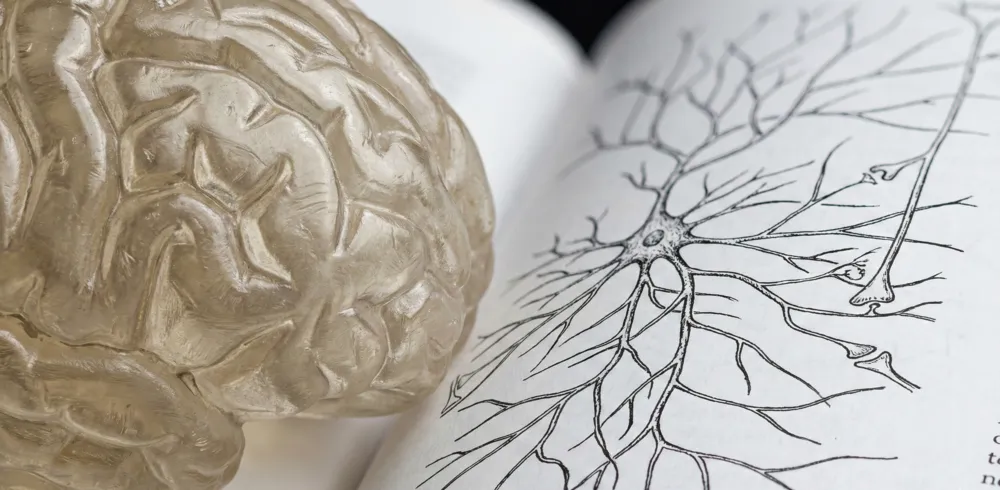
The brain's complexity lies in its billions of nerve cells, or neurons, which communicate through electrical and chemical signals. This network allows for rapid processing of information and coordination of bodily functions.
Disorders can arise from issues with the brain's structure, its chemical balance, or the way its different parts communicate. For instance, conditions like autism and ADHD are neurodevelopmental, meaning they affect how the brain grows and develops from early on.
Other disorders, such as dementia or amyotrophic lateral sclerosis (ALS), are neurodegenerative, characterized by the progressive loss of brain cells over time. Even common issues like sleep apnea or insomnia can significantly impact brain function and overall health.
How Brain Disorders Change Function
Brain disorders manifest in diverse ways, altering a person's capabilities and experiences. Some conditions primarily affect cognitive functions, leading to memory loss, difficulty concentrating, or problems with reasoning, as seen in various forms of dementia. Others impact mood and emotions, such as anxiety disorders or bipolar disorder, influencing a person's emotional state and behavior.
Motor control can be severely affected by disorders like Huntington's disease, causing involuntary movements and coordination problems. Learning differences, like dyslexia, present challenges in specific academic areas.
Even seemingly straightforward issues like chronic migraine headaches can profoundly disrupt daily life and cognitive performance. The impact of these disorders underscores the critical role of the brain in every aspect of human experience.
Major Categories of Brain Disorders
The brain, a remarkably intricate organ, can be affected by a wide array of conditions that disrupt its normal functioning. These disruptions can manifest in diverse ways, impacting everything from thought processes and emotions to physical movement and sensory perception.
Neurodevelopmental and Learning Differences
These disorders affect how the brain grows and develops, often becoming apparent in childhood. They can influence learning, social interaction, and behavior.
Conditions like ADHD can affect focus and impulse control, while Autism Spectrum Disorder impacts social communication and interaction. Dyslexia, a learning difference, specifically affects reading and language processing.
Mood and Anxiety Disorders
These conditions primarily affect a person's emotional state and ability to regulate feelings. They can range from persistent sadness and loss of interest seen in depression to excessive worry and fear characteristic of anxiety disorders.
Bipolar disorder involves shifts in mood, energy, and activity levels. These disorders are often managed with a combination of psychotherapy and medication, aiming to restore emotional balance and improve daily functioning.
Neurodegenerative and Cognitive Disorders
Neurodegenerative disorders involve the progressive loss of structure or function of neurons, often leading to a decline in cognitive abilities, memory, and motor skills.
Alzheimer's disease, Parkinson's disease, and Amyotrophic Lateral Sclerosis (ALS) fall into this category. These conditions are typically more common in older adults and can significantly impact a person's independence.
Research is ongoing to understand the underlying mechanisms and develop effective treatments, with some studies showing a high concordance between clinical diagnoses and biological markers.
Motor and Movement Disorders
Disorders in this category affect the brain's control over voluntary and involuntary movements. This can result in issues like tremors, rigidity, slowness of movement, or problems with coordination and balance.
Conditions such as ALS, which affects nerve cells controlling muscles, and Huntington's disease, a genetic disorder causing progressive breakdown of nerve cells in the brain, severely impact motor function. Cerebral palsy is another example, affecting movement and posture from early life.
Sleep and Wake Disorders
These conditions disrupt normal sleep patterns, leading to problems with falling asleep, staying asleep, or excessive daytime sleepiness. Insomnia, narcolepsy, and sleep apnea are common examples. Chronic sleep disturbances can have far-reaching effects on overall health, mood, and cognitive function.
Treatment often involves lifestyle changes, therapy, and sometimes medication.
Headache and Pain Disorders
While headaches are common, certain types can be debilitating and indicative of underlying neurological issues. Migraines, cluster headaches, and chronic daily headaches can significantly impair quality of life.
The causes can be varied, and diagnosis often involves detailed symptom tracking and medical history. Management strategies focus on pain relief and preventing future episodes.
Seizure Disorders
Epilepsy is the most well-known seizure disorder, characterized by recurrent, unprovoked seizures. Seizures are sudden surges of electrical activity in the brain that can cause a wide range of symptoms, from brief lapses of attention to full-body convulsions.
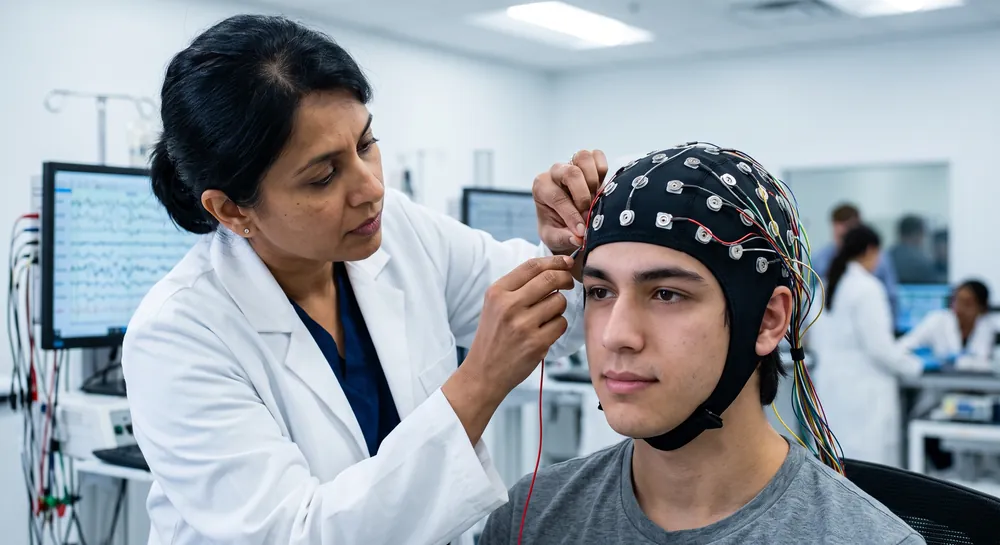
Diagnosis typically involves neurological examinations, EEG (electroencephalogram) to record brain activity, and sometimes brain imaging. Treatment aims to control seizures through medication, and in some cases, surgical interventions or dietary changes may be considered.
Causes and Risk Factors
Brain disorders can arise from a complex interplay of factors, and understanding these influences is key to prevention and management. While some conditions have clear origins, many involve a combination of genetic predispositions and environmental triggers.
Genetics and Family History
Genetics plays a significant role in the development of many brain disorders. A family history of conditions like Alzheimer's disease, Parkinson's disease, or certain mental health disorders can increase an individual's risk.
Specific gene mutations have been identified that directly cause or strongly predispose individuals to conditions such as Huntington's disease or some forms of epilepsy. However, having a genetic predisposition does not guarantee the development of a disorder; it simply means the risk is higher than in the general population.
Research continues to identify specific genes and their roles in various neurological and psychiatric conditions, offering insights into the biological underpinnings of these diseases. For instance, studies have established a clear link between severe Chronic Traumatic Encephalopathy (CTE) and an increased risk of dementia, highlighting how genetic factors can interact with external events.
Age and Neurobiology
Age is a prominent risk factor for many brain disorders. As individuals age, natural changes occur in the brain's structure and function.
Neurodegenerative diseases, such as Alzheimer's and Parkinson's, are far more common in older adults. This is partly due to the cumulative effects of cellular damage over time and changes in the brain's ability to repair itself.
The aging brain may also be more vulnerable to other insults, like strokes or infections, which can lead to cognitive decline or other neurological deficits. Conversely, some disorders, like certain neurodevelopmental conditions, originate early in life, often during fetal development or early childhood, due to issues with brain formation or early-life injuries.
Lifestyle and Health Factors
An individual's lifestyle and overall health status can significantly influence brain health. Factors such as diet, physical activity, sleep patterns, and stress levels all contribute.
For example, a diet lacking essential nutrients can impact brain function, while regular exercise is known to promote brain health and may reduce the risk of cognitive decline. Chronic stress can have detrimental effects on the brain, potentially contributing to mood disorders and cognitive problems.
Substance abuse, including alcohol and drug misuse, is another major risk factor that can lead to a range of brain disorders, from addiction to irreversible brain damage. Managing chronic health conditions like diabetes, hypertension, and cardiovascular disease is also important, as these can affect blood flow to the brain and increase the risk of stroke and vascular dementia.
Injury, Infection, and Environmental Exposures
External factors can also trigger or contribute to brain disorders. Traumatic brain injuries (TBIs), resulting from falls, accidents, or violence, can cause immediate damage and lead to long-term neurological issues, including cognitive impairments, mood changes, and an increased risk of conditions like CTE.
Infections that affect the brain, such as meningitis or encephalitis, can cause inflammation and damage to brain tissue, leading to a variety of neurological deficits. Environmental exposures, including certain toxins, heavy metals, or prolonged exposure to radiation, have also been linked to an increased risk of brain tumors and other neurological problems.
Diagnosis and Treatment Options
Figuring out what's going on with the brain often involves a few different steps.
Doctors start by talking with you about your symptoms and your medical history. They might also do a physical exam, including a neurological exam to check things like your reflexes, balance, and coordination.
Sometimes, imaging tests are needed to get a look inside the brain. These can include CT scans, MRIs, or PET scans, which help spot abnormalities or changes. In some cases, a spinal tap might be performed to examine fluid from the brain and spinal cord for signs of infection or bleeding. For mental health conditions, diagnosis usually relies heavily on evaluating your symptoms and personal history.
Treatment approaches vary widely depending on the specific brain disorder. Many conditions can be managed with a combination of therapies.
For some, medication is the primary treatment, helping to control symptoms or correct chemical imbalances. For others, psychotherapy, also known as talk therapy, plays a significant role. This can involve various techniques aimed at changing thought patterns or behaviors.
For many brain disorders, especially those with a genetic component, understanding the underlying mechanisms is key to developing new treatments. The goal of treatment is often to manage symptoms, improve quality of life, and help individuals maintain as much independence as possible. It's important to work closely with healthcare professionals to develop a personalized treatment plan.
Understanding Brain Disorders
The landscape of brain disorders is vast and complex, touching upon everything from childhood development to the aging process. While conditions like neurodegenerative diseases present significant challenges with no current cure, advancements in understanding and treatment offer hope.
Continued research into the causes, mechanisms, and potential treatments for the wide array of brain disorders remains a priority. Early diagnosis, access to appropriate care, and ongoing support are key to improving outcomes for individuals affected by these conditions.
References
Sporns, O. (2022). The complex brain: connectivity, dynamics, information. Trends in cognitive sciences, 26(12), 1066-1067. https://doi.org/10.1016/j.tics.2022.08.002
Gadhave, D. G., Sugandhi, V. V., Jha, S. K., Nangare, S. N., Gupta, G., Singh, S. K., ... & Paudel, K. R. (2024). Neurodegenerative disorders: Mechanisms of degeneration and therapeutic approaches with their clinical relevance. Ageing research reviews, 99, 102357. https://doi.org/10.1016/j.arr.2024.102357
National Library of Medicine. (2022, April 1). Genetic brain disorders. MedlinePlus. https://medlineplus.gov/geneticbraindisorders.html
Hou, Y., Dan, X., Babbar, M., Wei, Y., Hasselbalch, S. G., Croteau, D. L., & Bohr, V. A. (2019). Ageing as a risk factor for neurodegenerative disease. Nature reviews neurology, 15(10), 565-581. https://doi.org/10.1038/s41582-019-0244-7
Frequently Asked Questions
What exactly is a brain disorder?
A brain disorder is any condition that affects how your brain works. Think of your brain as the main computer for your body. When something goes wrong with this computer, it can change how you think, feel, move, or remember things. These issues can happen because of illness, genes, or injuries.
Are mental health issues considered brain disorders?
Yes, absolutely. Mental health conditions, like depression, anxiety, or bipolar disorder, are a type of brain disorder. They affect your mood, thoughts, and behavior because of how your brain is functioning. Many people benefit greatly from treatment.
What causes brain disorders?
The causes are varied. Some brain disorders are inherited, meaning they run in families. Others can be brought on by injuries, infections, or even just getting older. Sometimes, the exact cause isn't known, but it often involves changes in the brain's structure or how it sends signals.
How do doctors figure out if someone has a brain disorder?
Doctors use a few methods. They'll talk to you about your symptoms and your health history. They might also do a physical exam to check your senses, balance, and reflexes. Sometimes, they'll use imaging tests like MRI or CT scans to get a picture of your brain.
Can brain disorders be cured?
It really depends on the specific disorder. Some brain disorders can be managed well with medicine and therapy, allowing people to live full lives. However, for others, like some diseases that get worse over time or severe injuries, there might not be a cure. In those cases, treatment focuses on managing symptoms and improving quality of life.
What are some common types of brain disorders?
There are many types, including conditions like ADHD and autism that affect development, mood and anxiety disorders, problems that affect movement like Parkinson's disease, and diseases that impact memory and thinking as people age, such as Alzheimer's.
Are brain disorders more common in certain age groups?
Some brain disorders are more common in specific age groups. For instance, neurodevelopmental disorders are often identified in childhood, while neurodegenerative diseases like Alzheimer's tend to affect older adults. However, brain injuries can happen at any age.
Emotiv is a neurotechnology leader helping advance neuroscience research through accessible EEG and brain data tools.
Medical Disclaimer: The information provided on this website is for educational and informational purposes only and is not intended as medical or health advice. This content may contain errors and should not be relied upon to make life-altering health, medical, or lifestyle choices. Always seek the advice of your physician or other qualified health provider with any questions you may have regarding a medical condition or treatment.
Christian Burgos