Spotting the early signs of Amyotrophic Lateral Sclerosis (ALS) can be tough, especially for men. Many of the initial symptoms can feel like everyday aches, pains, or just being tired. This can lead to confusion, as these signs might seem similar to other common conditions.
It's important to know the differences so you can get the right medical attention if something feels off. This article aims to help clarify what might be early ALS symptoms in men and how they differ from other issues.
Are My Physical Symptoms Actually Caused by ALS?
Why Are Early ALS Symptoms in Men Often Misdiagnosed?
Figuring out if what you're experiencing might be Amyotrophic Lateral Sclerosis (ALS) can be a real challenge, especially in the early stages.
Men, in particular, might find their symptoms get overlooked or misattributed. This is partly because ALS can start subtly, and its early signs often overlap with more common brain conditions.
The key difficulty lies in distinguishing the specific motor neuron degeneration of ALS from other issues that cause muscle weakness, twitching, or fatigue.
Several factors contribute to this diagnostic confusion:
Varied Presentation: ALS doesn't affect everyone in the same way. Symptoms can appear in the limbs first, or they might start with speech or swallowing difficulties. This variability means there isn't a single, clear-cut starting point for everyone.
Mimicking Conditions: Many other health problems can present with symptoms that look a lot like early ALS. These can range from pinched nerves and injuries to thyroid issues, infections, or even anxiety. For instance, foot drop could be a sign of a back problem, not necessarily ALS.
Slow Progression: In some cases, ALS progresses slowly, making it harder to notice changes initially. What seems like minor fatigue or occasional clumsiness might be dismissed until the symptoms become more pronounced.
Lack of a Definitive Early Test: Currently, there isn't one simple test that can definitively diagnose ALS in its earliest stages. Diagnosis often involves a process of elimination, ruling out other conditions through various tests and examinations.
Because of these challenges, it's not uncommon for people to wait a year or more to get an accurate ALS diagnosis. This delay can be frustrating and worrying.
How Does ALS Affect the Muscles in the Arms and Legs?
Weakness in the arms and legs is a common concern, and for men, it can be particularly confusing when trying to pinpoint the cause. While ALS is a possibility, this type of weakness often shares symptoms with more common conditions.
How Can I Tell the Difference Between ALS Weakness and a Pinched Nerve?
One of the most notable aspects of ALS-related limb weakness is that it often occurs without significant pain. This progressive weakness can start subtly, perhaps making it harder to grip things or lift objects.
It might affect one limb more than others initially, appearing asymmetrically. This lack of pain can be a distinguishing factor when compared to injuries or pinched nerves, which typically come with distinct pain sensations, numbness, or tingling along the affected nerve pathway.
For instance, a pinched nerve in the neck (cervical radiculopathy) might cause arm weakness but usually includes neck pain and radiating sensations. Similarly, a direct injury to a limb will likely present with localized pain, swelling, or bruising.
Is My Foot Drop Caused by ALS or a Back Injury?
Foot drop, the inability to lift the front part of the foot, can be a concerning symptom.
In ALS, foot drop can result from weakness in the muscles that control the ankle. This weakness tends to develop gradually and may be accompanied by muscle twitching or cramping in the leg.
However, foot drop is also frequently caused by issues in the lower back, such as a herniated disc or spinal stenosis compressing the nerves that go to the leg and foot. Back problems often come with lower back pain, sciatica (pain radiating down the leg), or numbness.
While both conditions can lead to a characteristic "steppage" gait (lifting the knee higher to avoid dragging the foot), the presence of back pain and neurological symptoms beyond just motor weakness often points away from ALS and towards a spinal issue.
Is My Hand Weakness a Sign of ALS or Carpal Tunnel Syndrome?
Weakness in the hands is another common complaint. ALS can cause hand weakness and muscle wasting, often starting in the small muscles of the hand, leading to difficulty with fine motor tasks like buttoning shirts or picking up small objects. This weakness in ALS is typically progressive and may be accompanied by fasciculations (muscle twitches).
Carpal Tunnel Syndrome (CTS), on the other hand, is a very common condition caused by pressure on the median nerve in the wrist. CTS often presents with numbness, tingling, and pain in the thumb, index, and middle fingers, especially at night.
While both can cause grip weakness, the specific pattern of sensory loss and the location of pain are key differentiators. CTS symptoms are usually confined to the distribution of the median nerve, whereas ALS-related hand weakness can be more widespread and affect other muscle groups over time.
Are Muscle Twitches, Spasms, and Cramps Early Signs of ALS?
Muscle twitches, cramps, and stiffness are common experiences, but when they appear alongside other potential signs, they warrant a closer look, especially when considering ALS.
It's important to differentiate these sensations from everyday occurrences or symptoms of other conditions.
Is My Muscle Twitching From ALS or Benign Fasciculation Syndrome?
Muscle twitches, medically termed fasciculations, are sudden, involuntary muscle contractions that can appear as brief, localized movements under the skin. Many things can cause these, including exercise, stress, caffeine, and certain medications.
Benign Fasciculation Syndrome (BFS) is a condition where these twitches are the primary symptom and are not associated with significant muscle weakness or degeneration. However, when fasciculations are persistent, widespread, or accompanied by progressive muscle weakness, they can be a sign of a more serious neurological issue like ALS.
In ALS, fasciculations are often a sign of lower motor neuron involvement. While both BFS and ALS can cause twitching, the context and accompanying symptoms are key.
Diagnostic tools like electromyography (EMG) can help distinguish between them by analyzing the electrical activity of muscles. In ALS, EMG might show specific patterns indicating nerve damage, whereas in BFS, the findings are typically normal or show only minor, non-specific changes.
Are Frequent Muscle Cramps a Symptom of Motor Neuron Disease?
Muscle cramps are sudden, involuntary, and often painful contractions of a muscle. They are frequently experienced after strenuous physical activity, dehydration, or electrolyte imbalances.
For many, cramps are a temporary nuisance. However, if cramps become frequent, severe, or occur without an obvious cause, particularly if they are associated with muscle weakness or wasting, it could indicate an underlying neurological condition.
In ALS, cramps can be a symptom of motor neuron dysfunction, contributing to discomfort and impacting mobility.
How Does ALS Muscle Spasticity Differ From Arthritis and Aging?
Muscle stiffness, or spasticity, is characterized by increased muscle tone and resistance to passive stretching. This can make movement difficult and sometimes painful.
While stiffness is a hallmark symptom of conditions like arthritis or can be a natural part of aging, spasticity in ALS arises from damage to the upper motor neurons in the brain and spinal cord. This damage disrupts the normal control of muscle tone, leading to involuntary stiffness and, in some cases, muscle spasms.
Unlike the joint-related stiffness of arthritis, ALS-related spasticity affects the muscles themselves and can worsen over time, contributing to gait disturbances and difficulties with fine motor skills.
What Are the Bulbar Symptoms of ALS in Men?
Sometimes, the first signs of ALS can show up in how a person speaks or swallows. These are called bulbar symptoms, and they happen when the disease affects the nerves controlling the muscles in the throat, tongue, and voice box.
It's easy to brush these off, thinking it's just a sore throat or maybe you're tired, but they can be important clues.
Is My Slurred Speech a Potential Neurological Warning Sign of ALS?
When ALS affects the muscles used for speaking, it can lead to slurred speech, often called dysarthria. This isn't like a temporary lisp; it's a change in how clearly words come out.
The speech might sound strained, breathy, or even a bit like someone is mumbling. It can happen because the tongue, lips, or vocal cords aren't working together smoothly anymore.
This can be different from other causes of speech changes. For instance, while myasthenia gravis can also cause speech issues, they often get worse with talking and improve with rest (fatigability).
In ALS, the speech changes tend to be more consistent and progressive, meaning they gradually get worse over time without that back-and-forth improvement. The quality of the voice can also differ; ALS might produce a "strangled" sound, whereas myasthenia gravis might sound more "nasal" or "flaccid."
How Can I Distinguish ALS Swallowing Issues From GERD and Anxiety?
Difficulty swallowing, or dysphagia, is another common bulbar symptom in ALS. This can manifest as food getting stuck, a feeling of choking, or even food coming back up through the nose. It happens when the muscles that help move food from the mouth down to the stomach aren't functioning correctly.
It's important to tell this apart from other conditions. For example, gastroesophageal reflux disease (GERD) can cause a feeling of a lump in the throat or difficulty swallowing, but it's usually related to stomach acid.
Anxiety can also lead to a sensation of throat tightness. However, with ALS, the swallowing problem is due to actual muscle weakness and coordination issues, and it often happens alongside other bulbar symptoms like speech changes or tongue fasciculations (involuntary muscle twitches). Sometimes, people might notice difficulty clearing their throat more than actual regurgitation, which can be a subtle sign.
The key difference often lies in the progressive nature of the weakness and the involvement of multiple muscle groups related to speech and swallowing, rather than isolated throat discomfort.
What Are the Systemic and Respiratory Symptoms of ALS?
Sometimes, symptoms that might seem unrelated to the nervous system can actually be connected to conditions that mimic or overlap with early signs of ALS. It's important to consider these broader bodily changes.
What Does Profound ALS-Related Fatigue Feel Like?
Fatigue in ALS can be a profound exhaustion that doesn't improve with rest. This persistent tiredness can affect daily activities and may be accompanied by a general feeling of being unwell.
While many conditions can cause fatigue, in the context of other potential ALS symptoms, it warrants attention.
Is Shortness of Breath a Common Early Sign of ALS?
Difficulty breathing, or shortness of breath, can be a later symptom of ALS as the muscles responsible for respiration weaken. However, it's also a symptom that can be mistaken for other issues like asthma, lung conditions, or simply being out of physical condition.
If you experience unexplained shortness of breath, especially if it occurs without exertion or is accompanied by other neurological signs, it's a signal to seek medical advice. This symptom can indicate a need for respiratory support as the disease progresses.
How Can I Get a Definitive ALS Diagnosis?
Why Is a Thorough Neurological Evaluation Essential for ALS?
Figuring out if symptoms point to ALS or something else can be a long road. It's not uncommon for ALS to be misdiagnosed, either as something else when it is ALS, or vice versa.
Studies show that in about 10% of cases, people initially diagnosed with ALS actually have a different condition. On the flip side, nearly 40% of people with ALS are initially told they have something else before getting the correct diagnosis.
This diagnostic challenge often stems from the fact that there isn't one single test that can definitively confirm ALS. The process usually involves a combination of methods to rule out other possibilities and build a case for an ALS diagnosis.
The cornerstone of moving from suspicion to clarity is a comprehensive neurological and neuroscientific evaluation. This isn't a quick check-up; it's a detailed assessment by a neurologist, ideally one with experience in motor neuron diseases.
Here’s what that evaluation typically involves:
Detailed Medical History: The neurologist will ask about your symptoms, when they started, how they've progressed, and any family history of neurological conditions. They'll also inquire about potential exposures, like toxins or infections, that could cause similar symptoms.
Neurological Examination: This is a hands-on assessment of your reflexes, muscle strength, coordination, balance, and sensory function. The neurologist looks for specific patterns of weakness and muscle changes that are characteristic of ALS.
Diagnostic Tests: To rule out other conditions that can mimic ALS, several tests might be ordered:
Blood Tests: These can help identify or exclude other causes of muscle weakness, such as thyroid problems, infections, or vitamin deficiencies. There are no specific blood markers for ALS itself.
Electromyography (EMG) and Nerve Conduction Studies (NCS): These tests assess the electrical activity of muscles and nerves. They can help determine if muscle problems stem from the nerves themselves or the muscles, and can sometimes show signs suggestive of motor neuron damage.
Magnetic Resonance Imaging (MRI): An MRI of the brain and spinal cord can help rule out structural issues like herniated discs, tumors, or lesions that could be causing neurological symptoms.
Lumbar Puncture (Spinal Tap): While not always necessary for ALS diagnosis, it can help rule out certain inflammatory or infectious conditions affecting the nervous system.
Genetic Testing: If there's a family history of ALS, genetic testing might be considered to look for known gene mutations associated with familial ALS.
It's important to remember that the diagnostic journey can take time, often averaging about a year. This is because doctors must systematically exclude many other conditions before a diagnosis of ALS can be made.
Early and accurate diagnosis is vital, not only for accessing potential treatments and clinical trials but also to avoid unnecessary or potentially harmful treatments for conditions that are not present.
How Are Nerve and Brain Tests Like EMG and EEG Used to Diagnose ALS?
Neurologists rely on objective electrodiagnostic testing to bridge the gap between reported symptoms and a definitive clinical picture. The primary tool in this process is the electromyogram or EMG, which measures the electrical activity of muscles and the health of the nerves that control them.
Because ALS fundamentally affects motor neurons, the EMG is essential for identifying patterns of muscle denervation and nerve dysfunction that are characteristic of the disease. It allows clinicians to detect abnormalities even in muscles that may not yet feel weak, providing a high level of specificity that physical exams alone cannot achieve.
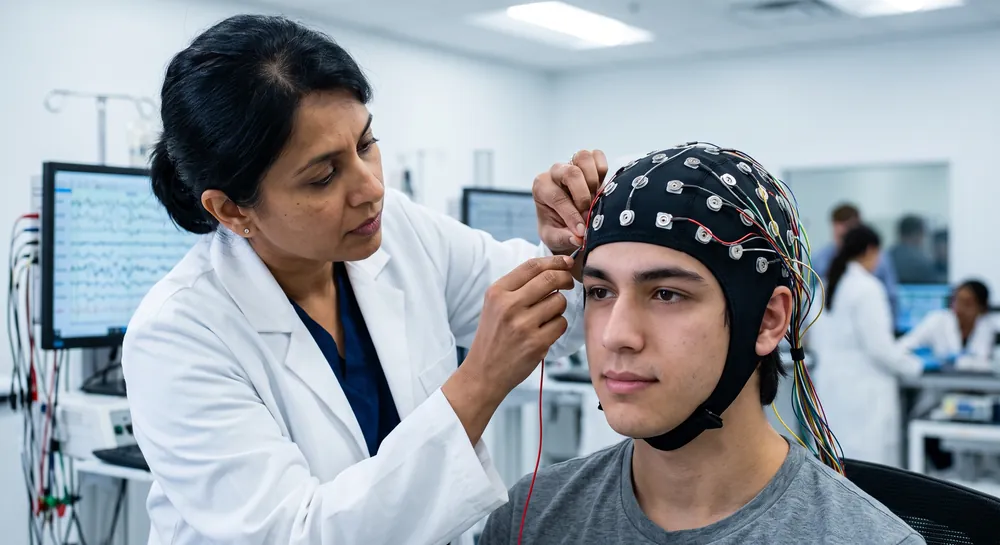
While the EMG focuses on the peripheral nervous system and muscles, electroencephalography (EEG) may be utilized to evaluate the central electrical activity of the brain.
In the context of a differential diagnosis, EEG can help neurologists measure cortical function and rule out other neurological conditions, such as seizure disorders or specific metabolic encephalopathies, that might mimic certain symptoms of motor neuron dysfunction.
By integrating the results of nerve conduction studies, EMG, and occasionally EEG, medical professionals can build a comprehensive map of nervous system health. This multi-modal approach is critical for eliminating "mimic" conditions and ensuring that a diagnosis is based on measurable physiological evidence rather than symptoms alone.
What Is the Path Forward After an ALS Diagnosis?
Figuring out if symptoms point to ALS or something else entirely can be a long road. Doctors have to do a lot of checking, ruling out other conditions that look similar.
It’s not a quick process, and sometimes it takes a while to get the right answer. But knowing the possibilities and working closely with medical professionals is key.
Researchers are also working on better ways to diagnose ALS sooner, which is good news for the future.
References
Singh, N., Ray, S., & Srivastava, A. (2018). Clinical Mimickers of Amyotrophic Lateral Sclerosis-Conditions We Cannot Afford to Miss. Annals of Indian Academy of Neurology, 21(3), 173–178. https://doi.org/10.4103/aian.AIAN_491_17
Saucedo, S., & Katsuura, Y. (2023). Preventing Unnecessary Surgery in Patients Presenting for Orthopedic Spine Surgery: Literature Review and Case Series. Journal of orthopaedic case reports, 13(5), 76–81. https://doi.org/10.13107/jocr.2023.v13.i05.3654
Frequently Asked Questions
Can muscle twitches be a sign of ALS?
Muscle twitches, also called fasciculations, can happen with ALS. However, they are very common and usually harmless, often caused by things like stress, exercise, or caffeine. If you have persistent or widespread twitching, especially with other concerning symptoms, it's worth checking with a doctor.
How is ALS weakness different from a muscle injury?
A key difference is that ALS-caused weakness often appears without pain or a specific injury. You might notice muscles getting weaker, making tasks like gripping objects or walking more difficult over time, unlike a sudden injury that usually comes with pain and a clear cause.
Can problems with my feet, like foot drop, be ALS?
Foot drop, where your foot slaps down when you walk, can be an early sign of ALS. But it can also be caused by other issues, such as problems with your back or nerves getting pinched. A doctor will look at your whole body and may do tests to figure out the exact cause.
What's the difference between ALS and carpal tunnel syndrome?
Carpal tunnel syndrome usually affects the hands and wrists, causing numbness, tingling, and weakness, often due to pressure on a nerve. ALS can also cause hand weakness, but it tends to affect more muscles over time and is a more widespread nerve issue.
Could my slurred speech be ALS?
Slurred speech, or dysarthria, can be a symptom of ALS as it affects the muscles used for talking. However, it can also be caused by many other things, like a stroke, other neurological conditions, or even fatigue. A medical evaluation is needed to determine the cause.
What if I have trouble swallowing? Is it ALS?
Difficulty swallowing, or dysphagia, can occur in ALS when the muscles involved in eating and drinking weaken. But it's also a symptom of many other conditions, such as acid reflux (GERD) or anxiety. Doctors will consider your other symptoms and may perform tests to find the reason.
Can ALS cause extreme tiredness, and how is it different from normal fatigue?
Yes, ALS can lead to profound fatigue that doesn't get better with rest. This isn't just feeling tired from a long day; it's a deep exhaustion that can interfere with daily activities and is often linked to the body's effort to keep weakened muscles working.
When should I worry about shortness of breath if I suspect ALS?
Shortness of breath can be a serious sign of ALS if it's related to the weakening of the breathing muscles. If you're experiencing difficulty catching your breath, especially when lying down or during mild activity, and it's not explained by lung or heart issues, it's important to seek medical attention promptly.
Emotiv is a neurotechnology leader helping advance neuroscience research through accessible EEG and brain data tools.
Medical Disclaimer: The information provided on this website is for educational and informational purposes only and is not intended as medical or health advice. This content may contain errors and should not be relied upon to make life-altering health, medical, or lifestyle choices. Always seek the advice of your physician or other qualified health provider with any questions you may have regarding a medical condition or treatment.
Christian Burgos