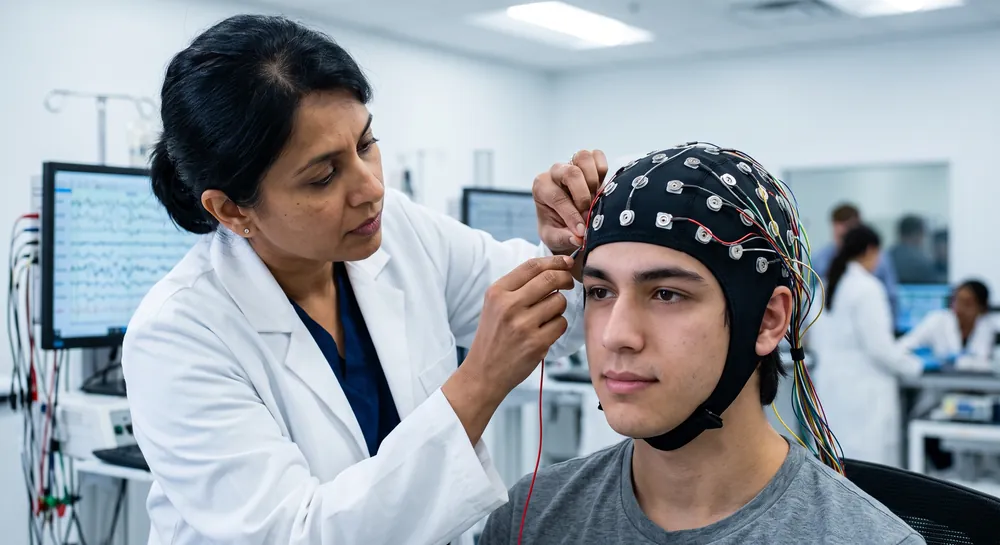
For a long time, ALS was thought to affect men more often than women. This idea shaped a lot of the early research. But as we look closer, it's clear that women also get ALS, and their experience with the disease can be different.
Why Was ALS Historically Viewed Primarily as a Men's Disease?
For a long time, Amyotrophic Lateral Sclerosis (ALS) was often thought of as a disease that primarily affected men. This perception, while not entirely accurate, shaped early research and clinical approaches.
It's important to look at why this view took hold and what the current data tells us about how ALS impacts women.
What Factors Contributed to the Historical Misconception of ALS as a Man's Disease?
Several factors contributed to ALS being seen as a male-predominant condition. Early epidemiological studies, particularly in the United States, showed a higher reported incidence in men.
This statistical skew, combined with fewer women participating in early research, led to a research focus that often overlooked potential sex-specific differences. The symptoms themselves, like muscle weakness in limbs or breathing difficulties, don't inherently point to one sex over another, but the observed prevalence rates influenced how the disease was understood.
What Does Recent Data Reveal About Shifting Demographics of ALS in Women?
While historical data suggested a male predominance, more recent observations and analyses are painting a more nuanced picture. The idea that ALS is exclusively a 'man's disease' is being challenged as we gather more information.
While men may still be diagnosed at slightly higher rates in some populations, the gap appears to be narrowing, and the disease significantly affects women too. Understanding these shifting demographics is key to developing more inclusive research and treatment strategies.
It highlights the need to consider how factors like genetics and hormones might play different roles in disease development and progression between sexes.
Diagnosing ALS is complex because there isn't one definitive test. Doctors typically start with a thorough neurological exam and then use a combination of tests to rule out other brain conditions that can mimic ALS symptoms. These tests can include:
Electrodiagnostic Tests: Electromyography (EMG) and nerve conduction velocity (NCV) studies help assess nerve and muscle function in different body regions.
Blood and Urine Tests: These help rule out other diseases, including autoimmune or inflammatory conditions.
Imaging: Neuroscience-based techniques such as MRI and CT scans can provide detailed views of the brain and spinal cord.
Spinal Tap: This procedure can help identify infections or inflammation.
Biopsies: In some cases, muscle or nerve biopsies may be performed.
Currently, there is no cure for ALS, and treatments focus on managing symptoms and slowing disease progression. Medications like riluzole and edaravone have shown modest benefits in slowing the disease.
A multidisciplinary team approach, involving various specialists, is considered the standard of care. This team helps patients manage daily challenges, maintain independence, and improve brain health.
Assistive devices, physical and occupational therapy, speech support, nutritional guidance, and breathing support are all part of this comprehensive care plan. Clinical trials are also ongoing, exploring new potential treatments.
How Do Hormones Influence the Risk and Progression of ALS in Women?
Does Estrogen Provide a Neuroprotective Role Against ALS in Women?
Estrogen, a primary female sex hormone, has been a subject of interest in ALS research due to its potential role in protecting nerve cells. Studies suggest that estrogen may have neuroprotective properties, possibly by reducing inflammation and oxidative stress, both of which are implicated in the progression of ALS.
Some research indicates that estrogen might help maintain the health of motor neurons, the nerve cells that are progressively lost in ALS. However, the exact mechanisms and the extent of this protective effect in humans are still being investigated.
The levels of estrogen naturally fluctuate throughout a woman's life, and these changes might influence ALS risk or progression, though more definitive evidence is needed.
How Does Menopause Impact the Risk and Age of Onset for ALS?
Menopause marks a significant hormonal shift in women, characterized by a decline in estrogen production. This transition has led researchers to explore whether the decrease in estrogen associated with menopause could influence the risk or onset of ALS.
Some studies have observed differences in ALS incidence or age of onset between pre-menopausal and post-menopausal women, with some suggesting a potential increase in risk or an earlier onset after menopause.
However, these findings are not always consistent across different populations and research designs. The complex interplay between hormonal changes, aging, and other factors makes it challenging to isolate the specific impact of menopause on ALS.
Can Hormone Replacement Therapy Benefit Women Diagnosed With ALS?
Given the potential neuroprotective role of estrogen, there has been interest in whether Hormone Replacement Therapy (HRT) could be beneficial for women with ALS. HRT involves taking medications to replace the hormones, like estrogen, that the body produces less of.
Clinical studies examining the effects of HRT on ALS have yielded mixed results. Some observational studies have suggested a possible association between HRT use and a reduced risk or slower progression of ALS, while others have found no significant effect.
The evidence is not yet strong enough to establish HRT as a standard treatment for ALS. Further rigorous clinical trials are necessary to determine if HRT has a tangible benefit for women diagnosed with ALS, considering different types of HRT, dosages, and treatment durations.
What Are the Typical Patterns of ALS Symptom Onset and Progression in Women?
Amyotrophic lateral sclerosis affects individuals differently, and this variability extends to how symptoms first appear and how the disease progresses, including in women. While ALS is often characterized by the degeneration of motor neurons, the specific pattern of neuron loss can influence the initial presentation.
Some people experience symptoms primarily related to upper motor neurons, which control voluntary movement from the brain, while others are more affected by lower motor neuron degeneration, impacting nerves from the spinal cord or brainstem. This distinction can lead to varied initial signs.
How Do Rates of Bulbar-Onset and Limb-Onset ALS Differ in Women?
ALS can manifest as either bulbar-onset or limb-onset. Bulbar-onset ALS typically begins with symptoms affecting the muscles controlled by the brainstem, which are crucial for speech, swallowing, and breathing. This can lead to difficulties with articulation (dysarthria), a soft or nasal voice, and problems with chewing and swallowing (dysphagia).
Limb-onset ALS, on the other hand, starts with weakness in the arms or legs, which may present as clumsiness, foot drop, or difficulty with fine motor tasks. While historically, limb-onset has been more commonly reported overall, some research suggests potential differences in the prevalence of bulbar versus limb onset between sexes, though this area requires further investigation.
Do Female ALS Patients Experience Slower Disease Progression Rates Than Men?
There is ongoing scientific discussion regarding whether women with ALS experience a slower rate of disease progression compared to men.
Some studies have indicated that women may have a slightly longer survival time after diagnosis. This potential difference in progression rate is a complex area of research, with factors like hormonal influences and genetic variations likely playing a role.
However, it is important to note that ALS is a progressive disease for everyone, and individual experiences can vary significantly regardless of sex.
How Does the Age at Diagnosis Influence the Overall Course of ALS?
The age at which an individual is diagnosed with ALS can also impact the disease's trajectory. While the average age of diagnosis is typically between 40 and 80 years, younger-onset ALS can occur.
The disease course can differ based on age, with potential variations in symptom presentation and progression speed.
What Genetic and Comorbid Factors Affect Female ALS Patients?
Are There Sex-Specific Differences in ALS-Related Gene Mutations?
While ALS is often thought of as a disease with a strong genetic component, the specifics of how genes influence the condition can differ between sexes.
Research has identified several genes linked to ALS, including SOD1, C9orf72, FUS, and TARDBP. However, the prevalence and impact of mutations in these genes may not be uniform across all individuals.
Some studies suggest that certain genetic mutations might present differently or have varying effects on disease onset and progression in women compared to men.
For instance, while mutations in genes like SOD1 are known to cause familial ALS, the exact proportion of female patients carrying these specific mutations and how they interact with other biological factors is an area of ongoing investigation.
How Do Autoimmune Conditions and ALS Intersect in Women?
There's a notable overlap between autoimmune diseases and ALS, particularly in women. Autoimmune conditions, where the body's immune system mistakenly attacks its own tissues, are generally more common in women.
Conditions such as lupus, rheumatoid arthritis, and thyroid disorders have been observed with higher frequency in some female ALS patient populations. The exact nature of this connection is complex and not fully understood.
It's hypothesized that shared inflammatory pathways or immune dysregulation might play a role in the development or progression of ALS in susceptible people. Research is exploring whether these co-occurring conditions influence the disease course or response to treatments in women.
Identifying and managing these comorbid conditions could potentially impact overall patient care and outcomes.
What Is the Future of Sex-Specific Research on ALS in Women?
Why Is Closing the Gender Representation Gap in ALS Clinical Trials Crucial?
For a long time, research into ALS has leaned heavily on data from male participants. This has created a gap in our understanding of how the disease affects women differently. To get a clearer picture, we need more women involved in clinical trials.
This means actively recruiting female participants and designing studies that can capture sex-specific responses to potential treatments.
When studies include a balanced representation of sexes, the results are more applicable to everyone. This helps researchers see if treatments work differently or have different side effects in men versus women.
What Do Emerging Studies Show About Female-Specific ALS Biomarkers?
Scientists are also looking for specific signs, or biomarkers, that could help identify ALS in women or track its progress. These biomarkers might be found in blood, spinal fluid, or through advanced imaging techniques.
For example, some research is exploring how changes in the brain's iron content, visible with a technique called quantitative susceptibility mapping, might relate to ALS. While these studies are still in their early stages, they hold promise for developing more targeted diagnostic tools and treatments.
The goal is to move towards a future where ALS care is tailored to the patient, taking into account biological differences, including those related to sex.
How Can Quantitative EEG Measure Cortical Dysfunction and Motor Neuron Health in ALS?
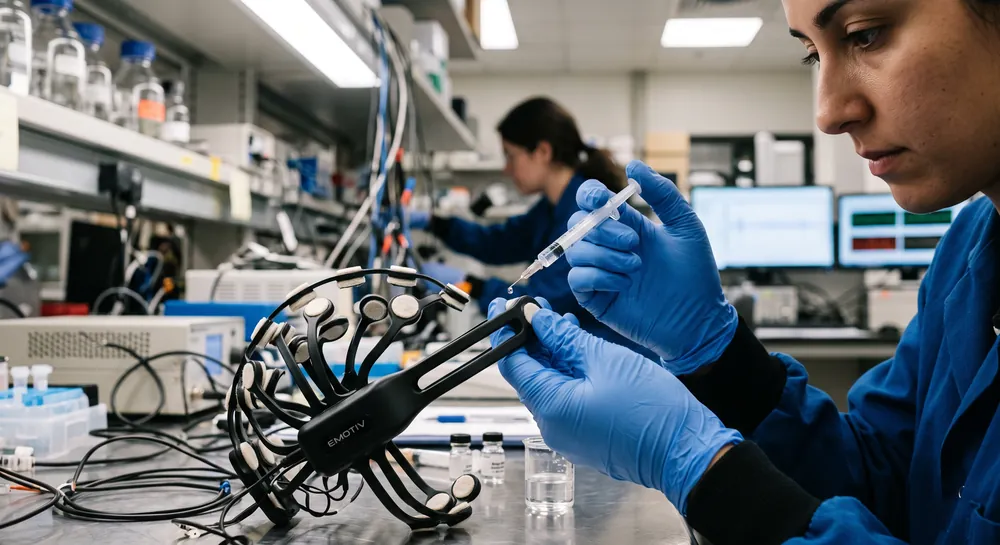
Quantitative EEG (qEEG) is increasingly utilized in a research context to identify objective, non-invasive biomarkers of cortical dysfunction associated with ALS.
A significant focus of this research involves measuring cortical hyperexcitability—an early physiological shift in the motor cortex where neurons exhibit excessive electrical activity. By analyzing specific frequency bands and the distribution of electrical power across the scalp, qEEG allows researchers to observe changes in neural network integrity and synchronization that are characteristic of the disease's progression.
These functional signatures provide a valuable layer of data that complements traditional neuroimaging, offering a high-resolution view of the brain’s electrical state during both rest and task-oriented motor activity.
It is essential to clarify that while qEEG is a powerful tool for longitudinal studies and clinical trials, it is not currently a standard diagnostic or prognostic tool in the clinical management of ALS. Its role is primarily investigative, helping scientists understand the diverse ways ALS affects the brain’s electrical landscape and potentially offering a way to measure the efficacy of experimental treatments on motor neuron health.
What Does the Future Hold for Managing ALS in Women?
Research into ALS continues to uncover complex factors influencing its development and progression, particularly in women. While the interplay between estrogen, genetic predispositions, and disease trajectory is still being explored, current evidence suggests these elements may contribute to observed differences in ALS incidence and presentation between sexes.
Ongoing studies aim to clarify these relationships, potentially paving the way for more targeted therapeutic strategies. Continued investigation into these biological pathways is important for advancing our understanding and improving outcomes for all individuals affected by ALS.
References
Handley, E. E., Reale, L. A., Chuckowree, J. A., Dyer, M. S., Barnett, G. L., Clark, C. M., ... & Blizzard, C. A. (2022). Estrogen Enhances Dendrite Spine Function and Recovers Deficits in Neuroplasticity in the prp TDP-43A315T Mouse Model of Amyotrophic Lateral Sclerosis. Molecular Neurobiology, 59(5), 2962-2976. https://doi.org/10.1007/s12035-022-02742-5
Raymond, J., Mehta, P., Larson, T., Pioro, E. P., & Horton, D. K. (2021). Reproductive History and Age of Onset for Women Diagnosed with Amyotrophic Lateral Sclerosis: Data from the National ALS Registry: 2010-2018. Neuroepidemiology, 55(5), 416–424. https://doi.org/10.1159/000516344
Vasconcelos, K. D., Oliveira, A. S. B., Fuchs, L. F. P., Simões, R. S., Simoes, M. D. J., Girão, M. J. B. C., ... & Baracat, E. C. (2020). Action of hormonal therapy in amyotrophic lateral sclerosis: a systematic review. Revista da Associação Médica Brasileira, 66(11), 1589-1594. https://doi.org/10.1590/1806-9282.66.11.1589
Grassano, M., Moglia, C., Palumbo, F., Koumantakis, E., Cugnasco, P., Callegaro, S., Canosa, A., Manera, U., Vasta, R., De Mattei, F., Matteoni, E., Fuda, G., Salamone, P., Marchese, G., Casale, F., De Marchi, F., Mazzini, L., Mora, G., Calvo, A., & Chiò, A. (2024). Sex Differences in Amyotrophic Lateral Sclerosis Survival and Progression: A Multidimensional Analysis. Annals of neurology, 96(1), 159–169. https://doi.org/10.1002/ana.26933
Smukowski, S. N., Maioli, H., Latimer, C. S., Bird, T. D., Jayadev, S., & Valdmanis, P. N. (2022). Progress in Amyotrophic Lateral Sclerosis Gene Discovery: Reflecting on Classic Approaches and Leveraging Emerging Technologies. Neurology. Genetics, 8(3), e669. https://doi.org/10.1212/NXG.0000000000000669
Cui, C., Longinetti, E., Larsson, H., Andersson, J., Pawitan, Y., Piehl, F., & Fang, F. (2021). Associations between autoimmune diseases and amyotrophic lateral sclerosis: a register-based study. Amyotrophic lateral sclerosis & frontotemporal degeneration, 22(3-4), 211–219. https://doi.org/10.1080/21678421.2020.1861022
Ghaderi, S., Batouli, S. A. H., Mohammadi, S., & Fatehi, F. (2023). Iron quantification in basal ganglia using quantitative susceptibility mapping in a patient with ALS: a case report and literature review. Frontiers in neuroscience, 17, 1229082. https://doi.org/10.3389/fnins.2023.1229082
Vucic, S., Pavey, N., Haidar, M., Turner, B. J., & Kiernan, M. C. (2021). Cortical hyperexcitability: Diagnostic and pathogenic biomarker of ALS. Neuroscience letters, 759, 136039. https://doi.org/10.1016/j.neulet.2021.136039
Frequently Asked Questions
Is ALS more common in men?
For a long time, ALS was thought to be more common in men. However, newer research shows that women can also get ALS, and we are learning more about how it might affect them differently.
Can estrogen protect against ALS?
Some studies suggest that estrogen, a hormone more common in women, might help protect nerve cells. This could be one reason why ALS might affect women differently than men.
Does menopause change ALS risk?
When women go through menopause, their estrogen levels drop. Scientists are studying if this change in hormones affects a woman's risk of developing ALS or how the disease progresses.
What are the first signs of ALS in women?
Symptoms can vary, but women might experience weakness in their arms or legs, or issues with speaking or swallowing. Sometimes, these early signs can be mistaken for other conditions.
Does ALS progress slower in women?
Some research indicates that women might experience a slower progression of ALS compared to men. However, this is an area that needs more study to understand fully.
Can other health problems affect ALS in women?
Yes, some women with ALS also have autoimmune diseases, where the body's defense system mistakenly attacks its own cells. Researchers are exploring how these conditions might interact with ALS.
Why is it important to study ALS specifically in women?
Understanding how ALS affects women differently is crucial for developing better treatments and care. It helps ensure that research and medical approaches consider everyone affected by the disease.
Are women included in ALS clinical trials?
Historically, women have been underrepresented in clinical trials. Efforts are being made to include more women in research studies so we can learn more about their specific experiences with ALS.
Are there new ways to find ALS biomarkers in women?
Researchers are searching for specific signs, called biomarkers, that can help detect ALS earlier or track its progress. They are looking for markers that might be unique to women.
Emotiv is a neurotechnology leader helping advance neuroscience research through accessible EEG and brain data tools.
Medical Disclaimer: The information provided on this website is for educational and informational purposes only and is not intended as medical or health advice. This content may contain errors and should not be relied upon to make life-altering health, medical, or lifestyle choices. Always seek the advice of your physician or other qualified health provider with any questions you may have regarding a medical condition or treatment.
Christian Burgos