Wireless EEG Headset for Sale: A Buyer's Guide

Heidi Duran

13 janv. 2026

Partager :

What if you could build an application controlled entirely by thought? Or get genuine, unfiltered feedback on a new product by measuring subconscious emotional responses? This isn't science fiction; it's the practical reality of brain-computer interfaces and neuromarketing, all powered by wireless EEG. This technology is the bridge between human cognition and digital interaction, and it's more accessible than ever. For any developer, researcher, or innovator looking to work on the cutting edge, finding the right wireless eeg headset for sale is the entry point. This article is your map, designed to help you navigate the options and select the perfect tool to bring your ambitious ideas to life.


View Products

Key Takeaways

  • Define Your Project First: Your specific goal determines the right headset. Choose a higher channel count for detailed academic research, or opt for fewer channels and a simpler setup for BCI development and personal use.

  • Explore Diverse Applications: Wireless EEG isn't just for labs. It's a key tool for building brain-computer interfaces, gathering consumer insights in neuromarketing, and providing hands-on learning experiences in education.

  • Look Beyond the Hardware: A great headset is backed by a strong ecosystem. Evaluate the software, data analysis tools, customer support, and warranty to ensure you have the resources you need for a successful project.

What Is a Wireless EEG Headset?

At its core, a wireless EEG headset is a device that measures electrical activity in the brain—often called brainwaves—without being physically tethered to a computer. Think of it as a wearable sensor system for your brain. Traditional EEG systems often involve a complex web of wires connecting a cap on your head to bulky recording equipment, confining studies to a controlled lab setting. Wireless technology changes all of that.

By removing the wires, these headsets open up possibilities for gathering brain data in more natural, real-world environments. Whether you're a researcher studying decision-making, a developer building a hands-free application, or someone exploring cognitive wellness tools, a wireless device offers unparalleled freedom and flexibility. It makes sophisticated brain measurement technology accessible, portable, and easier to use than ever before. This shift allows for more dynamic and realistic studies, moving brain research out of the lab and into the world.

How Does Wireless EEG Work?

The process behind wireless EEG is straightforward. First, sensors (or electrodes) in the headset are placed on your scalp. These sensors are designed to detect the very faint electrical signals that your brain cells produce when they communicate with each other. The headset then amplifies these tiny signals and converts them into a digital format.

From there, the data is transmitted wirelessly, typically using Bluetooth, to a paired computer or mobile device. This is where software takes over. An application like our EmotivPRO platform receives the raw data stream, processes it, and allows you to see and analyze the brain's activity in real-time. It’s a seamless flow of information from your brain to your screen.

Why Go Wireless? The Benefits Over Wired Systems

The biggest advantage of going wireless is freedom. Traditional wired systems keep you stationary, which can limit the type of research or development you can do. With a wireless headset, participants can move around, interact with their environment, and perform tasks more naturally. This is a game-changer for fields like academic research and neuromarketing, where context is key.

Beyond mobility, wireless systems offer significant gains in comfort and convenience. They are typically lighter, less cumbersome, and much faster to set up than their wired counterparts. This ease of use makes the technology more approachable for everyone, from seasoned neuroscientists to students and developers who are just getting started with brain-computer interfaces.

A Look at the Top Wireless EEG Headsets

With so many options out there, it can be tough to figure out which wireless EEG headset is the right fit for your project. The technology has opened up so many possibilities, but that also means a lot of choices to sort through. To help you get a clearer picture of the landscape, I'll walk you through some of the popular choices available, starting with our own lineup and then looking at what other brands are doing in the space. This should give you a solid foundation for comparing features and finding the device that matches your goals.

Our Emotiv Headset Lineup

We've designed our headsets to be accessible for a wide range of applications, from serious academic work to personal projects. The Emotiv Epoc X is a 14-channel wireless headset trusted by researchers for its high-quality data. It offers up to 9 hours of battery life and is built for both research and personal use. For those who need a more streamlined device, our Insight headset is a great option. It features 5 semi-dry polymer sensors, which means no need for gel or saline, and has an impressive battery life of up to 20 hours. It's important to note that our headsets are intended for research and personal use, not for medical diagnosis or treatment.

A Look at Other Brands

It's always a good idea to see what else is available to make sure you find the perfect tool for your specific needs, especially since some headsets are designed for very different applications. One company in the clinical space is Zeto. They offer wireless, FDA-approved EEG headsets designed for easy mobility in healthcare settings. Their technology allows doctors to get brain activity data without messy gels, and it's used in many top US healthcare facilities. Zeto's system is built to speed up the setup and testing process for medical professionals, making it a distinct option for clinical applications.

Choosing Your Headset: Key Features to Compare

Finding the right wireless EEG headset feels a lot like finding the right pair of running shoes. The perfect choice for a marathoner isn't the same as for someone taking a casual walk. It all comes down to your goals. To help you decide, let's break down the key features you'll want to compare. We'll look at everything from the number of channels to the software that brings the data to life, so you can feel confident you're choosing the best tool for your specific project or personal interest.

Channels and Data Quality: What Do You Need?

The number of channels on a headset refers to the number of sensors collecting data from different areas of your brain. More channels generally mean more comprehensive brain coverage, which is essential for complex academic research. For example, our 32-channel Flex headset is designed for this kind of detailed spatial resolution. However, you don't always need a high channel count. For many brain-computer interface applications or for accessing cognitive wellness tools, a headset with fewer channels, like our 5-channel Insight or even our 2-channel MN8 earbuds, can provide the precise data you need without unnecessary complexity. The key is to match the channel count to the questions you want to answer.

Sensor Tech: Saline, Gel, or Dry Electrodes?

EEG sensors are the points of contact between the headset and your scalp, and they come in a few different types. Gel sensors, like those on our Flex Gel headset, are often used in lab settings for their high-quality signal connection, though they require some prep time and cleanup. Saline sensors, used in our Epoc X, offer a great middle ground. They just need to be moistened with a saline solution for a solid connection, making setup much faster. Finally, dry sensors, found on our Insight headset, are the most convenient. They're ready to go right out of the box, which is perfect for quick sessions, fieldwork, or everyday use where ease and speed are top priorities.

Battery Life and Connectivity

When you're deep into a research session or development sprint, the last thing you want is a dead battery. Battery life is a crucial practical feature, especially for studies that last several hours or take place outside a lab. Our headsets offer robust battery life to support extended use. Connectivity is just as important. All our headsets use reliable Bluetooth connections to transmit data wirelessly to your computer, ensuring a stable, untethered experience. This freedom of movement is one of the biggest advantages of modern EEG systems, allowing for more natural and dynamic data collection scenarios.

Software and Data Analysis Tools

A headset is only as powerful as the software that interprets its data. The right software turns raw EEG signals into meaningful insights and actionable commands. That's why we've developed a full suite of applications to support your work. For researchers who need to perform in-depth analysis, EmotivPRO offers a platform for recording, reviewing, and exporting high-density data. If you're building applications, EmotivBCI lets you translate brain activity into commands. And for personal use, the Emotiv App provides access to tools for focus and relaxation. When choosing a headset, always consider the software ecosystem that comes with it.

Comfort, Fit, and Portability

If a headset isn't comfortable, you simply won't use it for very long. Comfort and a secure fit are essential, especially for long recording sessions. We design our headsets to be lightweight, adjustable, and ergonomic to minimize distraction and user fatigue. Portability is another key factor. The compact, wireless design of devices like the Insight and Epoc X makes them easy to transport and use in real-world environments, from classrooms to consumer homes. This opens up incredible possibilities for neuromarketing studies and other applications that benefit from capturing data in a natural context, far from the confines of a traditional lab.

Common Uses for Wireless EEG Headsets

Wireless EEG headsets have applications that stretch far beyond the clinical setting. Their portability and ease of use have opened doors for innovation in a variety of fields. From developers creating next-generation interfaces to researchers studying the nuances of human cognition, these devices are making advanced brain data more accessible than ever. Let's look at some of the most common and exciting ways people are using wireless EEG technology.

Brain-Computer Interface Development

One of the most fascinating applications for wireless EEG is in the world of brain-computer interfaces (BCIs). A brain-computer interface is a system that allows a person to control a computer or another external device using only their brain signals—no physical input required. Wireless EEG headsets are a key component in BCI development, capturing the electrical activity from the brain and translating it into commands. Developers use our headsets and software like EmotivBCI to build applications ranging from assistive technologies for individuals with motor impairments to hands-free control systems for gaming and other interactive experiences. The freedom of a wireless connection is crucial here, allowing for more natural and uninhibited interaction.

Academic Research and Education

It’s a common misconception that EEG devices are only for medical diagnostics in a hospital. In reality, they are powerful tools for academic research and education. Researchers in psychology, neuroscience, and cognitive science use wireless headsets to study brain activity in more naturalistic environments, outside the confines of a traditional lab. This portability allows for experiments that were previously difficult or impossible to conduct. In educational settings, EEG provides a hands-on way for students to learn about the brain, giving them a chance to see their own neural activity in real time and understand complex concepts in a tangible way.

Neuromarketing Applications

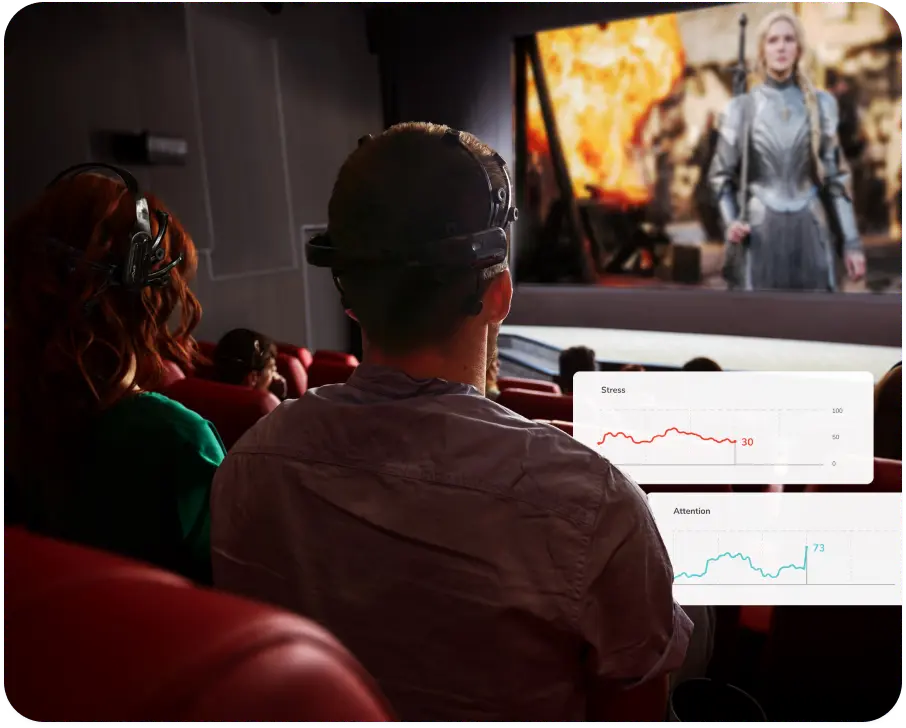
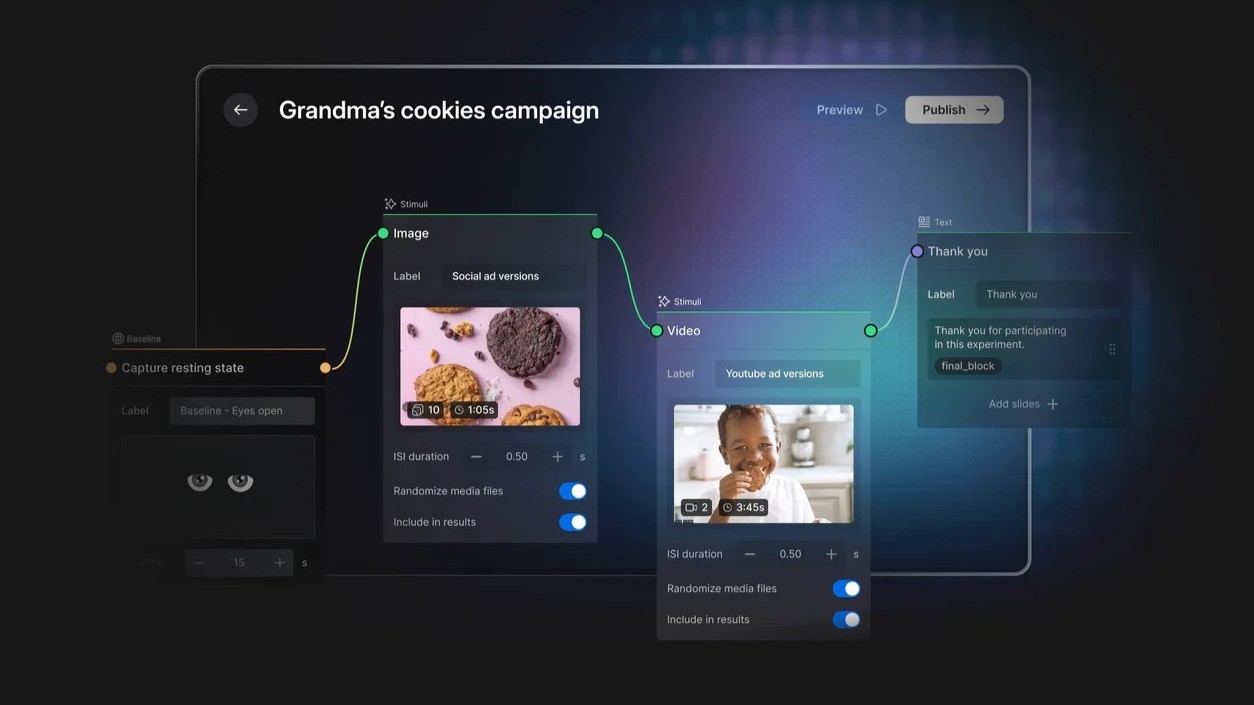
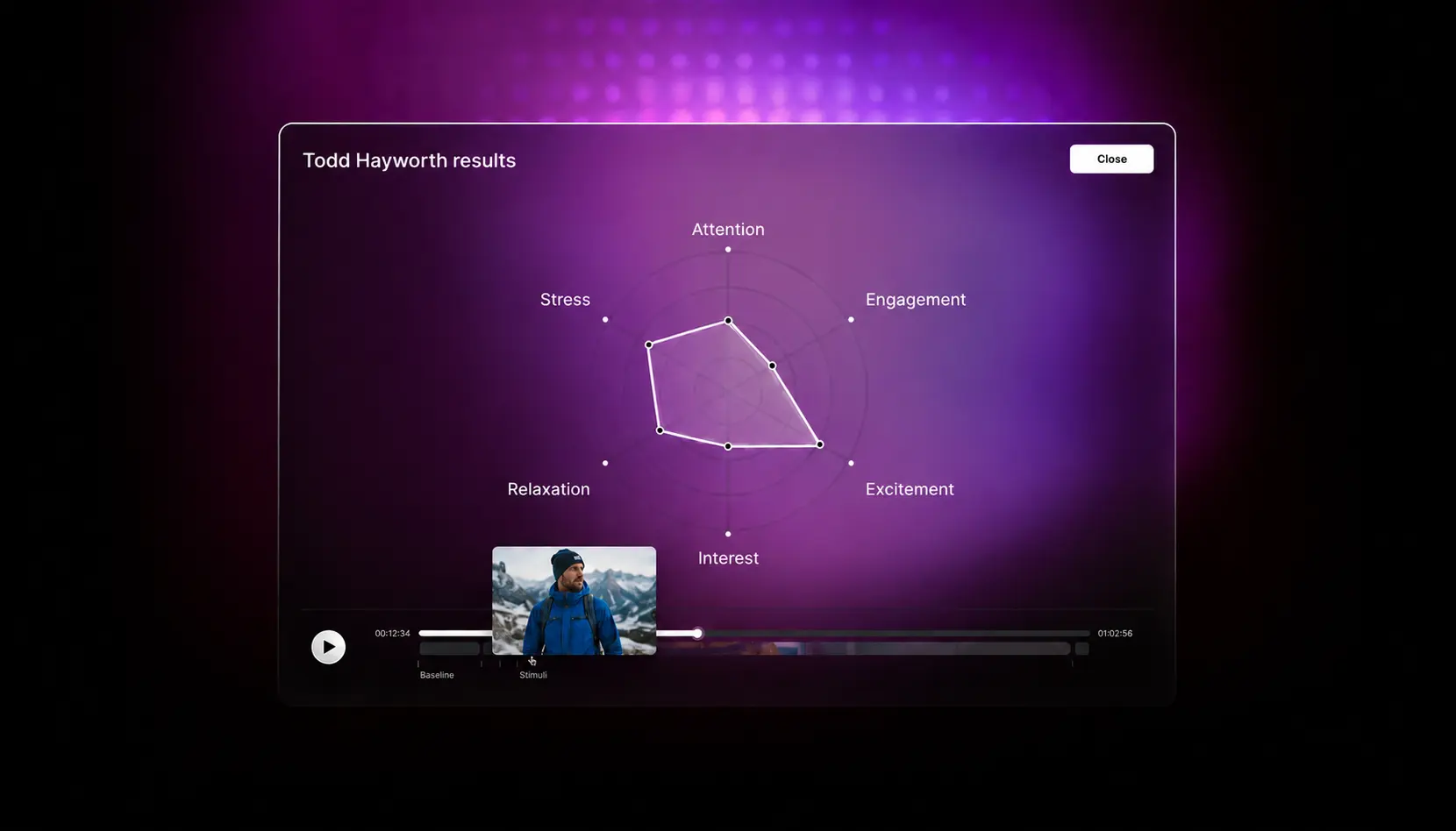
How do people really feel about a new product, advertisement, or user experience? Neuromarketing aims to answer that question by measuring subconscious responses rather than relying solely on what consumers say. Wireless EEG headsets are making a significant impact in this field by allowing marketers to get unfiltered insights into consumer attention, engagement, and emotional reactions. By analyzing brain activity as someone interacts with a brand, companies can gather valuable data to create more effective and resonant marketing campaigns. This approach provides a deeper understanding of what truly captures a consumer's interest, leading to better products and more compelling neuromarketing strategies.

Accessing Cognitive Wellness Tools

Beyond research and development, wireless EEG headsets are also used to provide access to cognitive wellness tools. These applications can offer insights into your own mental states, such as focus, stress, and relaxation. By visualizing your brain activity, you can become more aware of your cognitive patterns throughout the day. This technology doesn't diagnose or treat conditions, but it does provide a way to engage with your own mental processes. Many people use these tools as part of their routine to practice mindfulness or to better understand how different activities affect their ability to concentrate, making it a practical application for personal cognitive wellness.

How Much Do Wireless EEG Headsets Cost?

One of the first questions people ask when looking for an EEG headset is, "How much is this going to cost me?" The answer is that prices can vary quite a bit, depending on what you plan to do with the device. The good news is that EEG technology is more accessible than ever. You no longer need a massive lab budget to start exploring brain data. The cost of a wireless EEG headset can range from a few hundred dollars for a consumer-grade device to tens of thousands for a system designed for complex clinical research.

The key is to match the headset's capabilities—and its price tag—to your specific goals. Are you a developer looking to build your first brain-computer interface? A researcher conducting a detailed study? Or are you simply curious about your own cognitive states? Each of these paths has a corresponding tier of technology available. Understanding the different price points and what features come with them will help you make an informed decision without overspending on features you don't need or underselling your project with a device that can't keep up.

Understanding Entry-Level Pricing

A common misconception is that all EEG devices are expensive medical instruments confined to hospitals. Thankfully, that’s not the case. There are several fantastic entry-level wireless EEG headsets available, with prices typically ranging from $200 to $500. These devices are perfect for students, developers, and anyone interested in personal science or accessing cognitive wellness tools. At this price point, you can expect a headset with fewer channels, which is still powerful enough for many applications, including educational projects, simple BCI commands, and getting a general sense of your mental performance metrics like focus and calm.

What to Expect for Professional-Grade Systems

If your work involves in-depth academic studies or sophisticated neuromarketing research, you’ll likely be looking at professional-grade systems. These devices can range from around $1,000 to over $30,000. This wide range reflects the significant jump in capabilities. Professional systems, like our Epoc X or Flex headsets, offer a much higher channel count for more granular data, research-grade signal quality, and compatibility with advanced analysis software like EmotivPRO. The investment gives you access to the high-density, reliable data necessary for peer-reviewed publications and commercial applications.

What Influences the Final Cost?

So, what exactly causes the price to vary so much? Several key factors influence the final cost of a wireless EEG headset. The most significant is the number of channels, or electrodes, which determines how much data you can collect from different brain regions. More channels mean a more detailed picture of brain activity, which is critical for certain types of academic research. Other major factors include the sensor technology (dry, saline, or gel), the quality of the wireless connection, battery life, and the sophistication of the included software. Portability and ease of setup also contribute to the overall value and cost.

Finding the Right Headset for You

With so many options available, picking the right EEG headset comes down to what you want to accomplish. Are you conducting a complex study, building a new application, or exploring your own brain activity? Your specific goals will point you toward the perfect device. Think of it less like finding the "best" headset and more like finding the best fit for your project. The needs of a university researcher running a controlled experiment are very different from a developer creating a hands-free game controller or an individual curious about their own focus patterns during meditation.

The key is to match the device's capabilities—like the number of channels and sensor type—to the demands of your work. A higher channel count provides more detailed spatial information about brain activity, which is critical for certain types of research, while a simpler, more comfortable device is ideal for daily personal use. To help you decide, I’ve broken down our recommendations based on some of the most common uses for our technology. Whether you're a seasoned researcher, a curious developer, or someone interested in personal data, there’s a headset designed to meet your needs.

Recommendations for Researchers and Educators

One of the biggest misconceptions is that EEG devices are only for medical diagnosis in a hospital. While EEG is certainly used in clinical settings, it’s also an incredibly valuable tool for academic research and education. If you're gathering detailed brain data for a study or teaching students about neuroscience, you’ll want a headset with a higher channel count for more granular data. Our Epoc X and Flex headsets are designed for this purpose, offering the robust data quality needed for serious academic work. They provide the precision required to explore complex cognitive processes in a lab or classroom setting.

Our Picks for Developers and BCI Enthusiasts

If you’re building applications with a brain-computer interface, you need reliable data and flexible software. There's a myth that wireless EEG isn't dependable enough for development, but our technology is designed to provide a stable, high-quality data stream you can count on. The Epoc X is a fantastic all-around choice for developers because of its 14 channels and compatibility with our software development kits. Paired with our EmotivBCI software, it gives you a powerful and accessible platform to start creating your own BCI-powered projects right away.

Options for Personal Cognitive Wellness

In the past, the main barriers to using EEG for personal discovery were high prices and long setup times. Thankfully, advancements in technology have made these devices much more accessible and user-friendly. If you're interested in exploring your own brain activity, you'll want a headset that's comfortable, portable, and easy to use. Our Insight headset and MN8 earbuds are perfect for this. They are designed for quick setup and everyday use, allowing you to access cognitive wellness tools through the Emotiv App. These devices make it simple to gather personal insights without needing a technical background.

Real User Feedback: What to Expect

Reading reviews and technical specs is helpful, but hearing about real-world experiences can give you the clearest picture of what it’s like to use a wireless EEG headset. User feedback often cuts through the marketing jargon and highlights what truly matters, from the initial setup process to the day-to-day performance. It’s a great way to manage your expectations and understand the practical considerations of integrating this technology into your work or personal projects.

Across the board, user experiences touch on a few key areas: how easy the device is to get up and running, the quality of the data it produces, and the overall value it offers. Let’s look at some of the common themes you’ll find in reviews and community discussions.

Ease of Setup and User Experience

One of the biggest myths about EEG is that it’s exclusively for sterile, clinical environments and requires a team of experts to operate. While that may have been true in the past, many of today’s wireless headsets are designed with accessibility in mind. Users often find that getting started is more straightforward than they anticipated. Our goal at Emotiv has always been to make brain data acquisition accessible, which is why we pair our hardware with intuitive software like the Emotiv App. Of course, there’s still a learning curve—you’ll need to get comfortable with sensor placement and hydration—but the process is designed to be user-friendly for researchers and enthusiasts alike.

Data Quality and Performance Reliability

Another common question is whether a wireless headset can deliver reliable, high-quality data. The answer is a resounding yes. As the technology has matured, wireless EEG has gained widespread acceptance for its ability to produce clean data suitable for demanding applications. From academic research and education to complex brain-computer interface development, users consistently find that modern wireless systems perform reliably. The key is ensuring you have a good connection between the sensors and the scalp. Once you master the setup, you can trust the device to capture the brain activity data you need for your analysis, without being tethered to a computer.

Common Themes in User Reviews

When you browse user reviews for various EEG headsets, you’ll notice a few recurring topics. People often discuss the balance between a device’s features and its price, as cost is a significant consideration for many. Portability and setup time are also frequent points of discussion. Some users prioritize a quick, simple setup for daily use, while others are willing to spend more time preparing a higher-channel-count device for in-depth research. These are the practical trade-offs that every buyer weighs. Thinking about your budget and how you plan to use the headset will help you find the right balance and choose a device that fits your needs perfectly.

Ready to Buy? Here's What to Know

You’ve compared features, considered your project goals, and narrowed down your options. Now you’re ready for the final step: making the purchase. This part can feel a little daunting, but a few last-minute checks can ensure you get the right device with the right support system behind it. We’ll cover the best places to buy your headset, what to look for in a warranty, and a few key details to confirm before you click "add to cart." Taking a moment to consider these points will help you invest with confidence and get your project started on the right foot.

Buying Direct vs. Through Retailers

One of the biggest misconceptions about EEG is that these devices are only available for clinical use in hospitals. While that’s one application, many headsets are designed specifically for research, development, and personal use, making them easy to purchase directly from manufacturers. Buying direct from a company like Emotiv ensures you’re getting an authentic product, the most up-to-date model, and access to our dedicated support team. It cuts out the middleman, simplifying the process if you have questions or need assistance later on. This direct line of communication is invaluable when you’re working with sophisticated technology for your academic research or BCI projects.

Understanding Warranty and Support

When you’re investing in a piece of technology like a wireless EEG headset, the warranty and support are just as important as the hardware itself. Before you buy, take a look at the warranty policy. How long does it last, and what does it cover? A solid warranty is a sign that the manufacturer stands behind its product. Beyond the warranty, consider the customer support available. Will you have access to a knowledgeable team that can help with setup, troubleshooting, or questions about the software? At Emotiv, we offer comprehensive support and warranty services to make sure you feel confident and capable as you begin collecting brain data.

Final Checks Before You Purchase

You’re almost there! Before you finalize your purchase, run through a quick mental checklist to confirm the headset aligns with your needs. First, double-check its compatibility with your computer and operating system. Next, confirm that the device’s features—like the number of channels and sensor type—are a good match for the kind of data you want to collect. It’s also a great idea to review the return policy, just in case the product doesn’t meet your expectations. Taking a moment for these final checks helps ensure the EEG headset you choose is the perfect fit for you and your work from day one.

Related Articles


View Products

Frequently Asked Questions

Do I need a technical background to use a wireless EEG headset? Not at all. While the technology itself is complex, we've designed our headsets and software to be accessible for everyone. If you're interested in personal use, an application like the Emotiv App guides you through the process with a simple interface. For researchers and developers who want to dig deeper, our more advanced software like EmotivPRO is powerful yet intuitive. The goal is to make brain data accessible, regardless of your background.

What's the real difference between a headset with a few channels versus one with many? Think of it in terms of detail. A headset with more channels, like our 32-channel Flex, gives you a more comprehensive and high-resolution map of brain activity across the entire scalp. This is essential for certain types of academic research. A headset with fewer channels, like our 5-channel Insight or 2-channel MN8 earbuds, provides precise data from specific regions, which is perfect for many brain-computer interface applications or for accessing cognitive wellness tools. It’s about choosing the right tool for the job, not just getting the highest number.

Is using an EEG headset safe? Yes, it is. EEG technology is completely passive, which means it only measures information from your brain. The sensors in the headset are designed to detect the tiny electrical signals your brain naturally produces all the time. It’s similar to how a microphone records sound waves from the air; it doesn't send any signals into your brain or alter its activity in any way.

How long does it actually take to set up a headset before a session? This really depends on the type of sensor technology you're using. Headsets with dry sensors, like our Insight, are the fastest—you can be up and running in just a minute or two. Devices with saline-based sensors, such as the Epoc X, require a few minutes to moisten the sensor pads before you put the headset on. The process is straightforward and gets quicker with a little practice.

Are these headsets considered medical devices? This is a really important distinction. Our Emotiv headsets are designed for research, development, and personal use, not for medical purposes. They are not intended to diagnose, treat, or prevent any medical conditions. While EEG technology is used in clinical settings, those devices go through a separate regulatory approval process and are built for different applications, like the Zeto system mentioned in the post.

What if you could build an application controlled entirely by thought? Or get genuine, unfiltered feedback on a new product by measuring subconscious emotional responses? This isn't science fiction; it's the practical reality of brain-computer interfaces and neuromarketing, all powered by wireless EEG. This technology is the bridge between human cognition and digital interaction, and it's more accessible than ever. For any developer, researcher, or innovator looking to work on the cutting edge, finding the right wireless eeg headset for sale is the entry point. This article is your map, designed to help you navigate the options and select the perfect tool to bring your ambitious ideas to life.


View Products

Key Takeaways

  • Define Your Project First: Your specific goal determines the right headset. Choose a higher channel count for detailed academic research, or opt for fewer channels and a simpler setup for BCI development and personal use.

  • Explore Diverse Applications: Wireless EEG isn't just for labs. It's a key tool for building brain-computer interfaces, gathering consumer insights in neuromarketing, and providing hands-on learning experiences in education.

  • Look Beyond the Hardware: A great headset is backed by a strong ecosystem. Evaluate the software, data analysis tools, customer support, and warranty to ensure you have the resources you need for a successful project.

What Is a Wireless EEG Headset?

At its core, a wireless EEG headset is a device that measures electrical activity in the brain—often called brainwaves—without being physically tethered to a computer. Think of it as a wearable sensor system for your brain. Traditional EEG systems often involve a complex web of wires connecting a cap on your head to bulky recording equipment, confining studies to a controlled lab setting. Wireless technology changes all of that.

By removing the wires, these headsets open up possibilities for gathering brain data in more natural, real-world environments. Whether you're a researcher studying decision-making, a developer building a hands-free application, or someone exploring cognitive wellness tools, a wireless device offers unparalleled freedom and flexibility. It makes sophisticated brain measurement technology accessible, portable, and easier to use than ever before. This shift allows for more dynamic and realistic studies, moving brain research out of the lab and into the world.

How Does Wireless EEG Work?

The process behind wireless EEG is straightforward. First, sensors (or electrodes) in the headset are placed on your scalp. These sensors are designed to detect the very faint electrical signals that your brain cells produce when they communicate with each other. The headset then amplifies these tiny signals and converts them into a digital format.

From there, the data is transmitted wirelessly, typically using Bluetooth, to a paired computer or mobile device. This is where software takes over. An application like our EmotivPRO platform receives the raw data stream, processes it, and allows you to see and analyze the brain's activity in real-time. It’s a seamless flow of information from your brain to your screen.

Why Go Wireless? The Benefits Over Wired Systems

The biggest advantage of going wireless is freedom. Traditional wired systems keep you stationary, which can limit the type of research or development you can do. With a wireless headset, participants can move around, interact with their environment, and perform tasks more naturally. This is a game-changer for fields like academic research and neuromarketing, where context is key.

Beyond mobility, wireless systems offer significant gains in comfort and convenience. They are typically lighter, less cumbersome, and much faster to set up than their wired counterparts. This ease of use makes the technology more approachable for everyone, from seasoned neuroscientists to students and developers who are just getting started with brain-computer interfaces.

A Look at the Top Wireless EEG Headsets

With so many options out there, it can be tough to figure out which wireless EEG headset is the right fit for your project. The technology has opened up so many possibilities, but that also means a lot of choices to sort through. To help you get a clearer picture of the landscape, I'll walk you through some of the popular choices available, starting with our own lineup and then looking at what other brands are doing in the space. This should give you a solid foundation for comparing features and finding the device that matches your goals.

Our Emotiv Headset Lineup

We've designed our headsets to be accessible for a wide range of applications, from serious academic work to personal projects. The Emotiv Epoc X is a 14-channel wireless headset trusted by researchers for its high-quality data. It offers up to 9 hours of battery life and is built for both research and personal use. For those who need a more streamlined device, our Insight headset is a great option. It features 5 semi-dry polymer sensors, which means no need for gel or saline, and has an impressive battery life of up to 20 hours. It's important to note that our headsets are intended for research and personal use, not for medical diagnosis or treatment.

A Look at Other Brands

It's always a good idea to see what else is available to make sure you find the perfect tool for your specific needs, especially since some headsets are designed for very different applications. One company in the clinical space is Zeto. They offer wireless, FDA-approved EEG headsets designed for easy mobility in healthcare settings. Their technology allows doctors to get brain activity data without messy gels, and it's used in many top US healthcare facilities. Zeto's system is built to speed up the setup and testing process for medical professionals, making it a distinct option for clinical applications.

Choosing Your Headset: Key Features to Compare

Finding the right wireless EEG headset feels a lot like finding the right pair of running shoes. The perfect choice for a marathoner isn't the same as for someone taking a casual walk. It all comes down to your goals. To help you decide, let's break down the key features you'll want to compare. We'll look at everything from the number of channels to the software that brings the data to life, so you can feel confident you're choosing the best tool for your specific project or personal interest.

Channels and Data Quality: What Do You Need?

The number of channels on a headset refers to the number of sensors collecting data from different areas of your brain. More channels generally mean more comprehensive brain coverage, which is essential for complex academic research. For example, our 32-channel Flex headset is designed for this kind of detailed spatial resolution. However, you don't always need a high channel count. For many brain-computer interface applications or for accessing cognitive wellness tools, a headset with fewer channels, like our 5-channel Insight or even our 2-channel MN8 earbuds, can provide the precise data you need without unnecessary complexity. The key is to match the channel count to the questions you want to answer.

Sensor Tech: Saline, Gel, or Dry Electrodes?

EEG sensors are the points of contact between the headset and your scalp, and they come in a few different types. Gel sensors, like those on our Flex Gel headset, are often used in lab settings for their high-quality signal connection, though they require some prep time and cleanup. Saline sensors, used in our Epoc X, offer a great middle ground. They just need to be moistened with a saline solution for a solid connection, making setup much faster. Finally, dry sensors, found on our Insight headset, are the most convenient. They're ready to go right out of the box, which is perfect for quick sessions, fieldwork, or everyday use where ease and speed are top priorities.

Battery Life and Connectivity

When you're deep into a research session or development sprint, the last thing you want is a dead battery. Battery life is a crucial practical feature, especially for studies that last several hours or take place outside a lab. Our headsets offer robust battery life to support extended use. Connectivity is just as important. All our headsets use reliable Bluetooth connections to transmit data wirelessly to your computer, ensuring a stable, untethered experience. This freedom of movement is one of the biggest advantages of modern EEG systems, allowing for more natural and dynamic data collection scenarios.

Software and Data Analysis Tools

A headset is only as powerful as the software that interprets its data. The right software turns raw EEG signals into meaningful insights and actionable commands. That's why we've developed a full suite of applications to support your work. For researchers who need to perform in-depth analysis, EmotivPRO offers a platform for recording, reviewing, and exporting high-density data. If you're building applications, EmotivBCI lets you translate brain activity into commands. And for personal use, the Emotiv App provides access to tools for focus and relaxation. When choosing a headset, always consider the software ecosystem that comes with it.

Comfort, Fit, and Portability

If a headset isn't comfortable, you simply won't use it for very long. Comfort and a secure fit are essential, especially for long recording sessions. We design our headsets to be lightweight, adjustable, and ergonomic to minimize distraction and user fatigue. Portability is another key factor. The compact, wireless design of devices like the Insight and Epoc X makes them easy to transport and use in real-world environments, from classrooms to consumer homes. This opens up incredible possibilities for neuromarketing studies and other applications that benefit from capturing data in a natural context, far from the confines of a traditional lab.

Common Uses for Wireless EEG Headsets

Wireless EEG headsets have applications that stretch far beyond the clinical setting. Their portability and ease of use have opened doors for innovation in a variety of fields. From developers creating next-generation interfaces to researchers studying the nuances of human cognition, these devices are making advanced brain data more accessible than ever. Let's look at some of the most common and exciting ways people are using wireless EEG technology.

Brain-Computer Interface Development

One of the most fascinating applications for wireless EEG is in the world of brain-computer interfaces (BCIs). A brain-computer interface is a system that allows a person to control a computer or another external device using only their brain signals—no physical input required. Wireless EEG headsets are a key component in BCI development, capturing the electrical activity from the brain and translating it into commands. Developers use our headsets and software like EmotivBCI to build applications ranging from assistive technologies for individuals with motor impairments to hands-free control systems for gaming and other interactive experiences. The freedom of a wireless connection is crucial here, allowing for more natural and uninhibited interaction.

Academic Research and Education

It’s a common misconception that EEG devices are only for medical diagnostics in a hospital. In reality, they are powerful tools for academic research and education. Researchers in psychology, neuroscience, and cognitive science use wireless headsets to study brain activity in more naturalistic environments, outside the confines of a traditional lab. This portability allows for experiments that were previously difficult or impossible to conduct. In educational settings, EEG provides a hands-on way for students to learn about the brain, giving them a chance to see their own neural activity in real time and understand complex concepts in a tangible way.

Neuromarketing Applications

How do people really feel about a new product, advertisement, or user experience? Neuromarketing aims to answer that question by measuring subconscious responses rather than relying solely on what consumers say. Wireless EEG headsets are making a significant impact in this field by allowing marketers to get unfiltered insights into consumer attention, engagement, and emotional reactions. By analyzing brain activity as someone interacts with a brand, companies can gather valuable data to create more effective and resonant marketing campaigns. This approach provides a deeper understanding of what truly captures a consumer's interest, leading to better products and more compelling neuromarketing strategies.

Accessing Cognitive Wellness Tools

Beyond research and development, wireless EEG headsets are also used to provide access to cognitive wellness tools. These applications can offer insights into your own mental states, such as focus, stress, and relaxation. By visualizing your brain activity, you can become more aware of your cognitive patterns throughout the day. This technology doesn't diagnose or treat conditions, but it does provide a way to engage with your own mental processes. Many people use these tools as part of their routine to practice mindfulness or to better understand how different activities affect their ability to concentrate, making it a practical application for personal cognitive wellness.

How Much Do Wireless EEG Headsets Cost?

One of the first questions people ask when looking for an EEG headset is, "How much is this going to cost me?" The answer is that prices can vary quite a bit, depending on what you plan to do with the device. The good news is that EEG technology is more accessible than ever. You no longer need a massive lab budget to start exploring brain data. The cost of a wireless EEG headset can range from a few hundred dollars for a consumer-grade device to tens of thousands for a system designed for complex clinical research.

The key is to match the headset's capabilities—and its price tag—to your specific goals. Are you a developer looking to build your first brain-computer interface? A researcher conducting a detailed study? Or are you simply curious about your own cognitive states? Each of these paths has a corresponding tier of technology available. Understanding the different price points and what features come with them will help you make an informed decision without overspending on features you don't need or underselling your project with a device that can't keep up.

Understanding Entry-Level Pricing

A common misconception is that all EEG devices are expensive medical instruments confined to hospitals. Thankfully, that’s not the case. There are several fantastic entry-level wireless EEG headsets available, with prices typically ranging from $200 to $500. These devices are perfect for students, developers, and anyone interested in personal science or accessing cognitive wellness tools. At this price point, you can expect a headset with fewer channels, which is still powerful enough for many applications, including educational projects, simple BCI commands, and getting a general sense of your mental performance metrics like focus and calm.

What to Expect for Professional-Grade Systems

If your work involves in-depth academic studies or sophisticated neuromarketing research, you’ll likely be looking at professional-grade systems. These devices can range from around $1,000 to over $30,000. This wide range reflects the significant jump in capabilities. Professional systems, like our Epoc X or Flex headsets, offer a much higher channel count for more granular data, research-grade signal quality, and compatibility with advanced analysis software like EmotivPRO. The investment gives you access to the high-density, reliable data necessary for peer-reviewed publications and commercial applications.

What Influences the Final Cost?

So, what exactly causes the price to vary so much? Several key factors influence the final cost of a wireless EEG headset. The most significant is the number of channels, or electrodes, which determines how much data you can collect from different brain regions. More channels mean a more detailed picture of brain activity, which is critical for certain types of academic research. Other major factors include the sensor technology (dry, saline, or gel), the quality of the wireless connection, battery life, and the sophistication of the included software. Portability and ease of setup also contribute to the overall value and cost.

Finding the Right Headset for You

With so many options available, picking the right EEG headset comes down to what you want to accomplish. Are you conducting a complex study, building a new application, or exploring your own brain activity? Your specific goals will point you toward the perfect device. Think of it less like finding the "best" headset and more like finding the best fit for your project. The needs of a university researcher running a controlled experiment are very different from a developer creating a hands-free game controller or an individual curious about their own focus patterns during meditation.

The key is to match the device's capabilities—like the number of channels and sensor type—to the demands of your work. A higher channel count provides more detailed spatial information about brain activity, which is critical for certain types of research, while a simpler, more comfortable device is ideal for daily personal use. To help you decide, I’ve broken down our recommendations based on some of the most common uses for our technology. Whether you're a seasoned researcher, a curious developer, or someone interested in personal data, there’s a headset designed to meet your needs.

Recommendations for Researchers and Educators

One of the biggest misconceptions is that EEG devices are only for medical diagnosis in a hospital. While EEG is certainly used in clinical settings, it’s also an incredibly valuable tool for academic research and education. If you're gathering detailed brain data for a study or teaching students about neuroscience, you’ll want a headset with a higher channel count for more granular data. Our Epoc X and Flex headsets are designed for this purpose, offering the robust data quality needed for serious academic work. They provide the precision required to explore complex cognitive processes in a lab or classroom setting.

Our Picks for Developers and BCI Enthusiasts

If you’re building applications with a brain-computer interface, you need reliable data and flexible software. There's a myth that wireless EEG isn't dependable enough for development, but our technology is designed to provide a stable, high-quality data stream you can count on. The Epoc X is a fantastic all-around choice for developers because of its 14 channels and compatibility with our software development kits. Paired with our EmotivBCI software, it gives you a powerful and accessible platform to start creating your own BCI-powered projects right away.

Options for Personal Cognitive Wellness

In the past, the main barriers to using EEG for personal discovery were high prices and long setup times. Thankfully, advancements in technology have made these devices much more accessible and user-friendly. If you're interested in exploring your own brain activity, you'll want a headset that's comfortable, portable, and easy to use. Our Insight headset and MN8 earbuds are perfect for this. They are designed for quick setup and everyday use, allowing you to access cognitive wellness tools through the Emotiv App. These devices make it simple to gather personal insights without needing a technical background.

Real User Feedback: What to Expect

Reading reviews and technical specs is helpful, but hearing about real-world experiences can give you the clearest picture of what it’s like to use a wireless EEG headset. User feedback often cuts through the marketing jargon and highlights what truly matters, from the initial setup process to the day-to-day performance. It’s a great way to manage your expectations and understand the practical considerations of integrating this technology into your work or personal projects.

Across the board, user experiences touch on a few key areas: how easy the device is to get up and running, the quality of the data it produces, and the overall value it offers. Let’s look at some of the common themes you’ll find in reviews and community discussions.

Ease of Setup and User Experience

One of the biggest myths about EEG is that it’s exclusively for sterile, clinical environments and requires a team of experts to operate. While that may have been true in the past, many of today’s wireless headsets are designed with accessibility in mind. Users often find that getting started is more straightforward than they anticipated. Our goal at Emotiv has always been to make brain data acquisition accessible, which is why we pair our hardware with intuitive software like the Emotiv App. Of course, there’s still a learning curve—you’ll need to get comfortable with sensor placement and hydration—but the process is designed to be user-friendly for researchers and enthusiasts alike.

Data Quality and Performance Reliability

Another common question is whether a wireless headset can deliver reliable, high-quality data. The answer is a resounding yes. As the technology has matured, wireless EEG has gained widespread acceptance for its ability to produce clean data suitable for demanding applications. From academic research and education to complex brain-computer interface development, users consistently find that modern wireless systems perform reliably. The key is ensuring you have a good connection between the sensors and the scalp. Once you master the setup, you can trust the device to capture the brain activity data you need for your analysis, without being tethered to a computer.

Common Themes in User Reviews

When you browse user reviews for various EEG headsets, you’ll notice a few recurring topics. People often discuss the balance between a device’s features and its price, as cost is a significant consideration for many. Portability and setup time are also frequent points of discussion. Some users prioritize a quick, simple setup for daily use, while others are willing to spend more time preparing a higher-channel-count device for in-depth research. These are the practical trade-offs that every buyer weighs. Thinking about your budget and how you plan to use the headset will help you find the right balance and choose a device that fits your needs perfectly.

Ready to Buy? Here's What to Know

You’ve compared features, considered your project goals, and narrowed down your options. Now you’re ready for the final step: making the purchase. This part can feel a little daunting, but a few last-minute checks can ensure you get the right device with the right support system behind it. We’ll cover the best places to buy your headset, what to look for in a warranty, and a few key details to confirm before you click "add to cart." Taking a moment to consider these points will help you invest with confidence and get your project started on the right foot.

Buying Direct vs. Through Retailers

One of the biggest misconceptions about EEG is that these devices are only available for clinical use in hospitals. While that’s one application, many headsets are designed specifically for research, development, and personal use, making them easy to purchase directly from manufacturers. Buying direct from a company like Emotiv ensures you’re getting an authentic product, the most up-to-date model, and access to our dedicated support team. It cuts out the middleman, simplifying the process if you have questions or need assistance later on. This direct line of communication is invaluable when you’re working with sophisticated technology for your academic research or BCI projects.

Understanding Warranty and Support

When you’re investing in a piece of technology like a wireless EEG headset, the warranty and support are just as important as the hardware itself. Before you buy, take a look at the warranty policy. How long does it last, and what does it cover? A solid warranty is a sign that the manufacturer stands behind its product. Beyond the warranty, consider the customer support available. Will you have access to a knowledgeable team that can help with setup, troubleshooting, or questions about the software? At Emotiv, we offer comprehensive support and warranty services to make sure you feel confident and capable as you begin collecting brain data.

Final Checks Before You Purchase

You’re almost there! Before you finalize your purchase, run through a quick mental checklist to confirm the headset aligns with your needs. First, double-check its compatibility with your computer and operating system. Next, confirm that the device’s features—like the number of channels and sensor type—are a good match for the kind of data you want to collect. It’s also a great idea to review the return policy, just in case the product doesn’t meet your expectations. Taking a moment for these final checks helps ensure the EEG headset you choose is the perfect fit for you and your work from day one.

Related Articles


View Products

Frequently Asked Questions

Do I need a technical background to use a wireless EEG headset? Not at all. While the technology itself is complex, we've designed our headsets and software to be accessible for everyone. If you're interested in personal use, an application like the Emotiv App guides you through the process with a simple interface. For researchers and developers who want to dig deeper, our more advanced software like EmotivPRO is powerful yet intuitive. The goal is to make brain data accessible, regardless of your background.

What's the real difference between a headset with a few channels versus one with many? Think of it in terms of detail. A headset with more channels, like our 32-channel Flex, gives you a more comprehensive and high-resolution map of brain activity across the entire scalp. This is essential for certain types of academic research. A headset with fewer channels, like our 5-channel Insight or 2-channel MN8 earbuds, provides precise data from specific regions, which is perfect for many brain-computer interface applications or for accessing cognitive wellness tools. It’s about choosing the right tool for the job, not just getting the highest number.

Is using an EEG headset safe? Yes, it is. EEG technology is completely passive, which means it only measures information from your brain. The sensors in the headset are designed to detect the tiny electrical signals your brain naturally produces all the time. It’s similar to how a microphone records sound waves from the air; it doesn't send any signals into your brain or alter its activity in any way.

How long does it actually take to set up a headset before a session? This really depends on the type of sensor technology you're using. Headsets with dry sensors, like our Insight, are the fastest—you can be up and running in just a minute or two. Devices with saline-based sensors, such as the Epoc X, require a few minutes to moisten the sensor pads before you put the headset on. The process is straightforward and gets quicker with a little practice.

Are these headsets considered medical devices? This is a really important distinction. Our Emotiv headsets are designed for research, development, and personal use, not for medical purposes. They are not intended to diagnose, treat, or prevent any medical conditions. While EEG technology is used in clinical settings, those devices go through a separate regulatory approval process and are built for different applications, like the Zeto system mentioned in the post.

What if you could build an application controlled entirely by thought? Or get genuine, unfiltered feedback on a new product by measuring subconscious emotional responses? This isn't science fiction; it's the practical reality of brain-computer interfaces and neuromarketing, all powered by wireless EEG. This technology is the bridge between human cognition and digital interaction, and it's more accessible than ever. For any developer, researcher, or innovator looking to work on the cutting edge, finding the right wireless eeg headset for sale is the entry point. This article is your map, designed to help you navigate the options and select the perfect tool to bring your ambitious ideas to life.


View Products

Key Takeaways

  • Define Your Project First: Your specific goal determines the right headset. Choose a higher channel count for detailed academic research, or opt for fewer channels and a simpler setup for BCI development and personal use.

  • Explore Diverse Applications: Wireless EEG isn't just for labs. It's a key tool for building brain-computer interfaces, gathering consumer insights in neuromarketing, and providing hands-on learning experiences in education.

  • Look Beyond the Hardware: A great headset is backed by a strong ecosystem. Evaluate the software, data analysis tools, customer support, and warranty to ensure you have the resources you need for a successful project.

What Is a Wireless EEG Headset?

At its core, a wireless EEG headset is a device that measures electrical activity in the brain—often called brainwaves—without being physically tethered to a computer. Think of it as a wearable sensor system for your brain. Traditional EEG systems often involve a complex web of wires connecting a cap on your head to bulky recording equipment, confining studies to a controlled lab setting. Wireless technology changes all of that.

By removing the wires, these headsets open up possibilities for gathering brain data in more natural, real-world environments. Whether you're a researcher studying decision-making, a developer building a hands-free application, or someone exploring cognitive wellness tools, a wireless device offers unparalleled freedom and flexibility. It makes sophisticated brain measurement technology accessible, portable, and easier to use than ever before. This shift allows for more dynamic and realistic studies, moving brain research out of the lab and into the world.

How Does Wireless EEG Work?

The process behind wireless EEG is straightforward. First, sensors (or electrodes) in the headset are placed on your scalp. These sensors are designed to detect the very faint electrical signals that your brain cells produce when they communicate with each other. The headset then amplifies these tiny signals and converts them into a digital format.

From there, the data is transmitted wirelessly, typically using Bluetooth, to a paired computer or mobile device. This is where software takes over. An application like our EmotivPRO platform receives the raw data stream, processes it, and allows you to see and analyze the brain's activity in real-time. It’s a seamless flow of information from your brain to your screen.

Why Go Wireless? The Benefits Over Wired Systems

The biggest advantage of going wireless is freedom. Traditional wired systems keep you stationary, which can limit the type of research or development you can do. With a wireless headset, participants can move around, interact with their environment, and perform tasks more naturally. This is a game-changer for fields like academic research and neuromarketing, where context is key.

Beyond mobility, wireless systems offer significant gains in comfort and convenience. They are typically lighter, less cumbersome, and much faster to set up than their wired counterparts. This ease of use makes the technology more approachable for everyone, from seasoned neuroscientists to students and developers who are just getting started with brain-computer interfaces.

A Look at the Top Wireless EEG Headsets

With so many options out there, it can be tough to figure out which wireless EEG headset is the right fit for your project. The technology has opened up so many possibilities, but that also means a lot of choices to sort through. To help you get a clearer picture of the landscape, I'll walk you through some of the popular choices available, starting with our own lineup and then looking at what other brands are doing in the space. This should give you a solid foundation for comparing features and finding the device that matches your goals.

Our Emotiv Headset Lineup

We've designed our headsets to be accessible for a wide range of applications, from serious academic work to personal projects. The Emotiv Epoc X is a 14-channel wireless headset trusted by researchers for its high-quality data. It offers up to 9 hours of battery life and is built for both research and personal use. For those who need a more streamlined device, our Insight headset is a great option. It features 5 semi-dry polymer sensors, which means no need for gel or saline, and has an impressive battery life of up to 20 hours. It's important to note that our headsets are intended for research and personal use, not for medical diagnosis or treatment.

A Look at Other Brands

It's always a good idea to see what else is available to make sure you find the perfect tool for your specific needs, especially since some headsets are designed for very different applications. One company in the clinical space is Zeto. They offer wireless, FDA-approved EEG headsets designed for easy mobility in healthcare settings. Their technology allows doctors to get brain activity data without messy gels, and it's used in many top US healthcare facilities. Zeto's system is built to speed up the setup and testing process for medical professionals, making it a distinct option for clinical applications.

Choosing Your Headset: Key Features to Compare

Finding the right wireless EEG headset feels a lot like finding the right pair of running shoes. The perfect choice for a marathoner isn't the same as for someone taking a casual walk. It all comes down to your goals. To help you decide, let's break down the key features you'll want to compare. We'll look at everything from the number of channels to the software that brings the data to life, so you can feel confident you're choosing the best tool for your specific project or personal interest.

Channels and Data Quality: What Do You Need?

The number of channels on a headset refers to the number of sensors collecting data from different areas of your brain. More channels generally mean more comprehensive brain coverage, which is essential for complex academic research. For example, our 32-channel Flex headset is designed for this kind of detailed spatial resolution. However, you don't always need a high channel count. For many brain-computer interface applications or for accessing cognitive wellness tools, a headset with fewer channels, like our 5-channel Insight or even our 2-channel MN8 earbuds, can provide the precise data you need without unnecessary complexity. The key is to match the channel count to the questions you want to answer.

Sensor Tech: Saline, Gel, or Dry Electrodes?

EEG sensors are the points of contact between the headset and your scalp, and they come in a few different types. Gel sensors, like those on our Flex Gel headset, are often used in lab settings for their high-quality signal connection, though they require some prep time and cleanup. Saline sensors, used in our Epoc X, offer a great middle ground. They just need to be moistened with a saline solution for a solid connection, making setup much faster. Finally, dry sensors, found on our Insight headset, are the most convenient. They're ready to go right out of the box, which is perfect for quick sessions, fieldwork, or everyday use where ease and speed are top priorities.

Battery Life and Connectivity

When you're deep into a research session or development sprint, the last thing you want is a dead battery. Battery life is a crucial practical feature, especially for studies that last several hours or take place outside a lab. Our headsets offer robust battery life to support extended use. Connectivity is just as important. All our headsets use reliable Bluetooth connections to transmit data wirelessly to your computer, ensuring a stable, untethered experience. This freedom of movement is one of the biggest advantages of modern EEG systems, allowing for more natural and dynamic data collection scenarios.

Software and Data Analysis Tools

A headset is only as powerful as the software that interprets its data. The right software turns raw EEG signals into meaningful insights and actionable commands. That's why we've developed a full suite of applications to support your work. For researchers who need to perform in-depth analysis, EmotivPRO offers a platform for recording, reviewing, and exporting high-density data. If you're building applications, EmotivBCI lets you translate brain activity into commands. And for personal use, the Emotiv App provides access to tools for focus and relaxation. When choosing a headset, always consider the software ecosystem that comes with it.

Comfort, Fit, and Portability

If a headset isn't comfortable, you simply won't use it for very long. Comfort and a secure fit are essential, especially for long recording sessions. We design our headsets to be lightweight, adjustable, and ergonomic to minimize distraction and user fatigue. Portability is another key factor. The compact, wireless design of devices like the Insight and Epoc X makes them easy to transport and use in real-world environments, from classrooms to consumer homes. This opens up incredible possibilities for neuromarketing studies and other applications that benefit from capturing data in a natural context, far from the confines of a traditional lab.

Common Uses for Wireless EEG Headsets

Wireless EEG headsets have applications that stretch far beyond the clinical setting. Their portability and ease of use have opened doors for innovation in a variety of fields. From developers creating next-generation interfaces to researchers studying the nuances of human cognition, these devices are making advanced brain data more accessible than ever. Let's look at some of the most common and exciting ways people are using wireless EEG technology.

Brain-Computer Interface Development

One of the most fascinating applications for wireless EEG is in the world of brain-computer interfaces (BCIs). A brain-computer interface is a system that allows a person to control a computer or another external device using only their brain signals—no physical input required. Wireless EEG headsets are a key component in BCI development, capturing the electrical activity from the brain and translating it into commands. Developers use our headsets and software like EmotivBCI to build applications ranging from assistive technologies for individuals with motor impairments to hands-free control systems for gaming and other interactive experiences. The freedom of a wireless connection is crucial here, allowing for more natural and uninhibited interaction.

Academic Research and Education

It’s a common misconception that EEG devices are only for medical diagnostics in a hospital. In reality, they are powerful tools for academic research and education. Researchers in psychology, neuroscience, and cognitive science use wireless headsets to study brain activity in more naturalistic environments, outside the confines of a traditional lab. This portability allows for experiments that were previously difficult or impossible to conduct. In educational settings, EEG provides a hands-on way for students to learn about the brain, giving them a chance to see their own neural activity in real time and understand complex concepts in a tangible way.

Neuromarketing Applications

How do people really feel about a new product, advertisement, or user experience? Neuromarketing aims to answer that question by measuring subconscious responses rather than relying solely on what consumers say. Wireless EEG headsets are making a significant impact in this field by allowing marketers to get unfiltered insights into consumer attention, engagement, and emotional reactions. By analyzing brain activity as someone interacts with a brand, companies can gather valuable data to create more effective and resonant marketing campaigns. This approach provides a deeper understanding of what truly captures a consumer's interest, leading to better products and more compelling neuromarketing strategies.

Accessing Cognitive Wellness Tools

Beyond research and development, wireless EEG headsets are also used to provide access to cognitive wellness tools. These applications can offer insights into your own mental states, such as focus, stress, and relaxation. By visualizing your brain activity, you can become more aware of your cognitive patterns throughout the day. This technology doesn't diagnose or treat conditions, but it does provide a way to engage with your own mental processes. Many people use these tools as part of their routine to practice mindfulness or to better understand how different activities affect their ability to concentrate, making it a practical application for personal cognitive wellness.

How Much Do Wireless EEG Headsets Cost?

One of the first questions people ask when looking for an EEG headset is, "How much is this going to cost me?" The answer is that prices can vary quite a bit, depending on what you plan to do with the device. The good news is that EEG technology is more accessible than ever. You no longer need a massive lab budget to start exploring brain data. The cost of a wireless EEG headset can range from a few hundred dollars for a consumer-grade device to tens of thousands for a system designed for complex clinical research.

The key is to match the headset's capabilities—and its price tag—to your specific goals. Are you a developer looking to build your first brain-computer interface? A researcher conducting a detailed study? Or are you simply curious about your own cognitive states? Each of these paths has a corresponding tier of technology available. Understanding the different price points and what features come with them will help you make an informed decision without overspending on features you don't need or underselling your project with a device that can't keep up.

Understanding Entry-Level Pricing

A common misconception is that all EEG devices are expensive medical instruments confined to hospitals. Thankfully, that’s not the case. There are several fantastic entry-level wireless EEG headsets available, with prices typically ranging from $200 to $500. These devices are perfect for students, developers, and anyone interested in personal science or accessing cognitive wellness tools. At this price point, you can expect a headset with fewer channels, which is still powerful enough for many applications, including educational projects, simple BCI commands, and getting a general sense of your mental performance metrics like focus and calm.

What to Expect for Professional-Grade Systems

If your work involves in-depth academic studies or sophisticated neuromarketing research, you’ll likely be looking at professional-grade systems. These devices can range from around $1,000 to over $30,000. This wide range reflects the significant jump in capabilities. Professional systems, like our Epoc X or Flex headsets, offer a much higher channel count for more granular data, research-grade signal quality, and compatibility with advanced analysis software like EmotivPRO. The investment gives you access to the high-density, reliable data necessary for peer-reviewed publications and commercial applications.

What Influences the Final Cost?

So, what exactly causes the price to vary so much? Several key factors influence the final cost of a wireless EEG headset. The most significant is the number of channels, or electrodes, which determines how much data you can collect from different brain regions. More channels mean a more detailed picture of brain activity, which is critical for certain types of academic research. Other major factors include the sensor technology (dry, saline, or gel), the quality of the wireless connection, battery life, and the sophistication of the included software. Portability and ease of setup also contribute to the overall value and cost.

Finding the Right Headset for You

With so many options available, picking the right EEG headset comes down to what you want to accomplish. Are you conducting a complex study, building a new application, or exploring your own brain activity? Your specific goals will point you toward the perfect device. Think of it less like finding the "best" headset and more like finding the best fit for your project. The needs of a university researcher running a controlled experiment are very different from a developer creating a hands-free game controller or an individual curious about their own focus patterns during meditation.

The key is to match the device's capabilities—like the number of channels and sensor type—to the demands of your work. A higher channel count provides more detailed spatial information about brain activity, which is critical for certain types of research, while a simpler, more comfortable device is ideal for daily personal use. To help you decide, I’ve broken down our recommendations based on some of the most common uses for our technology. Whether you're a seasoned researcher, a curious developer, or someone interested in personal data, there’s a headset designed to meet your needs.

Recommendations for Researchers and Educators

One of the biggest misconceptions is that EEG devices are only for medical diagnosis in a hospital. While EEG is certainly used in clinical settings, it’s also an incredibly valuable tool for academic research and education. If you're gathering detailed brain data for a study or teaching students about neuroscience, you’ll want a headset with a higher channel count for more granular data. Our Epoc X and Flex headsets are designed for this purpose, offering the robust data quality needed for serious academic work. They provide the precision required to explore complex cognitive processes in a lab or classroom setting.

Our Picks for Developers and BCI Enthusiasts

If you’re building applications with a brain-computer interface, you need reliable data and flexible software. There's a myth that wireless EEG isn't dependable enough for development, but our technology is designed to provide a stable, high-quality data stream you can count on. The Epoc X is a fantastic all-around choice for developers because of its 14 channels and compatibility with our software development kits. Paired with our EmotivBCI software, it gives you a powerful and accessible platform to start creating your own BCI-powered projects right away.

Options for Personal Cognitive Wellness

In the past, the main barriers to using EEG for personal discovery were high prices and long setup times. Thankfully, advancements in technology have made these devices much more accessible and user-friendly. If you're interested in exploring your own brain activity, you'll want a headset that's comfortable, portable, and easy to use. Our Insight headset and MN8 earbuds are perfect for this. They are designed for quick setup and everyday use, allowing you to access cognitive wellness tools through the Emotiv App. These devices make it simple to gather personal insights without needing a technical background.

Real User Feedback: What to Expect

Reading reviews and technical specs is helpful, but hearing about real-world experiences can give you the clearest picture of what it’s like to use a wireless EEG headset. User feedback often cuts through the marketing jargon and highlights what truly matters, from the initial setup process to the day-to-day performance. It’s a great way to manage your expectations and understand the practical considerations of integrating this technology into your work or personal projects.

Across the board, user experiences touch on a few key areas: how easy the device is to get up and running, the quality of the data it produces, and the overall value it offers. Let’s look at some of the common themes you’ll find in reviews and community discussions.

Ease of Setup and User Experience

One of the biggest myths about EEG is that it’s exclusively for sterile, clinical environments and requires a team of experts to operate. While that may have been true in the past, many of today’s wireless headsets are designed with accessibility in mind. Users often find that getting started is more straightforward than they anticipated. Our goal at Emotiv has always been to make brain data acquisition accessible, which is why we pair our hardware with intuitive software like the Emotiv App. Of course, there’s still a learning curve—you’ll need to get comfortable with sensor placement and hydration—but the process is designed to be user-friendly for researchers and enthusiasts alike.

Data Quality and Performance Reliability

Another common question is whether a wireless headset can deliver reliable, high-quality data. The answer is a resounding yes. As the technology has matured, wireless EEG has gained widespread acceptance for its ability to produce clean data suitable for demanding applications. From academic research and education to complex brain-computer interface development, users consistently find that modern wireless systems perform reliably. The key is ensuring you have a good connection between the sensors and the scalp. Once you master the setup, you can trust the device to capture the brain activity data you need for your analysis, without being tethered to a computer.

Common Themes in User Reviews

When you browse user reviews for various EEG headsets, you’ll notice a few recurring topics. People often discuss the balance between a device’s features and its price, as cost is a significant consideration for many. Portability and setup time are also frequent points of discussion. Some users prioritize a quick, simple setup for daily use, while others are willing to spend more time preparing a higher-channel-count device for in-depth research. These are the practical trade-offs that every buyer weighs. Thinking about your budget and how you plan to use the headset will help you find the right balance and choose a device that fits your needs perfectly.

Ready to Buy? Here's What to Know

You’ve compared features, considered your project goals, and narrowed down your options. Now you’re ready for the final step: making the purchase. This part can feel a little daunting, but a few last-minute checks can ensure you get the right device with the right support system behind it. We’ll cover the best places to buy your headset, what to look for in a warranty, and a few key details to confirm before you click "add to cart." Taking a moment to consider these points will help you invest with confidence and get your project started on the right foot.

Buying Direct vs. Through Retailers

One of the biggest misconceptions about EEG is that these devices are only available for clinical use in hospitals. While that’s one application, many headsets are designed specifically for research, development, and personal use, making them easy to purchase directly from manufacturers. Buying direct from a company like Emotiv ensures you’re getting an authentic product, the most up-to-date model, and access to our dedicated support team. It cuts out the middleman, simplifying the process if you have questions or need assistance later on. This direct line of communication is invaluable when you’re working with sophisticated technology for your academic research or BCI projects.

Understanding Warranty and Support

When you’re investing in a piece of technology like a wireless EEG headset, the warranty and support are just as important as the hardware itself. Before you buy, take a look at the warranty policy. How long does it last, and what does it cover? A solid warranty is a sign that the manufacturer stands behind its product. Beyond the warranty, consider the customer support available. Will you have access to a knowledgeable team that can help with setup, troubleshooting, or questions about the software? At Emotiv, we offer comprehensive support and warranty services to make sure you feel confident and capable as you begin collecting brain data.

Final Checks Before You Purchase

You’re almost there! Before you finalize your purchase, run through a quick mental checklist to confirm the headset aligns with your needs. First, double-check its compatibility with your computer and operating system. Next, confirm that the device’s features—like the number of channels and sensor type—are a good match for the kind of data you want to collect. It’s also a great idea to review the return policy, just in case the product doesn’t meet your expectations. Taking a moment for these final checks helps ensure the EEG headset you choose is the perfect fit for you and your work from day one.

Related Articles


View Products

Frequently Asked Questions

Do I need a technical background to use a wireless EEG headset? Not at all. While the technology itself is complex, we've designed our headsets and software to be accessible for everyone. If you're interested in personal use, an application like the Emotiv App guides you through the process with a simple interface. For researchers and developers who want to dig deeper, our more advanced software like EmotivPRO is powerful yet intuitive. The goal is to make brain data accessible, regardless of your background.

What's the real difference between a headset with a few channels versus one with many? Think of it in terms of detail. A headset with more channels, like our 32-channel Flex, gives you a more comprehensive and high-resolution map of brain activity across the entire scalp. This is essential for certain types of academic research. A headset with fewer channels, like our 5-channel Insight or 2-channel MN8 earbuds, provides precise data from specific regions, which is perfect for many brain-computer interface applications or for accessing cognitive wellness tools. It’s about choosing the right tool for the job, not just getting the highest number.

Is using an EEG headset safe? Yes, it is. EEG technology is completely passive, which means it only measures information from your brain. The sensors in the headset are designed to detect the tiny electrical signals your brain naturally produces all the time. It’s similar to how a microphone records sound waves from the air; it doesn't send any signals into your brain or alter its activity in any way.

How long does it actually take to set up a headset before a session? This really depends on the type of sensor technology you're using. Headsets with dry sensors, like our Insight, are the fastest—you can be up and running in just a minute or two. Devices with saline-based sensors, such as the Epoc X, require a few minutes to moisten the sensor pads before you put the headset on. The process is straightforward and gets quicker with a little practice.

Are these headsets considered medical devices? This is a really important distinction. Our Emotiv headsets are designed for research, development, and personal use, not for medical purposes. They are not intended to diagnose, treat, or prevent any medical conditions. While EEG technology is used in clinical settings, those devices go through a separate regulatory approval process and are built for different applications, like the Zeto system mentioned in the post.

© 2025 EMOTIV, Tous droits réservés.

Consent

Vos choix de confidentialité (paramètres des cookies)

*Avertissement – Les produits EMOTIV sont destinés à être utilisés uniquement pour des applications de recherche et un usage personnel. Nos produits ne sont pas vendus en tant que Dispositifs Médicaux tels que définis dans la directive européenne 93/42/EEC. Nos produits ne sont pas conçus ou destinés à être utilisés pour le diagnostic ou le traitement des maladies.

Remarque sur les traductions : Les versions non anglaises de ce site Web ont été traduites pour votre commodité à l'aide de l'intelligence artificielle. Bien que nous nous efforçons d'être précis, les traductions automatisées peuvent contenir des erreurs ou des nuances qui diffèrent du texte original. Pour les informations les plus précises, veuillez vous référer à la version anglaise de ce site.

© 2025 EMOTIV, Tous droits réservés.

Consent

Vos choix de confidentialité (paramètres des cookies)

*Avertissement – Les produits EMOTIV sont destinés à être utilisés uniquement pour des applications de recherche et un usage personnel. Nos produits ne sont pas vendus en tant que Dispositifs Médicaux tels que définis dans la directive européenne 93/42/EEC. Nos produits ne sont pas conçus ou destinés à être utilisés pour le diagnostic ou le traitement des maladies.

Remarque sur les traductions : Les versions non anglaises de ce site Web ont été traduites pour votre commodité à l'aide de l'intelligence artificielle. Bien que nous nous efforçons d'être précis, les traductions automatisées peuvent contenir des erreurs ou des nuances qui diffèrent du texte original. Pour les informations les plus précises, veuillez vous référer à la version anglaise de ce site.

© 2025 EMOTIV, Tous droits réservés.

Consent

Vos choix de confidentialité (paramètres des cookies)

*Avertissement – Les produits EMOTIV sont destinés à être utilisés uniquement pour des applications de recherche et un usage personnel. Nos produits ne sont pas vendus en tant que Dispositifs Médicaux tels que définis dans la directive européenne 93/42/EEC. Nos produits ne sont pas conçus ou destinés à être utilisés pour le diagnostic ou le traitement des maladies.

Remarque sur les traductions : Les versions non anglaises de ce site Web ont été traduites pour votre commodité à l'aide de l'intelligence artificielle. Bien que nous nous efforçons d'être précis, les traductions automatisées peuvent contenir des erreurs ou des nuances qui diffèrent du texte original. Pour les informations les plus précises, veuillez vous référer à la version anglaise de ce site.