Top Scalable EEG Solutions for Enterprise in 2026

Heidi Duran

6 ene 2026

Compartir:

Taking an EEG project from a small-scale experiment to a full-fledged program presents a major challenge: scalability. How do you ensure your technology can handle more users, more data, and more complex questions as your work evolves? The answer lies in choosing the right foundation from the start. An enterprise-ready system is built for growth, offering the flexibility to adapt to your changing needs without requiring you to start over. This guide is designed to help you think strategically about your long-term goals and identify the key features that define the best scalable eeg solutions for enterprise deployment, setting you up for success.


View Products

Key Takeaways

  • Look Beyond the Hardware: A successful enterprise deployment depends on an integrated ecosystem. Prioritize solutions that offer robust software for analysis, secure data management, and comprehensive developer support, not just a headset.

  • Align Your Tools with Your Environment: Define your specific use case to select the right hardware. High-density systems are built for controlled lab research, while portable, wireless devices are essential for gathering authentic data in real-world settings.

  • Invest in a Scalable Solution: Your needs will evolve, so choose a platform that can grow with you. A system with a flexible API, strong vendor support, and adaptable subscription models provides better long-term value than one that only solves today's problems.

What Is an Enterprise EEG Solution?

When you hear "enterprise solution," you might think of complex software for large corporations. In the world of EEG, it means something similar: a comprehensive system designed for large-scale, professional use. An enterprise EEG solution isn't just a single headset; it's an entire ecosystem of hardware, software, and support built to handle the demands of extensive research, product development, or company-wide programs. These solutions are designed to provide high-quality, reliable brain data for applications ranging from academic studies and clinical research to neuromarketing and the development of brain-computer interfaces.

This ecosystem approach means you get more than just the device. It includes powerful software for data analysis, cloud storage for managing large datasets, and dedicated support to help you get the most out of the technology. A key aspect of many enterprise offerings is the option for white-labeling. This allows a company to integrate EEG technology directly into its own products and brand it as its own. It’s a fantastic way for businesses to leverage the power of brain data without having to develop the core technology from the ground up. Whether you're a university lab managing multiple studies or a company creating a new consumer product, an enterprise solution provides the robust framework you need to collect and analyze data efficiently and effectively. It’s about moving beyond individual experiments and building a scalable platform for brain data acquisition.

What Makes an EEG System Enterprise-Ready?

So, what separates an enterprise-ready EEG system from a standard consumer device? It really comes down to two main factors: scalability and flexibility. Scalability is the system's ability to grow with your project or organization. It means you can start with a few headsets for a pilot study and easily expand to dozens or even hundreds of devices across multiple locations without your workflow breaking down. An enterprise-ready system is built to handle increasing amounts of data and users.

Flexibility is just as important. A truly flexible EEG system can be adapted for a wide variety of applications. The same hardware and software platform should be just as useful for a neuromarketing study on consumer reactions as it is for a BCI project focused on assistive technology. This adaptability ensures your investment remains valuable as your organization's needs and research questions evolve over time.

How to Plan for Scalability

Thinking about scalability from the very beginning will save you a lot of headaches down the road. When you're evaluating solutions, don't just consider your immediate needs—think about where your project might be in a year or even five years. Choose a system that can grow with you. This means looking for platforms that support a growing number of devices and offer robust data management tools that can handle large datasets.

For companies looking to integrate EEG into their own products, planning for scalability often involves exploring white-label solutions. This provides a clear path to incorporating brain data collection into your offerings without the massive R&D investment of building it yourself. By leveraging our developer tools and APIs, you can build custom applications on a proven, scalable foundation, allowing you to focus on the user experience while we handle the core brain-sensing technology.

A Look at Enterprise EEG Providers

Choosing the right EEG provider is a big decision. You’re not just buying hardware; you’re investing in a partner and an ecosystem that will support your project's goals. Different providers offer unique strengths, from comprehensive, ready-to-use systems to white-label components you can integrate into your own products. Let's explore a few approaches to see what might be the best fit for your organization.

The Emotiv Ecosystem

Here at Emotiv, we provide a complete solution designed for enterprise use. We offer a range of EEG devices paired with powerful software and development tools. Think of it as an end-to-end system. Our team of neuroscientists and data scientists works with you at every stage, from designing your experiment to collecting and interpreting brain data. Our goal is to help your business drive innovation by making the power of mobile EEG accessible. Whether you're in neuromarketing, BCI development, or academic research, our ecosystem is built to provide the hardware, software, and expert support you need to succeed.

Other EEG Providers to Consider

Some companies in the EEG space focus on providing core technology that other businesses can build upon. For instance, you can find providers that offer a "white-label" solution. This means you can integrate their brain-sensing hardware directly into your own products and sell it under your brand name. It’s an effective way to add advanced EEG capabilities to your product line without having to develop the core technology from the ground up. This approach is great for companies that want to differentiate their products by offering unique features that respond to user brain activity, giving them a distinct edge in the market.

How the Hardware Stacks Up

When you look at the hardware itself, you'll find systems designed for a wide range of professional environments. Some systems, like the NicoletOne EEG System, are built for versatility in clinical and hospital settings. This kind of hardware can often handle multiple functions, from standard EEG recordings to sleep studies, all within a single platform. A key feature of these enterprise-grade systems is scalability. They can grow with your needs, expanding from a single device to a large, networked deployment. You’ll also find options for different channel counts, such as 32 or 44 channels, allowing you to choose the level of detail your specific application requires.

Key Features to Look for in an EEG Solution

When you’re evaluating EEG technology for your organization, it’s easy to get focused on the hardware specs alone. But a truly enterprise-ready solution is much more than just a headset. It’s a complete ecosystem that includes robust software, flexible data management, and the ability to grow with your projects. The right system should feel less like a rigid tool and more like a versatile platform that adapts to your specific needs, whether you're conducting in-depth academic research or developing a new brain-computer interface.

Thinking about the entire workflow from the start will save you countless headaches down the road. How will you collect the data? Where will you store it securely? How will your team access and analyze it? Can you integrate it with the other tools you already use? These are the questions that separate a consumer gadget from a professional-grade, scalable solution. As you explore your options, keep these key features in mind to ensure you’re choosing a system that can support your goals not just today, but for years to come.

Multi-Channel Recording

The number of channels on an EEG headset determines the spatial resolution of the data you can collect. While a device with fewer channels, like our 2-channel MN8 earbuds, is great for certain cognitive wellness applications, more complex research often requires a higher density of sensors. A system with more channels, such as our 32-channel Flex headset, can provide a more detailed picture of brain activity across different regions. The key is finding a provider that offers a range of hardware. This flexibility allows you to choose the right tool for each specific project, ensuring your solution can scale from simple, focused studies to comprehensive, multi-faceted research without needing to switch ecosystems.

Real-Time Data Processing

For applications like brain-computer interfaces or live biofeedback, you need to see and work with the data as it’s being generated. However, raw EEG data is notoriously noisy. A major challenge is dealing with a low signal-to-noise ratio and filtering out artifacts from muscle movements or environmental interference. A powerful enterprise solution must include software that can handle this pre-processing on the fly. Our EmotivPRO software, for example, is designed to clean and process data in real time, giving you a reliable stream of information you can act on instantly. This capability is essential for any interactive or responsive application.

Cloud Integration and Data Management

EEG studies can generate massive amounts of data, and managing it all can quickly become a logistical challenge. An enterprise-grade solution should offer seamless cloud integration to help you store, manage, and access your data securely from anywhere. This is crucial for collaborative projects with team members in different locations. A cloud-based infrastructure also supports scalability, allowing your data storage to grow alongside your research without requiring you to invest in and maintain physical servers. This approach simplifies data management and ensures your system can handle future upgrades and expanding project scopes with ease.

API and Third-Party Compatibility

Your EEG system shouldn't exist in a silo. To unlock its full potential, it needs to connect with your existing workflows and software tools. This is where a robust Application Programming Interface (API) becomes essential. An API allows your developers to build custom applications, create unique data analysis pipelines, and integrate EEG data into other platforms. This opens up a world of possibilities, letting you incorporate brain data into your own products or services without having to build the core technology from scratch. Our developer tools are designed to give you this flexibility, providing the building blocks to innovate and create.

An Intuitive Software Interface

The most advanced hardware in the world won't do you much good if the software is impossible to use. A clunky, confusing interface can slow down your research and create a steep learning curve for your team. Look for a solution with a clean, intuitive software interface that makes it easy to set up experiments, visualize data streams, and perform analysis. Whether you're a seasoned neuroscientist or new to the field, the software should empower you, not get in your way. An accessible platform like the Emotiv App ensures that your team can focus on their research questions rather than wrestling with the technology itself.

Data Security and Compliance

When working with brain data, security and privacy are paramount. Any enterprise solution you consider must have strong measures in place to protect this sensitive information. This includes data encryption both in transit and at rest, secure cloud storage, and clear data ownership policies. Furthermore, depending on your application, you may need to comply with regulations like GDPR or HIPAA. Choosing a platform that is built with these regulatory hurdles in mind can save you significant time and resources, ensuring your work is not only innovative but also ethical and compliant from the very beginning.

Finding the Right Hardware for Your Needs

Choosing the right EEG hardware is a lot like picking the right tool for a job—what you need depends entirely on what you’re trying to build. A system designed for granular, lab-based academic research will have different features than one built for studying consumer behavior in a simulated store. The key is to match the device's capabilities to your project's specific goals.

Your decision will come down to a balance of channel density, portability, and how you plan to integrate the technology into your existing workflow. Whether you need a high-density system for deep analysis or a portable device for studies in natural environments, there’s a hardware solution designed for your use case. Understanding these differences is the first step toward building a scalable and effective enterprise EEG program.

High-Density Systems for Deep Research

When your research requires a highly detailed map of brain activity, a high-density EEG system is the way to go. These systems use a large number of channels—often 32 or more—to capture data from across the scalp. This provides the high spatial resolution needed to pinpoint the sources of neural signals with greater precision. It’s the ideal choice for controlled laboratory settings where the primary goal is to gather the most comprehensive dataset possible.

For enterprises focused on deep R&D or foundational scientific inquiry, these systems are invaluable. Our Flex headset, for example, is designed for this exact purpose, offering the channel count and data quality that serious research demands. When planning, consider if the device can support future upgrades or additional functionalities as your research questions evolve.

Portable Solutions for In-the-Field Studies

Not all research happens in a lab. Many of the most exciting insights come from studying people in their natural environments, which is where portable EEG solutions shine. These devices are lightweight, easy to set up, and designed for use in real-world settings, from usability tests in an office to neuromarketing studies in a retail space. The simplicity and cost-effectiveness of these products have made them increasingly popular for commercial applications.

By taking the research out of the lab, you can gather more authentic data that reflects how people truly think and feel. Headsets like our Epoc X and Insight were created to bridge the gap between lab-grade data and real-world applicability, giving you the freedom to conduct studies virtually anywhere without sacrificing data quality.

Wireless Connectivity and Battery Life

For any large-scale or out-of-lab deployment, practical features like wireless connectivity and long battery life are non-negotiable. Wireless headsets give participants the freedom to move naturally, which is crucial for studies involving physical tasks or interactions. It eliminates cumbersome wires that can restrict movement and even affect the data itself.

Similarly, a long battery life ensures you can run extended sessions without interruption, a key factor for efficiency in both commercial and academic settings. These features solve major logistical challenges, making it easier to manage multiple participants and run studies more smoothly. Our hardware is built with these needs in mind, providing the reliable performance required for demanding enterprise applications.

Customization and White-Labeling Options

Sometimes, an off-the-shelf solution isn’t quite right. Your enterprise may need to integrate EEG technology directly into a proprietary product or service. This is where customization and white-labeling come in. A white-label solution allows you to incorporate proven EEG data collection into your own branded products without the immense cost and complexity of developing the hardware from scratch.

This approach offers a direct path for companies looking to innovate in their field, whether it’s creating new wellness tools, interactive experiences, or next-generation interfaces. It allows you to focus on what you do best—building a great user experience—while leveraging established, reliable neurotechnology. If you're looking to build something truly unique, exploring a partnership with an experienced hardware provider is a great place to start.

Exploring Software and Data Analysis Tools

Choosing the right hardware is a great first step, but it’s the software that transforms raw brainwave data into actionable insights. The right data analysis tools are essential for visualizing, processing, and interpreting EEG signals for your enterprise project. Whether you need a ready-to-use platform for in-depth analysis or the flexibility to build a completely custom application, the software ecosystem should support your goals. A powerful and intuitive software suite makes it easier to manage large-scale studies, streamline your workflow, and get the most out of your data.

EmotivPRO for Professional-Grade Analysis

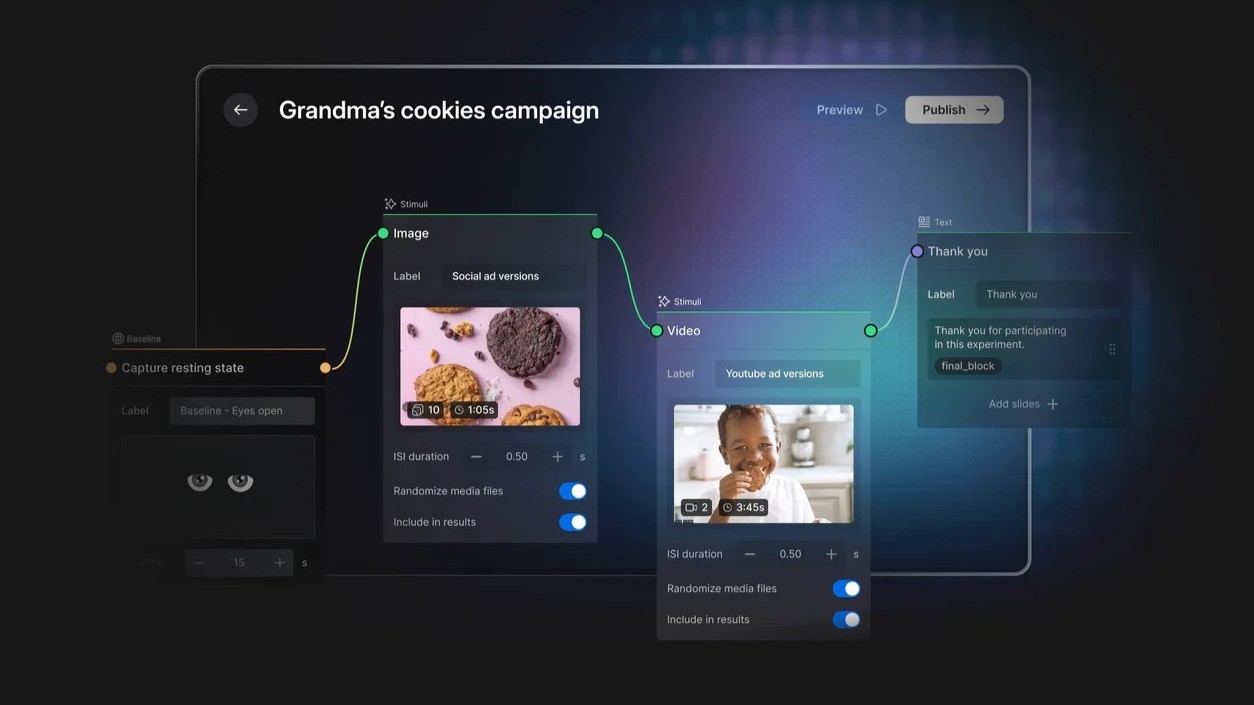
For researchers and professionals who need to perform detailed analysis, EmotivPRO is our integrated software solution for recording and viewing EEG data. It lets you see the raw EEG stream in real-time, check contact quality, and view frequency data with a live FFT/power spectral density plot. You can also insert timed markers into the data stream, which is incredibly helpful for event-related studies in fields like neuromarketing or psychology. EmotivPRO is designed to support the entire research process, from data acquisition to analysis, making it a comprehensive tool for any professional application. It’s the platform we’ve built to help organizations innovate and conduct consumer research.

Custom Development with Our APIs

We understand that one size doesn’t fit all, especially at the enterprise level. Sometimes you need to build a solution that’s perfectly tailored to your unique challenge. That’s why we provide extensive developer tools, including APIs and software development kits (SDKs). These resources give your team the power to create custom applications that leverage our EEG technology. You can build your own brain-computer interfaces, develop specialized data analysis pipelines, or create interactive experiences. Our team of brain and data scientists is also available to help your business integrate this technology and bring your vision to life.

Mobile and Remote Data Collection

Modern research often needs to happen outside of a controlled lab environment. Capturing data in real-world settings provides more authentic and valuable insights. Our portable headsets, like the 5-channel Insight, are designed for exactly this purpose. Paired with our mobile-compatible software, they create a powerful solution for remote and in-the-field data collection. This flexibility is essential for enterprises looking to conduct studies in diverse environments, from usability testing in an office to consumer research in a retail store. It allows you to gather data efficiently without being tethered to a desktop computer.

Integrating with Your Existing Systems

For any enterprise tool to be effective, it needs to fit into your existing workflow. Our software is designed to be flexible, allowing you to easily export data for use with the systems you already have in place. You can export raw EEG data in formats like CSV or EDF, which are compatible with a wide range of third-party analysis programs such as MATLAB, EEGLAB, or your own proprietary software. This interoperability ensures that you can integrate EEG data into your larger data ecosystem, combining it with other metrics to build a more complete picture and streamline your operational efficiency.

Which Industries Use Enterprise EEG?

Electroencephalography (EEG) technology has moved far beyond the lab, becoming a practical tool for a wide range of commercial and research applications. As hardware becomes more accessible and software more powerful, organizations are finding innovative ways to apply brain data to solve real-world problems. From understanding consumer emotions to developing next-generation user interfaces, enterprise EEG solutions are providing the scalable, reliable data collection needed to drive progress. Let's look at some of the key industries where EEG is making a significant impact.

Neuromarketing and Consumer Insights

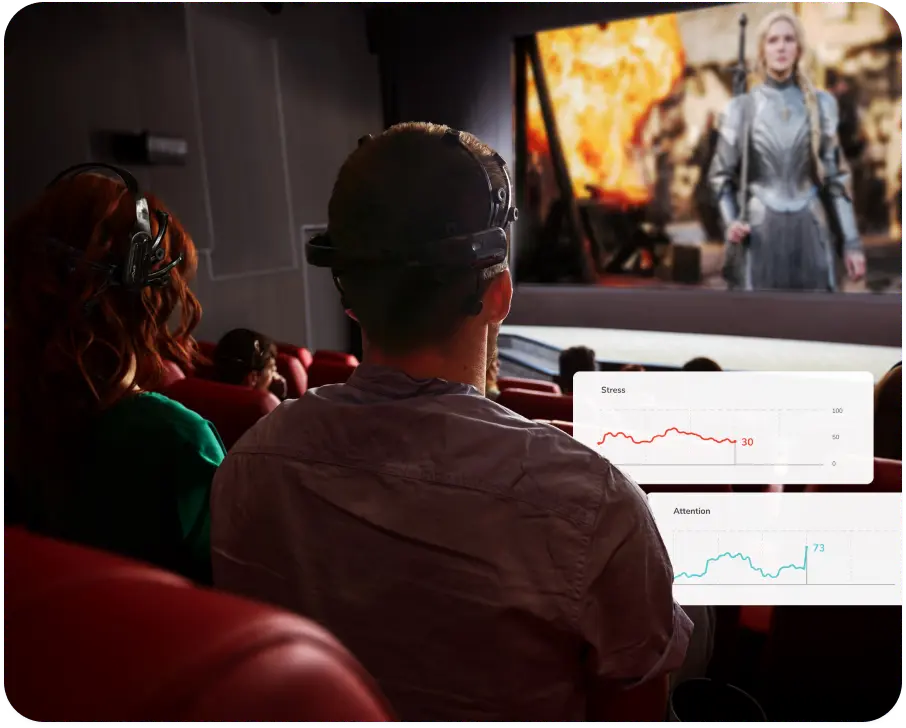
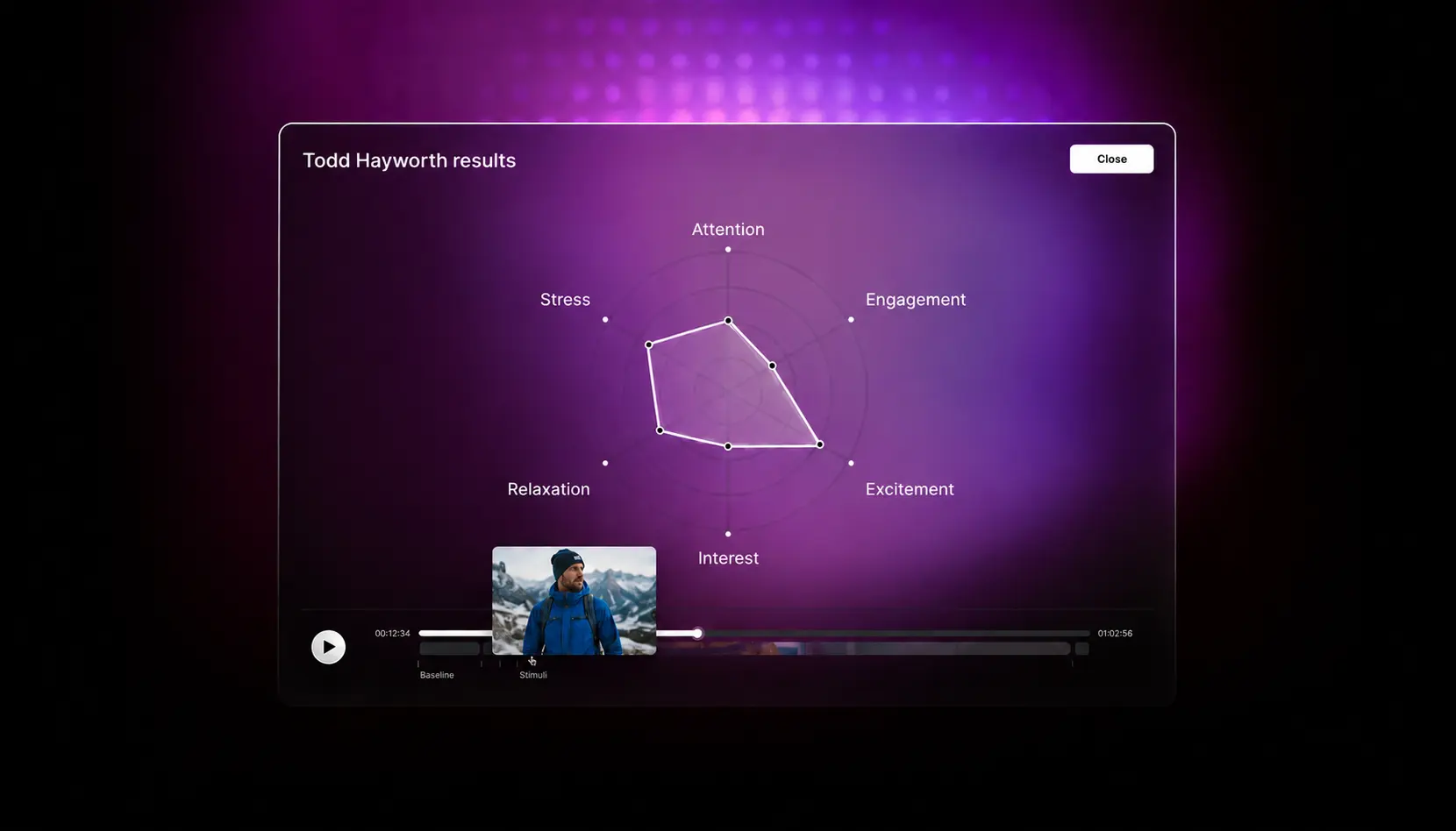
Understanding your customer is everything. While surveys and focus groups provide valuable feedback, they can be influenced by what people think they should say. EEG offers a more direct look into a consumer's subconscious reactions. Our neuromarketing solutions allow businesses to gather objective data on how marketing materials, product designs, or even pricing strategies elicit distinct emotional and cognitive responses. By analyzing this data, brands can refine their campaigns and products to resonate more deeply with their target audience, creating more effective and memorable experiences without relying solely on self-reported information.

Academic Research and Education

EEG has long been a cornerstone of neuroscience and psychology research, but traditional systems can be costly and complex to operate. This creates logistical challenges for labs and educational institutions. We designed our systems to make high-quality brain research more accessible. Portable and user-friendly EEG headsets allow researchers to conduct studies in more natural environments, outside the confines of a traditional lab. This flexibility opens up new possibilities for discovery and makes it easier for educators to give students hands-on experience with neurotechnology, preparing the next generation of scientists and innovators. Many funding agencies now support academic research using these modern tools.

Brain-Computer Interface (BCI) Development

A brain-computer interface (BCI) creates a direct communication pathway between the brain and an external device, and EEG is a key technology driving this field forward. Developers use our hardware and software to build applications that can be controlled by brain activity, from assistive technologies for individuals with motor impairments to immersive gaming and interactive virtual reality experiences. While creating a reliable brain-computer interface has its challenges, our robust APIs and developer tools provide the foundation needed to experiment, prototype, and deploy innovative BCI applications that have the potential to redefine human-computer interaction.

Cognitive Wellness in the Workplace

In high-stakes professions like aviation, manufacturing, and logistics, an individual's cognitive state can have a major impact on performance and safety. Organizations in these fields are increasingly turning to EEG to better understand factors like mental workload and attention. By providing access to cognitive wellness tools, companies can gather insights that inform training programs, workplace design, and operational protocols. This data-driven approach helps create environments that support sustained focus and performance, benefiting both the employees and the organization as a whole.

Understanding Pricing and Value

Investing in an enterprise EEG solution is a significant decision, and the price tag is a big part of that conversation. To truly understand the value, you need to look beyond the initial quote. The right solution is an investment that pays off in reliable data, streamlined workflows, and the ability to scale. Let’s break down the key financial components to consider so you can make an informed choice that aligns with your budget and long-term goals.

Hardware Costs and Licensing

The initial cost of EEG hardware can vary significantly based on channel count, sensor type, and overall design. For instance, a high-density system designed for deep research, like our Flex headset, will have a different price point than a portable device built for field studies. It’s important to match the hardware's capabilities to your project needs to avoid overspending on features you won’t use.

Beyond the purchase price, you’ll want to understand the licensing model. Some hardware is a one-time purchase, while other enterprise solutions may involve licensing fees for commercial use. Choosing the right vendor requires a careful comparison of not just features and price, but also the flexibility of their pricing. Look for vendors who offer tiered options or subscriptions that can adapt as your needs change.

Software Subscription Models

Modern EEG software typically operates on a subscription model. This approach ensures you always have access to the latest features, security updates, and technical support. The price of a software subscription is largely determined by its functionality. A simple application for data recording will cost less than a comprehensive analysis platform like EmotivPRO, which includes advanced tools for processing, visualizing, and interpreting brain data.

Most providers offer tiered subscription plans, allowing you to select a level that matches your team’s size and project complexity. This is key for enterprises, as you can start with a basic plan and upgrade as your research expands. As the market for EEG devices continues to grow, software capabilities are constantly evolving. A subscription ensures your team stays at the forefront without needing to make large, periodic investments in new software.

Calculating the Total Cost of Ownership

To get a true sense of an EEG system's value, you need to calculate its Total Cost of Ownership (TCO). The initial purchase price is just one piece of the puzzle. A comprehensive TCO evaluation includes ongoing expenses like maintenance, replacement sensors, and any necessary repairs. You should also factor in the cost of training your team to use the hardware and software effectively, as a system with a steep learning curve can lead to hidden labor costs.

Another critical component of TCO is your data infrastructure. You'll need to decide whether a local cluster or a cloud-based infrastructure is the more economical solution for your analysis needs, especially when dealing with large datasets. Ultimately, a system with a higher initial price might offer a lower TCO if it’s more durable, easier to use, and integrates with cost-effective data management solutions.

Common Challenges of EEG Implementation

While EEG technology opens up incredible possibilities, implementing it at an enterprise scale comes with a unique set of challenges. Thinking through these potential hurdles ahead of time is the best way to set your project up for success. From the technical requirements of your hardware to the expertise of your team, a little planning goes a long way. Let’s walk through some of the most common considerations you’ll encounter when deploying an EEG solution and how you can prepare for them. By understanding these challenges, you can choose a system and partner that will help you get the clean, reliable data you need to achieve your goals.

Technical and Infrastructure Needs

Getting high-quality brain data starts with a solid technical foundation. One of the biggest technical hurdles is achieving a strong signal-to-noise ratio (SNR). Think of it like trying to hear a whisper in a crowded room—the brain's electrical signals are tiny, and they can easily be drowned out by environmental "noise." This is why having hardware with low electrode impedance, which means a better connection to the scalp, is so important. A poor connection can lead to unreliable data and flawed analysis. Our Flex headset is designed to address this by providing a stable, high-quality connection for research-grade data collection.

Staff Training and Expertise

You can have the most advanced EEG system in the world, but it won’t do you much good if your team doesn’t know how to use it. Historically, EEG technology required extensive training and a deep understanding of neuroscience to operate effectively. While that’s still true for highly specialized research, modern systems have become much more intuitive. When choosing a solution, consider the learning curve for your team. Look for a provider that offers comprehensive documentation, tutorials, and support. We design our hardware and software to be accessible, helping to bridge the gap between getting the technology and using it effectively in your academic research and education programs.

Data Privacy and Security

Brainwave data is among the most personal and sensitive information that can be collected. As such, data privacy and security must be a top priority for any enterprise EEG project. You need to ensure that your entire workflow—from data acquisition to cloud storage and analysis—is secure and compliant with regulations like GDPR. This means partnering with a vendor that has robust security protocols built into their hardware and software. At Emotiv, we build our professional-grade analysis platform, EmotivPRO, with these security considerations at its core, so you can focus on your research with peace of mind.

Ensuring Signal Quality

Beyond the initial setup, maintaining clean data is an ongoing process. EEG signals are highly susceptible to "artifacts," which are unwanted electrical signals from sources other than the brain. These can come from muscle movements like eye blinks and jaw clenching, or even electrical interference from nearby devices. If not properly managed, these artifacts can contaminate your data and skew your results. A robust software solution is essential for identifying and filtering out this noise. Our EmotivPRO software includes tools that help you visualize your data in real-time, detect common artifacts, and ensure the integrity of your recordings.

How to Choose the Right EEG Solution

Choosing the right EEG vendor can feel complex, with so many features, price points, and specializations to consider. To simplify the process, I recommend focusing on three key areas: your specific application, the quality of vendor support, and your long-term goals. Thinking through these points will help you find a solution that not only meets your immediate needs but also grows with you.

Define Your Use Case

The first step to choosing an EEG solution is getting crystal clear on what you want to accomplish. Are you conducting controlled lab experiments, or do you need to gather data in real-world settings? Your answer will point you toward the right hardware. For example, a deep dive into brain dynamics for academic research and education might require a high-density headset like our Flex. In contrast, a study on user experience or a cognitive wellness application might be better served by a more portable, lower-channel device. This clarity will guide every other decision, ensuring you invest in a system that’s perfectly suited for the job at hand.

Evaluate Vendor Support and Documentation

When you’re working with sophisticated technology, a great support system is essential. Before committing to a platform, look at the quality of the vendor’s documentation, tutorials, and customer service. Is the information easy to find and understand? How responsive is their support team? A strong ecosystem of resources can save you countless hours of troubleshooting. Our comprehensive developer resources and knowledge base are designed to help you get up and running smoothly and make the most of your hardware. A vendor who invests in supporting their community is a vendor who is invested in your success, so don’t overlook this crucial step in your evaluation.

Plan for Future Growth

It’s wise to choose a solution that can scale with your ambitions. Consider where your project might be in a few years. Will you need to add more users, integrate with other software, or develop custom applications? A flexible and scalable platform will prevent you from having to start from scratch down the road. Look for systems with robust APIs and compatibility with third-party tools. For instance, our EmotivBCI software allows you to create custom control paradigms as your needs evolve. Selecting a forward-thinking partner ensures that your initial investment continues to provide value as your work expands and becomes more complex.

Related Articles


View Products

Frequently Asked Questions

Do I need a team of neuroscientists to use an enterprise EEG solution? Not at all. While having neuroscience expertise on your team is always a plus for deep research, modern enterprise systems are designed to be much more accessible. We've focused on creating intuitive software and providing comprehensive support so that teams from various backgrounds, like marketing or product development, can effectively collect and begin to interpret brain data. The goal is to provide you with the tools and resources you need to get started, regardless of your team's initial level of expertise.

How do I decide on the right number of channels for my project? The number of channels you need really depends on the question you're trying to answer. For applications focused on general cognitive states or real-world user testing, a portable device with fewer channels, like our Insight or Epoc X headsets, provides a great balance of quality data and ease of use. If your work requires a very detailed, high-resolution map of brain activity for precise scientific research, then a high-density system like our 32-channel Flex is the better choice. It's about matching the tool's precision to your project's goals.

Can I use my own software to analyze the data from your headsets? Yes, absolutely. We know that many organizations have their own established data analysis pipelines and preferred software tools. Our systems are designed with flexibility in mind. You can easily export raw EEG data in standard formats like CSV or EDF, which are compatible with a wide range of programs like MATLAB or EEGLAB. We also provide robust APIs and developer kits so your team can build completely custom applications on top of our hardware.

What's the difference between buying a full solution and a white-label option? A full solution, like the Emotiv ecosystem, gives you a complete, ready-to-use package of hardware, software, and support designed to work together seamlessly. It's ideal for organizations that want to conduct research or gather insights right away. A white-label option is for companies that want to integrate brain-sensing technology directly into their own products and sell it under their brand. It provides the core hardware and technology, allowing you to focus on creating a unique user experience without building the neurotech from the ground up.

How do you ensure the brain data you collect is clean and reliable? Ensuring high-quality data is a two-part process involving both hardware and software. Our headsets are designed to get a stable, low-noise connection to the scalp. From there, our EmotivPRO software provides real-time feedback on signal quality and includes tools to help you identify and filter out common artifacts, which are unwanted signals from things like eye blinks or muscle tension. This combination helps you make sure the data you're analyzing is a clean representation of brain activity.

Taking an EEG project from a small-scale experiment to a full-fledged program presents a major challenge: scalability. How do you ensure your technology can handle more users, more data, and more complex questions as your work evolves? The answer lies in choosing the right foundation from the start. An enterprise-ready system is built for growth, offering the flexibility to adapt to your changing needs without requiring you to start over. This guide is designed to help you think strategically about your long-term goals and identify the key features that define the best scalable eeg solutions for enterprise deployment, setting you up for success.


View Products

Key Takeaways

  • Look Beyond the Hardware: A successful enterprise deployment depends on an integrated ecosystem. Prioritize solutions that offer robust software for analysis, secure data management, and comprehensive developer support, not just a headset.

  • Align Your Tools with Your Environment: Define your specific use case to select the right hardware. High-density systems are built for controlled lab research, while portable, wireless devices are essential for gathering authentic data in real-world settings.

  • Invest in a Scalable Solution: Your needs will evolve, so choose a platform that can grow with you. A system with a flexible API, strong vendor support, and adaptable subscription models provides better long-term value than one that only solves today's problems.

What Is an Enterprise EEG Solution?

When you hear "enterprise solution," you might think of complex software for large corporations. In the world of EEG, it means something similar: a comprehensive system designed for large-scale, professional use. An enterprise EEG solution isn't just a single headset; it's an entire ecosystem of hardware, software, and support built to handle the demands of extensive research, product development, or company-wide programs. These solutions are designed to provide high-quality, reliable brain data for applications ranging from academic studies and clinical research to neuromarketing and the development of brain-computer interfaces.

This ecosystem approach means you get more than just the device. It includes powerful software for data analysis, cloud storage for managing large datasets, and dedicated support to help you get the most out of the technology. A key aspect of many enterprise offerings is the option for white-labeling. This allows a company to integrate EEG technology directly into its own products and brand it as its own. It’s a fantastic way for businesses to leverage the power of brain data without having to develop the core technology from the ground up. Whether you're a university lab managing multiple studies or a company creating a new consumer product, an enterprise solution provides the robust framework you need to collect and analyze data efficiently and effectively. It’s about moving beyond individual experiments and building a scalable platform for brain data acquisition.

What Makes an EEG System Enterprise-Ready?

So, what separates an enterprise-ready EEG system from a standard consumer device? It really comes down to two main factors: scalability and flexibility. Scalability is the system's ability to grow with your project or organization. It means you can start with a few headsets for a pilot study and easily expand to dozens or even hundreds of devices across multiple locations without your workflow breaking down. An enterprise-ready system is built to handle increasing amounts of data and users.

Flexibility is just as important. A truly flexible EEG system can be adapted for a wide variety of applications. The same hardware and software platform should be just as useful for a neuromarketing study on consumer reactions as it is for a BCI project focused on assistive technology. This adaptability ensures your investment remains valuable as your organization's needs and research questions evolve over time.

How to Plan for Scalability

Thinking about scalability from the very beginning will save you a lot of headaches down the road. When you're evaluating solutions, don't just consider your immediate needs—think about where your project might be in a year or even five years. Choose a system that can grow with you. This means looking for platforms that support a growing number of devices and offer robust data management tools that can handle large datasets.

For companies looking to integrate EEG into their own products, planning for scalability often involves exploring white-label solutions. This provides a clear path to incorporating brain data collection into your offerings without the massive R&D investment of building it yourself. By leveraging our developer tools and APIs, you can build custom applications on a proven, scalable foundation, allowing you to focus on the user experience while we handle the core brain-sensing technology.

A Look at Enterprise EEG Providers

Choosing the right EEG provider is a big decision. You’re not just buying hardware; you’re investing in a partner and an ecosystem that will support your project's goals. Different providers offer unique strengths, from comprehensive, ready-to-use systems to white-label components you can integrate into your own products. Let's explore a few approaches to see what might be the best fit for your organization.

The Emotiv Ecosystem

Here at Emotiv, we provide a complete solution designed for enterprise use. We offer a range of EEG devices paired with powerful software and development tools. Think of it as an end-to-end system. Our team of neuroscientists and data scientists works with you at every stage, from designing your experiment to collecting and interpreting brain data. Our goal is to help your business drive innovation by making the power of mobile EEG accessible. Whether you're in neuromarketing, BCI development, or academic research, our ecosystem is built to provide the hardware, software, and expert support you need to succeed.

Other EEG Providers to Consider

Some companies in the EEG space focus on providing core technology that other businesses can build upon. For instance, you can find providers that offer a "white-label" solution. This means you can integrate their brain-sensing hardware directly into your own products and sell it under your brand name. It’s an effective way to add advanced EEG capabilities to your product line without having to develop the core technology from the ground up. This approach is great for companies that want to differentiate their products by offering unique features that respond to user brain activity, giving them a distinct edge in the market.

How the Hardware Stacks Up

When you look at the hardware itself, you'll find systems designed for a wide range of professional environments. Some systems, like the NicoletOne EEG System, are built for versatility in clinical and hospital settings. This kind of hardware can often handle multiple functions, from standard EEG recordings to sleep studies, all within a single platform. A key feature of these enterprise-grade systems is scalability. They can grow with your needs, expanding from a single device to a large, networked deployment. You’ll also find options for different channel counts, such as 32 or 44 channels, allowing you to choose the level of detail your specific application requires.

Key Features to Look for in an EEG Solution

When you’re evaluating EEG technology for your organization, it’s easy to get focused on the hardware specs alone. But a truly enterprise-ready solution is much more than just a headset. It’s a complete ecosystem that includes robust software, flexible data management, and the ability to grow with your projects. The right system should feel less like a rigid tool and more like a versatile platform that adapts to your specific needs, whether you're conducting in-depth academic research or developing a new brain-computer interface.

Thinking about the entire workflow from the start will save you countless headaches down the road. How will you collect the data? Where will you store it securely? How will your team access and analyze it? Can you integrate it with the other tools you already use? These are the questions that separate a consumer gadget from a professional-grade, scalable solution. As you explore your options, keep these key features in mind to ensure you’re choosing a system that can support your goals not just today, but for years to come.

Multi-Channel Recording

The number of channels on an EEG headset determines the spatial resolution of the data you can collect. While a device with fewer channels, like our 2-channel MN8 earbuds, is great for certain cognitive wellness applications, more complex research often requires a higher density of sensors. A system with more channels, such as our 32-channel Flex headset, can provide a more detailed picture of brain activity across different regions. The key is finding a provider that offers a range of hardware. This flexibility allows you to choose the right tool for each specific project, ensuring your solution can scale from simple, focused studies to comprehensive, multi-faceted research without needing to switch ecosystems.

Real-Time Data Processing

For applications like brain-computer interfaces or live biofeedback, you need to see and work with the data as it’s being generated. However, raw EEG data is notoriously noisy. A major challenge is dealing with a low signal-to-noise ratio and filtering out artifacts from muscle movements or environmental interference. A powerful enterprise solution must include software that can handle this pre-processing on the fly. Our EmotivPRO software, for example, is designed to clean and process data in real time, giving you a reliable stream of information you can act on instantly. This capability is essential for any interactive or responsive application.

Cloud Integration and Data Management

EEG studies can generate massive amounts of data, and managing it all can quickly become a logistical challenge. An enterprise-grade solution should offer seamless cloud integration to help you store, manage, and access your data securely from anywhere. This is crucial for collaborative projects with team members in different locations. A cloud-based infrastructure also supports scalability, allowing your data storage to grow alongside your research without requiring you to invest in and maintain physical servers. This approach simplifies data management and ensures your system can handle future upgrades and expanding project scopes with ease.

API and Third-Party Compatibility

Your EEG system shouldn't exist in a silo. To unlock its full potential, it needs to connect with your existing workflows and software tools. This is where a robust Application Programming Interface (API) becomes essential. An API allows your developers to build custom applications, create unique data analysis pipelines, and integrate EEG data into other platforms. This opens up a world of possibilities, letting you incorporate brain data into your own products or services without having to build the core technology from scratch. Our developer tools are designed to give you this flexibility, providing the building blocks to innovate and create.

An Intuitive Software Interface

The most advanced hardware in the world won't do you much good if the software is impossible to use. A clunky, confusing interface can slow down your research and create a steep learning curve for your team. Look for a solution with a clean, intuitive software interface that makes it easy to set up experiments, visualize data streams, and perform analysis. Whether you're a seasoned neuroscientist or new to the field, the software should empower you, not get in your way. An accessible platform like the Emotiv App ensures that your team can focus on their research questions rather than wrestling with the technology itself.

Data Security and Compliance

When working with brain data, security and privacy are paramount. Any enterprise solution you consider must have strong measures in place to protect this sensitive information. This includes data encryption both in transit and at rest, secure cloud storage, and clear data ownership policies. Furthermore, depending on your application, you may need to comply with regulations like GDPR or HIPAA. Choosing a platform that is built with these regulatory hurdles in mind can save you significant time and resources, ensuring your work is not only innovative but also ethical and compliant from the very beginning.

Finding the Right Hardware for Your Needs

Choosing the right EEG hardware is a lot like picking the right tool for a job—what you need depends entirely on what you’re trying to build. A system designed for granular, lab-based academic research will have different features than one built for studying consumer behavior in a simulated store. The key is to match the device's capabilities to your project's specific goals.

Your decision will come down to a balance of channel density, portability, and how you plan to integrate the technology into your existing workflow. Whether you need a high-density system for deep analysis or a portable device for studies in natural environments, there’s a hardware solution designed for your use case. Understanding these differences is the first step toward building a scalable and effective enterprise EEG program.

High-Density Systems for Deep Research

When your research requires a highly detailed map of brain activity, a high-density EEG system is the way to go. These systems use a large number of channels—often 32 or more—to capture data from across the scalp. This provides the high spatial resolution needed to pinpoint the sources of neural signals with greater precision. It’s the ideal choice for controlled laboratory settings where the primary goal is to gather the most comprehensive dataset possible.

For enterprises focused on deep R&D or foundational scientific inquiry, these systems are invaluable. Our Flex headset, for example, is designed for this exact purpose, offering the channel count and data quality that serious research demands. When planning, consider if the device can support future upgrades or additional functionalities as your research questions evolve.

Portable Solutions for In-the-Field Studies

Not all research happens in a lab. Many of the most exciting insights come from studying people in their natural environments, which is where portable EEG solutions shine. These devices are lightweight, easy to set up, and designed for use in real-world settings, from usability tests in an office to neuromarketing studies in a retail space. The simplicity and cost-effectiveness of these products have made them increasingly popular for commercial applications.

By taking the research out of the lab, you can gather more authentic data that reflects how people truly think and feel. Headsets like our Epoc X and Insight were created to bridge the gap between lab-grade data and real-world applicability, giving you the freedom to conduct studies virtually anywhere without sacrificing data quality.

Wireless Connectivity and Battery Life

For any large-scale or out-of-lab deployment, practical features like wireless connectivity and long battery life are non-negotiable. Wireless headsets give participants the freedom to move naturally, which is crucial for studies involving physical tasks or interactions. It eliminates cumbersome wires that can restrict movement and even affect the data itself.

Similarly, a long battery life ensures you can run extended sessions without interruption, a key factor for efficiency in both commercial and academic settings. These features solve major logistical challenges, making it easier to manage multiple participants and run studies more smoothly. Our hardware is built with these needs in mind, providing the reliable performance required for demanding enterprise applications.

Customization and White-Labeling Options

Sometimes, an off-the-shelf solution isn’t quite right. Your enterprise may need to integrate EEG technology directly into a proprietary product or service. This is where customization and white-labeling come in. A white-label solution allows you to incorporate proven EEG data collection into your own branded products without the immense cost and complexity of developing the hardware from scratch.

This approach offers a direct path for companies looking to innovate in their field, whether it’s creating new wellness tools, interactive experiences, or next-generation interfaces. It allows you to focus on what you do best—building a great user experience—while leveraging established, reliable neurotechnology. If you're looking to build something truly unique, exploring a partnership with an experienced hardware provider is a great place to start.

Exploring Software and Data Analysis Tools

Choosing the right hardware is a great first step, but it’s the software that transforms raw brainwave data into actionable insights. The right data analysis tools are essential for visualizing, processing, and interpreting EEG signals for your enterprise project. Whether you need a ready-to-use platform for in-depth analysis or the flexibility to build a completely custom application, the software ecosystem should support your goals. A powerful and intuitive software suite makes it easier to manage large-scale studies, streamline your workflow, and get the most out of your data.

EmotivPRO for Professional-Grade Analysis

For researchers and professionals who need to perform detailed analysis, EmotivPRO is our integrated software solution for recording and viewing EEG data. It lets you see the raw EEG stream in real-time, check contact quality, and view frequency data with a live FFT/power spectral density plot. You can also insert timed markers into the data stream, which is incredibly helpful for event-related studies in fields like neuromarketing or psychology. EmotivPRO is designed to support the entire research process, from data acquisition to analysis, making it a comprehensive tool for any professional application. It’s the platform we’ve built to help organizations innovate and conduct consumer research.

Custom Development with Our APIs

We understand that one size doesn’t fit all, especially at the enterprise level. Sometimes you need to build a solution that’s perfectly tailored to your unique challenge. That’s why we provide extensive developer tools, including APIs and software development kits (SDKs). These resources give your team the power to create custom applications that leverage our EEG technology. You can build your own brain-computer interfaces, develop specialized data analysis pipelines, or create interactive experiences. Our team of brain and data scientists is also available to help your business integrate this technology and bring your vision to life.

Mobile and Remote Data Collection

Modern research often needs to happen outside of a controlled lab environment. Capturing data in real-world settings provides more authentic and valuable insights. Our portable headsets, like the 5-channel Insight, are designed for exactly this purpose. Paired with our mobile-compatible software, they create a powerful solution for remote and in-the-field data collection. This flexibility is essential for enterprises looking to conduct studies in diverse environments, from usability testing in an office to consumer research in a retail store. It allows you to gather data efficiently without being tethered to a desktop computer.

Integrating with Your Existing Systems

For any enterprise tool to be effective, it needs to fit into your existing workflow. Our software is designed to be flexible, allowing you to easily export data for use with the systems you already have in place. You can export raw EEG data in formats like CSV or EDF, which are compatible with a wide range of third-party analysis programs such as MATLAB, EEGLAB, or your own proprietary software. This interoperability ensures that you can integrate EEG data into your larger data ecosystem, combining it with other metrics to build a more complete picture and streamline your operational efficiency.

Which Industries Use Enterprise EEG?

Electroencephalography (EEG) technology has moved far beyond the lab, becoming a practical tool for a wide range of commercial and research applications. As hardware becomes more accessible and software more powerful, organizations are finding innovative ways to apply brain data to solve real-world problems. From understanding consumer emotions to developing next-generation user interfaces, enterprise EEG solutions are providing the scalable, reliable data collection needed to drive progress. Let's look at some of the key industries where EEG is making a significant impact.

Neuromarketing and Consumer Insights

Understanding your customer is everything. While surveys and focus groups provide valuable feedback, they can be influenced by what people think they should say. EEG offers a more direct look into a consumer's subconscious reactions. Our neuromarketing solutions allow businesses to gather objective data on how marketing materials, product designs, or even pricing strategies elicit distinct emotional and cognitive responses. By analyzing this data, brands can refine their campaigns and products to resonate more deeply with their target audience, creating more effective and memorable experiences without relying solely on self-reported information.

Academic Research and Education

EEG has long been a cornerstone of neuroscience and psychology research, but traditional systems can be costly and complex to operate. This creates logistical challenges for labs and educational institutions. We designed our systems to make high-quality brain research more accessible. Portable and user-friendly EEG headsets allow researchers to conduct studies in more natural environments, outside the confines of a traditional lab. This flexibility opens up new possibilities for discovery and makes it easier for educators to give students hands-on experience with neurotechnology, preparing the next generation of scientists and innovators. Many funding agencies now support academic research using these modern tools.

Brain-Computer Interface (BCI) Development

A brain-computer interface (BCI) creates a direct communication pathway between the brain and an external device, and EEG is a key technology driving this field forward. Developers use our hardware and software to build applications that can be controlled by brain activity, from assistive technologies for individuals with motor impairments to immersive gaming and interactive virtual reality experiences. While creating a reliable brain-computer interface has its challenges, our robust APIs and developer tools provide the foundation needed to experiment, prototype, and deploy innovative BCI applications that have the potential to redefine human-computer interaction.

Cognitive Wellness in the Workplace

In high-stakes professions like aviation, manufacturing, and logistics, an individual's cognitive state can have a major impact on performance and safety. Organizations in these fields are increasingly turning to EEG to better understand factors like mental workload and attention. By providing access to cognitive wellness tools, companies can gather insights that inform training programs, workplace design, and operational protocols. This data-driven approach helps create environments that support sustained focus and performance, benefiting both the employees and the organization as a whole.

Understanding Pricing and Value

Investing in an enterprise EEG solution is a significant decision, and the price tag is a big part of that conversation. To truly understand the value, you need to look beyond the initial quote. The right solution is an investment that pays off in reliable data, streamlined workflows, and the ability to scale. Let’s break down the key financial components to consider so you can make an informed choice that aligns with your budget and long-term goals.

Hardware Costs and Licensing

The initial cost of EEG hardware can vary significantly based on channel count, sensor type, and overall design. For instance, a high-density system designed for deep research, like our Flex headset, will have a different price point than a portable device built for field studies. It’s important to match the hardware's capabilities to your project needs to avoid overspending on features you won’t use.

Beyond the purchase price, you’ll want to understand the licensing model. Some hardware is a one-time purchase, while other enterprise solutions may involve licensing fees for commercial use. Choosing the right vendor requires a careful comparison of not just features and price, but also the flexibility of their pricing. Look for vendors who offer tiered options or subscriptions that can adapt as your needs change.

Software Subscription Models

Modern EEG software typically operates on a subscription model. This approach ensures you always have access to the latest features, security updates, and technical support. The price of a software subscription is largely determined by its functionality. A simple application for data recording will cost less than a comprehensive analysis platform like EmotivPRO, which includes advanced tools for processing, visualizing, and interpreting brain data.

Most providers offer tiered subscription plans, allowing you to select a level that matches your team’s size and project complexity. This is key for enterprises, as you can start with a basic plan and upgrade as your research expands. As the market for EEG devices continues to grow, software capabilities are constantly evolving. A subscription ensures your team stays at the forefront without needing to make large, periodic investments in new software.

Calculating the Total Cost of Ownership

To get a true sense of an EEG system's value, you need to calculate its Total Cost of Ownership (TCO). The initial purchase price is just one piece of the puzzle. A comprehensive TCO evaluation includes ongoing expenses like maintenance, replacement sensors, and any necessary repairs. You should also factor in the cost of training your team to use the hardware and software effectively, as a system with a steep learning curve can lead to hidden labor costs.

Another critical component of TCO is your data infrastructure. You'll need to decide whether a local cluster or a cloud-based infrastructure is the more economical solution for your analysis needs, especially when dealing with large datasets. Ultimately, a system with a higher initial price might offer a lower TCO if it’s more durable, easier to use, and integrates with cost-effective data management solutions.

Common Challenges of EEG Implementation

While EEG technology opens up incredible possibilities, implementing it at an enterprise scale comes with a unique set of challenges. Thinking through these potential hurdles ahead of time is the best way to set your project up for success. From the technical requirements of your hardware to the expertise of your team, a little planning goes a long way. Let’s walk through some of the most common considerations you’ll encounter when deploying an EEG solution and how you can prepare for them. By understanding these challenges, you can choose a system and partner that will help you get the clean, reliable data you need to achieve your goals.

Technical and Infrastructure Needs

Getting high-quality brain data starts with a solid technical foundation. One of the biggest technical hurdles is achieving a strong signal-to-noise ratio (SNR). Think of it like trying to hear a whisper in a crowded room—the brain's electrical signals are tiny, and they can easily be drowned out by environmental "noise." This is why having hardware with low electrode impedance, which means a better connection to the scalp, is so important. A poor connection can lead to unreliable data and flawed analysis. Our Flex headset is designed to address this by providing a stable, high-quality connection for research-grade data collection.

Staff Training and Expertise

You can have the most advanced EEG system in the world, but it won’t do you much good if your team doesn’t know how to use it. Historically, EEG technology required extensive training and a deep understanding of neuroscience to operate effectively. While that’s still true for highly specialized research, modern systems have become much more intuitive. When choosing a solution, consider the learning curve for your team. Look for a provider that offers comprehensive documentation, tutorials, and support. We design our hardware and software to be accessible, helping to bridge the gap between getting the technology and using it effectively in your academic research and education programs.

Data Privacy and Security

Brainwave data is among the most personal and sensitive information that can be collected. As such, data privacy and security must be a top priority for any enterprise EEG project. You need to ensure that your entire workflow—from data acquisition to cloud storage and analysis—is secure and compliant with regulations like GDPR. This means partnering with a vendor that has robust security protocols built into their hardware and software. At Emotiv, we build our professional-grade analysis platform, EmotivPRO, with these security considerations at its core, so you can focus on your research with peace of mind.

Ensuring Signal Quality

Beyond the initial setup, maintaining clean data is an ongoing process. EEG signals are highly susceptible to "artifacts," which are unwanted electrical signals from sources other than the brain. These can come from muscle movements like eye blinks and jaw clenching, or even electrical interference from nearby devices. If not properly managed, these artifacts can contaminate your data and skew your results. A robust software solution is essential for identifying and filtering out this noise. Our EmotivPRO software includes tools that help you visualize your data in real-time, detect common artifacts, and ensure the integrity of your recordings.

How to Choose the Right EEG Solution

Choosing the right EEG vendor can feel complex, with so many features, price points, and specializations to consider. To simplify the process, I recommend focusing on three key areas: your specific application, the quality of vendor support, and your long-term goals. Thinking through these points will help you find a solution that not only meets your immediate needs but also grows with you.

Define Your Use Case

The first step to choosing an EEG solution is getting crystal clear on what you want to accomplish. Are you conducting controlled lab experiments, or do you need to gather data in real-world settings? Your answer will point you toward the right hardware. For example, a deep dive into brain dynamics for academic research and education might require a high-density headset like our Flex. In contrast, a study on user experience or a cognitive wellness application might be better served by a more portable, lower-channel device. This clarity will guide every other decision, ensuring you invest in a system that’s perfectly suited for the job at hand.

Evaluate Vendor Support and Documentation

When you’re working with sophisticated technology, a great support system is essential. Before committing to a platform, look at the quality of the vendor’s documentation, tutorials, and customer service. Is the information easy to find and understand? How responsive is their support team? A strong ecosystem of resources can save you countless hours of troubleshooting. Our comprehensive developer resources and knowledge base are designed to help you get up and running smoothly and make the most of your hardware. A vendor who invests in supporting their community is a vendor who is invested in your success, so don’t overlook this crucial step in your evaluation.

Plan for Future Growth

It’s wise to choose a solution that can scale with your ambitions. Consider where your project might be in a few years. Will you need to add more users, integrate with other software, or develop custom applications? A flexible and scalable platform will prevent you from having to start from scratch down the road. Look for systems with robust APIs and compatibility with third-party tools. For instance, our EmotivBCI software allows you to create custom control paradigms as your needs evolve. Selecting a forward-thinking partner ensures that your initial investment continues to provide value as your work expands and becomes more complex.

Related Articles


View Products

Frequently Asked Questions

Do I need a team of neuroscientists to use an enterprise EEG solution? Not at all. While having neuroscience expertise on your team is always a plus for deep research, modern enterprise systems are designed to be much more accessible. We've focused on creating intuitive software and providing comprehensive support so that teams from various backgrounds, like marketing or product development, can effectively collect and begin to interpret brain data. The goal is to provide you with the tools and resources you need to get started, regardless of your team's initial level of expertise.

How do I decide on the right number of channels for my project? The number of channels you need really depends on the question you're trying to answer. For applications focused on general cognitive states or real-world user testing, a portable device with fewer channels, like our Insight or Epoc X headsets, provides a great balance of quality data and ease of use. If your work requires a very detailed, high-resolution map of brain activity for precise scientific research, then a high-density system like our 32-channel Flex is the better choice. It's about matching the tool's precision to your project's goals.

Can I use my own software to analyze the data from your headsets? Yes, absolutely. We know that many organizations have their own established data analysis pipelines and preferred software tools. Our systems are designed with flexibility in mind. You can easily export raw EEG data in standard formats like CSV or EDF, which are compatible with a wide range of programs like MATLAB or EEGLAB. We also provide robust APIs and developer kits so your team can build completely custom applications on top of our hardware.

What's the difference between buying a full solution and a white-label option? A full solution, like the Emotiv ecosystem, gives you a complete, ready-to-use package of hardware, software, and support designed to work together seamlessly. It's ideal for organizations that want to conduct research or gather insights right away. A white-label option is for companies that want to integrate brain-sensing technology directly into their own products and sell it under their brand. It provides the core hardware and technology, allowing you to focus on creating a unique user experience without building the neurotech from the ground up.

How do you ensure the brain data you collect is clean and reliable? Ensuring high-quality data is a two-part process involving both hardware and software. Our headsets are designed to get a stable, low-noise connection to the scalp. From there, our EmotivPRO software provides real-time feedback on signal quality and includes tools to help you identify and filter out common artifacts, which are unwanted signals from things like eye blinks or muscle tension. This combination helps you make sure the data you're analyzing is a clean representation of brain activity.

Taking an EEG project from a small-scale experiment to a full-fledged program presents a major challenge: scalability. How do you ensure your technology can handle more users, more data, and more complex questions as your work evolves? The answer lies in choosing the right foundation from the start. An enterprise-ready system is built for growth, offering the flexibility to adapt to your changing needs without requiring you to start over. This guide is designed to help you think strategically about your long-term goals and identify the key features that define the best scalable eeg solutions for enterprise deployment, setting you up for success.


View Products

Key Takeaways

  • Look Beyond the Hardware: A successful enterprise deployment depends on an integrated ecosystem. Prioritize solutions that offer robust software for analysis, secure data management, and comprehensive developer support, not just a headset.

  • Align Your Tools with Your Environment: Define your specific use case to select the right hardware. High-density systems are built for controlled lab research, while portable, wireless devices are essential for gathering authentic data in real-world settings.

  • Invest in a Scalable Solution: Your needs will evolve, so choose a platform that can grow with you. A system with a flexible API, strong vendor support, and adaptable subscription models provides better long-term value than one that only solves today's problems.

What Is an Enterprise EEG Solution?

When you hear "enterprise solution," you might think of complex software for large corporations. In the world of EEG, it means something similar: a comprehensive system designed for large-scale, professional use. An enterprise EEG solution isn't just a single headset; it's an entire ecosystem of hardware, software, and support built to handle the demands of extensive research, product development, or company-wide programs. These solutions are designed to provide high-quality, reliable brain data for applications ranging from academic studies and clinical research to neuromarketing and the development of brain-computer interfaces.

This ecosystem approach means you get more than just the device. It includes powerful software for data analysis, cloud storage for managing large datasets, and dedicated support to help you get the most out of the technology. A key aspect of many enterprise offerings is the option for white-labeling. This allows a company to integrate EEG technology directly into its own products and brand it as its own. It’s a fantastic way for businesses to leverage the power of brain data without having to develop the core technology from the ground up. Whether you're a university lab managing multiple studies or a company creating a new consumer product, an enterprise solution provides the robust framework you need to collect and analyze data efficiently and effectively. It’s about moving beyond individual experiments and building a scalable platform for brain data acquisition.

What Makes an EEG System Enterprise-Ready?

So, what separates an enterprise-ready EEG system from a standard consumer device? It really comes down to two main factors: scalability and flexibility. Scalability is the system's ability to grow with your project or organization. It means you can start with a few headsets for a pilot study and easily expand to dozens or even hundreds of devices across multiple locations without your workflow breaking down. An enterprise-ready system is built to handle increasing amounts of data and users.

Flexibility is just as important. A truly flexible EEG system can be adapted for a wide variety of applications. The same hardware and software platform should be just as useful for a neuromarketing study on consumer reactions as it is for a BCI project focused on assistive technology. This adaptability ensures your investment remains valuable as your organization's needs and research questions evolve over time.

How to Plan for Scalability

Thinking about scalability from the very beginning will save you a lot of headaches down the road. When you're evaluating solutions, don't just consider your immediate needs—think about where your project might be in a year or even five years. Choose a system that can grow with you. This means looking for platforms that support a growing number of devices and offer robust data management tools that can handle large datasets.

For companies looking to integrate EEG into their own products, planning for scalability often involves exploring white-label solutions. This provides a clear path to incorporating brain data collection into your offerings without the massive R&D investment of building it yourself. By leveraging our developer tools and APIs, you can build custom applications on a proven, scalable foundation, allowing you to focus on the user experience while we handle the core brain-sensing technology.

A Look at Enterprise EEG Providers

Choosing the right EEG provider is a big decision. You’re not just buying hardware; you’re investing in a partner and an ecosystem that will support your project's goals. Different providers offer unique strengths, from comprehensive, ready-to-use systems to white-label components you can integrate into your own products. Let's explore a few approaches to see what might be the best fit for your organization.

The Emotiv Ecosystem

Here at Emotiv, we provide a complete solution designed for enterprise use. We offer a range of EEG devices paired with powerful software and development tools. Think of it as an end-to-end system. Our team of neuroscientists and data scientists works with you at every stage, from designing your experiment to collecting and interpreting brain data. Our goal is to help your business drive innovation by making the power of mobile EEG accessible. Whether you're in neuromarketing, BCI development, or academic research, our ecosystem is built to provide the hardware, software, and expert support you need to succeed.

Other EEG Providers to Consider

Some companies in the EEG space focus on providing core technology that other businesses can build upon. For instance, you can find providers that offer a "white-label" solution. This means you can integrate their brain-sensing hardware directly into your own products and sell it under your brand name. It’s an effective way to add advanced EEG capabilities to your product line without having to develop the core technology from the ground up. This approach is great for companies that want to differentiate their products by offering unique features that respond to user brain activity, giving them a distinct edge in the market.

How the Hardware Stacks Up

When you look at the hardware itself, you'll find systems designed for a wide range of professional environments. Some systems, like the NicoletOne EEG System, are built for versatility in clinical and hospital settings. This kind of hardware can often handle multiple functions, from standard EEG recordings to sleep studies, all within a single platform. A key feature of these enterprise-grade systems is scalability. They can grow with your needs, expanding from a single device to a large, networked deployment. You’ll also find options for different channel counts, such as 32 or 44 channels, allowing you to choose the level of detail your specific application requires.

Key Features to Look for in an EEG Solution

When you’re evaluating EEG technology for your organization, it’s easy to get focused on the hardware specs alone. But a truly enterprise-ready solution is much more than just a headset. It’s a complete ecosystem that includes robust software, flexible data management, and the ability to grow with your projects. The right system should feel less like a rigid tool and more like a versatile platform that adapts to your specific needs, whether you're conducting in-depth academic research or developing a new brain-computer interface.

Thinking about the entire workflow from the start will save you countless headaches down the road. How will you collect the data? Where will you store it securely? How will your team access and analyze it? Can you integrate it with the other tools you already use? These are the questions that separate a consumer gadget from a professional-grade, scalable solution. As you explore your options, keep these key features in mind to ensure you’re choosing a system that can support your goals not just today, but for years to come.

Multi-Channel Recording

The number of channels on an EEG headset determines the spatial resolution of the data you can collect. While a device with fewer channels, like our 2-channel MN8 earbuds, is great for certain cognitive wellness applications, more complex research often requires a higher density of sensors. A system with more channels, such as our 32-channel Flex headset, can provide a more detailed picture of brain activity across different regions. The key is finding a provider that offers a range of hardware. This flexibility allows you to choose the right tool for each specific project, ensuring your solution can scale from simple, focused studies to comprehensive, multi-faceted research without needing to switch ecosystems.

Real-Time Data Processing

For applications like brain-computer interfaces or live biofeedback, you need to see and work with the data as it’s being generated. However, raw EEG data is notoriously noisy. A major challenge is dealing with a low signal-to-noise ratio and filtering out artifacts from muscle movements or environmental interference. A powerful enterprise solution must include software that can handle this pre-processing on the fly. Our EmotivPRO software, for example, is designed to clean and process data in real time, giving you a reliable stream of information you can act on instantly. This capability is essential for any interactive or responsive application.

Cloud Integration and Data Management

EEG studies can generate massive amounts of data, and managing it all can quickly become a logistical challenge. An enterprise-grade solution should offer seamless cloud integration to help you store, manage, and access your data securely from anywhere. This is crucial for collaborative projects with team members in different locations. A cloud-based infrastructure also supports scalability, allowing your data storage to grow alongside your research without requiring you to invest in and maintain physical servers. This approach simplifies data management and ensures your system can handle future upgrades and expanding project scopes with ease.

API and Third-Party Compatibility

Your EEG system shouldn't exist in a silo. To unlock its full potential, it needs to connect with your existing workflows and software tools. This is where a robust Application Programming Interface (API) becomes essential. An API allows your developers to build custom applications, create unique data analysis pipelines, and integrate EEG data into other platforms. This opens up a world of possibilities, letting you incorporate brain data into your own products or services without having to build the core technology from scratch. Our developer tools are designed to give you this flexibility, providing the building blocks to innovate and create.

An Intuitive Software Interface

The most advanced hardware in the world won't do you much good if the software is impossible to use. A clunky, confusing interface can slow down your research and create a steep learning curve for your team. Look for a solution with a clean, intuitive software interface that makes it easy to set up experiments, visualize data streams, and perform analysis. Whether you're a seasoned neuroscientist or new to the field, the software should empower you, not get in your way. An accessible platform like the Emotiv App ensures that your team can focus on their research questions rather than wrestling with the technology itself.

Data Security and Compliance

When working with brain data, security and privacy are paramount. Any enterprise solution you consider must have strong measures in place to protect this sensitive information. This includes data encryption both in transit and at rest, secure cloud storage, and clear data ownership policies. Furthermore, depending on your application, you may need to comply with regulations like GDPR or HIPAA. Choosing a platform that is built with these regulatory hurdles in mind can save you significant time and resources, ensuring your work is not only innovative but also ethical and compliant from the very beginning.

Finding the Right Hardware for Your Needs

Choosing the right EEG hardware is a lot like picking the right tool for a job—what you need depends entirely on what you’re trying to build. A system designed for granular, lab-based academic research will have different features than one built for studying consumer behavior in a simulated store. The key is to match the device's capabilities to your project's specific goals.

Your decision will come down to a balance of channel density, portability, and how you plan to integrate the technology into your existing workflow. Whether you need a high-density system for deep analysis or a portable device for studies in natural environments, there’s a hardware solution designed for your use case. Understanding these differences is the first step toward building a scalable and effective enterprise EEG program.

High-Density Systems for Deep Research

When your research requires a highly detailed map of brain activity, a high-density EEG system is the way to go. These systems use a large number of channels—often 32 or more—to capture data from across the scalp. This provides the high spatial resolution needed to pinpoint the sources of neural signals with greater precision. It’s the ideal choice for controlled laboratory settings where the primary goal is to gather the most comprehensive dataset possible.

For enterprises focused on deep R&D or foundational scientific inquiry, these systems are invaluable. Our Flex headset, for example, is designed for this exact purpose, offering the channel count and data quality that serious research demands. When planning, consider if the device can support future upgrades or additional functionalities as your research questions evolve.

Portable Solutions for In-the-Field Studies

Not all research happens in a lab. Many of the most exciting insights come from studying people in their natural environments, which is where portable EEG solutions shine. These devices are lightweight, easy to set up, and designed for use in real-world settings, from usability tests in an office to neuromarketing studies in a retail space. The simplicity and cost-effectiveness of these products have made them increasingly popular for commercial applications.

By taking the research out of the lab, you can gather more authentic data that reflects how people truly think and feel. Headsets like our Epoc X and Insight were created to bridge the gap between lab-grade data and real-world applicability, giving you the freedom to conduct studies virtually anywhere without sacrificing data quality.

Wireless Connectivity and Battery Life

For any large-scale or out-of-lab deployment, practical features like wireless connectivity and long battery life are non-negotiable. Wireless headsets give participants the freedom to move naturally, which is crucial for studies involving physical tasks or interactions. It eliminates cumbersome wires that can restrict movement and even affect the data itself.

Similarly, a long battery life ensures you can run extended sessions without interruption, a key factor for efficiency in both commercial and academic settings. These features solve major logistical challenges, making it easier to manage multiple participants and run studies more smoothly. Our hardware is built with these needs in mind, providing the reliable performance required for demanding enterprise applications.

Customization and White-Labeling Options

Sometimes, an off-the-shelf solution isn’t quite right. Your enterprise may need to integrate EEG technology directly into a proprietary product or service. This is where customization and white-labeling come in. A white-label solution allows you to incorporate proven EEG data collection into your own branded products without the immense cost and complexity of developing the hardware from scratch.

This approach offers a direct path for companies looking to innovate in their field, whether it’s creating new wellness tools, interactive experiences, or next-generation interfaces. It allows you to focus on what you do best—building a great user experience—while leveraging established, reliable neurotechnology. If you're looking to build something truly unique, exploring a partnership with an experienced hardware provider is a great place to start.

Exploring Software and Data Analysis Tools

Choosing the right hardware is a great first step, but it’s the software that transforms raw brainwave data into actionable insights. The right data analysis tools are essential for visualizing, processing, and interpreting EEG signals for your enterprise project. Whether you need a ready-to-use platform for in-depth analysis or the flexibility to build a completely custom application, the software ecosystem should support your goals. A powerful and intuitive software suite makes it easier to manage large-scale studies, streamline your workflow, and get the most out of your data.

EmotivPRO for Professional-Grade Analysis

For researchers and professionals who need to perform detailed analysis, EmotivPRO is our integrated software solution for recording and viewing EEG data. It lets you see the raw EEG stream in real-time, check contact quality, and view frequency data with a live FFT/power spectral density plot. You can also insert timed markers into the data stream, which is incredibly helpful for event-related studies in fields like neuromarketing or psychology. EmotivPRO is designed to support the entire research process, from data acquisition to analysis, making it a comprehensive tool for any professional application. It’s the platform we’ve built to help organizations innovate and conduct consumer research.

Custom Development with Our APIs

We understand that one size doesn’t fit all, especially at the enterprise level. Sometimes you need to build a solution that’s perfectly tailored to your unique challenge. That’s why we provide extensive developer tools, including APIs and software development kits (SDKs). These resources give your team the power to create custom applications that leverage our EEG technology. You can build your own brain-computer interfaces, develop specialized data analysis pipelines, or create interactive experiences. Our team of brain and data scientists is also available to help your business integrate this technology and bring your vision to life.

Mobile and Remote Data Collection

Modern research often needs to happen outside of a controlled lab environment. Capturing data in real-world settings provides more authentic and valuable insights. Our portable headsets, like the 5-channel Insight, are designed for exactly this purpose. Paired with our mobile-compatible software, they create a powerful solution for remote and in-the-field data collection. This flexibility is essential for enterprises looking to conduct studies in diverse environments, from usability testing in an office to consumer research in a retail store. It allows you to gather data efficiently without being tethered to a desktop computer.

Integrating with Your Existing Systems

For any enterprise tool to be effective, it needs to fit into your existing workflow. Our software is designed to be flexible, allowing you to easily export data for use with the systems you already have in place. You can export raw EEG data in formats like CSV or EDF, which are compatible with a wide range of third-party analysis programs such as MATLAB, EEGLAB, or your own proprietary software. This interoperability ensures that you can integrate EEG data into your larger data ecosystem, combining it with other metrics to build a more complete picture and streamline your operational efficiency.

Which Industries Use Enterprise EEG?

Electroencephalography (EEG) technology has moved far beyond the lab, becoming a practical tool for a wide range of commercial and research applications. As hardware becomes more accessible and software more powerful, organizations are finding innovative ways to apply brain data to solve real-world problems. From understanding consumer emotions to developing next-generation user interfaces, enterprise EEG solutions are providing the scalable, reliable data collection needed to drive progress. Let's look at some of the key industries where EEG is making a significant impact.

Neuromarketing and Consumer Insights

Understanding your customer is everything. While surveys and focus groups provide valuable feedback, they can be influenced by what people think they should say. EEG offers a more direct look into a consumer's subconscious reactions. Our neuromarketing solutions allow businesses to gather objective data on how marketing materials, product designs, or even pricing strategies elicit distinct emotional and cognitive responses. By analyzing this data, brands can refine their campaigns and products to resonate more deeply with their target audience, creating more effective and memorable experiences without relying solely on self-reported information.

Academic Research and Education

EEG has long been a cornerstone of neuroscience and psychology research, but traditional systems can be costly and complex to operate. This creates logistical challenges for labs and educational institutions. We designed our systems to make high-quality brain research more accessible. Portable and user-friendly EEG headsets allow researchers to conduct studies in more natural environments, outside the confines of a traditional lab. This flexibility opens up new possibilities for discovery and makes it easier for educators to give students hands-on experience with neurotechnology, preparing the next generation of scientists and innovators. Many funding agencies now support academic research using these modern tools.

Brain-Computer Interface (BCI) Development

A brain-computer interface (BCI) creates a direct communication pathway between the brain and an external device, and EEG is a key technology driving this field forward. Developers use our hardware and software to build applications that can be controlled by brain activity, from assistive technologies for individuals with motor impairments to immersive gaming and interactive virtual reality experiences. While creating a reliable brain-computer interface has its challenges, our robust APIs and developer tools provide the foundation needed to experiment, prototype, and deploy innovative BCI applications that have the potential to redefine human-computer interaction.

Cognitive Wellness in the Workplace

In high-stakes professions like aviation, manufacturing, and logistics, an individual's cognitive state can have a major impact on performance and safety. Organizations in these fields are increasingly turning to EEG to better understand factors like mental workload and attention. By providing access to cognitive wellness tools, companies can gather insights that inform training programs, workplace design, and operational protocols. This data-driven approach helps create environments that support sustained focus and performance, benefiting both the employees and the organization as a whole.

Understanding Pricing and Value

Investing in an enterprise EEG solution is a significant decision, and the price tag is a big part of that conversation. To truly understand the value, you need to look beyond the initial quote. The right solution is an investment that pays off in reliable data, streamlined workflows, and the ability to scale. Let’s break down the key financial components to consider so you can make an informed choice that aligns with your budget and long-term goals.

Hardware Costs and Licensing

The initial cost of EEG hardware can vary significantly based on channel count, sensor type, and overall design. For instance, a high-density system designed for deep research, like our Flex headset, will have a different price point than a portable device built for field studies. It’s important to match the hardware's capabilities to your project needs to avoid overspending on features you won’t use.

Beyond the purchase price, you’ll want to understand the licensing model. Some hardware is a one-time purchase, while other enterprise solutions may involve licensing fees for commercial use. Choosing the right vendor requires a careful comparison of not just features and price, but also the flexibility of their pricing. Look for vendors who offer tiered options or subscriptions that can adapt as your needs change.

Software Subscription Models

Modern EEG software typically operates on a subscription model. This approach ensures you always have access to the latest features, security updates, and technical support. The price of a software subscription is largely determined by its functionality. A simple application for data recording will cost less than a comprehensive analysis platform like EmotivPRO, which includes advanced tools for processing, visualizing, and interpreting brain data.

Most providers offer tiered subscription plans, allowing you to select a level that matches your team’s size and project complexity. This is key for enterprises, as you can start with a basic plan and upgrade as your research expands. As the market for EEG devices continues to grow, software capabilities are constantly evolving. A subscription ensures your team stays at the forefront without needing to make large, periodic investments in new software.

Calculating the Total Cost of Ownership

To get a true sense of an EEG system's value, you need to calculate its Total Cost of Ownership (TCO). The initial purchase price is just one piece of the puzzle. A comprehensive TCO evaluation includes ongoing expenses like maintenance, replacement sensors, and any necessary repairs. You should also factor in the cost of training your team to use the hardware and software effectively, as a system with a steep learning curve can lead to hidden labor costs.

Another critical component of TCO is your data infrastructure. You'll need to decide whether a local cluster or a cloud-based infrastructure is the more economical solution for your analysis needs, especially when dealing with large datasets. Ultimately, a system with a higher initial price might offer a lower TCO if it’s more durable, easier to use, and integrates with cost-effective data management solutions.

Common Challenges of EEG Implementation

While EEG technology opens up incredible possibilities, implementing it at an enterprise scale comes with a unique set of challenges. Thinking through these potential hurdles ahead of time is the best way to set your project up for success. From the technical requirements of your hardware to the expertise of your team, a little planning goes a long way. Let’s walk through some of the most common considerations you’ll encounter when deploying an EEG solution and how you can prepare for them. By understanding these challenges, you can choose a system and partner that will help you get the clean, reliable data you need to achieve your goals.

Technical and Infrastructure Needs

Getting high-quality brain data starts with a solid technical foundation. One of the biggest technical hurdles is achieving a strong signal-to-noise ratio (SNR). Think of it like trying to hear a whisper in a crowded room—the brain's electrical signals are tiny, and they can easily be drowned out by environmental "noise." This is why having hardware with low electrode impedance, which means a better connection to the scalp, is so important. A poor connection can lead to unreliable data and flawed analysis. Our Flex headset is designed to address this by providing a stable, high-quality connection for research-grade data collection.

Staff Training and Expertise

You can have the most advanced EEG system in the world, but it won’t do you much good if your team doesn’t know how to use it. Historically, EEG technology required extensive training and a deep understanding of neuroscience to operate effectively. While that’s still true for highly specialized research, modern systems have become much more intuitive. When choosing a solution, consider the learning curve for your team. Look for a provider that offers comprehensive documentation, tutorials, and support. We design our hardware and software to be accessible, helping to bridge the gap between getting the technology and using it effectively in your academic research and education programs.

Data Privacy and Security

Brainwave data is among the most personal and sensitive information that can be collected. As such, data privacy and security must be a top priority for any enterprise EEG project. You need to ensure that your entire workflow—from data acquisition to cloud storage and analysis—is secure and compliant with regulations like GDPR. This means partnering with a vendor that has robust security protocols built into their hardware and software. At Emotiv, we build our professional-grade analysis platform, EmotivPRO, with these security considerations at its core, so you can focus on your research with peace of mind.

Ensuring Signal Quality

Beyond the initial setup, maintaining clean data is an ongoing process. EEG signals are highly susceptible to "artifacts," which are unwanted electrical signals from sources other than the brain. These can come from muscle movements like eye blinks and jaw clenching, or even electrical interference from nearby devices. If not properly managed, these artifacts can contaminate your data and skew your results. A robust software solution is essential for identifying and filtering out this noise. Our EmotivPRO software includes tools that help you visualize your data in real-time, detect common artifacts, and ensure the integrity of your recordings.

How to Choose the Right EEG Solution

Choosing the right EEG vendor can feel complex, with so many features, price points, and specializations to consider. To simplify the process, I recommend focusing on three key areas: your specific application, the quality of vendor support, and your long-term goals. Thinking through these points will help you find a solution that not only meets your immediate needs but also grows with you.

Define Your Use Case

The first step to choosing an EEG solution is getting crystal clear on what you want to accomplish. Are you conducting controlled lab experiments, or do you need to gather data in real-world settings? Your answer will point you toward the right hardware. For example, a deep dive into brain dynamics for academic research and education might require a high-density headset like our Flex. In contrast, a study on user experience or a cognitive wellness application might be better served by a more portable, lower-channel device. This clarity will guide every other decision, ensuring you invest in a system that’s perfectly suited for the job at hand.

Evaluate Vendor Support and Documentation

When you’re working with sophisticated technology, a great support system is essential. Before committing to a platform, look at the quality of the vendor’s documentation, tutorials, and customer service. Is the information easy to find and understand? How responsive is their support team? A strong ecosystem of resources can save you countless hours of troubleshooting. Our comprehensive developer resources and knowledge base are designed to help you get up and running smoothly and make the most of your hardware. A vendor who invests in supporting their community is a vendor who is invested in your success, so don’t overlook this crucial step in your evaluation.

Plan for Future Growth

It’s wise to choose a solution that can scale with your ambitions. Consider where your project might be in a few years. Will you need to add more users, integrate with other software, or develop custom applications? A flexible and scalable platform will prevent you from having to start from scratch down the road. Look for systems with robust APIs and compatibility with third-party tools. For instance, our EmotivBCI software allows you to create custom control paradigms as your needs evolve. Selecting a forward-thinking partner ensures that your initial investment continues to provide value as your work expands and becomes more complex.

Related Articles


View Products

Frequently Asked Questions

Do I need a team of neuroscientists to use an enterprise EEG solution? Not at all. While having neuroscience expertise on your team is always a plus for deep research, modern enterprise systems are designed to be much more accessible. We've focused on creating intuitive software and providing comprehensive support so that teams from various backgrounds, like marketing or product development, can effectively collect and begin to interpret brain data. The goal is to provide you with the tools and resources you need to get started, regardless of your team's initial level of expertise.

How do I decide on the right number of channels for my project? The number of channels you need really depends on the question you're trying to answer. For applications focused on general cognitive states or real-world user testing, a portable device with fewer channels, like our Insight or Epoc X headsets, provides a great balance of quality data and ease of use. If your work requires a very detailed, high-resolution map of brain activity for precise scientific research, then a high-density system like our 32-channel Flex is the better choice. It's about matching the tool's precision to your project's goals.

Can I use my own software to analyze the data from your headsets? Yes, absolutely. We know that many organizations have their own established data analysis pipelines and preferred software tools. Our systems are designed with flexibility in mind. You can easily export raw EEG data in standard formats like CSV or EDF, which are compatible with a wide range of programs like MATLAB or EEGLAB. We also provide robust APIs and developer kits so your team can build completely custom applications on top of our hardware.

What's the difference between buying a full solution and a white-label option? A full solution, like the Emotiv ecosystem, gives you a complete, ready-to-use package of hardware, software, and support designed to work together seamlessly. It's ideal for organizations that want to conduct research or gather insights right away. A white-label option is for companies that want to integrate brain-sensing technology directly into their own products and sell it under their brand. It provides the core hardware and technology, allowing you to focus on creating a unique user experience without building the neurotech from the ground up.

How do you ensure the brain data you collect is clean and reliable? Ensuring high-quality data is a two-part process involving both hardware and software. Our headsets are designed to get a stable, low-noise connection to the scalp. From there, our EmotivPRO software provides real-time feedback on signal quality and includes tools to help you identify and filter out common artifacts, which are unwanted signals from things like eye blinks or muscle tension. This combination helps you make sure the data you're analyzing is a clean representation of brain activity.

© 2025 EMOTIV, Todos los derechos reservados.

Consent

Tus opciones de privacidad (Configuración de cookies)

*Descargo de responsabilidad – Los productos de EMOTIV están destinados a ser utilizados solo para aplicaciones de investigación y uso personal. Nuestros productos no se venden como Dispositivos Médicos según lo definido en la directiva de la UE 93/42/EEC. Nuestros productos no están diseñados ni destinados a ser utilizados para el diagnóstico o tratamiento de enfermedades.

Nota sobre las traducciones: Las versiones en idiomas distintos del inglés de este sitio web han sido traducidas para su conveniencia utilizando inteligencia artificial. Si bien nos esforzamos por la precisión, las traducciones automáticas pueden contener errores o matices que difieren del texto original. Para la información más precisa, consulte la versión en inglés de este sitio.

© 2025 EMOTIV, Todos los derechos reservados.

Consent

Tus opciones de privacidad (Configuración de cookies)

*Descargo de responsabilidad – Los productos de EMOTIV están destinados a ser utilizados solo para aplicaciones de investigación y uso personal. Nuestros productos no se venden como Dispositivos Médicos según lo definido en la directiva de la UE 93/42/EEC. Nuestros productos no están diseñados ni destinados a ser utilizados para el diagnóstico o tratamiento de enfermedades.

Nota sobre las traducciones: Las versiones en idiomas distintos del inglés de este sitio web han sido traducidas para su conveniencia utilizando inteligencia artificial. Si bien nos esforzamos por la precisión, las traducciones automáticas pueden contener errores o matices que difieren del texto original. Para la información más precisa, consulte la versión en inglés de este sitio.

© 2025 EMOTIV, Todos los derechos reservados.

Consent

Tus opciones de privacidad (Configuración de cookies)

*Descargo de responsabilidad – Los productos de EMOTIV están destinados a ser utilizados solo para aplicaciones de investigación y uso personal. Nuestros productos no se venden como Dispositivos Médicos según lo definido en la directiva de la UE 93/42/EEC. Nuestros productos no están diseñados ni destinados a ser utilizados para el diagnóstico o tratamiento de enfermedades.

Nota sobre las traducciones: Las versiones en idiomas distintos del inglés de este sitio web han sido traducidas para su conveniencia utilizando inteligencia artificial. Si bien nos esforzamos por la precisión, las traducciones automáticas pueden contener errores o matices que difieren del texto original. Para la información más precisa, consulte la versión en inglés de este sitio.