Price increase for Epoc X and Flex on May 1st. Stock up now and save!
Price increase for Epoc X and Flex on May 1st. Stock up now and save!
Price increase for Epoc X and Flex on May 1st. Stock up now and save!
Understanding Our Appreciation of Music
Duc Tran
Updated on
Feb 7, 2024
Understanding Our Appreciation of Music
Duc Tran
Updated on
Feb 7, 2024
Understanding Our Appreciation of Music
Duc Tran
Updated on
Feb 7, 2024
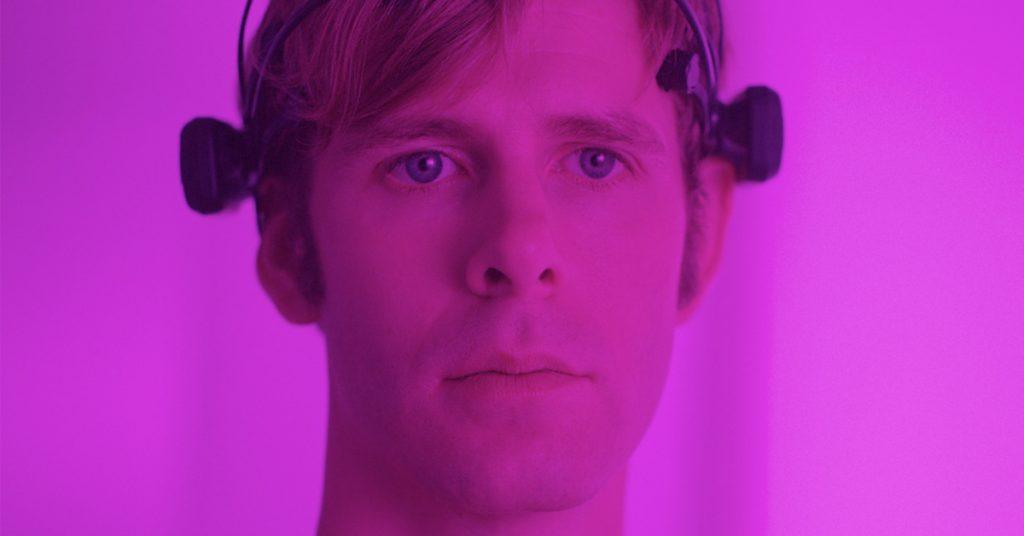
To promote music streaming, Norway’s #1 mobile telecom service provider, Telia engaged Dimitrios Adamos from Aristotle University in Thessaloniki to perform a scientific music-EEG experiment using the EMOTIV EPOC+ to record EEG from 3 famous Norwegian artists while they are listening to songs of various music genres.
The recorded EEG data were analyzed using an algorithm Dimitrios and his team developed to detect whether someone liked the music they were listening to.
The algorithm is based on a single, discernible electrical pattern that corresponds to a specific human aesthetic experience: our appreciation of music
To the surprise of the artists, there were some results that were more unexpected than others. Many of the songs the artists enjoyed differed from their expected choices, illustrating both the limitations of self-reporting scales and the artists’ broader appreciation for music.
To document the experience, a short film was directed by Christian Holm-Glad, with English subtitles included.
To promote music streaming, Norway’s #1 mobile telecom service provider, Telia engaged Dimitrios Adamos from Aristotle University in Thessaloniki to perform a scientific music-EEG experiment using the EMOTIV EPOC+ to record EEG from 3 famous Norwegian artists while they are listening to songs of various music genres.
The recorded EEG data were analyzed using an algorithm Dimitrios and his team developed to detect whether someone liked the music they were listening to.
The algorithm is based on a single, discernible electrical pattern that corresponds to a specific human aesthetic experience: our appreciation of music
To the surprise of the artists, there were some results that were more unexpected than others. Many of the songs the artists enjoyed differed from their expected choices, illustrating both the limitations of self-reporting scales and the artists’ broader appreciation for music.
To document the experience, a short film was directed by Christian Holm-Glad, with English subtitles included.
To promote music streaming, Norway’s #1 mobile telecom service provider, Telia engaged Dimitrios Adamos from Aristotle University in Thessaloniki to perform a scientific music-EEG experiment using the EMOTIV EPOC+ to record EEG from 3 famous Norwegian artists while they are listening to songs of various music genres.
The recorded EEG data were analyzed using an algorithm Dimitrios and his team developed to detect whether someone liked the music they were listening to.
The algorithm is based on a single, discernible electrical pattern that corresponds to a specific human aesthetic experience: our appreciation of music
To the surprise of the artists, there were some results that were more unexpected than others. Many of the songs the artists enjoyed differed from their expected choices, illustrating both the limitations of self-reporting scales and the artists’ broader appreciation for music.
To document the experience, a short film was directed by Christian Holm-Glad, with English subtitles included.