Best Multi-Channel EEG Headsets: A Buyer's Guide
Emotiv
Updated on
Dec 12, 2025
Best Multi-Channel EEG Headsets: A Buyer's Guide
Emotiv
Updated on
Dec 12, 2025
Best Multi-Channel EEG Headsets: A Buyer's Guide
Emotiv
Updated on
Dec 12, 2025
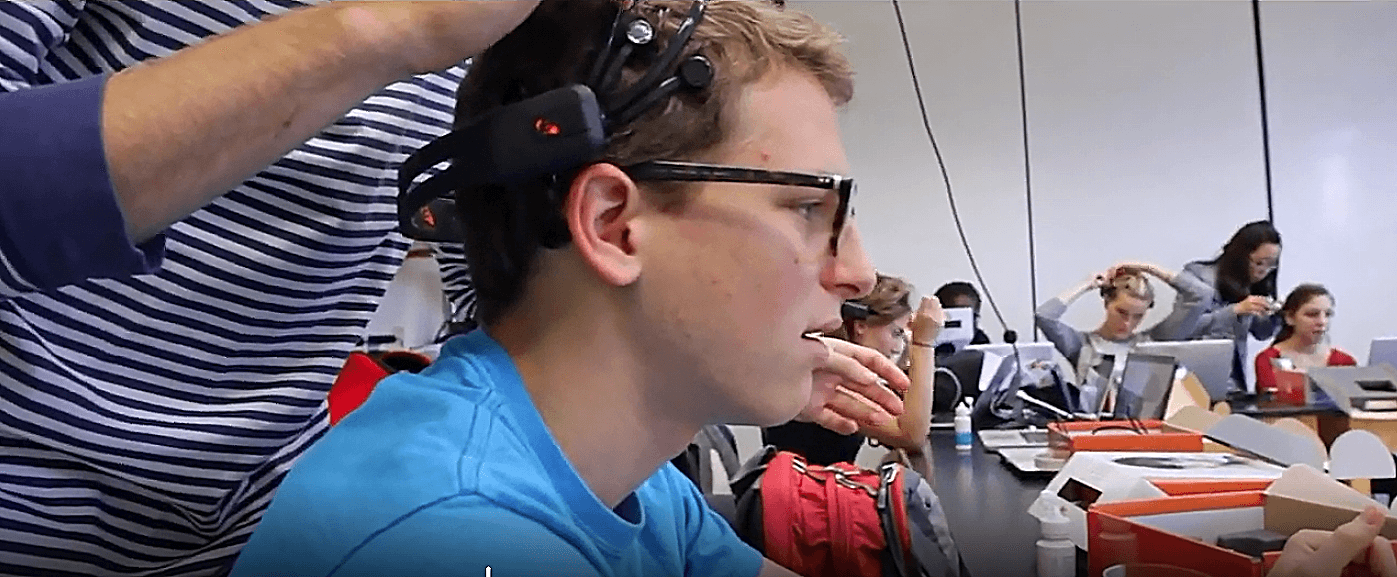
Trying to understand brain activity with just one or two sensors is like trying to understand a city’s traffic by watching a single intersection. You get a tiny piece of the story, but you miss the overall flow and the complex interactions happening across town. A multi channel eeg headset is like having access to traffic cameras all over the city. It gives you a comprehensive, real-time view of what’s happening in different brain regions at once. This detailed perspective is what makes sophisticated research and development possible. In this post, I’ll break down what these devices are, compare the top options, and help you find the right one for your work.
Key Takeaways
Define your project’s needs before choosing a headset: The number of channels directly impacts the detail of your data, so determine if your work requires the high spatial resolution of a 32-channel device or the balanced performance of a 14-channel one.
Plan for the practical side of data collection: Achieving clean data involves more than just putting on the headset; be ready to manage signal interference from the environment and ensure a proper sensor fit, especially when working with different hair types.
Look beyond the hardware specifications: A great headset is part of a larger ecosystem, so evaluate the accompanying software for data analysis and purchase from a reputable source to ensure you have the tools and support needed for your project.
What is a Multi-Channel EEG Headset?
So, what exactly is a multi-channel EEG headset? At its core, it’s a device designed to measure the brain’s electrical activity using several sensors, or electrodes, placed on the scalp. Think of it like this: if a device with only a couple of channels gives you a snapshot of one specific area, a multi-channel headset provides a panoramic view. By gathering data from multiple locations at once, you get a much richer and more detailed understanding of what’s happening across different regions of the brain. This is a big step up from devices with fewer sensors, which are great for simpler applications but can’t provide the same level of detail.
This comprehensive data is what makes these headsets so powerful. Instead of just a few data points, you get a dynamic map of neural activity. This spatial resolution—the ability to distinguish between activity in different brain areas—is key for anyone looking to do in-depth analysis. Whether you’re a researcher studying cognitive processes, a developer building a complex application, or an artist creating interactive experiences, the added data from multiple channels opens up a world of possibilities. It allows for more sophisticated analysis, from identifying patterns related to emotional states to detecting signals for controlling external devices. It’s the difference between hearing a single instrument and listening to an entire orchestra.
How Do They Work?
The principle behind multi-channel EEG is surprisingly straightforward. Each electrode on the headset is a tiny sensor that detects the faint electrical pulses generated by your brain cells (neurons) communicating with each other. When you have multiple electrodes positioned across the scalp according to established scientific standards, like the 10-20 system, you can capture these signals from various brain regions simultaneously. The headset amplifies these signals and transmits them wirelessly to a computer. From there, software like our EmotivPRO platform processes the raw data, cleans it of any noise, and visualizes it, allowing you to see brain activity in real-time and perform detailed analysis.
What Are They Used For?
The versatility of multi-channel EEG headsets is what makes them so exciting. They’re used in controlled lab settings, but their portability means they’re also found in real-world environments, from classrooms to creative studios. A major application is in academic research, where they help us understand everything from attention and memory to emotional responses. Developers also use them to create cutting-edge brain-computer interfaces, which allow users to interact with software and devices using their brain signals. For example, our Epoc X headset can be used to interpret mental commands for hands-free control or to assess engagement for neuromarketing studies. The detailed data makes them invaluable for any project that requires a nuanced look at brain dynamics.
Comparing the Top Multi-Channel EEG Headsets
The market for wearable EEG headsets is growing, which is great news because it means more options for your specific project. But with more choice comes the challenge of figuring out which one is right for you. Different headsets are built for different purposes, offering a range of channel counts, sensor types, and software integrations that can make a huge difference in your work. Some are designed for quick, accessible data collection, while others are highly specialized for granular, lab-grade research. To help you get a clearer picture, let’s look at how our headsets are designed and then explore what else is available in the broader market. This will give you a solid foundation for comparing features and finding the device that truly fits your needs, whether you’re working on a brain-computer interface project or conducting a neuromarketing study.
A Look at Emotiv’s Multi-Channel Headsets
We designed our multi-channel headsets to be powerful yet accessible. Take our Epoc X, for example. It’s a 14-channel wireless headset built for both professional researchers and developers who are exploring brain science. It uses Bluetooth 5.0 to send brain data reliably and quickly to your computer. The Epoc X is designed to detect a range of data, including mental commands for brain-computer interfaces, performance metrics like focus or stress, and even facial expressions. This versatility makes it a great tool for a wide variety of applications, from academic research to neuromarketing studies.
How Other Brands in the Market Compare
When you look at the wider landscape, you’ll find a variety of specialized EEG systems. The wearable EEG headsets market includes devices designed specifically for advanced research. Some of these systems can measure eye and facial muscle activity in addition to brain activity. You’ll also see headsets with higher channel counts, sometimes offering up to 32 channels for more detailed data collection. Many of these systems are engineered for portability, allowing researchers to conduct studies in real-world settings. Some are even robust enough to be used in extreme environments, from outdoor field studies to research conducted on the International Space Station.
Choosing Your Headset: Key Features to Consider
Once you start looking at different multi-channel EEG headsets, the options can feel a bit overwhelming. It’s not just about picking the one with the most features; it’s about finding the right tool for your specific project. Whether you’re conducting academic research, developing a new brain-computer interface, or exploring cognitive wellness applications, certain features will be more important than others. Let’s walk through the four key areas you should focus on to make a confident choice: the number of channels, portability, software, and overall comfort.
Number of Channels and Spatial Resolution
The “number of channels” refers to the number of sensors, or electrodes, the headset uses to detect brain activity. Think of it like pixels in a picture—more channels give you a higher spatial resolution, creating a more detailed map of what’s happening across the brain. A headset with 32 channels, like our Flex headset, can provide granular data that’s incredibly valuable for in-depth academic studies. On the other hand, a device like our 14-channel Epoc X offers a fantastic balance of detailed data and ease of use, making it perfect for a wide range of applications, including neuromarketing and BCI development. The right number of channels really depends on the level of detail your work requires.
Wireless Connectivity and Portability
Gone are the days when EEG studies were confined to a lab with bulky, wired equipment. Today’s wireless headsets give you the freedom to collect data in more natural, real-world environments without sacrificing data quality. This portability is a game-changer. It means you can study brain activity while someone performs a task at their desk, interacts with a product, or even moves around a room. Our headsets are designed to be lightweight and wireless, providing reliable, high-quality signals with the flexibility you need. This makes it easier to set up experiments and allows participants to act more naturally, leading to more authentic data for your academic research.
Software Compatibility and Data Processing
A great headset is only as powerful as the software that comes with it. The raw EEG data needs to be processed, interpreted, and visualized to be useful, so it’s essential to choose a headset that’s part of a strong software ecosystem. For example, our headsets seamlessly integrate with EmotivPRO, a powerful software platform that lets you view and analyze brain data in real time. For those looking to build their own applications, we also provide robust tools for developers. When you’re comparing options, always look at the accompanying software and make sure it has the capabilities you need to turn your data into meaningful insights.
Comfort and Electrode Design
If a headset isn’t comfortable, it won’t be worn for long, which can limit the scope of your work. Comfort is key, especially for studies that require extended recording sessions. Look for headsets with an adjustable and ergonomic design that can fit a variety of head shapes and sizes. The type of electrode also plays a big role. Many of our headsets use saline-based sensors, which are quick to set up—you just need to hydrate them with a simple saline solution. This makes them incredibly convenient and user-friendly. For certain research applications where the strongest possible signal is required, gel-based sensors are also an option, though they require a bit more prep and cleanup.
A Breakdown of Multi-Channel EEG Headset Costs
When you start looking for a multi-channel EEG headset, you’ll notice that prices can vary quite a bit. This isn’t just about the brand name; it’s about what the headset is built to do. The cost is directly tied to factors like the number of channels, the quality of the data it gathers, its portability, and the sophistication of the accompanying software. Think of it like buying a camera: a simple point-and-shoot is perfect for everyday snaps, but a professional photographer will need a high-end DSLR with interchangeable lenses for their work.
Similarly, a headset for a personal brain-computer interface project will have a different price tag than one designed for a large-scale clinical study. The key is to match the device’s capabilities to your specific goals. Understanding the different tiers can help you find the right balance between your project’s needs and your budget. We can generally group them into three categories: entry-level, professional-grade, and research-grade. Each category serves a different purpose, from foundational learning and development to groundbreaking scientific discovery. Let’s walk through what you can expect from each, so you can make an informed decision without overspending on features you don’t need or under-investing in the quality your work demands.
Entry-Level Options
Don’t let the term “entry-level” fool you. These headsets are powerful tools that pack a professional punch, making them accessible for a wide range of users. They are fantastic for students, independent developers, or researchers working on pilot studies. A great example is our Epoc X headset, a wireless 14-channel device that offers a perfect blend of performance and ease of use. Headsets in this category provide reliable brain activity data without the steep learning curve or cost of more complex systems. They are ideal for exploring applications in academic research and education, building BCI prototypes, or getting started with neuromarketing studies.
Professional-Grade Headsets
For researchers who need a deeper layer of data, professional-grade headsets offer more specialized capabilities. These devices often come with a higher channel count and are designed for more rigorous scientific protocols. Some headsets in this category can measure more than just brain activity (EEG); they might also capture eye-muscle activity (EOG) and facial muscle activity (fEMG). This multi-modal approach is essential for studies looking at emotional responses or cognitive states where facial expressions and eye movements provide critical context. The data accuracy and reliability are typically higher, justifying the step up in price for labs and businesses that depend on precise measurements for their findings.
Research-Grade Devices
At the top end of the spectrum are research-grade devices, which are built for the most demanding scientific and clinical applications. These systems, like our 32-channel Flex headset, provide the high-density coverage needed for advanced brain analysis. The global market for EEG technology is expanding rapidly, driven by innovations that are setting new standards for data collection. Features like real-time data transmission and seamless integration with other wearable technologies are common in this tier. These headsets represent a significant investment and are typically found in well-funded university labs, medical research institutions, and large corporations conducting comprehensive studies where the highest possible data quality is non-negotiable.
Navigating Common Challenges with Multi-Channel EEG
Multi-channel EEG headsets are powerful tools, but they do have a learning curve. You might face challenges with setup, data quality, or getting a good fit over different hair types. The good news is these hurdles are completely manageable. With a little know-how, you can handle these common issues and focus on your project. Let’s break down the most frequent challenges and their practical solutions.
Setup Complexity and Technical Needs
Traditional EEG research often requires complex equipment and specialized training. We designed our headsets to simplify this. Devices like the Epoc X are user-friendly and don’t require a dedicated lab, making advanced brain data more accessible. The goal is to get you running quickly, so you can spend less time on technical setup and more time gathering insights. Our systems are built for an intuitive experience right out of the box, helping you bypass the logistical hurdles that can slow down a project before it even begins.
Ensuring Data Quality and Avoiding Interference
High-quality data is the foundation of any project. EEG signals can be affected by “noise” from blinking, muscle tension, or nearby electronics. You can minimize this by creating a quiet, comfortable session environment. Our headsets are designed for stable connections and reliable measurements. For analysis, software like EmotivPRO helps you identify and filter out these artifacts, ensuring your final data is as clean and dependable as possible. This step is crucial for drawing accurate conclusions from your work.
Working with Hair and Proper Electrode Placement
Getting a clean signal requires good contact between the electrode and the scalp, which can be tricky with thick hair. For our saline-based headsets, part the hair at the sensor location and apply extra saline solution to improve conductivity. This simple step makes a huge difference. For more flexibility, the Flex headset offers both saline and gel sensor options, so you can choose the best method for your participants and get accurate readings every time, regardless of hair type.
Tips for Remote Data Collection
As research moves outside the lab, guiding participants remotely is a key challenge. Portable, wireless EEG systems are essential for making remote data collection feasible. To ensure success, provide participants with a clear, visual setup guide. A brief video call for their first session can also be incredibly helpful to walk them through headset placement and software use. This guidance helps ensure they are comfortable and that you’re collecting high-quality data, no matter where they are.
Finding the Right Headset for Your Project
The best multi-channel EEG headset is the one that aligns perfectly with your goals. A device that’s ideal for a university lab studying neurological conditions might be different from one used to develop a brain-computer interface for a new app. Your project’s specific needs—from the type of data you need to collect to the environment you’ll be working in—should guide your decision. To help you narrow down the options, let’s look at some common applications and what to look for in a headset for each.
For Academic Research and Education
When your work involves academic research and education, data quality is everything. You need a headset that can deliver reliable, high-resolution data to ensure your findings are sound. Multi-channel EEG is a powerful, non-invasive method for studying the nervous system, so your device must be up to the task. Look for headsets with a high number of channels and excellent spatial resolution, like our Epoc X or Flex headsets. These features are crucial for gathering the detailed cortical activity needed for robust studies. A comfortable and secure fit is also important for longer recording sessions, ensuring participant comfort doesn’t become a confounding variable in your research.
For Brain-Computer Interface (BCI) Development
If you’re building a brain-computer interface, your focus will be on capturing and translating brain activity into commands, quickly and accurately. The right headset for BCI needs to provide a clean, real-time data stream that your software can interpret. This is especially true for applications that provide users with feedback based on their cognitive state, such as attention training programs. You’ll want a device that works seamlessly with development tools and allows for custom commands. Our EmotivBCI software, for example, is designed to work with our headsets to translate EEG data into actionable outputs, giving you a solid foundation for your BCI projects.
For Neuromarketing and Cognitive Wellness Tools
In fields like neuromarketing, the goal is to gain deeper insights into consumer responses that aren’t always consciously articulated. For this, you need a headset that is portable, easy to set up, and comfortable enough for participants to wear in realistic settings. Wireless connectivity and real-time data transmission are key. Similarly, for those creating applications that provide access to cognitive wellness tools, a user-friendly and non-intrusive device is essential. The headset should integrate smoothly into a wearable ecosystem, allowing users to engage with the technology naturally while you gather valuable data on their cognitive and emotional responses.
The Pros and Cons of Multi-Channel EEG Headsets
Multi-channel EEG headsets provide a detailed window into the brain, but like any sophisticated tool, they come with their own set of pros and cons. Understanding these factors is key to deciding if a multi-channel device is the right fit for your project. It’s not just about getting the most channels, but about getting the right data in a way that works for your specific goals, whether you’re in a lab or developing a new application. Let’s walk through what you can expect when working with these powerful devices.
The Upside: Key Benefits for Your Work
The primary advantage of a multi-channel headset is the incredible detail it provides. With more sensors, you get higher spatial resolution, which means you can pinpoint brain activity with greater precision across different cortical areas. This is essential for complex academic research and advanced applications. Furthermore, EEG is a completely non-invasive method, allowing you to gather rich data safely and ethically. Modern headsets, like our Epoc X, are also designed for a quick setup, so you can spend less time preparing and more time collecting valuable insights for everything from neuromarketing studies to BCI development.
The Downsides: Practical Limitations to Consider
On the other hand, working with multi-channel EEG requires careful attention to detail. The same sensitivity that makes EEG so powerful also means that raw signals can be affected by interference from muscle movements (like blinking or clenching your jaw) and environmental electrical noise. This makes data cleaning a critical step in your workflow, which is why software like our EmotivPRO is designed to help you process and analyze your recordings. Additionally, ensuring a good connection for every single electrode can take time and practice, especially with different hair types. There’s also a learning curve involved in interpreting the complex datasets these devices produce, so be prepared to invest some time in understanding the fundamentals.
Ready to Get Started? Where to Find and Purchase Your Headset
Once you’ve narrowed down the features you need, the final step is finding and purchasing the right headset. Making an informed decision here is just as important as understanding the technical specifications. Let’s walk through how to find credible feedback and where to buy your device with confidence.
Finding Reliable Reviews and User Feedback
Before you commit to a headset, it’s smart to look for honest reviews and user feedback. Some direct-to-consumer EEG devices have been criticized for not performing as advertised, sometimes picking up muscle movements instead of pure brain activity. To make sure a device meets your standards, look for independent academic studies that use the headset you’re considering. You can also find valuable insights in community forums and user experience reports, which often detail how a device performs in real-world scenarios. These resources give you a clearer picture of what to expect when you start your own project.
Where to Buy: Authorized Retailers and Direct Options
The market for wearable EEG headsets is growing quickly, which means you have more purchasing options than ever. To ensure you receive an authentic product with a valid warranty and customer support, I always recommend buying directly from the manufacturer or an authorized retailer. This is the safest way to get a quality device that’s ready for your research or development work. Purchasing from a trusted source protects your investment and gives you a direct line for any technical questions that might come up. You can explore our full range of multi-channel EEG headsets on the Emotiv website to compare models and find the one that fits your project’s needs.
Related Articles
Frequently Asked Questions
What’s the real difference between a simple 2-channel device and a multi-channel headset? Think of it as the difference between a snapshot and a panoramic photo. A 2-channel device, like our MN8 earbuds, is fantastic for capturing specific brain activity metrics from a targeted area. A multi-channel headset, however, gives you a much broader view by recording from many locations across the scalp at once. This detailed map, or high spatial resolution, is essential when you need to understand where brain activity is happening, which is crucial for in-depth research and complex brain-computer interface applications.
Do I need to be a neuroscientist to use a multi-channel EEG headset? Not at all. While the science behind EEG is complex, we’ve designed our headsets and software to be as user-friendly as possible. You don’t need a PhD to get started. Our software, like EmotivPRO, handles the heavy lifting of processing and visualizing the data, so you can focus on interpreting the results. There’s a learning curve, like with any new tool, but our goal is to make this technology accessible to researchers, developers, and creators of all backgrounds.
How do I decide on the right number of channels for my project? The right number of channels depends entirely on your project’s goals. For many applications, including BCI development, neuromarketing, and a wide range of academic studies, a 14-channel headset like the Epoc X provides an excellent balance of detailed data and ease of use. If your research requires a very high level of detail to pinpoint activity in specific, small regions of the brain, then a 32-channel headset like our Flex would be a better fit. It’s all about matching the tool to the level of detail your work demands.
Can I use these headsets to build my own applications? Yes, absolutely. This is one of the most exciting uses for our technology. Our headsets are part of a larger ecosystem that includes robust tools for developers. You can access the real-time data stream to create your own custom software, whether you’re designing a new brain-computer interface, an interactive art piece, or an application that uses cognitive feedback. We provide the resources you need to integrate our hardware with your creative vision.
What’s the biggest challenge I should expect when I first start? The most common hurdle is learning how to get a clean, high-quality signal. Because EEG sensors are so sensitive, they can pick up “noise” from things like blinking, jaw clenching, or even electrical interference from other devices. It takes a bit of practice to get the headset fitted perfectly and to learn what these artifacts look like in your data. Our software is designed to help you identify and filter out this noise, and after a few sessions, you’ll find the setup process becomes much quicker and more intuitive.
Trying to understand brain activity with just one or two sensors is like trying to understand a city’s traffic by watching a single intersection. You get a tiny piece of the story, but you miss the overall flow and the complex interactions happening across town. A multi channel eeg headset is like having access to traffic cameras all over the city. It gives you a comprehensive, real-time view of what’s happening in different brain regions at once. This detailed perspective is what makes sophisticated research and development possible. In this post, I’ll break down what these devices are, compare the top options, and help you find the right one for your work.
Key Takeaways
Define your project’s needs before choosing a headset: The number of channels directly impacts the detail of your data, so determine if your work requires the high spatial resolution of a 32-channel device or the balanced performance of a 14-channel one.
Plan for the practical side of data collection: Achieving clean data involves more than just putting on the headset; be ready to manage signal interference from the environment and ensure a proper sensor fit, especially when working with different hair types.
Look beyond the hardware specifications: A great headset is part of a larger ecosystem, so evaluate the accompanying software for data analysis and purchase from a reputable source to ensure you have the tools and support needed for your project.
What is a Multi-Channel EEG Headset?
So, what exactly is a multi-channel EEG headset? At its core, it’s a device designed to measure the brain’s electrical activity using several sensors, or electrodes, placed on the scalp. Think of it like this: if a device with only a couple of channels gives you a snapshot of one specific area, a multi-channel headset provides a panoramic view. By gathering data from multiple locations at once, you get a much richer and more detailed understanding of what’s happening across different regions of the brain. This is a big step up from devices with fewer sensors, which are great for simpler applications but can’t provide the same level of detail.
This comprehensive data is what makes these headsets so powerful. Instead of just a few data points, you get a dynamic map of neural activity. This spatial resolution—the ability to distinguish between activity in different brain areas—is key for anyone looking to do in-depth analysis. Whether you’re a researcher studying cognitive processes, a developer building a complex application, or an artist creating interactive experiences, the added data from multiple channels opens up a world of possibilities. It allows for more sophisticated analysis, from identifying patterns related to emotional states to detecting signals for controlling external devices. It’s the difference between hearing a single instrument and listening to an entire orchestra.
How Do They Work?
The principle behind multi-channel EEG is surprisingly straightforward. Each electrode on the headset is a tiny sensor that detects the faint electrical pulses generated by your brain cells (neurons) communicating with each other. When you have multiple electrodes positioned across the scalp according to established scientific standards, like the 10-20 system, you can capture these signals from various brain regions simultaneously. The headset amplifies these signals and transmits them wirelessly to a computer. From there, software like our EmotivPRO platform processes the raw data, cleans it of any noise, and visualizes it, allowing you to see brain activity in real-time and perform detailed analysis.
What Are They Used For?
The versatility of multi-channel EEG headsets is what makes them so exciting. They’re used in controlled lab settings, but their portability means they’re also found in real-world environments, from classrooms to creative studios. A major application is in academic research, where they help us understand everything from attention and memory to emotional responses. Developers also use them to create cutting-edge brain-computer interfaces, which allow users to interact with software and devices using their brain signals. For example, our Epoc X headset can be used to interpret mental commands for hands-free control or to assess engagement for neuromarketing studies. The detailed data makes them invaluable for any project that requires a nuanced look at brain dynamics.
Comparing the Top Multi-Channel EEG Headsets
The market for wearable EEG headsets is growing, which is great news because it means more options for your specific project. But with more choice comes the challenge of figuring out which one is right for you. Different headsets are built for different purposes, offering a range of channel counts, sensor types, and software integrations that can make a huge difference in your work. Some are designed for quick, accessible data collection, while others are highly specialized for granular, lab-grade research. To help you get a clearer picture, let’s look at how our headsets are designed and then explore what else is available in the broader market. This will give you a solid foundation for comparing features and finding the device that truly fits your needs, whether you’re working on a brain-computer interface project or conducting a neuromarketing study.
A Look at Emotiv’s Multi-Channel Headsets
We designed our multi-channel headsets to be powerful yet accessible. Take our Epoc X, for example. It’s a 14-channel wireless headset built for both professional researchers and developers who are exploring brain science. It uses Bluetooth 5.0 to send brain data reliably and quickly to your computer. The Epoc X is designed to detect a range of data, including mental commands for brain-computer interfaces, performance metrics like focus or stress, and even facial expressions. This versatility makes it a great tool for a wide variety of applications, from academic research to neuromarketing studies.
How Other Brands in the Market Compare
When you look at the wider landscape, you’ll find a variety of specialized EEG systems. The wearable EEG headsets market includes devices designed specifically for advanced research. Some of these systems can measure eye and facial muscle activity in addition to brain activity. You’ll also see headsets with higher channel counts, sometimes offering up to 32 channels for more detailed data collection. Many of these systems are engineered for portability, allowing researchers to conduct studies in real-world settings. Some are even robust enough to be used in extreme environments, from outdoor field studies to research conducted on the International Space Station.
Choosing Your Headset: Key Features to Consider
Once you start looking at different multi-channel EEG headsets, the options can feel a bit overwhelming. It’s not just about picking the one with the most features; it’s about finding the right tool for your specific project. Whether you’re conducting academic research, developing a new brain-computer interface, or exploring cognitive wellness applications, certain features will be more important than others. Let’s walk through the four key areas you should focus on to make a confident choice: the number of channels, portability, software, and overall comfort.
Number of Channels and Spatial Resolution
The “number of channels” refers to the number of sensors, or electrodes, the headset uses to detect brain activity. Think of it like pixels in a picture—more channels give you a higher spatial resolution, creating a more detailed map of what’s happening across the brain. A headset with 32 channels, like our Flex headset, can provide granular data that’s incredibly valuable for in-depth academic studies. On the other hand, a device like our 14-channel Epoc X offers a fantastic balance of detailed data and ease of use, making it perfect for a wide range of applications, including neuromarketing and BCI development. The right number of channels really depends on the level of detail your work requires.
Wireless Connectivity and Portability
Gone are the days when EEG studies were confined to a lab with bulky, wired equipment. Today’s wireless headsets give you the freedom to collect data in more natural, real-world environments without sacrificing data quality. This portability is a game-changer. It means you can study brain activity while someone performs a task at their desk, interacts with a product, or even moves around a room. Our headsets are designed to be lightweight and wireless, providing reliable, high-quality signals with the flexibility you need. This makes it easier to set up experiments and allows participants to act more naturally, leading to more authentic data for your academic research.
Software Compatibility and Data Processing
A great headset is only as powerful as the software that comes with it. The raw EEG data needs to be processed, interpreted, and visualized to be useful, so it’s essential to choose a headset that’s part of a strong software ecosystem. For example, our headsets seamlessly integrate with EmotivPRO, a powerful software platform that lets you view and analyze brain data in real time. For those looking to build their own applications, we also provide robust tools for developers. When you’re comparing options, always look at the accompanying software and make sure it has the capabilities you need to turn your data into meaningful insights.
Comfort and Electrode Design
If a headset isn’t comfortable, it won’t be worn for long, which can limit the scope of your work. Comfort is key, especially for studies that require extended recording sessions. Look for headsets with an adjustable and ergonomic design that can fit a variety of head shapes and sizes. The type of electrode also plays a big role. Many of our headsets use saline-based sensors, which are quick to set up—you just need to hydrate them with a simple saline solution. This makes them incredibly convenient and user-friendly. For certain research applications where the strongest possible signal is required, gel-based sensors are also an option, though they require a bit more prep and cleanup.
A Breakdown of Multi-Channel EEG Headset Costs
When you start looking for a multi-channel EEG headset, you’ll notice that prices can vary quite a bit. This isn’t just about the brand name; it’s about what the headset is built to do. The cost is directly tied to factors like the number of channels, the quality of the data it gathers, its portability, and the sophistication of the accompanying software. Think of it like buying a camera: a simple point-and-shoot is perfect for everyday snaps, but a professional photographer will need a high-end DSLR with interchangeable lenses for their work.
Similarly, a headset for a personal brain-computer interface project will have a different price tag than one designed for a large-scale clinical study. The key is to match the device’s capabilities to your specific goals. Understanding the different tiers can help you find the right balance between your project’s needs and your budget. We can generally group them into three categories: entry-level, professional-grade, and research-grade. Each category serves a different purpose, from foundational learning and development to groundbreaking scientific discovery. Let’s walk through what you can expect from each, so you can make an informed decision without overspending on features you don’t need or under-investing in the quality your work demands.
Entry-Level Options
Don’t let the term “entry-level” fool you. These headsets are powerful tools that pack a professional punch, making them accessible for a wide range of users. They are fantastic for students, independent developers, or researchers working on pilot studies. A great example is our Epoc X headset, a wireless 14-channel device that offers a perfect blend of performance and ease of use. Headsets in this category provide reliable brain activity data without the steep learning curve or cost of more complex systems. They are ideal for exploring applications in academic research and education, building BCI prototypes, or getting started with neuromarketing studies.
Professional-Grade Headsets
For researchers who need a deeper layer of data, professional-grade headsets offer more specialized capabilities. These devices often come with a higher channel count and are designed for more rigorous scientific protocols. Some headsets in this category can measure more than just brain activity (EEG); they might also capture eye-muscle activity (EOG) and facial muscle activity (fEMG). This multi-modal approach is essential for studies looking at emotional responses or cognitive states where facial expressions and eye movements provide critical context. The data accuracy and reliability are typically higher, justifying the step up in price for labs and businesses that depend on precise measurements for their findings.
Research-Grade Devices
At the top end of the spectrum are research-grade devices, which are built for the most demanding scientific and clinical applications. These systems, like our 32-channel Flex headset, provide the high-density coverage needed for advanced brain analysis. The global market for EEG technology is expanding rapidly, driven by innovations that are setting new standards for data collection. Features like real-time data transmission and seamless integration with other wearable technologies are common in this tier. These headsets represent a significant investment and are typically found in well-funded university labs, medical research institutions, and large corporations conducting comprehensive studies where the highest possible data quality is non-negotiable.
Navigating Common Challenges with Multi-Channel EEG
Multi-channel EEG headsets are powerful tools, but they do have a learning curve. You might face challenges with setup, data quality, or getting a good fit over different hair types. The good news is these hurdles are completely manageable. With a little know-how, you can handle these common issues and focus on your project. Let’s break down the most frequent challenges and their practical solutions.
Setup Complexity and Technical Needs
Traditional EEG research often requires complex equipment and specialized training. We designed our headsets to simplify this. Devices like the Epoc X are user-friendly and don’t require a dedicated lab, making advanced brain data more accessible. The goal is to get you running quickly, so you can spend less time on technical setup and more time gathering insights. Our systems are built for an intuitive experience right out of the box, helping you bypass the logistical hurdles that can slow down a project before it even begins.
Ensuring Data Quality and Avoiding Interference
High-quality data is the foundation of any project. EEG signals can be affected by “noise” from blinking, muscle tension, or nearby electronics. You can minimize this by creating a quiet, comfortable session environment. Our headsets are designed for stable connections and reliable measurements. For analysis, software like EmotivPRO helps you identify and filter out these artifacts, ensuring your final data is as clean and dependable as possible. This step is crucial for drawing accurate conclusions from your work.
Working with Hair and Proper Electrode Placement
Getting a clean signal requires good contact between the electrode and the scalp, which can be tricky with thick hair. For our saline-based headsets, part the hair at the sensor location and apply extra saline solution to improve conductivity. This simple step makes a huge difference. For more flexibility, the Flex headset offers both saline and gel sensor options, so you can choose the best method for your participants and get accurate readings every time, regardless of hair type.
Tips for Remote Data Collection
As research moves outside the lab, guiding participants remotely is a key challenge. Portable, wireless EEG systems are essential for making remote data collection feasible. To ensure success, provide participants with a clear, visual setup guide. A brief video call for their first session can also be incredibly helpful to walk them through headset placement and software use. This guidance helps ensure they are comfortable and that you’re collecting high-quality data, no matter where they are.
Finding the Right Headset for Your Project
The best multi-channel EEG headset is the one that aligns perfectly with your goals. A device that’s ideal for a university lab studying neurological conditions might be different from one used to develop a brain-computer interface for a new app. Your project’s specific needs—from the type of data you need to collect to the environment you’ll be working in—should guide your decision. To help you narrow down the options, let’s look at some common applications and what to look for in a headset for each.
For Academic Research and Education
When your work involves academic research and education, data quality is everything. You need a headset that can deliver reliable, high-resolution data to ensure your findings are sound. Multi-channel EEG is a powerful, non-invasive method for studying the nervous system, so your device must be up to the task. Look for headsets with a high number of channels and excellent spatial resolution, like our Epoc X or Flex headsets. These features are crucial for gathering the detailed cortical activity needed for robust studies. A comfortable and secure fit is also important for longer recording sessions, ensuring participant comfort doesn’t become a confounding variable in your research.
For Brain-Computer Interface (BCI) Development
If you’re building a brain-computer interface, your focus will be on capturing and translating brain activity into commands, quickly and accurately. The right headset for BCI needs to provide a clean, real-time data stream that your software can interpret. This is especially true for applications that provide users with feedback based on their cognitive state, such as attention training programs. You’ll want a device that works seamlessly with development tools and allows for custom commands. Our EmotivBCI software, for example, is designed to work with our headsets to translate EEG data into actionable outputs, giving you a solid foundation for your BCI projects.
For Neuromarketing and Cognitive Wellness Tools
In fields like neuromarketing, the goal is to gain deeper insights into consumer responses that aren’t always consciously articulated. For this, you need a headset that is portable, easy to set up, and comfortable enough for participants to wear in realistic settings. Wireless connectivity and real-time data transmission are key. Similarly, for those creating applications that provide access to cognitive wellness tools, a user-friendly and non-intrusive device is essential. The headset should integrate smoothly into a wearable ecosystem, allowing users to engage with the technology naturally while you gather valuable data on their cognitive and emotional responses.
The Pros and Cons of Multi-Channel EEG Headsets
Multi-channel EEG headsets provide a detailed window into the brain, but like any sophisticated tool, they come with their own set of pros and cons. Understanding these factors is key to deciding if a multi-channel device is the right fit for your project. It’s not just about getting the most channels, but about getting the right data in a way that works for your specific goals, whether you’re in a lab or developing a new application. Let’s walk through what you can expect when working with these powerful devices.
The Upside: Key Benefits for Your Work
The primary advantage of a multi-channel headset is the incredible detail it provides. With more sensors, you get higher spatial resolution, which means you can pinpoint brain activity with greater precision across different cortical areas. This is essential for complex academic research and advanced applications. Furthermore, EEG is a completely non-invasive method, allowing you to gather rich data safely and ethically. Modern headsets, like our Epoc X, are also designed for a quick setup, so you can spend less time preparing and more time collecting valuable insights for everything from neuromarketing studies to BCI development.
The Downsides: Practical Limitations to Consider
On the other hand, working with multi-channel EEG requires careful attention to detail. The same sensitivity that makes EEG so powerful also means that raw signals can be affected by interference from muscle movements (like blinking or clenching your jaw) and environmental electrical noise. This makes data cleaning a critical step in your workflow, which is why software like our EmotivPRO is designed to help you process and analyze your recordings. Additionally, ensuring a good connection for every single electrode can take time and practice, especially with different hair types. There’s also a learning curve involved in interpreting the complex datasets these devices produce, so be prepared to invest some time in understanding the fundamentals.
Ready to Get Started? Where to Find and Purchase Your Headset
Once you’ve narrowed down the features you need, the final step is finding and purchasing the right headset. Making an informed decision here is just as important as understanding the technical specifications. Let’s walk through how to find credible feedback and where to buy your device with confidence.
Finding Reliable Reviews and User Feedback
Before you commit to a headset, it’s smart to look for honest reviews and user feedback. Some direct-to-consumer EEG devices have been criticized for not performing as advertised, sometimes picking up muscle movements instead of pure brain activity. To make sure a device meets your standards, look for independent academic studies that use the headset you’re considering. You can also find valuable insights in community forums and user experience reports, which often detail how a device performs in real-world scenarios. These resources give you a clearer picture of what to expect when you start your own project.
Where to Buy: Authorized Retailers and Direct Options
The market for wearable EEG headsets is growing quickly, which means you have more purchasing options than ever. To ensure you receive an authentic product with a valid warranty and customer support, I always recommend buying directly from the manufacturer or an authorized retailer. This is the safest way to get a quality device that’s ready for your research or development work. Purchasing from a trusted source protects your investment and gives you a direct line for any technical questions that might come up. You can explore our full range of multi-channel EEG headsets on the Emotiv website to compare models and find the one that fits your project’s needs.
Related Articles
Frequently Asked Questions
What’s the real difference between a simple 2-channel device and a multi-channel headset? Think of it as the difference between a snapshot and a panoramic photo. A 2-channel device, like our MN8 earbuds, is fantastic for capturing specific brain activity metrics from a targeted area. A multi-channel headset, however, gives you a much broader view by recording from many locations across the scalp at once. This detailed map, or high spatial resolution, is essential when you need to understand where brain activity is happening, which is crucial for in-depth research and complex brain-computer interface applications.
Do I need to be a neuroscientist to use a multi-channel EEG headset? Not at all. While the science behind EEG is complex, we’ve designed our headsets and software to be as user-friendly as possible. You don’t need a PhD to get started. Our software, like EmotivPRO, handles the heavy lifting of processing and visualizing the data, so you can focus on interpreting the results. There’s a learning curve, like with any new tool, but our goal is to make this technology accessible to researchers, developers, and creators of all backgrounds.
How do I decide on the right number of channels for my project? The right number of channels depends entirely on your project’s goals. For many applications, including BCI development, neuromarketing, and a wide range of academic studies, a 14-channel headset like the Epoc X provides an excellent balance of detailed data and ease of use. If your research requires a very high level of detail to pinpoint activity in specific, small regions of the brain, then a 32-channel headset like our Flex would be a better fit. It’s all about matching the tool to the level of detail your work demands.
Can I use these headsets to build my own applications? Yes, absolutely. This is one of the most exciting uses for our technology. Our headsets are part of a larger ecosystem that includes robust tools for developers. You can access the real-time data stream to create your own custom software, whether you’re designing a new brain-computer interface, an interactive art piece, or an application that uses cognitive feedback. We provide the resources you need to integrate our hardware with your creative vision.
What’s the biggest challenge I should expect when I first start? The most common hurdle is learning how to get a clean, high-quality signal. Because EEG sensors are so sensitive, they can pick up “noise” from things like blinking, jaw clenching, or even electrical interference from other devices. It takes a bit of practice to get the headset fitted perfectly and to learn what these artifacts look like in your data. Our software is designed to help you identify and filter out this noise, and after a few sessions, you’ll find the setup process becomes much quicker and more intuitive.
Trying to understand brain activity with just one or two sensors is like trying to understand a city’s traffic by watching a single intersection. You get a tiny piece of the story, but you miss the overall flow and the complex interactions happening across town. A multi channel eeg headset is like having access to traffic cameras all over the city. It gives you a comprehensive, real-time view of what’s happening in different brain regions at once. This detailed perspective is what makes sophisticated research and development possible. In this post, I’ll break down what these devices are, compare the top options, and help you find the right one for your work.
Key Takeaways
Define your project’s needs before choosing a headset: The number of channels directly impacts the detail of your data, so determine if your work requires the high spatial resolution of a 32-channel device or the balanced performance of a 14-channel one.
Plan for the practical side of data collection: Achieving clean data involves more than just putting on the headset; be ready to manage signal interference from the environment and ensure a proper sensor fit, especially when working with different hair types.
Look beyond the hardware specifications: A great headset is part of a larger ecosystem, so evaluate the accompanying software for data analysis and purchase from a reputable source to ensure you have the tools and support needed for your project.
What is a Multi-Channel EEG Headset?
So, what exactly is a multi-channel EEG headset? At its core, it’s a device designed to measure the brain’s electrical activity using several sensors, or electrodes, placed on the scalp. Think of it like this: if a device with only a couple of channels gives you a snapshot of one specific area, a multi-channel headset provides a panoramic view. By gathering data from multiple locations at once, you get a much richer and more detailed understanding of what’s happening across different regions of the brain. This is a big step up from devices with fewer sensors, which are great for simpler applications but can’t provide the same level of detail.
This comprehensive data is what makes these headsets so powerful. Instead of just a few data points, you get a dynamic map of neural activity. This spatial resolution—the ability to distinguish between activity in different brain areas—is key for anyone looking to do in-depth analysis. Whether you’re a researcher studying cognitive processes, a developer building a complex application, or an artist creating interactive experiences, the added data from multiple channels opens up a world of possibilities. It allows for more sophisticated analysis, from identifying patterns related to emotional states to detecting signals for controlling external devices. It’s the difference between hearing a single instrument and listening to an entire orchestra.
How Do They Work?
The principle behind multi-channel EEG is surprisingly straightforward. Each electrode on the headset is a tiny sensor that detects the faint electrical pulses generated by your brain cells (neurons) communicating with each other. When you have multiple electrodes positioned across the scalp according to established scientific standards, like the 10-20 system, you can capture these signals from various brain regions simultaneously. The headset amplifies these signals and transmits them wirelessly to a computer. From there, software like our EmotivPRO platform processes the raw data, cleans it of any noise, and visualizes it, allowing you to see brain activity in real-time and perform detailed analysis.
What Are They Used For?
The versatility of multi-channel EEG headsets is what makes them so exciting. They’re used in controlled lab settings, but their portability means they’re also found in real-world environments, from classrooms to creative studios. A major application is in academic research, where they help us understand everything from attention and memory to emotional responses. Developers also use them to create cutting-edge brain-computer interfaces, which allow users to interact with software and devices using their brain signals. For example, our Epoc X headset can be used to interpret mental commands for hands-free control or to assess engagement for neuromarketing studies. The detailed data makes them invaluable for any project that requires a nuanced look at brain dynamics.
Comparing the Top Multi-Channel EEG Headsets
The market for wearable EEG headsets is growing, which is great news because it means more options for your specific project. But with more choice comes the challenge of figuring out which one is right for you. Different headsets are built for different purposes, offering a range of channel counts, sensor types, and software integrations that can make a huge difference in your work. Some are designed for quick, accessible data collection, while others are highly specialized for granular, lab-grade research. To help you get a clearer picture, let’s look at how our headsets are designed and then explore what else is available in the broader market. This will give you a solid foundation for comparing features and finding the device that truly fits your needs, whether you’re working on a brain-computer interface project or conducting a neuromarketing study.
A Look at Emotiv’s Multi-Channel Headsets
We designed our multi-channel headsets to be powerful yet accessible. Take our Epoc X, for example. It’s a 14-channel wireless headset built for both professional researchers and developers who are exploring brain science. It uses Bluetooth 5.0 to send brain data reliably and quickly to your computer. The Epoc X is designed to detect a range of data, including mental commands for brain-computer interfaces, performance metrics like focus or stress, and even facial expressions. This versatility makes it a great tool for a wide variety of applications, from academic research to neuromarketing studies.
How Other Brands in the Market Compare
When you look at the wider landscape, you’ll find a variety of specialized EEG systems. The wearable EEG headsets market includes devices designed specifically for advanced research. Some of these systems can measure eye and facial muscle activity in addition to brain activity. You’ll also see headsets with higher channel counts, sometimes offering up to 32 channels for more detailed data collection. Many of these systems are engineered for portability, allowing researchers to conduct studies in real-world settings. Some are even robust enough to be used in extreme environments, from outdoor field studies to research conducted on the International Space Station.
Choosing Your Headset: Key Features to Consider
Once you start looking at different multi-channel EEG headsets, the options can feel a bit overwhelming. It’s not just about picking the one with the most features; it’s about finding the right tool for your specific project. Whether you’re conducting academic research, developing a new brain-computer interface, or exploring cognitive wellness applications, certain features will be more important than others. Let’s walk through the four key areas you should focus on to make a confident choice: the number of channels, portability, software, and overall comfort.
Number of Channels and Spatial Resolution
The “number of channels” refers to the number of sensors, or electrodes, the headset uses to detect brain activity. Think of it like pixels in a picture—more channels give you a higher spatial resolution, creating a more detailed map of what’s happening across the brain. A headset with 32 channels, like our Flex headset, can provide granular data that’s incredibly valuable for in-depth academic studies. On the other hand, a device like our 14-channel Epoc X offers a fantastic balance of detailed data and ease of use, making it perfect for a wide range of applications, including neuromarketing and BCI development. The right number of channels really depends on the level of detail your work requires.
Wireless Connectivity and Portability
Gone are the days when EEG studies were confined to a lab with bulky, wired equipment. Today’s wireless headsets give you the freedom to collect data in more natural, real-world environments without sacrificing data quality. This portability is a game-changer. It means you can study brain activity while someone performs a task at their desk, interacts with a product, or even moves around a room. Our headsets are designed to be lightweight and wireless, providing reliable, high-quality signals with the flexibility you need. This makes it easier to set up experiments and allows participants to act more naturally, leading to more authentic data for your academic research.
Software Compatibility and Data Processing
A great headset is only as powerful as the software that comes with it. The raw EEG data needs to be processed, interpreted, and visualized to be useful, so it’s essential to choose a headset that’s part of a strong software ecosystem. For example, our headsets seamlessly integrate with EmotivPRO, a powerful software platform that lets you view and analyze brain data in real time. For those looking to build their own applications, we also provide robust tools for developers. When you’re comparing options, always look at the accompanying software and make sure it has the capabilities you need to turn your data into meaningful insights.
Comfort and Electrode Design
If a headset isn’t comfortable, it won’t be worn for long, which can limit the scope of your work. Comfort is key, especially for studies that require extended recording sessions. Look for headsets with an adjustable and ergonomic design that can fit a variety of head shapes and sizes. The type of electrode also plays a big role. Many of our headsets use saline-based sensors, which are quick to set up—you just need to hydrate them with a simple saline solution. This makes them incredibly convenient and user-friendly. For certain research applications where the strongest possible signal is required, gel-based sensors are also an option, though they require a bit more prep and cleanup.
A Breakdown of Multi-Channel EEG Headset Costs
When you start looking for a multi-channel EEG headset, you’ll notice that prices can vary quite a bit. This isn’t just about the brand name; it’s about what the headset is built to do. The cost is directly tied to factors like the number of channels, the quality of the data it gathers, its portability, and the sophistication of the accompanying software. Think of it like buying a camera: a simple point-and-shoot is perfect for everyday snaps, but a professional photographer will need a high-end DSLR with interchangeable lenses for their work.
Similarly, a headset for a personal brain-computer interface project will have a different price tag than one designed for a large-scale clinical study. The key is to match the device’s capabilities to your specific goals. Understanding the different tiers can help you find the right balance between your project’s needs and your budget. We can generally group them into three categories: entry-level, professional-grade, and research-grade. Each category serves a different purpose, from foundational learning and development to groundbreaking scientific discovery. Let’s walk through what you can expect from each, so you can make an informed decision without overspending on features you don’t need or under-investing in the quality your work demands.
Entry-Level Options
Don’t let the term “entry-level” fool you. These headsets are powerful tools that pack a professional punch, making them accessible for a wide range of users. They are fantastic for students, independent developers, or researchers working on pilot studies. A great example is our Epoc X headset, a wireless 14-channel device that offers a perfect blend of performance and ease of use. Headsets in this category provide reliable brain activity data without the steep learning curve or cost of more complex systems. They are ideal for exploring applications in academic research and education, building BCI prototypes, or getting started with neuromarketing studies.
Professional-Grade Headsets
For researchers who need a deeper layer of data, professional-grade headsets offer more specialized capabilities. These devices often come with a higher channel count and are designed for more rigorous scientific protocols. Some headsets in this category can measure more than just brain activity (EEG); they might also capture eye-muscle activity (EOG) and facial muscle activity (fEMG). This multi-modal approach is essential for studies looking at emotional responses or cognitive states where facial expressions and eye movements provide critical context. The data accuracy and reliability are typically higher, justifying the step up in price for labs and businesses that depend on precise measurements for their findings.
Research-Grade Devices
At the top end of the spectrum are research-grade devices, which are built for the most demanding scientific and clinical applications. These systems, like our 32-channel Flex headset, provide the high-density coverage needed for advanced brain analysis. The global market for EEG technology is expanding rapidly, driven by innovations that are setting new standards for data collection. Features like real-time data transmission and seamless integration with other wearable technologies are common in this tier. These headsets represent a significant investment and are typically found in well-funded university labs, medical research institutions, and large corporations conducting comprehensive studies where the highest possible data quality is non-negotiable.
Navigating Common Challenges with Multi-Channel EEG
Multi-channel EEG headsets are powerful tools, but they do have a learning curve. You might face challenges with setup, data quality, or getting a good fit over different hair types. The good news is these hurdles are completely manageable. With a little know-how, you can handle these common issues and focus on your project. Let’s break down the most frequent challenges and their practical solutions.
Setup Complexity and Technical Needs
Traditional EEG research often requires complex equipment and specialized training. We designed our headsets to simplify this. Devices like the Epoc X are user-friendly and don’t require a dedicated lab, making advanced brain data more accessible. The goal is to get you running quickly, so you can spend less time on technical setup and more time gathering insights. Our systems are built for an intuitive experience right out of the box, helping you bypass the logistical hurdles that can slow down a project before it even begins.
Ensuring Data Quality and Avoiding Interference
High-quality data is the foundation of any project. EEG signals can be affected by “noise” from blinking, muscle tension, or nearby electronics. You can minimize this by creating a quiet, comfortable session environment. Our headsets are designed for stable connections and reliable measurements. For analysis, software like EmotivPRO helps you identify and filter out these artifacts, ensuring your final data is as clean and dependable as possible. This step is crucial for drawing accurate conclusions from your work.
Working with Hair and Proper Electrode Placement
Getting a clean signal requires good contact between the electrode and the scalp, which can be tricky with thick hair. For our saline-based headsets, part the hair at the sensor location and apply extra saline solution to improve conductivity. This simple step makes a huge difference. For more flexibility, the Flex headset offers both saline and gel sensor options, so you can choose the best method for your participants and get accurate readings every time, regardless of hair type.
Tips for Remote Data Collection
As research moves outside the lab, guiding participants remotely is a key challenge. Portable, wireless EEG systems are essential for making remote data collection feasible. To ensure success, provide participants with a clear, visual setup guide. A brief video call for their first session can also be incredibly helpful to walk them through headset placement and software use. This guidance helps ensure they are comfortable and that you’re collecting high-quality data, no matter where they are.
Finding the Right Headset for Your Project
The best multi-channel EEG headset is the one that aligns perfectly with your goals. A device that’s ideal for a university lab studying neurological conditions might be different from one used to develop a brain-computer interface for a new app. Your project’s specific needs—from the type of data you need to collect to the environment you’ll be working in—should guide your decision. To help you narrow down the options, let’s look at some common applications and what to look for in a headset for each.
For Academic Research and Education
When your work involves academic research and education, data quality is everything. You need a headset that can deliver reliable, high-resolution data to ensure your findings are sound. Multi-channel EEG is a powerful, non-invasive method for studying the nervous system, so your device must be up to the task. Look for headsets with a high number of channels and excellent spatial resolution, like our Epoc X or Flex headsets. These features are crucial for gathering the detailed cortical activity needed for robust studies. A comfortable and secure fit is also important for longer recording sessions, ensuring participant comfort doesn’t become a confounding variable in your research.
For Brain-Computer Interface (BCI) Development
If you’re building a brain-computer interface, your focus will be on capturing and translating brain activity into commands, quickly and accurately. The right headset for BCI needs to provide a clean, real-time data stream that your software can interpret. This is especially true for applications that provide users with feedback based on their cognitive state, such as attention training programs. You’ll want a device that works seamlessly with development tools and allows for custom commands. Our EmotivBCI software, for example, is designed to work with our headsets to translate EEG data into actionable outputs, giving you a solid foundation for your BCI projects.
For Neuromarketing and Cognitive Wellness Tools
In fields like neuromarketing, the goal is to gain deeper insights into consumer responses that aren’t always consciously articulated. For this, you need a headset that is portable, easy to set up, and comfortable enough for participants to wear in realistic settings. Wireless connectivity and real-time data transmission are key. Similarly, for those creating applications that provide access to cognitive wellness tools, a user-friendly and non-intrusive device is essential. The headset should integrate smoothly into a wearable ecosystem, allowing users to engage with the technology naturally while you gather valuable data on their cognitive and emotional responses.
The Pros and Cons of Multi-Channel EEG Headsets
Multi-channel EEG headsets provide a detailed window into the brain, but like any sophisticated tool, they come with their own set of pros and cons. Understanding these factors is key to deciding if a multi-channel device is the right fit for your project. It’s not just about getting the most channels, but about getting the right data in a way that works for your specific goals, whether you’re in a lab or developing a new application. Let’s walk through what you can expect when working with these powerful devices.
The Upside: Key Benefits for Your Work
The primary advantage of a multi-channel headset is the incredible detail it provides. With more sensors, you get higher spatial resolution, which means you can pinpoint brain activity with greater precision across different cortical areas. This is essential for complex academic research and advanced applications. Furthermore, EEG is a completely non-invasive method, allowing you to gather rich data safely and ethically. Modern headsets, like our Epoc X, are also designed for a quick setup, so you can spend less time preparing and more time collecting valuable insights for everything from neuromarketing studies to BCI development.
The Downsides: Practical Limitations to Consider
On the other hand, working with multi-channel EEG requires careful attention to detail. The same sensitivity that makes EEG so powerful also means that raw signals can be affected by interference from muscle movements (like blinking or clenching your jaw) and environmental electrical noise. This makes data cleaning a critical step in your workflow, which is why software like our EmotivPRO is designed to help you process and analyze your recordings. Additionally, ensuring a good connection for every single electrode can take time and practice, especially with different hair types. There’s also a learning curve involved in interpreting the complex datasets these devices produce, so be prepared to invest some time in understanding the fundamentals.
Ready to Get Started? Where to Find and Purchase Your Headset
Once you’ve narrowed down the features you need, the final step is finding and purchasing the right headset. Making an informed decision here is just as important as understanding the technical specifications. Let’s walk through how to find credible feedback and where to buy your device with confidence.
Finding Reliable Reviews and User Feedback
Before you commit to a headset, it’s smart to look for honest reviews and user feedback. Some direct-to-consumer EEG devices have been criticized for not performing as advertised, sometimes picking up muscle movements instead of pure brain activity. To make sure a device meets your standards, look for independent academic studies that use the headset you’re considering. You can also find valuable insights in community forums and user experience reports, which often detail how a device performs in real-world scenarios. These resources give you a clearer picture of what to expect when you start your own project.
Where to Buy: Authorized Retailers and Direct Options
The market for wearable EEG headsets is growing quickly, which means you have more purchasing options than ever. To ensure you receive an authentic product with a valid warranty and customer support, I always recommend buying directly from the manufacturer or an authorized retailer. This is the safest way to get a quality device that’s ready for your research or development work. Purchasing from a trusted source protects your investment and gives you a direct line for any technical questions that might come up. You can explore our full range of multi-channel EEG headsets on the Emotiv website to compare models and find the one that fits your project’s needs.
Related Articles
Frequently Asked Questions
What’s the real difference between a simple 2-channel device and a multi-channel headset? Think of it as the difference between a snapshot and a panoramic photo. A 2-channel device, like our MN8 earbuds, is fantastic for capturing specific brain activity metrics from a targeted area. A multi-channel headset, however, gives you a much broader view by recording from many locations across the scalp at once. This detailed map, or high spatial resolution, is essential when you need to understand where brain activity is happening, which is crucial for in-depth research and complex brain-computer interface applications.
Do I need to be a neuroscientist to use a multi-channel EEG headset? Not at all. While the science behind EEG is complex, we’ve designed our headsets and software to be as user-friendly as possible. You don’t need a PhD to get started. Our software, like EmotivPRO, handles the heavy lifting of processing and visualizing the data, so you can focus on interpreting the results. There’s a learning curve, like with any new tool, but our goal is to make this technology accessible to researchers, developers, and creators of all backgrounds.
How do I decide on the right number of channels for my project? The right number of channels depends entirely on your project’s goals. For many applications, including BCI development, neuromarketing, and a wide range of academic studies, a 14-channel headset like the Epoc X provides an excellent balance of detailed data and ease of use. If your research requires a very high level of detail to pinpoint activity in specific, small regions of the brain, then a 32-channel headset like our Flex would be a better fit. It’s all about matching the tool to the level of detail your work demands.
Can I use these headsets to build my own applications? Yes, absolutely. This is one of the most exciting uses for our technology. Our headsets are part of a larger ecosystem that includes robust tools for developers. You can access the real-time data stream to create your own custom software, whether you’re designing a new brain-computer interface, an interactive art piece, or an application that uses cognitive feedback. We provide the resources you need to integrate our hardware with your creative vision.
What’s the biggest challenge I should expect when I first start? The most common hurdle is learning how to get a clean, high-quality signal. Because EEG sensors are so sensitive, they can pick up “noise” from things like blinking, jaw clenching, or even electrical interference from other devices. It takes a bit of practice to get the headset fitted perfectly and to learn what these artifacts look like in your data. Our software is designed to help you identify and filter out this noise, and after a few sessions, you’ll find the setup process becomes much quicker and more intuitive.
Continue reading