The Ultimate Guide to Your First Home EEG Machine
Emotiv
Updated on
Feb 26, 2026
The Ultimate Guide to Your First Home EEG Machine
Emotiv
Updated on
Feb 26, 2026
The Ultimate Guide to Your First Home EEG Machine
Emotiv
Updated on
Feb 26, 2026
Let’s get one thing straight right away: a home EEG machine cannot read your specific thoughts. That’s still the stuff of science fiction. What this technology actually does is far more interesting and practical. It measures the tiny electrical signals your brain naturally produces, giving you a direct look at your cognitive states. Think of it as a tool for understanding patterns of focus, relaxation, or engagement. It’s a serious instrument for personal discovery, development, and research. In this post, we’ll cut through the hype and give you a clear, straightforward look at what this technology is and how you can use it effectively.
Key Takeaways
Know your goal before you shop: Home EEG devices are designed for personal exploration and research, not medical diagnosis. Deciding if you're exploring mindfulness, building a BCI app, or conducting a study will help you choose the right headset for your needs.
Look beyond the headset: The hardware is only half the story; the software is what brings your brain data to life. Make sure the device you choose comes with intuitive analysis tools and a clear data privacy policy to get the most out of your experience.
Good setup leads to good data: The insights you get are only as reliable as the signal you record. Taking the time to ensure a proper fit, good sensor contact, and a quiet environment is the most important step for gathering clean, meaningful brain activity data.
What Is a Home EEG Machine?
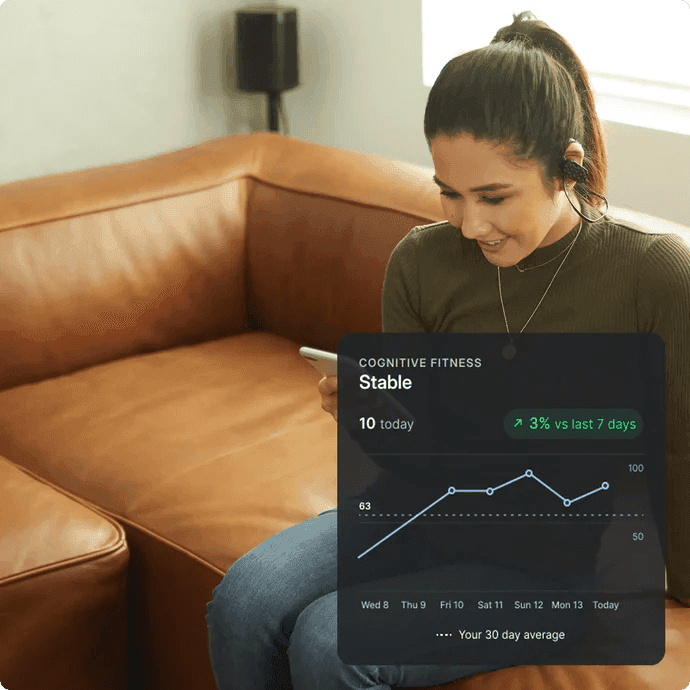
So, what exactly is a home EEG machine? Think of it as a portable device designed to measure your brain's electrical activity, often called brainwaves, right from the comfort of your couch. Using small electrodes that rest on your scalp, these headsets or earbuds capture the tiny electrical signals your brain produces. It’s a completely non-invasive way to get a glimpse into your brain's function without needing a trip to a lab.
These devices come in a few different forms, from simple, user-friendly headsets for personal exploration to more advanced systems built for detailed research. The core idea is the same across the board: to make brain data more accessible. Whether you're a developer experimenting with brain-computer interfaces, a researcher gathering data outside the lab, or just curious about your own cognitive patterns, a home EEG machine provides the tools to do so. They translate complex neural signals into data you can see and work with, opening up a new way to understand the brain.
Exploring Different Types of Home EEG Devices
When you start looking, you'll find that home EEG devices generally fall into a couple of categories based on their design and purpose. First, you have consumer-focused headsets and earbuds. These are designed to be incredibly user-friendly and are often used for applications related to cognitive wellness, such as supporting meditation practices or understanding focus levels. They typically connect wirelessly to a mobile app or desktop software, which helps you visualize your brain activity in a way that’s easy to understand. Our MN8 earbuds are a great example of this accessible approach.
On the other end of the spectrum are more advanced, multi-channel systems. These devices are geared toward academic researchers, developers, and serious enthusiasts who need more detailed and robust data. They have a higher number of electrodes and offer more comprehensive software for in-depth analysis. These systems are powerful tools for formal studies, from neuromarketing research to complex university projects.
Understanding Clinical vs. Personal Use
It’s really important to understand the difference between a personal or consumer-grade EEG and a clinical one used in a medical setting. A common misconception is that they offer the same level of diagnostic precision. While home EEG devices are safe and provide fascinating insights, they are designed to give you a look into your general mental states, like relaxation, excitement, or focus. They are not designed to read your specific thoughts or diagnose medical conditions.
Think of it this way: a clinical EEG is a highly specialized diagnostic tool used by doctors, while a home EEG is an exploratory tool for personal and research use. The data from a home device can be incredibly valuable for academic research and education or for your own personal projects. While some might question the data from a non-clinical device, the technology has advanced significantly, making it a reliable and accessible first step into the world of brain data.
How Do Home EEG Machines Work?
At its core, an electroencephalogram (EEG) machine is a device that measures the electrical activity produced by your brain. Think of your brain cells communicating with each other through tiny electrical impulses. An EEG headset is designed to listen in on that activity. The process is completely passive and non-invasive, meaning the device only receives signals from your brain; it doesn’t send anything to it.
The magic of a home EEG machine lies in its simplicity and accessibility. What once required a trip to a lab with bulky, wired equipment can now be done from your desk or couch. This is possible through a two-step process. First, a wireless headset uses specialized sensors to pick up your brain signals directly from your scalp. Second, that raw data is sent to a software application that translates it into understandable patterns and metrics. This combination of user-friendly hardware and powerful software allows you to explore your brain activity in real time, opening up new possibilities for everything from academic research to personal wellness projects.
Capturing Brain Signals with Wireless Tech
The first step in using a home EEG is capturing the brain's electrical signals. This is done using small, sensitive sensors called electrodes, which are built into the headset. When you place the headset on, these electrodes make gentle contact with your scalp to detect the faint electrical rhythms your brain naturally produces. Unlike older EEG systems that tethered you to a machine with a mess of wires, modern devices like our Epoc X headset are completely wireless. This freedom means you can move around and use the device in a natural environment, which is crucial for gathering realistic and relevant data, whether you're studying focus during a work task or relaxation during meditation.
Analyzing Your Data in Real-Time
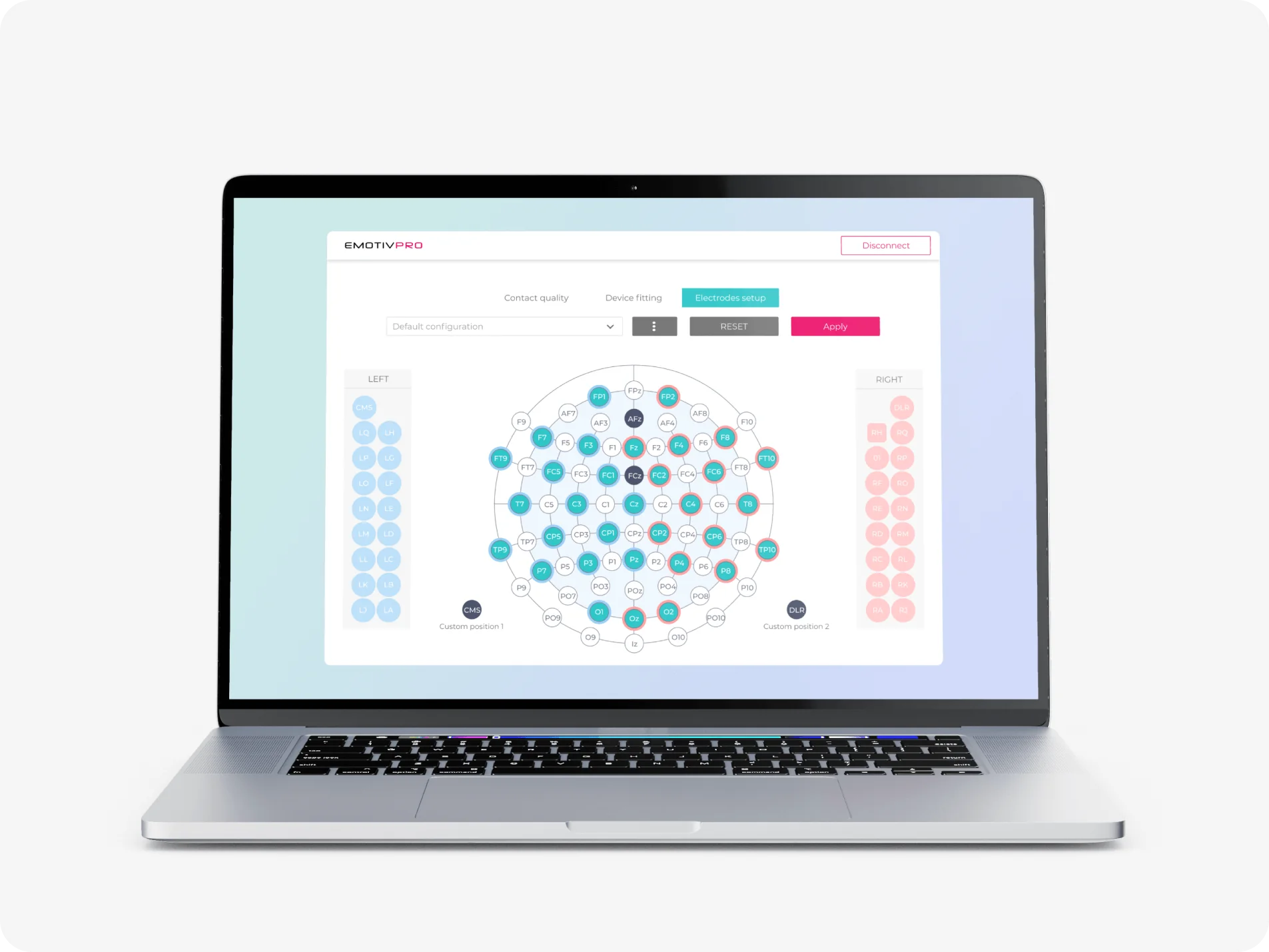
Once the electrodes capture your brain signals, the headset sends the data wirelessly to a connected computer or mobile device. This is where the software takes over. An application like EmotivPRO processes the raw electrical data and visualizes it as brainwave patterns—you may have heard of these as alpha, beta, or theta waves. It’s important to know that while this technology is incredibly insightful, it can’t read your specific thoughts. Instead, it reveals your general mental state, such as your level of focus, engagement, or relaxation. This allows you to see a direct reflection of your cognitive activity and learn more about how your brain responds to different stimuli and activities.
What Are the Top Home EEG Brands?
When you start looking for a home EEG device, you'll find a lot of options out there. The landscape includes everything from simple devices designed for personal wellness to complex systems built for serious scientific research. The best brand for you really depends on what you want to accomplish. Are you curious about your focus during meditation, or are you conducting a formal study on brain activity? Answering that question is the first step to finding the right fit.
To help you get a clearer picture, let's break down the market into a few key categories. We'll start with our own lineup at Emotiv, which spans a wide range of uses. Then, we'll look at other consumer options and what they typically offer. Finally, we'll touch on research-grade systems so you understand the full spectrum of what's available.
Discover Emotiv's EEG Headsets
Here at Emotiv, we've developed a range of EEG headsets to suit different needs, from personal wellness and development to advanced academic research. Our goal is to make brain-computer interface technology accessible and useful. For example, our Epoc X headset offers 14 channels for detailed data collection, making it a favorite among researchers and developers. For those looking for a more streamlined experience, the 5-channel Insight provides key brain performance metrics in a lightweight design. We even offer EEG technology in an earbud form factor with our MN8 device, designed for everyday use. Each device is created to give you valuable insights into your cognitive states.
A Look at Other Consumer Options
Beyond Emotiv, the consumer EEG market has grown significantly. Many of these devices are designed with a specific focus, most often on wellness applications. You'll find headsets geared toward providing real-time feedback to support meditation practices, help with focus training, or offer access to cognitive wellness tools. These devices are excellent for their intended purpose and can be a great entry point into understanding your own brain activity. It's helpful to remember that they are typically designed for personal use and may not offer the same level of data precision or customization as systems built for clinical or research applications.
Exploring Research-Grade Systems
For those conducting formal studies or requiring the highest level of precision, research-grade EEG systems are the standard. These systems are engineered for exceptional accuracy and reliability, which is why they are trusted in clinical and university settings. They often feature a higher channel count and more advanced sensor technology to capture detailed brain activity data. While these systems come with a higher price tag, they are essential for serious scientific inquiry. Our own high-density Flex headset is an example of a device that provides the data quality and flexibility that professional researchers require for their work.
Key Features to Look for in a Home EEG
Once you start shopping for a home EEG device, you'll quickly realize they aren't all the same. The right device for you depends entirely on what you want to accomplish. Are you a researcher needing high-density data for a complex study? A developer building a new BCI application? Or are you simply curious about exploring your own brain activity during meditation? Each of these goals points to a different set of features.
Think of it like buying a camera. A professional photographer needs manual controls and interchangeable lenses, while someone who just wants to take family photos might be perfectly happy with a high-quality smartphone camera. Similarly, EEG devices range from simple, two-channel earbuds to complex, multi-channel headsets designed for detailed scientific inquiry. Key differentiators include the number of sensors, the quality of the data, the software experience, and how comfortable the device is to wear. Understanding these core features will help you cut through the noise and find the perfect match for your needs and budget. We'll walk through the most important things to consider so you can feel confident in your choice.
Electrode Count and Channel Configuration
One of the first specs you’ll see is the number of electrodes or channels. Electrodes are the small sensors that make contact with your scalp to detect brain signals, and each one represents a data channel. A device with more channels, like our 32-channel Flex headset, can gather data from more locations on your brain simultaneously. This provides a more detailed, higher-resolution picture of your brain activity. For applications like academic research or advanced brain-computer interface development, a higher channel count is essential. For simpler applications, like getting biofeedback during mindfulness exercises, a device with fewer channels, such as our 5-channel Insight or 2-channel MN8 earbuds, can be perfectly suitable and often more user-friendly.
Data Quality and Privacy
It’s a common misconception that all consumer EEG devices provide the same level of precision as the systems used in clinical settings. While home devices offer incredible insights, data quality can vary. Look for devices that offer clear metrics on signal quality and tools to filter out "noise" or artifacts—interference caused by blinking or muscle movements. This ensures the data you're analyzing accurately reflects brain activity. Equally important is your data privacy. Before you buy, find out how the company handles your data. Where is it stored? Who has access to it? At Emotiv, we believe you should have full control over your brain data. You can learn more about how to choose a consumer-grade EEG and what to look for in terms of data security.
Software and App Integration
The hardware is only half of the equation; the software brings your data to life. A great home EEG comes with intuitive software that lets you see and interact with your brain activity in real time. Our Emotiv App is designed to make this process simple, providing visualizations and access to cognitive wellness tools. For researchers and developers, look for more advanced software platforms. For example, our EmotivPRO software allows for recording, analyzing, and visualizing data streams from multiple people at once. If you plan to build your own applications, check if the manufacturer provides an API or software development kit (SDK). This gives you the freedom to create custom experiences powered by brain data.
Comfort, Portability, and Battery Life
If an EEG device isn't comfortable, you won't wear it. Comfort is critical, especially if you plan on using it for long sessions or daily practices. Look for a design that fits you well, is lightweight, and doesn't require a complicated setup. Form factors can range from full headsets to discreet earbuds like our MN8, which are designed for ease of use and portability. Battery life is another practical feature to consider. A long-lasting battery means you can conduct extended research or go through your day without worrying about a recharge. Portability and a solid battery allow you to gather data in real-world environments, not just when you’re sitting next to a power outlet.
How Much Do Home EEG Machines Cost?
One of the first questions people ask when exploring home EEG is about the price. The great news is that there’s a device for almost every budget and goal. The cost of a home EEG machine can range from a few hundred dollars for an entry-level device to several thousand for a system designed for advanced research. The price tag is usually influenced by a few key factors: the number of channels (which corresponds to the number of sensors), the quality of the data it can capture, and the sophistication of the accompanying software.
Think of it less as buying a single gadget and more as investing in an ecosystem. The hardware is just the beginning. The real power comes from the software that helps you interpret the data and the community or support system that helps you learn. Whether you’re a student just starting, a developer building a brain-computer interface, or a researcher conducting a formal study, understanding the different price tiers will help you find the perfect fit for your project without overspending. Let’s break down what you can expect at each level.
Budget-Friendly Options
If you’re just starting or are curious about personal EEG use, you don’t need to spend a fortune. Consumer-grade devices typically range from a few hundred dollars to around $1,000, making them a very accessible entry point. These headsets are designed for ease of use and are perfect for exploring applications related to cognitive wellness or for educational purposes. While they may have fewer channels than research-grade systems, they provide a fantastic introduction to brain data and can power many exciting personal projects and experiments.
Mid-Range Professional Devices
For those who need a bit more power, mid-range devices offer a great balance between advanced features and affordability, usually costing between $500 and $2,000. This category is a sweet spot for developers, educators, and researchers working on smaller-scale studies. In this price range, you’ll find headsets with more channels, like our 14-channel Epoc X, which allows for more detailed spatial resolution of brain activity. The software is also typically more robust, offering greater control over data analysis and integration with other applications.
High-End Research Systems
When your work demands the highest level of precision and data quality, you’ll be looking at high-end research systems. These devices can range from $2,000 to over $10,000. This investment gets you a significant number of channels—often 32 or more—and the most sophisticated technology for capturing clean, reliable data. These systems, such as our Flex headset, are the standard for rigorous academic research and education, providing the granular detail needed for peer-reviewed studies and complex commercial applications.
Finding Discounts and Promotions
Regardless of your budget, it’s always smart to look for the best value. Many manufacturers, including us, offer seasonal discounts, promotions, or bundle deals that can make your purchase more affordable. A great strategy is to subscribe to newsletters or follow the brands you’re interested in on social media to stay informed about the latest offers. Also, keep an eye out for bundles that package a headset with powerful software like EmotivPRO, as these can offer significant savings compared to buying each component separately.
What Can You Do With a Home EEG?
So, you have this incredible piece of technology that can give you a window into your brain's electrical activity. What now? The possibilities are more expansive and accessible than you might think. A home EEG device isn't just for scientists in a lab; it's a tool for personal discovery, creative experimentation, and practical research. Whether you're looking to deepen your mindfulness practice, understand your sleep patterns, or even build futuristic applications, a home EEG headset can open up a new world of interaction with your own mind.
From the moment you put on the headset, you can start exploring different facets of your cognitive state. You can see how your brain responds to music, a stressful workday, or a quiet moment of reflection. For developers and creators, it’s a gateway to building unique experiences controlled by the mind. For researchers, it’s a way to gather valuable data outside of a traditional laboratory setting. Let's explore some of the most popular and powerful applications for your home EEG device.
Support Meditation and Mindfulness
If you’ve ever meditated, you know it can be hard to tell if you’re “doing it right.” A home EEG device can act as a guide by providing real-time feedback on your mental state. As you practice, you can see how your brain activity changes when you successfully quiet your thoughts versus when your mind wanders. This feedback loop helps you learn which techniques are most effective for you, turning an abstract practice into a concrete, observable experience. Our Emotiv App offers tools that allow you to see these changes, helping you refine your focus and deepen your mindfulness sessions over time.
Assess Sleep and Manage Stress
Understanding your sleep is fundamental to your overall well-being. A home EEG can provide insights into your sleep architecture, showing you the different stages you cycle through each night, such as light, deep, and REM sleep. By seeing this data, you can start connecting your daily habits—like caffeine intake or screen time before bed—to your sleep quality. This information empowers you to make more informed decisions to support restful sleep. Similarly, you can use the device to see your brain’s response to stress, giving you access to cognitive wellness tools that help you recognize and manage it more effectively.
Experiment with BCI and Cognitive Training
This is where things get really futuristic. A Brain-Computer Interface (BCI) allows you to interact with technology using your brain signals. With a home EEG and our EmotivBCI software, you can start experimenting with controlling apps, games, or even smart home devices with your mind. It’s an incredible field for developers, hobbyists, and anyone curious about the future of human-computer interaction. You can also engage with cognitive training exercises designed to challenge your focus, memory, and problem-solving abilities, turning personal development into an interactive and engaging process.
Power Academic and Neuromarketing Research
You don’t need a million-dollar lab to conduct meaningful studies anymore. Portable EEG systems make it possible for students and researchers to conduct academic research in real-world environments. This accessibility has opened doors for countless new studies in psychology, neuroscience, and human factors. In the business world, companies use EEG for neuromarketing to understand genuine consumer reactions to advertisements, products, and brand experiences. By measuring subconscious responses, businesses can gather insights that traditional surveys and focus groups might miss, leading to more impactful and resonant marketing campaigns.
The Benefits and Limitations of Home EEG
Jumping into the world of home EEG is exciting, but it’s smart to go in with a clear understanding of what these devices can and can’t do. Like any powerful tool, they come with incredible advantages and a few limitations you should be aware of. Knowing the full picture will help you choose the right device and set realistic goals for what you want to achieve. Whether you're conducting formal research or are just curious about exploring your own cognitive patterns, understanding the landscape is the first step toward getting meaningful results.
The Pros: Accessibility and Continuous Data
One of the biggest advantages of home EEG is accessibility. You can gather brain data from the comfort of your own space, on your own schedule. This is a huge shift from traditional lab settings. Instead of a brief, one-time snapshot of your brain activity, you can see how it changes over hours or even days. This allows you to explore brain patterns during everyday activities like working, meditating, or learning a new skill. This continuous data provides a much richer, more contextualized understanding of your cognitive functions. It opens up new avenues for personal discovery and provides access to cognitive wellness tools that fit into your daily life.
The Cons: Accuracy and Interpretation
It’s important to understand that most consumer EEG devices are not designed to be direct replacements for clinical-grade systems used in medical diagnostics. While research-grade devices like our Epoc X headset offer high-quality, reliable data for a wide range of applications, the precision can differ from hospital equipment. The real challenge often lies in interpretation. Raw EEG data is complex, and turning it into meaningful insights requires the right software and a bit of knowledge. That’s why choosing a device with a strong software ecosystem is just as important as the hardware itself. It helps you make sense of the data you’re collecting.
Common Misconceptions to Avoid
Let’s clear up a few common myths. First and foremost, EEG devices cannot read your thoughts. That’s science fiction. What they do is measure the electrical activity generated by your brain, which corresponds to different mental states like focus, relaxation, or excitement. Another misconception is that the data is unreliable. While signal quality can be affected by movement or a poor fit, a well-designed headset with proper setup can produce very consistent data. The technology is used in serious academic research and brain-computer interface applications every day, proving its value when used correctly.
How to Interpret Your EEG Data
Once you’ve unboxed your headset and run your first session, you’ll have a stream of brain data waiting for you. This is where the real fun begins! Interpreting EEG data might sound intimidating, but you don’t need a neuroscience degree to start making sense of it. The key is to understand what affects your data quality and to use the right software to help you visualize and analyze the signals your brain is producing. Think of it less as a diagnostic test and more as a personal data stream that you can learn to read over time.
Understanding Signal Quality
The first step in interpreting your data is making sure it’s clean. Signal quality is everything. A poor signal can be misleading, so it’s crucial to get a good connection between the electrodes and your scalp. Consumer EEG devices are designed for accessibility, but factors like electrode placement, environmental noise from other electronics, and even small movements like blinking or clenching your jaw can affect the data. Before each session, take a moment to check your headset’s fit and ensure the sensors are properly hydrated and placed. Our EmotivPRO software includes a real-time signal quality map, so you can see exactly how well each sensor is performing before you hit record.
Using Software for Data Analysis
You don’t have to stare at raw squiggly lines to understand your brain activity. Modern EEG software does the heavy lifting for you by processing the raw signal into more understandable metrics. For instance, the Emotiv App visualizes your brain activity in real-time, making it easy to see how your focus or relaxation levels change during a meditation session. For those who want to go deeper, EmotivPRO allows you to view different brainwave frequencies (like Alpha, Beta, and Theta waves) and analyze how they respond to various stimuli. This makes it possible for anyone, from a student to a seasoned researcher, to conduct experiments and gain insights from their data.
Knowing When to Consult a Professional
It’s important to remember that home EEG devices are tools for research, development, and personal exploration—not for medical diagnosis. While they can provide fascinating insights into your cognitive states, they are not a substitute for professional medical advice. Interpreting EEG data for clinical purposes is a highly specialized skill. If you ever have concerns about your brain health or notice something in your data that worries you, the right move is always to consult a doctor or neurologist. Use your home EEG to fuel your curiosity and support your cognitive wellness practices, but leave the diagnostics to the healthcare professionals.
Where to Find Reliable Information Before You Buy
Jumping into the world of home EEG is exciting, but it’s smart to do a little homework before you choose a device. Not all headsets are created equal, and the right one for you depends entirely on what you want to achieve. Taking the time to research your options will ensure you find a machine that fits your goals, whether you're conducting formal academic research, developing a BCI application, or exploring mindfulness. To help you make an informed decision, I’ve broken down the best places to find trustworthy information.
Expert Reviews and Comparison Sites
Consumer EEG devices can vary quite a bit in their design, precision, and functionality. That’s why expert reviews are one of your best resources. Look for articles and videos from tech publications, independent neuroscientists, or BCI-focused blogs that have hands-on experience with different headsets. These reviews often provide a balanced look at a device's strengths and weaknesses, comparing features like electrode quality, comfort, and software usability. They can help you understand the practical differences between a simple 2-channel device like our MN8 and a more complex 14-channel headset like the Epoc X, making it easier to find a device that truly meets your needs.
Academic Research and User Forums
If you’re looking for a deeper technical understanding, academic studies are an invaluable resource. Researchers often publish papers evaluating the performance of consumer-grade EEG instruments, offering data-backed insights into their measurement quality. This is especially important if you plan to use your device for serious research. Alongside formal studies, user forums and online communities provide a wealth of real-world feedback. You can find discussions where people share their personal experiences, ask questions, and offer tips on getting the most out of their devices. This combination of scientific validation and community insight gives you a well-rounded view of a headset’s capabilities.
Manufacturer Guides and Support
Finally, don’t forget to go straight to the source. Manufacturers provide the most detailed and accurate information about their own products. On a company’s website, you can find comprehensive technical specifications, setup guides, and software documentation that explain the capabilities and limitations of each device. For example, our developer resources offer in-depth information for anyone looking to build custom applications with our technology. If you have specific questions, reaching out to the manufacturer’s support team is a great way to get clear answers before you commit to a purchase. This direct approach ensures there are no surprises when your new EEG device arrives.
How to Set Up and Maintain Your EEG Device
Getting your new EEG device out of the box is exciting, but a little prep work goes a long way in ensuring you get high-quality data. Here’s how to get started on the right foot and keep your device in top shape.
Your First Setup and Calibration
Getting your EEG device set up correctly from the very beginning is the key to gathering meaningful data. It's helpful to remember that consumer EEG devices are designed for accessibility and portability, which means their setup process is different from traditional clinical systems. The first thing you should always do is carefully read the user manual for your specific headset, whether it's an Epoc X or an Insight. Each device has its own requirements for sensor hydration and placement. The calibration step, guided by our software, is also essential. This process fine-tunes the device to your unique brain activity, ensuring the signals you record are as clean and accurate as possible.
Best Practices for Accurate Readings
Once you're set up, consistency is your best friend for getting reliable data. The electrical activity in your brain is complex, so creating a stable environment is crucial. Try to conduct your sessions in the same quiet location, minimizing distractions and sources of electrical interference. Be mindful of physical movements, as things like blinking, clenching your jaw, or even small muscle twitches can create artifacts in your data. Following the best practices for data collection ensures that your home EEG can be a powerful tool for whatever you're exploring, from BCI experiments to accessing cognitive wellness tools.
Simple Maintenance and Troubleshooting
Taking good care of your EEG headset will keep it performing well for years. After each use, gently clean the sensors according to the instructions to remove any saline or gel residue. Store your device in its case to protect it from dust and damage. If you start getting noisy data, the first step is usually to check your sensor connections. Are they all making good contact? Are they sufficiently hydrated? Sometimes, a simple restart of the software or re-wetting the sensors is all it takes. Regular maintenance helps you avoid many common pitfalls in scalp EEG and ensures you can trust the data you're collecting for your projects.
Related Articles
Frequently Asked Questions
Can a home EEG machine read my specific thoughts? No, absolutely not. That's a common myth from science fiction. An EEG device measures the broad electrical patterns your brain produces, which correspond to general mental states like focus, engagement, or relaxation. Think of it as seeing the overall weather pattern in your brain, not listening to a specific conversation.
How is a home EEG different from the ones used in hospitals? Think of it like a professional-grade camera versus a high-quality smartphone camera. A clinical EEG is a highly specialized diagnostic tool used by doctors to identify medical conditions in a controlled setting. A home EEG is an exploratory tool designed for personal use, development, and research, allowing you to gather insights into your cognitive states during everyday activities.
How do I know which EEG headset is right for me? Your choice should be guided by your goals. If you're curious about your focus during daily activities or want to access cognitive wellness tools, a streamlined device like our MN8 earbuds might be perfect. If you're a developer or researcher who needs more detailed data from across the brain for a project, a multi-channel headset like our Epoc X would be a better fit.
Do I need a science background to understand my EEG data? Not at all. While the raw data itself is complex, our software is designed to do the heavy lifting for you. Applications like the Emotiv App translate the electrical signals into easy-to-understand visualizations and metrics. You can start exploring your brain activity and gaining insights right away without needing a degree in neuroscience.
Is it difficult to get a clean signal with a home EEG device? It takes a little practice, but it's very manageable. The most important steps are ensuring the sensors make good, hydrated contact with your scalp and that the headset fits you properly. Our software includes a real-time signal quality map to guide you. Minimizing physical movements, like blinking or clenching your jaw, during a session also helps ensure your data is clean and accurate.
Let’s get one thing straight right away: a home EEG machine cannot read your specific thoughts. That’s still the stuff of science fiction. What this technology actually does is far more interesting and practical. It measures the tiny electrical signals your brain naturally produces, giving you a direct look at your cognitive states. Think of it as a tool for understanding patterns of focus, relaxation, or engagement. It’s a serious instrument for personal discovery, development, and research. In this post, we’ll cut through the hype and give you a clear, straightforward look at what this technology is and how you can use it effectively.
Key Takeaways
Know your goal before you shop: Home EEG devices are designed for personal exploration and research, not medical diagnosis. Deciding if you're exploring mindfulness, building a BCI app, or conducting a study will help you choose the right headset for your needs.
Look beyond the headset: The hardware is only half the story; the software is what brings your brain data to life. Make sure the device you choose comes with intuitive analysis tools and a clear data privacy policy to get the most out of your experience.
Good setup leads to good data: The insights you get are only as reliable as the signal you record. Taking the time to ensure a proper fit, good sensor contact, and a quiet environment is the most important step for gathering clean, meaningful brain activity data.
What Is a Home EEG Machine?
So, what exactly is a home EEG machine? Think of it as a portable device designed to measure your brain's electrical activity, often called brainwaves, right from the comfort of your couch. Using small electrodes that rest on your scalp, these headsets or earbuds capture the tiny electrical signals your brain produces. It’s a completely non-invasive way to get a glimpse into your brain's function without needing a trip to a lab.
These devices come in a few different forms, from simple, user-friendly headsets for personal exploration to more advanced systems built for detailed research. The core idea is the same across the board: to make brain data more accessible. Whether you're a developer experimenting with brain-computer interfaces, a researcher gathering data outside the lab, or just curious about your own cognitive patterns, a home EEG machine provides the tools to do so. They translate complex neural signals into data you can see and work with, opening up a new way to understand the brain.
Exploring Different Types of Home EEG Devices
When you start looking, you'll find that home EEG devices generally fall into a couple of categories based on their design and purpose. First, you have consumer-focused headsets and earbuds. These are designed to be incredibly user-friendly and are often used for applications related to cognitive wellness, such as supporting meditation practices or understanding focus levels. They typically connect wirelessly to a mobile app or desktop software, which helps you visualize your brain activity in a way that’s easy to understand. Our MN8 earbuds are a great example of this accessible approach.
On the other end of the spectrum are more advanced, multi-channel systems. These devices are geared toward academic researchers, developers, and serious enthusiasts who need more detailed and robust data. They have a higher number of electrodes and offer more comprehensive software for in-depth analysis. These systems are powerful tools for formal studies, from neuromarketing research to complex university projects.
Understanding Clinical vs. Personal Use
It’s really important to understand the difference between a personal or consumer-grade EEG and a clinical one used in a medical setting. A common misconception is that they offer the same level of diagnostic precision. While home EEG devices are safe and provide fascinating insights, they are designed to give you a look into your general mental states, like relaxation, excitement, or focus. They are not designed to read your specific thoughts or diagnose medical conditions.
Think of it this way: a clinical EEG is a highly specialized diagnostic tool used by doctors, while a home EEG is an exploratory tool for personal and research use. The data from a home device can be incredibly valuable for academic research and education or for your own personal projects. While some might question the data from a non-clinical device, the technology has advanced significantly, making it a reliable and accessible first step into the world of brain data.
How Do Home EEG Machines Work?
At its core, an electroencephalogram (EEG) machine is a device that measures the electrical activity produced by your brain. Think of your brain cells communicating with each other through tiny electrical impulses. An EEG headset is designed to listen in on that activity. The process is completely passive and non-invasive, meaning the device only receives signals from your brain; it doesn’t send anything to it.
The magic of a home EEG machine lies in its simplicity and accessibility. What once required a trip to a lab with bulky, wired equipment can now be done from your desk or couch. This is possible through a two-step process. First, a wireless headset uses specialized sensors to pick up your brain signals directly from your scalp. Second, that raw data is sent to a software application that translates it into understandable patterns and metrics. This combination of user-friendly hardware and powerful software allows you to explore your brain activity in real time, opening up new possibilities for everything from academic research to personal wellness projects.
Capturing Brain Signals with Wireless Tech
The first step in using a home EEG is capturing the brain's electrical signals. This is done using small, sensitive sensors called electrodes, which are built into the headset. When you place the headset on, these electrodes make gentle contact with your scalp to detect the faint electrical rhythms your brain naturally produces. Unlike older EEG systems that tethered you to a machine with a mess of wires, modern devices like our Epoc X headset are completely wireless. This freedom means you can move around and use the device in a natural environment, which is crucial for gathering realistic and relevant data, whether you're studying focus during a work task or relaxation during meditation.
Analyzing Your Data in Real-Time
Once the electrodes capture your brain signals, the headset sends the data wirelessly to a connected computer or mobile device. This is where the software takes over. An application like EmotivPRO processes the raw electrical data and visualizes it as brainwave patterns—you may have heard of these as alpha, beta, or theta waves. It’s important to know that while this technology is incredibly insightful, it can’t read your specific thoughts. Instead, it reveals your general mental state, such as your level of focus, engagement, or relaxation. This allows you to see a direct reflection of your cognitive activity and learn more about how your brain responds to different stimuli and activities.
What Are the Top Home EEG Brands?
When you start looking for a home EEG device, you'll find a lot of options out there. The landscape includes everything from simple devices designed for personal wellness to complex systems built for serious scientific research. The best brand for you really depends on what you want to accomplish. Are you curious about your focus during meditation, or are you conducting a formal study on brain activity? Answering that question is the first step to finding the right fit.
To help you get a clearer picture, let's break down the market into a few key categories. We'll start with our own lineup at Emotiv, which spans a wide range of uses. Then, we'll look at other consumer options and what they typically offer. Finally, we'll touch on research-grade systems so you understand the full spectrum of what's available.
Discover Emotiv's EEG Headsets
Here at Emotiv, we've developed a range of EEG headsets to suit different needs, from personal wellness and development to advanced academic research. Our goal is to make brain-computer interface technology accessible and useful. For example, our Epoc X headset offers 14 channels for detailed data collection, making it a favorite among researchers and developers. For those looking for a more streamlined experience, the 5-channel Insight provides key brain performance metrics in a lightweight design. We even offer EEG technology in an earbud form factor with our MN8 device, designed for everyday use. Each device is created to give you valuable insights into your cognitive states.
A Look at Other Consumer Options
Beyond Emotiv, the consumer EEG market has grown significantly. Many of these devices are designed with a specific focus, most often on wellness applications. You'll find headsets geared toward providing real-time feedback to support meditation practices, help with focus training, or offer access to cognitive wellness tools. These devices are excellent for their intended purpose and can be a great entry point into understanding your own brain activity. It's helpful to remember that they are typically designed for personal use and may not offer the same level of data precision or customization as systems built for clinical or research applications.
Exploring Research-Grade Systems
For those conducting formal studies or requiring the highest level of precision, research-grade EEG systems are the standard. These systems are engineered for exceptional accuracy and reliability, which is why they are trusted in clinical and university settings. They often feature a higher channel count and more advanced sensor technology to capture detailed brain activity data. While these systems come with a higher price tag, they are essential for serious scientific inquiry. Our own high-density Flex headset is an example of a device that provides the data quality and flexibility that professional researchers require for their work.
Key Features to Look for in a Home EEG
Once you start shopping for a home EEG device, you'll quickly realize they aren't all the same. The right device for you depends entirely on what you want to accomplish. Are you a researcher needing high-density data for a complex study? A developer building a new BCI application? Or are you simply curious about exploring your own brain activity during meditation? Each of these goals points to a different set of features.
Think of it like buying a camera. A professional photographer needs manual controls and interchangeable lenses, while someone who just wants to take family photos might be perfectly happy with a high-quality smartphone camera. Similarly, EEG devices range from simple, two-channel earbuds to complex, multi-channel headsets designed for detailed scientific inquiry. Key differentiators include the number of sensors, the quality of the data, the software experience, and how comfortable the device is to wear. Understanding these core features will help you cut through the noise and find the perfect match for your needs and budget. We'll walk through the most important things to consider so you can feel confident in your choice.
Electrode Count and Channel Configuration
One of the first specs you’ll see is the number of electrodes or channels. Electrodes are the small sensors that make contact with your scalp to detect brain signals, and each one represents a data channel. A device with more channels, like our 32-channel Flex headset, can gather data from more locations on your brain simultaneously. This provides a more detailed, higher-resolution picture of your brain activity. For applications like academic research or advanced brain-computer interface development, a higher channel count is essential. For simpler applications, like getting biofeedback during mindfulness exercises, a device with fewer channels, such as our 5-channel Insight or 2-channel MN8 earbuds, can be perfectly suitable and often more user-friendly.
Data Quality and Privacy
It’s a common misconception that all consumer EEG devices provide the same level of precision as the systems used in clinical settings. While home devices offer incredible insights, data quality can vary. Look for devices that offer clear metrics on signal quality and tools to filter out "noise" or artifacts—interference caused by blinking or muscle movements. This ensures the data you're analyzing accurately reflects brain activity. Equally important is your data privacy. Before you buy, find out how the company handles your data. Where is it stored? Who has access to it? At Emotiv, we believe you should have full control over your brain data. You can learn more about how to choose a consumer-grade EEG and what to look for in terms of data security.
Software and App Integration
The hardware is only half of the equation; the software brings your data to life. A great home EEG comes with intuitive software that lets you see and interact with your brain activity in real time. Our Emotiv App is designed to make this process simple, providing visualizations and access to cognitive wellness tools. For researchers and developers, look for more advanced software platforms. For example, our EmotivPRO software allows for recording, analyzing, and visualizing data streams from multiple people at once. If you plan to build your own applications, check if the manufacturer provides an API or software development kit (SDK). This gives you the freedom to create custom experiences powered by brain data.
Comfort, Portability, and Battery Life
If an EEG device isn't comfortable, you won't wear it. Comfort is critical, especially if you plan on using it for long sessions or daily practices. Look for a design that fits you well, is lightweight, and doesn't require a complicated setup. Form factors can range from full headsets to discreet earbuds like our MN8, which are designed for ease of use and portability. Battery life is another practical feature to consider. A long-lasting battery means you can conduct extended research or go through your day without worrying about a recharge. Portability and a solid battery allow you to gather data in real-world environments, not just when you’re sitting next to a power outlet.
How Much Do Home EEG Machines Cost?
One of the first questions people ask when exploring home EEG is about the price. The great news is that there’s a device for almost every budget and goal. The cost of a home EEG machine can range from a few hundred dollars for an entry-level device to several thousand for a system designed for advanced research. The price tag is usually influenced by a few key factors: the number of channels (which corresponds to the number of sensors), the quality of the data it can capture, and the sophistication of the accompanying software.
Think of it less as buying a single gadget and more as investing in an ecosystem. The hardware is just the beginning. The real power comes from the software that helps you interpret the data and the community or support system that helps you learn. Whether you’re a student just starting, a developer building a brain-computer interface, or a researcher conducting a formal study, understanding the different price tiers will help you find the perfect fit for your project without overspending. Let’s break down what you can expect at each level.
Budget-Friendly Options
If you’re just starting or are curious about personal EEG use, you don’t need to spend a fortune. Consumer-grade devices typically range from a few hundred dollars to around $1,000, making them a very accessible entry point. These headsets are designed for ease of use and are perfect for exploring applications related to cognitive wellness or for educational purposes. While they may have fewer channels than research-grade systems, they provide a fantastic introduction to brain data and can power many exciting personal projects and experiments.
Mid-Range Professional Devices
For those who need a bit more power, mid-range devices offer a great balance between advanced features and affordability, usually costing between $500 and $2,000. This category is a sweet spot for developers, educators, and researchers working on smaller-scale studies. In this price range, you’ll find headsets with more channels, like our 14-channel Epoc X, which allows for more detailed spatial resolution of brain activity. The software is also typically more robust, offering greater control over data analysis and integration with other applications.
High-End Research Systems
When your work demands the highest level of precision and data quality, you’ll be looking at high-end research systems. These devices can range from $2,000 to over $10,000. This investment gets you a significant number of channels—often 32 or more—and the most sophisticated technology for capturing clean, reliable data. These systems, such as our Flex headset, are the standard for rigorous academic research and education, providing the granular detail needed for peer-reviewed studies and complex commercial applications.
Finding Discounts and Promotions
Regardless of your budget, it’s always smart to look for the best value. Many manufacturers, including us, offer seasonal discounts, promotions, or bundle deals that can make your purchase more affordable. A great strategy is to subscribe to newsletters or follow the brands you’re interested in on social media to stay informed about the latest offers. Also, keep an eye out for bundles that package a headset with powerful software like EmotivPRO, as these can offer significant savings compared to buying each component separately.
What Can You Do With a Home EEG?
So, you have this incredible piece of technology that can give you a window into your brain's electrical activity. What now? The possibilities are more expansive and accessible than you might think. A home EEG device isn't just for scientists in a lab; it's a tool for personal discovery, creative experimentation, and practical research. Whether you're looking to deepen your mindfulness practice, understand your sleep patterns, or even build futuristic applications, a home EEG headset can open up a new world of interaction with your own mind.
From the moment you put on the headset, you can start exploring different facets of your cognitive state. You can see how your brain responds to music, a stressful workday, or a quiet moment of reflection. For developers and creators, it’s a gateway to building unique experiences controlled by the mind. For researchers, it’s a way to gather valuable data outside of a traditional laboratory setting. Let's explore some of the most popular and powerful applications for your home EEG device.
Support Meditation and Mindfulness
If you’ve ever meditated, you know it can be hard to tell if you’re “doing it right.” A home EEG device can act as a guide by providing real-time feedback on your mental state. As you practice, you can see how your brain activity changes when you successfully quiet your thoughts versus when your mind wanders. This feedback loop helps you learn which techniques are most effective for you, turning an abstract practice into a concrete, observable experience. Our Emotiv App offers tools that allow you to see these changes, helping you refine your focus and deepen your mindfulness sessions over time.
Assess Sleep and Manage Stress
Understanding your sleep is fundamental to your overall well-being. A home EEG can provide insights into your sleep architecture, showing you the different stages you cycle through each night, such as light, deep, and REM sleep. By seeing this data, you can start connecting your daily habits—like caffeine intake or screen time before bed—to your sleep quality. This information empowers you to make more informed decisions to support restful sleep. Similarly, you can use the device to see your brain’s response to stress, giving you access to cognitive wellness tools that help you recognize and manage it more effectively.
Experiment with BCI and Cognitive Training
This is where things get really futuristic. A Brain-Computer Interface (BCI) allows you to interact with technology using your brain signals. With a home EEG and our EmotivBCI software, you can start experimenting with controlling apps, games, or even smart home devices with your mind. It’s an incredible field for developers, hobbyists, and anyone curious about the future of human-computer interaction. You can also engage with cognitive training exercises designed to challenge your focus, memory, and problem-solving abilities, turning personal development into an interactive and engaging process.
Power Academic and Neuromarketing Research
You don’t need a million-dollar lab to conduct meaningful studies anymore. Portable EEG systems make it possible for students and researchers to conduct academic research in real-world environments. This accessibility has opened doors for countless new studies in psychology, neuroscience, and human factors. In the business world, companies use EEG for neuromarketing to understand genuine consumer reactions to advertisements, products, and brand experiences. By measuring subconscious responses, businesses can gather insights that traditional surveys and focus groups might miss, leading to more impactful and resonant marketing campaigns.
The Benefits and Limitations of Home EEG
Jumping into the world of home EEG is exciting, but it’s smart to go in with a clear understanding of what these devices can and can’t do. Like any powerful tool, they come with incredible advantages and a few limitations you should be aware of. Knowing the full picture will help you choose the right device and set realistic goals for what you want to achieve. Whether you're conducting formal research or are just curious about exploring your own cognitive patterns, understanding the landscape is the first step toward getting meaningful results.
The Pros: Accessibility and Continuous Data
One of the biggest advantages of home EEG is accessibility. You can gather brain data from the comfort of your own space, on your own schedule. This is a huge shift from traditional lab settings. Instead of a brief, one-time snapshot of your brain activity, you can see how it changes over hours or even days. This allows you to explore brain patterns during everyday activities like working, meditating, or learning a new skill. This continuous data provides a much richer, more contextualized understanding of your cognitive functions. It opens up new avenues for personal discovery and provides access to cognitive wellness tools that fit into your daily life.
The Cons: Accuracy and Interpretation
It’s important to understand that most consumer EEG devices are not designed to be direct replacements for clinical-grade systems used in medical diagnostics. While research-grade devices like our Epoc X headset offer high-quality, reliable data for a wide range of applications, the precision can differ from hospital equipment. The real challenge often lies in interpretation. Raw EEG data is complex, and turning it into meaningful insights requires the right software and a bit of knowledge. That’s why choosing a device with a strong software ecosystem is just as important as the hardware itself. It helps you make sense of the data you’re collecting.
Common Misconceptions to Avoid
Let’s clear up a few common myths. First and foremost, EEG devices cannot read your thoughts. That’s science fiction. What they do is measure the electrical activity generated by your brain, which corresponds to different mental states like focus, relaxation, or excitement. Another misconception is that the data is unreliable. While signal quality can be affected by movement or a poor fit, a well-designed headset with proper setup can produce very consistent data. The technology is used in serious academic research and brain-computer interface applications every day, proving its value when used correctly.
How to Interpret Your EEG Data
Once you’ve unboxed your headset and run your first session, you’ll have a stream of brain data waiting for you. This is where the real fun begins! Interpreting EEG data might sound intimidating, but you don’t need a neuroscience degree to start making sense of it. The key is to understand what affects your data quality and to use the right software to help you visualize and analyze the signals your brain is producing. Think of it less as a diagnostic test and more as a personal data stream that you can learn to read over time.
Understanding Signal Quality
The first step in interpreting your data is making sure it’s clean. Signal quality is everything. A poor signal can be misleading, so it’s crucial to get a good connection between the electrodes and your scalp. Consumer EEG devices are designed for accessibility, but factors like electrode placement, environmental noise from other electronics, and even small movements like blinking or clenching your jaw can affect the data. Before each session, take a moment to check your headset’s fit and ensure the sensors are properly hydrated and placed. Our EmotivPRO software includes a real-time signal quality map, so you can see exactly how well each sensor is performing before you hit record.
Using Software for Data Analysis
You don’t have to stare at raw squiggly lines to understand your brain activity. Modern EEG software does the heavy lifting for you by processing the raw signal into more understandable metrics. For instance, the Emotiv App visualizes your brain activity in real-time, making it easy to see how your focus or relaxation levels change during a meditation session. For those who want to go deeper, EmotivPRO allows you to view different brainwave frequencies (like Alpha, Beta, and Theta waves) and analyze how they respond to various stimuli. This makes it possible for anyone, from a student to a seasoned researcher, to conduct experiments and gain insights from their data.
Knowing When to Consult a Professional
It’s important to remember that home EEG devices are tools for research, development, and personal exploration—not for medical diagnosis. While they can provide fascinating insights into your cognitive states, they are not a substitute for professional medical advice. Interpreting EEG data for clinical purposes is a highly specialized skill. If you ever have concerns about your brain health or notice something in your data that worries you, the right move is always to consult a doctor or neurologist. Use your home EEG to fuel your curiosity and support your cognitive wellness practices, but leave the diagnostics to the healthcare professionals.
Where to Find Reliable Information Before You Buy
Jumping into the world of home EEG is exciting, but it’s smart to do a little homework before you choose a device. Not all headsets are created equal, and the right one for you depends entirely on what you want to achieve. Taking the time to research your options will ensure you find a machine that fits your goals, whether you're conducting formal academic research, developing a BCI application, or exploring mindfulness. To help you make an informed decision, I’ve broken down the best places to find trustworthy information.
Expert Reviews and Comparison Sites
Consumer EEG devices can vary quite a bit in their design, precision, and functionality. That’s why expert reviews are one of your best resources. Look for articles and videos from tech publications, independent neuroscientists, or BCI-focused blogs that have hands-on experience with different headsets. These reviews often provide a balanced look at a device's strengths and weaknesses, comparing features like electrode quality, comfort, and software usability. They can help you understand the practical differences between a simple 2-channel device like our MN8 and a more complex 14-channel headset like the Epoc X, making it easier to find a device that truly meets your needs.
Academic Research and User Forums
If you’re looking for a deeper technical understanding, academic studies are an invaluable resource. Researchers often publish papers evaluating the performance of consumer-grade EEG instruments, offering data-backed insights into their measurement quality. This is especially important if you plan to use your device for serious research. Alongside formal studies, user forums and online communities provide a wealth of real-world feedback. You can find discussions where people share their personal experiences, ask questions, and offer tips on getting the most out of their devices. This combination of scientific validation and community insight gives you a well-rounded view of a headset’s capabilities.
Manufacturer Guides and Support
Finally, don’t forget to go straight to the source. Manufacturers provide the most detailed and accurate information about their own products. On a company’s website, you can find comprehensive technical specifications, setup guides, and software documentation that explain the capabilities and limitations of each device. For example, our developer resources offer in-depth information for anyone looking to build custom applications with our technology. If you have specific questions, reaching out to the manufacturer’s support team is a great way to get clear answers before you commit to a purchase. This direct approach ensures there are no surprises when your new EEG device arrives.
How to Set Up and Maintain Your EEG Device
Getting your new EEG device out of the box is exciting, but a little prep work goes a long way in ensuring you get high-quality data. Here’s how to get started on the right foot and keep your device in top shape.
Your First Setup and Calibration
Getting your EEG device set up correctly from the very beginning is the key to gathering meaningful data. It's helpful to remember that consumer EEG devices are designed for accessibility and portability, which means their setup process is different from traditional clinical systems. The first thing you should always do is carefully read the user manual for your specific headset, whether it's an Epoc X or an Insight. Each device has its own requirements for sensor hydration and placement. The calibration step, guided by our software, is also essential. This process fine-tunes the device to your unique brain activity, ensuring the signals you record are as clean and accurate as possible.
Best Practices for Accurate Readings
Once you're set up, consistency is your best friend for getting reliable data. The electrical activity in your brain is complex, so creating a stable environment is crucial. Try to conduct your sessions in the same quiet location, minimizing distractions and sources of electrical interference. Be mindful of physical movements, as things like blinking, clenching your jaw, or even small muscle twitches can create artifacts in your data. Following the best practices for data collection ensures that your home EEG can be a powerful tool for whatever you're exploring, from BCI experiments to accessing cognitive wellness tools.
Simple Maintenance and Troubleshooting
Taking good care of your EEG headset will keep it performing well for years. After each use, gently clean the sensors according to the instructions to remove any saline or gel residue. Store your device in its case to protect it from dust and damage. If you start getting noisy data, the first step is usually to check your sensor connections. Are they all making good contact? Are they sufficiently hydrated? Sometimes, a simple restart of the software or re-wetting the sensors is all it takes. Regular maintenance helps you avoid many common pitfalls in scalp EEG and ensures you can trust the data you're collecting for your projects.
Related Articles
Frequently Asked Questions
Can a home EEG machine read my specific thoughts? No, absolutely not. That's a common myth from science fiction. An EEG device measures the broad electrical patterns your brain produces, which correspond to general mental states like focus, engagement, or relaxation. Think of it as seeing the overall weather pattern in your brain, not listening to a specific conversation.
How is a home EEG different from the ones used in hospitals? Think of it like a professional-grade camera versus a high-quality smartphone camera. A clinical EEG is a highly specialized diagnostic tool used by doctors to identify medical conditions in a controlled setting. A home EEG is an exploratory tool designed for personal use, development, and research, allowing you to gather insights into your cognitive states during everyday activities.
How do I know which EEG headset is right for me? Your choice should be guided by your goals. If you're curious about your focus during daily activities or want to access cognitive wellness tools, a streamlined device like our MN8 earbuds might be perfect. If you're a developer or researcher who needs more detailed data from across the brain for a project, a multi-channel headset like our Epoc X would be a better fit.
Do I need a science background to understand my EEG data? Not at all. While the raw data itself is complex, our software is designed to do the heavy lifting for you. Applications like the Emotiv App translate the electrical signals into easy-to-understand visualizations and metrics. You can start exploring your brain activity and gaining insights right away without needing a degree in neuroscience.
Is it difficult to get a clean signal with a home EEG device? It takes a little practice, but it's very manageable. The most important steps are ensuring the sensors make good, hydrated contact with your scalp and that the headset fits you properly. Our software includes a real-time signal quality map to guide you. Minimizing physical movements, like blinking or clenching your jaw, during a session also helps ensure your data is clean and accurate.
Let’s get one thing straight right away: a home EEG machine cannot read your specific thoughts. That’s still the stuff of science fiction. What this technology actually does is far more interesting and practical. It measures the tiny electrical signals your brain naturally produces, giving you a direct look at your cognitive states. Think of it as a tool for understanding patterns of focus, relaxation, or engagement. It’s a serious instrument for personal discovery, development, and research. In this post, we’ll cut through the hype and give you a clear, straightforward look at what this technology is and how you can use it effectively.
Key Takeaways
Know your goal before you shop: Home EEG devices are designed for personal exploration and research, not medical diagnosis. Deciding if you're exploring mindfulness, building a BCI app, or conducting a study will help you choose the right headset for your needs.
Look beyond the headset: The hardware is only half the story; the software is what brings your brain data to life. Make sure the device you choose comes with intuitive analysis tools and a clear data privacy policy to get the most out of your experience.
Good setup leads to good data: The insights you get are only as reliable as the signal you record. Taking the time to ensure a proper fit, good sensor contact, and a quiet environment is the most important step for gathering clean, meaningful brain activity data.
What Is a Home EEG Machine?
So, what exactly is a home EEG machine? Think of it as a portable device designed to measure your brain's electrical activity, often called brainwaves, right from the comfort of your couch. Using small electrodes that rest on your scalp, these headsets or earbuds capture the tiny electrical signals your brain produces. It’s a completely non-invasive way to get a glimpse into your brain's function without needing a trip to a lab.
These devices come in a few different forms, from simple, user-friendly headsets for personal exploration to more advanced systems built for detailed research. The core idea is the same across the board: to make brain data more accessible. Whether you're a developer experimenting with brain-computer interfaces, a researcher gathering data outside the lab, or just curious about your own cognitive patterns, a home EEG machine provides the tools to do so. They translate complex neural signals into data you can see and work with, opening up a new way to understand the brain.
Exploring Different Types of Home EEG Devices
When you start looking, you'll find that home EEG devices generally fall into a couple of categories based on their design and purpose. First, you have consumer-focused headsets and earbuds. These are designed to be incredibly user-friendly and are often used for applications related to cognitive wellness, such as supporting meditation practices or understanding focus levels. They typically connect wirelessly to a mobile app or desktop software, which helps you visualize your brain activity in a way that’s easy to understand. Our MN8 earbuds are a great example of this accessible approach.
On the other end of the spectrum are more advanced, multi-channel systems. These devices are geared toward academic researchers, developers, and serious enthusiasts who need more detailed and robust data. They have a higher number of electrodes and offer more comprehensive software for in-depth analysis. These systems are powerful tools for formal studies, from neuromarketing research to complex university projects.
Understanding Clinical vs. Personal Use
It’s really important to understand the difference between a personal or consumer-grade EEG and a clinical one used in a medical setting. A common misconception is that they offer the same level of diagnostic precision. While home EEG devices are safe and provide fascinating insights, they are designed to give you a look into your general mental states, like relaxation, excitement, or focus. They are not designed to read your specific thoughts or diagnose medical conditions.
Think of it this way: a clinical EEG is a highly specialized diagnostic tool used by doctors, while a home EEG is an exploratory tool for personal and research use. The data from a home device can be incredibly valuable for academic research and education or for your own personal projects. While some might question the data from a non-clinical device, the technology has advanced significantly, making it a reliable and accessible first step into the world of brain data.
How Do Home EEG Machines Work?
At its core, an electroencephalogram (EEG) machine is a device that measures the electrical activity produced by your brain. Think of your brain cells communicating with each other through tiny electrical impulses. An EEG headset is designed to listen in on that activity. The process is completely passive and non-invasive, meaning the device only receives signals from your brain; it doesn’t send anything to it.
The magic of a home EEG machine lies in its simplicity and accessibility. What once required a trip to a lab with bulky, wired equipment can now be done from your desk or couch. This is possible through a two-step process. First, a wireless headset uses specialized sensors to pick up your brain signals directly from your scalp. Second, that raw data is sent to a software application that translates it into understandable patterns and metrics. This combination of user-friendly hardware and powerful software allows you to explore your brain activity in real time, opening up new possibilities for everything from academic research to personal wellness projects.
Capturing Brain Signals with Wireless Tech
The first step in using a home EEG is capturing the brain's electrical signals. This is done using small, sensitive sensors called electrodes, which are built into the headset. When you place the headset on, these electrodes make gentle contact with your scalp to detect the faint electrical rhythms your brain naturally produces. Unlike older EEG systems that tethered you to a machine with a mess of wires, modern devices like our Epoc X headset are completely wireless. This freedom means you can move around and use the device in a natural environment, which is crucial for gathering realistic and relevant data, whether you're studying focus during a work task or relaxation during meditation.
Analyzing Your Data in Real-Time
Once the electrodes capture your brain signals, the headset sends the data wirelessly to a connected computer or mobile device. This is where the software takes over. An application like EmotivPRO processes the raw electrical data and visualizes it as brainwave patterns—you may have heard of these as alpha, beta, or theta waves. It’s important to know that while this technology is incredibly insightful, it can’t read your specific thoughts. Instead, it reveals your general mental state, such as your level of focus, engagement, or relaxation. This allows you to see a direct reflection of your cognitive activity and learn more about how your brain responds to different stimuli and activities.
What Are the Top Home EEG Brands?
When you start looking for a home EEG device, you'll find a lot of options out there. The landscape includes everything from simple devices designed for personal wellness to complex systems built for serious scientific research. The best brand for you really depends on what you want to accomplish. Are you curious about your focus during meditation, or are you conducting a formal study on brain activity? Answering that question is the first step to finding the right fit.
To help you get a clearer picture, let's break down the market into a few key categories. We'll start with our own lineup at Emotiv, which spans a wide range of uses. Then, we'll look at other consumer options and what they typically offer. Finally, we'll touch on research-grade systems so you understand the full spectrum of what's available.
Discover Emotiv's EEG Headsets
Here at Emotiv, we've developed a range of EEG headsets to suit different needs, from personal wellness and development to advanced academic research. Our goal is to make brain-computer interface technology accessible and useful. For example, our Epoc X headset offers 14 channels for detailed data collection, making it a favorite among researchers and developers. For those looking for a more streamlined experience, the 5-channel Insight provides key brain performance metrics in a lightweight design. We even offer EEG technology in an earbud form factor with our MN8 device, designed for everyday use. Each device is created to give you valuable insights into your cognitive states.
A Look at Other Consumer Options
Beyond Emotiv, the consumer EEG market has grown significantly. Many of these devices are designed with a specific focus, most often on wellness applications. You'll find headsets geared toward providing real-time feedback to support meditation practices, help with focus training, or offer access to cognitive wellness tools. These devices are excellent for their intended purpose and can be a great entry point into understanding your own brain activity. It's helpful to remember that they are typically designed for personal use and may not offer the same level of data precision or customization as systems built for clinical or research applications.
Exploring Research-Grade Systems
For those conducting formal studies or requiring the highest level of precision, research-grade EEG systems are the standard. These systems are engineered for exceptional accuracy and reliability, which is why they are trusted in clinical and university settings. They often feature a higher channel count and more advanced sensor technology to capture detailed brain activity data. While these systems come with a higher price tag, they are essential for serious scientific inquiry. Our own high-density Flex headset is an example of a device that provides the data quality and flexibility that professional researchers require for their work.
Key Features to Look for in a Home EEG
Once you start shopping for a home EEG device, you'll quickly realize they aren't all the same. The right device for you depends entirely on what you want to accomplish. Are you a researcher needing high-density data for a complex study? A developer building a new BCI application? Or are you simply curious about exploring your own brain activity during meditation? Each of these goals points to a different set of features.
Think of it like buying a camera. A professional photographer needs manual controls and interchangeable lenses, while someone who just wants to take family photos might be perfectly happy with a high-quality smartphone camera. Similarly, EEG devices range from simple, two-channel earbuds to complex, multi-channel headsets designed for detailed scientific inquiry. Key differentiators include the number of sensors, the quality of the data, the software experience, and how comfortable the device is to wear. Understanding these core features will help you cut through the noise and find the perfect match for your needs and budget. We'll walk through the most important things to consider so you can feel confident in your choice.
Electrode Count and Channel Configuration
One of the first specs you’ll see is the number of electrodes or channels. Electrodes are the small sensors that make contact with your scalp to detect brain signals, and each one represents a data channel. A device with more channels, like our 32-channel Flex headset, can gather data from more locations on your brain simultaneously. This provides a more detailed, higher-resolution picture of your brain activity. For applications like academic research or advanced brain-computer interface development, a higher channel count is essential. For simpler applications, like getting biofeedback during mindfulness exercises, a device with fewer channels, such as our 5-channel Insight or 2-channel MN8 earbuds, can be perfectly suitable and often more user-friendly.
Data Quality and Privacy
It’s a common misconception that all consumer EEG devices provide the same level of precision as the systems used in clinical settings. While home devices offer incredible insights, data quality can vary. Look for devices that offer clear metrics on signal quality and tools to filter out "noise" or artifacts—interference caused by blinking or muscle movements. This ensures the data you're analyzing accurately reflects brain activity. Equally important is your data privacy. Before you buy, find out how the company handles your data. Where is it stored? Who has access to it? At Emotiv, we believe you should have full control over your brain data. You can learn more about how to choose a consumer-grade EEG and what to look for in terms of data security.
Software and App Integration
The hardware is only half of the equation; the software brings your data to life. A great home EEG comes with intuitive software that lets you see and interact with your brain activity in real time. Our Emotiv App is designed to make this process simple, providing visualizations and access to cognitive wellness tools. For researchers and developers, look for more advanced software platforms. For example, our EmotivPRO software allows for recording, analyzing, and visualizing data streams from multiple people at once. If you plan to build your own applications, check if the manufacturer provides an API or software development kit (SDK). This gives you the freedom to create custom experiences powered by brain data.
Comfort, Portability, and Battery Life
If an EEG device isn't comfortable, you won't wear it. Comfort is critical, especially if you plan on using it for long sessions or daily practices. Look for a design that fits you well, is lightweight, and doesn't require a complicated setup. Form factors can range from full headsets to discreet earbuds like our MN8, which are designed for ease of use and portability. Battery life is another practical feature to consider. A long-lasting battery means you can conduct extended research or go through your day without worrying about a recharge. Portability and a solid battery allow you to gather data in real-world environments, not just when you’re sitting next to a power outlet.
How Much Do Home EEG Machines Cost?
One of the first questions people ask when exploring home EEG is about the price. The great news is that there’s a device for almost every budget and goal. The cost of a home EEG machine can range from a few hundred dollars for an entry-level device to several thousand for a system designed for advanced research. The price tag is usually influenced by a few key factors: the number of channels (which corresponds to the number of sensors), the quality of the data it can capture, and the sophistication of the accompanying software.
Think of it less as buying a single gadget and more as investing in an ecosystem. The hardware is just the beginning. The real power comes from the software that helps you interpret the data and the community or support system that helps you learn. Whether you’re a student just starting, a developer building a brain-computer interface, or a researcher conducting a formal study, understanding the different price tiers will help you find the perfect fit for your project without overspending. Let’s break down what you can expect at each level.
Budget-Friendly Options
If you’re just starting or are curious about personal EEG use, you don’t need to spend a fortune. Consumer-grade devices typically range from a few hundred dollars to around $1,000, making them a very accessible entry point. These headsets are designed for ease of use and are perfect for exploring applications related to cognitive wellness or for educational purposes. While they may have fewer channels than research-grade systems, they provide a fantastic introduction to brain data and can power many exciting personal projects and experiments.
Mid-Range Professional Devices
For those who need a bit more power, mid-range devices offer a great balance between advanced features and affordability, usually costing between $500 and $2,000. This category is a sweet spot for developers, educators, and researchers working on smaller-scale studies. In this price range, you’ll find headsets with more channels, like our 14-channel Epoc X, which allows for more detailed spatial resolution of brain activity. The software is also typically more robust, offering greater control over data analysis and integration with other applications.
High-End Research Systems
When your work demands the highest level of precision and data quality, you’ll be looking at high-end research systems. These devices can range from $2,000 to over $10,000. This investment gets you a significant number of channels—often 32 or more—and the most sophisticated technology for capturing clean, reliable data. These systems, such as our Flex headset, are the standard for rigorous academic research and education, providing the granular detail needed for peer-reviewed studies and complex commercial applications.
Finding Discounts and Promotions
Regardless of your budget, it’s always smart to look for the best value. Many manufacturers, including us, offer seasonal discounts, promotions, or bundle deals that can make your purchase more affordable. A great strategy is to subscribe to newsletters or follow the brands you’re interested in on social media to stay informed about the latest offers. Also, keep an eye out for bundles that package a headset with powerful software like EmotivPRO, as these can offer significant savings compared to buying each component separately.
What Can You Do With a Home EEG?
So, you have this incredible piece of technology that can give you a window into your brain's electrical activity. What now? The possibilities are more expansive and accessible than you might think. A home EEG device isn't just for scientists in a lab; it's a tool for personal discovery, creative experimentation, and practical research. Whether you're looking to deepen your mindfulness practice, understand your sleep patterns, or even build futuristic applications, a home EEG headset can open up a new world of interaction with your own mind.
From the moment you put on the headset, you can start exploring different facets of your cognitive state. You can see how your brain responds to music, a stressful workday, or a quiet moment of reflection. For developers and creators, it’s a gateway to building unique experiences controlled by the mind. For researchers, it’s a way to gather valuable data outside of a traditional laboratory setting. Let's explore some of the most popular and powerful applications for your home EEG device.
Support Meditation and Mindfulness
If you’ve ever meditated, you know it can be hard to tell if you’re “doing it right.” A home EEG device can act as a guide by providing real-time feedback on your mental state. As you practice, you can see how your brain activity changes when you successfully quiet your thoughts versus when your mind wanders. This feedback loop helps you learn which techniques are most effective for you, turning an abstract practice into a concrete, observable experience. Our Emotiv App offers tools that allow you to see these changes, helping you refine your focus and deepen your mindfulness sessions over time.
Assess Sleep and Manage Stress
Understanding your sleep is fundamental to your overall well-being. A home EEG can provide insights into your sleep architecture, showing you the different stages you cycle through each night, such as light, deep, and REM sleep. By seeing this data, you can start connecting your daily habits—like caffeine intake or screen time before bed—to your sleep quality. This information empowers you to make more informed decisions to support restful sleep. Similarly, you can use the device to see your brain’s response to stress, giving you access to cognitive wellness tools that help you recognize and manage it more effectively.
Experiment with BCI and Cognitive Training
This is where things get really futuristic. A Brain-Computer Interface (BCI) allows you to interact with technology using your brain signals. With a home EEG and our EmotivBCI software, you can start experimenting with controlling apps, games, or even smart home devices with your mind. It’s an incredible field for developers, hobbyists, and anyone curious about the future of human-computer interaction. You can also engage with cognitive training exercises designed to challenge your focus, memory, and problem-solving abilities, turning personal development into an interactive and engaging process.
Power Academic and Neuromarketing Research
You don’t need a million-dollar lab to conduct meaningful studies anymore. Portable EEG systems make it possible for students and researchers to conduct academic research in real-world environments. This accessibility has opened doors for countless new studies in psychology, neuroscience, and human factors. In the business world, companies use EEG for neuromarketing to understand genuine consumer reactions to advertisements, products, and brand experiences. By measuring subconscious responses, businesses can gather insights that traditional surveys and focus groups might miss, leading to more impactful and resonant marketing campaigns.
The Benefits and Limitations of Home EEG
Jumping into the world of home EEG is exciting, but it’s smart to go in with a clear understanding of what these devices can and can’t do. Like any powerful tool, they come with incredible advantages and a few limitations you should be aware of. Knowing the full picture will help you choose the right device and set realistic goals for what you want to achieve. Whether you're conducting formal research or are just curious about exploring your own cognitive patterns, understanding the landscape is the first step toward getting meaningful results.
The Pros: Accessibility and Continuous Data
One of the biggest advantages of home EEG is accessibility. You can gather brain data from the comfort of your own space, on your own schedule. This is a huge shift from traditional lab settings. Instead of a brief, one-time snapshot of your brain activity, you can see how it changes over hours or even days. This allows you to explore brain patterns during everyday activities like working, meditating, or learning a new skill. This continuous data provides a much richer, more contextualized understanding of your cognitive functions. It opens up new avenues for personal discovery and provides access to cognitive wellness tools that fit into your daily life.
The Cons: Accuracy and Interpretation
It’s important to understand that most consumer EEG devices are not designed to be direct replacements for clinical-grade systems used in medical diagnostics. While research-grade devices like our Epoc X headset offer high-quality, reliable data for a wide range of applications, the precision can differ from hospital equipment. The real challenge often lies in interpretation. Raw EEG data is complex, and turning it into meaningful insights requires the right software and a bit of knowledge. That’s why choosing a device with a strong software ecosystem is just as important as the hardware itself. It helps you make sense of the data you’re collecting.
Common Misconceptions to Avoid
Let’s clear up a few common myths. First and foremost, EEG devices cannot read your thoughts. That’s science fiction. What they do is measure the electrical activity generated by your brain, which corresponds to different mental states like focus, relaxation, or excitement. Another misconception is that the data is unreliable. While signal quality can be affected by movement or a poor fit, a well-designed headset with proper setup can produce very consistent data. The technology is used in serious academic research and brain-computer interface applications every day, proving its value when used correctly.
How to Interpret Your EEG Data
Once you’ve unboxed your headset and run your first session, you’ll have a stream of brain data waiting for you. This is where the real fun begins! Interpreting EEG data might sound intimidating, but you don’t need a neuroscience degree to start making sense of it. The key is to understand what affects your data quality and to use the right software to help you visualize and analyze the signals your brain is producing. Think of it less as a diagnostic test and more as a personal data stream that you can learn to read over time.
Understanding Signal Quality
The first step in interpreting your data is making sure it’s clean. Signal quality is everything. A poor signal can be misleading, so it’s crucial to get a good connection between the electrodes and your scalp. Consumer EEG devices are designed for accessibility, but factors like electrode placement, environmental noise from other electronics, and even small movements like blinking or clenching your jaw can affect the data. Before each session, take a moment to check your headset’s fit and ensure the sensors are properly hydrated and placed. Our EmotivPRO software includes a real-time signal quality map, so you can see exactly how well each sensor is performing before you hit record.
Using Software for Data Analysis
You don’t have to stare at raw squiggly lines to understand your brain activity. Modern EEG software does the heavy lifting for you by processing the raw signal into more understandable metrics. For instance, the Emotiv App visualizes your brain activity in real-time, making it easy to see how your focus or relaxation levels change during a meditation session. For those who want to go deeper, EmotivPRO allows you to view different brainwave frequencies (like Alpha, Beta, and Theta waves) and analyze how they respond to various stimuli. This makes it possible for anyone, from a student to a seasoned researcher, to conduct experiments and gain insights from their data.
Knowing When to Consult a Professional
It’s important to remember that home EEG devices are tools for research, development, and personal exploration—not for medical diagnosis. While they can provide fascinating insights into your cognitive states, they are not a substitute for professional medical advice. Interpreting EEG data for clinical purposes is a highly specialized skill. If you ever have concerns about your brain health or notice something in your data that worries you, the right move is always to consult a doctor or neurologist. Use your home EEG to fuel your curiosity and support your cognitive wellness practices, but leave the diagnostics to the healthcare professionals.
Where to Find Reliable Information Before You Buy
Jumping into the world of home EEG is exciting, but it’s smart to do a little homework before you choose a device. Not all headsets are created equal, and the right one for you depends entirely on what you want to achieve. Taking the time to research your options will ensure you find a machine that fits your goals, whether you're conducting formal academic research, developing a BCI application, or exploring mindfulness. To help you make an informed decision, I’ve broken down the best places to find trustworthy information.
Expert Reviews and Comparison Sites
Consumer EEG devices can vary quite a bit in their design, precision, and functionality. That’s why expert reviews are one of your best resources. Look for articles and videos from tech publications, independent neuroscientists, or BCI-focused blogs that have hands-on experience with different headsets. These reviews often provide a balanced look at a device's strengths and weaknesses, comparing features like electrode quality, comfort, and software usability. They can help you understand the practical differences between a simple 2-channel device like our MN8 and a more complex 14-channel headset like the Epoc X, making it easier to find a device that truly meets your needs.
Academic Research and User Forums
If you’re looking for a deeper technical understanding, academic studies are an invaluable resource. Researchers often publish papers evaluating the performance of consumer-grade EEG instruments, offering data-backed insights into their measurement quality. This is especially important if you plan to use your device for serious research. Alongside formal studies, user forums and online communities provide a wealth of real-world feedback. You can find discussions where people share their personal experiences, ask questions, and offer tips on getting the most out of their devices. This combination of scientific validation and community insight gives you a well-rounded view of a headset’s capabilities.
Manufacturer Guides and Support
Finally, don’t forget to go straight to the source. Manufacturers provide the most detailed and accurate information about their own products. On a company’s website, you can find comprehensive technical specifications, setup guides, and software documentation that explain the capabilities and limitations of each device. For example, our developer resources offer in-depth information for anyone looking to build custom applications with our technology. If you have specific questions, reaching out to the manufacturer’s support team is a great way to get clear answers before you commit to a purchase. This direct approach ensures there are no surprises when your new EEG device arrives.
How to Set Up and Maintain Your EEG Device
Getting your new EEG device out of the box is exciting, but a little prep work goes a long way in ensuring you get high-quality data. Here’s how to get started on the right foot and keep your device in top shape.
Your First Setup and Calibration
Getting your EEG device set up correctly from the very beginning is the key to gathering meaningful data. It's helpful to remember that consumer EEG devices are designed for accessibility and portability, which means their setup process is different from traditional clinical systems. The first thing you should always do is carefully read the user manual for your specific headset, whether it's an Epoc X or an Insight. Each device has its own requirements for sensor hydration and placement. The calibration step, guided by our software, is also essential. This process fine-tunes the device to your unique brain activity, ensuring the signals you record are as clean and accurate as possible.
Best Practices for Accurate Readings
Once you're set up, consistency is your best friend for getting reliable data. The electrical activity in your brain is complex, so creating a stable environment is crucial. Try to conduct your sessions in the same quiet location, minimizing distractions and sources of electrical interference. Be mindful of physical movements, as things like blinking, clenching your jaw, or even small muscle twitches can create artifacts in your data. Following the best practices for data collection ensures that your home EEG can be a powerful tool for whatever you're exploring, from BCI experiments to accessing cognitive wellness tools.
Simple Maintenance and Troubleshooting
Taking good care of your EEG headset will keep it performing well for years. After each use, gently clean the sensors according to the instructions to remove any saline or gel residue. Store your device in its case to protect it from dust and damage. If you start getting noisy data, the first step is usually to check your sensor connections. Are they all making good contact? Are they sufficiently hydrated? Sometimes, a simple restart of the software or re-wetting the sensors is all it takes. Regular maintenance helps you avoid many common pitfalls in scalp EEG and ensures you can trust the data you're collecting for your projects.
Related Articles
Frequently Asked Questions
Can a home EEG machine read my specific thoughts? No, absolutely not. That's a common myth from science fiction. An EEG device measures the broad electrical patterns your brain produces, which correspond to general mental states like focus, engagement, or relaxation. Think of it as seeing the overall weather pattern in your brain, not listening to a specific conversation.
How is a home EEG different from the ones used in hospitals? Think of it like a professional-grade camera versus a high-quality smartphone camera. A clinical EEG is a highly specialized diagnostic tool used by doctors to identify medical conditions in a controlled setting. A home EEG is an exploratory tool designed for personal use, development, and research, allowing you to gather insights into your cognitive states during everyday activities.
How do I know which EEG headset is right for me? Your choice should be guided by your goals. If you're curious about your focus during daily activities or want to access cognitive wellness tools, a streamlined device like our MN8 earbuds might be perfect. If you're a developer or researcher who needs more detailed data from across the brain for a project, a multi-channel headset like our Epoc X would be a better fit.
Do I need a science background to understand my EEG data? Not at all. While the raw data itself is complex, our software is designed to do the heavy lifting for you. Applications like the Emotiv App translate the electrical signals into easy-to-understand visualizations and metrics. You can start exploring your brain activity and gaining insights right away without needing a degree in neuroscience.
Is it difficult to get a clean signal with a home EEG device? It takes a little practice, but it's very manageable. The most important steps are ensuring the sensors make good, hydrated contact with your scalp and that the headset fits you properly. Our software includes a real-time signal quality map to guide you. Minimizing physical movements, like blinking or clenching your jaw, during a session also helps ensure your data is clean and accurate.