Best Wearable EEG for Wellness Tracking in 2026

Heidi Duran

9 de jan. de 2026

Compartilhar:

We measure so many aspects of our wellness: our steps, our heart rate, our sleep duration. But what about the state of our mind? Understanding our patterns of focus, stress, and relaxation has often felt abstract and hard to measure. That’s the gap that wearable EEG for wellness insights is designed to fill. By sensing the natural electrical signals from your brain, these devices provide a new layer of personal data, giving you a window into brain states associated with cognitive and emotional experience. This article will demystify the science, compare the key features of different devices, and show you how to use these insights to support your meditation practice, manage stress, and build better habits based on your unique brain activity.


View Products

Key Takeaways

  • Understand Your Brain's Patterns: Wearable EEG shows you electrical activity associated with states like focus and calm, not your specific thoughts. Use this objective feedback to understand your mind better and make intentional choices for your well-being.

  • Choose Your Tool Based on Your 'Why': Your personal wellness goals should guide your choice of device. Whether you want to support your meditation practice or get a deeper look at your brain data, select the hardware and software that fit your specific needs and lifestyle.

  • Make Consistency Your Superpower: The real benefits of EEG come from regular use. Integrate the device into your daily routine to see how your habits affect your brain over time, turning personalized insights into lasting, positive change.

What is Wearable EEG?

At its core, electroencephalography (EEG) is a method for sensing the brain's electrical activity. For a long time, this technology was mostly found in clinical or laboratory settings, involving bulky equipment and a complicated setup that required a specialist to operate. Wearable EEG changes all of that. These are portable, user-friendly devices—like headsets or even earbuds—that use sensors to detect your brain's natural electrical signals, often called brainwaves.

Think of it as making brain-sensing technology accessible for everyday use. Instead of needing a lab, you can use a lightweight device to explore your own brain activity from just about anywhere. This opens up incredible possibilities for developers, researchers, and anyone curious about their own brain states. By translating complex brain data into understandable feedback, these devices provide a new way to engage with your personal wellness. They offer a window into your mental experience, giving you the chance to see patterns associated with focus, stress, and relaxation in a completely new light. This accessibility is key to what makes wearable EEG so exciting for personal and professional exploration, putting powerful tools directly into your hands.

How Wearable EEG Works

So, how does a headset actually sense brain activity? It’s a straightforward process. Small, dry sensors on the device make gentle contact with your scalp. These sensors are designed to detect the tiny electrical signals that your brain cells produce when they communicate with each other. The wearable device then amplifies these signals and sends the data wirelessly to a connected computer or smartphone.

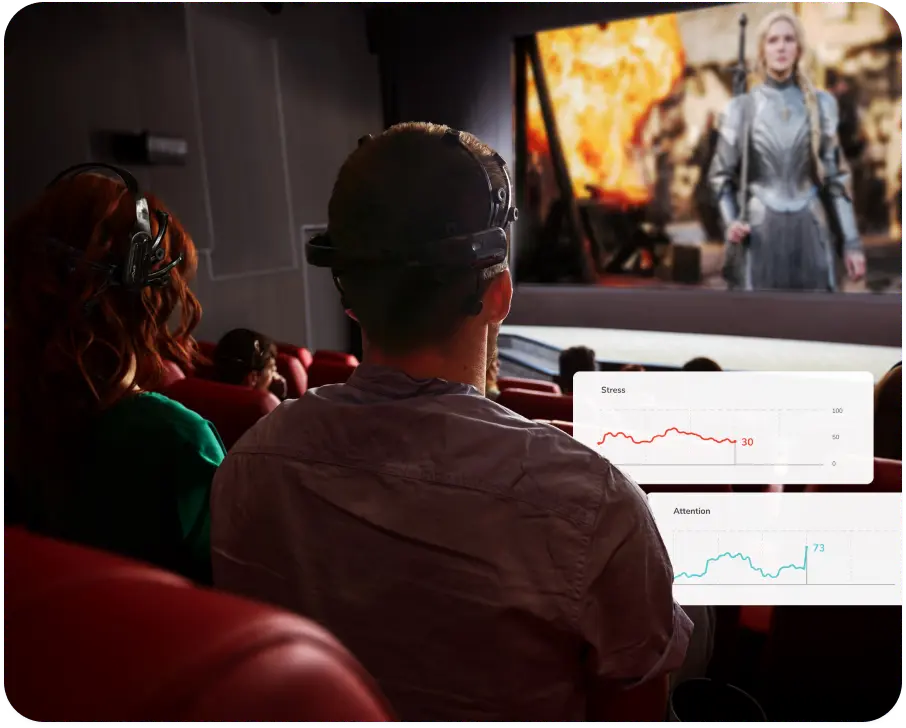
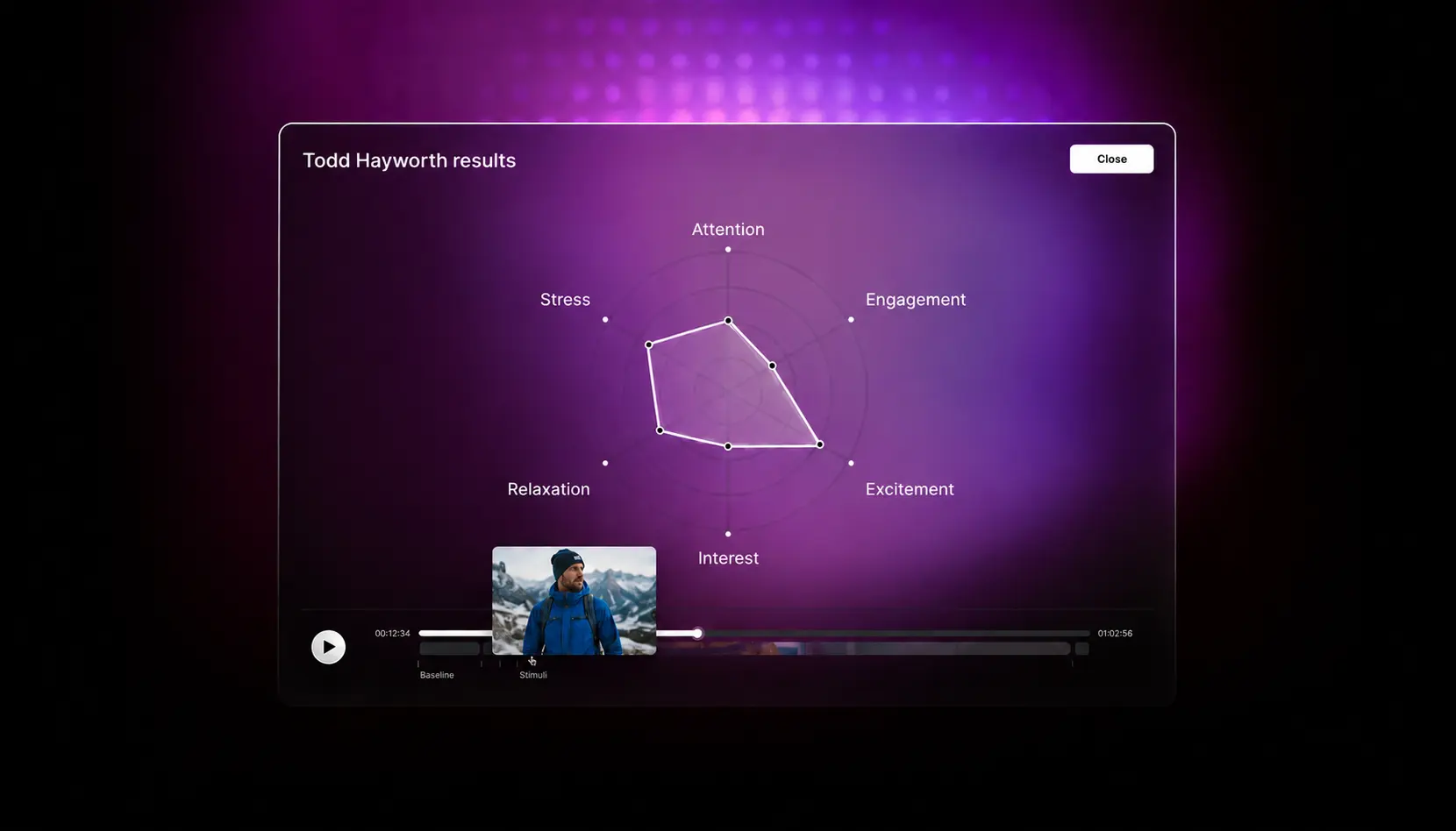
This is where software like the Emotiv App comes in. It takes that raw stream of data and uses advanced algorithms to interpret it. The software translates complex brainwave patterns into real-time feedback and actionable insights. You can see fluctuations in your focus, engagement, or relaxation levels as they happen. It’s this combination of comfortable hardware and intelligent software that makes it possible to understand and interact with your brain's activity in a meaningful way.

Why Use EEG for Personal Wellness?

Using EEG for personal wellness is all about gaining a deeper awareness of your own mind. It’s not about diagnosing conditions, but about understanding your personal patterns. By observing your brain's responses to different activities—like meditation, work, or rest—you can start to see what helps you feel focused, calm, or energized. This personalized feedback empowers you to make more informed choices in your daily life.

For example, you might notice that a short walk in the afternoon has a significant effect on your ability to concentrate later in the day. Our tools for cognitive wellness are designed to help you explore these connections. Seeing your brain data over time allows you to experiment with different routines and habits to see what works best for you. It’s a proactive approach to well-being, giving you a new layer of information to support your mental and emotional balance.

Top Wearable EEG Devices

Finding the right wearable EEG device is the first step in exploring your brain activity. The market has options for everyone, from discreet earbuds for daily use to powerful multi-channel headsets for deep analysis. The best choice depends entirely on your personal wellness goals and how you plan to use the data. To help you decide, let's look at some of the top devices and what makes each one unique.

Emotiv Insight: 5-Channel Headset

If you're looking for a balanced device that's both user-friendly and provides meaningful data, the Emotiv Insight is a fantastic starting point. This sleek, 5-channel headset is designed to give you real-time feedback on your brain activity. It’s a great tool for anyone curious about their emotional and cognitive states, helping you understand what’s happening internally during activities like meditation or focused work. The Insight makes it simple to begin exploring your brain data without a steep learning curve, making it a popular choice for personal wellness exploration and consumer research alike. It strikes a great balance between ease of use and data richness.

Emotiv MN8: 2-Channel Earbuds

For those who value convenience and portability, the Emotiv MN8 is a game-changer. These 2-channel EEG sensors are built into a discreet earbud design, allowing you to collect brain data seamlessly throughout your day. Because they are so compact, you can easily integrate them into your daily routine, whether you're at the office, commuting, or relaxing at home. The MN8 is perfect for users who want access to cognitive wellness tools on the go, without the feel of a traditional headset. It’s an incredibly practical option for getting consistent insights into your mental states in various real-world environments.

Emotiv Epoc X: 14-Channel Headset

When you need more detailed and comprehensive brain data, the Emotiv Epoc X is the device to consider. With 14 channels, it offers a much deeper look into your brain activity, making it a powerful tool for in-depth analysis. This headset is built for users who want to go beyond basic insights, including researchers, developers, and wellness enthusiasts who require robust data for their projects. Whether you're conducting formal academic research or simply want the most thorough understanding of your own cognitive patterns, the Epoc X provides the high-resolution data needed for advanced applications and personal discovery.

A Look at Other EEG Options

The field of wearable technology is constantly evolving, and new EEG devices are always emerging. Beyond the Emotiv lineup, you'll find a variety of options on the market designed for different needs, from headbands focused solely on sleep to devices tailored for stress management. This growing diversity is great for consumers, as it provides a wide range of choices to fit specific wellness goals and lifestyles. As you explore, you'll notice advancements in wearable EEG technology are making these tools more accessible and specialized than ever before. The key is to identify what you want to achieve and find the device with the features that align with your personal objectives.

Comparing Key Wearable EEG Features

Different wearable EEG devices offer features to support your wellness goals. Knowing what to look for can help you find the right fit. Whether you want to understand your sleep patterns, deepen your meditation practice, or get a clearer picture of your mental state, these tools provide data-driven insights. They work by measuring electrical activity in the brain, giving you a window into how you respond to different activities and environments. This isn't about reading your thoughts; it's about understanding the underlying patterns of your brain activity. Let's look at some of the key features you'll find and how they can fit into your personal wellness routine.

Assess Sleep Quality

A good night's rest is foundational to wellness. Wearable EEGs offer a way to see what’s happening after you close your eyes. By measuring brain activity, these devices can provide a detailed analysis of your sleep cycles, showing you how much time you spend in light, deep, and REM sleep. This information helps you connect your daily habits to your sleep quality, making it easier to identify what works for a more restorative night. It’s a powerful way to get objective data about your rest.

Support Meditation and Mindfulness

Meditation can feel abstract, but EEG feedback makes it tangible. As you practice, a device can measure brainwave patterns associated with focus and calm, providing real-time cues—like a sound or visual change in an app—that let you know when you’re in a meditative state. This feedback loop helps you learn what a focused mind feels like, making it easier to return to that state. It’s a practical way to support your mindfulness journey with our cognitive wellness tools.

Manage Stress Levels

Understanding your response to stress is the first step toward managing it. EEG headsets can identify brainwave activity associated with different brain states, including relaxation and stress. By seeing this data, you can gain awareness of how situations affect you in the moment. This insight empowers you to recognize personal stress triggers and proactively use techniques like deep breathing. It’s about building self-awareness with the help of wearable devices designed for modern life.

Get Real-Time Feedback

The most powerful feature of many wearable EEG devices is immediate feedback. Instead of waiting for a report, you can see how your brain activity shifts from moment to moment. This creates a direct link between your actions and your brain state. For example, you can see the effect of a few deep breaths on your focus levels right as it happens. The Emotiv App translates this complex data into clear, personalized insights, helping you adapt your wellness routine effectively.

Understanding the Cost of Wearable EEG

When you start looking at wearable EEG devices, you'll notice that prices can vary quite a bit. The cost often depends on the device's capabilities, like the number of sensors it has and the type of data it can gather. Generally, you can group them into a few different categories, from accessible entry-level options for personal wellness to more advanced systems for researchers and developers. It’s helpful to think about not just the initial price of the hardware, but also any potential software or subscription fees that might come with it. This total cost will give you a clearer picture of your investment.

Entry-Level Device Costs

For those just starting to explore EEG technology for personal use, entry-level devices are a great starting point. These are typically designed to support wellness goals like meditation and focus. Some popular consumer headbands that measure brain activity, heart rate, and breath are priced around $250 USD. This accessible price point makes it easier for anyone curious about their brain data to get started without a significant financial commitment. These devices are perfect for gaining initial insights and building a consistent wellness practice. For a more comprehensive look at your brain activity, our Emotiv Insight headset offers a 5-channel system to get you started.

Professional-Grade Device Costs

If you’re looking for more detailed data, you might consider a professional-grade consumer device. These systems offer more extensive measurements, sometimes including things like brain blood flow and oxygen levels in addition to EEG. These devices are usually priced higher, around $475 USD, and are geared toward users who want deeper insights into their mental and physical states. While they provide more data than entry-level options, they still differ from the high-density systems used in formal academic research and education, which require even greater precision and data analysis capabilities.

Software and Subscription Fees

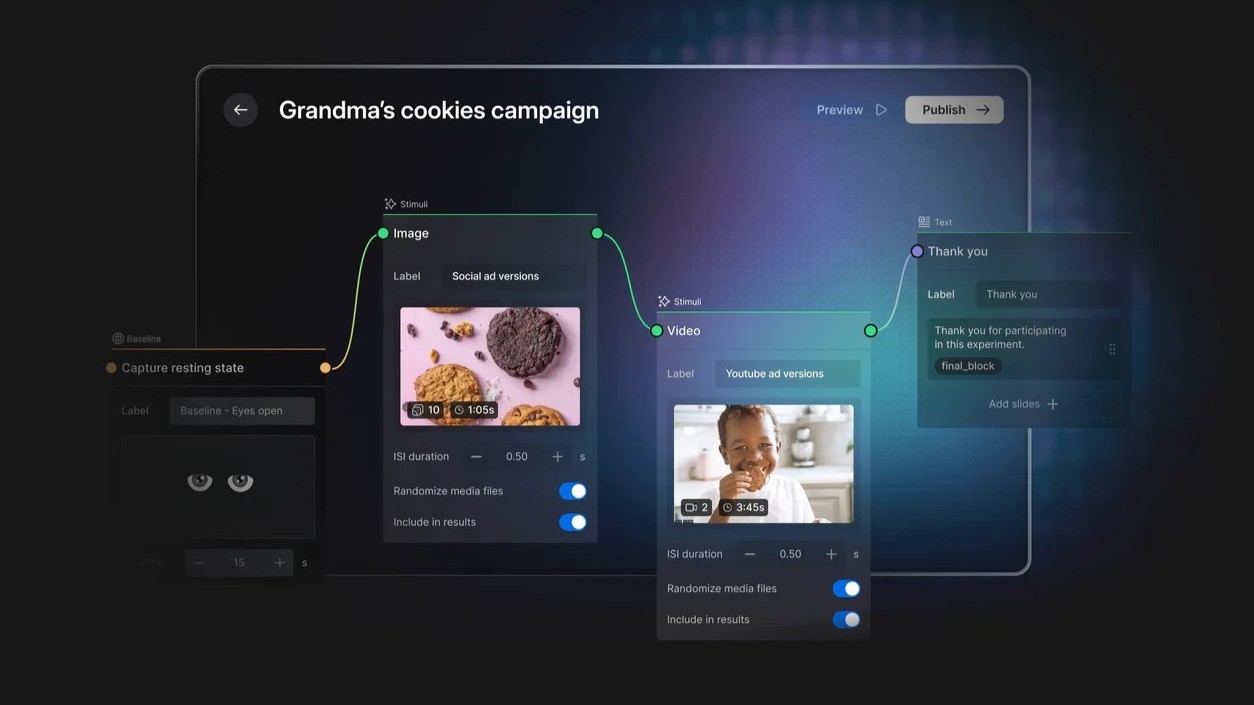
The hardware is only one piece of the puzzle. The software is what turns raw EEG data into meaningful insights you can act on. Many wearable EEG products come with an app that provides feedback and visualizations. It’s common in the consumer health wearables market for full access to these features to require a subscription. This ongoing cost allows companies to provide continuous updates and new features. At Emotiv, we offer a range of software, from our free Emotiv App for foundational insights to our powerful EmotivPRO platform for advanced data analysis, allowing you to choose the level of access that fits your goals.

What Does the Research Say About Wearable EEG?

It's natural to wonder if a device you can wear at home can really offer meaningful insights into your brain's activity. The good news is that the science behind wearable EEG is not just promising; it's rapidly advancing. Researchers across various fields are using these accessible tools to conduct studies that were once confined to expensive labs. From validating their accuracy against traditional methods to exploring their impact on sleep and focus, the body of evidence is growing. Let's look at what the studies are revealing about the capabilities of wearable EEG.

Clinical Validation and Accuracy

A key question for any brain-sensing device is its accuracy. Recent studies show that wearable EEG technology is making significant strides in providing reliable data. When comparing wearable devices to polysomnography (PSG)—the clinical gold standard for sleep studies—researchers have found encouraging correlations. Some studies even show that ear-EEG systems can achieve a remarkable 96% similarity to traditional scalp recordings. This growing body of academic research highlights the potential for these devices to deliver dependable brainwave data outside of a formal laboratory setting, making advanced insights more accessible than ever.

Studies on Sleep

Sleep is one of the most well-studied areas for wearable EEG, and for good reason. These devices make it possible to assess sleep patterns over long periods in the comfort of your own home. This has proven especially valuable for understanding the sleep challenges faced by groups like shift workers. By gathering data in a real-world environment, researchers and individuals can see how changes in daily routines or work schedules impact sleep quality. This kind of longitudinal insight is a significant step forward from single-night studies conducted in an unfamiliar lab.

Research on Meditation and Focus

Beyond sleep, research is exploring how wearable EEG can support practices like meditation and focus training. Headsets like ours are used to measure brainwave activity, offering a window into mental states like relaxation or concentration. The key benefit here is real-time feedback. Seeing how your brain activity changes can help you understand and refine your meditation practice or learn to sustain focus. This application of neurotechnology is becoming a popular tool for people looking to build mental resilience and promote a sense of calm in their daily lives.

Common Misconceptions About Wearable EEG

New technology often comes with a few myths, and wearable EEG is no exception. It’s natural to have questions about accuracy, what the devices can actually do, and how your data is handled. Let's clear the air and separate the science from the science fiction. We'll look at the reality of EEG accuracy, define the true capabilities and limitations of these devices, and cover the important topic of data privacy. This will give you a clear picture of how wearable EEG can fit into your wellness routine.

Accuracy: Expectation vs. Reality

It’s reasonable to wonder if a portable headset can match a traditional EEG system. While not all wearable sensors are created equal, high-quality consumer devices offer impressive reliability. For personal wellness applications—like understanding your focus during meditation or assessing sleep patterns—a well-designed wearable EEG provides the robust data you need to see what’s happening. Studies have even shown that some systems, like ear-EEG, can achieve a high degree of similarity to data from conventional scalp recordings. The key is choosing a device from a company that prioritizes data quality.

Device Capabilities and Limitations

Let’s be clear: wearable EEG devices cannot read your specific thoughts. That's still science fiction. What EEG can do is measure broad patterns of electrical activity in your brain. Think of it as understanding your brain's state—like focus, relaxation, or drowsiness—but not the content of your thoughts. This data is incredibly powerful for applications like a brain-computer interface and for getting real-time feedback on your brain state, helping you learn to guide it toward your wellness goals.

Data Privacy and Security

Whenever you use a device that collects personal data, it’s smart to ask how it’s protected. With EEG, this is especially important. Your brainwave data is used to provide the personalized insights and feedback you see in the companion app. At Emotiv, we treat this data with the highest level of security and care, and we believe you should always be in control of your information. When exploring any wellness technology, I always recommend taking a moment to review the company’s privacy policy to understand how your data is handled.

How to Choose the Right Wearable EEG Device

Finding the right wearable EEG device is a lot like picking a new pair of running shoes. The best one isn't necessarily the most expensive or the one with the most features—it's the one that fits your personal needs and helps you reach your goals. With so many options available, it’s easy to feel a bit lost. The key is to start with a clear idea of what you want to accomplish. Are you looking to build a consistent meditation practice, understand your focus patterns during deep work, or simply explore your own brain activity out of curiosity?

Your answer will guide you toward the right hardware and software combination. Think about how a device will fit into your daily life. Do you need something discreet you can wear on the go, or will you be using it for dedicated sessions at home? The most effective device is the one you'll actually use consistently, becoming a natural part of your routine rather than a gadget that collects dust. We’ll walk through the three most important factors to consider: your personal wellness goals, the comfort and wearability of the device, and the software that powers the experience. By thinking through these key areas, you can confidently choose a device that feels like it was made just for you and your cognitive wellness journey.

Identify Your Wellness Goals

Before you even start looking at specific devices, take a moment to define what you hope to achieve. Your personal wellness goals are the most important factor in your decision. For instance, if your aim is to build mental resilience by training your focus and calmness, you’ll want a device that provides clear, real-time feedback. If you're more interested in supporting your meditation practice, you might look for features that help you see the effects of different techniques.

Clearly identifying your objectives helps you narrow down the options and focus on the features that truly matter to you. This first step ensures you choose a tool that aligns with your intentions, making it a valuable part of your wellness routine rather than just another piece of tech.

Consider Comfort and Wearability

A wearable EEG device can only be effective if you wear it, and comfort is a huge part of that. If a headset is clunky or difficult to put on, you’ll be less likely to use it regularly. Look for ergonomic designs and innovations like dry electrode technology, which make the experience much more pleasant. Think about your lifestyle and when you plan to use the device.

Discreet earbuds like our MN8 might be perfect for use during your commute or at the office, while a headset like the Insight could be ideal for dedicated sessions at home. The goal is to find a device that integrates seamlessly into your daily routine, so comfort and ease of use should be top priorities.

Check Software Compatibility

The hardware is only half the story; the software is what turns raw brainwave data into meaningful insights. Before you commit to a device, explore the app or software that comes with it. Does it offer personalized, goal-oriented feedback that’s easy to understand? A great user experience can make all the difference in helping you connect with your data and stay motivated.

Some software, like the Emotiv App, is designed to be intuitive for everyday use, providing clear visualizations and performance metrics. Other platforms, like EmotivPRO, offer access to raw EEG data for those who want to dive deeper. Make sure the software is compatible with your devices and provides the kind of feedback that will help you achieve your specific wellness goals.

Set and Achieve Your Wellness Goals with EEG

Setting wellness goals is one thing; achieving them is another. It can be challenging to know if your efforts are actually working. Are your breathing exercises really calming you down? Is your new bedtime routine leading to more restorative sleep? Wearable EEG gives you a window into your brain’s activity, offering objective feedback that can help you fine-tune your wellness practices. Think of it as a personal guide that helps you connect what you do with what brain states are associated with your experience.

By seeing your brainwave patterns in response to different activities, you can move beyond guesswork. This data can empower you to build effective habits tailored to your unique needs. Whether you want to deepen your meditation, get more restful sleep, manage daily stressors, or sharpen your focus, EEG provides insights to help you understand your progress. It’s about using technology not just to gather data, but to cultivate a greater sense of self-awareness and take intentional steps toward your personal cognitive wellness goals. This approach transforms abstract goals like "be less stressed" into concrete, measurable actions and outcomes. You can experiment with different techniques and see tangible evidence of what works best for you, making your wellness journey more personal and effective.

Enhance Your Meditation Practice

If you’ve ever sat down to meditate and wondered, “Am I doing this right?” you’re not alone. EEG can help demystify the process by providing real-time feedback on your brain state. As you meditate, the device can show you shifts in your brainwave activity, helping you recognize when you’re in a state of calm focus versus when your mind has started to wander. This immediate feedback loop acts as a gentle guide, nudging you back to your breath or mantra. Over time, this practice can help you learn to identify and sustain a meditative state more easily, making your sessions feel more productive and rewarding.

Improve Sleep Patterns

A good night’s sleep is the foundation of wellness, but it’s often hard to gauge its quality. Wearable EEG offers a much deeper look into your sleep than just duration. It can help you understand your sleep architecture—the different stages you cycle through during the night, like deep sleep and REM. By seeing these patterns, you can start connecting your daily habits to your sleep quality. Maybe you’ll notice that meditating before bed leads to more deep sleep, or that a late-afternoon coffee disrupts your cycle. This kind of detailed EEG-based sleep assessment can empower you to make small, targeted changes to your routine for more restorative rest.

Manage Stress and Emotions

Stress is a part of life, but understanding your personal triggers is key to managing it effectively. EEG can help you build greater awareness around your body’s physiological response to stress. By observing your brainwave data, you can see how certain situations—like a looming deadline or a difficult conversation—affect your brain state. Our Emotiv App provides tools to help you visualize these changes. This awareness is powerful because it allows you to intervene in the moment. You can practice a calming technique, like deep breathing, and see the corresponding shift in your brain activity, reinforcing the effectiveness of your coping strategies.

Build Focus and Attention

In a world full of distractions, the ability to concentrate is a superpower. EEG can be a valuable tool for training your focus. Much like a muscle, your attention can be strengthened with practice, and EEG provides the feedback you need to do it effectively. By engaging in a focused task while using an EEG device, you can learn to recognize the brainwave patterns associated with deep concentration. This helps you understand what true focus feels like, making it easier to access that state when you need it most. It’s a practical way to sharpen your mental clarity for work, learning, or any creative pursuit that requires your full attention.

Integrate EEG into Your Daily Routine

Bringing a new wellness tool into your life can feel like a big commitment, but integrating EEG into your daily routine is easier than you might think. The key is to see it not as another task on your to-do list, but as a source of valuable insight that supports the wellness practices you already have. Think of it as a partner in your journey, providing feedback that helps you understand what’s working for you.

The goal isn't to wear a headset 24/7. It's about being intentional and consistent. By carving out small, specific times to check in with your brain activity, you can start to build a rich picture of your mental patterns. This data can help you connect the dots between your daily activities and your brain state, empowering you to make more informed choices for your well-being. Whether you use it to deepen your meditation practice, understand your sleep, or manage daily stressors, a wearable EEG device can become a natural part of your self-care toolkit.

Build Consistent Habits

The secret to getting the most out of your EEG device is consistency. Just like any other wellness practice, the benefits come from showing up regularly. Start by finding a small, manageable window in your day to use your device. Maybe it’s for ten minutes with your morning coffee or as you wind down before bed. Pairing this new habit with an existing one makes it much easier to stick with. Devices like our MN8 earbuds are designed for comfort and ease, so you can wear them without disrupting your flow. Over time, this consistent practice allows you to see how your brain activity changes, helping you establish healthier patterns, especially around things like sleep.

Combine EEG with Other Wellness Tools

Your EEG device works best when it’s part of a larger wellness ecosystem. It’s a powerful feedback tool that can enhance the practices you already love. For example, you can use it during a guided meditation from your favorite app to see how your focus or relaxation levels respond in real-time. Or, you might use it after a workout or a journaling session to observe the after-effects on your brain state. The Emotiv App provides access to cognitive wellness tools that can complement these activities, giving you a more holistic view of how different strategies support your well-being. It’s all about layering insights to get a fuller picture.

Plan for Long-Term Goals

While the immediate feedback from an EEG device is fascinating, its real power lies in its ability to inform your long-term wellness goals. By using your device consistently, you establish a personal baseline of your brain activity. This baseline is your unique starting point. From there, you can see how new habits, like a consistent sleep schedule or a daily mindfulness practice, affect your brain over weeks and months. This long-term perspective helps you make intentional lifestyle changes. For those who want to explore this data in greater detail, our Epoc X headset offers a deeper look, providing comprehensive data to help you plan and pursue your wellness journey with clarity.

Related Articles


View Products

Frequently Asked Questions

Is it safe to use a wearable EEG device every day? Absolutely. Think of an EEG device as a listener. It uses passive sensors to detect the tiny electrical signals your brain naturally produces all the time. The device doesn't send any signals into your brain; it simply detects what's already there.

What's the real difference between a device with a few sensors and one with many? The number of sensors, or channels, determines the level of detail you can see in your brain activity. A device with fewer channels, like our MN8 earbuds, is perfect for getting a clear picture of your overall brain state, such as focus or relaxation, making it great for daily wellness. A device with more channels, like the 14-channel Epoc X, provides a much higher-resolution view of activity across different brain regions. This is ideal for researchers or anyone wanting to do a more in-depth analysis.

Do I need to be a neuroscientist to understand the data? Not at all. While the technology itself is complex, our software is designed to be intuitive for everyone. The Emotiv App translates your brainwave data into simple, easy-to-understand feedback and visualizations. You'll see clear metrics for things like focus or calm, so you can get meaningful insights without needing a background in science.

How long does it take to notice the benefits of using EEG for wellness? The journey is different for everyone, as this is a tool for building self-awareness, not a quick fix. The real value comes from consistent use over time. As you begin to see patterns and connect your daily activities to your brain states, you can start making small, informed adjustments to your routine. The "benefit" is the deeper understanding you build about yourself, which happens gradually with regular practice.

Will glasses or thick hair affect how well the headset works? This is a great practical question. Our headsets are designed to be versatile. If you wear glasses, you can typically adjust the headset to sit comfortably without them getting in the way. For those with thick hair, the key is ensuring the sensors make good contact with your scalp. For most people, simply pushing your hair aside where the sensors rest is enough to get a clean signal and start exploring your brain activity.

We measure so many aspects of our wellness: our steps, our heart rate, our sleep duration. But what about the state of our mind? Understanding our patterns of focus, stress, and relaxation has often felt abstract and hard to measure. That’s the gap that wearable EEG for wellness insights is designed to fill. By sensing the natural electrical signals from your brain, these devices provide a new layer of personal data, giving you a window into brain states associated with cognitive and emotional experience. This article will demystify the science, compare the key features of different devices, and show you how to use these insights to support your meditation practice, manage stress, and build better habits based on your unique brain activity.


View Products

Key Takeaways

  • Understand Your Brain's Patterns: Wearable EEG shows you electrical activity associated with states like focus and calm, not your specific thoughts. Use this objective feedback to understand your mind better and make intentional choices for your well-being.

  • Choose Your Tool Based on Your 'Why': Your personal wellness goals should guide your choice of device. Whether you want to support your meditation practice or get a deeper look at your brain data, select the hardware and software that fit your specific needs and lifestyle.

  • Make Consistency Your Superpower: The real benefits of EEG come from regular use. Integrate the device into your daily routine to see how your habits affect your brain over time, turning personalized insights into lasting, positive change.

What is Wearable EEG?

At its core, electroencephalography (EEG) is a method for sensing the brain's electrical activity. For a long time, this technology was mostly found in clinical or laboratory settings, involving bulky equipment and a complicated setup that required a specialist to operate. Wearable EEG changes all of that. These are portable, user-friendly devices—like headsets or even earbuds—that use sensors to detect your brain's natural electrical signals, often called brainwaves.

Think of it as making brain-sensing technology accessible for everyday use. Instead of needing a lab, you can use a lightweight device to explore your own brain activity from just about anywhere. This opens up incredible possibilities for developers, researchers, and anyone curious about their own brain states. By translating complex brain data into understandable feedback, these devices provide a new way to engage with your personal wellness. They offer a window into your mental experience, giving you the chance to see patterns associated with focus, stress, and relaxation in a completely new light. This accessibility is key to what makes wearable EEG so exciting for personal and professional exploration, putting powerful tools directly into your hands.

How Wearable EEG Works

So, how does a headset actually sense brain activity? It’s a straightforward process. Small, dry sensors on the device make gentle contact with your scalp. These sensors are designed to detect the tiny electrical signals that your brain cells produce when they communicate with each other. The wearable device then amplifies these signals and sends the data wirelessly to a connected computer or smartphone.

This is where software like the Emotiv App comes in. It takes that raw stream of data and uses advanced algorithms to interpret it. The software translates complex brainwave patterns into real-time feedback and actionable insights. You can see fluctuations in your focus, engagement, or relaxation levels as they happen. It’s this combination of comfortable hardware and intelligent software that makes it possible to understand and interact with your brain's activity in a meaningful way.

Why Use EEG for Personal Wellness?

Using EEG for personal wellness is all about gaining a deeper awareness of your own mind. It’s not about diagnosing conditions, but about understanding your personal patterns. By observing your brain's responses to different activities—like meditation, work, or rest—you can start to see what helps you feel focused, calm, or energized. This personalized feedback empowers you to make more informed choices in your daily life.

For example, you might notice that a short walk in the afternoon has a significant effect on your ability to concentrate later in the day. Our tools for cognitive wellness are designed to help you explore these connections. Seeing your brain data over time allows you to experiment with different routines and habits to see what works best for you. It’s a proactive approach to well-being, giving you a new layer of information to support your mental and emotional balance.

Top Wearable EEG Devices

Finding the right wearable EEG device is the first step in exploring your brain activity. The market has options for everyone, from discreet earbuds for daily use to powerful multi-channel headsets for deep analysis. The best choice depends entirely on your personal wellness goals and how you plan to use the data. To help you decide, let's look at some of the top devices and what makes each one unique.

Emotiv Insight: 5-Channel Headset

If you're looking for a balanced device that's both user-friendly and provides meaningful data, the Emotiv Insight is a fantastic starting point. This sleek, 5-channel headset is designed to give you real-time feedback on your brain activity. It’s a great tool for anyone curious about their emotional and cognitive states, helping you understand what’s happening internally during activities like meditation or focused work. The Insight makes it simple to begin exploring your brain data without a steep learning curve, making it a popular choice for personal wellness exploration and consumer research alike. It strikes a great balance between ease of use and data richness.

Emotiv MN8: 2-Channel Earbuds

For those who value convenience and portability, the Emotiv MN8 is a game-changer. These 2-channel EEG sensors are built into a discreet earbud design, allowing you to collect brain data seamlessly throughout your day. Because they are so compact, you can easily integrate them into your daily routine, whether you're at the office, commuting, or relaxing at home. The MN8 is perfect for users who want access to cognitive wellness tools on the go, without the feel of a traditional headset. It’s an incredibly practical option for getting consistent insights into your mental states in various real-world environments.

Emotiv Epoc X: 14-Channel Headset

When you need more detailed and comprehensive brain data, the Emotiv Epoc X is the device to consider. With 14 channels, it offers a much deeper look into your brain activity, making it a powerful tool for in-depth analysis. This headset is built for users who want to go beyond basic insights, including researchers, developers, and wellness enthusiasts who require robust data for their projects. Whether you're conducting formal academic research or simply want the most thorough understanding of your own cognitive patterns, the Epoc X provides the high-resolution data needed for advanced applications and personal discovery.

A Look at Other EEG Options

The field of wearable technology is constantly evolving, and new EEG devices are always emerging. Beyond the Emotiv lineup, you'll find a variety of options on the market designed for different needs, from headbands focused solely on sleep to devices tailored for stress management. This growing diversity is great for consumers, as it provides a wide range of choices to fit specific wellness goals and lifestyles. As you explore, you'll notice advancements in wearable EEG technology are making these tools more accessible and specialized than ever before. The key is to identify what you want to achieve and find the device with the features that align with your personal objectives.

Comparing Key Wearable EEG Features

Different wearable EEG devices offer features to support your wellness goals. Knowing what to look for can help you find the right fit. Whether you want to understand your sleep patterns, deepen your meditation practice, or get a clearer picture of your mental state, these tools provide data-driven insights. They work by measuring electrical activity in the brain, giving you a window into how you respond to different activities and environments. This isn't about reading your thoughts; it's about understanding the underlying patterns of your brain activity. Let's look at some of the key features you'll find and how they can fit into your personal wellness routine.

Assess Sleep Quality

A good night's rest is foundational to wellness. Wearable EEGs offer a way to see what’s happening after you close your eyes. By measuring brain activity, these devices can provide a detailed analysis of your sleep cycles, showing you how much time you spend in light, deep, and REM sleep. This information helps you connect your daily habits to your sleep quality, making it easier to identify what works for a more restorative night. It’s a powerful way to get objective data about your rest.

Support Meditation and Mindfulness

Meditation can feel abstract, but EEG feedback makes it tangible. As you practice, a device can measure brainwave patterns associated with focus and calm, providing real-time cues—like a sound or visual change in an app—that let you know when you’re in a meditative state. This feedback loop helps you learn what a focused mind feels like, making it easier to return to that state. It’s a practical way to support your mindfulness journey with our cognitive wellness tools.

Manage Stress Levels

Understanding your response to stress is the first step toward managing it. EEG headsets can identify brainwave activity associated with different brain states, including relaxation and stress. By seeing this data, you can gain awareness of how situations affect you in the moment. This insight empowers you to recognize personal stress triggers and proactively use techniques like deep breathing. It’s about building self-awareness with the help of wearable devices designed for modern life.

Get Real-Time Feedback

The most powerful feature of many wearable EEG devices is immediate feedback. Instead of waiting for a report, you can see how your brain activity shifts from moment to moment. This creates a direct link between your actions and your brain state. For example, you can see the effect of a few deep breaths on your focus levels right as it happens. The Emotiv App translates this complex data into clear, personalized insights, helping you adapt your wellness routine effectively.

Understanding the Cost of Wearable EEG

When you start looking at wearable EEG devices, you'll notice that prices can vary quite a bit. The cost often depends on the device's capabilities, like the number of sensors it has and the type of data it can gather. Generally, you can group them into a few different categories, from accessible entry-level options for personal wellness to more advanced systems for researchers and developers. It’s helpful to think about not just the initial price of the hardware, but also any potential software or subscription fees that might come with it. This total cost will give you a clearer picture of your investment.

Entry-Level Device Costs

For those just starting to explore EEG technology for personal use, entry-level devices are a great starting point. These are typically designed to support wellness goals like meditation and focus. Some popular consumer headbands that measure brain activity, heart rate, and breath are priced around $250 USD. This accessible price point makes it easier for anyone curious about their brain data to get started without a significant financial commitment. These devices are perfect for gaining initial insights and building a consistent wellness practice. For a more comprehensive look at your brain activity, our Emotiv Insight headset offers a 5-channel system to get you started.

Professional-Grade Device Costs

If you’re looking for more detailed data, you might consider a professional-grade consumer device. These systems offer more extensive measurements, sometimes including things like brain blood flow and oxygen levels in addition to EEG. These devices are usually priced higher, around $475 USD, and are geared toward users who want deeper insights into their mental and physical states. While they provide more data than entry-level options, they still differ from the high-density systems used in formal academic research and education, which require even greater precision and data analysis capabilities.

Software and Subscription Fees

The hardware is only one piece of the puzzle. The software is what turns raw EEG data into meaningful insights you can act on. Many wearable EEG products come with an app that provides feedback and visualizations. It’s common in the consumer health wearables market for full access to these features to require a subscription. This ongoing cost allows companies to provide continuous updates and new features. At Emotiv, we offer a range of software, from our free Emotiv App for foundational insights to our powerful EmotivPRO platform for advanced data analysis, allowing you to choose the level of access that fits your goals.

What Does the Research Say About Wearable EEG?

It's natural to wonder if a device you can wear at home can really offer meaningful insights into your brain's activity. The good news is that the science behind wearable EEG is not just promising; it's rapidly advancing. Researchers across various fields are using these accessible tools to conduct studies that were once confined to expensive labs. From validating their accuracy against traditional methods to exploring their impact on sleep and focus, the body of evidence is growing. Let's look at what the studies are revealing about the capabilities of wearable EEG.

Clinical Validation and Accuracy

A key question for any brain-sensing device is its accuracy. Recent studies show that wearable EEG technology is making significant strides in providing reliable data. When comparing wearable devices to polysomnography (PSG)—the clinical gold standard for sleep studies—researchers have found encouraging correlations. Some studies even show that ear-EEG systems can achieve a remarkable 96% similarity to traditional scalp recordings. This growing body of academic research highlights the potential for these devices to deliver dependable brainwave data outside of a formal laboratory setting, making advanced insights more accessible than ever.

Studies on Sleep

Sleep is one of the most well-studied areas for wearable EEG, and for good reason. These devices make it possible to assess sleep patterns over long periods in the comfort of your own home. This has proven especially valuable for understanding the sleep challenges faced by groups like shift workers. By gathering data in a real-world environment, researchers and individuals can see how changes in daily routines or work schedules impact sleep quality. This kind of longitudinal insight is a significant step forward from single-night studies conducted in an unfamiliar lab.

Research on Meditation and Focus

Beyond sleep, research is exploring how wearable EEG can support practices like meditation and focus training. Headsets like ours are used to measure brainwave activity, offering a window into mental states like relaxation or concentration. The key benefit here is real-time feedback. Seeing how your brain activity changes can help you understand and refine your meditation practice or learn to sustain focus. This application of neurotechnology is becoming a popular tool for people looking to build mental resilience and promote a sense of calm in their daily lives.

Common Misconceptions About Wearable EEG

New technology often comes with a few myths, and wearable EEG is no exception. It’s natural to have questions about accuracy, what the devices can actually do, and how your data is handled. Let's clear the air and separate the science from the science fiction. We'll look at the reality of EEG accuracy, define the true capabilities and limitations of these devices, and cover the important topic of data privacy. This will give you a clear picture of how wearable EEG can fit into your wellness routine.

Accuracy: Expectation vs. Reality

It’s reasonable to wonder if a portable headset can match a traditional EEG system. While not all wearable sensors are created equal, high-quality consumer devices offer impressive reliability. For personal wellness applications—like understanding your focus during meditation or assessing sleep patterns—a well-designed wearable EEG provides the robust data you need to see what’s happening. Studies have even shown that some systems, like ear-EEG, can achieve a high degree of similarity to data from conventional scalp recordings. The key is choosing a device from a company that prioritizes data quality.

Device Capabilities and Limitations

Let’s be clear: wearable EEG devices cannot read your specific thoughts. That's still science fiction. What EEG can do is measure broad patterns of electrical activity in your brain. Think of it as understanding your brain's state—like focus, relaxation, or drowsiness—but not the content of your thoughts. This data is incredibly powerful for applications like a brain-computer interface and for getting real-time feedback on your brain state, helping you learn to guide it toward your wellness goals.

Data Privacy and Security

Whenever you use a device that collects personal data, it’s smart to ask how it’s protected. With EEG, this is especially important. Your brainwave data is used to provide the personalized insights and feedback you see in the companion app. At Emotiv, we treat this data with the highest level of security and care, and we believe you should always be in control of your information. When exploring any wellness technology, I always recommend taking a moment to review the company’s privacy policy to understand how your data is handled.

How to Choose the Right Wearable EEG Device

Finding the right wearable EEG device is a lot like picking a new pair of running shoes. The best one isn't necessarily the most expensive or the one with the most features—it's the one that fits your personal needs and helps you reach your goals. With so many options available, it’s easy to feel a bit lost. The key is to start with a clear idea of what you want to accomplish. Are you looking to build a consistent meditation practice, understand your focus patterns during deep work, or simply explore your own brain activity out of curiosity?

Your answer will guide you toward the right hardware and software combination. Think about how a device will fit into your daily life. Do you need something discreet you can wear on the go, or will you be using it for dedicated sessions at home? The most effective device is the one you'll actually use consistently, becoming a natural part of your routine rather than a gadget that collects dust. We’ll walk through the three most important factors to consider: your personal wellness goals, the comfort and wearability of the device, and the software that powers the experience. By thinking through these key areas, you can confidently choose a device that feels like it was made just for you and your cognitive wellness journey.

Identify Your Wellness Goals

Before you even start looking at specific devices, take a moment to define what you hope to achieve. Your personal wellness goals are the most important factor in your decision. For instance, if your aim is to build mental resilience by training your focus and calmness, you’ll want a device that provides clear, real-time feedback. If you're more interested in supporting your meditation practice, you might look for features that help you see the effects of different techniques.

Clearly identifying your objectives helps you narrow down the options and focus on the features that truly matter to you. This first step ensures you choose a tool that aligns with your intentions, making it a valuable part of your wellness routine rather than just another piece of tech.

Consider Comfort and Wearability

A wearable EEG device can only be effective if you wear it, and comfort is a huge part of that. If a headset is clunky or difficult to put on, you’ll be less likely to use it regularly. Look for ergonomic designs and innovations like dry electrode technology, which make the experience much more pleasant. Think about your lifestyle and when you plan to use the device.

Discreet earbuds like our MN8 might be perfect for use during your commute or at the office, while a headset like the Insight could be ideal for dedicated sessions at home. The goal is to find a device that integrates seamlessly into your daily routine, so comfort and ease of use should be top priorities.

Check Software Compatibility

The hardware is only half the story; the software is what turns raw brainwave data into meaningful insights. Before you commit to a device, explore the app or software that comes with it. Does it offer personalized, goal-oriented feedback that’s easy to understand? A great user experience can make all the difference in helping you connect with your data and stay motivated.

Some software, like the Emotiv App, is designed to be intuitive for everyday use, providing clear visualizations and performance metrics. Other platforms, like EmotivPRO, offer access to raw EEG data for those who want to dive deeper. Make sure the software is compatible with your devices and provides the kind of feedback that will help you achieve your specific wellness goals.

Set and Achieve Your Wellness Goals with EEG

Setting wellness goals is one thing; achieving them is another. It can be challenging to know if your efforts are actually working. Are your breathing exercises really calming you down? Is your new bedtime routine leading to more restorative sleep? Wearable EEG gives you a window into your brain’s activity, offering objective feedback that can help you fine-tune your wellness practices. Think of it as a personal guide that helps you connect what you do with what brain states are associated with your experience.

By seeing your brainwave patterns in response to different activities, you can move beyond guesswork. This data can empower you to build effective habits tailored to your unique needs. Whether you want to deepen your meditation, get more restful sleep, manage daily stressors, or sharpen your focus, EEG provides insights to help you understand your progress. It’s about using technology not just to gather data, but to cultivate a greater sense of self-awareness and take intentional steps toward your personal cognitive wellness goals. This approach transforms abstract goals like "be less stressed" into concrete, measurable actions and outcomes. You can experiment with different techniques and see tangible evidence of what works best for you, making your wellness journey more personal and effective.

Enhance Your Meditation Practice

If you’ve ever sat down to meditate and wondered, “Am I doing this right?” you’re not alone. EEG can help demystify the process by providing real-time feedback on your brain state. As you meditate, the device can show you shifts in your brainwave activity, helping you recognize when you’re in a state of calm focus versus when your mind has started to wander. This immediate feedback loop acts as a gentle guide, nudging you back to your breath or mantra. Over time, this practice can help you learn to identify and sustain a meditative state more easily, making your sessions feel more productive and rewarding.

Improve Sleep Patterns

A good night’s sleep is the foundation of wellness, but it’s often hard to gauge its quality. Wearable EEG offers a much deeper look into your sleep than just duration. It can help you understand your sleep architecture—the different stages you cycle through during the night, like deep sleep and REM. By seeing these patterns, you can start connecting your daily habits to your sleep quality. Maybe you’ll notice that meditating before bed leads to more deep sleep, or that a late-afternoon coffee disrupts your cycle. This kind of detailed EEG-based sleep assessment can empower you to make small, targeted changes to your routine for more restorative rest.

Manage Stress and Emotions

Stress is a part of life, but understanding your personal triggers is key to managing it effectively. EEG can help you build greater awareness around your body’s physiological response to stress. By observing your brainwave data, you can see how certain situations—like a looming deadline or a difficult conversation—affect your brain state. Our Emotiv App provides tools to help you visualize these changes. This awareness is powerful because it allows you to intervene in the moment. You can practice a calming technique, like deep breathing, and see the corresponding shift in your brain activity, reinforcing the effectiveness of your coping strategies.

Build Focus and Attention

In a world full of distractions, the ability to concentrate is a superpower. EEG can be a valuable tool for training your focus. Much like a muscle, your attention can be strengthened with practice, and EEG provides the feedback you need to do it effectively. By engaging in a focused task while using an EEG device, you can learn to recognize the brainwave patterns associated with deep concentration. This helps you understand what true focus feels like, making it easier to access that state when you need it most. It’s a practical way to sharpen your mental clarity for work, learning, or any creative pursuit that requires your full attention.

Integrate EEG into Your Daily Routine

Bringing a new wellness tool into your life can feel like a big commitment, but integrating EEG into your daily routine is easier than you might think. The key is to see it not as another task on your to-do list, but as a source of valuable insight that supports the wellness practices you already have. Think of it as a partner in your journey, providing feedback that helps you understand what’s working for you.

The goal isn't to wear a headset 24/7. It's about being intentional and consistent. By carving out small, specific times to check in with your brain activity, you can start to build a rich picture of your mental patterns. This data can help you connect the dots between your daily activities and your brain state, empowering you to make more informed choices for your well-being. Whether you use it to deepen your meditation practice, understand your sleep, or manage daily stressors, a wearable EEG device can become a natural part of your self-care toolkit.

Build Consistent Habits

The secret to getting the most out of your EEG device is consistency. Just like any other wellness practice, the benefits come from showing up regularly. Start by finding a small, manageable window in your day to use your device. Maybe it’s for ten minutes with your morning coffee or as you wind down before bed. Pairing this new habit with an existing one makes it much easier to stick with. Devices like our MN8 earbuds are designed for comfort and ease, so you can wear them without disrupting your flow. Over time, this consistent practice allows you to see how your brain activity changes, helping you establish healthier patterns, especially around things like sleep.

Combine EEG with Other Wellness Tools

Your EEG device works best when it’s part of a larger wellness ecosystem. It’s a powerful feedback tool that can enhance the practices you already love. For example, you can use it during a guided meditation from your favorite app to see how your focus or relaxation levels respond in real-time. Or, you might use it after a workout or a journaling session to observe the after-effects on your brain state. The Emotiv App provides access to cognitive wellness tools that can complement these activities, giving you a more holistic view of how different strategies support your well-being. It’s all about layering insights to get a fuller picture.

Plan for Long-Term Goals

While the immediate feedback from an EEG device is fascinating, its real power lies in its ability to inform your long-term wellness goals. By using your device consistently, you establish a personal baseline of your brain activity. This baseline is your unique starting point. From there, you can see how new habits, like a consistent sleep schedule or a daily mindfulness practice, affect your brain over weeks and months. This long-term perspective helps you make intentional lifestyle changes. For those who want to explore this data in greater detail, our Epoc X headset offers a deeper look, providing comprehensive data to help you plan and pursue your wellness journey with clarity.

Related Articles


View Products

Frequently Asked Questions

Is it safe to use a wearable EEG device every day? Absolutely. Think of an EEG device as a listener. It uses passive sensors to detect the tiny electrical signals your brain naturally produces all the time. The device doesn't send any signals into your brain; it simply detects what's already there.

What's the real difference between a device with a few sensors and one with many? The number of sensors, or channels, determines the level of detail you can see in your brain activity. A device with fewer channels, like our MN8 earbuds, is perfect for getting a clear picture of your overall brain state, such as focus or relaxation, making it great for daily wellness. A device with more channels, like the 14-channel Epoc X, provides a much higher-resolution view of activity across different brain regions. This is ideal for researchers or anyone wanting to do a more in-depth analysis.

Do I need to be a neuroscientist to understand the data? Not at all. While the technology itself is complex, our software is designed to be intuitive for everyone. The Emotiv App translates your brainwave data into simple, easy-to-understand feedback and visualizations. You'll see clear metrics for things like focus or calm, so you can get meaningful insights without needing a background in science.

How long does it take to notice the benefits of using EEG for wellness? The journey is different for everyone, as this is a tool for building self-awareness, not a quick fix. The real value comes from consistent use over time. As you begin to see patterns and connect your daily activities to your brain states, you can start making small, informed adjustments to your routine. The "benefit" is the deeper understanding you build about yourself, which happens gradually with regular practice.

Will glasses or thick hair affect how well the headset works? This is a great practical question. Our headsets are designed to be versatile. If you wear glasses, you can typically adjust the headset to sit comfortably without them getting in the way. For those with thick hair, the key is ensuring the sensors make good contact with your scalp. For most people, simply pushing your hair aside where the sensors rest is enough to get a clean signal and start exploring your brain activity.

We measure so many aspects of our wellness: our steps, our heart rate, our sleep duration. But what about the state of our mind? Understanding our patterns of focus, stress, and relaxation has often felt abstract and hard to measure. That’s the gap that wearable EEG for wellness insights is designed to fill. By sensing the natural electrical signals from your brain, these devices provide a new layer of personal data, giving you a window into brain states associated with cognitive and emotional experience. This article will demystify the science, compare the key features of different devices, and show you how to use these insights to support your meditation practice, manage stress, and build better habits based on your unique brain activity.


View Products

Key Takeaways

  • Understand Your Brain's Patterns: Wearable EEG shows you electrical activity associated with states like focus and calm, not your specific thoughts. Use this objective feedback to understand your mind better and make intentional choices for your well-being.

  • Choose Your Tool Based on Your 'Why': Your personal wellness goals should guide your choice of device. Whether you want to support your meditation practice or get a deeper look at your brain data, select the hardware and software that fit your specific needs and lifestyle.

  • Make Consistency Your Superpower: The real benefits of EEG come from regular use. Integrate the device into your daily routine to see how your habits affect your brain over time, turning personalized insights into lasting, positive change.

What is Wearable EEG?

At its core, electroencephalography (EEG) is a method for sensing the brain's electrical activity. For a long time, this technology was mostly found in clinical or laboratory settings, involving bulky equipment and a complicated setup that required a specialist to operate. Wearable EEG changes all of that. These are portable, user-friendly devices—like headsets or even earbuds—that use sensors to detect your brain's natural electrical signals, often called brainwaves.

Think of it as making brain-sensing technology accessible for everyday use. Instead of needing a lab, you can use a lightweight device to explore your own brain activity from just about anywhere. This opens up incredible possibilities for developers, researchers, and anyone curious about their own brain states. By translating complex brain data into understandable feedback, these devices provide a new way to engage with your personal wellness. They offer a window into your mental experience, giving you the chance to see patterns associated with focus, stress, and relaxation in a completely new light. This accessibility is key to what makes wearable EEG so exciting for personal and professional exploration, putting powerful tools directly into your hands.

How Wearable EEG Works

So, how does a headset actually sense brain activity? It’s a straightforward process. Small, dry sensors on the device make gentle contact with your scalp. These sensors are designed to detect the tiny electrical signals that your brain cells produce when they communicate with each other. The wearable device then amplifies these signals and sends the data wirelessly to a connected computer or smartphone.

This is where software like the Emotiv App comes in. It takes that raw stream of data and uses advanced algorithms to interpret it. The software translates complex brainwave patterns into real-time feedback and actionable insights. You can see fluctuations in your focus, engagement, or relaxation levels as they happen. It’s this combination of comfortable hardware and intelligent software that makes it possible to understand and interact with your brain's activity in a meaningful way.

Why Use EEG for Personal Wellness?

Using EEG for personal wellness is all about gaining a deeper awareness of your own mind. It’s not about diagnosing conditions, but about understanding your personal patterns. By observing your brain's responses to different activities—like meditation, work, or rest—you can start to see what helps you feel focused, calm, or energized. This personalized feedback empowers you to make more informed choices in your daily life.

For example, you might notice that a short walk in the afternoon has a significant effect on your ability to concentrate later in the day. Our tools for cognitive wellness are designed to help you explore these connections. Seeing your brain data over time allows you to experiment with different routines and habits to see what works best for you. It’s a proactive approach to well-being, giving you a new layer of information to support your mental and emotional balance.

Top Wearable EEG Devices

Finding the right wearable EEG device is the first step in exploring your brain activity. The market has options for everyone, from discreet earbuds for daily use to powerful multi-channel headsets for deep analysis. The best choice depends entirely on your personal wellness goals and how you plan to use the data. To help you decide, let's look at some of the top devices and what makes each one unique.

Emotiv Insight: 5-Channel Headset

If you're looking for a balanced device that's both user-friendly and provides meaningful data, the Emotiv Insight is a fantastic starting point. This sleek, 5-channel headset is designed to give you real-time feedback on your brain activity. It’s a great tool for anyone curious about their emotional and cognitive states, helping you understand what’s happening internally during activities like meditation or focused work. The Insight makes it simple to begin exploring your brain data without a steep learning curve, making it a popular choice for personal wellness exploration and consumer research alike. It strikes a great balance between ease of use and data richness.

Emotiv MN8: 2-Channel Earbuds

For those who value convenience and portability, the Emotiv MN8 is a game-changer. These 2-channel EEG sensors are built into a discreet earbud design, allowing you to collect brain data seamlessly throughout your day. Because they are so compact, you can easily integrate them into your daily routine, whether you're at the office, commuting, or relaxing at home. The MN8 is perfect for users who want access to cognitive wellness tools on the go, without the feel of a traditional headset. It’s an incredibly practical option for getting consistent insights into your mental states in various real-world environments.

Emotiv Epoc X: 14-Channel Headset

When you need more detailed and comprehensive brain data, the Emotiv Epoc X is the device to consider. With 14 channels, it offers a much deeper look into your brain activity, making it a powerful tool for in-depth analysis. This headset is built for users who want to go beyond basic insights, including researchers, developers, and wellness enthusiasts who require robust data for their projects. Whether you're conducting formal academic research or simply want the most thorough understanding of your own cognitive patterns, the Epoc X provides the high-resolution data needed for advanced applications and personal discovery.

A Look at Other EEG Options

The field of wearable technology is constantly evolving, and new EEG devices are always emerging. Beyond the Emotiv lineup, you'll find a variety of options on the market designed for different needs, from headbands focused solely on sleep to devices tailored for stress management. This growing diversity is great for consumers, as it provides a wide range of choices to fit specific wellness goals and lifestyles. As you explore, you'll notice advancements in wearable EEG technology are making these tools more accessible and specialized than ever before. The key is to identify what you want to achieve and find the device with the features that align with your personal objectives.

Comparing Key Wearable EEG Features

Different wearable EEG devices offer features to support your wellness goals. Knowing what to look for can help you find the right fit. Whether you want to understand your sleep patterns, deepen your meditation practice, or get a clearer picture of your mental state, these tools provide data-driven insights. They work by measuring electrical activity in the brain, giving you a window into how you respond to different activities and environments. This isn't about reading your thoughts; it's about understanding the underlying patterns of your brain activity. Let's look at some of the key features you'll find and how they can fit into your personal wellness routine.

Assess Sleep Quality

A good night's rest is foundational to wellness. Wearable EEGs offer a way to see what’s happening after you close your eyes. By measuring brain activity, these devices can provide a detailed analysis of your sleep cycles, showing you how much time you spend in light, deep, and REM sleep. This information helps you connect your daily habits to your sleep quality, making it easier to identify what works for a more restorative night. It’s a powerful way to get objective data about your rest.

Support Meditation and Mindfulness

Meditation can feel abstract, but EEG feedback makes it tangible. As you practice, a device can measure brainwave patterns associated with focus and calm, providing real-time cues—like a sound or visual change in an app—that let you know when you’re in a meditative state. This feedback loop helps you learn what a focused mind feels like, making it easier to return to that state. It’s a practical way to support your mindfulness journey with our cognitive wellness tools.

Manage Stress Levels

Understanding your response to stress is the first step toward managing it. EEG headsets can identify brainwave activity associated with different brain states, including relaxation and stress. By seeing this data, you can gain awareness of how situations affect you in the moment. This insight empowers you to recognize personal stress triggers and proactively use techniques like deep breathing. It’s about building self-awareness with the help of wearable devices designed for modern life.

Get Real-Time Feedback

The most powerful feature of many wearable EEG devices is immediate feedback. Instead of waiting for a report, you can see how your brain activity shifts from moment to moment. This creates a direct link between your actions and your brain state. For example, you can see the effect of a few deep breaths on your focus levels right as it happens. The Emotiv App translates this complex data into clear, personalized insights, helping you adapt your wellness routine effectively.

Understanding the Cost of Wearable EEG

When you start looking at wearable EEG devices, you'll notice that prices can vary quite a bit. The cost often depends on the device's capabilities, like the number of sensors it has and the type of data it can gather. Generally, you can group them into a few different categories, from accessible entry-level options for personal wellness to more advanced systems for researchers and developers. It’s helpful to think about not just the initial price of the hardware, but also any potential software or subscription fees that might come with it. This total cost will give you a clearer picture of your investment.

Entry-Level Device Costs

For those just starting to explore EEG technology for personal use, entry-level devices are a great starting point. These are typically designed to support wellness goals like meditation and focus. Some popular consumer headbands that measure brain activity, heart rate, and breath are priced around $250 USD. This accessible price point makes it easier for anyone curious about their brain data to get started without a significant financial commitment. These devices are perfect for gaining initial insights and building a consistent wellness practice. For a more comprehensive look at your brain activity, our Emotiv Insight headset offers a 5-channel system to get you started.

Professional-Grade Device Costs

If you’re looking for more detailed data, you might consider a professional-grade consumer device. These systems offer more extensive measurements, sometimes including things like brain blood flow and oxygen levels in addition to EEG. These devices are usually priced higher, around $475 USD, and are geared toward users who want deeper insights into their mental and physical states. While they provide more data than entry-level options, they still differ from the high-density systems used in formal academic research and education, which require even greater precision and data analysis capabilities.

Software and Subscription Fees

The hardware is only one piece of the puzzle. The software is what turns raw EEG data into meaningful insights you can act on. Many wearable EEG products come with an app that provides feedback and visualizations. It’s common in the consumer health wearables market for full access to these features to require a subscription. This ongoing cost allows companies to provide continuous updates and new features. At Emotiv, we offer a range of software, from our free Emotiv App for foundational insights to our powerful EmotivPRO platform for advanced data analysis, allowing you to choose the level of access that fits your goals.

What Does the Research Say About Wearable EEG?

It's natural to wonder if a device you can wear at home can really offer meaningful insights into your brain's activity. The good news is that the science behind wearable EEG is not just promising; it's rapidly advancing. Researchers across various fields are using these accessible tools to conduct studies that were once confined to expensive labs. From validating their accuracy against traditional methods to exploring their impact on sleep and focus, the body of evidence is growing. Let's look at what the studies are revealing about the capabilities of wearable EEG.

Clinical Validation and Accuracy

A key question for any brain-sensing device is its accuracy. Recent studies show that wearable EEG technology is making significant strides in providing reliable data. When comparing wearable devices to polysomnography (PSG)—the clinical gold standard for sleep studies—researchers have found encouraging correlations. Some studies even show that ear-EEG systems can achieve a remarkable 96% similarity to traditional scalp recordings. This growing body of academic research highlights the potential for these devices to deliver dependable brainwave data outside of a formal laboratory setting, making advanced insights more accessible than ever.

Studies on Sleep

Sleep is one of the most well-studied areas for wearable EEG, and for good reason. These devices make it possible to assess sleep patterns over long periods in the comfort of your own home. This has proven especially valuable for understanding the sleep challenges faced by groups like shift workers. By gathering data in a real-world environment, researchers and individuals can see how changes in daily routines or work schedules impact sleep quality. This kind of longitudinal insight is a significant step forward from single-night studies conducted in an unfamiliar lab.

Research on Meditation and Focus

Beyond sleep, research is exploring how wearable EEG can support practices like meditation and focus training. Headsets like ours are used to measure brainwave activity, offering a window into mental states like relaxation or concentration. The key benefit here is real-time feedback. Seeing how your brain activity changes can help you understand and refine your meditation practice or learn to sustain focus. This application of neurotechnology is becoming a popular tool for people looking to build mental resilience and promote a sense of calm in their daily lives.

Common Misconceptions About Wearable EEG

New technology often comes with a few myths, and wearable EEG is no exception. It’s natural to have questions about accuracy, what the devices can actually do, and how your data is handled. Let's clear the air and separate the science from the science fiction. We'll look at the reality of EEG accuracy, define the true capabilities and limitations of these devices, and cover the important topic of data privacy. This will give you a clear picture of how wearable EEG can fit into your wellness routine.

Accuracy: Expectation vs. Reality

It’s reasonable to wonder if a portable headset can match a traditional EEG system. While not all wearable sensors are created equal, high-quality consumer devices offer impressive reliability. For personal wellness applications—like understanding your focus during meditation or assessing sleep patterns—a well-designed wearable EEG provides the robust data you need to see what’s happening. Studies have even shown that some systems, like ear-EEG, can achieve a high degree of similarity to data from conventional scalp recordings. The key is choosing a device from a company that prioritizes data quality.

Device Capabilities and Limitations

Let’s be clear: wearable EEG devices cannot read your specific thoughts. That's still science fiction. What EEG can do is measure broad patterns of electrical activity in your brain. Think of it as understanding your brain's state—like focus, relaxation, or drowsiness—but not the content of your thoughts. This data is incredibly powerful for applications like a brain-computer interface and for getting real-time feedback on your brain state, helping you learn to guide it toward your wellness goals.

Data Privacy and Security

Whenever you use a device that collects personal data, it’s smart to ask how it’s protected. With EEG, this is especially important. Your brainwave data is used to provide the personalized insights and feedback you see in the companion app. At Emotiv, we treat this data with the highest level of security and care, and we believe you should always be in control of your information. When exploring any wellness technology, I always recommend taking a moment to review the company’s privacy policy to understand how your data is handled.

How to Choose the Right Wearable EEG Device

Finding the right wearable EEG device is a lot like picking a new pair of running shoes. The best one isn't necessarily the most expensive or the one with the most features—it's the one that fits your personal needs and helps you reach your goals. With so many options available, it’s easy to feel a bit lost. The key is to start with a clear idea of what you want to accomplish. Are you looking to build a consistent meditation practice, understand your focus patterns during deep work, or simply explore your own brain activity out of curiosity?

Your answer will guide you toward the right hardware and software combination. Think about how a device will fit into your daily life. Do you need something discreet you can wear on the go, or will you be using it for dedicated sessions at home? The most effective device is the one you'll actually use consistently, becoming a natural part of your routine rather than a gadget that collects dust. We’ll walk through the three most important factors to consider: your personal wellness goals, the comfort and wearability of the device, and the software that powers the experience. By thinking through these key areas, you can confidently choose a device that feels like it was made just for you and your cognitive wellness journey.

Identify Your Wellness Goals

Before you even start looking at specific devices, take a moment to define what you hope to achieve. Your personal wellness goals are the most important factor in your decision. For instance, if your aim is to build mental resilience by training your focus and calmness, you’ll want a device that provides clear, real-time feedback. If you're more interested in supporting your meditation practice, you might look for features that help you see the effects of different techniques.

Clearly identifying your objectives helps you narrow down the options and focus on the features that truly matter to you. This first step ensures you choose a tool that aligns with your intentions, making it a valuable part of your wellness routine rather than just another piece of tech.

Consider Comfort and Wearability

A wearable EEG device can only be effective if you wear it, and comfort is a huge part of that. If a headset is clunky or difficult to put on, you’ll be less likely to use it regularly. Look for ergonomic designs and innovations like dry electrode technology, which make the experience much more pleasant. Think about your lifestyle and when you plan to use the device.

Discreet earbuds like our MN8 might be perfect for use during your commute or at the office, while a headset like the Insight could be ideal for dedicated sessions at home. The goal is to find a device that integrates seamlessly into your daily routine, so comfort and ease of use should be top priorities.

Check Software Compatibility

The hardware is only half the story; the software is what turns raw brainwave data into meaningful insights. Before you commit to a device, explore the app or software that comes with it. Does it offer personalized, goal-oriented feedback that’s easy to understand? A great user experience can make all the difference in helping you connect with your data and stay motivated.

Some software, like the Emotiv App, is designed to be intuitive for everyday use, providing clear visualizations and performance metrics. Other platforms, like EmotivPRO, offer access to raw EEG data for those who want to dive deeper. Make sure the software is compatible with your devices and provides the kind of feedback that will help you achieve your specific wellness goals.

Set and Achieve Your Wellness Goals with EEG

Setting wellness goals is one thing; achieving them is another. It can be challenging to know if your efforts are actually working. Are your breathing exercises really calming you down? Is your new bedtime routine leading to more restorative sleep? Wearable EEG gives you a window into your brain’s activity, offering objective feedback that can help you fine-tune your wellness practices. Think of it as a personal guide that helps you connect what you do with what brain states are associated with your experience.

By seeing your brainwave patterns in response to different activities, you can move beyond guesswork. This data can empower you to build effective habits tailored to your unique needs. Whether you want to deepen your meditation, get more restful sleep, manage daily stressors, or sharpen your focus, EEG provides insights to help you understand your progress. It’s about using technology not just to gather data, but to cultivate a greater sense of self-awareness and take intentional steps toward your personal cognitive wellness goals. This approach transforms abstract goals like "be less stressed" into concrete, measurable actions and outcomes. You can experiment with different techniques and see tangible evidence of what works best for you, making your wellness journey more personal and effective.

Enhance Your Meditation Practice

If you’ve ever sat down to meditate and wondered, “Am I doing this right?” you’re not alone. EEG can help demystify the process by providing real-time feedback on your brain state. As you meditate, the device can show you shifts in your brainwave activity, helping you recognize when you’re in a state of calm focus versus when your mind has started to wander. This immediate feedback loop acts as a gentle guide, nudging you back to your breath or mantra. Over time, this practice can help you learn to identify and sustain a meditative state more easily, making your sessions feel more productive and rewarding.

Improve Sleep Patterns

A good night’s sleep is the foundation of wellness, but it’s often hard to gauge its quality. Wearable EEG offers a much deeper look into your sleep than just duration. It can help you understand your sleep architecture—the different stages you cycle through during the night, like deep sleep and REM. By seeing these patterns, you can start connecting your daily habits to your sleep quality. Maybe you’ll notice that meditating before bed leads to more deep sleep, or that a late-afternoon coffee disrupts your cycle. This kind of detailed EEG-based sleep assessment can empower you to make small, targeted changes to your routine for more restorative rest.

Manage Stress and Emotions

Stress is a part of life, but understanding your personal triggers is key to managing it effectively. EEG can help you build greater awareness around your body’s physiological response to stress. By observing your brainwave data, you can see how certain situations—like a looming deadline or a difficult conversation—affect your brain state. Our Emotiv App provides tools to help you visualize these changes. This awareness is powerful because it allows you to intervene in the moment. You can practice a calming technique, like deep breathing, and see the corresponding shift in your brain activity, reinforcing the effectiveness of your coping strategies.

Build Focus and Attention

In a world full of distractions, the ability to concentrate is a superpower. EEG can be a valuable tool for training your focus. Much like a muscle, your attention can be strengthened with practice, and EEG provides the feedback you need to do it effectively. By engaging in a focused task while using an EEG device, you can learn to recognize the brainwave patterns associated with deep concentration. This helps you understand what true focus feels like, making it easier to access that state when you need it most. It’s a practical way to sharpen your mental clarity for work, learning, or any creative pursuit that requires your full attention.

Integrate EEG into Your Daily Routine

Bringing a new wellness tool into your life can feel like a big commitment, but integrating EEG into your daily routine is easier than you might think. The key is to see it not as another task on your to-do list, but as a source of valuable insight that supports the wellness practices you already have. Think of it as a partner in your journey, providing feedback that helps you understand what’s working for you.

The goal isn't to wear a headset 24/7. It's about being intentional and consistent. By carving out small, specific times to check in with your brain activity, you can start to build a rich picture of your mental patterns. This data can help you connect the dots between your daily activities and your brain state, empowering you to make more informed choices for your well-being. Whether you use it to deepen your meditation practice, understand your sleep, or manage daily stressors, a wearable EEG device can become a natural part of your self-care toolkit.

Build Consistent Habits

The secret to getting the most out of your EEG device is consistency. Just like any other wellness practice, the benefits come from showing up regularly. Start by finding a small, manageable window in your day to use your device. Maybe it’s for ten minutes with your morning coffee or as you wind down before bed. Pairing this new habit with an existing one makes it much easier to stick with. Devices like our MN8 earbuds are designed for comfort and ease, so you can wear them without disrupting your flow. Over time, this consistent practice allows you to see how your brain activity changes, helping you establish healthier patterns, especially around things like sleep.

Combine EEG with Other Wellness Tools

Your EEG device works best when it’s part of a larger wellness ecosystem. It’s a powerful feedback tool that can enhance the practices you already love. For example, you can use it during a guided meditation from your favorite app to see how your focus or relaxation levels respond in real-time. Or, you might use it after a workout or a journaling session to observe the after-effects on your brain state. The Emotiv App provides access to cognitive wellness tools that can complement these activities, giving you a more holistic view of how different strategies support your well-being. It’s all about layering insights to get a fuller picture.

Plan for Long-Term Goals

While the immediate feedback from an EEG device is fascinating, its real power lies in its ability to inform your long-term wellness goals. By using your device consistently, you establish a personal baseline of your brain activity. This baseline is your unique starting point. From there, you can see how new habits, like a consistent sleep schedule or a daily mindfulness practice, affect your brain over weeks and months. This long-term perspective helps you make intentional lifestyle changes. For those who want to explore this data in greater detail, our Epoc X headset offers a deeper look, providing comprehensive data to help you plan and pursue your wellness journey with clarity.

Related Articles


View Products

Frequently Asked Questions

Is it safe to use a wearable EEG device every day? Absolutely. Think of an EEG device as a listener. It uses passive sensors to detect the tiny electrical signals your brain naturally produces all the time. The device doesn't send any signals into your brain; it simply detects what's already there.

What's the real difference between a device with a few sensors and one with many? The number of sensors, or channels, determines the level of detail you can see in your brain activity. A device with fewer channels, like our MN8 earbuds, is perfect for getting a clear picture of your overall brain state, such as focus or relaxation, making it great for daily wellness. A device with more channels, like the 14-channel Epoc X, provides a much higher-resolution view of activity across different brain regions. This is ideal for researchers or anyone wanting to do a more in-depth analysis.

Do I need to be a neuroscientist to understand the data? Not at all. While the technology itself is complex, our software is designed to be intuitive for everyone. The Emotiv App translates your brainwave data into simple, easy-to-understand feedback and visualizations. You'll see clear metrics for things like focus or calm, so you can get meaningful insights without needing a background in science.

How long does it take to notice the benefits of using EEG for wellness? The journey is different for everyone, as this is a tool for building self-awareness, not a quick fix. The real value comes from consistent use over time. As you begin to see patterns and connect your daily activities to your brain states, you can start making small, informed adjustments to your routine. The "benefit" is the deeper understanding you build about yourself, which happens gradually with regular practice.

Will glasses or thick hair affect how well the headset works? This is a great practical question. Our headsets are designed to be versatile. If you wear glasses, you can typically adjust the headset to sit comfortably without them getting in the way. For those with thick hair, the key is ensuring the sensors make good contact with your scalp. For most people, simply pushing your hair aside where the sensors rest is enough to get a clean signal and start exploring your brain activity.

© 2025 EMOTIV, Todos os direitos reservados.

Consent

Suas Opções de Privacidade (Configurações de Cookies)

*Isenção de responsabilidade – Os produtos EMOTIV são destinados apenas para aplicações de pesquisa e uso pessoal. Nossos produtos não são vendidos como Dispositivos Médicos conforme definido na diretiva da UE 93/42/EEC. Nossos produtos não são projetados ou destinados a serem usados para diagnóstico ou tratamento de doenças.

Nota sobre as Traduções: Versões não inglesas deste site foram traduzidas para sua conveniência usando inteligência artificial. Embora nos esforcemos pela precisão, as traduções automatizadas podem conter erros ou nuances que diferem do texto original. Para as informações mais precisas, consulte a versão em inglês deste site.

© 2025 EMOTIV, Todos os direitos reservados.

Consent

Suas Opções de Privacidade (Configurações de Cookies)

*Isenção de responsabilidade – Os produtos EMOTIV são destinados apenas para aplicações de pesquisa e uso pessoal. Nossos produtos não são vendidos como Dispositivos Médicos conforme definido na diretiva da UE 93/42/EEC. Nossos produtos não são projetados ou destinados a serem usados para diagnóstico ou tratamento de doenças.

Nota sobre as Traduções: Versões não inglesas deste site foram traduzidas para sua conveniência usando inteligência artificial. Embora nos esforcemos pela precisão, as traduções automatizadas podem conter erros ou nuances que diferem do texto original. Para as informações mais precisas, consulte a versão em inglês deste site.

© 2025 EMOTIV, Todos os direitos reservados.

Consent

Suas Opções de Privacidade (Configurações de Cookies)

*Isenção de responsabilidade – Os produtos EMOTIV são destinados apenas para aplicações de pesquisa e uso pessoal. Nossos produtos não são vendidos como Dispositivos Médicos conforme definido na diretiva da UE 93/42/EEC. Nossos produtos não são projetados ou destinados a serem usados para diagnóstico ou tratamento de doenças.

Nota sobre as Traduções: Versões não inglesas deste site foram traduzidas para sua conveniência usando inteligência artificial. Embora nos esforcemos pela precisão, as traduções automatizadas podem conter erros ou nuances que diferem do texto original. Para as informações mais precisas, consulte a versão em inglês deste site.