Amyotrophic lateral sclerosis, or ALS, is a really tough disease that affects nerve cells in the brain and spinal cord. When they break down, muscles weaken and eventually stop working. It’s a complex condition, and figuring out exactly what causes ALS is something scientists have been working on for a long time.
Is ALS Inherited or Caused by Genetic Mutations?
Amyotrophic lateral sclerosis (ALS), a devastating neurological condition, has a complex genetic undercurrent that researchers are still working to fully map.
While many cases appear without a family history, a significant portion, up to 10%, are classified as familial ALS (fALS), meaning they are inherited. The remaining 90-95% are termed sporadic ALS (sALS).
Advances in genetic sequencing have been instrumental in identifying specific gene mutations linked to the disease, though a substantial portion of the genetic contribution to ALS remains unexplained.
How Does the C9orf72 Gene Expansion Cause ALS?
One of the most significant discoveries in ALS genetics is the expansion of a repetitive DNA sequence in the C9orf72 gene. This is now recognized as the most common genetic cause of both familial and sporadic ALS, particularly in Western populations.
The exact mechanism by which this expansion leads to motor neuron death is still under investigation, but it's thought to involve toxic RNA species and protein aggregates.
What Is the Link Between SOD1 Mutations and ALS?
Mutations in the gene encoding superoxide dismutase 1 (SOD1) were among the first genetic links to ALS to be identified. These mutations, while accounting for a smaller percentage of overall ALS cases, were crucial in early research.
They provided a tangible starting point for understanding how specific genetic errors could lead to motor neuron degeneration, paving the way for studying other genetic contributors.
How Do TARDBP and FUS Gene Mutations Affect Motor Neurons in ALS?
Further genetic discoveries pointed to mutations in genes like TARDBP and FUS. These genes are involved in regulating RNA processing and transport within cells.
Problems with these RNA-binding proteins are now understood to be central to the pathology of most ALS cases, leading to the accumulation of abnormal protein clumps within motor neurons.
What Happens Internally to a Motor Neuron Affected by ALS?
How Does TDP-43 Protein Misfolding Contribute to ALS Nerve Damage?
Motor neurons, the cells responsible for controlling voluntary muscle movement, are complex and have a lot going on inside them. When things start to go wrong at the cellular level, it can have serious consequences.
One major issue observed in many motor neurons affected by ALS is the buildup of misfolded proteins. Think of it like a factory where the machinery isn't assembling products correctly, leading to piles of defective goods.
A key player in this process is a protein called TDP-43. Normally, TDP-43 is found in the cell's nucleus and plays a role in processing RNA. However, in ALS, it can mislocalize to the cytoplasm and clump together, forming aggregates.
These protein aggregates are a common hallmark found in the motor neurons of most people with ALS. It's still debated whether these clumps are a direct cause of cell death or a byproduct of the cell's distress, but their presence is significant.
Does Impaired Cellular Waste Disposal (Autophagy) Cause ALS?
Cells have sophisticated systems for cleaning up damaged components and waste products. One of these systems is called autophagy, which is like the cell's recycling and disposal service.
When autophagy isn't working properly, cellular garbage can accumulate, leading to a toxic environment. This impaired waste disposal can contribute to the buildup of misfolded proteins and other cellular debris, further stressing the motor neuron.
How Does Mitochondrial Dysfunction Impact ALS Progression?
Motor neurons are energy-hungry cells, and they rely heavily on mitochondria, often called the powerhouses of the cell, to generate the energy they need.
In ALS, these mitochondria can become dysfunctional. This means they aren't producing energy efficiently, and they can also start to produce more harmful byproducts. This energy deficit and increased oxidative stress can severely impair the motor neuron's ability to function and survive.
Is Oxidative Stress a Primary Factor in ALS Cellular Damage?
Our cells naturally produce molecules called reactive oxygen species (ROS) as a byproduct of normal metabolism. Usually, the body has ways to neutralize these molecules. However, in conditions like ALS, there can be an imbalance where too many ROS are produced, or not enough are neutralized.
This state is called oxidative stress. Oxidative stress can damage various parts of the cell, including proteins, lipids, and DNA, contributing to the overall breakdown of the motor neuron.
How Does the Nervous System Accelerate ALS Damage?
What Is the Role of Neuroinflammation in ALS Progression?
It seems like the body's own defense system might be part of the problem in ALS. We're talking about neuroinflammation, which basically means inflammation in the nervous system.
In ALS, we see immune cells in the brain and spinal cord, called microglia and astrocytes, becoming overactive. These cells are supposed to clean up damage and protect neurons, but in ALS, they can start releasing too many inflammatory signals.
This can actually end up harming the motor neurons they're supposed to be helping. It's a bit like a fire alarm that won't shut off, causing constant stress to the system. Some genes linked to ALS are even found in these immune cells, suggesting a direct connection.
How Does Glutamate Excitotoxicity Lead to Motor Neuron Death?
Motor neurons communicate using chemical messengers, and one of the most important is glutamate.
Normally, glutamate is quickly cleared away after it does its job. But in ALS, this cleanup process might not work so well. This can lead to too much glutamate building up outside the neurons.
When this happens, neurons can become overstimulated, a process called excitotoxicity, which can lead to their death. Think of it like a circuit breaker that's constantly being tripped. While it's not entirely clear if this is a primary cause or a consequence of motor neuron damage, it's definitely a factor that contributes to the disease's progression.
Can Disrupted Axonal Transport Cause the Supply Chain Failure in ALS?
Motor neurons are incredibly long cells, and they need a constant supply of materials to function and survive. This is managed by a process called axonal transport, which is like a sophisticated delivery system moving nutrients and other essential molecules up and down the neuron's long projection, the axon.
In ALS, this transport system can break down. This disruption can lead to a buildup of materials in some areas and a lack of them in others, ultimately contributing to the neuron's demise. Evidence for this includes seeing clumps of neurofilaments, which are part of the neuron's internal scaffolding, in affected areas.
What Environmental Factors Are Linked to ALS?
While we've explored the genetic underpinnings and the cellular malfunctions within motor neurons, a significant question remains: how do external factors, if any, interact with these internal processes to initiate or accelerate Amyotrophic Lateral Sclerosis?
For the majority of ALS cases, which are considered sporadic, pinpointing a single cause is challenging. It's more likely that a combination of factors, rather than one isolated event, contributes to the disease's development and progression.
This complexity is further amplified by the genetic and phenotypic variations observed among patients with ALS, making it difficult to establish universal pathogenic mechanisms.
Can Toxins or Trauma Trigger ALS Cellular Failures?
The interplay between genetics and environment is a key area of research. While specific environmental triggers for ALS haven't been definitively identified for most cases, neuroscientists are investigating various possibilities.
For instance, exposure to certain toxins or heavy metals has been explored, though conclusive links are often elusive. Some research has also looked into the potential role of viral infections or even physical trauma, but these remain speculative for the general ALS population.
It's possible that environmental exposures might interact with an individual's genetic predisposition, tipping the balance towards disease onset. For example, variations in genes involved in detoxification pathways are being studied for their potential role in how the body processes environmental insults, suggesting a possible link between environmental factors and genetic susceptibility.
What Do Abnormal EEG Patterns Reveal About TBI and ALS Risk?
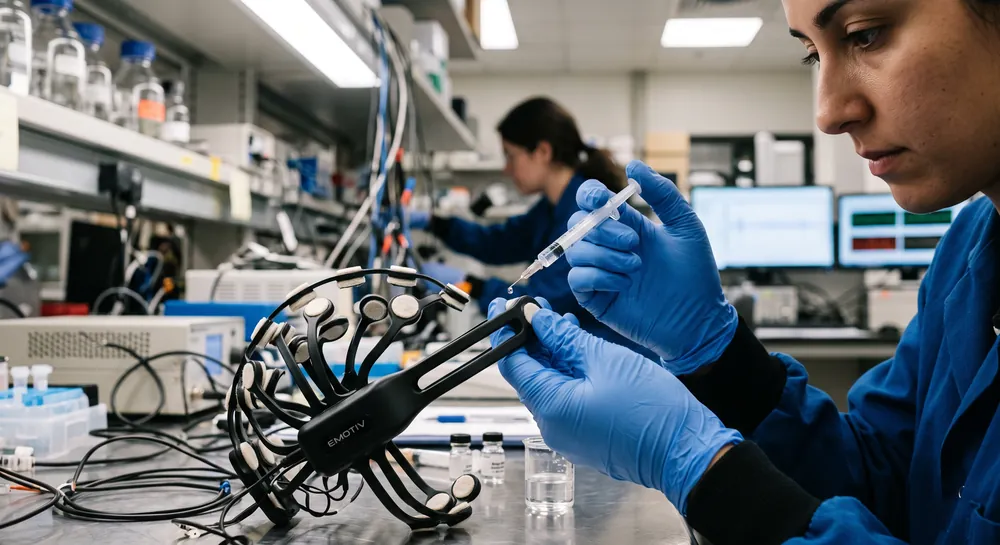
In research settings, electroencephalography (EEG) provides a vital window into the physiological disruptions caused by repetitive head trauma, offering objective data that supplements clinical observations.
One of the primary indicators of injury detected via EEG is the slowing of brainwave activity, particularly a shift from higher-frequency alpha and beta waves toward lower-frequency delta and theta waves. This cortical slowing serves as a marker of reduced neural processing speed and altered arousal states following impact.
Additionally, EEG allows researchers to quantify disruptions in functional connectivity—the way different brain regions coordinate and communicate through synchronized electrical pulses. When head trauma damages white matter pathways or axonal integrity, this synchronization is often diminished, leading to fragmented network activity. By identifying these abnormal patterns, scientists can better understand the immediate and cumulative effects of sub-concussive hits and traumatic brain injuries.
It is critical to note that while these findings clarify how trauma alters brain function, EEG is currently employed to study the mechanisms of injury rather than to diagnose ALS or predict its onset.
Why Is Finding a Single Cause for Sporadic ALS So Difficult?
The difficulty in identifying a single cause for sporadic ALS stems from several factors. The disease itself is heterogeneous, meaning it can manifest differently and progress at varying rates in different people. This variability makes it hard to find a common thread.
Furthermore, the pathological processes involved are complex and likely involve multiple cellular systems going awry. As noted in research, disturbances in RNA metabolism, protein handling, DNA repair, mitochondrial function, and neuroinflammation are all implicated.
It is probable that ALS arises from a confluence of genetic susceptibility and environmental exposures that collectively overwhelm the motor neuron's ability to function and survive. The exact contribution of each factor, and how they interact, is still a subject of intense investigation.
How Does Understanding ALS Biological Mechanisms Lead to Targeted Therapies?
Despite the challenges, the ongoing research into the mechanisms of ALS is paving the way for new therapeutic strategies to improve overall mental well-being. By understanding how specific genes, proteins, and cellular pathways are affected, researchers can begin to design treatments aimed at correcting these defects.
For instance, drugs that target excitotoxicity, like Rilutek, have shown modest benefits by attempting to reduce the overstimulation of motor neurons by glutamate. Other research is focused on developing therapies that could improve protein clearance, reduce neuroinflammation, or support mitochondrial function.
The goal is to move beyond a one-size-fits-all approach and develop treatments tailored to the specific underlying mechanisms contributing to an individual's ALS. This requires a deep understanding of the disease's multifaceted nature, from its genetic roots to its cellular consequences.
What Is the Future Outlook for ALS Research?
So, we've talked about genes and how they can play a role in ALS, especially in families where it runs. We've also touched on how things can go wrong inside the cells, like with proteins and how they're handled. It's clear that ALS is a complicated puzzle.
While we've learned a lot about specific genes and cellular processes, figuring out exactly how they all connect to cause motor neuron death is still a work in progress. For many people with ALS, the exact cause remains a mystery. This complexity is why finding effective treatments has been so tough.
Researchers are still working hard, looking at everything from genetic factors to environmental influences and how cells function. The hope is that by piecing together all these different parts of the puzzle, we'll eventually get closer to understanding ALS and developing ways to help those affected by it.
References
Balendra, R., & Isaacs, A. M. (2018). C9orf72-mediated ALS and FTD: multiple pathways to disease. Nature Reviews Neurology, 14(9), 544-558. https://doi.org/10.1038/s41582-018-0047-2
Kaur, S. J., McKeown, S. R., & Rashid, S. (2016). Mutant SOD1 mediated pathogenesis of amyotrophic lateral sclerosis. Gene, 577(2), 109-118. https://doi.org/10.1016/j.gene.2015.11.049
Lattante, S., Rouleau, G. A., & Kabashi, E. (2013). TARDBP and FUS mutations associated with amyotrophic lateral sclerosis: summary and update. Human mutation, 34(6), 812-826. https://doi.org/10.1002/humu.22319
Beckers, J., & Van Damme, P. (2025). The role of autophagy in the pathogenesis and treatment of amyotrophic lateral sclerosis (ALS) and frontotemporal dementia (FTD). Autophagy reports, 4(1), 2474796. https://doi.org/10.1080/27694127.2025.2474796
López-Pingarrón, L., Almeida, H., Soria-Aznar, M., Reyes-Gonzales, M. C., Terrón, M. P., & García, J. J. (2023). Role of oxidative stress on the etiology and pathophysiology of amyotrophic lateral sclerosis (ALS) and its relation with the enteric nervous system. Current issues in molecular biology, 45(4), 3315-3332. https://doi.org/10.3390/cimb45040217
Chmiel, J., & Stępień-Słodkowska, M. (2025). Resting-State EEG Oscillations in Amyotrophic Lateral Sclerosis (ALS): Toward Mechanistic Insights and Clinical Markers. Journal of Clinical Medicine, 14(2), 545. https://doi.org/10.3390/jcm14020545
Frequently Asked Questions
Is ALS always inherited?
No, not always. While some cases of ALS are passed down through families, called familial ALS, most cases happen by chance without any family history. These are called sporadic ALS. Even in familial cases, only about half of them have a known gene change that causes the disease.
What are the main genes linked to ALS?
Several genes are known to play a role in ALS. The C9orf72 gene is a common culprit in familial ALS. Others include SOD1, TARDBP, and FUS. These genes are important for keeping motor neurons healthy and working correctly.
How do gene changes cause ALS?
When these genes have changes, or mutations, they can cause problems in motor neurons. It's not always clear exactly how, but these changes can lead to proteins building up, nerve cells not getting what they need to survive, or other cell problems that eventually cause the motor neurons to die.
What happens inside a motor neuron when someone has ALS?
Inside motor neurons, things can go wrong in several ways. Proteins might clump together, like a traffic jam. The cell's 'trash disposal' system, which cleans out waste, might not work well. The cell's 'power plants,' called mitochondria, might not produce enough energy. Also, harmful molecules called 'free radicals' can build up and cause damage.
What is autophagy and how does it relate to ALS?
Autophagy is like a self-cleaning process for cells. It helps get rid of old or damaged parts of the cell. In ALS, this cleaning process might not work as well, leading to a buildup of waste and damaged materials inside the motor neurons, which can harm them.
What is oxidative stress?
Oxidative stress happens when there's an imbalance between harmful molecules called 'free radicals' and the body's ability to fight them off. These free radicals can damage important parts of your cells, like proteins and DNA. In ALS, oxidative stress might be one of the things that starts the damage to motor neurons.
How does the immune system play a role in ALS?
The immune system in the brain and spinal cord, using cells called microglia, can become overactive in ALS. While the immune system usually helps repair damage, in ALS, it might actually contribute to the inflammation and damage to motor neurons, making the situation worse.
What is glutamate excitotoxicity?
Glutamate is a chemical messenger that helps nerve cells talk to each other. In ALS, there can be too much glutamate around the motor neurons. This 'overload' can make the nerve cells too excited, like shouting constantly, which can eventually damage and kill them.
Why is it so hard to find a single cause for ALS?
ALS is a very complex disease. Many different genes can be involved, and many different things can go wrong inside the cells. Plus, people are different, so what causes ALS in one person might not be the same in another. This complexity makes it challenging to pinpoint one single cause and develop treatments that work for everyone.
Emotiv is a neurotechnology leader helping advance neuroscience research through accessible EEG and brain data tools.
Medical Disclaimer: The information provided on this website is for educational and informational purposes only and is not intended as medical or health advice. This content may contain errors and should not be relied upon to make life-altering health, medical, or lifestyle choices. Always seek the advice of your physician or other qualified health provider with any questions you may have regarding a medical condition or treatment.
Christian Burgos