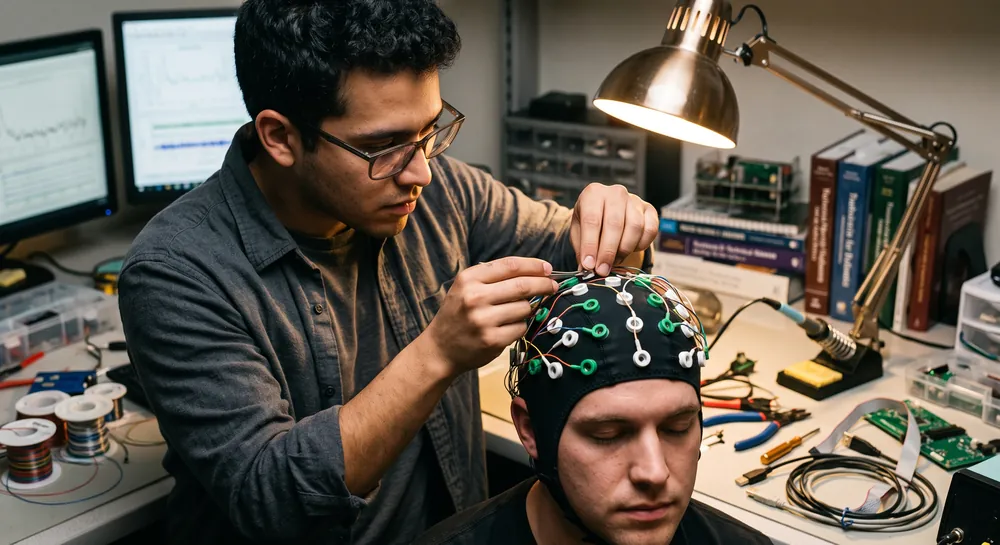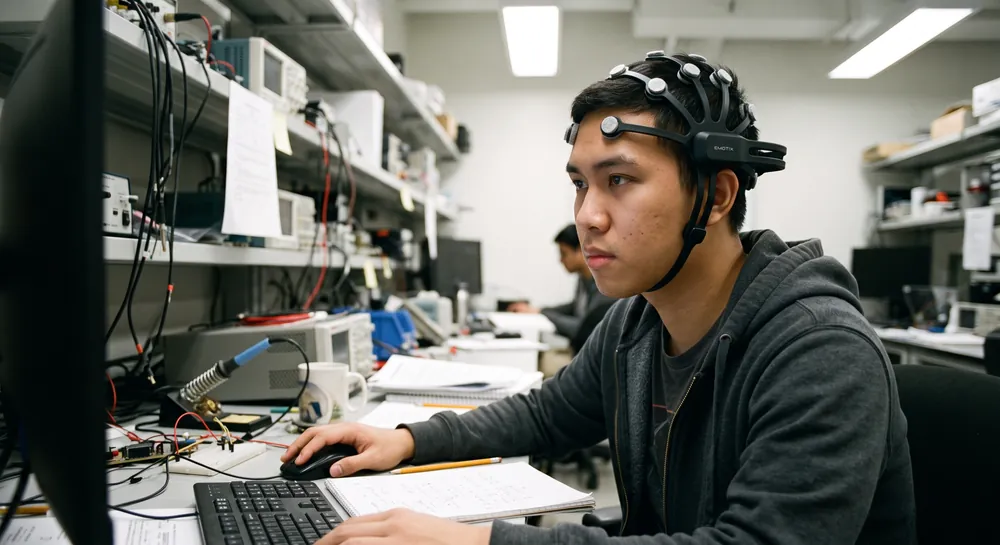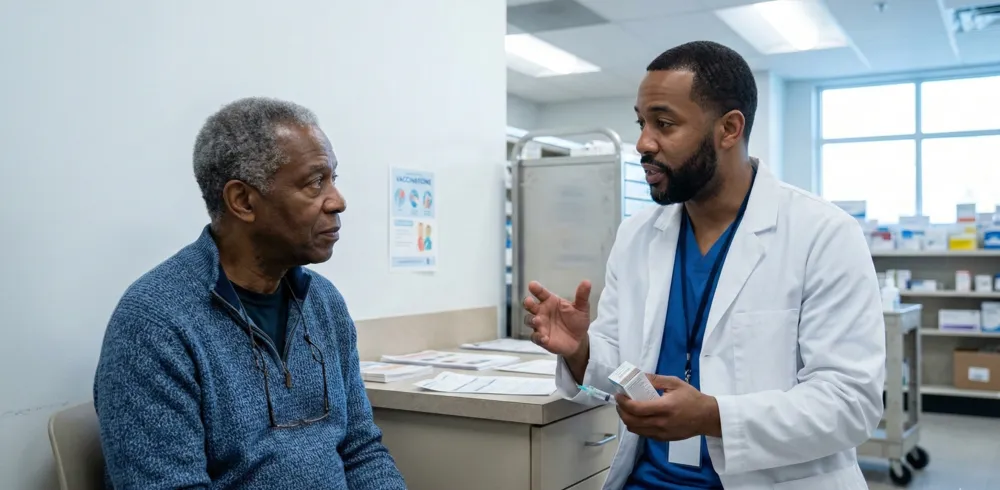
It feels like every other day, there's news about memory loss and the search for better treatments. For a long time, it seemed like we were just managing symptoms, but things are really starting to shift. Researchers are looking at the problem in new ways, from understanding the brain better to trying out totally different kinds of therapies. It's a complex area, but there's a lot of hope on the horizon for improved memory loss treatment.
The Future of Memory Loss Treatment: What’s on the Horizon?
The landscape of memory loss treatment is shifting, moving beyond simply managing symptoms to actively modifying the underlying disease processes.
For years, the focus has largely been on clearing amyloid plaques, a hallmark of Alzheimer's disease. While the first generation of drugs targeting amyloid has shown some success in slowing cognitive decline, they don't reverse the damage or cure the disease. This has prompted a broader neuroscientific inquiry into other contributing factors and more effective therapeutic strategies.
Moving Beyond Symptom Management to Disease Modification
Current treatments for conditions like Alzheimer's disease primarily aim to alleviate symptoms. However, the future of memory loss treatment is increasingly centered on disease modification. This involves developing therapies that can halt or even reverse the biological processes that lead to cognitive decline.
Researchers are exploring ways to target not only amyloid but also other problematic proteins like tau, as well as addressing inflammation and supporting synaptic health – the connections between brain cells that are vital for memory and cognition.
The goal is to intervene earlier and more effectively, potentially preventing the significant brain alterations that occur as diseases progress.
The Importance of Early Detection in Future Therapies
As new, disease-modifying treatments emerge, the ability to detect memory loss and related conditions at their earliest stages becomes paramount.
Advances in diagnostic tools, including sophisticated imaging techniques and increasingly accessible blood tests, are making it possible to identify biological markers of disease years before significant symptoms appear. This early detection is critical because many future therapies are expected to be most effective when initiated before substantial neuronal damage has occurred.
Identifying patients at high risk or in the very early stages of a condition will allow for timely intervention, maximizing the potential benefits of emerging treatments.
How to Understand and Evaluate Clinical Trial Information
Navigating the world of clinical trials can be complex, but understanding the process is key to appreciating the progress in memory loss treatment. Clinical trials are research studies involving people that are designed to test new medical approaches, such as drugs, vaccines, or devices. They typically progress through several phases, each with a different objective:
Phase 1: Tests a new treatment in a small group of people for safety and dosage.
Phase 2: Evaluates the effectiveness of the treatment and further assesses safety in a larger group.
Phase 3: Compares the new treatment to standard treatments or a placebo in a large group to confirm effectiveness, monitor side effects, and collect information that will allow the new treatment to be used safely.
Phase 4: Occurs after the treatment has been approved and marketed, collecting additional information about its risks, benefits, and optimal use.
When evaluating information about clinical trials, it is important to consider the study design, the number of participants, the specific outcomes being measured, and the reported results. Reliable sources of information include reputable medical institutions, government health organizations, and peer-reviewed scientific journals.
Emerging Pharmaceutical and Biologic Approaches
Beyond Amyloid: Targeting Tau, Inflammation, and Synaptic Health
The first generation of drugs approved to treat Alzheimer's disease, like lecanemab and donanemab, work by clearing amyloid plaques from the brain. These are protein clumps that build up and are thought to contribute to the disease.
While these medications have shown they can slow cognitive decline by a modest amount, they don't stop or reverse the disease. They also come with potential side effects, such as brain swelling or bleeding, and are generally recommended for people in the early stages of the disease. People carrying a specific gene variant, APOE e4, may have a higher risk of these serious side effects, making genetic testing important before starting treatment.
But amyloid is just one piece of the puzzle. Scientists are now looking at other targets:
Tau protein: Another protein, tau, forms tangles inside brain cells. These tangles are also a hallmark of Alzheimer's. Researchers are developing drugs to prevent tau from forming these tangles or to clear them once they've formed.
Inflammation: The brain's immune cells, called microglia, can become overactive and cause harmful inflammation. Understanding how to regulate these cells is a key area of research.
Synaptic health: Synapses are the connections between brain cells that are vital for memory and thinking. Protecting and repairing these connections is another therapeutic goal.
The future likely involves combination therapies, using drugs that target multiple aspects of the disease simultaneously. This approach is similar to how other complex diseases, like HIV, have moved from being a dire diagnosis to a manageable chronic condition.
Small Molecule Drugs and Their Potential Advantages
While many of the newer biologic treatments are large molecules, like antibodies, there's also significant interest in small-molecule drugs. These are much simpler chemical compounds. Their potential advantages include:
Easier administration: Small molecules can often be taken orally (as pills), which is more convenient than intravenous infusions.
Better brain penetration: Their smaller size may allow them to cross the blood-brain barrier more easily, reaching targets within the brain more effectively.
Cost-effectiveness: Manufacturing small molecules can sometimes be less expensive than producing complex biologics.
Researchers are exploring small molecules that can target specific enzymes or pathways involved in the disease process, aiming for more precise and potentially safer interventions.
Repurposing Drugs: Can Medications for Other Conditions Help?
Another promising avenue is repurposing existing drugs – finding new uses for medications already approved for other conditions. This approach can significantly speed up the development process because the safety and basic pharmacology of these drugs are already well-understood.
For example, drugs used to treat diabetes, high cholesterol, or even certain types of cancer are being investigated for their potential benefits in neurodegenerative diseases. The idea is that some of these medications might have beneficial effects on brain health, such as reducing inflammation, improving blood flow, or protecting nerve cells, that were not their primary intended purpose.
This strategy offers a faster track to potential new treatments by building on existing knowledge and safety data.
Neurostimulation and Brain-Computer Interfaces
Beyond medications, scientists are exploring ways to directly influence brain activity to help with memory loss. This involves using electrical or magnetic signals, or even connecting the brain to computers.
Deep Brain Stimulation (DBS) for Memory Circuits
Deep Brain Stimulation, or DBS, is a technique that has been used for conditions like Parkinson's disease. It involves surgically implanting small electrodes in specific areas of the brain. These electrodes then send electrical pulses to regulate abnormal brain activity.
For memory loss, researchers are investigating if DBS can be used to stimulate circuits involved in memory formation and recall. The idea is to correct faulty signaling that might be contributing to memory problems.
This approach is still largely experimental for memory disorders, with ongoing studies to determine the best targets and stimulation patterns.
Transcranial Magnetic Stimulation (TMS) and Its Non-Invasive Approach
Transcranial Magnetic Stimulation, or TMS, offers a non-invasive alternative. It uses magnetic fields to stimulate nerve cells in the brain. A device is placed near the scalp, and magnetic pulses are delivered to specific brain regions.
TMS has shown promise in treating depression, and its application for memory enhancement is being explored. By targeting areas like the prefrontal cortex, which plays a role in working memory, TMS aims to improve cognitive function without surgery. The intensity and frequency of the magnetic pulses are carefully controlled to achieve the desired effect.
Focused Ultrasound to Open the Blood-Brain Barrier for Drug Delivery
Focused ultrasound is another innovative technique being studied. It uses sound waves to create temporary openings in the blood-brain barrier. This barrier normally protects the brain but can also prevent medications from reaching it effectively. By using focused ultrasound, researchers can create small, temporary gaps in this barrier, allowing drugs designed to treat memory loss to enter the brain more easily.
This method could make existing or new drug therapies more effective by improving their delivery to the affected brain areas. Studies are looking at how to precisely control the ultrasound to ensure safety and effectiveness.
Cellular, Genetic, and Immune-Based Therapies
The Potential of Stem Cell Therapy for Neural Repair
Stem cell therapy is an area of active research for memory loss conditions. The idea is to use specialized cells, like stem cells, to replace or repair damaged brain cells. These therapies aim to regenerate neural tissue and restore lost function.
While still largely experimental, early studies are exploring how stem cells might be guided to develop into specific types of brain cells that are lost in diseases like Alzheimer's. The hope is that these new cells could integrate into existing brain networks and improve cognitive abilities.
Neuroscientists are also looking into how stem cells might help reduce inflammation or provide protective factors to the brain.
Gene Therapy to Correct Genetic Risk Factors like APOE4
Gene therapy approaches are being investigated to address genetic predispositions. One strategy involves using gene editing tools, like CRISPR, to modify specific genes within brain cells.
The goal is to correct or compensate for genetic errors that contribute to disease development. This could involve altering the expression of risk genes or introducing protective genes. The development of safe and effective gene delivery methods to the brain remains a key challenge in this field.
Developing Vaccines to Prevent Alzheimer’s Disease
Preventative strategies are also on the horizon, with a particular focus on developing vaccines. Similar to how vaccines protect against infectious diseases, researchers are exploring ways to train the immune system to target and clear the abnormal proteins that accumulate in the brain during conditions like Alzheimer's. This includes developing vaccines that prompt the immune system to attack amyloid plaques or tau tangles.
While the concept is promising, significant hurdles remain, including ensuring the vaccine elicits the right immune response without causing harmful side effects, such as brain inflammation. Clinical trials are underway to assess the safety and efficacy of these novel vaccine candidates.
The Role of Advanced Diagnostics and Personalized Medicine
AI and Machine Learning in Diagnosis and Treatment
Figuring out what's causing memory loss has always been tricky. Doctors have relied on a mix of talking to patients, memory tests, and sometimes brain scans.
But what if we could get a clearer picture, much earlier? That's where advanced diagnostics, especially those powered by artificial intelligence (AI) and machine learning (ML), are starting to make a big difference.
These tools can look at vast amounts of data – think brain scans, genetic information, and even subtle changes in how someone speaks or moves – to spot patterns that might be missed by the human eye.
The goal is to move from treating symptoms to understanding the root cause of memory problems and tailoring treatments to each patient. Here's how AI and ML are changing the game:
Earlier and More Accurate Diagnosis: AI algorithms can analyze MRI or PET scans with incredible speed and precision, identifying early signs of disease that might not be obvious on a standard review. They can also sift through genetic data to identify risk factors, like specific versions of the APOE gene, which can influence a person's likelihood of developing certain memory conditions.
Predicting Disease Progression: By learning from data from thousands of patients, ML models can help predict how a memory-related disease might progress in a specific individual. This allows doctors and patients to plan better for the future.
Personalized Treatment Plans: Once a diagnosis is made and the likely course of the disease is understood, AI can help match patients with the most suitable treatments. This could involve selecting specific drugs, suggesting lifestyle changes, or even recommending participation in particular clinical trials based on a person's unique biological profile.
Drug Discovery and Development: AI is also speeding up the process of finding new treatments. It can analyze complex biological data to identify potential drug targets and even predict which existing drugs might be repurposed for memory loss conditions.
For example, researchers are using ML to analyze speech patterns. Subtle changes in word choice, sentence structure, or pauses can be indicators of cognitive decline long before significant memory loss is apparent. Similarly, AI can process data from wearable sensors to track changes in sleep, activity levels, and even gait, all of which can be early warning signs.
This shift towards personalized medicine, guided by advanced diagnostics, holds the promise of more effective interventions and better outcomes for individuals facing memory loss. It's about understanding the unique biological fingerprint of each person's condition to guide the most appropriate path forward.
The Future of Targeted Neurodegenerative Therapeutics
While current treatments for Alzheimer's and related dementias focus on managing symptoms or clearing protein buildup like amyloid, they don't reverse the damage already done. However, promising research is underway.
Scientists are exploring new compounds that could boost brain signals to restore cognitive function, much like a recent study showed in mice. Other work uses advanced tools like CRISPR to understand the complex genetic factors behind these diseases, aiming to develop therapies that target the root causes.
The idea of combining different treatments, perhaps targeting both amyloid and tau proteins, is also gaining traction. It's a complex puzzle, but with ongoing research into new drugs, gene editing, and even lifestyle interventions that can reduce risk, the future holds more hope for not just slowing down memory loss, but potentially restoring what's been lost.
References
Bucur, M., & Papagno, C. (2023). Deep brain stimulation in Parkinson disease: a meta-analysis of the long-term neuropsychological outcomes. Neuropsychology review, 33(2), 307-346. https://doi.org/10.1007/s11065-022-09540-9
Phipps, C. J., Murman, D. L., & Warren, D. E. (2021). Stimulating memory: reviewing interventions using repetitive transcranial magnetic stimulation to enhance or restore memory abilities. Brain Sciences, 11(10), 1283. https://doi.org/10.3390/brainsci11101283
Kong, C., Ahn, J. W., Kim, S., Park, J. Y., Na, Y. C., Chang, J. W., ... & Chang, W. S. (2023). Long-lasting restoration of memory function and hippocampal synaptic plasticity by focused ultrasound in Alzheimer's disease. Brain Stimulation, 16(3), 857-866. https://doi.org/10.1016/j.brs.2023.05.014
Liu, X. Y., Yang, L. P., & Zhao, L. (2020). Stem cell therapy for Alzheimer's disease. World journal of stem cells, 12(8), 787–802. https://doi.org/10.4252/wjsc.v12.i8.787
Rosenberg, J. B., Kaplitt, M. G., De, B. P., Chen, A., Flagiello, T., Salami, C., ... & Crystal, R. G. (2018). AAVrh. 10-mediated APOE2 central nervous system gene therapy for APOE4-associated Alzheimer's disease. Human Gene Therapy Clinical Development, 29(1), 24-47. https://doi.org/10.1089/humc.2017.231
Lehrer, S., & Rheinstein, P. H. (2022). Vaccination Reduces Risk of Alzheimer's Disease, Parkinson's Disease and Other Neurodegenerative Disorders. Discovery medicine, 34(172), 97–101.
Thakur, A., Bogati, S., & Pandey, S. (2023). Attempts to Develop Vaccines Against Alzheimer's Disease: A Systematic Review of Ongoing and Completed Vaccination Trials in Humans. Cureus, 15(6), e40138. https://doi.org/10.7759/cureus.40138
Frequently Asked Questions
What are the newest ways doctors are trying to treat memory loss?
Scientists are working on new treatments that go beyond just helping with symptoms. They're looking for ways to actually fix the problems in the brain that cause memory loss, like clearing out harmful proteins or reducing swelling. Some new ideas involve using special drugs, electrical stimulation to the brain, or even using your own body's cells to repair damage.
Why is finding memory loss early so important for future treatments?
Finding memory loss early is like catching a problem before it gets too big. When doctors can identify memory loss in its beginning stages, they have a better chance of stopping or slowing down the damage. This means new treatments might work much better if they can be used before the brain is too badly affected.
How are scientists trying to make drugs that target more than just amyloid plaques?
For a long time, research focused on amyloid plaques, which are sticky clumps in the brain. But scientists now know that other things, like tau tangles (another protein buildup), inflammation (swelling in the brain), and problems with how brain cells talk to each other, also play a big role. New drugs are being developed to tackle these other issues, often working together with drugs that target amyloid.
What's special about small-molecule drugs for memory loss?
Small-molecule drugs are like tiny keys that can unlock specific targets in the brain. They can often be taken by mouth, making them easier to use. Scientists are designing these drugs to be very precise, aiming to fix specific problems in brain cells without causing too many side effects.
Can medicines used for other health problems help with memory loss?
Yes, sometimes! This is called 'repurposing' drugs. Scientists are testing medicines that are already approved for conditions like diabetes or epilepsy to see if they can also help with memory loss. It's a faster way to find potential treatments because we already know a lot about how these drugs work and if they are safe.
How might deep brain stimulation (DBS) help with memory problems?
Deep brain stimulation involves placing tiny electrodes in specific parts of the brain. These electrodes send electrical signals that can help regulate the brain's activity. For memory loss, DBS is being explored to help improve the function of brain circuits that are important for remembering things.
What is transcranial magnetic stimulation (TMS) and how could it help?
Transcranial magnetic stimulation, or TMS, uses magnetic fields to stimulate nerve cells in the brain. It's a non-invasive method, meaning it doesn't require surgery. By targeting specific brain areas involved in memory, TMS might help improve cognitive function in people with memory loss.
How can focused ultrasound be used to treat memory loss?
Focused ultrasound is a technology that uses sound waves to create heat or pressure in a very specific spot. One exciting use is to temporarily open the blood-brain barrier, which is a protective shield around the brain. This allows drugs that normally can't get into the brain to reach their target more effectively.
What is stem cell therapy and how might it help repair the brain?
Stem cells are special cells that can turn into many different types of cells in the body. In stem cell therapy for memory loss, doctors hope to use these cells to replace damaged brain cells or to help the brain heal itself. It's a promising area for repairing the damage caused by diseases like Alzheimer's.
How could gene therapy help people at risk for memory loss?
Gene therapy aims to fix or replace faulty genes that increase the risk of memory loss, like a specific version of the APOE gene (APOE4). By changing the genetic code, scientists hope to lower a person's risk or even prevent the disease from developing in the first place.
Are there vaccines being developed to prevent Alzheimer's disease?
Yes, researchers are working on vaccines that could help the body's immune system fight against the changes in the brain that cause Alzheimer's disease. The idea is to train the immune system to clear out harmful proteins like amyloid or tau before they can cause significant damage.
How is artificial intelligence (AI) helping with memory loss diagnosis and treatment?
AI and machine learning are becoming powerful tools. They can analyze large amounts of medical data, like brain scans and patient histories, much faster than humans. This helps doctors spot signs of memory loss earlier, identify the specific cause, and even predict which treatments might work best for each individual patient.
Emotiv is a neurotechnology leader helping advance neuroscience research through accessible EEG and brain data tools.
Medical Disclaimer: The information provided on this website is for educational and informational purposes only and is not intended as medical or health advice. This content may contain errors and should not be relied upon to make life-altering health, medical, or lifestyle choices. Always seek the advice of your physician or other qualified health provider with any questions you may have regarding a medical condition or treatment.
Christian Burgos