Using EEG in Market Research: A Beginner's Guide

Heidi Duran

14 जन॰ 2026

साझा करें:

Surveys and focus groups can only tell you so much. They capture what people say they feel, but often, our most important decisions are driven by unconscious emotions and split-second reactions we can't even articulate. This is where using EEG in market research provides a huge advantage. It offers a direct look at brain activity, allowing you to measure engagement, attention, and emotional responses as they happen. Instead of asking if an ad was effective, you can see the precise moments that captured a viewer's interest. This article will walk you through how this technology works and how you can apply it.


View Products

Key Takeaways

  • Go Beyond Surveys to See Unfiltered Reactions: EEG measures the brain's immediate, subconscious responses to your marketing, giving you objective data on what truly captures attention and emotion, rather than relying on what consumers say they feel.

  • Good Data Starts with a Good Plan: To get reliable results, you need to design a focused study, create a controlled and distraction-free environment, and choose the right EEG device for your specific research questions.

  • Combine Methods and Prioritize Ethics: EEG is most powerful when paired with traditional methods like interviews to get the full picture. No matter your approach, always put participant rights first by ensuring informed consent and protecting their data.

What is EEG and How Does It Apply to Market Research?

If you’ve ever wished you could understand what consumers really think about your products, ads, or brand, you’re not alone. Traditional market research methods like surveys and focus groups are valuable, but they rely on what people are willing or able to tell you. Electroencephalography (EEG) offers a way to get deeper insights by measuring brain activity directly. It helps you move beyond what people say to understand the subconscious drivers behind their choices.

For market researchers, this means you can gather objective data on emotional engagement, attention, and memory in response to your marketing materials. It’s a powerful tool for understanding the “why” behind consumer behavior, giving you a more complete picture of how your audience perceives your brand.

Understand the Science of EEG

So, what exactly is EEG? Electroencephalography is a non-invasive technique that measures the brain's electrical signals. It works by placing sensors on the scalp to detect the tiny electrical currents that brain cells use to communicate. Think of it as listening in on the brain's activity without ever going inside the body.

This technology has been a staple in clinical and laboratory settings for decades, but it used to require bulky, expensive equipment. Now, with portable devices like our Epoc X headset, researchers can conduct studies in more natural environments. This accessibility makes it easier than ever to integrate neuroscience into your market research toolkit.

Measure Brain Activity in Real Time

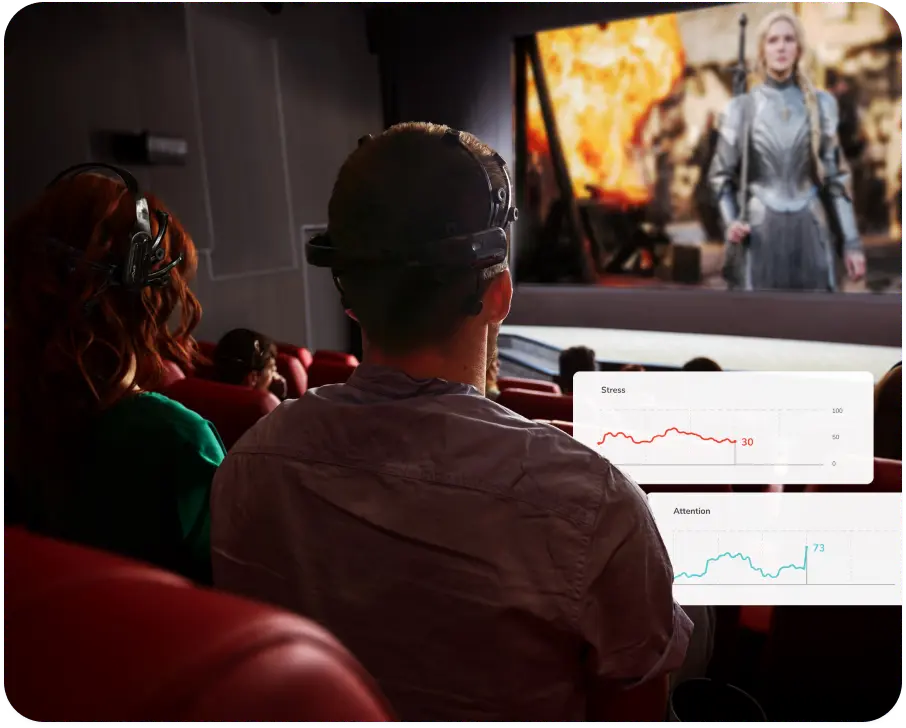
One of the biggest advantages of EEG is its ability to provide real-time information about brain activity. As a participant views an ad, interacts with a website, or tries a product, you can see their brain’s response second by second. This high temporal resolution is perfect for pinpointing the exact moments that capture attention or trigger an emotional reaction.

EEG measures brainwave activity, which can reveal responses to specific events or shifts in mental states like focus or relaxation. For a neuromarketing study, this means you can identify which part of a commercial is most engaging or which website layout is causing confusion, all based on direct neural feedback.

Compare EEG with Traditional Research Methods

Traditional methods like surveys and eye-tracking are great for understanding what consumers say they feel or where they look. However, they can’t always explain the subconscious reactions that drive behavior. A person might not even be aware of their fleeting emotional response to a brand logo, or they might not want to admit that an ad confused them.

This is where EEG shines. While other methods show what a consumer does, EEG helps you understand why they do it by revealing brain activity associated with emotion, memory, and cognitive load. By combining EEG with traditional approaches, you can validate self-reported feelings with objective neural data, creating a much richer and more reliable understanding of the consumer experience.

Why Use EEG to Study Consumer Behavior?

Traditional market research methods like surveys and focus groups are valuable, but they have a fundamental limitation: they rely on people accurately reporting their own thoughts and feelings. The truth is, we often don't know why we make the choices we do. Many of our purchasing decisions are driven by unconscious biases, fleeting emotions, and gut reactions that we can't easily articulate. This is where EEG comes in. It offers a direct look at brain activity, allowing you to understand consumer responses as they happen.

By measuring the electrical signals in the brain, you can move beyond what people say and get closer to what they actually feel and think. This approach, often called consumer neuroscience or neuromarketing, provides a layer of objective data that can validate, challenge, or enrich the findings from traditional research. It helps answer the "why" behind consumer behavior, revealing the non-conscious drivers that truly influence brand perception, ad effectiveness, and product appeal. Instead of guessing what captures attention or triggers an emotional connection, you can measure it directly.

Capture Unconscious Consumer Responses

Think about the last time you were in a grocery store. Why did you pick one brand of pasta sauce over another? You might say it was the price or the ingredients, but your choice was likely influenced by dozens of unconscious factors, from the color of the label to a half-forgotten childhood memory. EEG helps you tap into these automatic reactions. It provides real-time information about brain activity, letting you measure cognitive and emotional responses like attention, memory encoding, and emotional valence. This gives you a more complete picture of how consumers truly react to marketing stimuli in the moment.

Measure Emotional Engagement Without Surveys

Asking someone how an advertisement made them feel often yields vague or socially desirable answers. EEG, on the other hand, doesn't ask—it measures. It captures the intensity and nature of an emotional response without relying on a person's ability to self-report. This method allows you to draw firmer interpretations of consumer reactions, providing insights into why certain responses occur. By analyzing brainwave patterns associated with engagement, excitement, or stress, you can get a much clearer and more authentic read on consumer feelings. This is incredibly powerful for testing the emotional impact of an ad campaign or the user experience of a new product.

Access Objective Data on Consumer Preferences

When you're deciding between two package designs or a few different ad concepts, focus groups can turn into a debate over subjective opinions. EEG provides objective data to guide your decision. It can reveal which product features truly resonate with consumers by analyzing their brain activity. For example, specific brainwave frequencies can even help predict a consumer's willingness to pay for a product, offering hard data on perceived value. This allows you to A/B test creative assets and identify which versions generate the most attention, positive emotion, and memory retention, all backed by quantifiable neural metrics.

What Can EEG Reveal About Consumer Behavior?

Ever wonder what a customer is really thinking when they see your product? While surveys and focus groups rely on what people say, EEG gives you a direct look at their brain's unfiltered reactions. It measures the tiny electrical signals our brains produce, offering a window into the subconscious drivers of choice and preference. This is a game-changer for neuromarketing, as it helps you understand consumer behavior on a much deeper level.

Instead of asking someone if they liked an ad, you can see their brain's engagement levels second by second. You can identify the exact moment a customer feels excitement, confusion, or frustration when interacting with your website or product packaging. This kind of objective data is incredibly powerful because it captures the fleeting, unconscious responses that shape a person's ultimate decision to buy. By measuring brain activity in real time, you can move beyond guesswork and start making data-driven decisions about your marketing, branding, and product design. It allows you to test creative concepts, optimize user experiences, and build stronger brand connections based on genuine emotional and cognitive feedback. This approach helps you answer critical business questions like, "Is our new logo resonating with our target audience?" or "Which version of this commercial is more compelling?"

Pinpoint Emotional Reactions to Ads

An advertisement can make or break a campaign, but knowing which parts work is often a mystery. EEG helps solve this by pinpointing a viewer's emotional journey. As someone watches a commercial, you can see which scenes, characters, or musical cues trigger positive engagement and which ones cause their attention to drift. Research shows that EEG can even help predict an ad's real-world performance by revealing which messages are the most memorable. You can distinguish between reactions to rational information, like product features, and emotional appeals, like a heartwarming story, allowing you to fine-tune your creative for maximum impact.

Uncover Brand Associations and Memory Triggers

Your brand is more than just a logo; it’s a collection of feelings, memories, and associations in the consumer's mind. Many of these connections are subconscious. EEG can uncover these hidden brand associations that people might not be able to articulate in a survey. For example, you can measure how specific branding elements—like a color, sound, or slogan—trigger emotional memories and influence preference. This insight is invaluable for understanding your brand's true equity and ensuring your messaging resonates on a deep, emotional level, which is a key factor in building lasting brand loyalty.

Analyze Decision-Making and Attention Patterns

The path to purchase is often complex and happens in a split second. Because EEG measures brain activity in milliseconds, it’s perfect for analyzing the rapid cognitive processes behind consumer choices. You can see how much mental effort (cognitive load) a customer exerts when comparing products or how their attention shifts across a webpage. This helps you identify points of friction in the user experience that might lead to abandoned carts or confusion. By understanding these attention and decision-making patterns, you can optimize everything from store layouts and packaging design to website navigation, creating a smoother and more intuitive journey for your customers.

Find the Right EEG Device for Your Research

Choosing the right EEG device is a critical first step in your market research journey. The best tool for the job really depends on what you want to discover. Are you looking for broad emotional responses, or do you need a granular map of brain activity? Your budget and the environment where you plan to conduct your study also play a big role. Let's walk through the main types of EEG systems so you can find the perfect fit for your research goals.

2-Channel EEG for Foundational Studies

If you're just starting out or your study focuses on foundational questions, a 2-channel EEG system is an excellent choice. These devices are typically more affordable and much easier to set up, making them perfect for initial explorations into consumer responses. Think of them as a great way to measure overall engagement or valence (positive vs. negative feeling) without getting overwhelmed by complex data. Our MN8 earbuds, for example, offer a simple way to gather key insights for neuromarketing studies, providing a solid starting point for understanding your audience on a deeper level.

Multi-Channel EEG for In-Depth Analysis

When your research questions demand a more detailed look at brain activity, a multi-channel EEG system is the way to go. With more sensors placed across the scalp, these devices provide a comprehensive view of what’s happening in different brain regions simultaneously. This is especially useful for analyzing complex reactions to dynamic content like video ads or interactive product demos. A multi-channel headset like our Epoc X can help you pinpoint specific moments of attention, cognitive load, or emotional engagement, giving you a much richer dataset to work with for in-depth analysis.

Choose Between Portable and Lab-Grade Setups

You also need to decide where your research will take place. Traditional lab-grade setups offer incredible precision by controlling the environment, which is crucial for studies that require minimizing outside interference. However, portable EEG devices give you the flexibility to gather data in more naturalistic settings, like a mock retail store or a participant's home. This can lead to more authentic behavioral insights. Our headsets are designed to bridge this gap, offering research-grade data acquisition in a portable form. This allows you to conduct high-quality academic research or consumer studies without being tied to a lab.

How to Conduct an EEG Market Study

Running a successful EEG study is more than just putting a headset on someone. The quality of your insights depends entirely on how you design, execute, and analyze your research. A well-structured approach ensures your data is clean, your findings are reliable, and your conclusions are actionable. Think of it as a three-step process: careful planning, precise data collection, and thoughtful interpretation. By focusing on these key stages, you can move from collecting raw brain data to uncovering the real drivers behind consumer behavior.

Design Your Study and Prepare Participants

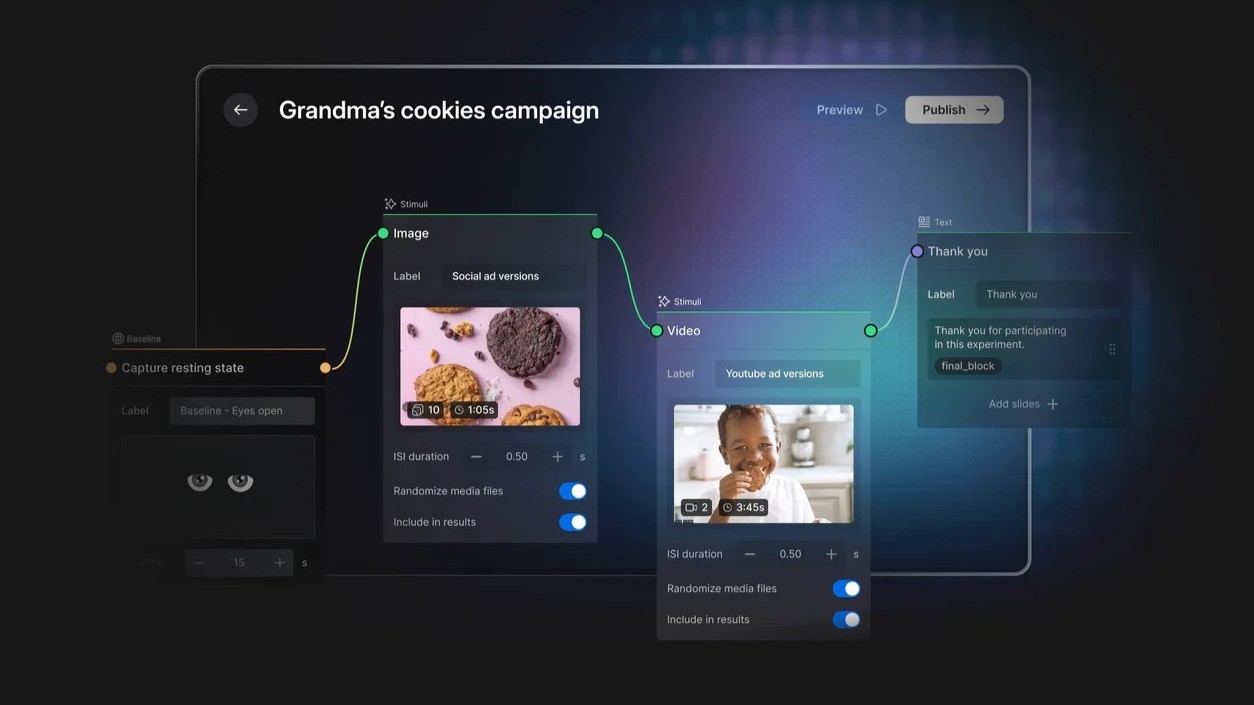
Before you collect a single data point, you need a clear plan. Start by defining your research question. Are you testing the emotional impact of a new commercial or comparing packaging designs? A focused objective will guide every decision you make. Your study design should outline exactly what participants will experience, from the stimuli they see to the timing of each event. This structure is what allows you to draw firm conclusions about why consumers react the way they do. Preparing participants is just as crucial. You’ll need to explain the process, get their informed consent, and make sure they’re comfortable before you begin. This helps ensure they are relaxed and that the data you collect is a genuine reflection of their response to your neuromarketing stimuli.

Follow Data Collection and Environmental Protocols

Consistency is key to collecting high-quality EEG data. Your research should happen in a quiet, controlled setting to minimize outside noise and distractions that could interfere with the results. Electrical interference from other devices, sudden noises, or even excessive movement can create artifacts in your data, making it difficult to analyze. To get the cleanest signal possible, establish a standardized protocol for every session. This includes how you fit the headset, run the experiment, and interact with the participant. Using a reliable device like our Epoc X headset in a stable environment ensures that the brain activity you record is a direct response to your marketing materials, not the room around them.

Learn Analysis and Interpretation Techniques

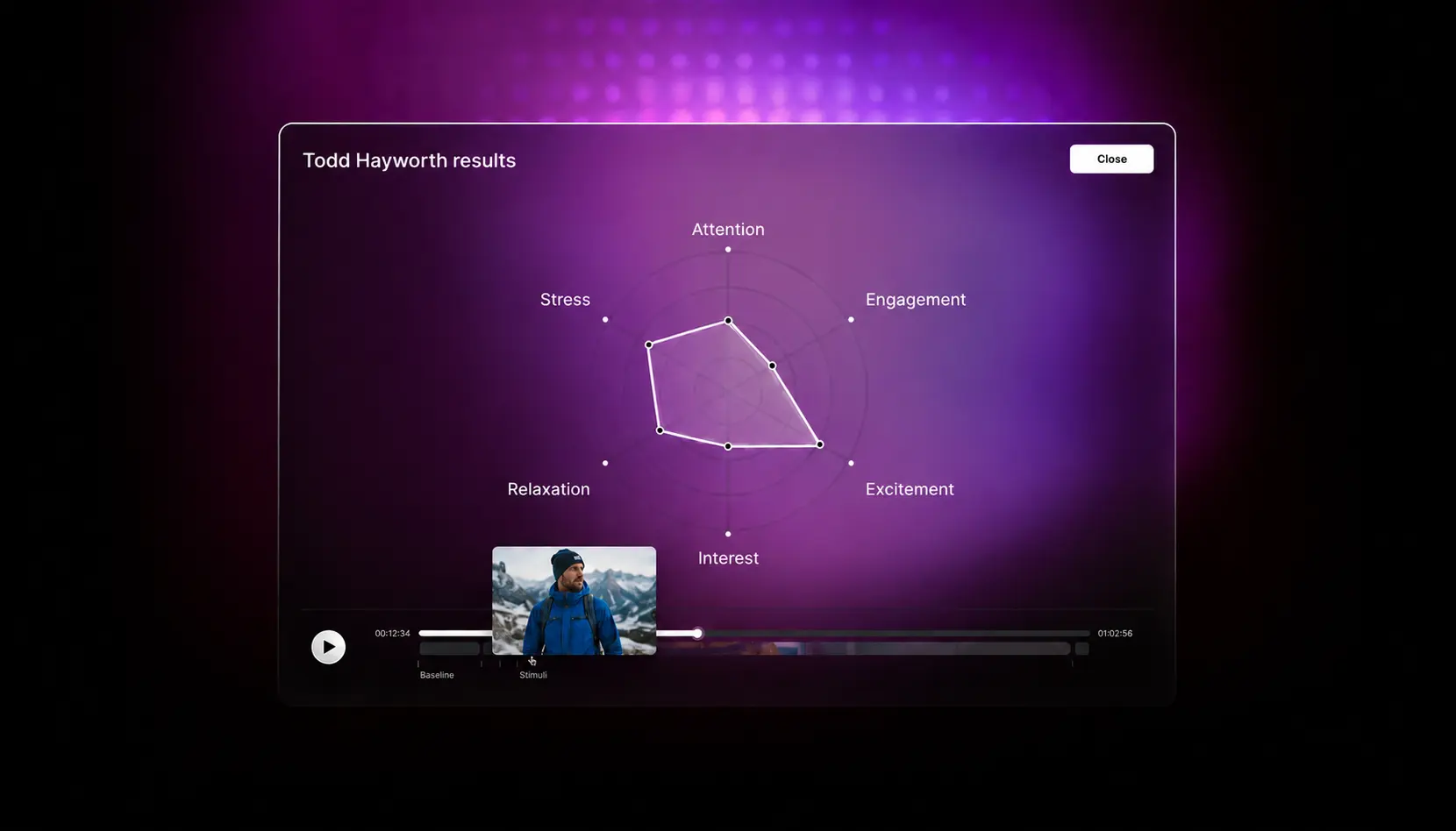
Raw EEG data is a stream of complex electrical signals. To turn it into something useful, it needs to be processed and interpreted by someone who understands what they’re looking at. The first step is cleaning the data to remove any artifacts from things like eye blinks or muscle tension. Our EmotivPRO software is designed to help you with this, allowing you to analyze performance metrics and visualize brain activity in real time. The final, and most important, step is interpretation. This is where you connect the dots between a specific brain response—like a peak in engagement or a moment of frustration—and the marketing stimulus that caused it. This is how you transform data into powerful insights.

Prepare for Common EEG Research Challenges

Jumping into EEG research is exciting, but like any powerful methodology, it comes with its own set of challenges. Being prepared for these hurdles is the key to a successful study. Let's walk through some of the most common ones and how you can plan for them.

Address Technical Limits and Data Complexity

EEG data is incredibly rich, offering a direct window into neural activity. But with great data comes great responsibility—and complexity. The raw output isn't a simple 'like' or 'dislike' metric; it's a stream of complex brainwave data that requires careful processing and interpretation. The real value of neuromarketing comes from understanding these nuanced patterns to see how consumers truly respond to a product or ad. Our software, like EmotivPRO, is designed to help with this heavy lifting, providing tools for data visualization and analysis. Still, it’s important for your team to build a foundational understanding of what the data represents to draw meaningful conclusions from your research.

Control Environmental Factors for Signal Quality

Your EEG data is only as good as your recording environment. Because EEG devices are so sensitive, they can pick up on all sorts of 'noise'—from electrical interference from other devices to a participant's muscle movements. To get the cleanest signal possible, you should conduct your studies in a quiet, controlled setting. This means finding a space away from high-traffic areas and distracting sounds. You'll also want to minimize electrical interference by turning off unnecessary electronics. Simple instructions for participants, like asking them to relax their jaw and limit blinking during key moments, can also make a huge difference in your data quality and reduce artifacts.

Manage Participant Comfort and Study Duration

A comfortable and relaxed participant provides the most reliable data. Before you even place a headset on someone, it's crucial to walk them through the process and get their informed consent. This builds trust and helps them feel at ease. During the study, ensure the headset fits properly—not too tight, not too loose. Also, be mindful of the study's length. Long, draining sessions can lead to participant fatigue, which will naturally alter their brain activity and skew your results. If your study needs to be long, consider building in short breaks to keep your participants fresh and engaged. This is a key part of conducting ethical and effective research.

Plan for Costs and Required Expertise

Let's talk about resources. While EEG technology has become much more accessible, conducting a study still requires an investment in both equipment and expertise. It’s helpful to think of this not as a cost, but as an investment in deeper, more objective consumer insights that traditional methods can't provide. Beyond the hardware, you'll need software and, most importantly, the knowledge to interpret the data. You can either bring in an expert or invest in training for your team. Planning your budget to account for these elements from the start will set you up for success and ensure you can turn your raw data into actionable strategies for your brand.

Uphold Ethical Standards in EEG Research

When you work with brain data, you’re handling some of the most personal information imaginable. This isn't just another data point; it's a window into a person's cognitive and emotional responses. Because of this, upholding the highest ethical standards isn't just a good practice—it's a non-negotiable requirement for any legitimate research. Building trust with your participants starts with a commitment to protecting their rights, their data, and their autonomy. It ensures the integrity of your work and contributes to the responsible advancement of consumer neuroscience. As researchers, we have a collective duty to handle this sensitive information with the care and respect it deserves, ensuring our methods are as sound ethically as they are scientifically.

Prioritize Informed Consent and Participant Rights

Before you place a single sensor on a participant's head, you need their full, informed consent. This is more than just getting a signature on a form. It means clearly explaining every aspect of the study in language anyone can understand. You should cover what the study involves, what you’re trying to learn, any potential risks or benefits, and how you’ll protect their privacy. Most importantly, you must make it clear that their participation is completely voluntary and they have the right to withdraw at any time, for any reason, without penalty. This process establishes a foundation of trust and respect that is essential for any study involving human participants.

Implement Strong Data Privacy and Security

Once you’ve collected EEG data, your responsibility to protect your participants continues. You need robust data privacy and security measures in place from the very beginning. This involves practices like data anonymization, where you remove any personally identifiable information to protect participant identities. You should also ensure all data is stored securely and that you are transparent with participants about how their data will be used, stored, and shared. Following a clear protocol for data management not only fulfills your ethical obligations but also reassures participants that their sensitive information is in safe hands, encouraging more honest and open participation in your research.

Use Consumer Brain Data Responsibly

The insights you can gain from EEG data are powerful, and with that power comes a great deal of responsibility. It’s crucial to consider the ethical implications of your findings. The goal of market research should be to better understand and serve consumers, not to manipulate them. Be mindful of how the insights could be used to exploit cognitive biases or emotional vulnerabilities. Using brain data responsibly means respecting consumer autonomy and ensuring your research contributes to a fair and transparent marketplace. It’s about using neuroscience to build better products and experiences, not to create unfair advantages.

Best Practices for Your EEG Market Research

Once you have the right tools, you need the right approach. Conducting a successful EEG study isn't just about collecting data; it's about collecting good data and knowing what to do with it. Following a few key best practices will ensure your findings are reliable, insightful, and truly representative of consumer responses. Think of these as the foundational pillars of your research strategy. They help you move from simply gathering brainwave activity to uncovering actionable insights that can shape marketing campaigns, product design, and brand strategy. By integrating these practices into your workflow, you set your study up for success from the very beginning.

Combine EEG with Traditional Methods

EEG is an incredibly powerful tool, but it shines brightest when it’s part of a team. It’s best used to add depth to insights you’ve gathered from other research techniques, rather than as a standalone method. For example, a survey can tell you that customers say they like a new advertisement, but EEG can reveal their genuine, unfiltered emotional engagement. By combining EEG with traditional methods like surveys or interviews, you get the full story. This mixed-method approach captures both conscious preferences and unconscious drivers, giving you a much richer and more complete picture.

Work with Experts to Interpret Data

Raw EEG data is complex—it’s a stream of electrical signals that requires a trained eye to understand. That's why expert interpretation is so important. A neuroscientist or data specialist can distinguish meaningful brain activity from environmental noise, ensuring your conclusions are based on solid evidence. While our EmotivPRO software makes data analysis more accessible, collaborating with an expert helps translate those brain patterns into clear, actionable business insights. Their expertise ensures you understand what the data truly means for your brand.

Maintain a Controlled Research Environment

EEG devices are highly sensitive, so your research environment matters. A quiet, controlled setting is ideal for minimizing distractions that could interfere with your results. Background noise, sudden movements, or even blinking can create "artifacts" in the data that might be mistaken for a reaction to your stimulus. While portable headsets like our Epoc X offer flexibility outside a traditional lab, it’s still crucial to keep the environment as consistent and distraction-free as possible for every participant. This ensures your data is clean and reliable.

What's Next for EEG in Consumer Research?

The field of consumer neuroscience is constantly evolving, and EEG technology is at the forefront. As we look ahead, several exciting developments are set to make EEG an even more powerful tool for understanding consumer behavior. These advancements aren't just about new hardware; they're about smarter, more integrated ways of collecting and interpreting brain data. By combining EEG with other cutting-edge technologies and analytical methods, researchers can gain a more complete picture of what truly drives consumer decisions.

Integrate with Virtual and Augmented Reality

The next frontier for consumer research involves stepping into new worlds. By pairing EEG with virtual and augmented reality (VR/AR), you can create incredibly realistic and controlled testing environments. Imagine testing a new store layout in VR or seeing how consumers react to an AR product overlay, all while measuring their brain activity. These immersive environments allow you to capture authentic brain responses to interactive experiences that are difficult to replicate in the real world. This combination moves beyond static images, offering a dynamic way to understand behavior in context.

Apply Advanced Analytics and Machine Learning

Raw EEG data is rich with information, but the real magic happens during analysis. The future lies in applying advanced analytics and machine learning to uncover subtle patterns that traditional methods might miss. Machine learning algorithms can sift through complex brainwave data to better predict consumer preferences and decision-making processes. This approach helps translate brain activity into actionable insights. Our EmotivPRO software is designed to support this kind of in-depth analysis, helping you process and make sense of your data. This level of neuromarketing analysis moves us closer to understanding the 'why' behind consumer choices.

Explore Emerging Trends in Consumer Neuroscience

EEG is powerful on its own, but it's even more insightful when used as part of a bigger picture. A key trend is the integration of multiple research methodologies. By combining EEG with tools like eye-tracking or facial expression analysis, you can build a more complete understanding of a consumer's experience. For example, you can see what a person is looking at while measuring their emotional engagement. This multi-modal approach provides a richer, more holistic view of consumer responses, validating findings across different data streams and leading to more robust conclusions.

How to Get Started with EEG Market Research

Jumping into EEG market research might seem complex, but it's really about taking two key first steps: getting the right equipment and building the right skills. Once you have a solid foundation with your tools and your team, you can start gathering incredible insights into consumer behavior. Let's walk through how to set up your research for success.

Select the Right EEG Hardware and Software

First things first, you need the right tools. EEG, or electroencephalography, is a method for measuring the tiny electrical signals your brain produces in response to stimuli. For market researchers, this means you can get a direct look at how consumers react to an ad, a product, or a brand experience without having to rely solely on what they tell you. This allows you to draw much firmer conclusions about why people have the reactions they do.

Choosing the right hardware and software is crucial. Your needs will depend on the complexity of your study. For some projects, a portable headset might be perfect, while others may require a multi-channel system for more detailed data. Our EmotivPRO software is designed to work with our headsets, giving you a complete solution for data acquisition and analysis in your neuromarketing studies.

Build Your Team's Capabilities and Expertise

Once you have your equipment, the next step is to focus on your team and environment. To get clean, reliable data, you should conduct your studies in a quiet, controlled setting where participants won't be easily distracted. This minimizes "noise" in the EEG signal that isn't related to the stimulus you're testing.

Interpreting raw EEG data also requires a specific skill set. It’s best to have someone on your team, like a neuroscientist or a trained data analyst, who can accurately read the data and understand what it means for consumer reactions. Remember, EEG is most powerful when you combine it with traditional methods like surveys or interviews. This approach gives you a complete picture, blending objective neural data with subjective feedback for the richest insights.

Related Articles


View Products

Frequently Asked Questions

Do I need to be a neuroscientist to use EEG in my research? Not at all, but you do need to have a respect for the complexity of the data. While you don't need a Ph.D., it's important to understand the fundamentals of what you're measuring. Our software like EmotivPRO is designed to make the analysis process more accessible. For your first few studies, collaborating with a data specialist or neuroscientist can be incredibly helpful to ensure you’re interpreting the results correctly and turning them into meaningful business insights.

How is using EEG different from just asking people what they think in a survey? Think of it as the difference between what people say and what they subconsciously feel. Surveys and focus groups are great for capturing conscious opinions and stated preferences. However, EEG gives you a direct look at the unfiltered, in-the-moment brain activity that often drives our choices. It helps you understand the "why" behind a consumer's reaction, revealing the emotional engagement or cognitive load that they might not even be aware of or able to articulate.

What kind of environment is best for conducting an EEG study? The key is consistency and minimizing distractions. You don't necessarily need a formal laboratory, but you should aim for a quiet, controlled space where your participant can focus. This means finding a room away from loud noises, foot traffic, and other electronics that could create electrical interference. A stable environment ensures that the brain activity you record is a genuine response to your marketing materials, not to a phone buzzing in the background.

How many channels do I really need for my market research? This depends entirely on the questions you're trying to answer. For foundational insights into overall emotional engagement or positive versus negative reactions, a 2-channel device like our MN8 can be a great starting point. If you need to understand more complex responses, like which specific design element on a webpage is causing confusion, a multi-channel headset like our Epoc X provides the greater detail needed to see activity across different brain regions.

Is it difficult to get people to agree to participate in an EEG study? It’s usually more straightforward than you might think, as long as you approach it with transparency. The key is a clear and thorough informed consent process. When you explain that the procedure is non-invasive, describe what the session will involve, and assure them their data will be kept private and anonymous, people are generally very open to participating. Making them feel comfortable and respected is the most important part of the process.

Surveys and focus groups can only tell you so much. They capture what people say they feel, but often, our most important decisions are driven by unconscious emotions and split-second reactions we can't even articulate. This is where using EEG in market research provides a huge advantage. It offers a direct look at brain activity, allowing you to measure engagement, attention, and emotional responses as they happen. Instead of asking if an ad was effective, you can see the precise moments that captured a viewer's interest. This article will walk you through how this technology works and how you can apply it.


View Products

Key Takeaways

  • Go Beyond Surveys to See Unfiltered Reactions: EEG measures the brain's immediate, subconscious responses to your marketing, giving you objective data on what truly captures attention and emotion, rather than relying on what consumers say they feel.

  • Good Data Starts with a Good Plan: To get reliable results, you need to design a focused study, create a controlled and distraction-free environment, and choose the right EEG device for your specific research questions.

  • Combine Methods and Prioritize Ethics: EEG is most powerful when paired with traditional methods like interviews to get the full picture. No matter your approach, always put participant rights first by ensuring informed consent and protecting their data.

What is EEG and How Does It Apply to Market Research?

If you’ve ever wished you could understand what consumers really think about your products, ads, or brand, you’re not alone. Traditional market research methods like surveys and focus groups are valuable, but they rely on what people are willing or able to tell you. Electroencephalography (EEG) offers a way to get deeper insights by measuring brain activity directly. It helps you move beyond what people say to understand the subconscious drivers behind their choices.

For market researchers, this means you can gather objective data on emotional engagement, attention, and memory in response to your marketing materials. It’s a powerful tool for understanding the “why” behind consumer behavior, giving you a more complete picture of how your audience perceives your brand.

Understand the Science of EEG

So, what exactly is EEG? Electroencephalography is a non-invasive technique that measures the brain's electrical signals. It works by placing sensors on the scalp to detect the tiny electrical currents that brain cells use to communicate. Think of it as listening in on the brain's activity without ever going inside the body.

This technology has been a staple in clinical and laboratory settings for decades, but it used to require bulky, expensive equipment. Now, with portable devices like our Epoc X headset, researchers can conduct studies in more natural environments. This accessibility makes it easier than ever to integrate neuroscience into your market research toolkit.

Measure Brain Activity in Real Time

One of the biggest advantages of EEG is its ability to provide real-time information about brain activity. As a participant views an ad, interacts with a website, or tries a product, you can see their brain’s response second by second. This high temporal resolution is perfect for pinpointing the exact moments that capture attention or trigger an emotional reaction.

EEG measures brainwave activity, which can reveal responses to specific events or shifts in mental states like focus or relaxation. For a neuromarketing study, this means you can identify which part of a commercial is most engaging or which website layout is causing confusion, all based on direct neural feedback.

Compare EEG with Traditional Research Methods

Traditional methods like surveys and eye-tracking are great for understanding what consumers say they feel or where they look. However, they can’t always explain the subconscious reactions that drive behavior. A person might not even be aware of their fleeting emotional response to a brand logo, or they might not want to admit that an ad confused them.

This is where EEG shines. While other methods show what a consumer does, EEG helps you understand why they do it by revealing brain activity associated with emotion, memory, and cognitive load. By combining EEG with traditional approaches, you can validate self-reported feelings with objective neural data, creating a much richer and more reliable understanding of the consumer experience.

Why Use EEG to Study Consumer Behavior?

Traditional market research methods like surveys and focus groups are valuable, but they have a fundamental limitation: they rely on people accurately reporting their own thoughts and feelings. The truth is, we often don't know why we make the choices we do. Many of our purchasing decisions are driven by unconscious biases, fleeting emotions, and gut reactions that we can't easily articulate. This is where EEG comes in. It offers a direct look at brain activity, allowing you to understand consumer responses as they happen.

By measuring the electrical signals in the brain, you can move beyond what people say and get closer to what they actually feel and think. This approach, often called consumer neuroscience or neuromarketing, provides a layer of objective data that can validate, challenge, or enrich the findings from traditional research. It helps answer the "why" behind consumer behavior, revealing the non-conscious drivers that truly influence brand perception, ad effectiveness, and product appeal. Instead of guessing what captures attention or triggers an emotional connection, you can measure it directly.

Capture Unconscious Consumer Responses

Think about the last time you were in a grocery store. Why did you pick one brand of pasta sauce over another? You might say it was the price or the ingredients, but your choice was likely influenced by dozens of unconscious factors, from the color of the label to a half-forgotten childhood memory. EEG helps you tap into these automatic reactions. It provides real-time information about brain activity, letting you measure cognitive and emotional responses like attention, memory encoding, and emotional valence. This gives you a more complete picture of how consumers truly react to marketing stimuli in the moment.

Measure Emotional Engagement Without Surveys

Asking someone how an advertisement made them feel often yields vague or socially desirable answers. EEG, on the other hand, doesn't ask—it measures. It captures the intensity and nature of an emotional response without relying on a person's ability to self-report. This method allows you to draw firmer interpretations of consumer reactions, providing insights into why certain responses occur. By analyzing brainwave patterns associated with engagement, excitement, or stress, you can get a much clearer and more authentic read on consumer feelings. This is incredibly powerful for testing the emotional impact of an ad campaign or the user experience of a new product.

Access Objective Data on Consumer Preferences

When you're deciding between two package designs or a few different ad concepts, focus groups can turn into a debate over subjective opinions. EEG provides objective data to guide your decision. It can reveal which product features truly resonate with consumers by analyzing their brain activity. For example, specific brainwave frequencies can even help predict a consumer's willingness to pay for a product, offering hard data on perceived value. This allows you to A/B test creative assets and identify which versions generate the most attention, positive emotion, and memory retention, all backed by quantifiable neural metrics.

What Can EEG Reveal About Consumer Behavior?

Ever wonder what a customer is really thinking when they see your product? While surveys and focus groups rely on what people say, EEG gives you a direct look at their brain's unfiltered reactions. It measures the tiny electrical signals our brains produce, offering a window into the subconscious drivers of choice and preference. This is a game-changer for neuromarketing, as it helps you understand consumer behavior on a much deeper level.

Instead of asking someone if they liked an ad, you can see their brain's engagement levels second by second. You can identify the exact moment a customer feels excitement, confusion, or frustration when interacting with your website or product packaging. This kind of objective data is incredibly powerful because it captures the fleeting, unconscious responses that shape a person's ultimate decision to buy. By measuring brain activity in real time, you can move beyond guesswork and start making data-driven decisions about your marketing, branding, and product design. It allows you to test creative concepts, optimize user experiences, and build stronger brand connections based on genuine emotional and cognitive feedback. This approach helps you answer critical business questions like, "Is our new logo resonating with our target audience?" or "Which version of this commercial is more compelling?"

Pinpoint Emotional Reactions to Ads

An advertisement can make or break a campaign, but knowing which parts work is often a mystery. EEG helps solve this by pinpointing a viewer's emotional journey. As someone watches a commercial, you can see which scenes, characters, or musical cues trigger positive engagement and which ones cause their attention to drift. Research shows that EEG can even help predict an ad's real-world performance by revealing which messages are the most memorable. You can distinguish between reactions to rational information, like product features, and emotional appeals, like a heartwarming story, allowing you to fine-tune your creative for maximum impact.

Uncover Brand Associations and Memory Triggers

Your brand is more than just a logo; it’s a collection of feelings, memories, and associations in the consumer's mind. Many of these connections are subconscious. EEG can uncover these hidden brand associations that people might not be able to articulate in a survey. For example, you can measure how specific branding elements—like a color, sound, or slogan—trigger emotional memories and influence preference. This insight is invaluable for understanding your brand's true equity and ensuring your messaging resonates on a deep, emotional level, which is a key factor in building lasting brand loyalty.

Analyze Decision-Making and Attention Patterns

The path to purchase is often complex and happens in a split second. Because EEG measures brain activity in milliseconds, it’s perfect for analyzing the rapid cognitive processes behind consumer choices. You can see how much mental effort (cognitive load) a customer exerts when comparing products or how their attention shifts across a webpage. This helps you identify points of friction in the user experience that might lead to abandoned carts or confusion. By understanding these attention and decision-making patterns, you can optimize everything from store layouts and packaging design to website navigation, creating a smoother and more intuitive journey for your customers.

Find the Right EEG Device for Your Research

Choosing the right EEG device is a critical first step in your market research journey. The best tool for the job really depends on what you want to discover. Are you looking for broad emotional responses, or do you need a granular map of brain activity? Your budget and the environment where you plan to conduct your study also play a big role. Let's walk through the main types of EEG systems so you can find the perfect fit for your research goals.

2-Channel EEG for Foundational Studies

If you're just starting out or your study focuses on foundational questions, a 2-channel EEG system is an excellent choice. These devices are typically more affordable and much easier to set up, making them perfect for initial explorations into consumer responses. Think of them as a great way to measure overall engagement or valence (positive vs. negative feeling) without getting overwhelmed by complex data. Our MN8 earbuds, for example, offer a simple way to gather key insights for neuromarketing studies, providing a solid starting point for understanding your audience on a deeper level.

Multi-Channel EEG for In-Depth Analysis

When your research questions demand a more detailed look at brain activity, a multi-channel EEG system is the way to go. With more sensors placed across the scalp, these devices provide a comprehensive view of what’s happening in different brain regions simultaneously. This is especially useful for analyzing complex reactions to dynamic content like video ads or interactive product demos. A multi-channel headset like our Epoc X can help you pinpoint specific moments of attention, cognitive load, or emotional engagement, giving you a much richer dataset to work with for in-depth analysis.

Choose Between Portable and Lab-Grade Setups

You also need to decide where your research will take place. Traditional lab-grade setups offer incredible precision by controlling the environment, which is crucial for studies that require minimizing outside interference. However, portable EEG devices give you the flexibility to gather data in more naturalistic settings, like a mock retail store or a participant's home. This can lead to more authentic behavioral insights. Our headsets are designed to bridge this gap, offering research-grade data acquisition in a portable form. This allows you to conduct high-quality academic research or consumer studies without being tied to a lab.

How to Conduct an EEG Market Study

Running a successful EEG study is more than just putting a headset on someone. The quality of your insights depends entirely on how you design, execute, and analyze your research. A well-structured approach ensures your data is clean, your findings are reliable, and your conclusions are actionable. Think of it as a three-step process: careful planning, precise data collection, and thoughtful interpretation. By focusing on these key stages, you can move from collecting raw brain data to uncovering the real drivers behind consumer behavior.

Design Your Study and Prepare Participants

Before you collect a single data point, you need a clear plan. Start by defining your research question. Are you testing the emotional impact of a new commercial or comparing packaging designs? A focused objective will guide every decision you make. Your study design should outline exactly what participants will experience, from the stimuli they see to the timing of each event. This structure is what allows you to draw firm conclusions about why consumers react the way they do. Preparing participants is just as crucial. You’ll need to explain the process, get their informed consent, and make sure they’re comfortable before you begin. This helps ensure they are relaxed and that the data you collect is a genuine reflection of their response to your neuromarketing stimuli.

Follow Data Collection and Environmental Protocols

Consistency is key to collecting high-quality EEG data. Your research should happen in a quiet, controlled setting to minimize outside noise and distractions that could interfere with the results. Electrical interference from other devices, sudden noises, or even excessive movement can create artifacts in your data, making it difficult to analyze. To get the cleanest signal possible, establish a standardized protocol for every session. This includes how you fit the headset, run the experiment, and interact with the participant. Using a reliable device like our Epoc X headset in a stable environment ensures that the brain activity you record is a direct response to your marketing materials, not the room around them.

Learn Analysis and Interpretation Techniques

Raw EEG data is a stream of complex electrical signals. To turn it into something useful, it needs to be processed and interpreted by someone who understands what they’re looking at. The first step is cleaning the data to remove any artifacts from things like eye blinks or muscle tension. Our EmotivPRO software is designed to help you with this, allowing you to analyze performance metrics and visualize brain activity in real time. The final, and most important, step is interpretation. This is where you connect the dots between a specific brain response—like a peak in engagement or a moment of frustration—and the marketing stimulus that caused it. This is how you transform data into powerful insights.

Prepare for Common EEG Research Challenges

Jumping into EEG research is exciting, but like any powerful methodology, it comes with its own set of challenges. Being prepared for these hurdles is the key to a successful study. Let's walk through some of the most common ones and how you can plan for them.

Address Technical Limits and Data Complexity

EEG data is incredibly rich, offering a direct window into neural activity. But with great data comes great responsibility—and complexity. The raw output isn't a simple 'like' or 'dislike' metric; it's a stream of complex brainwave data that requires careful processing and interpretation. The real value of neuromarketing comes from understanding these nuanced patterns to see how consumers truly respond to a product or ad. Our software, like EmotivPRO, is designed to help with this heavy lifting, providing tools for data visualization and analysis. Still, it’s important for your team to build a foundational understanding of what the data represents to draw meaningful conclusions from your research.

Control Environmental Factors for Signal Quality

Your EEG data is only as good as your recording environment. Because EEG devices are so sensitive, they can pick up on all sorts of 'noise'—from electrical interference from other devices to a participant's muscle movements. To get the cleanest signal possible, you should conduct your studies in a quiet, controlled setting. This means finding a space away from high-traffic areas and distracting sounds. You'll also want to minimize electrical interference by turning off unnecessary electronics. Simple instructions for participants, like asking them to relax their jaw and limit blinking during key moments, can also make a huge difference in your data quality and reduce artifacts.

Manage Participant Comfort and Study Duration

A comfortable and relaxed participant provides the most reliable data. Before you even place a headset on someone, it's crucial to walk them through the process and get their informed consent. This builds trust and helps them feel at ease. During the study, ensure the headset fits properly—not too tight, not too loose. Also, be mindful of the study's length. Long, draining sessions can lead to participant fatigue, which will naturally alter their brain activity and skew your results. If your study needs to be long, consider building in short breaks to keep your participants fresh and engaged. This is a key part of conducting ethical and effective research.

Plan for Costs and Required Expertise

Let's talk about resources. While EEG technology has become much more accessible, conducting a study still requires an investment in both equipment and expertise. It’s helpful to think of this not as a cost, but as an investment in deeper, more objective consumer insights that traditional methods can't provide. Beyond the hardware, you'll need software and, most importantly, the knowledge to interpret the data. You can either bring in an expert or invest in training for your team. Planning your budget to account for these elements from the start will set you up for success and ensure you can turn your raw data into actionable strategies for your brand.

Uphold Ethical Standards in EEG Research

When you work with brain data, you’re handling some of the most personal information imaginable. This isn't just another data point; it's a window into a person's cognitive and emotional responses. Because of this, upholding the highest ethical standards isn't just a good practice—it's a non-negotiable requirement for any legitimate research. Building trust with your participants starts with a commitment to protecting their rights, their data, and their autonomy. It ensures the integrity of your work and contributes to the responsible advancement of consumer neuroscience. As researchers, we have a collective duty to handle this sensitive information with the care and respect it deserves, ensuring our methods are as sound ethically as they are scientifically.

Prioritize Informed Consent and Participant Rights

Before you place a single sensor on a participant's head, you need their full, informed consent. This is more than just getting a signature on a form. It means clearly explaining every aspect of the study in language anyone can understand. You should cover what the study involves, what you’re trying to learn, any potential risks or benefits, and how you’ll protect their privacy. Most importantly, you must make it clear that their participation is completely voluntary and they have the right to withdraw at any time, for any reason, without penalty. This process establishes a foundation of trust and respect that is essential for any study involving human participants.

Implement Strong Data Privacy and Security

Once you’ve collected EEG data, your responsibility to protect your participants continues. You need robust data privacy and security measures in place from the very beginning. This involves practices like data anonymization, where you remove any personally identifiable information to protect participant identities. You should also ensure all data is stored securely and that you are transparent with participants about how their data will be used, stored, and shared. Following a clear protocol for data management not only fulfills your ethical obligations but also reassures participants that their sensitive information is in safe hands, encouraging more honest and open participation in your research.

Use Consumer Brain Data Responsibly

The insights you can gain from EEG data are powerful, and with that power comes a great deal of responsibility. It’s crucial to consider the ethical implications of your findings. The goal of market research should be to better understand and serve consumers, not to manipulate them. Be mindful of how the insights could be used to exploit cognitive biases or emotional vulnerabilities. Using brain data responsibly means respecting consumer autonomy and ensuring your research contributes to a fair and transparent marketplace. It’s about using neuroscience to build better products and experiences, not to create unfair advantages.

Best Practices for Your EEG Market Research

Once you have the right tools, you need the right approach. Conducting a successful EEG study isn't just about collecting data; it's about collecting good data and knowing what to do with it. Following a few key best practices will ensure your findings are reliable, insightful, and truly representative of consumer responses. Think of these as the foundational pillars of your research strategy. They help you move from simply gathering brainwave activity to uncovering actionable insights that can shape marketing campaigns, product design, and brand strategy. By integrating these practices into your workflow, you set your study up for success from the very beginning.

Combine EEG with Traditional Methods

EEG is an incredibly powerful tool, but it shines brightest when it’s part of a team. It’s best used to add depth to insights you’ve gathered from other research techniques, rather than as a standalone method. For example, a survey can tell you that customers say they like a new advertisement, but EEG can reveal their genuine, unfiltered emotional engagement. By combining EEG with traditional methods like surveys or interviews, you get the full story. This mixed-method approach captures both conscious preferences and unconscious drivers, giving you a much richer and more complete picture.

Work with Experts to Interpret Data

Raw EEG data is complex—it’s a stream of electrical signals that requires a trained eye to understand. That's why expert interpretation is so important. A neuroscientist or data specialist can distinguish meaningful brain activity from environmental noise, ensuring your conclusions are based on solid evidence. While our EmotivPRO software makes data analysis more accessible, collaborating with an expert helps translate those brain patterns into clear, actionable business insights. Their expertise ensures you understand what the data truly means for your brand.

Maintain a Controlled Research Environment

EEG devices are highly sensitive, so your research environment matters. A quiet, controlled setting is ideal for minimizing distractions that could interfere with your results. Background noise, sudden movements, or even blinking can create "artifacts" in the data that might be mistaken for a reaction to your stimulus. While portable headsets like our Epoc X offer flexibility outside a traditional lab, it’s still crucial to keep the environment as consistent and distraction-free as possible for every participant. This ensures your data is clean and reliable.

What's Next for EEG in Consumer Research?

The field of consumer neuroscience is constantly evolving, and EEG technology is at the forefront. As we look ahead, several exciting developments are set to make EEG an even more powerful tool for understanding consumer behavior. These advancements aren't just about new hardware; they're about smarter, more integrated ways of collecting and interpreting brain data. By combining EEG with other cutting-edge technologies and analytical methods, researchers can gain a more complete picture of what truly drives consumer decisions.

Integrate with Virtual and Augmented Reality

The next frontier for consumer research involves stepping into new worlds. By pairing EEG with virtual and augmented reality (VR/AR), you can create incredibly realistic and controlled testing environments. Imagine testing a new store layout in VR or seeing how consumers react to an AR product overlay, all while measuring their brain activity. These immersive environments allow you to capture authentic brain responses to interactive experiences that are difficult to replicate in the real world. This combination moves beyond static images, offering a dynamic way to understand behavior in context.

Apply Advanced Analytics and Machine Learning

Raw EEG data is rich with information, but the real magic happens during analysis. The future lies in applying advanced analytics and machine learning to uncover subtle patterns that traditional methods might miss. Machine learning algorithms can sift through complex brainwave data to better predict consumer preferences and decision-making processes. This approach helps translate brain activity into actionable insights. Our EmotivPRO software is designed to support this kind of in-depth analysis, helping you process and make sense of your data. This level of neuromarketing analysis moves us closer to understanding the 'why' behind consumer choices.

Explore Emerging Trends in Consumer Neuroscience

EEG is powerful on its own, but it's even more insightful when used as part of a bigger picture. A key trend is the integration of multiple research methodologies. By combining EEG with tools like eye-tracking or facial expression analysis, you can build a more complete understanding of a consumer's experience. For example, you can see what a person is looking at while measuring their emotional engagement. This multi-modal approach provides a richer, more holistic view of consumer responses, validating findings across different data streams and leading to more robust conclusions.

How to Get Started with EEG Market Research

Jumping into EEG market research might seem complex, but it's really about taking two key first steps: getting the right equipment and building the right skills. Once you have a solid foundation with your tools and your team, you can start gathering incredible insights into consumer behavior. Let's walk through how to set up your research for success.

Select the Right EEG Hardware and Software

First things first, you need the right tools. EEG, or electroencephalography, is a method for measuring the tiny electrical signals your brain produces in response to stimuli. For market researchers, this means you can get a direct look at how consumers react to an ad, a product, or a brand experience without having to rely solely on what they tell you. This allows you to draw much firmer conclusions about why people have the reactions they do.

Choosing the right hardware and software is crucial. Your needs will depend on the complexity of your study. For some projects, a portable headset might be perfect, while others may require a multi-channel system for more detailed data. Our EmotivPRO software is designed to work with our headsets, giving you a complete solution for data acquisition and analysis in your neuromarketing studies.

Build Your Team's Capabilities and Expertise

Once you have your equipment, the next step is to focus on your team and environment. To get clean, reliable data, you should conduct your studies in a quiet, controlled setting where participants won't be easily distracted. This minimizes "noise" in the EEG signal that isn't related to the stimulus you're testing.

Interpreting raw EEG data also requires a specific skill set. It’s best to have someone on your team, like a neuroscientist or a trained data analyst, who can accurately read the data and understand what it means for consumer reactions. Remember, EEG is most powerful when you combine it with traditional methods like surveys or interviews. This approach gives you a complete picture, blending objective neural data with subjective feedback for the richest insights.

Related Articles


View Products

Frequently Asked Questions

Do I need to be a neuroscientist to use EEG in my research? Not at all, but you do need to have a respect for the complexity of the data. While you don't need a Ph.D., it's important to understand the fundamentals of what you're measuring. Our software like EmotivPRO is designed to make the analysis process more accessible. For your first few studies, collaborating with a data specialist or neuroscientist can be incredibly helpful to ensure you’re interpreting the results correctly and turning them into meaningful business insights.

How is using EEG different from just asking people what they think in a survey? Think of it as the difference between what people say and what they subconsciously feel. Surveys and focus groups are great for capturing conscious opinions and stated preferences. However, EEG gives you a direct look at the unfiltered, in-the-moment brain activity that often drives our choices. It helps you understand the "why" behind a consumer's reaction, revealing the emotional engagement or cognitive load that they might not even be aware of or able to articulate.

What kind of environment is best for conducting an EEG study? The key is consistency and minimizing distractions. You don't necessarily need a formal laboratory, but you should aim for a quiet, controlled space where your participant can focus. This means finding a room away from loud noises, foot traffic, and other electronics that could create electrical interference. A stable environment ensures that the brain activity you record is a genuine response to your marketing materials, not to a phone buzzing in the background.

How many channels do I really need for my market research? This depends entirely on the questions you're trying to answer. For foundational insights into overall emotional engagement or positive versus negative reactions, a 2-channel device like our MN8 can be a great starting point. If you need to understand more complex responses, like which specific design element on a webpage is causing confusion, a multi-channel headset like our Epoc X provides the greater detail needed to see activity across different brain regions.

Is it difficult to get people to agree to participate in an EEG study? It’s usually more straightforward than you might think, as long as you approach it with transparency. The key is a clear and thorough informed consent process. When you explain that the procedure is non-invasive, describe what the session will involve, and assure them their data will be kept private and anonymous, people are generally very open to participating. Making them feel comfortable and respected is the most important part of the process.

Surveys and focus groups can only tell you so much. They capture what people say they feel, but often, our most important decisions are driven by unconscious emotions and split-second reactions we can't even articulate. This is where using EEG in market research provides a huge advantage. It offers a direct look at brain activity, allowing you to measure engagement, attention, and emotional responses as they happen. Instead of asking if an ad was effective, you can see the precise moments that captured a viewer's interest. This article will walk you through how this technology works and how you can apply it.


View Products

Key Takeaways

  • Go Beyond Surveys to See Unfiltered Reactions: EEG measures the brain's immediate, subconscious responses to your marketing, giving you objective data on what truly captures attention and emotion, rather than relying on what consumers say they feel.

  • Good Data Starts with a Good Plan: To get reliable results, you need to design a focused study, create a controlled and distraction-free environment, and choose the right EEG device for your specific research questions.

  • Combine Methods and Prioritize Ethics: EEG is most powerful when paired with traditional methods like interviews to get the full picture. No matter your approach, always put participant rights first by ensuring informed consent and protecting their data.

What is EEG and How Does It Apply to Market Research?

If you’ve ever wished you could understand what consumers really think about your products, ads, or brand, you’re not alone. Traditional market research methods like surveys and focus groups are valuable, but they rely on what people are willing or able to tell you. Electroencephalography (EEG) offers a way to get deeper insights by measuring brain activity directly. It helps you move beyond what people say to understand the subconscious drivers behind their choices.

For market researchers, this means you can gather objective data on emotional engagement, attention, and memory in response to your marketing materials. It’s a powerful tool for understanding the “why” behind consumer behavior, giving you a more complete picture of how your audience perceives your brand.

Understand the Science of EEG

So, what exactly is EEG? Electroencephalography is a non-invasive technique that measures the brain's electrical signals. It works by placing sensors on the scalp to detect the tiny electrical currents that brain cells use to communicate. Think of it as listening in on the brain's activity without ever going inside the body.

This technology has been a staple in clinical and laboratory settings for decades, but it used to require bulky, expensive equipment. Now, with portable devices like our Epoc X headset, researchers can conduct studies in more natural environments. This accessibility makes it easier than ever to integrate neuroscience into your market research toolkit.

Measure Brain Activity in Real Time

One of the biggest advantages of EEG is its ability to provide real-time information about brain activity. As a participant views an ad, interacts with a website, or tries a product, you can see their brain’s response second by second. This high temporal resolution is perfect for pinpointing the exact moments that capture attention or trigger an emotional reaction.

EEG measures brainwave activity, which can reveal responses to specific events or shifts in mental states like focus or relaxation. For a neuromarketing study, this means you can identify which part of a commercial is most engaging or which website layout is causing confusion, all based on direct neural feedback.

Compare EEG with Traditional Research Methods

Traditional methods like surveys and eye-tracking are great for understanding what consumers say they feel or where they look. However, they can’t always explain the subconscious reactions that drive behavior. A person might not even be aware of their fleeting emotional response to a brand logo, or they might not want to admit that an ad confused them.

This is where EEG shines. While other methods show what a consumer does, EEG helps you understand why they do it by revealing brain activity associated with emotion, memory, and cognitive load. By combining EEG with traditional approaches, you can validate self-reported feelings with objective neural data, creating a much richer and more reliable understanding of the consumer experience.

Why Use EEG to Study Consumer Behavior?

Traditional market research methods like surveys and focus groups are valuable, but they have a fundamental limitation: they rely on people accurately reporting their own thoughts and feelings. The truth is, we often don't know why we make the choices we do. Many of our purchasing decisions are driven by unconscious biases, fleeting emotions, and gut reactions that we can't easily articulate. This is where EEG comes in. It offers a direct look at brain activity, allowing you to understand consumer responses as they happen.

By measuring the electrical signals in the brain, you can move beyond what people say and get closer to what they actually feel and think. This approach, often called consumer neuroscience or neuromarketing, provides a layer of objective data that can validate, challenge, or enrich the findings from traditional research. It helps answer the "why" behind consumer behavior, revealing the non-conscious drivers that truly influence brand perception, ad effectiveness, and product appeal. Instead of guessing what captures attention or triggers an emotional connection, you can measure it directly.

Capture Unconscious Consumer Responses

Think about the last time you were in a grocery store. Why did you pick one brand of pasta sauce over another? You might say it was the price or the ingredients, but your choice was likely influenced by dozens of unconscious factors, from the color of the label to a half-forgotten childhood memory. EEG helps you tap into these automatic reactions. It provides real-time information about brain activity, letting you measure cognitive and emotional responses like attention, memory encoding, and emotional valence. This gives you a more complete picture of how consumers truly react to marketing stimuli in the moment.

Measure Emotional Engagement Without Surveys

Asking someone how an advertisement made them feel often yields vague or socially desirable answers. EEG, on the other hand, doesn't ask—it measures. It captures the intensity and nature of an emotional response without relying on a person's ability to self-report. This method allows you to draw firmer interpretations of consumer reactions, providing insights into why certain responses occur. By analyzing brainwave patterns associated with engagement, excitement, or stress, you can get a much clearer and more authentic read on consumer feelings. This is incredibly powerful for testing the emotional impact of an ad campaign or the user experience of a new product.

Access Objective Data on Consumer Preferences

When you're deciding between two package designs or a few different ad concepts, focus groups can turn into a debate over subjective opinions. EEG provides objective data to guide your decision. It can reveal which product features truly resonate with consumers by analyzing their brain activity. For example, specific brainwave frequencies can even help predict a consumer's willingness to pay for a product, offering hard data on perceived value. This allows you to A/B test creative assets and identify which versions generate the most attention, positive emotion, and memory retention, all backed by quantifiable neural metrics.

What Can EEG Reveal About Consumer Behavior?

Ever wonder what a customer is really thinking when they see your product? While surveys and focus groups rely on what people say, EEG gives you a direct look at their brain's unfiltered reactions. It measures the tiny electrical signals our brains produce, offering a window into the subconscious drivers of choice and preference. This is a game-changer for neuromarketing, as it helps you understand consumer behavior on a much deeper level.

Instead of asking someone if they liked an ad, you can see their brain's engagement levels second by second. You can identify the exact moment a customer feels excitement, confusion, or frustration when interacting with your website or product packaging. This kind of objective data is incredibly powerful because it captures the fleeting, unconscious responses that shape a person's ultimate decision to buy. By measuring brain activity in real time, you can move beyond guesswork and start making data-driven decisions about your marketing, branding, and product design. It allows you to test creative concepts, optimize user experiences, and build stronger brand connections based on genuine emotional and cognitive feedback. This approach helps you answer critical business questions like, "Is our new logo resonating with our target audience?" or "Which version of this commercial is more compelling?"

Pinpoint Emotional Reactions to Ads

An advertisement can make or break a campaign, but knowing which parts work is often a mystery. EEG helps solve this by pinpointing a viewer's emotional journey. As someone watches a commercial, you can see which scenes, characters, or musical cues trigger positive engagement and which ones cause their attention to drift. Research shows that EEG can even help predict an ad's real-world performance by revealing which messages are the most memorable. You can distinguish between reactions to rational information, like product features, and emotional appeals, like a heartwarming story, allowing you to fine-tune your creative for maximum impact.

Uncover Brand Associations and Memory Triggers

Your brand is more than just a logo; it’s a collection of feelings, memories, and associations in the consumer's mind. Many of these connections are subconscious. EEG can uncover these hidden brand associations that people might not be able to articulate in a survey. For example, you can measure how specific branding elements—like a color, sound, or slogan—trigger emotional memories and influence preference. This insight is invaluable for understanding your brand's true equity and ensuring your messaging resonates on a deep, emotional level, which is a key factor in building lasting brand loyalty.

Analyze Decision-Making and Attention Patterns

The path to purchase is often complex and happens in a split second. Because EEG measures brain activity in milliseconds, it’s perfect for analyzing the rapid cognitive processes behind consumer choices. You can see how much mental effort (cognitive load) a customer exerts when comparing products or how their attention shifts across a webpage. This helps you identify points of friction in the user experience that might lead to abandoned carts or confusion. By understanding these attention and decision-making patterns, you can optimize everything from store layouts and packaging design to website navigation, creating a smoother and more intuitive journey for your customers.

Find the Right EEG Device for Your Research

Choosing the right EEG device is a critical first step in your market research journey. The best tool for the job really depends on what you want to discover. Are you looking for broad emotional responses, or do you need a granular map of brain activity? Your budget and the environment where you plan to conduct your study also play a big role. Let's walk through the main types of EEG systems so you can find the perfect fit for your research goals.

2-Channel EEG for Foundational Studies

If you're just starting out or your study focuses on foundational questions, a 2-channel EEG system is an excellent choice. These devices are typically more affordable and much easier to set up, making them perfect for initial explorations into consumer responses. Think of them as a great way to measure overall engagement or valence (positive vs. negative feeling) without getting overwhelmed by complex data. Our MN8 earbuds, for example, offer a simple way to gather key insights for neuromarketing studies, providing a solid starting point for understanding your audience on a deeper level.

Multi-Channel EEG for In-Depth Analysis

When your research questions demand a more detailed look at brain activity, a multi-channel EEG system is the way to go. With more sensors placed across the scalp, these devices provide a comprehensive view of what’s happening in different brain regions simultaneously. This is especially useful for analyzing complex reactions to dynamic content like video ads or interactive product demos. A multi-channel headset like our Epoc X can help you pinpoint specific moments of attention, cognitive load, or emotional engagement, giving you a much richer dataset to work with for in-depth analysis.

Choose Between Portable and Lab-Grade Setups

You also need to decide where your research will take place. Traditional lab-grade setups offer incredible precision by controlling the environment, which is crucial for studies that require minimizing outside interference. However, portable EEG devices give you the flexibility to gather data in more naturalistic settings, like a mock retail store or a participant's home. This can lead to more authentic behavioral insights. Our headsets are designed to bridge this gap, offering research-grade data acquisition in a portable form. This allows you to conduct high-quality academic research or consumer studies without being tied to a lab.

How to Conduct an EEG Market Study

Running a successful EEG study is more than just putting a headset on someone. The quality of your insights depends entirely on how you design, execute, and analyze your research. A well-structured approach ensures your data is clean, your findings are reliable, and your conclusions are actionable. Think of it as a three-step process: careful planning, precise data collection, and thoughtful interpretation. By focusing on these key stages, you can move from collecting raw brain data to uncovering the real drivers behind consumer behavior.

Design Your Study and Prepare Participants

Before you collect a single data point, you need a clear plan. Start by defining your research question. Are you testing the emotional impact of a new commercial or comparing packaging designs? A focused objective will guide every decision you make. Your study design should outline exactly what participants will experience, from the stimuli they see to the timing of each event. This structure is what allows you to draw firm conclusions about why consumers react the way they do. Preparing participants is just as crucial. You’ll need to explain the process, get their informed consent, and make sure they’re comfortable before you begin. This helps ensure they are relaxed and that the data you collect is a genuine reflection of their response to your neuromarketing stimuli.

Follow Data Collection and Environmental Protocols

Consistency is key to collecting high-quality EEG data. Your research should happen in a quiet, controlled setting to minimize outside noise and distractions that could interfere with the results. Electrical interference from other devices, sudden noises, or even excessive movement can create artifacts in your data, making it difficult to analyze. To get the cleanest signal possible, establish a standardized protocol for every session. This includes how you fit the headset, run the experiment, and interact with the participant. Using a reliable device like our Epoc X headset in a stable environment ensures that the brain activity you record is a direct response to your marketing materials, not the room around them.

Learn Analysis and Interpretation Techniques

Raw EEG data is a stream of complex electrical signals. To turn it into something useful, it needs to be processed and interpreted by someone who understands what they’re looking at. The first step is cleaning the data to remove any artifacts from things like eye blinks or muscle tension. Our EmotivPRO software is designed to help you with this, allowing you to analyze performance metrics and visualize brain activity in real time. The final, and most important, step is interpretation. This is where you connect the dots between a specific brain response—like a peak in engagement or a moment of frustration—and the marketing stimulus that caused it. This is how you transform data into powerful insights.

Prepare for Common EEG Research Challenges

Jumping into EEG research is exciting, but like any powerful methodology, it comes with its own set of challenges. Being prepared for these hurdles is the key to a successful study. Let's walk through some of the most common ones and how you can plan for them.

Address Technical Limits and Data Complexity

EEG data is incredibly rich, offering a direct window into neural activity. But with great data comes great responsibility—and complexity. The raw output isn't a simple 'like' or 'dislike' metric; it's a stream of complex brainwave data that requires careful processing and interpretation. The real value of neuromarketing comes from understanding these nuanced patterns to see how consumers truly respond to a product or ad. Our software, like EmotivPRO, is designed to help with this heavy lifting, providing tools for data visualization and analysis. Still, it’s important for your team to build a foundational understanding of what the data represents to draw meaningful conclusions from your research.

Control Environmental Factors for Signal Quality

Your EEG data is only as good as your recording environment. Because EEG devices are so sensitive, they can pick up on all sorts of 'noise'—from electrical interference from other devices to a participant's muscle movements. To get the cleanest signal possible, you should conduct your studies in a quiet, controlled setting. This means finding a space away from high-traffic areas and distracting sounds. You'll also want to minimize electrical interference by turning off unnecessary electronics. Simple instructions for participants, like asking them to relax their jaw and limit blinking during key moments, can also make a huge difference in your data quality and reduce artifacts.

Manage Participant Comfort and Study Duration

A comfortable and relaxed participant provides the most reliable data. Before you even place a headset on someone, it's crucial to walk them through the process and get their informed consent. This builds trust and helps them feel at ease. During the study, ensure the headset fits properly—not too tight, not too loose. Also, be mindful of the study's length. Long, draining sessions can lead to participant fatigue, which will naturally alter their brain activity and skew your results. If your study needs to be long, consider building in short breaks to keep your participants fresh and engaged. This is a key part of conducting ethical and effective research.

Plan for Costs and Required Expertise

Let's talk about resources. While EEG technology has become much more accessible, conducting a study still requires an investment in both equipment and expertise. It’s helpful to think of this not as a cost, but as an investment in deeper, more objective consumer insights that traditional methods can't provide. Beyond the hardware, you'll need software and, most importantly, the knowledge to interpret the data. You can either bring in an expert or invest in training for your team. Planning your budget to account for these elements from the start will set you up for success and ensure you can turn your raw data into actionable strategies for your brand.

Uphold Ethical Standards in EEG Research

When you work with brain data, you’re handling some of the most personal information imaginable. This isn't just another data point; it's a window into a person's cognitive and emotional responses. Because of this, upholding the highest ethical standards isn't just a good practice—it's a non-negotiable requirement for any legitimate research. Building trust with your participants starts with a commitment to protecting their rights, their data, and their autonomy. It ensures the integrity of your work and contributes to the responsible advancement of consumer neuroscience. As researchers, we have a collective duty to handle this sensitive information with the care and respect it deserves, ensuring our methods are as sound ethically as they are scientifically.

Prioritize Informed Consent and Participant Rights

Before you place a single sensor on a participant's head, you need their full, informed consent. This is more than just getting a signature on a form. It means clearly explaining every aspect of the study in language anyone can understand. You should cover what the study involves, what you’re trying to learn, any potential risks or benefits, and how you’ll protect their privacy. Most importantly, you must make it clear that their participation is completely voluntary and they have the right to withdraw at any time, for any reason, without penalty. This process establishes a foundation of trust and respect that is essential for any study involving human participants.

Implement Strong Data Privacy and Security

Once you’ve collected EEG data, your responsibility to protect your participants continues. You need robust data privacy and security measures in place from the very beginning. This involves practices like data anonymization, where you remove any personally identifiable information to protect participant identities. You should also ensure all data is stored securely and that you are transparent with participants about how their data will be used, stored, and shared. Following a clear protocol for data management not only fulfills your ethical obligations but also reassures participants that their sensitive information is in safe hands, encouraging more honest and open participation in your research.

Use Consumer Brain Data Responsibly

The insights you can gain from EEG data are powerful, and with that power comes a great deal of responsibility. It’s crucial to consider the ethical implications of your findings. The goal of market research should be to better understand and serve consumers, not to manipulate them. Be mindful of how the insights could be used to exploit cognitive biases or emotional vulnerabilities. Using brain data responsibly means respecting consumer autonomy and ensuring your research contributes to a fair and transparent marketplace. It’s about using neuroscience to build better products and experiences, not to create unfair advantages.

Best Practices for Your EEG Market Research

Once you have the right tools, you need the right approach. Conducting a successful EEG study isn't just about collecting data; it's about collecting good data and knowing what to do with it. Following a few key best practices will ensure your findings are reliable, insightful, and truly representative of consumer responses. Think of these as the foundational pillars of your research strategy. They help you move from simply gathering brainwave activity to uncovering actionable insights that can shape marketing campaigns, product design, and brand strategy. By integrating these practices into your workflow, you set your study up for success from the very beginning.

Combine EEG with Traditional Methods

EEG is an incredibly powerful tool, but it shines brightest when it’s part of a team. It’s best used to add depth to insights you’ve gathered from other research techniques, rather than as a standalone method. For example, a survey can tell you that customers say they like a new advertisement, but EEG can reveal their genuine, unfiltered emotional engagement. By combining EEG with traditional methods like surveys or interviews, you get the full story. This mixed-method approach captures both conscious preferences and unconscious drivers, giving you a much richer and more complete picture.

Work with Experts to Interpret Data

Raw EEG data is complex—it’s a stream of electrical signals that requires a trained eye to understand. That's why expert interpretation is so important. A neuroscientist or data specialist can distinguish meaningful brain activity from environmental noise, ensuring your conclusions are based on solid evidence. While our EmotivPRO software makes data analysis more accessible, collaborating with an expert helps translate those brain patterns into clear, actionable business insights. Their expertise ensures you understand what the data truly means for your brand.

Maintain a Controlled Research Environment

EEG devices are highly sensitive, so your research environment matters. A quiet, controlled setting is ideal for minimizing distractions that could interfere with your results. Background noise, sudden movements, or even blinking can create "artifacts" in the data that might be mistaken for a reaction to your stimulus. While portable headsets like our Epoc X offer flexibility outside a traditional lab, it’s still crucial to keep the environment as consistent and distraction-free as possible for every participant. This ensures your data is clean and reliable.

What's Next for EEG in Consumer Research?

The field of consumer neuroscience is constantly evolving, and EEG technology is at the forefront. As we look ahead, several exciting developments are set to make EEG an even more powerful tool for understanding consumer behavior. These advancements aren't just about new hardware; they're about smarter, more integrated ways of collecting and interpreting brain data. By combining EEG with other cutting-edge technologies and analytical methods, researchers can gain a more complete picture of what truly drives consumer decisions.

Integrate with Virtual and Augmented Reality

The next frontier for consumer research involves stepping into new worlds. By pairing EEG with virtual and augmented reality (VR/AR), you can create incredibly realistic and controlled testing environments. Imagine testing a new store layout in VR or seeing how consumers react to an AR product overlay, all while measuring their brain activity. These immersive environments allow you to capture authentic brain responses to interactive experiences that are difficult to replicate in the real world. This combination moves beyond static images, offering a dynamic way to understand behavior in context.

Apply Advanced Analytics and Machine Learning

Raw EEG data is rich with information, but the real magic happens during analysis. The future lies in applying advanced analytics and machine learning to uncover subtle patterns that traditional methods might miss. Machine learning algorithms can sift through complex brainwave data to better predict consumer preferences and decision-making processes. This approach helps translate brain activity into actionable insights. Our EmotivPRO software is designed to support this kind of in-depth analysis, helping you process and make sense of your data. This level of neuromarketing analysis moves us closer to understanding the 'why' behind consumer choices.

Explore Emerging Trends in Consumer Neuroscience

EEG is powerful on its own, but it's even more insightful when used as part of a bigger picture. A key trend is the integration of multiple research methodologies. By combining EEG with tools like eye-tracking or facial expression analysis, you can build a more complete understanding of a consumer's experience. For example, you can see what a person is looking at while measuring their emotional engagement. This multi-modal approach provides a richer, more holistic view of consumer responses, validating findings across different data streams and leading to more robust conclusions.

How to Get Started with EEG Market Research

Jumping into EEG market research might seem complex, but it's really about taking two key first steps: getting the right equipment and building the right skills. Once you have a solid foundation with your tools and your team, you can start gathering incredible insights into consumer behavior. Let's walk through how to set up your research for success.

Select the Right EEG Hardware and Software

First things first, you need the right tools. EEG, or electroencephalography, is a method for measuring the tiny electrical signals your brain produces in response to stimuli. For market researchers, this means you can get a direct look at how consumers react to an ad, a product, or a brand experience without having to rely solely on what they tell you. This allows you to draw much firmer conclusions about why people have the reactions they do.

Choosing the right hardware and software is crucial. Your needs will depend on the complexity of your study. For some projects, a portable headset might be perfect, while others may require a multi-channel system for more detailed data. Our EmotivPRO software is designed to work with our headsets, giving you a complete solution for data acquisition and analysis in your neuromarketing studies.

Build Your Team's Capabilities and Expertise

Once you have your equipment, the next step is to focus on your team and environment. To get clean, reliable data, you should conduct your studies in a quiet, controlled setting where participants won't be easily distracted. This minimizes "noise" in the EEG signal that isn't related to the stimulus you're testing.

Interpreting raw EEG data also requires a specific skill set. It’s best to have someone on your team, like a neuroscientist or a trained data analyst, who can accurately read the data and understand what it means for consumer reactions. Remember, EEG is most powerful when you combine it with traditional methods like surveys or interviews. This approach gives you a complete picture, blending objective neural data with subjective feedback for the richest insights.

Related Articles


View Products

Frequently Asked Questions

Do I need to be a neuroscientist to use EEG in my research? Not at all, but you do need to have a respect for the complexity of the data. While you don't need a Ph.D., it's important to understand the fundamentals of what you're measuring. Our software like EmotivPRO is designed to make the analysis process more accessible. For your first few studies, collaborating with a data specialist or neuroscientist can be incredibly helpful to ensure you’re interpreting the results correctly and turning them into meaningful business insights.

How is using EEG different from just asking people what they think in a survey? Think of it as the difference between what people say and what they subconsciously feel. Surveys and focus groups are great for capturing conscious opinions and stated preferences. However, EEG gives you a direct look at the unfiltered, in-the-moment brain activity that often drives our choices. It helps you understand the "why" behind a consumer's reaction, revealing the emotional engagement or cognitive load that they might not even be aware of or able to articulate.

What kind of environment is best for conducting an EEG study? The key is consistency and minimizing distractions. You don't necessarily need a formal laboratory, but you should aim for a quiet, controlled space where your participant can focus. This means finding a room away from loud noises, foot traffic, and other electronics that could create electrical interference. A stable environment ensures that the brain activity you record is a genuine response to your marketing materials, not to a phone buzzing in the background.

How many channels do I really need for my market research? This depends entirely on the questions you're trying to answer. For foundational insights into overall emotional engagement or positive versus negative reactions, a 2-channel device like our MN8 can be a great starting point. If you need to understand more complex responses, like which specific design element on a webpage is causing confusion, a multi-channel headset like our Epoc X provides the greater detail needed to see activity across different brain regions.

Is it difficult to get people to agree to participate in an EEG study? It’s usually more straightforward than you might think, as long as you approach it with transparency. The key is a clear and thorough informed consent process. When you explain that the procedure is non-invasive, describe what the session will involve, and assure them their data will be kept private and anonymous, people are generally very open to participating. Making them feel comfortable and respected is the most important part of the process.

© 2025 EMOTIV, सभी अधिकार सुरक्षित।

Consent

आपकी गोपनीयता की पसंद (कुकी सेटिंग्स)

*अस्वीकृति – EMOTIV उत्पादों का उद्देश्य केवल अनुसंधान अनुप्रयोगों और व्यक्तिगत उपयोग के लिए होना है। हमारे उत्पादों को EU निर्देश 93/42/EEC में परिभाषित चिकित्सा उपकरणों के रूप में बेचा नहीं जाता है। हमारे उत्पादों को किसी बीमारी के निदान या उपचार के लिए उपयोग के लिए डिज़ाइन या उद्देश्य नहीं किया गया है।

अनुवाद पर नोट: इस वेबसाइट के गैर-अंग्रेजी संस्करणों का अनुवाद आपकी सुविधा के लिए कृत्रिम बुद्धिमत्ता का उपयोग करके किया गया है। जबकि हम सटीकता के लिए प्रयास करते हैं, स्वचालित अनुवाद में त्रुटियाँ या ऐसे अंतरों हो सकते हैं जो मूल पाठ से भिन्न होते हैं। सबसे सटीक जानकारी के लिए, कृपया इस साइट के अंग्रेजी संस्करण को देखें।

© 2025 EMOTIV, सभी अधिकार सुरक्षित।

Consent

आपकी गोपनीयता की पसंद (कुकी सेटिंग्स)

*अस्वीकृति – EMOTIV उत्पादों का उद्देश्य केवल अनुसंधान अनुप्रयोगों और व्यक्तिगत उपयोग के लिए होना है। हमारे उत्पादों को EU निर्देश 93/42/EEC में परिभाषित चिकित्सा उपकरणों के रूप में बेचा नहीं जाता है। हमारे उत्पादों को किसी बीमारी के निदान या उपचार के लिए उपयोग के लिए डिज़ाइन या उद्देश्य नहीं किया गया है।

अनुवाद पर नोट: इस वेबसाइट के गैर-अंग्रेजी संस्करणों का अनुवाद आपकी सुविधा के लिए कृत्रिम बुद्धिमत्ता का उपयोग करके किया गया है। जबकि हम सटीकता के लिए प्रयास करते हैं, स्वचालित अनुवाद में त्रुटियाँ या ऐसे अंतरों हो सकते हैं जो मूल पाठ से भिन्न होते हैं। सबसे सटीक जानकारी के लिए, कृपया इस साइट के अंग्रेजी संस्करण को देखें।

© 2025 EMOTIV, सभी अधिकार सुरक्षित।

Consent

आपकी गोपनीयता की पसंद (कुकी सेटिंग्स)

*अस्वीकृति – EMOTIV उत्पादों का उद्देश्य केवल अनुसंधान अनुप्रयोगों और व्यक्तिगत उपयोग के लिए होना है। हमारे उत्पादों को EU निर्देश 93/42/EEC में परिभाषित चिकित्सा उपकरणों के रूप में बेचा नहीं जाता है। हमारे उत्पादों को किसी बीमारी के निदान या उपचार के लिए उपयोग के लिए डिज़ाइन या उद्देश्य नहीं किया गया है।

अनुवाद पर नोट: इस वेबसाइट के गैर-अंग्रेजी संस्करणों का अनुवाद आपकी सुविधा के लिए कृत्रिम बुद्धिमत्ता का उपयोग करके किया गया है। जबकि हम सटीकता के लिए प्रयास करते हैं, स्वचालित अनुवाद में त्रुटियाँ या ऐसे अंतरों हो सकते हैं जो मूल पाठ से भिन्न होते हैं। सबसे सटीक जानकारी के लिए, कृपया इस साइट के अंग्रेजी संस्करण को देखें।