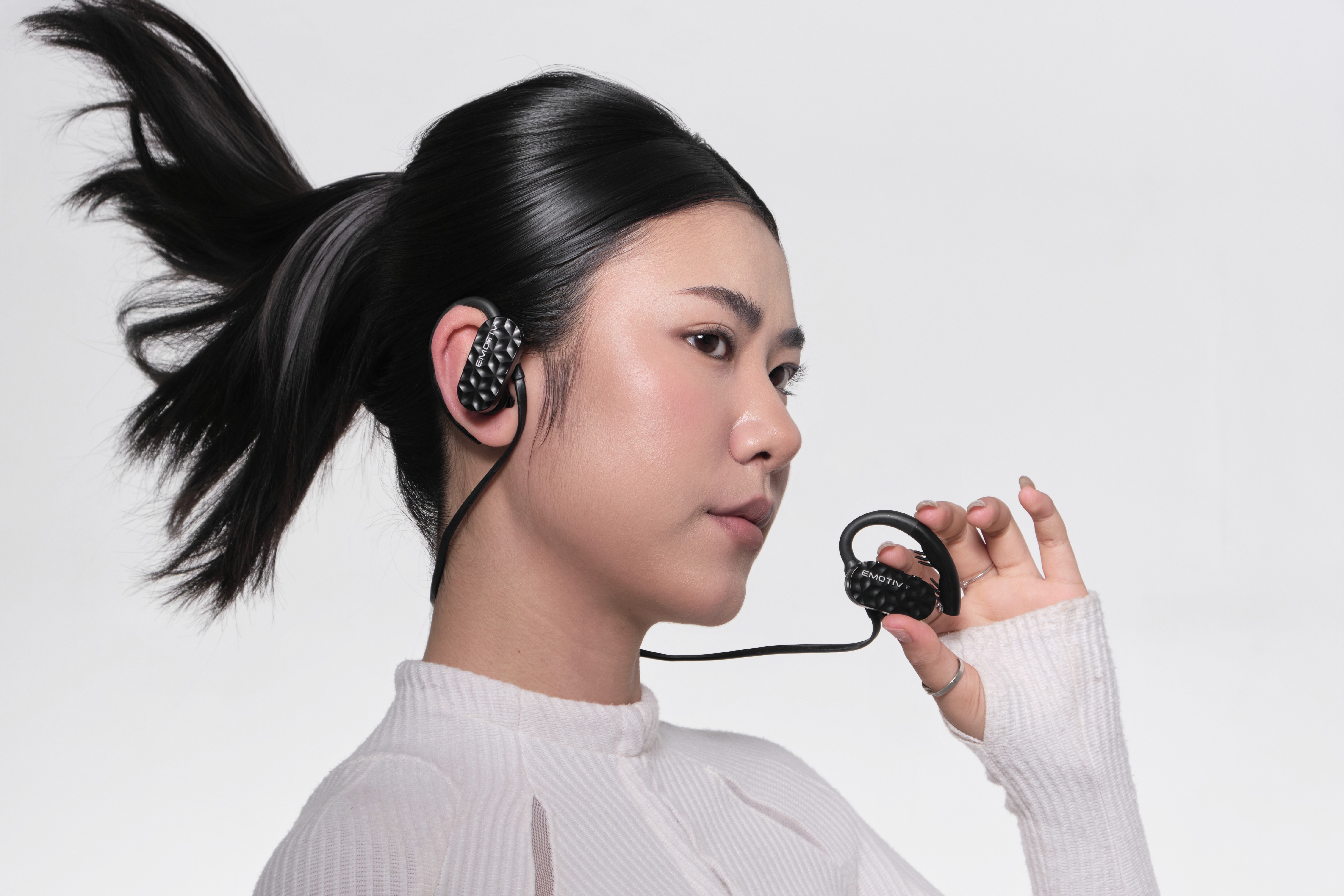
La Guía Definitiva para el Diseño de Experimentos de EEG
Emotiv
Actualizado el
2 ene 2026
La Guía Definitiva para el Diseño de Experimentos de EEG
Emotiv
Actualizado el
2 ene 2026
La Guía Definitiva para el Diseño de Experimentos de EEG
Emotiv
Actualizado el
2 ene 2026
No construirías una casa sin un plano detallado, y el mismo principio se aplica a tu investigación. Tu diseño experimental es el plano que asegura que cada componente de tu estudio funcione en conjunto para crear un resultado estable, funcional y significativo. Dicta todo, desde la selección de participantes y la configuración del equipo hasta tu estrategia de análisis de datos. Apresurarse en este paso fundamental puede llevar a resultados inconclusos y esfuerzos desperdiciados. Esta guía de diseño de experimentos de EEG proporciona ese marco esencial, detallando cada paso desde sentar las bases con una hipótesis sólida hasta agregar los toques finales con el análisis estadístico adecuado. Es tu plan paso a paso para construir un estudio que sea metodológicamente sólido y capaz de responder a tus preguntas de investigación con claridad.
Conclusiones clave
Un plan sólido es tu mejor amigo: Antes de tocar cualquier hardware, define tu pregunta de investigación y un protocolo detallado. Esta claridad hace que cada otra decisión, desde la elección de un auricular hasta el análisis de tus datos, sea mucho más simple.
Datos limpios son la base de una buena investigación: La calidad de tus resultados depende por completo de tu señal inicial. Concéntrate en crear un espacio de grabación tranquilo, asegurando un buen contacto con los sensores y haciendo que tu participante esté cómodo para minimizar el ruido desde el principio.
Resultados creíbles provienen de la consistencia y la ética: Para que tu investigación sea sólida, necesitas documentar tu proceso meticulosamente y manejar los datos de manera consistente. Igualmente importante es tu marco ético: siempre prioriza el consentimiento informado y la privacidad del participante.
¿Qué es EEG y cómo funciona?
Si te estás adentrando en la investigación cerebral, probablemente hayas escuchado el término EEG. Entonces, ¿qué es exactamente? EEG, o electroencefalografía, es un método no invasivo para medir la actividad eléctrica que ocurre en tu cerebro. Piénsalo como escuchar las conversaciones entre tus células cerebrales. Cada vez que piensas, sientes o actúas, tus neuronas disparan señales eléctricas para comunicarse entre sí, y la tecnología EEG nos permite capturar estas señales directamente desde el cuero cabelludo.
Debido a que el EEG proporciona una visión directa de la actividad cerebral en tiempo real, se ha convertido en una herramienta esencial tanto en entornos clínicos como en investigaciones. Nos ayuda a entender el tiempo de los procesos cognitivos con una precisión increíble, hasta el milisegundo. A diferencia de otros métodos de neuroimagen que miden cambios más lentos como el flujo sanguíneo, el EEG captura los ritmos eléctricos del cerebro, o ondas cerebrales, exactamente como suceden. Esto lo convierte en una opción ideal para experimentos que requieren comprender cambios rápidos en los estados cerebrales, desde el estudio de los tiempos de reacción hasta el análisis de respuestas emocionales. La accesibilidad y portabilidad de los sistemas EEG modernos, como nuestros auriculares Emotiv, también han abierto la puerta a la investigación fuera de los laboratorios tradicionales, en entornos más naturales y reales. Esto significa que puedes estudiar la actividad cerebral durante tareas complejas, interacciones sociales o incluso presentaciones artísticas, recopilando datos más ricos y relevantes.
Cómo funciona la tecnología EEG
Entonces, ¿cómo capta realmente un auricular las señales cerebrales? Todo comienza con tus neuronas. Cuando se comunican, producen pequeños impulsos eléctricos. Si bien la señal de una sola neurona es minúscula, la actividad sincronizada de miles de neuronas crea un campo eléctrico lo suficientemente fuerte como para ser detectado en el exterior de la cabeza. Los sistemas de EEG utilizan pequeños discos de metal llamados electrodos que se colocan en el cuero cabelludo para recoger estas señales. Para garantizar datos consistentes y comparables en estudios, los investigadores a menudo utilizan un diseño estandarizado como el sistema internacional 10-20 para colocar electrodos. Las señales grabadas se amplifican y se envían a una computadora, donde el software las traduce en una representación visual de las ondas cerebrales.
Aplicaciones comunes para la investigación cerebral
Las aplicaciones del EEG son increíblemente diversas, abarcando muchos campos diferentes. En entornos académicos y clínicos, es una piedra angular para estudiar todo, desde patrones de sueño y procesos cognitivos hasta comprender ciertas condiciones neurológicas. Pero su uso se extiende mucho más allá de eso. Por ejemplo, el campo de neuromarketing utiliza el EEG para obtener ideas sobre el comportamiento del consumidor y las respuestas emocionales a anuncios o productos. Los desarrolladores e innovadores también están utilizando el EEG para construir poderosas interfaces cerebro-computadora (BCIs), que permiten a las personas controlar dispositivos con sus pensamientos. También es una herramienta valiosa para cualquier persona interesada en explorar el bienestar cognitivo y comprender sus propios estados mentales.
Cómo diseñar tu experimento de EEG
Un estudio de EEG exitoso comienza mucho antes de que coloques un solo electrodo. Un diseño experimental reflexionado y detallado es tu hoja de ruta: asegura que los datos que recopiles sean limpios, relevantes y capaces de responder a tus preguntas de investigación centrales. Sin un plan sólido, arriesgas reunir resultados ruidosos o inconclusos, lo que puede ser un revés frustrante.
Dividir el proceso de diseño en pasos claros y manejables te ayuda a mantenerte organizado y construir una base sólida para tu investigación. Desde definir tu hipótesis hasta realizar pruebas piloto, cada etapa es crucial para generar información significativa. Vamos a repasar las cuatro fases clave del diseño de tu experimento de EEG.
Define tus preguntas de investigación e hipótesis
Antes de entrar en los detalles técnicos, necesitas aclarar lo que quieres aprender. Comienza haciendo una pregunta amplia y luego acórtala a una hipótesis específica y comprobable. Por ejemplo, en lugar de preguntar "¿Cómo afecta la música al cerebro?" podrías hipotetizar: "Escuchar música clásica durante 10 minutos producirá un aumento medible en la actividad de las ondas alfa en comparación con estar en silencio."
Una hipótesis clara actúa como tu guía durante todo el experimento. Te ayuda a decidir qué tareas realizará tu participante, qué datos necesitas recopilar y cómo los analizarás. Pasar tiempo revisando la investigación académica existente puede ayudarte a refinar tus preguntas y ver cómo otros han abordado temas similares.
Selecciona tus participantes y tamaño de muestra
A continuación, decide quién participará en tu estudio y cuántas personas necesitarás. Tu grupo de participantes debe reflejar la población que deseas comprender. Sé específico acerca de tus criterios de inclusión y exclusión, como rango de edad, condiciones de salud o experiencia con la tarea que estás estudiando. Esta consistencia ayuda a garantizar que tus resultados no se vean sesgados por variables no deseadas.
Determinar el tamaño de muestra correcto es crítico para el poder estadístico, es decir, tu capacidad para detectar un efecto real si existe. Aunque una regla general común para estudios con grandes efectos esperados es de 10 a 20 participantes, idealmente deberías realizar un análisis de poder para calcular el número de participantes necesarios para tu experimento específico. Este paso le da más credibilidad estadística a tus hallazgos.
Configura y configura tu equipo
Tu entorno de grabación puede impactar significativamente la calidad de los datos. Encuentra un espacio tranquilo con distracciones electrónicas mínimas, ya que dispositivos como teléfonos, computadoras y luces fluorescentes pueden crear ruido eléctrico que interfiere con la señal de EEG. Si es posible, mantén solo el equipo esencial en la habitación con el participante.
Antes de comenzar, asegúrate de que tu hardware esté correctamente configurado y calibrado. Ya sea que estés usando un sistema portátil de 2 canales como nuestro MN8 o un auricular multicanal como el Epoc X, familiarízate con el proceso de configuración. Verifica que los sensores estén haciendo un buen contacto y que el software esté listo para grabar. Una configuración limpia es tu primera línea de defensa contra datos ruidosos.
Desarrolla tu protocolo experimental
Tu protocolo es el guion detallado y paso a paso para tu experimento. Debe delinear todo, desde cómo saludas al participante hasta el momento exacto y la secuencia de eventos durante el estudio. Esto incluye las instrucciones que das, los estímulos que presentas y la duración de cada tarea y período de descanso. Un protocolo estandarizado asegura que cada participante tenga la misma experiencia exacta, lo cual es esencial para datos fiables.
Siempre realiza un par de ensayos o estudios piloto antes de comenzar tu recolección de datos real. Esto te ayuda a identificar cualquier instrucción confusa, fallos técnicos o transiciones incómodas en tu procedimiento. También es un buen momento para confirmar que la colocación de tus electrodos sigue un sistema estándar, como el sistema internacional 10-20, para garantizar que tus resultados sean consistentes y comparables con otras investigaciones.
¿Cómo eliges el hardware de EEG adecuado?
Seleccionar el hardware de EEG adecuado es una de las decisiones más importantes que tomarás al diseñar tu experimento. El mejor dispositivo no es necesariamente el que tiene más funciones; es el que mejor se adapta a tu pregunta específica de investigación. La principal diferencia entre los sistemas de EEG a menudo se basa en el número de canales, que corresponde al número de electrodos que recogen datos del cuero cabelludo.
Un mayor número de canales generalmente proporciona una resolución espacial mayor, dándote un mapa más detallado de la actividad cerebral. Sin embargo, más canales también significan una configuración más complicada y archivos de datos más grandes. Para algunos experimentos, un enfoque más simple y específico no solo es suficiente, sino también más eficiente. Tu elección dependerá, en última instancia, del equilibrio entre el nivel de detalle que necesitas y las limitaciones prácticas de tu estudio. Ofrecemos una variedad de hardware, desde auriculares portátiles de 2 canales hasta auriculares de alta densidad de 32 canales, para asegurarte de que puedas encontrar la opción perfecta para tus objetivos de investigación. Pensar en tus necesidades de antemano te ahorrará tiempo y te ayudará a recopilar los datos más relevantes posible.
Cuándo usar un sistema EEG de 2 canales
Un sistema EEG de 2 canales es una excelente opción cuando tu investigación se centra en regiones cerebrales específicas o implica tareas sencillas donde un mapa cerebral altamente detallado no es necesario. Estos sistemas son a menudo más portátiles, rentables y mucho más rápidos de configurar, lo que los convierte en perfectos para estudios preliminares, demostraciones educativas o proyectos fuera de un laboratorio tradicional. Si estás explorando comandos básicos de interfaces cerebro-computadora o introduciendo a los estudiantes en conceptos de neurociencia, un dispositivo de 2 canales como nuestro MN8 proporciona un punto de entrada confiable y accesible. Su simplicidad te permite recopilar datos específicos de manera eficiente sin la carga de un sistema más complejo.
Cuándo usar un auricular EEG de múltiples canales
Cuando tus preguntas de investigación exigen una visión más completa de la actividad cerebral, un auricular EEG de múltiples canales es el camino a seguir. Estos dispositivos son esenciales para experimentos que requieren una alta resolución espacial para investigar procesos cognitivos complejos, como estudios sobre aprendizaje, memoria o respuestas emocionales. Si planeas analizar la conectividad cerebral o localizar actividad en varias regiones simultáneamente, necesitarás la cobertura más amplia que proporciona un sistema multicanal. Auriculares como nuestro Insight de 5 canales, Epoc X de 14 canales, o Flex de 32 canales están diseñados para este tipo de investigación en profundidad, brindándote los datos detallados necesarios para explorar dinámicas cerebrales matizadas.
Ajusta tu hardware a tus objetivos de investigación
En última instancia, tu elección de hardware siempre debe volver a tus objetivos de investigación. Antes de decidir, tómate un momento para definir claramente lo que deseas medir. Considera la resolución espacial que necesitas, la complejidad de tus tareas experimentales y el entorno en el que recogerás los datos. Por ejemplo, si estás estudiando la actividad de ondas alfa durante un simple ejercicio de meditación, un sistema de 2 canales puede ser más que suficiente. Pero si estás examinando la carga cognitiva durante una tarea de vuelo simulada, necesitarás un auricular de múltiples canales para capturar la compleja actividad cerebral involucrada. Planificar tu protocolo primero hará que la elección del hardware correcto sea obvia y preparará tu investigación académica para el éxito.
Cómo garantizar datos de EEG de alta calidad
La calidad de tus datos de EEG es la base de todo tu experimento. Sin una señal limpia y confiable, incluso la pregunta de investigación más brillante o el análisis más sofisticado se desmoronará. Piensa en ello como "basura dentro, basura fuera". Tomarse el tiempo para optimizar tu proceso de recolección de datos es el paso más importante que puedes dar para garantizar que tus resultados sean significativos y reproducibles. Desde la habitación en la que grabas hasta la conexión en el cuero cabelludo, cada detalle importa. Aquí están las áreas clave en las que centrarte para capturar la mejor calidad de datos posible.
Crea el entorno de grabación adecuado
Tu espacio de grabación puede ser tu mejor aliado o tu mayor fuente de ruido. El objetivo es crear un entorno que sea eléctricamente silencioso y cómodo para tu participante. Comienza simplificando la habitación, eliminando cualquier dispositivo electrónico no esencial que pueda crear interferencia eléctrica. Si es posible, intenta mantener la computadora de grabación en una habitación separada. Esto ayuda a minimizar el zumbido de 50/60 Hz de las líneas de energía y otros equipos que pueden contaminar tu señal de EEG.
Igualmente importante es la comodidad de tu participante. Un participante incómodo es más propenso a inquietarse, tensar los músculos o moverse, todo lo cual genera artefactos en los datos. Asegúrate de que la silla sea cómoda, que la temperatura de la habitación sea agradable y que la atmósfera sea tranquila. Un participante relajado proporciona una línea base mucho más limpia y datos más confiables a lo largo del protocolo experimental.
Coloca electrodos para lecturas precisas
Donde coloques los electrodos determina qué partes del cerebro estás midiendo, así que la precisión es innegociable. El sistema internacional 10-20 es el estándar científicamente aceptado para la colocación de electrodos, garantizando que tu experimento sea replicable y que tus resultados se puedan comparar con otras investigaciones en el campo. Este sistema utiliza puntos de referencia craneales para mapear posiciones de electrodos, asegurando consistencia entre diferentes participantes.
Antes de comenzar, tómate el tiempo para medir y marcar las ubicaciones con precisión. Incluso una ligera desviación puede significar que estás grabando desde una zona funcional del cerebro diferente a la que pretendías. Todos los auriculares de Emotiv están diseñados con este sistema en mente para simplificar el proceso. Si tu experimento requiere un montaje personalizado, asegúrate de documentar la colocación meticulosamente para referencia futura y para la integridad de tu estudio.
Sigue protocolos previos al experimento y en el cuero cabelludo
Una buena conexión entre el electrodo y el cuero cabelludo es esencial para una señal fuerte. Esto comienza con la preparación adecuada del cuero cabelludo. La piel debe estar limpia y libre de aceites o productos para el cabello que puedan interferir con la conductividad. Para auriculares como nuestro Epoc X o Flex Saline, esto implica saturar las almohadillas de los sensores con una solución salina. Para sistemas a base de gel como el Flex Gel, implica aplicar una pequeña cantidad de gel conductor.
Crear un protocolo consistente y seguirlo para cada participante es crucial. Esto asegura que la calidad de los datos sea uniforme a través de toda tu muestra, lo que fortalece tu análisis final. Una lista de verificación previa al experimento puede ayudarte a recordar cada paso, desde limpiar el cuero cabelludo hasta asegurarte de que cada sensor esté preparado adecuadamente. Esta rutina minimiza la variabilidad y te prepara para una sesión de grabación exitosa cada vez.
Gestiona la impedancia para optimizar tu señal
La impedancia es una medida de la resistencia al flujo de la señal eléctrica desde el cuero cabelludo hasta el electrodo. Tu objetivo es que este número sea lo más bajo y estable posible. Alta impedancia crea una conexión débil, permitiendo que el ruido se filtre y oscurezca la actividad cerebral que deseas medir. Por otro lado, baja impedancia resulta en una señal limpia y de alta calidad, lista para el análisis.
Nuestro software Emotiv te brinda las herramientas para gestionarlo de manera efectiva. Por ejemplo, EmotivPRO proporciona una visualización en tiempo real de la calidad de contacto de cada sensor individual, mostrada en un claro sistema de codificación por colores. Si ves un sensor con un contacto deficiente, puedes abordarlo de inmediato re-saturándolo con solución salina, buscando pelos atrapados o haciendo ajustes menores en el ajuste del auricular. Verificar continuamente estos niveles antes y durante tu experimento es una buena práctica para mantener una excelente integridad de los datos.
¿Cuáles son los desafíos más comunes en los experimentos de EEG?
Realizar un experimento de EEG es un proceso emocionante, pero no está exento de desafíos. Desde datos ruidosos hasta fallos técnicos, algunos obstáculos comunes pueden surgir en el camino. La buena noticia es que con un poco de planificación y conciencia, puedes anticipar estos problemas y mantener tu investigación en buen camino. Comprender estos posibles obstáculos es el primer paso hacia la recolección de datos limpios y confiables. Repasemos algunos de los desafíos más frecuentes que podrías encontrar y cómo podrás prepararte para ellos.
Manejo de artefactos de señal y contaminación
Una de las tareas más comunes en el análisis de EEG es lidiar con "artefactos", señales eléctricas no deseadas que contaminan tus datos de ondas cerebrales. Estas señales pueden provenir del participante, como parpadeos o movimientos musculares, o del entorno, como interferencias eléctricas de dispositivos cercanos. Estas señales no deseadas pueden hacer que las conexiones cerebrales parezcan más fuertes de lo que realmente son, sesgando potencialmente tus resultados. Aprender a identificar y eliminar estos artefactos es una habilidad crítica. Nuestro software EmotivPRO está diseñado para ayudarte a visualizar tus datos en tiempo real, facilitando la identificación y el filtrado de este ruido durante el procesamiento posterior.
Interpretación de efectos de conducción de volumen
Cuando estudias cómo se conectan y comunican diferentes regiones del cerebro, necesitas considerar un efecto llamado conducción de volumen. Esto ocurre cuando la señal eléctrica de un área cerebral única se propaga a través del cuero cabelludo y es capturada por múltiples electrodos. Esto puede crear la ilusión de que diferentes partes del cerebro se están comunicando cuando no lo están. Es un fenómeno bien conocido en la investigación de EEG, por lo que es importante utilizar técnicas de análisis que puedan diferenciar la conectividad cerebral verdadera de estos efectos. Reconocer y abordar esto en tu metodología hará que tus hallazgos sean mucho más robustos.
Consideración de la variabilidad del participante
El cerebro de cada persona es único, y esta variabilidad puede ser un desafío, especialmente al trabajar con tamaños de muestra más pequeños. Muchos estudios de EEG operan con 10 a 24 participantes debido a limitaciones de recursos o tiempo. Con un grupo más pequeño, las diferencias individuales en la actividad cerebral a veces pueden dificultar la identificación de los patrones consistentes que buscas. Si bien tamaños de muestra más grandes son ideales, no siempre son factibles. La clave es ser transparente acerca del tamaño de tu muestra en tu informe final y tenerlo en cuenta al interpretar tus resultados. Esta es una parte estándar del proceso de investigación académica y ayuda a otros a entender el contexto de tu trabajo.
Superación de obstáculos técnicos y de equipo
Los problemas técnicos pueden variar desde la colocación incorrecta de electrodos hasta interferencias ambientales. Un primer paso crucial es asegurar que tu participante esté cómodo, ya que la tensión puede crear artefactos musculares en los datos. En el pasado, los investigadores a menudo necesitaban una sala blindada, o jaula de Faraday, para bloquear el ruido eléctrico. Afortunadamente, la tecnología moderna ha hecho que esto sea menos necesario. Los auriculares de Emotiv, como el Epoc X, utilizan electrodos activos, que ayudan a reducir la interferencia y proporcionan una señal más limpia incluso en una habitación típica. Esto te permite concentrarte más en tu experimento y menos en resolver problemas en tu configuración.
¿Qué métodos estadísticos deberías usar para los datos de EEG?
Una vez que hayas recopilado tus datos de ondas cerebrales crudos, el siguiente paso es darles sentido. Aquí es donde entra en juego el análisis estadístico, ayudándote a descubrir patrones significativos y probar tus hipótesis. Piénsalo como traducir las señales eléctricas del cerebro en conocimientos concretos basados en datos. El enfoque estadístico correcto asegura que tus hallazgos sean fiables y tus conclusiones sólidas.
Antes de que puedas llegar a alguna conclusión, tus datos deben pasar por algunas etapas clave. Primero, deberás limpiar y preparar los datos para el análisis eliminando cualquier ruido no deseado. A continuación, aplicarás pruebas estadísticas específicas para explorar las relaciones dentro de tus datos. Y finalmente, un paso crucial que ocurre antes de que comiences a recopilar datos es determinar el tamaño de muestra adecuado para asegurar que tu estudio tenga suficiente poder estadístico. Vamos a repasar cada uno de estos pasos.
Preprocesar datos y eliminar artefactos
Los datos de EEG en bruto rara vez son perfectos. A menudo contienen "artefactos", que son señales que no provienen de la actividad cerebral. Estas pueden ser causadas por cosas simples como parpadeos, tensión muscular en la mandíbula o incluso interferencia eléctrica de dispositivos cercanos. El preprocesamiento es el primer paso esencial para limpiar tus datos y eliminar estos artefactos. Si omites esto, corres el riesgo de interpretar ruido como una respuesta cerebral significativa. Un método claro y consistente para eliminar artefactos es fundamental para una investigación reproducible. Nuestro software EmotivPRO, por ejemplo, incluye funciones que te ayudan a filtrar y limpiar tus datos, preparándolos para un análisis más preciso.
Aplicar técnicas estadísticas clave
Con datos limpios en mano, puedes comenzar tu análisis. La prueba estadística que elijas dependerá completamente de tu pregunta de investigación y del tipo de datos que tengas. Para la mayoría de los estudios de EEG que manejan datos numéricos continuos, es probable que utilices métodos que prueben cambios en la media, como pruebas t o análisis de varianza (ANOVA). Estas pruebas te ayudan a comparar la actividad cerebral entre diferentes condiciones o grupos. Si tu experimento implica datos discretos (como respuestas correctas vs. incorrectas), podrías usar otros métodos como una prueba de chi-cuadrado. Para un análisis más detallado de qué pruebas se ajustan a diferentes diseños experimentales, el Wiki de EEGLAB sobre Estadísticas es un excelente recurso.
Determinar el tamaño de muestra con análisis de potencia
¿Cuántos participantes necesitas realmente para tu estudio? Responder a esta pregunta antes de comenzar es crítico, y ahí es donde entra el análisis de potencia. Un análisis de potencia te ayuda a determinar el tamaño mínimo de muestra requerido para detectar un efecto genuino, evitando que pierdas tiempo y recursos en un estudio con baja potencia. Como regla general para estudios que esperan un gran efecto, recopilar datos de 10 a 20 sujetos con 30 a 60 ensayos por condición es un buen punto de partida. Para cálculos más precisos, puedes usar herramientas gratuitas como el software G*Power, que soporta una amplia gama de pruebas estadísticas.
¿Cuáles son las consideraciones éticas para la investigación de EEG?
Cuando realizas investigaciones con participantes humanos, la ética debe estar a la vanguardia del diseño de tu experimento. Esto es especialmente cierto para los estudios de EEG, donde estás trabajando con datos cerebrales personales y sensibles. Construir una base de confianza con tus participantes no es solo un requisito, es esencial para recopilar datos de alta calidad y significativos. Un sólido marco ético protege tanto al participante como la integridad de tu investigación. Revisemos los tres pilares centrales que necesitas abordar: consentimiento informado, privacidad de datos y seguridad del participante.
Prioriza el consentimiento informado y los derechos de los participantes
El consentimiento informado es más que solo una firma en un formulario; es una conversación continua. Es tu responsabilidad asegurarte de que los participantes entiendan completamente el propósito del estudio, lo que se les pedirá que hagan, cualquier riesgo potencial y cómo se utilizarán sus datos. Un principio fundamental de la ética de investigación es asegurar que los participantes sepan que tienen derecho a retirarse en cualquier momento, por cualquier motivo, sin penalización. Comunica esto claramente antes de incluso comenzar. Este proceso empodera a los participantes, respeta su autonomía y establece una relación transparente desde el principio, lo cual es fundamental para cualquier estudio centrado en seres humanos exitoso.
Establecer reglas claras de privacidad y almacenamiento de datos
Los datos de EEG son extremadamente personales. Proteger la privacidad de tus participantes es una parte no negociable del proceso de investigación. Antes de recopilar cualquier dato, necesitas un plan sólido sobre cómo manejarlo. Esto significa implementar estrictas medidas de privacidad de datos, incluyendo la anonimización de los datos mediante la eliminación de todos los identificadores personales. También debes asegurarte de que todos los datos se mantengan en un lugar de almacenamiento seguro, como un disco o servidor encriptado, para prevenir el acceso no autorizado. Si planeas compartir los datos, sé transparente al respecto en tu formulario de consentimiento, explicando quién lo verá y con qué propósito. Un protocolo claro protege a tus participantes y mantiene la credibilidad de tu trabajo.
Seguir las pautas esenciales de seguridad
Si bien el EEG es un procedimiento no invasivo y seguro, el bienestar de tus participantes es la máxima prioridad. Cumplir con las pautas de seguridad es crucial para minimizar cualquier riesgo físico o psicológico. Esto comienza asegurándote de que tu equipo, como un auricular Emotiv, esté limpio y mantenido adecuadamente. Durante el experimento, deberías monitorear a los participantes para detectar cualquier signo de incomodidad, como irritación en la piel por los sensores o sentimientos de ansiedad. Como indican las pautas oficiales para la investigación de EEG, es importante crear un entorno cómodo y seguro y tener un plan claro en caso de que un participante informe cualquier reacción adversa durante el estudio.
¿Qué software necesitas para tu experimento de EEG?
Elegir el software adecuado es tan importante como seleccionar tu hardware. Tu conjunto de software manejará todo, desde la captura de datos de ondas cerebrales en bruto hasta su análisis para obtener conocimientos. La buena noticia es que tienes muchas opciones, desde plataformas completas que lo hacen todo hasta herramientas especializadas de código abierto. La clave es construir un conjunto de software que se ajuste a tu pregunta de investigación, tus habilidades técnicas y tu presupuesto. Piénsalo como armar tu equipo ideal para la recolección y análisis de datos. Un flujo de trabajo bien integrado te ahorra tiempo y ayuda a garantizar que tus datos sean limpios, organizados y listos para la interpretación.
Nuestro ecosistema de software está diseñado para ser flexible. Por ejemplo, EmotivPRO es una gran solución todo en uno para la adquisición, grabación y análisis de datos, permitiéndote ver flujos de datos en tiempo real y marcadores de eventos. Pero también sabemos que muchos investigadores tienen sus propias herramientas de análisis preferidas. Por eso, nuestros sistemas están diseñados para ser compatibles con una amplia gama de software de terceros, para que puedas exportar tus datos y utilizar los programas con los que ya te sientes cómodo. Esta flexibilidad te permite diseñar un flujo de trabajo que se ajuste perfectamente a las necesidades de tu experimento.
Plataformas para adquisición y grabación de datos
Primero lo primero, necesitas una forma de capturar los datos de EEG de tu auricular. Aquí es donde entra el software de adquisición de datos. Su trabajo principal es grabar las señales eléctricas del cuero cabelludo y guardarlas en un formato digital. Algunas plataformas, como Natus NeuroWorks o Lifelines Neuro, están diseñadas para agilizar este proceso, ofreciendo interfaces amigables para grabar y gestionar datos de EEG. El objetivo es encontrar una herramienta que haga que la recolección de datos sea sencilla y confiable, para que puedas concentrarte en tus participantes y tu protocolo experimental en lugar de lidiar con el software. Una buena plataforma te permitirá monitorear la calidad de la señal con facilidad y marcar eventos importantes durante el experimento.
Herramientas para análisis y visualización
Una vez que hayas recopilado tus datos, el siguiente paso es darles sentido. El software de análisis y visualización te ayuda a procesar las señales de EEG en bruto, limpiar el ruido e identificar patrones relacionados con tu pregunta de investigación. Hay algunas fantásticas opciones de código abierto que son populares en la comunidad de investigación. Por ejemplo, EEGLAB es una poderosa caja de herramientas de MATLAB, y MNE-Python es un paquete versátil para analizar datos neurofisiológicos. Estas herramientas te brindan un alto grado de control sobre tu pipeline de análisis. Muchos investigadores las utilizan para ejecutar análisis estadísticos, crear mapas cerebrales y visualizar potenciales relacionados con eventos, convirtiendo conjuntos de datos complejos en resultados comprensibles. Nuestros herramientas para desarrolladores facilitan trabajar con datos de los auriculares Emotiv en estos programas externos.
Cómo integrar software en tu flujo de trabajo
Un flujo de trabajo fluido depende de cuán bien se comunican entre sí los diferentes componentes de tu software. No querrás quedarte atascado tratando de convertir tipos de archivos incompatibles. Muchos sistemas de EEG modernos, incluidos los nuestros, son compatibles con LabStreaming Layer (LSL), un protocolo que sincroniza y transmite datos entre diferentes dispositivos y software en tiempo real. Esto es increíblemente útil para experimentos que involucran múltiples flujos de datos, como el EEG combinado con el seguimiento ocular. Para aquellos que construyen aplicaciones personalizadas o interfaces cerebro-computadora, una herramienta como EmotivBCI puede ayudarte a traducir las señales cerebrales en comandos, creando un vínculo fluido entre el hardware y tu aplicación de software.
Mejores prácticas para un experimento de EEG exitoso
Obtener datos limpios y confiables es el objetivo de cualquier experimento de EEG, y todo se reduce a la preparación y la consistencia. Piensa en estas mejores prácticas como tu base para un estudio exitoso. Al construir hábitos sólidos en torno a la planificación, documentación y control de calidad, te preparas para recopilar datos en los que realmente puedas confiar. Estos pasos no se tratan solo de evitar errores; se trata de crear un proceso que sea repetible, transparente y científicamente sólido. Vamos a repasar cómo poner estos principios en acción.
Planifica tu cronograma y estructura tus sesiones
Un plan bien estructurado es tu mejor defensa contra problemas inesperados. Antes de siquiera pensar en recopilar datos, comienza con una comprensión clara del propósito de tu estudio. Esta claridad guiará todo tu diseño experimental y te ayudará a distribuir el tiempo de manera efectiva. Mapea cada sesión de principio a fin, incluyendo la configuración del participante, las instrucciones de la tarea y la grabación de datos. Siempre recomiendo realizar algunas corridas de ensayo para familiarizarte con el equipo y los procedimientos. Esta práctica te ayuda a detectar problemas potenciales y refinar tu flujo de trabajo antes de que tu primer participante oficial entre por la puerta, asegurando que tu investigación académica comience sin problemas.
Documenta tu proceso para la reproducibilidad
Tu futuro yo te agradecerá por mantener notas detalladas. Durante cada experimento, documenta todo lo que sucede, especialmente cualquier desviación de tu protocolo planificado. ¿Se distrajo un participante? ¿Hubo un ruido inesperado? Estos detalles proporcionan un contexto crucial cuando analices tus datos más adelante. Piénsalo como crear una historia para tu conjunto de datos. Esta documentación es esencial para entender tus resultados y para asegurar que tu estudio pueda ser reproducido por otros. Usar software como EmotivPRO puede ayudar al permitirte insertar marcadores de eventos cronometrados directamente en tu flujo de datos, haciendo tus notas aún más precisas.
Implementa un control de calidad consistente
Datos de alta calidad comienzan con un compromiso con el control de calidad en cada paso. Esto significa ser transparente sobre cómo manejas tus datos. Cuando publiques tus hallazgos, deberías describir claramente cómo eliminaste señales no deseadas, o artefactos, como parpadeos y movimientos musculares. También es importante explicar cómo tu estudio tomó en cuenta efectos como la conducción de volumen, que pueden influir en la interpretación de los resultados de EEG. Aplicar consistentemente estas verificaciones de calidad asegura la integridad de tus hallazgos y construye confianza en tus conclusiones, lo cual es especialmente crítico para aplicaciones exigentes como interfaces cerebro-computadora.
Cómo evitar las trampas comunes en tu estudio de EEG
Incluso el experimento de EEG más cuidadosamente planeado puede encontrar algunos obstáculos en el camino. Desde fallos técnicos inesperados hasta sutiles defectos de diseño, varios problemas comunes pueden comprometer tus datos. La buena noticia es que puedes evitar la mayoría de ellos con un poco de previsión y preparación. Piensa en ello como construir una sólida base para tu investigación: cuán más estable sea, más confiables serán tus resultados. Al centrarte en tu entorno, solidificar tu metodología y hacer unas cuantas pruebas de práctica, puedes asegurar que tu estudio se desarrolle sin problemas y produzca datos significativos y de alta calidad. Repasemos cómo abordar algunos de los desafíos más frecuentes de manera proactiva.
Resolver desafíos técnicos comunes
Tu entorno de grabación juega un gran papel en la calidad de tus datos de EEG. El objetivo es crear un espacio con interferencia eléctrica y distracciones mínimas. Para obtener señales limpias, es importante mantener un entorno controlado. Mantén la habitación lo más simple posible, con solo el equipo esencial para el experimento. Cosas como luces fluorescentes, teléfonos móviles y monitores grandes pueden crear interferencias electromagnéticas que contaminen tus datos. Si puedes, trata de ubicar la computadora que ejecuta el experimento en una habitación adyacente o tan lejos del participante como sea práctico. Tomar estos pequeños pasos para reducir el ruido ambiental puede hacer una diferencia significativa en la claridad de tus grabaciones.
Evitar defectos de diseño que perjudican la calidad de los datos
Un diseño experimental sólido es tu hoja de ruta hacia el éxito. Antes de comenzar a recopilar datos, tu metodología debe estar claramente definida, especialmente cómo planeas manejar los artefactos. Los artefactos son señales no deseadas de fuentes como parpadeos, movimientos musculares o latidos del corazón que pueden oscurecer la actividad cerebral que deseas medir. No tener en cuenta adecuadamente estas señales puede llevar a interpretaciones erróneas de tus resultados. Un plan bien documentado para tus pasos de preprocesamiento asegura que tus datos se limpien de manera consistente y que tus hallazgos sean tanto precisos como reproducibles. Esta claridad es fundamental para la integridad de cualquier estudio de EEG.
Resolver tus problemas para lograr un estudio exitoso
Una de las maneras más efectivas de prevenir problemas es encontrarlos antes de que tu estudio comience oficialmente. Realizar ensayos o un pequeño estudio piloto es un paso invaluable. Estos ensayos te dan a ti y a tu equipo la oportunidad de familiarizarse con todo el procedimiento experimental, desde configurar un auricular Epoc X hasta ejecutar el protocolo en nuestro software. Una prueba te ayuda a identificar problemas potenciales con tu equipo, cronometraje o instrucciones que pueden no ser obvios sobre el papel. Este enfoque proactivo te permite refinar tu proceso, reducir la probabilidad de dificultades técnicas durante las sesiones reales y, en última instancia, recopilar mejores datos.
Artículos relacionados
Preguntas frecuentes
¿Qué es lo más importante que debes acertar cuando estás comenzando con EEG? Tu diseño experimental es todo. Antes de tocar un auricular, debes tener una pregunta de investigación clarísima y un protocolo detallado, paso a paso. Un plan sólido actúa como tu guía, asegurando que los datos que recopiles sean limpios, relevantes y realmente capaces de responder a tu pregunta. Apresurarse en esta etapa es la razón más común por la que los experimentos producen resultados confusos o inutilizables.
¿Realmente necesito una sala especial y blindada para recopilar buenos datos de EEG? En el pasado, los investigadores a menudo necesitaban una sala blindada, llamada jaula de Faraday, para bloquear el ruido eléctrico del entorno. Si bien un espacio tranquilo con dispositivos electrónicos mínimos sigue siendo importante, la tecnología moderna ha hecho que las salas blindadas dedicadas sean menos necesarias para muchos estudios. Nuestros auriculares, como el Epoc X, utilizan electrodos activos que ayudan a reducir la interferencia ambiental, permitiéndote obtener una señal limpia en una sala típica.
¿Cómo sé si deberías elegir un sistema simple de 2 canales o un auricular multicanal más complejo? Esta elección siempre debe volver a tu pregunta de investigación. Si te enfocas en una respuesta cerebral específica o una tarea simple, un sistema portátil de 2 canales como nuestro MN8 puede ser una opción eficiente y excelente. Sin embargo, si tu estudio requiere un mapa detallado de la actividad cerebral en diferentes regiones, como cuando estudias respuestas emocionales o de aprendizaje complejas, necesitarás la cobertura más amplia que proporciona un auricular multicanal como el Epoc X o el Flex.
¿Qué son los 'artefactos' y es posible obtener una grabación sin ellos? Los artefactos son cualquier señal eléctrica en tus datos que no proviene del cerebro, como parpadeos, tensión en la mandíbula o incluso un participante inquieto. Es prácticamente imposible obtener una grabación completamente libre de ellos, y eso es perfectamente normal. El objetivo no es evitarlos por completo, sino tener un proceso consistente y bien documentado para identificarlos y eliminarlos de tus datos antes de comenzar tu análisis final.
¿Es difícil conseguir que los electrodos hagan una buena conexión? Obtener una buena conexión, o baja impedancia, puede llevar un poco de práctica al principio, pero rápidamente se convierte en segunda naturaleza. La clave es una preparación adecuada del cuero cabelludo y asegurarte de que los sensores estén correctamente saturados con solución salina. Nuestro software ayuda mucho al mostrarte la calidad de conexión para cada sensor en tiempo real, para que puedas ver exactamente dónde necesitas hacer ajustes para obtener una señal fuerte y limpia.
No construirías una casa sin un plano detallado, y el mismo principio se aplica a tu investigación. Tu diseño experimental es el plano que asegura que cada componente de tu estudio funcione en conjunto para crear un resultado estable, funcional y significativo. Dicta todo, desde la selección de participantes y la configuración del equipo hasta tu estrategia de análisis de datos. Apresurarse en este paso fundamental puede llevar a resultados inconclusos y esfuerzos desperdiciados. Esta guía de diseño de experimentos de EEG proporciona ese marco esencial, detallando cada paso desde sentar las bases con una hipótesis sólida hasta agregar los toques finales con el análisis estadístico adecuado. Es tu plan paso a paso para construir un estudio que sea metodológicamente sólido y capaz de responder a tus preguntas de investigación con claridad.
Conclusiones clave
Un plan sólido es tu mejor amigo: Antes de tocar cualquier hardware, define tu pregunta de investigación y un protocolo detallado. Esta claridad hace que cada otra decisión, desde la elección de un auricular hasta el análisis de tus datos, sea mucho más simple.
Datos limpios son la base de una buena investigación: La calidad de tus resultados depende por completo de tu señal inicial. Concéntrate en crear un espacio de grabación tranquilo, asegurando un buen contacto con los sensores y haciendo que tu participante esté cómodo para minimizar el ruido desde el principio.
Resultados creíbles provienen de la consistencia y la ética: Para que tu investigación sea sólida, necesitas documentar tu proceso meticulosamente y manejar los datos de manera consistente. Igualmente importante es tu marco ético: siempre prioriza el consentimiento informado y la privacidad del participante.
¿Qué es EEG y cómo funciona?
Si te estás adentrando en la investigación cerebral, probablemente hayas escuchado el término EEG. Entonces, ¿qué es exactamente? EEG, o electroencefalografía, es un método no invasivo para medir la actividad eléctrica que ocurre en tu cerebro. Piénsalo como escuchar las conversaciones entre tus células cerebrales. Cada vez que piensas, sientes o actúas, tus neuronas disparan señales eléctricas para comunicarse entre sí, y la tecnología EEG nos permite capturar estas señales directamente desde el cuero cabelludo.
Debido a que el EEG proporciona una visión directa de la actividad cerebral en tiempo real, se ha convertido en una herramienta esencial tanto en entornos clínicos como en investigaciones. Nos ayuda a entender el tiempo de los procesos cognitivos con una precisión increíble, hasta el milisegundo. A diferencia de otros métodos de neuroimagen que miden cambios más lentos como el flujo sanguíneo, el EEG captura los ritmos eléctricos del cerebro, o ondas cerebrales, exactamente como suceden. Esto lo convierte en una opción ideal para experimentos que requieren comprender cambios rápidos en los estados cerebrales, desde el estudio de los tiempos de reacción hasta el análisis de respuestas emocionales. La accesibilidad y portabilidad de los sistemas EEG modernos, como nuestros auriculares Emotiv, también han abierto la puerta a la investigación fuera de los laboratorios tradicionales, en entornos más naturales y reales. Esto significa que puedes estudiar la actividad cerebral durante tareas complejas, interacciones sociales o incluso presentaciones artísticas, recopilando datos más ricos y relevantes.
Cómo funciona la tecnología EEG
Entonces, ¿cómo capta realmente un auricular las señales cerebrales? Todo comienza con tus neuronas. Cuando se comunican, producen pequeños impulsos eléctricos. Si bien la señal de una sola neurona es minúscula, la actividad sincronizada de miles de neuronas crea un campo eléctrico lo suficientemente fuerte como para ser detectado en el exterior de la cabeza. Los sistemas de EEG utilizan pequeños discos de metal llamados electrodos que se colocan en el cuero cabelludo para recoger estas señales. Para garantizar datos consistentes y comparables en estudios, los investigadores a menudo utilizan un diseño estandarizado como el sistema internacional 10-20 para colocar electrodos. Las señales grabadas se amplifican y se envían a una computadora, donde el software las traduce en una representación visual de las ondas cerebrales.
Aplicaciones comunes para la investigación cerebral
Las aplicaciones del EEG son increíblemente diversas, abarcando muchos campos diferentes. En entornos académicos y clínicos, es una piedra angular para estudiar todo, desde patrones de sueño y procesos cognitivos hasta comprender ciertas condiciones neurológicas. Pero su uso se extiende mucho más allá de eso. Por ejemplo, el campo de neuromarketing utiliza el EEG para obtener ideas sobre el comportamiento del consumidor y las respuestas emocionales a anuncios o productos. Los desarrolladores e innovadores también están utilizando el EEG para construir poderosas interfaces cerebro-computadora (BCIs), que permiten a las personas controlar dispositivos con sus pensamientos. También es una herramienta valiosa para cualquier persona interesada en explorar el bienestar cognitivo y comprender sus propios estados mentales.
Cómo diseñar tu experimento de EEG
Un estudio de EEG exitoso comienza mucho antes de que coloques un solo electrodo. Un diseño experimental reflexionado y detallado es tu hoja de ruta: asegura que los datos que recopiles sean limpios, relevantes y capaces de responder a tus preguntas de investigación centrales. Sin un plan sólido, arriesgas reunir resultados ruidosos o inconclusos, lo que puede ser un revés frustrante.
Dividir el proceso de diseño en pasos claros y manejables te ayuda a mantenerte organizado y construir una base sólida para tu investigación. Desde definir tu hipótesis hasta realizar pruebas piloto, cada etapa es crucial para generar información significativa. Vamos a repasar las cuatro fases clave del diseño de tu experimento de EEG.
Define tus preguntas de investigación e hipótesis
Antes de entrar en los detalles técnicos, necesitas aclarar lo que quieres aprender. Comienza haciendo una pregunta amplia y luego acórtala a una hipótesis específica y comprobable. Por ejemplo, en lugar de preguntar "¿Cómo afecta la música al cerebro?" podrías hipotetizar: "Escuchar música clásica durante 10 minutos producirá un aumento medible en la actividad de las ondas alfa en comparación con estar en silencio."
Una hipótesis clara actúa como tu guía durante todo el experimento. Te ayuda a decidir qué tareas realizará tu participante, qué datos necesitas recopilar y cómo los analizarás. Pasar tiempo revisando la investigación académica existente puede ayudarte a refinar tus preguntas y ver cómo otros han abordado temas similares.
Selecciona tus participantes y tamaño de muestra
A continuación, decide quién participará en tu estudio y cuántas personas necesitarás. Tu grupo de participantes debe reflejar la población que deseas comprender. Sé específico acerca de tus criterios de inclusión y exclusión, como rango de edad, condiciones de salud o experiencia con la tarea que estás estudiando. Esta consistencia ayuda a garantizar que tus resultados no se vean sesgados por variables no deseadas.
Determinar el tamaño de muestra correcto es crítico para el poder estadístico, es decir, tu capacidad para detectar un efecto real si existe. Aunque una regla general común para estudios con grandes efectos esperados es de 10 a 20 participantes, idealmente deberías realizar un análisis de poder para calcular el número de participantes necesarios para tu experimento específico. Este paso le da más credibilidad estadística a tus hallazgos.
Configura y configura tu equipo
Tu entorno de grabación puede impactar significativamente la calidad de los datos. Encuentra un espacio tranquilo con distracciones electrónicas mínimas, ya que dispositivos como teléfonos, computadoras y luces fluorescentes pueden crear ruido eléctrico que interfiere con la señal de EEG. Si es posible, mantén solo el equipo esencial en la habitación con el participante.
Antes de comenzar, asegúrate de que tu hardware esté correctamente configurado y calibrado. Ya sea que estés usando un sistema portátil de 2 canales como nuestro MN8 o un auricular multicanal como el Epoc X, familiarízate con el proceso de configuración. Verifica que los sensores estén haciendo un buen contacto y que el software esté listo para grabar. Una configuración limpia es tu primera línea de defensa contra datos ruidosos.
Desarrolla tu protocolo experimental
Tu protocolo es el guion detallado y paso a paso para tu experimento. Debe delinear todo, desde cómo saludas al participante hasta el momento exacto y la secuencia de eventos durante el estudio. Esto incluye las instrucciones que das, los estímulos que presentas y la duración de cada tarea y período de descanso. Un protocolo estandarizado asegura que cada participante tenga la misma experiencia exacta, lo cual es esencial para datos fiables.
Siempre realiza un par de ensayos o estudios piloto antes de comenzar tu recolección de datos real. Esto te ayuda a identificar cualquier instrucción confusa, fallos técnicos o transiciones incómodas en tu procedimiento. También es un buen momento para confirmar que la colocación de tus electrodos sigue un sistema estándar, como el sistema internacional 10-20, para garantizar que tus resultados sean consistentes y comparables con otras investigaciones.
¿Cómo eliges el hardware de EEG adecuado?
Seleccionar el hardware de EEG adecuado es una de las decisiones más importantes que tomarás al diseñar tu experimento. El mejor dispositivo no es necesariamente el que tiene más funciones; es el que mejor se adapta a tu pregunta específica de investigación. La principal diferencia entre los sistemas de EEG a menudo se basa en el número de canales, que corresponde al número de electrodos que recogen datos del cuero cabelludo.
Un mayor número de canales generalmente proporciona una resolución espacial mayor, dándote un mapa más detallado de la actividad cerebral. Sin embargo, más canales también significan una configuración más complicada y archivos de datos más grandes. Para algunos experimentos, un enfoque más simple y específico no solo es suficiente, sino también más eficiente. Tu elección dependerá, en última instancia, del equilibrio entre el nivel de detalle que necesitas y las limitaciones prácticas de tu estudio. Ofrecemos una variedad de hardware, desde auriculares portátiles de 2 canales hasta auriculares de alta densidad de 32 canales, para asegurarte de que puedas encontrar la opción perfecta para tus objetivos de investigación. Pensar en tus necesidades de antemano te ahorrará tiempo y te ayudará a recopilar los datos más relevantes posible.
Cuándo usar un sistema EEG de 2 canales
Un sistema EEG de 2 canales es una excelente opción cuando tu investigación se centra en regiones cerebrales específicas o implica tareas sencillas donde un mapa cerebral altamente detallado no es necesario. Estos sistemas son a menudo más portátiles, rentables y mucho más rápidos de configurar, lo que los convierte en perfectos para estudios preliminares, demostraciones educativas o proyectos fuera de un laboratorio tradicional. Si estás explorando comandos básicos de interfaces cerebro-computadora o introduciendo a los estudiantes en conceptos de neurociencia, un dispositivo de 2 canales como nuestro MN8 proporciona un punto de entrada confiable y accesible. Su simplicidad te permite recopilar datos específicos de manera eficiente sin la carga de un sistema más complejo.
Cuándo usar un auricular EEG de múltiples canales
Cuando tus preguntas de investigación exigen una visión más completa de la actividad cerebral, un auricular EEG de múltiples canales es el camino a seguir. Estos dispositivos son esenciales para experimentos que requieren una alta resolución espacial para investigar procesos cognitivos complejos, como estudios sobre aprendizaje, memoria o respuestas emocionales. Si planeas analizar la conectividad cerebral o localizar actividad en varias regiones simultáneamente, necesitarás la cobertura más amplia que proporciona un sistema multicanal. Auriculares como nuestro Insight de 5 canales, Epoc X de 14 canales, o Flex de 32 canales están diseñados para este tipo de investigación en profundidad, brindándote los datos detallados necesarios para explorar dinámicas cerebrales matizadas.
Ajusta tu hardware a tus objetivos de investigación
En última instancia, tu elección de hardware siempre debe volver a tus objetivos de investigación. Antes de decidir, tómate un momento para definir claramente lo que deseas medir. Considera la resolución espacial que necesitas, la complejidad de tus tareas experimentales y el entorno en el que recogerás los datos. Por ejemplo, si estás estudiando la actividad de ondas alfa durante un simple ejercicio de meditación, un sistema de 2 canales puede ser más que suficiente. Pero si estás examinando la carga cognitiva durante una tarea de vuelo simulada, necesitarás un auricular de múltiples canales para capturar la compleja actividad cerebral involucrada. Planificar tu protocolo primero hará que la elección del hardware correcto sea obvia y preparará tu investigación académica para el éxito.
Cómo garantizar datos de EEG de alta calidad
La calidad de tus datos de EEG es la base de todo tu experimento. Sin una señal limpia y confiable, incluso la pregunta de investigación más brillante o el análisis más sofisticado se desmoronará. Piensa en ello como "basura dentro, basura fuera". Tomarse el tiempo para optimizar tu proceso de recolección de datos es el paso más importante que puedes dar para garantizar que tus resultados sean significativos y reproducibles. Desde la habitación en la que grabas hasta la conexión en el cuero cabelludo, cada detalle importa. Aquí están las áreas clave en las que centrarte para capturar la mejor calidad de datos posible.
Crea el entorno de grabación adecuado
Tu espacio de grabación puede ser tu mejor aliado o tu mayor fuente de ruido. El objetivo es crear un entorno que sea eléctricamente silencioso y cómodo para tu participante. Comienza simplificando la habitación, eliminando cualquier dispositivo electrónico no esencial que pueda crear interferencia eléctrica. Si es posible, intenta mantener la computadora de grabación en una habitación separada. Esto ayuda a minimizar el zumbido de 50/60 Hz de las líneas de energía y otros equipos que pueden contaminar tu señal de EEG.
Igualmente importante es la comodidad de tu participante. Un participante incómodo es más propenso a inquietarse, tensar los músculos o moverse, todo lo cual genera artefactos en los datos. Asegúrate de que la silla sea cómoda, que la temperatura de la habitación sea agradable y que la atmósfera sea tranquila. Un participante relajado proporciona una línea base mucho más limpia y datos más confiables a lo largo del protocolo experimental.
Coloca electrodos para lecturas precisas
Donde coloques los electrodos determina qué partes del cerebro estás midiendo, así que la precisión es innegociable. El sistema internacional 10-20 es el estándar científicamente aceptado para la colocación de electrodos, garantizando que tu experimento sea replicable y que tus resultados se puedan comparar con otras investigaciones en el campo. Este sistema utiliza puntos de referencia craneales para mapear posiciones de electrodos, asegurando consistencia entre diferentes participantes.
Antes de comenzar, tómate el tiempo para medir y marcar las ubicaciones con precisión. Incluso una ligera desviación puede significar que estás grabando desde una zona funcional del cerebro diferente a la que pretendías. Todos los auriculares de Emotiv están diseñados con este sistema en mente para simplificar el proceso. Si tu experimento requiere un montaje personalizado, asegúrate de documentar la colocación meticulosamente para referencia futura y para la integridad de tu estudio.
Sigue protocolos previos al experimento y en el cuero cabelludo
Una buena conexión entre el electrodo y el cuero cabelludo es esencial para una señal fuerte. Esto comienza con la preparación adecuada del cuero cabelludo. La piel debe estar limpia y libre de aceites o productos para el cabello que puedan interferir con la conductividad. Para auriculares como nuestro Epoc X o Flex Saline, esto implica saturar las almohadillas de los sensores con una solución salina. Para sistemas a base de gel como el Flex Gel, implica aplicar una pequeña cantidad de gel conductor.
Crear un protocolo consistente y seguirlo para cada participante es crucial. Esto asegura que la calidad de los datos sea uniforme a través de toda tu muestra, lo que fortalece tu análisis final. Una lista de verificación previa al experimento puede ayudarte a recordar cada paso, desde limpiar el cuero cabelludo hasta asegurarte de que cada sensor esté preparado adecuadamente. Esta rutina minimiza la variabilidad y te prepara para una sesión de grabación exitosa cada vez.
Gestiona la impedancia para optimizar tu señal
La impedancia es una medida de la resistencia al flujo de la señal eléctrica desde el cuero cabelludo hasta el electrodo. Tu objetivo es que este número sea lo más bajo y estable posible. Alta impedancia crea una conexión débil, permitiendo que el ruido se filtre y oscurezca la actividad cerebral que deseas medir. Por otro lado, baja impedancia resulta en una señal limpia y de alta calidad, lista para el análisis.
Nuestro software Emotiv te brinda las herramientas para gestionarlo de manera efectiva. Por ejemplo, EmotivPRO proporciona una visualización en tiempo real de la calidad de contacto de cada sensor individual, mostrada en un claro sistema de codificación por colores. Si ves un sensor con un contacto deficiente, puedes abordarlo de inmediato re-saturándolo con solución salina, buscando pelos atrapados o haciendo ajustes menores en el ajuste del auricular. Verificar continuamente estos niveles antes y durante tu experimento es una buena práctica para mantener una excelente integridad de los datos.
¿Cuáles son los desafíos más comunes en los experimentos de EEG?
Realizar un experimento de EEG es un proceso emocionante, pero no está exento de desafíos. Desde datos ruidosos hasta fallos técnicos, algunos obstáculos comunes pueden surgir en el camino. La buena noticia es que con un poco de planificación y conciencia, puedes anticipar estos problemas y mantener tu investigación en buen camino. Comprender estos posibles obstáculos es el primer paso hacia la recolección de datos limpios y confiables. Repasemos algunos de los desafíos más frecuentes que podrías encontrar y cómo podrás prepararte para ellos.
Manejo de artefactos de señal y contaminación
Una de las tareas más comunes en el análisis de EEG es lidiar con "artefactos", señales eléctricas no deseadas que contaminan tus datos de ondas cerebrales. Estas señales pueden provenir del participante, como parpadeos o movimientos musculares, o del entorno, como interferencias eléctricas de dispositivos cercanos. Estas señales no deseadas pueden hacer que las conexiones cerebrales parezcan más fuertes de lo que realmente son, sesgando potencialmente tus resultados. Aprender a identificar y eliminar estos artefactos es una habilidad crítica. Nuestro software EmotivPRO está diseñado para ayudarte a visualizar tus datos en tiempo real, facilitando la identificación y el filtrado de este ruido durante el procesamiento posterior.
Interpretación de efectos de conducción de volumen
Cuando estudias cómo se conectan y comunican diferentes regiones del cerebro, necesitas considerar un efecto llamado conducción de volumen. Esto ocurre cuando la señal eléctrica de un área cerebral única se propaga a través del cuero cabelludo y es capturada por múltiples electrodos. Esto puede crear la ilusión de que diferentes partes del cerebro se están comunicando cuando no lo están. Es un fenómeno bien conocido en la investigación de EEG, por lo que es importante utilizar técnicas de análisis que puedan diferenciar la conectividad cerebral verdadera de estos efectos. Reconocer y abordar esto en tu metodología hará que tus hallazgos sean mucho más robustos.
Consideración de la variabilidad del participante
El cerebro de cada persona es único, y esta variabilidad puede ser un desafío, especialmente al trabajar con tamaños de muestra más pequeños. Muchos estudios de EEG operan con 10 a 24 participantes debido a limitaciones de recursos o tiempo. Con un grupo más pequeño, las diferencias individuales en la actividad cerebral a veces pueden dificultar la identificación de los patrones consistentes que buscas. Si bien tamaños de muestra más grandes son ideales, no siempre son factibles. La clave es ser transparente acerca del tamaño de tu muestra en tu informe final y tenerlo en cuenta al interpretar tus resultados. Esta es una parte estándar del proceso de investigación académica y ayuda a otros a entender el contexto de tu trabajo.
Superación de obstáculos técnicos y de equipo
Los problemas técnicos pueden variar desde la colocación incorrecta de electrodos hasta interferencias ambientales. Un primer paso crucial es asegurar que tu participante esté cómodo, ya que la tensión puede crear artefactos musculares en los datos. En el pasado, los investigadores a menudo necesitaban una sala blindada, o jaula de Faraday, para bloquear el ruido eléctrico. Afortunadamente, la tecnología moderna ha hecho que esto sea menos necesario. Los auriculares de Emotiv, como el Epoc X, utilizan electrodos activos, que ayudan a reducir la interferencia y proporcionan una señal más limpia incluso en una habitación típica. Esto te permite concentrarte más en tu experimento y menos en resolver problemas en tu configuración.
¿Qué métodos estadísticos deberías usar para los datos de EEG?
Una vez que hayas recopilado tus datos de ondas cerebrales crudos, el siguiente paso es darles sentido. Aquí es donde entra en juego el análisis estadístico, ayudándote a descubrir patrones significativos y probar tus hipótesis. Piénsalo como traducir las señales eléctricas del cerebro en conocimientos concretos basados en datos. El enfoque estadístico correcto asegura que tus hallazgos sean fiables y tus conclusiones sólidas.
Antes de que puedas llegar a alguna conclusión, tus datos deben pasar por algunas etapas clave. Primero, deberás limpiar y preparar los datos para el análisis eliminando cualquier ruido no deseado. A continuación, aplicarás pruebas estadísticas específicas para explorar las relaciones dentro de tus datos. Y finalmente, un paso crucial que ocurre antes de que comiences a recopilar datos es determinar el tamaño de muestra adecuado para asegurar que tu estudio tenga suficiente poder estadístico. Vamos a repasar cada uno de estos pasos.
Preprocesar datos y eliminar artefactos
Los datos de EEG en bruto rara vez son perfectos. A menudo contienen "artefactos", que son señales que no provienen de la actividad cerebral. Estas pueden ser causadas por cosas simples como parpadeos, tensión muscular en la mandíbula o incluso interferencia eléctrica de dispositivos cercanos. El preprocesamiento es el primer paso esencial para limpiar tus datos y eliminar estos artefactos. Si omites esto, corres el riesgo de interpretar ruido como una respuesta cerebral significativa. Un método claro y consistente para eliminar artefactos es fundamental para una investigación reproducible. Nuestro software EmotivPRO, por ejemplo, incluye funciones que te ayudan a filtrar y limpiar tus datos, preparándolos para un análisis más preciso.
Aplicar técnicas estadísticas clave
Con datos limpios en mano, puedes comenzar tu análisis. La prueba estadística que elijas dependerá completamente de tu pregunta de investigación y del tipo de datos que tengas. Para la mayoría de los estudios de EEG que manejan datos numéricos continuos, es probable que utilices métodos que prueben cambios en la media, como pruebas t o análisis de varianza (ANOVA). Estas pruebas te ayudan a comparar la actividad cerebral entre diferentes condiciones o grupos. Si tu experimento implica datos discretos (como respuestas correctas vs. incorrectas), podrías usar otros métodos como una prueba de chi-cuadrado. Para un análisis más detallado de qué pruebas se ajustan a diferentes diseños experimentales, el Wiki de EEGLAB sobre Estadísticas es un excelente recurso.
Determinar el tamaño de muestra con análisis de potencia
¿Cuántos participantes necesitas realmente para tu estudio? Responder a esta pregunta antes de comenzar es crítico, y ahí es donde entra el análisis de potencia. Un análisis de potencia te ayuda a determinar el tamaño mínimo de muestra requerido para detectar un efecto genuino, evitando que pierdas tiempo y recursos en un estudio con baja potencia. Como regla general para estudios que esperan un gran efecto, recopilar datos de 10 a 20 sujetos con 30 a 60 ensayos por condición es un buen punto de partida. Para cálculos más precisos, puedes usar herramientas gratuitas como el software G*Power, que soporta una amplia gama de pruebas estadísticas.
¿Cuáles son las consideraciones éticas para la investigación de EEG?
Cuando realizas investigaciones con participantes humanos, la ética debe estar a la vanguardia del diseño de tu experimento. Esto es especialmente cierto para los estudios de EEG, donde estás trabajando con datos cerebrales personales y sensibles. Construir una base de confianza con tus participantes no es solo un requisito, es esencial para recopilar datos de alta calidad y significativos. Un sólido marco ético protege tanto al participante como la integridad de tu investigación. Revisemos los tres pilares centrales que necesitas abordar: consentimiento informado, privacidad de datos y seguridad del participante.
Prioriza el consentimiento informado y los derechos de los participantes
El consentimiento informado es más que solo una firma en un formulario; es una conversación continua. Es tu responsabilidad asegurarte de que los participantes entiendan completamente el propósito del estudio, lo que se les pedirá que hagan, cualquier riesgo potencial y cómo se utilizarán sus datos. Un principio fundamental de la ética de investigación es asegurar que los participantes sepan que tienen derecho a retirarse en cualquier momento, por cualquier motivo, sin penalización. Comunica esto claramente antes de incluso comenzar. Este proceso empodera a los participantes, respeta su autonomía y establece una relación transparente desde el principio, lo cual es fundamental para cualquier estudio centrado en seres humanos exitoso.
Establecer reglas claras de privacidad y almacenamiento de datos
Los datos de EEG son extremadamente personales. Proteger la privacidad de tus participantes es una parte no negociable del proceso de investigación. Antes de recopilar cualquier dato, necesitas un plan sólido sobre cómo manejarlo. Esto significa implementar estrictas medidas de privacidad de datos, incluyendo la anonimización de los datos mediante la eliminación de todos los identificadores personales. También debes asegurarte de que todos los datos se mantengan en un lugar de almacenamiento seguro, como un disco o servidor encriptado, para prevenir el acceso no autorizado. Si planeas compartir los datos, sé transparente al respecto en tu formulario de consentimiento, explicando quién lo verá y con qué propósito. Un protocolo claro protege a tus participantes y mantiene la credibilidad de tu trabajo.
Seguir las pautas esenciales de seguridad
Si bien el EEG es un procedimiento no invasivo y seguro, el bienestar de tus participantes es la máxima prioridad. Cumplir con las pautas de seguridad es crucial para minimizar cualquier riesgo físico o psicológico. Esto comienza asegurándote de que tu equipo, como un auricular Emotiv, esté limpio y mantenido adecuadamente. Durante el experimento, deberías monitorear a los participantes para detectar cualquier signo de incomodidad, como irritación en la piel por los sensores o sentimientos de ansiedad. Como indican las pautas oficiales para la investigación de EEG, es importante crear un entorno cómodo y seguro y tener un plan claro en caso de que un participante informe cualquier reacción adversa durante el estudio.
¿Qué software necesitas para tu experimento de EEG?
Elegir el software adecuado es tan importante como seleccionar tu hardware. Tu conjunto de software manejará todo, desde la captura de datos de ondas cerebrales en bruto hasta su análisis para obtener conocimientos. La buena noticia es que tienes muchas opciones, desde plataformas completas que lo hacen todo hasta herramientas especializadas de código abierto. La clave es construir un conjunto de software que se ajuste a tu pregunta de investigación, tus habilidades técnicas y tu presupuesto. Piénsalo como armar tu equipo ideal para la recolección y análisis de datos. Un flujo de trabajo bien integrado te ahorra tiempo y ayuda a garantizar que tus datos sean limpios, organizados y listos para la interpretación.
Nuestro ecosistema de software está diseñado para ser flexible. Por ejemplo, EmotivPRO es una gran solución todo en uno para la adquisición, grabación y análisis de datos, permitiéndote ver flujos de datos en tiempo real y marcadores de eventos. Pero también sabemos que muchos investigadores tienen sus propias herramientas de análisis preferidas. Por eso, nuestros sistemas están diseñados para ser compatibles con una amplia gama de software de terceros, para que puedas exportar tus datos y utilizar los programas con los que ya te sientes cómodo. Esta flexibilidad te permite diseñar un flujo de trabajo que se ajuste perfectamente a las necesidades de tu experimento.
Plataformas para adquisición y grabación de datos
Primero lo primero, necesitas una forma de capturar los datos de EEG de tu auricular. Aquí es donde entra el software de adquisición de datos. Su trabajo principal es grabar las señales eléctricas del cuero cabelludo y guardarlas en un formato digital. Algunas plataformas, como Natus NeuroWorks o Lifelines Neuro, están diseñadas para agilizar este proceso, ofreciendo interfaces amigables para grabar y gestionar datos de EEG. El objetivo es encontrar una herramienta que haga que la recolección de datos sea sencilla y confiable, para que puedas concentrarte en tus participantes y tu protocolo experimental en lugar de lidiar con el software. Una buena plataforma te permitirá monitorear la calidad de la señal con facilidad y marcar eventos importantes durante el experimento.
Herramientas para análisis y visualización
Una vez que hayas recopilado tus datos, el siguiente paso es darles sentido. El software de análisis y visualización te ayuda a procesar las señales de EEG en bruto, limpiar el ruido e identificar patrones relacionados con tu pregunta de investigación. Hay algunas fantásticas opciones de código abierto que son populares en la comunidad de investigación. Por ejemplo, EEGLAB es una poderosa caja de herramientas de MATLAB, y MNE-Python es un paquete versátil para analizar datos neurofisiológicos. Estas herramientas te brindan un alto grado de control sobre tu pipeline de análisis. Muchos investigadores las utilizan para ejecutar análisis estadísticos, crear mapas cerebrales y visualizar potenciales relacionados con eventos, convirtiendo conjuntos de datos complejos en resultados comprensibles. Nuestros herramientas para desarrolladores facilitan trabajar con datos de los auriculares Emotiv en estos programas externos.
Cómo integrar software en tu flujo de trabajo
Un flujo de trabajo fluido depende de cuán bien se comunican entre sí los diferentes componentes de tu software. No querrás quedarte atascado tratando de convertir tipos de archivos incompatibles. Muchos sistemas de EEG modernos, incluidos los nuestros, son compatibles con LabStreaming Layer (LSL), un protocolo que sincroniza y transmite datos entre diferentes dispositivos y software en tiempo real. Esto es increíblemente útil para experimentos que involucran múltiples flujos de datos, como el EEG combinado con el seguimiento ocular. Para aquellos que construyen aplicaciones personalizadas o interfaces cerebro-computadora, una herramienta como EmotivBCI puede ayudarte a traducir las señales cerebrales en comandos, creando un vínculo fluido entre el hardware y tu aplicación de software.
Mejores prácticas para un experimento de EEG exitoso
Obtener datos limpios y confiables es el objetivo de cualquier experimento de EEG, y todo se reduce a la preparación y la consistencia. Piensa en estas mejores prácticas como tu base para un estudio exitoso. Al construir hábitos sólidos en torno a la planificación, documentación y control de calidad, te preparas para recopilar datos en los que realmente puedas confiar. Estos pasos no se tratan solo de evitar errores; se trata de crear un proceso que sea repetible, transparente y científicamente sólido. Vamos a repasar cómo poner estos principios en acción.
Planifica tu cronograma y estructura tus sesiones
Un plan bien estructurado es tu mejor defensa contra problemas inesperados. Antes de siquiera pensar en recopilar datos, comienza con una comprensión clara del propósito de tu estudio. Esta claridad guiará todo tu diseño experimental y te ayudará a distribuir el tiempo de manera efectiva. Mapea cada sesión de principio a fin, incluyendo la configuración del participante, las instrucciones de la tarea y la grabación de datos. Siempre recomiendo realizar algunas corridas de ensayo para familiarizarte con el equipo y los procedimientos. Esta práctica te ayuda a detectar problemas potenciales y refinar tu flujo de trabajo antes de que tu primer participante oficial entre por la puerta, asegurando que tu investigación académica comience sin problemas.
Documenta tu proceso para la reproducibilidad
Tu futuro yo te agradecerá por mantener notas detalladas. Durante cada experimento, documenta todo lo que sucede, especialmente cualquier desviación de tu protocolo planificado. ¿Se distrajo un participante? ¿Hubo un ruido inesperado? Estos detalles proporcionan un contexto crucial cuando analices tus datos más adelante. Piénsalo como crear una historia para tu conjunto de datos. Esta documentación es esencial para entender tus resultados y para asegurar que tu estudio pueda ser reproducido por otros. Usar software como EmotivPRO puede ayudar al permitirte insertar marcadores de eventos cronometrados directamente en tu flujo de datos, haciendo tus notas aún más precisas.
Implementa un control de calidad consistente
Datos de alta calidad comienzan con un compromiso con el control de calidad en cada paso. Esto significa ser transparente sobre cómo manejas tus datos. Cuando publiques tus hallazgos, deberías describir claramente cómo eliminaste señales no deseadas, o artefactos, como parpadeos y movimientos musculares. También es importante explicar cómo tu estudio tomó en cuenta efectos como la conducción de volumen, que pueden influir en la interpretación de los resultados de EEG. Aplicar consistentemente estas verificaciones de calidad asegura la integridad de tus hallazgos y construye confianza en tus conclusiones, lo cual es especialmente crítico para aplicaciones exigentes como interfaces cerebro-computadora.
Cómo evitar las trampas comunes en tu estudio de EEG
Incluso el experimento de EEG más cuidadosamente planeado puede encontrar algunos obstáculos en el camino. Desde fallos técnicos inesperados hasta sutiles defectos de diseño, varios problemas comunes pueden comprometer tus datos. La buena noticia es que puedes evitar la mayoría de ellos con un poco de previsión y preparación. Piensa en ello como construir una sólida base para tu investigación: cuán más estable sea, más confiables serán tus resultados. Al centrarte en tu entorno, solidificar tu metodología y hacer unas cuantas pruebas de práctica, puedes asegurar que tu estudio se desarrolle sin problemas y produzca datos significativos y de alta calidad. Repasemos cómo abordar algunos de los desafíos más frecuentes de manera proactiva.
Resolver desafíos técnicos comunes
Tu entorno de grabación juega un gran papel en la calidad de tus datos de EEG. El objetivo es crear un espacio con interferencia eléctrica y distracciones mínimas. Para obtener señales limpias, es importante mantener un entorno controlado. Mantén la habitación lo más simple posible, con solo el equipo esencial para el experimento. Cosas como luces fluorescentes, teléfonos móviles y monitores grandes pueden crear interferencias electromagnéticas que contaminen tus datos. Si puedes, trata de ubicar la computadora que ejecuta el experimento en una habitación adyacente o tan lejos del participante como sea práctico. Tomar estos pequeños pasos para reducir el ruido ambiental puede hacer una diferencia significativa en la claridad de tus grabaciones.
Evitar defectos de diseño que perjudican la calidad de los datos
Un diseño experimental sólido es tu hoja de ruta hacia el éxito. Antes de comenzar a recopilar datos, tu metodología debe estar claramente definida, especialmente cómo planeas manejar los artefactos. Los artefactos son señales no deseadas de fuentes como parpadeos, movimientos musculares o latidos del corazón que pueden oscurecer la actividad cerebral que deseas medir. No tener en cuenta adecuadamente estas señales puede llevar a interpretaciones erróneas de tus resultados. Un plan bien documentado para tus pasos de preprocesamiento asegura que tus datos se limpien de manera consistente y que tus hallazgos sean tanto precisos como reproducibles. Esta claridad es fundamental para la integridad de cualquier estudio de EEG.
Resolver tus problemas para lograr un estudio exitoso
Una de las maneras más efectivas de prevenir problemas es encontrarlos antes de que tu estudio comience oficialmente. Realizar ensayos o un pequeño estudio piloto es un paso invaluable. Estos ensayos te dan a ti y a tu equipo la oportunidad de familiarizarse con todo el procedimiento experimental, desde configurar un auricular Epoc X hasta ejecutar el protocolo en nuestro software. Una prueba te ayuda a identificar problemas potenciales con tu equipo, cronometraje o instrucciones que pueden no ser obvios sobre el papel. Este enfoque proactivo te permite refinar tu proceso, reducir la probabilidad de dificultades técnicas durante las sesiones reales y, en última instancia, recopilar mejores datos.
Artículos relacionados
Preguntas frecuentes
¿Qué es lo más importante que debes acertar cuando estás comenzando con EEG? Tu diseño experimental es todo. Antes de tocar un auricular, debes tener una pregunta de investigación clarísima y un protocolo detallado, paso a paso. Un plan sólido actúa como tu guía, asegurando que los datos que recopiles sean limpios, relevantes y realmente capaces de responder a tu pregunta. Apresurarse en esta etapa es la razón más común por la que los experimentos producen resultados confusos o inutilizables.
¿Realmente necesito una sala especial y blindada para recopilar buenos datos de EEG? En el pasado, los investigadores a menudo necesitaban una sala blindada, llamada jaula de Faraday, para bloquear el ruido eléctrico del entorno. Si bien un espacio tranquilo con dispositivos electrónicos mínimos sigue siendo importante, la tecnología moderna ha hecho que las salas blindadas dedicadas sean menos necesarias para muchos estudios. Nuestros auriculares, como el Epoc X, utilizan electrodos activos que ayudan a reducir la interferencia ambiental, permitiéndote obtener una señal limpia en una sala típica.
¿Cómo sé si deberías elegir un sistema simple de 2 canales o un auricular multicanal más complejo? Esta elección siempre debe volver a tu pregunta de investigación. Si te enfocas en una respuesta cerebral específica o una tarea simple, un sistema portátil de 2 canales como nuestro MN8 puede ser una opción eficiente y excelente. Sin embargo, si tu estudio requiere un mapa detallado de la actividad cerebral en diferentes regiones, como cuando estudias respuestas emocionales o de aprendizaje complejas, necesitarás la cobertura más amplia que proporciona un auricular multicanal como el Epoc X o el Flex.
¿Qué son los 'artefactos' y es posible obtener una grabación sin ellos? Los artefactos son cualquier señal eléctrica en tus datos que no proviene del cerebro, como parpadeos, tensión en la mandíbula o incluso un participante inquieto. Es prácticamente imposible obtener una grabación completamente libre de ellos, y eso es perfectamente normal. El objetivo no es evitarlos por completo, sino tener un proceso consistente y bien documentado para identificarlos y eliminarlos de tus datos antes de comenzar tu análisis final.
¿Es difícil conseguir que los electrodos hagan una buena conexión? Obtener una buena conexión, o baja impedancia, puede llevar un poco de práctica al principio, pero rápidamente se convierte en segunda naturaleza. La clave es una preparación adecuada del cuero cabelludo y asegurarte de que los sensores estén correctamente saturados con solución salina. Nuestro software ayuda mucho al mostrarte la calidad de conexión para cada sensor en tiempo real, para que puedas ver exactamente dónde necesitas hacer ajustes para obtener una señal fuerte y limpia.
No construirías una casa sin un plano detallado, y el mismo principio se aplica a tu investigación. Tu diseño experimental es el plano que asegura que cada componente de tu estudio funcione en conjunto para crear un resultado estable, funcional y significativo. Dicta todo, desde la selección de participantes y la configuración del equipo hasta tu estrategia de análisis de datos. Apresurarse en este paso fundamental puede llevar a resultados inconclusos y esfuerzos desperdiciados. Esta guía de diseño de experimentos de EEG proporciona ese marco esencial, detallando cada paso desde sentar las bases con una hipótesis sólida hasta agregar los toques finales con el análisis estadístico adecuado. Es tu plan paso a paso para construir un estudio que sea metodológicamente sólido y capaz de responder a tus preguntas de investigación con claridad.
Conclusiones clave
Un plan sólido es tu mejor amigo: Antes de tocar cualquier hardware, define tu pregunta de investigación y un protocolo detallado. Esta claridad hace que cada otra decisión, desde la elección de un auricular hasta el análisis de tus datos, sea mucho más simple.
Datos limpios son la base de una buena investigación: La calidad de tus resultados depende por completo de tu señal inicial. Concéntrate en crear un espacio de grabación tranquilo, asegurando un buen contacto con los sensores y haciendo que tu participante esté cómodo para minimizar el ruido desde el principio.
Resultados creíbles provienen de la consistencia y la ética: Para que tu investigación sea sólida, necesitas documentar tu proceso meticulosamente y manejar los datos de manera consistente. Igualmente importante es tu marco ético: siempre prioriza el consentimiento informado y la privacidad del participante.
¿Qué es EEG y cómo funciona?
Si te estás adentrando en la investigación cerebral, probablemente hayas escuchado el término EEG. Entonces, ¿qué es exactamente? EEG, o electroencefalografía, es un método no invasivo para medir la actividad eléctrica que ocurre en tu cerebro. Piénsalo como escuchar las conversaciones entre tus células cerebrales. Cada vez que piensas, sientes o actúas, tus neuronas disparan señales eléctricas para comunicarse entre sí, y la tecnología EEG nos permite capturar estas señales directamente desde el cuero cabelludo.
Debido a que el EEG proporciona una visión directa de la actividad cerebral en tiempo real, se ha convertido en una herramienta esencial tanto en entornos clínicos como en investigaciones. Nos ayuda a entender el tiempo de los procesos cognitivos con una precisión increíble, hasta el milisegundo. A diferencia de otros métodos de neuroimagen que miden cambios más lentos como el flujo sanguíneo, el EEG captura los ritmos eléctricos del cerebro, o ondas cerebrales, exactamente como suceden. Esto lo convierte en una opción ideal para experimentos que requieren comprender cambios rápidos en los estados cerebrales, desde el estudio de los tiempos de reacción hasta el análisis de respuestas emocionales. La accesibilidad y portabilidad de los sistemas EEG modernos, como nuestros auriculares Emotiv, también han abierto la puerta a la investigación fuera de los laboratorios tradicionales, en entornos más naturales y reales. Esto significa que puedes estudiar la actividad cerebral durante tareas complejas, interacciones sociales o incluso presentaciones artísticas, recopilando datos más ricos y relevantes.
Cómo funciona la tecnología EEG
Entonces, ¿cómo capta realmente un auricular las señales cerebrales? Todo comienza con tus neuronas. Cuando se comunican, producen pequeños impulsos eléctricos. Si bien la señal de una sola neurona es minúscula, la actividad sincronizada de miles de neuronas crea un campo eléctrico lo suficientemente fuerte como para ser detectado en el exterior de la cabeza. Los sistemas de EEG utilizan pequeños discos de metal llamados electrodos que se colocan en el cuero cabelludo para recoger estas señales. Para garantizar datos consistentes y comparables en estudios, los investigadores a menudo utilizan un diseño estandarizado como el sistema internacional 10-20 para colocar electrodos. Las señales grabadas se amplifican y se envían a una computadora, donde el software las traduce en una representación visual de las ondas cerebrales.
Aplicaciones comunes para la investigación cerebral
Las aplicaciones del EEG son increíblemente diversas, abarcando muchos campos diferentes. En entornos académicos y clínicos, es una piedra angular para estudiar todo, desde patrones de sueño y procesos cognitivos hasta comprender ciertas condiciones neurológicas. Pero su uso se extiende mucho más allá de eso. Por ejemplo, el campo de neuromarketing utiliza el EEG para obtener ideas sobre el comportamiento del consumidor y las respuestas emocionales a anuncios o productos. Los desarrolladores e innovadores también están utilizando el EEG para construir poderosas interfaces cerebro-computadora (BCIs), que permiten a las personas controlar dispositivos con sus pensamientos. También es una herramienta valiosa para cualquier persona interesada en explorar el bienestar cognitivo y comprender sus propios estados mentales.
Cómo diseñar tu experimento de EEG
Un estudio de EEG exitoso comienza mucho antes de que coloques un solo electrodo. Un diseño experimental reflexionado y detallado es tu hoja de ruta: asegura que los datos que recopiles sean limpios, relevantes y capaces de responder a tus preguntas de investigación centrales. Sin un plan sólido, arriesgas reunir resultados ruidosos o inconclusos, lo que puede ser un revés frustrante.
Dividir el proceso de diseño en pasos claros y manejables te ayuda a mantenerte organizado y construir una base sólida para tu investigación. Desde definir tu hipótesis hasta realizar pruebas piloto, cada etapa es crucial para generar información significativa. Vamos a repasar las cuatro fases clave del diseño de tu experimento de EEG.
Define tus preguntas de investigación e hipótesis
Antes de entrar en los detalles técnicos, necesitas aclarar lo que quieres aprender. Comienza haciendo una pregunta amplia y luego acórtala a una hipótesis específica y comprobable. Por ejemplo, en lugar de preguntar "¿Cómo afecta la música al cerebro?" podrías hipotetizar: "Escuchar música clásica durante 10 minutos producirá un aumento medible en la actividad de las ondas alfa en comparación con estar en silencio."
Una hipótesis clara actúa como tu guía durante todo el experimento. Te ayuda a decidir qué tareas realizará tu participante, qué datos necesitas recopilar y cómo los analizarás. Pasar tiempo revisando la investigación académica existente puede ayudarte a refinar tus preguntas y ver cómo otros han abordado temas similares.
Selecciona tus participantes y tamaño de muestra
A continuación, decide quién participará en tu estudio y cuántas personas necesitarás. Tu grupo de participantes debe reflejar la población que deseas comprender. Sé específico acerca de tus criterios de inclusión y exclusión, como rango de edad, condiciones de salud o experiencia con la tarea que estás estudiando. Esta consistencia ayuda a garantizar que tus resultados no se vean sesgados por variables no deseadas.
Determinar el tamaño de muestra correcto es crítico para el poder estadístico, es decir, tu capacidad para detectar un efecto real si existe. Aunque una regla general común para estudios con grandes efectos esperados es de 10 a 20 participantes, idealmente deberías realizar un análisis de poder para calcular el número de participantes necesarios para tu experimento específico. Este paso le da más credibilidad estadística a tus hallazgos.
Configura y configura tu equipo
Tu entorno de grabación puede impactar significativamente la calidad de los datos. Encuentra un espacio tranquilo con distracciones electrónicas mínimas, ya que dispositivos como teléfonos, computadoras y luces fluorescentes pueden crear ruido eléctrico que interfiere con la señal de EEG. Si es posible, mantén solo el equipo esencial en la habitación con el participante.
Antes de comenzar, asegúrate de que tu hardware esté correctamente configurado y calibrado. Ya sea que estés usando un sistema portátil de 2 canales como nuestro MN8 o un auricular multicanal como el Epoc X, familiarízate con el proceso de configuración. Verifica que los sensores estén haciendo un buen contacto y que el software esté listo para grabar. Una configuración limpia es tu primera línea de defensa contra datos ruidosos.
Desarrolla tu protocolo experimental
Tu protocolo es el guion detallado y paso a paso para tu experimento. Debe delinear todo, desde cómo saludas al participante hasta el momento exacto y la secuencia de eventos durante el estudio. Esto incluye las instrucciones que das, los estímulos que presentas y la duración de cada tarea y período de descanso. Un protocolo estandarizado asegura que cada participante tenga la misma experiencia exacta, lo cual es esencial para datos fiables.
Siempre realiza un par de ensayos o estudios piloto antes de comenzar tu recolección de datos real. Esto te ayuda a identificar cualquier instrucción confusa, fallos técnicos o transiciones incómodas en tu procedimiento. También es un buen momento para confirmar que la colocación de tus electrodos sigue un sistema estándar, como el sistema internacional 10-20, para garantizar que tus resultados sean consistentes y comparables con otras investigaciones.
¿Cómo eliges el hardware de EEG adecuado?
Seleccionar el hardware de EEG adecuado es una de las decisiones más importantes que tomarás al diseñar tu experimento. El mejor dispositivo no es necesariamente el que tiene más funciones; es el que mejor se adapta a tu pregunta específica de investigación. La principal diferencia entre los sistemas de EEG a menudo se basa en el número de canales, que corresponde al número de electrodos que recogen datos del cuero cabelludo.
Un mayor número de canales generalmente proporciona una resolución espacial mayor, dándote un mapa más detallado de la actividad cerebral. Sin embargo, más canales también significan una configuración más complicada y archivos de datos más grandes. Para algunos experimentos, un enfoque más simple y específico no solo es suficiente, sino también más eficiente. Tu elección dependerá, en última instancia, del equilibrio entre el nivel de detalle que necesitas y las limitaciones prácticas de tu estudio. Ofrecemos una variedad de hardware, desde auriculares portátiles de 2 canales hasta auriculares de alta densidad de 32 canales, para asegurarte de que puedas encontrar la opción perfecta para tus objetivos de investigación. Pensar en tus necesidades de antemano te ahorrará tiempo y te ayudará a recopilar los datos más relevantes posible.
Cuándo usar un sistema EEG de 2 canales
Un sistema EEG de 2 canales es una excelente opción cuando tu investigación se centra en regiones cerebrales específicas o implica tareas sencillas donde un mapa cerebral altamente detallado no es necesario. Estos sistemas son a menudo más portátiles, rentables y mucho más rápidos de configurar, lo que los convierte en perfectos para estudios preliminares, demostraciones educativas o proyectos fuera de un laboratorio tradicional. Si estás explorando comandos básicos de interfaces cerebro-computadora o introduciendo a los estudiantes en conceptos de neurociencia, un dispositivo de 2 canales como nuestro MN8 proporciona un punto de entrada confiable y accesible. Su simplicidad te permite recopilar datos específicos de manera eficiente sin la carga de un sistema más complejo.
Cuándo usar un auricular EEG de múltiples canales
Cuando tus preguntas de investigación exigen una visión más completa de la actividad cerebral, un auricular EEG de múltiples canales es el camino a seguir. Estos dispositivos son esenciales para experimentos que requieren una alta resolución espacial para investigar procesos cognitivos complejos, como estudios sobre aprendizaje, memoria o respuestas emocionales. Si planeas analizar la conectividad cerebral o localizar actividad en varias regiones simultáneamente, necesitarás la cobertura más amplia que proporciona un sistema multicanal. Auriculares como nuestro Insight de 5 canales, Epoc X de 14 canales, o Flex de 32 canales están diseñados para este tipo de investigación en profundidad, brindándote los datos detallados necesarios para explorar dinámicas cerebrales matizadas.
Ajusta tu hardware a tus objetivos de investigación
En última instancia, tu elección de hardware siempre debe volver a tus objetivos de investigación. Antes de decidir, tómate un momento para definir claramente lo que deseas medir. Considera la resolución espacial que necesitas, la complejidad de tus tareas experimentales y el entorno en el que recogerás los datos. Por ejemplo, si estás estudiando la actividad de ondas alfa durante un simple ejercicio de meditación, un sistema de 2 canales puede ser más que suficiente. Pero si estás examinando la carga cognitiva durante una tarea de vuelo simulada, necesitarás un auricular de múltiples canales para capturar la compleja actividad cerebral involucrada. Planificar tu protocolo primero hará que la elección del hardware correcto sea obvia y preparará tu investigación académica para el éxito.
Cómo garantizar datos de EEG de alta calidad
La calidad de tus datos de EEG es la base de todo tu experimento. Sin una señal limpia y confiable, incluso la pregunta de investigación más brillante o el análisis más sofisticado se desmoronará. Piensa en ello como "basura dentro, basura fuera". Tomarse el tiempo para optimizar tu proceso de recolección de datos es el paso más importante que puedes dar para garantizar que tus resultados sean significativos y reproducibles. Desde la habitación en la que grabas hasta la conexión en el cuero cabelludo, cada detalle importa. Aquí están las áreas clave en las que centrarte para capturar la mejor calidad de datos posible.
Crea el entorno de grabación adecuado
Tu espacio de grabación puede ser tu mejor aliado o tu mayor fuente de ruido. El objetivo es crear un entorno que sea eléctricamente silencioso y cómodo para tu participante. Comienza simplificando la habitación, eliminando cualquier dispositivo electrónico no esencial que pueda crear interferencia eléctrica. Si es posible, intenta mantener la computadora de grabación en una habitación separada. Esto ayuda a minimizar el zumbido de 50/60 Hz de las líneas de energía y otros equipos que pueden contaminar tu señal de EEG.
Igualmente importante es la comodidad de tu participante. Un participante incómodo es más propenso a inquietarse, tensar los músculos o moverse, todo lo cual genera artefactos en los datos. Asegúrate de que la silla sea cómoda, que la temperatura de la habitación sea agradable y que la atmósfera sea tranquila. Un participante relajado proporciona una línea base mucho más limpia y datos más confiables a lo largo del protocolo experimental.
Coloca electrodos para lecturas precisas
Donde coloques los electrodos determina qué partes del cerebro estás midiendo, así que la precisión es innegociable. El sistema internacional 10-20 es el estándar científicamente aceptado para la colocación de electrodos, garantizando que tu experimento sea replicable y que tus resultados se puedan comparar con otras investigaciones en el campo. Este sistema utiliza puntos de referencia craneales para mapear posiciones de electrodos, asegurando consistencia entre diferentes participantes.
Antes de comenzar, tómate el tiempo para medir y marcar las ubicaciones con precisión. Incluso una ligera desviación puede significar que estás grabando desde una zona funcional del cerebro diferente a la que pretendías. Todos los auriculares de Emotiv están diseñados con este sistema en mente para simplificar el proceso. Si tu experimento requiere un montaje personalizado, asegúrate de documentar la colocación meticulosamente para referencia futura y para la integridad de tu estudio.
Sigue protocolos previos al experimento y en el cuero cabelludo
Una buena conexión entre el electrodo y el cuero cabelludo es esencial para una señal fuerte. Esto comienza con la preparación adecuada del cuero cabelludo. La piel debe estar limpia y libre de aceites o productos para el cabello que puedan interferir con la conductividad. Para auriculares como nuestro Epoc X o Flex Saline, esto implica saturar las almohadillas de los sensores con una solución salina. Para sistemas a base de gel como el Flex Gel, implica aplicar una pequeña cantidad de gel conductor.
Crear un protocolo consistente y seguirlo para cada participante es crucial. Esto asegura que la calidad de los datos sea uniforme a través de toda tu muestra, lo que fortalece tu análisis final. Una lista de verificación previa al experimento puede ayudarte a recordar cada paso, desde limpiar el cuero cabelludo hasta asegurarte de que cada sensor esté preparado adecuadamente. Esta rutina minimiza la variabilidad y te prepara para una sesión de grabación exitosa cada vez.
Gestiona la impedancia para optimizar tu señal
La impedancia es una medida de la resistencia al flujo de la señal eléctrica desde el cuero cabelludo hasta el electrodo. Tu objetivo es que este número sea lo más bajo y estable posible. Alta impedancia crea una conexión débil, permitiendo que el ruido se filtre y oscurezca la actividad cerebral que deseas medir. Por otro lado, baja impedancia resulta en una señal limpia y de alta calidad, lista para el análisis.
Nuestro software Emotiv te brinda las herramientas para gestionarlo de manera efectiva. Por ejemplo, EmotivPRO proporciona una visualización en tiempo real de la calidad de contacto de cada sensor individual, mostrada en un claro sistema de codificación por colores. Si ves un sensor con un contacto deficiente, puedes abordarlo de inmediato re-saturándolo con solución salina, buscando pelos atrapados o haciendo ajustes menores en el ajuste del auricular. Verificar continuamente estos niveles antes y durante tu experimento es una buena práctica para mantener una excelente integridad de los datos.
¿Cuáles son los desafíos más comunes en los experimentos de EEG?
Realizar un experimento de EEG es un proceso emocionante, pero no está exento de desafíos. Desde datos ruidosos hasta fallos técnicos, algunos obstáculos comunes pueden surgir en el camino. La buena noticia es que con un poco de planificación y conciencia, puedes anticipar estos problemas y mantener tu investigación en buen camino. Comprender estos posibles obstáculos es el primer paso hacia la recolección de datos limpios y confiables. Repasemos algunos de los desafíos más frecuentes que podrías encontrar y cómo podrás prepararte para ellos.
Manejo de artefactos de señal y contaminación
Una de las tareas más comunes en el análisis de EEG es lidiar con "artefactos", señales eléctricas no deseadas que contaminan tus datos de ondas cerebrales. Estas señales pueden provenir del participante, como parpadeos o movimientos musculares, o del entorno, como interferencias eléctricas de dispositivos cercanos. Estas señales no deseadas pueden hacer que las conexiones cerebrales parezcan más fuertes de lo que realmente son, sesgando potencialmente tus resultados. Aprender a identificar y eliminar estos artefactos es una habilidad crítica. Nuestro software EmotivPRO está diseñado para ayudarte a visualizar tus datos en tiempo real, facilitando la identificación y el filtrado de este ruido durante el procesamiento posterior.
Interpretación de efectos de conducción de volumen
Cuando estudias cómo se conectan y comunican diferentes regiones del cerebro, necesitas considerar un efecto llamado conducción de volumen. Esto ocurre cuando la señal eléctrica de un área cerebral única se propaga a través del cuero cabelludo y es capturada por múltiples electrodos. Esto puede crear la ilusión de que diferentes partes del cerebro se están comunicando cuando no lo están. Es un fenómeno bien conocido en la investigación de EEG, por lo que es importante utilizar técnicas de análisis que puedan diferenciar la conectividad cerebral verdadera de estos efectos. Reconocer y abordar esto en tu metodología hará que tus hallazgos sean mucho más robustos.
Consideración de la variabilidad del participante
El cerebro de cada persona es único, y esta variabilidad puede ser un desafío, especialmente al trabajar con tamaños de muestra más pequeños. Muchos estudios de EEG operan con 10 a 24 participantes debido a limitaciones de recursos o tiempo. Con un grupo más pequeño, las diferencias individuales en la actividad cerebral a veces pueden dificultar la identificación de los patrones consistentes que buscas. Si bien tamaños de muestra más grandes son ideales, no siempre son factibles. La clave es ser transparente acerca del tamaño de tu muestra en tu informe final y tenerlo en cuenta al interpretar tus resultados. Esta es una parte estándar del proceso de investigación académica y ayuda a otros a entender el contexto de tu trabajo.
Superación de obstáculos técnicos y de equipo
Los problemas técnicos pueden variar desde la colocación incorrecta de electrodos hasta interferencias ambientales. Un primer paso crucial es asegurar que tu participante esté cómodo, ya que la tensión puede crear artefactos musculares en los datos. En el pasado, los investigadores a menudo necesitaban una sala blindada, o jaula de Faraday, para bloquear el ruido eléctrico. Afortunadamente, la tecnología moderna ha hecho que esto sea menos necesario. Los auriculares de Emotiv, como el Epoc X, utilizan electrodos activos, que ayudan a reducir la interferencia y proporcionan una señal más limpia incluso en una habitación típica. Esto te permite concentrarte más en tu experimento y menos en resolver problemas en tu configuración.
¿Qué métodos estadísticos deberías usar para los datos de EEG?
Una vez que hayas recopilado tus datos de ondas cerebrales crudos, el siguiente paso es darles sentido. Aquí es donde entra en juego el análisis estadístico, ayudándote a descubrir patrones significativos y probar tus hipótesis. Piénsalo como traducir las señales eléctricas del cerebro en conocimientos concretos basados en datos. El enfoque estadístico correcto asegura que tus hallazgos sean fiables y tus conclusiones sólidas.
Antes de que puedas llegar a alguna conclusión, tus datos deben pasar por algunas etapas clave. Primero, deberás limpiar y preparar los datos para el análisis eliminando cualquier ruido no deseado. A continuación, aplicarás pruebas estadísticas específicas para explorar las relaciones dentro de tus datos. Y finalmente, un paso crucial que ocurre antes de que comiences a recopilar datos es determinar el tamaño de muestra adecuado para asegurar que tu estudio tenga suficiente poder estadístico. Vamos a repasar cada uno de estos pasos.
Preprocesar datos y eliminar artefactos
Los datos de EEG en bruto rara vez son perfectos. A menudo contienen "artefactos", que son señales que no provienen de la actividad cerebral. Estas pueden ser causadas por cosas simples como parpadeos, tensión muscular en la mandíbula o incluso interferencia eléctrica de dispositivos cercanos. El preprocesamiento es el primer paso esencial para limpiar tus datos y eliminar estos artefactos. Si omites esto, corres el riesgo de interpretar ruido como una respuesta cerebral significativa. Un método claro y consistente para eliminar artefactos es fundamental para una investigación reproducible. Nuestro software EmotivPRO, por ejemplo, incluye funciones que te ayudan a filtrar y limpiar tus datos, preparándolos para un análisis más preciso.
Aplicar técnicas estadísticas clave
Con datos limpios en mano, puedes comenzar tu análisis. La prueba estadística que elijas dependerá completamente de tu pregunta de investigación y del tipo de datos que tengas. Para la mayoría de los estudios de EEG que manejan datos numéricos continuos, es probable que utilices métodos que prueben cambios en la media, como pruebas t o análisis de varianza (ANOVA). Estas pruebas te ayudan a comparar la actividad cerebral entre diferentes condiciones o grupos. Si tu experimento implica datos discretos (como respuestas correctas vs. incorrectas), podrías usar otros métodos como una prueba de chi-cuadrado. Para un análisis más detallado de qué pruebas se ajustan a diferentes diseños experimentales, el Wiki de EEGLAB sobre Estadísticas es un excelente recurso.
Determinar el tamaño de muestra con análisis de potencia
¿Cuántos participantes necesitas realmente para tu estudio? Responder a esta pregunta antes de comenzar es crítico, y ahí es donde entra el análisis de potencia. Un análisis de potencia te ayuda a determinar el tamaño mínimo de muestra requerido para detectar un efecto genuino, evitando que pierdas tiempo y recursos en un estudio con baja potencia. Como regla general para estudios que esperan un gran efecto, recopilar datos de 10 a 20 sujetos con 30 a 60 ensayos por condición es un buen punto de partida. Para cálculos más precisos, puedes usar herramientas gratuitas como el software G*Power, que soporta una amplia gama de pruebas estadísticas.
¿Cuáles son las consideraciones éticas para la investigación de EEG?
Cuando realizas investigaciones con participantes humanos, la ética debe estar a la vanguardia del diseño de tu experimento. Esto es especialmente cierto para los estudios de EEG, donde estás trabajando con datos cerebrales personales y sensibles. Construir una base de confianza con tus participantes no es solo un requisito, es esencial para recopilar datos de alta calidad y significativos. Un sólido marco ético protege tanto al participante como la integridad de tu investigación. Revisemos los tres pilares centrales que necesitas abordar: consentimiento informado, privacidad de datos y seguridad del participante.
Prioriza el consentimiento informado y los derechos de los participantes
El consentimiento informado es más que solo una firma en un formulario; es una conversación continua. Es tu responsabilidad asegurarte de que los participantes entiendan completamente el propósito del estudio, lo que se les pedirá que hagan, cualquier riesgo potencial y cómo se utilizarán sus datos. Un principio fundamental de la ética de investigación es asegurar que los participantes sepan que tienen derecho a retirarse en cualquier momento, por cualquier motivo, sin penalización. Comunica esto claramente antes de incluso comenzar. Este proceso empodera a los participantes, respeta su autonomía y establece una relación transparente desde el principio, lo cual es fundamental para cualquier estudio centrado en seres humanos exitoso.
Establecer reglas claras de privacidad y almacenamiento de datos
Los datos de EEG son extremadamente personales. Proteger la privacidad de tus participantes es una parte no negociable del proceso de investigación. Antes de recopilar cualquier dato, necesitas un plan sólido sobre cómo manejarlo. Esto significa implementar estrictas medidas de privacidad de datos, incluyendo la anonimización de los datos mediante la eliminación de todos los identificadores personales. También debes asegurarte de que todos los datos se mantengan en un lugar de almacenamiento seguro, como un disco o servidor encriptado, para prevenir el acceso no autorizado. Si planeas compartir los datos, sé transparente al respecto en tu formulario de consentimiento, explicando quién lo verá y con qué propósito. Un protocolo claro protege a tus participantes y mantiene la credibilidad de tu trabajo.
Seguir las pautas esenciales de seguridad
Si bien el EEG es un procedimiento no invasivo y seguro, el bienestar de tus participantes es la máxima prioridad. Cumplir con las pautas de seguridad es crucial para minimizar cualquier riesgo físico o psicológico. Esto comienza asegurándote de que tu equipo, como un auricular Emotiv, esté limpio y mantenido adecuadamente. Durante el experimento, deberías monitorear a los participantes para detectar cualquier signo de incomodidad, como irritación en la piel por los sensores o sentimientos de ansiedad. Como indican las pautas oficiales para la investigación de EEG, es importante crear un entorno cómodo y seguro y tener un plan claro en caso de que un participante informe cualquier reacción adversa durante el estudio.
¿Qué software necesitas para tu experimento de EEG?
Elegir el software adecuado es tan importante como seleccionar tu hardware. Tu conjunto de software manejará todo, desde la captura de datos de ondas cerebrales en bruto hasta su análisis para obtener conocimientos. La buena noticia es que tienes muchas opciones, desde plataformas completas que lo hacen todo hasta herramientas especializadas de código abierto. La clave es construir un conjunto de software que se ajuste a tu pregunta de investigación, tus habilidades técnicas y tu presupuesto. Piénsalo como armar tu equipo ideal para la recolección y análisis de datos. Un flujo de trabajo bien integrado te ahorra tiempo y ayuda a garantizar que tus datos sean limpios, organizados y listos para la interpretación.
Nuestro ecosistema de software está diseñado para ser flexible. Por ejemplo, EmotivPRO es una gran solución todo en uno para la adquisición, grabación y análisis de datos, permitiéndote ver flujos de datos en tiempo real y marcadores de eventos. Pero también sabemos que muchos investigadores tienen sus propias herramientas de análisis preferidas. Por eso, nuestros sistemas están diseñados para ser compatibles con una amplia gama de software de terceros, para que puedas exportar tus datos y utilizar los programas con los que ya te sientes cómodo. Esta flexibilidad te permite diseñar un flujo de trabajo que se ajuste perfectamente a las necesidades de tu experimento.
Plataformas para adquisición y grabación de datos
Primero lo primero, necesitas una forma de capturar los datos de EEG de tu auricular. Aquí es donde entra el software de adquisición de datos. Su trabajo principal es grabar las señales eléctricas del cuero cabelludo y guardarlas en un formato digital. Algunas plataformas, como Natus NeuroWorks o Lifelines Neuro, están diseñadas para agilizar este proceso, ofreciendo interfaces amigables para grabar y gestionar datos de EEG. El objetivo es encontrar una herramienta que haga que la recolección de datos sea sencilla y confiable, para que puedas concentrarte en tus participantes y tu protocolo experimental en lugar de lidiar con el software. Una buena plataforma te permitirá monitorear la calidad de la señal con facilidad y marcar eventos importantes durante el experimento.
Herramientas para análisis y visualización
Una vez que hayas recopilado tus datos, el siguiente paso es darles sentido. El software de análisis y visualización te ayuda a procesar las señales de EEG en bruto, limpiar el ruido e identificar patrones relacionados con tu pregunta de investigación. Hay algunas fantásticas opciones de código abierto que son populares en la comunidad de investigación. Por ejemplo, EEGLAB es una poderosa caja de herramientas de MATLAB, y MNE-Python es un paquete versátil para analizar datos neurofisiológicos. Estas herramientas te brindan un alto grado de control sobre tu pipeline de análisis. Muchos investigadores las utilizan para ejecutar análisis estadísticos, crear mapas cerebrales y visualizar potenciales relacionados con eventos, convirtiendo conjuntos de datos complejos en resultados comprensibles. Nuestros herramientas para desarrolladores facilitan trabajar con datos de los auriculares Emotiv en estos programas externos.
Cómo integrar software en tu flujo de trabajo
Un flujo de trabajo fluido depende de cuán bien se comunican entre sí los diferentes componentes de tu software. No querrás quedarte atascado tratando de convertir tipos de archivos incompatibles. Muchos sistemas de EEG modernos, incluidos los nuestros, son compatibles con LabStreaming Layer (LSL), un protocolo que sincroniza y transmite datos entre diferentes dispositivos y software en tiempo real. Esto es increíblemente útil para experimentos que involucran múltiples flujos de datos, como el EEG combinado con el seguimiento ocular. Para aquellos que construyen aplicaciones personalizadas o interfaces cerebro-computadora, una herramienta como EmotivBCI puede ayudarte a traducir las señales cerebrales en comandos, creando un vínculo fluido entre el hardware y tu aplicación de software.
Mejores prácticas para un experimento de EEG exitoso
Obtener datos limpios y confiables es el objetivo de cualquier experimento de EEG, y todo se reduce a la preparación y la consistencia. Piensa en estas mejores prácticas como tu base para un estudio exitoso. Al construir hábitos sólidos en torno a la planificación, documentación y control de calidad, te preparas para recopilar datos en los que realmente puedas confiar. Estos pasos no se tratan solo de evitar errores; se trata de crear un proceso que sea repetible, transparente y científicamente sólido. Vamos a repasar cómo poner estos principios en acción.
Planifica tu cronograma y estructura tus sesiones
Un plan bien estructurado es tu mejor defensa contra problemas inesperados. Antes de siquiera pensar en recopilar datos, comienza con una comprensión clara del propósito de tu estudio. Esta claridad guiará todo tu diseño experimental y te ayudará a distribuir el tiempo de manera efectiva. Mapea cada sesión de principio a fin, incluyendo la configuración del participante, las instrucciones de la tarea y la grabación de datos. Siempre recomiendo realizar algunas corridas de ensayo para familiarizarte con el equipo y los procedimientos. Esta práctica te ayuda a detectar problemas potenciales y refinar tu flujo de trabajo antes de que tu primer participante oficial entre por la puerta, asegurando que tu investigación académica comience sin problemas.
Documenta tu proceso para la reproducibilidad
Tu futuro yo te agradecerá por mantener notas detalladas. Durante cada experimento, documenta todo lo que sucede, especialmente cualquier desviación de tu protocolo planificado. ¿Se distrajo un participante? ¿Hubo un ruido inesperado? Estos detalles proporcionan un contexto crucial cuando analices tus datos más adelante. Piénsalo como crear una historia para tu conjunto de datos. Esta documentación es esencial para entender tus resultados y para asegurar que tu estudio pueda ser reproducido por otros. Usar software como EmotivPRO puede ayudar al permitirte insertar marcadores de eventos cronometrados directamente en tu flujo de datos, haciendo tus notas aún más precisas.
Implementa un control de calidad consistente
Datos de alta calidad comienzan con un compromiso con el control de calidad en cada paso. Esto significa ser transparente sobre cómo manejas tus datos. Cuando publiques tus hallazgos, deberías describir claramente cómo eliminaste señales no deseadas, o artefactos, como parpadeos y movimientos musculares. También es importante explicar cómo tu estudio tomó en cuenta efectos como la conducción de volumen, que pueden influir en la interpretación de los resultados de EEG. Aplicar consistentemente estas verificaciones de calidad asegura la integridad de tus hallazgos y construye confianza en tus conclusiones, lo cual es especialmente crítico para aplicaciones exigentes como interfaces cerebro-computadora.
Cómo evitar las trampas comunes en tu estudio de EEG
Incluso el experimento de EEG más cuidadosamente planeado puede encontrar algunos obstáculos en el camino. Desde fallos técnicos inesperados hasta sutiles defectos de diseño, varios problemas comunes pueden comprometer tus datos. La buena noticia es que puedes evitar la mayoría de ellos con un poco de previsión y preparación. Piensa en ello como construir una sólida base para tu investigación: cuán más estable sea, más confiables serán tus resultados. Al centrarte en tu entorno, solidificar tu metodología y hacer unas cuantas pruebas de práctica, puedes asegurar que tu estudio se desarrolle sin problemas y produzca datos significativos y de alta calidad. Repasemos cómo abordar algunos de los desafíos más frecuentes de manera proactiva.
Resolver desafíos técnicos comunes
Tu entorno de grabación juega un gran papel en la calidad de tus datos de EEG. El objetivo es crear un espacio con interferencia eléctrica y distracciones mínimas. Para obtener señales limpias, es importante mantener un entorno controlado. Mantén la habitación lo más simple posible, con solo el equipo esencial para el experimento. Cosas como luces fluorescentes, teléfonos móviles y monitores grandes pueden crear interferencias electromagnéticas que contaminen tus datos. Si puedes, trata de ubicar la computadora que ejecuta el experimento en una habitación adyacente o tan lejos del participante como sea práctico. Tomar estos pequeños pasos para reducir el ruido ambiental puede hacer una diferencia significativa en la claridad de tus grabaciones.
Evitar defectos de diseño que perjudican la calidad de los datos
Un diseño experimental sólido es tu hoja de ruta hacia el éxito. Antes de comenzar a recopilar datos, tu metodología debe estar claramente definida, especialmente cómo planeas manejar los artefactos. Los artefactos son señales no deseadas de fuentes como parpadeos, movimientos musculares o latidos del corazón que pueden oscurecer la actividad cerebral que deseas medir. No tener en cuenta adecuadamente estas señales puede llevar a interpretaciones erróneas de tus resultados. Un plan bien documentado para tus pasos de preprocesamiento asegura que tus datos se limpien de manera consistente y que tus hallazgos sean tanto precisos como reproducibles. Esta claridad es fundamental para la integridad de cualquier estudio de EEG.
Resolver tus problemas para lograr un estudio exitoso
Una de las maneras más efectivas de prevenir problemas es encontrarlos antes de que tu estudio comience oficialmente. Realizar ensayos o un pequeño estudio piloto es un paso invaluable. Estos ensayos te dan a ti y a tu equipo la oportunidad de familiarizarse con todo el procedimiento experimental, desde configurar un auricular Epoc X hasta ejecutar el protocolo en nuestro software. Una prueba te ayuda a identificar problemas potenciales con tu equipo, cronometraje o instrucciones que pueden no ser obvios sobre el papel. Este enfoque proactivo te permite refinar tu proceso, reducir la probabilidad de dificultades técnicas durante las sesiones reales y, en última instancia, recopilar mejores datos.
Artículos relacionados
Preguntas frecuentes
¿Qué es lo más importante que debes acertar cuando estás comenzando con EEG? Tu diseño experimental es todo. Antes de tocar un auricular, debes tener una pregunta de investigación clarísima y un protocolo detallado, paso a paso. Un plan sólido actúa como tu guía, asegurando que los datos que recopiles sean limpios, relevantes y realmente capaces de responder a tu pregunta. Apresurarse en esta etapa es la razón más común por la que los experimentos producen resultados confusos o inutilizables.
¿Realmente necesito una sala especial y blindada para recopilar buenos datos de EEG? En el pasado, los investigadores a menudo necesitaban una sala blindada, llamada jaula de Faraday, para bloquear el ruido eléctrico del entorno. Si bien un espacio tranquilo con dispositivos electrónicos mínimos sigue siendo importante, la tecnología moderna ha hecho que las salas blindadas dedicadas sean menos necesarias para muchos estudios. Nuestros auriculares, como el Epoc X, utilizan electrodos activos que ayudan a reducir la interferencia ambiental, permitiéndote obtener una señal limpia en una sala típica.
¿Cómo sé si deberías elegir un sistema simple de 2 canales o un auricular multicanal más complejo? Esta elección siempre debe volver a tu pregunta de investigación. Si te enfocas en una respuesta cerebral específica o una tarea simple, un sistema portátil de 2 canales como nuestro MN8 puede ser una opción eficiente y excelente. Sin embargo, si tu estudio requiere un mapa detallado de la actividad cerebral en diferentes regiones, como cuando estudias respuestas emocionales o de aprendizaje complejas, necesitarás la cobertura más amplia que proporciona un auricular multicanal como el Epoc X o el Flex.
¿Qué son los 'artefactos' y es posible obtener una grabación sin ellos? Los artefactos son cualquier señal eléctrica en tus datos que no proviene del cerebro, como parpadeos, tensión en la mandíbula o incluso un participante inquieto. Es prácticamente imposible obtener una grabación completamente libre de ellos, y eso es perfectamente normal. El objetivo no es evitarlos por completo, sino tener un proceso consistente y bien documentado para identificarlos y eliminarlos de tus datos antes de comenzar tu análisis final.
¿Es difícil conseguir que los electrodos hagan una buena conexión? Obtener una buena conexión, o baja impedancia, puede llevar un poco de práctica al principio, pero rápidamente se convierte en segunda naturaleza. La clave es una preparación adecuada del cuero cabelludo y asegurarte de que los sensores estén correctamente saturados con solución salina. Nuestro software ayuda mucho al mostrarte la calidad de conexión para cada sensor en tiempo real, para que puedas ver exactamente dónde necesitas hacer ajustes para obtener una señal fuerte y limpia.