Productos de neurotecnología para consumidores: Una guía para principiantes
Emotiv
Actualizado el
2 ene 2026
Productos de neurotecnología para consumidores: Una guía para principiantes
Emotiv
Actualizado el
2 ene 2026
Productos de neurotecnología para consumidores: Una guía para principiantes
Emotiv
Actualizado el
2 ene 2026
Si eres un investigador, desarrollador o creador, sabes que la forma en que interactuamos con la tecnología está en constante evolución. El teclado y el ratón han sido nuestras herramientas principales durante décadas, pero ¿qué viene después? Las interfaces cerebro-computadora (BCIs) representan una nueva frontera, ofreciendo una forma de controlar software y dispositivos utilizando las señales eléctricas de tu cerebro. Esto no es un concepto futurista distante; está sucediendo ahora. Los auriculares EEG accesibles están poniendo el poder de innovar en las manos de más personas que nunca. Esta guía es para los constructores y pioneros, proporcionando un resumen práctico del hardware, software y el potencial de los productos de neurotecnología para consumidores, para ayudarte a comenzar a crear la próxima generación de experiencias interactivas.
Conclusiones Clave
Define tu Objetivo para Encontrar tu Herramienta: Tu razón para explorar la neurotecnología—ya sea para investigación académica, desarrollo de BCI o bienestar personal—es el factor más importante al elegir el dispositivo correcto. Un auricular de alta cantidad de canales para investigación es muy diferente de un dispositivo diseñado para un uso rápido y diario.
Evalúa la Ciencia, No Solo la Historia: El espacio de la neurotecnología para consumidores está lleno de promesas emocionantes, pero es crucial buscar evidencia detrás de las afirmaciones. Prioriza empresas que sean transparentes sobre su investigación y tecnología para asegurarte de que estás tomando una decisión informada.
El Software y la Política de Privacidad Son Tan Importantes Como el Hardware: Un dispositivo es tan poderoso como su ecosistema de software y su compromiso con tu privacidad. Antes de comprar, confirma que el software respalda tus objetivos y lee la política de privacidad para entender cómo se maneja tu data cerebral personal.
¿Qué Es la Neurotecnología para Consumidores?
Entonces, ¿qué es exactamente la neurotecnología para consumidores? Es esencialmente tecnología de detección cerebral diseñada para ti y para mí, no solo para científicos en un laboratorio. Piénsalo como la categoría de tecnología que trae aplicaciones para comprender el cerebro al mercado de consumo. Durante años, este tipo de tecnología fue compleja y confinada a instituciones de investigación. Ahora, las empresas están creando dispositivos que son más accesibles y fáciles de usar, permitiendo a más personas interactuar con su propia actividad cerebral.
El objetivo detrás de estos productos a menudo gira en torno al desarrollo personal. Podrían ofrecerte información sobre tus funciones cognitivas, proporcionar herramientas para ayudar a manejar el estrés, o darte una nueva forma de interactuar con computadoras y otros dispositivos. Se trata de dar a los individuos acceso a información sobre sus propios procesos cognitivos. Este cambio del laboratorio a la sala de estar abre un mundo completamente nuevo de posibilidades para el descubrimiento personal, investigación académica e incluso expresión creativa. Es un campo que está creciendo rápidamente, con nuevas herramientas y aplicaciones apareciendo todo el tiempo.
¿Cómo Funciona?
En su núcleo, la neurotecnología para consumidores se basa en dispositivos portátiles que pueden detectar señales de tu cerebro. Estos dispositivos, que pueden parecer auriculares o incluso auriculares intrauditivos, están diseñados con la promesa de ofrecer beneficios cognitivos o herramientas para el bienestar personal. Funcionan utilizando sensores para captar la actividad natural del cerebro sin ser invasivos.
La verdadera magia sucede cuando estos datos son procesados. El software interpreta estas señales complejas y las traduce en retroalimentación comprensible o comandos. Sin embargo, es crucial que las afirmaciones hechas por estos productos estén respaldadas por evidencia científica30289-2). Esto asegura que puedas tomar decisiones informadas sobre la tecnología que eliges usar y confiar en las percepciones que recibes.
Una Guía Rápida sobre la Tecnología EEG
El método más común que encontrarás en la neurotecnología para consumidores es la electroencefalografía, o EEG. De hecho, la mayoría de las empresas en este espacio utilizan esta tecnología. EEG funciona midiendo las pequeñas señales eléctricas que producen las células de tu cerebro mientras se comunican entre sí. Estas señales, a menudo llamadas ondas cerebrales, cambian dependiendo de lo que estés haciendo o cómo te sientas.
Al colocar sensores en el cuero cabelludo, un auricular EEG puede medir estos patrones. Esto proporciona una ventana a tus estados cognitivos, como enfoque, relajación o compromiso. Lo emocionante es que esta poderosa tecnología ya no está limitada a entornos clínicos. Ahora está disponible en dispositivos portátiles y fáciles de usar diseñados para aplicaciones cotidianas, haciendo posible que cualquiera explore su propia actividad cerebral.
¿Qué Tipos de Productos de Neurotecnología Puedes Comprar?
El mundo de la neurotecnología para consumidores ha crecido bastante, pasando de entornos puramente clínicos o de investigación a nuestros hogares y oficinas. Hoy en día, puedes encontrar una variedad de productos diseñados para diferentes propósitos, desde investigación académica seria hasta exploración del bienestar personal. El ecosistema creciente de productos de neurotecnología se está vendiendo directamente a los consumidores, lo que significa que tienes más acceso que nunca. Este cambio pone poderosas herramientas en manos de creadores, investigadores y cualquier persona curiosa sobre el funcionamiento del cerebro humano. Es un momento emocionante, pero también puede ser un poco abrumador averiguar qué es qué.
La mayoría de estos productos se agrupan en unas pocas categorías principales. Encontrarás hardware como auriculares EEG que pueden medir la actividad cerebral, dispositivos que proporcionan retroalimentación en tiempo real sobre tu estado mental y una amplia gama de aplicaciones diseñadas para funcionar con o sin un auricular. La clave es que estos ya no son solo para laboratorios con presupuestos de millones de dólares. Dispositivos portátiles y fáciles de usar han hecho que sea posible que desarrolladores independientes, pequeños departamentos universitarios e incluso individuos realicen experimentos sofisticados y construyan aplicaciones únicas. Comprender estas categorías es el primer paso para encontrar un producto que se alinee con tus objetivos, ya seas un desarrollador construyendo la próxima generación de software interactivo o un individuo buscando nuevas formas de gestionar el enfoque y el estrés. Vamos a desglosar los principales tipos de productos que encontrarás en el mercado.
Auriculares EEG e Interfaces Cerebro-Computadora
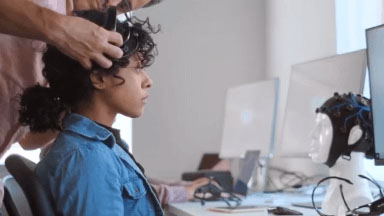
En el núcleo de la mayoría de la neurotecnología para consumidores están los auriculares EEG (electroencefalografía). Estos son dispositivos portátiles que utilizan sensores para detectar las pequeñas señales eléctricas que produce tu cerebro. Piénsalos como rastreadores de fitness para tu cerebro, proporcionando datos sobre tu actividad cognitiva. Esta tecnología es la base de interfaces cerebro-computadora (BCIs), que te permiten interactuar con software y dispositivos utilizando las señales de tu cerebro.
Nuestro hardware abarca desde auriculares inalámbricos de 2 canales accesibles como el MN8 hasta auriculares de investigación de grado multi-canal como el Epoc X de 14 canales y el Flex de 32 canales. Un dispositivo con más canales puede recopilar datos más detallados y específicos, lo que es ideal para investigación académica y educación. Para desarrolladores y creadores, estos auriculares abren un mundo de posibilidades para construir nuevas aplicaciones.
Dispositivos de Neurofeedback
El neurofeedback es un proceso que te brinda información en tiempo real sobre tu actividad cerebral. La idea es simple: un dispositivo mide tus ondas cerebrales, y una aplicación te proporciona retroalimentación, a menudo a través de sonidos o visuales. Por ejemplo, un sonido calmante podría sonar cuando tu cerebro entra en un estado más relajado. Con el tiempo, este bucle de retroalimentación puede ayudarte a aprender a reconocer y guiar tus propios estados mentales.
Muchas personas utilizan estas herramientas para explorar estados de enfoque, relajación y meditación. Aunque las promesas de marketing pueden a veces ser opacas, muchos usuarios han informado experiencias positivas. Nuestros auriculares EEG, cuando se combinan con software como EmotivPRO, proporcionan los datos en bruto y las visualizaciones necesarias para crear tus propios experimentos de neurofeedback y acceder a herramientas para bienestar cognitivo.
Aplicaciones de Entrenamiento Cognitivo
Probablemente hayas visto anuncios de juegos de "entrenamiento cerebral". Estas aplicaciones de entrenamiento cognitivo están diseñadas para desafiar habilidades como la memoria, atención y resolución de problemas a través de ejercicios atractivos. Mientras que muchas de estas son aplicaciones móviles o web independientes, algunas están diseñadas para integrarse con hardware EEG. Esto crea una experiencia más interactiva donde tu estado cognitivo en tiempo real puede influir en la propia aplicación.
Por ejemplo, podrías controlar un personaje de juego o ajustar la dificultad de un rompecabezas según tu nivel de enfoque. Esto añade una nueva dimensión fascinante tanto al desarrollo personal como al entretenimiento. Es un área emocionante, y proporcionamos las herramientas para desarrolladores para crear este tipo de aplicaciones integradas y conscientes del cerebro.
¿Cuáles Son los Beneficios Potenciales?
La neurotecnología para consumidores abre algunas posibilidades fascinantes para el descubrimiento personal e interacción con el mundo digital. Aunque es importante abordar el campo con una dosis saludable de curiosidad y realismo, las aplicaciones potenciales son genuinamente emocionantes. Desde obtener una nueva perspectiva sobre tus propios estados cognitivos hasta crear nuevas formas de controlar software, estas herramientas ofrecen una ventana única a la actividad eléctrica del cerebro. El objetivo no se trata de "leer mentes", sino más bien de entender patrones y utilizar esa información de manera significativa. Veamos algunas de las áreas más prometedoras donde la neurotecnología para consumidores está teniendo impacto.
Explorando el Rendimiento Cognitivo
Muchas personas se sienten atraídas por la neurotecnología con la esperanza de comprender mejor su propio enfoque, atención y carga mental. La idea es que al obtener retroalimentación sobre tu actividad cerebral, puedes comenzar a reconocer patrones relacionados con diferentes estados cognitivos. Por ejemplo, podrías explorar cómo se ve la actividad de tu cerebro durante un periodo de profunda concentración en comparación con cuando te sientes distraído. Como se observa en un estudio en la revista Neuron, "El mercado de la neurotecnología portátil apunta a los consumidores con promesas de beneficios cognitivos", pero también enfatiza que "la evidencia científica es esencial." Estos dispositivos pueden ser herramientas poderosas para la recopilación de datos personales y la autoexploración, proporcionando una nueva capa de información para cualquiera interesado en investigación académica o ciencia personal.
Herramientas para el Bienestar y la Gestión del Estrés
Otra área de gran interés es usar la neurotecnología para apoyar prácticas de bienestar como la meditación y la gestión del estrés. El neurofeedback, por ejemplo, puede proporcionar señales en tiempo real—como sonidos o visuales cambiantes—que corresponden a tu actividad cerebral. Esta retroalimentación puede ayudarte a guiarte hacia un estado más relajado o meditativo. Aunque las promesas de marketing pueden ser a veces vagas, muchas personas han informado experiencias positivas. Según un artículo en Neuroethics Today, algunos usuarios han encontrado que estos productos les ayudan a lograr "estados meditativos mejorados, sueño, enfoque y relajación." Al ofrecer un reflejo directo de tu estado interno, estos dispositivos pueden convertirse en adiciones valiosas a tu caja de herramientas para bienestar cognitivo.
El Poder de las Interfaces Cerebro-Computadora
Quizás una de las aplicaciones más innovadoras de la neurotecnología sea la interfaz cerebro-computadora, o BCI. Una BCI crea un camino de comunicación directa entre tu cerebro y un dispositivo externo, como una computadora o un dron. Esto no es ciencia ficción; es un campo en rápida evolución que te permite interactuar con la tecnología de una manera completamente nueva. Para desarrolladores y creadores, esto abre un mundo de posibilidades, desde diseñar aplicaciones manos libres y controles de juego inmersivos hasta construir tecnologías asistivas. Por ejemplo, nuestro software EmotivBCI te permite traducir comandos mentales en acciones en una computadora, dándote una forma práctica de experimentar con el futuro de la interacción humano-computadora.
¿Funciona Realmente la Neurotecnología para Consumidores?
Es la gran pregunta en la mente de todos cuando se encuentran con esta tecnología por primera vez: ¿realmente hace lo que afirma? Con promesas de todo, desde un mejor enfoque hasta nuevas formas de interactuar con computadoras, es natural ser un poco escéptico. La verdad es que la efectividad de la neurotecnología para consumidores es un tema matizado, y la respuesta no es un simple sí o no. El mercado de neurotecnología portátil está lleno de productos dirigidos al bienestar personal, pero es importante ver más allá del marketing y observar lo que dice la ciencia.
El campo aún está evolucionando, y aunque algunas aplicaciones tienen un sólido respaldo científico, otras son más experimentales. La clave es acercarse a estos dispositivos con expectativas realistas y una comprensión clara de lo que pueden y no pueden hacer. Se trata menos de encontrar un botón mágico para tu cerebro y más de acceder a nuevas herramientas y datos para comprenderte mejor. Para muchos, el valor proviene de obtener percepciones sobre sus propios patrones cognitivos y explorar nuevas formas de interacción, como las que ofrecen una interfaz cerebro-computadora. El objetivo es empoderarte con información, no ofrecer una solución rápida. Esta tecnología abre una puerta al descubrimiento personal, permitiéndote ver datos objetivos relacionados con tus estados mentales, lo que puede ser una herramienta poderosa para la autoconciencia y la exploración.
Lo Que Dice la Ciencia
Cuando miramos la investigación, la imagen se vuelve más clara. La evidencia científica es esencial30289-2) para validar las afirmaciones hechas por cualquier empresa de neurotecnología. Aunque la industria aún es joven, un creciente cuerpo de investigación respalda el uso de EEG para diversas aplicaciones. Por ejemplo, se ha estudiado el neurofeedback durante décadas en entornos clínicos y de investigación. Muchos dispositivos de consumo están ahora haciendo esta tecnología más accesible.
A pesar de que algunas promesas de marketing son un poco vagas, muchas personas han informado experiencias positivas. Los usuarios a menudo comparten historias de lograr estados meditativos más profundos, encontrar nuevas formas de gestionar el enfoque o simplemente sentirse más en sintonía con su estado mental después de usar estos productos. Los datos que obtienes de un dispositivo EEG pueden proporcionar un punto de referencia tangible para sensaciones intangibles, ayudándote a conectar los puntos entre tus acciones y tus respuestas cognitivas.
Conceptos Erróneos Comunes a Evitar
Uno de los mayores obstáculos en este espacio es separar el bombo de la realidad. No siempre está claro si un producto funciona como se anuncia, y desafortunadamente, no todas las empresas invierten en la investigación para probar sus afirmaciones. Por eso es tan importante que tú, como consumidor, seas discerniente. Una dosis saludable de escepticismo es algo bueno.
Otro problema común es que la "ciencia" utilizada en el marketing puede no ser directamente aplicable al producto que se está vendiendo. Un estudio realizado con un sistema EEG de alta densidad y grado de laboratorio no valida automáticamente los resultados de un dispositivo de consumo mucho más simple. Es por esto que hay un creciente llamado a una mejor supervisión de las neurotecnologías directas al consumidor para asegurar que las empresas sean transparentes y responsables por las afirmaciones que hacen. Siempre busca empresas que sean abiertas sobre su investigación y tecnología.
Donde Se Necesita Más Investigación
El futuro de la neurotecnología para consumidores es brillante, pero aún queda trabajo por hacer. Para generar confianza y asegurar que estos dispositivos sean tanto seguros como efectivos, necesitamos más estudios científicos independientes. Los investigadores están explorando activamente cómo las personas utilizan estos productos en su vida diaria y cuáles podrían ser los efectos a largo plazo. Esta investigación continua es vital para mover todo el campo hacia adelante de manera responsable.
Muchos expertos sugieren que se forme un grupo independiente para revisar productos de neurotecnología para consumidores. Dicho grupo podría proporcionar resúmenes claros y objetivos sobre qué tan bien funcionan diferentes dispositivos y cuáles son los posibles riesgos, todo basado en evidencia científica sólida. Esto ayudaría a los consumidores a tomar decisiones más informadas y alentaría a las empresas a exigirse un estándar más alto. A medida que la tecnología se vuelve más común, este tipo de transparencia y validación rigurosa serán más importantes que nunca.
Comprendiendo los Riesgos y Limitaciones
Por emocionante que sea la neurotecnología para consumidores, es inteligente acercarse a ella con la cabeza clara. Como cualquier nueva tecnología, viene con su propio conjunto de preguntas y posibles desventajas. Pensar en los riesgos y limitaciones te ayudará a tomar una decisión informada y aprovechar al máximo tu experiencia. Vamos a recorrer algunas de las consideraciones más importantes, desde la seguridad física hasta la privacidad de los datos.
¿Es Seguro para Uso a Largo Plazo?
Es natural preguntarse sobre la seguridad de un dispositivo que usas en tu cabeza. La realidad es que la calidad y validación detrás de los productos de neurotecnología para consumidores pueden variar. Algunos dispositivos pueden causar problemas físicos menores como irritación en la piel, mientras que otros podrían proporcionar retroalimentación inexacta que podría hacerte sentir estrés innecesariamente. También es importante señalar que un producto de consumo, incluso si se basa en ciencia sólida, podría no funcionar de la misma manera que el equipo especializado usado en un laboratorio. Una parte clave de la supervisión de las neurotecnologías directas al consumidor involucra cuestionar si las empresas han realizado su propia investigación para probar que sus productos específicos funcionan como se espera.
Separando el Hype de la Realidad
Las promesas de la neurotecnología pueden ser bastante convincentes, pero es importante mirar más allá del bombo del marketing. Si bien muchas personas han informado experiencias positivas, como estados meditativos mejorados o un mejor enfoque, la comunidad científica no siempre está de acuerdo sobre cuán bien funciona cada dispositivo de consumo. La efectividad de ciertos juegos de entrenamiento cerebral o dispositivos de estimulación sigue siendo un tema de debate entre investigadores. Antes de comprometerte, intenta encontrar reseñas o estudios independientes relacionados con el producto específico que estás considerando. Esto te ayudara a establecer expectativas realistas y a comprender lo que el dispositivo puede y no puede hacer.
Tu Privacidad y Seguridad de Datos
Tu data cerebral es increíblemente personal, por lo que es crucial pensar en quién tiene acceso a ella y cómo está siendo protegida. El crecimiento rápido del mercado de neurotecnología para consumidores significa que las leyes y regulaciones aún están evolucionando para mantenerse al día. Muchas empresas clasifican sus productos como "bienestar" en lugar de como dispositivos médicos, lo que les permite evitar una supervisión regulatoria más estricta. Antes de usar cualquier dispositivo, tómate el tiempo para leer la política de privacidad de la empresa. Entiende qué datos se recopilan, dónde se almacenan y si se comparten con terceros. Elegir una empresa que sea transparente sobre sus prácticas de datos siempre es una buena decisión.
Navegando las Preguntas Éticas
A medida que nos emocionamos con las posibilidades de la neurotecnología, también es importante tener una conversación reflexiva sobre el lado ético de las cosas. Esta tecnología es nueva y poderosa, y plantea algunas grandes preguntas sobre privacidad, seguridad y equidad. Reflexionar sobre estos temas ayuda a todos—desde desarrolladores como nosotros hasta tú, la persona que usa el dispositivo—tomar decisiones responsables. Se trata de construir un futuro para la neurotecnología que sea innovador y consciente.
¿Quién Posee Tu Data Cerebral?
Esta es una de las preguntas más críticas en la neurotecnología hoy. Tu data cerebral es única y personal, y a medida que los dispositivos de consumo se vuelven más comunes, la conversación sobre quién controla esa data se intensifica. El crecimiento rápido de este campo significa que las leyes y criterios actuales pueden no estar completamente equipados para manejar estos nuevos desafíos. Antes de usar cualquier dispositivo de neurotecnología, es una buena práctica leer la política de privacidad de la empresa. Entiende qué datos se recopilan, cómo se almacenan y quién tiene acceso a ellos. Tus datos cerebrales te pertenecen, y deberías tener la última palabra sobre cómo se utilizan.
El Potencial de Uso Indebido
Con cualquier tecnología emergente, existe el riesgo de desinformación y uso indebido. Algunas empresas pueden hacer afirmaciones exageradas sobre lo que sus productos pueden hacer sin proporcionar la investigación que respalde dichas afirmaciones. A menudo no está claro si estos productos funcionan como se anuncian, y como nota un informe, algunos dispositivos incluso podrían causar daño físico o mental si no se diseñan o usan correctamente. Por eso la transparencia es tan importante. Busca empresas que sean abiertas sobre su investigación y desarrollo. Ser un consumidor informado significa hacer preguntas críticas y buscar evidencia detrás de las afirmaciones de marketing.
Asegurando Acceso Justo e Igualitario
A medida que la neurotecnología se vuelve más poderosa, también necesitamos considerar quién se beneficia de ella. Si herramientas avanzadas que apoyan el rendimiento cognitivo se vuelven ampliamente disponibles pero solo son asequibles para unos pocos selectos, podría crear una "neuro-división." Esto podría, potencialmente, ampliar las desigualdades sociales existentes. La cuestión del acceso justo e igualitario es una consideración a largo plazo para toda la industria. El objetivo debería ser crear tecnología que sea accesible y beneficiosa para todos, no solo para un pequeño segmento de la población. Es una conversación que se volverá más importante a medida que la tecnología continúe desarrollándose.
¿Cómo Está Regulada la Neurotecnología para Consumidores?
Cuando estás explorando un campo nuevo como la neurotecnología para consumidores, es natural preguntarse sobre las reglas y salvaguardias que están en su lugar. La verdad es que el panorama regulatorio aún está tomando forma. Dado que estos productos se venden directamente a ti, el consumidor, a menudo existen en un área gris que es diferente de los equipos médicos tradicionales. Esto pone más responsabilidad sobre ti para ser un comprador informado.
Entender la distinción entre un dispositivo médico y un producto de bienestar general es clave. Esta diferencia influye en todo, desde las afirmaciones que una empresa puede hacer hasta el nivel de supervisión que recibe de organismos gubernamentales. Vamos a desglosar lo que esto significa para que te sientas seguro acerca de los productos que estás considerando.
El Panorama Regulatorio Actual
Muchos productos de neurotecnología están disponibles directamente para los consumidores sin necesidad de receta médica. Este modelo de venta directa al consumidor es conveniente, pero también significa que estos productos no siempre pasan por los mismos procesos rigurosos de aprobación que los equipos de grado médico. En los Estados Unidos, por ejemplo, la Administración de Alimentos y Medicamentos (FDA) ha indicado que no regulará estrictamente los productos de bienestar general "de bajo riesgo".
Este enfoque crea una situación similar al mercado de suplementos dietéticos, donde los productos pueden venderse sin pruebas definitivas de su efectividad para resultados específicos. La supervisión de las neurotecnologías directas al consumidor aún está evolucionando, lo que significa que es increíblemente importante que mires más allá del marketing y evalúes la tecnología y la empresa detrás de ella por ti mismo.
Dispositivo Médico vs. Producto de Bienestar
La distinción más importante en este espacio es si un producto se clasifica como dispositivo médico o producto de bienestar. Un dispositivo médico está destinado a diagnosticar, tratar, curar o prevenir una enfermedad y está sujeto a regulaciones estrictas. Un producto de bienestar, por otro lado, está destinado a propósitos generales de bienestar, como ayudarte a gestionar el estrés, mejorar el enfoque o simplemente aprender más sobre tu propia actividad cerebral.
Muchas empresas posicionan sus productos para el bienestar general o para aplicaciones específicas como investigación académica y educación para operar dentro del marco de bienestar. Por ejemplo, nuestros auriculares EEG están diseñados como herramientas poderosas para investigadores, desarrolladores e individuos interesados en aplicaciones de bienestar cognitivo, no como tratamientos médicos. Esta distinción ayuda a establecer expectativas claras sobre lo que un dispositivo puede y no puede hacer.
Qué Considerar Antes de Comprar
Elegir un dispositivo de neurotecnología es una decisión importante, y es fácil perderse en los detalles técnicos y las promesas de marketing. Antes de comprometerte, es útil dar un paso atrás y pensar en algunas áreas clave. Al aclarar tus objetivos personales, evaluar críticamente las afirmaciones del producto y comprender el hardware, puedes tomar una decisión que realmente se ajuste a tus necesidades. Este enfoque te ayudará a encontrar un dispositivo que realmente usarás y del que obtendrás valor, ya sea que estés realizando investigaciones formales o explorando tus propios patrones cognitivos.
Define Tus Objetivos
Primero, aclara realmente lo que deseas lograr. Tu razón para comprar un dispositivo determinará cuál es el adecuado para ti. ¿Eres un investigador que necesita datos de alta densidad y de grado de investigación para un estudio? ¿O tal vez eres un desarrollador que busca construir una aplicación manos libres utilizando una interfaz cerebro-computadora? Quizás simplemente tengas curiosidad sobre herramientas que puedan darte información sobre tu enfoque o relajación durante la meditación. El mejor dispositivo para investigación académica detallada es muy diferente de uno diseñado para el bienestar personal. Definir tu caso de uso principal es el paso más importante que puedes dar.
Evalúa las Afirmaciones
El mundo de la neurotecnología para consumidores está lleno de afirmaciones emocionantes, pero es aconsejable abordarlas con una dosis saludable de curiosidad. Muchas empresas hacen promesas audaces, pero puede ser difícil encontrar la investigación que las respalde. Al mirar un producto, pregúntate: ¿La empresa comparte estudios publicados que utilicen su dispositivo? Si bien los testimonios personales pueden ser interesantes, no son un sustituto de la validación científica. Busca empresas que sean transparentes sobre su tecnología y puedan señalar investigaciones académicas reales que respalden cómo se utilizan sus productos.
Comprende las Especificaciones del Hardware
No todos los dispositivos EEG están construidos de la misma manera, y las especificaciones de hardware son importantes. El número de canales, por ejemplo, es un diferenciador clave. Un dispositivo con dos canales podría ser adecuado para aplicaciones simples, mientras que un auricular de 32 canales como nuestro Flex Saline está diseñado para capturar actividad cerebral mucho más detallada y espacialmente rica. También deberías considerar el tipo de sensor: los sensores de salina ofrecen conveniencia y configuración rápida, mientras que los sensores de gel pueden proporcionar una conexión más fuerte para sesiones de grabación más prolongadas. Piensa en cómo y dónde utilizarás el dispositivo para decidir qué características de hardware son más importantes para ti.
Cómo Elegir la Neurotecnología Adecuada para Ti
Bien, has explorado qué es la neurotecnología, qué puede hacer y qué debes tener en cuenta. Ahora viene la parte emocionante: averiguar qué dispositivo es el adecuado para ti. Con más opciones disponibles que nunca, tomar una decisión puede parecer un poco abrumador, pero no tiene por qué serlo. La clave es recordar que no hay un único dispositivo "mejor", solo el mejor dispositivo para tus necesidades específicas. Esta decisión es personal y depende completamente de tus objetivos, presupuesto y cómo planeas utilizar la tecnología. Piensa en ello menos como comprar un gadget y más como elegir una herramienta especializada para un trabajo específico. Ya seas un investigador que necesita datos de alta densidad, un desarrollador construyendo la próxima gran interfaz cerebro-computadora, o simplemente curioso sobre tu propia actividad cerebral, hacer las preguntas adecuadas te llevará al dispositivo perfecto. Para ayudarte a tomar una decisión segura, recorreremos las tres cosas más importantes a considerar: tu presupuesto, el ecosistema de software y la experiencia general del usuario. Estos factores te ayudarán a cortar el ruido y encontrar un producto que realmente usarás y valorarás.
Considera Tu Presupuesto y Costos Continuos
Comencemos con el lado práctico: tu presupuesto. El precio de los dispositivos de neurotecnología puede variar bastante, desde modelos de consumo accesibles hasta sistemas sofisticados para la investigación. Es importante mirar más allá de la etiqueta de precio inicial. Al comparar opciones, verifica si hay costos continuos. Algunos productos requieren una suscripción para acceder a sus funciones completas de software o recibir actualizaciones. Creemos en la transparencia, por lo que nuestras páginas de productos describen claramente lo que está incluido con tu compra y lo que podría requerir una licencia separada, como nuestro avanzado EmotivPRO software. Pensar en el costo total de propiedad te ayudará a encontrar un dispositivo que se ajuste a tu presupuesto ahora y en el futuro.
Verifica el Software y la Compatibilidad
Un auricular de neurotecnología es solo tan poderoso como el software que viene con él. Antes de comprometerte, asegúrate de que el dispositivo sea compatible con tu computadora o smartphone. La verdadera magia ocurre cuando puedes acceder, analizar y trabajar fácilmente con tus datos cerebrales. Busca un ecosistema de software robusto que apoye tus objetivos. Por ejemplo, si eres un desarrollador, querrás acceso a APIs y SDKs para construir tus propias aplicaciones. Nuestras herramientas para desarrolladores están diseñadas para ayudarte a crear experiencias personalizadas. Si te centras en la investigación, necesitarás un software que permita un análisis detallado de datos y exportación. El software adecuado convierte los datos en bruto en percepciones significativas.
Mira la Configuración y la Experiencia del Usuario
Si un dispositivo es difícil de configurar o incómodo de usar, probablemente no lo usarás muy a menudo. Una gran experiencia de usuario es clave. Piensa en cómo y dónde usarás el dispositivo. ¿Necesitas algo que puedas poner rápidamente para una sesión corta, o planeas experimentar durante períodos más largos? Busca instrucciones claras y una interfaz intuitiva. Por ejemplo, nuestro auricular Insight está diseñado para una configuración rápida y fácil, lo que lo hace ideal para uso diario. Para investigación académica más profunda, un dispositivo como Flex podría requerir una configuración más detallada pero proporciona datos de mayor densidad. El mejor dispositivo es aquel que se integra sin problemas en tu rutina.
Tus Primeros Pasos con la Neurotecnología para Consumidores
Así que has decidido explorar el mundo de la neurotecnología para consumidores. Es un campo emocionante, y empezar con el pie derecho marcará la diferencia. Una vez que tengas tu dispositivo, el viaje realmente apenas comienza. Abordarlo con la mentalidad correcta es clave para aprovechar al máximo tu experiencia. Piensa en ello como aprender a usar cualquier herramienta nueva y poderosa: requiere un poco de paciencia, una dosis saludable de curiosidad y una comprensión clara de lo que puede y no puede hacer. Aquí hay algunas cosas a tener en cuenta a medida que comienzas.
Establece Expectativas Realistas
El mercado de la neurotecnología para consumidores está lleno de productos que prometen ayudarte con el bienestar personal y la exploración cognitiva. Si bien muchas personas informan experiencias positivas como estados meditativos más profundos o un mejor control sobre su enfoque, es importante recordar que estos dispositivos son herramientas, no soluciones mágicas. El mejor enfoque es gestionar tus expectativas. La evidencia científica30289-2) es esencial para validar cualquier afirmación, así que sé un consumidor discerniente. Utiliza tu dispositivo para aprender más sobre tu propia actividad cerebral y explorar las herramientas de bienestar cognitivo disponibles para ti, pero no esperes resultados instantáneos y transformadores de la noche a la mañana. El verdadero progreso proviene del uso constante y de una clara comprensión de los datos que estás viendo.
Usa Tu Dispositivo de Manera Responsable
A diferencia de los equipos médicos, muchos productos de neurotecnología se venden directamente a los consumidores sin requerir la supervisión de un médico. Esta accesibilidad es fantástica, pero también coloca la responsabilidad de un uso seguro y efectivo firmemente sobre tus hombros. Comienza por leer detenidamente el manual del usuario y seguir todas las instrucciones de configuración. Presta atención a los tiempos de uso recomendados y las mejores prácticas proporcionadas por el fabricante. Utilizar el dispositivo como está destinado no solo asegurará tu seguridad, sino que también te dará los datos más precisos y útiles. Piensa en ello como construir una base sólida para tus exploraciones sobre tus propios procesos cognitivos.
Artículos Relacionados
Preguntas Frecuentes
¿Pueden estos dispositivos realmente leer mis pensamientos? Esa es una pregunta común, y la respuesta simple es no. La tecnología EEG no interpreta tus pensamientos específicos o monólogo interno. En cambio, mide los amplios patrones eléctricos que produce tu cerebro, a menudo llamados ondas cerebrales. Estos patrones pueden mostrar si estás en un estado de enfoque, relajación o compromiso. Piensa en ello menos como leer un libro y más como escuchar el ritmo general de una orquesta para comprender el estado de ánimo de la música.
¿Cuál es la verdadera diferencia entre un auricular con unos pocos sensores y uno con muchos? El número de sensores, o canales, determina el nivel de detalle que puedes reunir sobre la actividad de tu cerebro. Un dispositivo con menos canales, como nuestros auriculares MN8 de 2 canales, es excelente para obtener una comprensión general de tu estado cognitivo. Un auricular multicanal, como nuestro Flex de 32 canales, proporciona datos mucho más específicos y espacialmente ricos. Esto lo convierte en una herramienta poderosa para investigadores académicos o desarrolladores que necesitan una visión más granular de la actividad cerebral en diferentes regiones.
¿Necesito un título en ciencia para usar uno de estos dispositivos? Absolutamente no. Si bien nuestros auriculares más avanzados están diseñados para una investigación académica seria, muchos productos de neurotecnología están creados pensando en usuarios cotidianos. El objetivo es hacer esta tecnología accesible a cualquiera que tenga curiosidad. Nuestro software está diseñado para ser intuitivo, proporcionando visualizaciones claras y retroalimentación que puedes entender sin un fondo en neurociencia. Es una herramienta para la exploración personal, abierta a todos.
¿Es seguro usar un dispositivo EEG regularmente? Sí, EEG es una tecnología no invasiva y pasiva. Los sensores en el auricular simplemente están "escuchando" las pequeñas señales eléctricas que tu cerebro produce de manera natural todo el tiempo. El dispositivo no envía ninguna corriente o señal eléctrica a tu cerebro. Como con cualquier tecnología portátil, es importante seguir las directrices del fabricante para el uso y cuidado para asegurar que tengas una experiencia cómoda y segura.
¿Qué puedo hacer realmente con un dispositivo cerebro-computadora en casa? Una interfaz cerebro-computadora, o BCI, abre nuevas formas de interactuar con la tecnología. En casa, puedes usarla para traducir comandos mentales en acciones en tu computadora, como mover el cursor o seleccionar un elemento sin usar las manos. También puedes interactuar con aplicaciones y juegos diseñados específicamente para control BCI. Es una forma práctica de experimentar con el futuro de la interacción humano-computadora y descubrir una nueva forma de controlar tu mundo digital.
Si eres un investigador, desarrollador o creador, sabes que la forma en que interactuamos con la tecnología está en constante evolución. El teclado y el ratón han sido nuestras herramientas principales durante décadas, pero ¿qué viene después? Las interfaces cerebro-computadora (BCIs) representan una nueva frontera, ofreciendo una forma de controlar software y dispositivos utilizando las señales eléctricas de tu cerebro. Esto no es un concepto futurista distante; está sucediendo ahora. Los auriculares EEG accesibles están poniendo el poder de innovar en las manos de más personas que nunca. Esta guía es para los constructores y pioneros, proporcionando un resumen práctico del hardware, software y el potencial de los productos de neurotecnología para consumidores, para ayudarte a comenzar a crear la próxima generación de experiencias interactivas.
Conclusiones Clave
Define tu Objetivo para Encontrar tu Herramienta: Tu razón para explorar la neurotecnología—ya sea para investigación académica, desarrollo de BCI o bienestar personal—es el factor más importante al elegir el dispositivo correcto. Un auricular de alta cantidad de canales para investigación es muy diferente de un dispositivo diseñado para un uso rápido y diario.
Evalúa la Ciencia, No Solo la Historia: El espacio de la neurotecnología para consumidores está lleno de promesas emocionantes, pero es crucial buscar evidencia detrás de las afirmaciones. Prioriza empresas que sean transparentes sobre su investigación y tecnología para asegurarte de que estás tomando una decisión informada.
El Software y la Política de Privacidad Son Tan Importantes Como el Hardware: Un dispositivo es tan poderoso como su ecosistema de software y su compromiso con tu privacidad. Antes de comprar, confirma que el software respalda tus objetivos y lee la política de privacidad para entender cómo se maneja tu data cerebral personal.
¿Qué Es la Neurotecnología para Consumidores?
Entonces, ¿qué es exactamente la neurotecnología para consumidores? Es esencialmente tecnología de detección cerebral diseñada para ti y para mí, no solo para científicos en un laboratorio. Piénsalo como la categoría de tecnología que trae aplicaciones para comprender el cerebro al mercado de consumo. Durante años, este tipo de tecnología fue compleja y confinada a instituciones de investigación. Ahora, las empresas están creando dispositivos que son más accesibles y fáciles de usar, permitiendo a más personas interactuar con su propia actividad cerebral.
El objetivo detrás de estos productos a menudo gira en torno al desarrollo personal. Podrían ofrecerte información sobre tus funciones cognitivas, proporcionar herramientas para ayudar a manejar el estrés, o darte una nueva forma de interactuar con computadoras y otros dispositivos. Se trata de dar a los individuos acceso a información sobre sus propios procesos cognitivos. Este cambio del laboratorio a la sala de estar abre un mundo completamente nuevo de posibilidades para el descubrimiento personal, investigación académica e incluso expresión creativa. Es un campo que está creciendo rápidamente, con nuevas herramientas y aplicaciones apareciendo todo el tiempo.
¿Cómo Funciona?
En su núcleo, la neurotecnología para consumidores se basa en dispositivos portátiles que pueden detectar señales de tu cerebro. Estos dispositivos, que pueden parecer auriculares o incluso auriculares intrauditivos, están diseñados con la promesa de ofrecer beneficios cognitivos o herramientas para el bienestar personal. Funcionan utilizando sensores para captar la actividad natural del cerebro sin ser invasivos.
La verdadera magia sucede cuando estos datos son procesados. El software interpreta estas señales complejas y las traduce en retroalimentación comprensible o comandos. Sin embargo, es crucial que las afirmaciones hechas por estos productos estén respaldadas por evidencia científica30289-2). Esto asegura que puedas tomar decisiones informadas sobre la tecnología que eliges usar y confiar en las percepciones que recibes.
Una Guía Rápida sobre la Tecnología EEG
El método más común que encontrarás en la neurotecnología para consumidores es la electroencefalografía, o EEG. De hecho, la mayoría de las empresas en este espacio utilizan esta tecnología. EEG funciona midiendo las pequeñas señales eléctricas que producen las células de tu cerebro mientras se comunican entre sí. Estas señales, a menudo llamadas ondas cerebrales, cambian dependiendo de lo que estés haciendo o cómo te sientas.
Al colocar sensores en el cuero cabelludo, un auricular EEG puede medir estos patrones. Esto proporciona una ventana a tus estados cognitivos, como enfoque, relajación o compromiso. Lo emocionante es que esta poderosa tecnología ya no está limitada a entornos clínicos. Ahora está disponible en dispositivos portátiles y fáciles de usar diseñados para aplicaciones cotidianas, haciendo posible que cualquiera explore su propia actividad cerebral.
¿Qué Tipos de Productos de Neurotecnología Puedes Comprar?
El mundo de la neurotecnología para consumidores ha crecido bastante, pasando de entornos puramente clínicos o de investigación a nuestros hogares y oficinas. Hoy en día, puedes encontrar una variedad de productos diseñados para diferentes propósitos, desde investigación académica seria hasta exploración del bienestar personal. El ecosistema creciente de productos de neurotecnología se está vendiendo directamente a los consumidores, lo que significa que tienes más acceso que nunca. Este cambio pone poderosas herramientas en manos de creadores, investigadores y cualquier persona curiosa sobre el funcionamiento del cerebro humano. Es un momento emocionante, pero también puede ser un poco abrumador averiguar qué es qué.
La mayoría de estos productos se agrupan en unas pocas categorías principales. Encontrarás hardware como auriculares EEG que pueden medir la actividad cerebral, dispositivos que proporcionan retroalimentación en tiempo real sobre tu estado mental y una amplia gama de aplicaciones diseñadas para funcionar con o sin un auricular. La clave es que estos ya no son solo para laboratorios con presupuestos de millones de dólares. Dispositivos portátiles y fáciles de usar han hecho que sea posible que desarrolladores independientes, pequeños departamentos universitarios e incluso individuos realicen experimentos sofisticados y construyan aplicaciones únicas. Comprender estas categorías es el primer paso para encontrar un producto que se alinee con tus objetivos, ya seas un desarrollador construyendo la próxima generación de software interactivo o un individuo buscando nuevas formas de gestionar el enfoque y el estrés. Vamos a desglosar los principales tipos de productos que encontrarás en el mercado.
Auriculares EEG e Interfaces Cerebro-Computadora
En el núcleo de la mayoría de la neurotecnología para consumidores están los auriculares EEG (electroencefalografía). Estos son dispositivos portátiles que utilizan sensores para detectar las pequeñas señales eléctricas que produce tu cerebro. Piénsalos como rastreadores de fitness para tu cerebro, proporcionando datos sobre tu actividad cognitiva. Esta tecnología es la base de interfaces cerebro-computadora (BCIs), que te permiten interactuar con software y dispositivos utilizando las señales de tu cerebro.
Nuestro hardware abarca desde auriculares inalámbricos de 2 canales accesibles como el MN8 hasta auriculares de investigación de grado multi-canal como el Epoc X de 14 canales y el Flex de 32 canales. Un dispositivo con más canales puede recopilar datos más detallados y específicos, lo que es ideal para investigación académica y educación. Para desarrolladores y creadores, estos auriculares abren un mundo de posibilidades para construir nuevas aplicaciones.
Dispositivos de Neurofeedback
El neurofeedback es un proceso que te brinda información en tiempo real sobre tu actividad cerebral. La idea es simple: un dispositivo mide tus ondas cerebrales, y una aplicación te proporciona retroalimentación, a menudo a través de sonidos o visuales. Por ejemplo, un sonido calmante podría sonar cuando tu cerebro entra en un estado más relajado. Con el tiempo, este bucle de retroalimentación puede ayudarte a aprender a reconocer y guiar tus propios estados mentales.
Muchas personas utilizan estas herramientas para explorar estados de enfoque, relajación y meditación. Aunque las promesas de marketing pueden a veces ser opacas, muchos usuarios han informado experiencias positivas. Nuestros auriculares EEG, cuando se combinan con software como EmotivPRO, proporcionan los datos en bruto y las visualizaciones necesarias para crear tus propios experimentos de neurofeedback y acceder a herramientas para bienestar cognitivo.
Aplicaciones de Entrenamiento Cognitivo
Probablemente hayas visto anuncios de juegos de "entrenamiento cerebral". Estas aplicaciones de entrenamiento cognitivo están diseñadas para desafiar habilidades como la memoria, atención y resolución de problemas a través de ejercicios atractivos. Mientras que muchas de estas son aplicaciones móviles o web independientes, algunas están diseñadas para integrarse con hardware EEG. Esto crea una experiencia más interactiva donde tu estado cognitivo en tiempo real puede influir en la propia aplicación.
Por ejemplo, podrías controlar un personaje de juego o ajustar la dificultad de un rompecabezas según tu nivel de enfoque. Esto añade una nueva dimensión fascinante tanto al desarrollo personal como al entretenimiento. Es un área emocionante, y proporcionamos las herramientas para desarrolladores para crear este tipo de aplicaciones integradas y conscientes del cerebro.
¿Cuáles Son los Beneficios Potenciales?
La neurotecnología para consumidores abre algunas posibilidades fascinantes para el descubrimiento personal e interacción con el mundo digital. Aunque es importante abordar el campo con una dosis saludable de curiosidad y realismo, las aplicaciones potenciales son genuinamente emocionantes. Desde obtener una nueva perspectiva sobre tus propios estados cognitivos hasta crear nuevas formas de controlar software, estas herramientas ofrecen una ventana única a la actividad eléctrica del cerebro. El objetivo no se trata de "leer mentes", sino más bien de entender patrones y utilizar esa información de manera significativa. Veamos algunas de las áreas más prometedoras donde la neurotecnología para consumidores está teniendo impacto.
Explorando el Rendimiento Cognitivo
Muchas personas se sienten atraídas por la neurotecnología con la esperanza de comprender mejor su propio enfoque, atención y carga mental. La idea es que al obtener retroalimentación sobre tu actividad cerebral, puedes comenzar a reconocer patrones relacionados con diferentes estados cognitivos. Por ejemplo, podrías explorar cómo se ve la actividad de tu cerebro durante un periodo de profunda concentración en comparación con cuando te sientes distraído. Como se observa en un estudio en la revista Neuron, "El mercado de la neurotecnología portátil apunta a los consumidores con promesas de beneficios cognitivos", pero también enfatiza que "la evidencia científica es esencial." Estos dispositivos pueden ser herramientas poderosas para la recopilación de datos personales y la autoexploración, proporcionando una nueva capa de información para cualquiera interesado en investigación académica o ciencia personal.
Herramientas para el Bienestar y la Gestión del Estrés
Otra área de gran interés es usar la neurotecnología para apoyar prácticas de bienestar como la meditación y la gestión del estrés. El neurofeedback, por ejemplo, puede proporcionar señales en tiempo real—como sonidos o visuales cambiantes—que corresponden a tu actividad cerebral. Esta retroalimentación puede ayudarte a guiarte hacia un estado más relajado o meditativo. Aunque las promesas de marketing pueden ser a veces vagas, muchas personas han informado experiencias positivas. Según un artículo en Neuroethics Today, algunos usuarios han encontrado que estos productos les ayudan a lograr "estados meditativos mejorados, sueño, enfoque y relajación." Al ofrecer un reflejo directo de tu estado interno, estos dispositivos pueden convertirse en adiciones valiosas a tu caja de herramientas para bienestar cognitivo.
El Poder de las Interfaces Cerebro-Computadora
Quizás una de las aplicaciones más innovadoras de la neurotecnología sea la interfaz cerebro-computadora, o BCI. Una BCI crea un camino de comunicación directa entre tu cerebro y un dispositivo externo, como una computadora o un dron. Esto no es ciencia ficción; es un campo en rápida evolución que te permite interactuar con la tecnología de una manera completamente nueva. Para desarrolladores y creadores, esto abre un mundo de posibilidades, desde diseñar aplicaciones manos libres y controles de juego inmersivos hasta construir tecnologías asistivas. Por ejemplo, nuestro software EmotivBCI te permite traducir comandos mentales en acciones en una computadora, dándote una forma práctica de experimentar con el futuro de la interacción humano-computadora.
¿Funciona Realmente la Neurotecnología para Consumidores?
Es la gran pregunta en la mente de todos cuando se encuentran con esta tecnología por primera vez: ¿realmente hace lo que afirma? Con promesas de todo, desde un mejor enfoque hasta nuevas formas de interactuar con computadoras, es natural ser un poco escéptico. La verdad es que la efectividad de la neurotecnología para consumidores es un tema matizado, y la respuesta no es un simple sí o no. El mercado de neurotecnología portátil está lleno de productos dirigidos al bienestar personal, pero es importante ver más allá del marketing y observar lo que dice la ciencia.
El campo aún está evolucionando, y aunque algunas aplicaciones tienen un sólido respaldo científico, otras son más experimentales. La clave es acercarse a estos dispositivos con expectativas realistas y una comprensión clara de lo que pueden y no pueden hacer. Se trata menos de encontrar un botón mágico para tu cerebro y más de acceder a nuevas herramientas y datos para comprenderte mejor. Para muchos, el valor proviene de obtener percepciones sobre sus propios patrones cognitivos y explorar nuevas formas de interacción, como las que ofrecen una interfaz cerebro-computadora. El objetivo es empoderarte con información, no ofrecer una solución rápida. Esta tecnología abre una puerta al descubrimiento personal, permitiéndote ver datos objetivos relacionados con tus estados mentales, lo que puede ser una herramienta poderosa para la autoconciencia y la exploración.
Lo Que Dice la Ciencia
Cuando miramos la investigación, la imagen se vuelve más clara. La evidencia científica es esencial30289-2) para validar las afirmaciones hechas por cualquier empresa de neurotecnología. Aunque la industria aún es joven, un creciente cuerpo de investigación respalda el uso de EEG para diversas aplicaciones. Por ejemplo, se ha estudiado el neurofeedback durante décadas en entornos clínicos y de investigación. Muchos dispositivos de consumo están ahora haciendo esta tecnología más accesible.
A pesar de que algunas promesas de marketing son un poco vagas, muchas personas han informado experiencias positivas. Los usuarios a menudo comparten historias de lograr estados meditativos más profundos, encontrar nuevas formas de gestionar el enfoque o simplemente sentirse más en sintonía con su estado mental después de usar estos productos. Los datos que obtienes de un dispositivo EEG pueden proporcionar un punto de referencia tangible para sensaciones intangibles, ayudándote a conectar los puntos entre tus acciones y tus respuestas cognitivas.
Conceptos Erróneos Comunes a Evitar
Uno de los mayores obstáculos en este espacio es separar el bombo de la realidad. No siempre está claro si un producto funciona como se anuncia, y desafortunadamente, no todas las empresas invierten en la investigación para probar sus afirmaciones. Por eso es tan importante que tú, como consumidor, seas discerniente. Una dosis saludable de escepticismo es algo bueno.
Otro problema común es que la "ciencia" utilizada en el marketing puede no ser directamente aplicable al producto que se está vendiendo. Un estudio realizado con un sistema EEG de alta densidad y grado de laboratorio no valida automáticamente los resultados de un dispositivo de consumo mucho más simple. Es por esto que hay un creciente llamado a una mejor supervisión de las neurotecnologías directas al consumidor para asegurar que las empresas sean transparentes y responsables por las afirmaciones que hacen. Siempre busca empresas que sean abiertas sobre su investigación y tecnología.
Donde Se Necesita Más Investigación
El futuro de la neurotecnología para consumidores es brillante, pero aún queda trabajo por hacer. Para generar confianza y asegurar que estos dispositivos sean tanto seguros como efectivos, necesitamos más estudios científicos independientes. Los investigadores están explorando activamente cómo las personas utilizan estos productos en su vida diaria y cuáles podrían ser los efectos a largo plazo. Esta investigación continua es vital para mover todo el campo hacia adelante de manera responsable.
Muchos expertos sugieren que se forme un grupo independiente para revisar productos de neurotecnología para consumidores. Dicho grupo podría proporcionar resúmenes claros y objetivos sobre qué tan bien funcionan diferentes dispositivos y cuáles son los posibles riesgos, todo basado en evidencia científica sólida. Esto ayudaría a los consumidores a tomar decisiones más informadas y alentaría a las empresas a exigirse un estándar más alto. A medida que la tecnología se vuelve más común, este tipo de transparencia y validación rigurosa serán más importantes que nunca.
Comprendiendo los Riesgos y Limitaciones
Por emocionante que sea la neurotecnología para consumidores, es inteligente acercarse a ella con la cabeza clara. Como cualquier nueva tecnología, viene con su propio conjunto de preguntas y posibles desventajas. Pensar en los riesgos y limitaciones te ayudará a tomar una decisión informada y aprovechar al máximo tu experiencia. Vamos a recorrer algunas de las consideraciones más importantes, desde la seguridad física hasta la privacidad de los datos.
¿Es Seguro para Uso a Largo Plazo?
Es natural preguntarse sobre la seguridad de un dispositivo que usas en tu cabeza. La realidad es que la calidad y validación detrás de los productos de neurotecnología para consumidores pueden variar. Algunos dispositivos pueden causar problemas físicos menores como irritación en la piel, mientras que otros podrían proporcionar retroalimentación inexacta que podría hacerte sentir estrés innecesariamente. También es importante señalar que un producto de consumo, incluso si se basa en ciencia sólida, podría no funcionar de la misma manera que el equipo especializado usado en un laboratorio. Una parte clave de la supervisión de las neurotecnologías directas al consumidor involucra cuestionar si las empresas han realizado su propia investigación para probar que sus productos específicos funcionan como se espera.
Separando el Hype de la Realidad
Las promesas de la neurotecnología pueden ser bastante convincentes, pero es importante mirar más allá del bombo del marketing. Si bien muchas personas han informado experiencias positivas, como estados meditativos mejorados o un mejor enfoque, la comunidad científica no siempre está de acuerdo sobre cuán bien funciona cada dispositivo de consumo. La efectividad de ciertos juegos de entrenamiento cerebral o dispositivos de estimulación sigue siendo un tema de debate entre investigadores. Antes de comprometerte, intenta encontrar reseñas o estudios independientes relacionados con el producto específico que estás considerando. Esto te ayudara a establecer expectativas realistas y a comprender lo que el dispositivo puede y no puede hacer.
Tu Privacidad y Seguridad de Datos
Tu data cerebral es increíblemente personal, por lo que es crucial pensar en quién tiene acceso a ella y cómo está siendo protegida. El crecimiento rápido del mercado de neurotecnología para consumidores significa que las leyes y regulaciones aún están evolucionando para mantenerse al día. Muchas empresas clasifican sus productos como "bienestar" en lugar de como dispositivos médicos, lo que les permite evitar una supervisión regulatoria más estricta. Antes de usar cualquier dispositivo, tómate el tiempo para leer la política de privacidad de la empresa. Entiende qué datos se recopilan, dónde se almacenan y si se comparten con terceros. Elegir una empresa que sea transparente sobre sus prácticas de datos siempre es una buena decisión.
Navegando las Preguntas Éticas
A medida que nos emocionamos con las posibilidades de la neurotecnología, también es importante tener una conversación reflexiva sobre el lado ético de las cosas. Esta tecnología es nueva y poderosa, y plantea algunas grandes preguntas sobre privacidad, seguridad y equidad. Reflexionar sobre estos temas ayuda a todos—desde desarrolladores como nosotros hasta tú, la persona que usa el dispositivo—tomar decisiones responsables. Se trata de construir un futuro para la neurotecnología que sea innovador y consciente.
¿Quién Posee Tu Data Cerebral?
Esta es una de las preguntas más críticas en la neurotecnología hoy. Tu data cerebral es única y personal, y a medida que los dispositivos de consumo se vuelven más comunes, la conversación sobre quién controla esa data se intensifica. El crecimiento rápido de este campo significa que las leyes y criterios actuales pueden no estar completamente equipados para manejar estos nuevos desafíos. Antes de usar cualquier dispositivo de neurotecnología, es una buena práctica leer la política de privacidad de la empresa. Entiende qué datos se recopilan, cómo se almacenan y quién tiene acceso a ellos. Tus datos cerebrales te pertenecen, y deberías tener la última palabra sobre cómo se utilizan.
El Potencial de Uso Indebido
Con cualquier tecnología emergente, existe el riesgo de desinformación y uso indebido. Algunas empresas pueden hacer afirmaciones exageradas sobre lo que sus productos pueden hacer sin proporcionar la investigación que respalde dichas afirmaciones. A menudo no está claro si estos productos funcionan como se anuncian, y como nota un informe, algunos dispositivos incluso podrían causar daño físico o mental si no se diseñan o usan correctamente. Por eso la transparencia es tan importante. Busca empresas que sean abiertas sobre su investigación y desarrollo. Ser un consumidor informado significa hacer preguntas críticas y buscar evidencia detrás de las afirmaciones de marketing.
Asegurando Acceso Justo e Igualitario
A medida que la neurotecnología se vuelve más poderosa, también necesitamos considerar quién se beneficia de ella. Si herramientas avanzadas que apoyan el rendimiento cognitivo se vuelven ampliamente disponibles pero solo son asequibles para unos pocos selectos, podría crear una "neuro-división." Esto podría, potencialmente, ampliar las desigualdades sociales existentes. La cuestión del acceso justo e igualitario es una consideración a largo plazo para toda la industria. El objetivo debería ser crear tecnología que sea accesible y beneficiosa para todos, no solo para un pequeño segmento de la población. Es una conversación que se volverá más importante a medida que la tecnología continúe desarrollándose.
¿Cómo Está Regulada la Neurotecnología para Consumidores?
Cuando estás explorando un campo nuevo como la neurotecnología para consumidores, es natural preguntarse sobre las reglas y salvaguardias que están en su lugar. La verdad es que el panorama regulatorio aún está tomando forma. Dado que estos productos se venden directamente a ti, el consumidor, a menudo existen en un área gris que es diferente de los equipos médicos tradicionales. Esto pone más responsabilidad sobre ti para ser un comprador informado.
Entender la distinción entre un dispositivo médico y un producto de bienestar general es clave. Esta diferencia influye en todo, desde las afirmaciones que una empresa puede hacer hasta el nivel de supervisión que recibe de organismos gubernamentales. Vamos a desglosar lo que esto significa para que te sientas seguro acerca de los productos que estás considerando.
El Panorama Regulatorio Actual
Muchos productos de neurotecnología están disponibles directamente para los consumidores sin necesidad de receta médica. Este modelo de venta directa al consumidor es conveniente, pero también significa que estos productos no siempre pasan por los mismos procesos rigurosos de aprobación que los equipos de grado médico. En los Estados Unidos, por ejemplo, la Administración de Alimentos y Medicamentos (FDA) ha indicado que no regulará estrictamente los productos de bienestar general "de bajo riesgo".
Este enfoque crea una situación similar al mercado de suplementos dietéticos, donde los productos pueden venderse sin pruebas definitivas de su efectividad para resultados específicos. La supervisión de las neurotecnologías directas al consumidor aún está evolucionando, lo que significa que es increíblemente importante que mires más allá del marketing y evalúes la tecnología y la empresa detrás de ella por ti mismo.
Dispositivo Médico vs. Producto de Bienestar
La distinción más importante en este espacio es si un producto se clasifica como dispositivo médico o producto de bienestar. Un dispositivo médico está destinado a diagnosticar, tratar, curar o prevenir una enfermedad y está sujeto a regulaciones estrictas. Un producto de bienestar, por otro lado, está destinado a propósitos generales de bienestar, como ayudarte a gestionar el estrés, mejorar el enfoque o simplemente aprender más sobre tu propia actividad cerebral.
Muchas empresas posicionan sus productos para el bienestar general o para aplicaciones específicas como investigación académica y educación para operar dentro del marco de bienestar. Por ejemplo, nuestros auriculares EEG están diseñados como herramientas poderosas para investigadores, desarrolladores e individuos interesados en aplicaciones de bienestar cognitivo, no como tratamientos médicos. Esta distinción ayuda a establecer expectativas claras sobre lo que un dispositivo puede y no puede hacer.
Qué Considerar Antes de Comprar
Elegir un dispositivo de neurotecnología es una decisión importante, y es fácil perderse en los detalles técnicos y las promesas de marketing. Antes de comprometerte, es útil dar un paso atrás y pensar en algunas áreas clave. Al aclarar tus objetivos personales, evaluar críticamente las afirmaciones del producto y comprender el hardware, puedes tomar una decisión que realmente se ajuste a tus necesidades. Este enfoque te ayudará a encontrar un dispositivo que realmente usarás y del que obtendrás valor, ya sea que estés realizando investigaciones formales o explorando tus propios patrones cognitivos.
Define Tus Objetivos
Primero, aclara realmente lo que deseas lograr. Tu razón para comprar un dispositivo determinará cuál es el adecuado para ti. ¿Eres un investigador que necesita datos de alta densidad y de grado de investigación para un estudio? ¿O tal vez eres un desarrollador que busca construir una aplicación manos libres utilizando una interfaz cerebro-computadora? Quizás simplemente tengas curiosidad sobre herramientas que puedan darte información sobre tu enfoque o relajación durante la meditación. El mejor dispositivo para investigación académica detallada es muy diferente de uno diseñado para el bienestar personal. Definir tu caso de uso principal es el paso más importante que puedes dar.
Evalúa las Afirmaciones
El mundo de la neurotecnología para consumidores está lleno de afirmaciones emocionantes, pero es aconsejable abordarlas con una dosis saludable de curiosidad. Muchas empresas hacen promesas audaces, pero puede ser difícil encontrar la investigación que las respalde. Al mirar un producto, pregúntate: ¿La empresa comparte estudios publicados que utilicen su dispositivo? Si bien los testimonios personales pueden ser interesantes, no son un sustituto de la validación científica. Busca empresas que sean transparentes sobre su tecnología y puedan señalar investigaciones académicas reales que respalden cómo se utilizan sus productos.
Comprende las Especificaciones del Hardware
No todos los dispositivos EEG están construidos de la misma manera, y las especificaciones de hardware son importantes. El número de canales, por ejemplo, es un diferenciador clave. Un dispositivo con dos canales podría ser adecuado para aplicaciones simples, mientras que un auricular de 32 canales como nuestro Flex Saline está diseñado para capturar actividad cerebral mucho más detallada y espacialmente rica. También deberías considerar el tipo de sensor: los sensores de salina ofrecen conveniencia y configuración rápida, mientras que los sensores de gel pueden proporcionar una conexión más fuerte para sesiones de grabación más prolongadas. Piensa en cómo y dónde utilizarás el dispositivo para decidir qué características de hardware son más importantes para ti.
Cómo Elegir la Neurotecnología Adecuada para Ti
Bien, has explorado qué es la neurotecnología, qué puede hacer y qué debes tener en cuenta. Ahora viene la parte emocionante: averiguar qué dispositivo es el adecuado para ti. Con más opciones disponibles que nunca, tomar una decisión puede parecer un poco abrumador, pero no tiene por qué serlo. La clave es recordar que no hay un único dispositivo "mejor", solo el mejor dispositivo para tus necesidades específicas. Esta decisión es personal y depende completamente de tus objetivos, presupuesto y cómo planeas utilizar la tecnología. Piensa en ello menos como comprar un gadget y más como elegir una herramienta especializada para un trabajo específico. Ya seas un investigador que necesita datos de alta densidad, un desarrollador construyendo la próxima gran interfaz cerebro-computadora, o simplemente curioso sobre tu propia actividad cerebral, hacer las preguntas adecuadas te llevará al dispositivo perfecto. Para ayudarte a tomar una decisión segura, recorreremos las tres cosas más importantes a considerar: tu presupuesto, el ecosistema de software y la experiencia general del usuario. Estos factores te ayudarán a cortar el ruido y encontrar un producto que realmente usarás y valorarás.
Considera Tu Presupuesto y Costos Continuos
Comencemos con el lado práctico: tu presupuesto. El precio de los dispositivos de neurotecnología puede variar bastante, desde modelos de consumo accesibles hasta sistemas sofisticados para la investigación. Es importante mirar más allá de la etiqueta de precio inicial. Al comparar opciones, verifica si hay costos continuos. Algunos productos requieren una suscripción para acceder a sus funciones completas de software o recibir actualizaciones. Creemos en la transparencia, por lo que nuestras páginas de productos describen claramente lo que está incluido con tu compra y lo que podría requerir una licencia separada, como nuestro avanzado EmotivPRO software. Pensar en el costo total de propiedad te ayudará a encontrar un dispositivo que se ajuste a tu presupuesto ahora y en el futuro.
Verifica el Software y la Compatibilidad
Un auricular de neurotecnología es solo tan poderoso como el software que viene con él. Antes de comprometerte, asegúrate de que el dispositivo sea compatible con tu computadora o smartphone. La verdadera magia ocurre cuando puedes acceder, analizar y trabajar fácilmente con tus datos cerebrales. Busca un ecosistema de software robusto que apoye tus objetivos. Por ejemplo, si eres un desarrollador, querrás acceso a APIs y SDKs para construir tus propias aplicaciones. Nuestras herramientas para desarrolladores están diseñadas para ayudarte a crear experiencias personalizadas. Si te centras en la investigación, necesitarás un software que permita un análisis detallado de datos y exportación. El software adecuado convierte los datos en bruto en percepciones significativas.
Mira la Configuración y la Experiencia del Usuario
Si un dispositivo es difícil de configurar o incómodo de usar, probablemente no lo usarás muy a menudo. Una gran experiencia de usuario es clave. Piensa en cómo y dónde usarás el dispositivo. ¿Necesitas algo que puedas poner rápidamente para una sesión corta, o planeas experimentar durante períodos más largos? Busca instrucciones claras y una interfaz intuitiva. Por ejemplo, nuestro auricular Insight está diseñado para una configuración rápida y fácil, lo que lo hace ideal para uso diario. Para investigación académica más profunda, un dispositivo como Flex podría requerir una configuración más detallada pero proporciona datos de mayor densidad. El mejor dispositivo es aquel que se integra sin problemas en tu rutina.
Tus Primeros Pasos con la Neurotecnología para Consumidores
Así que has decidido explorar el mundo de la neurotecnología para consumidores. Es un campo emocionante, y empezar con el pie derecho marcará la diferencia. Una vez que tengas tu dispositivo, el viaje realmente apenas comienza. Abordarlo con la mentalidad correcta es clave para aprovechar al máximo tu experiencia. Piensa en ello como aprender a usar cualquier herramienta nueva y poderosa: requiere un poco de paciencia, una dosis saludable de curiosidad y una comprensión clara de lo que puede y no puede hacer. Aquí hay algunas cosas a tener en cuenta a medida que comienzas.
Establece Expectativas Realistas
El mercado de la neurotecnología para consumidores está lleno de productos que prometen ayudarte con el bienestar personal y la exploración cognitiva. Si bien muchas personas informan experiencias positivas como estados meditativos más profundos o un mejor control sobre su enfoque, es importante recordar que estos dispositivos son herramientas, no soluciones mágicas. El mejor enfoque es gestionar tus expectativas. La evidencia científica30289-2) es esencial para validar cualquier afirmación, así que sé un consumidor discerniente. Utiliza tu dispositivo para aprender más sobre tu propia actividad cerebral y explorar las herramientas de bienestar cognitivo disponibles para ti, pero no esperes resultados instantáneos y transformadores de la noche a la mañana. El verdadero progreso proviene del uso constante y de una clara comprensión de los datos que estás viendo.
Usa Tu Dispositivo de Manera Responsable
A diferencia de los equipos médicos, muchos productos de neurotecnología se venden directamente a los consumidores sin requerir la supervisión de un médico. Esta accesibilidad es fantástica, pero también coloca la responsabilidad de un uso seguro y efectivo firmemente sobre tus hombros. Comienza por leer detenidamente el manual del usuario y seguir todas las instrucciones de configuración. Presta atención a los tiempos de uso recomendados y las mejores prácticas proporcionadas por el fabricante. Utilizar el dispositivo como está destinado no solo asegurará tu seguridad, sino que también te dará los datos más precisos y útiles. Piensa en ello como construir una base sólida para tus exploraciones sobre tus propios procesos cognitivos.
Artículos Relacionados
Preguntas Frecuentes
¿Pueden estos dispositivos realmente leer mis pensamientos? Esa es una pregunta común, y la respuesta simple es no. La tecnología EEG no interpreta tus pensamientos específicos o monólogo interno. En cambio, mide los amplios patrones eléctricos que produce tu cerebro, a menudo llamados ondas cerebrales. Estos patrones pueden mostrar si estás en un estado de enfoque, relajación o compromiso. Piensa en ello menos como leer un libro y más como escuchar el ritmo general de una orquesta para comprender el estado de ánimo de la música.
¿Cuál es la verdadera diferencia entre un auricular con unos pocos sensores y uno con muchos? El número de sensores, o canales, determina el nivel de detalle que puedes reunir sobre la actividad de tu cerebro. Un dispositivo con menos canales, como nuestros auriculares MN8 de 2 canales, es excelente para obtener una comprensión general de tu estado cognitivo. Un auricular multicanal, como nuestro Flex de 32 canales, proporciona datos mucho más específicos y espacialmente ricos. Esto lo convierte en una herramienta poderosa para investigadores académicos o desarrolladores que necesitan una visión más granular de la actividad cerebral en diferentes regiones.
¿Necesito un título en ciencia para usar uno de estos dispositivos? Absolutamente no. Si bien nuestros auriculares más avanzados están diseñados para una investigación académica seria, muchos productos de neurotecnología están creados pensando en usuarios cotidianos. El objetivo es hacer esta tecnología accesible a cualquiera que tenga curiosidad. Nuestro software está diseñado para ser intuitivo, proporcionando visualizaciones claras y retroalimentación que puedes entender sin un fondo en neurociencia. Es una herramienta para la exploración personal, abierta a todos.
¿Es seguro usar un dispositivo EEG regularmente? Sí, EEG es una tecnología no invasiva y pasiva. Los sensores en el auricular simplemente están "escuchando" las pequeñas señales eléctricas que tu cerebro produce de manera natural todo el tiempo. El dispositivo no envía ninguna corriente o señal eléctrica a tu cerebro. Como con cualquier tecnología portátil, es importante seguir las directrices del fabricante para el uso y cuidado para asegurar que tengas una experiencia cómoda y segura.
¿Qué puedo hacer realmente con un dispositivo cerebro-computadora en casa? Una interfaz cerebro-computadora, o BCI, abre nuevas formas de interactuar con la tecnología. En casa, puedes usarla para traducir comandos mentales en acciones en tu computadora, como mover el cursor o seleccionar un elemento sin usar las manos. También puedes interactuar con aplicaciones y juegos diseñados específicamente para control BCI. Es una forma práctica de experimentar con el futuro de la interacción humano-computadora y descubrir una nueva forma de controlar tu mundo digital.
Si eres un investigador, desarrollador o creador, sabes que la forma en que interactuamos con la tecnología está en constante evolución. El teclado y el ratón han sido nuestras herramientas principales durante décadas, pero ¿qué viene después? Las interfaces cerebro-computadora (BCIs) representan una nueva frontera, ofreciendo una forma de controlar software y dispositivos utilizando las señales eléctricas de tu cerebro. Esto no es un concepto futurista distante; está sucediendo ahora. Los auriculares EEG accesibles están poniendo el poder de innovar en las manos de más personas que nunca. Esta guía es para los constructores y pioneros, proporcionando un resumen práctico del hardware, software y el potencial de los productos de neurotecnología para consumidores, para ayudarte a comenzar a crear la próxima generación de experiencias interactivas.
Conclusiones Clave
Define tu Objetivo para Encontrar tu Herramienta: Tu razón para explorar la neurotecnología—ya sea para investigación académica, desarrollo de BCI o bienestar personal—es el factor más importante al elegir el dispositivo correcto. Un auricular de alta cantidad de canales para investigación es muy diferente de un dispositivo diseñado para un uso rápido y diario.
Evalúa la Ciencia, No Solo la Historia: El espacio de la neurotecnología para consumidores está lleno de promesas emocionantes, pero es crucial buscar evidencia detrás de las afirmaciones. Prioriza empresas que sean transparentes sobre su investigación y tecnología para asegurarte de que estás tomando una decisión informada.
El Software y la Política de Privacidad Son Tan Importantes Como el Hardware: Un dispositivo es tan poderoso como su ecosistema de software y su compromiso con tu privacidad. Antes de comprar, confirma que el software respalda tus objetivos y lee la política de privacidad para entender cómo se maneja tu data cerebral personal.
¿Qué Es la Neurotecnología para Consumidores?
Entonces, ¿qué es exactamente la neurotecnología para consumidores? Es esencialmente tecnología de detección cerebral diseñada para ti y para mí, no solo para científicos en un laboratorio. Piénsalo como la categoría de tecnología que trae aplicaciones para comprender el cerebro al mercado de consumo. Durante años, este tipo de tecnología fue compleja y confinada a instituciones de investigación. Ahora, las empresas están creando dispositivos que son más accesibles y fáciles de usar, permitiendo a más personas interactuar con su propia actividad cerebral.
El objetivo detrás de estos productos a menudo gira en torno al desarrollo personal. Podrían ofrecerte información sobre tus funciones cognitivas, proporcionar herramientas para ayudar a manejar el estrés, o darte una nueva forma de interactuar con computadoras y otros dispositivos. Se trata de dar a los individuos acceso a información sobre sus propios procesos cognitivos. Este cambio del laboratorio a la sala de estar abre un mundo completamente nuevo de posibilidades para el descubrimiento personal, investigación académica e incluso expresión creativa. Es un campo que está creciendo rápidamente, con nuevas herramientas y aplicaciones apareciendo todo el tiempo.
¿Cómo Funciona?
En su núcleo, la neurotecnología para consumidores se basa en dispositivos portátiles que pueden detectar señales de tu cerebro. Estos dispositivos, que pueden parecer auriculares o incluso auriculares intrauditivos, están diseñados con la promesa de ofrecer beneficios cognitivos o herramientas para el bienestar personal. Funcionan utilizando sensores para captar la actividad natural del cerebro sin ser invasivos.
La verdadera magia sucede cuando estos datos son procesados. El software interpreta estas señales complejas y las traduce en retroalimentación comprensible o comandos. Sin embargo, es crucial que las afirmaciones hechas por estos productos estén respaldadas por evidencia científica30289-2). Esto asegura que puedas tomar decisiones informadas sobre la tecnología que eliges usar y confiar en las percepciones que recibes.
Una Guía Rápida sobre la Tecnología EEG
El método más común que encontrarás en la neurotecnología para consumidores es la electroencefalografía, o EEG. De hecho, la mayoría de las empresas en este espacio utilizan esta tecnología. EEG funciona midiendo las pequeñas señales eléctricas que producen las células de tu cerebro mientras se comunican entre sí. Estas señales, a menudo llamadas ondas cerebrales, cambian dependiendo de lo que estés haciendo o cómo te sientas.
Al colocar sensores en el cuero cabelludo, un auricular EEG puede medir estos patrones. Esto proporciona una ventana a tus estados cognitivos, como enfoque, relajación o compromiso. Lo emocionante es que esta poderosa tecnología ya no está limitada a entornos clínicos. Ahora está disponible en dispositivos portátiles y fáciles de usar diseñados para aplicaciones cotidianas, haciendo posible que cualquiera explore su propia actividad cerebral.
¿Qué Tipos de Productos de Neurotecnología Puedes Comprar?
El mundo de la neurotecnología para consumidores ha crecido bastante, pasando de entornos puramente clínicos o de investigación a nuestros hogares y oficinas. Hoy en día, puedes encontrar una variedad de productos diseñados para diferentes propósitos, desde investigación académica seria hasta exploración del bienestar personal. El ecosistema creciente de productos de neurotecnología se está vendiendo directamente a los consumidores, lo que significa que tienes más acceso que nunca. Este cambio pone poderosas herramientas en manos de creadores, investigadores y cualquier persona curiosa sobre el funcionamiento del cerebro humano. Es un momento emocionante, pero también puede ser un poco abrumador averiguar qué es qué.
La mayoría de estos productos se agrupan en unas pocas categorías principales. Encontrarás hardware como auriculares EEG que pueden medir la actividad cerebral, dispositivos que proporcionan retroalimentación en tiempo real sobre tu estado mental y una amplia gama de aplicaciones diseñadas para funcionar con o sin un auricular. La clave es que estos ya no son solo para laboratorios con presupuestos de millones de dólares. Dispositivos portátiles y fáciles de usar han hecho que sea posible que desarrolladores independientes, pequeños departamentos universitarios e incluso individuos realicen experimentos sofisticados y construyan aplicaciones únicas. Comprender estas categorías es el primer paso para encontrar un producto que se alinee con tus objetivos, ya seas un desarrollador construyendo la próxima generación de software interactivo o un individuo buscando nuevas formas de gestionar el enfoque y el estrés. Vamos a desglosar los principales tipos de productos que encontrarás en el mercado.
Auriculares EEG e Interfaces Cerebro-Computadora
En el núcleo de la mayoría de la neurotecnología para consumidores están los auriculares EEG (electroencefalografía). Estos son dispositivos portátiles que utilizan sensores para detectar las pequeñas señales eléctricas que produce tu cerebro. Piénsalos como rastreadores de fitness para tu cerebro, proporcionando datos sobre tu actividad cognitiva. Esta tecnología es la base de interfaces cerebro-computadora (BCIs), que te permiten interactuar con software y dispositivos utilizando las señales de tu cerebro.
Nuestro hardware abarca desde auriculares inalámbricos de 2 canales accesibles como el MN8 hasta auriculares de investigación de grado multi-canal como el Epoc X de 14 canales y el Flex de 32 canales. Un dispositivo con más canales puede recopilar datos más detallados y específicos, lo que es ideal para investigación académica y educación. Para desarrolladores y creadores, estos auriculares abren un mundo de posibilidades para construir nuevas aplicaciones.
Dispositivos de Neurofeedback
El neurofeedback es un proceso que te brinda información en tiempo real sobre tu actividad cerebral. La idea es simple: un dispositivo mide tus ondas cerebrales, y una aplicación te proporciona retroalimentación, a menudo a través de sonidos o visuales. Por ejemplo, un sonido calmante podría sonar cuando tu cerebro entra en un estado más relajado. Con el tiempo, este bucle de retroalimentación puede ayudarte a aprender a reconocer y guiar tus propios estados mentales.
Muchas personas utilizan estas herramientas para explorar estados de enfoque, relajación y meditación. Aunque las promesas de marketing pueden a veces ser opacas, muchos usuarios han informado experiencias positivas. Nuestros auriculares EEG, cuando se combinan con software como EmotivPRO, proporcionan los datos en bruto y las visualizaciones necesarias para crear tus propios experimentos de neurofeedback y acceder a herramientas para bienestar cognitivo.
Aplicaciones de Entrenamiento Cognitivo
Probablemente hayas visto anuncios de juegos de "entrenamiento cerebral". Estas aplicaciones de entrenamiento cognitivo están diseñadas para desafiar habilidades como la memoria, atención y resolución de problemas a través de ejercicios atractivos. Mientras que muchas de estas son aplicaciones móviles o web independientes, algunas están diseñadas para integrarse con hardware EEG. Esto crea una experiencia más interactiva donde tu estado cognitivo en tiempo real puede influir en la propia aplicación.
Por ejemplo, podrías controlar un personaje de juego o ajustar la dificultad de un rompecabezas según tu nivel de enfoque. Esto añade una nueva dimensión fascinante tanto al desarrollo personal como al entretenimiento. Es un área emocionante, y proporcionamos las herramientas para desarrolladores para crear este tipo de aplicaciones integradas y conscientes del cerebro.
¿Cuáles Son los Beneficios Potenciales?
La neurotecnología para consumidores abre algunas posibilidades fascinantes para el descubrimiento personal e interacción con el mundo digital. Aunque es importante abordar el campo con una dosis saludable de curiosidad y realismo, las aplicaciones potenciales son genuinamente emocionantes. Desde obtener una nueva perspectiva sobre tus propios estados cognitivos hasta crear nuevas formas de controlar software, estas herramientas ofrecen una ventana única a la actividad eléctrica del cerebro. El objetivo no se trata de "leer mentes", sino más bien de entender patrones y utilizar esa información de manera significativa. Veamos algunas de las áreas más prometedoras donde la neurotecnología para consumidores está teniendo impacto.
Explorando el Rendimiento Cognitivo
Muchas personas se sienten atraídas por la neurotecnología con la esperanza de comprender mejor su propio enfoque, atención y carga mental. La idea es que al obtener retroalimentación sobre tu actividad cerebral, puedes comenzar a reconocer patrones relacionados con diferentes estados cognitivos. Por ejemplo, podrías explorar cómo se ve la actividad de tu cerebro durante un periodo de profunda concentración en comparación con cuando te sientes distraído. Como se observa en un estudio en la revista Neuron, "El mercado de la neurotecnología portátil apunta a los consumidores con promesas de beneficios cognitivos", pero también enfatiza que "la evidencia científica es esencial." Estos dispositivos pueden ser herramientas poderosas para la recopilación de datos personales y la autoexploración, proporcionando una nueva capa de información para cualquiera interesado en investigación académica o ciencia personal.
Herramientas para el Bienestar y la Gestión del Estrés
Otra área de gran interés es usar la neurotecnología para apoyar prácticas de bienestar como la meditación y la gestión del estrés. El neurofeedback, por ejemplo, puede proporcionar señales en tiempo real—como sonidos o visuales cambiantes—que corresponden a tu actividad cerebral. Esta retroalimentación puede ayudarte a guiarte hacia un estado más relajado o meditativo. Aunque las promesas de marketing pueden ser a veces vagas, muchas personas han informado experiencias positivas. Según un artículo en Neuroethics Today, algunos usuarios han encontrado que estos productos les ayudan a lograr "estados meditativos mejorados, sueño, enfoque y relajación." Al ofrecer un reflejo directo de tu estado interno, estos dispositivos pueden convertirse en adiciones valiosas a tu caja de herramientas para bienestar cognitivo.
El Poder de las Interfaces Cerebro-Computadora
Quizás una de las aplicaciones más innovadoras de la neurotecnología sea la interfaz cerebro-computadora, o BCI. Una BCI crea un camino de comunicación directa entre tu cerebro y un dispositivo externo, como una computadora o un dron. Esto no es ciencia ficción; es un campo en rápida evolución que te permite interactuar con la tecnología de una manera completamente nueva. Para desarrolladores y creadores, esto abre un mundo de posibilidades, desde diseñar aplicaciones manos libres y controles de juego inmersivos hasta construir tecnologías asistivas. Por ejemplo, nuestro software EmotivBCI te permite traducir comandos mentales en acciones en una computadora, dándote una forma práctica de experimentar con el futuro de la interacción humano-computadora.
¿Funciona Realmente la Neurotecnología para Consumidores?
Es la gran pregunta en la mente de todos cuando se encuentran con esta tecnología por primera vez: ¿realmente hace lo que afirma? Con promesas de todo, desde un mejor enfoque hasta nuevas formas de interactuar con computadoras, es natural ser un poco escéptico. La verdad es que la efectividad de la neurotecnología para consumidores es un tema matizado, y la respuesta no es un simple sí o no. El mercado de neurotecnología portátil está lleno de productos dirigidos al bienestar personal, pero es importante ver más allá del marketing y observar lo que dice la ciencia.
El campo aún está evolucionando, y aunque algunas aplicaciones tienen un sólido respaldo científico, otras son más experimentales. La clave es acercarse a estos dispositivos con expectativas realistas y una comprensión clara de lo que pueden y no pueden hacer. Se trata menos de encontrar un botón mágico para tu cerebro y más de acceder a nuevas herramientas y datos para comprenderte mejor. Para muchos, el valor proviene de obtener percepciones sobre sus propios patrones cognitivos y explorar nuevas formas de interacción, como las que ofrecen una interfaz cerebro-computadora. El objetivo es empoderarte con información, no ofrecer una solución rápida. Esta tecnología abre una puerta al descubrimiento personal, permitiéndote ver datos objetivos relacionados con tus estados mentales, lo que puede ser una herramienta poderosa para la autoconciencia y la exploración.
Lo Que Dice la Ciencia
Cuando miramos la investigación, la imagen se vuelve más clara. La evidencia científica es esencial30289-2) para validar las afirmaciones hechas por cualquier empresa de neurotecnología. Aunque la industria aún es joven, un creciente cuerpo de investigación respalda el uso de EEG para diversas aplicaciones. Por ejemplo, se ha estudiado el neurofeedback durante décadas en entornos clínicos y de investigación. Muchos dispositivos de consumo están ahora haciendo esta tecnología más accesible.
A pesar de que algunas promesas de marketing son un poco vagas, muchas personas han informado experiencias positivas. Los usuarios a menudo comparten historias de lograr estados meditativos más profundos, encontrar nuevas formas de gestionar el enfoque o simplemente sentirse más en sintonía con su estado mental después de usar estos productos. Los datos que obtienes de un dispositivo EEG pueden proporcionar un punto de referencia tangible para sensaciones intangibles, ayudándote a conectar los puntos entre tus acciones y tus respuestas cognitivas.
Conceptos Erróneos Comunes a Evitar
Uno de los mayores obstáculos en este espacio es separar el bombo de la realidad. No siempre está claro si un producto funciona como se anuncia, y desafortunadamente, no todas las empresas invierten en la investigación para probar sus afirmaciones. Por eso es tan importante que tú, como consumidor, seas discerniente. Una dosis saludable de escepticismo es algo bueno.
Otro problema común es que la "ciencia" utilizada en el marketing puede no ser directamente aplicable al producto que se está vendiendo. Un estudio realizado con un sistema EEG de alta densidad y grado de laboratorio no valida automáticamente los resultados de un dispositivo de consumo mucho más simple. Es por esto que hay un creciente llamado a una mejor supervisión de las neurotecnologías directas al consumidor para asegurar que las empresas sean transparentes y responsables por las afirmaciones que hacen. Siempre busca empresas que sean abiertas sobre su investigación y tecnología.
Donde Se Necesita Más Investigación
El futuro de la neurotecnología para consumidores es brillante, pero aún queda trabajo por hacer. Para generar confianza y asegurar que estos dispositivos sean tanto seguros como efectivos, necesitamos más estudios científicos independientes. Los investigadores están explorando activamente cómo las personas utilizan estos productos en su vida diaria y cuáles podrían ser los efectos a largo plazo. Esta investigación continua es vital para mover todo el campo hacia adelante de manera responsable.
Muchos expertos sugieren que se forme un grupo independiente para revisar productos de neurotecnología para consumidores. Dicho grupo podría proporcionar resúmenes claros y objetivos sobre qué tan bien funcionan diferentes dispositivos y cuáles son los posibles riesgos, todo basado en evidencia científica sólida. Esto ayudaría a los consumidores a tomar decisiones más informadas y alentaría a las empresas a exigirse un estándar más alto. A medida que la tecnología se vuelve más común, este tipo de transparencia y validación rigurosa serán más importantes que nunca.
Comprendiendo los Riesgos y Limitaciones
Por emocionante que sea la neurotecnología para consumidores, es inteligente acercarse a ella con la cabeza clara. Como cualquier nueva tecnología, viene con su propio conjunto de preguntas y posibles desventajas. Pensar en los riesgos y limitaciones te ayudará a tomar una decisión informada y aprovechar al máximo tu experiencia. Vamos a recorrer algunas de las consideraciones más importantes, desde la seguridad física hasta la privacidad de los datos.
¿Es Seguro para Uso a Largo Plazo?
Es natural preguntarse sobre la seguridad de un dispositivo que usas en tu cabeza. La realidad es que la calidad y validación detrás de los productos de neurotecnología para consumidores pueden variar. Algunos dispositivos pueden causar problemas físicos menores como irritación en la piel, mientras que otros podrían proporcionar retroalimentación inexacta que podría hacerte sentir estrés innecesariamente. También es importante señalar que un producto de consumo, incluso si se basa en ciencia sólida, podría no funcionar de la misma manera que el equipo especializado usado en un laboratorio. Una parte clave de la supervisión de las neurotecnologías directas al consumidor involucra cuestionar si las empresas han realizado su propia investigación para probar que sus productos específicos funcionan como se espera.
Separando el Hype de la Realidad
Las promesas de la neurotecnología pueden ser bastante convincentes, pero es importante mirar más allá del bombo del marketing. Si bien muchas personas han informado experiencias positivas, como estados meditativos mejorados o un mejor enfoque, la comunidad científica no siempre está de acuerdo sobre cuán bien funciona cada dispositivo de consumo. La efectividad de ciertos juegos de entrenamiento cerebral o dispositivos de estimulación sigue siendo un tema de debate entre investigadores. Antes de comprometerte, intenta encontrar reseñas o estudios independientes relacionados con el producto específico que estás considerando. Esto te ayudara a establecer expectativas realistas y a comprender lo que el dispositivo puede y no puede hacer.
Tu Privacidad y Seguridad de Datos
Tu data cerebral es increíblemente personal, por lo que es crucial pensar en quién tiene acceso a ella y cómo está siendo protegida. El crecimiento rápido del mercado de neurotecnología para consumidores significa que las leyes y regulaciones aún están evolucionando para mantenerse al día. Muchas empresas clasifican sus productos como "bienestar" en lugar de como dispositivos médicos, lo que les permite evitar una supervisión regulatoria más estricta. Antes de usar cualquier dispositivo, tómate el tiempo para leer la política de privacidad de la empresa. Entiende qué datos se recopilan, dónde se almacenan y si se comparten con terceros. Elegir una empresa que sea transparente sobre sus prácticas de datos siempre es una buena decisión.
Navegando las Preguntas Éticas
A medida que nos emocionamos con las posibilidades de la neurotecnología, también es importante tener una conversación reflexiva sobre el lado ético de las cosas. Esta tecnología es nueva y poderosa, y plantea algunas grandes preguntas sobre privacidad, seguridad y equidad. Reflexionar sobre estos temas ayuda a todos—desde desarrolladores como nosotros hasta tú, la persona que usa el dispositivo—tomar decisiones responsables. Se trata de construir un futuro para la neurotecnología que sea innovador y consciente.
¿Quién Posee Tu Data Cerebral?
Esta es una de las preguntas más críticas en la neurotecnología hoy. Tu data cerebral es única y personal, y a medida que los dispositivos de consumo se vuelven más comunes, la conversación sobre quién controla esa data se intensifica. El crecimiento rápido de este campo significa que las leyes y criterios actuales pueden no estar completamente equipados para manejar estos nuevos desafíos. Antes de usar cualquier dispositivo de neurotecnología, es una buena práctica leer la política de privacidad de la empresa. Entiende qué datos se recopilan, cómo se almacenan y quién tiene acceso a ellos. Tus datos cerebrales te pertenecen, y deberías tener la última palabra sobre cómo se utilizan.
El Potencial de Uso Indebido
Con cualquier tecnología emergente, existe el riesgo de desinformación y uso indebido. Algunas empresas pueden hacer afirmaciones exageradas sobre lo que sus productos pueden hacer sin proporcionar la investigación que respalde dichas afirmaciones. A menudo no está claro si estos productos funcionan como se anuncian, y como nota un informe, algunos dispositivos incluso podrían causar daño físico o mental si no se diseñan o usan correctamente. Por eso la transparencia es tan importante. Busca empresas que sean abiertas sobre su investigación y desarrollo. Ser un consumidor informado significa hacer preguntas críticas y buscar evidencia detrás de las afirmaciones de marketing.
Asegurando Acceso Justo e Igualitario
A medida que la neurotecnología se vuelve más poderosa, también necesitamos considerar quién se beneficia de ella. Si herramientas avanzadas que apoyan el rendimiento cognitivo se vuelven ampliamente disponibles pero solo son asequibles para unos pocos selectos, podría crear una "neuro-división." Esto podría, potencialmente, ampliar las desigualdades sociales existentes. La cuestión del acceso justo e igualitario es una consideración a largo plazo para toda la industria. El objetivo debería ser crear tecnología que sea accesible y beneficiosa para todos, no solo para un pequeño segmento de la población. Es una conversación que se volverá más importante a medida que la tecnología continúe desarrollándose.
¿Cómo Está Regulada la Neurotecnología para Consumidores?
Cuando estás explorando un campo nuevo como la neurotecnología para consumidores, es natural preguntarse sobre las reglas y salvaguardias que están en su lugar. La verdad es que el panorama regulatorio aún está tomando forma. Dado que estos productos se venden directamente a ti, el consumidor, a menudo existen en un área gris que es diferente de los equipos médicos tradicionales. Esto pone más responsabilidad sobre ti para ser un comprador informado.
Entender la distinción entre un dispositivo médico y un producto de bienestar general es clave. Esta diferencia influye en todo, desde las afirmaciones que una empresa puede hacer hasta el nivel de supervisión que recibe de organismos gubernamentales. Vamos a desglosar lo que esto significa para que te sientas seguro acerca de los productos que estás considerando.
El Panorama Regulatorio Actual
Muchos productos de neurotecnología están disponibles directamente para los consumidores sin necesidad de receta médica. Este modelo de venta directa al consumidor es conveniente, pero también significa que estos productos no siempre pasan por los mismos procesos rigurosos de aprobación que los equipos de grado médico. En los Estados Unidos, por ejemplo, la Administración de Alimentos y Medicamentos (FDA) ha indicado que no regulará estrictamente los productos de bienestar general "de bajo riesgo".
Este enfoque crea una situación similar al mercado de suplementos dietéticos, donde los productos pueden venderse sin pruebas definitivas de su efectividad para resultados específicos. La supervisión de las neurotecnologías directas al consumidor aún está evolucionando, lo que significa que es increíblemente importante que mires más allá del marketing y evalúes la tecnología y la empresa detrás de ella por ti mismo.
Dispositivo Médico vs. Producto de Bienestar
La distinción más importante en este espacio es si un producto se clasifica como dispositivo médico o producto de bienestar. Un dispositivo médico está destinado a diagnosticar, tratar, curar o prevenir una enfermedad y está sujeto a regulaciones estrictas. Un producto de bienestar, por otro lado, está destinado a propósitos generales de bienestar, como ayudarte a gestionar el estrés, mejorar el enfoque o simplemente aprender más sobre tu propia actividad cerebral.
Muchas empresas posicionan sus productos para el bienestar general o para aplicaciones específicas como investigación académica y educación para operar dentro del marco de bienestar. Por ejemplo, nuestros auriculares EEG están diseñados como herramientas poderosas para investigadores, desarrolladores e individuos interesados en aplicaciones de bienestar cognitivo, no como tratamientos médicos. Esta distinción ayuda a establecer expectativas claras sobre lo que un dispositivo puede y no puede hacer.
Qué Considerar Antes de Comprar
Elegir un dispositivo de neurotecnología es una decisión importante, y es fácil perderse en los detalles técnicos y las promesas de marketing. Antes de comprometerte, es útil dar un paso atrás y pensar en algunas áreas clave. Al aclarar tus objetivos personales, evaluar críticamente las afirmaciones del producto y comprender el hardware, puedes tomar una decisión que realmente se ajuste a tus necesidades. Este enfoque te ayudará a encontrar un dispositivo que realmente usarás y del que obtendrás valor, ya sea que estés realizando investigaciones formales o explorando tus propios patrones cognitivos.
Define Tus Objetivos
Primero, aclara realmente lo que deseas lograr. Tu razón para comprar un dispositivo determinará cuál es el adecuado para ti. ¿Eres un investigador que necesita datos de alta densidad y de grado de investigación para un estudio? ¿O tal vez eres un desarrollador que busca construir una aplicación manos libres utilizando una interfaz cerebro-computadora? Quizás simplemente tengas curiosidad sobre herramientas que puedan darte información sobre tu enfoque o relajación durante la meditación. El mejor dispositivo para investigación académica detallada es muy diferente de uno diseñado para el bienestar personal. Definir tu caso de uso principal es el paso más importante que puedes dar.
Evalúa las Afirmaciones
El mundo de la neurotecnología para consumidores está lleno de afirmaciones emocionantes, pero es aconsejable abordarlas con una dosis saludable de curiosidad. Muchas empresas hacen promesas audaces, pero puede ser difícil encontrar la investigación que las respalde. Al mirar un producto, pregúntate: ¿La empresa comparte estudios publicados que utilicen su dispositivo? Si bien los testimonios personales pueden ser interesantes, no son un sustituto de la validación científica. Busca empresas que sean transparentes sobre su tecnología y puedan señalar investigaciones académicas reales que respalden cómo se utilizan sus productos.
Comprende las Especificaciones del Hardware
No todos los dispositivos EEG están construidos de la misma manera, y las especificaciones de hardware son importantes. El número de canales, por ejemplo, es un diferenciador clave. Un dispositivo con dos canales podría ser adecuado para aplicaciones simples, mientras que un auricular de 32 canales como nuestro Flex Saline está diseñado para capturar actividad cerebral mucho más detallada y espacialmente rica. También deberías considerar el tipo de sensor: los sensores de salina ofrecen conveniencia y configuración rápida, mientras que los sensores de gel pueden proporcionar una conexión más fuerte para sesiones de grabación más prolongadas. Piensa en cómo y dónde utilizarás el dispositivo para decidir qué características de hardware son más importantes para ti.
Cómo Elegir la Neurotecnología Adecuada para Ti
Bien, has explorado qué es la neurotecnología, qué puede hacer y qué debes tener en cuenta. Ahora viene la parte emocionante: averiguar qué dispositivo es el adecuado para ti. Con más opciones disponibles que nunca, tomar una decisión puede parecer un poco abrumador, pero no tiene por qué serlo. La clave es recordar que no hay un único dispositivo "mejor", solo el mejor dispositivo para tus necesidades específicas. Esta decisión es personal y depende completamente de tus objetivos, presupuesto y cómo planeas utilizar la tecnología. Piensa en ello menos como comprar un gadget y más como elegir una herramienta especializada para un trabajo específico. Ya seas un investigador que necesita datos de alta densidad, un desarrollador construyendo la próxima gran interfaz cerebro-computadora, o simplemente curioso sobre tu propia actividad cerebral, hacer las preguntas adecuadas te llevará al dispositivo perfecto. Para ayudarte a tomar una decisión segura, recorreremos las tres cosas más importantes a considerar: tu presupuesto, el ecosistema de software y la experiencia general del usuario. Estos factores te ayudarán a cortar el ruido y encontrar un producto que realmente usarás y valorarás.
Considera Tu Presupuesto y Costos Continuos
Comencemos con el lado práctico: tu presupuesto. El precio de los dispositivos de neurotecnología puede variar bastante, desde modelos de consumo accesibles hasta sistemas sofisticados para la investigación. Es importante mirar más allá de la etiqueta de precio inicial. Al comparar opciones, verifica si hay costos continuos. Algunos productos requieren una suscripción para acceder a sus funciones completas de software o recibir actualizaciones. Creemos en la transparencia, por lo que nuestras páginas de productos describen claramente lo que está incluido con tu compra y lo que podría requerir una licencia separada, como nuestro avanzado EmotivPRO software. Pensar en el costo total de propiedad te ayudará a encontrar un dispositivo que se ajuste a tu presupuesto ahora y en el futuro.
Verifica el Software y la Compatibilidad
Un auricular de neurotecnología es solo tan poderoso como el software que viene con él. Antes de comprometerte, asegúrate de que el dispositivo sea compatible con tu computadora o smartphone. La verdadera magia ocurre cuando puedes acceder, analizar y trabajar fácilmente con tus datos cerebrales. Busca un ecosistema de software robusto que apoye tus objetivos. Por ejemplo, si eres un desarrollador, querrás acceso a APIs y SDKs para construir tus propias aplicaciones. Nuestras herramientas para desarrolladores están diseñadas para ayudarte a crear experiencias personalizadas. Si te centras en la investigación, necesitarás un software que permita un análisis detallado de datos y exportación. El software adecuado convierte los datos en bruto en percepciones significativas.
Mira la Configuración y la Experiencia del Usuario
Si un dispositivo es difícil de configurar o incómodo de usar, probablemente no lo usarás muy a menudo. Una gran experiencia de usuario es clave. Piensa en cómo y dónde usarás el dispositivo. ¿Necesitas algo que puedas poner rápidamente para una sesión corta, o planeas experimentar durante períodos más largos? Busca instrucciones claras y una interfaz intuitiva. Por ejemplo, nuestro auricular Insight está diseñado para una configuración rápida y fácil, lo que lo hace ideal para uso diario. Para investigación académica más profunda, un dispositivo como Flex podría requerir una configuración más detallada pero proporciona datos de mayor densidad. El mejor dispositivo es aquel que se integra sin problemas en tu rutina.
Tus Primeros Pasos con la Neurotecnología para Consumidores
Así que has decidido explorar el mundo de la neurotecnología para consumidores. Es un campo emocionante, y empezar con el pie derecho marcará la diferencia. Una vez que tengas tu dispositivo, el viaje realmente apenas comienza. Abordarlo con la mentalidad correcta es clave para aprovechar al máximo tu experiencia. Piensa en ello como aprender a usar cualquier herramienta nueva y poderosa: requiere un poco de paciencia, una dosis saludable de curiosidad y una comprensión clara de lo que puede y no puede hacer. Aquí hay algunas cosas a tener en cuenta a medida que comienzas.
Establece Expectativas Realistas
El mercado de la neurotecnología para consumidores está lleno de productos que prometen ayudarte con el bienestar personal y la exploración cognitiva. Si bien muchas personas informan experiencias positivas como estados meditativos más profundos o un mejor control sobre su enfoque, es importante recordar que estos dispositivos son herramientas, no soluciones mágicas. El mejor enfoque es gestionar tus expectativas. La evidencia científica30289-2) es esencial para validar cualquier afirmación, así que sé un consumidor discerniente. Utiliza tu dispositivo para aprender más sobre tu propia actividad cerebral y explorar las herramientas de bienestar cognitivo disponibles para ti, pero no esperes resultados instantáneos y transformadores de la noche a la mañana. El verdadero progreso proviene del uso constante y de una clara comprensión de los datos que estás viendo.
Usa Tu Dispositivo de Manera Responsable
A diferencia de los equipos médicos, muchos productos de neurotecnología se venden directamente a los consumidores sin requerir la supervisión de un médico. Esta accesibilidad es fantástica, pero también coloca la responsabilidad de un uso seguro y efectivo firmemente sobre tus hombros. Comienza por leer detenidamente el manual del usuario y seguir todas las instrucciones de configuración. Presta atención a los tiempos de uso recomendados y las mejores prácticas proporcionadas por el fabricante. Utilizar el dispositivo como está destinado no solo asegurará tu seguridad, sino que también te dará los datos más precisos y útiles. Piensa en ello como construir una base sólida para tus exploraciones sobre tus propios procesos cognitivos.
Artículos Relacionados
Preguntas Frecuentes
¿Pueden estos dispositivos realmente leer mis pensamientos? Esa es una pregunta común, y la respuesta simple es no. La tecnología EEG no interpreta tus pensamientos específicos o monólogo interno. En cambio, mide los amplios patrones eléctricos que produce tu cerebro, a menudo llamados ondas cerebrales. Estos patrones pueden mostrar si estás en un estado de enfoque, relajación o compromiso. Piensa en ello menos como leer un libro y más como escuchar el ritmo general de una orquesta para comprender el estado de ánimo de la música.
¿Cuál es la verdadera diferencia entre un auricular con unos pocos sensores y uno con muchos? El número de sensores, o canales, determina el nivel de detalle que puedes reunir sobre la actividad de tu cerebro. Un dispositivo con menos canales, como nuestros auriculares MN8 de 2 canales, es excelente para obtener una comprensión general de tu estado cognitivo. Un auricular multicanal, como nuestro Flex de 32 canales, proporciona datos mucho más específicos y espacialmente ricos. Esto lo convierte en una herramienta poderosa para investigadores académicos o desarrolladores que necesitan una visión más granular de la actividad cerebral en diferentes regiones.
¿Necesito un título en ciencia para usar uno de estos dispositivos? Absolutamente no. Si bien nuestros auriculares más avanzados están diseñados para una investigación académica seria, muchos productos de neurotecnología están creados pensando en usuarios cotidianos. El objetivo es hacer esta tecnología accesible a cualquiera que tenga curiosidad. Nuestro software está diseñado para ser intuitivo, proporcionando visualizaciones claras y retroalimentación que puedes entender sin un fondo en neurociencia. Es una herramienta para la exploración personal, abierta a todos.
¿Es seguro usar un dispositivo EEG regularmente? Sí, EEG es una tecnología no invasiva y pasiva. Los sensores en el auricular simplemente están "escuchando" las pequeñas señales eléctricas que tu cerebro produce de manera natural todo el tiempo. El dispositivo no envía ninguna corriente o señal eléctrica a tu cerebro. Como con cualquier tecnología portátil, es importante seguir las directrices del fabricante para el uso y cuidado para asegurar que tengas una experiencia cómoda y segura.
¿Qué puedo hacer realmente con un dispositivo cerebro-computadora en casa? Una interfaz cerebro-computadora, o BCI, abre nuevas formas de interactuar con la tecnología. En casa, puedes usarla para traducir comandos mentales en acciones en tu computadora, como mover el cursor o seleccionar un elemento sin usar las manos. También puedes interactuar con aplicaciones y juegos diseñados específicamente para control BCI. Es una forma práctica de experimentar con el futuro de la interacción humano-computadora y descubrir una nueva forma de controlar tu mundo digital.