What is Neuromarketing? A Beginner's Guide
Heidi Duran
16.01.2026
Teilen:


Let’s clear the air: neuromarketing is not about mind control or finding a magic “buy button” in the brain. It’s about listening more deeply. The goal isn’t to manipulate people, but to gain a more empathetic understanding of what they truly want and need, even when they can't articulate it themselves. By scientifically measuring non-conscious responses, you can build better products, create clearer messaging, and design more enjoyable customer experiences. This guide separates the science from the science fiction, showing you how this field provides a more honest way to connect with your audience and make marketing more valuable for everyone.
Key Takeaways
Go beyond what customers say: Neuromarketing measures subconscious reactions, giving you a more honest look at the emotional drivers behind consumer choices that surveys and focus groups can't capture.
Gathering insights is more accessible than ever: You don't need a massive research lab to begin. Portable EEG technology and user-friendly software provide a practical way to collect real-world data on how people experience your brand.
Build stronger connections through genuine understanding: The goal is to gain deeper empathy for your audience, not to manipulate them. Use these insights to create more valuable products and resonant messaging that build trust.
What is Neuromarketing?
Have you ever wondered why you chose one brand of coffee over another, even when they seem almost identical? Or why a particular TV commercial sticks in your head for days? The answers often lie deeper than conscious thought, in the subconscious reactions of our brains. This is where neuromarketing comes in. It’s a fascinating field that blends marketing, psychology, and neuroscience to understand how consumers really respond to advertising and products. Instead of just asking people what they think, neuromarketing looks directly at their brain activity and physiological responses to see what truly captures their attention and triggers an emotional connection.
Think of it as a way to get behind the curtain of consumer behavior. It helps businesses understand the unspoken, often unconscious, drivers behind purchasing decisions. By using tools that measure brain signals, we can get a clearer picture of what resonates with an audience—from the color of a button on a website to the music in an ad. This approach gives marketers insights that traditional methods, like surveys, might miss. It’s all about understanding the "why" behind the "buy," helping brands create more effective and engaging experiences for their customers. Our neuromarketing solutions are designed to make these powerful insights accessible to businesses of all sizes.
How Does Neuromarketing Work?
Neuromarketing works by measuring biological and neural signals to gain insight into customer motivations, preferences, and decisions. Researchers use specialized tools to observe how the brain and body react when someone is exposed to marketing materials. The most common method involves using electroencephalography (EEG) to measure electrical activity in the brain. This helps identify moments of excitement, focus, or even frustration.
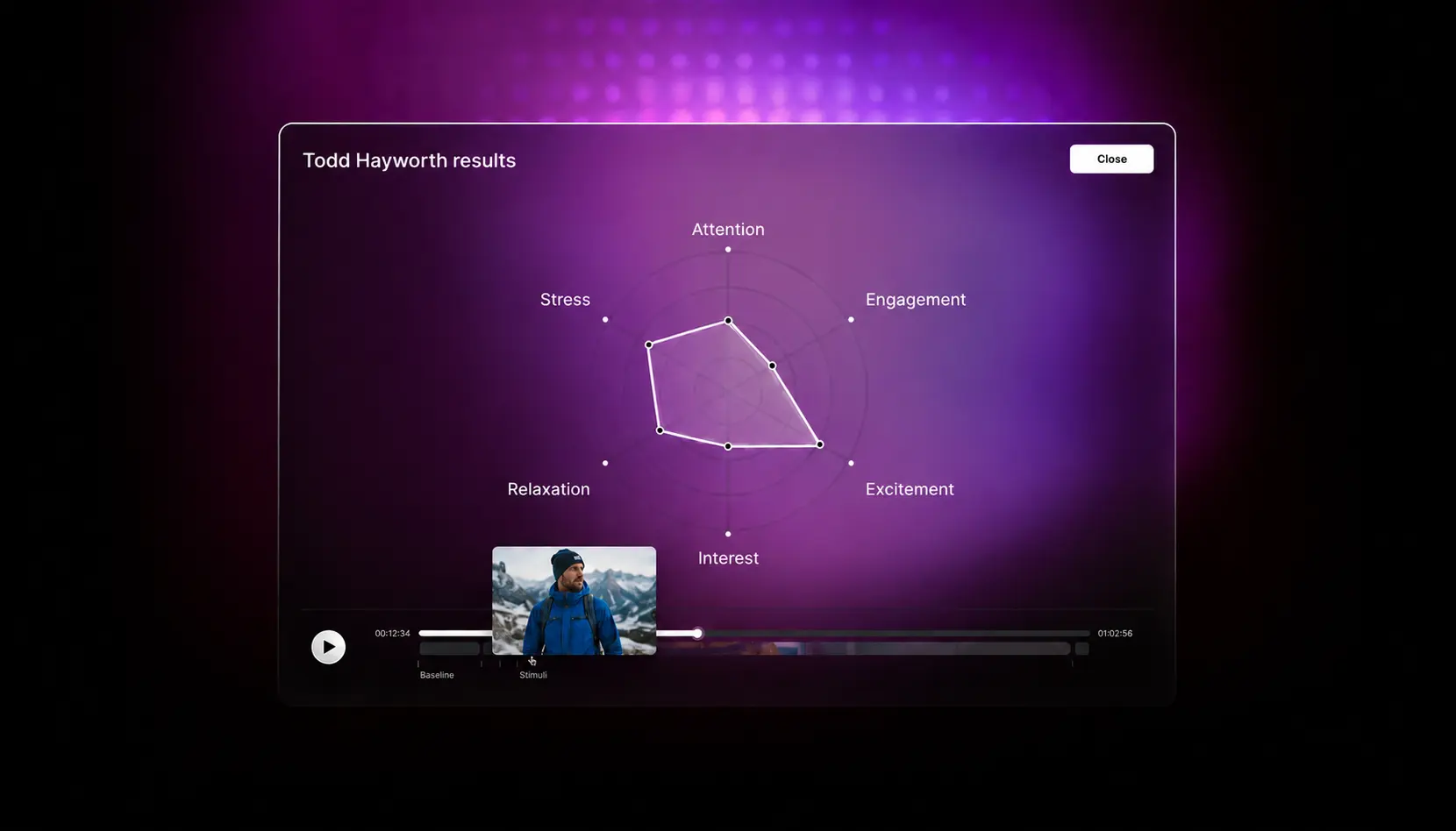
Other techniques include observing facial expressions for emotional cues and biometrics to measure changes in heart rate or skin response. By analyzing this data with software like our EmotivPRO platform, researchers can pinpoint exactly which elements of an ad or product are most impactful, providing a direct look at a consumer's unfiltered reaction.
Traditional vs. Neuromarketing: What's the Difference?
Traditional market research, like focus groups and surveys, is incredibly valuable, but it relies on people accurately reporting their own feelings and intentions. The challenge is, we don't always know—or say—what we truly think. Our decisions are heavily influenced by subconscious emotions and biases. Neuromarketing complements these traditional methods by capturing the reactions that people can't or don't articulate.
While a survey might tell you a customer liked your ad, neuromarketing can show you which specific second of the ad sparked the most emotional engagement. It uncovers the hidden drivers of behavior, providing a deeper layer of understanding. As the Harvard Business Review notes, this approach helps reveal what consumers want before they may even know it themselves.
What Tools Do Neuromarketers Use?
To get a peek into the consumer's brain, neuromarketers use a fascinating toolkit of technologies that go beyond traditional surveys and focus groups. These tools help measure the non-conscious drivers behind our choices, giving businesses a much clearer picture of what truly resonates with their audience. Instead of just asking people what they think, we can observe their genuine, unfiltered reactions to an ad, a product, or a website.
The main goal is to capture data on attention, emotion, and memory as they happen. Each tool offers a different piece of the puzzle. Some measure electrical activity in the brain, while others look at where someone’s eyes are focused. By combining these different data streams, you can build a comprehensive understanding of the customer experience. This allows you to move past guesswork and start making marketing decisions based on solid biological and neurological data. Let's look at some of the most common tools in the neuromarketing field.
Measuring Brain Activity with EEG
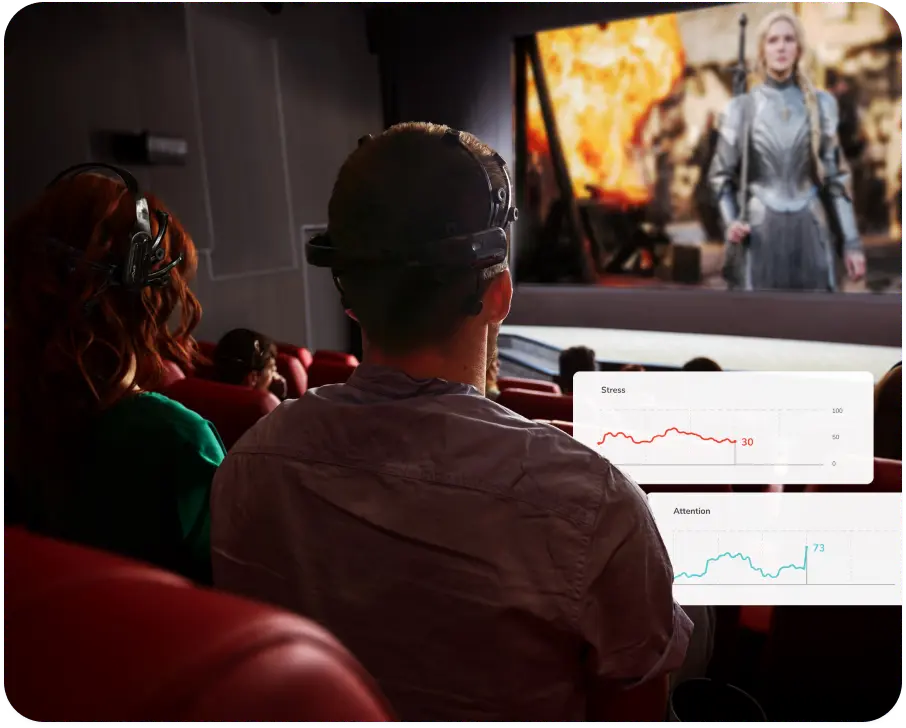
Electroencephalography, or EEG, is a cornerstone of modern neuromarketing. It works by using small sensors to measure the brain's electrical activity. When you see an ad or interact with a product, your brain produces tiny electrical signals, and an EEG headset can pick them up. By analyzing these brainwave patterns, we can get real-time insights into a person's cognitive and emotional state—like whether they’re feeling engaged, excited, or frustrated. This is incredibly valuable for testing creative content. Our portable EEG headsets, like the Epoc X, make this technology accessible for businesses to conduct research outside of a traditional lab.
Exploring Neuroimaging with fMRI
Functional Magnetic Resonance Imaging (fMRI) is another powerful tool that measures brain activity by detecting changes in blood flow. The idea is that when a part of the brain is active, it needs more oxygen, so blood flow to that area increases. As a neuromarketing tool, fMRI can pinpoint which specific brain regions are engaged when someone views an advertisement, helping to understand their emotional responses. While fMRI provides highly detailed spatial information, the equipment is large, expensive, and requires participants to lie still inside a machine. This makes it less practical for many types of marketing research compared to more mobile technologies like EEG.
Analyzing Visual Attention with Eye-Tracking
Have you ever wondered what people actually look at on your website or in your ads? Eye-tracking technology answers that question. It follows a person's gaze to see exactly where they look, in what order, and for how long. This provides direct insight into what captures visual attention and what gets ignored. When you combine eye-tracking with EEG data, you get a richer story. You not only know what someone is looking at but also how they’re feeling at that exact moment. This helps marketers optimize visual layouts, product packaging, and ad creative to ensure the most important elements get noticed.
Gauging Reactions with Biometrics
Biometrics measure the body's physiological responses to emotional stimuli. Common biometric tools include Galvanic Skin Response (GSR), which measures subtle changes in sweat gland activity, and heart rate variability (HRV). Think about how your palms might get a little sweaty during a thrilling movie scene—that's your GSR in action. In neuromarketing, these biometric measures help gauge emotional arousal and intensity. When a consumer has a strong physiological reaction to an ad, it’s a good sign that the content is making an emotional impact, which is a key ingredient for creating memorable brand experiences.
How Neuromarketing Shapes Consumer Choices
Have you ever wondered why a customer chooses one product over another, even when the features are nearly identical? While surveys and focus groups can tell you what people say they prefer, neuromarketing helps uncover the real, often subconscious, reasons behind their decisions. It’s about understanding the gut feelings, emotional responses, and cognitive biases that truly drive purchasing behavior. By looking directly at brain and biometric data, we can see how consumers react to marketing materials in real time. This allows us to move beyond assumptions and get a clearer picture of what captures attention, sparks emotion, and ultimately shapes consumer choices. This deeper understanding is what allows brands to build more meaningful connections and create experiences that genuinely resonate with their audience.
Tapping into Subconscious Decisions
Most of our daily decisions, including what we buy, aren't as rational as we think. Research suggests that up to 95% of our purchasing choices are made by our subconscious mind. When you ask someone why they bought a certain brand of coffee, they might give you a logical reason like price or taste. But the real driver might have been the comforting color of the packaging or a nostalgic feeling the logo evoked. Traditional market research can miss these insights because it relies on self-reporting. Neuromarketing techniques, on the other hand, can capture these unfiltered reactions, giving you a more honest look at what customers truly want, even when they can't articulate it themselves.
Identifying Emotional Triggers
Emotion is a powerful force in decision-making. A positive feeling can create a strong bond with a brand, while a negative one can drive a customer away for good. Neuromarketing helps pinpoint the exact moments that trigger these emotional responses. By analyzing brain data, you can see if your new commercial elicits joy and excitement or if a confusing checkout process is causing frustration. As a Harvard Business Review article points out, this gives marketers a more direct view of what consumers feel. This information is invaluable for optimizing everything from ad creative to user interface design, ensuring you’re creating experiences that connect with customers on an emotional level.
How Memory and Attention Impact Brands
For a marketing message to be effective, it first has to capture attention and then be memorable enough to influence future behavior. With so much information competing for our focus, it’s easy for brand messages to get lost in the noise. Neuromarketing tools can measure cognitive load and attention to see if your content is engaging or overwhelming. They can also help determine if key information is being encoded into memory. Famous studies have shown that brand recognition can even alter our perception of a product’s taste. By understanding how the brain processes information, you can design campaigns that not only grab attention but also build lasting brand recall.
Why Should Your Business Use Neuromarketing?
Traditional market research methods like surveys and focus groups are valuable, but they have a fundamental limitation: they rely on people accurately reporting their own feelings and intentions. Neuromarketing offers a way to get past what people say and understand what they truly feel. By measuring subconscious reactions, you can uncover the hidden drivers behind consumer choices. This isn't about finding a "buy button" in the brain, but about gaining a much richer, more honest understanding of your audience. It allows you to build better products, create more resonant messaging, and make strategic decisions based on actual consumer responses rather than assumptions.
Create Better Customer Engagement
Connecting with customers on an emotional level is the key to building lasting brand loyalty. Neuromarketing gives you the tools to understand the subconscious reactions that drive those connections. When you can see how your audience genuinely responds to your branding, content, or user experience, you can fine-tune every touchpoint to create a more engaging and satisfying journey. This deeper understanding helps you move beyond transactional relationships and build a community around your brand. By focusing on what truly resonates with your customers, you can foster a sense of connection that keeps them coming back.
Gain Deeper Product Insights
Do your customers love your new product design, or are they just being polite? Neuromarketing helps you find out. It provides a more profound understanding of consumer emotions and preferences, adding a crucial layer of insight to traditional research. By measuring brain responses, you can see which features excite users, which packaging designs capture attention, and where your product experience might be causing frustration. These insights allow you to tailor your products to meet genuine consumer needs and desires, leading to more successful launches and a stronger product-market fit. It’s about building what people truly want, not just what they say they do.
Optimize Your Ad Campaigns
A successful ad campaign does more than just get clicks—it makes an impact. Neuromarketing techniques can help you identify which creative elements in your ads resonate most with your target audience. By analyzing brain data, you can see which visuals, sounds, or messages trigger positive emotional responses and hold attention. This allows you to move beyond simple A/B testing and understand why one ad performs better than another. With tools like our Epoc X headset, you can gather the data needed to create campaigns that are not only memorable but also more effective at encouraging people to act.
Make Data-Driven Decisions
Guesswork can be expensive. Neuromarketing allows you to base your strategy on concrete evidence of how consumers react. By measuring signals from the brain, you gain insights that can help predict consumer behavior with greater accuracy. This data-driven approach empowers you to make informed decisions across your entire business, from product development to your final marketing push. Instead of relying on assumptions, you can use real-time, unfiltered human responses to guide your choices. With analysis software like EmotivPRO, you can turn complex brain data into clear, actionable insights for your team.
Common Neuromarketing Challenges
While the potential of neuromarketing is exciting, it’s important to have a realistic view of what it takes to do it well. Like any scientific discipline, it comes with its own set of hurdles. Thinking through these challenges ahead of time will help you build a much stronger strategy. The most common issues fall into four areas: cost, data complexity, strategic integration, and finding the right talent. Let’s walk through each of these so you can feel prepared.
Overcoming High Costs and Tech Barriers
In the past, the hardware required for neuromarketing was confined to labs and came with a hefty price tag. While quality equipment is still an investment, you no longer need a massive budget to get started. The rise of portable, high-quality EEG devices has made neuromarketing much more accessible. Instead of bringing participants into a sterile lab, you can now study their responses in more natural settings, giving you more realistic and valuable data without the traditional overhead.
Making Sense of Complex Data
Collecting brain data is only half the battle; the real work begins when you have to interpret it. A raw EEG stream can look like a bunch of squiggly lines to the untrained eye. Turning that data into a clear insight requires the right analytical tools. This is why powerful, user-friendly software is so important. Platforms like EmotivPRO are designed to process and visualize complex brain data, helping you spot trends and generate actionable reports without needing a Ph.D. in neuroscience.
Integrating with Your Current Marketing
Neuromarketing shouldn’t replace your traditional marketing research—it should enhance it. Think of it as a new, powerful layer of information. Your A/B tests can tell you which ad performed better, but neuro-insights can help you understand why it did. The most successful strategies use neuromarketing to complement their existing marketing research, creating a feedback loop where each method informs the other. It’s about building a more complete picture of your customer, not throwing out the tools you already use.
Finding the Right Talent
Because neuromarketing sits at the intersection of marketing, psychology, and data science, it requires a unique skill set. As the Harvard Business Review points out, it’s also wise to be cautious of agencies that may oversell their capabilities. Many businesses choose to build their own expertise in-house, which gives them more control and a deeper understanding of their own data. By providing accessible tools and resources, we aim to empower marketers, researchers, and developers to build these skills and confidently run their own studies.
The Ethics of Neuromarketing
As with any powerful technology, neuromarketing comes with its own set of ethical questions. When you’re gathering insights directly from the human brain, it’s essential to approach the work with a strong sense of responsibility. This isn’t just about following rules; it’s about building trust and ensuring that this science is used to create better experiences for people, not to exploit them. Let’s walk through some of the most important ethical considerations you’ll need to keep in mind as you add neuromarketing to your strategy.
Protecting Consumer Privacy
Neuromarketing has the potential to look into the subconscious thoughts and feelings of consumers, which immediately brings up major questions about privacy. The data collected through EEG and other methods is incredibly personal. Because of this, getting informed consent is non-negotiable. This means more than just having a participant check a box. It’s about being crystal clear about what data you’re collecting, how you’ll use it, and how you’ll protect it. Anonymizing data and adhering to strict data protection regulations are foundational steps to ensure that you respect the privacy of every individual who participates in your research.
The Manipulation Debate
A common concern is that neuromarketing could be used to manipulate consumers by appealing directly to their subconscious, bypassing their logical thinking. The fear is that brands could create ads or products so perfectly tuned to our non-conscious triggers that we lose our ability to make rational choices. While all marketing aims to persuade, the ethical line is drawn at coercion. The goal of ethical neuromarketing should be to understand consumer needs better and create more valuable products and resonant messaging—not to override free will. It’s a tool for empathy and understanding, and it’s our responsibility as practitioners to keep it that way.
The Importance of Transparency
Ultimately, the key to navigating these ethical waters is transparency. If customers feel like their minds are being analyzed in secret, it can destroy trust in an instant. To avoid this, it’s crucial to maintain transparency with consumers and establish clear, internal ethical guidelines for your research. Be open about the fact that you use neuromarketing to improve your products and advertising. For research participants, this means being honest about the study’s purpose. For the public, it means being a responsible company that uses technology to better serve its customers, not to take advantage of them. Honesty builds the long-term relationships that every brand truly wants.
Neuromarketing Myths, Busted
Neuromarketing can feel like something out of a sci-fi movie, and with that comes a lot of misconceptions. It’s a powerful field, but it’s grounded in science, not fiction. Before you add it to your marketing toolkit, it’s important to understand what it is and, just as importantly, what it isn’t. Let’s clear the air and separate the facts from the hype so you can approach this strategy with confidence and clarity.
It's Not Mind Control
Let's get the biggest myth out of the way first: neuromarketing is not about controlling consumer minds. The goal isn't to manipulate people into buying something they don't want. Instead, it’s about understanding the subconscious processes that guide our choices. Think of it as a way to listen more deeply to your audience. By analyzing brain data, you can see what genuinely captures attention, triggers an emotional response, or causes confusion. These insights help you create better products and more resonant messaging, not infringe on anyone's free will. It’s about empathy at scale, not manipulation.
What Brain Data Can (and Can't) Tell You
While EEG data is incredibly insightful, it’s not a crystal ball. It can’t read specific thoughts or predict with 100% certainty what a single individual will do next. What it can do is reveal powerful trends in emotional engagement, attention levels, and cognitive load across a group of participants. This helps you understand the why behind consumer behavior. For example, you can see which version of an ad creates more excitement or which product design is more intuitive. The insights are about understanding general consumer behavior, allowing you to make more informed, data-driven decisions for your brand.
Separating Science from Hype
The field of neuromarketing has its share of exaggerated claims, sometimes called "neurobollocks." It’s crucial to approach it with a healthy dose of skepticism and a focus on solid science. True neuromarketing relies on validated methodologies and robust technology to generate meaningful data. The key is to differentiate between marketing buzzwords and findings that are grounded in robust research. When you use reliable tools and a sound study design, you move beyond the hype and into the realm of actionable insights that can genuinely shape your marketing strategy for the better.
How to Choose the Right Neuromarketing Tech
Getting started with neuromarketing might seem intimidating, but choosing the right technology is simpler than you think. The key is to match the tools to your specific research questions and budget. You don’t need a massive, multi-million dollar lab to gather meaningful insights anymore. Thanks to more accessible and user-friendly tech, businesses of all sizes can now explore the subconscious drivers of consumer behavior.
The right setup involves two core components: the hardware that gathers the brain data and the software that helps you make sense of it. Let’s walk through the most important factors to consider, from the type of technology you should start with to the differences between portable and lab-grade equipment. This will help you build a toolkit that delivers clear, actionable data for your marketing strategy.
Why EEG is a Great Starting Point
If you're new to neuromarketing, electroencephalography (EEG) is the perfect place to begin. In simple terms, EEG uses sensors to measure the brain's electrical activity. This gives you a real-time look at how someone is responding to your ad, product, or website. Are they engaged? Frustrated? Excited? EEG provides immediate data on these emotional and cognitive reactions as they happen.
This makes it an incredibly valuable tool for understanding the subconscious responses that consumers often can't or won't articulate in surveys or focus groups. Because it’s non-invasive and relatively easy to set up, EEG has become one of the most common and effective methods in the neuromarketing field for capturing genuine consumer feedback.
Portable vs. Lab-Grade Equipment
Once you’ve decided on EEG, the next choice is between portable and lab-grade hardware. Portable EEG headsets, like our Insight or Epoc X devices, have become incredibly popular because they allow you to conduct studies in natural environments. You can test a user’s experience on your mobile app while they’re sitting on their own couch or gauge reactions to in-store displays right in the aisle. This flexibility provides more realistic data about how consumers behave in the real world.
Lab-grade equipment, such as our Flex headset, offers a higher density of sensors for more detailed and granular data. This is ideal for deep, academic-style research where precision is the top priority. Your choice depends on your goals: portable devices are excellent for capturing authentic behavior in context, while lab-grade systems are built for in-depth analysis.
Finding the Right Analysis Software
Collecting brain data is just the first step; the real magic happens when you analyze it. The right software is essential for turning raw EEG signals into understandable insights about consumer behavior. Without a powerful analysis platform, you’re just looking at a lot of squiggly lines. Effective software helps you process complex data, visualize emotional and cognitive responses over time, and pinpoint the exact moments that trigger engagement or confusion.
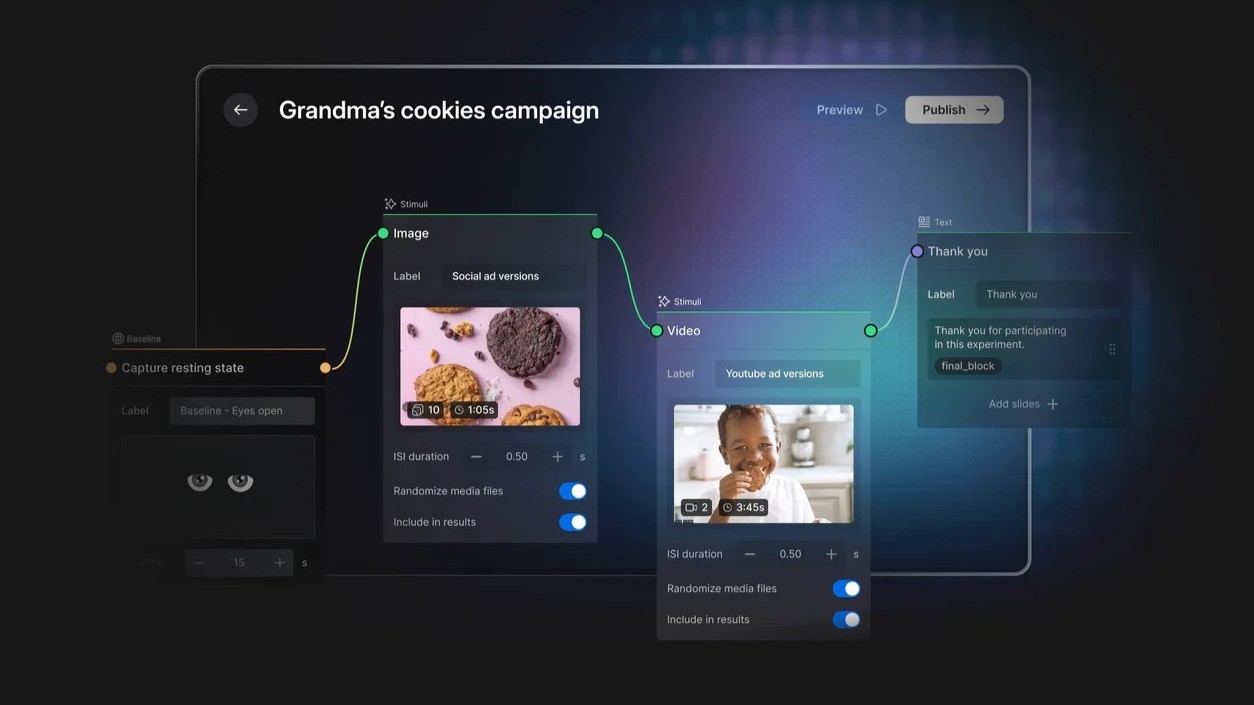
For example, our EmotivPRO software is designed to do just that. It lets you record and analyze EEG data, sync it with on-screen events, and view performance metrics in real-time. This allows you to connect brain responses directly to specific marketing stimuli, helping you make informed, data-driven decisions to refine your campaigns and products.
How to Add Neuromarketing to Your Strategy
Ready to move from theory to practice? Adding neuromarketing to your strategy doesn't mean you have to throw out your entire playbook. Instead, think of it as adding a powerful new layer of insight to the work you’re already doing. By measuring brain activity, you can get a direct look at how people truly feel about your ads, products, and brand experiences. This approach helps you understand the subconscious drivers behind customer behavior, giving you a significant edge. Traditional methods like surveys and focus groups rely on people accurately reporting their feelings, but there's often a gap between what people say and what they actually feel. Neuromarketing bridges that gap. It gives you access to unfiltered, in-the-moment reactions, helping you see your marketing through your customers' eyes—or more accurately, their brains. This allows you to make more informed, data-driven decisions that lead to more effective and engaging campaigns. Let’s explore a few practical ways you can start applying these insights to your marketing efforts.
Supercharge Your A/B Tests
A/B testing tells you what people prefer, but neuromarketing can tell you why. People often can't articulate their true feelings, or they might say what they think you want to hear. For example, one famous study on a Cheetos ad found that while participants claimed to dislike it, their brain activity showed a strong positive response. By using EEG to measure engagement and frustration with different ad creatives or website layouts, you can uncover these hidden truths. This allows you to choose the variation that genuinely captures attention, not just the one that performs best in a survey.
Build Emotionally Resonant Campaigns
Great marketing makes people feel something. Neuromarketing gives you a way to measure that feeling directly. By analyzing brain data, you can gauge the emotional journey a person takes while watching your video ad or interacting with your campaign. Are they excited, focused, or stressed? Understanding these unconscious reactions helps you pinpoint the exact moments in your creative that connect—or fail to connect—with your audience. This insight allows you to refine your storytelling, visuals, and sound design to create campaigns that build a genuine, lasting emotional bond with your customers.
Create Feedback Loops for Improvement
Neuromarketing isn't just for one-off projects; it's a powerful tool for continuous improvement. Imagine getting direct, unfiltered feedback on a new product design or a website's user experience before it even launches. By testing different iterations and measuring the cognitive and emotional responses to each, you can create a data-driven feedback loop. This process helps you make smarter, more user-centric decisions every step of the way. Over time, this approach helps you consistently refine your offerings to better connect with customers on a deeper, more intuitive level, building stronger brand loyalty in the process.
Start Your First Neuromarketing Study
Getting your first neuromarketing study off the ground is more straightforward than you might think. It boils down to having a clear plan, the right tools, and a curious team. By breaking it down into these three simple steps, you can start gathering powerful insights into how your customers think and feel.
Define Your Research Goals
Before you do anything else, you need to know what you want to learn. A focused research question is the foundation of a successful study. Are you trying to figure out which ad creative generates the most excitement? Do you want to see if your new website design is causing frustration? By clearly defining your goals, you can design a study that uncovers specific consumer behaviors and preferences. For example, a neuromarketing study could aim to answer questions like, “Does our product packaging capture attention in the first three seconds?” or “Which of these two logos creates a stronger positive emotional response?” A clear goal keeps your project on track and ensures the data you collect is truly valuable.
Get the Essential Hardware and Software
Once you have your question, you need the right tools to answer it. EEG technology is a cornerstone of modern neuromarketing because it captures brain responses in real time. The growing accessibility of this tech is a major reason why the field is expanding so quickly. With portable headsets like our Epoc X, you can conduct research in realistic settings, not just a lab. Of course, hardware is only half of the equation. You also need powerful software, like our EmotivPRO, to analyze the raw brain data and turn it into understandable metrics about engagement, excitement, and stress.
Assemble Your Neuromarketing Team
You don’t need a room full of neuroscientists to get started. Your ideal team is a blend of marketing and analytical expertise. You need people who understand your brand and marketing objectives, combined with individuals who are comfortable looking at data and finding patterns. The most important quality is curiosity. Assembling a skilled team that can bridge the gap between marketing and neuroscience is crucial for success. Encourage collaboration between your creative and data-focused team members. By working together, they can translate brain data into actionable strategies that resonate with your audience and drive results.
Related Articles
Frequently Asked Questions
Is neuromarketing only for big companies with huge budgets? Not anymore! In the past, the technology was expensive and confined to university labs, which limited it to large corporations. Today, the tools have become much more accessible and affordable. With high-quality, portable EEG headsets, you can gather powerful insights in realistic settings without needing a massive budget or a dedicated research facility. This has opened the door for businesses of all sizes to start understanding their customers on a deeper level.
Do I need a Ph.D. in neuroscience to make sense of the data? That’s a common concern, but the answer is no. While the raw data from an EEG headset is complex, modern analysis software is designed to do the heavy lifting for you. Platforms like our EmotivPRO translate those complex brain signals into clear, understandable metrics related to engagement, excitement, or frustration. The goal of these tools is to empower marketers and researchers, not require them to become neuroscientists overnight.
How is this different from just asking people what they think in a focus group? Focus groups are great for understanding what people say they think, but there's often a big gap between our conscious answers and our subconscious feelings. Neuromarketing helps bridge that gap. It captures the unfiltered, in-the-moment emotional reactions that people might not even be aware of or able to articulate. It complements traditional research by providing a deeper layer of "why" behind the "what."
This sounds a bit like manipulation. Is it ethical? That's a really important question. The goal of ethical neuromarketing is not to manipulate people or override their free will. It's about empathy—understanding your audience so you can create better products and more meaningful experiences for them. The key is to be transparent and responsible. This means getting informed consent from participants, protecting their data, and using the insights to serve customers better, not to exploit their subconscious biases.
What's the most practical first step if I want to try this out? The best way to start is to think small and be specific. Instead of trying to answer a huge question, begin with a focused one. For example, you could ask, "Which of these two ad headlines creates a stronger emotional connection?" or "Does our new checkout process cause frustration?" By defining a clear, simple goal, you can run a small study, get comfortable with the technology, and see the value of the insights for yourself.
Let’s clear the air: neuromarketing is not about mind control or finding a magic “buy button” in the brain. It’s about listening more deeply. The goal isn’t to manipulate people, but to gain a more empathetic understanding of what they truly want and need, even when they can't articulate it themselves. By scientifically measuring non-conscious responses, you can build better products, create clearer messaging, and design more enjoyable customer experiences. This guide separates the science from the science fiction, showing you how this field provides a more honest way to connect with your audience and make marketing more valuable for everyone.
Key Takeaways
Go beyond what customers say: Neuromarketing measures subconscious reactions, giving you a more honest look at the emotional drivers behind consumer choices that surveys and focus groups can't capture.
Gathering insights is more accessible than ever: You don't need a massive research lab to begin. Portable EEG technology and user-friendly software provide a practical way to collect real-world data on how people experience your brand.
Build stronger connections through genuine understanding: The goal is to gain deeper empathy for your audience, not to manipulate them. Use these insights to create more valuable products and resonant messaging that build trust.
What is Neuromarketing?
Have you ever wondered why you chose one brand of coffee over another, even when they seem almost identical? Or why a particular TV commercial sticks in your head for days? The answers often lie deeper than conscious thought, in the subconscious reactions of our brains. This is where neuromarketing comes in. It’s a fascinating field that blends marketing, psychology, and neuroscience to understand how consumers really respond to advertising and products. Instead of just asking people what they think, neuromarketing looks directly at their brain activity and physiological responses to see what truly captures their attention and triggers an emotional connection.
Think of it as a way to get behind the curtain of consumer behavior. It helps businesses understand the unspoken, often unconscious, drivers behind purchasing decisions. By using tools that measure brain signals, we can get a clearer picture of what resonates with an audience—from the color of a button on a website to the music in an ad. This approach gives marketers insights that traditional methods, like surveys, might miss. It’s all about understanding the "why" behind the "buy," helping brands create more effective and engaging experiences for their customers. Our neuromarketing solutions are designed to make these powerful insights accessible to businesses of all sizes.
How Does Neuromarketing Work?
Neuromarketing works by measuring biological and neural signals to gain insight into customer motivations, preferences, and decisions. Researchers use specialized tools to observe how the brain and body react when someone is exposed to marketing materials. The most common method involves using electroencephalography (EEG) to measure electrical activity in the brain. This helps identify moments of excitement, focus, or even frustration.
Other techniques include observing facial expressions for emotional cues and biometrics to measure changes in heart rate or skin response. By analyzing this data with software like our EmotivPRO platform, researchers can pinpoint exactly which elements of an ad or product are most impactful, providing a direct look at a consumer's unfiltered reaction.
Traditional vs. Neuromarketing: What's the Difference?
Traditional market research, like focus groups and surveys, is incredibly valuable, but it relies on people accurately reporting their own feelings and intentions. The challenge is, we don't always know—or say—what we truly think. Our decisions are heavily influenced by subconscious emotions and biases. Neuromarketing complements these traditional methods by capturing the reactions that people can't or don't articulate.
While a survey might tell you a customer liked your ad, neuromarketing can show you which specific second of the ad sparked the most emotional engagement. It uncovers the hidden drivers of behavior, providing a deeper layer of understanding. As the Harvard Business Review notes, this approach helps reveal what consumers want before they may even know it themselves.
What Tools Do Neuromarketers Use?
To get a peek into the consumer's brain, neuromarketers use a fascinating toolkit of technologies that go beyond traditional surveys and focus groups. These tools help measure the non-conscious drivers behind our choices, giving businesses a much clearer picture of what truly resonates with their audience. Instead of just asking people what they think, we can observe their genuine, unfiltered reactions to an ad, a product, or a website.
The main goal is to capture data on attention, emotion, and memory as they happen. Each tool offers a different piece of the puzzle. Some measure electrical activity in the brain, while others look at where someone’s eyes are focused. By combining these different data streams, you can build a comprehensive understanding of the customer experience. This allows you to move past guesswork and start making marketing decisions based on solid biological and neurological data. Let's look at some of the most common tools in the neuromarketing field.
Measuring Brain Activity with EEG
Electroencephalography, or EEG, is a cornerstone of modern neuromarketing. It works by using small sensors to measure the brain's electrical activity. When you see an ad or interact with a product, your brain produces tiny electrical signals, and an EEG headset can pick them up. By analyzing these brainwave patterns, we can get real-time insights into a person's cognitive and emotional state—like whether they’re feeling engaged, excited, or frustrated. This is incredibly valuable for testing creative content. Our portable EEG headsets, like the Epoc X, make this technology accessible for businesses to conduct research outside of a traditional lab.
Exploring Neuroimaging with fMRI
Functional Magnetic Resonance Imaging (fMRI) is another powerful tool that measures brain activity by detecting changes in blood flow. The idea is that when a part of the brain is active, it needs more oxygen, so blood flow to that area increases. As a neuromarketing tool, fMRI can pinpoint which specific brain regions are engaged when someone views an advertisement, helping to understand their emotional responses. While fMRI provides highly detailed spatial information, the equipment is large, expensive, and requires participants to lie still inside a machine. This makes it less practical for many types of marketing research compared to more mobile technologies like EEG.
Analyzing Visual Attention with Eye-Tracking
Have you ever wondered what people actually look at on your website or in your ads? Eye-tracking technology answers that question. It follows a person's gaze to see exactly where they look, in what order, and for how long. This provides direct insight into what captures visual attention and what gets ignored. When you combine eye-tracking with EEG data, you get a richer story. You not only know what someone is looking at but also how they’re feeling at that exact moment. This helps marketers optimize visual layouts, product packaging, and ad creative to ensure the most important elements get noticed.
Gauging Reactions with Biometrics
Biometrics measure the body's physiological responses to emotional stimuli. Common biometric tools include Galvanic Skin Response (GSR), which measures subtle changes in sweat gland activity, and heart rate variability (HRV). Think about how your palms might get a little sweaty during a thrilling movie scene—that's your GSR in action. In neuromarketing, these biometric measures help gauge emotional arousal and intensity. When a consumer has a strong physiological reaction to an ad, it’s a good sign that the content is making an emotional impact, which is a key ingredient for creating memorable brand experiences.
How Neuromarketing Shapes Consumer Choices
Have you ever wondered why a customer chooses one product over another, even when the features are nearly identical? While surveys and focus groups can tell you what people say they prefer, neuromarketing helps uncover the real, often subconscious, reasons behind their decisions. It’s about understanding the gut feelings, emotional responses, and cognitive biases that truly drive purchasing behavior. By looking directly at brain and biometric data, we can see how consumers react to marketing materials in real time. This allows us to move beyond assumptions and get a clearer picture of what captures attention, sparks emotion, and ultimately shapes consumer choices. This deeper understanding is what allows brands to build more meaningful connections and create experiences that genuinely resonate with their audience.
Tapping into Subconscious Decisions
Most of our daily decisions, including what we buy, aren't as rational as we think. Research suggests that up to 95% of our purchasing choices are made by our subconscious mind. When you ask someone why they bought a certain brand of coffee, they might give you a logical reason like price or taste. But the real driver might have been the comforting color of the packaging or a nostalgic feeling the logo evoked. Traditional market research can miss these insights because it relies on self-reporting. Neuromarketing techniques, on the other hand, can capture these unfiltered reactions, giving you a more honest look at what customers truly want, even when they can't articulate it themselves.
Identifying Emotional Triggers
Emotion is a powerful force in decision-making. A positive feeling can create a strong bond with a brand, while a negative one can drive a customer away for good. Neuromarketing helps pinpoint the exact moments that trigger these emotional responses. By analyzing brain data, you can see if your new commercial elicits joy and excitement or if a confusing checkout process is causing frustration. As a Harvard Business Review article points out, this gives marketers a more direct view of what consumers feel. This information is invaluable for optimizing everything from ad creative to user interface design, ensuring you’re creating experiences that connect with customers on an emotional level.
How Memory and Attention Impact Brands
For a marketing message to be effective, it first has to capture attention and then be memorable enough to influence future behavior. With so much information competing for our focus, it’s easy for brand messages to get lost in the noise. Neuromarketing tools can measure cognitive load and attention to see if your content is engaging or overwhelming. They can also help determine if key information is being encoded into memory. Famous studies have shown that brand recognition can even alter our perception of a product’s taste. By understanding how the brain processes information, you can design campaigns that not only grab attention but also build lasting brand recall.
Why Should Your Business Use Neuromarketing?
Traditional market research methods like surveys and focus groups are valuable, but they have a fundamental limitation: they rely on people accurately reporting their own feelings and intentions. Neuromarketing offers a way to get past what people say and understand what they truly feel. By measuring subconscious reactions, you can uncover the hidden drivers behind consumer choices. This isn't about finding a "buy button" in the brain, but about gaining a much richer, more honest understanding of your audience. It allows you to build better products, create more resonant messaging, and make strategic decisions based on actual consumer responses rather than assumptions.
Create Better Customer Engagement
Connecting with customers on an emotional level is the key to building lasting brand loyalty. Neuromarketing gives you the tools to understand the subconscious reactions that drive those connections. When you can see how your audience genuinely responds to your branding, content, or user experience, you can fine-tune every touchpoint to create a more engaging and satisfying journey. This deeper understanding helps you move beyond transactional relationships and build a community around your brand. By focusing on what truly resonates with your customers, you can foster a sense of connection that keeps them coming back.
Gain Deeper Product Insights
Do your customers love your new product design, or are they just being polite? Neuromarketing helps you find out. It provides a more profound understanding of consumer emotions and preferences, adding a crucial layer of insight to traditional research. By measuring brain responses, you can see which features excite users, which packaging designs capture attention, and where your product experience might be causing frustration. These insights allow you to tailor your products to meet genuine consumer needs and desires, leading to more successful launches and a stronger product-market fit. It’s about building what people truly want, not just what they say they do.
Optimize Your Ad Campaigns
A successful ad campaign does more than just get clicks—it makes an impact. Neuromarketing techniques can help you identify which creative elements in your ads resonate most with your target audience. By analyzing brain data, you can see which visuals, sounds, or messages trigger positive emotional responses and hold attention. This allows you to move beyond simple A/B testing and understand why one ad performs better than another. With tools like our Epoc X headset, you can gather the data needed to create campaigns that are not only memorable but also more effective at encouraging people to act.
Make Data-Driven Decisions
Guesswork can be expensive. Neuromarketing allows you to base your strategy on concrete evidence of how consumers react. By measuring signals from the brain, you gain insights that can help predict consumer behavior with greater accuracy. This data-driven approach empowers you to make informed decisions across your entire business, from product development to your final marketing push. Instead of relying on assumptions, you can use real-time, unfiltered human responses to guide your choices. With analysis software like EmotivPRO, you can turn complex brain data into clear, actionable insights for your team.
Common Neuromarketing Challenges
While the potential of neuromarketing is exciting, it’s important to have a realistic view of what it takes to do it well. Like any scientific discipline, it comes with its own set of hurdles. Thinking through these challenges ahead of time will help you build a much stronger strategy. The most common issues fall into four areas: cost, data complexity, strategic integration, and finding the right talent. Let’s walk through each of these so you can feel prepared.
Overcoming High Costs and Tech Barriers
In the past, the hardware required for neuromarketing was confined to labs and came with a hefty price tag. While quality equipment is still an investment, you no longer need a massive budget to get started. The rise of portable, high-quality EEG devices has made neuromarketing much more accessible. Instead of bringing participants into a sterile lab, you can now study their responses in more natural settings, giving you more realistic and valuable data without the traditional overhead.
Making Sense of Complex Data
Collecting brain data is only half the battle; the real work begins when you have to interpret it. A raw EEG stream can look like a bunch of squiggly lines to the untrained eye. Turning that data into a clear insight requires the right analytical tools. This is why powerful, user-friendly software is so important. Platforms like EmotivPRO are designed to process and visualize complex brain data, helping you spot trends and generate actionable reports without needing a Ph.D. in neuroscience.
Integrating with Your Current Marketing
Neuromarketing shouldn’t replace your traditional marketing research—it should enhance it. Think of it as a new, powerful layer of information. Your A/B tests can tell you which ad performed better, but neuro-insights can help you understand why it did. The most successful strategies use neuromarketing to complement their existing marketing research, creating a feedback loop where each method informs the other. It’s about building a more complete picture of your customer, not throwing out the tools you already use.
Finding the Right Talent
Because neuromarketing sits at the intersection of marketing, psychology, and data science, it requires a unique skill set. As the Harvard Business Review points out, it’s also wise to be cautious of agencies that may oversell their capabilities. Many businesses choose to build their own expertise in-house, which gives them more control and a deeper understanding of their own data. By providing accessible tools and resources, we aim to empower marketers, researchers, and developers to build these skills and confidently run their own studies.
The Ethics of Neuromarketing
As with any powerful technology, neuromarketing comes with its own set of ethical questions. When you’re gathering insights directly from the human brain, it’s essential to approach the work with a strong sense of responsibility. This isn’t just about following rules; it’s about building trust and ensuring that this science is used to create better experiences for people, not to exploit them. Let’s walk through some of the most important ethical considerations you’ll need to keep in mind as you add neuromarketing to your strategy.
Protecting Consumer Privacy
Neuromarketing has the potential to look into the subconscious thoughts and feelings of consumers, which immediately brings up major questions about privacy. The data collected through EEG and other methods is incredibly personal. Because of this, getting informed consent is non-negotiable. This means more than just having a participant check a box. It’s about being crystal clear about what data you’re collecting, how you’ll use it, and how you’ll protect it. Anonymizing data and adhering to strict data protection regulations are foundational steps to ensure that you respect the privacy of every individual who participates in your research.
The Manipulation Debate
A common concern is that neuromarketing could be used to manipulate consumers by appealing directly to their subconscious, bypassing their logical thinking. The fear is that brands could create ads or products so perfectly tuned to our non-conscious triggers that we lose our ability to make rational choices. While all marketing aims to persuade, the ethical line is drawn at coercion. The goal of ethical neuromarketing should be to understand consumer needs better and create more valuable products and resonant messaging—not to override free will. It’s a tool for empathy and understanding, and it’s our responsibility as practitioners to keep it that way.
The Importance of Transparency
Ultimately, the key to navigating these ethical waters is transparency. If customers feel like their minds are being analyzed in secret, it can destroy trust in an instant. To avoid this, it’s crucial to maintain transparency with consumers and establish clear, internal ethical guidelines for your research. Be open about the fact that you use neuromarketing to improve your products and advertising. For research participants, this means being honest about the study’s purpose. For the public, it means being a responsible company that uses technology to better serve its customers, not to take advantage of them. Honesty builds the long-term relationships that every brand truly wants.
Neuromarketing Myths, Busted
Neuromarketing can feel like something out of a sci-fi movie, and with that comes a lot of misconceptions. It’s a powerful field, but it’s grounded in science, not fiction. Before you add it to your marketing toolkit, it’s important to understand what it is and, just as importantly, what it isn’t. Let’s clear the air and separate the facts from the hype so you can approach this strategy with confidence and clarity.
It's Not Mind Control
Let's get the biggest myth out of the way first: neuromarketing is not about controlling consumer minds. The goal isn't to manipulate people into buying something they don't want. Instead, it’s about understanding the subconscious processes that guide our choices. Think of it as a way to listen more deeply to your audience. By analyzing brain data, you can see what genuinely captures attention, triggers an emotional response, or causes confusion. These insights help you create better products and more resonant messaging, not infringe on anyone's free will. It’s about empathy at scale, not manipulation.
What Brain Data Can (and Can't) Tell You
While EEG data is incredibly insightful, it’s not a crystal ball. It can’t read specific thoughts or predict with 100% certainty what a single individual will do next. What it can do is reveal powerful trends in emotional engagement, attention levels, and cognitive load across a group of participants. This helps you understand the why behind consumer behavior. For example, you can see which version of an ad creates more excitement or which product design is more intuitive. The insights are about understanding general consumer behavior, allowing you to make more informed, data-driven decisions for your brand.
Separating Science from Hype
The field of neuromarketing has its share of exaggerated claims, sometimes called "neurobollocks." It’s crucial to approach it with a healthy dose of skepticism and a focus on solid science. True neuromarketing relies on validated methodologies and robust technology to generate meaningful data. The key is to differentiate between marketing buzzwords and findings that are grounded in robust research. When you use reliable tools and a sound study design, you move beyond the hype and into the realm of actionable insights that can genuinely shape your marketing strategy for the better.
How to Choose the Right Neuromarketing Tech
Getting started with neuromarketing might seem intimidating, but choosing the right technology is simpler than you think. The key is to match the tools to your specific research questions and budget. You don’t need a massive, multi-million dollar lab to gather meaningful insights anymore. Thanks to more accessible and user-friendly tech, businesses of all sizes can now explore the subconscious drivers of consumer behavior.
The right setup involves two core components: the hardware that gathers the brain data and the software that helps you make sense of it. Let’s walk through the most important factors to consider, from the type of technology you should start with to the differences between portable and lab-grade equipment. This will help you build a toolkit that delivers clear, actionable data for your marketing strategy.
Why EEG is a Great Starting Point
If you're new to neuromarketing, electroencephalography (EEG) is the perfect place to begin. In simple terms, EEG uses sensors to measure the brain's electrical activity. This gives you a real-time look at how someone is responding to your ad, product, or website. Are they engaged? Frustrated? Excited? EEG provides immediate data on these emotional and cognitive reactions as they happen.
This makes it an incredibly valuable tool for understanding the subconscious responses that consumers often can't or won't articulate in surveys or focus groups. Because it’s non-invasive and relatively easy to set up, EEG has become one of the most common and effective methods in the neuromarketing field for capturing genuine consumer feedback.
Portable vs. Lab-Grade Equipment
Once you’ve decided on EEG, the next choice is between portable and lab-grade hardware. Portable EEG headsets, like our Insight or Epoc X devices, have become incredibly popular because they allow you to conduct studies in natural environments. You can test a user’s experience on your mobile app while they’re sitting on their own couch or gauge reactions to in-store displays right in the aisle. This flexibility provides more realistic data about how consumers behave in the real world.
Lab-grade equipment, such as our Flex headset, offers a higher density of sensors for more detailed and granular data. This is ideal for deep, academic-style research where precision is the top priority. Your choice depends on your goals: portable devices are excellent for capturing authentic behavior in context, while lab-grade systems are built for in-depth analysis.
Finding the Right Analysis Software
Collecting brain data is just the first step; the real magic happens when you analyze it. The right software is essential for turning raw EEG signals into understandable insights about consumer behavior. Without a powerful analysis platform, you’re just looking at a lot of squiggly lines. Effective software helps you process complex data, visualize emotional and cognitive responses over time, and pinpoint the exact moments that trigger engagement or confusion.
For example, our EmotivPRO software is designed to do just that. It lets you record and analyze EEG data, sync it with on-screen events, and view performance metrics in real-time. This allows you to connect brain responses directly to specific marketing stimuli, helping you make informed, data-driven decisions to refine your campaigns and products.
How to Add Neuromarketing to Your Strategy
Ready to move from theory to practice? Adding neuromarketing to your strategy doesn't mean you have to throw out your entire playbook. Instead, think of it as adding a powerful new layer of insight to the work you’re already doing. By measuring brain activity, you can get a direct look at how people truly feel about your ads, products, and brand experiences. This approach helps you understand the subconscious drivers behind customer behavior, giving you a significant edge. Traditional methods like surveys and focus groups rely on people accurately reporting their feelings, but there's often a gap between what people say and what they actually feel. Neuromarketing bridges that gap. It gives you access to unfiltered, in-the-moment reactions, helping you see your marketing through your customers' eyes—or more accurately, their brains. This allows you to make more informed, data-driven decisions that lead to more effective and engaging campaigns. Let’s explore a few practical ways you can start applying these insights to your marketing efforts.
Supercharge Your A/B Tests
A/B testing tells you what people prefer, but neuromarketing can tell you why. People often can't articulate their true feelings, or they might say what they think you want to hear. For example, one famous study on a Cheetos ad found that while participants claimed to dislike it, their brain activity showed a strong positive response. By using EEG to measure engagement and frustration with different ad creatives or website layouts, you can uncover these hidden truths. This allows you to choose the variation that genuinely captures attention, not just the one that performs best in a survey.
Build Emotionally Resonant Campaigns
Great marketing makes people feel something. Neuromarketing gives you a way to measure that feeling directly. By analyzing brain data, you can gauge the emotional journey a person takes while watching your video ad or interacting with your campaign. Are they excited, focused, or stressed? Understanding these unconscious reactions helps you pinpoint the exact moments in your creative that connect—or fail to connect—with your audience. This insight allows you to refine your storytelling, visuals, and sound design to create campaigns that build a genuine, lasting emotional bond with your customers.
Create Feedback Loops for Improvement
Neuromarketing isn't just for one-off projects; it's a powerful tool for continuous improvement. Imagine getting direct, unfiltered feedback on a new product design or a website's user experience before it even launches. By testing different iterations and measuring the cognitive and emotional responses to each, you can create a data-driven feedback loop. This process helps you make smarter, more user-centric decisions every step of the way. Over time, this approach helps you consistently refine your offerings to better connect with customers on a deeper, more intuitive level, building stronger brand loyalty in the process.
Start Your First Neuromarketing Study
Getting your first neuromarketing study off the ground is more straightforward than you might think. It boils down to having a clear plan, the right tools, and a curious team. By breaking it down into these three simple steps, you can start gathering powerful insights into how your customers think and feel.
Define Your Research Goals
Before you do anything else, you need to know what you want to learn. A focused research question is the foundation of a successful study. Are you trying to figure out which ad creative generates the most excitement? Do you want to see if your new website design is causing frustration? By clearly defining your goals, you can design a study that uncovers specific consumer behaviors and preferences. For example, a neuromarketing study could aim to answer questions like, “Does our product packaging capture attention in the first three seconds?” or “Which of these two logos creates a stronger positive emotional response?” A clear goal keeps your project on track and ensures the data you collect is truly valuable.
Get the Essential Hardware and Software
Once you have your question, you need the right tools to answer it. EEG technology is a cornerstone of modern neuromarketing because it captures brain responses in real time. The growing accessibility of this tech is a major reason why the field is expanding so quickly. With portable headsets like our Epoc X, you can conduct research in realistic settings, not just a lab. Of course, hardware is only half of the equation. You also need powerful software, like our EmotivPRO, to analyze the raw brain data and turn it into understandable metrics about engagement, excitement, and stress.
Assemble Your Neuromarketing Team
You don’t need a room full of neuroscientists to get started. Your ideal team is a blend of marketing and analytical expertise. You need people who understand your brand and marketing objectives, combined with individuals who are comfortable looking at data and finding patterns. The most important quality is curiosity. Assembling a skilled team that can bridge the gap between marketing and neuroscience is crucial for success. Encourage collaboration between your creative and data-focused team members. By working together, they can translate brain data into actionable strategies that resonate with your audience and drive results.
Related Articles
Frequently Asked Questions
Is neuromarketing only for big companies with huge budgets? Not anymore! In the past, the technology was expensive and confined to university labs, which limited it to large corporations. Today, the tools have become much more accessible and affordable. With high-quality, portable EEG headsets, you can gather powerful insights in realistic settings without needing a massive budget or a dedicated research facility. This has opened the door for businesses of all sizes to start understanding their customers on a deeper level.
Do I need a Ph.D. in neuroscience to make sense of the data? That’s a common concern, but the answer is no. While the raw data from an EEG headset is complex, modern analysis software is designed to do the heavy lifting for you. Platforms like our EmotivPRO translate those complex brain signals into clear, understandable metrics related to engagement, excitement, or frustration. The goal of these tools is to empower marketers and researchers, not require them to become neuroscientists overnight.
How is this different from just asking people what they think in a focus group? Focus groups are great for understanding what people say they think, but there's often a big gap between our conscious answers and our subconscious feelings. Neuromarketing helps bridge that gap. It captures the unfiltered, in-the-moment emotional reactions that people might not even be aware of or able to articulate. It complements traditional research by providing a deeper layer of "why" behind the "what."
This sounds a bit like manipulation. Is it ethical? That's a really important question. The goal of ethical neuromarketing is not to manipulate people or override their free will. It's about empathy—understanding your audience so you can create better products and more meaningful experiences for them. The key is to be transparent and responsible. This means getting informed consent from participants, protecting their data, and using the insights to serve customers better, not to exploit their subconscious biases.
What's the most practical first step if I want to try this out? The best way to start is to think small and be specific. Instead of trying to answer a huge question, begin with a focused one. For example, you could ask, "Which of these two ad headlines creates a stronger emotional connection?" or "Does our new checkout process cause frustration?" By defining a clear, simple goal, you can run a small study, get comfortable with the technology, and see the value of the insights for yourself.
Let’s clear the air: neuromarketing is not about mind control or finding a magic “buy button” in the brain. It’s about listening more deeply. The goal isn’t to manipulate people, but to gain a more empathetic understanding of what they truly want and need, even when they can't articulate it themselves. By scientifically measuring non-conscious responses, you can build better products, create clearer messaging, and design more enjoyable customer experiences. This guide separates the science from the science fiction, showing you how this field provides a more honest way to connect with your audience and make marketing more valuable for everyone.
Key Takeaways
Go beyond what customers say: Neuromarketing measures subconscious reactions, giving you a more honest look at the emotional drivers behind consumer choices that surveys and focus groups can't capture.
Gathering insights is more accessible than ever: You don't need a massive research lab to begin. Portable EEG technology and user-friendly software provide a practical way to collect real-world data on how people experience your brand.
Build stronger connections through genuine understanding: The goal is to gain deeper empathy for your audience, not to manipulate them. Use these insights to create more valuable products and resonant messaging that build trust.
What is Neuromarketing?
Have you ever wondered why you chose one brand of coffee over another, even when they seem almost identical? Or why a particular TV commercial sticks in your head for days? The answers often lie deeper than conscious thought, in the subconscious reactions of our brains. This is where neuromarketing comes in. It’s a fascinating field that blends marketing, psychology, and neuroscience to understand how consumers really respond to advertising and products. Instead of just asking people what they think, neuromarketing looks directly at their brain activity and physiological responses to see what truly captures their attention and triggers an emotional connection.
Think of it as a way to get behind the curtain of consumer behavior. It helps businesses understand the unspoken, often unconscious, drivers behind purchasing decisions. By using tools that measure brain signals, we can get a clearer picture of what resonates with an audience—from the color of a button on a website to the music in an ad. This approach gives marketers insights that traditional methods, like surveys, might miss. It’s all about understanding the "why" behind the "buy," helping brands create more effective and engaging experiences for their customers. Our neuromarketing solutions are designed to make these powerful insights accessible to businesses of all sizes.
How Does Neuromarketing Work?
Neuromarketing works by measuring biological and neural signals to gain insight into customer motivations, preferences, and decisions. Researchers use specialized tools to observe how the brain and body react when someone is exposed to marketing materials. The most common method involves using electroencephalography (EEG) to measure electrical activity in the brain. This helps identify moments of excitement, focus, or even frustration.
Other techniques include observing facial expressions for emotional cues and biometrics to measure changes in heart rate or skin response. By analyzing this data with software like our EmotivPRO platform, researchers can pinpoint exactly which elements of an ad or product are most impactful, providing a direct look at a consumer's unfiltered reaction.
Traditional vs. Neuromarketing: What's the Difference?
Traditional market research, like focus groups and surveys, is incredibly valuable, but it relies on people accurately reporting their own feelings and intentions. The challenge is, we don't always know—or say—what we truly think. Our decisions are heavily influenced by subconscious emotions and biases. Neuromarketing complements these traditional methods by capturing the reactions that people can't or don't articulate.
While a survey might tell you a customer liked your ad, neuromarketing can show you which specific second of the ad sparked the most emotional engagement. It uncovers the hidden drivers of behavior, providing a deeper layer of understanding. As the Harvard Business Review notes, this approach helps reveal what consumers want before they may even know it themselves.
What Tools Do Neuromarketers Use?
To get a peek into the consumer's brain, neuromarketers use a fascinating toolkit of technologies that go beyond traditional surveys and focus groups. These tools help measure the non-conscious drivers behind our choices, giving businesses a much clearer picture of what truly resonates with their audience. Instead of just asking people what they think, we can observe their genuine, unfiltered reactions to an ad, a product, or a website.
The main goal is to capture data on attention, emotion, and memory as they happen. Each tool offers a different piece of the puzzle. Some measure electrical activity in the brain, while others look at where someone’s eyes are focused. By combining these different data streams, you can build a comprehensive understanding of the customer experience. This allows you to move past guesswork and start making marketing decisions based on solid biological and neurological data. Let's look at some of the most common tools in the neuromarketing field.
Measuring Brain Activity with EEG
Electroencephalography, or EEG, is a cornerstone of modern neuromarketing. It works by using small sensors to measure the brain's electrical activity. When you see an ad or interact with a product, your brain produces tiny electrical signals, and an EEG headset can pick them up. By analyzing these brainwave patterns, we can get real-time insights into a person's cognitive and emotional state—like whether they’re feeling engaged, excited, or frustrated. This is incredibly valuable for testing creative content. Our portable EEG headsets, like the Epoc X, make this technology accessible for businesses to conduct research outside of a traditional lab.
Exploring Neuroimaging with fMRI
Functional Magnetic Resonance Imaging (fMRI) is another powerful tool that measures brain activity by detecting changes in blood flow. The idea is that when a part of the brain is active, it needs more oxygen, so blood flow to that area increases. As a neuromarketing tool, fMRI can pinpoint which specific brain regions are engaged when someone views an advertisement, helping to understand their emotional responses. While fMRI provides highly detailed spatial information, the equipment is large, expensive, and requires participants to lie still inside a machine. This makes it less practical for many types of marketing research compared to more mobile technologies like EEG.
Analyzing Visual Attention with Eye-Tracking
Have you ever wondered what people actually look at on your website or in your ads? Eye-tracking technology answers that question. It follows a person's gaze to see exactly where they look, in what order, and for how long. This provides direct insight into what captures visual attention and what gets ignored. When you combine eye-tracking with EEG data, you get a richer story. You not only know what someone is looking at but also how they’re feeling at that exact moment. This helps marketers optimize visual layouts, product packaging, and ad creative to ensure the most important elements get noticed.
Gauging Reactions with Biometrics
Biometrics measure the body's physiological responses to emotional stimuli. Common biometric tools include Galvanic Skin Response (GSR), which measures subtle changes in sweat gland activity, and heart rate variability (HRV). Think about how your palms might get a little sweaty during a thrilling movie scene—that's your GSR in action. In neuromarketing, these biometric measures help gauge emotional arousal and intensity. When a consumer has a strong physiological reaction to an ad, it’s a good sign that the content is making an emotional impact, which is a key ingredient for creating memorable brand experiences.
How Neuromarketing Shapes Consumer Choices
Have you ever wondered why a customer chooses one product over another, even when the features are nearly identical? While surveys and focus groups can tell you what people say they prefer, neuromarketing helps uncover the real, often subconscious, reasons behind their decisions. It’s about understanding the gut feelings, emotional responses, and cognitive biases that truly drive purchasing behavior. By looking directly at brain and biometric data, we can see how consumers react to marketing materials in real time. This allows us to move beyond assumptions and get a clearer picture of what captures attention, sparks emotion, and ultimately shapes consumer choices. This deeper understanding is what allows brands to build more meaningful connections and create experiences that genuinely resonate with their audience.
Tapping into Subconscious Decisions
Most of our daily decisions, including what we buy, aren't as rational as we think. Research suggests that up to 95% of our purchasing choices are made by our subconscious mind. When you ask someone why they bought a certain brand of coffee, they might give you a logical reason like price or taste. But the real driver might have been the comforting color of the packaging or a nostalgic feeling the logo evoked. Traditional market research can miss these insights because it relies on self-reporting. Neuromarketing techniques, on the other hand, can capture these unfiltered reactions, giving you a more honest look at what customers truly want, even when they can't articulate it themselves.
Identifying Emotional Triggers
Emotion is a powerful force in decision-making. A positive feeling can create a strong bond with a brand, while a negative one can drive a customer away for good. Neuromarketing helps pinpoint the exact moments that trigger these emotional responses. By analyzing brain data, you can see if your new commercial elicits joy and excitement or if a confusing checkout process is causing frustration. As a Harvard Business Review article points out, this gives marketers a more direct view of what consumers feel. This information is invaluable for optimizing everything from ad creative to user interface design, ensuring you’re creating experiences that connect with customers on an emotional level.
How Memory and Attention Impact Brands
For a marketing message to be effective, it first has to capture attention and then be memorable enough to influence future behavior. With so much information competing for our focus, it’s easy for brand messages to get lost in the noise. Neuromarketing tools can measure cognitive load and attention to see if your content is engaging or overwhelming. They can also help determine if key information is being encoded into memory. Famous studies have shown that brand recognition can even alter our perception of a product’s taste. By understanding how the brain processes information, you can design campaigns that not only grab attention but also build lasting brand recall.
Why Should Your Business Use Neuromarketing?
Traditional market research methods like surveys and focus groups are valuable, but they have a fundamental limitation: they rely on people accurately reporting their own feelings and intentions. Neuromarketing offers a way to get past what people say and understand what they truly feel. By measuring subconscious reactions, you can uncover the hidden drivers behind consumer choices. This isn't about finding a "buy button" in the brain, but about gaining a much richer, more honest understanding of your audience. It allows you to build better products, create more resonant messaging, and make strategic decisions based on actual consumer responses rather than assumptions.
Create Better Customer Engagement
Connecting with customers on an emotional level is the key to building lasting brand loyalty. Neuromarketing gives you the tools to understand the subconscious reactions that drive those connections. When you can see how your audience genuinely responds to your branding, content, or user experience, you can fine-tune every touchpoint to create a more engaging and satisfying journey. This deeper understanding helps you move beyond transactional relationships and build a community around your brand. By focusing on what truly resonates with your customers, you can foster a sense of connection that keeps them coming back.
Gain Deeper Product Insights
Do your customers love your new product design, or are they just being polite? Neuromarketing helps you find out. It provides a more profound understanding of consumer emotions and preferences, adding a crucial layer of insight to traditional research. By measuring brain responses, you can see which features excite users, which packaging designs capture attention, and where your product experience might be causing frustration. These insights allow you to tailor your products to meet genuine consumer needs and desires, leading to more successful launches and a stronger product-market fit. It’s about building what people truly want, not just what they say they do.
Optimize Your Ad Campaigns
A successful ad campaign does more than just get clicks—it makes an impact. Neuromarketing techniques can help you identify which creative elements in your ads resonate most with your target audience. By analyzing brain data, you can see which visuals, sounds, or messages trigger positive emotional responses and hold attention. This allows you to move beyond simple A/B testing and understand why one ad performs better than another. With tools like our Epoc X headset, you can gather the data needed to create campaigns that are not only memorable but also more effective at encouraging people to act.
Make Data-Driven Decisions
Guesswork can be expensive. Neuromarketing allows you to base your strategy on concrete evidence of how consumers react. By measuring signals from the brain, you gain insights that can help predict consumer behavior with greater accuracy. This data-driven approach empowers you to make informed decisions across your entire business, from product development to your final marketing push. Instead of relying on assumptions, you can use real-time, unfiltered human responses to guide your choices. With analysis software like EmotivPRO, you can turn complex brain data into clear, actionable insights for your team.
Common Neuromarketing Challenges
While the potential of neuromarketing is exciting, it’s important to have a realistic view of what it takes to do it well. Like any scientific discipline, it comes with its own set of hurdles. Thinking through these challenges ahead of time will help you build a much stronger strategy. The most common issues fall into four areas: cost, data complexity, strategic integration, and finding the right talent. Let’s walk through each of these so you can feel prepared.
Overcoming High Costs and Tech Barriers
In the past, the hardware required for neuromarketing was confined to labs and came with a hefty price tag. While quality equipment is still an investment, you no longer need a massive budget to get started. The rise of portable, high-quality EEG devices has made neuromarketing much more accessible. Instead of bringing participants into a sterile lab, you can now study their responses in more natural settings, giving you more realistic and valuable data without the traditional overhead.
Making Sense of Complex Data
Collecting brain data is only half the battle; the real work begins when you have to interpret it. A raw EEG stream can look like a bunch of squiggly lines to the untrained eye. Turning that data into a clear insight requires the right analytical tools. This is why powerful, user-friendly software is so important. Platforms like EmotivPRO are designed to process and visualize complex brain data, helping you spot trends and generate actionable reports without needing a Ph.D. in neuroscience.
Integrating with Your Current Marketing
Neuromarketing shouldn’t replace your traditional marketing research—it should enhance it. Think of it as a new, powerful layer of information. Your A/B tests can tell you which ad performed better, but neuro-insights can help you understand why it did. The most successful strategies use neuromarketing to complement their existing marketing research, creating a feedback loop where each method informs the other. It’s about building a more complete picture of your customer, not throwing out the tools you already use.
Finding the Right Talent
Because neuromarketing sits at the intersection of marketing, psychology, and data science, it requires a unique skill set. As the Harvard Business Review points out, it’s also wise to be cautious of agencies that may oversell their capabilities. Many businesses choose to build their own expertise in-house, which gives them more control and a deeper understanding of their own data. By providing accessible tools and resources, we aim to empower marketers, researchers, and developers to build these skills and confidently run their own studies.
The Ethics of Neuromarketing
As with any powerful technology, neuromarketing comes with its own set of ethical questions. When you’re gathering insights directly from the human brain, it’s essential to approach the work with a strong sense of responsibility. This isn’t just about following rules; it’s about building trust and ensuring that this science is used to create better experiences for people, not to exploit them. Let’s walk through some of the most important ethical considerations you’ll need to keep in mind as you add neuromarketing to your strategy.
Protecting Consumer Privacy
Neuromarketing has the potential to look into the subconscious thoughts and feelings of consumers, which immediately brings up major questions about privacy. The data collected through EEG and other methods is incredibly personal. Because of this, getting informed consent is non-negotiable. This means more than just having a participant check a box. It’s about being crystal clear about what data you’re collecting, how you’ll use it, and how you’ll protect it. Anonymizing data and adhering to strict data protection regulations are foundational steps to ensure that you respect the privacy of every individual who participates in your research.
The Manipulation Debate
A common concern is that neuromarketing could be used to manipulate consumers by appealing directly to their subconscious, bypassing their logical thinking. The fear is that brands could create ads or products so perfectly tuned to our non-conscious triggers that we lose our ability to make rational choices. While all marketing aims to persuade, the ethical line is drawn at coercion. The goal of ethical neuromarketing should be to understand consumer needs better and create more valuable products and resonant messaging—not to override free will. It’s a tool for empathy and understanding, and it’s our responsibility as practitioners to keep it that way.
The Importance of Transparency
Ultimately, the key to navigating these ethical waters is transparency. If customers feel like their minds are being analyzed in secret, it can destroy trust in an instant. To avoid this, it’s crucial to maintain transparency with consumers and establish clear, internal ethical guidelines for your research. Be open about the fact that you use neuromarketing to improve your products and advertising. For research participants, this means being honest about the study’s purpose. For the public, it means being a responsible company that uses technology to better serve its customers, not to take advantage of them. Honesty builds the long-term relationships that every brand truly wants.
Neuromarketing Myths, Busted
Neuromarketing can feel like something out of a sci-fi movie, and with that comes a lot of misconceptions. It’s a powerful field, but it’s grounded in science, not fiction. Before you add it to your marketing toolkit, it’s important to understand what it is and, just as importantly, what it isn’t. Let’s clear the air and separate the facts from the hype so you can approach this strategy with confidence and clarity.
It's Not Mind Control
Let's get the biggest myth out of the way first: neuromarketing is not about controlling consumer minds. The goal isn't to manipulate people into buying something they don't want. Instead, it’s about understanding the subconscious processes that guide our choices. Think of it as a way to listen more deeply to your audience. By analyzing brain data, you can see what genuinely captures attention, triggers an emotional response, or causes confusion. These insights help you create better products and more resonant messaging, not infringe on anyone's free will. It’s about empathy at scale, not manipulation.
What Brain Data Can (and Can't) Tell You
While EEG data is incredibly insightful, it’s not a crystal ball. It can’t read specific thoughts or predict with 100% certainty what a single individual will do next. What it can do is reveal powerful trends in emotional engagement, attention levels, and cognitive load across a group of participants. This helps you understand the why behind consumer behavior. For example, you can see which version of an ad creates more excitement or which product design is more intuitive. The insights are about understanding general consumer behavior, allowing you to make more informed, data-driven decisions for your brand.
Separating Science from Hype
The field of neuromarketing has its share of exaggerated claims, sometimes called "neurobollocks." It’s crucial to approach it with a healthy dose of skepticism and a focus on solid science. True neuromarketing relies on validated methodologies and robust technology to generate meaningful data. The key is to differentiate between marketing buzzwords and findings that are grounded in robust research. When you use reliable tools and a sound study design, you move beyond the hype and into the realm of actionable insights that can genuinely shape your marketing strategy for the better.
How to Choose the Right Neuromarketing Tech
Getting started with neuromarketing might seem intimidating, but choosing the right technology is simpler than you think. The key is to match the tools to your specific research questions and budget. You don’t need a massive, multi-million dollar lab to gather meaningful insights anymore. Thanks to more accessible and user-friendly tech, businesses of all sizes can now explore the subconscious drivers of consumer behavior.
The right setup involves two core components: the hardware that gathers the brain data and the software that helps you make sense of it. Let’s walk through the most important factors to consider, from the type of technology you should start with to the differences between portable and lab-grade equipment. This will help you build a toolkit that delivers clear, actionable data for your marketing strategy.
Why EEG is a Great Starting Point
If you're new to neuromarketing, electroencephalography (EEG) is the perfect place to begin. In simple terms, EEG uses sensors to measure the brain's electrical activity. This gives you a real-time look at how someone is responding to your ad, product, or website. Are they engaged? Frustrated? Excited? EEG provides immediate data on these emotional and cognitive reactions as they happen.
This makes it an incredibly valuable tool for understanding the subconscious responses that consumers often can't or won't articulate in surveys or focus groups. Because it’s non-invasive and relatively easy to set up, EEG has become one of the most common and effective methods in the neuromarketing field for capturing genuine consumer feedback.
Portable vs. Lab-Grade Equipment
Once you’ve decided on EEG, the next choice is between portable and lab-grade hardware. Portable EEG headsets, like our Insight or Epoc X devices, have become incredibly popular because they allow you to conduct studies in natural environments. You can test a user’s experience on your mobile app while they’re sitting on their own couch or gauge reactions to in-store displays right in the aisle. This flexibility provides more realistic data about how consumers behave in the real world.
Lab-grade equipment, such as our Flex headset, offers a higher density of sensors for more detailed and granular data. This is ideal for deep, academic-style research where precision is the top priority. Your choice depends on your goals: portable devices are excellent for capturing authentic behavior in context, while lab-grade systems are built for in-depth analysis.
Finding the Right Analysis Software
Collecting brain data is just the first step; the real magic happens when you analyze it. The right software is essential for turning raw EEG signals into understandable insights about consumer behavior. Without a powerful analysis platform, you’re just looking at a lot of squiggly lines. Effective software helps you process complex data, visualize emotional and cognitive responses over time, and pinpoint the exact moments that trigger engagement or confusion.
For example, our EmotivPRO software is designed to do just that. It lets you record and analyze EEG data, sync it with on-screen events, and view performance metrics in real-time. This allows you to connect brain responses directly to specific marketing stimuli, helping you make informed, data-driven decisions to refine your campaigns and products.
How to Add Neuromarketing to Your Strategy
Ready to move from theory to practice? Adding neuromarketing to your strategy doesn't mean you have to throw out your entire playbook. Instead, think of it as adding a powerful new layer of insight to the work you’re already doing. By measuring brain activity, you can get a direct look at how people truly feel about your ads, products, and brand experiences. This approach helps you understand the subconscious drivers behind customer behavior, giving you a significant edge. Traditional methods like surveys and focus groups rely on people accurately reporting their feelings, but there's often a gap between what people say and what they actually feel. Neuromarketing bridges that gap. It gives you access to unfiltered, in-the-moment reactions, helping you see your marketing through your customers' eyes—or more accurately, their brains. This allows you to make more informed, data-driven decisions that lead to more effective and engaging campaigns. Let’s explore a few practical ways you can start applying these insights to your marketing efforts.
Supercharge Your A/B Tests
A/B testing tells you what people prefer, but neuromarketing can tell you why. People often can't articulate their true feelings, or they might say what they think you want to hear. For example, one famous study on a Cheetos ad found that while participants claimed to dislike it, their brain activity showed a strong positive response. By using EEG to measure engagement and frustration with different ad creatives or website layouts, you can uncover these hidden truths. This allows you to choose the variation that genuinely captures attention, not just the one that performs best in a survey.
Build Emotionally Resonant Campaigns
Great marketing makes people feel something. Neuromarketing gives you a way to measure that feeling directly. By analyzing brain data, you can gauge the emotional journey a person takes while watching your video ad or interacting with your campaign. Are they excited, focused, or stressed? Understanding these unconscious reactions helps you pinpoint the exact moments in your creative that connect—or fail to connect—with your audience. This insight allows you to refine your storytelling, visuals, and sound design to create campaigns that build a genuine, lasting emotional bond with your customers.
Create Feedback Loops for Improvement
Neuromarketing isn't just for one-off projects; it's a powerful tool for continuous improvement. Imagine getting direct, unfiltered feedback on a new product design or a website's user experience before it even launches. By testing different iterations and measuring the cognitive and emotional responses to each, you can create a data-driven feedback loop. This process helps you make smarter, more user-centric decisions every step of the way. Over time, this approach helps you consistently refine your offerings to better connect with customers on a deeper, more intuitive level, building stronger brand loyalty in the process.
Start Your First Neuromarketing Study
Getting your first neuromarketing study off the ground is more straightforward than you might think. It boils down to having a clear plan, the right tools, and a curious team. By breaking it down into these three simple steps, you can start gathering powerful insights into how your customers think and feel.
Define Your Research Goals
Before you do anything else, you need to know what you want to learn. A focused research question is the foundation of a successful study. Are you trying to figure out which ad creative generates the most excitement? Do you want to see if your new website design is causing frustration? By clearly defining your goals, you can design a study that uncovers specific consumer behaviors and preferences. For example, a neuromarketing study could aim to answer questions like, “Does our product packaging capture attention in the first three seconds?” or “Which of these two logos creates a stronger positive emotional response?” A clear goal keeps your project on track and ensures the data you collect is truly valuable.
Get the Essential Hardware and Software
Once you have your question, you need the right tools to answer it. EEG technology is a cornerstone of modern neuromarketing because it captures brain responses in real time. The growing accessibility of this tech is a major reason why the field is expanding so quickly. With portable headsets like our Epoc X, you can conduct research in realistic settings, not just a lab. Of course, hardware is only half of the equation. You also need powerful software, like our EmotivPRO, to analyze the raw brain data and turn it into understandable metrics about engagement, excitement, and stress.
Assemble Your Neuromarketing Team
You don’t need a room full of neuroscientists to get started. Your ideal team is a blend of marketing and analytical expertise. You need people who understand your brand and marketing objectives, combined with individuals who are comfortable looking at data and finding patterns. The most important quality is curiosity. Assembling a skilled team that can bridge the gap between marketing and neuroscience is crucial for success. Encourage collaboration between your creative and data-focused team members. By working together, they can translate brain data into actionable strategies that resonate with your audience and drive results.
Related Articles
Frequently Asked Questions
Is neuromarketing only for big companies with huge budgets? Not anymore! In the past, the technology was expensive and confined to university labs, which limited it to large corporations. Today, the tools have become much more accessible and affordable. With high-quality, portable EEG headsets, you can gather powerful insights in realistic settings without needing a massive budget or a dedicated research facility. This has opened the door for businesses of all sizes to start understanding their customers on a deeper level.
Do I need a Ph.D. in neuroscience to make sense of the data? That’s a common concern, but the answer is no. While the raw data from an EEG headset is complex, modern analysis software is designed to do the heavy lifting for you. Platforms like our EmotivPRO translate those complex brain signals into clear, understandable metrics related to engagement, excitement, or frustration. The goal of these tools is to empower marketers and researchers, not require them to become neuroscientists overnight.
How is this different from just asking people what they think in a focus group? Focus groups are great for understanding what people say they think, but there's often a big gap between our conscious answers and our subconscious feelings. Neuromarketing helps bridge that gap. It captures the unfiltered, in-the-moment emotional reactions that people might not even be aware of or able to articulate. It complements traditional research by providing a deeper layer of "why" behind the "what."
This sounds a bit like manipulation. Is it ethical? That's a really important question. The goal of ethical neuromarketing is not to manipulate people or override their free will. It's about empathy—understanding your audience so you can create better products and more meaningful experiences for them. The key is to be transparent and responsible. This means getting informed consent from participants, protecting their data, and using the insights to serve customers better, not to exploit their subconscious biases.
What's the most practical first step if I want to try this out? The best way to start is to think small and be specific. Instead of trying to answer a huge question, begin with a focused one. For example, you could ask, "Which of these two ad headlines creates a stronger emotional connection?" or "Does our new checkout process cause frustration?" By defining a clear, simple goal, you can run a small study, get comfortable with the technology, and see the value of the insights for yourself.
Lösungen
Unterstützung
Unternehmen

© 2025 EMOTIV, Alle Rechte vorbehalten.

Ihre Datenschutzentscheidungen (Cookie-Einstellungen)
*Haftungsausschluss – EMOTIV-Produkte sind ausschließlich für Forschungsanwendungen und den persönlichen Gebrauch bestimmt. Unsere Produkte werden nicht als Medizinprodukte verkauft, wie sie in der EU-Richtlinie 93/42/EEC definiert sind. Unsere Produkte sind nicht dafür ausgelegt oder beabsichtigt, zur Diagnose oder Behandlung von Krankheiten verwendet zu werden.
Hinweis zu Übersetzungen: Nicht-englische Versionen dieser Website wurden zu Ihrer Bequemlichkeit mithilfe künstlicher Intelligenz übersetzt. Obwohl wir um Genauigkeit bemüht sind, können automatisierte Übersetzungen Fehler oder Nuancen enthalten, die vom Originaltext abweichen. Für die genauesten Informationen beziehen Sie sich bitte auf die englische Version dieser Seite.
Lösungen
Unterstützung
Unternehmen

© 2025 EMOTIV, Alle Rechte vorbehalten.

Ihre Datenschutzentscheidungen (Cookie-Einstellungen)
*Haftungsausschluss – EMOTIV-Produkte sind ausschließlich für Forschungsanwendungen und den persönlichen Gebrauch bestimmt. Unsere Produkte werden nicht als Medizinprodukte verkauft, wie sie in der EU-Richtlinie 93/42/EEC definiert sind. Unsere Produkte sind nicht dafür ausgelegt oder beabsichtigt, zur Diagnose oder Behandlung von Krankheiten verwendet zu werden.
Hinweis zu Übersetzungen: Nicht-englische Versionen dieser Website wurden zu Ihrer Bequemlichkeit mithilfe künstlicher Intelligenz übersetzt. Obwohl wir um Genauigkeit bemüht sind, können automatisierte Übersetzungen Fehler oder Nuancen enthalten, die vom Originaltext abweichen. Für die genauesten Informationen beziehen Sie sich bitte auf die englische Version dieser Seite.
Lösungen
Unterstützung
Unternehmen

© 2025 EMOTIV, Alle Rechte vorbehalten.

Ihre Datenschutzentscheidungen (Cookie-Einstellungen)
*Haftungsausschluss – EMOTIV-Produkte sind ausschließlich für Forschungsanwendungen und den persönlichen Gebrauch bestimmt. Unsere Produkte werden nicht als Medizinprodukte verkauft, wie sie in der EU-Richtlinie 93/42/EEC definiert sind. Unsere Produkte sind nicht dafür ausgelegt oder beabsichtigt, zur Diagnose oder Behandlung von Krankheiten verwendet zu werden.
Hinweis zu Übersetzungen: Nicht-englische Versionen dieser Website wurden zu Ihrer Bequemlichkeit mithilfe künstlicher Intelligenz übersetzt. Obwohl wir um Genauigkeit bemüht sind, können automatisierte Übersetzungen Fehler oder Nuancen enthalten, die vom Originaltext abweichen. Für die genauesten Informationen beziehen Sie sich bitte auf die englische Version dieser Seite.