Price increase for Epoc X and Flex on May 1st. Stock up now and save!
Price increase for Epoc X and Flex on May 1st. Stock up now and save!
Price increase for Epoc X and Flex on May 1st. Stock up now and save!
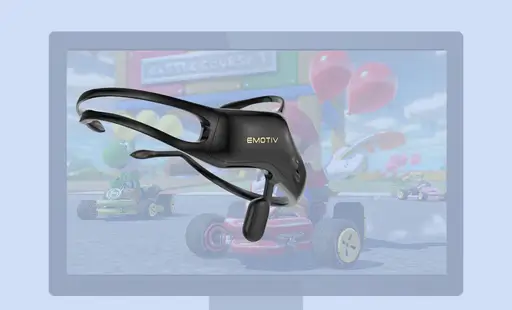
How Handi'Arcade Makes BCI Game Controllers with Insight
Heidi Duran
Updated on
Apr 29, 2024
How Handi'Arcade Makes BCI Game Controllers with Insight
Heidi Duran
Updated on
Apr 29, 2024
How Handi'Arcade Makes BCI Game Controllers with Insight
Heidi Duran
Updated on
Apr 29, 2024
Title: Exploring the Frontier of Brain-Computer Interfaces: Implantable vs. Non-Invasive Technology
Introduction:
In the realm of brain-computer interfaces (BCIs), two prominent technologies have emerged: implanted BCIs, exemplified by Neuralink, and non-invasive BCIs like EMOTIV. Both offer groundbreaking ways to interface with the brain, but they differ significantly in their approach and implications. In this blog post, we'll delve into the distinctions between these two types of BCIs, examining their advantages, limitations, and potential applications.
Implanted BCIs: Precision Meets Intricacy
Implanted BCIs represent the cutting edge of neural interface technology. These devices involve the surgical insertion of electrodes directly into the brain tissue, providing unparalleled access to neural signals. Companies like Neuralink have pioneered this approach, aiming to revolutionize human-computer interaction and restore lost functionality for individuals with neurological conditions.
Advantages:
1. High-resolution neural recordings: Implanted BCIs offer precise and high-fidelity access to neural activity, enabling fine-grained control and feedback.
2. Superior performance: With electrodes placed in close proximity to neurons, implanted BCIs can achieve remarkable levels of signal quality and stability.
3. Potential for complex applications: The precision of implanted BCIs makes them suitable for applications requiring intricate motor control, such as prosthetic limb control or advanced neuroprosthetics.
Limitations:
1. Invasiveness: Implanting electrodes directly into the brain tissue requires surgical intervention, which carries inherent risks, including infection, tissue damage, and the need for ongoing medical monitoring.
2. Accessibility: Due to their invasive nature, implanted BCIs are currently limited to clinical settings and research applications, with accessibility for the general population still a distant prospect.
3. Ethical considerations: The prospect of invasive brain manipulation raises ethical questions regarding privacy, autonomy, and informed consent.
Non-Invasive BCIs: Accessibility and Versatility
In contrast to implanted BCIs, non-invasive BCIs leverage external sensors to measure brain activity, offering a safer and more accessible alternative. Companies like EMOTIV have pioneered this approach, developing wearable EEG devices that allow users to interact with technology using their thoughts alone.
Advantages:
1. Non-invasiveness: Non-invasive BCIs do not require surgical implantation, making them safer and more suitable for widespread adoption.
2. Ease of use: Wearable EEG devices, such as those offered by EMOTIV, are user-friendly and can be easily integrated into daily life, enabling real-time brain monitoring and interaction.
3. Scalability: Non-invasive BCIs have the potential for mass adoption, with applications ranging from assistive technology for individuals with disabilities to consumer-grade neurofeedback devices.
Limitations:
1. Lower resolution: External sensors are subject to signal attenuation and interference from surrounding tissues, resulting in lower spatial resolution and signal quality compared to implanted electrodes.
2. Performance trade-offs: While non-invasive BCIs offer convenience and accessibility, they may not provide the same level of precision and fine control as their implanted counterparts, limiting their suitability for certain applications.
3. Technological constraints: Current non-invasive BCI technology is still evolving, with ongoing research focused on improving signal quality, spatial resolution, and usability.
Conclusion:
In the dynamic landscape of brain-computer interfaces, both implanted and non-invasive technologies offer unique advantages and challenges. While implanted BCIs provide unparalleled precision and performance, they come with significant invasiveness and ethical considerations. On the other hand, non-invasive BCIs prioritize accessibility and ease of use but may sacrifice some level of performance and resolution. As research and innovation continue to advance, the future holds exciting possibilities for both types of BCIs, paving the way for new frontiers in human-machine interaction and neurotechnology.
Title: Exploring the Frontier of Brain-Computer Interfaces: Implantable vs. Non-Invasive Technology
Introduction:
In the realm of brain-computer interfaces (BCIs), two prominent technologies have emerged: implanted BCIs, exemplified by Neuralink, and non-invasive BCIs like EMOTIV. Both offer groundbreaking ways to interface with the brain, but they differ significantly in their approach and implications. In this blog post, we'll delve into the distinctions between these two types of BCIs, examining their advantages, limitations, and potential applications.
Implanted BCIs: Precision Meets Intricacy
Implanted BCIs represent the cutting edge of neural interface technology. These devices involve the surgical insertion of electrodes directly into the brain tissue, providing unparalleled access to neural signals. Companies like Neuralink have pioneered this approach, aiming to revolutionize human-computer interaction and restore lost functionality for individuals with neurological conditions.
Advantages:
1. High-resolution neural recordings: Implanted BCIs offer precise and high-fidelity access to neural activity, enabling fine-grained control and feedback.
2. Superior performance: With electrodes placed in close proximity to neurons, implanted BCIs can achieve remarkable levels of signal quality and stability.
3. Potential for complex applications: The precision of implanted BCIs makes them suitable for applications requiring intricate motor control, such as prosthetic limb control or advanced neuroprosthetics.
Limitations:
1. Invasiveness: Implanting electrodes directly into the brain tissue requires surgical intervention, which carries inherent risks, including infection, tissue damage, and the need for ongoing medical monitoring.
2. Accessibility: Due to their invasive nature, implanted BCIs are currently limited to clinical settings and research applications, with accessibility for the general population still a distant prospect.
3. Ethical considerations: The prospect of invasive brain manipulation raises ethical questions regarding privacy, autonomy, and informed consent.
Non-Invasive BCIs: Accessibility and Versatility
In contrast to implanted BCIs, non-invasive BCIs leverage external sensors to measure brain activity, offering a safer and more accessible alternative. Companies like EMOTIV have pioneered this approach, developing wearable EEG devices that allow users to interact with technology using their thoughts alone.
Advantages:
1. Non-invasiveness: Non-invasive BCIs do not require surgical implantation, making them safer and more suitable for widespread adoption.
2. Ease of use: Wearable EEG devices, such as those offered by EMOTIV, are user-friendly and can be easily integrated into daily life, enabling real-time brain monitoring and interaction.
3. Scalability: Non-invasive BCIs have the potential for mass adoption, with applications ranging from assistive technology for individuals with disabilities to consumer-grade neurofeedback devices.
Limitations:
1. Lower resolution: External sensors are subject to signal attenuation and interference from surrounding tissues, resulting in lower spatial resolution and signal quality compared to implanted electrodes.
2. Performance trade-offs: While non-invasive BCIs offer convenience and accessibility, they may not provide the same level of precision and fine control as their implanted counterparts, limiting their suitability for certain applications.
3. Technological constraints: Current non-invasive BCI technology is still evolving, with ongoing research focused on improving signal quality, spatial resolution, and usability.
Conclusion:
In the dynamic landscape of brain-computer interfaces, both implanted and non-invasive technologies offer unique advantages and challenges. While implanted BCIs provide unparalleled precision and performance, they come with significant invasiveness and ethical considerations. On the other hand, non-invasive BCIs prioritize accessibility and ease of use but may sacrifice some level of performance and resolution. As research and innovation continue to advance, the future holds exciting possibilities for both types of BCIs, paving the way for new frontiers in human-machine interaction and neurotechnology.
Title: Exploring the Frontier of Brain-Computer Interfaces: Implantable vs. Non-Invasive Technology
Introduction:
In the realm of brain-computer interfaces (BCIs), two prominent technologies have emerged: implanted BCIs, exemplified by Neuralink, and non-invasive BCIs like EMOTIV. Both offer groundbreaking ways to interface with the brain, but they differ significantly in their approach and implications. In this blog post, we'll delve into the distinctions between these two types of BCIs, examining their advantages, limitations, and potential applications.
Implanted BCIs: Precision Meets Intricacy
Implanted BCIs represent the cutting edge of neural interface technology. These devices involve the surgical insertion of electrodes directly into the brain tissue, providing unparalleled access to neural signals. Companies like Neuralink have pioneered this approach, aiming to revolutionize human-computer interaction and restore lost functionality for individuals with neurological conditions.
Advantages:
1. High-resolution neural recordings: Implanted BCIs offer precise and high-fidelity access to neural activity, enabling fine-grained control and feedback.
2. Superior performance: With electrodes placed in close proximity to neurons, implanted BCIs can achieve remarkable levels of signal quality and stability.
3. Potential for complex applications: The precision of implanted BCIs makes them suitable for applications requiring intricate motor control, such as prosthetic limb control or advanced neuroprosthetics.
Limitations:
1. Invasiveness: Implanting electrodes directly into the brain tissue requires surgical intervention, which carries inherent risks, including infection, tissue damage, and the need for ongoing medical monitoring.
2. Accessibility: Due to their invasive nature, implanted BCIs are currently limited to clinical settings and research applications, with accessibility for the general population still a distant prospect.
3. Ethical considerations: The prospect of invasive brain manipulation raises ethical questions regarding privacy, autonomy, and informed consent.
Non-Invasive BCIs: Accessibility and Versatility
In contrast to implanted BCIs, non-invasive BCIs leverage external sensors to measure brain activity, offering a safer and more accessible alternative. Companies like EMOTIV have pioneered this approach, developing wearable EEG devices that allow users to interact with technology using their thoughts alone.
Advantages:
1. Non-invasiveness: Non-invasive BCIs do not require surgical implantation, making them safer and more suitable for widespread adoption.
2. Ease of use: Wearable EEG devices, such as those offered by EMOTIV, are user-friendly and can be easily integrated into daily life, enabling real-time brain monitoring and interaction.
3. Scalability: Non-invasive BCIs have the potential for mass adoption, with applications ranging from assistive technology for individuals with disabilities to consumer-grade neurofeedback devices.
Limitations:
1. Lower resolution: External sensors are subject to signal attenuation and interference from surrounding tissues, resulting in lower spatial resolution and signal quality compared to implanted electrodes.
2. Performance trade-offs: While non-invasive BCIs offer convenience and accessibility, they may not provide the same level of precision and fine control as their implanted counterparts, limiting their suitability for certain applications.
3. Technological constraints: Current non-invasive BCI technology is still evolving, with ongoing research focused on improving signal quality, spatial resolution, and usability.
Conclusion:
In the dynamic landscape of brain-computer interfaces, both implanted and non-invasive technologies offer unique advantages and challenges. While implanted BCIs provide unparalleled precision and performance, they come with significant invasiveness and ethical considerations. On the other hand, non-invasive BCIs prioritize accessibility and ease of use but may sacrifice some level of performance and resolution. As research and innovation continue to advance, the future holds exciting possibilities for both types of BCIs, paving the way for new frontiers in human-machine interaction and neurotechnology.