Price increase for Epoc X and Flex on May 1st. Stock up now and save!
Price increase for Epoc X and Flex on May 1st. Stock up now and save!
Price increase for Epoc X and Flex on May 1st. Stock up now and save!

How neuroscience can improve employee well-being and the company ROI?
Mehul Nayak
Updated on
Feb 7, 2024
How neuroscience can improve employee well-being and the company ROI?
Mehul Nayak
Updated on
Feb 7, 2024
How neuroscience can improve employee well-being and the company ROI?
Mehul Nayak
Updated on
Feb 7, 2024
Return on Investment (ROI) is an interesting term. In a normal business setting, it means a ratio that compares the potential return from a stand-alone investment to several other investments. When we consider ROI from an employee perspective, investments that provide a greater sense of wellbeing in the workplace can equate to better customer service, more enthusiasm, and increased productivity. These factors create a meaningful ROI that boosts bottom lines.
The important thing to consider is how can you place a value and ROI on worker wellness? Financial bottom lines can make business approaches and structures appear successful and model-worthy at first. However, profit often comes at the expense of the wellbeing of people who make up the organization.

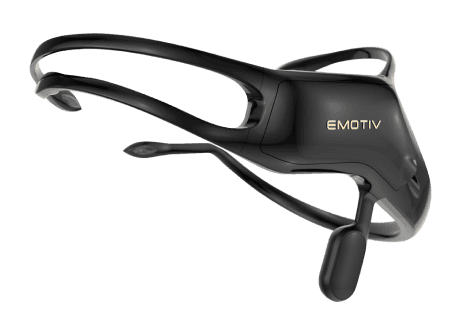
14-Channel wireless EEG headset
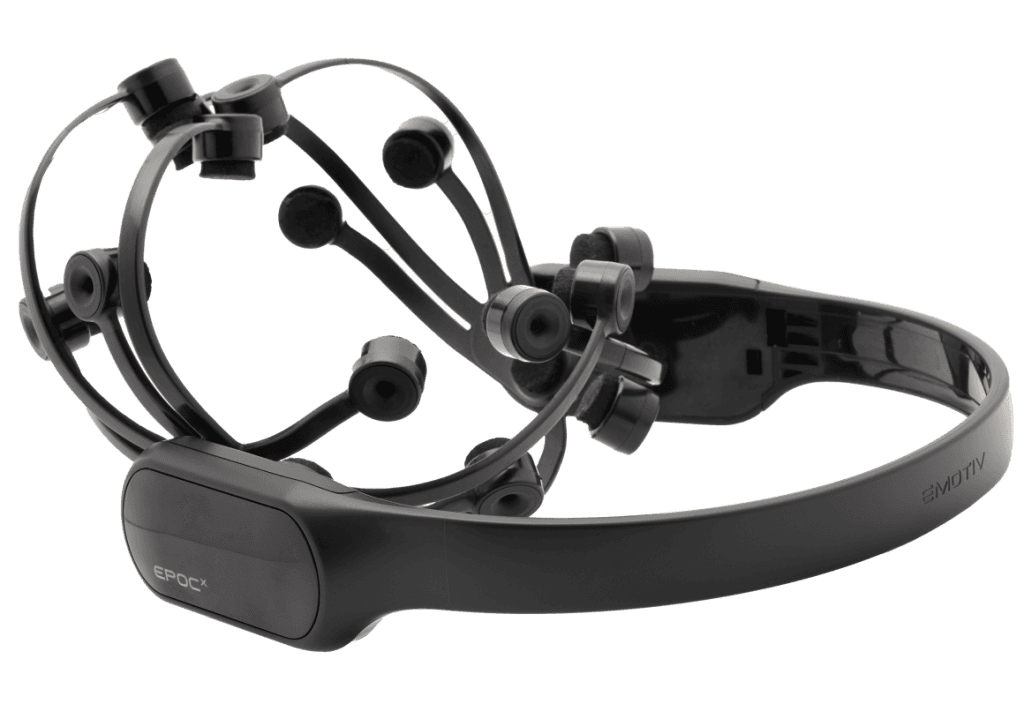

32-Channel Saline Wireless EEG head cap system
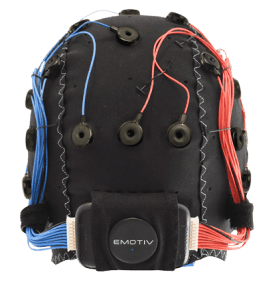

32-Channel Gel Wireless EEG head cap system

5-Channel Wireless EEG Head Cap System

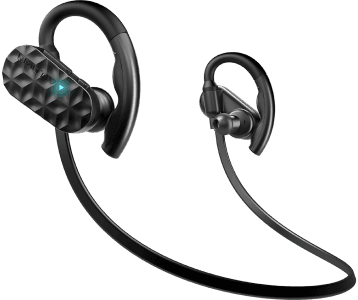
2-Channel Wireless EEG earbuds

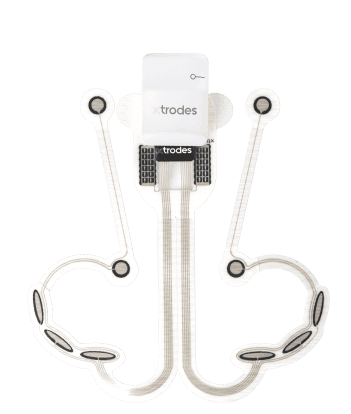
16-Channel adhesive EEG monitoring
The key point here is that in a normal business setting, any lack of wellbeing is not generally considered an expense in an overall ROI calculation. Providing a workplace environment that supports wellbeing means that costs, such as absenteeism and turnover, are recognized, leading to an improvement in ROI.
An additional factor to consider is that, in some cases, leaders can give the impression that they alone achieved great results without acknowledging the team who supported them on the way. However, if leaders don’t look after the people they work with, they achieve limited outcomes — their team will not be there with them at the end of the journey celebrating the business’s success.
You may have experienced leaders using this approach in your career and considered moving onto another organization. The end result is an increase in the turnover rate that unnecessarily consumes resources that could be better utilized.
Heroic CEOs, such as General Electric’s Jack Welsh, emphasized the power of team leadership in action. Investing in your workers means you’ll retain talent, create a positive culture and be ahead of your competition.
The time has come for businesses to focus on workplace wellbeing and regard it as a strategic focus to ensure long-term business viability.
Time and health are two precious assets that we don’t recognize and appreciate until they have been depleted – Denis Waitley
Is workplace wellness just a “nice to have”?
For many years, companies have focused on workplace wellness, spending billions of dollars on programs annually. However, have their efforts had the desired effect?
Research shows that workplace wellness has not lowered insurance premiums as the link between the two aspects is tenuous. Better gains can be shown by tying worker wellness directly to ROI, with known factors such as turnover and absenteeism, for example.
Is workplace wellness just a “nice to have”?
Efforts to improve workplace wellness haven’t always achieved their desired outcomes, as in many cases, they have just been regarded as a “nice to have” discretionary benefit. In this case, we cannot really expect employee wellness to deliver a better ROI through lower healthcare costs. Management needs to be more serious about looking after their workers, especially when trying to get people to return to the workplace.
When we decide to treat worker wellness as a goal with its own merits, we improve the employer-employee relationship, build a better brand image, promote a positive work culture, which results in healthy and happy employees. These are all important building blocks to improve a company’s ROI.
Workplace wellbeing is at a turning point, and employers must re-envision employee wellbeing as a powerful tool for business success. These all equate to a better ROI. Research by PwC regarding ROI indicates that we can expect a positive return on investment of at least $2.30 in benefits per dollar spent.
EMOTIV is improving wellbeing in the workplace
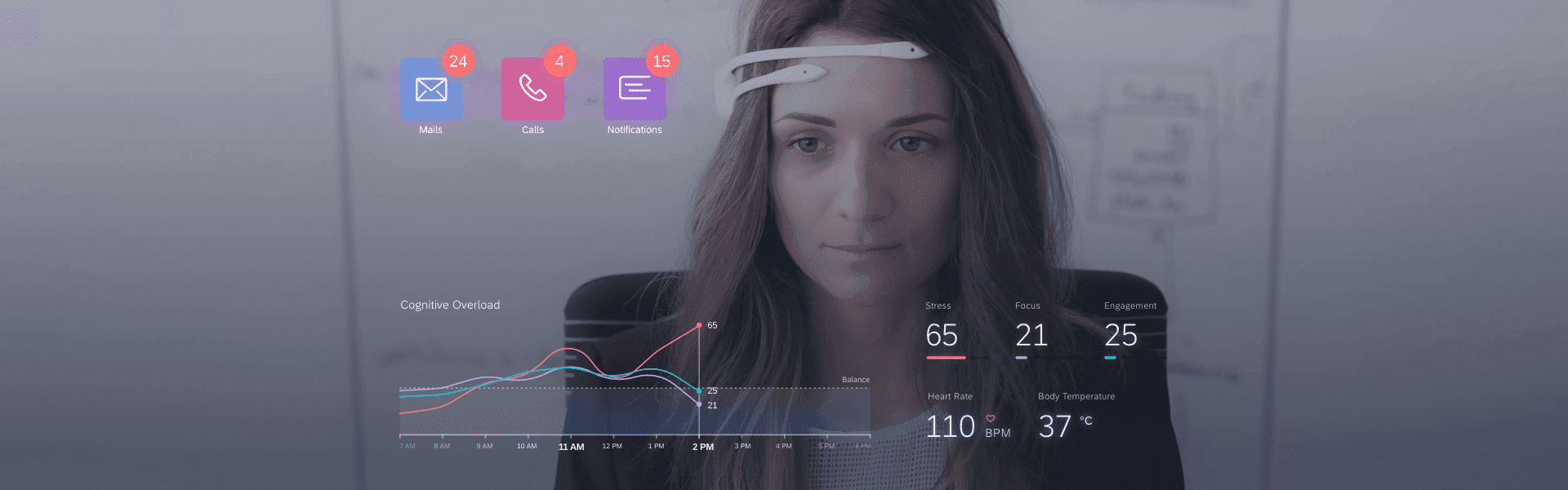
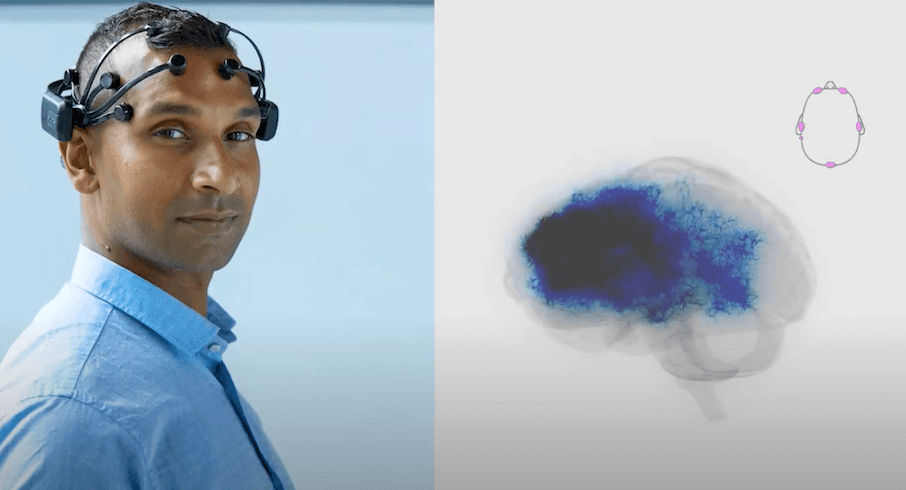
Our mission at EMOTIV is to improve access to brain health. We’re committed to providing solutions that enable everyone, not just neuroscientists and physicians, to collect and (more importantly) make sense of brain data. We want to ensure that every organization benefits from neuroscientific insights that will improve workplace wellbeing.
<img sizes="(max-width: 949px) 100vw, 949px" srcset="https://cdn.shopify.com/s/files/1/0781/3732/7935/files/Screen-Shot-2022-09-29-at-13_56_34.png 949w, https://cdn.shopify.com/s/files/1/0781/3732/7935/files/Screen-Shot-2022-09-29-at-13_56_34-300x158.png 300w, https://cdn.shopify.com/s/files/1/0781/3732/7935/files/Screen-Shot-2022-09-29-at-13_56_34-510x269.png 510w" class="wp-image-459159" alt="" src="https://c
Return on Investment (ROI) is an interesting term. In a normal business setting, it means a ratio that compares the potential return from a stand-alone investment to several other investments. When we consider ROI from an employee perspective, investments that provide a greater sense of wellbeing in the workplace can equate to better customer service, more enthusiasm, and increased productivity. These factors create a meaningful ROI that boosts bottom lines.
The important thing to consider is how can you place a value and ROI on worker wellness? Financial bottom lines can make business approaches and structures appear successful and model-worthy at first. However, profit often comes at the expense of the wellbeing of people who make up the organization.
14-Channel wireless EEG headset
32-Channel Saline Wireless EEG head cap system
32-Channel Gel Wireless EEG head cap system
5-Channel Wireless EEG Head Cap System
2-Channel Wireless EEG earbuds
16-Channel adhesive EEG monitoring
The key point here is that in a normal business setting, any lack of wellbeing is not generally considered an expense in an overall ROI calculation. Providing a workplace environment that supports wellbeing means that costs, such as absenteeism and turnover, are recognized, leading to an improvement in ROI.
An additional factor to consider is that, in some cases, leaders can give the impression that they alone achieved great results without acknowledging the team who supported them on the way. However, if leaders don’t look after the people they work with, they achieve limited outcomes — their team will not be there with them at the end of the journey celebrating the business’s success.
You may have experienced leaders using this approach in your career and considered moving onto another organization. The end result is an increase in the turnover rate that unnecessarily consumes resources that could be better utilized.
Heroic CEOs, such as General Electric’s Jack Welsh, emphasized the power of team leadership in action. Investing in your workers means you’ll retain talent, create a positive culture and be ahead of your competition.
The time has come for businesses to focus on workplace wellbeing and regard it as a strategic focus to ensure long-term business viability.
Time and health are two precious assets that we don’t recognize and appreciate until they have been depleted – Denis Waitley
Is workplace wellness just a “nice to have”?
For many years, companies have focused on workplace wellness, spending billions of dollars on programs annually. However, have their efforts had the desired effect?
Research shows that workplace wellness has not lowered insurance premiums as the link between the two aspects is tenuous. Better gains can be shown by tying worker wellness directly to ROI, with known factors such as turnover and absenteeism, for example.
Is workplace wellness just a “nice to have”?
Efforts to improve workplace wellness haven’t always achieved their desired outcomes, as in many cases, they have just been regarded as a “nice to have” discretionary benefit. In this case, we cannot really expect employee wellness to deliver a better ROI through lower healthcare costs. Management needs to be more serious about looking after their workers, especially when trying to get people to return to the workplace.
When we decide to treat worker wellness as a goal with its own merits, we improve the employer-employee relationship, build a better brand image, promote a positive work culture, which results in healthy and happy employees. These are all important building blocks to improve a company’s ROI.
Workplace wellbeing is at a turning point, and employers must re-envision employee wellbeing as a powerful tool for business success. These all equate to a better ROI. Research by PwC regarding ROI indicates that we can expect a positive return on investment of at least $2.30 in benefits per dollar spent.
EMOTIV is improving wellbeing in the workplace
Our mission at EMOTIV is to improve access to brain health. We’re committed to providing solutions that enable everyone, not just neuroscientists and physicians, to collect and (more importantly) make sense of brain data. We want to ensure that every organization benefits from neuroscientific insights that will improve workplace wellbeing.
<img sizes="(max-width: 949px) 100vw, 949px" srcset="https://cdn.shopify.com/s/files/1/0781/3732/7935/files/Screen-Shot-2022-09-29-at-13_56_34.png 949w, https://cdn.shopify.com/s/files/1/0781/3732/7935/files/Screen-Shot-2022-09-29-at-13_56_34-300x158.png 300w, https://cdn.shopify.com/s/files/1/0781/3732/7935/files/Screen-Shot-2022-09-29-at-13_56_34-510x269.png 510w" class="wp-image-459159" alt="" src="https://c
Return on Investment (ROI) is an interesting term. In a normal business setting, it means a ratio that compares the potential return from a stand-alone investment to several other investments. When we consider ROI from an employee perspective, investments that provide a greater sense of wellbeing in the workplace can equate to better customer service, more enthusiasm, and increased productivity. These factors create a meaningful ROI that boosts bottom lines.
The important thing to consider is how can you place a value and ROI on worker wellness? Financial bottom lines can make business approaches and structures appear successful and model-worthy at first. However, profit often comes at the expense of the wellbeing of people who make up the organization.
14-Channel wireless EEG headset
32-Channel Saline Wireless EEG head cap system
32-Channel Gel Wireless EEG head cap system
5-Channel Wireless EEG Head Cap System
2-Channel Wireless EEG earbuds
16-Channel adhesive EEG monitoring
The key point here is that in a normal business setting, any lack of wellbeing is not generally considered an expense in an overall ROI calculation. Providing a workplace environment that supports wellbeing means that costs, such as absenteeism and turnover, are recognized, leading to an improvement in ROI.
An additional factor to consider is that, in some cases, leaders can give the impression that they alone achieved great results without acknowledging the team who supported them on the way. However, if leaders don’t look after the people they work with, they achieve limited outcomes — their team will not be there with them at the end of the journey celebrating the business’s success.
You may have experienced leaders using this approach in your career and considered moving onto another organization. The end result is an increase in the turnover rate that unnecessarily consumes resources that could be better utilized.
Heroic CEOs, such as General Electric’s Jack Welsh, emphasized the power of team leadership in action. Investing in your workers means you’ll retain talent, create a positive culture and be ahead of your competition.
The time has come for businesses to focus on workplace wellbeing and regard it as a strategic focus to ensure long-term business viability.
Time and health are two precious assets that we don’t recognize and appreciate until they have been depleted – Denis Waitley
Is workplace wellness just a “nice to have”?
For many years, companies have focused on workplace wellness, spending billions of dollars on programs annually. However, have their efforts had the desired effect?
Research shows that workplace wellness has not lowered insurance premiums as the link between the two aspects is tenuous. Better gains can be shown by tying worker wellness directly to ROI, with known factors such as turnover and absenteeism, for example.
Is workplace wellness just a “nice to have”?
Efforts to improve workplace wellness haven’t always achieved their desired outcomes, as in many cases, they have just been regarded as a “nice to have” discretionary benefit. In this case, we cannot really expect employee wellness to deliver a better ROI through lower healthcare costs. Management needs to be more serious about looking after their workers, especially when trying to get people to return to the workplace.
When we decide to treat worker wellness as a goal with its own merits, we improve the employer-employee relationship, build a better brand image, promote a positive work culture, which results in healthy and happy employees. These are all important building blocks to improve a company’s ROI.
Workplace wellbeing is at a turning point, and employers must re-envision employee wellbeing as a powerful tool for business success. These all equate to a better ROI. Research by PwC regarding ROI indicates that we can expect a positive return on investment of at least $2.30 in benefits per dollar spent.
EMOTIV is improving wellbeing in the workplace
Our mission at EMOTIV is to improve access to brain health. We’re committed to providing solutions that enable everyone, not just neuroscientists and physicians, to collect and (more importantly) make sense of brain data. We want to ensure that every organization benefits from neuroscientific insights that will improve workplace wellbeing.
<img sizes="(max-width: 949px) 100vw, 949px" srcset="https://cdn.shopify.com/s/files/1/0781/3732/7935/files/Screen-Shot-2022-09-29-at-13_56_34.png 949w, https://cdn.shopify.com/s/files/1/0781/3732/7935/files/Screen-Shot-2022-09-29-at-13_56_34-300x158.png 300w, https://cdn.shopify.com/s/files/1/0781/3732/7935/files/Screen-Shot-2022-09-29-at-13_56_34-510x269.png 510w" class="wp-image-459159" alt="" src="https://c
Continue reading