Price increase for Epoc X and Flex on May 1st. Stock up now and save!
Price increase for Epoc X and Flex on May 1st. Stock up now and save!
Price increase for Epoc X and Flex on May 1st. Stock up now and save!
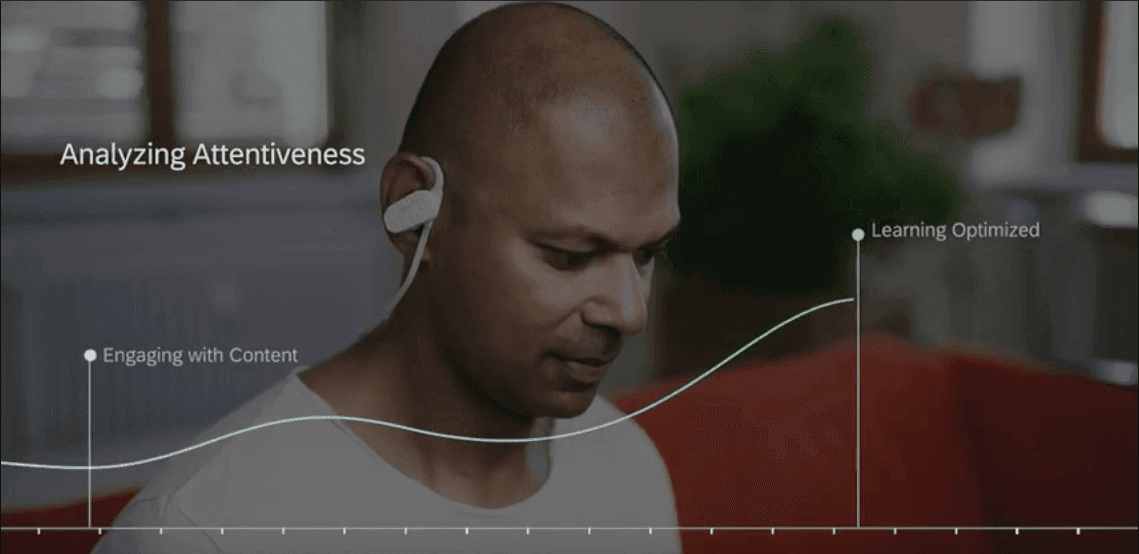
How EEG technology helps to manage stress for optimal performance
Mehul Nayak
Updated on
Feb 7, 2024
How EEG technology helps to manage stress for optimal performance
Mehul Nayak
Updated on
Feb 7, 2024
How EEG technology helps to manage stress for optimal performance
Mehul Nayak
Updated on
Feb 7, 2024
Are you feeling stressed? Is there too much on your plate with deadlines looming, people counting on you, and to top it off, you’re too busy to arrange a well-deserved holiday that would help you relax? The result is not surprising: you feel under pressure and your quality of life is suffering!
With the fast-paced, high-pressure lives that many of us lead with demanding jobs and family responsibilities, it’s no wonder that we sometimes feel stressed to the limit. However, not all stress is bad. It often protects us by priming our bodies to react quickly to adverse situations. It also ensures that we push ourselves to be the best we can be: who wouldn’t want that?
The problem in modern times, however, is that our body’s stress response is regularly triggered even though our lives are not in danger. Over time, this chronic exposure to stress hormones can damage our bodies and our mental well-being.

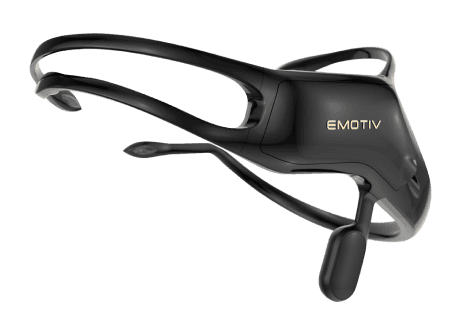
14-Channel wireless EEG headset
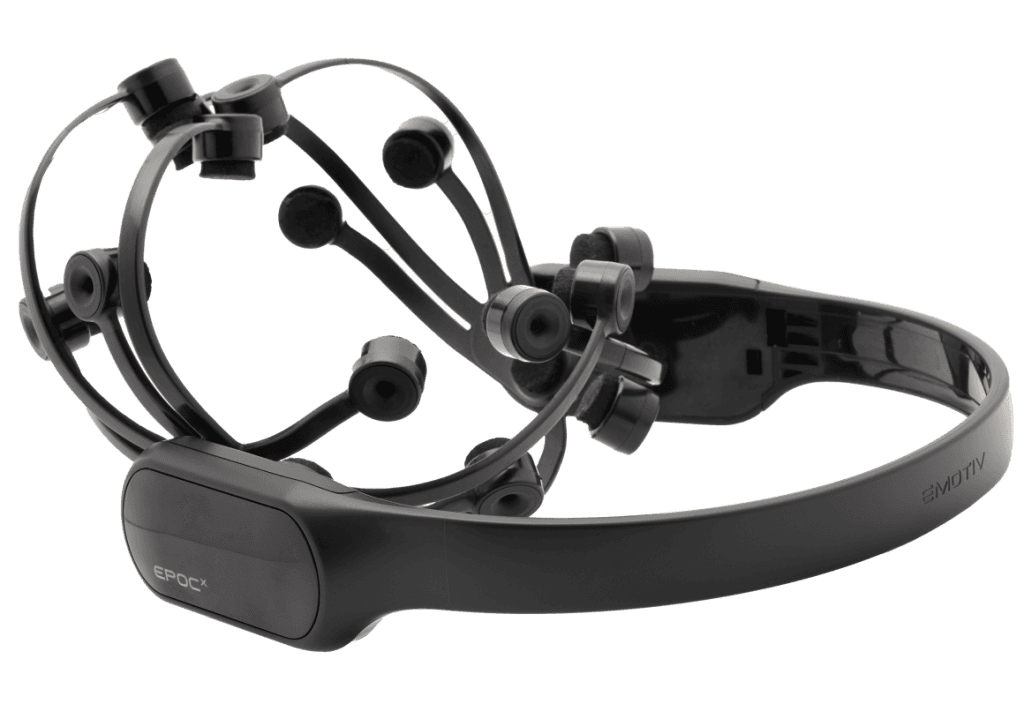

32-Channel Saline Wireless EEG head cap system
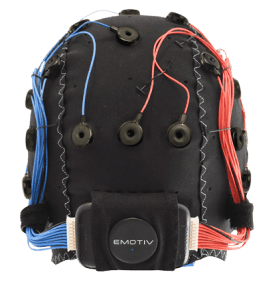

32-Channel Gel Wireless EEG head cap system

5-Channel Wireless EEG Head Cap System

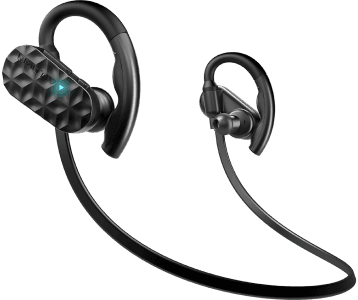
2-Channel Wireless EEG earbuds

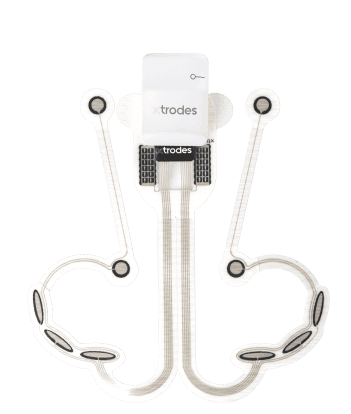
16-Channel adhesive EEG monitoring
The perception of stress is highly individualized though: what may stretch your friend’s nerves may not phase you in the least, and vice versa. In other words, what matters most is not what happens to you, but how you react to what happens to you.
How does Stress affect you?
Stress is often caused by situations we are personally experiencing or events that may be occurring in the wider world. Your mind reacts to these thought processes through an instinctive stress response known as ‘fight or flight’. Your body stores energy related to the stress that you are experiencing, and over time, it can then show up as various ailments, such as tight shoulders, sore backs, etc.
The more often we are exposed to these stressors, the more overactive our fight or flight response becomes until we find ourselves operating at a fever pitch level. Then we’re constantly prepared for battle and perceive potential threats everywhere. That’s why when someone is over-stressed, they not only show physiological symptoms such as high blood pressure, rapid heart rate, or shallow fast breath; they can seem overly sensitive or aggressive.
Today, many of us don’t do enough physical exercise to ‘burn off’ the effects of our stress response, leaving us with a stress build-up. We may learn to control our reactions, but this does not counteract the stress response.
So, consider the following:
How does stress affect you, i.e. physically and emotionally?
What does stress mean to you?
What is the cause of your stress?
How often does it occur?
How do you deal with it?
We all have stressful days, however, it’s important to note how often these days occur and to what degree. If your stressful days are often (say up to 7-8 on a scale, with 10 being the highest), then it may rob you of enjoying the day (and your life in general). If that is the case, it’s important to reflect on the sources of stress and develop strategies to help manage each stressor.
For example, if you have to give a presentation, the right amount of stress helps you concentrate on preparation and rehearsal, enabling you to deliver your presentation perfectly while being fully alert and calm. If you’re thrown into the deep end with little preparation time, you can feel very stressed out about it. During the presentation, you may stammer and pause, become flustered, lose your place and maybe even panic.
You might be stressed at work due to a conflict with a co-worker or your boss, or maybe you have too much work to do. Perhaps, you’re worried about your children? Or, tensions you’ve been having with your spouse? We are all human and we all get impacted by stress. However, it is important to ensure that our stress level does not soar off the chart.
In the article, How to turn Everyday Stress into Optimal Stress, Jan Asher et al. discuss that the purpose of stress is to help us solve problems and to grow from our experiences. If you have too much stress in your life, how can you reduce it so that you don’t reach a crisis point, such as quitting your job in anger, or breaking up with your partner? It is often helpful to include self-care practices, such as exercise, relaxation, or a walk in nature, into your routine, to help you balance work with your personal life.
Consider a broader view
If you’re feeling that stress is having an impact on your life, try taking a step out of your current situation and look at your life more broadly. , For example:
Think about the ‘Big Picture’. This can be very energizing when you’re stressed and facing challenges because you are linking a small action to a greater meaning or purpose.
See everything in terms of progress, not perfection. When you have a perfection mindset, you always expect to do everything just right and you constantly (often unconsciously) compare yourself to other people, to see how you ‘size up’.
Have self-compassion. A dose of self-compassion, when things are at their most difficult, can reduce your stress and improve your performance. Consider the effect of other people on your life. It is important to involve yourself in things that are only in your control.
Talk to a friend or partner abou
Are you feeling stressed? Is there too much on your plate with deadlines looming, people counting on you, and to top it off, you’re too busy to arrange a well-deserved holiday that would help you relax? The result is not surprising: you feel under pressure and your quality of life is suffering!
With the fast-paced, high-pressure lives that many of us lead with demanding jobs and family responsibilities, it’s no wonder that we sometimes feel stressed to the limit. However, not all stress is bad. It often protects us by priming our bodies to react quickly to adverse situations. It also ensures that we push ourselves to be the best we can be: who wouldn’t want that?
The problem in modern times, however, is that our body’s stress response is regularly triggered even though our lives are not in danger. Over time, this chronic exposure to stress hormones can damage our bodies and our mental well-being.
14-Channel wireless EEG headset
32-Channel Saline Wireless EEG head cap system
32-Channel Gel Wireless EEG head cap system
5-Channel Wireless EEG Head Cap System
2-Channel Wireless EEG earbuds
16-Channel adhesive EEG monitoring
The perception of stress is highly individualized though: what may stretch your friend’s nerves may not phase you in the least, and vice versa. In other words, what matters most is not what happens to you, but how you react to what happens to you.
How does Stress affect you?
Stress is often caused by situations we are personally experiencing or events that may be occurring in the wider world. Your mind reacts to these thought processes through an instinctive stress response known as ‘fight or flight’. Your body stores energy related to the stress that you are experiencing, and over time, it can then show up as various ailments, such as tight shoulders, sore backs, etc.
The more often we are exposed to these stressors, the more overactive our fight or flight response becomes until we find ourselves operating at a fever pitch level. Then we’re constantly prepared for battle and perceive potential threats everywhere. That’s why when someone is over-stressed, they not only show physiological symptoms such as high blood pressure, rapid heart rate, or shallow fast breath; they can seem overly sensitive or aggressive.
Today, many of us don’t do enough physical exercise to ‘burn off’ the effects of our stress response, leaving us with a stress build-up. We may learn to control our reactions, but this does not counteract the stress response.
So, consider the following:
How does stress affect you, i.e. physically and emotionally?
What does stress mean to you?
What is the cause of your stress?
How often does it occur?
How do you deal with it?
We all have stressful days, however, it’s important to note how often these days occur and to what degree. If your stressful days are often (say up to 7-8 on a scale, with 10 being the highest), then it may rob you of enjoying the day (and your life in general). If that is the case, it’s important to reflect on the sources of stress and develop strategies to help manage each stressor.
For example, if you have to give a presentation, the right amount of stress helps you concentrate on preparation and rehearsal, enabling you to deliver your presentation perfectly while being fully alert and calm. If you’re thrown into the deep end with little preparation time, you can feel very stressed out about it. During the presentation, you may stammer and pause, become flustered, lose your place and maybe even panic.
You might be stressed at work due to a conflict with a co-worker or your boss, or maybe you have too much work to do. Perhaps, you’re worried about your children? Or, tensions you’ve been having with your spouse? We are all human and we all get impacted by stress. However, it is important to ensure that our stress level does not soar off the chart.
In the article, How to turn Everyday Stress into Optimal Stress, Jan Asher et al. discuss that the purpose of stress is to help us solve problems and to grow from our experiences. If you have too much stress in your life, how can you reduce it so that you don’t reach a crisis point, such as quitting your job in anger, or breaking up with your partner? It is often helpful to include self-care practices, such as exercise, relaxation, or a walk in nature, into your routine, to help you balance work with your personal life.
Consider a broader view
If you’re feeling that stress is having an impact on your life, try taking a step out of your current situation and look at your life more broadly. , For example:
Think about the ‘Big Picture’. This can be very energizing when you’re stressed and facing challenges because you are linking a small action to a greater meaning or purpose.
See everything in terms of progress, not perfection. When you have a perfection mindset, you always expect to do everything just right and you constantly (often unconsciously) compare yourself to other people, to see how you ‘size up’.
Have self-compassion. A dose of self-compassion, when things are at their most difficult, can reduce your stress and improve your performance. Consider the effect of other people on your life. It is important to involve yourself in things that are only in your control.
Talk to a friend or partner abou
Are you feeling stressed? Is there too much on your plate with deadlines looming, people counting on you, and to top it off, you’re too busy to arrange a well-deserved holiday that would help you relax? The result is not surprising: you feel under pressure and your quality of life is suffering!
With the fast-paced, high-pressure lives that many of us lead with demanding jobs and family responsibilities, it’s no wonder that we sometimes feel stressed to the limit. However, not all stress is bad. It often protects us by priming our bodies to react quickly to adverse situations. It also ensures that we push ourselves to be the best we can be: who wouldn’t want that?
The problem in modern times, however, is that our body’s stress response is regularly triggered even though our lives are not in danger. Over time, this chronic exposure to stress hormones can damage our bodies and our mental well-being.
14-Channel wireless EEG headset
32-Channel Saline Wireless EEG head cap system
32-Channel Gel Wireless EEG head cap system
5-Channel Wireless EEG Head Cap System
2-Channel Wireless EEG earbuds
16-Channel adhesive EEG monitoring
The perception of stress is highly individualized though: what may stretch your friend’s nerves may not phase you in the least, and vice versa. In other words, what matters most is not what happens to you, but how you react to what happens to you.
How does Stress affect you?
Stress is often caused by situations we are personally experiencing or events that may be occurring in the wider world. Your mind reacts to these thought processes through an instinctive stress response known as ‘fight or flight’. Your body stores energy related to the stress that you are experiencing, and over time, it can then show up as various ailments, such as tight shoulders, sore backs, etc.
The more often we are exposed to these stressors, the more overactive our fight or flight response becomes until we find ourselves operating at a fever pitch level. Then we’re constantly prepared for battle and perceive potential threats everywhere. That’s why when someone is over-stressed, they not only show physiological symptoms such as high blood pressure, rapid heart rate, or shallow fast breath; they can seem overly sensitive or aggressive.
Today, many of us don’t do enough physical exercise to ‘burn off’ the effects of our stress response, leaving us with a stress build-up. We may learn to control our reactions, but this does not counteract the stress response.
So, consider the following:
How does stress affect you, i.e. physically and emotionally?
What does stress mean to you?
What is the cause of your stress?
How often does it occur?
How do you deal with it?
We all have stressful days, however, it’s important to note how often these days occur and to what degree. If your stressful days are often (say up to 7-8 on a scale, with 10 being the highest), then it may rob you of enjoying the day (and your life in general). If that is the case, it’s important to reflect on the sources of stress and develop strategies to help manage each stressor.
For example, if you have to give a presentation, the right amount of stress helps you concentrate on preparation and rehearsal, enabling you to deliver your presentation perfectly while being fully alert and calm. If you’re thrown into the deep end with little preparation time, you can feel very stressed out about it. During the presentation, you may stammer and pause, become flustered, lose your place and maybe even panic.
You might be stressed at work due to a conflict with a co-worker or your boss, or maybe you have too much work to do. Perhaps, you’re worried about your children? Or, tensions you’ve been having with your spouse? We are all human and we all get impacted by stress. However, it is important to ensure that our stress level does not soar off the chart.
In the article, How to turn Everyday Stress into Optimal Stress, Jan Asher et al. discuss that the purpose of stress is to help us solve problems and to grow from our experiences. If you have too much stress in your life, how can you reduce it so that you don’t reach a crisis point, such as quitting your job in anger, or breaking up with your partner? It is often helpful to include self-care practices, such as exercise, relaxation, or a walk in nature, into your routine, to help you balance work with your personal life.
Consider a broader view
If you’re feeling that stress is having an impact on your life, try taking a step out of your current situation and look at your life more broadly. , For example:
Think about the ‘Big Picture’. This can be very energizing when you’re stressed and facing challenges because you are linking a small action to a greater meaning or purpose.
See everything in terms of progress, not perfection. When you have a perfection mindset, you always expect to do everything just right and you constantly (often unconsciously) compare yourself to other people, to see how you ‘size up’.
Have self-compassion. A dose of self-compassion, when things are at their most difficult, can reduce your stress and improve your performance. Consider the effect of other people on your life. It is important to involve yourself in things that are only in your control.
Talk to a friend or partner abou