Zestaw słuchawkowy z czujnikiem EEG: Kompletny przewodnik
Emotiv
Zaktualizowano dnia
14 sty 2026
Zestaw słuchawkowy z czujnikiem EEG: Kompletny przewodnik
Emotiv
Zaktualizowano dnia
14 sty 2026
Zestaw słuchawkowy z czujnikiem EEG: Kompletny przewodnik
Emotiv
Zaktualizowano dnia
14 sty 2026
Niedawno, mierzenie aktywności mózgu wymagało laboratorium pełnego nieporęcznego sprzętu, stosowania przewodzącego żelu i badań obiektu podłączonego przy pomocy kabli. To ograniczało badania do sztucznych, kontrolowanych warunków. Dzisiaj, to całkowicie się zmieniło. Rozwój przenośnych, bezprzewodowych noszonych czujników EEG przeniósł pozyskiwanie danych mózgowych z laboratorium do prawdziwego świata. Ta niesamowita dostępność otworzyła nowe horyzonty dla badań akademickich, rozwoju interfejsów mózg-komputer i neuromarketingu. Ale z tyloma nowymi narzędziami dostępnymi na rynku, jak wybrać odpowiednie? Ten artykuł poprowadzi cię przez kluczowe rozważania dotyczące wyboru nowoczesnego urządzenia EEG.
Kluczowe Wnioski
Najpierw Zdefiniuj Swoje Cele: Twoje główne zastosowanie—niezależnie od tego, czy są to badania akademickie, rozwój BCI, czy użytek osobisty—powinno kierować twoim wyborem. Badacz potrzebuje danych o wysokiej gęstości do szczegółowej analizy, podczas gdy deweloper może potrzebować równowagi pomiędzy przenoszalnością a wydajnością.
Spójrz Poza Sprzęt: Zestaw EEG jest tylko tak dobry, jak jego oprogramowanie i doświadczenie użytkownika. Priorytetem powinna być silna ekosystem oprogramowania do analizy danych i uwzględniać praktyczne czynniki, takie jak komfort, czas instalacji oraz żywotność baterii dla efektywnego długoterminowego użytkowania.
Zainwestuj w Odpowiednie Funkcje: Cena zestawu odzwierciedla jego możliwości, takie jak liczba kanałów i typ sensora. Zidentyfikuj kluczowe funkcje dla twojego projektu, aby upewnić się, że inwestujesz w odpowiednią technologię bez płacenia za specyfikacje, których nie potrzebujesz.
Czym Jest Noszony Zestaw EEG?
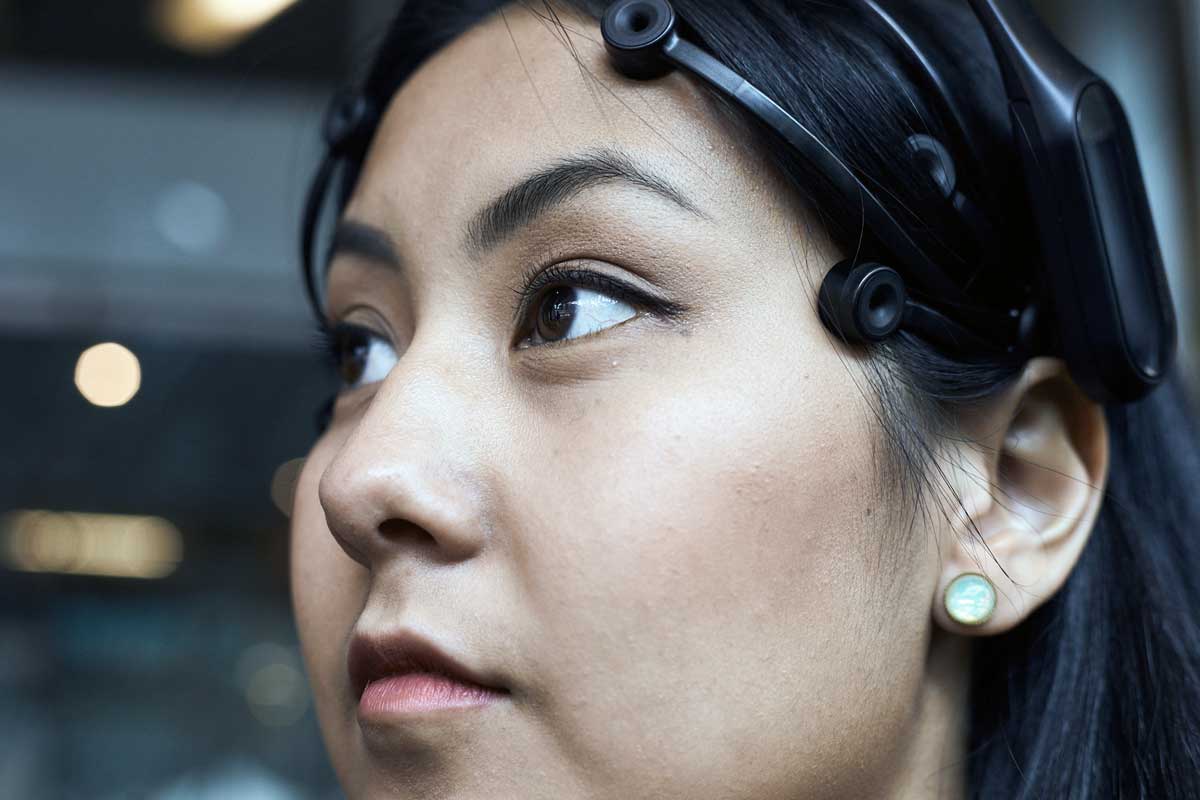
W swojej istocie, noszony zestaw EEG to urządzenie, które zakładasz na głowę, aby mierzyć aktywność elektryczną swojego mózgu. Można to porównać do fitness trackera, ale dla sygnałów twojego mózgu. Przez dziesięciolecia ta technologia, nazywana elektroencefalografią (EEG), była ograniczona do laboratoriów z nieporęcznym sprzętem, przewodzącym żelem i bałaganem kabli. Oznaczało to, że badania mózgowe były ograniczone do bardzo kontrolowanych, sztucznych środowisk. Ale teraz, dzięki postępom w technologii bezprzewodowej, projektowaniu czujników i przetwarzaniu danych, te potężne narzędzia są przenośne, dostępne i gotowe do użycia w rzeczywistych ustawieniach—od twojego salonu do laboratorium badawczego na uniwersytecie.
To przesunięcie z laboratorium do świata rzeczywistego jest zmianą zasad gry. Oznacza to, że wreszcie możemy studiować mózg, jak działa podczas codziennych czynności. Te zestawy mają różne kształty i rozmiary, od dyskretnych słuchawek, takich jak nasze MN8, po systemy wielokanałowe zaprojektowane do głębokich badań naukowych. Na przykład, urządzenie takie jak nasze Epoc X dostarcza badaczom 14 kanałów wysokiej jakości danych mózgowych, podczas gdy nasz zestaw Flex oferuje do 32 kanałów dla jeszcze bardziej szczegółowej analizy. Ta dostępność otworzyła cały nowy świat dla deweloperów, naukowców i każdego ciekawego działania ludzkiego mózgu. Pozwala nam zadawać nowe pytania i badać koncepcje, które kiedyś były materiałem science fiction.
Jak Działa Technologia EEG?
Więc, jak to właściwie działa? Jest to mniej skomplikowane, niż się wydaje. Nasze mózgi składają się z miliardów neuronów, które komunikują się za pomocą drobnych impulsów elektrycznych. Noszone zestawy EEG używają małych, czułych czujników (nazywanych elektrodami), które delikatnie leżą na twojej skórze głowy, aby wychwycić tę aktywność. Te sygnały są niesamowicie słabe, więc zestaw je wzmacnia i bezprzewodowo przesyła dane do podłączonego urządzenia, takiego jak komputer czy smartfon. Nasze oprogramowanie, takie jak EmotivPRO, przetwarza te informacje, przekształcając surowe fale mózgowe w zrozumiałe metryki. Aby uzyskać czysty sygnał, niektóre zestawy używają prostego roztworu solankowego na czujnikach, co pomaga skuteczniej przewodzić sygnały elektryczne.
Co Możesz Zrobić z Noszem EEG?
To właśnie tutaj rzeczy stają się naprawdę interesujące. Dzięki dostępowi do danych mózgowych, możliwości są ogromne. Naukowcy w akademii używają tych zestawów do badania ludzkich zachowań i poznania w naturalnych ustawieniach. Deweloperzy budują niesamowite aplikacje interfejsu mózg-komputer, umożliwiając ludziom kontrolowanie dronów, wózków inwalidzkich lub gier wideo za pomocą mózgu. W świecie neuromarketingu, firmy mogą uzyskać autentyczne, niestronowne opinie na temat tego, jak ludzie reagują na reklamę lub produkt. Możesz również używać EEG do neurofeedbacku, aby trenować swoją uwagę lub eksplorować aplikacje, które zapewniają dostęp do narzędzi poznawczo-wellnessowych. To technologia, która umożliwia ci naukę, tworzenie i eksplorację mózgu w sposób, w jaki dopiero zaczynamy rozumieć.
Badanie Najlepszych Marek Zestawów EEG
Wybór odpowiedniego zestawu EEG może wydawać się dużą decyzją, szczególnie przy tylu dostępnych opcjach na rynku. Nie chodzi tylko o sprzęt; chodzi o znalezienie narzędzia, które pasuje do twojego konkretnego projektu, budżetu i poziomu komfortu technicznego. Różne marki skupiają się na różnych mocnych stronach, od wysokich liczników kanałów do szczegółowych badań po uproszczone projekty do codziennego użytku. Niektóre firmy specjalizują się w sprzęcie dla laboratoriów akademickich, podczas gdy inne tworzą całe ekosystemy z oprogramowaniem i narzędziami dla deweloperów lub osób eksplorujących dane mózgów.
Zrozumienie tego krajobrazu jest pierwszym krokiem do znalezienia odpowiedniego urządzenia dla twoich celów. Aby pomóc otrzymać jaśniejszy obraz, przejdziemy przez naszą własną linię urządzeń EEG, a następnie spojrzymy na kilka innych znanych marek w przestrzeni. Da to poczucie, co jest dostępne i jakie funkcje mogą być najważniejsze dla twojej pracy, niezależnie od tego, czy prowadzisz badanie neuromarketingowe, rozwijasz nową aplikację BCI, czy eksplorujesz narzędzia dla wellness poznawczego. Kluczowe jest dopasowanie technologii do twojej konkretnej aplikacji, zapewniając, że otrzymasz jakość danych i doświadczenia użytkownika, których potrzebujesz, aby odnieść sukces.
Przegląd Sprzętu EEG Emotiv
W Emotiv oferujemy gamę zestawów wspierających szeroką gamę aplikacji. Nasza linia jest zaprojektowana, aby być dostępną, niezależnie od tego, czy dopiero zaczynasz, czy jesteś doświadczonym badaczem. 5-kanałowy Insight to świetny punkt wejścia do użytku osobistego i rozwoju, podczas gdy nasz 14-kanałowy Epoc X to siła robocza dla profesjonalnych i akademickich badań. Dla tych, którzy potrzebują maksymalnej rozdzielczości przestrzennej, nasz 32-kanałowy Flex zestaw zapewnia wysoką gęstość danych. Wszystkie nasze urządzenia bezproblemowo integrują się z naszymi platformami programowymi, takimi jak EmotivPRO, który umożliwia zaawansowane pozyskiwanie i analizę danych. Ta kombinacja elastycznego sprzętu i potężnego oprogramowania pomaga szybciej przejść od konfiguracji do odkryć.
Porównanie Innych Wiodących Marek
Pole EEG jest siedzibą kilku innowacyjnych firm, z unikalnym podejściem do pomiaru mózgu. Na przykład, Wearable Sensing jest znane z suchych systemów EEG, zaprojektowanych do badań aplikacji, takich jak neuroergonomia i interfejsy mózg-komputer. Ich urządzenia są zbudowane do pozyskiwania czystych sygnałów, nawet podczas ruchu, co jest kluczem do badań w rzeczywistych warunkach. Inna firma, BrainBit, oferuje rozwiązania, które wychwytują zakres biosygnałów, w tym EEG, EMG i ECG. Ich sprzęt i oprogramowanie są używane do neurofeedbacku, badań naukowych i aplikacji wellness, zapewniających kompleksowe narzędzia dla użytkowników zainteresowanych odkrywaniem różnych aspektów aktywności mózgu i ciała.
Co Szukać w Zestawie EEG
Wybór odpowiedniego zestawu EEG może wydawać się dużą decyzją, ale staje się o wiele łatwiejszy, gdy wiesz, na co zwracać uwagę. Najlepsze urządzenie dla ciebie naprawdę zależy od tego, co chcesz osiągnąć. Czy prowadzisz szczegółowe badania akademickie, rozwijasz nowy interfejs mózg-komputer, czy eksplorujesz narzędzia wellness poznawczego do użytku osobistego? Odpowiedź poprowadzi cię do odpowiednich funkcji.
Poza nazwą marki, będziesz chciał rozważyć kilka kluczowych specyfikacji technicznych. Obejmują one liczby sensorów, typ elektrod, jakich używa, żywotność baterii i, co równie ważne, oprogramowanie, które do niego dołącza. Sprzęt zbiera surowe dane, ale to oprogramowanie przekształca te sygnały w znaczące statystyki. Rozłóżmy najważniejsze czynniki, które pomogą ci znaleźć zestaw, który pasuje do twoich specyficznych potrzeb i celów.
Liczba Kanałów i Umiejscowienie Czujników
Liczba kanałów mówi, ile sensorów, czy elektrod, ma zestaw. Pomyśl o tym jak o rozdzielczości obrazu—więcej kanałów zapewnia bardziej szczegółowy i kompleksowy obraz aktywności mózgu w różnych obszarach skóry głowy. Na przykład, proste urządzenie może mieć tylko kilka kanałów do podstawowych aplikacji, podczas gdy nasz zestaw Epoc X ma 14 kanałów, pozwalając na znacznie bogatszą kolekcję danych. Dla bardzo szczegółowego mapowania mózgu, urządzenie badawcze o naukowym poziomie, takie jak nasz 32-kanałowy zestaw Flex, może być koniecznością. Odpowiednia liczba kanałów dla ciebie zależy całkowicie od złożoności danych, które musisz uchwycić dla twojego projektu.
Bezprzewodowe Połączenie i Żywotność Baterii
Dla noszonego urządzenia, swoboda ruchu jest kluczowa. Większość nowoczesnych zestawów EEG używa Bluetooth do łączenia się z twoim komputerem lub urządzeniem mobilnym, co oznacza, że nie będziesz przywiązany do kabli podczas sesji. To szczególnie ważne dla badań lub aplikacji, które obejmują ruch. Chcesz również sprawdzić żywotność baterii. Dłuższa żywotność baterii oznacza mniej przerwań i więcej czasu na zbieranie danych. Na przykład, Epoc X zapewnia do dziewięciu godzin użytkowania na jednym ładowaniu, dając ci mnóstwo czasu na przeprowadzanie eksperymentów lub zakończenie pełnego dnia pracy bez potrzeby podłączania.
Suche vs Mokre Elektrody: Jaka Jest Różnica?
Zestawy EEG używają różnych typów elektrod do wychwytywania sygnałów mózgu, a każda ma swoje zalety. Mokre elektrody korzystają z roztworu solankowego lub przewodzącego żelu, aby stworzyć silne połączenie ze skórą głowy. Nasz zestaw Flex Saline używa tej metody, która jest znana z dostarczania wysokiej jakości, wiarygodnych sygnałów z stosunkowo prostą konfiguracją. Żelowe elektrody oferują doskonałą jakość sygnału, ale wymagają więcej czyszczenia. Suche elektrody są najbardziej wygodne, ponieważ nie wymagają żadnych płynów, co czyni je szybki do założenia. Wadą jest, że mogą być czasami bardziej wrażliwe na ruch i włosy, co może wpływać na dane.
Kompatybilność Oprogramowania i Narzędzia Danych
Zestaw EEG jest tylko tak potężny jak oprogramowanie, które go wspiera. Bez odpowiednich narzędzi, zbierasz tylko surowe dane bez możliwości ich interpretacji. Przed wyborem urządzenia, spójrz na ekosystem oprogramowania, z którym się łączy. Czy pozwala ci na podgląd danych na żywo? Czy możesz łatwo nagrywać, odtwarzać i eksportować dane do analizy? Nasze oprogramowanie EmotivPRO, na przykład, pozwala na wizualizację aktywności mózgu, przeglądanie metryk wydajności oraz analizowanie strumieni danych z twojego zestawu. Dobre oprogramowanie sprawia, że cały proces, od konfiguracji do analizy, jest o wiele bardziej przejrzysty i efektywny.
Porównanie Wygody i Użytkowalności
Poza specyfikacjami technicznymi, codzienne doświadczenie z używaniem zestawu EEG jest tym, co naprawdę się liczy. Jeśli urządzenie jest niewygodne, ciężkie lub jego ustawienie trwa wieki, po prostu go nie użyjesz, niezależnie od tego, jak potężne jest na papierze. Najlepszy zestaw dla ciebie to taki, który bezproblemowo wpasowuje się w twój przepływ pracy. Dla badacza oznacza to urządzenie, które uczestnicy mogą komfortowo nosić przez czas trwania badania i które można szybko przygotować między sesjami. Dla dewelopera budującego interfejs mózg-komputer, oznacza to zestaw, który pozostaje na miejscu i nie staje się rozproszeniem podczas długodystansowych maratonów kodowania. A dla osoby eksplorującej narzędzia wellness poznawczego, oznacza to coś, co można założyć bez problemu. Rozłóżmy kluczowe czynniki, które decydują o tym, jak naprawdę przyjazne dla użytkownika jest urządzenie EEG, od momentu, gdy wyjmujesz je z pudełka, do tego, jak się czujesz po godzinach noszenia. Te praktyczne aspekty są tak samo ważne jak liczby kanałów i jakość danych, jeśli chodzi o podjęcie końcowej decyzji. Świetne doświadczenie użytkownika zapewnia, że technologia wzmacnia twoją pracę zamiast przeszkadzać.
Waga i Ergonomiczny Projekt
Pomyśl o tym, jak długo planujesz nosić swój zestaw. Na krótkie sesje, dodatkowa waga może nie być dużym problemem, ale dla dłuższych badań czy rozległego rozwoju komfort jest kluczowy. Dobrze zaprojektowany zestaw powinien czuć się zrównoważony i pewny, bez tworzenia niekomfortowych punktów nacisku. Materiały, rozłożenie wagi i dostosowanie do różnych kształtów i rozmiarów głowy są częścią jego ergonomicznego projektu. Nasze zestawy, takie jak 5-kanałowy Insight, są zbudowane z myślą o przenośności i długoterminowym noszeniu, zapewniając, że skupienie pozostaje na twojej pracy, a nie na niewygodnym urządzeniu. Szukaj projektu, który wydaje się naturalnym przedłużeniem twojego zestawu narzędzi.
Łatwość Konfiguracji i Kalibracji
Skomplikowana konfiguracja może być główną przeszkodą w rozpoczęciu. Chcesz urządzenie, które pozwala ci szybko rozpocząć działanie, abyś mógł spędzić więcej czasu na rzeczywistym projekcie. Proces zazwyczaj obejmuje pozycjonowanie zestawu poprawnie i zapewnienie Ci dobrego kontaktu z sensorami. Niektóre systemy wymagają żelu lub roztworów solankowych, które mogą zwiększać czas ustawienia. Jedno badanie porównujące różne systemy EEG wykazało, że średni czas ustawienia urządzenia Emotiv wynosił nieco poniżej siedmiu minut. Ta skuteczność to przełom, szczególnie dla badań akademickich i edukacji, gdzie możesz współpracować z wieloma uczestnikami w jednym dniu.
Wspólne Wyzwania Użytkowalności
Istotne jest posiadanie realistycznych oczekiwań przy pracy z noszoną technologią EEG. Jednym z powszechnych wyzwań jest zarządzanie "artefaktami ruchu", czyli zniekształcenia sygnału spowodowane ruchami fizycznymi, takimi jak mruganie czy zaciskanie szczęki. Nasze oprogramowanie zawiera narzędzia do pomocy w eliminacji tego szumu, ale jest to czynnik do uwzględnienia w każdej rejestracji EEG. Inną kwestią jest że urządzenia konsumenckie zazwyczaj mają mniej kanałów niż większe, kliniczne systemy. Nie jest to wada, ale wybór projektowy w kierunku przenośności i łatwości użycia. Kluczowe jest dopasowanie możliwości urządzenia do twojej konkretnej aplikacji i rozumienie, jak uzyskać jak najczystsze dane.
Zrozumienie Cen Zestawu EEG
Kiedy zaczynasz szukać zestawu EEG, zauważysz, że ceny wahają się od kilkuset do kilku tysięcy dolarów. To nie jest arbitralne—koszt bezpośrednio odzwierciedla możliwości urządzenia i jego zamierzone użycie. Zestaw zaprojektowany do projektów osobistych lub edukacyjnych będzie miał inną cenę niż ten zbudowany do rygorystycznych, recenzowanych na piśmie badań naukowych. Zrozumienie, co napędza te różnice cenowe, jest pierwszym krokiem do znalezienia urządzenia, które pasuje zarówno do twoich celów, jak i budżetu. Złammy główne kategorie i czynniki, które wpływają na to, co zapłacisz.
Urządzenia konsumenckie na poziomie wejścia
Dla tych, którzy dopiero zaczynają z EEG, urządzenia na poziomie konsumenckim są dostępnym punktem wejścia. Te zestawy zazwyczaj mają mniejszą liczbę kanałów, często pomiędzy jednym a 14 kanałami, co jest idealne do eksplorowania specyficznych reakcji mózgu lub budowania podstawowych projektów interfejsów mózg-komputer. Chociaż mogą nie wychwytywać pełnego zakresu aktywności mózgu jak urządzenie kliniczne, ich łatwość użycia i przystępność cenowa sprawiają, że są niezwykle popularne. W rzeczywistości, zestawy Emotiv są używane w znacznej liczbie badań EEG o poziomie konsumenckim, co podkreśla ich niezawodność na polu. Te urządzenia są świetne dla studentów, deweloperów i każdego ciekawego dostępu do narzędzi wellness poznawczego bez dużej początkowej inwestycji.
Zestawy badawcze na poziomie profesjonalnym
Jeśli twoja praca obejmuje badania akademickie, neuromarketing lub zaawansowany rozwój BCI, musisz spojrzeć na zestawy badawcze na poziomie profesjonalnym. Te urządzenia stanowią znaczny krok naprzód zarówno pod względem możliwości, jak i ceny. Rynek noszonych EEG rośnie szybko, ponieważ naukowcy i innowatorzy potrzebują wysokiej jakości, wiarygodnych danych. Profesjonalne zestawy, takie jak nasze modele Epoc X i Flex, oferują wyższą liczbę kanałów, większą rozdzielczość sygnału i solidną konstrukcję do wielokrotnego użytku. Inwestycja tutaj jest dla precyzji i głębokości. Czyste dane i zaawansowane metryki, które te systemy zapewniają, są niezbędne do badań, które muszą wytrzymać naukową kontrolę lub do rozwijania zastosowań komercyjnych, gdzie wydajność jest kluczowa.
Jakie czynniki wpływają na cenę?
Więc, za co dokładnie płacisz, wybierając droższy zestaw? Kilka kluczowych czynników decyduje o koszcie. Liczba kanałów jest jednym z nich; więcej kanałów pozwala gromadzić dane z większej liczby obszarów mózgu jednocześnie. Typ sensorów również odgrywa dużą rolę. Wybór między suchymi, solankowymi lub żelowymi elektrodami wiąże się z kompromisami w czasie ustawienia, komforcie i jakości połączenia elektrycznego, które wpływają na ostateczną cenę zestawu. Poza sprzętem cena często obejmuje dostęp do potężnego oprogramowania do analizy danych, takiego jak nasza platforma EmotivPRO, wraz z zestawami dla deweloperów oraz dedykowanym wsparciem.
Znajdowanie Najlepszego EEG do Twojego Zastosowania
Najlepszy zestaw EEG to ostatecznie ten, który dostosowuje się do twojego konkretnego projektu. Urządzenie, które jest idealne do badania w kontrolowanym laboratorium, może nie być właściwym wyborem do mierzenia reakcji konsumentów w zatłoczonym sklepie detalicznym. Twoje cele, środowisko i typ danych, jakich potrzebujesz, to wszystko kluczowe czynniki w dokonywaniu właściwego wyboru. Aby pomóc ci znaleźć idealne dopasowanie, przejdźmy przez niektóre z najczęstszych zastosowań technologii EEG o noszeniu. Przyjrzymy się, które cechy są najważniejsze w każdej dziedzinie, od badań akademickich po rozwój BCI. Da to ci jasne ramy do dopasowania twoich unikalnych potrzeb z odpowiednim zestawem, zapewniając ci funkcjonalność i jakość danych wymagane do sukcesu twojej pracy.
Dla Badań Akademickich i Edukacji
Podczas przeprowadzania badań akademickich jakość i wiarygodność twoich danych są wszystkim. Potrzebujesz urządzenia, które jest nie tylko dokładne, lecz także szeroko ufane i cytowane w naukowej społeczności. Nasz zestaw Epoc X jest zaprojektowany specjalnie dla tego celu, oferując 14-kanałowy system bezprzewodowy zbudowany dla poważnych badań. Jego rozpowszechnienie w polu mówi samo za siebie; jedno badanie wykazało, że Emotiv Epoc był używany w niemal 70% badań badających podobne urządzenia. Ta szeroka akceptacja sprawia, że jest to godny zaufania wybór dla badaczy i edukatorów potrzebujących narzędzie z udokumentowaną historią zbierania wysokiej jakości danych mózgowych do prac akademickich i edukacyjnych.
Dla Rozwoju Interfejsu Mózg-Komputer (BCI)
Jeśli jesteś deweloperem pracując nad aplikacjami brain-computer interface, twoim głównym celem jest zbieranie odwzorowanych danych mózgowych w warunkach rzeczywistych, z dala od tradycyjnego laboratorium. Twój zestaw musi być przenośny, nie poświęcając dokładności danych. Epoc X jest tutaj doskonałą opcją, która doskonale łączy mobilność i wydajność. Daje ci wolność testowania i udoskonalania aplikacji BCI w różnych ustawieniach, co jest niezbędne do tworzenia praktycznych i efektywnych doświadczeń użytkowników. Posługiwanie się strumieniem czystych danych to fundament każdego udanego projektu BCI, a wybór odpowiedniego sprzętu to pierwszy krok dla każdego dewelopera.
Dla Neuromarketingu i Badań Konsumenckich
W neuromarketingu celem jest zrozumienie autentycznych reakcji konsumenckich, gdy się dzieją. To często oznacza zbieranie danych w dynamicznych, rzeczywistych ustawieniach jak sklepy czy centra badawcze. Do tego rodzaju pracy potrzebujesz zestawu, który jest łatwy do ustawienia i może utrzymać czysty sygnał, nawet gdy uczestnik się porusza. Firmy takie jak Wearable Sensing skupiają się na tworzeniu suchych systemów EEG, które są przyjazne dla użytkownika i odporne na ruch i elektryczne zakłócenia. Ta adaptacyjność jest kluczem do uchwycenia autentycznych wglądów w zachowanie konsumentów. W Emotiv, zapewniamy również rozwiązania dopasowane do neuromarketingu, pomagając ci zbierać dane potrzebne do zrozumienia twojej publiczności na głębszym poziomie.
Dla Uzyskiwania Dostępu do Narzędzi Wellness Poznawczego
Dla osób zainteresowanych osobistymi wglądami technologia EEG zapewnia dostęp do nowej klasy narzędzi wellness poznawczego. Skupienie tutaj jest na przyjaznych dla użytkownika urządzeniach i oprogramowaniu, które mogą oferować feedback w czasie rzeczywistym. Na przykład, BrainBit oferuje systemy, które korzystają z AI do dostarczania wglądów z sygnałów mózgowych, które można wykorzystać do indywidualnych ćwiczeń treningu mózgu. Te narzędzia są zaprojektowane, aby być dostępne i angażujące, pozwalając ci eksplorować własne wzorce poznawcze w uporządkowany sposób. Nasze własne narzędzia do wellness poznawczego są projektowane z myślą o tym, zapewniając platformę dla osobistej eksploracji i nauki za pomocą dostępnej technologii.
Opinie Użytkowników na Temat Wydajności
Dane techniczne są świetnym punktem wyjścia, ale nie opowiadają całej historii. Jak urządzenie działa w rzeczywistym świecie—podczas długiej sesji badawczej, dynamicznego rozwoju BCI, czy cichej chwili osobistej refleksji—jest tym, co naprawdę się liczy. Kiedy przeglądasz opinie użytkowników i recenzje, zauważysz, że rozmowy często krążą wokół kilku kluczowych tematów. Nie dotyczą one tylko, czy urządzenie działa, ale jak dobrze integruje się z twoim konkretnym przypadkiem użycia.
Trzy najważniejsze obszary rzeczywistej wydajności to jakość danych, długoterminowy komfort i stabilność sygnału. Czy dane są czyste i wiarygodne dla twojego projektu? Czy możesz nosić urządzenie przez dłuższy czas bez stania się rozproszeniem? I jak dobrze radzi sobie z nieuniknionymi ruchami, które wiążą się z byciem człowiekiem? Odpowiedzi na te pytania są kluczowe do znalezienia zestawu, który będziesz nie tylko używał, ale także zaufasz mu. Zrozumienie tych praktycznych czynników pomoże ci spojrzeć poza marketing i wybrać urządzenie, które spełnia swoje obietnice, gdy najbardziej tego potrzebujesz.
Jakość i Wiarygodność Danych
Dla każdego urządzenia EEG jakość sygnału jest wszystkim. Niezależnie od tego, czy prowadzisz formalne badania akademickie, czy rozwijasz nową aplikację, integralność twoich danych jest fundamentem twojej pracy. Użytkownicy konsekwentnie cenią zestawy, które dostarczają czyste, wiarygodne i powtarzalne wyniki. Dobrą wiadomością jest to, że rosnąca liczba badań wspiera ważność nowoczesnych urządzeń do noszenia, pokazując, że mogą one dostarczać wysokiej jakości danych poza tradycyjnym środowiskiem laboratoryjnym. Oceniając urządzenie, spójrz na opinie użytkowników z twojej dziedziny. Często zapewniają one najbardziej istotne wglądy, czy wyniki danych zestawu spełniają standardy wymagane dla twojej konkretnej aplikacji, niezależnie od tego, czy to do badań neurologicznych, czy prototypowania BCI.
Komfort i Długoterminowe Nosi
Urządzenie może mieć najbardziej zaawansowane sensory na świecie, ale jeśli jest niewygodne, jego praktyczna wartość jest ograniczona. Komfort jest głównym czynnikiem w satysfakcji użytkownika, szczególnie dla każdego zamierzającego nosić urządzenie dłużej niż kilka minut jednocześnie. Nowoczesne komercyjne zestawy EEG poczyniły ogromne postępy w użyteczności i projektowaniu ergonomicznym w porównaniu do starszego sprzętu laboratoryjnego. Kiedy czytasz opinie użytkowników, zwracaj uwagę na komentarze dotyczące wagi zestawu, dopasowania i odczucia elektrod na skórze głowy. Łatwa konfiguracja i wygodne dopasowanie, jak te w naszym zestawie Insight, oznaczają, że możesz skupić się na swojej pracy zamiast na technologii, którą nosisz.
Stabilność Sygnału i Artefakty Ruchu
Jednym z największych wyzwań dla każdego noszonego urządzenia EEG jest radzenie sobie z "artefaktami ruchu"—zniekształceniami sygnału spowodowanymi fizycznym ruchem, jak mruganie, zaciskanie szczęki czy ruch głowy. Ponieważ te urządzenia są zaprojektowane do użytku w rzeczywistych środowiskach, są bardziej podatne na ten rodzaj szumu sygnału. Recenzje użytkowników często podkreślają, jak różne zestawy radzą sobie z tym problemem. Chociaż żadne urządzenie w świecie mobilnym nie szkodzi artefaktom całkowicie, niektóre są lepsze w ich minimalizowaniu. To także tam potężne oprogramowanie staje się niezbędne. Używanie platformy, takiej jak EmotivPRO, pozwala widzieć surowe dane, identyfikować potencjalne artefakty i stosować filtry, zapewniające finalne analizy oparte na czystej aktywności mózgowej.
Najnowsze Innowacje w Technologii EEG
Świat noszonego EEG porusza się niezwykle szybko i to ekscytujący czas na bycie zaangażowanym. Odeszły dni, gdy pozyskiwanie danych mózgowych było ograniczone do klinicznych laboratoriów z nieporęcznym, skomplikowanym sprzętem. Dzisiaj skupienie leży na uczynieniu technologii EEG bardziej dostępną, przyjazną dla użytkownika i potężną niż kiedykolwiek wcześniej. Najnowsze postępy nie są tylko przyrostowe; zasadniczo zmieniają, jak się komunikujemy i rozumiemy aktywność mózgu. Te zmiany czynią, że łatwiej jest badaczom, deweloperom i entuzjastom prowadzić badania i budować aplikacje wszędzie, w każdym czasie.
Trzy kluczowe obszary napędzają tę ewolucję: przetwarzanie danych w czasie rzeczywistym, zaawansowane technologie czujników i bezproblemowa integracja mobilna. Te innowacje współpracują, aby stworzyć bardziej intuicyjne i wnikliwe przeżycie użytkownika. Szybsze przetwarzanie pozwala na natychmiastowy feedback, lepsze czujniki dostarczają czystszych danych z mniejszymi kłopotami, a mobilna łączność daje moc laboratorium w dłoni. Dla każdego rozważającego zestaw EEG zrozumienie tych trendów jest kluczowe, ponieważ bezpośrednio wpływają na to, co można osiągnąć z urządzeniem. Reprezentują one linię między EEG przeszłości a potężnymi, przenośnymi narzędziami dostępnymi dzisiaj.
Przetwarzanie Danych w Czasie Rzeczywistym
Jednym z najważniejszych skoków naprzód w technologii EEG jest zdolność przetwarzania danych w czasie rzeczywistym. Oznacza to, że można zobaczyć i analizować aktywność mózgu, gdy się dzieje, zamiast nagrywać je i analizować później. Ta zmiana jest niemal dzięki postępom w systemach suchych elektrod i oprogramowaniu, które nimi kierują. Z możliwością przetwarzania strumieni danych natychmiastowo, można uzyskać natychmiastowy feedback dla aplikacji interfejs mózg-komputer lub analizy występu na żywo. Nasze oprogramowanie EmotivPRO, na przykład, zostało zaprojektowane z myślą o tym celu, umożliwiając wizualizację i nagrywanie danych na żywo dla dynamicznych badań i rozwoju.
Zaawansowane Technologie Czujników
Czujniki są sercem każdego zestawu EEG i widziały niesamowite ulepszenia. Nowoczesne zestawy coraz bardziej odchodzą od tradycyjnych elektrod żelowych w kierunku bardziej wygodnych suchych i solankowych opcji. Ta innowacja znacznie skraca czas ustawienia i czyni urządzenia znacznie bardziej wygodnymi do długoterminowego noszenia. Te nowe czujniki zostają zaprojektowane, aby dostarczać wysokiej jakości, wiarygodnych danych, będąc dużo bardziej praktycznymi do codziennego użycia poza kontrolowanym środowiskiem laboratoryjnym. Skupienie na doświadczeniu użytkownika oznacza, że można spędzać mniejszą ilość czasu na przygotowaniach i więcej czasu na rzeczywisty projekt, czy to badania akademickie, czy rozwój BCI.
Integracja z Technologiami Mobilnymi
Siła nowoczesnego EEG jest spotęgowana przez jego integrację z urządzeniami, których używamy na co dzień. Zestawy są teraz projektowane, aby bezproblemowo łączyć się ze smartfonami i tabletami, czyniąc zbieranie danych i analizę bardziej przenośną niż kiedykolwiek. To pozwala na przeprowadzanie eksperymentów, wizualizację aktywności mózgu, a nawet dostęp do narzędzi wellness poznawczego bezpośrednio z aplikacji mobilnej. Aplikacja Emotiv jest doskonałym przykładem tego trendu, współpracując z naszymi zestawami, aby dostarczać wglądy i analizy w ruchu. Ta mobilna strategia zapewnia, że można prowadzić badania i rozwijać aplikacje, dzięki czemu można z łatwością używać technologii EEG.
Jak Wybrać Odpowiedni Zestaw EEG Dla Siebie
Wybór odpowiedniego zestawu EEG może wydawać się wielką decyzją, ale nie musi być przytłaczający. Najlepsze urządzenie dla ciebie to takie, które dostosowuje się do twoich celów. Rozmyślając nad swoimi specyficznymi potrzebami, budżetem i rodzajem wsparcia, jakie będziesz potrzebował w przyszłości, możesz z pewnością wybrać zestaw, który ci dobrze posłuży. Przejdźmy przez trzy kluczowe obszary, które należy rozważyć, aby znaleźć twoje idealne dopasowanie.
Zdefiniuj Swoje Specyficzne Potrzeby
Najpierw poświęć chwilę na to, aby zrozumieć, co chcesz osiągnąć. Czy prowadzisz szczegółowe badania akademickie, które wymagają danych o wysokiej gęstości? A może jesteś deweloperem budującym swoją pierwszą aplikację interfejs mózg-komputer? Twój główny przypadek użycia jest najważniejszym czynnikiem w określeniu odpowiedniego zestawu.
Na przykład, urządzenie takie jak nasz Epoc X jest zbudowane do szczegółowych badań i skomplikowanej pracy BCI, umożliwiając pracę z poleceniami umysłowymi i metrykami wydajności. Jeśli twoja praca wymaga największej gęstości kanałowej dla lokalizacji źródłowej, lepiej pasuje nasz zestaw Flex. Z drugiej strony, jeśli skupiasz się na bardziej dostępnych aplikacjach lub zapewniasz dostęp do narzędzi wellness poznawczych, zestaw z mniejszą ilością kanałów, taki jak nasze słuchawki MN8, może być wszystkim, czego potrzebujesz.
Dopasuj Cechy do Twojego Budżetu
Gdy już wiesz, czego potrzebujesz, możesz znaleźć zestaw, który pasuje do twojego budżetu. Cena urządzenia EEG bezpośrednio wiąże się z jego technologią, więc zrozumienie, co prowadzi koszt, pomaga dokonać mądrej inwestycji. Kluczowe czynniki obejmują liczbę kanałów, rodzaj używanych sensorów (suche, solankowe lub żelowe) i ogólną jakość sygnału.
Większa liczba kanałów zapewnia bardziej szczegółowe dane mózgowe, co jest kluczowe dla niektórych typów badań, ale może nie być konieczne dla każdej aplikacji. Podobnie, typ sensorów wpływa zarówno na doświadczenie użytkownika, jak i na jakość danych. Dopasowując cechy zestawu do wymagań twojego projektu, możesz uniknąć płacenia za funkcje, których nie potrzebujesz i znaleźć najlepszą wartość dla twojej pracy.
Ocena Długoterminowego Wsparcia i Aktualizacji
Zestaw EEG to więcej niż tylko sprzęt; to wejście do większego ekosystemu oprogramowania i wsparcia. Przed zakupem, rozważ długoterminowy obraz. Czy firma zapewnia regularne aktualizacje oprogramowania, aby zapewnić kompatybilność i wprowadzać nowe funkcje? Czy istnieje silna społeczność lub wiarygodne wsparcie klienta, które pomoże w razie problemów?
Urządzenie jest tylko tak dobre jak oprogramowanie, które go wspiera. Poszukaj firmy z udokumentowaną historią i solidnym pakietem oprogramowania, takim jak nasze EmotivPRO do analiz lub EmotivBCI do rozwoju. Zaufanie, jakie uniwersytety i instytucje badawcze pokładają w marce, jest często dobrym wskaźnikiem niezawodnej sieci wsparcia. Wybór zestawu z silnym ekosystemem zapewnia, że będziesz mieć zasoby potrzebne do rozwoju z twoimi projektami.
Powiązane Artykuły
5 Najlepszych Zestawów EEG dla Biznesu: Przewodnik na Rok 2025
Praktyczny Przewodnik po Produktach Neurotechnologicznych dla Konsumentów
Twój Przewodnik po Kupnie Zestawu EEG na Poziomie Konsumenckim
Często Zadawane Pytania
Ile kanałów naprawdę potrzebuję? To naprawdę sprowadza się do tego, co chcesz osiągnąć. Jeśli eksplorujesz interfejsy mózg-komputer lub uzyskujesz dostęp do narzędzi wellness poznawczych, urządzenie z mniejszą ilością kanałów może być wszystkim, czego potrzebujesz. Do bardziej szczegółowych badań akademickich lub złożonego rozwoju, będziesz potrzebował zestawu z większą ilością sensorów, takiego jak nasz 14-kanałowy Epoc X, aby uzyskać bogatszy, bardziej kompleksowy obraz aktywności mózgu w różnych regionach.
Czy suche czy mokre elektrody są lepsze? Nie ma jednego "lepszego" wyboru, ponieważ każdy typ ma swoje zalety. Mokre elektrody, które korzystają z prostego roztworu solankowego, są znane z dostarczania bardzo silnego i wiarygodnego sygnału, co jest świetne do badań. Suche elektrody są niezwykle wygodne, wymagając żadnego czasu przygotowania, co czyni je idealnymi do szybkich sesji lub publicznych prezentacji. Wybór właściwy zależy od tego, czy twoim priorytetem jest maksymalna jakość sygnału, czy łatwość użycia.
Czy naprawdę mogę kontrolować rzeczy za pomocą mojego umysłu, używając tych zestawów? Tak, to jest główna idea za interfejsem mózg-komputer, lub BCI. To nie science fiction, ale wymaga praktyki. Technologia działa, wykrywając specyficzne wzorce w aktywności twojego mózgu, które uczysz się celowo generować. Nasze oprogramowanie, takie jak EmotivBCI, może następnie przetłumaczyć te wzorce na polecenia dla aplikacji, gier lub innych urządzeń.
Czy dane z noszonego zestawu są wystarczająco dobre do poważnych badań? Absolutnie. Choć nie są tym samym, co duże, kliniczne systemy, które znajdziesz w szpitalu, zestawy noszone na poziomie profesjonalnym dostarczają wysokiej jakości, wiarygodnych danych, którym ufają naukowcy na całym świecie. W rzeczywistości, urządzenia takie jak nasz Epoc X są cytowane w tysiącach publikacji naukowych, czyniąc z nich godne zaufania narzędzie do badań akademickich, szczególnie tych prowadzonych w naturalnych, rzeczywistych warunkach.
Co jest ważniejsze: zestaw czy oprogramowanie? Najlepiej myśleć o nich jak o zespole, który musi współpracować. Zestaw jest odpowiedzialny za dokładne wychwytywanie słabych sygnałów elektrycznych z twojego mózgu. Jednak te surowe dane same w sobie nie są zbyt użyteczne. Oprogramowanie to, co przekształca te sygnały w zrozumiałe metryki i wizualizacje, pozwalając ci analizować informacje i wyciągać znaczące wnioski. Świetny zestaw w połączeniu z potężnym oprogramowaniem, takim jak nasza platforma EmotivPRO, daje ci pełny pakiet narzędzi, których potrzebujesz.
Niedawno, mierzenie aktywności mózgu wymagało laboratorium pełnego nieporęcznego sprzętu, stosowania przewodzącego żelu i badań obiektu podłączonego przy pomocy kabli. To ograniczało badania do sztucznych, kontrolowanych warunków. Dzisiaj, to całkowicie się zmieniło. Rozwój przenośnych, bezprzewodowych noszonych czujników EEG przeniósł pozyskiwanie danych mózgowych z laboratorium do prawdziwego świata. Ta niesamowita dostępność otworzyła nowe horyzonty dla badań akademickich, rozwoju interfejsów mózg-komputer i neuromarketingu. Ale z tyloma nowymi narzędziami dostępnymi na rynku, jak wybrać odpowiednie? Ten artykuł poprowadzi cię przez kluczowe rozważania dotyczące wyboru nowoczesnego urządzenia EEG.
Kluczowe Wnioski
Najpierw Zdefiniuj Swoje Cele: Twoje główne zastosowanie—niezależnie od tego, czy są to badania akademickie, rozwój BCI, czy użytek osobisty—powinno kierować twoim wyborem. Badacz potrzebuje danych o wysokiej gęstości do szczegółowej analizy, podczas gdy deweloper może potrzebować równowagi pomiędzy przenoszalnością a wydajnością.
Spójrz Poza Sprzęt: Zestaw EEG jest tylko tak dobry, jak jego oprogramowanie i doświadczenie użytkownika. Priorytetem powinna być silna ekosystem oprogramowania do analizy danych i uwzględniać praktyczne czynniki, takie jak komfort, czas instalacji oraz żywotność baterii dla efektywnego długoterminowego użytkowania.
Zainwestuj w Odpowiednie Funkcje: Cena zestawu odzwierciedla jego możliwości, takie jak liczba kanałów i typ sensora. Zidentyfikuj kluczowe funkcje dla twojego projektu, aby upewnić się, że inwestujesz w odpowiednią technologię bez płacenia za specyfikacje, których nie potrzebujesz.
Czym Jest Noszony Zestaw EEG?
W swojej istocie, noszony zestaw EEG to urządzenie, które zakładasz na głowę, aby mierzyć aktywność elektryczną swojego mózgu. Można to porównać do fitness trackera, ale dla sygnałów twojego mózgu. Przez dziesięciolecia ta technologia, nazywana elektroencefalografią (EEG), była ograniczona do laboratoriów z nieporęcznym sprzętem, przewodzącym żelem i bałaganem kabli. Oznaczało to, że badania mózgowe były ograniczone do bardzo kontrolowanych, sztucznych środowisk. Ale teraz, dzięki postępom w technologii bezprzewodowej, projektowaniu czujników i przetwarzaniu danych, te potężne narzędzia są przenośne, dostępne i gotowe do użycia w rzeczywistych ustawieniach—od twojego salonu do laboratorium badawczego na uniwersytecie.
To przesunięcie z laboratorium do świata rzeczywistego jest zmianą zasad gry. Oznacza to, że wreszcie możemy studiować mózg, jak działa podczas codziennych czynności. Te zestawy mają różne kształty i rozmiary, od dyskretnych słuchawek, takich jak nasze MN8, po systemy wielokanałowe zaprojektowane do głębokich badań naukowych. Na przykład, urządzenie takie jak nasze Epoc X dostarcza badaczom 14 kanałów wysokiej jakości danych mózgowych, podczas gdy nasz zestaw Flex oferuje do 32 kanałów dla jeszcze bardziej szczegółowej analizy. Ta dostępność otworzyła cały nowy świat dla deweloperów, naukowców i każdego ciekawego działania ludzkiego mózgu. Pozwala nam zadawać nowe pytania i badać koncepcje, które kiedyś były materiałem science fiction.
Jak Działa Technologia EEG?
Więc, jak to właściwie działa? Jest to mniej skomplikowane, niż się wydaje. Nasze mózgi składają się z miliardów neuronów, które komunikują się za pomocą drobnych impulsów elektrycznych. Noszone zestawy EEG używają małych, czułych czujników (nazywanych elektrodami), które delikatnie leżą na twojej skórze głowy, aby wychwycić tę aktywność. Te sygnały są niesamowicie słabe, więc zestaw je wzmacnia i bezprzewodowo przesyła dane do podłączonego urządzenia, takiego jak komputer czy smartfon. Nasze oprogramowanie, takie jak EmotivPRO, przetwarza te informacje, przekształcając surowe fale mózgowe w zrozumiałe metryki. Aby uzyskać czysty sygnał, niektóre zestawy używają prostego roztworu solankowego na czujnikach, co pomaga skuteczniej przewodzić sygnały elektryczne.
Co Możesz Zrobić z Noszem EEG?
To właśnie tutaj rzeczy stają się naprawdę interesujące. Dzięki dostępowi do danych mózgowych, możliwości są ogromne. Naukowcy w akademii używają tych zestawów do badania ludzkich zachowań i poznania w naturalnych ustawieniach. Deweloperzy budują niesamowite aplikacje interfejsu mózg-komputer, umożliwiając ludziom kontrolowanie dronów, wózków inwalidzkich lub gier wideo za pomocą mózgu. W świecie neuromarketingu, firmy mogą uzyskać autentyczne, niestronowne opinie na temat tego, jak ludzie reagują na reklamę lub produkt. Możesz również używać EEG do neurofeedbacku, aby trenować swoją uwagę lub eksplorować aplikacje, które zapewniają dostęp do narzędzi poznawczo-wellnessowych. To technologia, która umożliwia ci naukę, tworzenie i eksplorację mózgu w sposób, w jaki dopiero zaczynamy rozumieć.
Badanie Najlepszych Marek Zestawów EEG
Wybór odpowiedniego zestawu EEG może wydawać się dużą decyzją, szczególnie przy tylu dostępnych opcjach na rynku. Nie chodzi tylko o sprzęt; chodzi o znalezienie narzędzia, które pasuje do twojego konkretnego projektu, budżetu i poziomu komfortu technicznego. Różne marki skupiają się na różnych mocnych stronach, od wysokich liczników kanałów do szczegółowych badań po uproszczone projekty do codziennego użytku. Niektóre firmy specjalizują się w sprzęcie dla laboratoriów akademickich, podczas gdy inne tworzą całe ekosystemy z oprogramowaniem i narzędziami dla deweloperów lub osób eksplorujących dane mózgów.
Zrozumienie tego krajobrazu jest pierwszym krokiem do znalezienia odpowiedniego urządzenia dla twoich celów. Aby pomóc otrzymać jaśniejszy obraz, przejdziemy przez naszą własną linię urządzeń EEG, a następnie spojrzymy na kilka innych znanych marek w przestrzeni. Da to poczucie, co jest dostępne i jakie funkcje mogą być najważniejsze dla twojej pracy, niezależnie od tego, czy prowadzisz badanie neuromarketingowe, rozwijasz nową aplikację BCI, czy eksplorujesz narzędzia dla wellness poznawczego. Kluczowe jest dopasowanie technologii do twojej konkretnej aplikacji, zapewniając, że otrzymasz jakość danych i doświadczenia użytkownika, których potrzebujesz, aby odnieść sukces.
Przegląd Sprzętu EEG Emotiv
W Emotiv oferujemy gamę zestawów wspierających szeroką gamę aplikacji. Nasza linia jest zaprojektowana, aby być dostępną, niezależnie od tego, czy dopiero zaczynasz, czy jesteś doświadczonym badaczem. 5-kanałowy Insight to świetny punkt wejścia do użytku osobistego i rozwoju, podczas gdy nasz 14-kanałowy Epoc X to siła robocza dla profesjonalnych i akademickich badań. Dla tych, którzy potrzebują maksymalnej rozdzielczości przestrzennej, nasz 32-kanałowy Flex zestaw zapewnia wysoką gęstość danych. Wszystkie nasze urządzenia bezproblemowo integrują się z naszymi platformami programowymi, takimi jak EmotivPRO, który umożliwia zaawansowane pozyskiwanie i analizę danych. Ta kombinacja elastycznego sprzętu i potężnego oprogramowania pomaga szybciej przejść od konfiguracji do odkryć.
Porównanie Innych Wiodących Marek
Pole EEG jest siedzibą kilku innowacyjnych firm, z unikalnym podejściem do pomiaru mózgu. Na przykład, Wearable Sensing jest znane z suchych systemów EEG, zaprojektowanych do badań aplikacji, takich jak neuroergonomia i interfejsy mózg-komputer. Ich urządzenia są zbudowane do pozyskiwania czystych sygnałów, nawet podczas ruchu, co jest kluczem do badań w rzeczywistych warunkach. Inna firma, BrainBit, oferuje rozwiązania, które wychwytują zakres biosygnałów, w tym EEG, EMG i ECG. Ich sprzęt i oprogramowanie są używane do neurofeedbacku, badań naukowych i aplikacji wellness, zapewniających kompleksowe narzędzia dla użytkowników zainteresowanych odkrywaniem różnych aspektów aktywności mózgu i ciała.
Co Szukać w Zestawie EEG
Wybór odpowiedniego zestawu EEG może wydawać się dużą decyzją, ale staje się o wiele łatwiejszy, gdy wiesz, na co zwracać uwagę. Najlepsze urządzenie dla ciebie naprawdę zależy od tego, co chcesz osiągnąć. Czy prowadzisz szczegółowe badania akademickie, rozwijasz nowy interfejs mózg-komputer, czy eksplorujesz narzędzia wellness poznawczego do użytku osobistego? Odpowiedź poprowadzi cię do odpowiednich funkcji.
Poza nazwą marki, będziesz chciał rozważyć kilka kluczowych specyfikacji technicznych. Obejmują one liczby sensorów, typ elektrod, jakich używa, żywotność baterii i, co równie ważne, oprogramowanie, które do niego dołącza. Sprzęt zbiera surowe dane, ale to oprogramowanie przekształca te sygnały w znaczące statystyki. Rozłóżmy najważniejsze czynniki, które pomogą ci znaleźć zestaw, który pasuje do twoich specyficznych potrzeb i celów.
Liczba Kanałów i Umiejscowienie Czujników
Liczba kanałów mówi, ile sensorów, czy elektrod, ma zestaw. Pomyśl o tym jak o rozdzielczości obrazu—więcej kanałów zapewnia bardziej szczegółowy i kompleksowy obraz aktywności mózgu w różnych obszarach skóry głowy. Na przykład, proste urządzenie może mieć tylko kilka kanałów do podstawowych aplikacji, podczas gdy nasz zestaw Epoc X ma 14 kanałów, pozwalając na znacznie bogatszą kolekcję danych. Dla bardzo szczegółowego mapowania mózgu, urządzenie badawcze o naukowym poziomie, takie jak nasz 32-kanałowy zestaw Flex, może być koniecznością. Odpowiednia liczba kanałów dla ciebie zależy całkowicie od złożoności danych, które musisz uchwycić dla twojego projektu.
Bezprzewodowe Połączenie i Żywotność Baterii
Dla noszonego urządzenia, swoboda ruchu jest kluczowa. Większość nowoczesnych zestawów EEG używa Bluetooth do łączenia się z twoim komputerem lub urządzeniem mobilnym, co oznacza, że nie będziesz przywiązany do kabli podczas sesji. To szczególnie ważne dla badań lub aplikacji, które obejmują ruch. Chcesz również sprawdzić żywotność baterii. Dłuższa żywotność baterii oznacza mniej przerwań i więcej czasu na zbieranie danych. Na przykład, Epoc X zapewnia do dziewięciu godzin użytkowania na jednym ładowaniu, dając ci mnóstwo czasu na przeprowadzanie eksperymentów lub zakończenie pełnego dnia pracy bez potrzeby podłączania.
Suche vs Mokre Elektrody: Jaka Jest Różnica?
Zestawy EEG używają różnych typów elektrod do wychwytywania sygnałów mózgu, a każda ma swoje zalety. Mokre elektrody korzystają z roztworu solankowego lub przewodzącego żelu, aby stworzyć silne połączenie ze skórą głowy. Nasz zestaw Flex Saline używa tej metody, która jest znana z dostarczania wysokiej jakości, wiarygodnych sygnałów z stosunkowo prostą konfiguracją. Żelowe elektrody oferują doskonałą jakość sygnału, ale wymagają więcej czyszczenia. Suche elektrody są najbardziej wygodne, ponieważ nie wymagają żadnych płynów, co czyni je szybki do założenia. Wadą jest, że mogą być czasami bardziej wrażliwe na ruch i włosy, co może wpływać na dane.
Kompatybilność Oprogramowania i Narzędzia Danych
Zestaw EEG jest tylko tak potężny jak oprogramowanie, które go wspiera. Bez odpowiednich narzędzi, zbierasz tylko surowe dane bez możliwości ich interpretacji. Przed wyborem urządzenia, spójrz na ekosystem oprogramowania, z którym się łączy. Czy pozwala ci na podgląd danych na żywo? Czy możesz łatwo nagrywać, odtwarzać i eksportować dane do analizy? Nasze oprogramowanie EmotivPRO, na przykład, pozwala na wizualizację aktywności mózgu, przeglądanie metryk wydajności oraz analizowanie strumieni danych z twojego zestawu. Dobre oprogramowanie sprawia, że cały proces, od konfiguracji do analizy, jest o wiele bardziej przejrzysty i efektywny.
Porównanie Wygody i Użytkowalności
Poza specyfikacjami technicznymi, codzienne doświadczenie z używaniem zestawu EEG jest tym, co naprawdę się liczy. Jeśli urządzenie jest niewygodne, ciężkie lub jego ustawienie trwa wieki, po prostu go nie użyjesz, niezależnie od tego, jak potężne jest na papierze. Najlepszy zestaw dla ciebie to taki, który bezproblemowo wpasowuje się w twój przepływ pracy. Dla badacza oznacza to urządzenie, które uczestnicy mogą komfortowo nosić przez czas trwania badania i które można szybko przygotować między sesjami. Dla dewelopera budującego interfejs mózg-komputer, oznacza to zestaw, który pozostaje na miejscu i nie staje się rozproszeniem podczas długodystansowych maratonów kodowania. A dla osoby eksplorującej narzędzia wellness poznawczego, oznacza to coś, co można założyć bez problemu. Rozłóżmy kluczowe czynniki, które decydują o tym, jak naprawdę przyjazne dla użytkownika jest urządzenie EEG, od momentu, gdy wyjmujesz je z pudełka, do tego, jak się czujesz po godzinach noszenia. Te praktyczne aspekty są tak samo ważne jak liczby kanałów i jakość danych, jeśli chodzi o podjęcie końcowej decyzji. Świetne doświadczenie użytkownika zapewnia, że technologia wzmacnia twoją pracę zamiast przeszkadzać.
Waga i Ergonomiczny Projekt
Pomyśl o tym, jak długo planujesz nosić swój zestaw. Na krótkie sesje, dodatkowa waga może nie być dużym problemem, ale dla dłuższych badań czy rozległego rozwoju komfort jest kluczowy. Dobrze zaprojektowany zestaw powinien czuć się zrównoważony i pewny, bez tworzenia niekomfortowych punktów nacisku. Materiały, rozłożenie wagi i dostosowanie do różnych kształtów i rozmiarów głowy są częścią jego ergonomicznego projektu. Nasze zestawy, takie jak 5-kanałowy Insight, są zbudowane z myślą o przenośności i długoterminowym noszeniu, zapewniając, że skupienie pozostaje na twojej pracy, a nie na niewygodnym urządzeniu. Szukaj projektu, który wydaje się naturalnym przedłużeniem twojego zestawu narzędzi.
Łatwość Konfiguracji i Kalibracji
Skomplikowana konfiguracja może być główną przeszkodą w rozpoczęciu. Chcesz urządzenie, które pozwala ci szybko rozpocząć działanie, abyś mógł spędzić więcej czasu na rzeczywistym projekcie. Proces zazwyczaj obejmuje pozycjonowanie zestawu poprawnie i zapewnienie Ci dobrego kontaktu z sensorami. Niektóre systemy wymagają żelu lub roztworów solankowych, które mogą zwiększać czas ustawienia. Jedno badanie porównujące różne systemy EEG wykazało, że średni czas ustawienia urządzenia Emotiv wynosił nieco poniżej siedmiu minut. Ta skuteczność to przełom, szczególnie dla badań akademickich i edukacji, gdzie możesz współpracować z wieloma uczestnikami w jednym dniu.
Wspólne Wyzwania Użytkowalności
Istotne jest posiadanie realistycznych oczekiwań przy pracy z noszoną technologią EEG. Jednym z powszechnych wyzwań jest zarządzanie "artefaktami ruchu", czyli zniekształcenia sygnału spowodowane ruchami fizycznymi, takimi jak mruganie czy zaciskanie szczęki. Nasze oprogramowanie zawiera narzędzia do pomocy w eliminacji tego szumu, ale jest to czynnik do uwzględnienia w każdej rejestracji EEG. Inną kwestią jest że urządzenia konsumenckie zazwyczaj mają mniej kanałów niż większe, kliniczne systemy. Nie jest to wada, ale wybór projektowy w kierunku przenośności i łatwości użycia. Kluczowe jest dopasowanie możliwości urządzenia do twojej konkretnej aplikacji i rozumienie, jak uzyskać jak najczystsze dane.
Zrozumienie Cen Zestawu EEG
Kiedy zaczynasz szukać zestawu EEG, zauważysz, że ceny wahają się od kilkuset do kilku tysięcy dolarów. To nie jest arbitralne—koszt bezpośrednio odzwierciedla możliwości urządzenia i jego zamierzone użycie. Zestaw zaprojektowany do projektów osobistych lub edukacyjnych będzie miał inną cenę niż ten zbudowany do rygorystycznych, recenzowanych na piśmie badań naukowych. Zrozumienie, co napędza te różnice cenowe, jest pierwszym krokiem do znalezienia urządzenia, które pasuje zarówno do twoich celów, jak i budżetu. Złammy główne kategorie i czynniki, które wpływają na to, co zapłacisz.
Urządzenia konsumenckie na poziomie wejścia
Dla tych, którzy dopiero zaczynają z EEG, urządzenia na poziomie konsumenckim są dostępnym punktem wejścia. Te zestawy zazwyczaj mają mniejszą liczbę kanałów, często pomiędzy jednym a 14 kanałami, co jest idealne do eksplorowania specyficznych reakcji mózgu lub budowania podstawowych projektów interfejsów mózg-komputer. Chociaż mogą nie wychwytywać pełnego zakresu aktywności mózgu jak urządzenie kliniczne, ich łatwość użycia i przystępność cenowa sprawiają, że są niezwykle popularne. W rzeczywistości, zestawy Emotiv są używane w znacznej liczbie badań EEG o poziomie konsumenckim, co podkreśla ich niezawodność na polu. Te urządzenia są świetne dla studentów, deweloperów i każdego ciekawego dostępu do narzędzi wellness poznawczego bez dużej początkowej inwestycji.
Zestawy badawcze na poziomie profesjonalnym
Jeśli twoja praca obejmuje badania akademickie, neuromarketing lub zaawansowany rozwój BCI, musisz spojrzeć na zestawy badawcze na poziomie profesjonalnym. Te urządzenia stanowią znaczny krok naprzód zarówno pod względem możliwości, jak i ceny. Rynek noszonych EEG rośnie szybko, ponieważ naukowcy i innowatorzy potrzebują wysokiej jakości, wiarygodnych danych. Profesjonalne zestawy, takie jak nasze modele Epoc X i Flex, oferują wyższą liczbę kanałów, większą rozdzielczość sygnału i solidną konstrukcję do wielokrotnego użytku. Inwestycja tutaj jest dla precyzji i głębokości. Czyste dane i zaawansowane metryki, które te systemy zapewniają, są niezbędne do badań, które muszą wytrzymać naukową kontrolę lub do rozwijania zastosowań komercyjnych, gdzie wydajność jest kluczowa.
Jakie czynniki wpływają na cenę?
Więc, za co dokładnie płacisz, wybierając droższy zestaw? Kilka kluczowych czynników decyduje o koszcie. Liczba kanałów jest jednym z nich; więcej kanałów pozwala gromadzić dane z większej liczby obszarów mózgu jednocześnie. Typ sensorów również odgrywa dużą rolę. Wybór między suchymi, solankowymi lub żelowymi elektrodami wiąże się z kompromisami w czasie ustawienia, komforcie i jakości połączenia elektrycznego, które wpływają na ostateczną cenę zestawu. Poza sprzętem cena często obejmuje dostęp do potężnego oprogramowania do analizy danych, takiego jak nasza platforma EmotivPRO, wraz z zestawami dla deweloperów oraz dedykowanym wsparciem.
Znajdowanie Najlepszego EEG do Twojego Zastosowania
Najlepszy zestaw EEG to ostatecznie ten, który dostosowuje się do twojego konkretnego projektu. Urządzenie, które jest idealne do badania w kontrolowanym laboratorium, może nie być właściwym wyborem do mierzenia reakcji konsumentów w zatłoczonym sklepie detalicznym. Twoje cele, środowisko i typ danych, jakich potrzebujesz, to wszystko kluczowe czynniki w dokonywaniu właściwego wyboru. Aby pomóc ci znaleźć idealne dopasowanie, przejdźmy przez niektóre z najczęstszych zastosowań technologii EEG o noszeniu. Przyjrzymy się, które cechy są najważniejsze w każdej dziedzinie, od badań akademickich po rozwój BCI. Da to ci jasne ramy do dopasowania twoich unikalnych potrzeb z odpowiednim zestawem, zapewniając ci funkcjonalność i jakość danych wymagane do sukcesu twojej pracy.
Dla Badań Akademickich i Edukacji
Podczas przeprowadzania badań akademickich jakość i wiarygodność twoich danych są wszystkim. Potrzebujesz urządzenia, które jest nie tylko dokładne, lecz także szeroko ufane i cytowane w naukowej społeczności. Nasz zestaw Epoc X jest zaprojektowany specjalnie dla tego celu, oferując 14-kanałowy system bezprzewodowy zbudowany dla poważnych badań. Jego rozpowszechnienie w polu mówi samo za siebie; jedno badanie wykazało, że Emotiv Epoc był używany w niemal 70% badań badających podobne urządzenia. Ta szeroka akceptacja sprawia, że jest to godny zaufania wybór dla badaczy i edukatorów potrzebujących narzędzie z udokumentowaną historią zbierania wysokiej jakości danych mózgowych do prac akademickich i edukacyjnych.
Dla Rozwoju Interfejsu Mózg-Komputer (BCI)
Jeśli jesteś deweloperem pracując nad aplikacjami brain-computer interface, twoim głównym celem jest zbieranie odwzorowanych danych mózgowych w warunkach rzeczywistych, z dala od tradycyjnego laboratorium. Twój zestaw musi być przenośny, nie poświęcając dokładności danych. Epoc X jest tutaj doskonałą opcją, która doskonale łączy mobilność i wydajność. Daje ci wolność testowania i udoskonalania aplikacji BCI w różnych ustawieniach, co jest niezbędne do tworzenia praktycznych i efektywnych doświadczeń użytkowników. Posługiwanie się strumieniem czystych danych to fundament każdego udanego projektu BCI, a wybór odpowiedniego sprzętu to pierwszy krok dla każdego dewelopera.
Dla Neuromarketingu i Badań Konsumenckich
W neuromarketingu celem jest zrozumienie autentycznych reakcji konsumenckich, gdy się dzieją. To często oznacza zbieranie danych w dynamicznych, rzeczywistych ustawieniach jak sklepy czy centra badawcze. Do tego rodzaju pracy potrzebujesz zestawu, który jest łatwy do ustawienia i może utrzymać czysty sygnał, nawet gdy uczestnik się porusza. Firmy takie jak Wearable Sensing skupiają się na tworzeniu suchych systemów EEG, które są przyjazne dla użytkownika i odporne na ruch i elektryczne zakłócenia. Ta adaptacyjność jest kluczem do uchwycenia autentycznych wglądów w zachowanie konsumentów. W Emotiv, zapewniamy również rozwiązania dopasowane do neuromarketingu, pomagając ci zbierać dane potrzebne do zrozumienia twojej publiczności na głębszym poziomie.
Dla Uzyskiwania Dostępu do Narzędzi Wellness Poznawczego
Dla osób zainteresowanych osobistymi wglądami technologia EEG zapewnia dostęp do nowej klasy narzędzi wellness poznawczego. Skupienie tutaj jest na przyjaznych dla użytkownika urządzeniach i oprogramowaniu, które mogą oferować feedback w czasie rzeczywistym. Na przykład, BrainBit oferuje systemy, które korzystają z AI do dostarczania wglądów z sygnałów mózgowych, które można wykorzystać do indywidualnych ćwiczeń treningu mózgu. Te narzędzia są zaprojektowane, aby być dostępne i angażujące, pozwalając ci eksplorować własne wzorce poznawcze w uporządkowany sposób. Nasze własne narzędzia do wellness poznawczego są projektowane z myślą o tym, zapewniając platformę dla osobistej eksploracji i nauki za pomocą dostępnej technologii.
Opinie Użytkowników na Temat Wydajności
Dane techniczne są świetnym punktem wyjścia, ale nie opowiadają całej historii. Jak urządzenie działa w rzeczywistym świecie—podczas długiej sesji badawczej, dynamicznego rozwoju BCI, czy cichej chwili osobistej refleksji—jest tym, co naprawdę się liczy. Kiedy przeglądasz opinie użytkowników i recenzje, zauważysz, że rozmowy często krążą wokół kilku kluczowych tematów. Nie dotyczą one tylko, czy urządzenie działa, ale jak dobrze integruje się z twoim konkretnym przypadkiem użycia.
Trzy najważniejsze obszary rzeczywistej wydajności to jakość danych, długoterminowy komfort i stabilność sygnału. Czy dane są czyste i wiarygodne dla twojego projektu? Czy możesz nosić urządzenie przez dłuższy czas bez stania się rozproszeniem? I jak dobrze radzi sobie z nieuniknionymi ruchami, które wiążą się z byciem człowiekiem? Odpowiedzi na te pytania są kluczowe do znalezienia zestawu, który będziesz nie tylko używał, ale także zaufasz mu. Zrozumienie tych praktycznych czynników pomoże ci spojrzeć poza marketing i wybrać urządzenie, które spełnia swoje obietnice, gdy najbardziej tego potrzebujesz.
Jakość i Wiarygodność Danych
Dla każdego urządzenia EEG jakość sygnału jest wszystkim. Niezależnie od tego, czy prowadzisz formalne badania akademickie, czy rozwijasz nową aplikację, integralność twoich danych jest fundamentem twojej pracy. Użytkownicy konsekwentnie cenią zestawy, które dostarczają czyste, wiarygodne i powtarzalne wyniki. Dobrą wiadomością jest to, że rosnąca liczba badań wspiera ważność nowoczesnych urządzeń do noszenia, pokazując, że mogą one dostarczać wysokiej jakości danych poza tradycyjnym środowiskiem laboratoryjnym. Oceniając urządzenie, spójrz na opinie użytkowników z twojej dziedziny. Często zapewniają one najbardziej istotne wglądy, czy wyniki danych zestawu spełniają standardy wymagane dla twojej konkretnej aplikacji, niezależnie od tego, czy to do badań neurologicznych, czy prototypowania BCI.
Komfort i Długoterminowe Nosi
Urządzenie może mieć najbardziej zaawansowane sensory na świecie, ale jeśli jest niewygodne, jego praktyczna wartość jest ograniczona. Komfort jest głównym czynnikiem w satysfakcji użytkownika, szczególnie dla każdego zamierzającego nosić urządzenie dłużej niż kilka minut jednocześnie. Nowoczesne komercyjne zestawy EEG poczyniły ogromne postępy w użyteczności i projektowaniu ergonomicznym w porównaniu do starszego sprzętu laboratoryjnego. Kiedy czytasz opinie użytkowników, zwracaj uwagę na komentarze dotyczące wagi zestawu, dopasowania i odczucia elektrod na skórze głowy. Łatwa konfiguracja i wygodne dopasowanie, jak te w naszym zestawie Insight, oznaczają, że możesz skupić się na swojej pracy zamiast na technologii, którą nosisz.
Stabilność Sygnału i Artefakty Ruchu
Jednym z największych wyzwań dla każdego noszonego urządzenia EEG jest radzenie sobie z "artefaktami ruchu"—zniekształceniami sygnału spowodowanymi fizycznym ruchem, jak mruganie, zaciskanie szczęki czy ruch głowy. Ponieważ te urządzenia są zaprojektowane do użytku w rzeczywistych środowiskach, są bardziej podatne na ten rodzaj szumu sygnału. Recenzje użytkowników często podkreślają, jak różne zestawy radzą sobie z tym problemem. Chociaż żadne urządzenie w świecie mobilnym nie szkodzi artefaktom całkowicie, niektóre są lepsze w ich minimalizowaniu. To także tam potężne oprogramowanie staje się niezbędne. Używanie platformy, takiej jak EmotivPRO, pozwala widzieć surowe dane, identyfikować potencjalne artefakty i stosować filtry, zapewniające finalne analizy oparte na czystej aktywności mózgowej.
Najnowsze Innowacje w Technologii EEG
Świat noszonego EEG porusza się niezwykle szybko i to ekscytujący czas na bycie zaangażowanym. Odeszły dni, gdy pozyskiwanie danych mózgowych było ograniczone do klinicznych laboratoriów z nieporęcznym, skomplikowanym sprzętem. Dzisiaj skupienie leży na uczynieniu technologii EEG bardziej dostępną, przyjazną dla użytkownika i potężną niż kiedykolwiek wcześniej. Najnowsze postępy nie są tylko przyrostowe; zasadniczo zmieniają, jak się komunikujemy i rozumiemy aktywność mózgu. Te zmiany czynią, że łatwiej jest badaczom, deweloperom i entuzjastom prowadzić badania i budować aplikacje wszędzie, w każdym czasie.
Trzy kluczowe obszary napędzają tę ewolucję: przetwarzanie danych w czasie rzeczywistym, zaawansowane technologie czujników i bezproblemowa integracja mobilna. Te innowacje współpracują, aby stworzyć bardziej intuicyjne i wnikliwe przeżycie użytkownika. Szybsze przetwarzanie pozwala na natychmiastowy feedback, lepsze czujniki dostarczają czystszych danych z mniejszymi kłopotami, a mobilna łączność daje moc laboratorium w dłoni. Dla każdego rozważającego zestaw EEG zrozumienie tych trendów jest kluczowe, ponieważ bezpośrednio wpływają na to, co można osiągnąć z urządzeniem. Reprezentują one linię między EEG przeszłości a potężnymi, przenośnymi narzędziami dostępnymi dzisiaj.
Przetwarzanie Danych w Czasie Rzeczywistym
Jednym z najważniejszych skoków naprzód w technologii EEG jest zdolność przetwarzania danych w czasie rzeczywistym. Oznacza to, że można zobaczyć i analizować aktywność mózgu, gdy się dzieje, zamiast nagrywać je i analizować później. Ta zmiana jest niemal dzięki postępom w systemach suchych elektrod i oprogramowaniu, które nimi kierują. Z możliwością przetwarzania strumieni danych natychmiastowo, można uzyskać natychmiastowy feedback dla aplikacji interfejs mózg-komputer lub analizy występu na żywo. Nasze oprogramowanie EmotivPRO, na przykład, zostało zaprojektowane z myślą o tym celu, umożliwiając wizualizację i nagrywanie danych na żywo dla dynamicznych badań i rozwoju.
Zaawansowane Technologie Czujników
Czujniki są sercem każdego zestawu EEG i widziały niesamowite ulepszenia. Nowoczesne zestawy coraz bardziej odchodzą od tradycyjnych elektrod żelowych w kierunku bardziej wygodnych suchych i solankowych opcji. Ta innowacja znacznie skraca czas ustawienia i czyni urządzenia znacznie bardziej wygodnymi do długoterminowego noszenia. Te nowe czujniki zostają zaprojektowane, aby dostarczać wysokiej jakości, wiarygodnych danych, będąc dużo bardziej praktycznymi do codziennego użycia poza kontrolowanym środowiskiem laboratoryjnym. Skupienie na doświadczeniu użytkownika oznacza, że można spędzać mniejszą ilość czasu na przygotowaniach i więcej czasu na rzeczywisty projekt, czy to badania akademickie, czy rozwój BCI.
Integracja z Technologiami Mobilnymi
Siła nowoczesnego EEG jest spotęgowana przez jego integrację z urządzeniami, których używamy na co dzień. Zestawy są teraz projektowane, aby bezproblemowo łączyć się ze smartfonami i tabletami, czyniąc zbieranie danych i analizę bardziej przenośną niż kiedykolwiek. To pozwala na przeprowadzanie eksperymentów, wizualizację aktywności mózgu, a nawet dostęp do narzędzi wellness poznawczego bezpośrednio z aplikacji mobilnej. Aplikacja Emotiv jest doskonałym przykładem tego trendu, współpracując z naszymi zestawami, aby dostarczać wglądy i analizy w ruchu. Ta mobilna strategia zapewnia, że można prowadzić badania i rozwijać aplikacje, dzięki czemu można z łatwością używać technologii EEG.
Jak Wybrać Odpowiedni Zestaw EEG Dla Siebie
Wybór odpowiedniego zestawu EEG może wydawać się wielką decyzją, ale nie musi być przytłaczający. Najlepsze urządzenie dla ciebie to takie, które dostosowuje się do twoich celów. Rozmyślając nad swoimi specyficznymi potrzebami, budżetem i rodzajem wsparcia, jakie będziesz potrzebował w przyszłości, możesz z pewnością wybrać zestaw, który ci dobrze posłuży. Przejdźmy przez trzy kluczowe obszary, które należy rozważyć, aby znaleźć twoje idealne dopasowanie.
Zdefiniuj Swoje Specyficzne Potrzeby
Najpierw poświęć chwilę na to, aby zrozumieć, co chcesz osiągnąć. Czy prowadzisz szczegółowe badania akademickie, które wymagają danych o wysokiej gęstości? A może jesteś deweloperem budującym swoją pierwszą aplikację interfejs mózg-komputer? Twój główny przypadek użycia jest najważniejszym czynnikiem w określeniu odpowiedniego zestawu.
Na przykład, urządzenie takie jak nasz Epoc X jest zbudowane do szczegółowych badań i skomplikowanej pracy BCI, umożliwiając pracę z poleceniami umysłowymi i metrykami wydajności. Jeśli twoja praca wymaga największej gęstości kanałowej dla lokalizacji źródłowej, lepiej pasuje nasz zestaw Flex. Z drugiej strony, jeśli skupiasz się na bardziej dostępnych aplikacjach lub zapewniasz dostęp do narzędzi wellness poznawczych, zestaw z mniejszą ilością kanałów, taki jak nasze słuchawki MN8, może być wszystkim, czego potrzebujesz.
Dopasuj Cechy do Twojego Budżetu
Gdy już wiesz, czego potrzebujesz, możesz znaleźć zestaw, który pasuje do twojego budżetu. Cena urządzenia EEG bezpośrednio wiąże się z jego technologią, więc zrozumienie, co prowadzi koszt, pomaga dokonać mądrej inwestycji. Kluczowe czynniki obejmują liczbę kanałów, rodzaj używanych sensorów (suche, solankowe lub żelowe) i ogólną jakość sygnału.
Większa liczba kanałów zapewnia bardziej szczegółowe dane mózgowe, co jest kluczowe dla niektórych typów badań, ale może nie być konieczne dla każdej aplikacji. Podobnie, typ sensorów wpływa zarówno na doświadczenie użytkownika, jak i na jakość danych. Dopasowując cechy zestawu do wymagań twojego projektu, możesz uniknąć płacenia za funkcje, których nie potrzebujesz i znaleźć najlepszą wartość dla twojej pracy.
Ocena Długoterminowego Wsparcia i Aktualizacji
Zestaw EEG to więcej niż tylko sprzęt; to wejście do większego ekosystemu oprogramowania i wsparcia. Przed zakupem, rozważ długoterminowy obraz. Czy firma zapewnia regularne aktualizacje oprogramowania, aby zapewnić kompatybilność i wprowadzać nowe funkcje? Czy istnieje silna społeczność lub wiarygodne wsparcie klienta, które pomoże w razie problemów?
Urządzenie jest tylko tak dobre jak oprogramowanie, które go wspiera. Poszukaj firmy z udokumentowaną historią i solidnym pakietem oprogramowania, takim jak nasze EmotivPRO do analiz lub EmotivBCI do rozwoju. Zaufanie, jakie uniwersytety i instytucje badawcze pokładają w marce, jest często dobrym wskaźnikiem niezawodnej sieci wsparcia. Wybór zestawu z silnym ekosystemem zapewnia, że będziesz mieć zasoby potrzebne do rozwoju z twoimi projektami.
Powiązane Artykuły
5 Najlepszych Zestawów EEG dla Biznesu: Przewodnik na Rok 2025
Praktyczny Przewodnik po Produktach Neurotechnologicznych dla Konsumentów
Twój Przewodnik po Kupnie Zestawu EEG na Poziomie Konsumenckim
Często Zadawane Pytania
Ile kanałów naprawdę potrzebuję? To naprawdę sprowadza się do tego, co chcesz osiągnąć. Jeśli eksplorujesz interfejsy mózg-komputer lub uzyskujesz dostęp do narzędzi wellness poznawczych, urządzenie z mniejszą ilością kanałów może być wszystkim, czego potrzebujesz. Do bardziej szczegółowych badań akademickich lub złożonego rozwoju, będziesz potrzebował zestawu z większą ilością sensorów, takiego jak nasz 14-kanałowy Epoc X, aby uzyskać bogatszy, bardziej kompleksowy obraz aktywności mózgu w różnych regionach.
Czy suche czy mokre elektrody są lepsze? Nie ma jednego "lepszego" wyboru, ponieważ każdy typ ma swoje zalety. Mokre elektrody, które korzystają z prostego roztworu solankowego, są znane z dostarczania bardzo silnego i wiarygodnego sygnału, co jest świetne do badań. Suche elektrody są niezwykle wygodne, wymagając żadnego czasu przygotowania, co czyni je idealnymi do szybkich sesji lub publicznych prezentacji. Wybór właściwy zależy od tego, czy twoim priorytetem jest maksymalna jakość sygnału, czy łatwość użycia.
Czy naprawdę mogę kontrolować rzeczy za pomocą mojego umysłu, używając tych zestawów? Tak, to jest główna idea za interfejsem mózg-komputer, lub BCI. To nie science fiction, ale wymaga praktyki. Technologia działa, wykrywając specyficzne wzorce w aktywności twojego mózgu, które uczysz się celowo generować. Nasze oprogramowanie, takie jak EmotivBCI, może następnie przetłumaczyć te wzorce na polecenia dla aplikacji, gier lub innych urządzeń.
Czy dane z noszonego zestawu są wystarczająco dobre do poważnych badań? Absolutnie. Choć nie są tym samym, co duże, kliniczne systemy, które znajdziesz w szpitalu, zestawy noszone na poziomie profesjonalnym dostarczają wysokiej jakości, wiarygodnych danych, którym ufają naukowcy na całym świecie. W rzeczywistości, urządzenia takie jak nasz Epoc X są cytowane w tysiącach publikacji naukowych, czyniąc z nich godne zaufania narzędzie do badań akademickich, szczególnie tych prowadzonych w naturalnych, rzeczywistych warunkach.
Co jest ważniejsze: zestaw czy oprogramowanie? Najlepiej myśleć o nich jak o zespole, który musi współpracować. Zestaw jest odpowiedzialny za dokładne wychwytywanie słabych sygnałów elektrycznych z twojego mózgu. Jednak te surowe dane same w sobie nie są zbyt użyteczne. Oprogramowanie to, co przekształca te sygnały w zrozumiałe metryki i wizualizacje, pozwalając ci analizować informacje i wyciągać znaczące wnioski. Świetny zestaw w połączeniu z potężnym oprogramowaniem, takim jak nasza platforma EmotivPRO, daje ci pełny pakiet narzędzi, których potrzebujesz.
Niedawno, mierzenie aktywności mózgu wymagało laboratorium pełnego nieporęcznego sprzętu, stosowania przewodzącego żelu i badań obiektu podłączonego przy pomocy kabli. To ograniczało badania do sztucznych, kontrolowanych warunków. Dzisiaj, to całkowicie się zmieniło. Rozwój przenośnych, bezprzewodowych noszonych czujników EEG przeniósł pozyskiwanie danych mózgowych z laboratorium do prawdziwego świata. Ta niesamowita dostępność otworzyła nowe horyzonty dla badań akademickich, rozwoju interfejsów mózg-komputer i neuromarketingu. Ale z tyloma nowymi narzędziami dostępnymi na rynku, jak wybrać odpowiednie? Ten artykuł poprowadzi cię przez kluczowe rozważania dotyczące wyboru nowoczesnego urządzenia EEG.
Kluczowe Wnioski
Najpierw Zdefiniuj Swoje Cele: Twoje główne zastosowanie—niezależnie od tego, czy są to badania akademickie, rozwój BCI, czy użytek osobisty—powinno kierować twoim wyborem. Badacz potrzebuje danych o wysokiej gęstości do szczegółowej analizy, podczas gdy deweloper może potrzebować równowagi pomiędzy przenoszalnością a wydajnością.
Spójrz Poza Sprzęt: Zestaw EEG jest tylko tak dobry, jak jego oprogramowanie i doświadczenie użytkownika. Priorytetem powinna być silna ekosystem oprogramowania do analizy danych i uwzględniać praktyczne czynniki, takie jak komfort, czas instalacji oraz żywotność baterii dla efektywnego długoterminowego użytkowania.
Zainwestuj w Odpowiednie Funkcje: Cena zestawu odzwierciedla jego możliwości, takie jak liczba kanałów i typ sensora. Zidentyfikuj kluczowe funkcje dla twojego projektu, aby upewnić się, że inwestujesz w odpowiednią technologię bez płacenia za specyfikacje, których nie potrzebujesz.
Czym Jest Noszony Zestaw EEG?
W swojej istocie, noszony zestaw EEG to urządzenie, które zakładasz na głowę, aby mierzyć aktywność elektryczną swojego mózgu. Można to porównać do fitness trackera, ale dla sygnałów twojego mózgu. Przez dziesięciolecia ta technologia, nazywana elektroencefalografią (EEG), była ograniczona do laboratoriów z nieporęcznym sprzętem, przewodzącym żelem i bałaganem kabli. Oznaczało to, że badania mózgowe były ograniczone do bardzo kontrolowanych, sztucznych środowisk. Ale teraz, dzięki postępom w technologii bezprzewodowej, projektowaniu czujników i przetwarzaniu danych, te potężne narzędzia są przenośne, dostępne i gotowe do użycia w rzeczywistych ustawieniach—od twojego salonu do laboratorium badawczego na uniwersytecie.
To przesunięcie z laboratorium do świata rzeczywistego jest zmianą zasad gry. Oznacza to, że wreszcie możemy studiować mózg, jak działa podczas codziennych czynności. Te zestawy mają różne kształty i rozmiary, od dyskretnych słuchawek, takich jak nasze MN8, po systemy wielokanałowe zaprojektowane do głębokich badań naukowych. Na przykład, urządzenie takie jak nasze Epoc X dostarcza badaczom 14 kanałów wysokiej jakości danych mózgowych, podczas gdy nasz zestaw Flex oferuje do 32 kanałów dla jeszcze bardziej szczegółowej analizy. Ta dostępność otworzyła cały nowy świat dla deweloperów, naukowców i każdego ciekawego działania ludzkiego mózgu. Pozwala nam zadawać nowe pytania i badać koncepcje, które kiedyś były materiałem science fiction.
Jak Działa Technologia EEG?
Więc, jak to właściwie działa? Jest to mniej skomplikowane, niż się wydaje. Nasze mózgi składają się z miliardów neuronów, które komunikują się za pomocą drobnych impulsów elektrycznych. Noszone zestawy EEG używają małych, czułych czujników (nazywanych elektrodami), które delikatnie leżą na twojej skórze głowy, aby wychwycić tę aktywność. Te sygnały są niesamowicie słabe, więc zestaw je wzmacnia i bezprzewodowo przesyła dane do podłączonego urządzenia, takiego jak komputer czy smartfon. Nasze oprogramowanie, takie jak EmotivPRO, przetwarza te informacje, przekształcając surowe fale mózgowe w zrozumiałe metryki. Aby uzyskać czysty sygnał, niektóre zestawy używają prostego roztworu solankowego na czujnikach, co pomaga skuteczniej przewodzić sygnały elektryczne.
Co Możesz Zrobić z Noszem EEG?
To właśnie tutaj rzeczy stają się naprawdę interesujące. Dzięki dostępowi do danych mózgowych, możliwości są ogromne. Naukowcy w akademii używają tych zestawów do badania ludzkich zachowań i poznania w naturalnych ustawieniach. Deweloperzy budują niesamowite aplikacje interfejsu mózg-komputer, umożliwiając ludziom kontrolowanie dronów, wózków inwalidzkich lub gier wideo za pomocą mózgu. W świecie neuromarketingu, firmy mogą uzyskać autentyczne, niestronowne opinie na temat tego, jak ludzie reagują na reklamę lub produkt. Możesz również używać EEG do neurofeedbacku, aby trenować swoją uwagę lub eksplorować aplikacje, które zapewniają dostęp do narzędzi poznawczo-wellnessowych. To technologia, która umożliwia ci naukę, tworzenie i eksplorację mózgu w sposób, w jaki dopiero zaczynamy rozumieć.
Badanie Najlepszych Marek Zestawów EEG
Wybór odpowiedniego zestawu EEG może wydawać się dużą decyzją, szczególnie przy tylu dostępnych opcjach na rynku. Nie chodzi tylko o sprzęt; chodzi o znalezienie narzędzia, które pasuje do twojego konkretnego projektu, budżetu i poziomu komfortu technicznego. Różne marki skupiają się na różnych mocnych stronach, od wysokich liczników kanałów do szczegółowych badań po uproszczone projekty do codziennego użytku. Niektóre firmy specjalizują się w sprzęcie dla laboratoriów akademickich, podczas gdy inne tworzą całe ekosystemy z oprogramowaniem i narzędziami dla deweloperów lub osób eksplorujących dane mózgów.
Zrozumienie tego krajobrazu jest pierwszym krokiem do znalezienia odpowiedniego urządzenia dla twoich celów. Aby pomóc otrzymać jaśniejszy obraz, przejdziemy przez naszą własną linię urządzeń EEG, a następnie spojrzymy na kilka innych znanych marek w przestrzeni. Da to poczucie, co jest dostępne i jakie funkcje mogą być najważniejsze dla twojej pracy, niezależnie od tego, czy prowadzisz badanie neuromarketingowe, rozwijasz nową aplikację BCI, czy eksplorujesz narzędzia dla wellness poznawczego. Kluczowe jest dopasowanie technologii do twojej konkretnej aplikacji, zapewniając, że otrzymasz jakość danych i doświadczenia użytkownika, których potrzebujesz, aby odnieść sukces.
Przegląd Sprzętu EEG Emotiv
W Emotiv oferujemy gamę zestawów wspierających szeroką gamę aplikacji. Nasza linia jest zaprojektowana, aby być dostępną, niezależnie od tego, czy dopiero zaczynasz, czy jesteś doświadczonym badaczem. 5-kanałowy Insight to świetny punkt wejścia do użytku osobistego i rozwoju, podczas gdy nasz 14-kanałowy Epoc X to siła robocza dla profesjonalnych i akademickich badań. Dla tych, którzy potrzebują maksymalnej rozdzielczości przestrzennej, nasz 32-kanałowy Flex zestaw zapewnia wysoką gęstość danych. Wszystkie nasze urządzenia bezproblemowo integrują się z naszymi platformami programowymi, takimi jak EmotivPRO, który umożliwia zaawansowane pozyskiwanie i analizę danych. Ta kombinacja elastycznego sprzętu i potężnego oprogramowania pomaga szybciej przejść od konfiguracji do odkryć.
Porównanie Innych Wiodących Marek
Pole EEG jest siedzibą kilku innowacyjnych firm, z unikalnym podejściem do pomiaru mózgu. Na przykład, Wearable Sensing jest znane z suchych systemów EEG, zaprojektowanych do badań aplikacji, takich jak neuroergonomia i interfejsy mózg-komputer. Ich urządzenia są zbudowane do pozyskiwania czystych sygnałów, nawet podczas ruchu, co jest kluczem do badań w rzeczywistych warunkach. Inna firma, BrainBit, oferuje rozwiązania, które wychwytują zakres biosygnałów, w tym EEG, EMG i ECG. Ich sprzęt i oprogramowanie są używane do neurofeedbacku, badań naukowych i aplikacji wellness, zapewniających kompleksowe narzędzia dla użytkowników zainteresowanych odkrywaniem różnych aspektów aktywności mózgu i ciała.
Co Szukać w Zestawie EEG
Wybór odpowiedniego zestawu EEG może wydawać się dużą decyzją, ale staje się o wiele łatwiejszy, gdy wiesz, na co zwracać uwagę. Najlepsze urządzenie dla ciebie naprawdę zależy od tego, co chcesz osiągnąć. Czy prowadzisz szczegółowe badania akademickie, rozwijasz nowy interfejs mózg-komputer, czy eksplorujesz narzędzia wellness poznawczego do użytku osobistego? Odpowiedź poprowadzi cię do odpowiednich funkcji.
Poza nazwą marki, będziesz chciał rozważyć kilka kluczowych specyfikacji technicznych. Obejmują one liczby sensorów, typ elektrod, jakich używa, żywotność baterii i, co równie ważne, oprogramowanie, które do niego dołącza. Sprzęt zbiera surowe dane, ale to oprogramowanie przekształca te sygnały w znaczące statystyki. Rozłóżmy najważniejsze czynniki, które pomogą ci znaleźć zestaw, który pasuje do twoich specyficznych potrzeb i celów.
Liczba Kanałów i Umiejscowienie Czujników
Liczba kanałów mówi, ile sensorów, czy elektrod, ma zestaw. Pomyśl o tym jak o rozdzielczości obrazu—więcej kanałów zapewnia bardziej szczegółowy i kompleksowy obraz aktywności mózgu w różnych obszarach skóry głowy. Na przykład, proste urządzenie może mieć tylko kilka kanałów do podstawowych aplikacji, podczas gdy nasz zestaw Epoc X ma 14 kanałów, pozwalając na znacznie bogatszą kolekcję danych. Dla bardzo szczegółowego mapowania mózgu, urządzenie badawcze o naukowym poziomie, takie jak nasz 32-kanałowy zestaw Flex, może być koniecznością. Odpowiednia liczba kanałów dla ciebie zależy całkowicie od złożoności danych, które musisz uchwycić dla twojego projektu.
Bezprzewodowe Połączenie i Żywotność Baterii
Dla noszonego urządzenia, swoboda ruchu jest kluczowa. Większość nowoczesnych zestawów EEG używa Bluetooth do łączenia się z twoim komputerem lub urządzeniem mobilnym, co oznacza, że nie będziesz przywiązany do kabli podczas sesji. To szczególnie ważne dla badań lub aplikacji, które obejmują ruch. Chcesz również sprawdzić żywotność baterii. Dłuższa żywotność baterii oznacza mniej przerwań i więcej czasu na zbieranie danych. Na przykład, Epoc X zapewnia do dziewięciu godzin użytkowania na jednym ładowaniu, dając ci mnóstwo czasu na przeprowadzanie eksperymentów lub zakończenie pełnego dnia pracy bez potrzeby podłączania.
Suche vs Mokre Elektrody: Jaka Jest Różnica?
Zestawy EEG używają różnych typów elektrod do wychwytywania sygnałów mózgu, a każda ma swoje zalety. Mokre elektrody korzystają z roztworu solankowego lub przewodzącego żelu, aby stworzyć silne połączenie ze skórą głowy. Nasz zestaw Flex Saline używa tej metody, która jest znana z dostarczania wysokiej jakości, wiarygodnych sygnałów z stosunkowo prostą konfiguracją. Żelowe elektrody oferują doskonałą jakość sygnału, ale wymagają więcej czyszczenia. Suche elektrody są najbardziej wygodne, ponieważ nie wymagają żadnych płynów, co czyni je szybki do założenia. Wadą jest, że mogą być czasami bardziej wrażliwe na ruch i włosy, co może wpływać na dane.
Kompatybilność Oprogramowania i Narzędzia Danych
Zestaw EEG jest tylko tak potężny jak oprogramowanie, które go wspiera. Bez odpowiednich narzędzi, zbierasz tylko surowe dane bez możliwości ich interpretacji. Przed wyborem urządzenia, spójrz na ekosystem oprogramowania, z którym się łączy. Czy pozwala ci na podgląd danych na żywo? Czy możesz łatwo nagrywać, odtwarzać i eksportować dane do analizy? Nasze oprogramowanie EmotivPRO, na przykład, pozwala na wizualizację aktywności mózgu, przeglądanie metryk wydajności oraz analizowanie strumieni danych z twojego zestawu. Dobre oprogramowanie sprawia, że cały proces, od konfiguracji do analizy, jest o wiele bardziej przejrzysty i efektywny.
Porównanie Wygody i Użytkowalności
Poza specyfikacjami technicznymi, codzienne doświadczenie z używaniem zestawu EEG jest tym, co naprawdę się liczy. Jeśli urządzenie jest niewygodne, ciężkie lub jego ustawienie trwa wieki, po prostu go nie użyjesz, niezależnie od tego, jak potężne jest na papierze. Najlepszy zestaw dla ciebie to taki, który bezproblemowo wpasowuje się w twój przepływ pracy. Dla badacza oznacza to urządzenie, które uczestnicy mogą komfortowo nosić przez czas trwania badania i które można szybko przygotować między sesjami. Dla dewelopera budującego interfejs mózg-komputer, oznacza to zestaw, który pozostaje na miejscu i nie staje się rozproszeniem podczas długodystansowych maratonów kodowania. A dla osoby eksplorującej narzędzia wellness poznawczego, oznacza to coś, co można założyć bez problemu. Rozłóżmy kluczowe czynniki, które decydują o tym, jak naprawdę przyjazne dla użytkownika jest urządzenie EEG, od momentu, gdy wyjmujesz je z pudełka, do tego, jak się czujesz po godzinach noszenia. Te praktyczne aspekty są tak samo ważne jak liczby kanałów i jakość danych, jeśli chodzi o podjęcie końcowej decyzji. Świetne doświadczenie użytkownika zapewnia, że technologia wzmacnia twoją pracę zamiast przeszkadzać.
Waga i Ergonomiczny Projekt
Pomyśl o tym, jak długo planujesz nosić swój zestaw. Na krótkie sesje, dodatkowa waga może nie być dużym problemem, ale dla dłuższych badań czy rozległego rozwoju komfort jest kluczowy. Dobrze zaprojektowany zestaw powinien czuć się zrównoważony i pewny, bez tworzenia niekomfortowych punktów nacisku. Materiały, rozłożenie wagi i dostosowanie do różnych kształtów i rozmiarów głowy są częścią jego ergonomicznego projektu. Nasze zestawy, takie jak 5-kanałowy Insight, są zbudowane z myślą o przenośności i długoterminowym noszeniu, zapewniając, że skupienie pozostaje na twojej pracy, a nie na niewygodnym urządzeniu. Szukaj projektu, który wydaje się naturalnym przedłużeniem twojego zestawu narzędzi.
Łatwość Konfiguracji i Kalibracji
Skomplikowana konfiguracja może być główną przeszkodą w rozpoczęciu. Chcesz urządzenie, które pozwala ci szybko rozpocząć działanie, abyś mógł spędzić więcej czasu na rzeczywistym projekcie. Proces zazwyczaj obejmuje pozycjonowanie zestawu poprawnie i zapewnienie Ci dobrego kontaktu z sensorami. Niektóre systemy wymagają żelu lub roztworów solankowych, które mogą zwiększać czas ustawienia. Jedno badanie porównujące różne systemy EEG wykazało, że średni czas ustawienia urządzenia Emotiv wynosił nieco poniżej siedmiu minut. Ta skuteczność to przełom, szczególnie dla badań akademickich i edukacji, gdzie możesz współpracować z wieloma uczestnikami w jednym dniu.
Wspólne Wyzwania Użytkowalności
Istotne jest posiadanie realistycznych oczekiwań przy pracy z noszoną technologią EEG. Jednym z powszechnych wyzwań jest zarządzanie "artefaktami ruchu", czyli zniekształcenia sygnału spowodowane ruchami fizycznymi, takimi jak mruganie czy zaciskanie szczęki. Nasze oprogramowanie zawiera narzędzia do pomocy w eliminacji tego szumu, ale jest to czynnik do uwzględnienia w każdej rejestracji EEG. Inną kwestią jest że urządzenia konsumenckie zazwyczaj mają mniej kanałów niż większe, kliniczne systemy. Nie jest to wada, ale wybór projektowy w kierunku przenośności i łatwości użycia. Kluczowe jest dopasowanie możliwości urządzenia do twojej konkretnej aplikacji i rozumienie, jak uzyskać jak najczystsze dane.
Zrozumienie Cen Zestawu EEG
Kiedy zaczynasz szukać zestawu EEG, zauważysz, że ceny wahają się od kilkuset do kilku tysięcy dolarów. To nie jest arbitralne—koszt bezpośrednio odzwierciedla możliwości urządzenia i jego zamierzone użycie. Zestaw zaprojektowany do projektów osobistych lub edukacyjnych będzie miał inną cenę niż ten zbudowany do rygorystycznych, recenzowanych na piśmie badań naukowych. Zrozumienie, co napędza te różnice cenowe, jest pierwszym krokiem do znalezienia urządzenia, które pasuje zarówno do twoich celów, jak i budżetu. Złammy główne kategorie i czynniki, które wpływają na to, co zapłacisz.
Urządzenia konsumenckie na poziomie wejścia
Dla tych, którzy dopiero zaczynają z EEG, urządzenia na poziomie konsumenckim są dostępnym punktem wejścia. Te zestawy zazwyczaj mają mniejszą liczbę kanałów, często pomiędzy jednym a 14 kanałami, co jest idealne do eksplorowania specyficznych reakcji mózgu lub budowania podstawowych projektów interfejsów mózg-komputer. Chociaż mogą nie wychwytywać pełnego zakresu aktywności mózgu jak urządzenie kliniczne, ich łatwość użycia i przystępność cenowa sprawiają, że są niezwykle popularne. W rzeczywistości, zestawy Emotiv są używane w znacznej liczbie badań EEG o poziomie konsumenckim, co podkreśla ich niezawodność na polu. Te urządzenia są świetne dla studentów, deweloperów i każdego ciekawego dostępu do narzędzi wellness poznawczego bez dużej początkowej inwestycji.
Zestawy badawcze na poziomie profesjonalnym
Jeśli twoja praca obejmuje badania akademickie, neuromarketing lub zaawansowany rozwój BCI, musisz spojrzeć na zestawy badawcze na poziomie profesjonalnym. Te urządzenia stanowią znaczny krok naprzód zarówno pod względem możliwości, jak i ceny. Rynek noszonych EEG rośnie szybko, ponieważ naukowcy i innowatorzy potrzebują wysokiej jakości, wiarygodnych danych. Profesjonalne zestawy, takie jak nasze modele Epoc X i Flex, oferują wyższą liczbę kanałów, większą rozdzielczość sygnału i solidną konstrukcję do wielokrotnego użytku. Inwestycja tutaj jest dla precyzji i głębokości. Czyste dane i zaawansowane metryki, które te systemy zapewniają, są niezbędne do badań, które muszą wytrzymać naukową kontrolę lub do rozwijania zastosowań komercyjnych, gdzie wydajność jest kluczowa.
Jakie czynniki wpływają na cenę?
Więc, za co dokładnie płacisz, wybierając droższy zestaw? Kilka kluczowych czynników decyduje o koszcie. Liczba kanałów jest jednym z nich; więcej kanałów pozwala gromadzić dane z większej liczby obszarów mózgu jednocześnie. Typ sensorów również odgrywa dużą rolę. Wybór między suchymi, solankowymi lub żelowymi elektrodami wiąże się z kompromisami w czasie ustawienia, komforcie i jakości połączenia elektrycznego, które wpływają na ostateczną cenę zestawu. Poza sprzętem cena często obejmuje dostęp do potężnego oprogramowania do analizy danych, takiego jak nasza platforma EmotivPRO, wraz z zestawami dla deweloperów oraz dedykowanym wsparciem.
Znajdowanie Najlepszego EEG do Twojego Zastosowania
Najlepszy zestaw EEG to ostatecznie ten, który dostosowuje się do twojego konkretnego projektu. Urządzenie, które jest idealne do badania w kontrolowanym laboratorium, może nie być właściwym wyborem do mierzenia reakcji konsumentów w zatłoczonym sklepie detalicznym. Twoje cele, środowisko i typ danych, jakich potrzebujesz, to wszystko kluczowe czynniki w dokonywaniu właściwego wyboru. Aby pomóc ci znaleźć idealne dopasowanie, przejdźmy przez niektóre z najczęstszych zastosowań technologii EEG o noszeniu. Przyjrzymy się, które cechy są najważniejsze w każdej dziedzinie, od badań akademickich po rozwój BCI. Da to ci jasne ramy do dopasowania twoich unikalnych potrzeb z odpowiednim zestawem, zapewniając ci funkcjonalność i jakość danych wymagane do sukcesu twojej pracy.
Dla Badań Akademickich i Edukacji
Podczas przeprowadzania badań akademickich jakość i wiarygodność twoich danych są wszystkim. Potrzebujesz urządzenia, które jest nie tylko dokładne, lecz także szeroko ufane i cytowane w naukowej społeczności. Nasz zestaw Epoc X jest zaprojektowany specjalnie dla tego celu, oferując 14-kanałowy system bezprzewodowy zbudowany dla poważnych badań. Jego rozpowszechnienie w polu mówi samo za siebie; jedno badanie wykazało, że Emotiv Epoc był używany w niemal 70% badań badających podobne urządzenia. Ta szeroka akceptacja sprawia, że jest to godny zaufania wybór dla badaczy i edukatorów potrzebujących narzędzie z udokumentowaną historią zbierania wysokiej jakości danych mózgowych do prac akademickich i edukacyjnych.
Dla Rozwoju Interfejsu Mózg-Komputer (BCI)
Jeśli jesteś deweloperem pracując nad aplikacjami brain-computer interface, twoim głównym celem jest zbieranie odwzorowanych danych mózgowych w warunkach rzeczywistych, z dala od tradycyjnego laboratorium. Twój zestaw musi być przenośny, nie poświęcając dokładności danych. Epoc X jest tutaj doskonałą opcją, która doskonale łączy mobilność i wydajność. Daje ci wolność testowania i udoskonalania aplikacji BCI w różnych ustawieniach, co jest niezbędne do tworzenia praktycznych i efektywnych doświadczeń użytkowników. Posługiwanie się strumieniem czystych danych to fundament każdego udanego projektu BCI, a wybór odpowiedniego sprzętu to pierwszy krok dla każdego dewelopera.
Dla Neuromarketingu i Badań Konsumenckich
W neuromarketingu celem jest zrozumienie autentycznych reakcji konsumenckich, gdy się dzieją. To często oznacza zbieranie danych w dynamicznych, rzeczywistych ustawieniach jak sklepy czy centra badawcze. Do tego rodzaju pracy potrzebujesz zestawu, który jest łatwy do ustawienia i może utrzymać czysty sygnał, nawet gdy uczestnik się porusza. Firmy takie jak Wearable Sensing skupiają się na tworzeniu suchych systemów EEG, które są przyjazne dla użytkownika i odporne na ruch i elektryczne zakłócenia. Ta adaptacyjność jest kluczem do uchwycenia autentycznych wglądów w zachowanie konsumentów. W Emotiv, zapewniamy również rozwiązania dopasowane do neuromarketingu, pomagając ci zbierać dane potrzebne do zrozumienia twojej publiczności na głębszym poziomie.
Dla Uzyskiwania Dostępu do Narzędzi Wellness Poznawczego
Dla osób zainteresowanych osobistymi wglądami technologia EEG zapewnia dostęp do nowej klasy narzędzi wellness poznawczego. Skupienie tutaj jest na przyjaznych dla użytkownika urządzeniach i oprogramowaniu, które mogą oferować feedback w czasie rzeczywistym. Na przykład, BrainBit oferuje systemy, które korzystają z AI do dostarczania wglądów z sygnałów mózgowych, które można wykorzystać do indywidualnych ćwiczeń treningu mózgu. Te narzędzia są zaprojektowane, aby być dostępne i angażujące, pozwalając ci eksplorować własne wzorce poznawcze w uporządkowany sposób. Nasze własne narzędzia do wellness poznawczego są projektowane z myślą o tym, zapewniając platformę dla osobistej eksploracji i nauki za pomocą dostępnej technologii.
Opinie Użytkowników na Temat Wydajności
Dane techniczne są świetnym punktem wyjścia, ale nie opowiadają całej historii. Jak urządzenie działa w rzeczywistym świecie—podczas długiej sesji badawczej, dynamicznego rozwoju BCI, czy cichej chwili osobistej refleksji—jest tym, co naprawdę się liczy. Kiedy przeglądasz opinie użytkowników i recenzje, zauważysz, że rozmowy często krążą wokół kilku kluczowych tematów. Nie dotyczą one tylko, czy urządzenie działa, ale jak dobrze integruje się z twoim konkretnym przypadkiem użycia.
Trzy najważniejsze obszary rzeczywistej wydajności to jakość danych, długoterminowy komfort i stabilność sygnału. Czy dane są czyste i wiarygodne dla twojego projektu? Czy możesz nosić urządzenie przez dłuższy czas bez stania się rozproszeniem? I jak dobrze radzi sobie z nieuniknionymi ruchami, które wiążą się z byciem człowiekiem? Odpowiedzi na te pytania są kluczowe do znalezienia zestawu, który będziesz nie tylko używał, ale także zaufasz mu. Zrozumienie tych praktycznych czynników pomoże ci spojrzeć poza marketing i wybrać urządzenie, które spełnia swoje obietnice, gdy najbardziej tego potrzebujesz.
Jakość i Wiarygodność Danych
Dla każdego urządzenia EEG jakość sygnału jest wszystkim. Niezależnie od tego, czy prowadzisz formalne badania akademickie, czy rozwijasz nową aplikację, integralność twoich danych jest fundamentem twojej pracy. Użytkownicy konsekwentnie cenią zestawy, które dostarczają czyste, wiarygodne i powtarzalne wyniki. Dobrą wiadomością jest to, że rosnąca liczba badań wspiera ważność nowoczesnych urządzeń do noszenia, pokazując, że mogą one dostarczać wysokiej jakości danych poza tradycyjnym środowiskiem laboratoryjnym. Oceniając urządzenie, spójrz na opinie użytkowników z twojej dziedziny. Często zapewniają one najbardziej istotne wglądy, czy wyniki danych zestawu spełniają standardy wymagane dla twojej konkretnej aplikacji, niezależnie od tego, czy to do badań neurologicznych, czy prototypowania BCI.
Komfort i Długoterminowe Nosi
Urządzenie może mieć najbardziej zaawansowane sensory na świecie, ale jeśli jest niewygodne, jego praktyczna wartość jest ograniczona. Komfort jest głównym czynnikiem w satysfakcji użytkownika, szczególnie dla każdego zamierzającego nosić urządzenie dłużej niż kilka minut jednocześnie. Nowoczesne komercyjne zestawy EEG poczyniły ogromne postępy w użyteczności i projektowaniu ergonomicznym w porównaniu do starszego sprzętu laboratoryjnego. Kiedy czytasz opinie użytkowników, zwracaj uwagę na komentarze dotyczące wagi zestawu, dopasowania i odczucia elektrod na skórze głowy. Łatwa konfiguracja i wygodne dopasowanie, jak te w naszym zestawie Insight, oznaczają, że możesz skupić się na swojej pracy zamiast na technologii, którą nosisz.
Stabilność Sygnału i Artefakty Ruchu
Jednym z największych wyzwań dla każdego noszonego urządzenia EEG jest radzenie sobie z "artefaktami ruchu"—zniekształceniami sygnału spowodowanymi fizycznym ruchem, jak mruganie, zaciskanie szczęki czy ruch głowy. Ponieważ te urządzenia są zaprojektowane do użytku w rzeczywistych środowiskach, są bardziej podatne na ten rodzaj szumu sygnału. Recenzje użytkowników często podkreślają, jak różne zestawy radzą sobie z tym problemem. Chociaż żadne urządzenie w świecie mobilnym nie szkodzi artefaktom całkowicie, niektóre są lepsze w ich minimalizowaniu. To także tam potężne oprogramowanie staje się niezbędne. Używanie platformy, takiej jak EmotivPRO, pozwala widzieć surowe dane, identyfikować potencjalne artefakty i stosować filtry, zapewniające finalne analizy oparte na czystej aktywności mózgowej.
Najnowsze Innowacje w Technologii EEG
Świat noszonego EEG porusza się niezwykle szybko i to ekscytujący czas na bycie zaangażowanym. Odeszły dni, gdy pozyskiwanie danych mózgowych było ograniczone do klinicznych laboratoriów z nieporęcznym, skomplikowanym sprzętem. Dzisiaj skupienie leży na uczynieniu technologii EEG bardziej dostępną, przyjazną dla użytkownika i potężną niż kiedykolwiek wcześniej. Najnowsze postępy nie są tylko przyrostowe; zasadniczo zmieniają, jak się komunikujemy i rozumiemy aktywność mózgu. Te zmiany czynią, że łatwiej jest badaczom, deweloperom i entuzjastom prowadzić badania i budować aplikacje wszędzie, w każdym czasie.
Trzy kluczowe obszary napędzają tę ewolucję: przetwarzanie danych w czasie rzeczywistym, zaawansowane technologie czujników i bezproblemowa integracja mobilna. Te innowacje współpracują, aby stworzyć bardziej intuicyjne i wnikliwe przeżycie użytkownika. Szybsze przetwarzanie pozwala na natychmiastowy feedback, lepsze czujniki dostarczają czystszych danych z mniejszymi kłopotami, a mobilna łączność daje moc laboratorium w dłoni. Dla każdego rozważającego zestaw EEG zrozumienie tych trendów jest kluczowe, ponieważ bezpośrednio wpływają na to, co można osiągnąć z urządzeniem. Reprezentują one linię między EEG przeszłości a potężnymi, przenośnymi narzędziami dostępnymi dzisiaj.
Przetwarzanie Danych w Czasie Rzeczywistym
Jednym z najważniejszych skoków naprzód w technologii EEG jest zdolność przetwarzania danych w czasie rzeczywistym. Oznacza to, że można zobaczyć i analizować aktywność mózgu, gdy się dzieje, zamiast nagrywać je i analizować później. Ta zmiana jest niemal dzięki postępom w systemach suchych elektrod i oprogramowaniu, które nimi kierują. Z możliwością przetwarzania strumieni danych natychmiastowo, można uzyskać natychmiastowy feedback dla aplikacji interfejs mózg-komputer lub analizy występu na żywo. Nasze oprogramowanie EmotivPRO, na przykład, zostało zaprojektowane z myślą o tym celu, umożliwiając wizualizację i nagrywanie danych na żywo dla dynamicznych badań i rozwoju.
Zaawansowane Technologie Czujników
Czujniki są sercem każdego zestawu EEG i widziały niesamowite ulepszenia. Nowoczesne zestawy coraz bardziej odchodzą od tradycyjnych elektrod żelowych w kierunku bardziej wygodnych suchych i solankowych opcji. Ta innowacja znacznie skraca czas ustawienia i czyni urządzenia znacznie bardziej wygodnymi do długoterminowego noszenia. Te nowe czujniki zostają zaprojektowane, aby dostarczać wysokiej jakości, wiarygodnych danych, będąc dużo bardziej praktycznymi do codziennego użycia poza kontrolowanym środowiskiem laboratoryjnym. Skupienie na doświadczeniu użytkownika oznacza, że można spędzać mniejszą ilość czasu na przygotowaniach i więcej czasu na rzeczywisty projekt, czy to badania akademickie, czy rozwój BCI.
Integracja z Technologiami Mobilnymi
Siła nowoczesnego EEG jest spotęgowana przez jego integrację z urządzeniami, których używamy na co dzień. Zestawy są teraz projektowane, aby bezproblemowo łączyć się ze smartfonami i tabletami, czyniąc zbieranie danych i analizę bardziej przenośną niż kiedykolwiek. To pozwala na przeprowadzanie eksperymentów, wizualizację aktywności mózgu, a nawet dostęp do narzędzi wellness poznawczego bezpośrednio z aplikacji mobilnej. Aplikacja Emotiv jest doskonałym przykładem tego trendu, współpracując z naszymi zestawami, aby dostarczać wglądy i analizy w ruchu. Ta mobilna strategia zapewnia, że można prowadzić badania i rozwijać aplikacje, dzięki czemu można z łatwością używać technologii EEG.
Jak Wybrać Odpowiedni Zestaw EEG Dla Siebie
Wybór odpowiedniego zestawu EEG może wydawać się wielką decyzją, ale nie musi być przytłaczający. Najlepsze urządzenie dla ciebie to takie, które dostosowuje się do twoich celów. Rozmyślając nad swoimi specyficznymi potrzebami, budżetem i rodzajem wsparcia, jakie będziesz potrzebował w przyszłości, możesz z pewnością wybrać zestaw, który ci dobrze posłuży. Przejdźmy przez trzy kluczowe obszary, które należy rozważyć, aby znaleźć twoje idealne dopasowanie.
Zdefiniuj Swoje Specyficzne Potrzeby
Najpierw poświęć chwilę na to, aby zrozumieć, co chcesz osiągnąć. Czy prowadzisz szczegółowe badania akademickie, które wymagają danych o wysokiej gęstości? A może jesteś deweloperem budującym swoją pierwszą aplikację interfejs mózg-komputer? Twój główny przypadek użycia jest najważniejszym czynnikiem w określeniu odpowiedniego zestawu.
Na przykład, urządzenie takie jak nasz Epoc X jest zbudowane do szczegółowych badań i skomplikowanej pracy BCI, umożliwiając pracę z poleceniami umysłowymi i metrykami wydajności. Jeśli twoja praca wymaga największej gęstości kanałowej dla lokalizacji źródłowej, lepiej pasuje nasz zestaw Flex. Z drugiej strony, jeśli skupiasz się na bardziej dostępnych aplikacjach lub zapewniasz dostęp do narzędzi wellness poznawczych, zestaw z mniejszą ilością kanałów, taki jak nasze słuchawki MN8, może być wszystkim, czego potrzebujesz.
Dopasuj Cechy do Twojego Budżetu
Gdy już wiesz, czego potrzebujesz, możesz znaleźć zestaw, który pasuje do twojego budżetu. Cena urządzenia EEG bezpośrednio wiąże się z jego technologią, więc zrozumienie, co prowadzi koszt, pomaga dokonać mądrej inwestycji. Kluczowe czynniki obejmują liczbę kanałów, rodzaj używanych sensorów (suche, solankowe lub żelowe) i ogólną jakość sygnału.
Większa liczba kanałów zapewnia bardziej szczegółowe dane mózgowe, co jest kluczowe dla niektórych typów badań, ale może nie być konieczne dla każdej aplikacji. Podobnie, typ sensorów wpływa zarówno na doświadczenie użytkownika, jak i na jakość danych. Dopasowując cechy zestawu do wymagań twojego projektu, możesz uniknąć płacenia za funkcje, których nie potrzebujesz i znaleźć najlepszą wartość dla twojej pracy.
Ocena Długoterminowego Wsparcia i Aktualizacji
Zestaw EEG to więcej niż tylko sprzęt; to wejście do większego ekosystemu oprogramowania i wsparcia. Przed zakupem, rozważ długoterminowy obraz. Czy firma zapewnia regularne aktualizacje oprogramowania, aby zapewnić kompatybilność i wprowadzać nowe funkcje? Czy istnieje silna społeczność lub wiarygodne wsparcie klienta, które pomoże w razie problemów?
Urządzenie jest tylko tak dobre jak oprogramowanie, które go wspiera. Poszukaj firmy z udokumentowaną historią i solidnym pakietem oprogramowania, takim jak nasze EmotivPRO do analiz lub EmotivBCI do rozwoju. Zaufanie, jakie uniwersytety i instytucje badawcze pokładają w marce, jest często dobrym wskaźnikiem niezawodnej sieci wsparcia. Wybór zestawu z silnym ekosystemem zapewnia, że będziesz mieć zasoby potrzebne do rozwoju z twoimi projektami.
Powiązane Artykuły
5 Najlepszych Zestawów EEG dla Biznesu: Przewodnik na Rok 2025
Praktyczny Przewodnik po Produktach Neurotechnologicznych dla Konsumentów
Twój Przewodnik po Kupnie Zestawu EEG na Poziomie Konsumenckim
Często Zadawane Pytania
Ile kanałów naprawdę potrzebuję? To naprawdę sprowadza się do tego, co chcesz osiągnąć. Jeśli eksplorujesz interfejsy mózg-komputer lub uzyskujesz dostęp do narzędzi wellness poznawczych, urządzenie z mniejszą ilością kanałów może być wszystkim, czego potrzebujesz. Do bardziej szczegółowych badań akademickich lub złożonego rozwoju, będziesz potrzebował zestawu z większą ilością sensorów, takiego jak nasz 14-kanałowy Epoc X, aby uzyskać bogatszy, bardziej kompleksowy obraz aktywności mózgu w różnych regionach.
Czy suche czy mokre elektrody są lepsze? Nie ma jednego "lepszego" wyboru, ponieważ każdy typ ma swoje zalety. Mokre elektrody, które korzystają z prostego roztworu solankowego, są znane z dostarczania bardzo silnego i wiarygodnego sygnału, co jest świetne do badań. Suche elektrody są niezwykle wygodne, wymagając żadnego czasu przygotowania, co czyni je idealnymi do szybkich sesji lub publicznych prezentacji. Wybór właściwy zależy od tego, czy twoim priorytetem jest maksymalna jakość sygnału, czy łatwość użycia.
Czy naprawdę mogę kontrolować rzeczy za pomocą mojego umysłu, używając tych zestawów? Tak, to jest główna idea za interfejsem mózg-komputer, lub BCI. To nie science fiction, ale wymaga praktyki. Technologia działa, wykrywając specyficzne wzorce w aktywności twojego mózgu, które uczysz się celowo generować. Nasze oprogramowanie, takie jak EmotivBCI, może następnie przetłumaczyć te wzorce na polecenia dla aplikacji, gier lub innych urządzeń.
Czy dane z noszonego zestawu są wystarczająco dobre do poważnych badań? Absolutnie. Choć nie są tym samym, co duże, kliniczne systemy, które znajdziesz w szpitalu, zestawy noszone na poziomie profesjonalnym dostarczają wysokiej jakości, wiarygodnych danych, którym ufają naukowcy na całym świecie. W rzeczywistości, urządzenia takie jak nasz Epoc X są cytowane w tysiącach publikacji naukowych, czyniąc z nich godne zaufania narzędzie do badań akademickich, szczególnie tych prowadzonych w naturalnych, rzeczywistych warunkach.
Co jest ważniejsze: zestaw czy oprogramowanie? Najlepiej myśleć o nich jak o zespole, który musi współpracować. Zestaw jest odpowiedzialny za dokładne wychwytywanie słabych sygnałów elektrycznych z twojego mózgu. Jednak te surowe dane same w sobie nie są zbyt użyteczne. Oprogramowanie to, co przekształca te sygnały w zrozumiałe metryki i wizualizacje, pozwalając ci analizować informacje i wyciągać znaczące wnioski. Świetny zestaw w połączeniu z potężnym oprogramowaniem, takim jak nasza platforma EmotivPRO, daje ci pełny pakiet narzędzi, których potrzebujesz.