5 najlepszych lekkich zestawów EEG w 2026 roku
Emotiv
Zaktualizowano dnia
14 sty 2026
5 najlepszych lekkich zestawów EEG w 2026 roku
Emotiv
Zaktualizowano dnia
14 sty 2026
5 najlepszych lekkich zestawów EEG w 2026 roku
Emotiv
Zaktualizowano dnia
14 sty 2026
Od dawna badanie mózgu oznaczało badanie go w izolacji. Ale nasze mózgi nie działają w próżni; reagują na dynamiczny świat wokół nas. Największym wyzwaniem dla badaczy i deweloperów było uchwycenie tej aktywności w naturalnych warunkach. Rozwiązaniem jest lekki zestaw słuchawkowy EEG. Ta technologia pozwala gromadzić wysokiej jakości dane mózgowe z klasy, biura, a nawet w zaciszu własnego domu. Jest to zmiana zasad gry w takich dziedzinach jak neuromarketing, edukacja i rozwój BCI. Ten przewodnik obejmie wszystko, co musisz wiedzieć, aby rozpocząć.
Kluczowe wnioski
Dopasuj ilość kanałów do swojego projektu: Twój główny cel determinuje poziom szczegółowości, którego potrzebujesz. Proste zadania BCI mogą działać z mniejszą ilością kanałów, podczas gdy głębokie badania akademickie wymagają większej ilości kanałów do uzyskania bardziej kompleksowych danych mózgowych.
Oceń cały ekosystem oprogramowania: Sprzęt zbiera surowe sygnały, ale to oprogramowanie przekłada je na użyteczne spostrzeżenia. Szukaj systemu z solidnymi narzędziami analitycznymi i wsparciem dla deweloperów, aby upewnić się, że możesz efektywnie korzystać z zebranych danych.
Przygotuj się na praktyczne wyzwania: Uzyskanie czystych danych wymaga praktyki. Bądź gotów nauczyć się prawidłowej konfiguracji dla dobrego połączenia sensora i zrozum, jak zminimalizować „szum” środowiskowy i artefakty ruchowe dla najlepszych wyników.
Czym jest lekki zestaw słuchawkowy EEG?
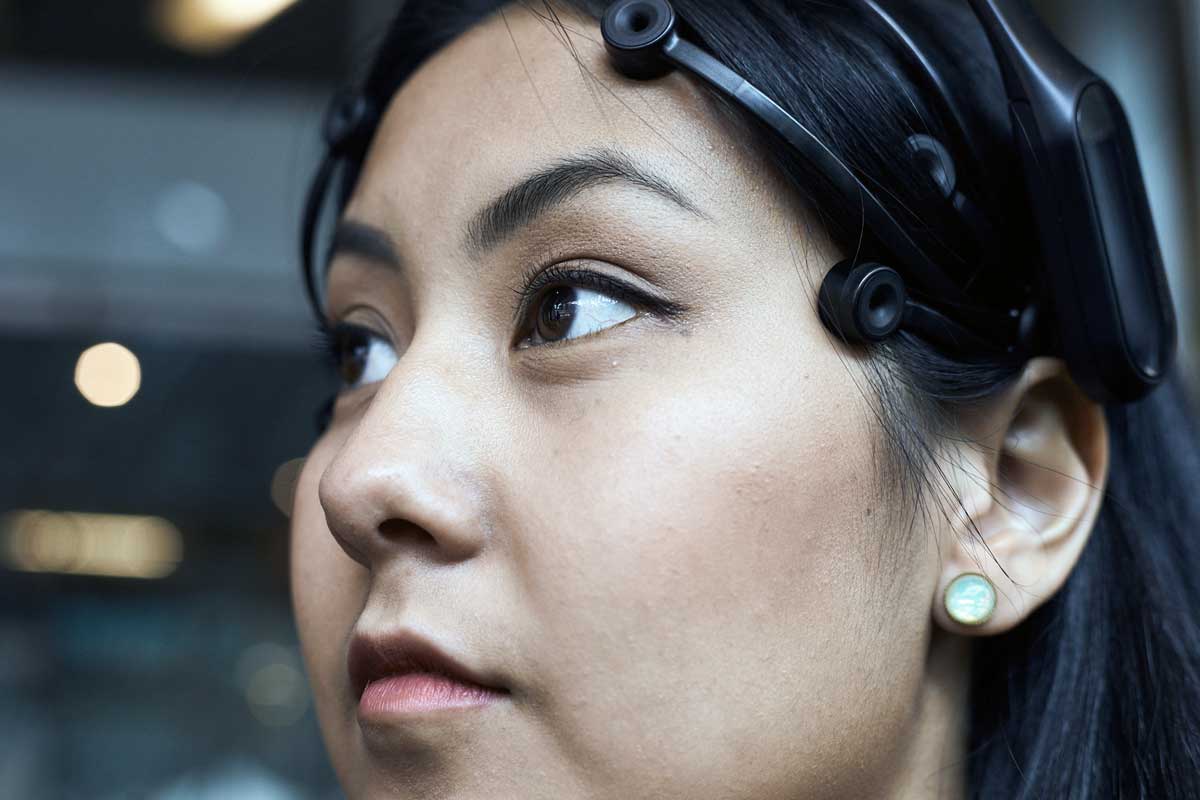
Lekki zestaw słuchawkowy EEG to przenośne urządzenie, które mierzy aktywność elektryczną w mózgu, podobnie jak systemy stosowane w tradycyjnych laboratoriach, ale bez przewodów i ciężkiego sprzętu. Pomyśl o tym jako o uczynieniu zaawansowanej technologii neuronaukowej dostępną do użycia w codziennych środowiskach. Zamiast być ograniczonym do kontrolowanego środowiska, możesz gromadzić dane mózgowe podczas rzeczywistych aktywności. To otwiera niesamowite możliwości dla badań akademickich i edukacji, rozwoju i projektów osobistych. Te zestawy słuchawkowe zostały zaprojektowane dla komfortu i wygody, co pozwala na bardziej naturalne i dynamiczne badania aktywności mózgu.
Kluczowe cechy przenośnego systemu EEG
Kiedy patrzysz na przenośny system EEG, kilka kluczowych cech wyróżnia się. Pierwszą z nich jest sama przenośność. Te zestawy słuchawkowe są bezprzewodowe, co daje Ci swobodę ruchu. Komfort jest również kluczowy, zwłaszcza dla dłuższych sesji. Wiele nowoczesnych zestawów słuchawkowych, takich jak nasze Emotiv Insight, używa suchych lub półsuchych elektrod, które znacznie skracają czas przygotowania związany z tradycyjnymi czapkami z mokrymi elektrodami. Poza fizycznym projektem, warto rozważyć ilość kanałów (ile punktów danych jest zbieranych), jakość sygnału i czas pracy baterii. Ostatecznie, towarzyszące oprogramowanie jest ogromną częścią paczki; dobre oprogramowanie ułatwia analizę danych i budowanie aplikacji.
Jak działa technologia?
Elektroencefalografia (EEG) to metodą nasłuchiwania elektrycznego „gaworzenia” mózgu. Gdy Twoje komórki mózgowe się komunikują, wytwarzają drobne sygnały elektryczne. Zestaw słuchawkowy EEG używa sensorów (elektrod) umieszczonych na skórze głowy, aby wychwycić te sygnały. Wzorce tych sygnałów są często nazywane „falami mózgowymi,” które mogą się zmieniać w zależności od tego, co myślisz lub czujesz. Największa zaleta przenośnego, bezprzewodowego systemu polega na tym, że możesz mierzyć te fale mózgowe niemal wszędzie. Pozwala to na badanie aktywności mózgu w bardziej realistycznych kontekstach, co jest zmianą zasad gry przy tworzeniu interface mózg-komputer lub przeprowadzaniu badań poza laboratorium.
Najnowsze innowacje w projektowaniu zestawów słuchawkowych
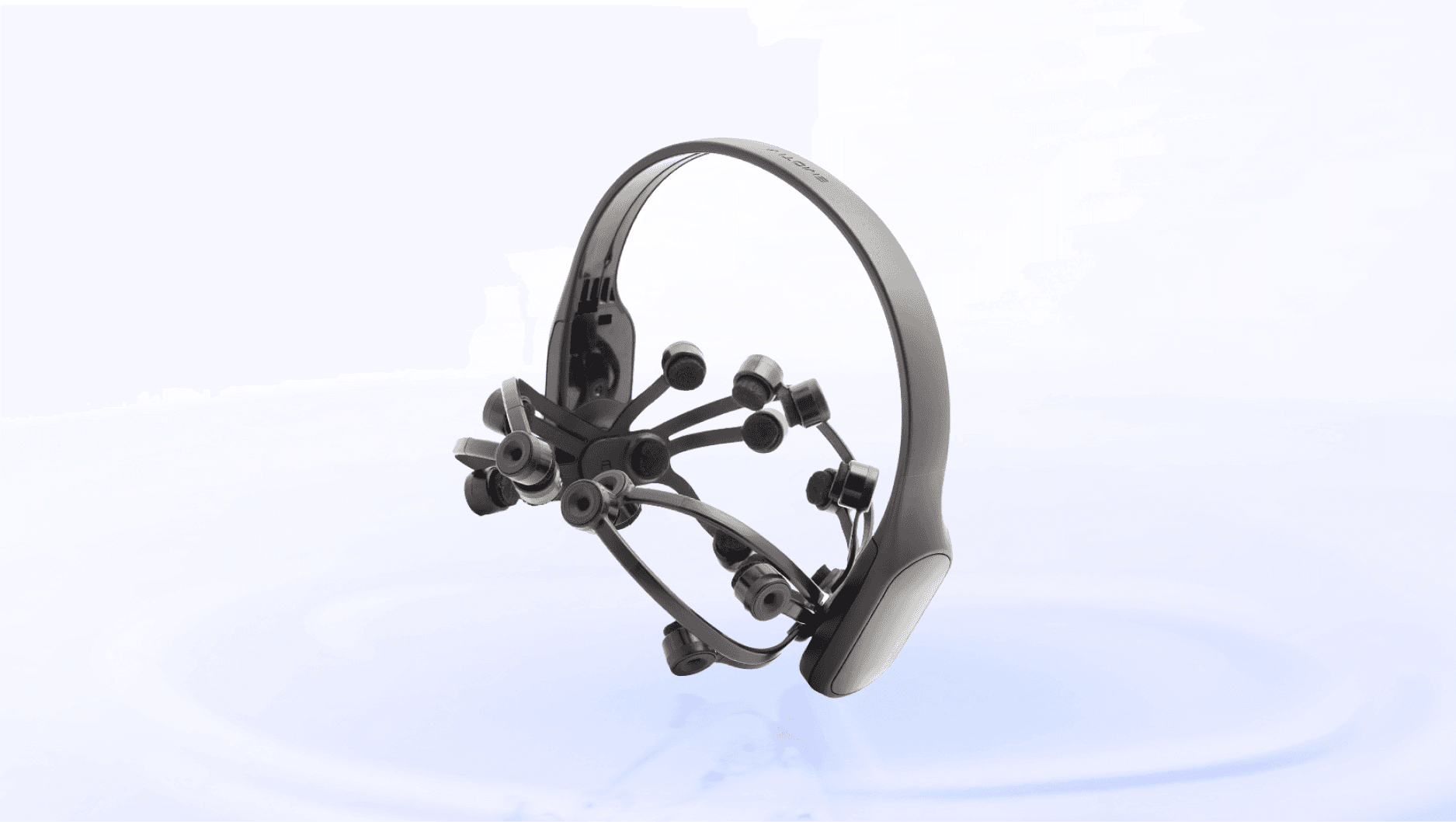
Projektowanie zestawów słuchawkowych przeszło długą drogę. Przeszliśmy od nieporęcznego wyposażenia laboratoriów wymagającego bałaganialnych żeli do eleganckich, przyjaznych dla użytkownika urządzeń. Główną innowacją jest rozwój suchych i elastycznych elektrod. Te często są wykonane z materiałów takich jak polimery przewodzące czy silikon, które oferują komfortowy i niezawodny kontakt ze skórą głowy. To sprawia, że noszenie zestawu słuchawkowego przez dłuższy czas jest dużo bardziej wykonalne. Trwające badania cały czas doskonalą te projekty, koncentrując się na poprawie komfortu, stabilności sygnału i ułatwianiu uzyskania dobrego połączenia przez włosy. Produkty takie jak Epoc X ukazują, jak te nowoczesne projekty równoważą wydajność z praktycznym, codziennym użytkowaniem.
Przegląd najlepszych lekkich zestawów słuchawkowych EEG
Kiedy zaczynasz eksplorować świat przenośnych EEG, znajdziesz różnorodność zestawów słuchawkowych zaprojektowanych do różnych potrzeb i celów. Od prostych dwukanałowych słuchawek dousznych po złożone systemy wielokanałowe do dogłębnych badań, istnieje odpowiednie urządzenie dla Ciebie. Zrozumienie krajobrazu dostępnych opcji jest pierwszym krokiem w znalezieniu zestawu słuchawkowego, który dostosowuje się do twojego projektu, niezależnie od tego, czy jesteś tworzącym oprogramowanie, badaczem czy po prostu ciekawym interface'u mózg-komputer. Przejdźmy przez niektórych kluczowych graczy i jak ich oferta porównuje się, abyś mógł uzyskać jasny obraz co dla Ciebie najlepiej się nada.
Przenośne rozwiązania EEG od Emotiv
W Emotiv skupiamy się na tworzeniu dostępnej i przyjaznej dla użytkownika technologii EEG. Nasz zestaw słuchawkowy Insight jest idealnym przykładem. To 5-kanałowe urządzenie bezprzewodowe zaprojektowane zarówno do badań, jak i aplikacji interface'u mózg-komputer. Jedną z jego najlepszych cech są półsuchy polimerowe sensory, co oznacza, że nie musisz zmagać się z żadnym roztworem solanki ani żelami — można je ustawić i gotowe do działania w zaledwie minutę lub dwie. Dla osób potrzebujących bardziej szczegółowych danych, nasz zestaw słuchawkowy Flex oferuje do 32 kanałów do zaawansowanych badań. A dla prostszych, codziennych aplikacji, nasze słuchawki MN8 oferują dyskretną opcję 2-kanałów. Naszym celem jest zapewnienie zakresu rozwiązań, które dopasowują się do Twoich specyficznych potrzeb projektowych.
Inne godne uwagi marki na rynku
Oczywiście nie jesteśmy jedyni, którzy produkują przenośne urządzenia EEG. Inne firmy oferują zestawy słuchawkowe z różnymi funkcjami i celami. Na przykład Mentalab produkuje kompaktowe i modularne systemy, jak Mentalab Explore Pro, które są skierowane na zaawansowane badania naukowe. Ich urządzenia są zaprojektowane zarówno dla użytkowników wymagających rozwiązania doskonałe, jak i dla środowisk badawczych. Innym urządzeniem, które możesz napotkać, jest zestaw BrainLink, który znany jest z komfortowego i prostego designu. Często jest używany w konkretnych aplikacjach, takich jak przez firmę Epihunter do pomocy w wykrywaniu napadów braku świadomości. Zrozumienie, co oferują inne marki, może pomóc ci zrozumieć pełne spektrum tego, co jest możliwe z przenośną technologią EEG.
Porównanie ilości kanałów w różnych modelach
Zauważysz, że jednym z największych czynników różnicujących zestawy słuchawkowe jest ilość kanałów, czyli liczba sensorów zbierających dane. Ile ich naprawdę potrzebujesz? To zależy od twoich celów. Urządzenie z mniejszą ilością kanałów, jak nasze 2-kanałowe MN8, jest doskonałe dla prostych aplikacji, gdzie potrzebujesz mierzyć ogólną aktywność mózgu. Z drugiej strony, zestaw słuchawkowy z wieloma kanałami, jak nasz 32-kanałowy Flex, zapewnia o wiele bardziej szczegółowe informacje przestrzenne. To jest kluczowe dla złożonych badań akademickich lub subtelnych badań neuromarketingowych. Generalnie, gdy ilość kanałów zwiększa się, wzrasta także cena i złożoność analizy danych.
Jak kluczowe cechy i specyfikacje się porównują?
Kiedy patrzysz na różne lekkie zestawy słuchawkowe EEG, specyfikacje techniczne mogą wydawać się przytłaczające. Ale gdy tylko wiesz, na co zwrócić uwagę, dużo łatwiej jest porównać modele i znaleźć ten, który odpowiada twojemu projektowi. Odpowiedni zestaw słuchawkowy to nie tylko sprzęt; to jak kanały, bateria, oprogramowanie i design współpracują, aby pomóc Ci osiągnąć Twoje cele. Przeanalizujmy najważniejsze cechy do rozważenia.
Ilość kanałów i rozmieszczenie elektrod
Ilość kanałów w zestawie słuchawkowym EEG odnosi się do liczby sensorów, czyli elektrod, które stykają się ze skórą głowy. Każdy kanał zbiera dane z innego miejsca, więc większa ilość kanałów zazwyczaj oznacza, że możesz zbierać bardziej szczegółowe i szeroko zakrojone dane mózgowe. Na przykład, nasz zestaw słuchawkowy Insight ma 5 kanałów, co jest świetne dla podstawowych zadań interface'ów mózg-komputer i zastosowań wellness. Dla bardziej złożonych badań akademickich, urządzenie takie jak 14-kanałowy Epoc X lub 32-kanałowy Flex może być bardziej odpowiednie. Rozmieszczenie tych elektrod jest również kluczowe, ponieważ determinuje, z których obszarów mózgu możesz zbierać dane. Lekkie zestawy słuchawkowe często używają suchych lub półsuchych elektrod, które są zaprojektowane do przenośności i szybkiej konfiguracji, przyspieszając proces zbierania danych.
Czas pracy baterii i łączność bezprzewodowa
Dla przenośnego systemu EEG nie chcesz być przywiązany do gniazda zasilania. Długi czas pracy baterii jest niezbędny do przeprowadzania badań w rzeczywistych środowiskach lub do osobistego użytku przez cały dzień. Wiele nowoczesnych zestawów słuchawkowych oferuje kilka godzin ciągłego użytkowania na jednym ładowaniu. Na przykład, Emotiv Insight może trwać do 20 godzin. Łączność bezprzewodowa, zazwyczaj za pośrednictwem Bluetooth, to kolejna kluczowa funkcja. Pozwala na podłączenie zestawu słuchawkowego do komputera, tabletu lub smartfona bez uciążliwych przewodów, dając Ci swobodę ruchu. Ta elastyczność jest podstawową korzyścią z użycia lekkiego zestawu słuchawkowego EEG dla dynamicznych badań lub projektów rozwojowych.
Kompatybilność oprogramowania i analiza danych
Zestaw słuchawkowy jest tylko tak potężny, jak oprogramowanie, które go wspiera. Sprzęt zbiera surowe dane mózgowe, ale potrzebujesz dobrego oprogramowania, aby przetworzyć, analizować i wizualizować te informacje w znaczący sposób. Porównując zestawy słuchawkowe, spójrz na towarzyszący pakiet oprogramowania. Czy oferuje przesyłanie danych w czasie rzeczywistym? Czy możesz łatwo eksportować dane do dalszej analizy? Nasz ekosystem oprogramowania obejmuje przyjazną dla użytkownika aplikację Emotiv do codziennych wglądów i EmotivPRO do dogłębnej analizy naukowej. Upewnienie się, że wybrany zestaw słuchawkowy jest kompatybilny z oprogramowaniem spełniającym Twoje potrzeby techniczne, to jeden z najważniejszych kroków w podejmowaniu decyzji.
Komfort i noszalność
Jeśli zestaw słuchawkowy nie jest wygodny, Ty (lub Twoi uczestnicy badania) nie będziesz chciał go nosić zbyt długo. Komfort to kluczowa cecha, szczególnie dla badań lub aplikacji, które wymagają długiego użycia. Szukaj zestawów słuchawkowych z ergonomicznym designem, lekką konstrukcją i możliwością regulacji, aby miał pewne dopasowanie bez zbytniego nacisku. Projektujemy nasze zestawy słuchawkowe, aby można je było nosić przez dłuższy czas, co sprawia, że nadają się do wszystkiego, od badań neuromarketingowych po zastosowania wellness. Wygodne urządzenie zapewnia wyższą jakość danych, ponieważ użytkownik jest bardziej prawdopodobny do pozostania nieruchomym i zrelaksowanym, co zmniejsza szumy spowodowane ruchem i napięciem mięśniowym.
Typowe wyzwania z przenośnym EEG
Lekkie zestawy słuchawkowe EEG uczyniły dane mózgowe bardziej dostępnymi niż kiedykolwiek, ale warto zrozumieć niektóre z typowych przeszkód, które możesz napotkać. Przewidywanie tych wyzwań zapewnia, że możesz zbierać czyste dane i jak najlepiej wykorzystać swoje urządzenie od pierwszego dnia. Traktuj je nie jako blokady, ale jako część procesu nauki pracy z tą potężną technologią.
Główne aspekty, na które należy zwrócić uwagę, dotyczą uzyskania dobrego sygnału, nauki procesu ustawienia i wiedzy, jak interpretować zebrane dane. Z odpowiednim sprzętem, oprogramowaniem i odrobiną praktyki te wyzwania są całkowicie do opanowania. Przejdźmy przez każde z nich, abyś dokładnie wiedział, czego się spodziewać.
Utrzymanie jakości sygnału
Jednym z najważniejszych aspektów pracy z EEG jest zapewnienie, że masz czysty, wysokiej jakości sygnał. Ponieważ przenośne urządzenia są używane w różnych środowiskach, mogą być podatne na "szumy" lub "artefakty" — zasadniczo każdy sygnał elektryczny, który nie pochodzi z mózgu. Może to być spowodowane ruchami mięśni, takimi jak mruganie czy zaciskanie szczęki, a nawet złe połączenie między elektrodą a skórą głowy. Włosy również mogą być czynnikiem, czasami utrudniając uzyskanie stałego kontaktu. Nasze zestawy słuchawkowe, jak Flex Saline, są zaprojektowane z adaptacyjnych ramion, aby pomóc w osiągnięciu niezawodnego połączenia na różnych kształtach i rozmiarach głowy.
Ustawienie i szkolenie użytkownika
Chociaż przenośne systemy EEG są znacznie prostsze niż tradycyjny sprzęt laboratoryjny, nadal istnieje krzywa uczenia się. Uzyskanie właściwej pozycji zestawu słuchawkowego i upewnienie się, że wszystkie sensory mają dobry kontakt, wymaga trochę praktyki. Dla każdego nowego w EEG, początkowa konfiguracja może wydawać się trochę zastraszająca. Dlatego skupiamy się na stworzeniu uproszczonego doświadczenia użytkownika. Nasza aplikacja Emotiv jest zaprojektowana by prowadzić Cię przez proces, dostarczając informacji zwrotnej w czasie rzeczywistym na temat jakości sygnału, abyś mógł dostosować dopasowanie i być pewnym, że jesteś gotowy do rozpoczęcia zbierania danych. Po kilku sesjach prowadzonych przez instruktorów proces konfiguracji szybko staje się drugą naturą.
Interpretacja danych
Zbieranie danych mózgowych to tylko pierwszy krok; prawdziwe wnioski wychodzą z ich poprawnej interpretacji. Surowe dane z EEG wyglądają jak seria falistych linii, i potrzeba specjalistycznej wiedzy i narzędzi, aby przetłumaczyć je na znaczące informacje o aktywności mózgu. To być może najbardziej złożona część procesu. Bez solidnego zrozumienia, co oglądasz, łatwo jest wyciągnąć niewłaściwe wnioski. Dlatego potężne oprogramowanie jest tak istotne. Narzędzia jak EmotivPRO są zbudowane, by przetwarzać i wizualizować twoje dane, ułatwiając analizę pasm częstotliwości, śledzenie metryk wydajności i eksportowanie twoich wyników do dalszych badań.
Zrozumienie ograniczeń technicznych
Ważne jest również rozpoznanie, że różne systemy EEG są zbudowane do różnych celów. Lekki, 5-kanałowy zestaw słuchawkowy jest doskonały dla określonych aplikacji wellness poznawczego lub prostych komend interfejsu mózg-komputer, ale nie będzie odpowiednim narzędziem do złożonego badania wymagającego mapowania mózgu o dużej gęstości. Zrozumienie specyfikacji technicznych urządzenia—jak ilość kanałów i częstotliwość próbkowania—jest kluczem do dopasowania go do twojego projektu. Przenośne EEG oferuje niesamowitą elastyczność dla badań akademickich w rzeczywistych środowiskach, ale ważne jest, aby wybrać system, który odpowiada specyficznym pytaniom, które próbujesz rozwiązać.
Ile kosztują lekkie zestawy EEG?
Jedną z najlepszych rzeczy o nowoczesnej technologii EEG jest to, jak bardzo stała się dostępna. W przeciwieństwie do tradycyjnych urządzeń obrazowania mózgu, które są nieporęczne i niesamowicie drogie, przenośne zestawy słuchawkowe EEG są dostępne w szerokim zakresie cenowym. Koszt mocno zależy od tego, co musisz osiągnąć. Czynniki takie jak liczba kanałów, rodzaj sensora i możliwości oprogramowania odgrywają rolę w ostatecznej cenie. Ta elastyczność oznacza, że czy jesteś studentem dopiero zaczynającym, czy doświadczonym badaczem prowadzącym duże badania, prawdopodobnie znajdziesz zestaw, który pasuje do Twojego budżetu i celów projektowych. Rozbijmy typowe koszty, których można się spodziewać, poszukując odpowiedniego urządzenia.
Opcje na poziomie podstawowym i dla początkujących
Jeśli dopiero zaczynasz z EEG, nie musisz wydawać majątku. Zestawy na poziomie podstawowym są doskonałe dla edukacji, mniejszych projektów badawczych i deweloperów eksplorujących nowe aplikacje. Te urządzenia zazwyczaj mieszczą się w przedziale $500 do $1,000. Za tę cenę, możesz oczekiwać zestawu słuchawkowego z 5 do 14 kanałami, co wystarcza do zbierania znaczących danych mózgowych w wielu różnych celach. Nasz zestaw słuchawkowy Insight, na przykład, jest doskonałym punktem startowym dla nowych osób w tej dziedzinie. Te dostępne opcje obniżają próg wejścia, ułatwiając innowatorom i studentom rozpoczęcie pracy z danymi mózgu bez potrzeby ogromnego budżetu laboratoryjnego.
Systemy i ceny na poziomie profesjonalnym
Dla bardziej zaawansowanych aplikacji warto spojrzeć na systemy profesjonalnego poziomu. Te zestawy słuchawkowe mogą kosztować od $1,000 do $25,000 i są zbudowane do roślin, gęstych zbiorów danych. Z 14 do 32 kanałów lub więcej, te systemy oferują większą rozdzielczość przestrzenną, pozwalając na uzyskanie bardziej szczegółowego obrazu aktywności mózgu. Ten poziom szczegółowości jest niezbędny dla profesjonalnych badań akademickich, badań klinicznych i złożonych eksperymentów neuromarketingowych. Zestawy słuchawkowe, takie jak nasze modele Epoc X i Flex, są zaprojektowane do tych wymagających zastosowań, zapewniając wysokiej jakości dane i elastyczność, jakiej potrzebują profesjonalni badacze, aby tworzyć przełomowe prace.
Gdzie kupić swój zestaw słuchawkowy
Najlepszym miejscem do zakupu lekkiego zestawu słuchawkowego EEG jest prawie zawsze bezpośrednio od producenta. Kupując u źródła, możesz być pewien, że otrzymujesz autentyczny produkt, najnowsze wersje sprzętowe i dostęp do oficjalnego wsparcia klienta. To również zapewnia bezproblemową integrację z ekosystemem oprogramowania firmy, takim jak nasza platforma EmotivPRO do analizy danych. Kupowanie bezpośrednio daje Ci jasną linię komunikacji w przypadku pytań dotyczących konfiguracji, rozwiązywania problemów czy maksymalnego wykorzystania swojego urządzenia. Ta bezpośrednia relacja jest nieoceniona, ponieważ pomaga znaleźć idealne rozwiązanie dla Twojego specyficznego projektu i zapewnia, że masz wsparcie, którego potrzebujesz, aby odnieść sukces.
Jakie są główne zastosowania dla lekkich zestawów EEG?
Lekki zestaw słuchawkowy EEG przeniósł pomiar mózgu z laboratorium w rzeczywisty świat. Ta zmiana otworzyła całkiem nowy zakres zastosowań, od zrozumienia, jak się uczymy, po tworzenie nowych sposobów interakcji z technologią. Przenośność i łatwość użycia oznaczają, że badacze, deweloperzy, a nawet osoby prywatne mogą teraz uzyskiwać dane mózgowe w sposób do tej pory możliwy jedynie w wysoce kontrolowanych warunkach. Spójrzmy na niektóre z głównych sposobów, w jakie ludzie wykorzystują tę technologię dzisiaj.
Badania akademickie i edukacja
Przez lata badania mózgu były ograniczone do laboratoriów, co ograniczało rodzaje pytań, jakie badacze mogli zadawać. Przenośna technologia EEG zmieniła to wszystko. Teraz, zaawansowane badania mózgu mogą odbywać się w bardziej naturalnych środowiskach, co umożliwia badanie aktywności mózgu podczas codziennych zadań. Ta dostępność była grą zmieniającą reguły dla badań akademickich i edukacji, umożliwiając większej liczbie studentów i naukowców prowadzenie własnych badań. Niezależnie od tego, czy chodzi o zrozumienie procesów uczenia się w klasie, czy o obciążenie poznawcze w kokpicie pilota, lekki EEG zapewnia narzędzia do badań mózgu w jego naturalnym kontekście, prowadząc do bogatszych i bardziej istotnych odkryć.
Neuromarketing i wglądy konsumenckie
Kiedykolwiek zastanawiałeś się, co ludzie naprawdę myślą o reklamie lub nowym produkcie? Lekki EEG oferuje okno do podświadomych reakcji, które napędzają zachowania konsumenckie. W dziedzinie neuromarketing, ta technologia mierzy zaangażowanie emocjonalne i reakcje poznawcze, z których ludzie mogą nawet nie być świadomi, nie wspominając już o możliwości ich wyrażenia w ankiecie. Ponieważ zestawy słuchawkowe są przenośne, możesz zbierać te dane w realistycznych warunkach, jak osoba przeglądająca stronę internetową z własnej kanapy. Te spojrzenia pomagają markom tworzyć bardziej przekonujące i skuteczne doświadczenia, wychodząc poza to, co ludzie mówią, aby zrozumieć, co naprawdę czują.
Rozwój interfejsów mózg-komputer (BCI)
Interfejs mózg-komputer, czyli BCI, tworzony jest bezpośrednią ścieżką między Twoim mózgiem a zewnętrznym urządzeniem, a lekki EEG jest kluczem, który to umożliwia. Ta technologia pozwala na interpretację sygnałów neuronowych w czasie rzeczywistym, aby sterować oprogramowaniem, aplikacjami lub nawet technologią wspomagającą. Możliwości są niesamowite, od bezdotykowego sterowania komputerem do bardziej wciągających doświadczeń w grach. Rozwój interfejsów mózg-komputer jest szczególnie ekscytujący w połączeniu z rzeczywistością wirtualną, gdzie Twoje myśli mogą bezpośrednio wpływać na cyfrowy świat wokół Ciebie, tworząc płynny i intuicyjny nowy sposób interakcji.
Aplikacje wellness poznawczego
Poza badaniami i rozwojem, lekki EEG zapewnia dostęp do osobistych narzędzi wellness poznawczego. Te aplikacje są zaprojektowane, aby pomóc Ci uzyskać wgląd w Twoje własne stany mentalne, takie jak koncentracja, zaangażowanie i relaksacja przez cały dzień. Pomyśl o tym jako o sposobie lepszego zrozumienia własnych wzorców poznawczych i dowiedzenia się, jak różne aktywności lub środowiska na Ciebie wpływają. Korzystając z EEG do wellness poznawczego, możesz odkrywać aktywność swojego mózgu w sposób osobisty i dostępny. To nie chodzi o diagnozowanie czy leczenie, ale o rozwijanie samoświadomości i eksplorowanie własnej krajobrazu mentalnego.
Jak wybrać odpowiedni lekki zestaw słuchawkowy EEG
Wybór odpowiedniego lekkiego zestawu słuchawkowego EEG jest jak wybieranie innego ważnego sprzętu elektronicznego—najlepszy model to ten, który idealnie pasuje do Twojego projektu. Z tak wieloma dostępnymi opcjami, łatwo jest się zagubić w technicznych szczegółach. Zamiast zaczynać od specyfikacji, zawsze polecam zacząć od swojego ostatecznego celu. Co chcesz osiągnąć? Odpowiedzenie na to pytanie najpierw sprawi, że reszta procesu stanie się dużo klarowniejsza.
Niezależnie od tego, czy prowadzisz dogłębne badania akademickie, tworzysz nowy interfejs mózg-komputer, czy odkrywasz aplikacje wellness poznawczego, istnieje zestaw słuchawkowy zaprojektowany do Twoich potrzeb. Przejdźmy przez kluczowe czynniki do rozważenia, abyś mógł czuć się pewnie w swoim wyborze. Koncentrując się na wymaganiach Twojego projektu, budżecie i istniejącym procesie roboczym, możesz znaleźć system, który nie tylko zbiera dane, których potrzebujesz, ale także czuje się jak naturalne rozszerzenie Twojej pracy.
Dopasuj specyfikacje techniczne do Twoich potrzeb
Zanim w ogóle spojrzysz na stronę produktu, poświęć chwilę, aby zdefiniować, co chcesz osiągnąć. Twój cel jest najbardziej istotnym czynnikiem w określeniu właściwego zestawu słuchawkowego. Czy prowadzisz szczegółowe badania, które wymagają szczegółowych danych mózgowych? Czy budujesz prosty interfejs mózg-komputer, który reaguje na kilka prostych komend? Złożoność Twojego projektu poprowadzi Twój wybór.
Dla badań o wysokich szczegółach system z wieloma kanałami, taki jak nasz Flex, dostarczy dokładnych danych, jakich potrzebujesz. Dla średniego zakresu projektów w dziedzinach takich jak neuromarketing lub rozwój BCI, zestaw jak Epoc X lub Insight oferuje doskonałą równowagę między jakością danych a łatwością użycia. A jeśli Twoje skupienie skierowane jest na proste, codzienne funkcje, 2-kanałowe urządzenie jak nasze słuchawki MN8 jest wyśmienitym i dostępnym wyborem.
Planuj budżet na dłuższą metę
Kiedy planujesz budżet, pomocne jest myślenie poza początkową cenę zestawu. Całkowity koszt posiadania obejmuje sam sprzęt plus wszelkie bieżące wydatki. Upewnij się, że uwzględniasz subskrypcje oprogramowania, które zapewniają dostęp do istotnych narzędzi analitycznych, a także wszelkie materiały eksploatacyjne, których możesz potrzebować, jak roztwór solanki czy żele elektrod. Możesz również chcieć uwzględnić dodatkowe akcesoria lub szkolenie, aby maksymalnie wykorzystać swój system.
Myślenie o tych długoterminowych kosztach pomoże Ci podjąć zrównoważoną inwestycję. Komercyjne zestawy EEG na poziomie podstawowym z 5 do 14 kanałów często kosztują od $500 do $1,000, dzięki czemu są one dostępne dla środowisk edukacyjnych, małych projektów badawczych i deweloperów dopiero zaczynających.
Zintegrowanie z Twoim aktualnym oprogramowaniem i procesem roboczym
Zestaw słuchawkowy to tylko pierwszy krok; to oprogramowanie przekształca surowe dane mózgowe w znaczące informacje. Potężny i intuicyjny zestaw oprogramowania jest niezbędny do analizowania twoich danych i wyciągania użytecznych wniosków. Przy ocenie opcji rozważ, jakie narzędzia są w zestawie i czy pasują one do twoich umiejętności technicznych i pytań badawczych.
Dla osób z doświadczeniem programistycznym dostęp do solidnego zestawu narzędzi dla deweloperów może być zmianą gry, pozwalając na budowanie własnych aplikacji i integrację danych EEG z własnym oprogramowaniem. Szukaj systemu, który oferuje dobrze udokumentowane API i silne wsparcie dla deweloperów. To zapewnia, że możesz nie tylko rozpocząć swój projekt, ale także masz zasoby potrzebne, gdy twoja praca się rozwija.
Powiązane artykuły
6 najlepszych zestawów słuchawkowych do pomiaru fal mózgowych na 2026 rok
Jak wybrać odpowiedni zestaw EEG firmy EMOTIV do swoich badań
Najczęściej zadawane pytania
Skąd mam wiedzieć, ile kanałów naprawdę potrzebuję? Liczba kanałów, które naprawdę potrzebujesz, zależy całkowicie od poziomu szczegółowości wymaganego przez Twój projekt. Dla prostych aplikacji, jak eksploracja własnej uwagi lub budowa prostego interfejsu mózg-komputer, odpowiedni jest zestaw słuchawkowy z mniejszą ilością kanałów, taki jak nasz 5-kanałowy Insight lub 2-kanałowy MN8. Jeśli prowadzisz skomplikowane badania akademickie lub szczegółowe badania neuromarketingowe, które wymagają bardziej szczegółowej mapy aktywności mózgu, będziesz potrzebować systemu z wyższą ilością kanałów, takiego jak nasz 14-kanałowy Epoc X lub 32-kanałowy Flex.
Czy muszę być naukowcem, aby korzystać z jednego z tych zestawów słuchawkowych? Zdecydowanie nie. Choć nasza technologia jest wystarczająco potężna dla profesjonalnych badaczy, zaprojektowaliśmy cały nasz system, aby był dostępny dla każdego. Proces początkowej konfiguracji jest prowadzony przez nasze oprogramowanie, które zapewnia w czasie rzeczywistym informacji zwrotną, aby upewnić się, że masz dobre połączenie. Dla analizy danych, nasze aplikacje Emotiv App dostarczają zrozumiałe metryki, podczas gdy EmotivPRO oferują bardziej zaawansowane narzędzia dla tych, którzy chcą zgłębić temat. Jest pewna krzywa uczenia się, jak przy każdej nowej technologii, ale zdecydowanie nie potrzebujesz doktoratu, aby zacząć.
Jaka jest różnica między suchymi, półsuchymi a mokrymi elektrodami? Te terminy odnoszą się do sposobu, w jaki sensory stykają się ze skórą głowy, aby wychwytywać sygnały mózgowe. Tradycyjne systemy laboratoryjne często używają mokrych elektrod, które wymagają żelu przewodzącego i mogą być bałaganiarskie oraz czasochłonne w konfiguracji. Nasze zestawy słuchawkowe używają półsuchych polimerowych sensorów lub mokrych sensorów solankowych. Półsuche sensory, jak te w naszym zestawie Insight, nie wymagają przygotowania i sprawiają, że konfiguracja jest niesamowicie szybka. Systemy solankowe, takie jak w naszym zestawie Flex, korzystają z prostego roztworu solanki, który jest łatwy w użyciu i czyszczeniu, oferując doskonałą równowagę między jakością sygnału a wygodą.
Czy mogę budować własne aplikacje z danymi z zestawu słuchawkowego Emotiv? Tak, absolutnie. Oferujemy pełny zestaw narzędzi dla deweloperów, w tym API i zestawy do tworzenia oprogramowania (SDK), które umożliwiają strumieniowanie danych mózgowych w czasie rzeczywistym do Twoich własnych aplikacji. To jest doskonałe dla deweloperów chcących tworzyć niestandardowe projekty interfejsu mózg-komputer, budować nowe oprogramowanie do badań, czy integrować dane EEG do doświadczeń rzeczywistości wirtualnej. Naszym celem jest dać Ci elastyczność, byś mógł innowacyjnie wprowadzać swoje własne unikalne pomysły do życia.
Jak mogę się upewnić, że otrzymuję dobre, czyste dane? Uzyskanie czystego sygnału jest najważniejszą częścią pracy z EEG. Głównymi winowajcami "szumów" są ruchy mięśniowe i złe połączenia sensorów. Aby uzyskać najlepsze dane, staraj się pozostać zrelaksowanym i nieruchomym, unikając rzeczy takich jak zaciskanie szczęki czy nadmierne mruganie. Nasze oprogramowanie pomaga, pokazując jakość połączenia każdego sensora w czasie rzeczywistym, dzięki czemu możesz dokonywać drobnych korekt dopasowania zestawu, aż uzyskasz silny, stabilny sygnał przed rozpoczęciem nagrywania.
Od dawna badanie mózgu oznaczało badanie go w izolacji. Ale nasze mózgi nie działają w próżni; reagują na dynamiczny świat wokół nas. Największym wyzwaniem dla badaczy i deweloperów było uchwycenie tej aktywności w naturalnych warunkach. Rozwiązaniem jest lekki zestaw słuchawkowy EEG. Ta technologia pozwala gromadzić wysokiej jakości dane mózgowe z klasy, biura, a nawet w zaciszu własnego domu. Jest to zmiana zasad gry w takich dziedzinach jak neuromarketing, edukacja i rozwój BCI. Ten przewodnik obejmie wszystko, co musisz wiedzieć, aby rozpocząć.
Kluczowe wnioski
Dopasuj ilość kanałów do swojego projektu: Twój główny cel determinuje poziom szczegółowości, którego potrzebujesz. Proste zadania BCI mogą działać z mniejszą ilością kanałów, podczas gdy głębokie badania akademickie wymagają większej ilości kanałów do uzyskania bardziej kompleksowych danych mózgowych.
Oceń cały ekosystem oprogramowania: Sprzęt zbiera surowe sygnały, ale to oprogramowanie przekłada je na użyteczne spostrzeżenia. Szukaj systemu z solidnymi narzędziami analitycznymi i wsparciem dla deweloperów, aby upewnić się, że możesz efektywnie korzystać z zebranych danych.
Przygotuj się na praktyczne wyzwania: Uzyskanie czystych danych wymaga praktyki. Bądź gotów nauczyć się prawidłowej konfiguracji dla dobrego połączenia sensora i zrozum, jak zminimalizować „szum” środowiskowy i artefakty ruchowe dla najlepszych wyników.
Czym jest lekki zestaw słuchawkowy EEG?
Lekki zestaw słuchawkowy EEG to przenośne urządzenie, które mierzy aktywność elektryczną w mózgu, podobnie jak systemy stosowane w tradycyjnych laboratoriach, ale bez przewodów i ciężkiego sprzętu. Pomyśl o tym jako o uczynieniu zaawansowanej technologii neuronaukowej dostępną do użycia w codziennych środowiskach. Zamiast być ograniczonym do kontrolowanego środowiska, możesz gromadzić dane mózgowe podczas rzeczywistych aktywności. To otwiera niesamowite możliwości dla badań akademickich i edukacji, rozwoju i projektów osobistych. Te zestawy słuchawkowe zostały zaprojektowane dla komfortu i wygody, co pozwala na bardziej naturalne i dynamiczne badania aktywności mózgu.
Kluczowe cechy przenośnego systemu EEG
Kiedy patrzysz na przenośny system EEG, kilka kluczowych cech wyróżnia się. Pierwszą z nich jest sama przenośność. Te zestawy słuchawkowe są bezprzewodowe, co daje Ci swobodę ruchu. Komfort jest również kluczowy, zwłaszcza dla dłuższych sesji. Wiele nowoczesnych zestawów słuchawkowych, takich jak nasze Emotiv Insight, używa suchych lub półsuchych elektrod, które znacznie skracają czas przygotowania związany z tradycyjnymi czapkami z mokrymi elektrodami. Poza fizycznym projektem, warto rozważyć ilość kanałów (ile punktów danych jest zbieranych), jakość sygnału i czas pracy baterii. Ostatecznie, towarzyszące oprogramowanie jest ogromną częścią paczki; dobre oprogramowanie ułatwia analizę danych i budowanie aplikacji.
Jak działa technologia?
Elektroencefalografia (EEG) to metodą nasłuchiwania elektrycznego „gaworzenia” mózgu. Gdy Twoje komórki mózgowe się komunikują, wytwarzają drobne sygnały elektryczne. Zestaw słuchawkowy EEG używa sensorów (elektrod) umieszczonych na skórze głowy, aby wychwycić te sygnały. Wzorce tych sygnałów są często nazywane „falami mózgowymi,” które mogą się zmieniać w zależności od tego, co myślisz lub czujesz. Największa zaleta przenośnego, bezprzewodowego systemu polega na tym, że możesz mierzyć te fale mózgowe niemal wszędzie. Pozwala to na badanie aktywności mózgu w bardziej realistycznych kontekstach, co jest zmianą zasad gry przy tworzeniu interface mózg-komputer lub przeprowadzaniu badań poza laboratorium.
Najnowsze innowacje w projektowaniu zestawów słuchawkowych
Projektowanie zestawów słuchawkowych przeszło długą drogę. Przeszliśmy od nieporęcznego wyposażenia laboratoriów wymagającego bałaganialnych żeli do eleganckich, przyjaznych dla użytkownika urządzeń. Główną innowacją jest rozwój suchych i elastycznych elektrod. Te często są wykonane z materiałów takich jak polimery przewodzące czy silikon, które oferują komfortowy i niezawodny kontakt ze skórą głowy. To sprawia, że noszenie zestawu słuchawkowego przez dłuższy czas jest dużo bardziej wykonalne. Trwające badania cały czas doskonalą te projekty, koncentrując się na poprawie komfortu, stabilności sygnału i ułatwianiu uzyskania dobrego połączenia przez włosy. Produkty takie jak Epoc X ukazują, jak te nowoczesne projekty równoważą wydajność z praktycznym, codziennym użytkowaniem.
Przegląd najlepszych lekkich zestawów słuchawkowych EEG
Kiedy zaczynasz eksplorować świat przenośnych EEG, znajdziesz różnorodność zestawów słuchawkowych zaprojektowanych do różnych potrzeb i celów. Od prostych dwukanałowych słuchawek dousznych po złożone systemy wielokanałowe do dogłębnych badań, istnieje odpowiednie urządzenie dla Ciebie. Zrozumienie krajobrazu dostępnych opcji jest pierwszym krokiem w znalezieniu zestawu słuchawkowego, który dostosowuje się do twojego projektu, niezależnie od tego, czy jesteś tworzącym oprogramowanie, badaczem czy po prostu ciekawym interface'u mózg-komputer. Przejdźmy przez niektórych kluczowych graczy i jak ich oferta porównuje się, abyś mógł uzyskać jasny obraz co dla Ciebie najlepiej się nada.
Przenośne rozwiązania EEG od Emotiv
W Emotiv skupiamy się na tworzeniu dostępnej i przyjaznej dla użytkownika technologii EEG. Nasz zestaw słuchawkowy Insight jest idealnym przykładem. To 5-kanałowe urządzenie bezprzewodowe zaprojektowane zarówno do badań, jak i aplikacji interface'u mózg-komputer. Jedną z jego najlepszych cech są półsuchy polimerowe sensory, co oznacza, że nie musisz zmagać się z żadnym roztworem solanki ani żelami — można je ustawić i gotowe do działania w zaledwie minutę lub dwie. Dla osób potrzebujących bardziej szczegółowych danych, nasz zestaw słuchawkowy Flex oferuje do 32 kanałów do zaawansowanych badań. A dla prostszych, codziennych aplikacji, nasze słuchawki MN8 oferują dyskretną opcję 2-kanałów. Naszym celem jest zapewnienie zakresu rozwiązań, które dopasowują się do Twoich specyficznych potrzeb projektowych.
Inne godne uwagi marki na rynku
Oczywiście nie jesteśmy jedyni, którzy produkują przenośne urządzenia EEG. Inne firmy oferują zestawy słuchawkowe z różnymi funkcjami i celami. Na przykład Mentalab produkuje kompaktowe i modularne systemy, jak Mentalab Explore Pro, które są skierowane na zaawansowane badania naukowe. Ich urządzenia są zaprojektowane zarówno dla użytkowników wymagających rozwiązania doskonałe, jak i dla środowisk badawczych. Innym urządzeniem, które możesz napotkać, jest zestaw BrainLink, który znany jest z komfortowego i prostego designu. Często jest używany w konkretnych aplikacjach, takich jak przez firmę Epihunter do pomocy w wykrywaniu napadów braku świadomości. Zrozumienie, co oferują inne marki, może pomóc ci zrozumieć pełne spektrum tego, co jest możliwe z przenośną technologią EEG.
Porównanie ilości kanałów w różnych modelach
Zauważysz, że jednym z największych czynników różnicujących zestawy słuchawkowe jest ilość kanałów, czyli liczba sensorów zbierających dane. Ile ich naprawdę potrzebujesz? To zależy od twoich celów. Urządzenie z mniejszą ilością kanałów, jak nasze 2-kanałowe MN8, jest doskonałe dla prostych aplikacji, gdzie potrzebujesz mierzyć ogólną aktywność mózgu. Z drugiej strony, zestaw słuchawkowy z wieloma kanałami, jak nasz 32-kanałowy Flex, zapewnia o wiele bardziej szczegółowe informacje przestrzenne. To jest kluczowe dla złożonych badań akademickich lub subtelnych badań neuromarketingowych. Generalnie, gdy ilość kanałów zwiększa się, wzrasta także cena i złożoność analizy danych.
Jak kluczowe cechy i specyfikacje się porównują?
Kiedy patrzysz na różne lekkie zestawy słuchawkowe EEG, specyfikacje techniczne mogą wydawać się przytłaczające. Ale gdy tylko wiesz, na co zwrócić uwagę, dużo łatwiej jest porównać modele i znaleźć ten, który odpowiada twojemu projektowi. Odpowiedni zestaw słuchawkowy to nie tylko sprzęt; to jak kanały, bateria, oprogramowanie i design współpracują, aby pomóc Ci osiągnąć Twoje cele. Przeanalizujmy najważniejsze cechy do rozważenia.
Ilość kanałów i rozmieszczenie elektrod
Ilość kanałów w zestawie słuchawkowym EEG odnosi się do liczby sensorów, czyli elektrod, które stykają się ze skórą głowy. Każdy kanał zbiera dane z innego miejsca, więc większa ilość kanałów zazwyczaj oznacza, że możesz zbierać bardziej szczegółowe i szeroko zakrojone dane mózgowe. Na przykład, nasz zestaw słuchawkowy Insight ma 5 kanałów, co jest świetne dla podstawowych zadań interface'ów mózg-komputer i zastosowań wellness. Dla bardziej złożonych badań akademickich, urządzenie takie jak 14-kanałowy Epoc X lub 32-kanałowy Flex może być bardziej odpowiednie. Rozmieszczenie tych elektrod jest również kluczowe, ponieważ determinuje, z których obszarów mózgu możesz zbierać dane. Lekkie zestawy słuchawkowe często używają suchych lub półsuchych elektrod, które są zaprojektowane do przenośności i szybkiej konfiguracji, przyspieszając proces zbierania danych.
Czas pracy baterii i łączność bezprzewodowa
Dla przenośnego systemu EEG nie chcesz być przywiązany do gniazda zasilania. Długi czas pracy baterii jest niezbędny do przeprowadzania badań w rzeczywistych środowiskach lub do osobistego użytku przez cały dzień. Wiele nowoczesnych zestawów słuchawkowych oferuje kilka godzin ciągłego użytkowania na jednym ładowaniu. Na przykład, Emotiv Insight może trwać do 20 godzin. Łączność bezprzewodowa, zazwyczaj za pośrednictwem Bluetooth, to kolejna kluczowa funkcja. Pozwala na podłączenie zestawu słuchawkowego do komputera, tabletu lub smartfona bez uciążliwych przewodów, dając Ci swobodę ruchu. Ta elastyczność jest podstawową korzyścią z użycia lekkiego zestawu słuchawkowego EEG dla dynamicznych badań lub projektów rozwojowych.
Kompatybilność oprogramowania i analiza danych
Zestaw słuchawkowy jest tylko tak potężny, jak oprogramowanie, które go wspiera. Sprzęt zbiera surowe dane mózgowe, ale potrzebujesz dobrego oprogramowania, aby przetworzyć, analizować i wizualizować te informacje w znaczący sposób. Porównując zestawy słuchawkowe, spójrz na towarzyszący pakiet oprogramowania. Czy oferuje przesyłanie danych w czasie rzeczywistym? Czy możesz łatwo eksportować dane do dalszej analizy? Nasz ekosystem oprogramowania obejmuje przyjazną dla użytkownika aplikację Emotiv do codziennych wglądów i EmotivPRO do dogłębnej analizy naukowej. Upewnienie się, że wybrany zestaw słuchawkowy jest kompatybilny z oprogramowaniem spełniającym Twoje potrzeby techniczne, to jeden z najważniejszych kroków w podejmowaniu decyzji.
Komfort i noszalność
Jeśli zestaw słuchawkowy nie jest wygodny, Ty (lub Twoi uczestnicy badania) nie będziesz chciał go nosić zbyt długo. Komfort to kluczowa cecha, szczególnie dla badań lub aplikacji, które wymagają długiego użycia. Szukaj zestawów słuchawkowych z ergonomicznym designem, lekką konstrukcją i możliwością regulacji, aby miał pewne dopasowanie bez zbytniego nacisku. Projektujemy nasze zestawy słuchawkowe, aby można je było nosić przez dłuższy czas, co sprawia, że nadają się do wszystkiego, od badań neuromarketingowych po zastosowania wellness. Wygodne urządzenie zapewnia wyższą jakość danych, ponieważ użytkownik jest bardziej prawdopodobny do pozostania nieruchomym i zrelaksowanym, co zmniejsza szumy spowodowane ruchem i napięciem mięśniowym.
Typowe wyzwania z przenośnym EEG
Lekkie zestawy słuchawkowe EEG uczyniły dane mózgowe bardziej dostępnymi niż kiedykolwiek, ale warto zrozumieć niektóre z typowych przeszkód, które możesz napotkać. Przewidywanie tych wyzwań zapewnia, że możesz zbierać czyste dane i jak najlepiej wykorzystać swoje urządzenie od pierwszego dnia. Traktuj je nie jako blokady, ale jako część procesu nauki pracy z tą potężną technologią.
Główne aspekty, na które należy zwrócić uwagę, dotyczą uzyskania dobrego sygnału, nauki procesu ustawienia i wiedzy, jak interpretować zebrane dane. Z odpowiednim sprzętem, oprogramowaniem i odrobiną praktyki te wyzwania są całkowicie do opanowania. Przejdźmy przez każde z nich, abyś dokładnie wiedział, czego się spodziewać.
Utrzymanie jakości sygnału
Jednym z najważniejszych aspektów pracy z EEG jest zapewnienie, że masz czysty, wysokiej jakości sygnał. Ponieważ przenośne urządzenia są używane w różnych środowiskach, mogą być podatne na "szumy" lub "artefakty" — zasadniczo każdy sygnał elektryczny, który nie pochodzi z mózgu. Może to być spowodowane ruchami mięśni, takimi jak mruganie czy zaciskanie szczęki, a nawet złe połączenie między elektrodą a skórą głowy. Włosy również mogą być czynnikiem, czasami utrudniając uzyskanie stałego kontaktu. Nasze zestawy słuchawkowe, jak Flex Saline, są zaprojektowane z adaptacyjnych ramion, aby pomóc w osiągnięciu niezawodnego połączenia na różnych kształtach i rozmiarach głowy.
Ustawienie i szkolenie użytkownika
Chociaż przenośne systemy EEG są znacznie prostsze niż tradycyjny sprzęt laboratoryjny, nadal istnieje krzywa uczenia się. Uzyskanie właściwej pozycji zestawu słuchawkowego i upewnienie się, że wszystkie sensory mają dobry kontakt, wymaga trochę praktyki. Dla każdego nowego w EEG, początkowa konfiguracja może wydawać się trochę zastraszająca. Dlatego skupiamy się na stworzeniu uproszczonego doświadczenia użytkownika. Nasza aplikacja Emotiv jest zaprojektowana by prowadzić Cię przez proces, dostarczając informacji zwrotnej w czasie rzeczywistym na temat jakości sygnału, abyś mógł dostosować dopasowanie i być pewnym, że jesteś gotowy do rozpoczęcia zbierania danych. Po kilku sesjach prowadzonych przez instruktorów proces konfiguracji szybko staje się drugą naturą.
Interpretacja danych
Zbieranie danych mózgowych to tylko pierwszy krok; prawdziwe wnioski wychodzą z ich poprawnej interpretacji. Surowe dane z EEG wyglądają jak seria falistych linii, i potrzeba specjalistycznej wiedzy i narzędzi, aby przetłumaczyć je na znaczące informacje o aktywności mózgu. To być może najbardziej złożona część procesu. Bez solidnego zrozumienia, co oglądasz, łatwo jest wyciągnąć niewłaściwe wnioski. Dlatego potężne oprogramowanie jest tak istotne. Narzędzia jak EmotivPRO są zbudowane, by przetwarzać i wizualizować twoje dane, ułatwiając analizę pasm częstotliwości, śledzenie metryk wydajności i eksportowanie twoich wyników do dalszych badań.
Zrozumienie ograniczeń technicznych
Ważne jest również rozpoznanie, że różne systemy EEG są zbudowane do różnych celów. Lekki, 5-kanałowy zestaw słuchawkowy jest doskonały dla określonych aplikacji wellness poznawczego lub prostych komend interfejsu mózg-komputer, ale nie będzie odpowiednim narzędziem do złożonego badania wymagającego mapowania mózgu o dużej gęstości. Zrozumienie specyfikacji technicznych urządzenia—jak ilość kanałów i częstotliwość próbkowania—jest kluczem do dopasowania go do twojego projektu. Przenośne EEG oferuje niesamowitą elastyczność dla badań akademickich w rzeczywistych środowiskach, ale ważne jest, aby wybrać system, który odpowiada specyficznym pytaniom, które próbujesz rozwiązać.
Ile kosztują lekkie zestawy EEG?
Jedną z najlepszych rzeczy o nowoczesnej technologii EEG jest to, jak bardzo stała się dostępna. W przeciwieństwie do tradycyjnych urządzeń obrazowania mózgu, które są nieporęczne i niesamowicie drogie, przenośne zestawy słuchawkowe EEG są dostępne w szerokim zakresie cenowym. Koszt mocno zależy od tego, co musisz osiągnąć. Czynniki takie jak liczba kanałów, rodzaj sensora i możliwości oprogramowania odgrywają rolę w ostatecznej cenie. Ta elastyczność oznacza, że czy jesteś studentem dopiero zaczynającym, czy doświadczonym badaczem prowadzącym duże badania, prawdopodobnie znajdziesz zestaw, który pasuje do Twojego budżetu i celów projektowych. Rozbijmy typowe koszty, których można się spodziewać, poszukując odpowiedniego urządzenia.
Opcje na poziomie podstawowym i dla początkujących
Jeśli dopiero zaczynasz z EEG, nie musisz wydawać majątku. Zestawy na poziomie podstawowym są doskonałe dla edukacji, mniejszych projektów badawczych i deweloperów eksplorujących nowe aplikacje. Te urządzenia zazwyczaj mieszczą się w przedziale $500 do $1,000. Za tę cenę, możesz oczekiwać zestawu słuchawkowego z 5 do 14 kanałami, co wystarcza do zbierania znaczących danych mózgowych w wielu różnych celach. Nasz zestaw słuchawkowy Insight, na przykład, jest doskonałym punktem startowym dla nowych osób w tej dziedzinie. Te dostępne opcje obniżają próg wejścia, ułatwiając innowatorom i studentom rozpoczęcie pracy z danymi mózgu bez potrzeby ogromnego budżetu laboratoryjnego.
Systemy i ceny na poziomie profesjonalnym
Dla bardziej zaawansowanych aplikacji warto spojrzeć na systemy profesjonalnego poziomu. Te zestawy słuchawkowe mogą kosztować od $1,000 do $25,000 i są zbudowane do roślin, gęstych zbiorów danych. Z 14 do 32 kanałów lub więcej, te systemy oferują większą rozdzielczość przestrzenną, pozwalając na uzyskanie bardziej szczegółowego obrazu aktywności mózgu. Ten poziom szczegółowości jest niezbędny dla profesjonalnych badań akademickich, badań klinicznych i złożonych eksperymentów neuromarketingowych. Zestawy słuchawkowe, takie jak nasze modele Epoc X i Flex, są zaprojektowane do tych wymagających zastosowań, zapewniając wysokiej jakości dane i elastyczność, jakiej potrzebują profesjonalni badacze, aby tworzyć przełomowe prace.
Gdzie kupić swój zestaw słuchawkowy
Najlepszym miejscem do zakupu lekkiego zestawu słuchawkowego EEG jest prawie zawsze bezpośrednio od producenta. Kupując u źródła, możesz być pewien, że otrzymujesz autentyczny produkt, najnowsze wersje sprzętowe i dostęp do oficjalnego wsparcia klienta. To również zapewnia bezproblemową integrację z ekosystemem oprogramowania firmy, takim jak nasza platforma EmotivPRO do analizy danych. Kupowanie bezpośrednio daje Ci jasną linię komunikacji w przypadku pytań dotyczących konfiguracji, rozwiązywania problemów czy maksymalnego wykorzystania swojego urządzenia. Ta bezpośrednia relacja jest nieoceniona, ponieważ pomaga znaleźć idealne rozwiązanie dla Twojego specyficznego projektu i zapewnia, że masz wsparcie, którego potrzebujesz, aby odnieść sukces.
Jakie są główne zastosowania dla lekkich zestawów EEG?
Lekki zestaw słuchawkowy EEG przeniósł pomiar mózgu z laboratorium w rzeczywisty świat. Ta zmiana otworzyła całkiem nowy zakres zastosowań, od zrozumienia, jak się uczymy, po tworzenie nowych sposobów interakcji z technologią. Przenośność i łatwość użycia oznaczają, że badacze, deweloperzy, a nawet osoby prywatne mogą teraz uzyskiwać dane mózgowe w sposób do tej pory możliwy jedynie w wysoce kontrolowanych warunkach. Spójrzmy na niektóre z głównych sposobów, w jakie ludzie wykorzystują tę technologię dzisiaj.
Badania akademickie i edukacja
Przez lata badania mózgu były ograniczone do laboratoriów, co ograniczało rodzaje pytań, jakie badacze mogli zadawać. Przenośna technologia EEG zmieniła to wszystko. Teraz, zaawansowane badania mózgu mogą odbywać się w bardziej naturalnych środowiskach, co umożliwia badanie aktywności mózgu podczas codziennych zadań. Ta dostępność była grą zmieniającą reguły dla badań akademickich i edukacji, umożliwiając większej liczbie studentów i naukowców prowadzenie własnych badań. Niezależnie od tego, czy chodzi o zrozumienie procesów uczenia się w klasie, czy o obciążenie poznawcze w kokpicie pilota, lekki EEG zapewnia narzędzia do badań mózgu w jego naturalnym kontekście, prowadząc do bogatszych i bardziej istotnych odkryć.
Neuromarketing i wglądy konsumenckie
Kiedykolwiek zastanawiałeś się, co ludzie naprawdę myślą o reklamie lub nowym produkcie? Lekki EEG oferuje okno do podświadomych reakcji, które napędzają zachowania konsumenckie. W dziedzinie neuromarketing, ta technologia mierzy zaangażowanie emocjonalne i reakcje poznawcze, z których ludzie mogą nawet nie być świadomi, nie wspominając już o możliwości ich wyrażenia w ankiecie. Ponieważ zestawy słuchawkowe są przenośne, możesz zbierać te dane w realistycznych warunkach, jak osoba przeglądająca stronę internetową z własnej kanapy. Te spojrzenia pomagają markom tworzyć bardziej przekonujące i skuteczne doświadczenia, wychodząc poza to, co ludzie mówią, aby zrozumieć, co naprawdę czują.
Rozwój interfejsów mózg-komputer (BCI)
Interfejs mózg-komputer, czyli BCI, tworzony jest bezpośrednią ścieżką między Twoim mózgiem a zewnętrznym urządzeniem, a lekki EEG jest kluczem, który to umożliwia. Ta technologia pozwala na interpretację sygnałów neuronowych w czasie rzeczywistym, aby sterować oprogramowaniem, aplikacjami lub nawet technologią wspomagającą. Możliwości są niesamowite, od bezdotykowego sterowania komputerem do bardziej wciągających doświadczeń w grach. Rozwój interfejsów mózg-komputer jest szczególnie ekscytujący w połączeniu z rzeczywistością wirtualną, gdzie Twoje myśli mogą bezpośrednio wpływać na cyfrowy świat wokół Ciebie, tworząc płynny i intuicyjny nowy sposób interakcji.
Aplikacje wellness poznawczego
Poza badaniami i rozwojem, lekki EEG zapewnia dostęp do osobistych narzędzi wellness poznawczego. Te aplikacje są zaprojektowane, aby pomóc Ci uzyskać wgląd w Twoje własne stany mentalne, takie jak koncentracja, zaangażowanie i relaksacja przez cały dzień. Pomyśl o tym jako o sposobie lepszego zrozumienia własnych wzorców poznawczych i dowiedzenia się, jak różne aktywności lub środowiska na Ciebie wpływają. Korzystając z EEG do wellness poznawczego, możesz odkrywać aktywność swojego mózgu w sposób osobisty i dostępny. To nie chodzi o diagnozowanie czy leczenie, ale o rozwijanie samoświadomości i eksplorowanie własnej krajobrazu mentalnego.
Jak wybrać odpowiedni lekki zestaw słuchawkowy EEG
Wybór odpowiedniego lekkiego zestawu słuchawkowego EEG jest jak wybieranie innego ważnego sprzętu elektronicznego—najlepszy model to ten, który idealnie pasuje do Twojego projektu. Z tak wieloma dostępnymi opcjami, łatwo jest się zagubić w technicznych szczegółach. Zamiast zaczynać od specyfikacji, zawsze polecam zacząć od swojego ostatecznego celu. Co chcesz osiągnąć? Odpowiedzenie na to pytanie najpierw sprawi, że reszta procesu stanie się dużo klarowniejsza.
Niezależnie od tego, czy prowadzisz dogłębne badania akademickie, tworzysz nowy interfejs mózg-komputer, czy odkrywasz aplikacje wellness poznawczego, istnieje zestaw słuchawkowy zaprojektowany do Twoich potrzeb. Przejdźmy przez kluczowe czynniki do rozważenia, abyś mógł czuć się pewnie w swoim wyborze. Koncentrując się na wymaganiach Twojego projektu, budżecie i istniejącym procesie roboczym, możesz znaleźć system, który nie tylko zbiera dane, których potrzebujesz, ale także czuje się jak naturalne rozszerzenie Twojej pracy.
Dopasuj specyfikacje techniczne do Twoich potrzeb
Zanim w ogóle spojrzysz na stronę produktu, poświęć chwilę, aby zdefiniować, co chcesz osiągnąć. Twój cel jest najbardziej istotnym czynnikiem w określeniu właściwego zestawu słuchawkowego. Czy prowadzisz szczegółowe badania, które wymagają szczegółowych danych mózgowych? Czy budujesz prosty interfejs mózg-komputer, który reaguje na kilka prostych komend? Złożoność Twojego projektu poprowadzi Twój wybór.
Dla badań o wysokich szczegółach system z wieloma kanałami, taki jak nasz Flex, dostarczy dokładnych danych, jakich potrzebujesz. Dla średniego zakresu projektów w dziedzinach takich jak neuromarketing lub rozwój BCI, zestaw jak Epoc X lub Insight oferuje doskonałą równowagę między jakością danych a łatwością użycia. A jeśli Twoje skupienie skierowane jest na proste, codzienne funkcje, 2-kanałowe urządzenie jak nasze słuchawki MN8 jest wyśmienitym i dostępnym wyborem.
Planuj budżet na dłuższą metę
Kiedy planujesz budżet, pomocne jest myślenie poza początkową cenę zestawu. Całkowity koszt posiadania obejmuje sam sprzęt plus wszelkie bieżące wydatki. Upewnij się, że uwzględniasz subskrypcje oprogramowania, które zapewniają dostęp do istotnych narzędzi analitycznych, a także wszelkie materiały eksploatacyjne, których możesz potrzebować, jak roztwór solanki czy żele elektrod. Możesz również chcieć uwzględnić dodatkowe akcesoria lub szkolenie, aby maksymalnie wykorzystać swój system.
Myślenie o tych długoterminowych kosztach pomoże Ci podjąć zrównoważoną inwestycję. Komercyjne zestawy EEG na poziomie podstawowym z 5 do 14 kanałów często kosztują od $500 do $1,000, dzięki czemu są one dostępne dla środowisk edukacyjnych, małych projektów badawczych i deweloperów dopiero zaczynających.
Zintegrowanie z Twoim aktualnym oprogramowaniem i procesem roboczym
Zestaw słuchawkowy to tylko pierwszy krok; to oprogramowanie przekształca surowe dane mózgowe w znaczące informacje. Potężny i intuicyjny zestaw oprogramowania jest niezbędny do analizowania twoich danych i wyciągania użytecznych wniosków. Przy ocenie opcji rozważ, jakie narzędzia są w zestawie i czy pasują one do twoich umiejętności technicznych i pytań badawczych.
Dla osób z doświadczeniem programistycznym dostęp do solidnego zestawu narzędzi dla deweloperów może być zmianą gry, pozwalając na budowanie własnych aplikacji i integrację danych EEG z własnym oprogramowaniem. Szukaj systemu, który oferuje dobrze udokumentowane API i silne wsparcie dla deweloperów. To zapewnia, że możesz nie tylko rozpocząć swój projekt, ale także masz zasoby potrzebne, gdy twoja praca się rozwija.
Powiązane artykuły
6 najlepszych zestawów słuchawkowych do pomiaru fal mózgowych na 2026 rok
Jak wybrać odpowiedni zestaw EEG firmy EMOTIV do swoich badań
Najczęściej zadawane pytania
Skąd mam wiedzieć, ile kanałów naprawdę potrzebuję? Liczba kanałów, które naprawdę potrzebujesz, zależy całkowicie od poziomu szczegółowości wymaganego przez Twój projekt. Dla prostych aplikacji, jak eksploracja własnej uwagi lub budowa prostego interfejsu mózg-komputer, odpowiedni jest zestaw słuchawkowy z mniejszą ilością kanałów, taki jak nasz 5-kanałowy Insight lub 2-kanałowy MN8. Jeśli prowadzisz skomplikowane badania akademickie lub szczegółowe badania neuromarketingowe, które wymagają bardziej szczegółowej mapy aktywności mózgu, będziesz potrzebować systemu z wyższą ilością kanałów, takiego jak nasz 14-kanałowy Epoc X lub 32-kanałowy Flex.
Czy muszę być naukowcem, aby korzystać z jednego z tych zestawów słuchawkowych? Zdecydowanie nie. Choć nasza technologia jest wystarczająco potężna dla profesjonalnych badaczy, zaprojektowaliśmy cały nasz system, aby był dostępny dla każdego. Proces początkowej konfiguracji jest prowadzony przez nasze oprogramowanie, które zapewnia w czasie rzeczywistym informacji zwrotną, aby upewnić się, że masz dobre połączenie. Dla analizy danych, nasze aplikacje Emotiv App dostarczają zrozumiałe metryki, podczas gdy EmotivPRO oferują bardziej zaawansowane narzędzia dla tych, którzy chcą zgłębić temat. Jest pewna krzywa uczenia się, jak przy każdej nowej technologii, ale zdecydowanie nie potrzebujesz doktoratu, aby zacząć.
Jaka jest różnica między suchymi, półsuchymi a mokrymi elektrodami? Te terminy odnoszą się do sposobu, w jaki sensory stykają się ze skórą głowy, aby wychwytywać sygnały mózgowe. Tradycyjne systemy laboratoryjne często używają mokrych elektrod, które wymagają żelu przewodzącego i mogą być bałaganiarskie oraz czasochłonne w konfiguracji. Nasze zestawy słuchawkowe używają półsuchych polimerowych sensorów lub mokrych sensorów solankowych. Półsuche sensory, jak te w naszym zestawie Insight, nie wymagają przygotowania i sprawiają, że konfiguracja jest niesamowicie szybka. Systemy solankowe, takie jak w naszym zestawie Flex, korzystają z prostego roztworu solanki, który jest łatwy w użyciu i czyszczeniu, oferując doskonałą równowagę między jakością sygnału a wygodą.
Czy mogę budować własne aplikacje z danymi z zestawu słuchawkowego Emotiv? Tak, absolutnie. Oferujemy pełny zestaw narzędzi dla deweloperów, w tym API i zestawy do tworzenia oprogramowania (SDK), które umożliwiają strumieniowanie danych mózgowych w czasie rzeczywistym do Twoich własnych aplikacji. To jest doskonałe dla deweloperów chcących tworzyć niestandardowe projekty interfejsu mózg-komputer, budować nowe oprogramowanie do badań, czy integrować dane EEG do doświadczeń rzeczywistości wirtualnej. Naszym celem jest dać Ci elastyczność, byś mógł innowacyjnie wprowadzać swoje własne unikalne pomysły do życia.
Jak mogę się upewnić, że otrzymuję dobre, czyste dane? Uzyskanie czystego sygnału jest najważniejszą częścią pracy z EEG. Głównymi winowajcami "szumów" są ruchy mięśniowe i złe połączenia sensorów. Aby uzyskać najlepsze dane, staraj się pozostać zrelaksowanym i nieruchomym, unikając rzeczy takich jak zaciskanie szczęki czy nadmierne mruganie. Nasze oprogramowanie pomaga, pokazując jakość połączenia każdego sensora w czasie rzeczywistym, dzięki czemu możesz dokonywać drobnych korekt dopasowania zestawu, aż uzyskasz silny, stabilny sygnał przed rozpoczęciem nagrywania.
Od dawna badanie mózgu oznaczało badanie go w izolacji. Ale nasze mózgi nie działają w próżni; reagują na dynamiczny świat wokół nas. Największym wyzwaniem dla badaczy i deweloperów było uchwycenie tej aktywności w naturalnych warunkach. Rozwiązaniem jest lekki zestaw słuchawkowy EEG. Ta technologia pozwala gromadzić wysokiej jakości dane mózgowe z klasy, biura, a nawet w zaciszu własnego domu. Jest to zmiana zasad gry w takich dziedzinach jak neuromarketing, edukacja i rozwój BCI. Ten przewodnik obejmie wszystko, co musisz wiedzieć, aby rozpocząć.
Kluczowe wnioski
Dopasuj ilość kanałów do swojego projektu: Twój główny cel determinuje poziom szczegółowości, którego potrzebujesz. Proste zadania BCI mogą działać z mniejszą ilością kanałów, podczas gdy głębokie badania akademickie wymagają większej ilości kanałów do uzyskania bardziej kompleksowych danych mózgowych.
Oceń cały ekosystem oprogramowania: Sprzęt zbiera surowe sygnały, ale to oprogramowanie przekłada je na użyteczne spostrzeżenia. Szukaj systemu z solidnymi narzędziami analitycznymi i wsparciem dla deweloperów, aby upewnić się, że możesz efektywnie korzystać z zebranych danych.
Przygotuj się na praktyczne wyzwania: Uzyskanie czystych danych wymaga praktyki. Bądź gotów nauczyć się prawidłowej konfiguracji dla dobrego połączenia sensora i zrozum, jak zminimalizować „szum” środowiskowy i artefakty ruchowe dla najlepszych wyników.
Czym jest lekki zestaw słuchawkowy EEG?
Lekki zestaw słuchawkowy EEG to przenośne urządzenie, które mierzy aktywność elektryczną w mózgu, podobnie jak systemy stosowane w tradycyjnych laboratoriach, ale bez przewodów i ciężkiego sprzętu. Pomyśl o tym jako o uczynieniu zaawansowanej technologii neuronaukowej dostępną do użycia w codziennych środowiskach. Zamiast być ograniczonym do kontrolowanego środowiska, możesz gromadzić dane mózgowe podczas rzeczywistych aktywności. To otwiera niesamowite możliwości dla badań akademickich i edukacji, rozwoju i projektów osobistych. Te zestawy słuchawkowe zostały zaprojektowane dla komfortu i wygody, co pozwala na bardziej naturalne i dynamiczne badania aktywności mózgu.
Kluczowe cechy przenośnego systemu EEG
Kiedy patrzysz na przenośny system EEG, kilka kluczowych cech wyróżnia się. Pierwszą z nich jest sama przenośność. Te zestawy słuchawkowe są bezprzewodowe, co daje Ci swobodę ruchu. Komfort jest również kluczowy, zwłaszcza dla dłuższych sesji. Wiele nowoczesnych zestawów słuchawkowych, takich jak nasze Emotiv Insight, używa suchych lub półsuchych elektrod, które znacznie skracają czas przygotowania związany z tradycyjnymi czapkami z mokrymi elektrodami. Poza fizycznym projektem, warto rozważyć ilość kanałów (ile punktów danych jest zbieranych), jakość sygnału i czas pracy baterii. Ostatecznie, towarzyszące oprogramowanie jest ogromną częścią paczki; dobre oprogramowanie ułatwia analizę danych i budowanie aplikacji.
Jak działa technologia?
Elektroencefalografia (EEG) to metodą nasłuchiwania elektrycznego „gaworzenia” mózgu. Gdy Twoje komórki mózgowe się komunikują, wytwarzają drobne sygnały elektryczne. Zestaw słuchawkowy EEG używa sensorów (elektrod) umieszczonych na skórze głowy, aby wychwycić te sygnały. Wzorce tych sygnałów są często nazywane „falami mózgowymi,” które mogą się zmieniać w zależności od tego, co myślisz lub czujesz. Największa zaleta przenośnego, bezprzewodowego systemu polega na tym, że możesz mierzyć te fale mózgowe niemal wszędzie. Pozwala to na badanie aktywności mózgu w bardziej realistycznych kontekstach, co jest zmianą zasad gry przy tworzeniu interface mózg-komputer lub przeprowadzaniu badań poza laboratorium.
Najnowsze innowacje w projektowaniu zestawów słuchawkowych
Projektowanie zestawów słuchawkowych przeszło długą drogę. Przeszliśmy od nieporęcznego wyposażenia laboratoriów wymagającego bałaganialnych żeli do eleganckich, przyjaznych dla użytkownika urządzeń. Główną innowacją jest rozwój suchych i elastycznych elektrod. Te często są wykonane z materiałów takich jak polimery przewodzące czy silikon, które oferują komfortowy i niezawodny kontakt ze skórą głowy. To sprawia, że noszenie zestawu słuchawkowego przez dłuższy czas jest dużo bardziej wykonalne. Trwające badania cały czas doskonalą te projekty, koncentrując się na poprawie komfortu, stabilności sygnału i ułatwianiu uzyskania dobrego połączenia przez włosy. Produkty takie jak Epoc X ukazują, jak te nowoczesne projekty równoważą wydajność z praktycznym, codziennym użytkowaniem.
Przegląd najlepszych lekkich zestawów słuchawkowych EEG
Kiedy zaczynasz eksplorować świat przenośnych EEG, znajdziesz różnorodność zestawów słuchawkowych zaprojektowanych do różnych potrzeb i celów. Od prostych dwukanałowych słuchawek dousznych po złożone systemy wielokanałowe do dogłębnych badań, istnieje odpowiednie urządzenie dla Ciebie. Zrozumienie krajobrazu dostępnych opcji jest pierwszym krokiem w znalezieniu zestawu słuchawkowego, który dostosowuje się do twojego projektu, niezależnie od tego, czy jesteś tworzącym oprogramowanie, badaczem czy po prostu ciekawym interface'u mózg-komputer. Przejdźmy przez niektórych kluczowych graczy i jak ich oferta porównuje się, abyś mógł uzyskać jasny obraz co dla Ciebie najlepiej się nada.
Przenośne rozwiązania EEG od Emotiv
W Emotiv skupiamy się na tworzeniu dostępnej i przyjaznej dla użytkownika technologii EEG. Nasz zestaw słuchawkowy Insight jest idealnym przykładem. To 5-kanałowe urządzenie bezprzewodowe zaprojektowane zarówno do badań, jak i aplikacji interface'u mózg-komputer. Jedną z jego najlepszych cech są półsuchy polimerowe sensory, co oznacza, że nie musisz zmagać się z żadnym roztworem solanki ani żelami — można je ustawić i gotowe do działania w zaledwie minutę lub dwie. Dla osób potrzebujących bardziej szczegółowych danych, nasz zestaw słuchawkowy Flex oferuje do 32 kanałów do zaawansowanych badań. A dla prostszych, codziennych aplikacji, nasze słuchawki MN8 oferują dyskretną opcję 2-kanałów. Naszym celem jest zapewnienie zakresu rozwiązań, które dopasowują się do Twoich specyficznych potrzeb projektowych.
Inne godne uwagi marki na rynku
Oczywiście nie jesteśmy jedyni, którzy produkują przenośne urządzenia EEG. Inne firmy oferują zestawy słuchawkowe z różnymi funkcjami i celami. Na przykład Mentalab produkuje kompaktowe i modularne systemy, jak Mentalab Explore Pro, które są skierowane na zaawansowane badania naukowe. Ich urządzenia są zaprojektowane zarówno dla użytkowników wymagających rozwiązania doskonałe, jak i dla środowisk badawczych. Innym urządzeniem, które możesz napotkać, jest zestaw BrainLink, który znany jest z komfortowego i prostego designu. Często jest używany w konkretnych aplikacjach, takich jak przez firmę Epihunter do pomocy w wykrywaniu napadów braku świadomości. Zrozumienie, co oferują inne marki, może pomóc ci zrozumieć pełne spektrum tego, co jest możliwe z przenośną technologią EEG.
Porównanie ilości kanałów w różnych modelach
Zauważysz, że jednym z największych czynników różnicujących zestawy słuchawkowe jest ilość kanałów, czyli liczba sensorów zbierających dane. Ile ich naprawdę potrzebujesz? To zależy od twoich celów. Urządzenie z mniejszą ilością kanałów, jak nasze 2-kanałowe MN8, jest doskonałe dla prostych aplikacji, gdzie potrzebujesz mierzyć ogólną aktywność mózgu. Z drugiej strony, zestaw słuchawkowy z wieloma kanałami, jak nasz 32-kanałowy Flex, zapewnia o wiele bardziej szczegółowe informacje przestrzenne. To jest kluczowe dla złożonych badań akademickich lub subtelnych badań neuromarketingowych. Generalnie, gdy ilość kanałów zwiększa się, wzrasta także cena i złożoność analizy danych.
Jak kluczowe cechy i specyfikacje się porównują?
Kiedy patrzysz na różne lekkie zestawy słuchawkowe EEG, specyfikacje techniczne mogą wydawać się przytłaczające. Ale gdy tylko wiesz, na co zwrócić uwagę, dużo łatwiej jest porównać modele i znaleźć ten, który odpowiada twojemu projektowi. Odpowiedni zestaw słuchawkowy to nie tylko sprzęt; to jak kanały, bateria, oprogramowanie i design współpracują, aby pomóc Ci osiągnąć Twoje cele. Przeanalizujmy najważniejsze cechy do rozważenia.
Ilość kanałów i rozmieszczenie elektrod
Ilość kanałów w zestawie słuchawkowym EEG odnosi się do liczby sensorów, czyli elektrod, które stykają się ze skórą głowy. Każdy kanał zbiera dane z innego miejsca, więc większa ilość kanałów zazwyczaj oznacza, że możesz zbierać bardziej szczegółowe i szeroko zakrojone dane mózgowe. Na przykład, nasz zestaw słuchawkowy Insight ma 5 kanałów, co jest świetne dla podstawowych zadań interface'ów mózg-komputer i zastosowań wellness. Dla bardziej złożonych badań akademickich, urządzenie takie jak 14-kanałowy Epoc X lub 32-kanałowy Flex może być bardziej odpowiednie. Rozmieszczenie tych elektrod jest również kluczowe, ponieważ determinuje, z których obszarów mózgu możesz zbierać dane. Lekkie zestawy słuchawkowe często używają suchych lub półsuchych elektrod, które są zaprojektowane do przenośności i szybkiej konfiguracji, przyspieszając proces zbierania danych.
Czas pracy baterii i łączność bezprzewodowa
Dla przenośnego systemu EEG nie chcesz być przywiązany do gniazda zasilania. Długi czas pracy baterii jest niezbędny do przeprowadzania badań w rzeczywistych środowiskach lub do osobistego użytku przez cały dzień. Wiele nowoczesnych zestawów słuchawkowych oferuje kilka godzin ciągłego użytkowania na jednym ładowaniu. Na przykład, Emotiv Insight może trwać do 20 godzin. Łączność bezprzewodowa, zazwyczaj za pośrednictwem Bluetooth, to kolejna kluczowa funkcja. Pozwala na podłączenie zestawu słuchawkowego do komputera, tabletu lub smartfona bez uciążliwych przewodów, dając Ci swobodę ruchu. Ta elastyczność jest podstawową korzyścią z użycia lekkiego zestawu słuchawkowego EEG dla dynamicznych badań lub projektów rozwojowych.
Kompatybilność oprogramowania i analiza danych
Zestaw słuchawkowy jest tylko tak potężny, jak oprogramowanie, które go wspiera. Sprzęt zbiera surowe dane mózgowe, ale potrzebujesz dobrego oprogramowania, aby przetworzyć, analizować i wizualizować te informacje w znaczący sposób. Porównując zestawy słuchawkowe, spójrz na towarzyszący pakiet oprogramowania. Czy oferuje przesyłanie danych w czasie rzeczywistym? Czy możesz łatwo eksportować dane do dalszej analizy? Nasz ekosystem oprogramowania obejmuje przyjazną dla użytkownika aplikację Emotiv do codziennych wglądów i EmotivPRO do dogłębnej analizy naukowej. Upewnienie się, że wybrany zestaw słuchawkowy jest kompatybilny z oprogramowaniem spełniającym Twoje potrzeby techniczne, to jeden z najważniejszych kroków w podejmowaniu decyzji.
Komfort i noszalność
Jeśli zestaw słuchawkowy nie jest wygodny, Ty (lub Twoi uczestnicy badania) nie będziesz chciał go nosić zbyt długo. Komfort to kluczowa cecha, szczególnie dla badań lub aplikacji, które wymagają długiego użycia. Szukaj zestawów słuchawkowych z ergonomicznym designem, lekką konstrukcją i możliwością regulacji, aby miał pewne dopasowanie bez zbytniego nacisku. Projektujemy nasze zestawy słuchawkowe, aby można je było nosić przez dłuższy czas, co sprawia, że nadają się do wszystkiego, od badań neuromarketingowych po zastosowania wellness. Wygodne urządzenie zapewnia wyższą jakość danych, ponieważ użytkownik jest bardziej prawdopodobny do pozostania nieruchomym i zrelaksowanym, co zmniejsza szumy spowodowane ruchem i napięciem mięśniowym.
Typowe wyzwania z przenośnym EEG
Lekkie zestawy słuchawkowe EEG uczyniły dane mózgowe bardziej dostępnymi niż kiedykolwiek, ale warto zrozumieć niektóre z typowych przeszkód, które możesz napotkać. Przewidywanie tych wyzwań zapewnia, że możesz zbierać czyste dane i jak najlepiej wykorzystać swoje urządzenie od pierwszego dnia. Traktuj je nie jako blokady, ale jako część procesu nauki pracy z tą potężną technologią.
Główne aspekty, na które należy zwrócić uwagę, dotyczą uzyskania dobrego sygnału, nauki procesu ustawienia i wiedzy, jak interpretować zebrane dane. Z odpowiednim sprzętem, oprogramowaniem i odrobiną praktyki te wyzwania są całkowicie do opanowania. Przejdźmy przez każde z nich, abyś dokładnie wiedział, czego się spodziewać.
Utrzymanie jakości sygnału
Jednym z najważniejszych aspektów pracy z EEG jest zapewnienie, że masz czysty, wysokiej jakości sygnał. Ponieważ przenośne urządzenia są używane w różnych środowiskach, mogą być podatne na "szumy" lub "artefakty" — zasadniczo każdy sygnał elektryczny, który nie pochodzi z mózgu. Może to być spowodowane ruchami mięśni, takimi jak mruganie czy zaciskanie szczęki, a nawet złe połączenie między elektrodą a skórą głowy. Włosy również mogą być czynnikiem, czasami utrudniając uzyskanie stałego kontaktu. Nasze zestawy słuchawkowe, jak Flex Saline, są zaprojektowane z adaptacyjnych ramion, aby pomóc w osiągnięciu niezawodnego połączenia na różnych kształtach i rozmiarach głowy.
Ustawienie i szkolenie użytkownika
Chociaż przenośne systemy EEG są znacznie prostsze niż tradycyjny sprzęt laboratoryjny, nadal istnieje krzywa uczenia się. Uzyskanie właściwej pozycji zestawu słuchawkowego i upewnienie się, że wszystkie sensory mają dobry kontakt, wymaga trochę praktyki. Dla każdego nowego w EEG, początkowa konfiguracja może wydawać się trochę zastraszająca. Dlatego skupiamy się na stworzeniu uproszczonego doświadczenia użytkownika. Nasza aplikacja Emotiv jest zaprojektowana by prowadzić Cię przez proces, dostarczając informacji zwrotnej w czasie rzeczywistym na temat jakości sygnału, abyś mógł dostosować dopasowanie i być pewnym, że jesteś gotowy do rozpoczęcia zbierania danych. Po kilku sesjach prowadzonych przez instruktorów proces konfiguracji szybko staje się drugą naturą.
Interpretacja danych
Zbieranie danych mózgowych to tylko pierwszy krok; prawdziwe wnioski wychodzą z ich poprawnej interpretacji. Surowe dane z EEG wyglądają jak seria falistych linii, i potrzeba specjalistycznej wiedzy i narzędzi, aby przetłumaczyć je na znaczące informacje o aktywności mózgu. To być może najbardziej złożona część procesu. Bez solidnego zrozumienia, co oglądasz, łatwo jest wyciągnąć niewłaściwe wnioski. Dlatego potężne oprogramowanie jest tak istotne. Narzędzia jak EmotivPRO są zbudowane, by przetwarzać i wizualizować twoje dane, ułatwiając analizę pasm częstotliwości, śledzenie metryk wydajności i eksportowanie twoich wyników do dalszych badań.
Zrozumienie ograniczeń technicznych
Ważne jest również rozpoznanie, że różne systemy EEG są zbudowane do różnych celów. Lekki, 5-kanałowy zestaw słuchawkowy jest doskonały dla określonych aplikacji wellness poznawczego lub prostych komend interfejsu mózg-komputer, ale nie będzie odpowiednim narzędziem do złożonego badania wymagającego mapowania mózgu o dużej gęstości. Zrozumienie specyfikacji technicznych urządzenia—jak ilość kanałów i częstotliwość próbkowania—jest kluczem do dopasowania go do twojego projektu. Przenośne EEG oferuje niesamowitą elastyczność dla badań akademickich w rzeczywistych środowiskach, ale ważne jest, aby wybrać system, który odpowiada specyficznym pytaniom, które próbujesz rozwiązać.
Ile kosztują lekkie zestawy EEG?
Jedną z najlepszych rzeczy o nowoczesnej technologii EEG jest to, jak bardzo stała się dostępna. W przeciwieństwie do tradycyjnych urządzeń obrazowania mózgu, które są nieporęczne i niesamowicie drogie, przenośne zestawy słuchawkowe EEG są dostępne w szerokim zakresie cenowym. Koszt mocno zależy od tego, co musisz osiągnąć. Czynniki takie jak liczba kanałów, rodzaj sensora i możliwości oprogramowania odgrywają rolę w ostatecznej cenie. Ta elastyczność oznacza, że czy jesteś studentem dopiero zaczynającym, czy doświadczonym badaczem prowadzącym duże badania, prawdopodobnie znajdziesz zestaw, który pasuje do Twojego budżetu i celów projektowych. Rozbijmy typowe koszty, których można się spodziewać, poszukując odpowiedniego urządzenia.
Opcje na poziomie podstawowym i dla początkujących
Jeśli dopiero zaczynasz z EEG, nie musisz wydawać majątku. Zestawy na poziomie podstawowym są doskonałe dla edukacji, mniejszych projektów badawczych i deweloperów eksplorujących nowe aplikacje. Te urządzenia zazwyczaj mieszczą się w przedziale $500 do $1,000. Za tę cenę, możesz oczekiwać zestawu słuchawkowego z 5 do 14 kanałami, co wystarcza do zbierania znaczących danych mózgowych w wielu różnych celach. Nasz zestaw słuchawkowy Insight, na przykład, jest doskonałym punktem startowym dla nowych osób w tej dziedzinie. Te dostępne opcje obniżają próg wejścia, ułatwiając innowatorom i studentom rozpoczęcie pracy z danymi mózgu bez potrzeby ogromnego budżetu laboratoryjnego.
Systemy i ceny na poziomie profesjonalnym
Dla bardziej zaawansowanych aplikacji warto spojrzeć na systemy profesjonalnego poziomu. Te zestawy słuchawkowe mogą kosztować od $1,000 do $25,000 i są zbudowane do roślin, gęstych zbiorów danych. Z 14 do 32 kanałów lub więcej, te systemy oferują większą rozdzielczość przestrzenną, pozwalając na uzyskanie bardziej szczegółowego obrazu aktywności mózgu. Ten poziom szczegółowości jest niezbędny dla profesjonalnych badań akademickich, badań klinicznych i złożonych eksperymentów neuromarketingowych. Zestawy słuchawkowe, takie jak nasze modele Epoc X i Flex, są zaprojektowane do tych wymagających zastosowań, zapewniając wysokiej jakości dane i elastyczność, jakiej potrzebują profesjonalni badacze, aby tworzyć przełomowe prace.
Gdzie kupić swój zestaw słuchawkowy
Najlepszym miejscem do zakupu lekkiego zestawu słuchawkowego EEG jest prawie zawsze bezpośrednio od producenta. Kupując u źródła, możesz być pewien, że otrzymujesz autentyczny produkt, najnowsze wersje sprzętowe i dostęp do oficjalnego wsparcia klienta. To również zapewnia bezproblemową integrację z ekosystemem oprogramowania firmy, takim jak nasza platforma EmotivPRO do analizy danych. Kupowanie bezpośrednio daje Ci jasną linię komunikacji w przypadku pytań dotyczących konfiguracji, rozwiązywania problemów czy maksymalnego wykorzystania swojego urządzenia. Ta bezpośrednia relacja jest nieoceniona, ponieważ pomaga znaleźć idealne rozwiązanie dla Twojego specyficznego projektu i zapewnia, że masz wsparcie, którego potrzebujesz, aby odnieść sukces.
Jakie są główne zastosowania dla lekkich zestawów EEG?
Lekki zestaw słuchawkowy EEG przeniósł pomiar mózgu z laboratorium w rzeczywisty świat. Ta zmiana otworzyła całkiem nowy zakres zastosowań, od zrozumienia, jak się uczymy, po tworzenie nowych sposobów interakcji z technologią. Przenośność i łatwość użycia oznaczają, że badacze, deweloperzy, a nawet osoby prywatne mogą teraz uzyskiwać dane mózgowe w sposób do tej pory możliwy jedynie w wysoce kontrolowanych warunkach. Spójrzmy na niektóre z głównych sposobów, w jakie ludzie wykorzystują tę technologię dzisiaj.
Badania akademickie i edukacja
Przez lata badania mózgu były ograniczone do laboratoriów, co ograniczało rodzaje pytań, jakie badacze mogli zadawać. Przenośna technologia EEG zmieniła to wszystko. Teraz, zaawansowane badania mózgu mogą odbywać się w bardziej naturalnych środowiskach, co umożliwia badanie aktywności mózgu podczas codziennych zadań. Ta dostępność była grą zmieniającą reguły dla badań akademickich i edukacji, umożliwiając większej liczbie studentów i naukowców prowadzenie własnych badań. Niezależnie od tego, czy chodzi o zrozumienie procesów uczenia się w klasie, czy o obciążenie poznawcze w kokpicie pilota, lekki EEG zapewnia narzędzia do badań mózgu w jego naturalnym kontekście, prowadząc do bogatszych i bardziej istotnych odkryć.
Neuromarketing i wglądy konsumenckie
Kiedykolwiek zastanawiałeś się, co ludzie naprawdę myślą o reklamie lub nowym produkcie? Lekki EEG oferuje okno do podświadomych reakcji, które napędzają zachowania konsumenckie. W dziedzinie neuromarketing, ta technologia mierzy zaangażowanie emocjonalne i reakcje poznawcze, z których ludzie mogą nawet nie być świadomi, nie wspominając już o możliwości ich wyrażenia w ankiecie. Ponieważ zestawy słuchawkowe są przenośne, możesz zbierać te dane w realistycznych warunkach, jak osoba przeglądająca stronę internetową z własnej kanapy. Te spojrzenia pomagają markom tworzyć bardziej przekonujące i skuteczne doświadczenia, wychodząc poza to, co ludzie mówią, aby zrozumieć, co naprawdę czują.
Rozwój interfejsów mózg-komputer (BCI)
Interfejs mózg-komputer, czyli BCI, tworzony jest bezpośrednią ścieżką między Twoim mózgiem a zewnętrznym urządzeniem, a lekki EEG jest kluczem, który to umożliwia. Ta technologia pozwala na interpretację sygnałów neuronowych w czasie rzeczywistym, aby sterować oprogramowaniem, aplikacjami lub nawet technologią wspomagającą. Możliwości są niesamowite, od bezdotykowego sterowania komputerem do bardziej wciągających doświadczeń w grach. Rozwój interfejsów mózg-komputer jest szczególnie ekscytujący w połączeniu z rzeczywistością wirtualną, gdzie Twoje myśli mogą bezpośrednio wpływać na cyfrowy świat wokół Ciebie, tworząc płynny i intuicyjny nowy sposób interakcji.
Aplikacje wellness poznawczego
Poza badaniami i rozwojem, lekki EEG zapewnia dostęp do osobistych narzędzi wellness poznawczego. Te aplikacje są zaprojektowane, aby pomóc Ci uzyskać wgląd w Twoje własne stany mentalne, takie jak koncentracja, zaangażowanie i relaksacja przez cały dzień. Pomyśl o tym jako o sposobie lepszego zrozumienia własnych wzorców poznawczych i dowiedzenia się, jak różne aktywności lub środowiska na Ciebie wpływają. Korzystając z EEG do wellness poznawczego, możesz odkrywać aktywność swojego mózgu w sposób osobisty i dostępny. To nie chodzi o diagnozowanie czy leczenie, ale o rozwijanie samoświadomości i eksplorowanie własnej krajobrazu mentalnego.
Jak wybrać odpowiedni lekki zestaw słuchawkowy EEG
Wybór odpowiedniego lekkiego zestawu słuchawkowego EEG jest jak wybieranie innego ważnego sprzętu elektronicznego—najlepszy model to ten, który idealnie pasuje do Twojego projektu. Z tak wieloma dostępnymi opcjami, łatwo jest się zagubić w technicznych szczegółach. Zamiast zaczynać od specyfikacji, zawsze polecam zacząć od swojego ostatecznego celu. Co chcesz osiągnąć? Odpowiedzenie na to pytanie najpierw sprawi, że reszta procesu stanie się dużo klarowniejsza.
Niezależnie od tego, czy prowadzisz dogłębne badania akademickie, tworzysz nowy interfejs mózg-komputer, czy odkrywasz aplikacje wellness poznawczego, istnieje zestaw słuchawkowy zaprojektowany do Twoich potrzeb. Przejdźmy przez kluczowe czynniki do rozważenia, abyś mógł czuć się pewnie w swoim wyborze. Koncentrując się na wymaganiach Twojego projektu, budżecie i istniejącym procesie roboczym, możesz znaleźć system, który nie tylko zbiera dane, których potrzebujesz, ale także czuje się jak naturalne rozszerzenie Twojej pracy.
Dopasuj specyfikacje techniczne do Twoich potrzeb
Zanim w ogóle spojrzysz na stronę produktu, poświęć chwilę, aby zdefiniować, co chcesz osiągnąć. Twój cel jest najbardziej istotnym czynnikiem w określeniu właściwego zestawu słuchawkowego. Czy prowadzisz szczegółowe badania, które wymagają szczegółowych danych mózgowych? Czy budujesz prosty interfejs mózg-komputer, który reaguje na kilka prostych komend? Złożoność Twojego projektu poprowadzi Twój wybór.
Dla badań o wysokich szczegółach system z wieloma kanałami, taki jak nasz Flex, dostarczy dokładnych danych, jakich potrzebujesz. Dla średniego zakresu projektów w dziedzinach takich jak neuromarketing lub rozwój BCI, zestaw jak Epoc X lub Insight oferuje doskonałą równowagę między jakością danych a łatwością użycia. A jeśli Twoje skupienie skierowane jest na proste, codzienne funkcje, 2-kanałowe urządzenie jak nasze słuchawki MN8 jest wyśmienitym i dostępnym wyborem.
Planuj budżet na dłuższą metę
Kiedy planujesz budżet, pomocne jest myślenie poza początkową cenę zestawu. Całkowity koszt posiadania obejmuje sam sprzęt plus wszelkie bieżące wydatki. Upewnij się, że uwzględniasz subskrypcje oprogramowania, które zapewniają dostęp do istotnych narzędzi analitycznych, a także wszelkie materiały eksploatacyjne, których możesz potrzebować, jak roztwór solanki czy żele elektrod. Możesz również chcieć uwzględnić dodatkowe akcesoria lub szkolenie, aby maksymalnie wykorzystać swój system.
Myślenie o tych długoterminowych kosztach pomoże Ci podjąć zrównoważoną inwestycję. Komercyjne zestawy EEG na poziomie podstawowym z 5 do 14 kanałów często kosztują od $500 do $1,000, dzięki czemu są one dostępne dla środowisk edukacyjnych, małych projektów badawczych i deweloperów dopiero zaczynających.
Zintegrowanie z Twoim aktualnym oprogramowaniem i procesem roboczym
Zestaw słuchawkowy to tylko pierwszy krok; to oprogramowanie przekształca surowe dane mózgowe w znaczące informacje. Potężny i intuicyjny zestaw oprogramowania jest niezbędny do analizowania twoich danych i wyciągania użytecznych wniosków. Przy ocenie opcji rozważ, jakie narzędzia są w zestawie i czy pasują one do twoich umiejętności technicznych i pytań badawczych.
Dla osób z doświadczeniem programistycznym dostęp do solidnego zestawu narzędzi dla deweloperów może być zmianą gry, pozwalając na budowanie własnych aplikacji i integrację danych EEG z własnym oprogramowaniem. Szukaj systemu, który oferuje dobrze udokumentowane API i silne wsparcie dla deweloperów. To zapewnia, że możesz nie tylko rozpocząć swój projekt, ale także masz zasoby potrzebne, gdy twoja praca się rozwija.
Powiązane artykuły
6 najlepszych zestawów słuchawkowych do pomiaru fal mózgowych na 2026 rok
Jak wybrać odpowiedni zestaw EEG firmy EMOTIV do swoich badań
Najczęściej zadawane pytania
Skąd mam wiedzieć, ile kanałów naprawdę potrzebuję? Liczba kanałów, które naprawdę potrzebujesz, zależy całkowicie od poziomu szczegółowości wymaganego przez Twój projekt. Dla prostych aplikacji, jak eksploracja własnej uwagi lub budowa prostego interfejsu mózg-komputer, odpowiedni jest zestaw słuchawkowy z mniejszą ilością kanałów, taki jak nasz 5-kanałowy Insight lub 2-kanałowy MN8. Jeśli prowadzisz skomplikowane badania akademickie lub szczegółowe badania neuromarketingowe, które wymagają bardziej szczegółowej mapy aktywności mózgu, będziesz potrzebować systemu z wyższą ilością kanałów, takiego jak nasz 14-kanałowy Epoc X lub 32-kanałowy Flex.
Czy muszę być naukowcem, aby korzystać z jednego z tych zestawów słuchawkowych? Zdecydowanie nie. Choć nasza technologia jest wystarczająco potężna dla profesjonalnych badaczy, zaprojektowaliśmy cały nasz system, aby był dostępny dla każdego. Proces początkowej konfiguracji jest prowadzony przez nasze oprogramowanie, które zapewnia w czasie rzeczywistym informacji zwrotną, aby upewnić się, że masz dobre połączenie. Dla analizy danych, nasze aplikacje Emotiv App dostarczają zrozumiałe metryki, podczas gdy EmotivPRO oferują bardziej zaawansowane narzędzia dla tych, którzy chcą zgłębić temat. Jest pewna krzywa uczenia się, jak przy każdej nowej technologii, ale zdecydowanie nie potrzebujesz doktoratu, aby zacząć.
Jaka jest różnica między suchymi, półsuchymi a mokrymi elektrodami? Te terminy odnoszą się do sposobu, w jaki sensory stykają się ze skórą głowy, aby wychwytywać sygnały mózgowe. Tradycyjne systemy laboratoryjne często używają mokrych elektrod, które wymagają żelu przewodzącego i mogą być bałaganiarskie oraz czasochłonne w konfiguracji. Nasze zestawy słuchawkowe używają półsuchych polimerowych sensorów lub mokrych sensorów solankowych. Półsuche sensory, jak te w naszym zestawie Insight, nie wymagają przygotowania i sprawiają, że konfiguracja jest niesamowicie szybka. Systemy solankowe, takie jak w naszym zestawie Flex, korzystają z prostego roztworu solanki, który jest łatwy w użyciu i czyszczeniu, oferując doskonałą równowagę między jakością sygnału a wygodą.
Czy mogę budować własne aplikacje z danymi z zestawu słuchawkowego Emotiv? Tak, absolutnie. Oferujemy pełny zestaw narzędzi dla deweloperów, w tym API i zestawy do tworzenia oprogramowania (SDK), które umożliwiają strumieniowanie danych mózgowych w czasie rzeczywistym do Twoich własnych aplikacji. To jest doskonałe dla deweloperów chcących tworzyć niestandardowe projekty interfejsu mózg-komputer, budować nowe oprogramowanie do badań, czy integrować dane EEG do doświadczeń rzeczywistości wirtualnej. Naszym celem jest dać Ci elastyczność, byś mógł innowacyjnie wprowadzać swoje własne unikalne pomysły do życia.
Jak mogę się upewnić, że otrzymuję dobre, czyste dane? Uzyskanie czystego sygnału jest najważniejszą częścią pracy z EEG. Głównymi winowajcami "szumów" są ruchy mięśniowe i złe połączenia sensorów. Aby uzyskać najlepsze dane, staraj się pozostać zrelaksowanym i nieruchomym, unikając rzeczy takich jak zaciskanie szczęki czy nadmierne mruganie. Nasze oprogramowanie pomaga, pokazując jakość połączenia każdego sensora w czasie rzeczywistym, dzięki czemu możesz dokonywać drobnych korekt dopasowania zestawu, aż uzyskasz silny, stabilny sygnał przed rozpoczęciem nagrywania.