Experiencing sudden visual disturbances can be quite unsettling, especially when it feels like something is wrong with your sight. An ocular migraine, sometimes called a retinal migraine, is one such condition that can cause temporary changes in vision, often accompanied by a headache. While the name might suggest an eye problem, it's actually related to how your brain processes visual signals.
What is an Ocular Migraine?
An ocular migraine, sometimes called a retinal migraine, is a specific type of migraine that affects your vision. It's not about a problem with your eyes themselves, but rather how your brain processes the visual information coming from one eye.
The key characteristic is that the visual disturbances typically occur in just one eye. If you experience symptoms with your eyes closed, it strongly suggests the origin is neurological, stemming from your brain's processing rather than an issue within the eye structure.
Ocular Migraine vs. Retinal Migraine vs. Migraine with Aura
It's common for these terms to be used interchangeably, and there's overlap, but some distinctions are helpful.
Ocular Migraine: This is often used as a general term for any migraine that causes visual symptoms. Some sources use it specifically for migraines affecting one eye.
Retinal Migraine: This term is more specific and refers to temporary vision loss or disturbances in one eye, which may or may not be followed by a headache. The visual symptoms are thought to originate from changes in blood flow within the blood vessels of the retina.
Migraine with Aura: This is a broader category. An aura is a set of neurological symptoms that can occur before or during a migraine headache. Visual disturbances are the most common type of aura, but they often affect both eyes. These can include seeing flashing lights, zigzag lines, or blind spots.
Unlike a retinal migraine, the aura in a migraine with aura is typically experienced in both eyes and can also include non-visual symptoms like tingling or speech difficulties.
Symptoms of an Ocular Migraine
Ocular migraines primarily manifest through disturbances in vision, often affecting just one eye. These visual changes are typically temporary, usually lasting between five and sixty minutes.
Visual Disturbances: The Hallmark Symptom
The most distinctive feature of an ocular migraine is the visual disruption. These can take several forms:
Blind spots: These may appear as partial or complete areas of vision loss in one eye.
Flickering or shimmering lights: You might see lights that appear to twinkle or move erratically.
Zigzag patterns: Lines or shapes that appear to move in a jagged, back-and-forth motion are common.
Floating lines or shapes: These can appear as transient visual artifacts drifting through your field of vision.
These visual symptoms often develop gradually and can intensify over the course of the episode. The affected eye typically remains the same for people who experience recurrent ocular migraines.
Other Potential Symptoms
While visual disturbances are the defining characteristic, ocular migraines can also be accompanied by other symptoms, most notably a headache. This headache may occur concurrently with the visual symptoms or begin within an hour after they subside. The headache itself is often described as:
Moderate to severe pain, which can be pounding, throbbing, or pulsing.
Pain located behind the affected eye.
Other associated symptoms that may arise include:
Increased sensitivity to light (photophobia).
Heightened sensitivity to sound (phonophobia) or smells.
Nausea, sometimes accompanied by vomiting.
A general feeling of fatigue or tiredness.
Changes in skin color, such as pallor.
Experiencing chills or feeling excessively warm with sweating.
What Causes Ocular Migraines?
The exact reason behind ocular migraines isn't fully understood, but medical professionals have a few ideas.
One leading theory suggests that spasms in the small blood vessels supplying the retina might be involved. These spasms could temporarily reduce blood flow to the optic nerve, which is responsible for sending visual information from your eye to your brain. When these blood vessels relax, blood flow returns to normal, and vision is restored.
Another possibility involves pressure changes or spreading waves of activity within the retina's nerve cells. Genetics also seems to play a role; it's noted that about half of individuals experiencing ocular migraines have a family history of migraines. This suggests a potential inherited predisposition.
Triggers to Consider
While the underlying cause is still being explored, certain factors are known to potentially trigger ocular migraines in susceptible individuals. These triggers are often similar to those for other types of migraines. Paying attention to these can be helpful in managing the condition:
Stress: Emotional or physical stress is a very common trigger.
Dehydration: Not drinking enough fluids can lead to migraines.
Sleep Changes: Both too little and too much sleep can be problematic.
Sensory Stimuli: Bright lights, loud noises, or strong smells can sometimes set off a migraine.
Hormonal Fluctuations: Changes in hormone levels, particularly in women, can be a factor.
Dietary Factors: Certain foods, caffeine, or alcohol might act as triggers for some people.
Environmental Changes: Shifts in weather or altitude can also play a part.
Diagnosing an Ocular Migraine
Figuring out if you're experiencing an ocular migraine isn't always straightforward, mainly because there isn't a single test that can definitively say, 'Yes, this is an ocular migraine.'
Instead, doctors work by a process of elimination. They need to rule out other conditions that might be causing similar visual disturbances. This is a really important step because some of these other disorders can be quite serious.
Your doctor will likely start by asking you a lot of questions. They'll want to know all about the visual symptoms you're experiencing – what they look like, how long they last, and if they happen in one eye or both. They'll also ask about your medical history, including any history of migraines in your family, and any other health issues you might have.
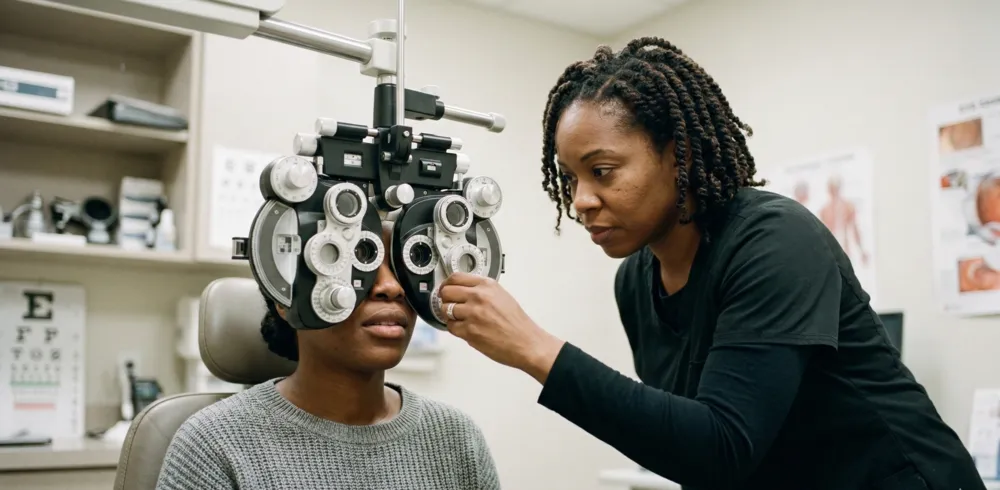
To help get a clearer picture, you might be referred to an ophthalmologist, a doctor who specializes in eye care. This is to make sure there isn't an underlying eye condition causing the symptoms.
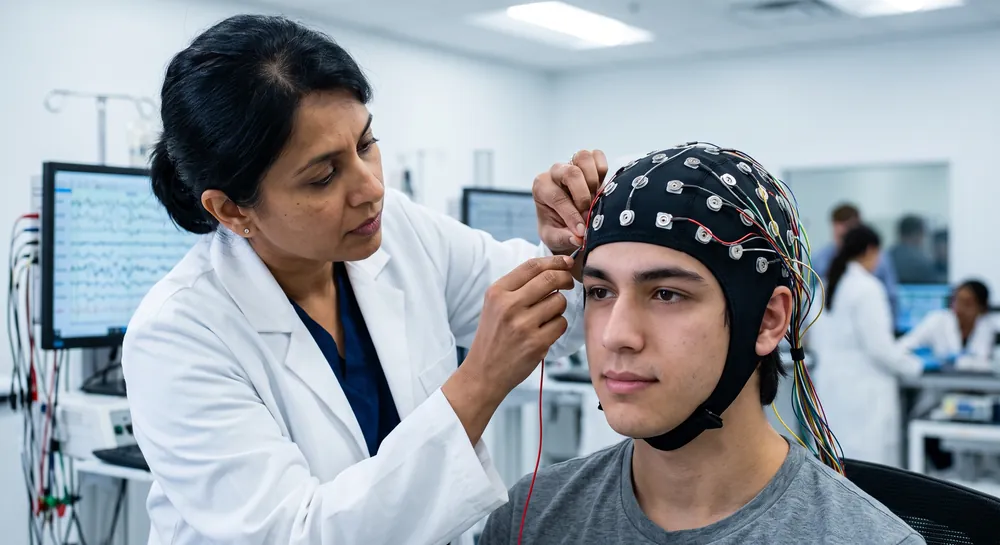
Sometimes, neuroscience imaging tests like an MRI or CT scan might be used to check for issues in the brain or blood vessels that could be related to your vision changes. The goal is to confirm the diagnosis of an ocular migraine while also excluding other potential causes.
Treatment and Management Options
When an ocular migraine episode occurs, the primary approach often involves managing the symptoms until they resolve. For many, this means resting and minimizing visual stimulation, as bright lights or screens can worsen the experience. Finding a quiet, dark space can be helpful. Staying hydrated is also frequently recommended, as dehydration can sometimes play a role.
Home Remedies and Lifestyle Changes
Several lifestyle adjustments and home-based strategies may help in managing ocular migraines.
Establishing consistent sleep patterns, including going to bed and waking up around the same time daily, is often suggested. Limiting screen time before bed and getting exposure to natural light during the day can also be beneficial. If possible, a short nap during an episode might provide relief.
Regular physical activity, particularly low-impact exercises like walking or yoga, is sometimes recommended for migraine prevention and symptom reduction. It's important to avoid strenuous exercise during an active migraine. Furthermore, maintaining adequate hydration by drinking sufficient water throughout the day is another common suggestion, as even mild dehydration can be a trigger for some people.
Managing light sensitivity is also key. This can involve dimming lights in living and work spaces, using blackout curtains, wearing sunglasses outdoors, or employing anti-glare screens on computers.
Some people find relief from applying a cold or hot compress to the temples or neck, though these should not be used for extended periods to avoid skin irritation. Gentle scalp massages may also help ease tension.
Lastly, identifying and avoiding personal triggers is a cornerstone of management. Keeping a detailed journal can assist in recognizing patterns.
This journal might record activities, food and drink intake, and emotional state prior to an episode. Some people find that apps can help analyze this data to pinpoint potential triggers.
When to Seek Medical Attention
While the visual symptoms of an ocular migraine typically resolve within an hour, medical consultation is advisable for several reasons. If the visual disturbances are frequent, severe, or accompanied by other concerning neurological symptoms, a healthcare provider can offer a proper diagnosis and rule out other conditions. Persistent or worsening headaches associated with visual changes also warrant medical evaluation.
For patients experiencing recurrent ocular migraines, a doctor may discuss preventive medication options. These can include certain anti-epileptic drugs, like topiramate or valproic acid, or medications used for blood pressure management, such as beta-blockers or calcium-channel blockers.
Additionally, newer classes of drugs, like CGRP inhibitors, are sometimes considered for migraine prevention. In some cases, medications that combine triptans with NSAIDs might be prescribed for acute symptom relief, though these can have their own side effects.
Devices that use electrical or magnetic stimulation to the head or neck are also available and may be considered for migraine prevention in some individuals. A healthcare professional can provide guidance on whether these or other treatment strategies are appropriate based on a person's specific medical history and migraine patterns.
Looking Ahead: Managing Ocular Migraines
Experiencing an ocular migraine can be unsettling, but understanding that these visual disturbances typically stem from brain activity rather than an eye problem is a key step. While the exact cause isn't always clear, identifying and avoiding personal triggers like stress, dehydration, or certain foods can significantly reduce their frequency.
If you're dealing with ocular migraines, it's important to work with your doctor. They can help rule out other serious conditions, discuss potential preventive medications if needed, and offer strategies to manage symptoms when they do occur. By staying informed and proactive, you can better navigate life with ocular migraines and minimize their impact on your brain health.
Frequently Asked Questions
What exactly is an ocular migraine, and how is it different from other migraines?
An ocular migraine, also known as a retinal migraine, is a type of migraine that affects your vision in just one eye. It's not a problem with your eye itself, but rather how your brain handles the signals from that eye. Unlike a migraine with aura, which usually affects vision in both eyes, an ocular migraine's visual symptoms are typically limited to a single eye. If you still see the visual changes with your eyes closed, it's likely coming from your brain, not your eyes.
What are the common visual symptoms someone might experience during an ocular migraine?
The most noticeable signs are changes in vision in one eye. These can include seeing temporary blind spots where vision is lost, or noticing strange visual effects like shimmering lights, zigzag patterns, or floating lines. These visual disturbances usually last for a short time, typically between 5 and 60 minutes, before your sight returns to normal.
Can an ocular migraine happen without a headache?
Yes, it's possible. While ocular migraines are often followed by a headache, sometimes the visual symptoms can occur on their own without any head pain. If a headache does happen, it usually starts within an hour after the visual changes begin and can last for several hours, or even up to three days if not treated.
What might cause someone to suddenly start experiencing ocular migraines?
Experts believe ocular migraines might be caused by temporary spasms in the small blood vessels of the retina, which is the part of your eye that sends images to your brain. This can briefly reduce blood flow. Genetics also seems to play a role, as many people with ocular migraines have a family history of them. Factors like stress, dehydration, certain foods, or hormonal changes can also act as triggers.
How do doctors diagnose an ocular migraine?
There isn't one specific test to diagnose an ocular migraine. Doctors will carefully review your symptoms, your medical history, and your family's history. They will also likely perform a physical exam and may refer you to an eye doctor (ophthalmologist) to rule out other eye conditions that could be causing similar vision changes. The goal is to make sure it's not a more serious issue, like a stroke.
What are some common triggers that can lead to an ocular migraine?
Many things can trigger an ocular migraine in people who are prone to them. Common triggers include experiencing high levels of stress, not drinking enough water (dehydration), smoking, consuming alcohol or caffeine, changes in blood pressure, and sometimes even physical activities like bending over. For women, hormonal changes, such as those related to birth control pills, can also be a factor.
What can I do at home to manage or prevent ocular migraines?
The best approach is to identify and avoid your personal triggers. Keeping a journal of what you were doing, eating, and how you were feeling before an episode can help. Staying hydrated by drinking plenty of water, managing stress through relaxation techniques, getting enough sleep, and eating regular meals can also be beneficial. If you experience visual symptoms, it's wise to stop what you're doing, especially if you are driving, and rest until your vision returns to normal.
When should I be concerned about my vision changes and seek medical help?
Any sudden or unexplained changes in your vision, even if they are temporary, should be checked by a doctor. While ocular migraines are usually not dangerous, it's crucial to rule out more serious conditions like a stroke or retinal detachment. If your visual symptoms are accompanied by weakness on one side of your body, confusion, or difficulty speaking, seek emergency medical attention immediately. If ocular migraines are frequent or significantly impacting your life, consult your doctor for management options.
Emotiv is a neurotechnology leader helping advance neuroscience research through accessible EEG and brain data tools.
Medical Disclaimer: The information provided on this website is for educational and informational purposes only and is not intended as medical or health advice. This content may contain errors and should not be relied upon to make life-altering health, medical, or lifestyle choices. Always seek the advice of your physician or other qualified health provider with any questions you may have regarding a medical condition or treatment.
Christian Burgos