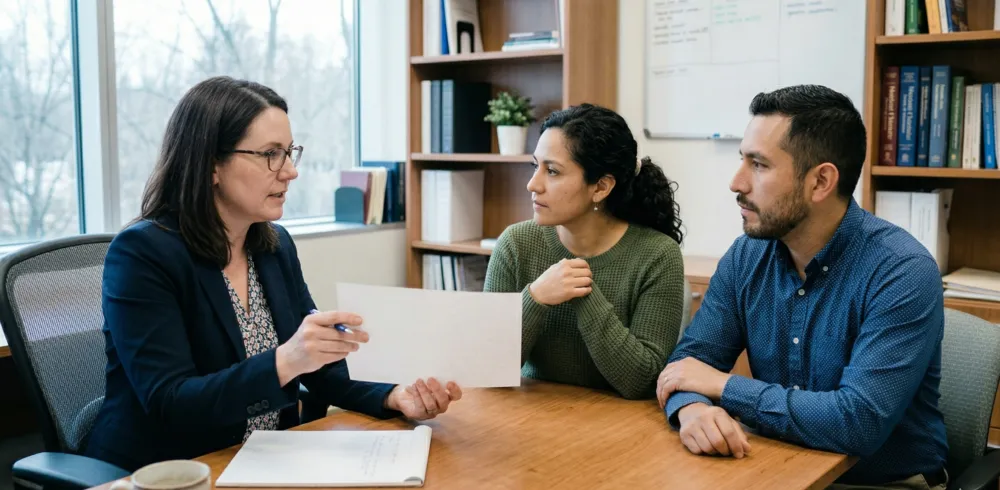
Finding the right help for someone with dementia can feel overwhelming. You want someone who really understands the condition and knows how to provide the best care.
That's where a certified dementia practitioner comes in. These professionals have specific training to help patients and families navigate the challenges of dementia.
This guide will help you understand what a certified dementia practitioner is and how to find one.

Key Takeaways
A Certified Dementia Practitioner (CDP) has specialized training in dementia care, focusing on person-centered approaches and effective communication strategies.
Certification signifies a commitment to advanced knowledge and practical skills in supporting individuals with dementia and their families.
Look for a certified dementia practitioner through online directories of professional organizations or by asking healthcare providers and facilities.
When speaking with a potential CDP, ask about their experience, training, approach to care, and how they handle challenging situations.
Working with a certified dementia practitioner can lead to improved care quality, better communication, reduced behavioral issues, and increased confidence for caregivers.
What is a Certified Dementia Practitioner (CDP)?
The Role and Responsibilities of a CDP
A Certified Dementia Practitioner (CDP) is a professional who has undergone specialized training and met specific criteria to demonstrate their knowledge and skills in providing care for patients with dementia.
This certification signifies a commitment to a higher standard of care, focusing on understanding the complexities of dementia and implementing person-centered approaches. CDPs are equipped to support individuals through various stages of dementia, addressing their unique needs with empathy and expertise.
Why Certification Matters for Dementia Care
Obtaining CDP certification is important for several reasons. It validates a caregiver's advanced understanding of dementia, differentiating them from those with general caregiving experience. This specialized knowledge allows them to better interpret behaviors, communicate effectively, and create supportive environments.
Certification assures families and patients that their caregiver possesses a recognized level of competence in dementia care. It also encourages ongoing professional development, keeping practitioners updated on the latest neuroscience research and best practices in the field.
For those working in dementia care, becoming a CDP can lead to increased confidence, career advancement, and the ability to make a more profound positive impact on the lives of those affected by this brain disorder.
Understanding the Certification Process
Eligibility Requirements for CDP Certification
To become a CDP, professionals typically need to meet specific criteria. These requirements are designed to confirm a baseline level of knowledge and experience in dementia care. While exact prerequisites can vary slightly between certifying bodies, common elements include:
Educational Background: A certain level of formal education, often a high school diploma or equivalent, is usually the minimum. Some programs may require or prefer higher education in a related field.
Professional Experience: A significant amount of hands-on experience working directly with patients living with dementia is generally a key component. This experience might need to be accumulated over a specific period, such as one to two years.
Specialized Training: Completion of specific training programs focused on dementia care is frequently mandated. These programs cover various aspects of dementia, including communication strategies, behavioral support, and person-centered care.
The Training and Education Involved
The educational component of CDP certification is thorough, aiming to equip caregivers with the skills and knowledge needed for effective dementia management. Training often includes:
Understanding Dementia: In-depth modules on the different types of dementia, their progression, and the underlying biological changes.
Communication Techniques: Learning effective ways to communicate with individuals experiencing cognitive decline, including non-verbal cues and validation techniques.
Behavioral Support: Strategies for understanding and managing challenging behaviors that can arise from dementia, focusing on identifying triggers and using person-centered approaches.
Care Planning: Developing and implementing individualized care plans that respect the person's dignity, preferences, and history.
Ethical Considerations: Addressing the ethical dilemmas and decision-making processes involved in dementia management.
Many programs are offered in flexible formats, such as online, self-paced courses, allowing professionals to complete their training around existing work schedules. The total time commitment for these programs can vary, with some requiring a minimum of 8 hours of study if you meet the prerequisites.
The Examination and Application Process
Once the eligibility requirements and training are met, candidates must undergo an examination and application process. This typically involves:
Application Submission: Completing a formal application that details educational background, professional experience, and any required training.
Examination: Passing a standardized exam that assesses the candidate's knowledge of dementia care principles, best practices, and therapeutic approaches. Some exams may require a high passing score, such as 90% or higher.
Review and Approval: The certifying body reviews the application and exam results. Upon successful completion, the applicant is awarded the CDP designation.
Certification is often valid for a set period, such as two years, after which renewal through continuing education or re-examination may be required to maintain the credential.
Where to Find a Certified Dementia Practitioner
Online Directories and Professional Organizations
Finding a CDP often starts with looking at resources provided by professional organizations. These groups typically maintain directories of their certified members.
Searching these directories is a reliable way to locate individuals who have met specific training and examination standards. When using these resources, you can often filter by location or specialty, making it easier to find a practitioner who fits your needs.
Some organizations also offer verification services, allowing you to confirm a practitioner's current certification status.
Asking Healthcare Providers and Facilities
Another effective method for locating a CDP involves consulting with healthcare professionals and facilities that specialize in elder care or neurological conditions. Your primary care physician, geriatric specialists, neurologists, or local hospitals may be able to provide recommendations.
Additionally, assisted living facilities, memory care units, and home health agencies often employ or work with CDPs. It is advisable to inquire directly with these facilities about their staff's certifications and experience in dementia management. They may have a list of practitioners they partner with or can suggest professionals they trust.
Questions to Ask a Potential CDP
When you're looking for a CDP, it's smart to ask a few questions. This helps you get a feel for their approach and how they work.
You want someone who understands the complexities of dementia and can communicate effectively with both the person experiencing it and their family.
Here are some things you might want to ask:
What is your experience working with patients who have dementia? This can give you insight into the types of situations they've handled and the range of dementia stages they've supported. It's helpful to know if they have experience with specific symptoms or behaviors that might be relevant to your situation.
Can you describe your approach to communication with someone who has dementia? Look for answers that emphasize patience, respect, and adapting communication methods to the patient's needs. Techniques that focus on understanding the 'why' behind behaviors are often a good sign.
How do you handle challenging behaviors or situations that may arise? A CDP should have strategies for de-escalating situations and addressing behaviors without resorting to medication if possible. They should be able to explain how they identify triggers and work towards solutions.
What kind of training or certification do you hold? Confirming their CDP status is important. You might also ask about any additional training they've completed in dementia care.
How do you stay current with best practices in dementia care? The field is always evolving, so it's good to know if they engage in continuing education or professional development.
Conclusion
Finding a certified dementia practitioner means looking for someone who has gone through specific training and met certain standards. These professionals have a better grasp of how to support individuals with dementia and their families. While the path to certification can vary, it generally involves education, practical experience, and passing an exam.
When you choose a certified practitioner, you're opting for a level of assurance that they possess the skills and knowledge needed to provide quality brain health care. It's a step towards ensuring that those affected by dementia receive the best possible support.
Frequently Asked Questions
Who can become a Certified Dementia Practitioner (CDP)?
Anyone who cares for people with dementia can benefit from becoming a CDP. This includes nurses, health care aides, personal support workers, recreation therapists, occupational therapists, care home managers, and anyone interested in working with older adults.
What does a Certified Dementia Practitioner do?
A CDP provides hands-on support for people living with dementia and helps others learn better ways to communicate and care for them. They use special techniques to manage behavior and focus on person-centered care.
Why is CDP certification important?
Certification shows that you have special training in dementia care. It helps you stand out at work, makes you more confident, and shows families and employers that you are serious about giving good care.
Where can I find a Certified Dementia Practitioner?
You can look up CDPs using online directories, professional organizations, or by asking local healthcare providers and care facilities for recommendations.
What should I ask when choosing a CDP?
You can ask about their experience, what kind of training they have, how they handle difficult situations, and what approach they use for dementia care.
How much does it cost to become a CDP?
The cost of a CDP program can vary, but it is usually around $1,000. Some programs may also offer free resources or special discounts at certain times.
What are the benefits of working with a CDP?
Working with a CDP means you get care from someone who understands dementia deeply. They can help improve communication, lower stress, reduce risky behaviors, and give families peace of mind.
Emotiv is a neurotechnology leader helping advance neuroscience research through accessible EEG and brain data tools.
Emotiv