Bipolar II disorder symptoms can be confusing, especially because they don't always look the same from person to person. This condition is known for mood swings that go from periods of higher energy, called hypomania, to episodes of depression.
How Is Bipolar II Disorder Defined and Differentiated from Bipolar I?
Bipolar II disorder is a mental health condition marked by noticeable changes in mood, energy, and activity. The core pattern in this illness is cycling between episodes of hypomania (a less intense form of elevated mood) and major depression.
Unlike bipolar I, where mania can become severe, individuals with bipolar II experience only hypomanic episodes and never progress into full-blown mania. The low phases, though, often last longer and may be more disruptive than those seen in bipolar I.
Diagnosing bipolar II can be tricky. Symptoms often mimic other problems, especially major depression or certain personality disorders.
People might not seek help during hypomanic phases since these periods can feel positive or productive. Generally, to make a diagnosis, a mental health professional will:
Look for a pattern of at least one hypomanic episode and one major depressive episode
Assess personal and family history of mood disorders
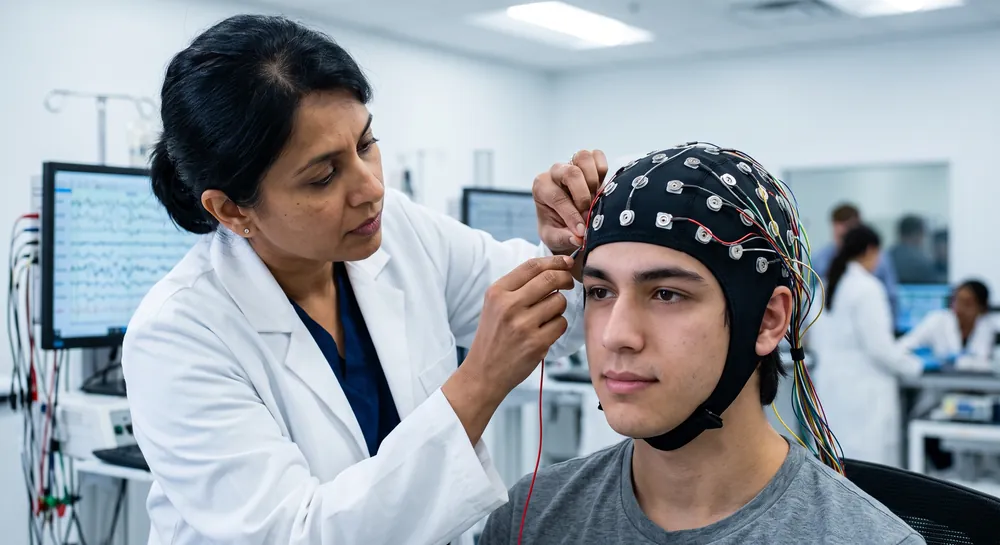
Rule out other possible medical or psychological causes (sometimes with neuroscience-based lab tests)
Treatment for bipolar II is multifaceted. Medications, especially mood stabilizers and sometimes antipsychotics, can help balance mood swings. Antidepressants might also be prescribed, but with caution, because they can trigger hypomania in some cases.
Psychotherapy (talk therapy) is often a key part of managing symptoms and learning coping skills. Education about the disorder helps people recognize early warning signs and build routines for better brain health. Ongoing support from health professionals, family, and community resources can make a meaningful difference.
7 Key Symptoms of Hypomania in Bipolar II Disorder
Hypomania in Bipolar II Disorder is characterized by a distinct period of elevated or irritable mood and increased energy or activity. This state is less severe than full mania but represents a noticeable change from typical behavior.
It's important to recognize these shifts, as they can sometimes lead to impulsive actions or difficulties in daily functioning.
1. Elevated Mood and Energy
During a hypomanic episode, a person will often experience an exaggerated sense of well-being, sometimes described as euphoria, or they might feel unusually irritable. This heightened emotional state is typically accompanied by a significant increase in physical and mental energy.
This surge in energy can make individuals feel exceptionally capable and driven.
2. Increased Activity and Goal-Directed Behavior
With increased energy comes a drive to engage in activities. People may become unusually productive, focusing intensely on projects, work, or hobbies.
This can manifest as setting ambitious goals and pursuing them with great vigor, often completing tasks that might have been put off previously.
3. Changes in Sleep Patterns
A common hallmark of hypomania is a reduced need for sleep. People might feel rested after only a few hours of sleep, or even no sleep at all, and still function at a high level.
This can be a significant departure from their usual sleep requirements.
4. Racing Thoughts and Distractibility
Internally, a person experiencing hypomania might notice their thoughts moving very quickly, often jumping from one idea to another. This rapid flow of thought can make it difficult to concentrate on a single topic or task, leading to a feeling of being easily distracted.
5. Increased Talkativeness and Pressure to Keep Talking
Speech patterns often change during hypomania. Individuals may find themselves talking much more than usual, speaking rapidly and sometimes in a way that feels pressured, making it hard for others to interrupt or follow the conversation.
6. Inflated Self-Esteem or Grandiosity
Self-perception can shift during hypomania, often leading to an inflated sense of self-worth or importance. People might feel unusually confident, believe they have special talents, or develop grandiose ideas about their abilities or future.
7. Impulsive or Risky Behaviors
While hypomania is not full mania, it can still involve behaviors that carry risks. This might include engaging in impulsive spending, making hasty decisions without considering the consequences, or participating in activities that are out of character and potentially harmful.
These actions can sometimes lead to negative outcomes in personal or professional life.
What Are the Defining Characteristics of a Bipolar II Depressive Episode?
While hypomania defines Bipolar II Disorder, the depressive episodes can be quite significant and often last longer than the hypomanic periods. These low moods can profoundly impact a person's life, sometimes even more so than the elevated states.
It's crucial to recognize that these depressive phases in Bipolar II are not just a bad mood; they represent a distinct and often debilitating part of the illness.
How Do Persistent Sadness and Hopelessness Overwhelm the Individual?
One of the most prominent signs is a pervasive feeling of sadness that doesn't seem to lift. This isn't just feeling down for a day or two; it's a persistent emotional state that can color every aspect of a person's experience.
Alongside this sadness, a sense of hopelessness often emerges. This feeling can make it seem like things will never get better, which can be a very difficult state to endure. A person might describe feeling empty or like they're carrying a heavy weight.
What Is Anhedonia and How Does It Impact Daily Engagement?
Another hallmark symptom is anhedonia, which is the loss of interest or pleasure in activities that were once enjoyable.
Hobbies, social interactions, work, or even simple pleasures like eating good food might no longer bring any satisfaction. This can lead to a significant withdrawal from life and social connections.
It's as if the world has lost its color, and nothing holds appeal anymore. This lack of engagement can contribute to feelings of isolation and further deepen the sense of despair.
It is critical to note that individuals experiencing these depressive symptoms may also have thoughts of death or suicide.
How Can Understanding the Full Range of Symptoms Lead to Better Care?
Bipolar II disorder is a mental health condition that involves shifts between periods of hypomania and depression. The depressive episodes often last longer and can be more severe than the hypomanic phases.
Many people with bipolar II may not realize they have it, especially since hypomania can feel like increased energy or productivity rather than a problem. Because of this, bipolar II is sometimes mistaken for other conditions, like major depression.
Getting the right diagnosis is important, as it helps guide treatment and support. Treatment usually means a mix of medication and therapy, and it often needs to be ongoing.
Frequently Asked Questions
How is Bipolar II different from Bipolar I?
The main difference is the severity of the 'up' moods. People with Bipolar I have full manic episodes, which are very intense and can cause serious problems. In Bipolar II, these high moods are hypomanic, meaning they are milder. However, the depressive episodes in Bipolar II can be just as severe, or even more so, than in Bipolar I.
What are the signs of hypomania in Bipolar II?
During hypomania, you might feel unusually energetic, happy, or irritable. You may talk faster, have racing thoughts, need less sleep, feel overly confident, and engage in more impulsive or risky behaviors. It can sometimes feel like a good thing because you have so much energy, but it can lead to problems.
What are the signs of depression in Bipolar II?
Depressive episodes in Bipolar II are similar to major depression. This includes feeling very sad, hopeless, or empty for long periods, losing interest in things you used to enjoy, having low energy, trouble concentrating, and sometimes having thoughts of harming yourself.
Does Bipolar II always involve depression?
Yes, a diagnosis of Bipolar II disorder requires at least one hypomanic episode and at least one major depressive episode. Many people with Bipolar II experience depression more often than hypomania.
Can hypomania be mistaken for something else?
Yes, because hypomania isn't as severe as full mania, it can sometimes be overlooked or mistaken for just having a really good mood or being more productive. This is why Bipolar II is often misdiagnosed as just depression.
How is Bipolar II disorder diagnosed?
A doctor or mental health professional will talk to you about your moods and behaviors, look at your history, and may ask family members for information. They will also rule out other conditions that could be causing similar symptoms. Tracking your moods and sleep patterns can be very helpful.
What causes Bipolar II disorder?
The exact causes aren't fully understood, but it's thought to be a combination of genetics and environmental factors. Things like brain chemistry, stress, and trauma might also play a role, especially if someone has a family history of the disorder.
Is Bipolar II disorder treatable?
Yes, Bipolar II disorder is treatable. Treatment usually involves a combination of medication, such as mood stabilizers, and therapy. Sticking with treatment is important for managing symptoms long-term.
How long does treatment for Bipolar II last?
Treatment for Bipolar II disorder is typically long-term, and often lifelong. Stopping treatment can increase the chances of symptoms returning. The goal is to manage mood swings and improve overall quality of life.
Can someone with Bipolar II have a normal life?
With proper diagnosis and consistent treatment, many individuals with Bipolar II disorder can lead fulfilling and productive lives. Managing mood swings, understanding triggers, and having a strong support system are key.
Emotiv is a neurotechnology leader helping advance neuroscience research through accessible EEG and brain data tools.
Medical Disclaimer: The information provided on this website is for educational and informational purposes only and is not intended as medical or health advice. This content may contain errors and should not be relied upon to make life-altering health, medical, or lifestyle choices. Always seek the advice of your physician or other qualified health provider with any questions you may have regarding a medical condition or treatment.
Christian Burgos