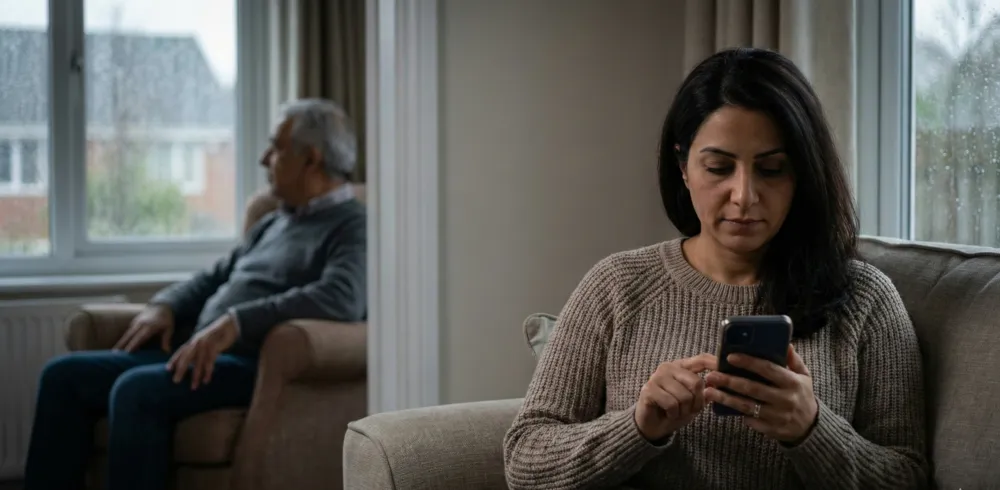
Noticing changes in memory or thinking can be worrying. While these changes don't always mean dementia, tracking them early can be helpful. Thankfully, there are now apps designed to help you or a loved one keep an eye on these early signs.
This article looks at what these apps do and what to watch out for.
Why Tracking Early Dementia Symptoms Is Crucial
Spotting changes in memory, thinking, or behavior early on is really important when it comes to dementia. Many people with dementia, and their families, wait a long time before getting a diagnosis. Sometimes it takes years. This delay can happen for many reasons, like not knowing what to look for, mistaking symptoms for normal aging, or even difficulties accessing healthcare.
Getting a diagnosis sooner rather than later can lead to better outcomes. When someone receives an early diagnosis, they and their loved ones can begin to understand the condition.
This understanding helps them manage it on their own terms and access the right kind of help at the right time. This can mean maintaining independence and daily function for longer.
It also gives healthcare professionals a chance to step in with therapies and support that might help slow down cognitive decline and improve quality of life. Think of it like this:
Early Awareness: Recognizing subtle changes in memory, language, or mood.
Seeking Information: Talking to a doctor or using tools to track these changes.
Access to Support: Connecting with medical professionals and resources for management and care.
5 Key Features to Look for in Dementia Symptom Tracking Apps
Digital tools have become more common for tracking early changes that might signal dementia, but not all apps are created equal. When considering an app for this purpose, there are several features that stand out because they support ongoing observation and communication between users, families, and professionals.
1. Symptom Logging and Categorization
The ability to record symptoms as they arise helps to spot patterns over time rather than relying on memory alone. Categories for symptoms like problems with memory, confusion, mood swings, or language changes allow for more structured tracking.
Nowadays, some apps provide regular prompts, making it less likely that users will forget to log new concerns.
2. Memory and Cognitive Tests
Tools that offer regular, short assessments of memory, attention, or language can help detect subtle cognitive changes. Many apps use simple games that secretly test reasoning, word-finding, or visual recognition skills. Over time, results can be compared to spot small shifts that might otherwise go unnoticed.
Feature | What It Offers |
|---|---|
Memory Matching Game | Tracks visual recall |
Word Test | Checks naming/fluency skills |
Logic Puzzles | Observes reasoning problems |
3. Mood and Behavior Monitoring
Tracking mood shifts or behavior patterns can be just as important as recognizing cognitive issues. For instance, daily or weekly mood ratings allow for identifying episodes of increased anxiety, apathy, or irritability.
Some apps even let users or caregivers note changes in sleep, appetite, or social withdrawal, which are also significant.
4. Medication Reminders and Management
Forgetfulness can make managing daily pills difficult—particularly if several medications are involved. Therefore, reminders help users take their prescribed treatments on schedule.
Logs can record when medication was (or wasn’t) taken, creating a record for clinical discussion.
5. Caregiver Collaboration and Reporting
Shared profiles let multiple family members or caregivers monitor entries and compare notes. The ability to export reports makes it easier to communicate with healthcare providers if or when medical advice is needed.
Understanding the Limits of Digital Symptom Tracking
While apps designed to track early dementia symptoms can be helpful tools, it's important to understand their limitations. These digital aids are not a replacement for professional medical evaluation.
Why an App Is Not a Substitute for a Medical Diagnosis
Apps can collect data and highlight potential changes, but they cannot provide a diagnosis. A formal diagnosis of dementia requires a thorough assessment by a qualified healthcare professional. This typically involves:
Medical History Review: Discussing symptoms, family history, and overall brain health.
Physical and Neurological Exams: Checking for other brain conditions that might cause similar symptoms.
Cognitive and Neuropsychological Tests: These are often more in-depth than app-based tests and are administered and interpreted by specialists.
Brain Imaging: Sometimes used to look for changes in the brain.
An app's data is best viewed as a starting point for a conversation with a doctor, not an endpoint. The information gathered by an app might indicate areas needing further investigation, but it doesn't confirm a diagnosis on its own.
For instance, a game on an app might show a dip in performance, but a doctor would need to consider this alongside many other factors to understand its significance.
The Importance of Sharing App Data With Your Doctor
If you are using an app to track symptoms, the information you collect can be quite useful when shared with your healthcare provider. This data can offer a more detailed picture of changes over time than occasional office visits might capture. When discussing results with your doctor, consider providing:
Symptom Logs: Detailed notes on when symptoms occur and their severity.
Test Results: Reports or summaries generated by the app.
Behavioral Observations: Notes on mood, sleep patterns, or changes in daily activities.
This information can help your doctor make more informed decisions about further testing or treatment. It's a way to bring more objective data into the clinical setting, potentially speeding up the diagnostic process or helping to monitor treatment effectiveness.
Protecting Your Privacy and Sensitive Health Data
When using any app that collects personal health information, privacy is a major concern. It is important to be aware of how your data is being stored, used, and protected. Look for apps that:
Clearly state their privacy policy.
Explain how data is anonymized or de-identified if used for research.
Provide options for users to control their data.
Always review the privacy settings and terms of service before sharing sensitive health information.
Early Intervention and Treatment Options for Dementia
Managing Symptoms Through Personalized Therapy and Lifestyle Changes
While there isn't a cure for dementia, focusing on managing symptoms and improving quality of life is key. This often involves a combination of therapeutic approaches and adjustments to daily living.
Therapies can help patients maintain cognitive function and emotional well-being for as long as possible. For instance, cognitive stimulation therapy involves group activities designed to improve thinking skills and social interaction.
Moreover, reality orientation can help people stay aware of their surroundings and current events. Occupational therapy can also assist with adapting daily tasks to make them more manageable, promoting independence.
Lifestyle changes also play a significant role. A healthy diet, regular physical activity, and adequate sleep are foundational for brain health.
Engaging in mentally stimulating activities, such as puzzles, reading, or learning new skills, can help keep the brain active. Social engagement is also important, as it combats isolation and provides emotional support.
For caregivers, understanding these neuroscience-based strategies can help create a supportive environment that maximizes the patients' remaining abilities and promotes a sense of well-being.
FDA-Approved Medications for Early Stage Cognitive Decline
For certain types of dementia, particularly Alzheimer's disease, there are medications approved by the Food and Drug Administration (FDA) that may help manage symptoms in the early stages. These medications do not stop or reverse the disease, but they can offer temporary benefits for some individuals. They work by affecting certain chemicals in the brain, known as neurotransmitters, which are involved in memory and thinking.
Examples of these medications include cholinesterase inhibitors and NMDA receptor antagonists. These drugs are typically prescribed by a healthcare professional after a thorough evaluation. The decision to use medication is made on an individual basis, considering the specific type of dementia, the stage of the disease, and the person's overall health.
Taking the Next Steps After Tracking Your Symptoms
While these apps are not a replacement for professional medical advice, they can be a helpful tool. They offer a way to privately track changes in thinking and memory over time.
If you notice concerning patterns, these apps can provide data to discuss with your doctor. Early conversations about cognitive changes can lead to quicker diagnoses and access to support.
Frequently Asked Questions
Why is it important to track early signs of dementia?
Tracking early signs helps people get a diagnosis sooner. This means they can start getting support and treatment that might help them live better for longer. It's like catching a problem early before it gets too big to handle easily.
Can an app really detect dementia?
Apps can help spot changes in thinking and memory that *might* be early signs. They offer a way to monitor these changes over time. However, an app is not a doctor, and it cannot officially diagnose dementia. It's a tool to help you talk to a healthcare professional.
What kind of things should I look for in a dementia tracking app?
Good apps let you write down symptoms you notice, like memory slips or mood changes. They might also have simple games or tests to check memory and thinking skills. Some apps help manage medicines and let you share information with family or caregivers.
Are these apps difficult to use?
Many apps are designed to be user-friendly, even for people who aren't tech-savvy. They often use simple language and clear instructions. Some apps even have fun themes, like travel, to make the experience more enjoyable.
How often should I use a dementia tracking app?
It's usually best to use the app regularly, like once a month or whenever you notice something new. This helps create a record of changes over time, which is more useful than just checking in once.
Can I share the information from the app with my doctor?
Yes, absolutely! The reports or logs you create in the app can be a great starting point for discussions with your doctor. They provide concrete examples of changes you or a loved one are experiencing.
Is my personal health information safe when using these apps?
It's important to check the app's privacy policy. Some apps collect anonymous data to help research, but they should protect your personal information. Always be cautious about what you share and ensure the app is from a trusted source.
What if an app says I might have dementia?
If an app suggests you might have early signs, the most important step is to talk to your doctor. They can perform proper tests and give you an accurate diagnosis and discuss the next steps for your health.
Are there apps that help with memory problems specifically?
Yes, many apps focus on memory exercises, like remembering patterns or word games. These can help keep your mind active and may improve short-term memory recall.
Can these apps help people who already have dementia?
Some apps are designed to help manage symptoms, remind people to take medication, or provide engaging activities. While they can't cure dementia, they can help improve daily life and cognitive function for those affected.
What's the difference between a tracking app and a brain game app?
A tracking app is mainly for recording symptoms and changes over time, often to share with doctors. Brain game apps are more about exercising your brain with puzzles and challenges to potentially improve cognitive skills.
Are there any costs associated with these apps?
Many useful apps for tracking or brain training are free to download and use. Some might offer premium versions with more features for a fee, but there are plenty of effective free options available.
Emotiv is a neurotechnology leader helping advance neuroscience research through accessible EEG and brain data tools.
Medical Disclaimer: The information provided on this website is for educational and informational purposes only and is not intended as medical or health advice. This content may contain errors and should not be relied upon to make life-altering health, medical, or lifestyle choices. Always seek the advice of your physician or other qualified health provider with any questions you may have regarding a medical condition or treatment.
Christian Burgos