Sensor EEG In-Ear: Tu Guía Completa 2026
Emotiv
Actualizado el
14 ene 2026
Sensor EEG In-Ear: Tu Guía Completa 2026
Emotiv
Actualizado el
14 ene 2026
Sensor EEG In-Ear: Tu Guía Completa 2026
Emotiv
Actualizado el
14 ene 2026
Para desarrolladores e investigadores que trabajan con interfaces cerebro-computadora, el hardware ha sido a menudo el mayor obstáculo. Los sistemas tradicionales son complejos, requieren geles desordenados y confinan los estudios a un laboratorio, limitando el alcance de lo que se puede lograr. El sensor EEG intrauditivo cambia completamente la ecuación. Al ofrecer una forma portátil, fácil de usar y cómoda para recopilar datos en entornos naturales, esta tecnología elimina barreras importantes para la innovación. Permite la recopilación de datos a largo plazo a medida que los usuarios llevan a cabo sus actividades diarias, proporcionando una visión más realista de los estados cognitivos. Aquí, cubriremos las capacidades técnicas, la integración del software y las consideraciones prácticas para incorporar esta poderosa herramienta en su próximo proyecto.
Conclusiones Clave
El sentido cerebral ahora es práctico para la vida cotidiana: La tecnología EEG intrauditiva traslada la recopilación de datos cerebrales fuera del laboratorio con un diseño de auricular cómodo y discreto que es simple de configurar y usar durante períodos prolongados.
Un diseño compacto ofrece datos confiables: Al combinar un ajuste seguro con potentes algoritmos de software, los dispositivos intrauditivos proporcionan datos limpios y confiables para aplicaciones específicas, desde el desarrollo de BCI hasta el análisis de estados cognitivos.
Nuevas aplicaciones se están convirtiendo en realidad: Esta tecnología accesible está impulsando la innovación en diversos campos, incluyendo la investigación académica, sistemas de seguridad para la detección de somnolencia y herramientas para explorar estados cognitivos personales.
¿Qué es un Sensor EEG Intrauditivo?
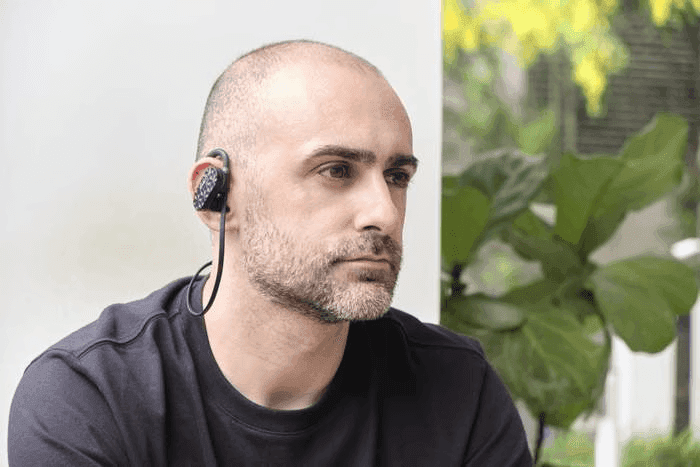
Si alguna vez te has imaginado un dispositivo EEG, probablemente imaginas una gorra con cables y sensores colocados por todo el cuero cabelludo. Si bien ese sigue siendo un método común para recopilar datos cerebrales, la tecnología ha evolucionado para ser mucho más discreta. Un sensor EEG intrauditivo es un dispositivo compacto, que a menudo se asemeja a un auricular estándar, que mide la actividad cerebral desde dentro del canal auditivo. Esta innovación hace que todo el proceso sea más práctico y cómodo para el uso diario.
En lugar de requerir una configuración compleja, estos sensores ofrecen una forma simple y menos intrusiva de acceder a los datos de ondas cerebrales. Esto abre nuevas posibilidades para estudios a largo plazo, aplicaciones del mundo real y uso personal, ya que el hardware se puede usar durante períodos prolongados sin interferir con las actividades diarias. El objetivo es hacer que la tecnología de interfaces cerebro-computadora sea más accesible para todos, desde investigadores en el laboratorio hasta desarrolladores que construyen la próxima generación de aplicaciones.
¿Cómo Funciona la Tecnología EEG Intrauditiva?
En su núcleo, la tecnología EEG intrauditiva utiliza pequeños electrodos especializados incrustados en un auricular para detectar las débiles señales eléctricas producidas por tu cerebro. Estas son las mismas señales que capturaría un EEG tradicional del cuero cabelludo, solo que desde una ubicación diferente. Una característica clave de estos dispositivos es el uso de electrodos secos, lo que significa que no necesitas aplicar geles conductores para obtener una señal clara. Esto hace que el proceso de configuración sea rápido, limpio y mucho más fácil de usar.
Una vez que el auricular está en su lugar, el hardware captura los datos de ondas cerebrales y los transmite de forma inalámbrica a un dispositivo conectado, como un teléfono inteligente o una computadora. Desde allí, sofisticados algoritmos de procesamiento de señales analizan la información. Esto permite aplicaciones como la identificación de patrones relacionados con el enfoque, la relajación, o incluso la somnolencia, convirtiendo datos cerebrales en bruto en percepciones significativas.
La Ciencia Detrás de los Electrodos Secos y Baño de Oro
El rendimiento de cualquier dispositivo EEG depende de la calidad de sus electrodos. Para los sensores intrauditivos, la durabilidad y la conductividad son esenciales. Muchos diseños modernos utilizan un método innovador donde se baña en oro componentes impresos en 3D para crear los electrodos. El oro es una excelente opción porque es altamente conductor, resistente a la corrosión y biocompatible, lo que lo hace seguro para el contacto prolongado con la piel.
Este enfoque de fabricación también ayuda a crear un ajuste "genérico para el usuario", lo que significa que los auriculares están diseñados para adaptarse cómodamente a una amplia variedad de formas y tamaños de oreja. Al asegurar un ajuste ceñido pero suave, los electrodos bañados en oro pueden mantener un contacto estable con la piel dentro del oído. Esta conexión estable es crucial para capturar señales EEG de alta calidad de manera consistente durante períodos prolongados, brindándote datos confiables sin sacrificar la comodidad.
Cómo la Miniaturización Está Cambiando el Juego
La tendencia de hacer la tecnología más pequeña y poderosa ha tenido un gran impacto en los dispositivos EEG. La miniaturización es lo que hace posible colocar sensores complejos y electrónica inalámbrica en un pequeño auricular. Esta increíble reducción en el tamaño es la clave para hacer que el EEG intrauditivo sea tan discreto y portátil. Cuando un dispositivo es cómodo y casi imperceptible, las personas son más propensas a usarlo durante períodos más prolongados, lo cual es esencial para recopilar datos completos.
Este avance en tecnología portátil está allanando el camino para nuevas aplicaciones en la recolección y análisis de datos en tiempo real. A medida que el hardware se vuelve más pequeño y se integra más en nuestras vidas diarias, el potencial de usar datos cerebrales en campos como el bienestar cognitivo, la investigación y la seguridad crece exponencialmente. El progreso es tan significativo que los primeros dispositivos EEG intrauditivos incluso han recibido aprobación de la FDA, marcando un hito importante para la credibilidad y el potencial futuro de la tecnología.
EEG Intrauditivo vs. EEG Tradicional del Cuero Cabelludo: ¿Cuál es la Diferencia?
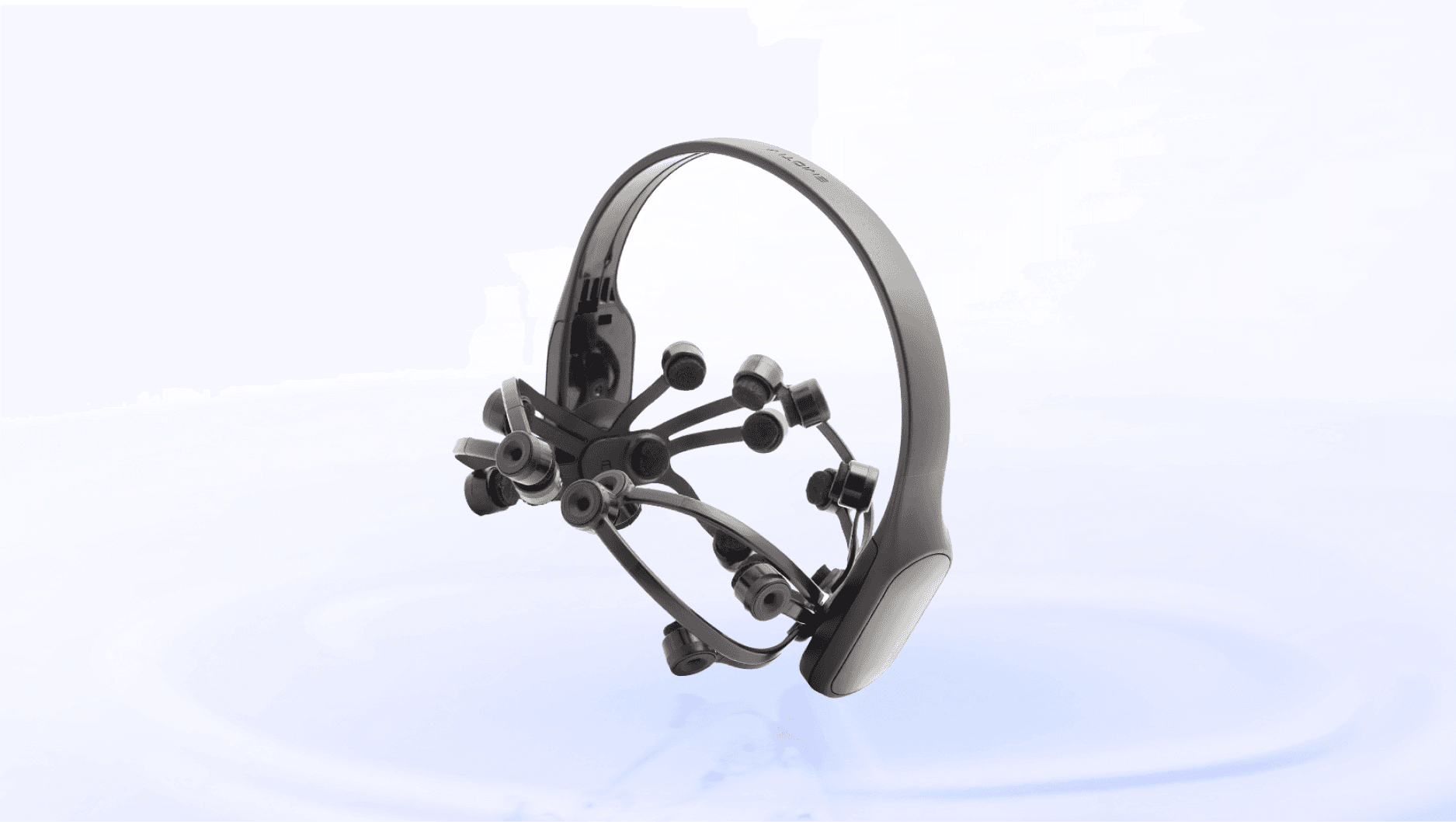
Durante décadas, los sistemas EEG tradicionales del cuero cabelludo han sido el estándar para medir la actividad cerebral. Dispositivos como nuestros Epoc X y Flex proporcionan datos completos al colocar múltiples sensores a través del cuero cabelludo. Este método es poderoso y esencial para el mapeo detallado del cerebro. Sin embargo, la configuración puede ser compleja, a menudo requiriendo colocación precisa y soluciones conductoras, lo que lo hace más adecuado para entornos de laboratorio.
La tecnología EEG intrauditiva presenta un enfoque diferente. Al colocar sensores dentro del canal auditivo, dispositivos como nuestros auriculares MN8 ofrecen una forma más discreta y fácil de usar para recopilar datos cerebrales. Aunque no cubren todo el cuero cabelludo, están posicionados estratégicamente para capturar señales neuronales clave desde el lóbulo temporal. Este cambio en el factor de forma hace que el EEG sea más accesible para el uso diario y estudios a largo plazo fuera de un entorno controlado. La elección entre un sistema tradicional del cuero cabelludo y un dispositivo intrauditivo realmente se reduce a tus objetivos específicos: ya sea que necesites datos de alta densidad para investigaciones académicas complejas o una solución portátil para aplicaciones del mundo real.
Un Vistazo Más de Cerca a la Comodidad y la Usabilidad
Una de las distinciones más significativas entre el EEG del cuero cabelludo y el EEG intrauditivo es la experiencia del usuario. Las gorras EEG tradicionales, aunque efectivas, pueden sentirse incómodas, especialmente durante sesiones largas. La preparación puede ser laboriosa, y la sensación de usar un auricular durante horas no siempre es ideal. Los dispositivos EEG intrauditivos, sin embargo, están diseñados para la comodidad y la discreción. Se adaptan cómodamente en el oído, al igual que un par de auriculares estándar, lo que hace que sea fácil olvidar que los llevas puestos. De hecho, un estudio reciente encontró que el 90% de los participantes describieron un dispositivo intrauditivo como cómodo y fácil de usar. Este alto nivel de usabilidad es perfecto para aplicaciones que requieren recopilación continua de datos en entornos cotidianos y naturales.
La Ventaja de la Portabilidad y Configuración Sencilla
Configurar un sistema EEG tradicional del cuero cabelludo a menudo requiere medición cuidadosa y la aplicación de solución salina o gel para asegurar una buena conexión. Este proceso es mejor manejado por alguien con experiencia para asegurar la calidad de los datos. El EEG intrauditivo cambia completamente esta dinámica. La configuración es tan simple como poner los auriculares, haciendo que la tecnología sea accesible para casi cualquiera, en cualquier lugar. Esta portabilidad inmediata significa que puedes recopilar datos cerebrales en escenarios del mundo real, no solo en un laboratorio. Esta simplicidad permite que la actividad cerebral se mida durante períodos prolongados en el hogar o la oficina de una persona, abriendo nuevas posibilidades para crear prácticas interfaces cerebro-computadora y realizar estudios longitudinales que anteriormente eran difíciles de manejar.
Comparando la Calidad de Señal y Rendimiento
Una pregunta común es si un dispositivo compacto intrauditivo puede ofrecer la misma calidad de datos que un auricular de cuero cabelludo completo. Si bien un auricular de múltiples canales como nuestro Flex de 32 canales siempre capturará una imagen más completa de la actividad cerebral en diferentes regiones, el EEG intrauditivo se defiende bien para mediciones específicas. La investigación ha demostrado que durante estados de reposo, los dispositivos intrauditivos pueden detectar señales cerebrales clave, como ondas alfa, con una calidad muy similar a la del EEG del cuero cabelludo. Esta capacidad se extiende a la captura de actividad cerebral significativa durante la vigilia y el sueño. Para el mapeo del cerebro de alta densidad, un sistema del cuero cabelludo sigue siendo la herramienta de referencia. Pero para aplicaciones específicas, como acceder a herramientas de bienestar cognitivo o desarrollar ciertos comandos de BCI, un dispositivo intrauditivo proporciona una alternativa práctica y confiable.
¿Puedes Confiar en la Calidad de la Señal del EEG Intrauditivo?
Es una pregunta justa. Cuando ves un dispositivo tan pequeño y discreto como un EEG intrauditivo, es natural preguntarse si realmente puede captar la misma calidad de datos que un auricular tradicional de cobertura completa. La respuesta corta es sí, pero es la combinación de una conexión física estable, un procesamiento de datos inteligente y un análisis en tiempo real lo que lo hace posible. Si bien el factor de forma es diferente, el objetivo fundamental sigue siendo el mismo: medir con precisión la actividad eléctrica del cerebro. Desglosémoslo para entender cómo la tecnología EEG intrauditiva está diseñada para proporcionar datos confiables y dignos de confianza para tus proyectos.
La clave no es solo colocar un sensor en el oído; se trata de todo el sistema trabajando en conjunto. Desde la forma en que los electrodos hacen contacto con la piel hasta los sofisticados algoritmos que interpretan los datos en bruto, cada paso está diseñado para garantizar que la salida final sea limpia, precisa y significativa. Este enfoque permite la adquisición de datos de alta calidad en una forma que es más cómoda y accesible que nunca, abriendo nuevas posibilidades para investigación y educación académica en entornos del mundo real.
Asegurando una Señal y Conexión Estable
Un de los principales obstáculos para cualquier dispositivo EEG es establecer una conexión sólida entre el electrodo y la piel. Con el EEG intrauditivo, esto se logra a través de electrodos secos cuidadosamente diseñados que encajan firmemente dentro del canal auditivo. La investigación muestra que la calidad de esta conexión en realidad mejora con el tiempo. Un estudio publicado en Frontiers in Neuroscience encontró que la conexión eléctrica de los electrodos secos intrauditivos se volvió más estable después de aproximadamente una hora de uso, a medida que la piel se adaptaba. Esta estabilización significa que puedes contar con una señal consistente, lo cual es crucial para sesiones de adquisición de datos más largas. Nuestros propios auriculares EEG de 2 canales, MN8, se construyen bajo estos principios para proporcionar un flujo de datos confiable en una forma portátil.
Cómo los Algoritmos Ayudan con la Precisión de los Datos
Una señal estable es solo el comienzo. Los datos EEG en bruto son increíblemente complejos y están llenos de "ruido" de movimientos musculares, parpadeos y interferencias ambientales. Aquí es donde poderosos software y algoritmos de aprendizaje automático entran en juego. Estos algoritmos están entrenados para filtrar los datos en bruto, limpiarlos e identificar patrones significativos. Por ejemplo, un estudio reciente en Nature Communications demostró que los datos de un sistema de EEG intrauditivo podían usarse para detectar somnolencia con un 93.2% de precisión. Este alto nivel de precisión se logra mediante algoritmos que aprenden a reconocer las firmas neuronales específicas asociadas con diferentes estados cognitivos, convirtiendo datos ruidosos en percepciones procesables.
El Poder del Procesamiento en Tiempo Real
El verdadero potencial del EEG intrauditivo se realiza cuando combinas una señal estable y algoritmos precisos con procesamiento en tiempo real. Esto te permite ver y trabajar con datos cerebrales a medida que suceden, lo cual es esencial para aplicaciones interactivas como interfaces cerebro-computadora. El mismo sistema de detección de somnolencia mencionado anteriormente no es solo para análisis posterior; está diseñado para trabajar al instante, creando potencialmente alertas para conductores o pilotos. Además, los investigadores encontraron que estos sistemas pueden funcionar con precisión "desde el primer uso" sin necesitar un extenso entrenamiento para cada nueva persona. Esta accesibilidad facilita a los desarrolladores e investigadores integrar datos EEG en su trabajo utilizando plataformas como nuestro software EmotivPRO.
¿Qué Puedes Hacer con Sensores EEG Intrauditivos?
El EEG intrauditivo está abriendo un mundo totalmente nuevo de posibilidades al hacer que los datos cerebrales sean más accesibles que nunca. Dado que estos sensores son tan discretos y cómodos, se pueden utilizar en situaciones donde un auricular tradicional sería poco práctico. Este cambio del laboratorio a entornos del mundo real es lo que hace que la tecnología sea tan emocionante. No se trata solo de recopilar datos; se trata de integrar capacidades de detección cerebral en la vida diaria para apoyar la investigación, mejorar la seguridad y proporcionar acceso a herramientas de bienestar personal.
Desde investigadores académicos que estudian la cognición en entornos naturales hasta desarrolladores que crean la próxima generación de tecnología adaptativa, el EEG intrauditivo proporciona una plataforma poderosa pero fácil de usar. Las aplicaciones son increíblemente diversas, abarcando la atención médica, la seguridad personal y la tecnología de consumo. Imagina poder realizar un estudio de sueño sin la incomodidad de una gorra completa, o un sistema que ayuda a un conductor de larga distancia a mantenerse alerta. Estos no son conceptos futuristas; son aplicaciones que se están desarrollando activamente hoy, gracias a la comodidad y portabilidad de los sensores intrauditivos. Esta tecnología es una parte clave para hacer que las interfaces cerebro-computadora sean una realidad más práctica y extendida.
Aplicaciones en Atención Médica y Neurología
Una de las áreas más significativas donde el EEG intrauditivo está teniendo un impacto es en la atención médica. El factor de forma discreto hace que la adquisición de datos a largo plazo sea más factible para individuos fuera de un entorno clínico. Recientemente, una empresa recibió la primera aprobación de la FDA para un dispositivo EEG intrauditivo diseñado para ser utilizado por personas con ciertas condiciones cerebrales. Este es un gran avance, mostrando que la tecnología está madurando y ganando reconocimiento por su potencial para proporcionar valiosos conocimientos neurológicos de una manera más cómoda y accesible. Representa un movimiento hacia herramientas más amigables para los pacientes que pueden utilizarse en la vida cotidiana.
Impulsando la Investigación Cognitiva y las BCI
Para los investigadores, el EEG intrauditivo es un cambio de juego. Les permite estudiar la actividad cerebral en entornos más naturales, lo que puede conducir a hallazgos más precisos y relevantes. Un estudio reciente confirmó que la calidad de la señal del EEG intrauditivo puede ser comparable a la de los sistemas tradicionales del cuero cabelludo, validando su uso para indagaciones científicas serias. Esto facilita la realización de estudios sobre cognición, atención y respuestas emocionales a medida que suceden en el mundo real. Esta accesibilidad también es crucial para avanzar en el campo de las interfaces cerebro-computadora, ya que proporciona una forma práctica para que los usuarios interactúen con los sistemas BCI sin hardware voluminoso.
Mejorando la Seguridad y la Detección de Somnolencia
Otra aplicación poderosa para el EEG intrauditivo es la seguridad, particularmente para detectar somnolencia. Dado que los sensores se pueden usar cómodamente durante períodos prolongados, son ideales para personas en profesiones de alto riesgo como pilotos o conductores comerciales. Los investigadores ya han desarrollado un sistema de auriculares inalámbricos que puede detectar de manera confiable los patrones cerebrales asociados con el sueño. Este tipo de tecnología podría ser una herramienta que salve vidas, proporcionando alertas en tiempo real que ayudan a prevenir accidentes causados por la fatiga. El uso de electrodos secos significa que no hay gel desordenado, lo que lo convierte en una solución práctica para su uso sobre la marcha.
Explorando el Sueño y Accediendo a Herramientas de Bienestar Cognitivo
La comodidad del EEG intrauditivo lo hace perfectamente adecuado para explorar el sueño. Los estudios han demostrado que estos dispositivos pueden capturar patrones clave de ondas cerebrales durante el sueño, como husos de sueño y ondas lentas, al igual que los sistemas tradicionales. Esto abre la puerta a un análisis del sueño más conveniente y en casa sin la incomodidad de una gorra EEG completa. Más allá del sueño, esta tecnología proporciona una forma sencilla para que cualquiera acceda a herramientas de bienestar cognitivo. Al hacer que sea fácil observar tu propia actividad cerebral, el EEG intrauditivo te empodera para aprender más sobre tu enfoque, relajación y estados cognitivos de manera personal e intuitiva.
¿Cuáles Son los Desafíos del EEG Intrauditivo?
El EEG intrauditivo es un cambio de juego para hacer que los datos cerebrales sean más accesibles, pero como cualquier tecnología pionera, tiene su propio conjunto único de desafíos. Superar los límites de lo posible significa abordar problemas de ingeniería complejos de frente, especialmente al encajar sensores sofisticados en un espacio tan pequeño y dinámico como el oído humano. Los principales obstáculos implican gestionar la interferencia de la señal causada por el movimiento, asegurar un ajuste consistente a través de la vasta diversidad de formas de oreja y optimizar la conexión de los electrodos con la piel.
Es importante entender estos desafíos no como bloqueos, sino como los mismos problemas que impulsan la innovación en este campo. Para investigadores, desarrolladores y cualquier persona interesada en interfaces cerebro-computadora, conocer estas limitaciones es clave para diseñar experimentos y aplicaciones efectivas. A diferencia del EEG del cuero cabelludo, donde hay más área de superficie para trabajar, los dispositivos intrauditivos requieren una precisión increíble. Al abordar estos problemas directamente, podemos mejorar la tecnología para ofrecer datos más limpios y una mejor experiencia para el usuario. El objetivo es crear dispositivos que no solo sean potentes y discretos, sino también lo suficientemente robustos para un uso real, desde el laboratorio hasta la vida cotidiana.
Enfrentando el Movimiento y la Interferencia de Señales
Uno de los mayores desafíos para cualquier sensor portátil es afrontar el movimiento. Con el EEG intrauditivo, acciones simples como hablar, masticar o incluso simplemente girar la cabeza pueden, a veces, introducir ruido en la corriente de datos. Esto ocurre porque los electrodos secos utilizados en estos dispositivos son muy sensibles a cambios en el contacto con la piel. Cuando el sensor se mueve, incluso ligeramente, puede provocar una interrupción temporal en la señal. Esto no significa que los datos sean inutilizables, pero es un factor crítico a tener en cuenta. Nuestro software EmotivPRO está diseñado con algoritmos sofisticados que ayudan a filtrar estos artefactos de movimiento, asegurando que obtengas los datos más limpios posible para tu análisis.
Encontrar el Ajuste Perfecto para Cada Usuario
Al igual que las huellas dactilares, no hay dos orejas exactamente iguales. Esta increíble diversidad anatómica presenta un desafío de diseño significativo: crear un dispositivo único que se ajuste cómodamente y de manera segura para todos. Un ajuste ceñido y consistente es absolutamente esencial para datos EEG de alta calidad, ya que garantiza que los electrodos mantengan un contacto estable con la piel dentro del canal auditivo. Si el ajuste es demasiado suelto, el sensor puede moverse y crear ruido en la señal. Es por eso que tanto esfuerzo de ingeniería se destina a la ergonomía de dispositivos como nuestros auriculares MN8. Nos enfocamos en crear un diseño que sea cómodo para el uso a largo plazo y lo suficientemente estable como para proporcionar una conexión confiable para una amplia gama de usuarios.
Superar los Límites de Colocación de Electrodos
A diferencia del EEG tradicional del cuero cabelludo que a menudo utiliza geles conductores, los dispositivos intrauditivos dependen de electrodos secos. Esto los hace mucho más convenientes y cómodos para su uso prolongado, pero también significa que la calidad de la conexión depende totalmente del contacto directo con la piel. La investigación muestra que la conexión eléctrica de estos electrodos secos puede tardar un poco en estabilizarse; a veces hasta una hora, a medida que se acomodan y aclimatan a la piel. Si bien esto requiere un breve período de adaptación, es precisamente esta característica la que los hace tan prácticos para sesiones prolongadas. No tienes que preocuparte por volver a aplicar geles desordenados, lo que los convierte en una gran opción para aplicaciones como estudios de sueño o acceso a herramientas de bienestar cognitivo durante períodos más largos.
¿Cómo es Usar el EEG Intrauditivo?
Más allá de las especificaciones técnicas y las hojas de datos, la pregunta más importante a menudo es la más simple: ¿Cómo se siente realmente usar un dispositivo EEG intrauditivo? La experiencia del usuario es donde esta tecnología realmente brilla, moviendo la recopilación de datos cerebrales de un entorno de laboratorio especializado a entornos cotidianos. El diseño prioriza la discreción y la comodidad, lo que marca una gran diferencia tanto para los investigadores que recopilan datos como para las personas que exploran sus propios estados cognitivos.
A diferencia de los auriculares tradicionales del cuero cabelludo que pueden ser voluminosos y notables, los sensores intrauditivos están diseñados para ser casi imperceptibles. Esta sutileza es clave para aplicaciones del mundo real, ya seas realizando un estudio de neuromarketing en una tienda minorista o desarrollando una interfaz cerebro-computadora para uso diario. El objetivo es recopilar datos cerebrales limpios y confiables sin que el dispositivo mismo se convierta en una distracción. Los comentarios de los primeros usuarios e investigadores señalan un futuro donde la recopilación de datos EEG sea tan simple como ponerse un par de auriculares.
Comentarios de Usuarios sobre Comodidad y Ajuste
Cuando diseñas un dispositivo que se sitúa en el oído de alguien, la comodidad es innegociable. La buena noticia es que los comentarios han sido abrumadoramente positivos. Una evaluación de la calidad de señal reciente encontró que el 90% de los participantes describieron el dispositivo intrauditivo como cómodo y fácil de usar. Este alto nivel de aceptación es un gran avance, especialmente para estudios que requieren que los participantes usen un dispositivo durante más de unos pocos minutos. Un ajuste cómodo asegura mejor cumplimiento y, en última instancia, mejores datos, porque el usuario no está constantemente ajustando el dispositivo o distraído por la incomodidad.
Cómo se Compara en Términos de Facilidad de Uso
Configurar una gorra EEG tradicional puede ser un proceso que consume tiempo que involucra geles, pastas y mediciones precisas. El EEG intrauditivo simplifica esto drásticamente. El diseño optimizado hace que sea mucho más fácil y cómodo registrar la actividad cerebral, lo que a su vez abre nuevas formas de comprender el cerebro fuera de un laboratorio controlado. Para desarrolladores e investigadores, esto significa menos tiempo dedicado a la configuración y más tiempo enfocado en el experimento en sí. Esta simplicidad hace que la ciencia cerebral avanzada sea más accesible a un rango más amplio de campos, desde la investigación académica hasta el desarrollo de tecnología de consumo.
Un Vistazo a la Usabilidad a Largo Plazo
Para aplicaciones como estudios de sueño o detección de somnolencia, un dispositivo debe ser lo suficientemente cómodo para llevar durante horas. El EEG intrauditivo es particularmente prometedor para el uso prolongado porque sus electrodos secos son mucho más fáciles de manejar que los electrodos húmedos. La investigación muestra que la conexión eléctrica de estos electrodos secos intrauditivos en realidad mejora y se estabiliza después de aproximadamente una hora de uso. Esta estabilidad, combinada con el factor de forma cómodo, hace que los dispositivos intrauditivos sean una fuerte opción para cualquier investigación académica que requiera una recopilación de datos extendida e ininterrumpida.
Aspectos Técnicos: Especificaciones y Capacidades
Cuando estés listo para pasar de la teoría a la práctica, las especificaciones técnicas son lo que realmente importa. El diseño y la ingeniería detrás de los sensores EEG intrauditivos determinan lo que puedes lograr, desde el tipo de datos que puedes recopilar hasta cuánto tiempo puedes ejecutar tus experimentos. Comprender estos detalles te ayuda a elegir el dispositivo adecuado para tu proyecto, ya sea que estés realizando investigación académica formal o desarrollando una nueva aplicación.
Desglosemos las capacidades clave que definen la tecnología moderna de EEG intrauditivo. Observaremos los canales y la calidad de los datos, la libertad que ofrece la conectividad inalámbrica y las innovaciones en la fabricación que hacen que estos dispositivos sean más accesibles que nunca. Estas especificaciones no son solo números en una página; representan el potencial para explorar la actividad cerebral de maneras nuevas y emocionantes.
Canales, Tasas de Muestreo y Datos
El número de canales en un dispositivo EEG corresponde al número de electrodos que recopilan datos. Si bien auriculares de múltiples canales como nuestro Epoc X proporcionan una amplia cobertura del cuero cabelludo, los dispositivos intrauditivos se centran en capturar señales de regiones cerebrales específicas accesibles desde el canal auditivo. Para muchas aplicaciones, unos pocos canales son todo lo que necesitas. Por ejemplo, nuestros auriculares MN8 de 2 canales están diseñados para la recopilación de datos específicos en un factor de forma discreto.
La tasa de muestreo—medida en Hertz (Hz)—te indica cuántos puntos de datos registra el dispositivo por segundo. Una tasa de muestreo más alta captura la actividad de ondas cerebrales más rápidas con mayor detalle. Estos datos en bruto pueden ser luego procesados y analizados utilizando software como EmotivPRO para identificar patrones relacionados con estados como somnolencia o enfoque. La investigación ha demostrado que los sistemas intrauditivos pueden registrar de manera confiable docenas de horas de datos electrofisiológicos de alta calidad, lo que los hace adecuados para estudios a largo plazo.
Conectividad Inalámbrica y Duración de la Batería
Una de las mayores ventajas del EEG intrauditivo es su portabilidad, que se hace posible gracias a la tecnología inalámbrica. Sin cables, los usuarios pueden moverse libremente, permitiendo la recolección de datos en entornos naturales y del mundo real. Este es un gran paso adelante en comparación con configuraciones de laboratorio tradicionales. La conectividad Bluetooth asegura una conexión estable con una computadora o dispositivo móvil, haciendo que la configuración sea rápida y sencilla.
La duración de la batería también es un factor crítico, especialmente para estudios que se extienden durante varias horas o incluso un día completo. Necesitas un dispositivo que pueda mantenerse al día. Algunos sistemas de grabación inalámbrica han demostrado funcionar durante más de 40 horas con una sola carga, lo que es más que suficiente para estudios de sueño o evaluaciones cognitivas diarias. Este rendimiento extendido de la batería es esencial para aplicaciones que requieren flujos de datos continuos e ininterrumpidos, como aquellos utilizados para acceder a herramientas de bienestar cognitivo.
Innovaciones en Fabricación de Bajo Costo
Hacer que la tecnología avanzada sea accesible es un objetivo fundamental, y la fabricación juega un papel enorme en eso. Innovaciones recientes han encontrado formas de producir auriculares de alta calidad y genéricos para el usuario a un costo más bajo. Al utilizar métodos como el baño de oro en partes impresas en 3D, es posible crear electrodos duraderos y confiables que se ajusten cómodamente a la mayoría de los usuarios. Este enfoque evita el costo y el tiempo asociados con dispositivos hechos a medida.
Estos avances en la fabricación son cruciales para poner herramientas poderosas en manos de más investigadores, creadores y desarrolladores. Cuando el hardware es más asequible y más fácil de producir, se reduce la barrera de entrada para cualquier persona interesada en construir con tecnología de interface cerebro-computadora. Esto abre la puerta para una adopción más generalizada y acelera el ritmo de la innovación en todo el campo.
Cómo Elegir el EEG Intrauditivo Correcto
Elegir el sensor EEG intrauditivo adecuado se reduce a comprender qué deseas lograr. No se trata de encontrar una solución única para todos, sino de hacer coincidir las capacidades del dispositivo con los objetivos de tu proyecto. Ya seas un investigador, un desarrollador o simplemente curioso acerca de los datos cerebrales, hacer las preguntas correctas desde el principio te ayudará a encontrar la herramienta perfecta para el trabajo. Piensa en tu aplicación específica, el nivel de precisión de los datos que necesitas y cómo se integrará el dispositivo en tu flujo de trabajo existente. Vamos a repasar los factores clave a considerar para que puedas hacer una elección segura.
¿Cuáles Son Tus Necesidades de Investigación y Desarrollo?
Primero, piensa en el entorno donde recopilarás datos. ¿Estás realizando estudios en un ambiente de laboratorio controlado o necesitas un dispositivo que funcione en el mundo real? Algunos sensores EEG intrauditivos están diseñados para uso continuo, permitiéndote recopilar datos de actividad cerebral mientras las personas llevan a cabo sus vidas diarias. Esta es una gran ventaja para la investigación académica y la educación centradas en el comportamiento natural, aplicaciones de bienestar cognitivo o estudios de caso a largo plazo. Si tu proyecto requiere datos fuera de una clínica o laboratorio tradicional, querrás un dispositivo construido para la portabilidad y el uso cotidiano.
¿Cuánta Calidad y Precisión de Señal Requieres?
La calidad de la señal siempre es una consideración principal. Los estudios muestran que los dispositivos EEG intrauditivos pueden capturar efectivamente señales cerebrales como ondas alfa, aunque la intensidad de la señal puede ser diferente a la de los sistemas tradicionales del cuero cabelludo. La clave es determinar si la calidad es suficiente para tu propósito específico. Para muchas aplicaciones, definitivamente lo es. Por ejemplo, la investigación ha demostrado que los clasificadores utilizando datos de EEG intrauditivos pueden detectar estados como la somnolencia con más del 93% de precisión. Si tu objetivo es identificar estados cognitivos específicos o construir una interfaz cerebro-computadora para ciertos comandos, la precisión ofrecida por dispositivos como nuestros auriculares MN8 puede ser más que suficiente para lograrlo.
¿Se Integrará con Tu Software Existente?
Un dispositivo es solo tan útil como su capacidad para trabajar con tus herramientas. Antes de comprometerte, verifica cómo el sensor EEG se integra con otros software. La mayoría de los sistemas dependen de algoritmos de aprendizaje automático para analizar los datos en bruto y proporcionar percepciones significativas. Querrás un dispositivo que ofrezca un kit de desarrollo de software (SDK) flexible y bien documentado o una interfaz de programación de aplicaciones (API). Nuestro software, que incluye EmotivPRO y EmotivBCI, está diseñado para hacer que este proceso sea directo. Proporcionamos amplios recursos para desarrolladores para asegurar que puedas conectar fácilmente nuestro hardware a tus aplicaciones y empezar a trabajar con los datos de inmediato.
¿Qué Sigue para la Tecnología EEG Intrauditiva?
El mundo del EEG intrauditivo se está moviendo rápido, y es increíblemente emocionante ver hacia dónde se dirige. A medida que la tecnología se vuelve más refinada y accesible, estamos viendo un cambio de herramientas de investigación de nicho a dispositivos poderosos con un impacto real en el mundo. El futuro no trata solo de sensores más pequeños o mayor duración de la batería; se trata de crear una conexión fluida entre nuestros cerebros y el mundo digital de una manera que sea práctica para la vida cotidiana. Tres áreas clave están impulsando esta evolución: el impulso por una validación médica oficial, la integración de algoritmos inteligentes para interpretar datos y una creciente ola de aplicaciones diseñadas para ti y para mí, no solo para científicos en un laboratorio. Estos avances están allanando el camino para un futuro donde comprender nuestros propios procesos cognitivos sea más intuitivo e integrado en nuestra rutina diaria.
El Camino hacia la Aprobación de la FDA y la Regulación
Para que cualquier nueva tecnología tenga un impacto real en salud y bienestar, necesita ganar confianza. Es por eso que los hitos regulatorios son tan importantes. Recientemente, el campo vio un gran avance cuando una empresa recibió la primera aprobación de la FDA para un dispositivo de monitoreo cerebral EEG intrauditivo. Esto es un cambio significativo porque valida la tecnología para su uso en entornos clínicos, llevándola más allá de aplicaciones de investigación. Este tipo de reconocimiento oficial abre la puerta para que médicos y clínicos utilicen el EEG intrauditivo para el cuidado del paciente, marcando un cambio importante hacia la aceptación y uso más amplios en entornos de salud profesional.
Integrando IA para un Procesamiento Más Inteligente
Los datos EEG en bruto son complejos, pero la verdadera magia ocurre cuando podemos darles sentido rápidamente y con precisión. Aquí es donde entra la inteligencia artificial. La próxima generación de sistemas de EEG intrauditivo no solo recopila datos; los interpreta. Los datos recopilados a menudo son procesados utilizando algoritmos avanzados de aprendizaje automático para proporcionar análisis en tiempo real del estado cognitivo de un usuario. Por ejemplo, algunos sistemas ahora pueden identificar patrones relacionados con la somnolencia o el estado de alerta. Este procesamiento inteligente transforma el dispositivo de un sensor simple en una herramienta receptiva que proporciona retroalimentación significativa, haciendo que las percepciones de tus datos cerebrales sean más accesibles y procesables que nunca.
El Auge de las Aplicaciones de Consumo
A medida que la tecnología EEG intrauditiva demuestra su confiabilidad, se está moviendo naturalmente más allá del laboratorio y hacia nuestra vida diaria. La comodidad y conveniencia de un factor de forma de auricular la hacen perfecta para el uso cotidiano. Una evaluación reciente de la calidad de la señal mostró que las señales intrauditivas pueden igualar estrechamente a las de los sistemas tradicionales del cuero cabelludo, aumentando la confianza para aplicaciones de consumo. Esto abre emocionantes posibilidades para el uso personal, desde analizar patrones de sueño hasta acceder a herramientas de bienestar cognitivo que te ayudan a comprender tu enfoque y atención. El objetivo es empoderar a más personas para que interactúen con sus propios datos cerebrales de una manera que se integre sin esfuerzo en sus vidas, fomentando una mayor comprensión de sí mismos.
Artículos Relacionados
Preguntas Frecuentes
¿Los datos de un EEG intrauditivo son tan fiables como los de un auricular del cuero cabelludo tradicional? Mientras que un auricular de múltiples canales como nuestro Flex siempre te dará un mapa más completo de la actividad cerebral, el EEG intrauditivo proporciona datos sorprendentemente fiables para aplicaciones específicas. La investigación muestra que para señales cerebrales clave, como las ondas alfa medidas durante el descanso, la calidad es muy similar a la que obtendrías de un sistema de cuero cabelludo. Se trata de elegir la herramienta correcta para el trabajo. Para mediciones específicas en entornos del mundo real, un dispositivo intrauditivo ofrece una alternativa práctica y confiable.
¿Qué tan cómodo es usar un EEG intrauditivo durante mucho tiempo, como por un estudio del sueño? Aquí es donde la tecnología intrauditiva realmente brilla. Los dispositivos están diseñados para sentirse mucho como un par estándar de auriculares, por lo que son discretos y fáciles de olvidar que los llevas puestos. De hecho, los estudios muestran que la mayoría de las personas los encuentran muy cómodos y simples de usar. El ajuste ceñido y el uso de electrodos secos significan que puedes llevarlos durante horas, incluso toda la noche, sin la incomodidad o el desorden asociados con las gorra EEG tradicionales.
¿Qué tipo de proyectos son más adecuados para EEG intrauditivo en comparación con un auricular de múltiples canales? Piensa en términos de alcance. Un dispositivo intrauditivo como nuestro MN8 es perfecto para proyectos que requieren portabilidad, recopilación de datos a largo plazo o discreción. Esto incluye estudios académicos del mundo real, desarrollar comandos específicos de interfaz cerebro-computadora o acceder a herramientas de bienestar cognitivo. Un auricular de múltiples canales es la opción preferida para un mapeo cerebral detallado y de alta densidad que requiere datos de múltiples regiones a través de todo el cuero cabelludo, que es común en investigaciones complejas basadas en laboratorios.
¿Cómo manejan estos dispositivos el 'ruido' del mundo real, como masticar o movimientos de cabeza? Es cierto que cualquier movimiento puede crear interferencias, lo cual es un desafío para cualquier sensor portátil. Sin embargo, esto es algo que se considera en el diseño de todo el sistema. El hardware está construido para mantener una conexión estable, y software potente como EmotivPRO utiliza algoritmos sofisticados para limpiar los datos. Estos algoritmos están específicamente diseñados para filtrar artefactos de movimiento, asegurando que la corriente de datos final sea lo más limpia y precisa posible.
¿Necesito capacitación especial para configurar y utilizar un EEG intrauditivo? En absoluto. Una de las mayores ventajas del EEG intrauditivo es su simplicidad. La configuración es tan intuitiva como ponerse un par de auriculares, lo que elimina una barrera importante para investigadores y desarrolladores que no son expertos en EEG. Esta facilidad de uso significa que puedes dedicar menos tiempo a la preparación y más tiempo a tu proyecto real, haciendo que los datos cerebrales sean más accesibles para una gama mucho más amplia de aplicaciones.
Para desarrolladores e investigadores que trabajan con interfaces cerebro-computadora, el hardware ha sido a menudo el mayor obstáculo. Los sistemas tradicionales son complejos, requieren geles desordenados y confinan los estudios a un laboratorio, limitando el alcance de lo que se puede lograr. El sensor EEG intrauditivo cambia completamente la ecuación. Al ofrecer una forma portátil, fácil de usar y cómoda para recopilar datos en entornos naturales, esta tecnología elimina barreras importantes para la innovación. Permite la recopilación de datos a largo plazo a medida que los usuarios llevan a cabo sus actividades diarias, proporcionando una visión más realista de los estados cognitivos. Aquí, cubriremos las capacidades técnicas, la integración del software y las consideraciones prácticas para incorporar esta poderosa herramienta en su próximo proyecto.
Conclusiones Clave
El sentido cerebral ahora es práctico para la vida cotidiana: La tecnología EEG intrauditiva traslada la recopilación de datos cerebrales fuera del laboratorio con un diseño de auricular cómodo y discreto que es simple de configurar y usar durante períodos prolongados.
Un diseño compacto ofrece datos confiables: Al combinar un ajuste seguro con potentes algoritmos de software, los dispositivos intrauditivos proporcionan datos limpios y confiables para aplicaciones específicas, desde el desarrollo de BCI hasta el análisis de estados cognitivos.
Nuevas aplicaciones se están convirtiendo en realidad: Esta tecnología accesible está impulsando la innovación en diversos campos, incluyendo la investigación académica, sistemas de seguridad para la detección de somnolencia y herramientas para explorar estados cognitivos personales.
¿Qué es un Sensor EEG Intrauditivo?
Si alguna vez te has imaginado un dispositivo EEG, probablemente imaginas una gorra con cables y sensores colocados por todo el cuero cabelludo. Si bien ese sigue siendo un método común para recopilar datos cerebrales, la tecnología ha evolucionado para ser mucho más discreta. Un sensor EEG intrauditivo es un dispositivo compacto, que a menudo se asemeja a un auricular estándar, que mide la actividad cerebral desde dentro del canal auditivo. Esta innovación hace que todo el proceso sea más práctico y cómodo para el uso diario.
En lugar de requerir una configuración compleja, estos sensores ofrecen una forma simple y menos intrusiva de acceder a los datos de ondas cerebrales. Esto abre nuevas posibilidades para estudios a largo plazo, aplicaciones del mundo real y uso personal, ya que el hardware se puede usar durante períodos prolongados sin interferir con las actividades diarias. El objetivo es hacer que la tecnología de interfaces cerebro-computadora sea más accesible para todos, desde investigadores en el laboratorio hasta desarrolladores que construyen la próxima generación de aplicaciones.
¿Cómo Funciona la Tecnología EEG Intrauditiva?
En su núcleo, la tecnología EEG intrauditiva utiliza pequeños electrodos especializados incrustados en un auricular para detectar las débiles señales eléctricas producidas por tu cerebro. Estas son las mismas señales que capturaría un EEG tradicional del cuero cabelludo, solo que desde una ubicación diferente. Una característica clave de estos dispositivos es el uso de electrodos secos, lo que significa que no necesitas aplicar geles conductores para obtener una señal clara. Esto hace que el proceso de configuración sea rápido, limpio y mucho más fácil de usar.
Una vez que el auricular está en su lugar, el hardware captura los datos de ondas cerebrales y los transmite de forma inalámbrica a un dispositivo conectado, como un teléfono inteligente o una computadora. Desde allí, sofisticados algoritmos de procesamiento de señales analizan la información. Esto permite aplicaciones como la identificación de patrones relacionados con el enfoque, la relajación, o incluso la somnolencia, convirtiendo datos cerebrales en bruto en percepciones significativas.
La Ciencia Detrás de los Electrodos Secos y Baño de Oro
El rendimiento de cualquier dispositivo EEG depende de la calidad de sus electrodos. Para los sensores intrauditivos, la durabilidad y la conductividad son esenciales. Muchos diseños modernos utilizan un método innovador donde se baña en oro componentes impresos en 3D para crear los electrodos. El oro es una excelente opción porque es altamente conductor, resistente a la corrosión y biocompatible, lo que lo hace seguro para el contacto prolongado con la piel.
Este enfoque de fabricación también ayuda a crear un ajuste "genérico para el usuario", lo que significa que los auriculares están diseñados para adaptarse cómodamente a una amplia variedad de formas y tamaños de oreja. Al asegurar un ajuste ceñido pero suave, los electrodos bañados en oro pueden mantener un contacto estable con la piel dentro del oído. Esta conexión estable es crucial para capturar señales EEG de alta calidad de manera consistente durante períodos prolongados, brindándote datos confiables sin sacrificar la comodidad.
Cómo la Miniaturización Está Cambiando el Juego
La tendencia de hacer la tecnología más pequeña y poderosa ha tenido un gran impacto en los dispositivos EEG. La miniaturización es lo que hace posible colocar sensores complejos y electrónica inalámbrica en un pequeño auricular. Esta increíble reducción en el tamaño es la clave para hacer que el EEG intrauditivo sea tan discreto y portátil. Cuando un dispositivo es cómodo y casi imperceptible, las personas son más propensas a usarlo durante períodos más prolongados, lo cual es esencial para recopilar datos completos.
Este avance en tecnología portátil está allanando el camino para nuevas aplicaciones en la recolección y análisis de datos en tiempo real. A medida que el hardware se vuelve más pequeño y se integra más en nuestras vidas diarias, el potencial de usar datos cerebrales en campos como el bienestar cognitivo, la investigación y la seguridad crece exponencialmente. El progreso es tan significativo que los primeros dispositivos EEG intrauditivos incluso han recibido aprobación de la FDA, marcando un hito importante para la credibilidad y el potencial futuro de la tecnología.
EEG Intrauditivo vs. EEG Tradicional del Cuero Cabelludo: ¿Cuál es la Diferencia?
Durante décadas, los sistemas EEG tradicionales del cuero cabelludo han sido el estándar para medir la actividad cerebral. Dispositivos como nuestros Epoc X y Flex proporcionan datos completos al colocar múltiples sensores a través del cuero cabelludo. Este método es poderoso y esencial para el mapeo detallado del cerebro. Sin embargo, la configuración puede ser compleja, a menudo requiriendo colocación precisa y soluciones conductoras, lo que lo hace más adecuado para entornos de laboratorio.
La tecnología EEG intrauditiva presenta un enfoque diferente. Al colocar sensores dentro del canal auditivo, dispositivos como nuestros auriculares MN8 ofrecen una forma más discreta y fácil de usar para recopilar datos cerebrales. Aunque no cubren todo el cuero cabelludo, están posicionados estratégicamente para capturar señales neuronales clave desde el lóbulo temporal. Este cambio en el factor de forma hace que el EEG sea más accesible para el uso diario y estudios a largo plazo fuera de un entorno controlado. La elección entre un sistema tradicional del cuero cabelludo y un dispositivo intrauditivo realmente se reduce a tus objetivos específicos: ya sea que necesites datos de alta densidad para investigaciones académicas complejas o una solución portátil para aplicaciones del mundo real.
Un Vistazo Más de Cerca a la Comodidad y la Usabilidad
Una de las distinciones más significativas entre el EEG del cuero cabelludo y el EEG intrauditivo es la experiencia del usuario. Las gorras EEG tradicionales, aunque efectivas, pueden sentirse incómodas, especialmente durante sesiones largas. La preparación puede ser laboriosa, y la sensación de usar un auricular durante horas no siempre es ideal. Los dispositivos EEG intrauditivos, sin embargo, están diseñados para la comodidad y la discreción. Se adaptan cómodamente en el oído, al igual que un par de auriculares estándar, lo que hace que sea fácil olvidar que los llevas puestos. De hecho, un estudio reciente encontró que el 90% de los participantes describieron un dispositivo intrauditivo como cómodo y fácil de usar. Este alto nivel de usabilidad es perfecto para aplicaciones que requieren recopilación continua de datos en entornos cotidianos y naturales.
La Ventaja de la Portabilidad y Configuración Sencilla
Configurar un sistema EEG tradicional del cuero cabelludo a menudo requiere medición cuidadosa y la aplicación de solución salina o gel para asegurar una buena conexión. Este proceso es mejor manejado por alguien con experiencia para asegurar la calidad de los datos. El EEG intrauditivo cambia completamente esta dinámica. La configuración es tan simple como poner los auriculares, haciendo que la tecnología sea accesible para casi cualquiera, en cualquier lugar. Esta portabilidad inmediata significa que puedes recopilar datos cerebrales en escenarios del mundo real, no solo en un laboratorio. Esta simplicidad permite que la actividad cerebral se mida durante períodos prolongados en el hogar o la oficina de una persona, abriendo nuevas posibilidades para crear prácticas interfaces cerebro-computadora y realizar estudios longitudinales que anteriormente eran difíciles de manejar.
Comparando la Calidad de Señal y Rendimiento
Una pregunta común es si un dispositivo compacto intrauditivo puede ofrecer la misma calidad de datos que un auricular de cuero cabelludo completo. Si bien un auricular de múltiples canales como nuestro Flex de 32 canales siempre capturará una imagen más completa de la actividad cerebral en diferentes regiones, el EEG intrauditivo se defiende bien para mediciones específicas. La investigación ha demostrado que durante estados de reposo, los dispositivos intrauditivos pueden detectar señales cerebrales clave, como ondas alfa, con una calidad muy similar a la del EEG del cuero cabelludo. Esta capacidad se extiende a la captura de actividad cerebral significativa durante la vigilia y el sueño. Para el mapeo del cerebro de alta densidad, un sistema del cuero cabelludo sigue siendo la herramienta de referencia. Pero para aplicaciones específicas, como acceder a herramientas de bienestar cognitivo o desarrollar ciertos comandos de BCI, un dispositivo intrauditivo proporciona una alternativa práctica y confiable.
¿Puedes Confiar en la Calidad de la Señal del EEG Intrauditivo?
Es una pregunta justa. Cuando ves un dispositivo tan pequeño y discreto como un EEG intrauditivo, es natural preguntarse si realmente puede captar la misma calidad de datos que un auricular tradicional de cobertura completa. La respuesta corta es sí, pero es la combinación de una conexión física estable, un procesamiento de datos inteligente y un análisis en tiempo real lo que lo hace posible. Si bien el factor de forma es diferente, el objetivo fundamental sigue siendo el mismo: medir con precisión la actividad eléctrica del cerebro. Desglosémoslo para entender cómo la tecnología EEG intrauditiva está diseñada para proporcionar datos confiables y dignos de confianza para tus proyectos.
La clave no es solo colocar un sensor en el oído; se trata de todo el sistema trabajando en conjunto. Desde la forma en que los electrodos hacen contacto con la piel hasta los sofisticados algoritmos que interpretan los datos en bruto, cada paso está diseñado para garantizar que la salida final sea limpia, precisa y significativa. Este enfoque permite la adquisición de datos de alta calidad en una forma que es más cómoda y accesible que nunca, abriendo nuevas posibilidades para investigación y educación académica en entornos del mundo real.
Asegurando una Señal y Conexión Estable
Un de los principales obstáculos para cualquier dispositivo EEG es establecer una conexión sólida entre el electrodo y la piel. Con el EEG intrauditivo, esto se logra a través de electrodos secos cuidadosamente diseñados que encajan firmemente dentro del canal auditivo. La investigación muestra que la calidad de esta conexión en realidad mejora con el tiempo. Un estudio publicado en Frontiers in Neuroscience encontró que la conexión eléctrica de los electrodos secos intrauditivos se volvió más estable después de aproximadamente una hora de uso, a medida que la piel se adaptaba. Esta estabilización significa que puedes contar con una señal consistente, lo cual es crucial para sesiones de adquisición de datos más largas. Nuestros propios auriculares EEG de 2 canales, MN8, se construyen bajo estos principios para proporcionar un flujo de datos confiable en una forma portátil.
Cómo los Algoritmos Ayudan con la Precisión de los Datos
Una señal estable es solo el comienzo. Los datos EEG en bruto son increíblemente complejos y están llenos de "ruido" de movimientos musculares, parpadeos y interferencias ambientales. Aquí es donde poderosos software y algoritmos de aprendizaje automático entran en juego. Estos algoritmos están entrenados para filtrar los datos en bruto, limpiarlos e identificar patrones significativos. Por ejemplo, un estudio reciente en Nature Communications demostró que los datos de un sistema de EEG intrauditivo podían usarse para detectar somnolencia con un 93.2% de precisión. Este alto nivel de precisión se logra mediante algoritmos que aprenden a reconocer las firmas neuronales específicas asociadas con diferentes estados cognitivos, convirtiendo datos ruidosos en percepciones procesables.
El Poder del Procesamiento en Tiempo Real
El verdadero potencial del EEG intrauditivo se realiza cuando combinas una señal estable y algoritmos precisos con procesamiento en tiempo real. Esto te permite ver y trabajar con datos cerebrales a medida que suceden, lo cual es esencial para aplicaciones interactivas como interfaces cerebro-computadora. El mismo sistema de detección de somnolencia mencionado anteriormente no es solo para análisis posterior; está diseñado para trabajar al instante, creando potencialmente alertas para conductores o pilotos. Además, los investigadores encontraron que estos sistemas pueden funcionar con precisión "desde el primer uso" sin necesitar un extenso entrenamiento para cada nueva persona. Esta accesibilidad facilita a los desarrolladores e investigadores integrar datos EEG en su trabajo utilizando plataformas como nuestro software EmotivPRO.
¿Qué Puedes Hacer con Sensores EEG Intrauditivos?
El EEG intrauditivo está abriendo un mundo totalmente nuevo de posibilidades al hacer que los datos cerebrales sean más accesibles que nunca. Dado que estos sensores son tan discretos y cómodos, se pueden utilizar en situaciones donde un auricular tradicional sería poco práctico. Este cambio del laboratorio a entornos del mundo real es lo que hace que la tecnología sea tan emocionante. No se trata solo de recopilar datos; se trata de integrar capacidades de detección cerebral en la vida diaria para apoyar la investigación, mejorar la seguridad y proporcionar acceso a herramientas de bienestar personal.
Desde investigadores académicos que estudian la cognición en entornos naturales hasta desarrolladores que crean la próxima generación de tecnología adaptativa, el EEG intrauditivo proporciona una plataforma poderosa pero fácil de usar. Las aplicaciones son increíblemente diversas, abarcando la atención médica, la seguridad personal y la tecnología de consumo. Imagina poder realizar un estudio de sueño sin la incomodidad de una gorra completa, o un sistema que ayuda a un conductor de larga distancia a mantenerse alerta. Estos no son conceptos futuristas; son aplicaciones que se están desarrollando activamente hoy, gracias a la comodidad y portabilidad de los sensores intrauditivos. Esta tecnología es una parte clave para hacer que las interfaces cerebro-computadora sean una realidad más práctica y extendida.
Aplicaciones en Atención Médica y Neurología
Una de las áreas más significativas donde el EEG intrauditivo está teniendo un impacto es en la atención médica. El factor de forma discreto hace que la adquisición de datos a largo plazo sea más factible para individuos fuera de un entorno clínico. Recientemente, una empresa recibió la primera aprobación de la FDA para un dispositivo EEG intrauditivo diseñado para ser utilizado por personas con ciertas condiciones cerebrales. Este es un gran avance, mostrando que la tecnología está madurando y ganando reconocimiento por su potencial para proporcionar valiosos conocimientos neurológicos de una manera más cómoda y accesible. Representa un movimiento hacia herramientas más amigables para los pacientes que pueden utilizarse en la vida cotidiana.
Impulsando la Investigación Cognitiva y las BCI
Para los investigadores, el EEG intrauditivo es un cambio de juego. Les permite estudiar la actividad cerebral en entornos más naturales, lo que puede conducir a hallazgos más precisos y relevantes. Un estudio reciente confirmó que la calidad de la señal del EEG intrauditivo puede ser comparable a la de los sistemas tradicionales del cuero cabelludo, validando su uso para indagaciones científicas serias. Esto facilita la realización de estudios sobre cognición, atención y respuestas emocionales a medida que suceden en el mundo real. Esta accesibilidad también es crucial para avanzar en el campo de las interfaces cerebro-computadora, ya que proporciona una forma práctica para que los usuarios interactúen con los sistemas BCI sin hardware voluminoso.
Mejorando la Seguridad y la Detección de Somnolencia
Otra aplicación poderosa para el EEG intrauditivo es la seguridad, particularmente para detectar somnolencia. Dado que los sensores se pueden usar cómodamente durante períodos prolongados, son ideales para personas en profesiones de alto riesgo como pilotos o conductores comerciales. Los investigadores ya han desarrollado un sistema de auriculares inalámbricos que puede detectar de manera confiable los patrones cerebrales asociados con el sueño. Este tipo de tecnología podría ser una herramienta que salve vidas, proporcionando alertas en tiempo real que ayudan a prevenir accidentes causados por la fatiga. El uso de electrodos secos significa que no hay gel desordenado, lo que lo convierte en una solución práctica para su uso sobre la marcha.
Explorando el Sueño y Accediendo a Herramientas de Bienestar Cognitivo
La comodidad del EEG intrauditivo lo hace perfectamente adecuado para explorar el sueño. Los estudios han demostrado que estos dispositivos pueden capturar patrones clave de ondas cerebrales durante el sueño, como husos de sueño y ondas lentas, al igual que los sistemas tradicionales. Esto abre la puerta a un análisis del sueño más conveniente y en casa sin la incomodidad de una gorra EEG completa. Más allá del sueño, esta tecnología proporciona una forma sencilla para que cualquiera acceda a herramientas de bienestar cognitivo. Al hacer que sea fácil observar tu propia actividad cerebral, el EEG intrauditivo te empodera para aprender más sobre tu enfoque, relajación y estados cognitivos de manera personal e intuitiva.
¿Cuáles Son los Desafíos del EEG Intrauditivo?
El EEG intrauditivo es un cambio de juego para hacer que los datos cerebrales sean más accesibles, pero como cualquier tecnología pionera, tiene su propio conjunto único de desafíos. Superar los límites de lo posible significa abordar problemas de ingeniería complejos de frente, especialmente al encajar sensores sofisticados en un espacio tan pequeño y dinámico como el oído humano. Los principales obstáculos implican gestionar la interferencia de la señal causada por el movimiento, asegurar un ajuste consistente a través de la vasta diversidad de formas de oreja y optimizar la conexión de los electrodos con la piel.
Es importante entender estos desafíos no como bloqueos, sino como los mismos problemas que impulsan la innovación en este campo. Para investigadores, desarrolladores y cualquier persona interesada en interfaces cerebro-computadora, conocer estas limitaciones es clave para diseñar experimentos y aplicaciones efectivas. A diferencia del EEG del cuero cabelludo, donde hay más área de superficie para trabajar, los dispositivos intrauditivos requieren una precisión increíble. Al abordar estos problemas directamente, podemos mejorar la tecnología para ofrecer datos más limpios y una mejor experiencia para el usuario. El objetivo es crear dispositivos que no solo sean potentes y discretos, sino también lo suficientemente robustos para un uso real, desde el laboratorio hasta la vida cotidiana.
Enfrentando el Movimiento y la Interferencia de Señales
Uno de los mayores desafíos para cualquier sensor portátil es afrontar el movimiento. Con el EEG intrauditivo, acciones simples como hablar, masticar o incluso simplemente girar la cabeza pueden, a veces, introducir ruido en la corriente de datos. Esto ocurre porque los electrodos secos utilizados en estos dispositivos son muy sensibles a cambios en el contacto con la piel. Cuando el sensor se mueve, incluso ligeramente, puede provocar una interrupción temporal en la señal. Esto no significa que los datos sean inutilizables, pero es un factor crítico a tener en cuenta. Nuestro software EmotivPRO está diseñado con algoritmos sofisticados que ayudan a filtrar estos artefactos de movimiento, asegurando que obtengas los datos más limpios posible para tu análisis.
Encontrar el Ajuste Perfecto para Cada Usuario
Al igual que las huellas dactilares, no hay dos orejas exactamente iguales. Esta increíble diversidad anatómica presenta un desafío de diseño significativo: crear un dispositivo único que se ajuste cómodamente y de manera segura para todos. Un ajuste ceñido y consistente es absolutamente esencial para datos EEG de alta calidad, ya que garantiza que los electrodos mantengan un contacto estable con la piel dentro del canal auditivo. Si el ajuste es demasiado suelto, el sensor puede moverse y crear ruido en la señal. Es por eso que tanto esfuerzo de ingeniería se destina a la ergonomía de dispositivos como nuestros auriculares MN8. Nos enfocamos en crear un diseño que sea cómodo para el uso a largo plazo y lo suficientemente estable como para proporcionar una conexión confiable para una amplia gama de usuarios.
Superar los Límites de Colocación de Electrodos
A diferencia del EEG tradicional del cuero cabelludo que a menudo utiliza geles conductores, los dispositivos intrauditivos dependen de electrodos secos. Esto los hace mucho más convenientes y cómodos para su uso prolongado, pero también significa que la calidad de la conexión depende totalmente del contacto directo con la piel. La investigación muestra que la conexión eléctrica de estos electrodos secos puede tardar un poco en estabilizarse; a veces hasta una hora, a medida que se acomodan y aclimatan a la piel. Si bien esto requiere un breve período de adaptación, es precisamente esta característica la que los hace tan prácticos para sesiones prolongadas. No tienes que preocuparte por volver a aplicar geles desordenados, lo que los convierte en una gran opción para aplicaciones como estudios de sueño o acceso a herramientas de bienestar cognitivo durante períodos más largos.
¿Cómo es Usar el EEG Intrauditivo?
Más allá de las especificaciones técnicas y las hojas de datos, la pregunta más importante a menudo es la más simple: ¿Cómo se siente realmente usar un dispositivo EEG intrauditivo? La experiencia del usuario es donde esta tecnología realmente brilla, moviendo la recopilación de datos cerebrales de un entorno de laboratorio especializado a entornos cotidianos. El diseño prioriza la discreción y la comodidad, lo que marca una gran diferencia tanto para los investigadores que recopilan datos como para las personas que exploran sus propios estados cognitivos.
A diferencia de los auriculares tradicionales del cuero cabelludo que pueden ser voluminosos y notables, los sensores intrauditivos están diseñados para ser casi imperceptibles. Esta sutileza es clave para aplicaciones del mundo real, ya seas realizando un estudio de neuromarketing en una tienda minorista o desarrollando una interfaz cerebro-computadora para uso diario. El objetivo es recopilar datos cerebrales limpios y confiables sin que el dispositivo mismo se convierta en una distracción. Los comentarios de los primeros usuarios e investigadores señalan un futuro donde la recopilación de datos EEG sea tan simple como ponerse un par de auriculares.
Comentarios de Usuarios sobre Comodidad y Ajuste
Cuando diseñas un dispositivo que se sitúa en el oído de alguien, la comodidad es innegociable. La buena noticia es que los comentarios han sido abrumadoramente positivos. Una evaluación de la calidad de señal reciente encontró que el 90% de los participantes describieron el dispositivo intrauditivo como cómodo y fácil de usar. Este alto nivel de aceptación es un gran avance, especialmente para estudios que requieren que los participantes usen un dispositivo durante más de unos pocos minutos. Un ajuste cómodo asegura mejor cumplimiento y, en última instancia, mejores datos, porque el usuario no está constantemente ajustando el dispositivo o distraído por la incomodidad.
Cómo se Compara en Términos de Facilidad de Uso
Configurar una gorra EEG tradicional puede ser un proceso que consume tiempo que involucra geles, pastas y mediciones precisas. El EEG intrauditivo simplifica esto drásticamente. El diseño optimizado hace que sea mucho más fácil y cómodo registrar la actividad cerebral, lo que a su vez abre nuevas formas de comprender el cerebro fuera de un laboratorio controlado. Para desarrolladores e investigadores, esto significa menos tiempo dedicado a la configuración y más tiempo enfocado en el experimento en sí. Esta simplicidad hace que la ciencia cerebral avanzada sea más accesible a un rango más amplio de campos, desde la investigación académica hasta el desarrollo de tecnología de consumo.
Un Vistazo a la Usabilidad a Largo Plazo
Para aplicaciones como estudios de sueño o detección de somnolencia, un dispositivo debe ser lo suficientemente cómodo para llevar durante horas. El EEG intrauditivo es particularmente prometedor para el uso prolongado porque sus electrodos secos son mucho más fáciles de manejar que los electrodos húmedos. La investigación muestra que la conexión eléctrica de estos electrodos secos intrauditivos en realidad mejora y se estabiliza después de aproximadamente una hora de uso. Esta estabilidad, combinada con el factor de forma cómodo, hace que los dispositivos intrauditivos sean una fuerte opción para cualquier investigación académica que requiera una recopilación de datos extendida e ininterrumpida.
Aspectos Técnicos: Especificaciones y Capacidades
Cuando estés listo para pasar de la teoría a la práctica, las especificaciones técnicas son lo que realmente importa. El diseño y la ingeniería detrás de los sensores EEG intrauditivos determinan lo que puedes lograr, desde el tipo de datos que puedes recopilar hasta cuánto tiempo puedes ejecutar tus experimentos. Comprender estos detalles te ayuda a elegir el dispositivo adecuado para tu proyecto, ya sea que estés realizando investigación académica formal o desarrollando una nueva aplicación.
Desglosemos las capacidades clave que definen la tecnología moderna de EEG intrauditivo. Observaremos los canales y la calidad de los datos, la libertad que ofrece la conectividad inalámbrica y las innovaciones en la fabricación que hacen que estos dispositivos sean más accesibles que nunca. Estas especificaciones no son solo números en una página; representan el potencial para explorar la actividad cerebral de maneras nuevas y emocionantes.
Canales, Tasas de Muestreo y Datos
El número de canales en un dispositivo EEG corresponde al número de electrodos que recopilan datos. Si bien auriculares de múltiples canales como nuestro Epoc X proporcionan una amplia cobertura del cuero cabelludo, los dispositivos intrauditivos se centran en capturar señales de regiones cerebrales específicas accesibles desde el canal auditivo. Para muchas aplicaciones, unos pocos canales son todo lo que necesitas. Por ejemplo, nuestros auriculares MN8 de 2 canales están diseñados para la recopilación de datos específicos en un factor de forma discreto.
La tasa de muestreo—medida en Hertz (Hz)—te indica cuántos puntos de datos registra el dispositivo por segundo. Una tasa de muestreo más alta captura la actividad de ondas cerebrales más rápidas con mayor detalle. Estos datos en bruto pueden ser luego procesados y analizados utilizando software como EmotivPRO para identificar patrones relacionados con estados como somnolencia o enfoque. La investigación ha demostrado que los sistemas intrauditivos pueden registrar de manera confiable docenas de horas de datos electrofisiológicos de alta calidad, lo que los hace adecuados para estudios a largo plazo.
Conectividad Inalámbrica y Duración de la Batería
Una de las mayores ventajas del EEG intrauditivo es su portabilidad, que se hace posible gracias a la tecnología inalámbrica. Sin cables, los usuarios pueden moverse libremente, permitiendo la recolección de datos en entornos naturales y del mundo real. Este es un gran paso adelante en comparación con configuraciones de laboratorio tradicionales. La conectividad Bluetooth asegura una conexión estable con una computadora o dispositivo móvil, haciendo que la configuración sea rápida y sencilla.
La duración de la batería también es un factor crítico, especialmente para estudios que se extienden durante varias horas o incluso un día completo. Necesitas un dispositivo que pueda mantenerse al día. Algunos sistemas de grabación inalámbrica han demostrado funcionar durante más de 40 horas con una sola carga, lo que es más que suficiente para estudios de sueño o evaluaciones cognitivas diarias. Este rendimiento extendido de la batería es esencial para aplicaciones que requieren flujos de datos continuos e ininterrumpidos, como aquellos utilizados para acceder a herramientas de bienestar cognitivo.
Innovaciones en Fabricación de Bajo Costo
Hacer que la tecnología avanzada sea accesible es un objetivo fundamental, y la fabricación juega un papel enorme en eso. Innovaciones recientes han encontrado formas de producir auriculares de alta calidad y genéricos para el usuario a un costo más bajo. Al utilizar métodos como el baño de oro en partes impresas en 3D, es posible crear electrodos duraderos y confiables que se ajusten cómodamente a la mayoría de los usuarios. Este enfoque evita el costo y el tiempo asociados con dispositivos hechos a medida.
Estos avances en la fabricación son cruciales para poner herramientas poderosas en manos de más investigadores, creadores y desarrolladores. Cuando el hardware es más asequible y más fácil de producir, se reduce la barrera de entrada para cualquier persona interesada en construir con tecnología de interface cerebro-computadora. Esto abre la puerta para una adopción más generalizada y acelera el ritmo de la innovación en todo el campo.
Cómo Elegir el EEG Intrauditivo Correcto
Elegir el sensor EEG intrauditivo adecuado se reduce a comprender qué deseas lograr. No se trata de encontrar una solución única para todos, sino de hacer coincidir las capacidades del dispositivo con los objetivos de tu proyecto. Ya seas un investigador, un desarrollador o simplemente curioso acerca de los datos cerebrales, hacer las preguntas correctas desde el principio te ayudará a encontrar la herramienta perfecta para el trabajo. Piensa en tu aplicación específica, el nivel de precisión de los datos que necesitas y cómo se integrará el dispositivo en tu flujo de trabajo existente. Vamos a repasar los factores clave a considerar para que puedas hacer una elección segura.
¿Cuáles Son Tus Necesidades de Investigación y Desarrollo?
Primero, piensa en el entorno donde recopilarás datos. ¿Estás realizando estudios en un ambiente de laboratorio controlado o necesitas un dispositivo que funcione en el mundo real? Algunos sensores EEG intrauditivos están diseñados para uso continuo, permitiéndote recopilar datos de actividad cerebral mientras las personas llevan a cabo sus vidas diarias. Esta es una gran ventaja para la investigación académica y la educación centradas en el comportamiento natural, aplicaciones de bienestar cognitivo o estudios de caso a largo plazo. Si tu proyecto requiere datos fuera de una clínica o laboratorio tradicional, querrás un dispositivo construido para la portabilidad y el uso cotidiano.
¿Cuánta Calidad y Precisión de Señal Requieres?
La calidad de la señal siempre es una consideración principal. Los estudios muestran que los dispositivos EEG intrauditivos pueden capturar efectivamente señales cerebrales como ondas alfa, aunque la intensidad de la señal puede ser diferente a la de los sistemas tradicionales del cuero cabelludo. La clave es determinar si la calidad es suficiente para tu propósito específico. Para muchas aplicaciones, definitivamente lo es. Por ejemplo, la investigación ha demostrado que los clasificadores utilizando datos de EEG intrauditivos pueden detectar estados como la somnolencia con más del 93% de precisión. Si tu objetivo es identificar estados cognitivos específicos o construir una interfaz cerebro-computadora para ciertos comandos, la precisión ofrecida por dispositivos como nuestros auriculares MN8 puede ser más que suficiente para lograrlo.
¿Se Integrará con Tu Software Existente?
Un dispositivo es solo tan útil como su capacidad para trabajar con tus herramientas. Antes de comprometerte, verifica cómo el sensor EEG se integra con otros software. La mayoría de los sistemas dependen de algoritmos de aprendizaje automático para analizar los datos en bruto y proporcionar percepciones significativas. Querrás un dispositivo que ofrezca un kit de desarrollo de software (SDK) flexible y bien documentado o una interfaz de programación de aplicaciones (API). Nuestro software, que incluye EmotivPRO y EmotivBCI, está diseñado para hacer que este proceso sea directo. Proporcionamos amplios recursos para desarrolladores para asegurar que puedas conectar fácilmente nuestro hardware a tus aplicaciones y empezar a trabajar con los datos de inmediato.
¿Qué Sigue para la Tecnología EEG Intrauditiva?
El mundo del EEG intrauditivo se está moviendo rápido, y es increíblemente emocionante ver hacia dónde se dirige. A medida que la tecnología se vuelve más refinada y accesible, estamos viendo un cambio de herramientas de investigación de nicho a dispositivos poderosos con un impacto real en el mundo. El futuro no trata solo de sensores más pequeños o mayor duración de la batería; se trata de crear una conexión fluida entre nuestros cerebros y el mundo digital de una manera que sea práctica para la vida cotidiana. Tres áreas clave están impulsando esta evolución: el impulso por una validación médica oficial, la integración de algoritmos inteligentes para interpretar datos y una creciente ola de aplicaciones diseñadas para ti y para mí, no solo para científicos en un laboratorio. Estos avances están allanando el camino para un futuro donde comprender nuestros propios procesos cognitivos sea más intuitivo e integrado en nuestra rutina diaria.
El Camino hacia la Aprobación de la FDA y la Regulación
Para que cualquier nueva tecnología tenga un impacto real en salud y bienestar, necesita ganar confianza. Es por eso que los hitos regulatorios son tan importantes. Recientemente, el campo vio un gran avance cuando una empresa recibió la primera aprobación de la FDA para un dispositivo de monitoreo cerebral EEG intrauditivo. Esto es un cambio significativo porque valida la tecnología para su uso en entornos clínicos, llevándola más allá de aplicaciones de investigación. Este tipo de reconocimiento oficial abre la puerta para que médicos y clínicos utilicen el EEG intrauditivo para el cuidado del paciente, marcando un cambio importante hacia la aceptación y uso más amplios en entornos de salud profesional.
Integrando IA para un Procesamiento Más Inteligente
Los datos EEG en bruto son complejos, pero la verdadera magia ocurre cuando podemos darles sentido rápidamente y con precisión. Aquí es donde entra la inteligencia artificial. La próxima generación de sistemas de EEG intrauditivo no solo recopila datos; los interpreta. Los datos recopilados a menudo son procesados utilizando algoritmos avanzados de aprendizaje automático para proporcionar análisis en tiempo real del estado cognitivo de un usuario. Por ejemplo, algunos sistemas ahora pueden identificar patrones relacionados con la somnolencia o el estado de alerta. Este procesamiento inteligente transforma el dispositivo de un sensor simple en una herramienta receptiva que proporciona retroalimentación significativa, haciendo que las percepciones de tus datos cerebrales sean más accesibles y procesables que nunca.
El Auge de las Aplicaciones de Consumo
A medida que la tecnología EEG intrauditiva demuestra su confiabilidad, se está moviendo naturalmente más allá del laboratorio y hacia nuestra vida diaria. La comodidad y conveniencia de un factor de forma de auricular la hacen perfecta para el uso cotidiano. Una evaluación reciente de la calidad de la señal mostró que las señales intrauditivas pueden igualar estrechamente a las de los sistemas tradicionales del cuero cabelludo, aumentando la confianza para aplicaciones de consumo. Esto abre emocionantes posibilidades para el uso personal, desde analizar patrones de sueño hasta acceder a herramientas de bienestar cognitivo que te ayudan a comprender tu enfoque y atención. El objetivo es empoderar a más personas para que interactúen con sus propios datos cerebrales de una manera que se integre sin esfuerzo en sus vidas, fomentando una mayor comprensión de sí mismos.
Artículos Relacionados
Preguntas Frecuentes
¿Los datos de un EEG intrauditivo son tan fiables como los de un auricular del cuero cabelludo tradicional? Mientras que un auricular de múltiples canales como nuestro Flex siempre te dará un mapa más completo de la actividad cerebral, el EEG intrauditivo proporciona datos sorprendentemente fiables para aplicaciones específicas. La investigación muestra que para señales cerebrales clave, como las ondas alfa medidas durante el descanso, la calidad es muy similar a la que obtendrías de un sistema de cuero cabelludo. Se trata de elegir la herramienta correcta para el trabajo. Para mediciones específicas en entornos del mundo real, un dispositivo intrauditivo ofrece una alternativa práctica y confiable.
¿Qué tan cómodo es usar un EEG intrauditivo durante mucho tiempo, como por un estudio del sueño? Aquí es donde la tecnología intrauditiva realmente brilla. Los dispositivos están diseñados para sentirse mucho como un par estándar de auriculares, por lo que son discretos y fáciles de olvidar que los llevas puestos. De hecho, los estudios muestran que la mayoría de las personas los encuentran muy cómodos y simples de usar. El ajuste ceñido y el uso de electrodos secos significan que puedes llevarlos durante horas, incluso toda la noche, sin la incomodidad o el desorden asociados con las gorra EEG tradicionales.
¿Qué tipo de proyectos son más adecuados para EEG intrauditivo en comparación con un auricular de múltiples canales? Piensa en términos de alcance. Un dispositivo intrauditivo como nuestro MN8 es perfecto para proyectos que requieren portabilidad, recopilación de datos a largo plazo o discreción. Esto incluye estudios académicos del mundo real, desarrollar comandos específicos de interfaz cerebro-computadora o acceder a herramientas de bienestar cognitivo. Un auricular de múltiples canales es la opción preferida para un mapeo cerebral detallado y de alta densidad que requiere datos de múltiples regiones a través de todo el cuero cabelludo, que es común en investigaciones complejas basadas en laboratorios.
¿Cómo manejan estos dispositivos el 'ruido' del mundo real, como masticar o movimientos de cabeza? Es cierto que cualquier movimiento puede crear interferencias, lo cual es un desafío para cualquier sensor portátil. Sin embargo, esto es algo que se considera en el diseño de todo el sistema. El hardware está construido para mantener una conexión estable, y software potente como EmotivPRO utiliza algoritmos sofisticados para limpiar los datos. Estos algoritmos están específicamente diseñados para filtrar artefactos de movimiento, asegurando que la corriente de datos final sea lo más limpia y precisa posible.
¿Necesito capacitación especial para configurar y utilizar un EEG intrauditivo? En absoluto. Una de las mayores ventajas del EEG intrauditivo es su simplicidad. La configuración es tan intuitiva como ponerse un par de auriculares, lo que elimina una barrera importante para investigadores y desarrolladores que no son expertos en EEG. Esta facilidad de uso significa que puedes dedicar menos tiempo a la preparación y más tiempo a tu proyecto real, haciendo que los datos cerebrales sean más accesibles para una gama mucho más amplia de aplicaciones.
Para desarrolladores e investigadores que trabajan con interfaces cerebro-computadora, el hardware ha sido a menudo el mayor obstáculo. Los sistemas tradicionales son complejos, requieren geles desordenados y confinan los estudios a un laboratorio, limitando el alcance de lo que se puede lograr. El sensor EEG intrauditivo cambia completamente la ecuación. Al ofrecer una forma portátil, fácil de usar y cómoda para recopilar datos en entornos naturales, esta tecnología elimina barreras importantes para la innovación. Permite la recopilación de datos a largo plazo a medida que los usuarios llevan a cabo sus actividades diarias, proporcionando una visión más realista de los estados cognitivos. Aquí, cubriremos las capacidades técnicas, la integración del software y las consideraciones prácticas para incorporar esta poderosa herramienta en su próximo proyecto.
Conclusiones Clave
El sentido cerebral ahora es práctico para la vida cotidiana: La tecnología EEG intrauditiva traslada la recopilación de datos cerebrales fuera del laboratorio con un diseño de auricular cómodo y discreto que es simple de configurar y usar durante períodos prolongados.
Un diseño compacto ofrece datos confiables: Al combinar un ajuste seguro con potentes algoritmos de software, los dispositivos intrauditivos proporcionan datos limpios y confiables para aplicaciones específicas, desde el desarrollo de BCI hasta el análisis de estados cognitivos.
Nuevas aplicaciones se están convirtiendo en realidad: Esta tecnología accesible está impulsando la innovación en diversos campos, incluyendo la investigación académica, sistemas de seguridad para la detección de somnolencia y herramientas para explorar estados cognitivos personales.
¿Qué es un Sensor EEG Intrauditivo?
Si alguna vez te has imaginado un dispositivo EEG, probablemente imaginas una gorra con cables y sensores colocados por todo el cuero cabelludo. Si bien ese sigue siendo un método común para recopilar datos cerebrales, la tecnología ha evolucionado para ser mucho más discreta. Un sensor EEG intrauditivo es un dispositivo compacto, que a menudo se asemeja a un auricular estándar, que mide la actividad cerebral desde dentro del canal auditivo. Esta innovación hace que todo el proceso sea más práctico y cómodo para el uso diario.
En lugar de requerir una configuración compleja, estos sensores ofrecen una forma simple y menos intrusiva de acceder a los datos de ondas cerebrales. Esto abre nuevas posibilidades para estudios a largo plazo, aplicaciones del mundo real y uso personal, ya que el hardware se puede usar durante períodos prolongados sin interferir con las actividades diarias. El objetivo es hacer que la tecnología de interfaces cerebro-computadora sea más accesible para todos, desde investigadores en el laboratorio hasta desarrolladores que construyen la próxima generación de aplicaciones.
¿Cómo Funciona la Tecnología EEG Intrauditiva?
En su núcleo, la tecnología EEG intrauditiva utiliza pequeños electrodos especializados incrustados en un auricular para detectar las débiles señales eléctricas producidas por tu cerebro. Estas son las mismas señales que capturaría un EEG tradicional del cuero cabelludo, solo que desde una ubicación diferente. Una característica clave de estos dispositivos es el uso de electrodos secos, lo que significa que no necesitas aplicar geles conductores para obtener una señal clara. Esto hace que el proceso de configuración sea rápido, limpio y mucho más fácil de usar.
Una vez que el auricular está en su lugar, el hardware captura los datos de ondas cerebrales y los transmite de forma inalámbrica a un dispositivo conectado, como un teléfono inteligente o una computadora. Desde allí, sofisticados algoritmos de procesamiento de señales analizan la información. Esto permite aplicaciones como la identificación de patrones relacionados con el enfoque, la relajación, o incluso la somnolencia, convirtiendo datos cerebrales en bruto en percepciones significativas.
La Ciencia Detrás de los Electrodos Secos y Baño de Oro
El rendimiento de cualquier dispositivo EEG depende de la calidad de sus electrodos. Para los sensores intrauditivos, la durabilidad y la conductividad son esenciales. Muchos diseños modernos utilizan un método innovador donde se baña en oro componentes impresos en 3D para crear los electrodos. El oro es una excelente opción porque es altamente conductor, resistente a la corrosión y biocompatible, lo que lo hace seguro para el contacto prolongado con la piel.
Este enfoque de fabricación también ayuda a crear un ajuste "genérico para el usuario", lo que significa que los auriculares están diseñados para adaptarse cómodamente a una amplia variedad de formas y tamaños de oreja. Al asegurar un ajuste ceñido pero suave, los electrodos bañados en oro pueden mantener un contacto estable con la piel dentro del oído. Esta conexión estable es crucial para capturar señales EEG de alta calidad de manera consistente durante períodos prolongados, brindándote datos confiables sin sacrificar la comodidad.
Cómo la Miniaturización Está Cambiando el Juego
La tendencia de hacer la tecnología más pequeña y poderosa ha tenido un gran impacto en los dispositivos EEG. La miniaturización es lo que hace posible colocar sensores complejos y electrónica inalámbrica en un pequeño auricular. Esta increíble reducción en el tamaño es la clave para hacer que el EEG intrauditivo sea tan discreto y portátil. Cuando un dispositivo es cómodo y casi imperceptible, las personas son más propensas a usarlo durante períodos más prolongados, lo cual es esencial para recopilar datos completos.
Este avance en tecnología portátil está allanando el camino para nuevas aplicaciones en la recolección y análisis de datos en tiempo real. A medida que el hardware se vuelve más pequeño y se integra más en nuestras vidas diarias, el potencial de usar datos cerebrales en campos como el bienestar cognitivo, la investigación y la seguridad crece exponencialmente. El progreso es tan significativo que los primeros dispositivos EEG intrauditivos incluso han recibido aprobación de la FDA, marcando un hito importante para la credibilidad y el potencial futuro de la tecnología.
EEG Intrauditivo vs. EEG Tradicional del Cuero Cabelludo: ¿Cuál es la Diferencia?
Durante décadas, los sistemas EEG tradicionales del cuero cabelludo han sido el estándar para medir la actividad cerebral. Dispositivos como nuestros Epoc X y Flex proporcionan datos completos al colocar múltiples sensores a través del cuero cabelludo. Este método es poderoso y esencial para el mapeo detallado del cerebro. Sin embargo, la configuración puede ser compleja, a menudo requiriendo colocación precisa y soluciones conductoras, lo que lo hace más adecuado para entornos de laboratorio.
La tecnología EEG intrauditiva presenta un enfoque diferente. Al colocar sensores dentro del canal auditivo, dispositivos como nuestros auriculares MN8 ofrecen una forma más discreta y fácil de usar para recopilar datos cerebrales. Aunque no cubren todo el cuero cabelludo, están posicionados estratégicamente para capturar señales neuronales clave desde el lóbulo temporal. Este cambio en el factor de forma hace que el EEG sea más accesible para el uso diario y estudios a largo plazo fuera de un entorno controlado. La elección entre un sistema tradicional del cuero cabelludo y un dispositivo intrauditivo realmente se reduce a tus objetivos específicos: ya sea que necesites datos de alta densidad para investigaciones académicas complejas o una solución portátil para aplicaciones del mundo real.
Un Vistazo Más de Cerca a la Comodidad y la Usabilidad
Una de las distinciones más significativas entre el EEG del cuero cabelludo y el EEG intrauditivo es la experiencia del usuario. Las gorras EEG tradicionales, aunque efectivas, pueden sentirse incómodas, especialmente durante sesiones largas. La preparación puede ser laboriosa, y la sensación de usar un auricular durante horas no siempre es ideal. Los dispositivos EEG intrauditivos, sin embargo, están diseñados para la comodidad y la discreción. Se adaptan cómodamente en el oído, al igual que un par de auriculares estándar, lo que hace que sea fácil olvidar que los llevas puestos. De hecho, un estudio reciente encontró que el 90% de los participantes describieron un dispositivo intrauditivo como cómodo y fácil de usar. Este alto nivel de usabilidad es perfecto para aplicaciones que requieren recopilación continua de datos en entornos cotidianos y naturales.
La Ventaja de la Portabilidad y Configuración Sencilla
Configurar un sistema EEG tradicional del cuero cabelludo a menudo requiere medición cuidadosa y la aplicación de solución salina o gel para asegurar una buena conexión. Este proceso es mejor manejado por alguien con experiencia para asegurar la calidad de los datos. El EEG intrauditivo cambia completamente esta dinámica. La configuración es tan simple como poner los auriculares, haciendo que la tecnología sea accesible para casi cualquiera, en cualquier lugar. Esta portabilidad inmediata significa que puedes recopilar datos cerebrales en escenarios del mundo real, no solo en un laboratorio. Esta simplicidad permite que la actividad cerebral se mida durante períodos prolongados en el hogar o la oficina de una persona, abriendo nuevas posibilidades para crear prácticas interfaces cerebro-computadora y realizar estudios longitudinales que anteriormente eran difíciles de manejar.
Comparando la Calidad de Señal y Rendimiento
Una pregunta común es si un dispositivo compacto intrauditivo puede ofrecer la misma calidad de datos que un auricular de cuero cabelludo completo. Si bien un auricular de múltiples canales como nuestro Flex de 32 canales siempre capturará una imagen más completa de la actividad cerebral en diferentes regiones, el EEG intrauditivo se defiende bien para mediciones específicas. La investigación ha demostrado que durante estados de reposo, los dispositivos intrauditivos pueden detectar señales cerebrales clave, como ondas alfa, con una calidad muy similar a la del EEG del cuero cabelludo. Esta capacidad se extiende a la captura de actividad cerebral significativa durante la vigilia y el sueño. Para el mapeo del cerebro de alta densidad, un sistema del cuero cabelludo sigue siendo la herramienta de referencia. Pero para aplicaciones específicas, como acceder a herramientas de bienestar cognitivo o desarrollar ciertos comandos de BCI, un dispositivo intrauditivo proporciona una alternativa práctica y confiable.
¿Puedes Confiar en la Calidad de la Señal del EEG Intrauditivo?
Es una pregunta justa. Cuando ves un dispositivo tan pequeño y discreto como un EEG intrauditivo, es natural preguntarse si realmente puede captar la misma calidad de datos que un auricular tradicional de cobertura completa. La respuesta corta es sí, pero es la combinación de una conexión física estable, un procesamiento de datos inteligente y un análisis en tiempo real lo que lo hace posible. Si bien el factor de forma es diferente, el objetivo fundamental sigue siendo el mismo: medir con precisión la actividad eléctrica del cerebro. Desglosémoslo para entender cómo la tecnología EEG intrauditiva está diseñada para proporcionar datos confiables y dignos de confianza para tus proyectos.
La clave no es solo colocar un sensor en el oído; se trata de todo el sistema trabajando en conjunto. Desde la forma en que los electrodos hacen contacto con la piel hasta los sofisticados algoritmos que interpretan los datos en bruto, cada paso está diseñado para garantizar que la salida final sea limpia, precisa y significativa. Este enfoque permite la adquisición de datos de alta calidad en una forma que es más cómoda y accesible que nunca, abriendo nuevas posibilidades para investigación y educación académica en entornos del mundo real.
Asegurando una Señal y Conexión Estable
Un de los principales obstáculos para cualquier dispositivo EEG es establecer una conexión sólida entre el electrodo y la piel. Con el EEG intrauditivo, esto se logra a través de electrodos secos cuidadosamente diseñados que encajan firmemente dentro del canal auditivo. La investigación muestra que la calidad de esta conexión en realidad mejora con el tiempo. Un estudio publicado en Frontiers in Neuroscience encontró que la conexión eléctrica de los electrodos secos intrauditivos se volvió más estable después de aproximadamente una hora de uso, a medida que la piel se adaptaba. Esta estabilización significa que puedes contar con una señal consistente, lo cual es crucial para sesiones de adquisición de datos más largas. Nuestros propios auriculares EEG de 2 canales, MN8, se construyen bajo estos principios para proporcionar un flujo de datos confiable en una forma portátil.
Cómo los Algoritmos Ayudan con la Precisión de los Datos
Una señal estable es solo el comienzo. Los datos EEG en bruto son increíblemente complejos y están llenos de "ruido" de movimientos musculares, parpadeos y interferencias ambientales. Aquí es donde poderosos software y algoritmos de aprendizaje automático entran en juego. Estos algoritmos están entrenados para filtrar los datos en bruto, limpiarlos e identificar patrones significativos. Por ejemplo, un estudio reciente en Nature Communications demostró que los datos de un sistema de EEG intrauditivo podían usarse para detectar somnolencia con un 93.2% de precisión. Este alto nivel de precisión se logra mediante algoritmos que aprenden a reconocer las firmas neuronales específicas asociadas con diferentes estados cognitivos, convirtiendo datos ruidosos en percepciones procesables.
El Poder del Procesamiento en Tiempo Real
El verdadero potencial del EEG intrauditivo se realiza cuando combinas una señal estable y algoritmos precisos con procesamiento en tiempo real. Esto te permite ver y trabajar con datos cerebrales a medida que suceden, lo cual es esencial para aplicaciones interactivas como interfaces cerebro-computadora. El mismo sistema de detección de somnolencia mencionado anteriormente no es solo para análisis posterior; está diseñado para trabajar al instante, creando potencialmente alertas para conductores o pilotos. Además, los investigadores encontraron que estos sistemas pueden funcionar con precisión "desde el primer uso" sin necesitar un extenso entrenamiento para cada nueva persona. Esta accesibilidad facilita a los desarrolladores e investigadores integrar datos EEG en su trabajo utilizando plataformas como nuestro software EmotivPRO.
¿Qué Puedes Hacer con Sensores EEG Intrauditivos?
El EEG intrauditivo está abriendo un mundo totalmente nuevo de posibilidades al hacer que los datos cerebrales sean más accesibles que nunca. Dado que estos sensores son tan discretos y cómodos, se pueden utilizar en situaciones donde un auricular tradicional sería poco práctico. Este cambio del laboratorio a entornos del mundo real es lo que hace que la tecnología sea tan emocionante. No se trata solo de recopilar datos; se trata de integrar capacidades de detección cerebral en la vida diaria para apoyar la investigación, mejorar la seguridad y proporcionar acceso a herramientas de bienestar personal.
Desde investigadores académicos que estudian la cognición en entornos naturales hasta desarrolladores que crean la próxima generación de tecnología adaptativa, el EEG intrauditivo proporciona una plataforma poderosa pero fácil de usar. Las aplicaciones son increíblemente diversas, abarcando la atención médica, la seguridad personal y la tecnología de consumo. Imagina poder realizar un estudio de sueño sin la incomodidad de una gorra completa, o un sistema que ayuda a un conductor de larga distancia a mantenerse alerta. Estos no son conceptos futuristas; son aplicaciones que se están desarrollando activamente hoy, gracias a la comodidad y portabilidad de los sensores intrauditivos. Esta tecnología es una parte clave para hacer que las interfaces cerebro-computadora sean una realidad más práctica y extendida.
Aplicaciones en Atención Médica y Neurología
Una de las áreas más significativas donde el EEG intrauditivo está teniendo un impacto es en la atención médica. El factor de forma discreto hace que la adquisición de datos a largo plazo sea más factible para individuos fuera de un entorno clínico. Recientemente, una empresa recibió la primera aprobación de la FDA para un dispositivo EEG intrauditivo diseñado para ser utilizado por personas con ciertas condiciones cerebrales. Este es un gran avance, mostrando que la tecnología está madurando y ganando reconocimiento por su potencial para proporcionar valiosos conocimientos neurológicos de una manera más cómoda y accesible. Representa un movimiento hacia herramientas más amigables para los pacientes que pueden utilizarse en la vida cotidiana.
Impulsando la Investigación Cognitiva y las BCI
Para los investigadores, el EEG intrauditivo es un cambio de juego. Les permite estudiar la actividad cerebral en entornos más naturales, lo que puede conducir a hallazgos más precisos y relevantes. Un estudio reciente confirmó que la calidad de la señal del EEG intrauditivo puede ser comparable a la de los sistemas tradicionales del cuero cabelludo, validando su uso para indagaciones científicas serias. Esto facilita la realización de estudios sobre cognición, atención y respuestas emocionales a medida que suceden en el mundo real. Esta accesibilidad también es crucial para avanzar en el campo de las interfaces cerebro-computadora, ya que proporciona una forma práctica para que los usuarios interactúen con los sistemas BCI sin hardware voluminoso.
Mejorando la Seguridad y la Detección de Somnolencia
Otra aplicación poderosa para el EEG intrauditivo es la seguridad, particularmente para detectar somnolencia. Dado que los sensores se pueden usar cómodamente durante períodos prolongados, son ideales para personas en profesiones de alto riesgo como pilotos o conductores comerciales. Los investigadores ya han desarrollado un sistema de auriculares inalámbricos que puede detectar de manera confiable los patrones cerebrales asociados con el sueño. Este tipo de tecnología podría ser una herramienta que salve vidas, proporcionando alertas en tiempo real que ayudan a prevenir accidentes causados por la fatiga. El uso de electrodos secos significa que no hay gel desordenado, lo que lo convierte en una solución práctica para su uso sobre la marcha.
Explorando el Sueño y Accediendo a Herramientas de Bienestar Cognitivo
La comodidad del EEG intrauditivo lo hace perfectamente adecuado para explorar el sueño. Los estudios han demostrado que estos dispositivos pueden capturar patrones clave de ondas cerebrales durante el sueño, como husos de sueño y ondas lentas, al igual que los sistemas tradicionales. Esto abre la puerta a un análisis del sueño más conveniente y en casa sin la incomodidad de una gorra EEG completa. Más allá del sueño, esta tecnología proporciona una forma sencilla para que cualquiera acceda a herramientas de bienestar cognitivo. Al hacer que sea fácil observar tu propia actividad cerebral, el EEG intrauditivo te empodera para aprender más sobre tu enfoque, relajación y estados cognitivos de manera personal e intuitiva.
¿Cuáles Son los Desafíos del EEG Intrauditivo?
El EEG intrauditivo es un cambio de juego para hacer que los datos cerebrales sean más accesibles, pero como cualquier tecnología pionera, tiene su propio conjunto único de desafíos. Superar los límites de lo posible significa abordar problemas de ingeniería complejos de frente, especialmente al encajar sensores sofisticados en un espacio tan pequeño y dinámico como el oído humano. Los principales obstáculos implican gestionar la interferencia de la señal causada por el movimiento, asegurar un ajuste consistente a través de la vasta diversidad de formas de oreja y optimizar la conexión de los electrodos con la piel.
Es importante entender estos desafíos no como bloqueos, sino como los mismos problemas que impulsan la innovación en este campo. Para investigadores, desarrolladores y cualquier persona interesada en interfaces cerebro-computadora, conocer estas limitaciones es clave para diseñar experimentos y aplicaciones efectivas. A diferencia del EEG del cuero cabelludo, donde hay más área de superficie para trabajar, los dispositivos intrauditivos requieren una precisión increíble. Al abordar estos problemas directamente, podemos mejorar la tecnología para ofrecer datos más limpios y una mejor experiencia para el usuario. El objetivo es crear dispositivos que no solo sean potentes y discretos, sino también lo suficientemente robustos para un uso real, desde el laboratorio hasta la vida cotidiana.
Enfrentando el Movimiento y la Interferencia de Señales
Uno de los mayores desafíos para cualquier sensor portátil es afrontar el movimiento. Con el EEG intrauditivo, acciones simples como hablar, masticar o incluso simplemente girar la cabeza pueden, a veces, introducir ruido en la corriente de datos. Esto ocurre porque los electrodos secos utilizados en estos dispositivos son muy sensibles a cambios en el contacto con la piel. Cuando el sensor se mueve, incluso ligeramente, puede provocar una interrupción temporal en la señal. Esto no significa que los datos sean inutilizables, pero es un factor crítico a tener en cuenta. Nuestro software EmotivPRO está diseñado con algoritmos sofisticados que ayudan a filtrar estos artefactos de movimiento, asegurando que obtengas los datos más limpios posible para tu análisis.
Encontrar el Ajuste Perfecto para Cada Usuario
Al igual que las huellas dactilares, no hay dos orejas exactamente iguales. Esta increíble diversidad anatómica presenta un desafío de diseño significativo: crear un dispositivo único que se ajuste cómodamente y de manera segura para todos. Un ajuste ceñido y consistente es absolutamente esencial para datos EEG de alta calidad, ya que garantiza que los electrodos mantengan un contacto estable con la piel dentro del canal auditivo. Si el ajuste es demasiado suelto, el sensor puede moverse y crear ruido en la señal. Es por eso que tanto esfuerzo de ingeniería se destina a la ergonomía de dispositivos como nuestros auriculares MN8. Nos enfocamos en crear un diseño que sea cómodo para el uso a largo plazo y lo suficientemente estable como para proporcionar una conexión confiable para una amplia gama de usuarios.
Superar los Límites de Colocación de Electrodos
A diferencia del EEG tradicional del cuero cabelludo que a menudo utiliza geles conductores, los dispositivos intrauditivos dependen de electrodos secos. Esto los hace mucho más convenientes y cómodos para su uso prolongado, pero también significa que la calidad de la conexión depende totalmente del contacto directo con la piel. La investigación muestra que la conexión eléctrica de estos electrodos secos puede tardar un poco en estabilizarse; a veces hasta una hora, a medida que se acomodan y aclimatan a la piel. Si bien esto requiere un breve período de adaptación, es precisamente esta característica la que los hace tan prácticos para sesiones prolongadas. No tienes que preocuparte por volver a aplicar geles desordenados, lo que los convierte en una gran opción para aplicaciones como estudios de sueño o acceso a herramientas de bienestar cognitivo durante períodos más largos.
¿Cómo es Usar el EEG Intrauditivo?
Más allá de las especificaciones técnicas y las hojas de datos, la pregunta más importante a menudo es la más simple: ¿Cómo se siente realmente usar un dispositivo EEG intrauditivo? La experiencia del usuario es donde esta tecnología realmente brilla, moviendo la recopilación de datos cerebrales de un entorno de laboratorio especializado a entornos cotidianos. El diseño prioriza la discreción y la comodidad, lo que marca una gran diferencia tanto para los investigadores que recopilan datos como para las personas que exploran sus propios estados cognitivos.
A diferencia de los auriculares tradicionales del cuero cabelludo que pueden ser voluminosos y notables, los sensores intrauditivos están diseñados para ser casi imperceptibles. Esta sutileza es clave para aplicaciones del mundo real, ya seas realizando un estudio de neuromarketing en una tienda minorista o desarrollando una interfaz cerebro-computadora para uso diario. El objetivo es recopilar datos cerebrales limpios y confiables sin que el dispositivo mismo se convierta en una distracción. Los comentarios de los primeros usuarios e investigadores señalan un futuro donde la recopilación de datos EEG sea tan simple como ponerse un par de auriculares.
Comentarios de Usuarios sobre Comodidad y Ajuste
Cuando diseñas un dispositivo que se sitúa en el oído de alguien, la comodidad es innegociable. La buena noticia es que los comentarios han sido abrumadoramente positivos. Una evaluación de la calidad de señal reciente encontró que el 90% de los participantes describieron el dispositivo intrauditivo como cómodo y fácil de usar. Este alto nivel de aceptación es un gran avance, especialmente para estudios que requieren que los participantes usen un dispositivo durante más de unos pocos minutos. Un ajuste cómodo asegura mejor cumplimiento y, en última instancia, mejores datos, porque el usuario no está constantemente ajustando el dispositivo o distraído por la incomodidad.
Cómo se Compara en Términos de Facilidad de Uso
Configurar una gorra EEG tradicional puede ser un proceso que consume tiempo que involucra geles, pastas y mediciones precisas. El EEG intrauditivo simplifica esto drásticamente. El diseño optimizado hace que sea mucho más fácil y cómodo registrar la actividad cerebral, lo que a su vez abre nuevas formas de comprender el cerebro fuera de un laboratorio controlado. Para desarrolladores e investigadores, esto significa menos tiempo dedicado a la configuración y más tiempo enfocado en el experimento en sí. Esta simplicidad hace que la ciencia cerebral avanzada sea más accesible a un rango más amplio de campos, desde la investigación académica hasta el desarrollo de tecnología de consumo.
Un Vistazo a la Usabilidad a Largo Plazo
Para aplicaciones como estudios de sueño o detección de somnolencia, un dispositivo debe ser lo suficientemente cómodo para llevar durante horas. El EEG intrauditivo es particularmente prometedor para el uso prolongado porque sus electrodos secos son mucho más fáciles de manejar que los electrodos húmedos. La investigación muestra que la conexión eléctrica de estos electrodos secos intrauditivos en realidad mejora y se estabiliza después de aproximadamente una hora de uso. Esta estabilidad, combinada con el factor de forma cómodo, hace que los dispositivos intrauditivos sean una fuerte opción para cualquier investigación académica que requiera una recopilación de datos extendida e ininterrumpida.
Aspectos Técnicos: Especificaciones y Capacidades
Cuando estés listo para pasar de la teoría a la práctica, las especificaciones técnicas son lo que realmente importa. El diseño y la ingeniería detrás de los sensores EEG intrauditivos determinan lo que puedes lograr, desde el tipo de datos que puedes recopilar hasta cuánto tiempo puedes ejecutar tus experimentos. Comprender estos detalles te ayuda a elegir el dispositivo adecuado para tu proyecto, ya sea que estés realizando investigación académica formal o desarrollando una nueva aplicación.
Desglosemos las capacidades clave que definen la tecnología moderna de EEG intrauditivo. Observaremos los canales y la calidad de los datos, la libertad que ofrece la conectividad inalámbrica y las innovaciones en la fabricación que hacen que estos dispositivos sean más accesibles que nunca. Estas especificaciones no son solo números en una página; representan el potencial para explorar la actividad cerebral de maneras nuevas y emocionantes.
Canales, Tasas de Muestreo y Datos
El número de canales en un dispositivo EEG corresponde al número de electrodos que recopilan datos. Si bien auriculares de múltiples canales como nuestro Epoc X proporcionan una amplia cobertura del cuero cabelludo, los dispositivos intrauditivos se centran en capturar señales de regiones cerebrales específicas accesibles desde el canal auditivo. Para muchas aplicaciones, unos pocos canales son todo lo que necesitas. Por ejemplo, nuestros auriculares MN8 de 2 canales están diseñados para la recopilación de datos específicos en un factor de forma discreto.
La tasa de muestreo—medida en Hertz (Hz)—te indica cuántos puntos de datos registra el dispositivo por segundo. Una tasa de muestreo más alta captura la actividad de ondas cerebrales más rápidas con mayor detalle. Estos datos en bruto pueden ser luego procesados y analizados utilizando software como EmotivPRO para identificar patrones relacionados con estados como somnolencia o enfoque. La investigación ha demostrado que los sistemas intrauditivos pueden registrar de manera confiable docenas de horas de datos electrofisiológicos de alta calidad, lo que los hace adecuados para estudios a largo plazo.
Conectividad Inalámbrica y Duración de la Batería
Una de las mayores ventajas del EEG intrauditivo es su portabilidad, que se hace posible gracias a la tecnología inalámbrica. Sin cables, los usuarios pueden moverse libremente, permitiendo la recolección de datos en entornos naturales y del mundo real. Este es un gran paso adelante en comparación con configuraciones de laboratorio tradicionales. La conectividad Bluetooth asegura una conexión estable con una computadora o dispositivo móvil, haciendo que la configuración sea rápida y sencilla.
La duración de la batería también es un factor crítico, especialmente para estudios que se extienden durante varias horas o incluso un día completo. Necesitas un dispositivo que pueda mantenerse al día. Algunos sistemas de grabación inalámbrica han demostrado funcionar durante más de 40 horas con una sola carga, lo que es más que suficiente para estudios de sueño o evaluaciones cognitivas diarias. Este rendimiento extendido de la batería es esencial para aplicaciones que requieren flujos de datos continuos e ininterrumpidos, como aquellos utilizados para acceder a herramientas de bienestar cognitivo.
Innovaciones en Fabricación de Bajo Costo
Hacer que la tecnología avanzada sea accesible es un objetivo fundamental, y la fabricación juega un papel enorme en eso. Innovaciones recientes han encontrado formas de producir auriculares de alta calidad y genéricos para el usuario a un costo más bajo. Al utilizar métodos como el baño de oro en partes impresas en 3D, es posible crear electrodos duraderos y confiables que se ajusten cómodamente a la mayoría de los usuarios. Este enfoque evita el costo y el tiempo asociados con dispositivos hechos a medida.
Estos avances en la fabricación son cruciales para poner herramientas poderosas en manos de más investigadores, creadores y desarrolladores. Cuando el hardware es más asequible y más fácil de producir, se reduce la barrera de entrada para cualquier persona interesada en construir con tecnología de interface cerebro-computadora. Esto abre la puerta para una adopción más generalizada y acelera el ritmo de la innovación en todo el campo.
Cómo Elegir el EEG Intrauditivo Correcto
Elegir el sensor EEG intrauditivo adecuado se reduce a comprender qué deseas lograr. No se trata de encontrar una solución única para todos, sino de hacer coincidir las capacidades del dispositivo con los objetivos de tu proyecto. Ya seas un investigador, un desarrollador o simplemente curioso acerca de los datos cerebrales, hacer las preguntas correctas desde el principio te ayudará a encontrar la herramienta perfecta para el trabajo. Piensa en tu aplicación específica, el nivel de precisión de los datos que necesitas y cómo se integrará el dispositivo en tu flujo de trabajo existente. Vamos a repasar los factores clave a considerar para que puedas hacer una elección segura.
¿Cuáles Son Tus Necesidades de Investigación y Desarrollo?
Primero, piensa en el entorno donde recopilarás datos. ¿Estás realizando estudios en un ambiente de laboratorio controlado o necesitas un dispositivo que funcione en el mundo real? Algunos sensores EEG intrauditivos están diseñados para uso continuo, permitiéndote recopilar datos de actividad cerebral mientras las personas llevan a cabo sus vidas diarias. Esta es una gran ventaja para la investigación académica y la educación centradas en el comportamiento natural, aplicaciones de bienestar cognitivo o estudios de caso a largo plazo. Si tu proyecto requiere datos fuera de una clínica o laboratorio tradicional, querrás un dispositivo construido para la portabilidad y el uso cotidiano.
¿Cuánta Calidad y Precisión de Señal Requieres?
La calidad de la señal siempre es una consideración principal. Los estudios muestran que los dispositivos EEG intrauditivos pueden capturar efectivamente señales cerebrales como ondas alfa, aunque la intensidad de la señal puede ser diferente a la de los sistemas tradicionales del cuero cabelludo. La clave es determinar si la calidad es suficiente para tu propósito específico. Para muchas aplicaciones, definitivamente lo es. Por ejemplo, la investigación ha demostrado que los clasificadores utilizando datos de EEG intrauditivos pueden detectar estados como la somnolencia con más del 93% de precisión. Si tu objetivo es identificar estados cognitivos específicos o construir una interfaz cerebro-computadora para ciertos comandos, la precisión ofrecida por dispositivos como nuestros auriculares MN8 puede ser más que suficiente para lograrlo.
¿Se Integrará con Tu Software Existente?
Un dispositivo es solo tan útil como su capacidad para trabajar con tus herramientas. Antes de comprometerte, verifica cómo el sensor EEG se integra con otros software. La mayoría de los sistemas dependen de algoritmos de aprendizaje automático para analizar los datos en bruto y proporcionar percepciones significativas. Querrás un dispositivo que ofrezca un kit de desarrollo de software (SDK) flexible y bien documentado o una interfaz de programación de aplicaciones (API). Nuestro software, que incluye EmotivPRO y EmotivBCI, está diseñado para hacer que este proceso sea directo. Proporcionamos amplios recursos para desarrolladores para asegurar que puedas conectar fácilmente nuestro hardware a tus aplicaciones y empezar a trabajar con los datos de inmediato.
¿Qué Sigue para la Tecnología EEG Intrauditiva?
El mundo del EEG intrauditivo se está moviendo rápido, y es increíblemente emocionante ver hacia dónde se dirige. A medida que la tecnología se vuelve más refinada y accesible, estamos viendo un cambio de herramientas de investigación de nicho a dispositivos poderosos con un impacto real en el mundo. El futuro no trata solo de sensores más pequeños o mayor duración de la batería; se trata de crear una conexión fluida entre nuestros cerebros y el mundo digital de una manera que sea práctica para la vida cotidiana. Tres áreas clave están impulsando esta evolución: el impulso por una validación médica oficial, la integración de algoritmos inteligentes para interpretar datos y una creciente ola de aplicaciones diseñadas para ti y para mí, no solo para científicos en un laboratorio. Estos avances están allanando el camino para un futuro donde comprender nuestros propios procesos cognitivos sea más intuitivo e integrado en nuestra rutina diaria.
El Camino hacia la Aprobación de la FDA y la Regulación
Para que cualquier nueva tecnología tenga un impacto real en salud y bienestar, necesita ganar confianza. Es por eso que los hitos regulatorios son tan importantes. Recientemente, el campo vio un gran avance cuando una empresa recibió la primera aprobación de la FDA para un dispositivo de monitoreo cerebral EEG intrauditivo. Esto es un cambio significativo porque valida la tecnología para su uso en entornos clínicos, llevándola más allá de aplicaciones de investigación. Este tipo de reconocimiento oficial abre la puerta para que médicos y clínicos utilicen el EEG intrauditivo para el cuidado del paciente, marcando un cambio importante hacia la aceptación y uso más amplios en entornos de salud profesional.
Integrando IA para un Procesamiento Más Inteligente
Los datos EEG en bruto son complejos, pero la verdadera magia ocurre cuando podemos darles sentido rápidamente y con precisión. Aquí es donde entra la inteligencia artificial. La próxima generación de sistemas de EEG intrauditivo no solo recopila datos; los interpreta. Los datos recopilados a menudo son procesados utilizando algoritmos avanzados de aprendizaje automático para proporcionar análisis en tiempo real del estado cognitivo de un usuario. Por ejemplo, algunos sistemas ahora pueden identificar patrones relacionados con la somnolencia o el estado de alerta. Este procesamiento inteligente transforma el dispositivo de un sensor simple en una herramienta receptiva que proporciona retroalimentación significativa, haciendo que las percepciones de tus datos cerebrales sean más accesibles y procesables que nunca.
El Auge de las Aplicaciones de Consumo
A medida que la tecnología EEG intrauditiva demuestra su confiabilidad, se está moviendo naturalmente más allá del laboratorio y hacia nuestra vida diaria. La comodidad y conveniencia de un factor de forma de auricular la hacen perfecta para el uso cotidiano. Una evaluación reciente de la calidad de la señal mostró que las señales intrauditivas pueden igualar estrechamente a las de los sistemas tradicionales del cuero cabelludo, aumentando la confianza para aplicaciones de consumo. Esto abre emocionantes posibilidades para el uso personal, desde analizar patrones de sueño hasta acceder a herramientas de bienestar cognitivo que te ayudan a comprender tu enfoque y atención. El objetivo es empoderar a más personas para que interactúen con sus propios datos cerebrales de una manera que se integre sin esfuerzo en sus vidas, fomentando una mayor comprensión de sí mismos.
Artículos Relacionados
Preguntas Frecuentes
¿Los datos de un EEG intrauditivo son tan fiables como los de un auricular del cuero cabelludo tradicional? Mientras que un auricular de múltiples canales como nuestro Flex siempre te dará un mapa más completo de la actividad cerebral, el EEG intrauditivo proporciona datos sorprendentemente fiables para aplicaciones específicas. La investigación muestra que para señales cerebrales clave, como las ondas alfa medidas durante el descanso, la calidad es muy similar a la que obtendrías de un sistema de cuero cabelludo. Se trata de elegir la herramienta correcta para el trabajo. Para mediciones específicas en entornos del mundo real, un dispositivo intrauditivo ofrece una alternativa práctica y confiable.
¿Qué tan cómodo es usar un EEG intrauditivo durante mucho tiempo, como por un estudio del sueño? Aquí es donde la tecnología intrauditiva realmente brilla. Los dispositivos están diseñados para sentirse mucho como un par estándar de auriculares, por lo que son discretos y fáciles de olvidar que los llevas puestos. De hecho, los estudios muestran que la mayoría de las personas los encuentran muy cómodos y simples de usar. El ajuste ceñido y el uso de electrodos secos significan que puedes llevarlos durante horas, incluso toda la noche, sin la incomodidad o el desorden asociados con las gorra EEG tradicionales.
¿Qué tipo de proyectos son más adecuados para EEG intrauditivo en comparación con un auricular de múltiples canales? Piensa en términos de alcance. Un dispositivo intrauditivo como nuestro MN8 es perfecto para proyectos que requieren portabilidad, recopilación de datos a largo plazo o discreción. Esto incluye estudios académicos del mundo real, desarrollar comandos específicos de interfaz cerebro-computadora o acceder a herramientas de bienestar cognitivo. Un auricular de múltiples canales es la opción preferida para un mapeo cerebral detallado y de alta densidad que requiere datos de múltiples regiones a través de todo el cuero cabelludo, que es común en investigaciones complejas basadas en laboratorios.
¿Cómo manejan estos dispositivos el 'ruido' del mundo real, como masticar o movimientos de cabeza? Es cierto que cualquier movimiento puede crear interferencias, lo cual es un desafío para cualquier sensor portátil. Sin embargo, esto es algo que se considera en el diseño de todo el sistema. El hardware está construido para mantener una conexión estable, y software potente como EmotivPRO utiliza algoritmos sofisticados para limpiar los datos. Estos algoritmos están específicamente diseñados para filtrar artefactos de movimiento, asegurando que la corriente de datos final sea lo más limpia y precisa posible.
¿Necesito capacitación especial para configurar y utilizar un EEG intrauditivo? En absoluto. Una de las mayores ventajas del EEG intrauditivo es su simplicidad. La configuración es tan intuitiva como ponerse un par de auriculares, lo que elimina una barrera importante para investigadores y desarrolladores que no son expertos en EEG. Esta facilidad de uso significa que puedes dedicar menos tiempo a la preparación y más tiempo a tu proyecto real, haciendo que los datos cerebrales sean más accesibles para una gama mucho más amplia de aplicaciones.