EEG Monitoring Earbuds: The Ultimate Buyer's Guide
Heidi Duran
07.01.2026
Teilen:
We use technology to get data on nearly every aspect of our lives, from our heart rate during a workout to the quality of our sleep. But what about understanding our mental states, like focus, stress, or relaxation? Getting objective feedback on what’s happening inside our heads has always been more difficult. That’s where a new category of wearable technology comes in. By placing sensors inside a familiar earbud design, it’s now possible to get a real-time glimpse into your brain’s electrical activity. These eeg monitoring earbuds offer a seamless way to gather personal cognitive data, helping you connect your daily habits to your mental patterns. In this article, I’ll explain the science, explore the practical applications, and compare the top devices on the market.
Key Takeaways
EEG Technology is Now an Everyday Tool: EEG earbuds transform complex brain-sensing technology into a simple, discreet device you can wear anywhere, making it easy for anyone to access and understand their own brain activity without needing a lab.
Use Brain Data to Inform Your Routine: By translating your brainwave patterns into understandable data, EEG earbuds provide access to tools that help you explore personal metrics related to focus, relaxation, and sleep.
Your Goal Determines the Right Device: The best EEG earbuds for you depend entirely on what you want to achieve. Define your primary purpose—whether for research, development, or personal use—and then compare key features like sensor count, software compatibility, and comfort to make an informed choice.
What Are EEG Earbuds and How Do They Work?
If you've ever pictured an EEG device, you probably imagine a cap covered in wires, something straight out of a science lab. While that's one way to do it, technology has come a long way. EEG earbuds are a discreet and user-friendly alternative that places powerful sensors inside a device you already wear every day. Instead of a bulky headset, you get a comfortable pair of earbuds that can give you a window into your brain's electrical activity.
The core idea is the same as traditional EEG: measure the tiny electrical signals your brain produces as neurons communicate. But by packaging this technology into an earbud, we make it more practical for everyday use. This is useful whether you're a researcher collecting data in a real-world setting, a developer building a new brain-computer interface, or just someone curious about their own cognitive patterns. It’s about making brain-wearable technology accessible to everyone, not just specialists in a lab.
Understanding the Science of EEG
At its heart, electroencephalography (EEG) is a method for listening in on your brain's electrical conversations. Your brain is constantly buzzing with activity as billions of neurons fire and communicate with each other. This activity generates faint electrical signals that can be detected from outside the skull. An EEG headset device uses small metal sensors, called electrodes, to pick up these signals. Different patterns of brain activity are associated with different mental states, like deep focus, relaxation, or drowsiness. By interpreting these patterns, we can get valuable insights into what's happening in the brain at any given moment.
How Earbuds Read Brain Signals
So, how do you get a clear signal from inside the ear? It’s a clever approach that prioritizes convenience and ease of use. Unlike traditional scalp EEG, which requires careful placement of electrodes across the head, in-ear EEG devices can be put on as easily as any other pair of earbuds. The electrodes are built directly into the earbud tips, where they make contact with the skin inside the ear canal. While the electrical signals detected from the ear are naturally smaller than those picked up from the scalp, advanced sensors and signal processing make it possible to capture high-quality data. This design makes it simple for anyone to start gathering brain data without needing an assistant or specialized training.
Processing Your Data in Real-Time
Once the electrodes in the earbuds collect the brain's faint signals, the real magic begins. The raw signals are immediately amplified, converted into digital data, and sent wirelessly to a connected device like your computer or smartphone. This is where software takes over. Applications like our Emotiv App or the more advanced EmotivPRO platform receive this data stream in real-time, allowing you to see and understand your brain activity as it happens. This instant feedback loop is what makes EEG earbuds so powerful for everything from performance training to interactive technology development, turning abstract brain signals into actionable, easy-to-understand insights.
What Can You Do With EEG Earbuds?
EEG earbuds are more than just a new type of wearable; they’re a practical tool for understanding what’s happening inside your head. By translating your brain's electrical activity into accessible data, these devices open up a range of applications for everyday life. Whether you want to get a clearer picture of your focus during the workday, see how well you’re resting at night, or find more effective ways to relax,
Access Cognitive Wellness Tools
Think of EEG earbuds as a key that provides access to cognitive wellness tools. Devices like our MN8 earbuds are designed to measure your brain activity while you listen to music or take calls, seamlessly integrating into your daily routine. This technology gives you a direct look at your brainwave patterns, offering objective data about your mental state. You can use this information with various applications to explore mindfulness exercises, see the effects of a meditation session, or simply get a baseline understanding of your brain's activity throughout the day. It’s about giving you the information you need to build self-awareness and explore your own cognitive landscape.
Sharpen Your Focus and Productivity
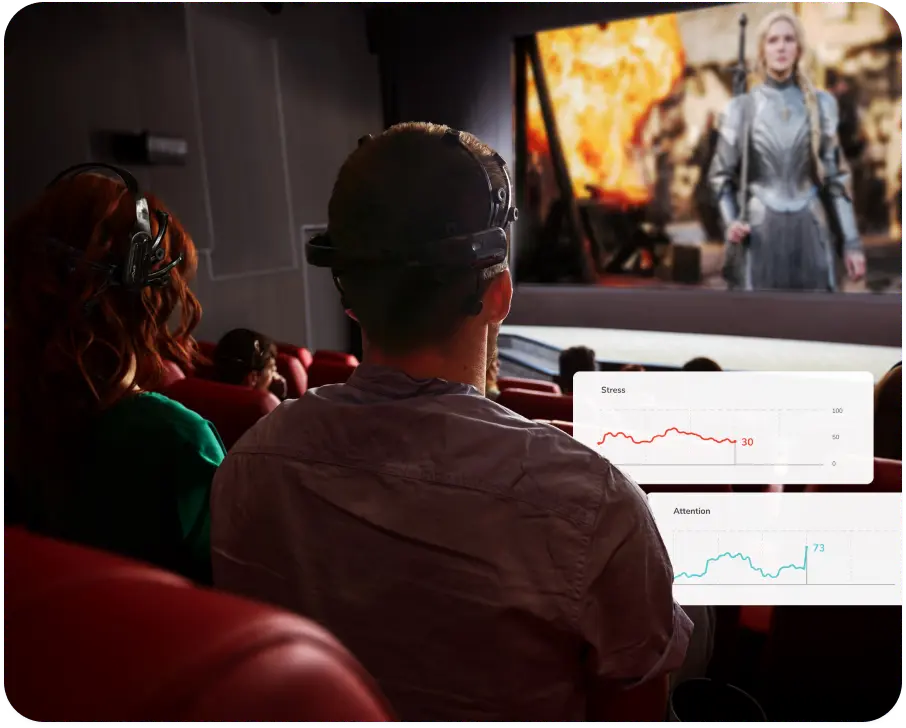
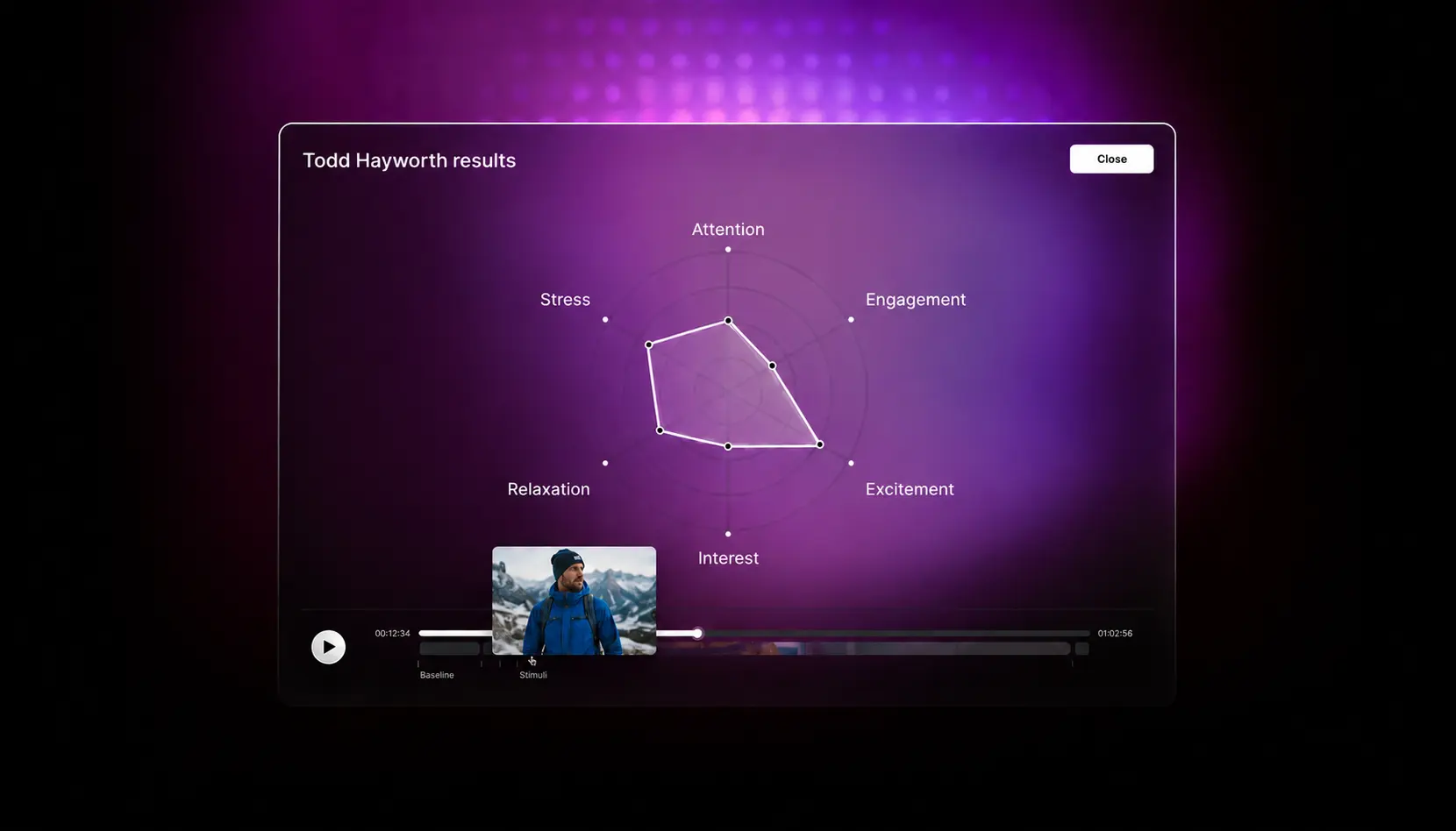
We’ve all had days where focus comes easily and others where it feels impossible to grasp. EEG earbuds can help you understand why. By sensing the brain activity associated with concentration, these devices can give you real-time feedback on your focus levels. Imagine being able to see when you’re in a state of deep work and when your attention starts to drift. Some earbuds on the market are specifically designed to sense your focus and stress levels. This insight allows you to adjust your environment or take a break when you need it most, helping you work smarter. It’s a powerful way to support your productivity goals with personal, data-driven feedback.
Explore Your Sleep Patterns
Quality sleep is essential, but it can be hard to know if you’re truly getting the rest you need. While many wearables estimate sleep stages, EEG is the gold standard for measuring brain activity during sleep. EEG earbuds make this technology more accessible, allowing you to explore your sleep patterns from the comfort of your own bed. By analyzing your brainwaves overnight, these devices can provide a detailed picture of your sleep cycles, including how much time you spend in light, deep, and REM sleep. This information can help you connect your daily activities—like exercise or caffeine intake—to your sleep quality, empowering you to make changes that lead to more restorative nights.
Manage Stress and Find Relaxation
Learning to manage stress is a personal journey, and what works for one person might not work for another. EEG earbuds can offer objective feedback on which relaxation techniques are most effective for you. Your brain produces different types of brainwaves, and some, like alpha waves, are strongly associated with calm, relaxed states. EEG earbuds can detect these signals, showing you in real-time how your brain responds to activities like deep breathing or meditation. Using an application like the Emotiv App, you can see the direct impact of your efforts, helping you build a personalized and effective routine for finding your calm.
A Guide to the Top EEG Earbud Brands
As EEG technology becomes more accessible, it’s popping up in some pretty unexpected and convenient form factors. Earbuds are a perfect example, blending everyday tech with powerful brain-sensing capabilities. If you're curious about what's out there, let's walk through some of the leading options and what makes each of them unique.
Emotiv MN8: 2-Channel EEG Earbuds
The Emotiv MN8 combines the functionality of everyday earbuds with sophisticated brain-sensing technology. Think of them as your regular go-to for music and calls, but with the added ability to measure your brain activity (EEG) in the background. This design gives you a simple way to get real-time insights into your mental states. You can start to understand what activities or environments affect your focus, stress, or relaxation. While they are designed for personal wellness, the MN8 earbuds are also compatible with our EmotivPRO software, making them a versatile tool for researchers and educators who need a discreet way to collect data.
Comparing Other EEG Earbuds
Beyond Emotiv, other innovators are exploring what’s possible with in-ear EEG. For example, NextSense has developed earbuds designed to work with your brain’s natural rhythms to support sleep. Their approach is to create a device that helps you understand and work with your sleep patterns. Another company, Niura, has created alpha earbuds that provide feedback on alertness. This technology is particularly useful in high-stakes professions where drowsiness can be a risk, offering a way to help people stay aware of their fatigue levels while on the job. Each of these devices showcases a different application for in-ear EEG, from sleep to workplace safety.
A Head-to-Head Feature Comparison
When you look at different EEG earbuds, you’ll notice they focus on detecting specific brain activity patterns. A common feature is the ability to identify "alpha waves," which are brain signals that often increase as you start to feel drowsy. For certain applications, like analyzing sleep, the technology in these devices is becoming quite accurate and can yield data comparable to some lab equipment. Most earbuds come with companion apps that help you interpret the data, providing insights into your cognitive workload or attention levels. The best part is that many of these devices are designed for ease of use, so you don’t need a technical background to get started.
What to Know Before You Buy EEG Earbuds
Okay, you’re excited about the possibilities of EEG earbuds, but jumping into a new category of tech can feel a little daunting. What should you actually look for? It’s not just about sound quality or battery life. Getting the right device means understanding a few key details about the technology, how it works with software, and what it can (and can’t) do. Think of this as your pre-purchase checklist to make sure you find the perfect fit for your goals, whether you’re conducting research or exploring your own cognitive patterns. Let's walk through the most important things to consider.
Key Tech Specs to Look For
When you’re comparing EEG earbuds, the technical specifications are where the real differences lie. Unlike traditional scalp EEG devices that can be complex to set up, one of the biggest advantages of in-ear EEG is its simplicity—you can just pop them in your ears. Look for the number of EEG channels (sensors); more channels can capture data from more areas of the brain, which is important for detailed research. Also, consider the sampling rate, which tells you how many times per second the device records data. A higher sampling rate means more granular data, which is great for capturing fast-changing brain activity.
Check for Software and Device Compatibility
The most advanced hardware is useless without great software to interpret the data. Before you buy, make sure the earbuds are compatible with your smartphone or computer. Then, explore the companion software. Does it offer raw data export for your own analysis, or is it more focused on guided experiences? Our Emotiv App provides accessible tools for everyday use, while EmotivPRO is designed for in-depth scientific analysis. Some earbuds can also record other body signals like heartbeats and eye movements, which can provide a more complete picture of your physiological state when combined with brain data.
Debunking Common Myths and Misconceptions
Let’s clear up a few things you might have heard about EEG. First and foremost, EEG devices cannot read your thoughts. It’s a common sci-fi trope, but the reality is that while EEG can measure the electrical activity associated with different mental states—like focus or relaxation—it can't interpret your specific thoughts or feelings. Another point to understand is that the electrical signals detected by earbuds are naturally smaller than those from a full-coverage scalp EEG. This is a simple trade-off for the incredible convenience and portability that earbuds offer, and for many applications, the data is more than sufficient.
Your Health and Data Privacy Questions, Answered
It’s completely normal to have questions about health and privacy when it comes to a device that interacts with your brain data. On the health front, EEG technology is passive and safe; it only listens to the tiny electrical signals your brain naturally produces—it doesn’t send any signals into your brain. When it comes to your data, privacy should be a top priority for any brand you consider. Reputable companies will be transparent about their data policies. Your data should be encrypted, stored securely, and you should always have control over it, including the ability to delete it. We provide extensive resources for developers to ensure data is handled responsibly.
How Much Do EEG Earbuds Cost?
When you’re ready to explore the world of brain-computer interfaces, one of the first questions you’ll likely have is about cost. The price of EEG earbuds can vary quite a bit, so it helps to understand what you’re getting for your investment. It’s not just about the hardware; it’s also about the software, data access, and overall performance that come with it. Let’s break down the pricing, performance, and what people are saying about the accuracy of these devices.
A Look at Pricing Across Brands
The price for EEG earbuds depends on the brand, features, and what’s included in the package. For example, our MN8 earbuds are available for $399. This isn’t just for the device itself; it’s a full starter kit that comes with access to our apps, a developer kit for those who want to build their own applications, and a credit toward future purchases. Other options on the market, like the NextSense Smartbuds, are positioned as premium products designed to help you explore your sleep patterns, though you’ll often find pricing isn’t listed upfront. When comparing, always look at the complete offering to see the full value.
Balancing Performance and Price
A higher price tag doesn’t always mean a better fit for your needs. It’s all about finding the right balance between cost and the features that matter to you. When you’re looking at different earbuds, consider practical performance specs. For instance, the MN8 offers up to six hours of use on a single charge and connects wirelessly via Bluetooth, making it convenient for daily use. The setup is also incredibly fast—you can get started in less than a minute. These are the kinds of details that make a real difference in your experience and are important factors to weigh against the cost.
What Users Say About Accuracy
Of course, none of the features matter if the device isn’t accurate. The good news is that the technology behind EEG earbuds has been validated by scientific research. Some studies have shown that the electrical signals captured by earbuds are comparable to those from traditional EEG systems for certain applications. Users have found them effective for detecting signs of drowsiness and fatigue, which has exciting implications for personal safety and productivity. Research has also demonstrated that this technology can effectively analyze sleep data, giving you a clearer picture of your night without needing expensive lab equipment.
How to Choose the Right EEG Earbuds for You
Finding the right EEG earbuds feels a lot like finding the perfect pair of running shoes. The best ones aren't necessarily the most expensive or the ones with the most features; they're the ones that fit your specific needs. Before you make a decision, it’s helpful to think about what you want to achieve. Are you a researcher conducting a study, a developer building a new application, or someone curious about their own cognitive patterns? Answering that question is the first step. From there, we can look at a few key features—like sensor count, comfort, and battery life—to find the device that will support your goals and fit seamlessly into your life. Let’s walk through what really matters when you’re making your choice.
Define Your Primary Goal
First things first: what do you hope to do with your EEG earbuds? Your primary goal is the single most important factor in your decision. For example, EEG headsets are invaluable tools in academic research, allowing scientists to study brain dynamics in real time. If this is your field, you’ll likely need a device that provides granular, high-quality data. On the other hand, if you’re a developer creating a hands-free application, your focus might be on reliable command detection and a solid software development kit. Or perhaps you’re interested in personal use, looking for ways to access cognitive wellness tools to understand your focus or relaxation. Knowing your "why" will help you filter out the noise and zero in on the features that will actually serve you.
Understand Electrodes and Sampling Rates
Once you know your goal, it’s time to look at some of the tech specs. Two of the most important are the number of electrodes and the sampling rate. Think of electrodes as the sensors that pick up your brain's electrical activity. A device like our MN8 earbuds has two channels, which is great for everyday applications and getting a general sense of your cognitive states. For more detailed spatial analysis, like in some research scenarios, you might need a headset with more electrodes.
The sampling rate tells you how many times per second the device records data. A higher sampling rate captures a more detailed picture of your brain activity, which is crucial for seeing fast-changing patterns. It’s like the difference between a standard video and a slow-motion one—the slow-motion camera captures more frames per second, revealing details you’d otherwise miss.
Consider Comfort, Battery Life, and Connectivity
Technical specifications are important, but so are the practical details that affect your day-to-day experience. If a device isn't comfortable, you simply won't use it. Look for earbuds with an ergonomic design that you can wear for extended periods without irritation. Our MN8 earbuds, for instance, are designed to be used every day and fit a wide range of people comfortably.
Battery life is another key consideration. The MN8 offers up to six hours on a single charge, which is perfect for a full day of work or several shorter sessions. Think about how long you plan to use the device in one sitting. Finally, consider connectivity and software. How easily do the earbuds connect to your devices? Is the companion app intuitive? A seamless connection to software like the Emotiv App makes it easy to see and understand your data right away.
Getting Started With Your New EEG Earbuds
So, you’ve got your new EEG earbuds—that’s exciting! Getting started is much simpler than you might think. Unlike traditional scalp EEG devices that can be tricky to set up, in-ear EEG is designed for ease and convenience. You can simply pop them in and get going on your own. The next few steps will walk you through setting up your device, connecting to our software, and a few pro tips to help you get the most out of every session. Let’s get you up and running so you can start exploring your brain activity.
Set Up and Calibrate Your Device
First things first, make sure your earbuds are fully charged. Once they’re ready, place them in your ears, ensuring a snug but comfortable fit. A good fit is key because it allows the sensors to make proper contact with your skin, which is essential for gathering clear data. One of the best things about in-ear EEG is its simplicity; there’s no need for messy gels or complicated headgear. Once the earbuds are in place and powered on, the calibration process is typically handled automatically by the companion app. It will check the signal quality from each sensor and let you know if you need to adjust the fit.
Connect to Software and Interpret Your Data
With your earbuds in, it’s time to connect to the software. Open the Emotiv App on your smartphone or computer and pair your device using Bluetooth. In just a moment, you’ll see your brain activity visualized on the screen. You don’t need to be a neuroscientist to make sense of it! Our software translates the complex electrical signals from your brain into accessible metrics related to states like focus or calm. Research has even shown that earbuds can provide data related to drowsiness with an accuracy comparable to larger, more complex systems. This means you can trust the data you’re seeing to get a meaningful glimpse into your cognitive patterns.
Tips for Getting the Best Results
To get the clearest data, try to find a quiet space and sit still for your first few sessions. This helps establish a clean baseline. Simple things like clenching your jaw, blinking excessively, or moving your head can create noise in the data, so just try to relax. Also, avoid wearing anything over your head, like large headphones, that could interfere with the device. While your EEG earbuds are great for personal use, if you’re a developer using them for precise, time-stamped experiments, be aware that standard Bluetooth can have a slight delay. For everyday applications, this isn't an issue, but it's a good technical tip to keep in mind for advanced projects.
Related Articles
Frequently Asked Questions
Can EEG earbuds actually read my thoughts? That’s a great question and a common misconception from science fiction. The simple answer is no, EEG technology cannot read your thoughts. It measures the broad electrical patterns your brain produces, which are associated with general mental states like focus, relaxation, or drowsiness. Think of it like listening to the overall hum of a city, not eavesdropping on a specific conversation. It gives you insights into your cognitive state, not the content of your mind.
Are these devices safe to use every day? Absolutely. EEG technology is completely passive, which means it only listens to the faint electrical signals your brain naturally produces. The earbuds don't send any signals into your brain. They function much like a heart rate sensor, but for your brain's activity. You can confidently integrate them into your daily routine just as you would any other wearable device.
How is the data from an earbud different from a multi-channel EEG headset? The main difference comes down to detail and application. Our MN8 earbuds use two sensors to give you a great overall picture of your cognitive state, which is perfect for personal wellness applications or development projects. A multi-channel headset, like our Epoc X, uses many more sensors spread across the scalp. This provides a more detailed, high-resolution map of brain activity, which is essential for in-depth academic research that requires precise spatial information.
Do I need a technical background to use EEG earbuds and understand the data? Not at all. While the technology is advanced, we’ve designed the user experience to be straightforward and intuitive. Our software, like the Emotiv App, translates the complex brain data into simple, easy-to-understand visualizations and metrics. You can see your focus or relaxation levels in real-time without needing any background in neuroscience. We handle the complex analysis so you can focus on the insights.
Can I use the MN8 for music and calls like regular earbuds? Yes, that’s exactly what makes them so convenient. The MN8 earbuds are designed to function as your everyday audio device for listening to music, podcasts, or taking calls. The EEG sensors work seamlessly in the background, allowing you to gather data on your brain activity without interrupting your daily routine. It’s about integrating this technology into your life in a practical and effortless way.
We use technology to get data on nearly every aspect of our lives, from our heart rate during a workout to the quality of our sleep. But what about understanding our mental states, like focus, stress, or relaxation? Getting objective feedback on what’s happening inside our heads has always been more difficult. That’s where a new category of wearable technology comes in. By placing sensors inside a familiar earbud design, it’s now possible to get a real-time glimpse into your brain’s electrical activity. These eeg monitoring earbuds offer a seamless way to gather personal cognitive data, helping you connect your daily habits to your mental patterns. In this article, I’ll explain the science, explore the practical applications, and compare the top devices on the market.
Key Takeaways
EEG Technology is Now an Everyday Tool: EEG earbuds transform complex brain-sensing technology into a simple, discreet device you can wear anywhere, making it easy for anyone to access and understand their own brain activity without needing a lab.
Use Brain Data to Inform Your Routine: By translating your brainwave patterns into understandable data, EEG earbuds provide access to tools that help you explore personal metrics related to focus, relaxation, and sleep.
Your Goal Determines the Right Device: The best EEG earbuds for you depend entirely on what you want to achieve. Define your primary purpose—whether for research, development, or personal use—and then compare key features like sensor count, software compatibility, and comfort to make an informed choice.
What Are EEG Earbuds and How Do They Work?
If you've ever pictured an EEG device, you probably imagine a cap covered in wires, something straight out of a science lab. While that's one way to do it, technology has come a long way. EEG earbuds are a discreet and user-friendly alternative that places powerful sensors inside a device you already wear every day. Instead of a bulky headset, you get a comfortable pair of earbuds that can give you a window into your brain's electrical activity.
The core idea is the same as traditional EEG: measure the tiny electrical signals your brain produces as neurons communicate. But by packaging this technology into an earbud, we make it more practical for everyday use. This is useful whether you're a researcher collecting data in a real-world setting, a developer building a new brain-computer interface, or just someone curious about their own cognitive patterns. It’s about making brain-wearable technology accessible to everyone, not just specialists in a lab.
Understanding the Science of EEG
At its heart, electroencephalography (EEG) is a method for listening in on your brain's electrical conversations. Your brain is constantly buzzing with activity as billions of neurons fire and communicate with each other. This activity generates faint electrical signals that can be detected from outside the skull. An EEG headset device uses small metal sensors, called electrodes, to pick up these signals. Different patterns of brain activity are associated with different mental states, like deep focus, relaxation, or drowsiness. By interpreting these patterns, we can get valuable insights into what's happening in the brain at any given moment.
How Earbuds Read Brain Signals
So, how do you get a clear signal from inside the ear? It’s a clever approach that prioritizes convenience and ease of use. Unlike traditional scalp EEG, which requires careful placement of electrodes across the head, in-ear EEG devices can be put on as easily as any other pair of earbuds. The electrodes are built directly into the earbud tips, where they make contact with the skin inside the ear canal. While the electrical signals detected from the ear are naturally smaller than those picked up from the scalp, advanced sensors and signal processing make it possible to capture high-quality data. This design makes it simple for anyone to start gathering brain data without needing an assistant or specialized training.
Processing Your Data in Real-Time
Once the electrodes in the earbuds collect the brain's faint signals, the real magic begins. The raw signals are immediately amplified, converted into digital data, and sent wirelessly to a connected device like your computer or smartphone. This is where software takes over. Applications like our Emotiv App or the more advanced EmotivPRO platform receive this data stream in real-time, allowing you to see and understand your brain activity as it happens. This instant feedback loop is what makes EEG earbuds so powerful for everything from performance training to interactive technology development, turning abstract brain signals into actionable, easy-to-understand insights.
What Can You Do With EEG Earbuds?
EEG earbuds are more than just a new type of wearable; they’re a practical tool for understanding what’s happening inside your head. By translating your brain's electrical activity into accessible data, these devices open up a range of applications for everyday life. Whether you want to get a clearer picture of your focus during the workday, see how well you’re resting at night, or find more effective ways to relax,
Access Cognitive Wellness Tools
Think of EEG earbuds as a key that provides access to cognitive wellness tools. Devices like our MN8 earbuds are designed to measure your brain activity while you listen to music or take calls, seamlessly integrating into your daily routine. This technology gives you a direct look at your brainwave patterns, offering objective data about your mental state. You can use this information with various applications to explore mindfulness exercises, see the effects of a meditation session, or simply get a baseline understanding of your brain's activity throughout the day. It’s about giving you the information you need to build self-awareness and explore your own cognitive landscape.
Sharpen Your Focus and Productivity
We’ve all had days where focus comes easily and others where it feels impossible to grasp. EEG earbuds can help you understand why. By sensing the brain activity associated with concentration, these devices can give you real-time feedback on your focus levels. Imagine being able to see when you’re in a state of deep work and when your attention starts to drift. Some earbuds on the market are specifically designed to sense your focus and stress levels. This insight allows you to adjust your environment or take a break when you need it most, helping you work smarter. It’s a powerful way to support your productivity goals with personal, data-driven feedback.
Explore Your Sleep Patterns
Quality sleep is essential, but it can be hard to know if you’re truly getting the rest you need. While many wearables estimate sleep stages, EEG is the gold standard for measuring brain activity during sleep. EEG earbuds make this technology more accessible, allowing you to explore your sleep patterns from the comfort of your own bed. By analyzing your brainwaves overnight, these devices can provide a detailed picture of your sleep cycles, including how much time you spend in light, deep, and REM sleep. This information can help you connect your daily activities—like exercise or caffeine intake—to your sleep quality, empowering you to make changes that lead to more restorative nights.
Manage Stress and Find Relaxation
Learning to manage stress is a personal journey, and what works for one person might not work for another. EEG earbuds can offer objective feedback on which relaxation techniques are most effective for you. Your brain produces different types of brainwaves, and some, like alpha waves, are strongly associated with calm, relaxed states. EEG earbuds can detect these signals, showing you in real-time how your brain responds to activities like deep breathing or meditation. Using an application like the Emotiv App, you can see the direct impact of your efforts, helping you build a personalized and effective routine for finding your calm.
A Guide to the Top EEG Earbud Brands
As EEG technology becomes more accessible, it’s popping up in some pretty unexpected and convenient form factors. Earbuds are a perfect example, blending everyday tech with powerful brain-sensing capabilities. If you're curious about what's out there, let's walk through some of the leading options and what makes each of them unique.
Emotiv MN8: 2-Channel EEG Earbuds
The Emotiv MN8 combines the functionality of everyday earbuds with sophisticated brain-sensing technology. Think of them as your regular go-to for music and calls, but with the added ability to measure your brain activity (EEG) in the background. This design gives you a simple way to get real-time insights into your mental states. You can start to understand what activities or environments affect your focus, stress, or relaxation. While they are designed for personal wellness, the MN8 earbuds are also compatible with our EmotivPRO software, making them a versatile tool for researchers and educators who need a discreet way to collect data.
Comparing Other EEG Earbuds
Beyond Emotiv, other innovators are exploring what’s possible with in-ear EEG. For example, NextSense has developed earbuds designed to work with your brain’s natural rhythms to support sleep. Their approach is to create a device that helps you understand and work with your sleep patterns. Another company, Niura, has created alpha earbuds that provide feedback on alertness. This technology is particularly useful in high-stakes professions where drowsiness can be a risk, offering a way to help people stay aware of their fatigue levels while on the job. Each of these devices showcases a different application for in-ear EEG, from sleep to workplace safety.
A Head-to-Head Feature Comparison
When you look at different EEG earbuds, you’ll notice they focus on detecting specific brain activity patterns. A common feature is the ability to identify "alpha waves," which are brain signals that often increase as you start to feel drowsy. For certain applications, like analyzing sleep, the technology in these devices is becoming quite accurate and can yield data comparable to some lab equipment. Most earbuds come with companion apps that help you interpret the data, providing insights into your cognitive workload or attention levels. The best part is that many of these devices are designed for ease of use, so you don’t need a technical background to get started.
What to Know Before You Buy EEG Earbuds
Okay, you’re excited about the possibilities of EEG earbuds, but jumping into a new category of tech can feel a little daunting. What should you actually look for? It’s not just about sound quality or battery life. Getting the right device means understanding a few key details about the technology, how it works with software, and what it can (and can’t) do. Think of this as your pre-purchase checklist to make sure you find the perfect fit for your goals, whether you’re conducting research or exploring your own cognitive patterns. Let's walk through the most important things to consider.
Key Tech Specs to Look For
When you’re comparing EEG earbuds, the technical specifications are where the real differences lie. Unlike traditional scalp EEG devices that can be complex to set up, one of the biggest advantages of in-ear EEG is its simplicity—you can just pop them in your ears. Look for the number of EEG channels (sensors); more channels can capture data from more areas of the brain, which is important for detailed research. Also, consider the sampling rate, which tells you how many times per second the device records data. A higher sampling rate means more granular data, which is great for capturing fast-changing brain activity.
Check for Software and Device Compatibility
The most advanced hardware is useless without great software to interpret the data. Before you buy, make sure the earbuds are compatible with your smartphone or computer. Then, explore the companion software. Does it offer raw data export for your own analysis, or is it more focused on guided experiences? Our Emotiv App provides accessible tools for everyday use, while EmotivPRO is designed for in-depth scientific analysis. Some earbuds can also record other body signals like heartbeats and eye movements, which can provide a more complete picture of your physiological state when combined with brain data.
Debunking Common Myths and Misconceptions
Let’s clear up a few things you might have heard about EEG. First and foremost, EEG devices cannot read your thoughts. It’s a common sci-fi trope, but the reality is that while EEG can measure the electrical activity associated with different mental states—like focus or relaxation—it can't interpret your specific thoughts or feelings. Another point to understand is that the electrical signals detected by earbuds are naturally smaller than those from a full-coverage scalp EEG. This is a simple trade-off for the incredible convenience and portability that earbuds offer, and for many applications, the data is more than sufficient.
Your Health and Data Privacy Questions, Answered
It’s completely normal to have questions about health and privacy when it comes to a device that interacts with your brain data. On the health front, EEG technology is passive and safe; it only listens to the tiny electrical signals your brain naturally produces—it doesn’t send any signals into your brain. When it comes to your data, privacy should be a top priority for any brand you consider. Reputable companies will be transparent about their data policies. Your data should be encrypted, stored securely, and you should always have control over it, including the ability to delete it. We provide extensive resources for developers to ensure data is handled responsibly.
How Much Do EEG Earbuds Cost?
When you’re ready to explore the world of brain-computer interfaces, one of the first questions you’ll likely have is about cost. The price of EEG earbuds can vary quite a bit, so it helps to understand what you’re getting for your investment. It’s not just about the hardware; it’s also about the software, data access, and overall performance that come with it. Let’s break down the pricing, performance, and what people are saying about the accuracy of these devices.
A Look at Pricing Across Brands
The price for EEG earbuds depends on the brand, features, and what’s included in the package. For example, our MN8 earbuds are available for $399. This isn’t just for the device itself; it’s a full starter kit that comes with access to our apps, a developer kit for those who want to build their own applications, and a credit toward future purchases. Other options on the market, like the NextSense Smartbuds, are positioned as premium products designed to help you explore your sleep patterns, though you’ll often find pricing isn’t listed upfront. When comparing, always look at the complete offering to see the full value.
Balancing Performance and Price
A higher price tag doesn’t always mean a better fit for your needs. It’s all about finding the right balance between cost and the features that matter to you. When you’re looking at different earbuds, consider practical performance specs. For instance, the MN8 offers up to six hours of use on a single charge and connects wirelessly via Bluetooth, making it convenient for daily use. The setup is also incredibly fast—you can get started in less than a minute. These are the kinds of details that make a real difference in your experience and are important factors to weigh against the cost.
What Users Say About Accuracy
Of course, none of the features matter if the device isn’t accurate. The good news is that the technology behind EEG earbuds has been validated by scientific research. Some studies have shown that the electrical signals captured by earbuds are comparable to those from traditional EEG systems for certain applications. Users have found them effective for detecting signs of drowsiness and fatigue, which has exciting implications for personal safety and productivity. Research has also demonstrated that this technology can effectively analyze sleep data, giving you a clearer picture of your night without needing expensive lab equipment.
How to Choose the Right EEG Earbuds for You
Finding the right EEG earbuds feels a lot like finding the perfect pair of running shoes. The best ones aren't necessarily the most expensive or the ones with the most features; they're the ones that fit your specific needs. Before you make a decision, it’s helpful to think about what you want to achieve. Are you a researcher conducting a study, a developer building a new application, or someone curious about their own cognitive patterns? Answering that question is the first step. From there, we can look at a few key features—like sensor count, comfort, and battery life—to find the device that will support your goals and fit seamlessly into your life. Let’s walk through what really matters when you’re making your choice.
Define Your Primary Goal
First things first: what do you hope to do with your EEG earbuds? Your primary goal is the single most important factor in your decision. For example, EEG headsets are invaluable tools in academic research, allowing scientists to study brain dynamics in real time. If this is your field, you’ll likely need a device that provides granular, high-quality data. On the other hand, if you’re a developer creating a hands-free application, your focus might be on reliable command detection and a solid software development kit. Or perhaps you’re interested in personal use, looking for ways to access cognitive wellness tools to understand your focus or relaxation. Knowing your "why" will help you filter out the noise and zero in on the features that will actually serve you.
Understand Electrodes and Sampling Rates
Once you know your goal, it’s time to look at some of the tech specs. Two of the most important are the number of electrodes and the sampling rate. Think of electrodes as the sensors that pick up your brain's electrical activity. A device like our MN8 earbuds has two channels, which is great for everyday applications and getting a general sense of your cognitive states. For more detailed spatial analysis, like in some research scenarios, you might need a headset with more electrodes.
The sampling rate tells you how many times per second the device records data. A higher sampling rate captures a more detailed picture of your brain activity, which is crucial for seeing fast-changing patterns. It’s like the difference between a standard video and a slow-motion one—the slow-motion camera captures more frames per second, revealing details you’d otherwise miss.
Consider Comfort, Battery Life, and Connectivity
Technical specifications are important, but so are the practical details that affect your day-to-day experience. If a device isn't comfortable, you simply won't use it. Look for earbuds with an ergonomic design that you can wear for extended periods without irritation. Our MN8 earbuds, for instance, are designed to be used every day and fit a wide range of people comfortably.
Battery life is another key consideration. The MN8 offers up to six hours on a single charge, which is perfect for a full day of work or several shorter sessions. Think about how long you plan to use the device in one sitting. Finally, consider connectivity and software. How easily do the earbuds connect to your devices? Is the companion app intuitive? A seamless connection to software like the Emotiv App makes it easy to see and understand your data right away.
Getting Started With Your New EEG Earbuds
So, you’ve got your new EEG earbuds—that’s exciting! Getting started is much simpler than you might think. Unlike traditional scalp EEG devices that can be tricky to set up, in-ear EEG is designed for ease and convenience. You can simply pop them in and get going on your own. The next few steps will walk you through setting up your device, connecting to our software, and a few pro tips to help you get the most out of every session. Let’s get you up and running so you can start exploring your brain activity.
Set Up and Calibrate Your Device
First things first, make sure your earbuds are fully charged. Once they’re ready, place them in your ears, ensuring a snug but comfortable fit. A good fit is key because it allows the sensors to make proper contact with your skin, which is essential for gathering clear data. One of the best things about in-ear EEG is its simplicity; there’s no need for messy gels or complicated headgear. Once the earbuds are in place and powered on, the calibration process is typically handled automatically by the companion app. It will check the signal quality from each sensor and let you know if you need to adjust the fit.
Connect to Software and Interpret Your Data
With your earbuds in, it’s time to connect to the software. Open the Emotiv App on your smartphone or computer and pair your device using Bluetooth. In just a moment, you’ll see your brain activity visualized on the screen. You don’t need to be a neuroscientist to make sense of it! Our software translates the complex electrical signals from your brain into accessible metrics related to states like focus or calm. Research has even shown that earbuds can provide data related to drowsiness with an accuracy comparable to larger, more complex systems. This means you can trust the data you’re seeing to get a meaningful glimpse into your cognitive patterns.
Tips for Getting the Best Results
To get the clearest data, try to find a quiet space and sit still for your first few sessions. This helps establish a clean baseline. Simple things like clenching your jaw, blinking excessively, or moving your head can create noise in the data, so just try to relax. Also, avoid wearing anything over your head, like large headphones, that could interfere with the device. While your EEG earbuds are great for personal use, if you’re a developer using them for precise, time-stamped experiments, be aware that standard Bluetooth can have a slight delay. For everyday applications, this isn't an issue, but it's a good technical tip to keep in mind for advanced projects.
Related Articles
Frequently Asked Questions
Can EEG earbuds actually read my thoughts? That’s a great question and a common misconception from science fiction. The simple answer is no, EEG technology cannot read your thoughts. It measures the broad electrical patterns your brain produces, which are associated with general mental states like focus, relaxation, or drowsiness. Think of it like listening to the overall hum of a city, not eavesdropping on a specific conversation. It gives you insights into your cognitive state, not the content of your mind.
Are these devices safe to use every day? Absolutely. EEG technology is completely passive, which means it only listens to the faint electrical signals your brain naturally produces. The earbuds don't send any signals into your brain. They function much like a heart rate sensor, but for your brain's activity. You can confidently integrate them into your daily routine just as you would any other wearable device.
How is the data from an earbud different from a multi-channel EEG headset? The main difference comes down to detail and application. Our MN8 earbuds use two sensors to give you a great overall picture of your cognitive state, which is perfect for personal wellness applications or development projects. A multi-channel headset, like our Epoc X, uses many more sensors spread across the scalp. This provides a more detailed, high-resolution map of brain activity, which is essential for in-depth academic research that requires precise spatial information.
Do I need a technical background to use EEG earbuds and understand the data? Not at all. While the technology is advanced, we’ve designed the user experience to be straightforward and intuitive. Our software, like the Emotiv App, translates the complex brain data into simple, easy-to-understand visualizations and metrics. You can see your focus or relaxation levels in real-time without needing any background in neuroscience. We handle the complex analysis so you can focus on the insights.
Can I use the MN8 for music and calls like regular earbuds? Yes, that’s exactly what makes them so convenient. The MN8 earbuds are designed to function as your everyday audio device for listening to music, podcasts, or taking calls. The EEG sensors work seamlessly in the background, allowing you to gather data on your brain activity without interrupting your daily routine. It’s about integrating this technology into your life in a practical and effortless way.
We use technology to get data on nearly every aspect of our lives, from our heart rate during a workout to the quality of our sleep. But what about understanding our mental states, like focus, stress, or relaxation? Getting objective feedback on what’s happening inside our heads has always been more difficult. That’s where a new category of wearable technology comes in. By placing sensors inside a familiar earbud design, it’s now possible to get a real-time glimpse into your brain’s electrical activity. These eeg monitoring earbuds offer a seamless way to gather personal cognitive data, helping you connect your daily habits to your mental patterns. In this article, I’ll explain the science, explore the practical applications, and compare the top devices on the market.
Key Takeaways
EEG Technology is Now an Everyday Tool: EEG earbuds transform complex brain-sensing technology into a simple, discreet device you can wear anywhere, making it easy for anyone to access and understand their own brain activity without needing a lab.
Use Brain Data to Inform Your Routine: By translating your brainwave patterns into understandable data, EEG earbuds provide access to tools that help you explore personal metrics related to focus, relaxation, and sleep.
Your Goal Determines the Right Device: The best EEG earbuds for you depend entirely on what you want to achieve. Define your primary purpose—whether for research, development, or personal use—and then compare key features like sensor count, software compatibility, and comfort to make an informed choice.
What Are EEG Earbuds and How Do They Work?
If you've ever pictured an EEG device, you probably imagine a cap covered in wires, something straight out of a science lab. While that's one way to do it, technology has come a long way. EEG earbuds are a discreet and user-friendly alternative that places powerful sensors inside a device you already wear every day. Instead of a bulky headset, you get a comfortable pair of earbuds that can give you a window into your brain's electrical activity.
The core idea is the same as traditional EEG: measure the tiny electrical signals your brain produces as neurons communicate. But by packaging this technology into an earbud, we make it more practical for everyday use. This is useful whether you're a researcher collecting data in a real-world setting, a developer building a new brain-computer interface, or just someone curious about their own cognitive patterns. It’s about making brain-wearable technology accessible to everyone, not just specialists in a lab.
Understanding the Science of EEG
At its heart, electroencephalography (EEG) is a method for listening in on your brain's electrical conversations. Your brain is constantly buzzing with activity as billions of neurons fire and communicate with each other. This activity generates faint electrical signals that can be detected from outside the skull. An EEG headset device uses small metal sensors, called electrodes, to pick up these signals. Different patterns of brain activity are associated with different mental states, like deep focus, relaxation, or drowsiness. By interpreting these patterns, we can get valuable insights into what's happening in the brain at any given moment.
How Earbuds Read Brain Signals
So, how do you get a clear signal from inside the ear? It’s a clever approach that prioritizes convenience and ease of use. Unlike traditional scalp EEG, which requires careful placement of electrodes across the head, in-ear EEG devices can be put on as easily as any other pair of earbuds. The electrodes are built directly into the earbud tips, where they make contact with the skin inside the ear canal. While the electrical signals detected from the ear are naturally smaller than those picked up from the scalp, advanced sensors and signal processing make it possible to capture high-quality data. This design makes it simple for anyone to start gathering brain data without needing an assistant or specialized training.
Processing Your Data in Real-Time
Once the electrodes in the earbuds collect the brain's faint signals, the real magic begins. The raw signals are immediately amplified, converted into digital data, and sent wirelessly to a connected device like your computer or smartphone. This is where software takes over. Applications like our Emotiv App or the more advanced EmotivPRO platform receive this data stream in real-time, allowing you to see and understand your brain activity as it happens. This instant feedback loop is what makes EEG earbuds so powerful for everything from performance training to interactive technology development, turning abstract brain signals into actionable, easy-to-understand insights.
What Can You Do With EEG Earbuds?
EEG earbuds are more than just a new type of wearable; they’re a practical tool for understanding what’s happening inside your head. By translating your brain's electrical activity into accessible data, these devices open up a range of applications for everyday life. Whether you want to get a clearer picture of your focus during the workday, see how well you’re resting at night, or find more effective ways to relax,
Access Cognitive Wellness Tools
Think of EEG earbuds as a key that provides access to cognitive wellness tools. Devices like our MN8 earbuds are designed to measure your brain activity while you listen to music or take calls, seamlessly integrating into your daily routine. This technology gives you a direct look at your brainwave patterns, offering objective data about your mental state. You can use this information with various applications to explore mindfulness exercises, see the effects of a meditation session, or simply get a baseline understanding of your brain's activity throughout the day. It’s about giving you the information you need to build self-awareness and explore your own cognitive landscape.
Sharpen Your Focus and Productivity
We’ve all had days where focus comes easily and others where it feels impossible to grasp. EEG earbuds can help you understand why. By sensing the brain activity associated with concentration, these devices can give you real-time feedback on your focus levels. Imagine being able to see when you’re in a state of deep work and when your attention starts to drift. Some earbuds on the market are specifically designed to sense your focus and stress levels. This insight allows you to adjust your environment or take a break when you need it most, helping you work smarter. It’s a powerful way to support your productivity goals with personal, data-driven feedback.
Explore Your Sleep Patterns
Quality sleep is essential, but it can be hard to know if you’re truly getting the rest you need. While many wearables estimate sleep stages, EEG is the gold standard for measuring brain activity during sleep. EEG earbuds make this technology more accessible, allowing you to explore your sleep patterns from the comfort of your own bed. By analyzing your brainwaves overnight, these devices can provide a detailed picture of your sleep cycles, including how much time you spend in light, deep, and REM sleep. This information can help you connect your daily activities—like exercise or caffeine intake—to your sleep quality, empowering you to make changes that lead to more restorative nights.
Manage Stress and Find Relaxation
Learning to manage stress is a personal journey, and what works for one person might not work for another. EEG earbuds can offer objective feedback on which relaxation techniques are most effective for you. Your brain produces different types of brainwaves, and some, like alpha waves, are strongly associated with calm, relaxed states. EEG earbuds can detect these signals, showing you in real-time how your brain responds to activities like deep breathing or meditation. Using an application like the Emotiv App, you can see the direct impact of your efforts, helping you build a personalized and effective routine for finding your calm.
A Guide to the Top EEG Earbud Brands
As EEG technology becomes more accessible, it’s popping up in some pretty unexpected and convenient form factors. Earbuds are a perfect example, blending everyday tech with powerful brain-sensing capabilities. If you're curious about what's out there, let's walk through some of the leading options and what makes each of them unique.
Emotiv MN8: 2-Channel EEG Earbuds
The Emotiv MN8 combines the functionality of everyday earbuds with sophisticated brain-sensing technology. Think of them as your regular go-to for music and calls, but with the added ability to measure your brain activity (EEG) in the background. This design gives you a simple way to get real-time insights into your mental states. You can start to understand what activities or environments affect your focus, stress, or relaxation. While they are designed for personal wellness, the MN8 earbuds are also compatible with our EmotivPRO software, making them a versatile tool for researchers and educators who need a discreet way to collect data.
Comparing Other EEG Earbuds
Beyond Emotiv, other innovators are exploring what’s possible with in-ear EEG. For example, NextSense has developed earbuds designed to work with your brain’s natural rhythms to support sleep. Their approach is to create a device that helps you understand and work with your sleep patterns. Another company, Niura, has created alpha earbuds that provide feedback on alertness. This technology is particularly useful in high-stakes professions where drowsiness can be a risk, offering a way to help people stay aware of their fatigue levels while on the job. Each of these devices showcases a different application for in-ear EEG, from sleep to workplace safety.
A Head-to-Head Feature Comparison
When you look at different EEG earbuds, you’ll notice they focus on detecting specific brain activity patterns. A common feature is the ability to identify "alpha waves," which are brain signals that often increase as you start to feel drowsy. For certain applications, like analyzing sleep, the technology in these devices is becoming quite accurate and can yield data comparable to some lab equipment. Most earbuds come with companion apps that help you interpret the data, providing insights into your cognitive workload or attention levels. The best part is that many of these devices are designed for ease of use, so you don’t need a technical background to get started.
What to Know Before You Buy EEG Earbuds
Okay, you’re excited about the possibilities of EEG earbuds, but jumping into a new category of tech can feel a little daunting. What should you actually look for? It’s not just about sound quality or battery life. Getting the right device means understanding a few key details about the technology, how it works with software, and what it can (and can’t) do. Think of this as your pre-purchase checklist to make sure you find the perfect fit for your goals, whether you’re conducting research or exploring your own cognitive patterns. Let's walk through the most important things to consider.
Key Tech Specs to Look For
When you’re comparing EEG earbuds, the technical specifications are where the real differences lie. Unlike traditional scalp EEG devices that can be complex to set up, one of the biggest advantages of in-ear EEG is its simplicity—you can just pop them in your ears. Look for the number of EEG channels (sensors); more channels can capture data from more areas of the brain, which is important for detailed research. Also, consider the sampling rate, which tells you how many times per second the device records data. A higher sampling rate means more granular data, which is great for capturing fast-changing brain activity.
Check for Software and Device Compatibility
The most advanced hardware is useless without great software to interpret the data. Before you buy, make sure the earbuds are compatible with your smartphone or computer. Then, explore the companion software. Does it offer raw data export for your own analysis, or is it more focused on guided experiences? Our Emotiv App provides accessible tools for everyday use, while EmotivPRO is designed for in-depth scientific analysis. Some earbuds can also record other body signals like heartbeats and eye movements, which can provide a more complete picture of your physiological state when combined with brain data.
Debunking Common Myths and Misconceptions
Let’s clear up a few things you might have heard about EEG. First and foremost, EEG devices cannot read your thoughts. It’s a common sci-fi trope, but the reality is that while EEG can measure the electrical activity associated with different mental states—like focus or relaxation—it can't interpret your specific thoughts or feelings. Another point to understand is that the electrical signals detected by earbuds are naturally smaller than those from a full-coverage scalp EEG. This is a simple trade-off for the incredible convenience and portability that earbuds offer, and for many applications, the data is more than sufficient.
Your Health and Data Privacy Questions, Answered
It’s completely normal to have questions about health and privacy when it comes to a device that interacts with your brain data. On the health front, EEG technology is passive and safe; it only listens to the tiny electrical signals your brain naturally produces—it doesn’t send any signals into your brain. When it comes to your data, privacy should be a top priority for any brand you consider. Reputable companies will be transparent about their data policies. Your data should be encrypted, stored securely, and you should always have control over it, including the ability to delete it. We provide extensive resources for developers to ensure data is handled responsibly.
How Much Do EEG Earbuds Cost?
When you’re ready to explore the world of brain-computer interfaces, one of the first questions you’ll likely have is about cost. The price of EEG earbuds can vary quite a bit, so it helps to understand what you’re getting for your investment. It’s not just about the hardware; it’s also about the software, data access, and overall performance that come with it. Let’s break down the pricing, performance, and what people are saying about the accuracy of these devices.
A Look at Pricing Across Brands
The price for EEG earbuds depends on the brand, features, and what’s included in the package. For example, our MN8 earbuds are available for $399. This isn’t just for the device itself; it’s a full starter kit that comes with access to our apps, a developer kit for those who want to build their own applications, and a credit toward future purchases. Other options on the market, like the NextSense Smartbuds, are positioned as premium products designed to help you explore your sleep patterns, though you’ll often find pricing isn’t listed upfront. When comparing, always look at the complete offering to see the full value.
Balancing Performance and Price
A higher price tag doesn’t always mean a better fit for your needs. It’s all about finding the right balance between cost and the features that matter to you. When you’re looking at different earbuds, consider practical performance specs. For instance, the MN8 offers up to six hours of use on a single charge and connects wirelessly via Bluetooth, making it convenient for daily use. The setup is also incredibly fast—you can get started in less than a minute. These are the kinds of details that make a real difference in your experience and are important factors to weigh against the cost.
What Users Say About Accuracy
Of course, none of the features matter if the device isn’t accurate. The good news is that the technology behind EEG earbuds has been validated by scientific research. Some studies have shown that the electrical signals captured by earbuds are comparable to those from traditional EEG systems for certain applications. Users have found them effective for detecting signs of drowsiness and fatigue, which has exciting implications for personal safety and productivity. Research has also demonstrated that this technology can effectively analyze sleep data, giving you a clearer picture of your night without needing expensive lab equipment.
How to Choose the Right EEG Earbuds for You
Finding the right EEG earbuds feels a lot like finding the perfect pair of running shoes. The best ones aren't necessarily the most expensive or the ones with the most features; they're the ones that fit your specific needs. Before you make a decision, it’s helpful to think about what you want to achieve. Are you a researcher conducting a study, a developer building a new application, or someone curious about their own cognitive patterns? Answering that question is the first step. From there, we can look at a few key features—like sensor count, comfort, and battery life—to find the device that will support your goals and fit seamlessly into your life. Let’s walk through what really matters when you’re making your choice.
Define Your Primary Goal
First things first: what do you hope to do with your EEG earbuds? Your primary goal is the single most important factor in your decision. For example, EEG headsets are invaluable tools in academic research, allowing scientists to study brain dynamics in real time. If this is your field, you’ll likely need a device that provides granular, high-quality data. On the other hand, if you’re a developer creating a hands-free application, your focus might be on reliable command detection and a solid software development kit. Or perhaps you’re interested in personal use, looking for ways to access cognitive wellness tools to understand your focus or relaxation. Knowing your "why" will help you filter out the noise and zero in on the features that will actually serve you.
Understand Electrodes and Sampling Rates
Once you know your goal, it’s time to look at some of the tech specs. Two of the most important are the number of electrodes and the sampling rate. Think of electrodes as the sensors that pick up your brain's electrical activity. A device like our MN8 earbuds has two channels, which is great for everyday applications and getting a general sense of your cognitive states. For more detailed spatial analysis, like in some research scenarios, you might need a headset with more electrodes.
The sampling rate tells you how many times per second the device records data. A higher sampling rate captures a more detailed picture of your brain activity, which is crucial for seeing fast-changing patterns. It’s like the difference between a standard video and a slow-motion one—the slow-motion camera captures more frames per second, revealing details you’d otherwise miss.
Consider Comfort, Battery Life, and Connectivity
Technical specifications are important, but so are the practical details that affect your day-to-day experience. If a device isn't comfortable, you simply won't use it. Look for earbuds with an ergonomic design that you can wear for extended periods without irritation. Our MN8 earbuds, for instance, are designed to be used every day and fit a wide range of people comfortably.
Battery life is another key consideration. The MN8 offers up to six hours on a single charge, which is perfect for a full day of work or several shorter sessions. Think about how long you plan to use the device in one sitting. Finally, consider connectivity and software. How easily do the earbuds connect to your devices? Is the companion app intuitive? A seamless connection to software like the Emotiv App makes it easy to see and understand your data right away.
Getting Started With Your New EEG Earbuds
So, you’ve got your new EEG earbuds—that’s exciting! Getting started is much simpler than you might think. Unlike traditional scalp EEG devices that can be tricky to set up, in-ear EEG is designed for ease and convenience. You can simply pop them in and get going on your own. The next few steps will walk you through setting up your device, connecting to our software, and a few pro tips to help you get the most out of every session. Let’s get you up and running so you can start exploring your brain activity.
Set Up and Calibrate Your Device
First things first, make sure your earbuds are fully charged. Once they’re ready, place them in your ears, ensuring a snug but comfortable fit. A good fit is key because it allows the sensors to make proper contact with your skin, which is essential for gathering clear data. One of the best things about in-ear EEG is its simplicity; there’s no need for messy gels or complicated headgear. Once the earbuds are in place and powered on, the calibration process is typically handled automatically by the companion app. It will check the signal quality from each sensor and let you know if you need to adjust the fit.
Connect to Software and Interpret Your Data
With your earbuds in, it’s time to connect to the software. Open the Emotiv App on your smartphone or computer and pair your device using Bluetooth. In just a moment, you’ll see your brain activity visualized on the screen. You don’t need to be a neuroscientist to make sense of it! Our software translates the complex electrical signals from your brain into accessible metrics related to states like focus or calm. Research has even shown that earbuds can provide data related to drowsiness with an accuracy comparable to larger, more complex systems. This means you can trust the data you’re seeing to get a meaningful glimpse into your cognitive patterns.
Tips for Getting the Best Results
To get the clearest data, try to find a quiet space and sit still for your first few sessions. This helps establish a clean baseline. Simple things like clenching your jaw, blinking excessively, or moving your head can create noise in the data, so just try to relax. Also, avoid wearing anything over your head, like large headphones, that could interfere with the device. While your EEG earbuds are great for personal use, if you’re a developer using them for precise, time-stamped experiments, be aware that standard Bluetooth can have a slight delay. For everyday applications, this isn't an issue, but it's a good technical tip to keep in mind for advanced projects.
Related Articles
Frequently Asked Questions
Can EEG earbuds actually read my thoughts? That’s a great question and a common misconception from science fiction. The simple answer is no, EEG technology cannot read your thoughts. It measures the broad electrical patterns your brain produces, which are associated with general mental states like focus, relaxation, or drowsiness. Think of it like listening to the overall hum of a city, not eavesdropping on a specific conversation. It gives you insights into your cognitive state, not the content of your mind.
Are these devices safe to use every day? Absolutely. EEG technology is completely passive, which means it only listens to the faint electrical signals your brain naturally produces. The earbuds don't send any signals into your brain. They function much like a heart rate sensor, but for your brain's activity. You can confidently integrate them into your daily routine just as you would any other wearable device.
How is the data from an earbud different from a multi-channel EEG headset? The main difference comes down to detail and application. Our MN8 earbuds use two sensors to give you a great overall picture of your cognitive state, which is perfect for personal wellness applications or development projects. A multi-channel headset, like our Epoc X, uses many more sensors spread across the scalp. This provides a more detailed, high-resolution map of brain activity, which is essential for in-depth academic research that requires precise spatial information.
Do I need a technical background to use EEG earbuds and understand the data? Not at all. While the technology is advanced, we’ve designed the user experience to be straightforward and intuitive. Our software, like the Emotiv App, translates the complex brain data into simple, easy-to-understand visualizations and metrics. You can see your focus or relaxation levels in real-time without needing any background in neuroscience. We handle the complex analysis so you can focus on the insights.
Can I use the MN8 for music and calls like regular earbuds? Yes, that’s exactly what makes them so convenient. The MN8 earbuds are designed to function as your everyday audio device for listening to music, podcasts, or taking calls. The EEG sensors work seamlessly in the background, allowing you to gather data on your brain activity without interrupting your daily routine. It’s about integrating this technology into your life in a practical and effortless way.
Lösungen
Unterstützung
Unternehmen

© 2025 EMOTIV, Alle Rechte vorbehalten.

Ihre Datenschutzentscheidungen (Cookie-Einstellungen)
*Haftungsausschluss – EMOTIV-Produkte sind ausschließlich für Forschungsanwendungen und den persönlichen Gebrauch bestimmt. Unsere Produkte werden nicht als Medizinprodukte verkauft, wie sie in der EU-Richtlinie 93/42/EEC definiert sind. Unsere Produkte sind nicht dafür ausgelegt oder beabsichtigt, zur Diagnose oder Behandlung von Krankheiten verwendet zu werden.
Hinweis zu Übersetzungen: Nicht-englische Versionen dieser Website wurden zu Ihrer Bequemlichkeit mithilfe künstlicher Intelligenz übersetzt. Obwohl wir um Genauigkeit bemüht sind, können automatisierte Übersetzungen Fehler oder Nuancen enthalten, die vom Originaltext abweichen. Für die genauesten Informationen beziehen Sie sich bitte auf die englische Version dieser Seite.
Lösungen
Unterstützung
Unternehmen

© 2025 EMOTIV, Alle Rechte vorbehalten.

Ihre Datenschutzentscheidungen (Cookie-Einstellungen)
*Haftungsausschluss – EMOTIV-Produkte sind ausschließlich für Forschungsanwendungen und den persönlichen Gebrauch bestimmt. Unsere Produkte werden nicht als Medizinprodukte verkauft, wie sie in der EU-Richtlinie 93/42/EEC definiert sind. Unsere Produkte sind nicht dafür ausgelegt oder beabsichtigt, zur Diagnose oder Behandlung von Krankheiten verwendet zu werden.
Hinweis zu Übersetzungen: Nicht-englische Versionen dieser Website wurden zu Ihrer Bequemlichkeit mithilfe künstlicher Intelligenz übersetzt. Obwohl wir um Genauigkeit bemüht sind, können automatisierte Übersetzungen Fehler oder Nuancen enthalten, die vom Originaltext abweichen. Für die genauesten Informationen beziehen Sie sich bitte auf die englische Version dieser Seite.
Lösungen
Unterstützung
Unternehmen

© 2025 EMOTIV, Alle Rechte vorbehalten.

Ihre Datenschutzentscheidungen (Cookie-Einstellungen)
*Haftungsausschluss – EMOTIV-Produkte sind ausschließlich für Forschungsanwendungen und den persönlichen Gebrauch bestimmt. Unsere Produkte werden nicht als Medizinprodukte verkauft, wie sie in der EU-Richtlinie 93/42/EEC definiert sind. Unsere Produkte sind nicht dafür ausgelegt oder beabsichtigt, zur Diagnose oder Behandlung von Krankheiten verwendet zu werden.
Hinweis zu Übersetzungen: Nicht-englische Versionen dieser Website wurden zu Ihrer Bequemlichkeit mithilfe künstlicher Intelligenz übersetzt. Obwohl wir um Genauigkeit bemüht sind, können automatisierte Übersetzungen Fehler oder Nuancen enthalten, die vom Originaltext abweichen. Für die genauesten Informationen beziehen Sie sich bitte auf die englische Version dieser Seite.