5 Best Portable Wireless EEG Systems of 2026

Heidi Duran

23.01.2026

Teilen:

For decades, the study of the human brain was reserved for well-funded universities and large corporations with access to expensive, complex lab equipment. This created a high barrier to entry, leaving many brilliant ideas on the sidelines. The arrival of the portable wireless EEG system has democratized the field, breaking down those financial and technical walls. Now, students can conduct their own experiments, developers can integrate brain data into new applications, and smaller research teams can run pilot studies without needing a major grant. This guide explores the technology that's making brain data more accessible than ever, from the different types of systems available to the practical applications they power.


View Products

Key Takeaways

  • Define your project before choosing your EEG: The right system depends entirely on your goals. Determine if you need high-density data for detailed academic research or a lower channel count for BCI development before selecting a device.

  • Leverage portability for more authentic data: Wireless EEG systems allow you to gather brain data in natural, real-world settings. This freedom from the traditional lab environment leads to more realistic insights into human cognition and behavior.

  • Good preparation is the key to clean data: High-quality results come from a solid setup. Ensure your success by mastering electrode placement, creating a quiet recording environment to minimize interference, and properly preparing participants before each session.

What Is a Portable Wireless EEG System?

A portable wireless EEG system is a device that lets you measure the brain's electrical activity without being tethered to a large, stationary machine. Think of it as taking the power of a neuroscience lab and making it mobile. These systems use headsets or earbuds equipped with sensors to pick up brain signals, giving you the freedom to gather data in more natural, real-world settings. This accessibility has opened up new avenues for everything from academic studies to the development of innovative technologies. Let's break down the core technology and how it differs from traditional lab equipment.

Understanding the Core Technology

At its heart, electroencephalography (EEG) is a non-invasive way to listen in on the brain's electrical chatter. Your brain cells communicate using tiny electrical impulses, and a portable EEG system uses small sensors, or electrodes, placed on the scalp to detect these signals. The system then amplifies these signals and translates them into data you can analyze. It’s a safe and established method for understanding brain dynamics without any invasive procedures. This technology forms the foundation for a wide range of applications, including academic research and education.

Wireless vs. Traditional EEG: What's the Difference?

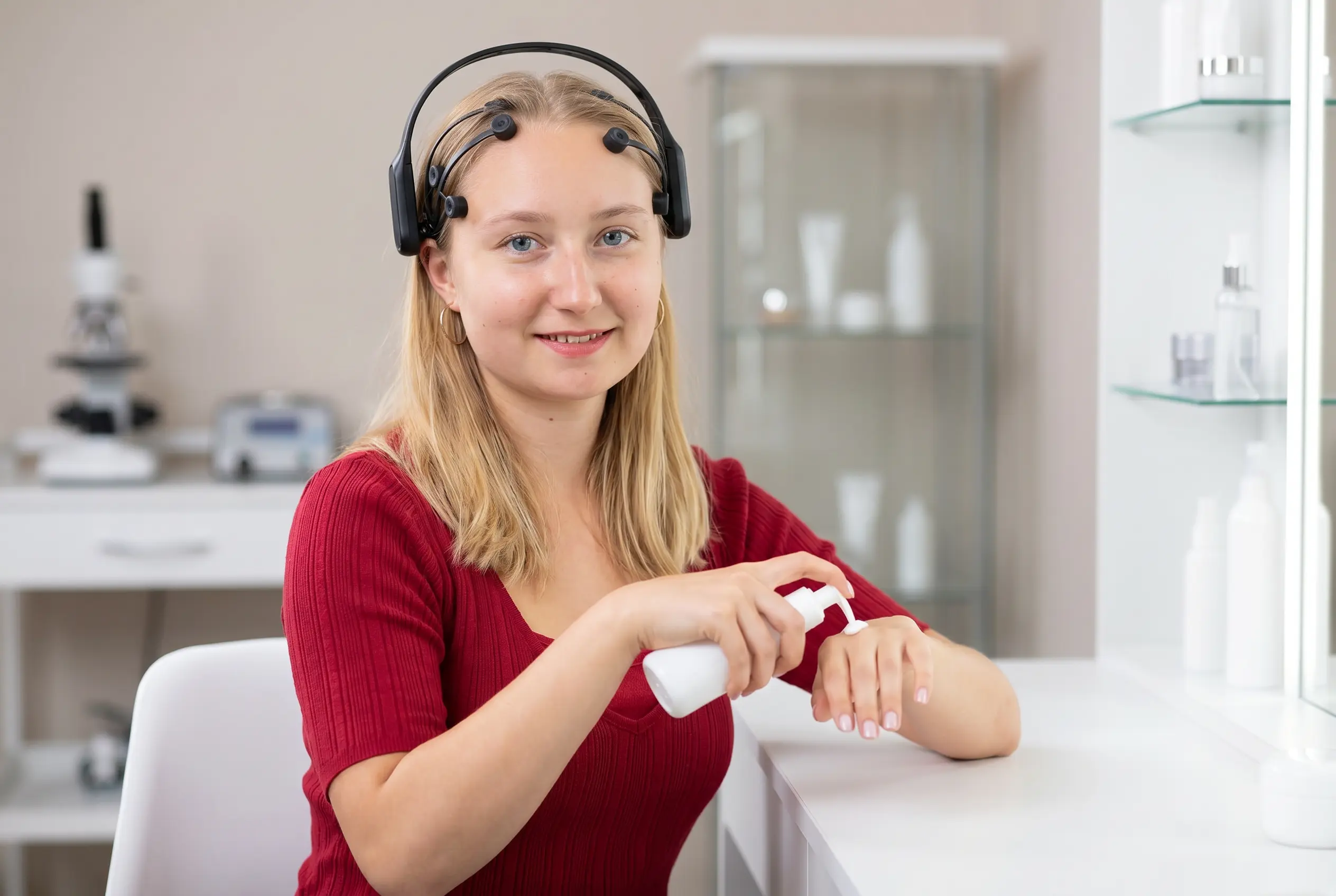
The biggest difference comes down to freedom of movement. Traditional EEG setups are typically found in labs, where a person is connected by a web of wires to bulky equipment and must remain still to get a clean recording. This limits research to controlled, static environments. Portable wireless EEG, on the other hand, cuts the cords. These lightweight, wearable systems allow participants to move around, interact with their environment, and perform tasks naturally. This shift makes it possible to study brain activity during everyday activities, which is a game-changer for creating practical brain-computer interface applications and conducting research outside the lab.

What Makes a Great Portable EEG System?

When you’re looking for a portable EEG system, it’s easy to get lost in the technical specifications. But what really separates a good device from a great one comes down to a few key factors that go beyond the numbers on a spec sheet. A great system delivers reliable, high-quality data while being practical and easy to use in real-world settings, not just in a pristine lab environment. It’s a balance of powerful hardware and intuitive software that work together seamlessly, allowing you to focus on your work instead of troubleshooting your equipment.

A truly great portable EEG system is designed with the end user in mind. It should be comfortable enough for long sessions, simple to set up, and robust enough to handle the demands of data collection on the go. Whether you're conducting in-depth academic research, exploring new neuromarketing insights, or developing a cutting-edge brain-computer interface, understanding the core components of a quality system will help you choose the right tool for the job. Let’s break down what you should be looking for.

Why Channel Count and Placement Matter

The number of channels, or electrodes, on an EEG headset determines the spatial resolution of your data. Think of it like pixels in a photo—more channels can provide a more detailed and nuanced picture of brain activity across different regions. For some applications, like measuring broad states of focus or relaxation, a lower channel count might be perfectly fine. However, for complex research that requires localizing activity in specific brain areas, a higher channel count is essential. Just as important is the placement of those channels. A system that allows for flexible sensor placement, like our Flex headset, gives you the freedom to target the exact brain regions your project requires.

Getting a Clear Signal: Quality and Noise Reduction

The ultimate goal of any EEG system is to capture clean, high-fidelity brain data. In a portable system, this can be challenging because movement and environmental factors can create "noise" or artifacts that interfere with the signal. A great portable EEG system is built with advanced technology to filter out this noise and ensure the data you collect is accurate. This includes everything from the design of the sensors to the materials used for contact. High-quality data collection is the foundation of any successful project, so it’s crucial to choose a system that prioritizes signal clarity. This allows you to spend less time cleaning up data and more time interpreting your results with confidence.

Staying Connected: Battery Life and Connectivity

Portability is pointless if your device is constantly tethered to a charger or losing its connection. That’s why battery life and wireless stability are critical features. A long-lasting battery allows you to run extended sessions without interruption, which is especially important for studies that take place over several hours or for applications used throughout the day. Similarly, a reliable wireless connection, typically via Bluetooth, ensures that data is transmitted seamlessly to your computer or mobile device in real time. When you’re in the middle of an important data collection session, the last thing you want is a dropped signal. A robust connection gives you the freedom to move and the peace of mind that your data stream is secure.

The Power of Software: Integration and Data Processing

A powerful EEG headset is only as good as the software that supports it. The best systems come with a comprehensive software suite that makes it easy to set up your device, view data in real time, and perform sophisticated analysis. For example, our EmotivPRO software is designed for researchers who need to process, analyze, and visualize data efficiently. For developers, access to a robust API or software development kit (SDK) is a game-changer. It allows you to integrate EEG data directly into your own applications, opening up endless possibilities for creating custom solutions for brain-computer interfaces or other interactive experiences.

Discover the Top Portable Wireless EEG Systems

Choosing the right EEG system is a lot like picking the right tool for a job—what you need depends entirely on what you’re trying to build. A project that requires high-density brain mapping for academic research will have very different hardware needs than an application designed for personal cognitive wellness. That’s why we’ve developed a range of portable EEG systems, each tailored to specific applications and user requirements.

Whether you're a seasoned neuroscientist, a developer building the next generation of brain-computer interfaces, or someone curious about exploring brain data, there’s a system designed to meet your goals. From discreet earbuds to high-density research headsets, each device offers a unique combination of channel count, comfort, and data resolution. Let's walk through our lineup to help you find the perfect fit for your work.

Emotiv Epoc X - 14 channel EEG headset

The Emotiv Epoc X is a powerful, research-grade wireless headset that gives you access to professional-quality brain data without being tethered to a lab. With 14 channels, it provides detailed spatial resolution, making it a fantastic choice for a wide range of applications, including academic research, neuromarketing studies, and complex BCI development. The saline-based sensors are quick to set up, so you can spend less time prepping and more time collecting data. It’s designed to deliver clean, robust signals, giving you the freedom to conduct studies in real-world environments while maintaining the integrity of your results.

Emotiv Flex Saline - 32 channel EEG headset

When your research demands high-density coverage of the cortex, the Emotiv Flex Saline is the ideal solution. This 32-channel system is engineered for advanced academic and scientific applications where maximum spatial resolution is critical. The flexible cap design allows you to position sensors according to standard EEG placements or create a custom arrangement for your specific study. Its saline-based electrodes are designed for comfort during longer recording sessions, making it well-suited for experiments that require extended use. The Flex Saline provides the comprehensive data capture needed for deep, nuanced analysis of brain activity.

Emotiv Flex Gel - 32 channel EEG headset

Similar to its saline counterpart, the Emotiv Flex Gel offers 32 channels for high-density data acquisition, but it utilizes gel-based electrodes. This traditional approach is often preferred in clinical and research settings for its ability to ensure a strong, stable signal connection, which is crucial for minimizing noise and capturing subtle neural signatures. The Flex Gel provides exceptional data quality and is a versatile choice for researchers who need reliable, high-fidelity EEG recordings. Its flexible design ensures that you can capture data from precise cortical locations relevant to your research questions.

Emotiv Insight - 5 channel EEG headset

The Emotiv Insight is a sleek, lightweight headset designed to make brain data more accessible for everyday applications. With five channels, it’s perfect for developers, creators, and enthusiasts looking to build BCI applications or explore cognitive wellness tools. The semi-dry polymer sensors require no prep, making it incredibly easy to put on and start a session in seconds. Insight is an excellent entry point into the world of EEG, providing valuable data on mental performance and emotional states in a user-friendly package. It’s the perfect tool for personal science projects or developing applications for a broader audience.

Emotiv MN8 - 2 channel EEG earbuds

For the ultimate in discreet and convenient brain data collection, the Emotiv MN8 is a groundbreaking device. These EEG sensors are built directly into a pair of comfortable earbuds, allowing you to gather data on cognitive states throughout the day without anyone knowing. The two-channel system is designed for real-world use, making it a powerful tool for anyone interested in understanding their focus, attention, and cognitive performance in different environments. The innovative form factor opens up new possibilities for developers creating applications that integrate seamlessly into a user’s daily life, from productivity apps to cognitive wellness platforms.

Portable EEG vs. Lab Equipment: A Head-to-Head Comparison

When you’re ready to start working with brain data, one of the first decisions you'll face is choosing your equipment. The classic image of an EEG study often involves a lab filled with complex machinery and a participant tethered to a computer. But today, that’s not your only option. Portable wireless EEG systems have completely changed the landscape, offering a different set of strengths and trade-offs compared to their traditional, lab-based counterparts. This isn't a simple case of old versus new; it's about understanding two distinct approaches to gathering brain data, each with its own ideal use case.

The choice isn't about which technology is definitively "better," but about which one is the right tool for your specific project. Are you conducting a study that requires participants to move freely and interact with their environment? Or are you trying to pinpoint the precise origin of a neural signal deep within the brain with millimeter accuracy? Your answer will guide you toward the best fit. To help you decide, let's break down the key differences across three critical areas: mobility and setup, data quality, and overall cost and accessibility. Understanding these distinctions will ensure you select a system that aligns perfectly with your research goals, budget, and practical needs, setting your project up for success from day one.

The Freedom of Mobility and Easy Setup

The most immediate advantage of a portable EEG system is the freedom it offers. Traditional lab equipment keeps the participant stationary, tethered by wires to bulky amplifiers and recording stations. In contrast, wireless headsets allow you to collect data in more natural, real-world settings. This mobility is a game-changer for academic research and education, enabling studies on everything from spatial navigation to athletic performance.

Beyond mobility, the setup process is significantly simpler. Lab-based systems often require a lengthy preparation, including measuring the head, placing a cap, and applying conductive gel to each electrode one by one. Many portable systems, like our saline-based headsets, can be ready to go in just a few minutes, making the experience faster and more comfortable for everyone involved.

Weighing Data Quality and Accuracy

A common question is how the data from a portable device compares to a high-density lab system. Traditional equipment, with its higher electrode counts and controlled environment, can excel at source localization—pinpointing exactly where a signal originates in the brain. The lower number of electrodes on some portable systems can make this type of analysis more challenging.

However, for a vast range of applications, portable systems provide clean, reliable, and high-quality data. Research has shown that consumer and prosumer EEG devices can successfully capture key neural signatures, like the alpha peak associated with relaxation. For studies focused on cognitive states, emotional responses, or brain-computer interface commands, the data quality from a well-fitted portable headset is more than sufficient to produce meaningful results.

Breaking Down Cost and Accessibility

This is where portable EEG systems truly shine. Setting up a traditional EEG lab can be a massive investment, often running into the tens or even hundreds of thousands of dollars. This cost has historically limited neuroscience research to well-funded universities and large corporations. Portable EEG technology breaks down that financial barrier, making brain research accessible to a much broader audience.

This shift has democratized the field. Now, students can conduct their own experiments, developers can integrate brain data into new applications, and smaller research teams can run pilot studies without needing a major grant. By lowering the cost of entry, portable systems empower a new generation of creators and scientists to explore the brain. You can find the tools you need to get started on our developer page.

Putting Portable EEG to Work: Common Applications

Portable EEG systems have opened up a world of possibilities, moving brain data collection out of the lab and into real-world environments. This accessibility has fueled innovation across several fields, from academic studies to personal wellness. Let's look at some of the most common ways people are using this technology.

Academic Research and Education

For researchers and educators, portable EEG is a game-changer. It allows for the measurement of brain signals in natural settings, which means studies are no longer confined to a controlled lab. Imagine conducting research on student engagement in an actual classroom or studying cognitive load during a real-world driving simulation. This flexibility helps researchers gather more ecologically valid data. Our tools for academic research and education are designed to support these dynamic studies, providing reliable data collection wherever your work takes you. This makes it easier to explore complex human behaviors as they happen.

Brain-Computer Interface Development

The development of brain-computer interfaces (BCI) has accelerated thanks to portable EEG. Because these systems are lightweight, wireless, and easy to use, developers can create and test BCI applications more efficiently. This has led to exciting advancements in areas like assistive technology, where individuals can interact with devices using their brain signals. It also powers new forms of interactive entertainment and artistic expression. With accessible hardware and software development kits, more creators can experiment with BCI, pushing the boundaries of what’s possible in human-computer interaction and bringing innovative ideas to life.

Neuromarketing Applications

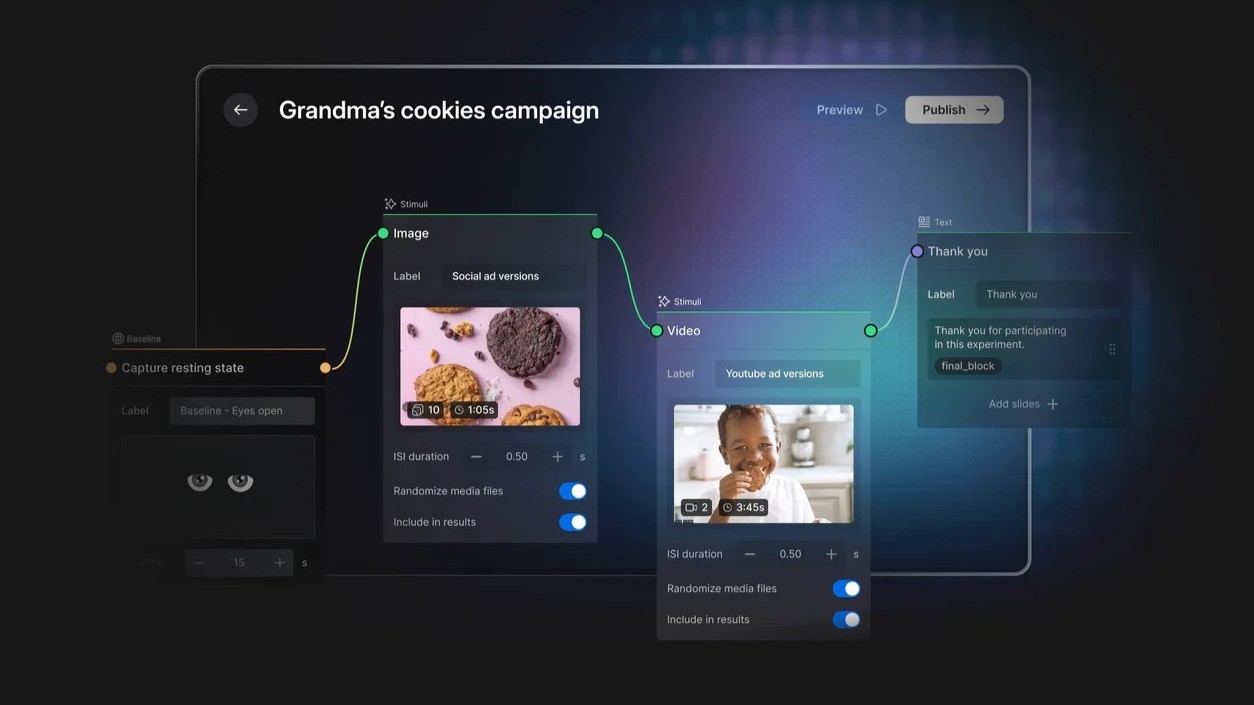
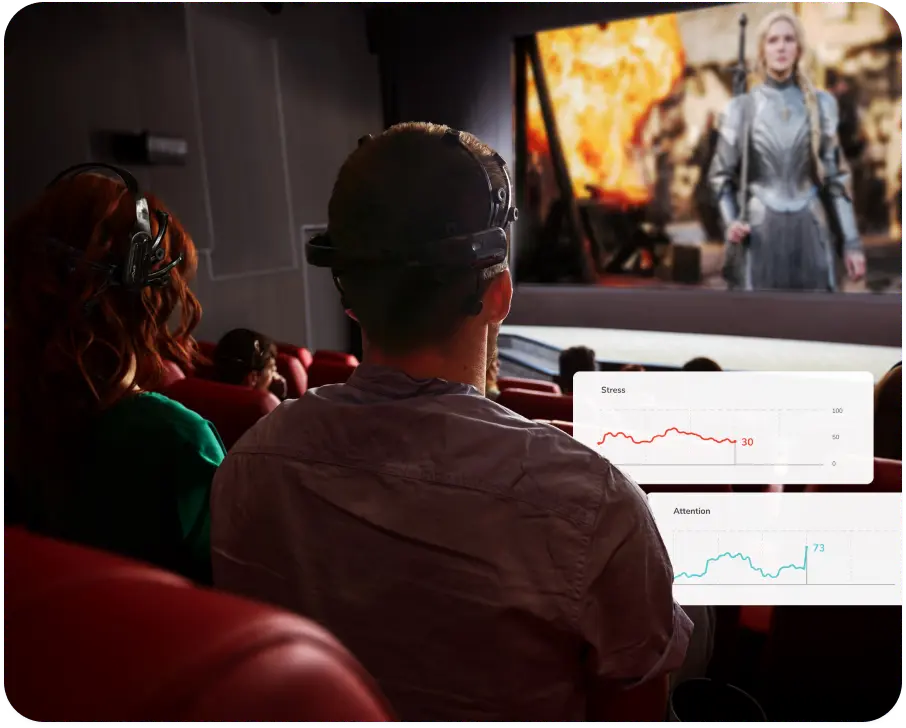
Understanding consumer behavior is the core of marketing, and portable EEG provides a direct window into subconscious responses. In neuromarketing, researchers can measure a person's unfiltered reactions to advertisements, product packaging, or user interfaces in real-time. The mobility of wireless headsets means these studies can happen in more realistic settings, like a simulated store aisle or while browsing a website at home. This provides brands with authentic insights into what truly captures a consumer's attention and emotional engagement, helping them create more effective and resonant marketing campaigns.

Cognitive Wellness Tools

Portable EEG also gives individuals access to cognitive wellness tools that help them understand their own mental states. Instead of making assumptions about focus or relaxation, you can see data related to your brain activity. This technology empowers you to explore the connection between your mind and your daily habits. For example, you can use an EEG system to see how a mindfulness exercise affects your brain patterns or to get a sense of your focus levels during a work session. It’s about providing you with personal data to help you learn more about yourself in a convenient and accessible way.

Common Challenges to Keep in Mind

Using a portable EEG system opens up a world of possibilities, letting you gather brain data in natural, real-world environments. But moving out of a controlled lab setting means you’ll face a few new variables. Think of it less as a hurdle and more as part of the learning process. Being aware of these common challenges ahead of time is the best way to ensure you get clean, reliable data from your very first session.

The most frequent questions we hear revolve around three key areas: data quality, signal interference, and the practicalities of managing a wireless device. It’s completely normal to wonder if a portable headset can really stand up to traditional equipment, or how you’re supposed to get a clear signal when your participant is moving around. And, of course, there are the logistics of battery life and wireless connectivity to consider. We’ll walk through each of these points, offering straightforward explanations and actionable advice to help you feel confident as you get started. With a little preparation, you can easily manage these factors and focus on what really matters: your research or project.

Debunking Myths About Data Quality

One of the biggest myths about portable EEG is that the data quality just can’t compare to bulky, lab-based systems. While there are differences, it’s a misconception that portable means lower quality. In fact, studies have shown that consumer wireless EEG systems can collect "fairly good quality EEG data" that is more than suitable for robust scientific work. The key is to understand the trade-offs. A lab may offer a pristine signal, but it can’t capture the brain activity of someone performing a task in a natural setting. Our systems are trusted by thousands of researchers for academic research and education because they provide reliable data that reflects authentic human experiences.

Dealing with Signal Interference and Your Environment

When you record EEG data outside of a shielded lab, you have to account for your environment. Electrical noise from nearby devices, muscle movements from blinking or clenching your jaw—these are all sources of "artifacts," or interference in your signal. This isn't unique to portable systems, but it’s something to be more mindful of. The first step is simply being aware of these potential challenges in EEG research. Our software, like EmotivPRO, includes tools to help you identify and filter out common artifacts. Creating a calm, quiet space for your recordings and properly instructing your participants can also make a huge difference in getting the cleanest possible data.

Tips for Battery Management and Staying Connected

The freedom of a wireless headset is one of its greatest strengths, but it also means you need to think about power and connectivity. Just like with your phone or laptop, managing battery life is key. For longer sessions, make sure your headset is fully charged beforehand. If you’re running back-to-back recordings, have a charging station ready to go. A stable Bluetooth connection is also essential for uninterrupted data streaming. Before you begin a session, always check that your headset is properly paired with your computer. These simple habits will help you take full advantage of the flexibility that wireless technology offers for applications like brain-computer interface development.

How to Choose the Right Portable EEG for You

Picking the right portable EEG system can feel like a big decision, but it really comes down to what you want to achieve. The best device isn't necessarily the one with the most features; it's the one that aligns perfectly with your project goals, budget, and technical skills. Whether you're conducting in-depth academic research, developing a new brain-computer interface, or exploring cognitive wellness tools, there’s a system designed for your needs.

To make the right choice, you’ll want to consider a few key factors. First, think about the complexity of the brain activity you need to measure—this will determine the number of channels you need. Next, be realistic about your budget and what you can invest in both hardware and software. Finally, look at the software ecosystem that comes with the device. A powerful headset is only as good as the tools you have to collect and analyze its data. Let's walk through each of these points so you can feel confident in selecting the perfect EEG system for your work.

Match the Channel Count to Your Project

The number of channels on an EEG headset is one of the most important factors to consider. Think of channels as data points on the scalp—the more channels you have, the more detailed your picture of brain activity will be. For some applications, like simple command-based BCI or getting a general sense of your mental state, a lower channel count is perfectly fine. Our Insight headset or MN8 earbuds are great examples of this.

However, if you're doing complex academic research that requires high spatial resolution to pinpoint activity in specific brain regions, you'll need more channels. A system like our 32-channel Flex headset is designed for exactly these kinds of demanding projects. Start by outlining your project's core questions, and then match the channel count to the level of detail you need to answer them.

Finding a System That Fits Your Budget

Portable EEG technology has become much more accessible, with options available at various price points. It's helpful to view your purchase as an investment in your project's success. When you're setting a budget, think beyond the initial cost of the hardware. Consider the long-term value, including the software, support, and community that come with the device.

Some systems may have a lower upfront cost but require expensive software subscriptions, while others offer a more all-in-one package. We offer a range of headsets to fit different budgets, from the accessible 5-channel Insight to the research-grade 32-channel Flex. The key is to find a balance between the features you need and what you can afford. A well-chosen system will provide value for years to come.

Checking Software Compatibility and Developer Tools

The hardware is just the beginning. A great portable EEG system is backed by a powerful and intuitive software ecosystem. Before you commit, make sure the device comes with software that makes it easy to collect, view, and analyze your data. For example, our EmotivPRO software is designed to streamline the entire process, from setup to analysis, allowing you to focus on your research questions.

If you're a developer, look for a system that includes a robust Software Development Kit (SDK). An SDK gives you the freedom to build custom applications and integrate EEG data into your own projects. We provide extensive resources for developers to help them get started. A supportive software environment ensures you can get the most out of your hardware, whether you're using it straight out of the box or creating something entirely new.

Tips for Collecting High-Quality Data

Getting clean, reliable data is the cornerstone of any successful EEG project. While our portable systems are designed for ease of use, a few simple practices can significantly enhance the quality of your recordings. Think of it as setting the stage for a great performance—a little preparation goes a long way. By focusing on proper setup, creating a controlled environment, and preparing your participants, you can ensure your data is as accurate and artifact-free as possible.

Mastering Electrode Placement and Calibration

Proper electrode placement is the single most important step for obtaining accurate readings. If the sensors aren't in the right spots and making good contact, your data will be compromised from the start. For multi-channel headsets like our Epoc X or Flex, this means following the international 10-20 system for placement. Before you begin any session, take the time to properly hydrate the sensors and ensure they make solid contact with the scalp. Our software includes a contact quality map that gives you real-time feedback, so you can see which electrodes need adjustment. Taking a few extra minutes here will save you hours of frustration later. For more tips, check out these essentials for an optimal EEG equipment setup.

Creating the Right Environment to Reduce Artifacts

Your recording environment plays a huge role in data quality. EEG systems are sensitive, and they can pick up electrical "noise" from other devices or muscle movements from the participant. These unwanted signals are called artifacts. To minimize them, choose a quiet space away from large electronics, power lines, or fluorescent lights. Ask your participant to sit still and relax, minimizing blinking, talking, or clenching their jaw during recording periods. The great thing about wireless and wearable systems is that you eliminate artifacts from cable movement, giving you more freedom to create a comfortable, controlled setting whether you're in the lab or out in the field.

Prepping Participants and Optimizing Your System

A well-prepared participant is a cooperative one. Before you place the headset, explain what you'll be doing and what they can expect. This helps them relax, which reduces muscle-related artifacts. Simple things, like asking them to have clean, dry hair free of styling products, can also make a big difference in getting a good connection. On the technical side, always make sure your headset is fully charged and that you’ve tested the connection to your computer. Running a quick system check ensures everything is working smoothly before your participant arrives. Addressing these common challenges in EEG research beforehand allows you to focus entirely on collecting great data during the session.

Related Articles


View Products

Frequently Asked Questions

Is it difficult to get a good signal with a portable EEG headset? Getting a clean signal is more about proper setup than difficulty. The most important step is ensuring the sensors make good contact with the scalp. Our software provides a real-time contact quality map, so you can see exactly which sensors need a little adjustment. Once you get the hang of hydrating the sensors and fitting the headset, the process becomes quick and straightforward.

How do I decide between a headset with more channels, like the Flex, and one with fewer, like the Insight? The right choice depends entirely on your project's goals. If you need to see brain activity with high spatial detail to understand what's happening in specific regions, a higher channel count like the 32-channel Flex is what you need. For applications focused on broader cognitive states or developing BCI commands, a lower channel count like the 5-channel Insight provides all the data you need in a more accessible package.

What's the main difference between saline and gel-based sensors? Both sensor types are designed to get high-quality data, but they suit different needs. Saline-based sensors, found on our Epoc X and Flex Saline headsets, are very quick to prepare and are great for most research applications. Gel-based sensors, used on the Flex Gel, are a more traditional method often preferred for clinical studies or very long recording sessions because they can provide an exceptionally stable connection.

Can I build my own applications using data from an Emotiv headset? Absolutely. We provide a robust Software Development Kit (SDK) and extensive resources for developers. This gives you the tools to stream brain data directly into your own custom software. Whether you're creating a new brain-computer interface, an interactive art installation, or a novel wellness application, our platform is designed to support your creative and technical work.

My data looks noisy. What are the most common causes of interference? Noise, or artifacts, in your data usually comes from two main sources: muscle movements and environmental electrical interference. Simple movements like blinking, clenching your jaw, or even swallowing can create large spikes in the data. Electrical noise can come from nearby electronics or power outlets. The best way to get clean data is to record in a quiet space and ask your participant to relax and remain as still as possible during the recording.

For decades, the study of the human brain was reserved for well-funded universities and large corporations with access to expensive, complex lab equipment. This created a high barrier to entry, leaving many brilliant ideas on the sidelines. The arrival of the portable wireless EEG system has democratized the field, breaking down those financial and technical walls. Now, students can conduct their own experiments, developers can integrate brain data into new applications, and smaller research teams can run pilot studies without needing a major grant. This guide explores the technology that's making brain data more accessible than ever, from the different types of systems available to the practical applications they power.


View Products

Key Takeaways

  • Define your project before choosing your EEG: The right system depends entirely on your goals. Determine if you need high-density data for detailed academic research or a lower channel count for BCI development before selecting a device.

  • Leverage portability for more authentic data: Wireless EEG systems allow you to gather brain data in natural, real-world settings. This freedom from the traditional lab environment leads to more realistic insights into human cognition and behavior.

  • Good preparation is the key to clean data: High-quality results come from a solid setup. Ensure your success by mastering electrode placement, creating a quiet recording environment to minimize interference, and properly preparing participants before each session.

What Is a Portable Wireless EEG System?

A portable wireless EEG system is a device that lets you measure the brain's electrical activity without being tethered to a large, stationary machine. Think of it as taking the power of a neuroscience lab and making it mobile. These systems use headsets or earbuds equipped with sensors to pick up brain signals, giving you the freedom to gather data in more natural, real-world settings. This accessibility has opened up new avenues for everything from academic studies to the development of innovative technologies. Let's break down the core technology and how it differs from traditional lab equipment.

Understanding the Core Technology

At its heart, electroencephalography (EEG) is a non-invasive way to listen in on the brain's electrical chatter. Your brain cells communicate using tiny electrical impulses, and a portable EEG system uses small sensors, or electrodes, placed on the scalp to detect these signals. The system then amplifies these signals and translates them into data you can analyze. It’s a safe and established method for understanding brain dynamics without any invasive procedures. This technology forms the foundation for a wide range of applications, including academic research and education.

Wireless vs. Traditional EEG: What's the Difference?

The biggest difference comes down to freedom of movement. Traditional EEG setups are typically found in labs, where a person is connected by a web of wires to bulky equipment and must remain still to get a clean recording. This limits research to controlled, static environments. Portable wireless EEG, on the other hand, cuts the cords. These lightweight, wearable systems allow participants to move around, interact with their environment, and perform tasks naturally. This shift makes it possible to study brain activity during everyday activities, which is a game-changer for creating practical brain-computer interface applications and conducting research outside the lab.

What Makes a Great Portable EEG System?

When you’re looking for a portable EEG system, it’s easy to get lost in the technical specifications. But what really separates a good device from a great one comes down to a few key factors that go beyond the numbers on a spec sheet. A great system delivers reliable, high-quality data while being practical and easy to use in real-world settings, not just in a pristine lab environment. It’s a balance of powerful hardware and intuitive software that work together seamlessly, allowing you to focus on your work instead of troubleshooting your equipment.

A truly great portable EEG system is designed with the end user in mind. It should be comfortable enough for long sessions, simple to set up, and robust enough to handle the demands of data collection on the go. Whether you're conducting in-depth academic research, exploring new neuromarketing insights, or developing a cutting-edge brain-computer interface, understanding the core components of a quality system will help you choose the right tool for the job. Let’s break down what you should be looking for.

Why Channel Count and Placement Matter

The number of channels, or electrodes, on an EEG headset determines the spatial resolution of your data. Think of it like pixels in a photo—more channels can provide a more detailed and nuanced picture of brain activity across different regions. For some applications, like measuring broad states of focus or relaxation, a lower channel count might be perfectly fine. However, for complex research that requires localizing activity in specific brain areas, a higher channel count is essential. Just as important is the placement of those channels. A system that allows for flexible sensor placement, like our Flex headset, gives you the freedom to target the exact brain regions your project requires.

Getting a Clear Signal: Quality and Noise Reduction

The ultimate goal of any EEG system is to capture clean, high-fidelity brain data. In a portable system, this can be challenging because movement and environmental factors can create "noise" or artifacts that interfere with the signal. A great portable EEG system is built with advanced technology to filter out this noise and ensure the data you collect is accurate. This includes everything from the design of the sensors to the materials used for contact. High-quality data collection is the foundation of any successful project, so it’s crucial to choose a system that prioritizes signal clarity. This allows you to spend less time cleaning up data and more time interpreting your results with confidence.

Staying Connected: Battery Life and Connectivity

Portability is pointless if your device is constantly tethered to a charger or losing its connection. That’s why battery life and wireless stability are critical features. A long-lasting battery allows you to run extended sessions without interruption, which is especially important for studies that take place over several hours or for applications used throughout the day. Similarly, a reliable wireless connection, typically via Bluetooth, ensures that data is transmitted seamlessly to your computer or mobile device in real time. When you’re in the middle of an important data collection session, the last thing you want is a dropped signal. A robust connection gives you the freedom to move and the peace of mind that your data stream is secure.

The Power of Software: Integration and Data Processing

A powerful EEG headset is only as good as the software that supports it. The best systems come with a comprehensive software suite that makes it easy to set up your device, view data in real time, and perform sophisticated analysis. For example, our EmotivPRO software is designed for researchers who need to process, analyze, and visualize data efficiently. For developers, access to a robust API or software development kit (SDK) is a game-changer. It allows you to integrate EEG data directly into your own applications, opening up endless possibilities for creating custom solutions for brain-computer interfaces or other interactive experiences.

Discover the Top Portable Wireless EEG Systems

Choosing the right EEG system is a lot like picking the right tool for a job—what you need depends entirely on what you’re trying to build. A project that requires high-density brain mapping for academic research will have very different hardware needs than an application designed for personal cognitive wellness. That’s why we’ve developed a range of portable EEG systems, each tailored to specific applications and user requirements.

Whether you're a seasoned neuroscientist, a developer building the next generation of brain-computer interfaces, or someone curious about exploring brain data, there’s a system designed to meet your goals. From discreet earbuds to high-density research headsets, each device offers a unique combination of channel count, comfort, and data resolution. Let's walk through our lineup to help you find the perfect fit for your work.

Emotiv Epoc X - 14 channel EEG headset

The Emotiv Epoc X is a powerful, research-grade wireless headset that gives you access to professional-quality brain data without being tethered to a lab. With 14 channels, it provides detailed spatial resolution, making it a fantastic choice for a wide range of applications, including academic research, neuromarketing studies, and complex BCI development. The saline-based sensors are quick to set up, so you can spend less time prepping and more time collecting data. It’s designed to deliver clean, robust signals, giving you the freedom to conduct studies in real-world environments while maintaining the integrity of your results.

Emotiv Flex Saline - 32 channel EEG headset

When your research demands high-density coverage of the cortex, the Emotiv Flex Saline is the ideal solution. This 32-channel system is engineered for advanced academic and scientific applications where maximum spatial resolution is critical. The flexible cap design allows you to position sensors according to standard EEG placements or create a custom arrangement for your specific study. Its saline-based electrodes are designed for comfort during longer recording sessions, making it well-suited for experiments that require extended use. The Flex Saline provides the comprehensive data capture needed for deep, nuanced analysis of brain activity.

Emotiv Flex Gel - 32 channel EEG headset

Similar to its saline counterpart, the Emotiv Flex Gel offers 32 channels for high-density data acquisition, but it utilizes gel-based electrodes. This traditional approach is often preferred in clinical and research settings for its ability to ensure a strong, stable signal connection, which is crucial for minimizing noise and capturing subtle neural signatures. The Flex Gel provides exceptional data quality and is a versatile choice for researchers who need reliable, high-fidelity EEG recordings. Its flexible design ensures that you can capture data from precise cortical locations relevant to your research questions.

Emotiv Insight - 5 channel EEG headset

The Emotiv Insight is a sleek, lightweight headset designed to make brain data more accessible for everyday applications. With five channels, it’s perfect for developers, creators, and enthusiasts looking to build BCI applications or explore cognitive wellness tools. The semi-dry polymer sensors require no prep, making it incredibly easy to put on and start a session in seconds. Insight is an excellent entry point into the world of EEG, providing valuable data on mental performance and emotional states in a user-friendly package. It’s the perfect tool for personal science projects or developing applications for a broader audience.

Emotiv MN8 - 2 channel EEG earbuds

For the ultimate in discreet and convenient brain data collection, the Emotiv MN8 is a groundbreaking device. These EEG sensors are built directly into a pair of comfortable earbuds, allowing you to gather data on cognitive states throughout the day without anyone knowing. The two-channel system is designed for real-world use, making it a powerful tool for anyone interested in understanding their focus, attention, and cognitive performance in different environments. The innovative form factor opens up new possibilities for developers creating applications that integrate seamlessly into a user’s daily life, from productivity apps to cognitive wellness platforms.

Portable EEG vs. Lab Equipment: A Head-to-Head Comparison

When you’re ready to start working with brain data, one of the first decisions you'll face is choosing your equipment. The classic image of an EEG study often involves a lab filled with complex machinery and a participant tethered to a computer. But today, that’s not your only option. Portable wireless EEG systems have completely changed the landscape, offering a different set of strengths and trade-offs compared to their traditional, lab-based counterparts. This isn't a simple case of old versus new; it's about understanding two distinct approaches to gathering brain data, each with its own ideal use case.

The choice isn't about which technology is definitively "better," but about which one is the right tool for your specific project. Are you conducting a study that requires participants to move freely and interact with their environment? Or are you trying to pinpoint the precise origin of a neural signal deep within the brain with millimeter accuracy? Your answer will guide you toward the best fit. To help you decide, let's break down the key differences across three critical areas: mobility and setup, data quality, and overall cost and accessibility. Understanding these distinctions will ensure you select a system that aligns perfectly with your research goals, budget, and practical needs, setting your project up for success from day one.

The Freedom of Mobility and Easy Setup

The most immediate advantage of a portable EEG system is the freedom it offers. Traditional lab equipment keeps the participant stationary, tethered by wires to bulky amplifiers and recording stations. In contrast, wireless headsets allow you to collect data in more natural, real-world settings. This mobility is a game-changer for academic research and education, enabling studies on everything from spatial navigation to athletic performance.

Beyond mobility, the setup process is significantly simpler. Lab-based systems often require a lengthy preparation, including measuring the head, placing a cap, and applying conductive gel to each electrode one by one. Many portable systems, like our saline-based headsets, can be ready to go in just a few minutes, making the experience faster and more comfortable for everyone involved.

Weighing Data Quality and Accuracy

A common question is how the data from a portable device compares to a high-density lab system. Traditional equipment, with its higher electrode counts and controlled environment, can excel at source localization—pinpointing exactly where a signal originates in the brain. The lower number of electrodes on some portable systems can make this type of analysis more challenging.

However, for a vast range of applications, portable systems provide clean, reliable, and high-quality data. Research has shown that consumer and prosumer EEG devices can successfully capture key neural signatures, like the alpha peak associated with relaxation. For studies focused on cognitive states, emotional responses, or brain-computer interface commands, the data quality from a well-fitted portable headset is more than sufficient to produce meaningful results.

Breaking Down Cost and Accessibility

This is where portable EEG systems truly shine. Setting up a traditional EEG lab can be a massive investment, often running into the tens or even hundreds of thousands of dollars. This cost has historically limited neuroscience research to well-funded universities and large corporations. Portable EEG technology breaks down that financial barrier, making brain research accessible to a much broader audience.

This shift has democratized the field. Now, students can conduct their own experiments, developers can integrate brain data into new applications, and smaller research teams can run pilot studies without needing a major grant. By lowering the cost of entry, portable systems empower a new generation of creators and scientists to explore the brain. You can find the tools you need to get started on our developer page.

Putting Portable EEG to Work: Common Applications

Portable EEG systems have opened up a world of possibilities, moving brain data collection out of the lab and into real-world environments. This accessibility has fueled innovation across several fields, from academic studies to personal wellness. Let's look at some of the most common ways people are using this technology.

Academic Research and Education

For researchers and educators, portable EEG is a game-changer. It allows for the measurement of brain signals in natural settings, which means studies are no longer confined to a controlled lab. Imagine conducting research on student engagement in an actual classroom or studying cognitive load during a real-world driving simulation. This flexibility helps researchers gather more ecologically valid data. Our tools for academic research and education are designed to support these dynamic studies, providing reliable data collection wherever your work takes you. This makes it easier to explore complex human behaviors as they happen.

Brain-Computer Interface Development

The development of brain-computer interfaces (BCI) has accelerated thanks to portable EEG. Because these systems are lightweight, wireless, and easy to use, developers can create and test BCI applications more efficiently. This has led to exciting advancements in areas like assistive technology, where individuals can interact with devices using their brain signals. It also powers new forms of interactive entertainment and artistic expression. With accessible hardware and software development kits, more creators can experiment with BCI, pushing the boundaries of what’s possible in human-computer interaction and bringing innovative ideas to life.

Neuromarketing Applications

Understanding consumer behavior is the core of marketing, and portable EEG provides a direct window into subconscious responses. In neuromarketing, researchers can measure a person's unfiltered reactions to advertisements, product packaging, or user interfaces in real-time. The mobility of wireless headsets means these studies can happen in more realistic settings, like a simulated store aisle or while browsing a website at home. This provides brands with authentic insights into what truly captures a consumer's attention and emotional engagement, helping them create more effective and resonant marketing campaigns.

Cognitive Wellness Tools

Portable EEG also gives individuals access to cognitive wellness tools that help them understand their own mental states. Instead of making assumptions about focus or relaxation, you can see data related to your brain activity. This technology empowers you to explore the connection between your mind and your daily habits. For example, you can use an EEG system to see how a mindfulness exercise affects your brain patterns or to get a sense of your focus levels during a work session. It’s about providing you with personal data to help you learn more about yourself in a convenient and accessible way.

Common Challenges to Keep in Mind

Using a portable EEG system opens up a world of possibilities, letting you gather brain data in natural, real-world environments. But moving out of a controlled lab setting means you’ll face a few new variables. Think of it less as a hurdle and more as part of the learning process. Being aware of these common challenges ahead of time is the best way to ensure you get clean, reliable data from your very first session.

The most frequent questions we hear revolve around three key areas: data quality, signal interference, and the practicalities of managing a wireless device. It’s completely normal to wonder if a portable headset can really stand up to traditional equipment, or how you’re supposed to get a clear signal when your participant is moving around. And, of course, there are the logistics of battery life and wireless connectivity to consider. We’ll walk through each of these points, offering straightforward explanations and actionable advice to help you feel confident as you get started. With a little preparation, you can easily manage these factors and focus on what really matters: your research or project.

Debunking Myths About Data Quality

One of the biggest myths about portable EEG is that the data quality just can’t compare to bulky, lab-based systems. While there are differences, it’s a misconception that portable means lower quality. In fact, studies have shown that consumer wireless EEG systems can collect "fairly good quality EEG data" that is more than suitable for robust scientific work. The key is to understand the trade-offs. A lab may offer a pristine signal, but it can’t capture the brain activity of someone performing a task in a natural setting. Our systems are trusted by thousands of researchers for academic research and education because they provide reliable data that reflects authentic human experiences.

Dealing with Signal Interference and Your Environment

When you record EEG data outside of a shielded lab, you have to account for your environment. Electrical noise from nearby devices, muscle movements from blinking or clenching your jaw—these are all sources of "artifacts," or interference in your signal. This isn't unique to portable systems, but it’s something to be more mindful of. The first step is simply being aware of these potential challenges in EEG research. Our software, like EmotivPRO, includes tools to help you identify and filter out common artifacts. Creating a calm, quiet space for your recordings and properly instructing your participants can also make a huge difference in getting the cleanest possible data.

Tips for Battery Management and Staying Connected

The freedom of a wireless headset is one of its greatest strengths, but it also means you need to think about power and connectivity. Just like with your phone or laptop, managing battery life is key. For longer sessions, make sure your headset is fully charged beforehand. If you’re running back-to-back recordings, have a charging station ready to go. A stable Bluetooth connection is also essential for uninterrupted data streaming. Before you begin a session, always check that your headset is properly paired with your computer. These simple habits will help you take full advantage of the flexibility that wireless technology offers for applications like brain-computer interface development.

How to Choose the Right Portable EEG for You

Picking the right portable EEG system can feel like a big decision, but it really comes down to what you want to achieve. The best device isn't necessarily the one with the most features; it's the one that aligns perfectly with your project goals, budget, and technical skills. Whether you're conducting in-depth academic research, developing a new brain-computer interface, or exploring cognitive wellness tools, there’s a system designed for your needs.

To make the right choice, you’ll want to consider a few key factors. First, think about the complexity of the brain activity you need to measure—this will determine the number of channels you need. Next, be realistic about your budget and what you can invest in both hardware and software. Finally, look at the software ecosystem that comes with the device. A powerful headset is only as good as the tools you have to collect and analyze its data. Let's walk through each of these points so you can feel confident in selecting the perfect EEG system for your work.

Match the Channel Count to Your Project

The number of channels on an EEG headset is one of the most important factors to consider. Think of channels as data points on the scalp—the more channels you have, the more detailed your picture of brain activity will be. For some applications, like simple command-based BCI or getting a general sense of your mental state, a lower channel count is perfectly fine. Our Insight headset or MN8 earbuds are great examples of this.

However, if you're doing complex academic research that requires high spatial resolution to pinpoint activity in specific brain regions, you'll need more channels. A system like our 32-channel Flex headset is designed for exactly these kinds of demanding projects. Start by outlining your project's core questions, and then match the channel count to the level of detail you need to answer them.

Finding a System That Fits Your Budget

Portable EEG technology has become much more accessible, with options available at various price points. It's helpful to view your purchase as an investment in your project's success. When you're setting a budget, think beyond the initial cost of the hardware. Consider the long-term value, including the software, support, and community that come with the device.

Some systems may have a lower upfront cost but require expensive software subscriptions, while others offer a more all-in-one package. We offer a range of headsets to fit different budgets, from the accessible 5-channel Insight to the research-grade 32-channel Flex. The key is to find a balance between the features you need and what you can afford. A well-chosen system will provide value for years to come.

Checking Software Compatibility and Developer Tools

The hardware is just the beginning. A great portable EEG system is backed by a powerful and intuitive software ecosystem. Before you commit, make sure the device comes with software that makes it easy to collect, view, and analyze your data. For example, our EmotivPRO software is designed to streamline the entire process, from setup to analysis, allowing you to focus on your research questions.

If you're a developer, look for a system that includes a robust Software Development Kit (SDK). An SDK gives you the freedom to build custom applications and integrate EEG data into your own projects. We provide extensive resources for developers to help them get started. A supportive software environment ensures you can get the most out of your hardware, whether you're using it straight out of the box or creating something entirely new.

Tips for Collecting High-Quality Data

Getting clean, reliable data is the cornerstone of any successful EEG project. While our portable systems are designed for ease of use, a few simple practices can significantly enhance the quality of your recordings. Think of it as setting the stage for a great performance—a little preparation goes a long way. By focusing on proper setup, creating a controlled environment, and preparing your participants, you can ensure your data is as accurate and artifact-free as possible.

Mastering Electrode Placement and Calibration

Proper electrode placement is the single most important step for obtaining accurate readings. If the sensors aren't in the right spots and making good contact, your data will be compromised from the start. For multi-channel headsets like our Epoc X or Flex, this means following the international 10-20 system for placement. Before you begin any session, take the time to properly hydrate the sensors and ensure they make solid contact with the scalp. Our software includes a contact quality map that gives you real-time feedback, so you can see which electrodes need adjustment. Taking a few extra minutes here will save you hours of frustration later. For more tips, check out these essentials for an optimal EEG equipment setup.

Creating the Right Environment to Reduce Artifacts

Your recording environment plays a huge role in data quality. EEG systems are sensitive, and they can pick up electrical "noise" from other devices or muscle movements from the participant. These unwanted signals are called artifacts. To minimize them, choose a quiet space away from large electronics, power lines, or fluorescent lights. Ask your participant to sit still and relax, minimizing blinking, talking, or clenching their jaw during recording periods. The great thing about wireless and wearable systems is that you eliminate artifacts from cable movement, giving you more freedom to create a comfortable, controlled setting whether you're in the lab or out in the field.

Prepping Participants and Optimizing Your System

A well-prepared participant is a cooperative one. Before you place the headset, explain what you'll be doing and what they can expect. This helps them relax, which reduces muscle-related artifacts. Simple things, like asking them to have clean, dry hair free of styling products, can also make a big difference in getting a good connection. On the technical side, always make sure your headset is fully charged and that you’ve tested the connection to your computer. Running a quick system check ensures everything is working smoothly before your participant arrives. Addressing these common challenges in EEG research beforehand allows you to focus entirely on collecting great data during the session.

Related Articles


View Products

Frequently Asked Questions

Is it difficult to get a good signal with a portable EEG headset? Getting a clean signal is more about proper setup than difficulty. The most important step is ensuring the sensors make good contact with the scalp. Our software provides a real-time contact quality map, so you can see exactly which sensors need a little adjustment. Once you get the hang of hydrating the sensors and fitting the headset, the process becomes quick and straightforward.

How do I decide between a headset with more channels, like the Flex, and one with fewer, like the Insight? The right choice depends entirely on your project's goals. If you need to see brain activity with high spatial detail to understand what's happening in specific regions, a higher channel count like the 32-channel Flex is what you need. For applications focused on broader cognitive states or developing BCI commands, a lower channel count like the 5-channel Insight provides all the data you need in a more accessible package.

What's the main difference between saline and gel-based sensors? Both sensor types are designed to get high-quality data, but they suit different needs. Saline-based sensors, found on our Epoc X and Flex Saline headsets, are very quick to prepare and are great for most research applications. Gel-based sensors, used on the Flex Gel, are a more traditional method often preferred for clinical studies or very long recording sessions because they can provide an exceptionally stable connection.

Can I build my own applications using data from an Emotiv headset? Absolutely. We provide a robust Software Development Kit (SDK) and extensive resources for developers. This gives you the tools to stream brain data directly into your own custom software. Whether you're creating a new brain-computer interface, an interactive art installation, or a novel wellness application, our platform is designed to support your creative and technical work.

My data looks noisy. What are the most common causes of interference? Noise, or artifacts, in your data usually comes from two main sources: muscle movements and environmental electrical interference. Simple movements like blinking, clenching your jaw, or even swallowing can create large spikes in the data. Electrical noise can come from nearby electronics or power outlets. The best way to get clean data is to record in a quiet space and ask your participant to relax and remain as still as possible during the recording.

For decades, the study of the human brain was reserved for well-funded universities and large corporations with access to expensive, complex lab equipment. This created a high barrier to entry, leaving many brilliant ideas on the sidelines. The arrival of the portable wireless EEG system has democratized the field, breaking down those financial and technical walls. Now, students can conduct their own experiments, developers can integrate brain data into new applications, and smaller research teams can run pilot studies without needing a major grant. This guide explores the technology that's making brain data more accessible than ever, from the different types of systems available to the practical applications they power.


View Products

Key Takeaways

  • Define your project before choosing your EEG: The right system depends entirely on your goals. Determine if you need high-density data for detailed academic research or a lower channel count for BCI development before selecting a device.

  • Leverage portability for more authentic data: Wireless EEG systems allow you to gather brain data in natural, real-world settings. This freedom from the traditional lab environment leads to more realistic insights into human cognition and behavior.

  • Good preparation is the key to clean data: High-quality results come from a solid setup. Ensure your success by mastering electrode placement, creating a quiet recording environment to minimize interference, and properly preparing participants before each session.

What Is a Portable Wireless EEG System?

A portable wireless EEG system is a device that lets you measure the brain's electrical activity without being tethered to a large, stationary machine. Think of it as taking the power of a neuroscience lab and making it mobile. These systems use headsets or earbuds equipped with sensors to pick up brain signals, giving you the freedom to gather data in more natural, real-world settings. This accessibility has opened up new avenues for everything from academic studies to the development of innovative technologies. Let's break down the core technology and how it differs from traditional lab equipment.

Understanding the Core Technology

At its heart, electroencephalography (EEG) is a non-invasive way to listen in on the brain's electrical chatter. Your brain cells communicate using tiny electrical impulses, and a portable EEG system uses small sensors, or electrodes, placed on the scalp to detect these signals. The system then amplifies these signals and translates them into data you can analyze. It’s a safe and established method for understanding brain dynamics without any invasive procedures. This technology forms the foundation for a wide range of applications, including academic research and education.

Wireless vs. Traditional EEG: What's the Difference?

The biggest difference comes down to freedom of movement. Traditional EEG setups are typically found in labs, where a person is connected by a web of wires to bulky equipment and must remain still to get a clean recording. This limits research to controlled, static environments. Portable wireless EEG, on the other hand, cuts the cords. These lightweight, wearable systems allow participants to move around, interact with their environment, and perform tasks naturally. This shift makes it possible to study brain activity during everyday activities, which is a game-changer for creating practical brain-computer interface applications and conducting research outside the lab.

What Makes a Great Portable EEG System?

When you’re looking for a portable EEG system, it’s easy to get lost in the technical specifications. But what really separates a good device from a great one comes down to a few key factors that go beyond the numbers on a spec sheet. A great system delivers reliable, high-quality data while being practical and easy to use in real-world settings, not just in a pristine lab environment. It’s a balance of powerful hardware and intuitive software that work together seamlessly, allowing you to focus on your work instead of troubleshooting your equipment.

A truly great portable EEG system is designed with the end user in mind. It should be comfortable enough for long sessions, simple to set up, and robust enough to handle the demands of data collection on the go. Whether you're conducting in-depth academic research, exploring new neuromarketing insights, or developing a cutting-edge brain-computer interface, understanding the core components of a quality system will help you choose the right tool for the job. Let’s break down what you should be looking for.

Why Channel Count and Placement Matter

The number of channels, or electrodes, on an EEG headset determines the spatial resolution of your data. Think of it like pixels in a photo—more channels can provide a more detailed and nuanced picture of brain activity across different regions. For some applications, like measuring broad states of focus or relaxation, a lower channel count might be perfectly fine. However, for complex research that requires localizing activity in specific brain areas, a higher channel count is essential. Just as important is the placement of those channels. A system that allows for flexible sensor placement, like our Flex headset, gives you the freedom to target the exact brain regions your project requires.

Getting a Clear Signal: Quality and Noise Reduction

The ultimate goal of any EEG system is to capture clean, high-fidelity brain data. In a portable system, this can be challenging because movement and environmental factors can create "noise" or artifacts that interfere with the signal. A great portable EEG system is built with advanced technology to filter out this noise and ensure the data you collect is accurate. This includes everything from the design of the sensors to the materials used for contact. High-quality data collection is the foundation of any successful project, so it’s crucial to choose a system that prioritizes signal clarity. This allows you to spend less time cleaning up data and more time interpreting your results with confidence.

Staying Connected: Battery Life and Connectivity

Portability is pointless if your device is constantly tethered to a charger or losing its connection. That’s why battery life and wireless stability are critical features. A long-lasting battery allows you to run extended sessions without interruption, which is especially important for studies that take place over several hours or for applications used throughout the day. Similarly, a reliable wireless connection, typically via Bluetooth, ensures that data is transmitted seamlessly to your computer or mobile device in real time. When you’re in the middle of an important data collection session, the last thing you want is a dropped signal. A robust connection gives you the freedom to move and the peace of mind that your data stream is secure.

The Power of Software: Integration and Data Processing

A powerful EEG headset is only as good as the software that supports it. The best systems come with a comprehensive software suite that makes it easy to set up your device, view data in real time, and perform sophisticated analysis. For example, our EmotivPRO software is designed for researchers who need to process, analyze, and visualize data efficiently. For developers, access to a robust API or software development kit (SDK) is a game-changer. It allows you to integrate EEG data directly into your own applications, opening up endless possibilities for creating custom solutions for brain-computer interfaces or other interactive experiences.

Discover the Top Portable Wireless EEG Systems

Choosing the right EEG system is a lot like picking the right tool for a job—what you need depends entirely on what you’re trying to build. A project that requires high-density brain mapping for academic research will have very different hardware needs than an application designed for personal cognitive wellness. That’s why we’ve developed a range of portable EEG systems, each tailored to specific applications and user requirements.

Whether you're a seasoned neuroscientist, a developer building the next generation of brain-computer interfaces, or someone curious about exploring brain data, there’s a system designed to meet your goals. From discreet earbuds to high-density research headsets, each device offers a unique combination of channel count, comfort, and data resolution. Let's walk through our lineup to help you find the perfect fit for your work.

Emotiv Epoc X - 14 channel EEG headset

The Emotiv Epoc X is a powerful, research-grade wireless headset that gives you access to professional-quality brain data without being tethered to a lab. With 14 channels, it provides detailed spatial resolution, making it a fantastic choice for a wide range of applications, including academic research, neuromarketing studies, and complex BCI development. The saline-based sensors are quick to set up, so you can spend less time prepping and more time collecting data. It’s designed to deliver clean, robust signals, giving you the freedom to conduct studies in real-world environments while maintaining the integrity of your results.

Emotiv Flex Saline - 32 channel EEG headset

When your research demands high-density coverage of the cortex, the Emotiv Flex Saline is the ideal solution. This 32-channel system is engineered for advanced academic and scientific applications where maximum spatial resolution is critical. The flexible cap design allows you to position sensors according to standard EEG placements or create a custom arrangement for your specific study. Its saline-based electrodes are designed for comfort during longer recording sessions, making it well-suited for experiments that require extended use. The Flex Saline provides the comprehensive data capture needed for deep, nuanced analysis of brain activity.

Emotiv Flex Gel - 32 channel EEG headset

Similar to its saline counterpart, the Emotiv Flex Gel offers 32 channels for high-density data acquisition, but it utilizes gel-based electrodes. This traditional approach is often preferred in clinical and research settings for its ability to ensure a strong, stable signal connection, which is crucial for minimizing noise and capturing subtle neural signatures. The Flex Gel provides exceptional data quality and is a versatile choice for researchers who need reliable, high-fidelity EEG recordings. Its flexible design ensures that you can capture data from precise cortical locations relevant to your research questions.

Emotiv Insight - 5 channel EEG headset

The Emotiv Insight is a sleek, lightweight headset designed to make brain data more accessible for everyday applications. With five channels, it’s perfect for developers, creators, and enthusiasts looking to build BCI applications or explore cognitive wellness tools. The semi-dry polymer sensors require no prep, making it incredibly easy to put on and start a session in seconds. Insight is an excellent entry point into the world of EEG, providing valuable data on mental performance and emotional states in a user-friendly package. It’s the perfect tool for personal science projects or developing applications for a broader audience.

Emotiv MN8 - 2 channel EEG earbuds

For the ultimate in discreet and convenient brain data collection, the Emotiv MN8 is a groundbreaking device. These EEG sensors are built directly into a pair of comfortable earbuds, allowing you to gather data on cognitive states throughout the day without anyone knowing. The two-channel system is designed for real-world use, making it a powerful tool for anyone interested in understanding their focus, attention, and cognitive performance in different environments. The innovative form factor opens up new possibilities for developers creating applications that integrate seamlessly into a user’s daily life, from productivity apps to cognitive wellness platforms.

Portable EEG vs. Lab Equipment: A Head-to-Head Comparison

When you’re ready to start working with brain data, one of the first decisions you'll face is choosing your equipment. The classic image of an EEG study often involves a lab filled with complex machinery and a participant tethered to a computer. But today, that’s not your only option. Portable wireless EEG systems have completely changed the landscape, offering a different set of strengths and trade-offs compared to their traditional, lab-based counterparts. This isn't a simple case of old versus new; it's about understanding two distinct approaches to gathering brain data, each with its own ideal use case.

The choice isn't about which technology is definitively "better," but about which one is the right tool for your specific project. Are you conducting a study that requires participants to move freely and interact with their environment? Or are you trying to pinpoint the precise origin of a neural signal deep within the brain with millimeter accuracy? Your answer will guide you toward the best fit. To help you decide, let's break down the key differences across three critical areas: mobility and setup, data quality, and overall cost and accessibility. Understanding these distinctions will ensure you select a system that aligns perfectly with your research goals, budget, and practical needs, setting your project up for success from day one.

The Freedom of Mobility and Easy Setup

The most immediate advantage of a portable EEG system is the freedom it offers. Traditional lab equipment keeps the participant stationary, tethered by wires to bulky amplifiers and recording stations. In contrast, wireless headsets allow you to collect data in more natural, real-world settings. This mobility is a game-changer for academic research and education, enabling studies on everything from spatial navigation to athletic performance.

Beyond mobility, the setup process is significantly simpler. Lab-based systems often require a lengthy preparation, including measuring the head, placing a cap, and applying conductive gel to each electrode one by one. Many portable systems, like our saline-based headsets, can be ready to go in just a few minutes, making the experience faster and more comfortable for everyone involved.

Weighing Data Quality and Accuracy

A common question is how the data from a portable device compares to a high-density lab system. Traditional equipment, with its higher electrode counts and controlled environment, can excel at source localization—pinpointing exactly where a signal originates in the brain. The lower number of electrodes on some portable systems can make this type of analysis more challenging.

However, for a vast range of applications, portable systems provide clean, reliable, and high-quality data. Research has shown that consumer and prosumer EEG devices can successfully capture key neural signatures, like the alpha peak associated with relaxation. For studies focused on cognitive states, emotional responses, or brain-computer interface commands, the data quality from a well-fitted portable headset is more than sufficient to produce meaningful results.

Breaking Down Cost and Accessibility

This is where portable EEG systems truly shine. Setting up a traditional EEG lab can be a massive investment, often running into the tens or even hundreds of thousands of dollars. This cost has historically limited neuroscience research to well-funded universities and large corporations. Portable EEG technology breaks down that financial barrier, making brain research accessible to a much broader audience.

This shift has democratized the field. Now, students can conduct their own experiments, developers can integrate brain data into new applications, and smaller research teams can run pilot studies without needing a major grant. By lowering the cost of entry, portable systems empower a new generation of creators and scientists to explore the brain. You can find the tools you need to get started on our developer page.

Putting Portable EEG to Work: Common Applications

Portable EEG systems have opened up a world of possibilities, moving brain data collection out of the lab and into real-world environments. This accessibility has fueled innovation across several fields, from academic studies to personal wellness. Let's look at some of the most common ways people are using this technology.

Academic Research and Education

For researchers and educators, portable EEG is a game-changer. It allows for the measurement of brain signals in natural settings, which means studies are no longer confined to a controlled lab. Imagine conducting research on student engagement in an actual classroom or studying cognitive load during a real-world driving simulation. This flexibility helps researchers gather more ecologically valid data. Our tools for academic research and education are designed to support these dynamic studies, providing reliable data collection wherever your work takes you. This makes it easier to explore complex human behaviors as they happen.

Brain-Computer Interface Development

The development of brain-computer interfaces (BCI) has accelerated thanks to portable EEG. Because these systems are lightweight, wireless, and easy to use, developers can create and test BCI applications more efficiently. This has led to exciting advancements in areas like assistive technology, where individuals can interact with devices using their brain signals. It also powers new forms of interactive entertainment and artistic expression. With accessible hardware and software development kits, more creators can experiment with BCI, pushing the boundaries of what’s possible in human-computer interaction and bringing innovative ideas to life.

Neuromarketing Applications

Understanding consumer behavior is the core of marketing, and portable EEG provides a direct window into subconscious responses. In neuromarketing, researchers can measure a person's unfiltered reactions to advertisements, product packaging, or user interfaces in real-time. The mobility of wireless headsets means these studies can happen in more realistic settings, like a simulated store aisle or while browsing a website at home. This provides brands with authentic insights into what truly captures a consumer's attention and emotional engagement, helping them create more effective and resonant marketing campaigns.

Cognitive Wellness Tools

Portable EEG also gives individuals access to cognitive wellness tools that help them understand their own mental states. Instead of making assumptions about focus or relaxation, you can see data related to your brain activity. This technology empowers you to explore the connection between your mind and your daily habits. For example, you can use an EEG system to see how a mindfulness exercise affects your brain patterns or to get a sense of your focus levels during a work session. It’s about providing you with personal data to help you learn more about yourself in a convenient and accessible way.

Common Challenges to Keep in Mind

Using a portable EEG system opens up a world of possibilities, letting you gather brain data in natural, real-world environments. But moving out of a controlled lab setting means you’ll face a few new variables. Think of it less as a hurdle and more as part of the learning process. Being aware of these common challenges ahead of time is the best way to ensure you get clean, reliable data from your very first session.

The most frequent questions we hear revolve around three key areas: data quality, signal interference, and the practicalities of managing a wireless device. It’s completely normal to wonder if a portable headset can really stand up to traditional equipment, or how you’re supposed to get a clear signal when your participant is moving around. And, of course, there are the logistics of battery life and wireless connectivity to consider. We’ll walk through each of these points, offering straightforward explanations and actionable advice to help you feel confident as you get started. With a little preparation, you can easily manage these factors and focus on what really matters: your research or project.

Debunking Myths About Data Quality

One of the biggest myths about portable EEG is that the data quality just can’t compare to bulky, lab-based systems. While there are differences, it’s a misconception that portable means lower quality. In fact, studies have shown that consumer wireless EEG systems can collect "fairly good quality EEG data" that is more than suitable for robust scientific work. The key is to understand the trade-offs. A lab may offer a pristine signal, but it can’t capture the brain activity of someone performing a task in a natural setting. Our systems are trusted by thousands of researchers for academic research and education because they provide reliable data that reflects authentic human experiences.

Dealing with Signal Interference and Your Environment

When you record EEG data outside of a shielded lab, you have to account for your environment. Electrical noise from nearby devices, muscle movements from blinking or clenching your jaw—these are all sources of "artifacts," or interference in your signal. This isn't unique to portable systems, but it’s something to be more mindful of. The first step is simply being aware of these potential challenges in EEG research. Our software, like EmotivPRO, includes tools to help you identify and filter out common artifacts. Creating a calm, quiet space for your recordings and properly instructing your participants can also make a huge difference in getting the cleanest possible data.

Tips for Battery Management and Staying Connected

The freedom of a wireless headset is one of its greatest strengths, but it also means you need to think about power and connectivity. Just like with your phone or laptop, managing battery life is key. For longer sessions, make sure your headset is fully charged beforehand. If you’re running back-to-back recordings, have a charging station ready to go. A stable Bluetooth connection is also essential for uninterrupted data streaming. Before you begin a session, always check that your headset is properly paired with your computer. These simple habits will help you take full advantage of the flexibility that wireless technology offers for applications like brain-computer interface development.

How to Choose the Right Portable EEG for You

Picking the right portable EEG system can feel like a big decision, but it really comes down to what you want to achieve. The best device isn't necessarily the one with the most features; it's the one that aligns perfectly with your project goals, budget, and technical skills. Whether you're conducting in-depth academic research, developing a new brain-computer interface, or exploring cognitive wellness tools, there’s a system designed for your needs.

To make the right choice, you’ll want to consider a few key factors. First, think about the complexity of the brain activity you need to measure—this will determine the number of channels you need. Next, be realistic about your budget and what you can invest in both hardware and software. Finally, look at the software ecosystem that comes with the device. A powerful headset is only as good as the tools you have to collect and analyze its data. Let's walk through each of these points so you can feel confident in selecting the perfect EEG system for your work.

Match the Channel Count to Your Project

The number of channels on an EEG headset is one of the most important factors to consider. Think of channels as data points on the scalp—the more channels you have, the more detailed your picture of brain activity will be. For some applications, like simple command-based BCI or getting a general sense of your mental state, a lower channel count is perfectly fine. Our Insight headset or MN8 earbuds are great examples of this.

However, if you're doing complex academic research that requires high spatial resolution to pinpoint activity in specific brain regions, you'll need more channels. A system like our 32-channel Flex headset is designed for exactly these kinds of demanding projects. Start by outlining your project's core questions, and then match the channel count to the level of detail you need to answer them.

Finding a System That Fits Your Budget

Portable EEG technology has become much more accessible, with options available at various price points. It's helpful to view your purchase as an investment in your project's success. When you're setting a budget, think beyond the initial cost of the hardware. Consider the long-term value, including the software, support, and community that come with the device.

Some systems may have a lower upfront cost but require expensive software subscriptions, while others offer a more all-in-one package. We offer a range of headsets to fit different budgets, from the accessible 5-channel Insight to the research-grade 32-channel Flex. The key is to find a balance between the features you need and what you can afford. A well-chosen system will provide value for years to come.

Checking Software Compatibility and Developer Tools

The hardware is just the beginning. A great portable EEG system is backed by a powerful and intuitive software ecosystem. Before you commit, make sure the device comes with software that makes it easy to collect, view, and analyze your data. For example, our EmotivPRO software is designed to streamline the entire process, from setup to analysis, allowing you to focus on your research questions.

If you're a developer, look for a system that includes a robust Software Development Kit (SDK). An SDK gives you the freedom to build custom applications and integrate EEG data into your own projects. We provide extensive resources for developers to help them get started. A supportive software environment ensures you can get the most out of your hardware, whether you're using it straight out of the box or creating something entirely new.

Tips for Collecting High-Quality Data

Getting clean, reliable data is the cornerstone of any successful EEG project. While our portable systems are designed for ease of use, a few simple practices can significantly enhance the quality of your recordings. Think of it as setting the stage for a great performance—a little preparation goes a long way. By focusing on proper setup, creating a controlled environment, and preparing your participants, you can ensure your data is as accurate and artifact-free as possible.

Mastering Electrode Placement and Calibration

Proper electrode placement is the single most important step for obtaining accurate readings. If the sensors aren't in the right spots and making good contact, your data will be compromised from the start. For multi-channel headsets like our Epoc X or Flex, this means following the international 10-20 system for placement. Before you begin any session, take the time to properly hydrate the sensors and ensure they make solid contact with the scalp. Our software includes a contact quality map that gives you real-time feedback, so you can see which electrodes need adjustment. Taking a few extra minutes here will save you hours of frustration later. For more tips, check out these essentials for an optimal EEG equipment setup.

Creating the Right Environment to Reduce Artifacts

Your recording environment plays a huge role in data quality. EEG systems are sensitive, and they can pick up electrical "noise" from other devices or muscle movements from the participant. These unwanted signals are called artifacts. To minimize them, choose a quiet space away from large electronics, power lines, or fluorescent lights. Ask your participant to sit still and relax, minimizing blinking, talking, or clenching their jaw during recording periods. The great thing about wireless and wearable systems is that you eliminate artifacts from cable movement, giving you more freedom to create a comfortable, controlled setting whether you're in the lab or out in the field.

Prepping Participants and Optimizing Your System

A well-prepared participant is a cooperative one. Before you place the headset, explain what you'll be doing and what they can expect. This helps them relax, which reduces muscle-related artifacts. Simple things, like asking them to have clean, dry hair free of styling products, can also make a big difference in getting a good connection. On the technical side, always make sure your headset is fully charged and that you’ve tested the connection to your computer. Running a quick system check ensures everything is working smoothly before your participant arrives. Addressing these common challenges in EEG research beforehand allows you to focus entirely on collecting great data during the session.

Related Articles


View Products

Frequently Asked Questions

Is it difficult to get a good signal with a portable EEG headset? Getting a clean signal is more about proper setup than difficulty. The most important step is ensuring the sensors make good contact with the scalp. Our software provides a real-time contact quality map, so you can see exactly which sensors need a little adjustment. Once you get the hang of hydrating the sensors and fitting the headset, the process becomes quick and straightforward.

How do I decide between a headset with more channels, like the Flex, and one with fewer, like the Insight? The right choice depends entirely on your project's goals. If you need to see brain activity with high spatial detail to understand what's happening in specific regions, a higher channel count like the 32-channel Flex is what you need. For applications focused on broader cognitive states or developing BCI commands, a lower channel count like the 5-channel Insight provides all the data you need in a more accessible package.

What's the main difference between saline and gel-based sensors? Both sensor types are designed to get high-quality data, but they suit different needs. Saline-based sensors, found on our Epoc X and Flex Saline headsets, are very quick to prepare and are great for most research applications. Gel-based sensors, used on the Flex Gel, are a more traditional method often preferred for clinical studies or very long recording sessions because they can provide an exceptionally stable connection.

Can I build my own applications using data from an Emotiv headset? Absolutely. We provide a robust Software Development Kit (SDK) and extensive resources for developers. This gives you the tools to stream brain data directly into your own custom software. Whether you're creating a new brain-computer interface, an interactive art installation, or a novel wellness application, our platform is designed to support your creative and technical work.

My data looks noisy. What are the most common causes of interference? Noise, or artifacts, in your data usually comes from two main sources: muscle movements and environmental electrical interference. Simple movements like blinking, clenching your jaw, or even swallowing can create large spikes in the data. Electrical noise can come from nearby electronics or power outlets. The best way to get clean data is to record in a quiet space and ask your participant to relax and remain as still as possible during the recording.

© 2025 EMOTIV, Alle Rechte vorbehalten.

Consent

Ihre Datenschutzentscheidungen (Cookie-Einstellungen)

*Haftungsausschluss – EMOTIV-Produkte sind ausschließlich für Forschungsanwendungen und den persönlichen Gebrauch bestimmt. Unsere Produkte werden nicht als Medizinprodukte verkauft, wie sie in der EU-Richtlinie 93/42/EEC definiert sind. Unsere Produkte sind nicht dafür ausgelegt oder beabsichtigt, zur Diagnose oder Behandlung von Krankheiten verwendet zu werden.

Hinweis zu Übersetzungen: Nicht-englische Versionen dieser Website wurden zu Ihrer Bequemlichkeit mithilfe künstlicher Intelligenz übersetzt. Obwohl wir um Genauigkeit bemüht sind, können automatisierte Übersetzungen Fehler oder Nuancen enthalten, die vom Originaltext abweichen. Für die genauesten Informationen beziehen Sie sich bitte auf die englische Version dieser Seite.

© 2025 EMOTIV, Alle Rechte vorbehalten.

Consent

Ihre Datenschutzentscheidungen (Cookie-Einstellungen)

*Haftungsausschluss – EMOTIV-Produkte sind ausschließlich für Forschungsanwendungen und den persönlichen Gebrauch bestimmt. Unsere Produkte werden nicht als Medizinprodukte verkauft, wie sie in der EU-Richtlinie 93/42/EEC definiert sind. Unsere Produkte sind nicht dafür ausgelegt oder beabsichtigt, zur Diagnose oder Behandlung von Krankheiten verwendet zu werden.

Hinweis zu Übersetzungen: Nicht-englische Versionen dieser Website wurden zu Ihrer Bequemlichkeit mithilfe künstlicher Intelligenz übersetzt. Obwohl wir um Genauigkeit bemüht sind, können automatisierte Übersetzungen Fehler oder Nuancen enthalten, die vom Originaltext abweichen. Für die genauesten Informationen beziehen Sie sich bitte auf die englische Version dieser Seite.

© 2025 EMOTIV, Alle Rechte vorbehalten.

Consent

Ihre Datenschutzentscheidungen (Cookie-Einstellungen)

*Haftungsausschluss – EMOTIV-Produkte sind ausschließlich für Forschungsanwendungen und den persönlichen Gebrauch bestimmt. Unsere Produkte werden nicht als Medizinprodukte verkauft, wie sie in der EU-Richtlinie 93/42/EEC definiert sind. Unsere Produkte sind nicht dafür ausgelegt oder beabsichtigt, zur Diagnose oder Behandlung von Krankheiten verwendet zu werden.

Hinweis zu Übersetzungen: Nicht-englische Versionen dieser Website wurden zu Ihrer Bequemlichkeit mithilfe künstlicher Intelligenz übersetzt. Obwohl wir um Genauigkeit bemüht sind, können automatisierte Übersetzungen Fehler oder Nuancen enthalten, die vom Originaltext abweichen. Für die genauesten Informationen beziehen Sie sich bitte auf die englische Version dieser Seite.