Price increase for Epoc X and Flex on May 1st. Stock up now and save!
Price increase for Epoc X and Flex on May 1st. Stock up now and save!
Price increase for Epoc X and Flex on May 1st. Stock up now and save!
Using EEG for UX Research and Product Testing
H.B. Duran
Updated on
Apr 30, 2026
Using EEG for UX Research and Product Testing
H.B. Duran
Updated on
Apr 30, 2026
Using EEG for UX Research and Product Testing
H.B. Duran
Updated on
Apr 30, 2026
UX research and product testing rely on well-established methods such as analytics, usability testing, and user feedback.
These approaches answer key questions:
What did users do?
Where did they succeed or fail?
What did they report about their experience?
However, they do not fully capture real-time cognitive responses during interaction.
Adding Cognitive Insight to UX Research
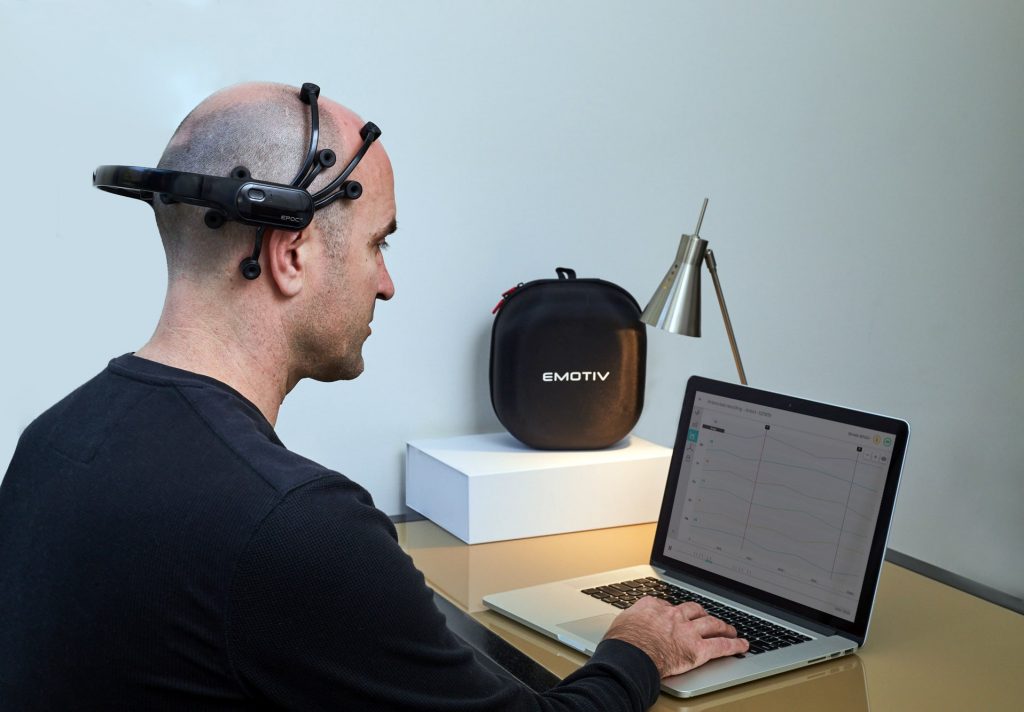
Electroencephalography (EEG) adds a complementary data layer by measuring brain activity associated with attention, cognitive load, and engagement as users interact with a product.
For UX designers and product managers, this enables a more complete understanding of user experience, especially in cases where behavior and feedback do not fully explain outcomes.
Problem: Gaps in Traditional UX and Product Testing
Most UX research workflows depend on three primary data sources:
Behavioral data (analytics, click tracking)
Self-reported feedback (surveys, interviews)
Observed performance (task completion, errors)
These methods are effective but introduce limitations:
Users may not accurately describe their experience
Cognitive effort is not directly measured
Feedback is often delayed and retrospective
This creates a gap between observed behavior and actual user experience during interaction.
Solution: EEG as a Foundational Research Method
EEG provides real-time physiological data that reflects how users respond during product interactions.
In UX and product testing, EEG is commonly used to analyze:
Attention: focus vs. distraction
Cognitive load: mental effort required to complete tasks
Engagement: level of involvement during an experience
EEG does not replace traditional UX research methods. It enhances them by adding objective, time-synchronized context to behavioral and qualitative data.
Key Use Cases for EEG in UX and Product Testing
1. Usability Testing with Cognitive Data
EEG helps identify friction points that may not be reported by users.
Example signals:
Increased cognitive load during onboarding
Attention drops within critical workflows
This allows teams to detect usability issues even when task completion appears successful.
2. Cognitive Load Analysis for Interface Design
EEG enables comparison of design variations based on mental effort.
Common applications:
Simplifying complex interfaces
Optimizing multi-step workflows
Prioritizing features based on usability
This supports design decisions that reduce user effort and improve efficiency.
3. Engagement Measurement in Digital Experiences
EEG provides real-time indicators of user engagement.
Applicable scenarios:
Content testing
UI flow optimization
Interactive experiences
This helps teams understand how users respond throughout an experience, not just at the end.
4. A/B Testing with Cognitive Context
EEG adds an additional dimension to A/B testing.
Teams can evaluate:
Which variation maintains attention longer
Which reduces cognitive strain
Which supports smoother interaction
This complements traditional metrics such as conversion rate or task completion.
Why Existing Tools Fall Short
Most UX research tools are not designed to integrate real-time physiological data.
As a result, teams often rely on fragmented workflows:
Separate tools for stimuli presentation
Independent systems for behavioral tracking
External tools for physiological data collection
Manual synchronization during analysis
This increases:
Time required for research setup
Complexity of data alignment
Risk of inconsistent or incomplete insights
The limitation is not just the absence of EEG data. It is the lack of a structured environment to connect that data to user interactions.
How Emotiv Studio Supports EEG-Based UX Research
Emotiv Studio is designed to support structured EEG experiments within UX and product research workflows.
It enables teams to:
Design controlled experiments
Define tasks, stimuli, and research conditionsPresent stimuli within the platform
Use images, videos, or product flows during testingSynchronize EEG data with event markers
Align brain activity with specific user interactionsCollect consistent data across sessions
Standardize research for comparability and analysisMeasure real-time emotional impact
Link distinct moments to focus, attention, and stressQuantify results in minutes, not days or weeks
EmotivIQ provides insights and recommendations so you can move quickly
By combining these capabilities in a single environment, Emotiv Studio reduces the need for manual data alignment and supports more efficient research workflows.
Integration: EEG Within Existing UX Research Workflows
EEG is most effective when integrated with current research methods.
Common Combinations
EEG + usability testing
Identify unreported frictionEEG + surveys and interviews
Validate or contextualize user feedbackEEG + analytics platforms
Connect behavior with cognitive response
Example Workflow
Define the research objective
Design the experiment and stimuli
Collect EEG and behavioral data simultaneously
Analyze patterns across datasets
This approach improves reliability by combining multiple data sources.
Practical Considerations
Before implementing EEG in UX research, teams should consider:
Experimental design quality
Data interpretation requirements
Testing environment control
EEG tools used in this context are intended for research and product development, not medical diagnosis or treatment.
Emerging Applications in Product Development
As EEG becomes more accessible, product teams are exploring:
Adaptive user interfaces
Personalized user experiences
Real-time feedback systems
These applications extend UX research into continuous optimization based on user state.
Conclusion: Expanding UX Research with Cognitive Data
EEG adds a measurable layer of cognitive insight to UX and product testing.
By integrating brain signal data with behavioral and qualitative inputs, teams can better understand how users experience interactions in real time.
This supports:
More accurate usability insights
Improved design decisions
More efficient product iteration
Learn More About Emotiv Studio
For teams evaluating tools for UX research and product testing, Emotiv Studio provides a structured environment for designing experiments, synchronizing EEG data, and improving research workflows.
Further reading:
UX research and product testing rely on well-established methods such as analytics, usability testing, and user feedback.
These approaches answer key questions:
What did users do?
Where did they succeed or fail?
What did they report about their experience?
However, they do not fully capture real-time cognitive responses during interaction.
Adding Cognitive Insight to UX Research
Electroencephalography (EEG) adds a complementary data layer by measuring brain activity associated with attention, cognitive load, and engagement as users interact with a product.
For UX designers and product managers, this enables a more complete understanding of user experience, especially in cases where behavior and feedback do not fully explain outcomes.
Problem: Gaps in Traditional UX and Product Testing
Most UX research workflows depend on three primary data sources:
Behavioral data (analytics, click tracking)
Self-reported feedback (surveys, interviews)
Observed performance (task completion, errors)
These methods are effective but introduce limitations:
Users may not accurately describe their experience
Cognitive effort is not directly measured
Feedback is often delayed and retrospective
This creates a gap between observed behavior and actual user experience during interaction.
Solution: EEG as a Foundational Research Method
EEG provides real-time physiological data that reflects how users respond during product interactions.
In UX and product testing, EEG is commonly used to analyze:
Attention: focus vs. distraction
Cognitive load: mental effort required to complete tasks
Engagement: level of involvement during an experience
EEG does not replace traditional UX research methods. It enhances them by adding objective, time-synchronized context to behavioral and qualitative data.
Key Use Cases for EEG in UX and Product Testing
1. Usability Testing with Cognitive Data
EEG helps identify friction points that may not be reported by users.
Example signals:
Increased cognitive load during onboarding
Attention drops within critical workflows
This allows teams to detect usability issues even when task completion appears successful.
2. Cognitive Load Analysis for Interface Design
EEG enables comparison of design variations based on mental effort.
Common applications:
Simplifying complex interfaces
Optimizing multi-step workflows
Prioritizing features based on usability
This supports design decisions that reduce user effort and improve efficiency.
3. Engagement Measurement in Digital Experiences
EEG provides real-time indicators of user engagement.
Applicable scenarios:
Content testing
UI flow optimization
Interactive experiences
This helps teams understand how users respond throughout an experience, not just at the end.
4. A/B Testing with Cognitive Context
EEG adds an additional dimension to A/B testing.
Teams can evaluate:
Which variation maintains attention longer
Which reduces cognitive strain
Which supports smoother interaction
This complements traditional metrics such as conversion rate or task completion.
Why Existing Tools Fall Short
Most UX research tools are not designed to integrate real-time physiological data.
As a result, teams often rely on fragmented workflows:
Separate tools for stimuli presentation
Independent systems for behavioral tracking
External tools for physiological data collection
Manual synchronization during analysis
This increases:
Time required for research setup
Complexity of data alignment
Risk of inconsistent or incomplete insights
The limitation is not just the absence of EEG data. It is the lack of a structured environment to connect that data to user interactions.
How Emotiv Studio Supports EEG-Based UX Research
Emotiv Studio is designed to support structured EEG experiments within UX and product research workflows.
It enables teams to:
Design controlled experiments
Define tasks, stimuli, and research conditionsPresent stimuli within the platform
Use images, videos, or product flows during testingSynchronize EEG data with event markers
Align brain activity with specific user interactionsCollect consistent data across sessions
Standardize research for comparability and analysisMeasure real-time emotional impact
Link distinct moments to focus, attention, and stressQuantify results in minutes, not days or weeks
EmotivIQ provides insights and recommendations so you can move quickly
By combining these capabilities in a single environment, Emotiv Studio reduces the need for manual data alignment and supports more efficient research workflows.
Integration: EEG Within Existing UX Research Workflows
EEG is most effective when integrated with current research methods.
Common Combinations
EEG + usability testing
Identify unreported frictionEEG + surveys and interviews
Validate or contextualize user feedbackEEG + analytics platforms
Connect behavior with cognitive response
Example Workflow
Define the research objective
Design the experiment and stimuli
Collect EEG and behavioral data simultaneously
Analyze patterns across datasets
This approach improves reliability by combining multiple data sources.
Practical Considerations
Before implementing EEG in UX research, teams should consider:
Experimental design quality
Data interpretation requirements
Testing environment control
EEG tools used in this context are intended for research and product development, not medical diagnosis or treatment.
Emerging Applications in Product Development
As EEG becomes more accessible, product teams are exploring:
Adaptive user interfaces
Personalized user experiences
Real-time feedback systems
These applications extend UX research into continuous optimization based on user state.
Conclusion: Expanding UX Research with Cognitive Data
EEG adds a measurable layer of cognitive insight to UX and product testing.
By integrating brain signal data with behavioral and qualitative inputs, teams can better understand how users experience interactions in real time.
This supports:
More accurate usability insights
Improved design decisions
More efficient product iteration
Learn More About Emotiv Studio
For teams evaluating tools for UX research and product testing, Emotiv Studio provides a structured environment for designing experiments, synchronizing EEG data, and improving research workflows.
Further reading:
UX research and product testing rely on well-established methods such as analytics, usability testing, and user feedback.
These approaches answer key questions:
What did users do?
Where did they succeed or fail?
What did they report about their experience?
However, they do not fully capture real-time cognitive responses during interaction.
Adding Cognitive Insight to UX Research
Electroencephalography (EEG) adds a complementary data layer by measuring brain activity associated with attention, cognitive load, and engagement as users interact with a product.
For UX designers and product managers, this enables a more complete understanding of user experience, especially in cases where behavior and feedback do not fully explain outcomes.
Problem: Gaps in Traditional UX and Product Testing
Most UX research workflows depend on three primary data sources:
Behavioral data (analytics, click tracking)
Self-reported feedback (surveys, interviews)
Observed performance (task completion, errors)
These methods are effective but introduce limitations:
Users may not accurately describe their experience
Cognitive effort is not directly measured
Feedback is often delayed and retrospective
This creates a gap between observed behavior and actual user experience during interaction.
Solution: EEG as a Foundational Research Method
EEG provides real-time physiological data that reflects how users respond during product interactions.
In UX and product testing, EEG is commonly used to analyze:
Attention: focus vs. distraction
Cognitive load: mental effort required to complete tasks
Engagement: level of involvement during an experience
EEG does not replace traditional UX research methods. It enhances them by adding objective, time-synchronized context to behavioral and qualitative data.
Key Use Cases for EEG in UX and Product Testing
1. Usability Testing with Cognitive Data
EEG helps identify friction points that may not be reported by users.
Example signals:
Increased cognitive load during onboarding
Attention drops within critical workflows
This allows teams to detect usability issues even when task completion appears successful.
2. Cognitive Load Analysis for Interface Design
EEG enables comparison of design variations based on mental effort.
Common applications:
Simplifying complex interfaces
Optimizing multi-step workflows
Prioritizing features based on usability
This supports design decisions that reduce user effort and improve efficiency.
3. Engagement Measurement in Digital Experiences
EEG provides real-time indicators of user engagement.
Applicable scenarios:
Content testing
UI flow optimization
Interactive experiences
This helps teams understand how users respond throughout an experience, not just at the end.
4. A/B Testing with Cognitive Context
EEG adds an additional dimension to A/B testing.
Teams can evaluate:
Which variation maintains attention longer
Which reduces cognitive strain
Which supports smoother interaction
This complements traditional metrics such as conversion rate or task completion.
Why Existing Tools Fall Short
Most UX research tools are not designed to integrate real-time physiological data.
As a result, teams often rely on fragmented workflows:
Separate tools for stimuli presentation
Independent systems for behavioral tracking
External tools for physiological data collection
Manual synchronization during analysis
This increases:
Time required for research setup
Complexity of data alignment
Risk of inconsistent or incomplete insights
The limitation is not just the absence of EEG data. It is the lack of a structured environment to connect that data to user interactions.
How Emotiv Studio Supports EEG-Based UX Research
Emotiv Studio is designed to support structured EEG experiments within UX and product research workflows.
It enables teams to:
Design controlled experiments
Define tasks, stimuli, and research conditionsPresent stimuli within the platform
Use images, videos, or product flows during testingSynchronize EEG data with event markers
Align brain activity with specific user interactionsCollect consistent data across sessions
Standardize research for comparability and analysisMeasure real-time emotional impact
Link distinct moments to focus, attention, and stressQuantify results in minutes, not days or weeks
EmotivIQ provides insights and recommendations so you can move quickly
By combining these capabilities in a single environment, Emotiv Studio reduces the need for manual data alignment and supports more efficient research workflows.
Integration: EEG Within Existing UX Research Workflows
EEG is most effective when integrated with current research methods.
Common Combinations
EEG + usability testing
Identify unreported frictionEEG + surveys and interviews
Validate or contextualize user feedbackEEG + analytics platforms
Connect behavior with cognitive response
Example Workflow
Define the research objective
Design the experiment and stimuli
Collect EEG and behavioral data simultaneously
Analyze patterns across datasets
This approach improves reliability by combining multiple data sources.
Practical Considerations
Before implementing EEG in UX research, teams should consider:
Experimental design quality
Data interpretation requirements
Testing environment control
EEG tools used in this context are intended for research and product development, not medical diagnosis or treatment.
Emerging Applications in Product Development
As EEG becomes more accessible, product teams are exploring:
Adaptive user interfaces
Personalized user experiences
Real-time feedback systems
These applications extend UX research into continuous optimization based on user state.
Conclusion: Expanding UX Research with Cognitive Data
EEG adds a measurable layer of cognitive insight to UX and product testing.
By integrating brain signal data with behavioral and qualitative inputs, teams can better understand how users experience interactions in real time.
This supports:
More accurate usability insights
Improved design decisions
More efficient product iteration
Learn More About Emotiv Studio
For teams evaluating tools for UX research and product testing, Emotiv Studio provides a structured environment for designing experiments, synchronizing EEG data, and improving research workflows.
Further reading: