Price increase for Epoc X and Flex on May 1st. Stock up now and save!
Price increase for Epoc X and Flex on May 1st. Stock up now and save!
Price increase for Epoc X and Flex on May 1st. Stock up now and save!

How Cognitive Exercises Like Box Breathing Support Focus and Neuroplasticity
H.B. Duran
Updated on
Apr 27, 2026
How Cognitive Exercises Like Box Breathing Support Focus and Neuroplasticity
H.B. Duran
Updated on
Apr 27, 2026
How Cognitive Exercises Like Box Breathing Support Focus and Neuroplasticity
H.B. Duran
Updated on
Apr 27, 2026
Strengthening Brain Health Through Breath and Practice
As interest in long-term cognitive resilience grows, structured mental exercises are gaining attention for their potential to support focus, emotional regulation, and adaptive thinking.
Cognitive exercises—ranging from attention training to controlled breathing techniques—engage neural systems associated with executive function and self-regulation. Research suggests that repeated engagement in these practices may contribute to neuroplastic changes, reinforcing pathways involved in attention and stress response (Kleim & Jones, 2008; Tang et al., 2015).
Among these approaches, breathing techniques such as box breathing offer a practical, accessible entry point.
 |  |
What Is Box Breathing?
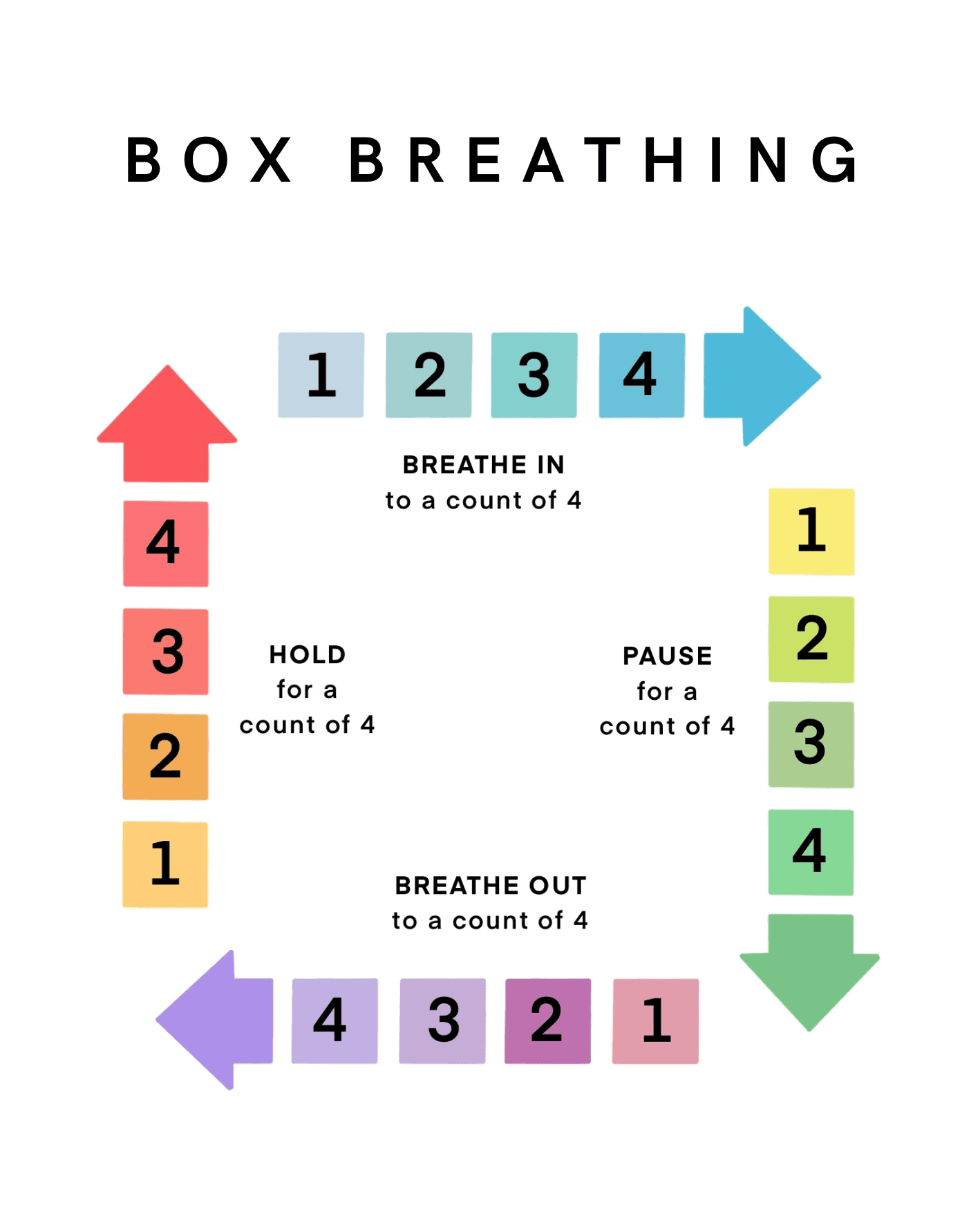
Box breathing, sometimes referred to as square breathing or boxed breathing, is a structured breathing technique that follows a simple pattern:
Inhale for a count of four
Hold for four
Exhale for four
Hold for four
This rhythmic cycle is often used in high-performance environments, including military and clinical settings, to support calm and focused states.
The Science Behind Controlled Breathing and the Brain
Breathing is closely linked to the autonomic nervous system, which regulates physiological states such as alertness and relaxation. Intentional breathing patterns can influence this system, shaping how the brain and body respond to stress.
Research suggests that slow, controlled breathing may:
Support parasympathetic nervous system activity, associated with relaxation
Influence brain regions involved in attention and emotional regulation
Promote more stable patterns of neural oscillation (Zaccaro et al., 2018; Brown & Gerbarg, 2005)
A growing body of evidence also highlights the relationship between breath control and cognitive performance. For example, studies suggest that paced breathing may enhance attentional control and reduce variability in task performance (Ma et al., 2017).
These findings align with broader research on mindfulness and neuroplasticity, where repeated engagement in attention-focused practices is associated with measurable changes in brain structure and function (Hölzel et al., 2011; Tang et al., 2015).
Breathing as a Cognitive Training Tool
While breathing is often viewed as a relaxation technique, it also functions as a form of cognitive training.
Box breathing requires:
Sustained attention to timing
Awareness of internal states
Regulation of impulses (e.g., resisting the urge to shorten a breath cycle)
This combination engages executive control networks in the brain. Over time, consistent practice may reinforce these networks, supporting improved focus and cognitive flexibility.
Importantly, research suggests these effects depend on regular practice rather than isolated sessions. Like other forms of training, consistency shapes outcomes.
From Subjective Experience to Measurable Insight
One of the challenges in cognitive training is understanding what is happening beneath the surface. Individuals may feel calmer or more focused, but these experiences can be difficult to quantify.
Advances in electroencephalography (EEG) offer new ways to explore this relationship.
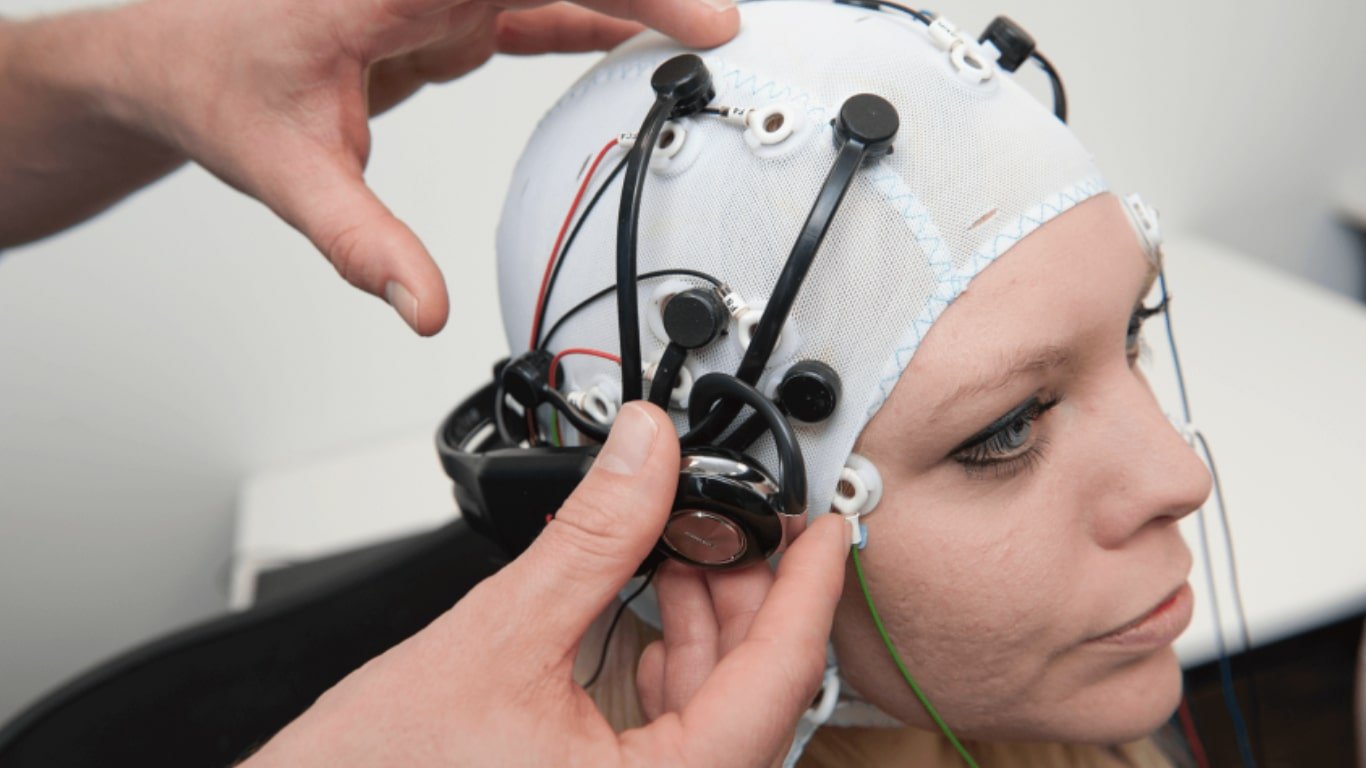
Brainwear by Emotiv provides tools to measure brain signals and deliver contextual data related to cognitive states such as focus, engagement, and relaxation. This creates an opportunity to observe how practices like boxed breathing correspond with changes in brain activity over time.
For example, users may explore:
How quickly their brain activity shifts during a breathing session
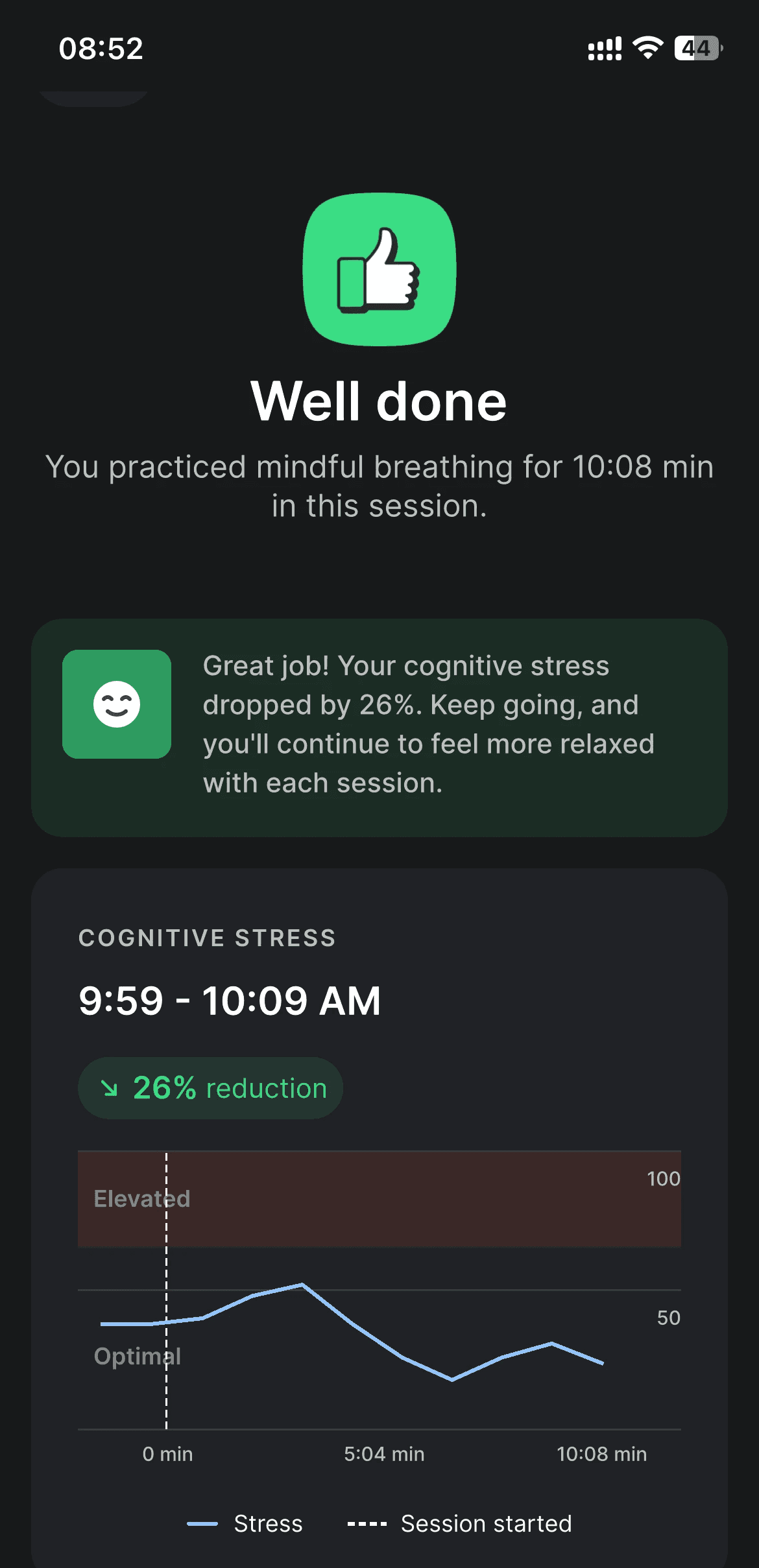
Differences in focus levels before and after practice
Patterns that emerge with consistent training
This data-informed approach supports more intentional practice, aligning with Emotiv’s mission to expand access to brain data for research and self-guided exploration.
Integrating Box Breathing into a Brain Health Routine
For those looking to incorporate boxed breathing into daily life, a structured approach can help:
1. Start With Short Sessions
Begin with 2–5 minutes and gradually increase duration as the pattern becomes more comfortable.
2. Pair With Focused Activities
Use boxed breathing before tasks that require sustained attention, such as deep work or study sessions.
3. Practice Consistently
Daily repetition reinforces neural pathways associated with attention and regulation.
4. Reflect With Brain Data
Using tools like Brainwear by Emotiv, individuals can explore how their practice aligns with changes in brain activity over time.
A Data-Informed Path Forward
Cognitive exercises like boxed breathing highlight a broader shift toward intentional brain health practices. Rather than relying solely on passive habits, individuals are increasingly engaging with structured techniques that support focus and adaptability.
Neuroplasticity provides the scientific foundation for this approach. It suggests that the brain remains responsive to repeated patterns of behavior, including how we breathe, focus, and regulate attention.
While research continues to evolve, the convergence of breathing science, cognitive training, and EEG technology offers a promising direction for those seeking a more informed understanding of their mental performance.
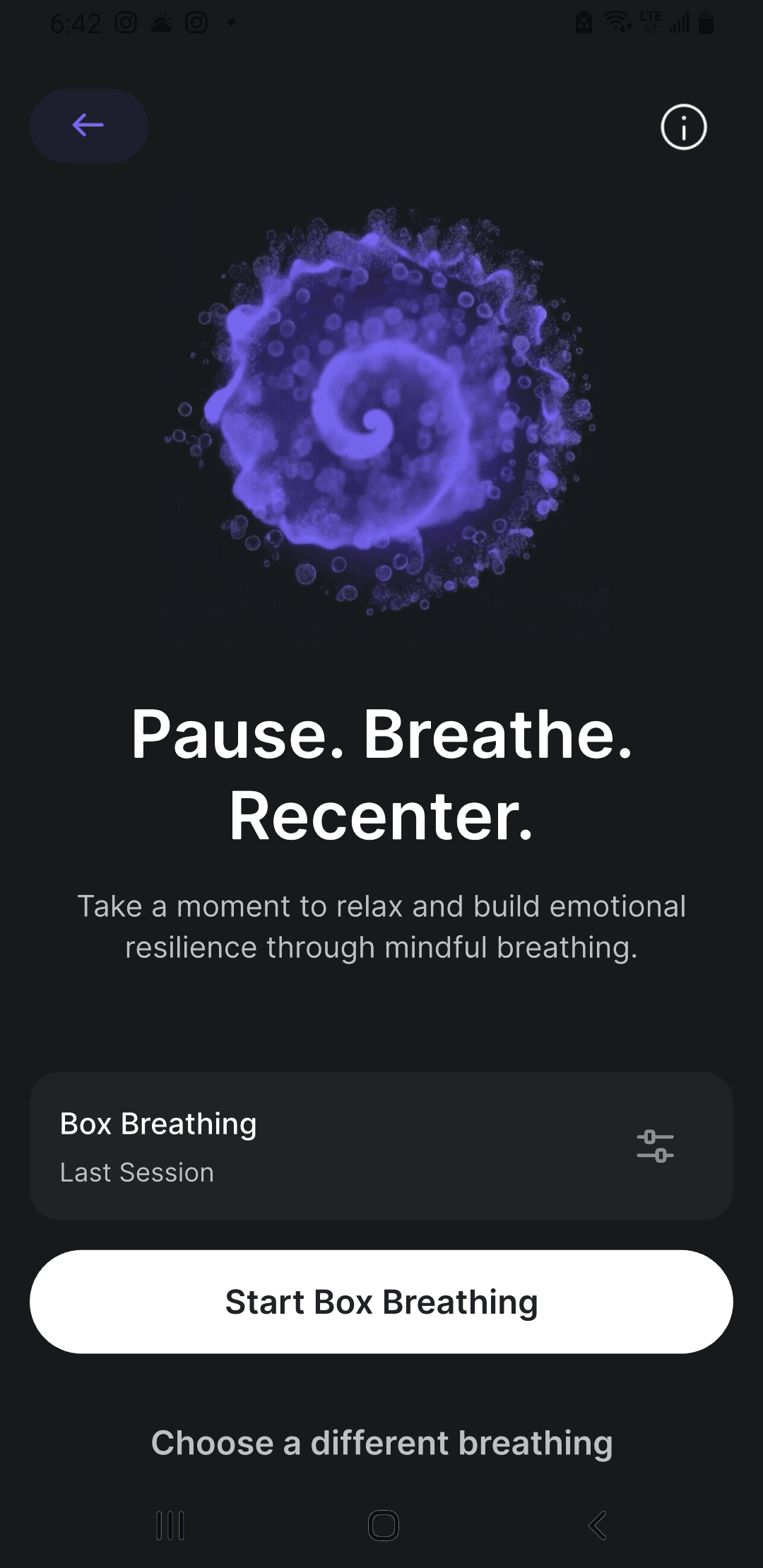
Breathing Exercises inside the Brainwear by Emotiv App | |
|---|---|
 |  |
Explore Your Brain Data
Discover how Brainwear by Emotiv can support your cognitive training and breathing practices with real-time insights.
References
Brown, R. P., & Gerbarg, P. L. (2005). Sudarshan Kriya yogic breathing in the treatment of stress, anxiety, and depression: Part I—Neurophysiologic model. Journal of Alternative and Complementary Medicine, 11(1), 189–201.
Hölzel, B. K., Carmody, J., Vangel, M., Congleton, C., Yerramsetti, S. M., Gard, T., & Lazar, S. W. (2011). Mindfulness practice leads to increases in regional brain gray matter density. Psychiatry Research: Neuroimaging, 191(1), 36–43.
Kleim, J. A., & Jones, T. A. (2008). Principles of experience-dependent neural plasticity. Journal of Speech, Language, and Hearing Research, 51(1), S225–S239.
Ma, X., Yue, Z. Q., Gong, Z. Q., Zhang, H., Duan, N. Y., Shi, Y. T., Wei, G. X., & Li, Y. F. (2017). The effect of diaphragmatic breathing on attention, negative affect, and stress in healthy adults. Frontiers in Psychology, 8, 874.
Tang, Y. Y., Hölzel, B. K., & Posner, M. I. (2015). The neuroscience of mindfulness meditation. Nature Reviews Neuroscience, 16(4), 213–225.
Zaccaro, A., Piarulli, A., Laurino, M., Garbella, E., Menicucci, D., Neri, B., & Gemignani, A. (2018). How breath-control can change your life: A systematic review on psychophysiological correlates of slow breathing. Frontiers in Human Neuroscience, 12, 353.
Strengthening Brain Health Through Breath and Practice
As interest in long-term cognitive resilience grows, structured mental exercises are gaining attention for their potential to support focus, emotional regulation, and adaptive thinking.
Cognitive exercises—ranging from attention training to controlled breathing techniques—engage neural systems associated with executive function and self-regulation. Research suggests that repeated engagement in these practices may contribute to neuroplastic changes, reinforcing pathways involved in attention and stress response (Kleim & Jones, 2008; Tang et al., 2015).
Among these approaches, breathing techniques such as box breathing offer a practical, accessible entry point.
| |
What Is Box Breathing?
Box breathing, sometimes referred to as square breathing or boxed breathing, is a structured breathing technique that follows a simple pattern:
Inhale for a count of four
Hold for four
Exhale for four
Hold for four
This rhythmic cycle is often used in high-performance environments, including military and clinical settings, to support calm and focused states.
The Science Behind Controlled Breathing and the Brain
Breathing is closely linked to the autonomic nervous system, which regulates physiological states such as alertness and relaxation. Intentional breathing patterns can influence this system, shaping how the brain and body respond to stress.
Research suggests that slow, controlled breathing may:
Support parasympathetic nervous system activity, associated with relaxation
Influence brain regions involved in attention and emotional regulation
Promote more stable patterns of neural oscillation (Zaccaro et al., 2018; Brown & Gerbarg, 2005)
A growing body of evidence also highlights the relationship between breath control and cognitive performance. For example, studies suggest that paced breathing may enhance attentional control and reduce variability in task performance (Ma et al., 2017).
These findings align with broader research on mindfulness and neuroplasticity, where repeated engagement in attention-focused practices is associated with measurable changes in brain structure and function (Hölzel et al., 2011; Tang et al., 2015).
Breathing as a Cognitive Training Tool
While breathing is often viewed as a relaxation technique, it also functions as a form of cognitive training.
Box breathing requires:
Sustained attention to timing
Awareness of internal states
Regulation of impulses (e.g., resisting the urge to shorten a breath cycle)
This combination engages executive control networks in the brain. Over time, consistent practice may reinforce these networks, supporting improved focus and cognitive flexibility.
Importantly, research suggests these effects depend on regular practice rather than isolated sessions. Like other forms of training, consistency shapes outcomes.
From Subjective Experience to Measurable Insight
One of the challenges in cognitive training is understanding what is happening beneath the surface. Individuals may feel calmer or more focused, but these experiences can be difficult to quantify.
Advances in electroencephalography (EEG) offer new ways to explore this relationship.
Brainwear by Emotiv provides tools to measure brain signals and deliver contextual data related to cognitive states such as focus, engagement, and relaxation. This creates an opportunity to observe how practices like boxed breathing correspond with changes in brain activity over time.
For example, users may explore:
How quickly their brain activity shifts during a breathing session
Differences in focus levels before and after practice
Patterns that emerge with consistent training
This data-informed approach supports more intentional practice, aligning with Emotiv’s mission to expand access to brain data for research and self-guided exploration.
Integrating Box Breathing into a Brain Health Routine
For those looking to incorporate boxed breathing into daily life, a structured approach can help:
1. Start With Short Sessions
Begin with 2–5 minutes and gradually increase duration as the pattern becomes more comfortable.
2. Pair With Focused Activities
Use boxed breathing before tasks that require sustained attention, such as deep work or study sessions.
3. Practice Consistently
Daily repetition reinforces neural pathways associated with attention and regulation.
4. Reflect With Brain Data
Using tools like Brainwear by Emotiv, individuals can explore how their practice aligns with changes in brain activity over time.
A Data-Informed Path Forward
Cognitive exercises like boxed breathing highlight a broader shift toward intentional brain health practices. Rather than relying solely on passive habits, individuals are increasingly engaging with structured techniques that support focus and adaptability.
Neuroplasticity provides the scientific foundation for this approach. It suggests that the brain remains responsive to repeated patterns of behavior, including how we breathe, focus, and regulate attention.
While research continues to evolve, the convergence of breathing science, cognitive training, and EEG technology offers a promising direction for those seeking a more informed understanding of their mental performance.
Breathing Exercises inside the Brainwear by Emotiv App | |
|---|---|
| |
Explore Your Brain Data
Discover how Brainwear by Emotiv can support your cognitive training and breathing practices with real-time insights.
References
Brown, R. P., & Gerbarg, P. L. (2005). Sudarshan Kriya yogic breathing in the treatment of stress, anxiety, and depression: Part I—Neurophysiologic model. Journal of Alternative and Complementary Medicine, 11(1), 189–201.
Hölzel, B. K., Carmody, J., Vangel, M., Congleton, C., Yerramsetti, S. M., Gard, T., & Lazar, S. W. (2011). Mindfulness practice leads to increases in regional brain gray matter density. Psychiatry Research: Neuroimaging, 191(1), 36–43.
Kleim, J. A., & Jones, T. A. (2008). Principles of experience-dependent neural plasticity. Journal of Speech, Language, and Hearing Research, 51(1), S225–S239.
Ma, X., Yue, Z. Q., Gong, Z. Q., Zhang, H., Duan, N. Y., Shi, Y. T., Wei, G. X., & Li, Y. F. (2017). The effect of diaphragmatic breathing on attention, negative affect, and stress in healthy adults. Frontiers in Psychology, 8, 874.
Tang, Y. Y., Hölzel, B. K., & Posner, M. I. (2015). The neuroscience of mindfulness meditation. Nature Reviews Neuroscience, 16(4), 213–225.
Zaccaro, A., Piarulli, A., Laurino, M., Garbella, E., Menicucci, D., Neri, B., & Gemignani, A. (2018). How breath-control can change your life: A systematic review on psychophysiological correlates of slow breathing. Frontiers in Human Neuroscience, 12, 353.
Strengthening Brain Health Through Breath and Practice
As interest in long-term cognitive resilience grows, structured mental exercises are gaining attention for their potential to support focus, emotional regulation, and adaptive thinking.
Cognitive exercises—ranging from attention training to controlled breathing techniques—engage neural systems associated with executive function and self-regulation. Research suggests that repeated engagement in these practices may contribute to neuroplastic changes, reinforcing pathways involved in attention and stress response (Kleim & Jones, 2008; Tang et al., 2015).
Among these approaches, breathing techniques such as box breathing offer a practical, accessible entry point.
| |
What Is Box Breathing?
Box breathing, sometimes referred to as square breathing or boxed breathing, is a structured breathing technique that follows a simple pattern:
Inhale for a count of four
Hold for four
Exhale for four
Hold for four
This rhythmic cycle is often used in high-performance environments, including military and clinical settings, to support calm and focused states.
The Science Behind Controlled Breathing and the Brain
Breathing is closely linked to the autonomic nervous system, which regulates physiological states such as alertness and relaxation. Intentional breathing patterns can influence this system, shaping how the brain and body respond to stress.
Research suggests that slow, controlled breathing may:
Support parasympathetic nervous system activity, associated with relaxation
Influence brain regions involved in attention and emotional regulation
Promote more stable patterns of neural oscillation (Zaccaro et al., 2018; Brown & Gerbarg, 2005)
A growing body of evidence also highlights the relationship between breath control and cognitive performance. For example, studies suggest that paced breathing may enhance attentional control and reduce variability in task performance (Ma et al., 2017).
These findings align with broader research on mindfulness and neuroplasticity, where repeated engagement in attention-focused practices is associated with measurable changes in brain structure and function (Hölzel et al., 2011; Tang et al., 2015).
Breathing as a Cognitive Training Tool
While breathing is often viewed as a relaxation technique, it also functions as a form of cognitive training.
Box breathing requires:
Sustained attention to timing
Awareness of internal states
Regulation of impulses (e.g., resisting the urge to shorten a breath cycle)
This combination engages executive control networks in the brain. Over time, consistent practice may reinforce these networks, supporting improved focus and cognitive flexibility.
Importantly, research suggests these effects depend on regular practice rather than isolated sessions. Like other forms of training, consistency shapes outcomes.
From Subjective Experience to Measurable Insight
One of the challenges in cognitive training is understanding what is happening beneath the surface. Individuals may feel calmer or more focused, but these experiences can be difficult to quantify.
Advances in electroencephalography (EEG) offer new ways to explore this relationship.
Brainwear by Emotiv provides tools to measure brain signals and deliver contextual data related to cognitive states such as focus, engagement, and relaxation. This creates an opportunity to observe how practices like boxed breathing correspond with changes in brain activity over time.
For example, users may explore:
How quickly their brain activity shifts during a breathing session
Differences in focus levels before and after practice
Patterns that emerge with consistent training
This data-informed approach supports more intentional practice, aligning with Emotiv’s mission to expand access to brain data for research and self-guided exploration.
Integrating Box Breathing into a Brain Health Routine
For those looking to incorporate boxed breathing into daily life, a structured approach can help:
1. Start With Short Sessions
Begin with 2–5 minutes and gradually increase duration as the pattern becomes more comfortable.
2. Pair With Focused Activities
Use boxed breathing before tasks that require sustained attention, such as deep work or study sessions.
3. Practice Consistently
Daily repetition reinforces neural pathways associated with attention and regulation.
4. Reflect With Brain Data
Using tools like Brainwear by Emotiv, individuals can explore how their practice aligns with changes in brain activity over time.
A Data-Informed Path Forward
Cognitive exercises like boxed breathing highlight a broader shift toward intentional brain health practices. Rather than relying solely on passive habits, individuals are increasingly engaging with structured techniques that support focus and adaptability.
Neuroplasticity provides the scientific foundation for this approach. It suggests that the brain remains responsive to repeated patterns of behavior, including how we breathe, focus, and regulate attention.
While research continues to evolve, the convergence of breathing science, cognitive training, and EEG technology offers a promising direction for those seeking a more informed understanding of their mental performance.
Breathing Exercises inside the Brainwear by Emotiv App | |
|---|---|
| |
Explore Your Brain Data
Discover how Brainwear by Emotiv can support your cognitive training and breathing practices with real-time insights.
References
Brown, R. P., & Gerbarg, P. L. (2005). Sudarshan Kriya yogic breathing in the treatment of stress, anxiety, and depression: Part I—Neurophysiologic model. Journal of Alternative and Complementary Medicine, 11(1), 189–201.
Hölzel, B. K., Carmody, J., Vangel, M., Congleton, C., Yerramsetti, S. M., Gard, T., & Lazar, S. W. (2011). Mindfulness practice leads to increases in regional brain gray matter density. Psychiatry Research: Neuroimaging, 191(1), 36–43.
Kleim, J. A., & Jones, T. A. (2008). Principles of experience-dependent neural plasticity. Journal of Speech, Language, and Hearing Research, 51(1), S225–S239.
Ma, X., Yue, Z. Q., Gong, Z. Q., Zhang, H., Duan, N. Y., Shi, Y. T., Wei, G. X., & Li, Y. F. (2017). The effect of diaphragmatic breathing on attention, negative affect, and stress in healthy adults. Frontiers in Psychology, 8, 874.
Tang, Y. Y., Hölzel, B. K., & Posner, M. I. (2015). The neuroscience of mindfulness meditation. Nature Reviews Neuroscience, 16(4), 213–225.
Zaccaro, A., Piarulli, A., Laurino, M., Garbella, E., Menicucci, D., Neri, B., & Gemignani, A. (2018). How breath-control can change your life: A systematic review on psychophysiological correlates of slow breathing. Frontiers in Human Neuroscience, 12, 353.