14 Channel EEG Headset Price: A Full Breakdown
Emotiv
Updated on
Feb 26, 2026
14 Channel EEG Headset Price: A Full Breakdown
Emotiv
Updated on
Feb 26, 2026
14 Channel EEG Headset Price: A Full Breakdown
Emotiv
Updated on
Feb 26, 2026
Let's talk about one of the first questions that comes up when looking for professional-grade equipment: cost. The 14 channel eeg headset price can vary, and it’s helpful to know why. The final number is influenced by several key factors, including the quality of the sensor technology, the sophistication of the software needed to analyze the data, and the overall reliability of the device. A lower-priced option might seem appealing initially, but it may lack the data accuracy or robust software support required for credible research. Understanding these components helps you make an informed decision and find a headset that provides real value for your specific project.
Key Takeaways
Choose the right level of detail: A 14-channel headset offers a powerful balance, giving you enough spatial resolution for serious research in areas like BCI and neuromarketing while remaining accessible and easy to use. It's the ideal step up from simpler devices for more nuanced analysis.
Budget for the complete ecosystem: The headset's price is only one part of the equation; factor in ongoing costs for powerful software like EmotivPRO and any accessories to get a true picture of your investment and ensure a smooth workflow from data collection to analysis.
Prioritize data quality and usability: The best headset is one you can rely on, so look for excellent signal quality, a comfortable design for long-term use, and seamless software integration to make your entire research process more efficient and effective.
What Is a 14-Channel EEG Headset?
If you're looking for a powerful yet accessible way to measure brain activity, a 14-channel EEG headset is a fantastic place to start. I like to think of it as the sweet spot between simpler devices with just a few sensors and the complex, expensive systems you’d find in a traditional research lab. These headsets give you detailed data from multiple points across the scalp, painting a much richer picture of what’s happening in the brain without sacrificing portability or ease of use. They are designed to make professional-grade brain sensing available to a wider audience, from university researchers to independent developers.
With 14 channels, you get enough spatial resolution to explore different brain regions and their interactions, which is crucial for more advanced research and development projects. This level of detail allows you to move beyond basic measurements and start looking at patterns and connections. It’s the kind of tool that opens up possibilities, allowing you to ask more complex questions and get more nuanced answers about brain dynamics. Whether you're a seasoned neuroscientist or a developer venturing into BCI for the first time, a 14-channel headset provides a robust platform for discovery, all from a device that’s easy to set up and wear.
Core Components and How They Work
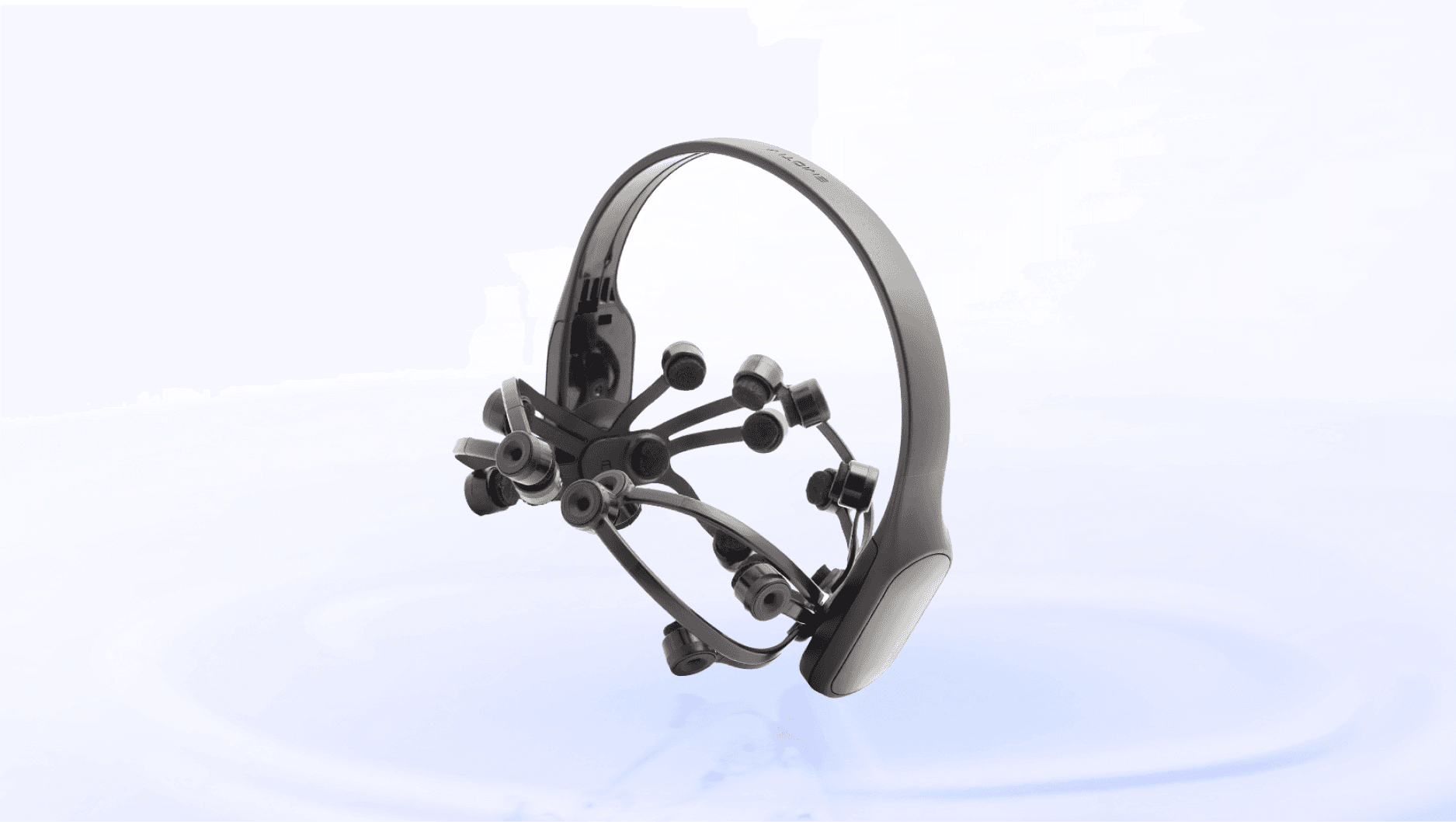
So, what does "14-channel" actually mean? It refers to the 14 sensors, or electrodes, positioned on the headset. Each sensor detects the tiny electrical signals generated by brain activity at its specific location. A device like our Epoc X headset uses these 14 sensors to gather a comprehensive dataset. Because it’s wireless, you can move around freely, which is perfect for more dynamic and realistic studies. The headset processes these signals and sends the data to a computer or mobile device, where our software helps you visualize and analyze the brain activity in real time. It’s an advanced tool designed to make understanding the brain more intuitive.
Common Uses in Research and Development
A 14-channel EEG headset is a really versatile tool used across many fields. It’s a popular choice for academic research and education, where it helps students and scientists explore brain dynamics without the need for a full-scale laboratory. These headsets are also central to the development of Brain-Computer Interfaces (BCI), which allow users to interact with software or control devices using their brain signals. Whether you're studying attention, exploring emotional responses for neuromarketing, or building a hands-free application, a 14-channel headset provides the detailed data needed for meaningful insights and innovative projects.
Comparing 14-Channel EEG Headsets
When you're ready to move beyond basic brainwave measurements, a 14-channel EEG headset hits a fantastic sweet spot. It provides a significant jump in spatial resolution compared to devices with fewer channels, giving you a much more detailed picture of brain activity across different regions. This level of detail makes it a versatile tool for a wide range of applications, from academic studies and neuromarketing to developing sophisticated brain-computer interfaces. You can start to explore more complex cognitive states and emotional responses with greater confidence in your data.
At the same time, 14-channel headsets maintain a level of portability and ease of use that can be lost with higher-channel-count systems. This balance of detailed data and user-friendliness is why they are so popular among both seasoned researchers and developers exploring EEG for the first time. But not all 14-channel headsets are created equal. They differ in sensor technology, wireless capabilities, software ecosystems, and of course, price. Understanding these differences is key to choosing a device that fits your project's needs and budget. Let's look at what sets our flagship 14-channel device apart and what you should consider when comparing your options.
Emotiv Epoc X
The Emotiv Epoc X is our professional-grade, 14-channel wireless EEG headset, designed for scalable and contextual human brain research. It uses 14 sensors to measure brain activity, delivering clean, high-resolution data that you can trust. The wireless design is a game-changer, giving you the freedom to conduct studies in more natural environments without being tethered to a computer. It connects seamlessly using Bluetooth 5.0 or a dedicated USB receiver for reliable, real-time data transmission. Priced as a great all-around choice for serious research, the Epoc X is built to support a wide array of advanced applications, making it a powerful tool for anyone serious about understanding the human brain.
Other Headsets to Consider
When you're looking at different 14-channel headsets, remember that the initial price tag is just one piece of the puzzle. The total cost of ownership includes the hardware, any necessary software subscriptions, and potential accessories. It's important to look at the entire ecosystem a headset operates in. Does it come with robust software for data analysis, or will you need to find third-party solutions? What kind of support is available if you run into issues? Considering these factors will help you make a more informed decision for your academic research and education projects. A slightly higher initial investment in a comprehensive platform can often save you time and money down the road.
Wireless vs. Wired: What's the Difference?
The biggest advantage of a wireless headset is freedom. For any research that involves movement or aims to capture data in a real-world setting, going wireless is essential. The Emotiv Epoc X, for example, allows participants to move naturally, which is critical for studies on everything from sports performance to user experience. Modern wireless technology provides stable, high-quality data transmission, so you don't have to sacrifice data integrity for mobility. While wired headsets can offer a direct connection, the flexibility of a wireless device opens up new possibilities for creating more dynamic and engaging brain-computer interface applications and research protocols. The ability to collect data without physical constraints is a powerful feature for any project.
What Factors Influence Headset Pricing?
When you’re looking at the price tag on a 14-channel EEG headset, you’re seeing more than just the cost of the physical device. The price is a reflection of the technology inside, the software that brings the data to life, and the support behind the product. A higher price often corresponds with greater data precision and more advanced analytical capabilities, which are essential for serious research and development. Understanding these key factors will help you see why prices vary and choose a headset that truly fits your project’s needs and budget.
Think of it like buying a professional camera. You’re not just paying for the camera body; you’re investing in the quality of the lens, the power of the image processor, and the ecosystem of software and accessories that support your work. Similarly, an EEG headset’s value is a combination of its hardware, software, and the reliability of the brand. Let’s break down the main components that contribute to the overall cost.
Sensor Technology and Quality
The core of any EEG headset is its sensor technology, and this is a primary driver of cost. The price is a direct reflection of its technical specifications, from the number of channels to the type of sensors used. A 14-channel headset like our Epoc X provides a good balance of spatial resolution for detailed brain activity analysis without the complexity of higher-channel systems. The quality of the sensors, whether they are saline-based for quick setup or gel-based for longer sessions, also plays a significant role. Better sensors and hardware design lead to cleaner data with fewer artifacts, which is critical for any credible research.
Software Features and Licensing
The hardware is only half of the story. To make sense of the brain data you collect, you need powerful software. The headset captures the raw signals, but an application like EmotivPRO is what allows you to view, record, and analyze them. This is an important consideration because software is often an ongoing cost, typically through a monthly or annual subscription. These licenses give you access to advanced metrics, data visualization tools, and the ability to export your findings for further study. When budgeting for a headset, be sure to factor in the cost of the software plan that matches your project’s requirements.
Compliance with Industry Standards
It’s important to understand the intended use of the headset you’re considering. Most portable EEG systems on the market are designed for research or wellness applications, not for diagnosing medical conditions. Medical-grade devices are in a completely different price bracket because they must meet strict regulatory standards and undergo extensive clinical validation. This process is incredibly expensive and time-consuming, which is reflected in their cost. Headsets intended for academic research and education are built to a different standard, focusing on providing high-quality, reliable data for non-clinical applications.
Brand Reputation and Support
Finally, brand reputation and the support that comes with it are factored into the price. An established brand invests heavily in research and development to ensure its products are accurate and reliable. At Emotiv, we focus on making high-quality brain data accessible for serious research, bridging the gap between expensive lab equipment and basic consumer devices. A trusted brand also provides comprehensive customer support, detailed documentation, and a strong community. For developers, this means access to SDKs and APIs that allow for the creation of custom applications, adding long-term value to your investment.
How Much Does a 14-Channel EEG Headset Cost?
When you start looking for a 14-channel EEG headset, you’ll find that prices can vary quite a bit. The cost depends on factors like sensor quality, software capabilities, and the level of support included. It’s helpful to think of the price in tiers, from entry-level devices perfect for initial projects to high-end systems designed for complex research.
Remember, the price tag on the headset is just the starting point. You should also plan for the total cost, which includes the device itself, any necessary software subscriptions, and extra accessories you might need for your specific project. Thinking about the complete package from the beginning will help you find a solution that fits your budget and your research goals without any surprises down the road. Let’s break down the typical price ranges you can expect to see.
Entry-Level Options ($1,000–$2,500)
In this price range, you can find powerful and reliable headsets that are great for getting started with serious research. These devices offer a fantastic balance of performance and affordability, making them accessible for smaller labs, independent researchers, and developers. For example, our Epoc X headset is a popular choice in this category. It provides high-quality, 14-channel data suitable for a wide range of applications. When you’re comparing options, make sure to look at the entire ecosystem, including the software. A great headset paired with intuitive software can make your data collection and analysis process much smoother.
Mid-Range Professional Headsets ($2,500–$5,000)
As you move into the mid-range, you’ll find headsets designed for more demanding professional and academic use. These devices often feature enhanced sensor technology and are built for reliable, repeatable data collection in controlled environments. They are ideal for detailed neuroscience applications, including academic research and usability testing. The data quality from these headsets is typically robust enough to meet the standards of peer-reviewed studies. If your work requires consistent performance and advanced data analysis features, investing in a mid-range headset is a solid choice that will support your project’s growth.
High-End Research-Grade Headsets ($5,000+)
For highly detailed scientific studies, high-end research-grade headsets are the go-to option. These systems can range from $5,000 to over $25,000, with the price often reflecting a higher channel count and more specialized features. While a 14-channel headset is perfect for many applications, some research may require more spatial resolution. For those instances, a device like our 32-channel Flex headset is designed to capture more granular brain activity. At the highest end of the spectrum, you’ll find clinical-grade systems with 64 to 256 channels, which are typically used for medical diagnostics in hospital settings.
What Features Should You Prioritize?
When you're looking at different 14-channel EEG headsets, the price tag is just one part of the story. The features are what really determine if a device is right for your project. It’s easy to get lost in technical specs, so let's break down the four key areas you should focus on. Thinking through these priorities will help you find a headset that not only fits your budget but also delivers the performance you need for your research or development work. From the quality of the data itself to how comfortable it is to wear, each feature plays a vital role in the success of your study.
Signal Quality and Sampling Rate
This is probably the most critical factor. Your entire project depends on collecting clean, accurate brain data. Look for a headset that provides high-resolution EEG data and has built-in noise reduction. A higher sampling rate means the headset captures more data points per second, giving you a more detailed picture of brain activity. For example, our Epoc X headset is designed specifically for this, ensuring the data you collect is reliable enough for demanding research applications. Without quality signals, your analysis and conclusions could be compromised, so this is one area where you don't want to cut corners.
Comfort and Long-Term Wearability
If participants in your study are uncomfortable, it can affect the data you collect and even their willingness to complete the session. For any research that requires wearing a headset for more than a few minutes, comfort is essential. Look for designs with adjustable or flexible headbands that can fit a variety of head shapes and sizes. The Epoc X, for instance, has a headband that rotates to ensure a snug yet comfortable fit. This is especially important for academic research studies, where sessions can sometimes last for an hour or more, and participant comfort is key to gathering consistent data.
Portability and Setup
Your research shouldn't be confined to a lab. The ability to take your equipment into different environments opens up a world of possibilities for contextual studies. A wireless, portable headset with a straightforward setup process is a huge advantage. It allows you to conduct experiments in more natural settings, which is invaluable for fields like neuromarketing where you want to understand responses in real-world scenarios. A device that’s easy to transport and quick to prepare means you can spend less time on logistics and more time focused on your research questions and gathering data.
Data Export Options and Formats
Collecting data is only half the battle; you also need to be able to access and analyze it effectively. Before you buy, check what data export options are available. Can you get the raw data? What formats are supported? A headset should work seamlessly with its companion software to make this process simple. For instance, the Epoc X is built to integrate with EmotivPRO, our software platform that lets you record, analyze, and export EEG data in formats that are easy to work with. This compatibility ensures your workflow is smooth from data collection all the way to final analysis.
How Do 14-Channel Headsets Compare to Other Options?
Choosing the right EEG headset often comes down to one key question: how many channels do you really need? The number of sensors directly impacts the spatial resolution of your data, which is just a way of saying how precisely you can identify where brain activity is happening. While it might seem like more is always better, the best choice really depends on your project’s goals and budget. A 14-channel headset like the Epoc X hits a sweet spot for many, offering a fantastic balance of detailed data and practical usability.
For some projects, a lower channel count is perfectly sufficient. For others, especially in advanced academic settings, a higher density of sensors is non-negotiable. Understanding the trade-offs between different channel counts helps you invest in a tool that fits your work perfectly, without overspending on features you won’t use. We designed our product lineup to cover this full spectrum, so you can find the right fit whether you're just starting out or conducting granular, high-impact research. The key is to match the headset’s capabilities to the questions you want to answer.
5-Channel vs. 14-Channel Data
When you're deciding between a 5-channel and a 14-channel headset, you're essentially choosing between broad-stroke insights and fine-grained detail. A 5-channel device like our Insight is an excellent entry point. It’s perfect for applications focused on overall cognitive states, wellness exercises, or simple control commands. It gives you a reliable, high-level view of brain activity without overwhelming you with data.
Stepping up to a 14-channel headset like the Epoc X opens the door to much more detailed analysis. The additional sensors provide greater coverage across the scalp, allowing for more precise source localization. This level of detail is essential for serious academic research, neuromarketing studies, and developing more complex brain-computer interfaces. If your work requires you to understand activity in specific brain regions, 14 channels is the way to go.
When to Consider a 32-Channel Headset
If your research demands the highest possible level of detail, it’s time to look at a 32-channel system. These headsets are designed for advanced scientific and clinical applications where maximum spatial resolution is critical. Our Flex headset, for example, provides the high-density data needed for sophisticated brain mapping and localizing neural activity with incredible precision. This is the standard for researchers who need to capture subtle or deep brain signals.
While a 14-channel headset is a powerful and versatile tool for a huge range of professional uses, a 32-channel system is the go-to for pushing the boundaries of neuroscience. It allows for more robust data analysis and is better suited for studies aiming for publication in top-tier academic journals. If your project involves intricate source analysis or exploring complex neural dynamics, investing in a 32-channel headset is a logical next step.
Where Can You Find Discounts and Promotions?
A 14-channel EEG headset is a significant investment in your research or development work. The good news is that there are several ways to make the cost more manageable. Whether you're part of an academic institution, a developer building the next big thing, or just looking for a good deal, it’s worth exploring the available discounts and payment options. We believe in making our technology accessible, so we’ve created a few different pathways to help you get the tools you need. Let's walk through some of the best ways to find promotions and special pricing.
Academic and Educational Pricing
We have a deep commitment to supporting the next wave of scientific discovery. That’s why we offer special pricing for students, educators, and academic researchers. If you're using our headsets for non-commercial research or educational purposes, you may qualify for a discount. We want to put professional-grade tools into the hands of the people pushing the boundaries of neuroscience. Providing this discount is our way of contributing to the academic community and fostering innovation. You can learn more about our offerings for academic research and education and see if your institution or project qualifies. It’s a straightforward way to access advanced brain data for your studies.
Benefits for Developers
Developers are at the heart of innovation, and we want to equip you with the best tools for the job. Emotiv provides professional-grade brain-sensing technology that is both portable and easy to use, bridging the gap between expensive lab equipment and less powerful consumer devices. Our goal is to give you a solid foundation to build upon. By visiting our developer portal, you can find extensive documentation, SDKs, and community support to get your project off the ground. While we don't always have specific developer discounts, the value comes from the robust ecosystem and resources we provide, which can save you significant time and development costs.
Buying Direct vs. Through a Retailer
When you're ready to purchase, the best place to go is directly to the official Emotiv website. Buying from us ensures you receive an authentic product, not a counterfeit or a used device misrepresented as new. It also gives you full access to our customer support team and the manufacturer's warranty, which is crucial for a sophisticated piece of technology like an EEG headset. While you might occasionally see our products on other retail sites, purchasing direct is the only way to guarantee you get the quality and support you expect. You can explore all the specifications and purchase options for headsets like the Epoc X right on our site.
Finding Sales and Financing
To make our headsets more accessible, we offer financing options for qualified customers. This allows you to break down the total cost into smaller, more manageable monthly payments. You can often check your eligibility directly on the product page, and doing so won't affect your credit score. The process is quick and transparent, showing you the estimated payment amount upfront. We also run occasional sales and promotions, especially around major holidays or events. The best way to stay informed about these is to subscribe to our newsletter or follow our social media channels. These sales can provide a great opportunity to get the headset you need at a reduced price.
What to Expect from Performance and Reliability
A headset's price tag is just one part of the story. What truly defines its value is how it performs in the real world. When you're investing in a 14-channel EEG device, you need to be confident that it will deliver reliable, high-quality data every time you use it. This means looking beyond the initial cost and examining the core aspects of its performance, from the accuracy of its sensors to the comfort of its design. A device that is difficult to use, provides noisy data, or has a short battery life can quickly become a frustrating and expensive paperweight. Let's walk through the key performance and reliability factors you should consider.
Data Accuracy and Noise Reduction
The foundation of any successful EEG project is clean, accurate data. A high-quality headset should capture high-resolution brainwave signals while minimizing interference from the surrounding environment. Features like built-in noise reduction are essential, as they help ensure the data you collect is genuine neural activity. Our Epoc X headset is designed to capture research-grade data with minimal setup. This focus on data integrity means you can spend less time cleaning up noisy signals and more time focused on your analysis and discoveries. When comparing headsets, always look into how they handle signal quality and noise.
Software Integration and Compatibility
A powerful EEG headset needs equally powerful software to make sense of the data it collects. The best hardware is designed to work seamlessly with its companion software, creating a smooth workflow from recording to analysis. For instance, the Epoc X is built to integrate perfectly with EmotivPRO, our platform for advanced EEG data analysis. This tight integration allows you to get up and running quickly without wrestling with compatibility issues. Before you make a purchase, confirm that the headset and its software ecosystem fit your project's needs and will work with any other tools you plan to use.
Battery Life and Connectivity
For mobile EEG headsets, practical features like battery life and connectivity are incredibly important. You don't want your research session or development work cut short by a dead battery. Look for a headset that offers a long battery life, like the Epoc X's nine hours of continuous use, to support extended experiments without interruption. Stable wireless connectivity is also non-negotiable to ensure you don't lose precious data mid-session. Even the sensor technology can contribute to reliability; our innovative saline-based electrodes are easy to rehydrate, which helps prevent interruptions and keeps your sessions running smoothly.
User Feedback on Comfort and Durability
A headset can have the best specs in the world, but if it's uncomfortable, it won't be used for the long sessions required for meaningful data collection. Comfort is key for long-term wearability. Look for a design that is lightweight, flexible, and easy to adjust for different head sizes. Durability is another practical consideration that speaks to the long-term value of your investment. A well-built headset will withstand the demands of regular use in a lab or development environment. These factors are crucial for anyone in academic research or development who relies on consistent, long-term use.
Choose the Right Headset for Your Needs
Picking the right EEG headset can feel like a big decision, but it really comes down to what you want to accomplish. Instead of searching for the single "best" device, I find it's more helpful to think about which one is the best fit for your specific goals. Whether you're working on academic research, developing a new application, or exploring a personal project, the right tool will make your work easier and more effective. Let's walk through a few key considerations to help you find the perfect match for your needs and budget.
Match Features to Your Project
When you're looking at different EEG headsets, it’s important to match the device's features to your project's requirements. Emotiv offers several models with different numbers of sensors, or channels, which directly affects the detail of the brain data you can collect. For example, if your work involves high-level analysis of emotional states, a headset like the 5-channel Insight might be a great starting point. However, if you need to conduct more detailed brain mapping for academic research or a complex brain-computer interface project, a 14-channel headset like the Epoc X will provide the richer data you need.
Consider Costs Beyond the Headset
The initial price of the headset is just one part of the overall picture. To make a fully informed decision, it’s smart to consider the total cost of ownership. This includes any software subscriptions you might need, like our powerful EmotivPRO platform for data analysis and recording. You should also factor in the cost of any replacement parts or consumables, such as saline solution or gel for the electrodes. Thinking about these additional expenses upfront helps you create a realistic budget and ensures you have everything you need to get started without any surprises down the road.
Think About Your Long-Term Investment
I encourage you to see your EEG headset as a long-term investment in your work. While it’s important to meet the needs of your current project, think about where your research or development might take you in the future. Will your projects become more complex over time? If you anticipate needing more detailed brain data for future studies, it might be worthwhile to invest in a headset with more channels now, like the 32-channel Flex. Choosing a device that can grow with you ensures it remains a valuable tool for many projects to come, making it a smart and efficient investment.
Related Articles
Frequently Asked Questions
Is a 14-channel headset the right choice for someone new to EEG? A 14-channel headset is a fantastic choice if you're serious about your project, even if you're just starting. While a device with fewer channels might seem less intimidating, a 14-channel system like the Epoc X provides much richer data that you can grow into. It’s designed to be user-friendly, so you won't be overwhelmed, but it has the power to support more complex questions as your skills and research develop. It strikes a great balance between simplicity and professional capability.
What kind of brain activity can I actually see with 14 channels? With 14 channels, you get a detailed map of electrical activity across different regions of the brain. This allows you to see more than just overall brainwave states. You can start to observe patterns related to specific cognitive and emotional processes, like engagement, focus, or relaxation, and see where on the scalp this activity is most prominent. It gives you the spatial resolution needed to ask more specific questions about how the brain responds to different stimuli or tasks.
Why is software like EmotivPRO a separate subscription? The hardware headset is the tool that gathers the raw brain signals, but the software is what turns those signals into meaningful insights. We offer our software as a subscription so we can continuously update it with new features, provide ongoing support, and maintain a powerful platform for analysis. This model ensures you always have access to the latest tools for visualizing, recording, and exporting your data without having to purchase new software versions down the line.
How long does it take to set up a headset like the Epoc X for a session? Getting the Epoc X ready for a session is surprisingly quick. Because it uses saline-based sensors, you just need to hydrate the felt pads before putting the headset on. For most users, the entire process, from hydrating the sensors to checking the signal quality on the software, takes only a few minutes. This fast setup means you can spend more of your valuable time on your actual research or development work.
Can I use this headset for medical purposes, like diagnosing a condition? No, our headsets, including the 14-channel Epoc X, are designed for research, development, and cognitive wellness applications, not for medical diagnosis or treatment. Medical-grade devices must go through a completely different and rigorous regulatory approval process. Our tools are intended to provide high-quality brain data for non-clinical use, empowering researchers, developers, and enthusiasts to explore the brain in new ways.
Let's talk about one of the first questions that comes up when looking for professional-grade equipment: cost. The 14 channel eeg headset price can vary, and it’s helpful to know why. The final number is influenced by several key factors, including the quality of the sensor technology, the sophistication of the software needed to analyze the data, and the overall reliability of the device. A lower-priced option might seem appealing initially, but it may lack the data accuracy or robust software support required for credible research. Understanding these components helps you make an informed decision and find a headset that provides real value for your specific project.
Key Takeaways
Choose the right level of detail: A 14-channel headset offers a powerful balance, giving you enough spatial resolution for serious research in areas like BCI and neuromarketing while remaining accessible and easy to use. It's the ideal step up from simpler devices for more nuanced analysis.
Budget for the complete ecosystem: The headset's price is only one part of the equation; factor in ongoing costs for powerful software like EmotivPRO and any accessories to get a true picture of your investment and ensure a smooth workflow from data collection to analysis.
Prioritize data quality and usability: The best headset is one you can rely on, so look for excellent signal quality, a comfortable design for long-term use, and seamless software integration to make your entire research process more efficient and effective.
What Is a 14-Channel EEG Headset?
If you're looking for a powerful yet accessible way to measure brain activity, a 14-channel EEG headset is a fantastic place to start. I like to think of it as the sweet spot between simpler devices with just a few sensors and the complex, expensive systems you’d find in a traditional research lab. These headsets give you detailed data from multiple points across the scalp, painting a much richer picture of what’s happening in the brain without sacrificing portability or ease of use. They are designed to make professional-grade brain sensing available to a wider audience, from university researchers to independent developers.
With 14 channels, you get enough spatial resolution to explore different brain regions and their interactions, which is crucial for more advanced research and development projects. This level of detail allows you to move beyond basic measurements and start looking at patterns and connections. It’s the kind of tool that opens up possibilities, allowing you to ask more complex questions and get more nuanced answers about brain dynamics. Whether you're a seasoned neuroscientist or a developer venturing into BCI for the first time, a 14-channel headset provides a robust platform for discovery, all from a device that’s easy to set up and wear.
Core Components and How They Work
So, what does "14-channel" actually mean? It refers to the 14 sensors, or electrodes, positioned on the headset. Each sensor detects the tiny electrical signals generated by brain activity at its specific location. A device like our Epoc X headset uses these 14 sensors to gather a comprehensive dataset. Because it’s wireless, you can move around freely, which is perfect for more dynamic and realistic studies. The headset processes these signals and sends the data to a computer or mobile device, where our software helps you visualize and analyze the brain activity in real time. It’s an advanced tool designed to make understanding the brain more intuitive.
Common Uses in Research and Development
A 14-channel EEG headset is a really versatile tool used across many fields. It’s a popular choice for academic research and education, where it helps students and scientists explore brain dynamics without the need for a full-scale laboratory. These headsets are also central to the development of Brain-Computer Interfaces (BCI), which allow users to interact with software or control devices using their brain signals. Whether you're studying attention, exploring emotional responses for neuromarketing, or building a hands-free application, a 14-channel headset provides the detailed data needed for meaningful insights and innovative projects.
Comparing 14-Channel EEG Headsets
When you're ready to move beyond basic brainwave measurements, a 14-channel EEG headset hits a fantastic sweet spot. It provides a significant jump in spatial resolution compared to devices with fewer channels, giving you a much more detailed picture of brain activity across different regions. This level of detail makes it a versatile tool for a wide range of applications, from academic studies and neuromarketing to developing sophisticated brain-computer interfaces. You can start to explore more complex cognitive states and emotional responses with greater confidence in your data.
At the same time, 14-channel headsets maintain a level of portability and ease of use that can be lost with higher-channel-count systems. This balance of detailed data and user-friendliness is why they are so popular among both seasoned researchers and developers exploring EEG for the first time. But not all 14-channel headsets are created equal. They differ in sensor technology, wireless capabilities, software ecosystems, and of course, price. Understanding these differences is key to choosing a device that fits your project's needs and budget. Let's look at what sets our flagship 14-channel device apart and what you should consider when comparing your options.
Emotiv Epoc X
The Emotiv Epoc X is our professional-grade, 14-channel wireless EEG headset, designed for scalable and contextual human brain research. It uses 14 sensors to measure brain activity, delivering clean, high-resolution data that you can trust. The wireless design is a game-changer, giving you the freedom to conduct studies in more natural environments without being tethered to a computer. It connects seamlessly using Bluetooth 5.0 or a dedicated USB receiver for reliable, real-time data transmission. Priced as a great all-around choice for serious research, the Epoc X is built to support a wide array of advanced applications, making it a powerful tool for anyone serious about understanding the human brain.
Other Headsets to Consider
When you're looking at different 14-channel headsets, remember that the initial price tag is just one piece of the puzzle. The total cost of ownership includes the hardware, any necessary software subscriptions, and potential accessories. It's important to look at the entire ecosystem a headset operates in. Does it come with robust software for data analysis, or will you need to find third-party solutions? What kind of support is available if you run into issues? Considering these factors will help you make a more informed decision for your academic research and education projects. A slightly higher initial investment in a comprehensive platform can often save you time and money down the road.
Wireless vs. Wired: What's the Difference?
The biggest advantage of a wireless headset is freedom. For any research that involves movement or aims to capture data in a real-world setting, going wireless is essential. The Emotiv Epoc X, for example, allows participants to move naturally, which is critical for studies on everything from sports performance to user experience. Modern wireless technology provides stable, high-quality data transmission, so you don't have to sacrifice data integrity for mobility. While wired headsets can offer a direct connection, the flexibility of a wireless device opens up new possibilities for creating more dynamic and engaging brain-computer interface applications and research protocols. The ability to collect data without physical constraints is a powerful feature for any project.
What Factors Influence Headset Pricing?
When you’re looking at the price tag on a 14-channel EEG headset, you’re seeing more than just the cost of the physical device. The price is a reflection of the technology inside, the software that brings the data to life, and the support behind the product. A higher price often corresponds with greater data precision and more advanced analytical capabilities, which are essential for serious research and development. Understanding these key factors will help you see why prices vary and choose a headset that truly fits your project’s needs and budget.
Think of it like buying a professional camera. You’re not just paying for the camera body; you’re investing in the quality of the lens, the power of the image processor, and the ecosystem of software and accessories that support your work. Similarly, an EEG headset’s value is a combination of its hardware, software, and the reliability of the brand. Let’s break down the main components that contribute to the overall cost.
Sensor Technology and Quality
The core of any EEG headset is its sensor technology, and this is a primary driver of cost. The price is a direct reflection of its technical specifications, from the number of channels to the type of sensors used. A 14-channel headset like our Epoc X provides a good balance of spatial resolution for detailed brain activity analysis without the complexity of higher-channel systems. The quality of the sensors, whether they are saline-based for quick setup or gel-based for longer sessions, also plays a significant role. Better sensors and hardware design lead to cleaner data with fewer artifacts, which is critical for any credible research.
Software Features and Licensing
The hardware is only half of the story. To make sense of the brain data you collect, you need powerful software. The headset captures the raw signals, but an application like EmotivPRO is what allows you to view, record, and analyze them. This is an important consideration because software is often an ongoing cost, typically through a monthly or annual subscription. These licenses give you access to advanced metrics, data visualization tools, and the ability to export your findings for further study. When budgeting for a headset, be sure to factor in the cost of the software plan that matches your project’s requirements.
Compliance with Industry Standards
It’s important to understand the intended use of the headset you’re considering. Most portable EEG systems on the market are designed for research or wellness applications, not for diagnosing medical conditions. Medical-grade devices are in a completely different price bracket because they must meet strict regulatory standards and undergo extensive clinical validation. This process is incredibly expensive and time-consuming, which is reflected in their cost. Headsets intended for academic research and education are built to a different standard, focusing on providing high-quality, reliable data for non-clinical applications.
Brand Reputation and Support
Finally, brand reputation and the support that comes with it are factored into the price. An established brand invests heavily in research and development to ensure its products are accurate and reliable. At Emotiv, we focus on making high-quality brain data accessible for serious research, bridging the gap between expensive lab equipment and basic consumer devices. A trusted brand also provides comprehensive customer support, detailed documentation, and a strong community. For developers, this means access to SDKs and APIs that allow for the creation of custom applications, adding long-term value to your investment.
How Much Does a 14-Channel EEG Headset Cost?
When you start looking for a 14-channel EEG headset, you’ll find that prices can vary quite a bit. The cost depends on factors like sensor quality, software capabilities, and the level of support included. It’s helpful to think of the price in tiers, from entry-level devices perfect for initial projects to high-end systems designed for complex research.
Remember, the price tag on the headset is just the starting point. You should also plan for the total cost, which includes the device itself, any necessary software subscriptions, and extra accessories you might need for your specific project. Thinking about the complete package from the beginning will help you find a solution that fits your budget and your research goals without any surprises down the road. Let’s break down the typical price ranges you can expect to see.
Entry-Level Options ($1,000–$2,500)
In this price range, you can find powerful and reliable headsets that are great for getting started with serious research. These devices offer a fantastic balance of performance and affordability, making them accessible for smaller labs, independent researchers, and developers. For example, our Epoc X headset is a popular choice in this category. It provides high-quality, 14-channel data suitable for a wide range of applications. When you’re comparing options, make sure to look at the entire ecosystem, including the software. A great headset paired with intuitive software can make your data collection and analysis process much smoother.
Mid-Range Professional Headsets ($2,500–$5,000)
As you move into the mid-range, you’ll find headsets designed for more demanding professional and academic use. These devices often feature enhanced sensor technology and are built for reliable, repeatable data collection in controlled environments. They are ideal for detailed neuroscience applications, including academic research and usability testing. The data quality from these headsets is typically robust enough to meet the standards of peer-reviewed studies. If your work requires consistent performance and advanced data analysis features, investing in a mid-range headset is a solid choice that will support your project’s growth.
High-End Research-Grade Headsets ($5,000+)
For highly detailed scientific studies, high-end research-grade headsets are the go-to option. These systems can range from $5,000 to over $25,000, with the price often reflecting a higher channel count and more specialized features. While a 14-channel headset is perfect for many applications, some research may require more spatial resolution. For those instances, a device like our 32-channel Flex headset is designed to capture more granular brain activity. At the highest end of the spectrum, you’ll find clinical-grade systems with 64 to 256 channels, which are typically used for medical diagnostics in hospital settings.
What Features Should You Prioritize?
When you're looking at different 14-channel EEG headsets, the price tag is just one part of the story. The features are what really determine if a device is right for your project. It’s easy to get lost in technical specs, so let's break down the four key areas you should focus on. Thinking through these priorities will help you find a headset that not only fits your budget but also delivers the performance you need for your research or development work. From the quality of the data itself to how comfortable it is to wear, each feature plays a vital role in the success of your study.
Signal Quality and Sampling Rate
This is probably the most critical factor. Your entire project depends on collecting clean, accurate brain data. Look for a headset that provides high-resolution EEG data and has built-in noise reduction. A higher sampling rate means the headset captures more data points per second, giving you a more detailed picture of brain activity. For example, our Epoc X headset is designed specifically for this, ensuring the data you collect is reliable enough for demanding research applications. Without quality signals, your analysis and conclusions could be compromised, so this is one area where you don't want to cut corners.
Comfort and Long-Term Wearability
If participants in your study are uncomfortable, it can affect the data you collect and even their willingness to complete the session. For any research that requires wearing a headset for more than a few minutes, comfort is essential. Look for designs with adjustable or flexible headbands that can fit a variety of head shapes and sizes. The Epoc X, for instance, has a headband that rotates to ensure a snug yet comfortable fit. This is especially important for academic research studies, where sessions can sometimes last for an hour or more, and participant comfort is key to gathering consistent data.
Portability and Setup
Your research shouldn't be confined to a lab. The ability to take your equipment into different environments opens up a world of possibilities for contextual studies. A wireless, portable headset with a straightforward setup process is a huge advantage. It allows you to conduct experiments in more natural settings, which is invaluable for fields like neuromarketing where you want to understand responses in real-world scenarios. A device that’s easy to transport and quick to prepare means you can spend less time on logistics and more time focused on your research questions and gathering data.
Data Export Options and Formats
Collecting data is only half the battle; you also need to be able to access and analyze it effectively. Before you buy, check what data export options are available. Can you get the raw data? What formats are supported? A headset should work seamlessly with its companion software to make this process simple. For instance, the Epoc X is built to integrate with EmotivPRO, our software platform that lets you record, analyze, and export EEG data in formats that are easy to work with. This compatibility ensures your workflow is smooth from data collection all the way to final analysis.
How Do 14-Channel Headsets Compare to Other Options?
Choosing the right EEG headset often comes down to one key question: how many channels do you really need? The number of sensors directly impacts the spatial resolution of your data, which is just a way of saying how precisely you can identify where brain activity is happening. While it might seem like more is always better, the best choice really depends on your project’s goals and budget. A 14-channel headset like the Epoc X hits a sweet spot for many, offering a fantastic balance of detailed data and practical usability.
For some projects, a lower channel count is perfectly sufficient. For others, especially in advanced academic settings, a higher density of sensors is non-negotiable. Understanding the trade-offs between different channel counts helps you invest in a tool that fits your work perfectly, without overspending on features you won’t use. We designed our product lineup to cover this full spectrum, so you can find the right fit whether you're just starting out or conducting granular, high-impact research. The key is to match the headset’s capabilities to the questions you want to answer.
5-Channel vs. 14-Channel Data
When you're deciding between a 5-channel and a 14-channel headset, you're essentially choosing between broad-stroke insights and fine-grained detail. A 5-channel device like our Insight is an excellent entry point. It’s perfect for applications focused on overall cognitive states, wellness exercises, or simple control commands. It gives you a reliable, high-level view of brain activity without overwhelming you with data.
Stepping up to a 14-channel headset like the Epoc X opens the door to much more detailed analysis. The additional sensors provide greater coverage across the scalp, allowing for more precise source localization. This level of detail is essential for serious academic research, neuromarketing studies, and developing more complex brain-computer interfaces. If your work requires you to understand activity in specific brain regions, 14 channels is the way to go.
When to Consider a 32-Channel Headset
If your research demands the highest possible level of detail, it’s time to look at a 32-channel system. These headsets are designed for advanced scientific and clinical applications where maximum spatial resolution is critical. Our Flex headset, for example, provides the high-density data needed for sophisticated brain mapping and localizing neural activity with incredible precision. This is the standard for researchers who need to capture subtle or deep brain signals.
While a 14-channel headset is a powerful and versatile tool for a huge range of professional uses, a 32-channel system is the go-to for pushing the boundaries of neuroscience. It allows for more robust data analysis and is better suited for studies aiming for publication in top-tier academic journals. If your project involves intricate source analysis or exploring complex neural dynamics, investing in a 32-channel headset is a logical next step.
Where Can You Find Discounts and Promotions?
A 14-channel EEG headset is a significant investment in your research or development work. The good news is that there are several ways to make the cost more manageable. Whether you're part of an academic institution, a developer building the next big thing, or just looking for a good deal, it’s worth exploring the available discounts and payment options. We believe in making our technology accessible, so we’ve created a few different pathways to help you get the tools you need. Let's walk through some of the best ways to find promotions and special pricing.
Academic and Educational Pricing
We have a deep commitment to supporting the next wave of scientific discovery. That’s why we offer special pricing for students, educators, and academic researchers. If you're using our headsets for non-commercial research or educational purposes, you may qualify for a discount. We want to put professional-grade tools into the hands of the people pushing the boundaries of neuroscience. Providing this discount is our way of contributing to the academic community and fostering innovation. You can learn more about our offerings for academic research and education and see if your institution or project qualifies. It’s a straightforward way to access advanced brain data for your studies.
Benefits for Developers
Developers are at the heart of innovation, and we want to equip you with the best tools for the job. Emotiv provides professional-grade brain-sensing technology that is both portable and easy to use, bridging the gap between expensive lab equipment and less powerful consumer devices. Our goal is to give you a solid foundation to build upon. By visiting our developer portal, you can find extensive documentation, SDKs, and community support to get your project off the ground. While we don't always have specific developer discounts, the value comes from the robust ecosystem and resources we provide, which can save you significant time and development costs.
Buying Direct vs. Through a Retailer
When you're ready to purchase, the best place to go is directly to the official Emotiv website. Buying from us ensures you receive an authentic product, not a counterfeit or a used device misrepresented as new. It also gives you full access to our customer support team and the manufacturer's warranty, which is crucial for a sophisticated piece of technology like an EEG headset. While you might occasionally see our products on other retail sites, purchasing direct is the only way to guarantee you get the quality and support you expect. You can explore all the specifications and purchase options for headsets like the Epoc X right on our site.
Finding Sales and Financing
To make our headsets more accessible, we offer financing options for qualified customers. This allows you to break down the total cost into smaller, more manageable monthly payments. You can often check your eligibility directly on the product page, and doing so won't affect your credit score. The process is quick and transparent, showing you the estimated payment amount upfront. We also run occasional sales and promotions, especially around major holidays or events. The best way to stay informed about these is to subscribe to our newsletter or follow our social media channels. These sales can provide a great opportunity to get the headset you need at a reduced price.
What to Expect from Performance and Reliability
A headset's price tag is just one part of the story. What truly defines its value is how it performs in the real world. When you're investing in a 14-channel EEG device, you need to be confident that it will deliver reliable, high-quality data every time you use it. This means looking beyond the initial cost and examining the core aspects of its performance, from the accuracy of its sensors to the comfort of its design. A device that is difficult to use, provides noisy data, or has a short battery life can quickly become a frustrating and expensive paperweight. Let's walk through the key performance and reliability factors you should consider.
Data Accuracy and Noise Reduction
The foundation of any successful EEG project is clean, accurate data. A high-quality headset should capture high-resolution brainwave signals while minimizing interference from the surrounding environment. Features like built-in noise reduction are essential, as they help ensure the data you collect is genuine neural activity. Our Epoc X headset is designed to capture research-grade data with minimal setup. This focus on data integrity means you can spend less time cleaning up noisy signals and more time focused on your analysis and discoveries. When comparing headsets, always look into how they handle signal quality and noise.
Software Integration and Compatibility
A powerful EEG headset needs equally powerful software to make sense of the data it collects. The best hardware is designed to work seamlessly with its companion software, creating a smooth workflow from recording to analysis. For instance, the Epoc X is built to integrate perfectly with EmotivPRO, our platform for advanced EEG data analysis. This tight integration allows you to get up and running quickly without wrestling with compatibility issues. Before you make a purchase, confirm that the headset and its software ecosystem fit your project's needs and will work with any other tools you plan to use.
Battery Life and Connectivity
For mobile EEG headsets, practical features like battery life and connectivity are incredibly important. You don't want your research session or development work cut short by a dead battery. Look for a headset that offers a long battery life, like the Epoc X's nine hours of continuous use, to support extended experiments without interruption. Stable wireless connectivity is also non-negotiable to ensure you don't lose precious data mid-session. Even the sensor technology can contribute to reliability; our innovative saline-based electrodes are easy to rehydrate, which helps prevent interruptions and keeps your sessions running smoothly.
User Feedback on Comfort and Durability
A headset can have the best specs in the world, but if it's uncomfortable, it won't be used for the long sessions required for meaningful data collection. Comfort is key for long-term wearability. Look for a design that is lightweight, flexible, and easy to adjust for different head sizes. Durability is another practical consideration that speaks to the long-term value of your investment. A well-built headset will withstand the demands of regular use in a lab or development environment. These factors are crucial for anyone in academic research or development who relies on consistent, long-term use.
Choose the Right Headset for Your Needs
Picking the right EEG headset can feel like a big decision, but it really comes down to what you want to accomplish. Instead of searching for the single "best" device, I find it's more helpful to think about which one is the best fit for your specific goals. Whether you're working on academic research, developing a new application, or exploring a personal project, the right tool will make your work easier and more effective. Let's walk through a few key considerations to help you find the perfect match for your needs and budget.
Match Features to Your Project
When you're looking at different EEG headsets, it’s important to match the device's features to your project's requirements. Emotiv offers several models with different numbers of sensors, or channels, which directly affects the detail of the brain data you can collect. For example, if your work involves high-level analysis of emotional states, a headset like the 5-channel Insight might be a great starting point. However, if you need to conduct more detailed brain mapping for academic research or a complex brain-computer interface project, a 14-channel headset like the Epoc X will provide the richer data you need.
Consider Costs Beyond the Headset
The initial price of the headset is just one part of the overall picture. To make a fully informed decision, it’s smart to consider the total cost of ownership. This includes any software subscriptions you might need, like our powerful EmotivPRO platform for data analysis and recording. You should also factor in the cost of any replacement parts or consumables, such as saline solution or gel for the electrodes. Thinking about these additional expenses upfront helps you create a realistic budget and ensures you have everything you need to get started without any surprises down the road.
Think About Your Long-Term Investment
I encourage you to see your EEG headset as a long-term investment in your work. While it’s important to meet the needs of your current project, think about where your research or development might take you in the future. Will your projects become more complex over time? If you anticipate needing more detailed brain data for future studies, it might be worthwhile to invest in a headset with more channels now, like the 32-channel Flex. Choosing a device that can grow with you ensures it remains a valuable tool for many projects to come, making it a smart and efficient investment.
Related Articles
Frequently Asked Questions
Is a 14-channel headset the right choice for someone new to EEG? A 14-channel headset is a fantastic choice if you're serious about your project, even if you're just starting. While a device with fewer channels might seem less intimidating, a 14-channel system like the Epoc X provides much richer data that you can grow into. It’s designed to be user-friendly, so you won't be overwhelmed, but it has the power to support more complex questions as your skills and research develop. It strikes a great balance between simplicity and professional capability.
What kind of brain activity can I actually see with 14 channels? With 14 channels, you get a detailed map of electrical activity across different regions of the brain. This allows you to see more than just overall brainwave states. You can start to observe patterns related to specific cognitive and emotional processes, like engagement, focus, or relaxation, and see where on the scalp this activity is most prominent. It gives you the spatial resolution needed to ask more specific questions about how the brain responds to different stimuli or tasks.
Why is software like EmotivPRO a separate subscription? The hardware headset is the tool that gathers the raw brain signals, but the software is what turns those signals into meaningful insights. We offer our software as a subscription so we can continuously update it with new features, provide ongoing support, and maintain a powerful platform for analysis. This model ensures you always have access to the latest tools for visualizing, recording, and exporting your data without having to purchase new software versions down the line.
How long does it take to set up a headset like the Epoc X for a session? Getting the Epoc X ready for a session is surprisingly quick. Because it uses saline-based sensors, you just need to hydrate the felt pads before putting the headset on. For most users, the entire process, from hydrating the sensors to checking the signal quality on the software, takes only a few minutes. This fast setup means you can spend more of your valuable time on your actual research or development work.
Can I use this headset for medical purposes, like diagnosing a condition? No, our headsets, including the 14-channel Epoc X, are designed for research, development, and cognitive wellness applications, not for medical diagnosis or treatment. Medical-grade devices must go through a completely different and rigorous regulatory approval process. Our tools are intended to provide high-quality brain data for non-clinical use, empowering researchers, developers, and enthusiasts to explore the brain in new ways.
Let's talk about one of the first questions that comes up when looking for professional-grade equipment: cost. The 14 channel eeg headset price can vary, and it’s helpful to know why. The final number is influenced by several key factors, including the quality of the sensor technology, the sophistication of the software needed to analyze the data, and the overall reliability of the device. A lower-priced option might seem appealing initially, but it may lack the data accuracy or robust software support required for credible research. Understanding these components helps you make an informed decision and find a headset that provides real value for your specific project.
Key Takeaways
Choose the right level of detail: A 14-channel headset offers a powerful balance, giving you enough spatial resolution for serious research in areas like BCI and neuromarketing while remaining accessible and easy to use. It's the ideal step up from simpler devices for more nuanced analysis.
Budget for the complete ecosystem: The headset's price is only one part of the equation; factor in ongoing costs for powerful software like EmotivPRO and any accessories to get a true picture of your investment and ensure a smooth workflow from data collection to analysis.
Prioritize data quality and usability: The best headset is one you can rely on, so look for excellent signal quality, a comfortable design for long-term use, and seamless software integration to make your entire research process more efficient and effective.
What Is a 14-Channel EEG Headset?
If you're looking for a powerful yet accessible way to measure brain activity, a 14-channel EEG headset is a fantastic place to start. I like to think of it as the sweet spot between simpler devices with just a few sensors and the complex, expensive systems you’d find in a traditional research lab. These headsets give you detailed data from multiple points across the scalp, painting a much richer picture of what’s happening in the brain without sacrificing portability or ease of use. They are designed to make professional-grade brain sensing available to a wider audience, from university researchers to independent developers.
With 14 channels, you get enough spatial resolution to explore different brain regions and their interactions, which is crucial for more advanced research and development projects. This level of detail allows you to move beyond basic measurements and start looking at patterns and connections. It’s the kind of tool that opens up possibilities, allowing you to ask more complex questions and get more nuanced answers about brain dynamics. Whether you're a seasoned neuroscientist or a developer venturing into BCI for the first time, a 14-channel headset provides a robust platform for discovery, all from a device that’s easy to set up and wear.
Core Components and How They Work
So, what does "14-channel" actually mean? It refers to the 14 sensors, or electrodes, positioned on the headset. Each sensor detects the tiny electrical signals generated by brain activity at its specific location. A device like our Epoc X headset uses these 14 sensors to gather a comprehensive dataset. Because it’s wireless, you can move around freely, which is perfect for more dynamic and realistic studies. The headset processes these signals and sends the data to a computer or mobile device, where our software helps you visualize and analyze the brain activity in real time. It’s an advanced tool designed to make understanding the brain more intuitive.
Common Uses in Research and Development
A 14-channel EEG headset is a really versatile tool used across many fields. It’s a popular choice for academic research and education, where it helps students and scientists explore brain dynamics without the need for a full-scale laboratory. These headsets are also central to the development of Brain-Computer Interfaces (BCI), which allow users to interact with software or control devices using their brain signals. Whether you're studying attention, exploring emotional responses for neuromarketing, or building a hands-free application, a 14-channel headset provides the detailed data needed for meaningful insights and innovative projects.
Comparing 14-Channel EEG Headsets
When you're ready to move beyond basic brainwave measurements, a 14-channel EEG headset hits a fantastic sweet spot. It provides a significant jump in spatial resolution compared to devices with fewer channels, giving you a much more detailed picture of brain activity across different regions. This level of detail makes it a versatile tool for a wide range of applications, from academic studies and neuromarketing to developing sophisticated brain-computer interfaces. You can start to explore more complex cognitive states and emotional responses with greater confidence in your data.
At the same time, 14-channel headsets maintain a level of portability and ease of use that can be lost with higher-channel-count systems. This balance of detailed data and user-friendliness is why they are so popular among both seasoned researchers and developers exploring EEG for the first time. But not all 14-channel headsets are created equal. They differ in sensor technology, wireless capabilities, software ecosystems, and of course, price. Understanding these differences is key to choosing a device that fits your project's needs and budget. Let's look at what sets our flagship 14-channel device apart and what you should consider when comparing your options.
Emotiv Epoc X
The Emotiv Epoc X is our professional-grade, 14-channel wireless EEG headset, designed for scalable and contextual human brain research. It uses 14 sensors to measure brain activity, delivering clean, high-resolution data that you can trust. The wireless design is a game-changer, giving you the freedom to conduct studies in more natural environments without being tethered to a computer. It connects seamlessly using Bluetooth 5.0 or a dedicated USB receiver for reliable, real-time data transmission. Priced as a great all-around choice for serious research, the Epoc X is built to support a wide array of advanced applications, making it a powerful tool for anyone serious about understanding the human brain.
Other Headsets to Consider
When you're looking at different 14-channel headsets, remember that the initial price tag is just one piece of the puzzle. The total cost of ownership includes the hardware, any necessary software subscriptions, and potential accessories. It's important to look at the entire ecosystem a headset operates in. Does it come with robust software for data analysis, or will you need to find third-party solutions? What kind of support is available if you run into issues? Considering these factors will help you make a more informed decision for your academic research and education projects. A slightly higher initial investment in a comprehensive platform can often save you time and money down the road.
Wireless vs. Wired: What's the Difference?
The biggest advantage of a wireless headset is freedom. For any research that involves movement or aims to capture data in a real-world setting, going wireless is essential. The Emotiv Epoc X, for example, allows participants to move naturally, which is critical for studies on everything from sports performance to user experience. Modern wireless technology provides stable, high-quality data transmission, so you don't have to sacrifice data integrity for mobility. While wired headsets can offer a direct connection, the flexibility of a wireless device opens up new possibilities for creating more dynamic and engaging brain-computer interface applications and research protocols. The ability to collect data without physical constraints is a powerful feature for any project.
What Factors Influence Headset Pricing?
When you’re looking at the price tag on a 14-channel EEG headset, you’re seeing more than just the cost of the physical device. The price is a reflection of the technology inside, the software that brings the data to life, and the support behind the product. A higher price often corresponds with greater data precision and more advanced analytical capabilities, which are essential for serious research and development. Understanding these key factors will help you see why prices vary and choose a headset that truly fits your project’s needs and budget.
Think of it like buying a professional camera. You’re not just paying for the camera body; you’re investing in the quality of the lens, the power of the image processor, and the ecosystem of software and accessories that support your work. Similarly, an EEG headset’s value is a combination of its hardware, software, and the reliability of the brand. Let’s break down the main components that contribute to the overall cost.
Sensor Technology and Quality
The core of any EEG headset is its sensor technology, and this is a primary driver of cost. The price is a direct reflection of its technical specifications, from the number of channels to the type of sensors used. A 14-channel headset like our Epoc X provides a good balance of spatial resolution for detailed brain activity analysis without the complexity of higher-channel systems. The quality of the sensors, whether they are saline-based for quick setup or gel-based for longer sessions, also plays a significant role. Better sensors and hardware design lead to cleaner data with fewer artifacts, which is critical for any credible research.
Software Features and Licensing
The hardware is only half of the story. To make sense of the brain data you collect, you need powerful software. The headset captures the raw signals, but an application like EmotivPRO is what allows you to view, record, and analyze them. This is an important consideration because software is often an ongoing cost, typically through a monthly or annual subscription. These licenses give you access to advanced metrics, data visualization tools, and the ability to export your findings for further study. When budgeting for a headset, be sure to factor in the cost of the software plan that matches your project’s requirements.
Compliance with Industry Standards
It’s important to understand the intended use of the headset you’re considering. Most portable EEG systems on the market are designed for research or wellness applications, not for diagnosing medical conditions. Medical-grade devices are in a completely different price bracket because they must meet strict regulatory standards and undergo extensive clinical validation. This process is incredibly expensive and time-consuming, which is reflected in their cost. Headsets intended for academic research and education are built to a different standard, focusing on providing high-quality, reliable data for non-clinical applications.
Brand Reputation and Support
Finally, brand reputation and the support that comes with it are factored into the price. An established brand invests heavily in research and development to ensure its products are accurate and reliable. At Emotiv, we focus on making high-quality brain data accessible for serious research, bridging the gap between expensive lab equipment and basic consumer devices. A trusted brand also provides comprehensive customer support, detailed documentation, and a strong community. For developers, this means access to SDKs and APIs that allow for the creation of custom applications, adding long-term value to your investment.
How Much Does a 14-Channel EEG Headset Cost?
When you start looking for a 14-channel EEG headset, you’ll find that prices can vary quite a bit. The cost depends on factors like sensor quality, software capabilities, and the level of support included. It’s helpful to think of the price in tiers, from entry-level devices perfect for initial projects to high-end systems designed for complex research.
Remember, the price tag on the headset is just the starting point. You should also plan for the total cost, which includes the device itself, any necessary software subscriptions, and extra accessories you might need for your specific project. Thinking about the complete package from the beginning will help you find a solution that fits your budget and your research goals without any surprises down the road. Let’s break down the typical price ranges you can expect to see.
Entry-Level Options ($1,000–$2,500)
In this price range, you can find powerful and reliable headsets that are great for getting started with serious research. These devices offer a fantastic balance of performance and affordability, making them accessible for smaller labs, independent researchers, and developers. For example, our Epoc X headset is a popular choice in this category. It provides high-quality, 14-channel data suitable for a wide range of applications. When you’re comparing options, make sure to look at the entire ecosystem, including the software. A great headset paired with intuitive software can make your data collection and analysis process much smoother.
Mid-Range Professional Headsets ($2,500–$5,000)
As you move into the mid-range, you’ll find headsets designed for more demanding professional and academic use. These devices often feature enhanced sensor technology and are built for reliable, repeatable data collection in controlled environments. They are ideal for detailed neuroscience applications, including academic research and usability testing. The data quality from these headsets is typically robust enough to meet the standards of peer-reviewed studies. If your work requires consistent performance and advanced data analysis features, investing in a mid-range headset is a solid choice that will support your project’s growth.
High-End Research-Grade Headsets ($5,000+)
For highly detailed scientific studies, high-end research-grade headsets are the go-to option. These systems can range from $5,000 to over $25,000, with the price often reflecting a higher channel count and more specialized features. While a 14-channel headset is perfect for many applications, some research may require more spatial resolution. For those instances, a device like our 32-channel Flex headset is designed to capture more granular brain activity. At the highest end of the spectrum, you’ll find clinical-grade systems with 64 to 256 channels, which are typically used for medical diagnostics in hospital settings.
What Features Should You Prioritize?
When you're looking at different 14-channel EEG headsets, the price tag is just one part of the story. The features are what really determine if a device is right for your project. It’s easy to get lost in technical specs, so let's break down the four key areas you should focus on. Thinking through these priorities will help you find a headset that not only fits your budget but also delivers the performance you need for your research or development work. From the quality of the data itself to how comfortable it is to wear, each feature plays a vital role in the success of your study.
Signal Quality and Sampling Rate
This is probably the most critical factor. Your entire project depends on collecting clean, accurate brain data. Look for a headset that provides high-resolution EEG data and has built-in noise reduction. A higher sampling rate means the headset captures more data points per second, giving you a more detailed picture of brain activity. For example, our Epoc X headset is designed specifically for this, ensuring the data you collect is reliable enough for demanding research applications. Without quality signals, your analysis and conclusions could be compromised, so this is one area where you don't want to cut corners.
Comfort and Long-Term Wearability
If participants in your study are uncomfortable, it can affect the data you collect and even their willingness to complete the session. For any research that requires wearing a headset for more than a few minutes, comfort is essential. Look for designs with adjustable or flexible headbands that can fit a variety of head shapes and sizes. The Epoc X, for instance, has a headband that rotates to ensure a snug yet comfortable fit. This is especially important for academic research studies, where sessions can sometimes last for an hour or more, and participant comfort is key to gathering consistent data.
Portability and Setup
Your research shouldn't be confined to a lab. The ability to take your equipment into different environments opens up a world of possibilities for contextual studies. A wireless, portable headset with a straightforward setup process is a huge advantage. It allows you to conduct experiments in more natural settings, which is invaluable for fields like neuromarketing where you want to understand responses in real-world scenarios. A device that’s easy to transport and quick to prepare means you can spend less time on logistics and more time focused on your research questions and gathering data.
Data Export Options and Formats
Collecting data is only half the battle; you also need to be able to access and analyze it effectively. Before you buy, check what data export options are available. Can you get the raw data? What formats are supported? A headset should work seamlessly with its companion software to make this process simple. For instance, the Epoc X is built to integrate with EmotivPRO, our software platform that lets you record, analyze, and export EEG data in formats that are easy to work with. This compatibility ensures your workflow is smooth from data collection all the way to final analysis.
How Do 14-Channel Headsets Compare to Other Options?
Choosing the right EEG headset often comes down to one key question: how many channels do you really need? The number of sensors directly impacts the spatial resolution of your data, which is just a way of saying how precisely you can identify where brain activity is happening. While it might seem like more is always better, the best choice really depends on your project’s goals and budget. A 14-channel headset like the Epoc X hits a sweet spot for many, offering a fantastic balance of detailed data and practical usability.
For some projects, a lower channel count is perfectly sufficient. For others, especially in advanced academic settings, a higher density of sensors is non-negotiable. Understanding the trade-offs between different channel counts helps you invest in a tool that fits your work perfectly, without overspending on features you won’t use. We designed our product lineup to cover this full spectrum, so you can find the right fit whether you're just starting out or conducting granular, high-impact research. The key is to match the headset’s capabilities to the questions you want to answer.
5-Channel vs. 14-Channel Data
When you're deciding between a 5-channel and a 14-channel headset, you're essentially choosing between broad-stroke insights and fine-grained detail. A 5-channel device like our Insight is an excellent entry point. It’s perfect for applications focused on overall cognitive states, wellness exercises, or simple control commands. It gives you a reliable, high-level view of brain activity without overwhelming you with data.
Stepping up to a 14-channel headset like the Epoc X opens the door to much more detailed analysis. The additional sensors provide greater coverage across the scalp, allowing for more precise source localization. This level of detail is essential for serious academic research, neuromarketing studies, and developing more complex brain-computer interfaces. If your work requires you to understand activity in specific brain regions, 14 channels is the way to go.
When to Consider a 32-Channel Headset
If your research demands the highest possible level of detail, it’s time to look at a 32-channel system. These headsets are designed for advanced scientific and clinical applications where maximum spatial resolution is critical. Our Flex headset, for example, provides the high-density data needed for sophisticated brain mapping and localizing neural activity with incredible precision. This is the standard for researchers who need to capture subtle or deep brain signals.
While a 14-channel headset is a powerful and versatile tool for a huge range of professional uses, a 32-channel system is the go-to for pushing the boundaries of neuroscience. It allows for more robust data analysis and is better suited for studies aiming for publication in top-tier academic journals. If your project involves intricate source analysis or exploring complex neural dynamics, investing in a 32-channel headset is a logical next step.
Where Can You Find Discounts and Promotions?
A 14-channel EEG headset is a significant investment in your research or development work. The good news is that there are several ways to make the cost more manageable. Whether you're part of an academic institution, a developer building the next big thing, or just looking for a good deal, it’s worth exploring the available discounts and payment options. We believe in making our technology accessible, so we’ve created a few different pathways to help you get the tools you need. Let's walk through some of the best ways to find promotions and special pricing.
Academic and Educational Pricing
We have a deep commitment to supporting the next wave of scientific discovery. That’s why we offer special pricing for students, educators, and academic researchers. If you're using our headsets for non-commercial research or educational purposes, you may qualify for a discount. We want to put professional-grade tools into the hands of the people pushing the boundaries of neuroscience. Providing this discount is our way of contributing to the academic community and fostering innovation. You can learn more about our offerings for academic research and education and see if your institution or project qualifies. It’s a straightforward way to access advanced brain data for your studies.
Benefits for Developers
Developers are at the heart of innovation, and we want to equip you with the best tools for the job. Emotiv provides professional-grade brain-sensing technology that is both portable and easy to use, bridging the gap between expensive lab equipment and less powerful consumer devices. Our goal is to give you a solid foundation to build upon. By visiting our developer portal, you can find extensive documentation, SDKs, and community support to get your project off the ground. While we don't always have specific developer discounts, the value comes from the robust ecosystem and resources we provide, which can save you significant time and development costs.
Buying Direct vs. Through a Retailer
When you're ready to purchase, the best place to go is directly to the official Emotiv website. Buying from us ensures you receive an authentic product, not a counterfeit or a used device misrepresented as new. It also gives you full access to our customer support team and the manufacturer's warranty, which is crucial for a sophisticated piece of technology like an EEG headset. While you might occasionally see our products on other retail sites, purchasing direct is the only way to guarantee you get the quality and support you expect. You can explore all the specifications and purchase options for headsets like the Epoc X right on our site.
Finding Sales and Financing
To make our headsets more accessible, we offer financing options for qualified customers. This allows you to break down the total cost into smaller, more manageable monthly payments. You can often check your eligibility directly on the product page, and doing so won't affect your credit score. The process is quick and transparent, showing you the estimated payment amount upfront. We also run occasional sales and promotions, especially around major holidays or events. The best way to stay informed about these is to subscribe to our newsletter or follow our social media channels. These sales can provide a great opportunity to get the headset you need at a reduced price.
What to Expect from Performance and Reliability
A headset's price tag is just one part of the story. What truly defines its value is how it performs in the real world. When you're investing in a 14-channel EEG device, you need to be confident that it will deliver reliable, high-quality data every time you use it. This means looking beyond the initial cost and examining the core aspects of its performance, from the accuracy of its sensors to the comfort of its design. A device that is difficult to use, provides noisy data, or has a short battery life can quickly become a frustrating and expensive paperweight. Let's walk through the key performance and reliability factors you should consider.
Data Accuracy and Noise Reduction
The foundation of any successful EEG project is clean, accurate data. A high-quality headset should capture high-resolution brainwave signals while minimizing interference from the surrounding environment. Features like built-in noise reduction are essential, as they help ensure the data you collect is genuine neural activity. Our Epoc X headset is designed to capture research-grade data with minimal setup. This focus on data integrity means you can spend less time cleaning up noisy signals and more time focused on your analysis and discoveries. When comparing headsets, always look into how they handle signal quality and noise.
Software Integration and Compatibility
A powerful EEG headset needs equally powerful software to make sense of the data it collects. The best hardware is designed to work seamlessly with its companion software, creating a smooth workflow from recording to analysis. For instance, the Epoc X is built to integrate perfectly with EmotivPRO, our platform for advanced EEG data analysis. This tight integration allows you to get up and running quickly without wrestling with compatibility issues. Before you make a purchase, confirm that the headset and its software ecosystem fit your project's needs and will work with any other tools you plan to use.
Battery Life and Connectivity
For mobile EEG headsets, practical features like battery life and connectivity are incredibly important. You don't want your research session or development work cut short by a dead battery. Look for a headset that offers a long battery life, like the Epoc X's nine hours of continuous use, to support extended experiments without interruption. Stable wireless connectivity is also non-negotiable to ensure you don't lose precious data mid-session. Even the sensor technology can contribute to reliability; our innovative saline-based electrodes are easy to rehydrate, which helps prevent interruptions and keeps your sessions running smoothly.
User Feedback on Comfort and Durability
A headset can have the best specs in the world, but if it's uncomfortable, it won't be used for the long sessions required for meaningful data collection. Comfort is key for long-term wearability. Look for a design that is lightweight, flexible, and easy to adjust for different head sizes. Durability is another practical consideration that speaks to the long-term value of your investment. A well-built headset will withstand the demands of regular use in a lab or development environment. These factors are crucial for anyone in academic research or development who relies on consistent, long-term use.
Choose the Right Headset for Your Needs
Picking the right EEG headset can feel like a big decision, but it really comes down to what you want to accomplish. Instead of searching for the single "best" device, I find it's more helpful to think about which one is the best fit for your specific goals. Whether you're working on academic research, developing a new application, or exploring a personal project, the right tool will make your work easier and more effective. Let's walk through a few key considerations to help you find the perfect match for your needs and budget.
Match Features to Your Project
When you're looking at different EEG headsets, it’s important to match the device's features to your project's requirements. Emotiv offers several models with different numbers of sensors, or channels, which directly affects the detail of the brain data you can collect. For example, if your work involves high-level analysis of emotional states, a headset like the 5-channel Insight might be a great starting point. However, if you need to conduct more detailed brain mapping for academic research or a complex brain-computer interface project, a 14-channel headset like the Epoc X will provide the richer data you need.
Consider Costs Beyond the Headset
The initial price of the headset is just one part of the overall picture. To make a fully informed decision, it’s smart to consider the total cost of ownership. This includes any software subscriptions you might need, like our powerful EmotivPRO platform for data analysis and recording. You should also factor in the cost of any replacement parts or consumables, such as saline solution or gel for the electrodes. Thinking about these additional expenses upfront helps you create a realistic budget and ensures you have everything you need to get started without any surprises down the road.
Think About Your Long-Term Investment
I encourage you to see your EEG headset as a long-term investment in your work. While it’s important to meet the needs of your current project, think about where your research or development might take you in the future. Will your projects become more complex over time? If you anticipate needing more detailed brain data for future studies, it might be worthwhile to invest in a headset with more channels now, like the 32-channel Flex. Choosing a device that can grow with you ensures it remains a valuable tool for many projects to come, making it a smart and efficient investment.
Related Articles
Frequently Asked Questions
Is a 14-channel headset the right choice for someone new to EEG? A 14-channel headset is a fantastic choice if you're serious about your project, even if you're just starting. While a device with fewer channels might seem less intimidating, a 14-channel system like the Epoc X provides much richer data that you can grow into. It’s designed to be user-friendly, so you won't be overwhelmed, but it has the power to support more complex questions as your skills and research develop. It strikes a great balance between simplicity and professional capability.
What kind of brain activity can I actually see with 14 channels? With 14 channels, you get a detailed map of electrical activity across different regions of the brain. This allows you to see more than just overall brainwave states. You can start to observe patterns related to specific cognitive and emotional processes, like engagement, focus, or relaxation, and see where on the scalp this activity is most prominent. It gives you the spatial resolution needed to ask more specific questions about how the brain responds to different stimuli or tasks.
Why is software like EmotivPRO a separate subscription? The hardware headset is the tool that gathers the raw brain signals, but the software is what turns those signals into meaningful insights. We offer our software as a subscription so we can continuously update it with new features, provide ongoing support, and maintain a powerful platform for analysis. This model ensures you always have access to the latest tools for visualizing, recording, and exporting your data without having to purchase new software versions down the line.
How long does it take to set up a headset like the Epoc X for a session? Getting the Epoc X ready for a session is surprisingly quick. Because it uses saline-based sensors, you just need to hydrate the felt pads before putting the headset on. For most users, the entire process, from hydrating the sensors to checking the signal quality on the software, takes only a few minutes. This fast setup means you can spend more of your valuable time on your actual research or development work.
Can I use this headset for medical purposes, like diagnosing a condition? No, our headsets, including the 14-channel Epoc X, are designed for research, development, and cognitive wellness applications, not for medical diagnosis or treatment. Medical-grade devices must go through a completely different and rigorous regulatory approval process. Our tools are intended to provide high-quality brain data for non-clinical use, empowering researchers, developers, and enthusiasts to explore the brain in new ways.