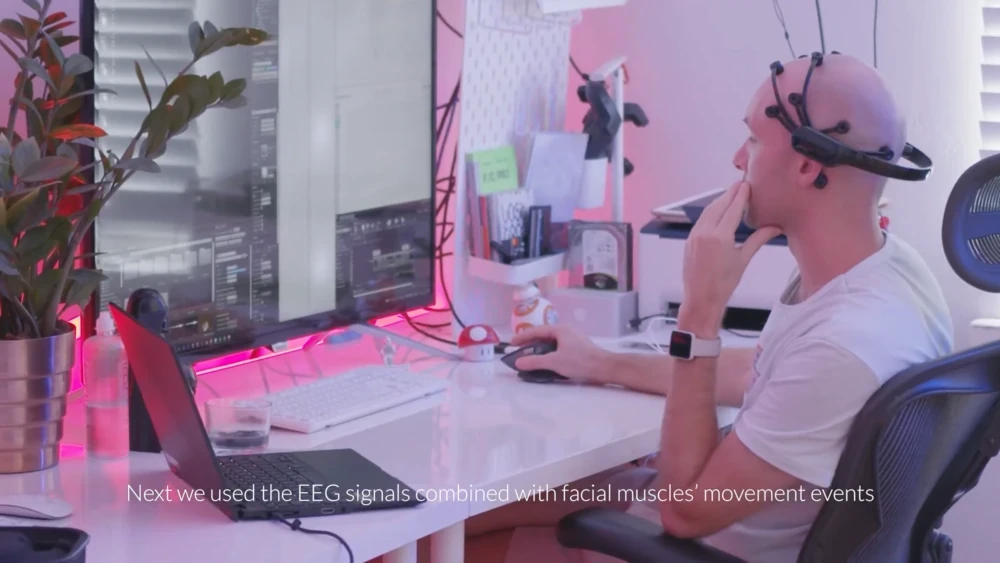
Designing an EEG Experiment: From Research Question to Study Design
H.B. Duran
Updated on
Oct 14, 2026
Designing an EEG Experiment: From Research Question to Study Design
H.B. Duran
Updated on
Oct 14, 2026
Designing an EEG Experiment: From Research Question to Study Design
H.B. Duran
Updated on
Oct 14, 2026
A successful EEG study begins long before data collection. Every decision, from the research question to participant selection and experimental timing, influences the quality and interpretability of the results.
Electroencephalography (EEG) allows researchers to measure changes in brain activity with millisecond precision, making it particularly valuable for studying attention, perception, cognitive workload, decision-making, and other rapidly changing cognitive processes. However, collecting high-quality EEG data requires more than selecting the right equipment. A well-designed experiment ensures that the recorded brain activity reflects the cognitive processes being investigated rather than unintended variables.
This guide outlines the key steps involved in designing an EEG experiment, from developing a research question to selecting an appropriate study design. Whether you are conducting your first EEG study or refining an existing protocol, careful planning lays the foundation for reliable, reproducible research.
Start with the Research Question
Every EEG experiment should begin with a clearly defined scientific question. Rather than asking what an EEG headset can measure, researchers should first identify the cognitive or behavioral process they want to investigate. The research question guides every subsequent methodological decision, including the experimental paradigm, participant population, recording setup, and analysis strategy.
For example, a study investigating sustained attention may require participants to complete a continuous performance task over an extended period, whereas a study examining error detection might rely on event-related potentials (ERPs) generated by specific stimulus presentations. Although both studies use EEG, they require different experimental designs because they investigate different aspects of cognition.
A well-defined research question also helps researchers determine which variables should be manipulated and which outcomes should be measured. Establishing these relationships early reduces unnecessary complexity and helps ensure that the collected data can meaningfully address the original hypothesis.
Developing a Testable Hypothesis
Once the research question has been established, the next step is developing a hypothesis that can be evaluated experimentally. A hypothesis translates a broad scientific question into a specific prediction that can be tested through data collection.
For example, rather than asking whether mental workload affects attention, a researcher might hypothesize that increasing task difficulty will produce measurable changes in frontal EEG activity associated with cognitive workload. This prediction identifies both the experimental manipulation and the expected outcome.
Developing a hypothesis also requires identifying the study's variables. Independent variables represent the conditions manipulated by the researcher, such as task difficulty or stimulus type, while dependent variables are the outcomes being measured, including behavioral performance, reaction time, or EEG-derived metrics. Clearly defining these variables before data collection helps ensure that the experimental design directly addresses the scientific question.
A well-developed hypothesis provides a roadmap for the entire study. It informs participant selection, determines the experimental paradigm, and guides later statistical analyses, helping researchers maintain a clear connection between the original research question and the conclusions drawn from the data.
Choosing an Experimental Paradigm
The experimental paradigm is the structured procedure participants follow during data collection. Selecting an appropriate paradigm depends on the cognitive process being investigated rather than the technology itself.
Researchers studying attention might use continuous performance tasks or visual search paradigms, while those investigating working memory frequently employ n-back tasks or delayed matching experiments. Decision-making studies may incorporate gambling or risk-based tasks, whereas perception research often relies on carefully timed sensory stimuli to evoke specific neural responses.
Regardless of the paradigm selected, consistency is essential. Standardized instructions, controlled experimental conditions, and carefully timed stimulus presentation help reduce unwanted variability across participants. The goal is to ensure that differences observed in the EEG recordings reflect genuine differences in cognitive processing rather than inconsistencies in the experimental procedure.
The chosen paradigm should also balance experimental control with ecological validity. Laboratory tasks provide precise control over variables, while more naturalistic environments may better represent real-world behavior. Advances in wireless EEG have made it increasingly practical to investigate cognition outside traditional laboratory settings, allowing researchers to study attention, learning, and decision-making in classrooms, workplaces, and other authentic environments when appropriate to the research question [1],[2].
Ethical Considerations
Ethical oversight is a fundamental requirement for any EEG study involving human participants. Before recruitment or data collection begins, researchers should check if approval from an Institutional Review Board (IRB) or an equivalent ethics committee is required. This process ensures that the study design minimizes risks to participants and adheres to established ethical guidelines.
The informed consent process is equally vital, requiring researchers to clearly explain the study's purpose, procedures, potential risks, and the voluntary nature of participation. Participants must be given the opportunity to ask questions and must provide their explicit consent before any recording takes place. Maintaining transparency during this process builds trust and ensures that participants are fully aware of their rights.
Finally, researchers must establish robust protocols for ensuring data privacy and participant confidentiality. This includes de-identifying EEG recordings, using secure data storage systems, and limiting access to sensitive information. Protecting participant identity is not only an ethical obligation but also a critical component of maintaining the integrity of the research.
Selecting Participants
Participant selection is another critical component of experimental design. The characteristics of the participant population influence both the quality of the data and the extent to which the findings can be generalized.
Researchers should establish clear inclusion and exclusion criteria before recruitment begins. Age, neurological history, medication use, sleep quality, vision or hearing status, and other factors may all influence EEG recordings depending on the objectives of the study. Carefully defining these criteria helps reduce variability introduced by factors unrelated to the research question.
Researchers should also consider sample size during the planning stage. While pilot studies may involve relatively small participant groups, confirmatory studies typically require larger samples to improve statistical power and increase confidence in the findings. Determining an appropriate sample size before data collection supports more robust and reproducible research.
Collecting High-Quality EEG Data
Experimental design extends beyond cognitive tasks and participant recruitment. Researchers must also establish recording procedures that maximize signal quality while minimizing artifacts and unnecessary variability.
Consistent electrode placement, secure sensor contact, participant comfort, and standardized recording procedures all contribute to reliable EEG acquisition. Environmental conditions should also be considered, including sources of electrical interference, excessive movement, and other factors that may introduce noise into the recordings.
Because EEG measures electrical activity generated by the brain, it is also sensitive to non-neural signals such as eye movements, muscle activity, and electrode movement. Although some artifacts can be reduced during preprocessing, preventing contamination during data collection generally produces higher-quality datasets than attempting to correct poor recordings afterward.
Thoughtful preparation before recording begins often reduces time spent cleaning data later in the analysis pipeline.
Why Event Timing Matters
Many EEG experiments involve presenting stimuli or recording participant responses at precisely defined moments. To interpret how brain activity relates to these events, researchers must accurately synchronize experimental events with the continuous EEG recording.
Event markers provide this synchronization by placing time-stamped labels within the EEG recording whenever a stimulus is presented, a participant responds, or another significant event occurs. These markers allow researchers to align neural activity with specific moments during the experiment, making it possible to examine how the brain responds over time.
Accurate event timing is particularly important for event-related potential (ERP) research, where researchers average brain responses across repeated presentations of the same event. Even small timing inaccuracies can reduce waveform quality and make subtle neural responses more difficult to detect. Independent validation studies have demonstrated that modern wireless EEG systems can achieve event-marking accuracy suitable for ERP research when appropriate synchronization methods are used [3].
Because event timing influences data interpretation from the very beginning of an experiment, synchronization should be considered during study design rather than treated solely as a technical implementation detail.
Balancing Experimental Control and Ecological Validity
One of the most important decisions in experimental design is determining how much control the study requires versus how closely it should reflect real-world behavior. Highly controlled laboratory experiments reduce external variables and improve internal validity, making it easier to identify relationships between specific stimuli and neural responses. However, these conditions may not always represent how people think, learn, or make decisions in everyday life.
Increasingly, researchers are designing studies that capture cognitive processes in more natural environments. Advances in wireless EEG technology have expanded opportunities to investigate attention, collaboration, executive function, and learning in classrooms, workplaces, driving simulations, and outdoor settings while maintaining high-quality neural recordings. This shift toward ecological validity allows researchers to examine cognition as it naturally unfolds without sacrificing scientific rigor.
The appropriate balance depends on the research question. Some studies require tightly controlled laboratory conditions to isolate specific neural mechanisms, while others benefit from observing participants in authentic environments. Selecting the right level of experimental control should always support the scientific objective rather than the capabilities of the equipment.
Planning Your Data Analysis
Although data analysis occurs after collection, researchers should consider their analysis strategy during the experimental design phase. Decisions made before recording begins often determine which analyses are possible later.
For example, studies investigating event-related potentials require precisely timed event markers and repeated presentations of the same stimulus. Functional connectivity studies may require longer recording periods, while machine learning applications often benefit from larger datasets collected across multiple sessions. Understanding the intended analytical approach helps ensure that the experimental protocol generates data suitable for answering the research question.
Planning ahead also supports reproducibility. Clearly documenting participant criteria, recording procedures, task timing, preprocessing methods, and statistical analyses allows other researchers to understand, evaluate, and replicate the study.
Selecting an EEG System
Choosing an EEG system should be one of the final steps in experimental design rather than the first. Once the research question, hypothesis, participant population, and experimental paradigm have been established, researchers can select equipment that best supports their objectives.
Factors such as channel count, mobility, participant comfort, setup time, and compatibility with existing software all influence system selection. A classroom study requiring rapid deployment across multiple participants may prioritize portability and ease of use, while a laboratory investigation involving detailed spatial analyses may require a higher-density electrode array.
Emotiv offers several research-grade EEG systems designed for different research needs:
Insight provides a streamlined five-channel system suitable for educational research, human factors, and many cognitive studies requiring rapid setup.
Epoc X offers fourteen channels for a balance of mobility and expanded spatial coverage, making it appropriate for a wide range of cognitive neuroscience, BCI, and applied research applications.
Flex Saline and Flex Gel provide scalable, research-grade configurations with up to 32 channels for studies requiring broader cortical coverage, event-related potential research, or more advanced experimental designs.
Because each study has different methodological requirements, researchers should select the system that best aligns with their scientific objectives rather than assuming that more channels or more complex hardware will always produce better research.
Key Takeaways
Successful EEG studies begin with thoughtful experimental design rather than equipment selection. A clearly defined research question, testable hypothesis, appropriate experimental paradigm, carefully selected participants, and standardized recording procedures all contribute to producing reliable and interpretable data.
Researchers should also consider event timing, ecological validity, anticipated analysis methods, and data quality before beginning data collection. Addressing these factors during the planning stage helps reduce avoidable problems later in the research process and supports more reproducible science.
By building a strong experimental foundation, researchers place themselves in the best position to generate meaningful insights from their EEG data.
Put Your Framework Into Practice
Whether you're designing a pilot study or a large-scale research project, selecting an EEG system that aligns with your methodology can simplify data collection while supporting reliable, high-quality recordings.
Explore Emotiv's research EEG systems to find the platform that best fits your study design.
Continue Building Your EEG Study
Designing a strong experiment is only the first step. Even a well-planned study can be affected by eye blinks, muscle activity, electrode movement, or environmental noise that reduce signal quality.
In the next guide, EEG Artifacts and Signal Quality, we'll explore the most common sources of EEG artifacts, practical strategies for preventing them during data collection, and best practices for producing cleaner datasets before preprocessing begins.
Suggested Reading
References
[1] Badcock, N. A., et al., "Validation of the Emotiv EPOC® EEG gaming system for measuring research quality auditory ERPs," PeerJ, vol. 1, e38, 2013.
[2] García-Monge, A., et al., "Mobile EEG in educational research: Opportunities and challenges for studying cognition in authentic learning environments," Frontiers in Education, 2024.
[3] Nastase, S. A., Goldstein, A., & Hasson, U., "Keep it real: Rethinking the primacy of experimental control in cognitive neuroscience," NeuroImage, vol. 222, 2020.
A successful EEG study begins long before data collection. Every decision, from the research question to participant selection and experimental timing, influences the quality and interpretability of the results.
Electroencephalography (EEG) allows researchers to measure changes in brain activity with millisecond precision, making it particularly valuable for studying attention, perception, cognitive workload, decision-making, and other rapidly changing cognitive processes. However, collecting high-quality EEG data requires more than selecting the right equipment. A well-designed experiment ensures that the recorded brain activity reflects the cognitive processes being investigated rather than unintended variables.
This guide outlines the key steps involved in designing an EEG experiment, from developing a research question to selecting an appropriate study design. Whether you are conducting your first EEG study or refining an existing protocol, careful planning lays the foundation for reliable, reproducible research.
Start with the Research Question
Every EEG experiment should begin with a clearly defined scientific question. Rather than asking what an EEG headset can measure, researchers should first identify the cognitive or behavioral process they want to investigate. The research question guides every subsequent methodological decision, including the experimental paradigm, participant population, recording setup, and analysis strategy.
For example, a study investigating sustained attention may require participants to complete a continuous performance task over an extended period, whereas a study examining error detection might rely on event-related potentials (ERPs) generated by specific stimulus presentations. Although both studies use EEG, they require different experimental designs because they investigate different aspects of cognition.
A well-defined research question also helps researchers determine which variables should be manipulated and which outcomes should be measured. Establishing these relationships early reduces unnecessary complexity and helps ensure that the collected data can meaningfully address the original hypothesis.
Developing a Testable Hypothesis
Once the research question has been established, the next step is developing a hypothesis that can be evaluated experimentally. A hypothesis translates a broad scientific question into a specific prediction that can be tested through data collection.
For example, rather than asking whether mental workload affects attention, a researcher might hypothesize that increasing task difficulty will produce measurable changes in frontal EEG activity associated with cognitive workload. This prediction identifies both the experimental manipulation and the expected outcome.
Developing a hypothesis also requires identifying the study's variables. Independent variables represent the conditions manipulated by the researcher, such as task difficulty or stimulus type, while dependent variables are the outcomes being measured, including behavioral performance, reaction time, or EEG-derived metrics. Clearly defining these variables before data collection helps ensure that the experimental design directly addresses the scientific question.
A well-developed hypothesis provides a roadmap for the entire study. It informs participant selection, determines the experimental paradigm, and guides later statistical analyses, helping researchers maintain a clear connection between the original research question and the conclusions drawn from the data.
Choosing an Experimental Paradigm
The experimental paradigm is the structured procedure participants follow during data collection. Selecting an appropriate paradigm depends on the cognitive process being investigated rather than the technology itself.
Researchers studying attention might use continuous performance tasks or visual search paradigms, while those investigating working memory frequently employ n-back tasks or delayed matching experiments. Decision-making studies may incorporate gambling or risk-based tasks, whereas perception research often relies on carefully timed sensory stimuli to evoke specific neural responses.
Regardless of the paradigm selected, consistency is essential. Standardized instructions, controlled experimental conditions, and carefully timed stimulus presentation help reduce unwanted variability across participants. The goal is to ensure that differences observed in the EEG recordings reflect genuine differences in cognitive processing rather than inconsistencies in the experimental procedure.
The chosen paradigm should also balance experimental control with ecological validity. Laboratory tasks provide precise control over variables, while more naturalistic environments may better represent real-world behavior. Advances in wireless EEG have made it increasingly practical to investigate cognition outside traditional laboratory settings, allowing researchers to study attention, learning, and decision-making in classrooms, workplaces, and other authentic environments when appropriate to the research question [1],[2].
Ethical Considerations
Ethical oversight is a fundamental requirement for any EEG study involving human participants. Before recruitment or data collection begins, researchers should check if approval from an Institutional Review Board (IRB) or an equivalent ethics committee is required. This process ensures that the study design minimizes risks to participants and adheres to established ethical guidelines.
The informed consent process is equally vital, requiring researchers to clearly explain the study's purpose, procedures, potential risks, and the voluntary nature of participation. Participants must be given the opportunity to ask questions and must provide their explicit consent before any recording takes place. Maintaining transparency during this process builds trust and ensures that participants are fully aware of their rights.
Finally, researchers must establish robust protocols for ensuring data privacy and participant confidentiality. This includes de-identifying EEG recordings, using secure data storage systems, and limiting access to sensitive information. Protecting participant identity is not only an ethical obligation but also a critical component of maintaining the integrity of the research.
Selecting Participants
Participant selection is another critical component of experimental design. The characteristics of the participant population influence both the quality of the data and the extent to which the findings can be generalized.
Researchers should establish clear inclusion and exclusion criteria before recruitment begins. Age, neurological history, medication use, sleep quality, vision or hearing status, and other factors may all influence EEG recordings depending on the objectives of the study. Carefully defining these criteria helps reduce variability introduced by factors unrelated to the research question.
Researchers should also consider sample size during the planning stage. While pilot studies may involve relatively small participant groups, confirmatory studies typically require larger samples to improve statistical power and increase confidence in the findings. Determining an appropriate sample size before data collection supports more robust and reproducible research.
Collecting High-Quality EEG Data
Experimental design extends beyond cognitive tasks and participant recruitment. Researchers must also establish recording procedures that maximize signal quality while minimizing artifacts and unnecessary variability.
Consistent electrode placement, secure sensor contact, participant comfort, and standardized recording procedures all contribute to reliable EEG acquisition. Environmental conditions should also be considered, including sources of electrical interference, excessive movement, and other factors that may introduce noise into the recordings.
Because EEG measures electrical activity generated by the brain, it is also sensitive to non-neural signals such as eye movements, muscle activity, and electrode movement. Although some artifacts can be reduced during preprocessing, preventing contamination during data collection generally produces higher-quality datasets than attempting to correct poor recordings afterward.
Thoughtful preparation before recording begins often reduces time spent cleaning data later in the analysis pipeline.
Why Event Timing Matters
Many EEG experiments involve presenting stimuli or recording participant responses at precisely defined moments. To interpret how brain activity relates to these events, researchers must accurately synchronize experimental events with the continuous EEG recording.
Event markers provide this synchronization by placing time-stamped labels within the EEG recording whenever a stimulus is presented, a participant responds, or another significant event occurs. These markers allow researchers to align neural activity with specific moments during the experiment, making it possible to examine how the brain responds over time.
Accurate event timing is particularly important for event-related potential (ERP) research, where researchers average brain responses across repeated presentations of the same event. Even small timing inaccuracies can reduce waveform quality and make subtle neural responses more difficult to detect. Independent validation studies have demonstrated that modern wireless EEG systems can achieve event-marking accuracy suitable for ERP research when appropriate synchronization methods are used [3].
Because event timing influences data interpretation from the very beginning of an experiment, synchronization should be considered during study design rather than treated solely as a technical implementation detail.
Balancing Experimental Control and Ecological Validity
One of the most important decisions in experimental design is determining how much control the study requires versus how closely it should reflect real-world behavior. Highly controlled laboratory experiments reduce external variables and improve internal validity, making it easier to identify relationships between specific stimuli and neural responses. However, these conditions may not always represent how people think, learn, or make decisions in everyday life.
Increasingly, researchers are designing studies that capture cognitive processes in more natural environments. Advances in wireless EEG technology have expanded opportunities to investigate attention, collaboration, executive function, and learning in classrooms, workplaces, driving simulations, and outdoor settings while maintaining high-quality neural recordings. This shift toward ecological validity allows researchers to examine cognition as it naturally unfolds without sacrificing scientific rigor.
The appropriate balance depends on the research question. Some studies require tightly controlled laboratory conditions to isolate specific neural mechanisms, while others benefit from observing participants in authentic environments. Selecting the right level of experimental control should always support the scientific objective rather than the capabilities of the equipment.
Planning Your Data Analysis
Although data analysis occurs after collection, researchers should consider their analysis strategy during the experimental design phase. Decisions made before recording begins often determine which analyses are possible later.
For example, studies investigating event-related potentials require precisely timed event markers and repeated presentations of the same stimulus. Functional connectivity studies may require longer recording periods, while machine learning applications often benefit from larger datasets collected across multiple sessions. Understanding the intended analytical approach helps ensure that the experimental protocol generates data suitable for answering the research question.
Planning ahead also supports reproducibility. Clearly documenting participant criteria, recording procedures, task timing, preprocessing methods, and statistical analyses allows other researchers to understand, evaluate, and replicate the study.
Selecting an EEG System
Choosing an EEG system should be one of the final steps in experimental design rather than the first. Once the research question, hypothesis, participant population, and experimental paradigm have been established, researchers can select equipment that best supports their objectives.
Factors such as channel count, mobility, participant comfort, setup time, and compatibility with existing software all influence system selection. A classroom study requiring rapid deployment across multiple participants may prioritize portability and ease of use, while a laboratory investigation involving detailed spatial analyses may require a higher-density electrode array.
Emotiv offers several research-grade EEG systems designed for different research needs:
Insight provides a streamlined five-channel system suitable for educational research, human factors, and many cognitive studies requiring rapid setup.
Epoc X offers fourteen channels for a balance of mobility and expanded spatial coverage, making it appropriate for a wide range of cognitive neuroscience, BCI, and applied research applications.
Flex Saline and Flex Gel provide scalable, research-grade configurations with up to 32 channels for studies requiring broader cortical coverage, event-related potential research, or more advanced experimental designs.
Because each study has different methodological requirements, researchers should select the system that best aligns with their scientific objectives rather than assuming that more channels or more complex hardware will always produce better research.
Key Takeaways
Successful EEG studies begin with thoughtful experimental design rather than equipment selection. A clearly defined research question, testable hypothesis, appropriate experimental paradigm, carefully selected participants, and standardized recording procedures all contribute to producing reliable and interpretable data.
Researchers should also consider event timing, ecological validity, anticipated analysis methods, and data quality before beginning data collection. Addressing these factors during the planning stage helps reduce avoidable problems later in the research process and supports more reproducible science.
By building a strong experimental foundation, researchers place themselves in the best position to generate meaningful insights from their EEG data.
Put Your Framework Into Practice
Whether you're designing a pilot study or a large-scale research project, selecting an EEG system that aligns with your methodology can simplify data collection while supporting reliable, high-quality recordings.
Explore Emotiv's research EEG systems to find the platform that best fits your study design.
Continue Building Your EEG Study
Designing a strong experiment is only the first step. Even a well-planned study can be affected by eye blinks, muscle activity, electrode movement, or environmental noise that reduce signal quality.
In the next guide, EEG Artifacts and Signal Quality, we'll explore the most common sources of EEG artifacts, practical strategies for preventing them during data collection, and best practices for producing cleaner datasets before preprocessing begins.
Suggested Reading
References
[1] Badcock, N. A., et al., "Validation of the Emotiv EPOC® EEG gaming system for measuring research quality auditory ERPs," PeerJ, vol. 1, e38, 2013.
[2] García-Monge, A., et al., "Mobile EEG in educational research: Opportunities and challenges for studying cognition in authentic learning environments," Frontiers in Education, 2024.
[3] Nastase, S. A., Goldstein, A., & Hasson, U., "Keep it real: Rethinking the primacy of experimental control in cognitive neuroscience," NeuroImage, vol. 222, 2020.
A successful EEG study begins long before data collection. Every decision, from the research question to participant selection and experimental timing, influences the quality and interpretability of the results.
Electroencephalography (EEG) allows researchers to measure changes in brain activity with millisecond precision, making it particularly valuable for studying attention, perception, cognitive workload, decision-making, and other rapidly changing cognitive processes. However, collecting high-quality EEG data requires more than selecting the right equipment. A well-designed experiment ensures that the recorded brain activity reflects the cognitive processes being investigated rather than unintended variables.
This guide outlines the key steps involved in designing an EEG experiment, from developing a research question to selecting an appropriate study design. Whether you are conducting your first EEG study or refining an existing protocol, careful planning lays the foundation for reliable, reproducible research.
Start with the Research Question
Every EEG experiment should begin with a clearly defined scientific question. Rather than asking what an EEG headset can measure, researchers should first identify the cognitive or behavioral process they want to investigate. The research question guides every subsequent methodological decision, including the experimental paradigm, participant population, recording setup, and analysis strategy.
For example, a study investigating sustained attention may require participants to complete a continuous performance task over an extended period, whereas a study examining error detection might rely on event-related potentials (ERPs) generated by specific stimulus presentations. Although both studies use EEG, they require different experimental designs because they investigate different aspects of cognition.
A well-defined research question also helps researchers determine which variables should be manipulated and which outcomes should be measured. Establishing these relationships early reduces unnecessary complexity and helps ensure that the collected data can meaningfully address the original hypothesis.
Developing a Testable Hypothesis
Once the research question has been established, the next step is developing a hypothesis that can be evaluated experimentally. A hypothesis translates a broad scientific question into a specific prediction that can be tested through data collection.
For example, rather than asking whether mental workload affects attention, a researcher might hypothesize that increasing task difficulty will produce measurable changes in frontal EEG activity associated with cognitive workload. This prediction identifies both the experimental manipulation and the expected outcome.
Developing a hypothesis also requires identifying the study's variables. Independent variables represent the conditions manipulated by the researcher, such as task difficulty or stimulus type, while dependent variables are the outcomes being measured, including behavioral performance, reaction time, or EEG-derived metrics. Clearly defining these variables before data collection helps ensure that the experimental design directly addresses the scientific question.
A well-developed hypothesis provides a roadmap for the entire study. It informs participant selection, determines the experimental paradigm, and guides later statistical analyses, helping researchers maintain a clear connection between the original research question and the conclusions drawn from the data.
Choosing an Experimental Paradigm
The experimental paradigm is the structured procedure participants follow during data collection. Selecting an appropriate paradigm depends on the cognitive process being investigated rather than the technology itself.
Researchers studying attention might use continuous performance tasks or visual search paradigms, while those investigating working memory frequently employ n-back tasks or delayed matching experiments. Decision-making studies may incorporate gambling or risk-based tasks, whereas perception research often relies on carefully timed sensory stimuli to evoke specific neural responses.
Regardless of the paradigm selected, consistency is essential. Standardized instructions, controlled experimental conditions, and carefully timed stimulus presentation help reduce unwanted variability across participants. The goal is to ensure that differences observed in the EEG recordings reflect genuine differences in cognitive processing rather than inconsistencies in the experimental procedure.
The chosen paradigm should also balance experimental control with ecological validity. Laboratory tasks provide precise control over variables, while more naturalistic environments may better represent real-world behavior. Advances in wireless EEG have made it increasingly practical to investigate cognition outside traditional laboratory settings, allowing researchers to study attention, learning, and decision-making in classrooms, workplaces, and other authentic environments when appropriate to the research question [1],[2].
Ethical Considerations
Ethical oversight is a fundamental requirement for any EEG study involving human participants. Before recruitment or data collection begins, researchers should check if approval from an Institutional Review Board (IRB) or an equivalent ethics committee is required. This process ensures that the study design minimizes risks to participants and adheres to established ethical guidelines.
The informed consent process is equally vital, requiring researchers to clearly explain the study's purpose, procedures, potential risks, and the voluntary nature of participation. Participants must be given the opportunity to ask questions and must provide their explicit consent before any recording takes place. Maintaining transparency during this process builds trust and ensures that participants are fully aware of their rights.
Finally, researchers must establish robust protocols for ensuring data privacy and participant confidentiality. This includes de-identifying EEG recordings, using secure data storage systems, and limiting access to sensitive information. Protecting participant identity is not only an ethical obligation but also a critical component of maintaining the integrity of the research.
Selecting Participants
Participant selection is another critical component of experimental design. The characteristics of the participant population influence both the quality of the data and the extent to which the findings can be generalized.
Researchers should establish clear inclusion and exclusion criteria before recruitment begins. Age, neurological history, medication use, sleep quality, vision or hearing status, and other factors may all influence EEG recordings depending on the objectives of the study. Carefully defining these criteria helps reduce variability introduced by factors unrelated to the research question.
Researchers should also consider sample size during the planning stage. While pilot studies may involve relatively small participant groups, confirmatory studies typically require larger samples to improve statistical power and increase confidence in the findings. Determining an appropriate sample size before data collection supports more robust and reproducible research.
Collecting High-Quality EEG Data
Experimental design extends beyond cognitive tasks and participant recruitment. Researchers must also establish recording procedures that maximize signal quality while minimizing artifacts and unnecessary variability.
Consistent electrode placement, secure sensor contact, participant comfort, and standardized recording procedures all contribute to reliable EEG acquisition. Environmental conditions should also be considered, including sources of electrical interference, excessive movement, and other factors that may introduce noise into the recordings.
Because EEG measures electrical activity generated by the brain, it is also sensitive to non-neural signals such as eye movements, muscle activity, and electrode movement. Although some artifacts can be reduced during preprocessing, preventing contamination during data collection generally produces higher-quality datasets than attempting to correct poor recordings afterward.
Thoughtful preparation before recording begins often reduces time spent cleaning data later in the analysis pipeline.
Why Event Timing Matters
Many EEG experiments involve presenting stimuli or recording participant responses at precisely defined moments. To interpret how brain activity relates to these events, researchers must accurately synchronize experimental events with the continuous EEG recording.
Event markers provide this synchronization by placing time-stamped labels within the EEG recording whenever a stimulus is presented, a participant responds, or another significant event occurs. These markers allow researchers to align neural activity with specific moments during the experiment, making it possible to examine how the brain responds over time.
Accurate event timing is particularly important for event-related potential (ERP) research, where researchers average brain responses across repeated presentations of the same event. Even small timing inaccuracies can reduce waveform quality and make subtle neural responses more difficult to detect. Independent validation studies have demonstrated that modern wireless EEG systems can achieve event-marking accuracy suitable for ERP research when appropriate synchronization methods are used [3].
Because event timing influences data interpretation from the very beginning of an experiment, synchronization should be considered during study design rather than treated solely as a technical implementation detail.
Balancing Experimental Control and Ecological Validity
One of the most important decisions in experimental design is determining how much control the study requires versus how closely it should reflect real-world behavior. Highly controlled laboratory experiments reduce external variables and improve internal validity, making it easier to identify relationships between specific stimuli and neural responses. However, these conditions may not always represent how people think, learn, or make decisions in everyday life.
Increasingly, researchers are designing studies that capture cognitive processes in more natural environments. Advances in wireless EEG technology have expanded opportunities to investigate attention, collaboration, executive function, and learning in classrooms, workplaces, driving simulations, and outdoor settings while maintaining high-quality neural recordings. This shift toward ecological validity allows researchers to examine cognition as it naturally unfolds without sacrificing scientific rigor.
The appropriate balance depends on the research question. Some studies require tightly controlled laboratory conditions to isolate specific neural mechanisms, while others benefit from observing participants in authentic environments. Selecting the right level of experimental control should always support the scientific objective rather than the capabilities of the equipment.
Planning Your Data Analysis
Although data analysis occurs after collection, researchers should consider their analysis strategy during the experimental design phase. Decisions made before recording begins often determine which analyses are possible later.
For example, studies investigating event-related potentials require precisely timed event markers and repeated presentations of the same stimulus. Functional connectivity studies may require longer recording periods, while machine learning applications often benefit from larger datasets collected across multiple sessions. Understanding the intended analytical approach helps ensure that the experimental protocol generates data suitable for answering the research question.
Planning ahead also supports reproducibility. Clearly documenting participant criteria, recording procedures, task timing, preprocessing methods, and statistical analyses allows other researchers to understand, evaluate, and replicate the study.
Selecting an EEG System
Choosing an EEG system should be one of the final steps in experimental design rather than the first. Once the research question, hypothesis, participant population, and experimental paradigm have been established, researchers can select equipment that best supports their objectives.
Factors such as channel count, mobility, participant comfort, setup time, and compatibility with existing software all influence system selection. A classroom study requiring rapid deployment across multiple participants may prioritize portability and ease of use, while a laboratory investigation involving detailed spatial analyses may require a higher-density electrode array.
Emotiv offers several research-grade EEG systems designed for different research needs:
Insight provides a streamlined five-channel system suitable for educational research, human factors, and many cognitive studies requiring rapid setup.
Epoc X offers fourteen channels for a balance of mobility and expanded spatial coverage, making it appropriate for a wide range of cognitive neuroscience, BCI, and applied research applications.
Flex Saline and Flex Gel provide scalable, research-grade configurations with up to 32 channels for studies requiring broader cortical coverage, event-related potential research, or more advanced experimental designs.
Because each study has different methodological requirements, researchers should select the system that best aligns with their scientific objectives rather than assuming that more channels or more complex hardware will always produce better research.
Key Takeaways
Successful EEG studies begin with thoughtful experimental design rather than equipment selection. A clearly defined research question, testable hypothesis, appropriate experimental paradigm, carefully selected participants, and standardized recording procedures all contribute to producing reliable and interpretable data.
Researchers should also consider event timing, ecological validity, anticipated analysis methods, and data quality before beginning data collection. Addressing these factors during the planning stage helps reduce avoidable problems later in the research process and supports more reproducible science.
By building a strong experimental foundation, researchers place themselves in the best position to generate meaningful insights from their EEG data.
Put Your Framework Into Practice
Whether you're designing a pilot study or a large-scale research project, selecting an EEG system that aligns with your methodology can simplify data collection while supporting reliable, high-quality recordings.
Explore Emotiv's research EEG systems to find the platform that best fits your study design.
Continue Building Your EEG Study
Designing a strong experiment is only the first step. Even a well-planned study can be affected by eye blinks, muscle activity, electrode movement, or environmental noise that reduce signal quality.
In the next guide, EEG Artifacts and Signal Quality, we'll explore the most common sources of EEG artifacts, practical strategies for preventing them during data collection, and best practices for producing cleaner datasets before preprocessing begins.
Suggested Reading
References
[1] Badcock, N. A., et al., "Validation of the Emotiv EPOC® EEG gaming system for measuring research quality auditory ERPs," PeerJ, vol. 1, e38, 2013.
[2] García-Monge, A., et al., "Mobile EEG in educational research: Opportunities and challenges for studying cognition in authentic learning environments," Frontiers in Education, 2024.
[3] Nastase, S. A., Goldstein, A., & Hasson, U., "Keep it real: Rethinking the primacy of experimental control in cognitive neuroscience," NeuroImage, vol. 222, 2020.