EEG Headset for Commercial Use Price: A Breakdown
Heidi Duran
2025年12月24日
分享:


Bringing a project that uses brain data to life is an exciting prospect. You might be planning an academic study, developing an application, or gathering deeper insights for your business. But before you can get started, you have to tackle the practical side of things, starting with your budget. Understanding the eeg headset for commercial use price is a critical first step. The cost is tied directly to the device's capabilities, from its channel count to its software ecosystem. This article will walk you through the different price tiers, explain what features influence cost, and help you determine how many channels you really need for your work.
Key Takeaways
Look beyond the sticker price: Your total investment includes the headset plus ongoing costs for software, consumables like saline or gel, and potential accessories. Budgeting for the complete package from the start helps prevent future surprises.
Define your project goals first: The right headset isn't the most expensive one; it's the one that fits your needs. Determine the data granularity and application you require to avoid overspending on features you won't use.
Know what drives the cost: Key factors like channel count, data quality, and electrode type directly impact price. Understanding these trade-offs helps you make an informed decision that balances budget and technical needs.
What Exactly Is a Commercial EEG Headset?
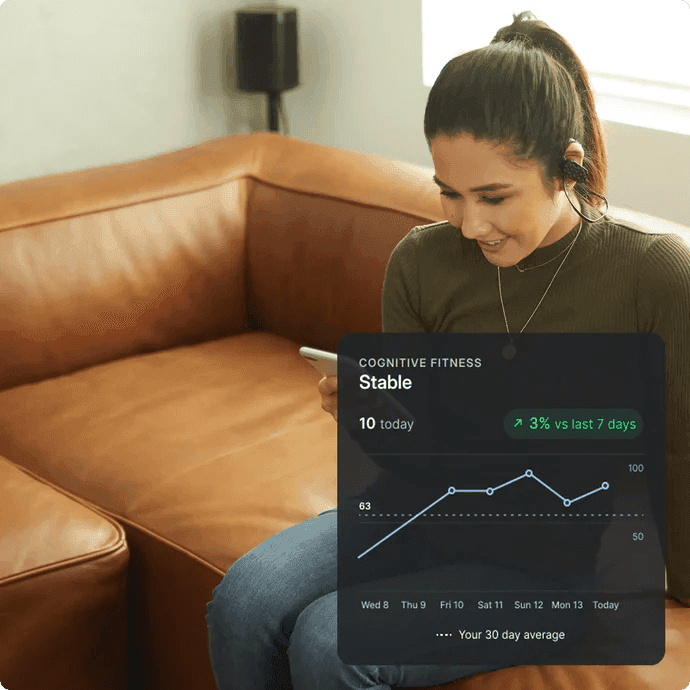
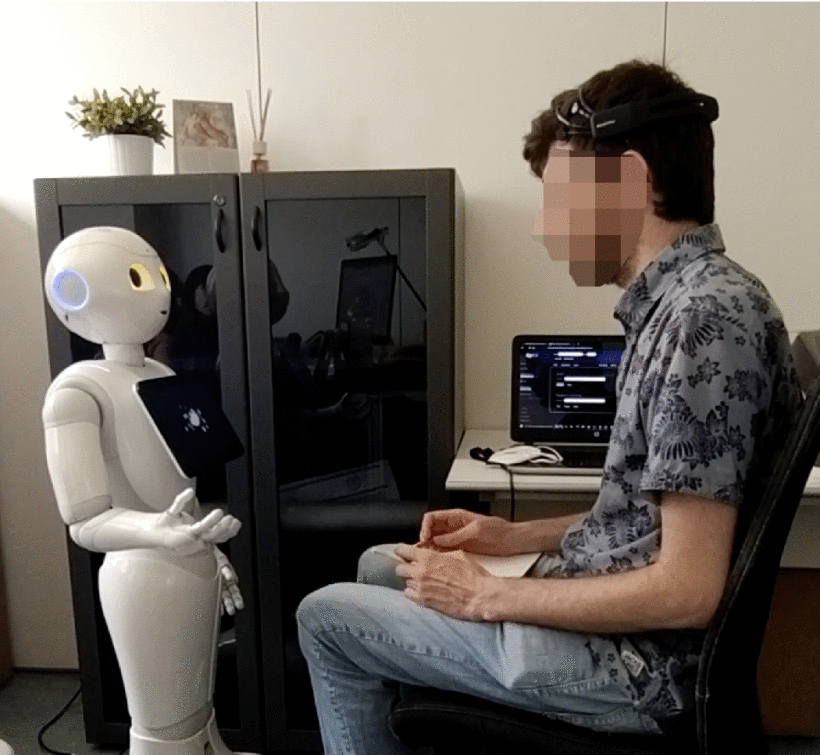
When you hear "EEG," you might picture a hospital room filled with complex machinery. A commercial EEG headset is something different. It is a portable, user-friendly device designed to measure electrical activity in the brain for applications outside of a clinical setting. These headsets make brain-computer interface technology accessible for research, development, and creative projects. Instead of being confined to a lab, you can collect brain data in a wide range of environments. This enables new approaches to studying cognition and interaction in real-world contexts.
These devices are not designed to read thoughts. They detect electrical signals produced by brain activity. By placing sensors on the scalp, a commercial headset can measure these signals, which can then be analyzed to explore different cognitive states, such as focus or relaxation. This capability allows creators, researchers, and developers to build applications that respond to a user's mental state, supporting more intuitive and personalized experiences. It’s a practical way to extend neuroscience beyond the laboratory.
Common uses for commercial EEG
Commercial EEG devices are used across a wide range of fields. In academic research and education, they allow students and researchers to conduct neuroscience studies without the need for large, fixed laboratory systems. Neuromarketing professionals use them to study how audiences respond to advertisements and products at a neural level. Developers and creators also use EEG to build applications such as hands-free control systems or interactive art installations. These headsets provide access to brain dynamics that support innovation in areas ranging from cognitive wellness tools to performance analysis.
Commercial vs. consumer devices: What's the difference?
The difference between commercial and consumer EEG devices often comes down to data quality, channel count, and software access. Consumer-grade devices typically have fewer sensors and are designed for general use cases like meditation or simple brain-computer interface interactions. Commercial headsets, such as Epoc X, are designed for more demanding applications. They offer higher channel counts, more robust sensors, and greater access to raw data, which is important for research and development workflows. Choosing between them depends on how much detail and flexibility your project requires.
How Much Do Commercial EEG Headsets Cost?
The price of a commercial EEG headset can range from a few hundred dollars to tens of thousands. This range reflects the wide variety of use cases and technical requirements. A developer experimenting with basic brain-computer interface concepts has different needs than a researcher conducting a detailed cognitive study or a team analyzing consumer responses.
Cost is influenced by several factors. Channel count is a primary driver, since more channels allow for more detailed spatial data. Data quality, including sampling rate and signal resolution, also plays a role, as does the complexity of the software used for analysis and integration. Features such as wireless operation and electrode type further affect pricing. To help clarify your options, the sections below outline common pricing tiers.
Entry-level: Getting started ($500–$1,000)
Entry-level headsets typically feature a lower number of channels, often between 5 and 14. They are well suited for introductory applications such as basic neurofeedback, early-stage brain-computer interface development, or pilot studies. While these systems may not provide the data density required for advanced research publications, they are useful for learning, prototyping, and smaller projects. This tier makes EEG technology more accessible to students, independent developers, and small teams.
Mid-range: Professional grade ($1,000–$25,000)
Mid-range systems are commonly used in professional and academic environments. These research-grade headsets typically offer between 14 and 64 channels, providing more detailed and reliable data. Devices such as Epoc X and Flex fall into this category. Many are wireless, which supports more natural movement during experiments. This tier balances data quality with usability and is often chosen for academic research, neuromarketing studies, and advanced development work.
Premium: Advanced research systems ($25,000+)
Premium EEG systems are designed for highly specialized research. They may include 32 to over 256 channels, offering high spatial resolution for detailed brain mapping. These systems are typically used in large-scale studies or advanced neuroscience research where extensive coverage and precision are required. While the investment is significant, these systems support complex experimental designs that require dense, high-quality data.
Who Are the Leading Brands in Commercial EEG?
When evaluating commercial EEG headsets, several established brands appear frequently. Each focuses on different priorities, ranging from high-density research systems to accessible platforms for development and applied research.
A look at Emotiv's solutions
Emotiv focuses on accessible, professional-grade EEG solutions for research and commercial applications. Products such as the 5-channel Insight headset, the 14-channel Epoc X, and the 32-channel Flex are designed to support a range of use cases. These devices are paired with software such as EmotivPRO to support data recording and analysis, helping teams move from setup to insights efficiently.
Other key players in the market
Other companies also offer commercial EEG devices. NeuroSky, for example, produces the single-channel MindWave headset, which is commonly used in educational and entertainment contexts. While these devices do not provide the multi-channel data needed for complex research, they offer a simple entry point into EEG-based development and learning.
How the top brands stack up
Comparative reviews of commercial EEG devices often evaluate data quality, ease of use, channel count, and price. The right choice depends on your goals. A simple brain-computer interface project may work well with a lower-channel system, while a neuromarketing study typically benefits from higher channel counts and advanced software. Matching device capabilities to your project requirements is key to achieving useful results.
What Features Drive Up the Price?
The cost of a commercial EEG headset reflects its technical capabilities. Factors such as hardware design, signal integrity, software features, and usability all contribute to pricing. Understanding these elements helps you focus on the features that matter most for your work.
Channel count and electrode type
Channel count directly affects price. More channels provide greater spatial resolution and allow for more detailed analysis of brain activity. For many academic research projects, a 14-channel headset like Epoc X offers a balance between detail and practicality. Higher-density systems, such as 32-channel configurations, support more complex analyses. Electrode type, whether saline-based or gel-based, also influences cost and setup time.
Data quality and sampling rate
Sampling rate determines how frequently brain signals are recorded. Higher sampling rates allow for more accurate capture of rapid neural activity. Signal quality is equally important, as reducing noise and motion artifacts improves data reliability. Achieving this requires careful hardware design and signal processing, which contributes to the overall cost of professional systems.
Software and integration options
Software transforms raw EEG data into usable insights. Platforms like EmotivPRO support data visualization, recording, and analysis. Access to APIs and SDKs also adds value, enabling developers to build custom applications and integrate EEG data into broader workflows. These capabilities are reflected in pricing.
Portability and wireless features
Wireless EEG systems support studies outside of traditional lab environments. Designing devices that are lightweight, comfortable, and capable of delivering reliable data wirelessly requires additional engineering. Features such as battery life, quick setup, and portability are particularly important for applications in neuromarketing and field research.
How Many Channels Do You Really Need?
Choosing the right number of channels is a balance between budget and data requirements. More channels provide more detail, but they are not always necessary. The appropriate channel count depends on your project’s complexity and objectives.
2 channels for focused applications
Two-channel systems are suitable for straightforward brain-computer interface applications or targeted cognitive measurements. They are typically more affordable and easier to set up. Devices like MN8 earbuds are designed for focused use cases where portability and simplicity are priorities.
5–14 channels for standard research
Headsets with 5 to 14 channels are commonly used for cognitive research, usability testing, and neuromarketing studies. They provide sufficient spatial coverage for many applications without the complexity of higher-density systems. The Epoc X headset is a common choice in this category.
32+ channels for complex studies
High-density systems with 32 or more channels are used for advanced research requiring detailed spatial resolution. These systems support complex experimental designs and are often used in in-depth neuroscience studies. Devices like the Flex Saline headset are designed for these demanding applications.
What Other Costs Should You Budget For?
The purchase price of an EEG headset is only part of the total investment. Additional costs may include software subscriptions, consumables, training, and accessories. Planning for these expenses helps create a realistic budget.
Software subscriptions
Many commercial EEG systems rely on subscription-based software for data analysis. When comparing options, consider what software is included and whether advanced features require ongoing fees. Ensure the software aligns with your research or development needs.
Electrodes and consumables
Wet electrode systems require consumables such as saline solution or gel, as well as replacement sensor pads. Over time, these costs can add up, particularly for long-term or high-volume studies.
Training and support
Effective use of EEG technology often requires training. Documentation, customer support, and optional training services can add value and should be factored into your decision, especially for teams new to EEG.
Accessories and maintenance
Accessories such as travel cases, spare cables, or fit extenders may not be included with the headset. Budgeting for these items helps ensure a complete and reliable setup.
Dry vs. Wet Electrodes: Which Costs More?
Electrode type affects both upfront and long-term costs. Dry electrodes typically have a higher initial price but do not require consumables. Wet electrodes often cost less upfront but involve recurring expenses for saline or gel. Evaluating total cost of ownership helps determine which option fits your usage patterns.
Find the Right EEG Headset for Your Budget
Choosing the right EEG headset involves balancing cost, features, and long-term value. By clearly defining your goals and considering the full ecosystem, you can select a system that supports your work effectively over time.
Frequently Asked Questions
Can I use a commercial EEG headset for medical purposes?
No. Commercial EEG headsets are not medical devices and are not intended to diagnose, treat, or prevent medical conditions. They are designed for research, education, development, and non-clinical applications. For medical concerns, consult a qualified healthcare professional.
Bringing a project that uses brain data to life is an exciting prospect. You might be planning an academic study, developing an application, or gathering deeper insights for your business. But before you can get started, you have to tackle the practical side of things, starting with your budget. Understanding the eeg headset for commercial use price is a critical first step. The cost is tied directly to the device's capabilities, from its channel count to its software ecosystem. This article will walk you through the different price tiers, explain what features influence cost, and help you determine how many channels you really need for your work.
Key Takeaways
Look beyond the sticker price: Your total investment includes the headset plus ongoing costs for software, consumables like saline or gel, and potential accessories. Budgeting for the complete package from the start helps prevent future surprises.
Define your project goals first: The right headset isn't the most expensive one; it's the one that fits your needs. Determine the data granularity and application you require to avoid overspending on features you won't use.
Know what drives the cost: Key factors like channel count, data quality, and electrode type directly impact price. Understanding these trade-offs helps you make an informed decision that balances budget and technical needs.
What Exactly Is a Commercial EEG Headset?
When you hear "EEG," you might picture a hospital room filled with complex machinery. A commercial EEG headset is something different. It is a portable, user-friendly device designed to measure electrical activity in the brain for applications outside of a clinical setting. These headsets make brain-computer interface technology accessible for research, development, and creative projects. Instead of being confined to a lab, you can collect brain data in a wide range of environments. This enables new approaches to studying cognition and interaction in real-world contexts.
These devices are not designed to read thoughts. They detect electrical signals produced by brain activity. By placing sensors on the scalp, a commercial headset can measure these signals, which can then be analyzed to explore different cognitive states, such as focus or relaxation. This capability allows creators, researchers, and developers to build applications that respond to a user's mental state, supporting more intuitive and personalized experiences. It’s a practical way to extend neuroscience beyond the laboratory.
Common uses for commercial EEG
Commercial EEG devices are used across a wide range of fields. In academic research and education, they allow students and researchers to conduct neuroscience studies without the need for large, fixed laboratory systems. Neuromarketing professionals use them to study how audiences respond to advertisements and products at a neural level. Developers and creators also use EEG to build applications such as hands-free control systems or interactive art installations. These headsets provide access to brain dynamics that support innovation in areas ranging from cognitive wellness tools to performance analysis.
Commercial vs. consumer devices: What's the difference?
The difference between commercial and consumer EEG devices often comes down to data quality, channel count, and software access. Consumer-grade devices typically have fewer sensors and are designed for general use cases like meditation or simple brain-computer interface interactions. Commercial headsets, such as Epoc X, are designed for more demanding applications. They offer higher channel counts, more robust sensors, and greater access to raw data, which is important for research and development workflows. Choosing between them depends on how much detail and flexibility your project requires.
How Much Do Commercial EEG Headsets Cost?
The price of a commercial EEG headset can range from a few hundred dollars to tens of thousands. This range reflects the wide variety of use cases and technical requirements. A developer experimenting with basic brain-computer interface concepts has different needs than a researcher conducting a detailed cognitive study or a team analyzing consumer responses.
Cost is influenced by several factors. Channel count is a primary driver, since more channels allow for more detailed spatial data. Data quality, including sampling rate and signal resolution, also plays a role, as does the complexity of the software used for analysis and integration. Features such as wireless operation and electrode type further affect pricing. To help clarify your options, the sections below outline common pricing tiers.
Entry-level: Getting started ($500–$1,000)
Entry-level headsets typically feature a lower number of channels, often between 5 and 14. They are well suited for introductory applications such as basic neurofeedback, early-stage brain-computer interface development, or pilot studies. While these systems may not provide the data density required for advanced research publications, they are useful for learning, prototyping, and smaller projects. This tier makes EEG technology more accessible to students, independent developers, and small teams.
Mid-range: Professional grade ($1,000–$25,000)
Mid-range systems are commonly used in professional and academic environments. These research-grade headsets typically offer between 14 and 64 channels, providing more detailed and reliable data. Devices such as Epoc X and Flex fall into this category. Many are wireless, which supports more natural movement during experiments. This tier balances data quality with usability and is often chosen for academic research, neuromarketing studies, and advanced development work.
Premium: Advanced research systems ($25,000+)
Premium EEG systems are designed for highly specialized research. They may include 32 to over 256 channels, offering high spatial resolution for detailed brain mapping. These systems are typically used in large-scale studies or advanced neuroscience research where extensive coverage and precision are required. While the investment is significant, these systems support complex experimental designs that require dense, high-quality data.
Who Are the Leading Brands in Commercial EEG?
When evaluating commercial EEG headsets, several established brands appear frequently. Each focuses on different priorities, ranging from high-density research systems to accessible platforms for development and applied research.
A look at Emotiv's solutions
Emotiv focuses on accessible, professional-grade EEG solutions for research and commercial applications. Products such as the 5-channel Insight headset, the 14-channel Epoc X, and the 32-channel Flex are designed to support a range of use cases. These devices are paired with software such as EmotivPRO to support data recording and analysis, helping teams move from setup to insights efficiently.
Other key players in the market
Other companies also offer commercial EEG devices. NeuroSky, for example, produces the single-channel MindWave headset, which is commonly used in educational and entertainment contexts. While these devices do not provide the multi-channel data needed for complex research, they offer a simple entry point into EEG-based development and learning.
How the top brands stack up
Comparative reviews of commercial EEG devices often evaluate data quality, ease of use, channel count, and price. The right choice depends on your goals. A simple brain-computer interface project may work well with a lower-channel system, while a neuromarketing study typically benefits from higher channel counts and advanced software. Matching device capabilities to your project requirements is key to achieving useful results.
What Features Drive Up the Price?
The cost of a commercial EEG headset reflects its technical capabilities. Factors such as hardware design, signal integrity, software features, and usability all contribute to pricing. Understanding these elements helps you focus on the features that matter most for your work.
Channel count and electrode type
Channel count directly affects price. More channels provide greater spatial resolution and allow for more detailed analysis of brain activity. For many academic research projects, a 14-channel headset like Epoc X offers a balance between detail and practicality. Higher-density systems, such as 32-channel configurations, support more complex analyses. Electrode type, whether saline-based or gel-based, also influences cost and setup time.
Data quality and sampling rate
Sampling rate determines how frequently brain signals are recorded. Higher sampling rates allow for more accurate capture of rapid neural activity. Signal quality is equally important, as reducing noise and motion artifacts improves data reliability. Achieving this requires careful hardware design and signal processing, which contributes to the overall cost of professional systems.
Software and integration options
Software transforms raw EEG data into usable insights. Platforms like EmotivPRO support data visualization, recording, and analysis. Access to APIs and SDKs also adds value, enabling developers to build custom applications and integrate EEG data into broader workflows. These capabilities are reflected in pricing.
Portability and wireless features
Wireless EEG systems support studies outside of traditional lab environments. Designing devices that are lightweight, comfortable, and capable of delivering reliable data wirelessly requires additional engineering. Features such as battery life, quick setup, and portability are particularly important for applications in neuromarketing and field research.
How Many Channels Do You Really Need?
Choosing the right number of channels is a balance between budget and data requirements. More channels provide more detail, but they are not always necessary. The appropriate channel count depends on your project’s complexity and objectives.
2 channels for focused applications
Two-channel systems are suitable for straightforward brain-computer interface applications or targeted cognitive measurements. They are typically more affordable and easier to set up. Devices like MN8 earbuds are designed for focused use cases where portability and simplicity are priorities.
5–14 channels for standard research
Headsets with 5 to 14 channels are commonly used for cognitive research, usability testing, and neuromarketing studies. They provide sufficient spatial coverage for many applications without the complexity of higher-density systems. The Epoc X headset is a common choice in this category.
32+ channels for complex studies
High-density systems with 32 or more channels are used for advanced research requiring detailed spatial resolution. These systems support complex experimental designs and are often used in in-depth neuroscience studies. Devices like the Flex Saline headset are designed for these demanding applications.
What Other Costs Should You Budget For?
The purchase price of an EEG headset is only part of the total investment. Additional costs may include software subscriptions, consumables, training, and accessories. Planning for these expenses helps create a realistic budget.
Software subscriptions
Many commercial EEG systems rely on subscription-based software for data analysis. When comparing options, consider what software is included and whether advanced features require ongoing fees. Ensure the software aligns with your research or development needs.
Electrodes and consumables
Wet electrode systems require consumables such as saline solution or gel, as well as replacement sensor pads. Over time, these costs can add up, particularly for long-term or high-volume studies.
Training and support
Effective use of EEG technology often requires training. Documentation, customer support, and optional training services can add value and should be factored into your decision, especially for teams new to EEG.
Accessories and maintenance
Accessories such as travel cases, spare cables, or fit extenders may not be included with the headset. Budgeting for these items helps ensure a complete and reliable setup.
Dry vs. Wet Electrodes: Which Costs More?
Electrode type affects both upfront and long-term costs. Dry electrodes typically have a higher initial price but do not require consumables. Wet electrodes often cost less upfront but involve recurring expenses for saline or gel. Evaluating total cost of ownership helps determine which option fits your usage patterns.
Find the Right EEG Headset for Your Budget
Choosing the right EEG headset involves balancing cost, features, and long-term value. By clearly defining your goals and considering the full ecosystem, you can select a system that supports your work effectively over time.
Frequently Asked Questions
Can I use a commercial EEG headset for medical purposes?
No. Commercial EEG headsets are not medical devices and are not intended to diagnose, treat, or prevent medical conditions. They are designed for research, education, development, and non-clinical applications. For medical concerns, consult a qualified healthcare professional.
Bringing a project that uses brain data to life is an exciting prospect. You might be planning an academic study, developing an application, or gathering deeper insights for your business. But before you can get started, you have to tackle the practical side of things, starting with your budget. Understanding the eeg headset for commercial use price is a critical first step. The cost is tied directly to the device's capabilities, from its channel count to its software ecosystem. This article will walk you through the different price tiers, explain what features influence cost, and help you determine how many channels you really need for your work.
Key Takeaways
Look beyond the sticker price: Your total investment includes the headset plus ongoing costs for software, consumables like saline or gel, and potential accessories. Budgeting for the complete package from the start helps prevent future surprises.
Define your project goals first: The right headset isn't the most expensive one; it's the one that fits your needs. Determine the data granularity and application you require to avoid overspending on features you won't use.
Know what drives the cost: Key factors like channel count, data quality, and electrode type directly impact price. Understanding these trade-offs helps you make an informed decision that balances budget and technical needs.
What Exactly Is a Commercial EEG Headset?
When you hear "EEG," you might picture a hospital room filled with complex machinery. A commercial EEG headset is something different. It is a portable, user-friendly device designed to measure electrical activity in the brain for applications outside of a clinical setting. These headsets make brain-computer interface technology accessible for research, development, and creative projects. Instead of being confined to a lab, you can collect brain data in a wide range of environments. This enables new approaches to studying cognition and interaction in real-world contexts.
These devices are not designed to read thoughts. They detect electrical signals produced by brain activity. By placing sensors on the scalp, a commercial headset can measure these signals, which can then be analyzed to explore different cognitive states, such as focus or relaxation. This capability allows creators, researchers, and developers to build applications that respond to a user's mental state, supporting more intuitive and personalized experiences. It’s a practical way to extend neuroscience beyond the laboratory.
Common uses for commercial EEG
Commercial EEG devices are used across a wide range of fields. In academic research and education, they allow students and researchers to conduct neuroscience studies without the need for large, fixed laboratory systems. Neuromarketing professionals use them to study how audiences respond to advertisements and products at a neural level. Developers and creators also use EEG to build applications such as hands-free control systems or interactive art installations. These headsets provide access to brain dynamics that support innovation in areas ranging from cognitive wellness tools to performance analysis.
Commercial vs. consumer devices: What's the difference?
The difference between commercial and consumer EEG devices often comes down to data quality, channel count, and software access. Consumer-grade devices typically have fewer sensors and are designed for general use cases like meditation or simple brain-computer interface interactions. Commercial headsets, such as Epoc X, are designed for more demanding applications. They offer higher channel counts, more robust sensors, and greater access to raw data, which is important for research and development workflows. Choosing between them depends on how much detail and flexibility your project requires.
How Much Do Commercial EEG Headsets Cost?
The price of a commercial EEG headset can range from a few hundred dollars to tens of thousands. This range reflects the wide variety of use cases and technical requirements. A developer experimenting with basic brain-computer interface concepts has different needs than a researcher conducting a detailed cognitive study or a team analyzing consumer responses.
Cost is influenced by several factors. Channel count is a primary driver, since more channels allow for more detailed spatial data. Data quality, including sampling rate and signal resolution, also plays a role, as does the complexity of the software used for analysis and integration. Features such as wireless operation and electrode type further affect pricing. To help clarify your options, the sections below outline common pricing tiers.
Entry-level: Getting started ($500–$1,000)
Entry-level headsets typically feature a lower number of channels, often between 5 and 14. They are well suited for introductory applications such as basic neurofeedback, early-stage brain-computer interface development, or pilot studies. While these systems may not provide the data density required for advanced research publications, they are useful for learning, prototyping, and smaller projects. This tier makes EEG technology more accessible to students, independent developers, and small teams.
Mid-range: Professional grade ($1,000–$25,000)
Mid-range systems are commonly used in professional and academic environments. These research-grade headsets typically offer between 14 and 64 channels, providing more detailed and reliable data. Devices such as Epoc X and Flex fall into this category. Many are wireless, which supports more natural movement during experiments. This tier balances data quality with usability and is often chosen for academic research, neuromarketing studies, and advanced development work.
Premium: Advanced research systems ($25,000+)
Premium EEG systems are designed for highly specialized research. They may include 32 to over 256 channels, offering high spatial resolution for detailed brain mapping. These systems are typically used in large-scale studies or advanced neuroscience research where extensive coverage and precision are required. While the investment is significant, these systems support complex experimental designs that require dense, high-quality data.
Who Are the Leading Brands in Commercial EEG?
When evaluating commercial EEG headsets, several established brands appear frequently. Each focuses on different priorities, ranging from high-density research systems to accessible platforms for development and applied research.
A look at Emotiv's solutions
Emotiv focuses on accessible, professional-grade EEG solutions for research and commercial applications. Products such as the 5-channel Insight headset, the 14-channel Epoc X, and the 32-channel Flex are designed to support a range of use cases. These devices are paired with software such as EmotivPRO to support data recording and analysis, helping teams move from setup to insights efficiently.
Other key players in the market
Other companies also offer commercial EEG devices. NeuroSky, for example, produces the single-channel MindWave headset, which is commonly used in educational and entertainment contexts. While these devices do not provide the multi-channel data needed for complex research, they offer a simple entry point into EEG-based development and learning.
How the top brands stack up
Comparative reviews of commercial EEG devices often evaluate data quality, ease of use, channel count, and price. The right choice depends on your goals. A simple brain-computer interface project may work well with a lower-channel system, while a neuromarketing study typically benefits from higher channel counts and advanced software. Matching device capabilities to your project requirements is key to achieving useful results.
What Features Drive Up the Price?
The cost of a commercial EEG headset reflects its technical capabilities. Factors such as hardware design, signal integrity, software features, and usability all contribute to pricing. Understanding these elements helps you focus on the features that matter most for your work.
Channel count and electrode type
Channel count directly affects price. More channels provide greater spatial resolution and allow for more detailed analysis of brain activity. For many academic research projects, a 14-channel headset like Epoc X offers a balance between detail and practicality. Higher-density systems, such as 32-channel configurations, support more complex analyses. Electrode type, whether saline-based or gel-based, also influences cost and setup time.
Data quality and sampling rate
Sampling rate determines how frequently brain signals are recorded. Higher sampling rates allow for more accurate capture of rapid neural activity. Signal quality is equally important, as reducing noise and motion artifacts improves data reliability. Achieving this requires careful hardware design and signal processing, which contributes to the overall cost of professional systems.
Software and integration options
Software transforms raw EEG data into usable insights. Platforms like EmotivPRO support data visualization, recording, and analysis. Access to APIs and SDKs also adds value, enabling developers to build custom applications and integrate EEG data into broader workflows. These capabilities are reflected in pricing.
Portability and wireless features
Wireless EEG systems support studies outside of traditional lab environments. Designing devices that are lightweight, comfortable, and capable of delivering reliable data wirelessly requires additional engineering. Features such as battery life, quick setup, and portability are particularly important for applications in neuromarketing and field research.
How Many Channels Do You Really Need?
Choosing the right number of channels is a balance between budget and data requirements. More channels provide more detail, but they are not always necessary. The appropriate channel count depends on your project’s complexity and objectives.
2 channels for focused applications
Two-channel systems are suitable for straightforward brain-computer interface applications or targeted cognitive measurements. They are typically more affordable and easier to set up. Devices like MN8 earbuds are designed for focused use cases where portability and simplicity are priorities.
5–14 channels for standard research
Headsets with 5 to 14 channels are commonly used for cognitive research, usability testing, and neuromarketing studies. They provide sufficient spatial coverage for many applications without the complexity of higher-density systems. The Epoc X headset is a common choice in this category.
32+ channels for complex studies
High-density systems with 32 or more channels are used for advanced research requiring detailed spatial resolution. These systems support complex experimental designs and are often used in in-depth neuroscience studies. Devices like the Flex Saline headset are designed for these demanding applications.
What Other Costs Should You Budget For?
The purchase price of an EEG headset is only part of the total investment. Additional costs may include software subscriptions, consumables, training, and accessories. Planning for these expenses helps create a realistic budget.
Software subscriptions
Many commercial EEG systems rely on subscription-based software for data analysis. When comparing options, consider what software is included and whether advanced features require ongoing fees. Ensure the software aligns with your research or development needs.
Electrodes and consumables
Wet electrode systems require consumables such as saline solution or gel, as well as replacement sensor pads. Over time, these costs can add up, particularly for long-term or high-volume studies.
Training and support
Effective use of EEG technology often requires training. Documentation, customer support, and optional training services can add value and should be factored into your decision, especially for teams new to EEG.
Accessories and maintenance
Accessories such as travel cases, spare cables, or fit extenders may not be included with the headset. Budgeting for these items helps ensure a complete and reliable setup.
Dry vs. Wet Electrodes: Which Costs More?
Electrode type affects both upfront and long-term costs. Dry electrodes typically have a higher initial price but do not require consumables. Wet electrodes often cost less upfront but involve recurring expenses for saline or gel. Evaluating total cost of ownership helps determine which option fits your usage patterns.
Find the Right EEG Headset for Your Budget
Choosing the right EEG headset involves balancing cost, features, and long-term value. By clearly defining your goals and considering the full ecosystem, you can select a system that supports your work effectively over time.
Frequently Asked Questions
Can I use a commercial EEG headset for medical purposes?
No. Commercial EEG headsets are not medical devices and are not intended to diagnose, treat, or prevent medical conditions. They are designed for research, education, development, and non-clinical applications. For medical concerns, consult a qualified healthcare professional.

© 2025 EMOTIV,版权所有。

您的隐私选择(Cookie 设置)
*免责声明 – EMOTIV 产品仅用于研究应用和个人使用。我们的产品不作为欧盟指令 93/42/EEC 中定义的医疗设备出售。我们的产品并非为诊断或治疗疾病而设计或意图使用。
翻译说明:本网站的非英文版本是为了方便您而使用人工智能进行了翻译。尽管我们努力追求准确性,自动翻译可能包含错误或与原文有所不同的细微差别。有关最准确的信息,请参考本网站的英文版本。

© 2025 EMOTIV,版权所有。

您的隐私选择(Cookie 设置)
*免责声明 – EMOTIV 产品仅用于研究应用和个人使用。我们的产品不作为欧盟指令 93/42/EEC 中定义的医疗设备出售。我们的产品并非为诊断或治疗疾病而设计或意图使用。
翻译说明:本网站的非英文版本是为了方便您而使用人工智能进行了翻译。尽管我们努力追求准确性,自动翻译可能包含错误或与原文有所不同的细微差别。有关最准确的信息,请参考本网站的英文版本。

© 2025 EMOTIV,版权所有。

您的隐私选择(Cookie 设置)
*免责声明 – EMOTIV 产品仅用于研究应用和个人使用。我们的产品不作为欧盟指令 93/42/EEC 中定义的医疗设备出售。我们的产品并非为诊断或治疗疾病而设计或意图使用。
翻译说明:本网站的非英文版本是为了方便您而使用人工智能进行了翻译。尽管我们努力追求准确性,自动翻译可能包含错误或与原文有所不同的细微差别。有关最准确的信息,请参考本网站的英文版本。