อาการของโรคอารมณ์สองขั้วชนิดที่ 2 อาจทำให้สับสนได้ โดยเฉพาะอย่างยิ่งเพราะอาการไม่ได้มีลักษณะเหมือนกันเสมอไปในแต่ละคน ภาวะนี้เป็นที่รู้จักจากการแกว่งของอารมณ์ที่เปลี่ยนจากช่วงที่มีพลังงานสูงขึ้น ซึ่งเรียกว่าไฮโปมาเนีย ไปสู่ช่วงของภาวะซึมเศร้า
โรคอารมณ์สองขั้วชนิดที่สอง (Bipolar II) คืออะไร และแตกต่างจากชนิดที่หนึ่งอย่างไร?
โรคไบโพลาร์ ชนิดที่สอง เป็นภาวะสุขภาพจิตที่มีความเปลี่ยนแปลงของอารมณ์ พลังงาน และกิจกรรมอย่างเห็นได้ชัด รูปแบบหลักในโรคนี้คือการสลับไปมาระหว่างระยะไฮโปแมนียา (ภาวะอารมณ์ดีผิดปกติที่รุนแรงน้อยกว่าระยะแมนียา) และระยะซึมเศร้ารุนแรง
ต่างจากไบโพลาร์ชนิดที่หนึ่งที่ระยะแมนียาอาจรุนแรงมาก ผู้ป่วยไบโพลาร์ชนิดที่สองจะพบเฉพาะระยะไฮโปแมนียาเท่านั้นและไม่เคยดำเนินไปถึงขั้นแมนียาเต็มรูปแบบ แต่อย่างไรก็ตาม ช่วงอารมณ์ดิ่งมักจะยาวนานกว่าและอาจส่งผลกระทบต่อชีวิตประจำวันมากกว่าที่พบในไบโพลาร์ชนิดที่หนึ่ง
การวินิจฉัยโรคไบโพลาร์ ชนิดที่สองอาจเป็นเรื่องยาก อาการมักจะคล้ายคลึงกับปัญหาอื่นๆ โดยเฉพาะโรคซึมเศร้ารุนแรงหรือโรคบุคลิกภาพแปรปรวนบางชนิด
ผู้ป่วยอาจไม่ขอความช่วยเหลือในช่วงระยะไฮโปแมนียาเนื่องจากช่วงเวลานี้อาจรู้สึกดีหรือทำงานได้มีประสิทธิภาพ โดยทั่วไป ในการวินิจฉัย ผู้เชี่ยวชาญด้านสุขภาพจิตจะ:
มองหารูปแบบของระยะไฮโปแมนียาอย่างน้อยหนึ่งครั้งและระยะซึมเศร้ารุนแรงอย่างน้อยหนึ่งครั้ง
ประเมินประวัติส่วนตัวและประวัติครอบครัวเกี่ยวกับโรคอารมณ์แปรปรวน
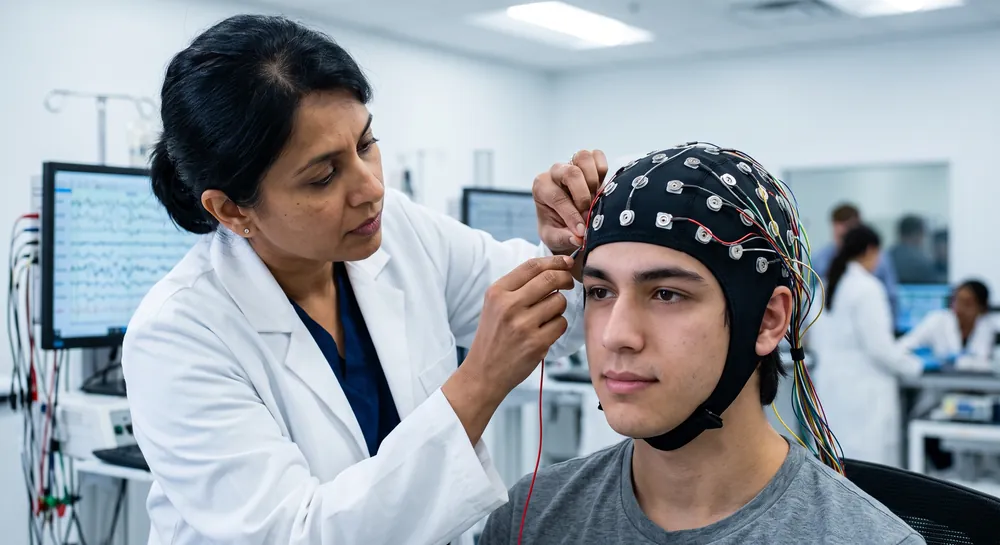
คัดกรองสาเหตุทางการแพทย์หรือทางจิตวิทยาอื่นๆ ที่เป็นไปได้ออกไป (บางครั้งใช้การตรวจทางห้องปฏิบัติการฐานประสาทวิทยาศาสตร์)
การรักษาโรคไบโพลาร์ ชนิดที่สองมีหลายด้าน ยารักษาโรค โดยเฉพาะยาควบคุมอารมณ์ และบางครั้งอาจรวมถึงยาต้านโรคจิต สามารถช่วยปรับสมดุลของอารมณ์ที่สวิงขึ้นลงได้ อาจมีการสั่งยาต้านเศร้าด้วยเช่นกัน แต่ต้องใช้อย่างระมัดระวังเนื่องจากอาจไปกระตุ้นให้เกิดภาวะไฮโปแมนียาในบางราย
จิตบำบัด (การบำบัดด้วยการพูดคุย) มักเป็นส่วนสำคัญในการจัดการกับอาการและเรียนรู้ทักษะการรับมือ การศึกษาเกี่ยวกับโรคนี้ช่วยให้ผู้คนจดจำสัญญาณเตือนตั้งแต่เนิ่นๆ และสร้างกิจวัตรเพื่อสุขภาพสมองที่ดีขึ้น การสนับสนุนอย่างต่อเนื่องจากผู้เชี่ยวชาญด้านสุขภาพ ครอบครัว และทรัพยากรชุมชนสามารถสร้างความแตกต่างที่มีความหมายได้
7 อาการสำคัญของภาวะไฮโปแมนียาในโรคไบโพลาร์ชนิดที่สอง
ภาวะไฮโปแมนียาในโรคไบโพลาร์ชนิดที่สอง มีลักษณะเฉพาะคือช่วงเวลาที่อารมณ์ดีเกินจริงหรือหงุดหงิดง่ายอย่างชัดเจน และมีพลังงานหรือกิจกรรมที่เพิ่มขึ้น สภาวะนี้มีความรุนแรงน้อยกว่าภาวะแมนียาเต็มรูปแบบ แต่แสดงถึงการเปลี่ยนแปลงที่สังเกตเห็นได้จากพฤติกรรมปกติ
การจดจำการเปลี่ยนแปลงเหล่านี้เป็นสิ่งสำคัญ เนื่องจากในบางครั้งอาจนำไปสู่การกระทำที่หุนหันพลันแล่นหรือความยากลำบากในการใช้ชีวิตประจำวัน
1. อารมณ์ดีและพลังงานสูงเกินปกติ
ในระหว่างระยะไฮโปแมนียา บุคคลมักจะสัมผัสได้ถึงความรู้สึกเป็นสุขอย่างเกินจริง บางครั้งอธิบายว่าเป็นภาวะเคลิ้มสุข หรืออาจรู้สึกหงุดหงิดง่ายอย่างผิดปกติ สภาวะทางอารมณ์ที่สูงขึ้นนี้มักเกิดขึ้นพร้อมกับพลังงานทางร่างกายและจิตใจที่เพิ่มขึ้นอย่างมีนัยสำคัญ
พลังงานที่พลุ่งพล่านนี้สามารถทำให้บุคคลรู้สึกว่าตนเองมีความสามารถและแรงผลักดันอย่างยอดเยี่ยม
2. กิจกรรมและการกระทำที่มีเป้าหมายเพิ่มขึ้น
เมื่อมีพลังงานเพิ่มขึ้น ก็จะมีแรงผลักดันให้ทำกิจกรรมต่างๆ ผู้คนอาจทำงานได้มีประสิทธิภาพอย่างผิดปกติ โดยจดจ่อกับโครงการ งาน หรือสนับสนุนงานอดิเรกอย่างจริงจัง
สิ่งนี้สามารถแสดงออกในรูปของการตั้งเป้าหมายที่ทะเยอทะยานและทุ่มเททำมันอย่างเต็มที่ ซึ่งมักจะทำงานที่เคยเลื่อนออกไปก่อนหน้านี้จนเสร็จสิ้น
3. รูปแบบการนอนหลับที่เปลี่ยนไป
สัญญาณเด่นทั่วไปของภาวะไฮโปแมนียาคือความต้องการนอนหลับลดลง ผู้คนอาจรู้สึกว่าได้พักผ่อนอย่างเพียงพอหลังจากนอนหลับเพียงไม่กี่ชั่วโมง หรือไม่ได้นอนเลยด้วยซ้ำ แต่ก็ยังสามารถทำกิจกรรมต่างๆ ได้ในระดับสูง
นี่อาจเป็นความแตกต่างอย่างมากจากความต้องการนอนหลับตามปกติของพวกเขา
4. ความคิดแล่นเร็วและวอกแวกง่าย
ภายในใจของบุคคลที่ประสบภาวะไฮโปแมนียาอาจสังเกตเห็นว่าความคิดของตนแล่นเร็วมาก มักกระโดดจากความคิดหนึ่งไปยังอีกความคิดหนึ่ง ความคิดที่หลั่งไหลอย่างรวดเร็วนี้อาจทำให้จดจ่อกับหัวข้อหรือกิจวัตรเดียวได้ยาก ส่งผลให้รู้สึกวอกแวกได้ง่าย
5. พูดคุยมากขึ้นและรู้สึกกดดันว่าต้องพูดต่อไป
รูปแบบการพูดมักเปลี่ยนไปในระหว่างระยะไฮโปแมนียา บุคคลอาจพบว่าตนเองพูดมากกว่าปกติ พูดอย่างรวดเร็ว และบางครั้งก็พูดในลักษณะที่รู้สึกกดดัน ทำให้คนอื่นแทรกแซงหรือติดตามบทสนทนาได้ยาก
6. ความมั่นใจในตนเองสูงเกินจริงหรือคิดว่าตัวเองยิ่งใหญ่
การรับรู้ตนเองสามารถเปลี่ยนไปในระหว่างระยะไฮโปแมนียา มักนำไปสู่ความรู้สึกว่าตัวเองมีคุณค่าหรือมีความสำคัญสูงเกินจริง ผู้คนอาจรู้สึกมั่นใจอย่างผิดปกติ เชื่อว่าตนเองสวรรค์ประทานพรให้มีพรสวรรค์พิเศษ หรือเกิดความคิดที่ยิ่งใหญ่เกี่ยวกับความสามารถหรืออนาคตของตน
7. พฤติกรรมหุนหันพลันแล่นหรือเสี่ยงอันตราย
แม้ว่าไฮโปแมนียาจะไม่ใช่แมนียาเต็มรูปแบบ แต่ก็ยังสามารถเกี่ยวข้องกับพฤติกรรมที่ก่อให้เกิดความเสี่ยงได้ ซึ่งอาจรวมถึงการใช้จ่ายอย่างหุนหันพลันแล่น การรีบตัดสินใจโดยไม่คิดถึงผลที่ตามมา หรือการเข้าร่วมในกิจกรรมที่ไม่ใช่บุคลิกภาพปกติและอาจส่งผลเสียได้
การกระทำเหล่านี้ในบางครั้งอาจนำไปสู่ผลลัพธ์ที่เป็นลบในชีวิตส่วนตัวหรืออาชีพการงาน
ลักษณะเฉพาะของระยะซึมเศร้าในโรคไบโพลาร์ชนิดที่สองคืออะไรบ้าง?
แม้ว่าไฮโปแมนียาจะเป็นลักษณะที่ระบุโรคไบโพลาร์ชนิดที่สอง แต่ระยะซึมเศร้าอาจมีความรุนแรงและมักกินเวลานานกว่าช่วงไฮโปแมนียา อารมณ์ดิ่งเหล่านี้สามารถส่งผลกระทบอย่างลึกซึ้งต่อชีวิตของคนๆ หนึ่ง ซึ่งบางครั้งอาจมากกว่าช่วงอารมณ์สูงเสียด้วยซ้ำ
สิ่งสำคัญคือต้องตระหนักว่าระยะซึมเศร้าในไบโพลาร์ชนิดที่สองไม่ได้เป็นเพียงแค่อารมณ์ไม่ดีเท่านั้น แต่เป็นส่วนที่ชัดเจนและมักจะลดทอนความสามารถในการดำเนินชีวิตของโรค
ความเศร้าสะสมและความสิ้นหวังครอบงำผู้ป่วยได้อย่างไร?
สัญญาณที่เด่นชัดที่สุดอย่างหนึ่งคือความรู้สึกเศร้าอย่างต่อเนื่องซึ่งดูเหมือนจะไม่จางหายไป นี่ไม่ใช่แค่การรู้สึกแย่หนึ่งหรือสองวัน แต่เป็นภาวะทางอารมณ์ที่คงอยู่ซึ่งสามารถแต่งแต้มทุกแง่มุมของประสบการณ์ชีวิต
นอกเหนือจากความเศร้านี้ ความรู้สึกสิ้นหวังมักจะเกิดขึ้น ความรู้สึกนี้สามารถทำให้ดูเหมือนว่าสิ่งต่างๆ จะไม่มีวันดีขึ้น ซึ่งอาจเป็นภาวะที่ยากลำบากอย่างยิ่งในการเพิกเฉย คนๆ หนึ่งอาจอธิบายว่ารู้สึกว่างเปล่าหรือเหมือนกำลังแบกรับน้ำหนักที่หนักอึ้ง
โรคไร้ความยินดี (Anhedonia) คืออะไร และส่งผลต่อการมีส่วนร่วมในชีวิตประจำวันอย่างไร?
อาการสำคัญอีกประการหนึ่งคือ anhedonia ซึ่งก็คือการสูญเสียความสนใจหรือความพึงพอใจในกิจกรรมที่เคยเพลิดเพลินมาก่อน
งานอดิเรก การมีปฏิสัมพันธ์ทางสังคม งาน หรือแม้กระทั่งความสุขง่ายๆ อย่างการกินอาหารอร่อยๆ อาจนำมาซึ่งความพึงพอใจไม่ได้อีกต่อไป สิ่งนี้สามารถนำไปสู่การถอนตัวจากชีวิตและความสัมพันธ์ทางสังคมอย่างมีนัยสำคัญ
ราวกับว่าโลกสูญเสียสีสัน และไม่มีอะไรดึงดูดใจอีกต่อไป การขาดความต้องการมีส่วนร่วมนี้สามารถนำไปสู่ความรู้สึกโดดเดี่ยวและความรู้สึกท้อแท้ที่หยั่งรากลึกยิ่งขึ้น
เป็นสิ่งสำคัญอย่างยิ่งที่จะต้องสังเกตว่าผู้ที่ประสบกับอาการซึมเศร้าเหล่านี้อาจมีความคิดเรื่องความตายหรือการฆ่าตัวตายด้วยเช่นกัน
ความเข้าใจเรื่องอาการต่างๆ ของโรคอย่างครบถ้วนจะนำไปสู่การดูแลที่ดีขึ้นได้อย่างไร?
โรคไบโพลาร์ชนิดที่สองเป็นภาวะสุขภาพจิตที่เกี่ยวข้องกับการเปลี่ยนแปลงระหว่างระยะไฮโปแมนียาและระยะซึมเศร้า ระยะซึมเศร้ามักจะยาวนานกว่าและมีความรุนแรงกว่าช่วงไฮโปแมนียา
หลายคนที่เป็นไบโพลาร์ชนิดที่สองอาจไม่รู้ตัวว่าตนเองเป็นโรคนี้ โดยเฉพาะอย่างยิ่งเนื่องจากไฮโปแมนียาสามารถรู้สึกเหมือนมีพลังงานหรือประสิทธิภาพในการทำงานที่เพิ่มขึ้นมากกว่าที่จะเป็นปัญหา ด้วยเหตุนี้ บางครั้งไบโพลาร์ชนิดที่สองจึงถูกเข้าใจผิดว่าเป็นภาวะอื่นๆ เช่น โรคซึมเศร้าชนิดรุนแรง
การได้รับการวินิจฉัยที่ถูกต้องเป็นสิ่งสำคัญ เนื่องจากจะช่วยแนะแนวทางการรักษาและการสนับสนุน โดยปกติการรักษามักเป็นการผสมผสานระหว่างยาและจิตบำบัด และมักจำเป็นต้องได้รับการดูแลอย่างต่อเนื่อง
คำถามที่พบบ่อย
ไบโพลาร์ชนิดที่สองแตกต่างจากชนิดที่หนึ่งอย่างไร?
ความแตกต่างหลักคือความรุนแรงของอารมณ์ 'พุ่งสูง' ผู้ป่วยไบโพลาร์ชนิดที่หนึ่งจะมีระยะแมนียาเต็มรูปแบบ ซึ่งมีความรุนแรงมากและสามารถก่อให้เกิดปัญหาร้ายแรงได้ ในไบโพลาร์ชนิดที่สอง อารมณ์พุ่งสูงเหล่านี้จะเป็นแบบไฮโปแมนียา ซึ่งหมายความว่ามีความรุนแรงน้อยกว่า อย่างไรก็ตาม ระยะซึมเศร้าในไบโพลาร์ชนิดที่สองอาจรุนแรงพอๆ กัน หรือรุนแรงกว่าในชนิดที่หนึ่งด้วยซ้ำ
สัญญาณของภาวะไฮโปแมนียาในไบโพลาร์ชนิดที่สองคืออะไร?
ในช่วงไฮโปแมนียา คุณอาจรู้สึกกระฉับกระเฉง มีความสุข หรือหงุดหงิดง่ายอย่างผิดปกติ คุณอาจพูดเร็วขึ้น ความคิดแล่นเร็ว ต้องการนอนน้อยลง รู้สึกมั่นใจในตัวเองมากเกินไป และทำพฤติกรรมเสี่ยงหรือหุนหันพันแล่นมากขึ้น บางครั้งอาจดูเหมือนเป็นสิ่งที่ดีเพราะคุณมีพลังงานมาก แต่ก็สามารถนำไปสู่ปัญหาได้
สัญญาณของอาการซึมเศร้าในไบโพลาร์ชนิดที่สองคืออะไร?
ระยะซึมเศร้าในไบโพลาร์ชนิดที่สองนั้นคล้ายกับโรคซึมเศร้ารุนแรง ซึ่งรวมถึงการรู้สึกเศร้ามาก สิ้นหวัง หรือว่างเปล่าเป็นเวลานาน สูญเสียความสนใจในสิ่งที่คุณเคยชอบ มีพลังงานต่ำ มีปัญหาในการจดจ่อ และบางครั้งมีความคิดที่จะทำร้ายตัวเอง
ไบโพลาร์ชนิดที่สองต้องมีอาการซึมเศร้าเสมอไปหรือไม่?
ใช่ การวินิจฉัยโรคไบโพลาร์ชนิดที่สองต้องการภาวะไฮโปแมนียาอย่างน้อยหนึ่งครั้ง และภาวะซึมเศร้ารุนแรงอย่างน้อยหนึ่งครั้ง ผู้ป่วยไบโพลาร์ชนิดที่สองหลายรายประสบกับภาวะซึมเศร้าบ่อยกว่าไฮโปแมนียา
ภาวะไฮโปแมนียาสามารถเข้าใจผิดว่าเป็นอย่างอื่นได้หรือไม่?
ใช่ เนื่องจากไฮโปแมนียาไม่ได้รุนแรงเท่ากับแมนียาเต็มรูปแบบ บางครั้งอาจถูกละเลยหรือเข้าใจผิดว่าเป็นเพียงการมีอารมณ์ดีมากๆ หรือการทำงานได้มีประสิทธิภาพมากขึ้น ด้วยเหตุนี้ ไบโพลาร์ชนิดที่สองจึงมักได้รับการวินิจฉัยผิดว่าเป็นเพียงโรคซึมเศร้าเท่านั้น
การวินิจฉัยโรคไบโพลาร์ชนิดที่สองทำอย่างไร?
แพทย์หรือผู้เชี่ยวชาญด้านสุขภาพจิตจะพูดคุยกับคุณเกี่ยวกับอารมณ์และพฤติกรรมของคุณ ตรวจสอบประวัติของคุณ และอาจถามข้อมูลเพิ่มเติมจากคนในครอบครัว พวกเขาจะทำการคัดกรองภาวะอื่นๆ ที่อาจสร้างอาการที่คล้ายคลึงกันด้วย การติดตามอารมณ์และรูปแบบการนอนหลับของคุณอาจมีประโยชน์อย่างมาก
อะไรคือสาเหตุของโรคไบโพลาร์ชนิดที่สอง?
สาเหตุที่แน่ชัดยังไม่เป็นที่เข้าใจอย่างสมบูรณ์ แต่คาดว่าเกิดจากการผสมผสานระหว่างพันธุกรรมและปัจจัยทางสิ่งแวดล้อม สิ่งต่างๆ เช่น เคมีในสมอง ความเครียด และเหตุการณ์สะเทือนใจอาจมีบทบาทด้วย โดยเฉพาะอย่างยิ่งหากผู้ป่วยมีประวัติครอบครัวเป็นโรคนี้
โรคไบโพลาร์ชนิดที่สองรักษาได้หรือไม่?
ใช่ โรคไบโพลาร์ชนิดที่สองสามารถรักษาได้ การรักษามักจะเกี่ยวข้องกับการผสมผสานระหว่างยา เช่น ยาควบคุมอารมณ์ และการทำจิตบำบัด การปฏิบัติตามแผนการรักษาอย่างเคร่งครัดเป็นสิ่งสำคัญอย่างยิ่งในการจัดการอาการในระยะยาว
การรักษาโรคไบโพลาร์ชนิดที่สองใช้เวลานานเท่าใด?
การรักษาโรคไบโพลาร์ชนิดที่สองมักเป็นการรักษาระยะยาว และมักจะต้องรักษาไปตลอดชีวิต การหยุดรักษาสามารถเพิ่มโอกาสที่อาการจะกลับมาเป้นซ้ำได้ เป้าหมายคือเพื่อจัดการอารมณ์แปรปรวนและปรับปรุงคุณภาพชีวิตโดยรวม
ผู้ป่วยโรคไบโพลาร์ชนิดที่สองสามารถใช้ชีวิตตามปกติได้หรือไม่?
ด้วยการวินิจฉัยที่ถูกต้องและการรักษาอย่างสม่ำเสมอ ผู้ป่วยโรคไบโพลาร์ชนิดที่สองหลายคนสามารถใช้ชีวิตได้อย่างมีความสุขและประสบความสำเร็จ การเรียนรู้เพื่อจัดการกับอารมณ์แปรปรวน การเข้าใจสิ่งกระตุ้น และการมีระบบสนับสนุนที่เข้มแข็งเป็นสิ่งสำคัญ
Emotiv เป็นผู้นำด้านนิวโรเทคโนโลยีที่ช่วยขับเคลื่อนการวิจัยประสาทวิทยาศาสตร์ผ่านเครื่องมือ EEG และข้อมูลสมองที่เข้าถึงได้
ข้อจำกัดความรับผิดชอบทางการแพทย์: ข้อมูลที่ให้ไว้บนเว็บไซต์นี้มีวัตถุประสงค์เพื่อการศึกษาและการให้ข้อมูลเท่านั้น และไม่ได้มีวัตถุประสงค์เพื่อเป็นคำแนะนำทางการแพทย์หรือสุขภาพ เนื้อหานี้อาจมีข้อผิดพลาดและไม่ควรนำมาใช้ในการตัดสินใจเลือกแนวทางชีวิต สุขภาพ หรือการรักษาทางการแพทย์ที่เปลี่ยนชีวิต โปรดขอคำแนะนำจากแพทย์หรือผู้ให้บริการด้านสุขภาพที่มีคุณสมบัติเหมาะสมเสมอ หากมีคำถามใดๆ ที่คุณอาจมีเกี่ยวกับอาการเจ็บป่วยหรือการรักษา
คริสเตียน บูร์โกส