When we talk about autism and ADHD, it's easy to think of them as totally separate things. But for a lot of people, these two conditions show up together.
It's not uncommon for someone who is autistic to also have ADHD, or vice versa. This overlap is backed up by research, showing that autism and ADHD share a lot of common ground, both in our genes and how our brains work.
Understanding Autism and ADHD Individually
What is Autism Spectrum Disorder (ASD)?
Autism Spectrum Disorder, or ASD, is a complex developmental condition that affects how a person behaves, interacts with others, communicates, and learns. It's called a "spectrum" because there's a wide variation in the type and severity of symptoms people experience.
ASD is understood to be a neurodevelopmental condition, meaning it relates to how the brain develops and functions. While the exact causes are still being researched, genetics and environmental factors are thought to play a role.
People with ASD often have differences in social communication and interaction, and may exhibit restricted or repetitive behaviors or interests. These can manifest in various ways, such as difficulty with back-and-forth conversation, challenges in understanding nonverbal cues, or a strong need for sameness and routine.
What is Attention-Deficit/Hyperactivity Disorder (ADHD)?
Attention-Deficit/Hyperactivity Disorder, or ADHD, is another neurodevelopmental condition. It's characterized by persistent patterns of inattention and/or hyperactivity-impulsivity that can interfere with a person's functioning or development.
Inattention might look like difficulty sustaining focus, being easily distracted, or struggling with organization. Hyperactivity and impulsivity can involve excessive fidgeting, restlessness, difficulty staying seated, interrupting others, or acting without thinking.
Like ASD, ADHD is thought to involve differences in brain structure and function, particularly in areas related to executive functions. The presentation of ADHD can vary significantly from person to person, with some individuals primarily showing inattentive symptoms, others primarily hyperactive-impulsive symptoms, and some a combination of both.
The Overlap: Shared Traits and Symptoms
It's becoming increasingly clear that autism and ADHD aren't always separate conditions. Many people find they experience traits from both. This overlap isn't just anecdotal; research points to shared genetic and neurobiological factors.
In fact, until the DSM-5 was updated in 2013, a diagnosis of one condition often meant you couldn't have the other. Now, we understand that dual diagnoses are possible and, for many, a reality.
Social Communication Challenges
Both autism and ADHD can affect how people interact socially. For autistic individuals, this might involve difficulty understanding social cues, making eye contact, or interpreting non-verbal communication. People with ADHD might struggle with interrupting others, difficulty waiting their turn in conversations, or appearing inattentive due to focus issues.
When these traits combine, social interactions can become even more complex, sometimes leading to misunderstandings or feelings of isolation.
Sensory Sensitivities
Sensory processing differences are common in both autism and ADHD. Autistic people might experience heightened sensitivity to sounds, lights, textures, or smells, leading to overwhelm. They might also seek out specific sensory input.
Similarly, those with ADHD can be sensitive to sensory stimuli, sometimes seeking out intense sensory experiences to help with focus or regulation. This can manifest as being easily distracted by background noise or seeking out movement.
Executive Function Difficulties
Executive functions are the mental skills that help us plan, organize, manage time, and regulate emotions. Both autism and ADHD significantly impact these skills.
Individuals might struggle with starting tasks (initiation), staying focused, remembering instructions, managing their emotions, and transitioning between activities. This can make daily life, school, and work challenging.
Repetitive Behaviors and Hyperfocus
Repetitive behaviors, often seen in autism, can include things like hand-flapping or a strong need for routine. In ADHD, this can manifest as restlessness or fidgeting.
A significant area of overlap is hyperfocus. While autistic individuals might engage in intense focus on specific interests, people with ADHD can also become deeply absorbed in activities they find engaging, sometimes to the exclusion of everything else, including basic brain health needs like eating or sleeping. This intense focus can be both a strength and a challenge, depending on the context.
Key Differences Between Autism and ADHD
While ASD and ADHD share some overlapping traits, their core characteristics and how they manifest can differ significantly.
One primary area of difference lies in the nature of social interaction challenges. In ASD, social difficulties often stem from a fundamental difference in social-emotional reciprocity, such as challenges in understanding or responding to social cues, sharing interests, or initiating social interactions.
People with ADHD, on the other hand, may struggle with social interactions more due to impulsivity, inattention, or hyperactivity, which can lead to interrupting others, difficulty waiting turns, or appearing not to listen. These social challenges in ADHD are often secondary to the core symptoms of the disorder rather than a primary deficit in social understanding.
Another point of divergence is in the presentation of repetitive behaviors and focused interests. While both conditions can involve intense focus, the type of focus and the presence of restricted, repetitive behaviors (RRBs) are more characteristic of ASD.
These RRBs in ASD can include highly specific interests, insistence on sameness, or repetitive motor movements. In ADHD, intense focus, often termed hyperfocus, is typically directed towards activities that are highly stimulating or engaging to the individual, and it is not usually accompanied by the same range of RRBs seen in ASD.
Diagnostic criteria also highlight differences:
ASD Diagnosis: Relies heavily on persistent deficits in social communication and social interaction across multiple contexts, alongside restricted, repetitive patterns of behavior, interests, or activities.
ADHD Diagnosis: Centers on persistent patterns of inattention and/or hyperactivity-impulsivity that interfere with functioning or development.
Moreover, while sensory sensitivities are common in both, the specific patterns can vary. A person with ASD might experience sensory overload or under-responsivity in more profound or pervasive ways, impacting their daily functioning across various sensory modalities. Those with ADHD might also have sensory sensitivities, but these can sometimes be linked to their attention difficulties or restlessness, for example, being easily distracted by background noise.
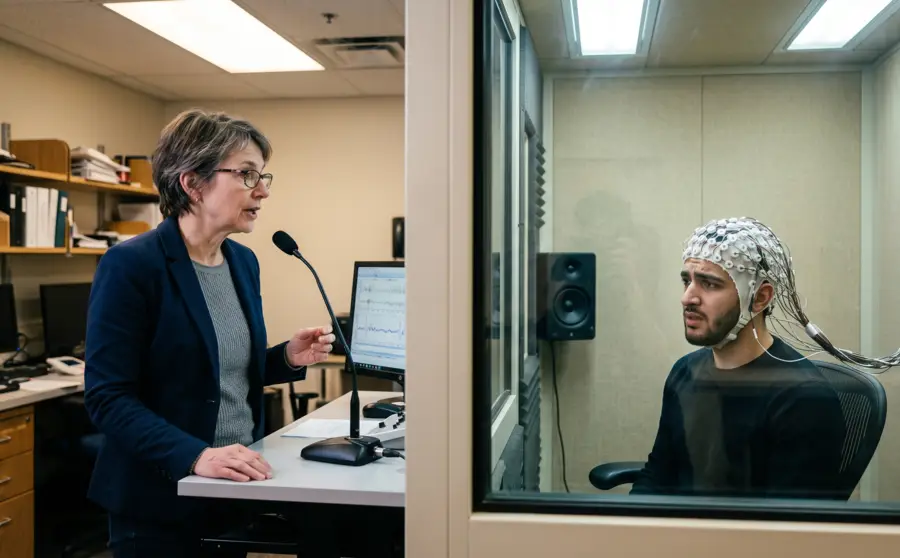
It is important to note that a formal neuroscience diagnosis requires a comprehensive evaluation by qualified professionals. This assessment typically involves gathering detailed developmental history, direct observation, and standardized rating scales completed by parents, teachers, and the individual, if appropriate. The diagnostic process aims to differentiate between the two conditions and identify any co-occurring diagnoses.
Diagnosis and Assessment of Overlapping Conditions
Figuring out if someone has both autism and ADHD can be a bit tricky. For a long time, doctors thought you could only have one or the other. But now, we know that's not true, and the official diagnostic manual, the DSM-5, changed in 2013 to allow for both diagnoses. This means professionals have to look more closely.
Getting a clear picture usually involves a few steps:
Gathering Information: This starts with talking to the person being assessed and often their family members or close contacts. They'll ask about a wide range of behaviors and experiences, from early childhood to the present day. This helps build a history.
Using Standardized Tools: Professionals use specific questionnaires and rating scales designed to identify traits of both autism and ADHD. These tools help quantify symptoms and compare them to established criteria. Some common ones include the Autism Diagnostic Observation Schedule (ADOS) for autism and the Conners Rating Scales for ADHD.
Observing Behavior: Direct observation of the individual in different settings can provide valuable insights. This might happen during the assessment itself or through reports from school or work.
Reviewing History: Looking at developmental history, school records, and any previous evaluations is important. This helps track how symptoms have presented over time.
It's important to note that the overlap between autism and ADHD is a complex area, and research is ongoing. Because of this, different studies report varying rates of co-occurrence.
For instance, some research suggests that a significant percentage of autistic children also meet the criteria for ADHD, while a notable portion of children with ADHD show autistic traits. Genetic studies also point to shared influences between the two conditions.
Strategies for Support and Management of Autism and ADHD
When supporting patients with co-occurring autism and ADHD, a personalized and holistic approach is key. The focus should be on understanding and working with the individual's unique neurodivergent profile, rather than trying to fit them into neurotypical expectations. This means acknowledging and respecting their identity throughout the process.
Several strategies can be beneficial:
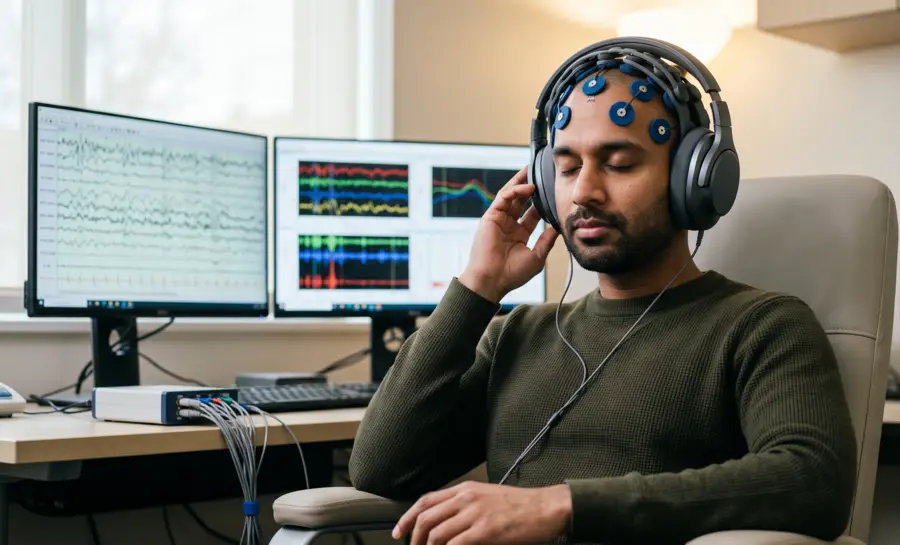
Environmental Adjustments: Modifying the environment to accommodate sensory needs is important. This might include providing access to quiet spaces, allowing the use of noise-canceling headphones, or adjusting lighting to reduce overstimulation. Creating predictable routines and structures can also aid in managing executive function challenges.
Executive Function Support: For difficulties with organization, planning, and time management, specific tools and techniques can be employed. This could involve visual schedules, task breakdown strategies, and external aids for memory and organization.
Therapeutic and Medical Interventions: For ADHD symptoms, medication can be a helpful tool for some patients, potentially improving focus and reducing distractibility. It is important to discuss all available options with a healthcare provider, considering that autistic individuals may have different sensitivities to medication. Talking therapies and coaching can also provide strategies for managing daily tasks and improving emotional regulation.
Leveraging Strengths: It is vital to identify and build upon the individual's strengths and interests. Many autistic and ADHD people possess high creativity, intense focus on specific interests, and unique problem-solving abilities. Incorporating these strengths into daily life and learning can be highly motivating and effective.
Community and Connection: Connecting with others who share similar experiences can provide significant support. Online communities, support groups, and social media platforms can offer a space for shared learning and mutual understanding.
Living Well with Co-occurring Autism and ADHD
Living with both autism and ADHD, sometimes referred to as AuDHD, presents a unique set of experiences. It's a situation where traits from both conditions can interact, sometimes in ways that feel contradictory.
For instance, a person might deeply desire structure and routine, a common autistic trait, yet simultaneously experience the ADHD-driven urge for novelty and stimulation, leading to internal conflict. This can manifest as a struggle between wanting to meticulously plan an activity and then losing interest rapidly, or becoming so absorbed in a special interest that basic needs like eating or sleeping are overlooked.
Effective management often involves a multi-faceted approach tailored to the individual's specific needs. This means recognizing that strategies that work for one person may not work for another, even if they share the same diagnoses.
Moving Forward with Understanding
So, we've talked about how autism and ADHD often show up together. It's not really a surprise when you look at the research; there's a lot of overlap in genetics and how the brain works for both. This means that for many people, these aren't separate issues but two parts of who they are.
Understanding this connection, sometimes called AuDHD, is super important. It helps us see why some people might feel pulled in different directions or experience things more intensely.
As we learn more, the goal is to get better at supporting everyone, making sure they get the right help and feel understood. It's a complex picture, but by keeping the conversation going and looking at the science, we can get closer to that goal.
References
Cervin, M. (2023). Developmental signs of ADHD and autism: a prospective investigation in 3623 children. European child & adolescent psychiatry, 32(10), 1969-1978. https://doi.org/10.1007/s00787-022-02024-4
Rong, Y., Yang, C. J., Jin, Y., & Wang, Y. (2021). Prevalence of attention-deficit/hyperactivity disorder in individuals with autism spectrum disorder: A meta-analysis. Research in Autism Spectrum Disorders, 83, 101759. https://doi.org/10.1016/j.rasd.2021.101759
Frequently Asked Questions
What is AuDHD?
AuDHD is a term that many people use when they have both autism and ADHD. It's a way to describe the experience of having traits from both conditions. It's not an official medical term but is commonly used by the autism and ADHD communities.
Why do autism and ADHD often happen together?
Scientists believe that autism and ADHD might share some common causes, especially in our genes. Think of it like having some of the same building blocks in your DNA that can lead to either condition, or both. Also, the parts of the brain that control things like attention and social skills might work similarly in people with both autism and ADHD.
Can someone be diagnosed with both autism and ADHD?
Yes, for a long time, doctors thought you could only have one or the other. But since 2013, medical guidelines allow for people to be diagnosed with both autism and ADHD. This means that professionals can now recognize and support individuals who show signs of both.
How common is it for autism and ADHD to overlap?
It's quite common. Studies show that a significant number of people diagnosed with autism also meet the criteria for ADHD. Similarly, many people with ADHD show traits commonly associated with autism. The exact numbers can vary depending on the study, but it's clear that these conditions often go hand-in-hand.
What are some shared traits between autism and ADHD?
People with both autism and ADHD might experience challenges with social communication, have sensitivities to sounds or lights (sensory issues), struggle with organizing tasks and managing time (executive function difficulties), and sometimes get deeply focused on specific interests (hyperfocus).
How can you tell the difference if someone has both autism and ADHD?
It can be tricky because some traits overlap. For example, someone with ADHD might seek out new experiences, while someone with autism might prefer routines. But a person with AuDHD might feel pulled in both directions, wanting novelty yet also needing structure, or finding social situations both interesting and overwhelming.
What happens if someone suspects they have both autism and ADHD?
If you think you might have both autism and ADHD, the best next step is to talk to a doctor or a mental health professional. They can do special tests and evaluations to figure out if you have one or both conditions. Getting a proper diagnosis is important for understanding yourself better and finding the right support.
How can parents or teachers support a child with both autism and ADHD?
Supporting a child with both conditions involves understanding their unique needs. This might mean creating predictable routines while also allowing for flexibility, helping them manage sensory input, providing clear instructions, and finding ways to channel their intense focus into positive activities. Working closely with the child's school and healthcare providers is also key.
Emotiv is a neurotechnology leader helping advance neuroscience research through accessible EEG and brain data tools.
Medical Disclaimer: The information provided on this website is for educational and informational purposes only and is not intended as medical or health advice. This content may contain errors and should not be relied upon to make life-altering health, medical, or lifestyle choices. Always seek the advice of your physician or other qualified health provider with any questions you may have regarding a medical condition or treatment.
Christian Burgos