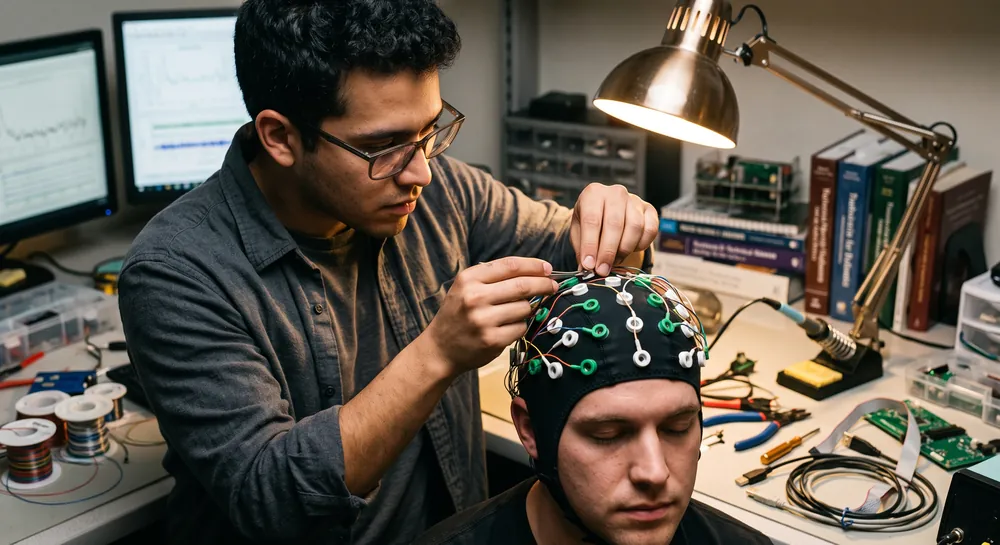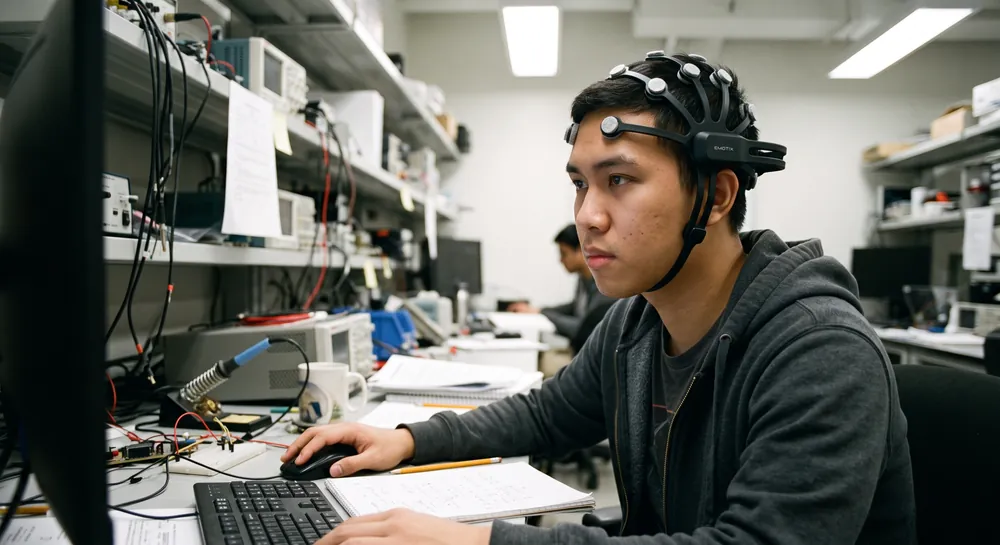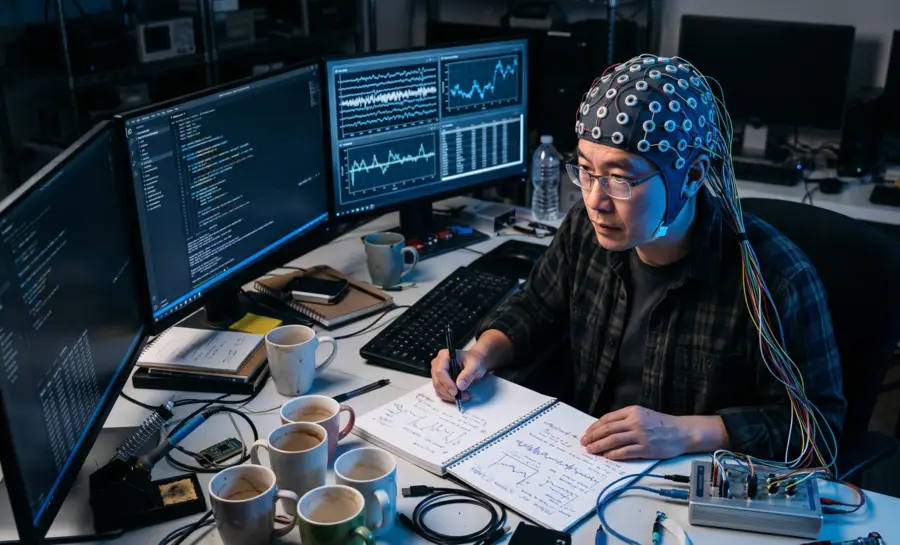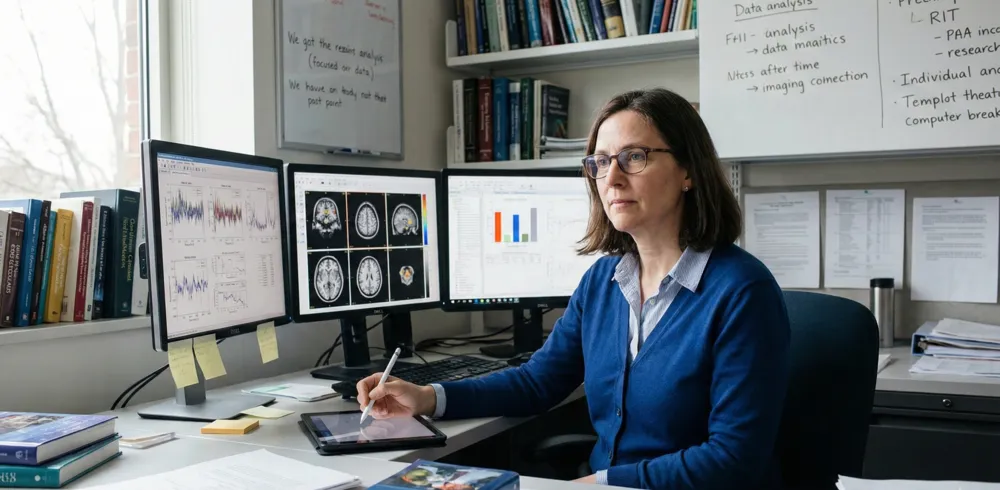
Autism spectrum disorder, or ASD, is a complex condition that affects how a person interacts with others, communicates, and learns. It's called a 'spectrum' because there's a wide range of symptoms and abilities that can occur. Understanding autism from a neuroscience perspective helps us look at the brain differences that might be involved.
Categorizing Types of Autism Spectrum Disorder
Autism Spectrum Disorder (ASD) isn't a single condition but rather a spectrum, meaning it presents differently in each person. Historically, different diagnostic labels were used, such as autistic disorder, Asperger syndrome, and pervasive developmental disorder-not otherwise specified (PDD-NOS). These distinctions were based on the specific ways core symptoms manifested and their severity.
For instance, autistic disorder typically involves significant challenges in social interaction, communication, and the presence of restricted, repetitive behaviors. Asperger syndrome, on the other hand, was characterized by social difficulties but generally without significant delays in language or cognitive development. PDD-NOS, often referred to as atypical autism, was used when individuals showed some, but not all, of the core features of autistic disorder, or when the symptoms were less severe.
The current diagnostic framework, as outlined in the DSM-5, consolidates these into a single spectrum. This approach acknowledges the wide range of abilities and challenges people with ASD can experience.
The focus is now on describing the level of support needed in two core areas: social communication and interaction, and restricted, repetitive behaviors. This shift reflects a better understanding that these conditions exist on a continuum, rather than as discrete categories.
While the older terms are still sometimes used in informal conversation or by people who received those diagnoses in the past, the clinical diagnosis is now made based on the spectrum concept. This allows for a more individualized approach to understanding and supporting each person's unique profile of strengths and needs.
Recognizing the Signs of Autism
Spotting the signs of Autism can be complex, as it presents differently in each patient. However, understanding common indicators is key for early recognition and support.
Signs of Autism in Adults
While ASD is often associated with childhood, many adults live with the diagnosis, sometimes undiagnosed until later in life. Adults may experience challenges in social interactions, such as difficulty understanding social cues, making and maintaining friendships, or engaging in reciprocal conversation.
They might also have a strong preference for routine, become distressed by unexpected changes, or exhibit intense, focused interests in specific subjects. Some adults may also have sensory sensitivities, reacting strongly to lights, sounds, textures, or smells.
Signs of Autism in Infants
Identifying ASD in infants is more challenging because early signs can be subtle and overlap with typical developmental variations. However, professionals look for specific patterns.
By 12 months of age, some infants may show differences in visual attention, such as less frequent tracking of objects or people. They might also exhibit atypical social responses, like reduced eye contact, less smiling in social interactions, or not orienting to their name as consistently as expected.
Delays in language development, including babbling or responding to speech, can also be an early indicator. Some parents report noticing unusual temperaments or behaviors, ranging from extreme irritability to unusual passivity, even within the first year.
It's important to note that some children diagnosed with ASD might develop some early words and social routines around one year of age, followed by a plateau and then a loss of these skills, a phenomenon sometimes referred to as developmental regression.
Core Symptoms of Autism Spectrum Disorder
ASD is characterized by a specific set of core symptoms that affect how an individual interacts with others and perceives the world. These symptoms generally fall into two main categories: difficulties with social communication and interaction, and restricted or repetitive behaviors and interests.
These manifestations can vary significantly from person to person, both in their presence and their intensity. For instance, some people may show very noticeable differences, while others might have subtler traits that become more apparent in specific situations.
Within the social communication and interaction domain, individuals with ASD may experience difficulties in several areas:
Social-Emotional Reciprocity: This can include challenges in initiating or responding to social interactions, sharing interests or emotions, and engaging in back-and-forth conversations.
Nonverbal Communicative Behaviors: This involves differences in using and understanding nonverbal cues. This might mean less consistent eye contact, less use of gestures to communicate, or difficulty understanding facial expressions and body language in others.
Developing, Maintaining, and Understanding Relationships: This can manifest as difficulties making friends, adjusting behavior to suit different social contexts, or showing a lack of interest in peers.
The second core area involves restricted, repetitive patterns of behavior, interests, or activities. These can include:
Stereotyped or Repetitive Motor Movements, Use of Objects, or Speech: This might involve simple motor stereotypes like hand flapping or finger twisting, lining up toys, or echolalia (repeating words or phrases).
Insistence on Sameness, Inflexible Adherence to Routines, or Ritualized Patterns of Verbal or Nonverbal Behavior: Individuals may become very distressed by small changes, need to follow specific routines, or have particular ways of doing things.
Highly Restricted, Fixated Interests that are Abnormal in Intensity or Focus: This could be an intense preoccupation with unusual topics or objects.
Hyper- or Hyporeactivity to Sensory Input or Unusual Interest in Sensory Aspects of the Environment: This means being unusually sensitive or insensitive to sounds, lights, textures, or other sensory information, or having a fascination with sensory aspects like spinning objects or light.
What Causes Autism?
Autism is caused by a combination of genetic predispositions and environmental factors that disrupt typical brain development during the prenatal and early postnatal periods.
There is no single cause; instead, a "multiple hit" model suggests that genetic vulnerabilities interact with external biological stressors to alter how neural circuits are formed and pruned.
Is Autism Genetic?
Studies show that ASD tends to run in families. For instance, if a child has ASD, the chance of a sibling also having it is significantly higher than in the general population. This strong link points towards inherited factors.
Researchers believe that ASD is likely a polygenic brain condition, meaning many genes are involved. These genes can interact with each other and potentially with environmental influences during development.
Scientists have been working to pinpoint specific genes associated with ASD. While many candidate genes have been studied, finding ones that are consistently linked has been challenging. However, some genes have shown more promise, with neuroscience research suggesting they might contribute to a person's susceptibility to developing ASD.
The Neurological Basis of Autism Spectrum Disorder
ASD is understood as a condition rooted in differences in brain development. It's not something that develops later in life; rather, it's present from early on, affecting how a person's brain is wired and how it functions. This neurological basis means that the way information is processed, social interactions are understood, and communication happens can be quite different for people with ASD.
Structural and Functional Connectivity in the Autistic Brain
Research has pointed to differences in how different parts of the brain connect and communicate in individuals with ASD. This involves looking at both the physical structure of the brain and how it works in real-time.
Brain Size and Growth: Some studies have observed differences in brain size and growth patterns in young children with ASD. For instance, some research suggests an accelerated head growth in the first year of life, which may indicate atypical brain development early on. However, findings can vary, and not all patients with ASD show these patterns.
Connectivity Patterns: A significant area of focus is connectivity. This refers to how different brain regions are linked and how they work together. Some research suggests that in ASD, there might be differences in how widespread brain networks are connected. This could manifest as:
Underconnectivity: Certain brain areas might not be as strongly connected as expected, potentially affecting the integration of information across different brain regions. This is sometimes observed during tasks involving language or social processing.
Overconnectivity: Conversely, some local brain circuits might be more densely connected than typical, which could relate to repetitive behaviors or intense focus on specific details.
White Matter Differences: White matter in the brain is made up of nerve fibers that connect different areas. Studies using MRI have sometimes found differences in the volume or organization of white matter in individuals with ASD, suggesting alterations in the brain's communication pathways.
Impact of Neurotransmitter Imbalances on Autism
Neurotransmitters are chemical messengers that nerve cells use to communicate with each other. Imbalances or differences in these systems are also thought to play a role in ASD.
Serotonin: This neurotransmitter is involved in mood, sleep, and social behavior. Some studies have found differences in serotonin levels or how it functions in people with ASD, though the exact role is still being investigated.
GABA and Glutamate: These are the brain's primary excitatory and inhibitory neurotransmitters, respectively. They work in a delicate balance. Research suggests that disruptions in the balance between GABA and glutamate might contribute to some of the sensory sensitivities or differences in information processing seen in ASD.
Oxytocin and Vasopressin: These hormones are linked to social bonding and behavior. Studies have explored how these systems might function differently in ASD, with some research looking into whether modulating these systems could impact social behaviors. For example, oxytocin has been studied for its potential effects on repetitive behaviors.
Autism Spectrum Test
Diagnosing ASD involves a careful look at a person's behavior and development. Professionals often use a combination of methods to get a clear picture.
Key diagnostic tools include:
Parent interviews: Detailed conversations with parents or caregivers about the person's developmental history, social interactions, communication patterns, and any repetitive behaviors. Instruments like the Autism Diagnostic Interview–Revised (ADI-R) are commonly used.
Direct observation: Observing the individual's behavior in different settings, paying close attention to social engagement, communication style, and play. The Autism Diagnostic Observation Schedule (ADOS) is a standard tool for this.
Developmental history: Gathering information about milestones, language development, and social skills from birth.
The diagnostic process aims to identify patterns consistent with the core symptoms of ASD. Notably, the complexity of ASD means that diagnosis requires a skilled professional, often a developmental pediatrician, child psychologist, or psychiatrist, who can interpret the gathered information within the context of developmental norms.
Evidence-Based Treatment Options for Autism
Therapy for Autism
When it comes to addressing ASD, a variety of therapeutic approaches are available. These interventions are designed to support patients in developing skills and managing challenges associated with ASD. The focus is often on improving communication, social interaction, and daily living skills.
Behavioral therapies form a significant part of ASD intervention. These therapies work by breaking down complex behaviors into smaller, manageable steps. They often use positive reinforcement to encourage desired behaviors and reduce behaviors that may interfere with learning or social engagement. Applied Behavior Analysis (ABA) is a well-known example, which involves structured teaching and reinforcement.
Other therapeutic avenues include:
Speech and Language Therapy: This helps improve their verbal and non-verbal communication abilities. It can address understanding language, expressing needs, and engaging in conversations.
Occupational Therapy: This focuses on developing skills for daily living, such as self-care routines (dressing, eating), fine motor skills (writing, using utensils), and sensory processing. It aims to help individuals participate more fully in everyday activities.
Social Skills Training: These programs often involve direct instruction and practice in social situations to help people understand social cues, engage in reciprocal interactions, and build relationships.
It's important to note that treatment plans are typically individualized, taking into account the specific needs and strengths of each person with ASD. The effectiveness of interventions can vary, and ongoing assessment is often part of the process to adjust strategies as needed. The goal is to provide support that promotes independence and improves brain health.
Future Directions in Autism Neuroscience Research
The field of autism neuroscience research is constantly evolving, with scientists exploring new avenues to better understand and support individuals with ASD. Several exciting areas are currently shaping the future of this research.
Gut-Brain Axis and the Microbiome-Neurology Connection
The connection between the gut and the brain, often referred to as the gut-brain axis, is gaining significant attention in ASD research.
The trillions of microorganisms living in our digestive system, known as the microbiome, are thought to play a role in brain development and function. Studies are investigating how imbalances in the gut microbiome might influence neurological processes relevant to ASD.
This research could potentially lead to new strategies for intervention, perhaps involving dietary changes or probiotics, to support gut health and, in turn, impact neurological well-being.
Optogenetics and the Mapping of Neural Circuitry
Optogenetics is a powerful technique that uses light to control the activity of specific neurons. This method allows scientists to precisely activate or inhibit particular neural circuits in animal models.
By applying optogenetics, researchers can map out the complex communication pathways within the brain that may be altered in ASD. This detailed mapping helps in understanding how specific brain networks contribute to ASD-related behaviors and symptoms.
The insights gained can guide the development of targeted therapies aimed at correcting these circuit dysfunctions.
The Impact of Neurodiversity Paradigms on Research Design
Neurodiversity is a concept that views variations in brain function, including those seen in ASD, as natural and valuable differences rather than deficits. This perspective is influencing how research is designed and conducted.
Future research is increasingly focusing on understanding the strengths and unique cognitive profiles associated with ASD, rather than solely on challenges. This shift encourages the development of support systems and interventions that embrace and build upon the strengths of autistic individuals, promoting inclusion and well-being.
Research is moving towards identifying and supporting diverse neurological profiles, recognizing that a one-size-fits-all approach is not effective.
The Evolving Landscape of Autism Research
The journey into understanding Autism Spectrum Disorder from a neuroscience perspective is still unfolding. While we've made significant strides in identifying brain differences and genetic links, there's much more to explore.
Future research holds the promise of earlier diagnosis, potentially through sensitive tools that can detect ASD in infants. This could lead to more effective interventions tailored to individual needs, helping children reach their full potential.
Continued work in neuroimaging and genetics will likely reveal more about the complex pathways involved in ASD, possibly paving the way for new treatments. It's an exciting time, as scientists from different fields come together, bringing us closer to a deeper understanding of the brain and how it develops in ASD.
References
Sidjaja, F. F. (2025). The growing definition of Autism. International Journal of Disability, Development and Education, 72(8), 1505-1511. https://doi.org/10.1080/1034912X.2024.2393382
Fang, Y., Cui, Y., Yin, Z., Hou, M., Guo, P., Wang, H., ... & Wang, M. (2023). Comprehensive systematic review and meta-analysis of the association between common genetic variants and autism spectrum disorder. Gene, 887, 147723. https://doi.org/10.1016/j.gene.2023.147723
Liloia, D., Manuello, J., Costa, T., Keller, R., Nani, A., & Cauda, F. (2024). Atypical local brain connectivity in pediatric autism spectrum disorder? A coordinate-based meta-analysis of regional homogeneity studies. European Archives of Psychiatry and Clinical Neuroscience, 274(1), 3-18. https://doi.org/10.1007/s00406-022-01541-2
Rafiee, F., Rezvani Habibabadi, R., Motaghi, M., Yousem, D. M., & Yousem, I. J. (2022). Brain MRI in autism spectrum disorder: narrative review and recent advances. Journal of Magnetic Resonance Imaging, 55(6), 1613-1624. https://doi.org/10.1002/jmri.27949
Faraji, R., Ganji, Z., Zamanpour, S. A., Nikparast, F., Akbari-Lalimi, H., & Zare, H. (2023). Impaired white matter integrity in infants and young children with autism spectrum disorder: What evidence does diffusion tensor imaging provide?. Psychiatry Research: Neuroimaging, 335, 111711. https://doi.org/10.1016/j.pscychresns.2023.111711
Madia, D., Sheikh, M., Pethe, A., Telange, D., & Agrawal, S. (2025). Excitatory/Inhibitory balance in autism spectrum disorders: Integrating genetic, neurotransmitter and computational perspectives. AIMS neuroscience, 12(4), 635–675. https://doi.org/10.3934/Neuroscience.2025031
Petropoulos, A., Stavropoulou, E., Tsigalou, C., & Bezirtzoglou, E. (2025). Microbiota Gut–Brain Axis and Autism Spectrum Disorder: Mechanisms and Therapeutic Perspectives. Nutrients, 17(18), 2984. https://doi.org/10.3390/nu17182984
Frequently Asked Questions
What is Autism Spectrum Disorder (ASD)?
Autism Spectrum Disorder, or ASD, is a condition that affects how a person interacts with others, communicates, learns, and behaves. It's called a 'spectrum' because the way it affects people can vary a lot. Some people might need a lot of support, while others might need less.
How do doctors diagnose ASD?
Doctors diagnose ASD by looking at a person's behavior and development. There isn't a blood test or scan that can diagnose it. They observe how someone communicates, interacts socially, and behaves, often using specific checklists and evaluations.
Are there different kinds of autism?
The term 'autism spectrum disorder' covers a range of conditions that used to be diagnosed separately, like Autistic Disorder, Asperger's Syndrome, and Pervasive Developmental Disorder-Not Otherwise Specified. Now, they are all grouped under ASD, acknowledging that autism exists on a spectrum with varying levels of support needed.
What are the main signs of ASD?
The main signs usually involve challenges with social interaction and communication, and having restricted or repetitive behaviors or interests. This can look different in everyone, affecting how they talk to others, understand social cues, or engage with the world around them.
Can ASD be seen in babies?
Yes, some signs of ASD can appear in babies as young as 6 months old. These might include not making eye contact, not smiling back, or not responding to their name. Early signs are important for early support.
What are the signs of ASD in adults?
In adults, signs might include difficulty understanding social cues or unspoken rules, trouble making or keeping friends, preferring to be alone, having intense interests in specific topics, or being very sensitive to certain sounds or textures. Sometimes, these signs might have been present since childhood but weren't recognized as autism.
Is autism caused by genetics?
Genetics play a big role in ASD. Research shows that ASD often runs in families, and many different genes are thought to contribute to the condition. However, it's not usually caused by just one gene.
What does the brain look like in someone with ASD?
Studies show that the brains of people with ASD can be different in terms of structure and how different parts connect and work together. Sometimes, brain growth might be faster or slower in certain areas during development, and communication between brain regions might not be as smooth.
Do brain chemicals play a role in ASD?
Yes, imbalances in certain brain chemicals, called neurotransmitters, might affect how signals are sent and received in the brain. This can influence mood, behavior, and social interactions in people with ASD.
Are there tests to see if someone has ASD?
There isn't one single test. Diagnosis relies on observing behavior and development. However, there are screening tools and assessments that doctors and specialists use to help understand if someone might have ASD and how it affects them.
What kind of treatments are available for ASD?
Treatments focus on helping individuals develop skills and manage challenges. This often includes behavioral therapies, speech therapy, and occupational therapy, which are tailored to each person's specific needs and goals.
Emotiv is a neurotechnology leader helping advance neuroscience research through accessible EEG and brain data tools.
Medical Disclaimer: The information provided on this website is for educational and informational purposes only and is not intended as medical or health advice. This content may contain errors and should not be relied upon to make life-altering health, medical, or lifestyle choices. Always seek the advice of your physician or other qualified health provider with any questions you may have regarding a medical condition or treatment.
Christian Burgos