Many parents wonder if autism runs in their family, and the short answer is yes, it often does. While not every case has a clear genetic link, research shows that genes play a big part in why some people are on the autism spectrum.
This article explores what we know about autism genetics, how genetic testing works, and what it means for your family.
How Does Autism Inheritance Work in Families?
Does Autism 'Run in the Family'?
When a child receives an autism diagnosis, it's natural for parents to wonder about the reasons behind it, and whether it's something that runs in the family. For a long time, the idea that autism was solely due to parenting was discussed, but neuroscience research has shifted this understanding significantly.
Current scientific understanding points to a strong genetic component in autism. This means that genes play a substantial role in why some people are on the autism spectrum.
Studies looking at twins and families suggest that a large part of the likelihood of autism can be attributed to genetic differences, with other factors like environmental influences also contributing.
It's important to remember that autism is thought to be the result of many factors working together. These can include inherited genetic variations passed down from parents, as well as de novo (new) genetic changes that occur spontaneously in a child.
These new changes aren't present in the parents' DNA but arise during the formation of an egg or sperm, or very early in development after conception. In families where autism appears in only one child and there's no prior history, these spontaneous changes might explain a significant portion of cases. However, in families with multiple people on the spectrum, inherited genetic variations often play a more prominent role.
What Are the Chances of Having Another Child with Autism?
In the general population, the chance of a child being diagnosed with autism is typically around 3.2%, depending on how autism is defined in studies.
However, when a family already has a child on the spectrum, this risk changes. Studies that follow younger siblings of children with autism have found that, on average, about 20% of these younger siblings are later diagnosed with autism. This is several times higher than the general population risk.
It's important to note that this is an average, and the actual risk can vary from family to family. Several factors can influence this, including:
The sex of the younger child (risk can differ for boys and girls).
Whether there are other children on the spectrum in the family.
The presence of a broader family history of developmental differences or other neurodevelopmental conditions.
Is the Genetic Risk Different for Mothers vs. Fathers?
Research into how genetic risk for autism is passed down suggests that there can be differences related to the parent. While both parents contribute genetic material, the specific genetic factors associated with autism may be inherited differently.
Some studies indicate that certain genetic variants linked to autism might be more commonly passed down from the mother, while others might be more associated with the father. This is an area of ongoing research, and the exact mechanisms are still being explored.
What Is the Female Protective Effect in Autism?
One interesting area of study is the concept of the 'female protective effect.' This idea suggests that there might be biological factors that offer some level of protection against autism in females, meaning that girls may need to inherit a greater number of genetic risk factors compared to boys to be diagnosed with autism.
Consequently, autism might present differently in girls. Girls who are on the spectrum may sometimes be diagnosed later or may exhibit traits that are less recognized or understood compared to boys. This can lead to differences in how autism is recognized and supported in females, and it's an important consideration when thinking about genetic risk and presentation across sexes.
What Are the Genetic Testing Options for Autism?
Understanding the available genetic testing options can provide valuable information, though it's important to remember that testing isn't always required for a diagnosis and may not always yield a clear genetic answer.
What is Genetic Counseling and When Should You Consider It?
Genetic counseling is a process where a trained professional helps patients and families understand genetic conditions. This includes discussing the potential causes of a condition, the chances of it occurring in other family members, and the implications of genetic testing.
For families exploring autism, genetic counseling can be particularly helpful. It provides a space to discuss family history, understand the complexities of autism genetics, and decide if genetic testing is the right step. You might consider genetic counseling if:
You have a family history of autism or related developmental differences.
You are considering having more children and want to understand recurrence risks.
You have received a diagnosis for your child and want to explore potential genetic causes.
You are feeling overwhelmed by genetic information and need help interpreting it.
What Is Chromosomal Microarray Analysis (CMA)?
Chromosomal Microarray Analysis (CMA) is a common genetic test used to look for small changes in chromosomes, the structures that carry our DNA. CMA can detect deletions or duplications of DNA segments that might be linked to developmental differences. These changes, known as copy number variants (CNVs), can sometimes explain a child's developmental profile or associated medical conditions.
CMA is often recommended for children with autism, especially if they also have developmental delays, differences in head size, seizures, or physical anomalies. It's a good starting point for identifying known genetic syndromes or significant chromosomal alterations.
What is Whole Exome Sequencing (WES)?
Whole Exome Sequencing (WES) is a more advanced genetic test that examines the exome, which is the part of our DNA that contains instructions for making proteins. WES can identify changes in individual genes that CMA might miss. This test is often considered for children with significant developmental differences when CMA results are inconclusive or when a more detailed genetic picture is desired.
While WES can uncover a wider range of genetic variations, it also has a higher chance of identifying "variants of uncertain significance" – genetic changes that scientists don't yet fully understand. This can sometimes lead to more questions than answers.
Can Consumer DNA Tests Identify Autism Risk?
Consumer DNA tests, often marketed for ancestry or general brain health insights, are usually not designed to assess autism risk. These tests typically look at a limited number of genetic markers and are not comprehensive enough to identify the complex genetic factors associated with autism.
For accurate information regarding genetic risk for autism, it is best to consult with healthcare professionals and consider clinical genetic testing. Relying on consumer DNA tests for this purpose is not recommended and could lead to misinterpretation of results.
How Do You Interpret Genetic Test Results for Autism?
When genetic testing is done for autism, the results can sometimes feel like a puzzle. It's important to remember that these tests look for specific changes in DNA, and what they find can mean different things for your family.
What Does a 'Positive' Result Mean?
A 'positive' result means a specific genetic change, often called a variant, was found that is known to be associated with an increased likelihood of autism or other developmental differences. This doesn't mean a person will definitely have autism, or that it explains all of their traits. Think of it as finding a piece of the puzzle that helps explain some of the picture.
For example, certain genetic changes might be linked to specific medical conditions that sometimes occur alongside autism, like epilepsy or differences in head size. Identifying such a variant can sometimes help doctors plan for health checks or monitoring. It can also provide information about the chances of having a child with similar genetic findings in the future, which can be helpful for family planning.
What if No Genetic Cause Is Found During Testing?
It's quite common for genetic testing not to find a specific cause. This does not mean autism is not genetic; it simply means that the tests used didn't identify a known genetic change.
Sometimes, the genetic changes involved are too small to be detected by current tests, or they might be in parts of the DNA that we don't yet fully understand. Therefore, the absence of a specific genetic finding does not rule out a genetic contribution to autism.
Differentiating Between 'Risk Genes' and a Definitive Genetic Diagnosis
It's important to distinguish between finding a genetic variant that increases risk and a definitive genetic diagnosis.
Many genetic changes associated with autism are considered 'risk factors' rather than direct causes. This means they contribute to the likelihood but don't guarantee a specific outcome.
For instance, a parent might carry a variant that slightly increases the chance of their child being on the spectrum, but that child might also develop unique strengths or traits. A definitive diagnosis, on the other hand, usually refers to a well-defined genetic syndrome where the link to certain characteristics is very strong.
Genetic testing can sometimes identify these syndromes, but for many individuals with autism, the genetic picture is more about contributing factors than a single, clear cause.
How Can Genetic Findings Inform Medical Care and Support?
Even if a genetic test doesn't provide a simple answer, the information gained can still be very useful. If a specific genetic condition is identified, it can guide medical care.
For example, certain genetic syndromes are associated with an increased risk of heart problems or vision issues, so doctors might recommend specific screenings. Knowing about a genetic variant can also help families understand potential strengths and challenges associated with it.
This knowledge can inform decisions about educational approaches, therapies, and daily routines.
When Is an EEG Recommended After a Genetic Finding?
When a genetic test identifies a specific syndrome or mutation associated with autism, it can sometimes reveal an overlapping risk for epilepsy or other seizure disorders. In these specific cases, a neurologist may recommend an electroencephalogram (EEG) as a proactive medical measure.
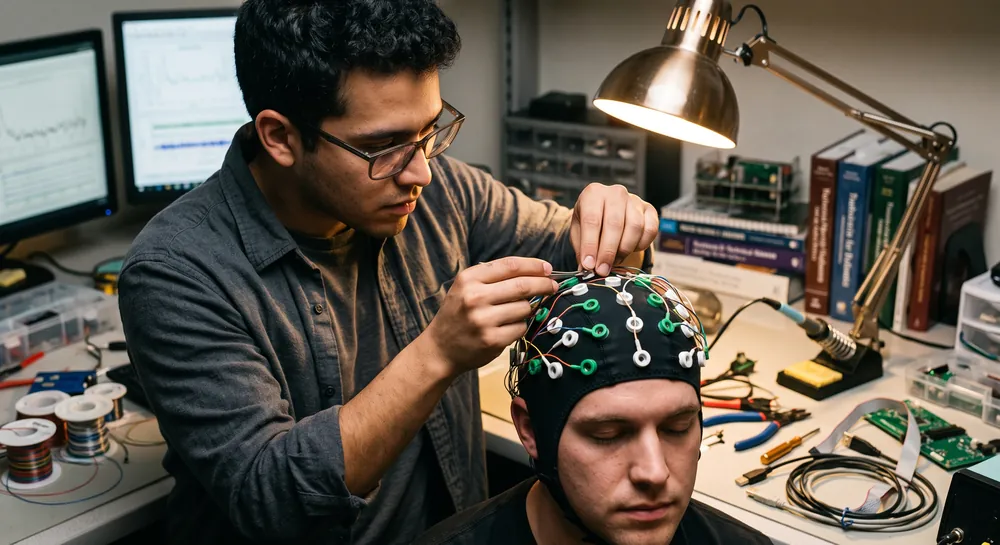
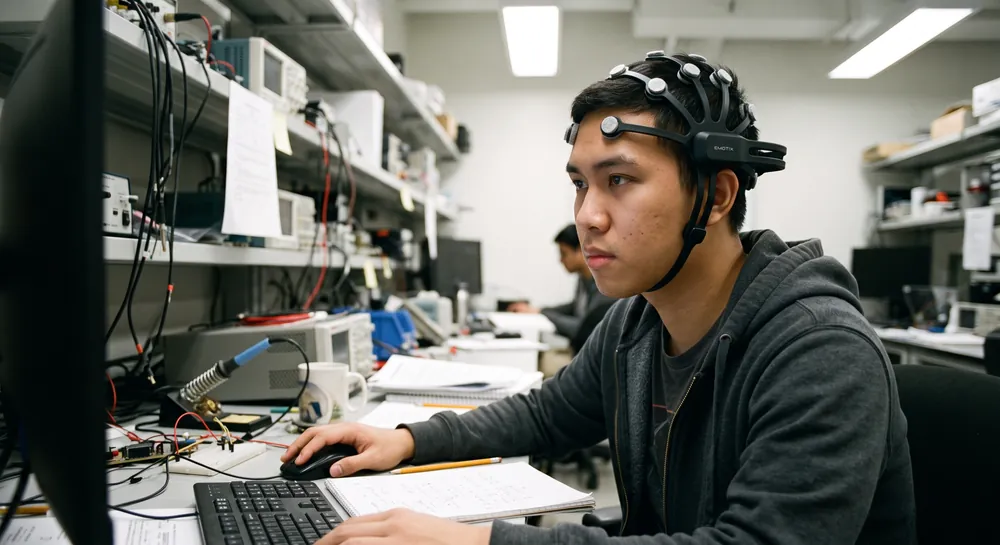
An EEG records the brain's electrical activity and can establish a baseline reading or detect subclinical seizures—abnormal electrical discharges that occur without obvious physical convulsions or staring spells.
It is important to note that an autism diagnosis alone does not automatically necessitate an EEG; this recommendation is highly targeted and generally reserved for patients whose genetic profile carries a documented, elevated risk for neurological comorbidities. By identifying these irregular brainwave patterns early, medical teams can guide appropriate neurological care and intervention, offering families a concrete, actionable step following a complex genetic diagnosis.
Putting It All Together
So, is autism genetic? The science points to a strong genetic link, but it's not quite as simple as a single gene being passed down.
It's more like a complex mix of many genes, plus environmental factors, that all play a part. This means that even if there's no history of autism in your family, it can still appear, and conversely, having a family history doesn't guarantee it.
Genetic testing can offer some answers, helping with planning and care, but it doesn't always give a clear-cut reason. Ultimately, understanding these genetic influences helps us move past blame and focus on what truly matters: supporting people with autism and their families with understanding and practical help.
References
Centers for Disease Control and Prevention. (2024, April 1). Autism data and research. https://www.cdc.gov/autism/data-research/index.html
Ozonoff, S., Young, G. S., Bradshaw, J., Charman, T., Chawarska, K., Iverson, J. M., ... & Zwaigenbaum, L. (2024). Familial recurrence of autism: updates from the baby siblings research consortium. Pediatrics, 154(2), e2023065297. https://doi.org/10.1542/peds.2023-065297
Frequently Asked Questions
Does autism often run in families?
Yes, research strongly suggests that autism has a genetic link, meaning it often runs in families. While not every case is directly inherited, a significant portion of autism diagnoses are connected to genetic factors passed down through generations.
If my child has autism, what are the chances my next child will also have autism?
If you already have one child with autism, the chance of having another child on the spectrum is higher than in the general population. Studies show this risk can be around 20%, but it varies for each family and depends on factors like the sex of the child and family history.
Can autism be caused by new genetic changes, not inherited ones?
Absolutely. Sometimes, a genetic change can happen for the first time in a child, called a 'de novo' or spontaneous mutation. These changes aren't present in the parents' DNA but can occur during conception and may play a role in autism.
Is there just one 'autism gene'?
No, autism is not caused by a single gene. Instead, it's believed to be influenced by the combined effects of many different genes, each adding a small piece to the overall risk. It's a complex puzzle with many genetic parts.
Can environmental factors contribute to autism alongside genetics?
Yes. While genetics play a big role, environmental factors during pregnancy and early life can also interact with genetic risks. Things like certain infections or complications during pregnancy might slightly increase the chance of autism if a genetic vulnerability is already present.
What is genetic counseling and why might it be helpful?
Genetic counseling is a meeting with a specialist who can help you understand genetic conditions. For families concerned about autism, a genetic counselor can explain how genetics might be involved, discuss the results of genetic tests, and help with family planning.
Can DNA tests from a company tell me if I have a genetic risk for autism?
Consumer DNA tests can offer general information about your genetic makeup, but they are typically not designed to diagnose or accurately predict autism risk. They may identify some common genetic variations, but these usually only add a small amount of risk and don't provide a clear answer.
What does it mean if a genetic test comes back 'positive'?
A 'positive' result on a genetic test means a specific genetic change linked to autism or a related condition was found. This can help explain some aspects of a diagnosis and guide medical care, but it's important to remember it's often just one part of a bigger picture.
What if a genetic test doesn't find a specific cause for autism?
It's very common for genetic tests not to find a specific cause. This doesn't mean genetics aren't involved; it just means the cause might be due to many genes working together in ways we don't fully understand yet, or other factors. Autism is complex, and a clear genetic answer isn't always found.
Emotiv is a neurotechnology leader helping advance neuroscience research through accessible EEG and brain data tools.
Medical Disclaimer: The information provided on this website is for educational and informational purposes only and is not intended as medical or health advice. This content may contain errors and should not be relied upon to make life-altering health, medical, or lifestyle choices. Always seek the advice of your physician or other qualified health provider with any questions you may have regarding a medical condition or treatment.
Christian Burgos