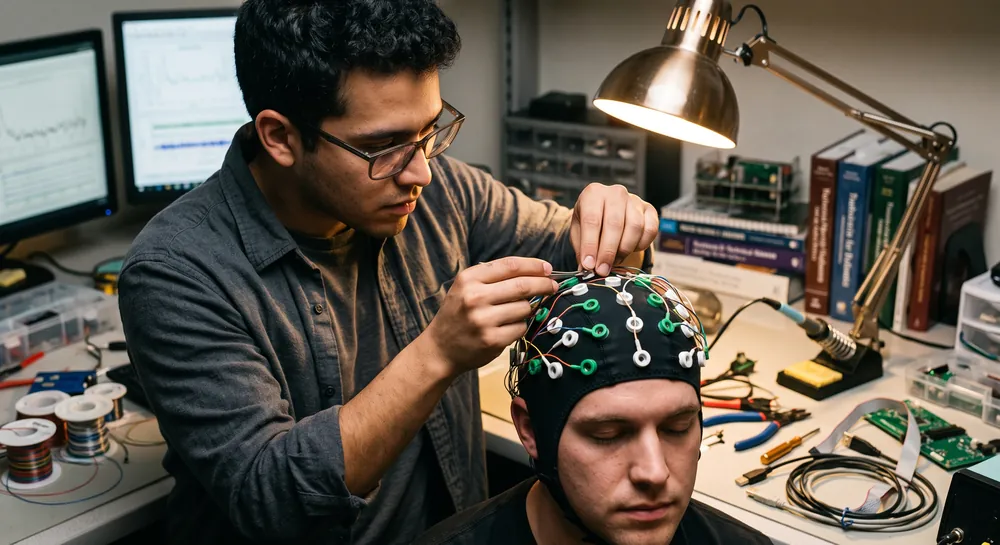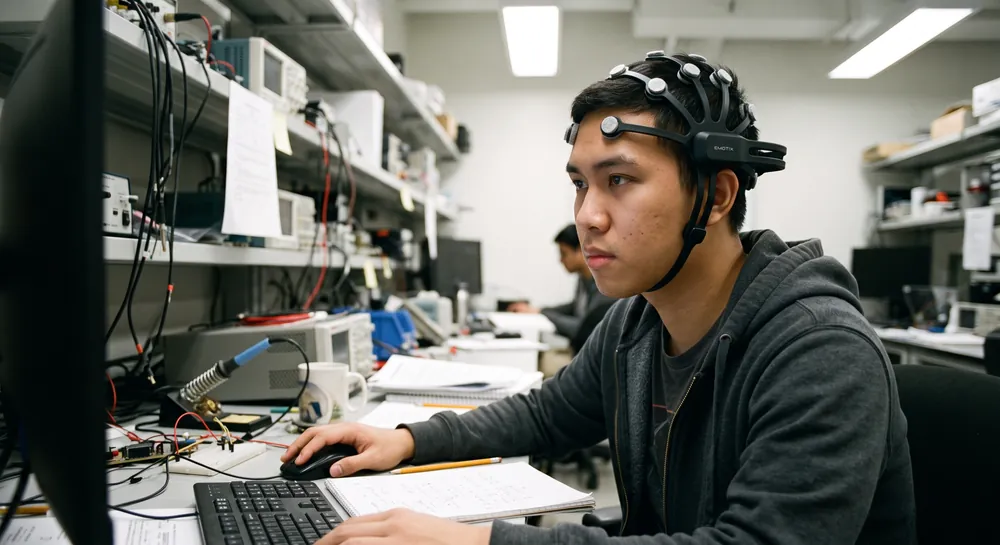
It's pretty common to feel distracted or restless sometimes, right? But for some people, these feelings are a constant challenge that can really get in the way of daily life. This is often the case with ADHD, or attention-deficit/hyperactivity disorder. It's a condition that affects how the brain works, and it's more than just trouble focusing.
Let's break down what ADHD is, what causes it, and how people manage it.
What is ADHD?
Attention-deficit/hyperactivity disorder (ADHD) is a neurodevelopmental condition that affects how the brain works, particularly in areas related to executive functions. These functions include planning, organizing, and completing tasks. It is characterized by a persistent pattern of inattention and/or hyperactivity-impulsivity that interferes with functioning or development.
While often diagnosed in childhood, ADHD can continue into adulthood, and some individuals may not receive a diagnosis until later in life. It's important to understand that ADHD is a medical condition, not a result of laziness or a lack of discipline. People with ADHD can lead fulfilling lives, but they may require support to manage their symptoms.
Signs and Symptoms of ADHD in Adults
Adults with ADHD may experience a range of symptoms that can impact their work, relationships, and daily routines. These can include difficulties with:
Inattention: Trouble focusing on tasks, easily getting distracted, forgetfulness in daily activities, and challenges with organization and time management. This can sometimes manifest as what some describe as 'ADHD paralysis,' where the sheer volume of tasks or the difficulty in starting them leads to a feeling of being stuck.
Hyperactivity: While less outwardly visible in adults than in children, hyperactivity can present as restlessness, fidgeting, an inner sense of unease, or excessive talking.
Impulsivity: Acting without thinking, interrupting others, making hasty decisions, and struggling with patience.
It's also worth noting that ADHD can present differently in women, sometimes being overlooked due to societal expectations or a tendency for symptoms to manifest more internally, such as inattentiveness or emotional dysregulation.
Signs and Symptoms of ADHD in Children
In children, ADHD symptoms are often more apparent and typically fall into two main categories:
Inattention: This can look like difficulty paying attention to details, making careless mistakes in schoolwork, trouble following instructions, losing things needed for tasks (like school supplies), being easily distracted, and seeming forgetful or disorganized.
Hyperactivity-Impulsivity: This may involve fidgeting or squirming, leaving their seat when expected to stay seated, running or climbing inappropriately, having trouble playing quietly, being constantly "on the go," talking excessively, blurting out answers, and having difficulty waiting their turn.
These symptoms can affect a child's performance in school, their social interactions, and their overall behavior. The presentation of ADHD can vary significantly from one child to another.
Types of ADHD
Professionals categorize ADHD into three main presentations, based on the primary symptoms an individual experiences. It's important to note that a person's presentation can change over time, and sometimes the symptoms can shift.
The distinction between ADD and ADHD has also evolved; historically, ADD was used for a presentation primarily involving inattention, but current diagnostic standards now group all presentations under ADHD.
Predominantly Inattentive Presentation
Individuals with this presentation primarily struggle with attention-related symptoms. They might find it hard to focus on tasks, follow instructions, or organize their work and activities.
Keeping track of belongings or appointments can also be a challenge, and they may be easily distracted by external stimuli or their own thoughts. This can sometimes be mistaken for daydreaming or a lack of motivation, but it stems from difficulties in sustaining attention.
Predominantly Hyperactive-Impulsive Presentation
This type is characterized by noticeable hyperactivity and impulsivity. People might exhibit excessive fidgeting, restlessness, or an inability to sit still. They may talk excessively or act without thinking through the consequences.
Impulsive behaviors can include interrupting others, difficulty waiting their turn, or engaging in risky activities. This presentation is often more outwardly apparent than the inattentive type.
Combined Presentation
As the name suggests, this presentation involves a significant mix of both inattentive and hyperactive-impulsive symptoms. Individuals will experience difficulties with focus and organization, alongside restlessness and impulsivity. The balance of these symptoms can vary, and it's common for one set of symptoms to be more prominent at different times.
It's also worth noting that ADHD can co-occur with other conditions, such as autism and ADHD, where individuals might present with a complex set of challenges requiring tailored support.
What Causes ADHD
The exact cause of ADHD isn't fully understood, but research points to a combination of factors. It's not due to a single issue, and many common misconceptions about its origins have been debunked.
Genetics appears to play a significant role. ADHD tends to run in families, suggesting a hereditary component. Studies have identified specific genes that influence brain chemistry and function, which may contribute to the development of ADHD.
For instance, children with a sibling diagnosed with ADHD are considerably more likely to have the condition themselves, and a notable percentage of parents with ADHD also have children with the disorder.
Beyond genetics, other factors are thought to increase the risk: brain structure and function, environmental influences, and developmental factors.
It's important to note what does not cause ADHD. Scientific evidence does not support the idea that excessive sugar intake, watching too much television or playing video games, or parenting styles are direct causes of the condition. While these factors might influence behavior or exacerbate symptoms, they are not the root cause.
Similarly, stress does not cause ADHD, though it can worsen its presentation. Poverty can create barriers to diagnosis and treatment but does not cause the disorder itself.
Common ADHD Tests
Diagnosing ADHD isn't as simple as a single test. Instead, a thorough evaluation is needed to understand if someone has ADHD.
This process looks at a person's history, current behaviors, and how these affect their daily life. Healthcare providers, such as doctors, psychologists, or psychiatrists, conduct these assessments. They gather information from various sources to get a complete picture.
Several steps are typically involved in an ADHD evaluation:
Gathering Medical and Mental Health History: The provider will review your past and current health conditions, including any mental health concerns. This helps rule out other issues that might cause similar symptoms.
Assessing Behavior and Symptoms: Information is collected about behaviors and symptoms experienced. This often involves using standardized rating scales or checklists designed to identify signs of ADHD. These tools help determine if the symptoms meet the diagnostic criteria.
Gathering Input from Others: For children, parents and teachers are often asked to provide input on behavior in different settings. For adults, input from partners, family members, or close friends might be sought to understand how symptoms manifest in various environments.
Ruling Out Other Conditions: It's important to consider other conditions that can look like ADHD, such as learning disabilities, anxiety, depression, or hearing problems. The evaluation aims to differentiate ADHD from these other possibilities.
The diagnostic criteria for ADHD require that symptoms are present in multiple settings and significantly impact functioning. Symptoms must also have been present since childhood, typically before the age of 12, even if the diagnosis is made later in life. This comprehensive approach ensures an accurate diagnosis and helps in planning the most appropriate management strategies.
Moving Forward with ADHD
Living with ADHD presents unique challenges, but it's important to remember that it's a manageable condition. Understanding the symptoms, recognizing that it's a neurodevelopmental disorder, and seeking appropriate support are key steps.
References
Oroian, B. A., Nechita, P., & Szalontay, A. (2025). ADHD and decision paralysis: Overwhelm in a world of choices. European Psychiatry, 68(S1), S161. https://doi.org/10.1192/j.eurpsy.2025.406
Núñez-Jaramillo, L., Herrera-Solís, A., & Herrera-Morales, W. V. (2021). ADHD: Reviewing the causes and evaluating solutions. Journal of Personalized Medicine, 11(3), Article 166. https://doi.org/10.3390/jpm11030166
Faraone, S. V., & Bellgrove, M. A. (2023). Attention-deficit/hyperactivity disorder. CNS Drugs, 37(5), 415–424. https://doi.org/10.1007/s40263-023-01005-8
Frequently Asked Questions
What exactly is ADHD?
ADHD, or Attention-Deficit/Hyperactivity Disorder, is a condition that affects how a person's brain works. It can make it hard to pay attention, control impulsive actions, and manage energy levels. It's not about being lazy or not trying hard enough; it's a medical condition that impacts how someone focuses, organizes tasks, and manages their behavior.
What are the main signs of ADHD?
The main signs of ADHD fall into three groups: inattention, hyperactivity, and impulsivity. Inattention can mean having trouble focusing, making careless mistakes, or often losing things. Hyperactivity might look like fidgeting, being unable to sit still, or talking a lot. Impulsivity can involve acting without thinking, interrupting others, or having difficulty waiting for your turn.
Can ADHD affect adults, or is it just a childhood condition?
While ADHD is often diagnosed in childhood, its effects can continue into adulthood for many people. Some individuals may not even realize they have ADHD until they are older. The symptoms can change over time, and adults might experience more issues with organization, focus, and restlessness compared to hyperactivity.
What causes ADHD?
The exact cause of ADHD isn't fully understood, but experts believe it's a combination of factors. These can include genetics (it often runs in families), differences in brain structure and function, and certain brain chemicals. It's important to know that ADHD is not caused by poor parenting, too much sugar, or watching too much TV.
How is ADHD diagnosed?
Diagnosing ADHD usually involves a healthcare professional talking to the person and their family about their behavior and history. They look for patterns of symptoms that have been present for a while and affect daily life, like school, work, or relationships. Sometimes, other medical or mental health conditions are checked to make sure they aren't causing similar symptoms.
Are there different types of ADHD?
Yes, ADHD is often described in three main ways based on the most prominent symptoms. These are: Predominantly Inattentive Presentation, where focus is the main challenge; Predominantly Hyperactive-Impulsive Presentation, where being overly active and acting without thinking are key; and Combined Presentation, where a person experiences significant symptoms from both inattention and hyperactivity-impulsivity.
Emotiv is a neurotechnology leader helping advance neuroscience research through accessible EEG and brain data tools.
Medical Disclaimer: The information provided on this website is for educational and informational purposes only and is not intended as medical or health advice. This content may contain errors and should not be relied upon to make life-altering health, medical, or lifestyle choices. Always seek the advice of your physician or other qualified health provider with any questions you may have regarding a medical condition or treatment.
Christian Burgos