Many families explore different paths when seeking autism treatment for their children. Beyond standard therapies, a range of complementary and alternative approaches are often considered.
This article looks into some of these options, aiming to provide a clearer picture of what's available and what the research suggests about their use in supporting people with autism.
What Are the Options Beyond Conventional Autism Therapy?
What Is the Difference Between Complementary and Alternative Interventions?
Families often look into different approaches to support people with autism spectrum disorder (ASD). These can include therapies used alongside standard medical care, known as complementary therapies, or those used instead of conventional treatments, called alternative therapies. Sometimes, these approaches are combined with traditional methods in what's termed integrative medicine.
The reasons for exploring these options are varied. Some families seek additional support for communication, social interaction, or behavioral challenges. Others might be looking for ways to address sensory sensitivities or sleep difficulties that can accompany ASD.
It's important to understand that while some interventions may have anecdotal support, the neuroscientific evidence for many is still developing.
How Do I Evaluate the Safety and Efficacy of Autism Treatments?
When considering any new approach, a careful review of available research is important. This involves looking at whether a therapy has been studied rigorously and what the results indicate about its safety and how well it works. Some interventions have been studied more than others, and the quality of the research can vary.
For instance, studies with small numbers of participants, those without control groups, or those that are not blinded may provide less certain results. Understanding the scientific basis and potential risks associated with any intervention is key before implementation.
Here's a general overview of how interventions are often categorized:
Biologically-based therapies: These involve substances like supplements or special diets.
Mind-body practices: These focus on the interaction between the brain, mind, body, and behavior, such as meditation or yoga.
Manipulative and body-based practices: These involve physical movement or manipulation of the body, like massage or certain types of exercise.
It is advisable to discuss any potential new therapies with a healthcare provider to ensure they are a safe and appropriate addition to an individual's overall support plan for their brain condition.
What Are the Dietary Interventions and Nutritional Approaches for Autism?
What Is the Theory Behind Using Special Diets for Autism?
Some theories suggest that certain dietary changes might influence behaviors and symptoms associated with autism.
One prominent idea centers on the proteins gluten, found in wheat, barley, and rye, and casein, found in milk products. The hypothesis is that after digestion, these proteins can produce compounds that affect the brain, sometimes referred to as 'exorphins.'
It's proposed that in some individuals with autism, a compromised gut lining might allow these compounds to enter the bloodstream more easily, potentially impacting neurological function.
Does the Gluten-Free Casein-Free (GFCF) Diet Help with Autism?
The gluten-free, casein-free (GFCF) diet is one of the most commonly explored dietary interventions for autism. The rationale is to eliminate gluten and casein to prevent the formation or absorption of potentially problematic peptides. While anecdotal reports and case studies have suggested improvements in behavior and communication for some individuals, scientific research has yielded mixed results.
Some studies have indicated potential benefits, while others have found no significant differences between the GFCF diet and control diets. Factors such as study design, duration, sample size, and the specific measures used to assess outcomes can influence findings.
It's also important to consider that adherence to a strict GFCF diet can be challenging for families, and ensuring adequate nutrition, particularly calcium and vitamin D, is vital when dairy is removed. Consultation with a registered dietitian is often recommended for families considering this approach.
Can Omega-3 Fatty Acids, Probiotics, and Vitamin Supplements Help?
Beyond specific diets, other nutritional strategies are sometimes explored. Omega-3 fatty acids, found in fish oil, are thought to play a role in brain health and function. Some research has investigated their potential impact on certain aspects of autism, though findings are not conclusive.
Probiotics, which are beneficial bacteria, are another area of interest. The gut microbiome is increasingly recognized for its connection to overall health, including brain function. Some studies are exploring whether probiotics might influence gut health and, consequently, behavior in people with autism.
Additionally, various vitamin and mineral supplements are sometimes used. The idea is often to address potential deficiencies or to provide a therapeutic dose of certain nutrients.
For example, some research has looked into the effects of vitamin B6, magnesium, and vitamin D. As with other interventions, the evidence for the widespread effectiveness of specific supplements for autism symptoms varies, and it is important to approach supplementation with careful consideration and professional guidance.
How Do Mind-Body Therapies Support Regulation and Well-Being?
Can Mindfulness and Meditation Support Emotional Regulation in Autism?
Mindfulness and meditation practices focus on bringing attention to the present moment without judgment. For a person with autism, these techniques may offer a way to better understand and manage internal states, such as anxiety or sensory overload. The core idea is to cultivate a greater awareness of thoughts, feelings, and bodily sensations.
Research suggests that these practices can potentially help in developing coping strategies for emotional challenges. While not a cure, they are explored as tools to support self-regulation and a sense of calm.
How Does Yoga Support Sensory Input and Body Awareness in Autism?
Yoga, a practice combining physical postures, breathing techniques, and meditation, is being examined for its potential benefits in the autism community. Its structured yet adaptable nature can appeal to individuals who benefit from routine and predictability.
Some studies indicate that yoga may influence brain activity, potentially affecting areas related to social interaction and emotional processing. The physical movements can also provide valuable sensory input, which is often a key consideration for individuals with autism.
Therefore, exploring different yoga styles might help find approaches that suit individual sensory needs and preferences.
What Is the Role of Animal-Assisted Therapy in Autism?
Animal-assisted therapy involves integrating animals into a therapeutic setting to support a person's goals. Interacting with animals, such as dogs or horses, has been observed to have calming effects. This interaction can sometimes facilitate social engagement and communication, as the animal can act as a social bridge.
The predictable nature of animal behavior and the non-judgmental presence of the animal may create a comfortable environment for interaction. Studies are ongoing to better understand the specific mechanisms and outcomes of this type of therapy.
How Do Creative Arts Therapies Support Expression and Connection?
Creative arts therapies offer different avenues for people with autism to express themselves and connect with others. These approaches use artistic mediums as a way to support communication, emotional processing, and social interaction. They are often considered alongside other therapeutic strategies.
How Can Music Therapy Enhance Communication and Social Engagement?
Music therapy involves using musical experiences to help a person achieve therapeutic goals.
For those on the autism spectrum, music can sometimes serve as a bridge for communication, especially when verbal expression is challenging. The structured yet flexible nature of music, including rhythm and melody, can be engaging.
Some research suggests that children with autism may respond more readily to musical sounds than to spoken words. This can be particularly helpful in situations where understanding emotions conveyed through speech is difficult.
Studies have looked at how music therapy might affect communication. For instance, one study observed an increase in verbal responses during music therapy sessions compared to a control group. Another study found that while overall communication measures didn't show significant differences, a subgroup analysis indicated improvements in nonverbal communication within the music therapy group. The potential for music to act as a nonverbal language is a key area of interest.
How Does Art Therapy Serve as a Tool for Non-Verbal Expression?
Art therapy utilizes the creative process of art-making to improve a person's physical, mental, and emotional well-being. For individuals with autism, art can provide a non-verbal means of expression, allowing them to communicate feelings, thoughts, and experiences that might be hard to put into words. This can be especially useful for those who struggle with social communication or have difficulty identifying and expressing emotions.
Activities in art therapy can range from drawing and painting to sculpting and collage. The focus is not on the artistic product itself, but on the process and what it reveals about the person’s inner world.
Therapists guide the process, helping individuals explore their creations and connect them to their feelings and experiences. While research in this specific area is still developing, the general principles of art therapy suggest its utility in providing a safe space for self-discovery and expression for autistic people.
What Are the Emerging Technology-Based Interventions for Autism?
Technology is increasingly playing a role in how we approach support for autistic individuals. These tools can offer new ways to practice skills, manage daily life, and even explore brain function. It's a rapidly developing area, with new applications appearing regularly.
Can Virtual Reality Be Used to Practice Social Skills Safely?
Virtual reality offers a unique environment for practicing social interactions. Because VR creates immersive, simulated worlds, it can be used to recreate common social scenarios. This allows individuals to practice skills like making eye contact, understanding social cues, or engaging in conversations in a controlled setting.
The virtual environment can be adjusted to increase or decrease complexity, providing a gradual learning curve. Since it's a simulation, mistakes can be made without real-world consequences, which can reduce anxiety associated with social practice.
How Do Assistive Technology Apps Support Daily Functioning?
Many apps and software programs are designed to help with everyday tasks. These can range from visual schedules that help with organization and transitions, to communication apps that use symbols or text-to-speech to aid expression.
Other apps focus on executive functions, like time management or task initiation. For example, a visual timer app can help a person understand the passage of time for a specific activity, making transitions smoother.
Moreover, communication apps, sometimes called Augmentative and Alternative Communication (AAC) devices, can give a voice to those who have difficulty with verbal communication. The goal is to provide tools that support independence and participation in daily activities.
Can Neurofeedback Help Train Brain Regulation in Autism?
Neurofeedback is a specialized form of biofeedback that monitors real-time brainwave activity and provides immediate visual or auditory cues to help people learn to self-regulate their neural patterns.
Originally explored to help manage symptoms of conditions like ADHD and anxiety, the underlying theory posits that by rewarding specific brainwave frequencies (such as those associated with calm, sustained focus) individuals can train their brains to shift away from patterns linked to hyperarousal or inattention. In the context of autism, this intervention aims to address overlapping traits, particularly focusing on improving emotional regulation and reducing sensory overwhelm through repeated, guided practice.
Despite its theoretical appeal, the application of neurofeedback for autism remains a subject of ongoing scientific debate and is widely considered an investigational approach rather than a standard, established treatment. While some clinical reports and small-scale trials have noted behavioral improvements, the broader evidence base is currently mixed and often lacks the rigorous, large-scale, double-blind studies required to definitively prove efficacy.
Families exploring this alternative treatment should maintain cautious expectations, understanding that neurofeedback is not a universally effective intervention and its long-term benefits for autistic people have yet to be robustly validated by the wider medical community.
What Does EEG Research Reveal About the Autistic Brain?
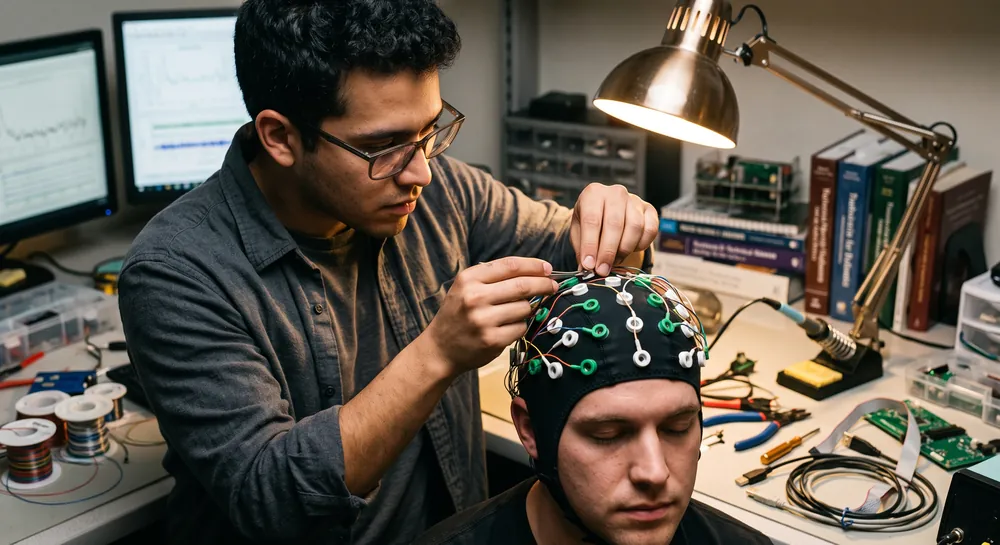
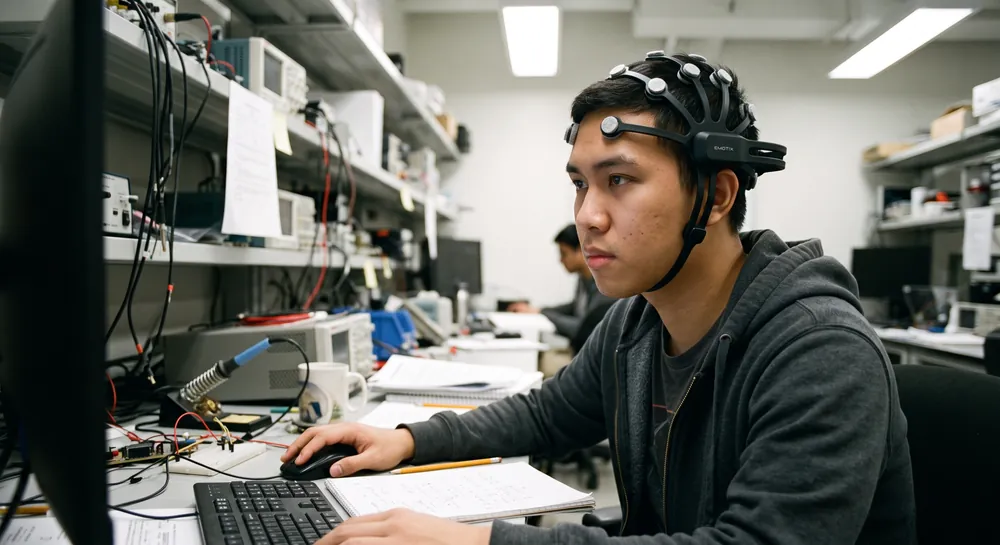
In clinical studies, researchers utilize EEG (electroencephalogram) to measure the brain's electrical activity without attempting to alter it, seeking instead to map the underlying neurological differences associated with autism. This research has been particularly valuable in revealing how the autistic brain handles sensory information, with EEG data often showing distinct patterns in how quickly and intensely the brain responds to auditory or visual stimuli.
Furthermore, EEG helps scientists investigate differences in neural connectivity—how effectively different regions of the brain communicate with one another during complex cognitive tasks. By providing objective measurements of these functional differences, EEG research offers critical biological context. It helps explain the lived experiences of sensory processing differences and establishes the scientific groundwork that inspires the ongoing exploration of targeted, brain-based interventions.
How Should I View Complementary and Alternative Autism Treatments?
When considering treatments for autism, it's clear that many families explore options beyond standard medical care. While some therapies, like melatonin for sleep issues or certain types of music and sensory therapies, show early promise and might be integrated into a child's care plan, the overall scientific backing for many complementary and alternative approaches remains limited.
It's crucial to remember that 'natural' doesn't always mean 'safe,' and some of these treatments haven't been studied enough to know their long-term effects or how they might interact with prescribed medications. Thus, always talk to your child's doctor before trying anything new. They can help you sort through the options, understand what the research actually says, and make sure any chosen therapies work safely alongside conventional treatments, rather than replacing them.
The objective is always to support your child's brain health with the most reliable and evidence-based strategies available.
References
Di Liberto, D., D’Anneo, A., Carlisi, D., Emanuele, S., De Blasio, A., Calvaruso, G., ... & Lauricella, M. (2020). Brain opioid activity and oxidative injury: Different molecular scenarios connecting celiac disease and autistic spectrum disorder. Brain Sciences, 10(7), 437. https://doi.org/10.3390/brainsci10070437
Hyman, S. L., Stewart, P. A., Foley, J., Cain, U., Peck, R., Morris, D. D., ... & Smith, T. (2016). The gluten-free/casein-free diet: a double-blind challenge trial in children with autism. Journal of autism and developmental disorders, 46(1), 205-220. https://doi.org/10.1007/s10803-015-2564-9
Zafirovski, K., Aleksoska, M. T., Thomas, J., & Hanna, F. (2024). Impact of gluten-free and casein-free diet on behavioural outcomes and quality of life of autistic children and adolescents: a scoping review. Children, 11(7), 862. https://doi.org/10.3390/children11070862
Jia, S. J., Jing, J. Q., Yi, L. X., & Yang, C. J. (2025). The effect of omega-3 fatty acid supplementation on autism spectrum disorder: A meta-analysis. Research in Autism, 126, 202642. https://doi.org/10.1016/j.reia.2025.202642
Soleimanpour, S., Abavisani, M., Khoshrou, A., & Sahebkar, A. (2024). Probiotics for autism spectrum disorder: An updated systematic review and meta-analysis of effects on symptoms. Journal of Psychiatric Research, 179, 92-104. https://doi.org/10.1016/j.jpsychires.2024.09.009
Meguid, N., Zeidan, H., Hashish, A., Nasser, S., Hussein, F., Hemimi, M., & Nashaat, N. (2024). Efficacy of vitamin/mineral supplement on children with Down syndrome and autism spectrum disorder. International Journal of Developmental Disabilities, 1-10. https://doi.org/10.1080/20473869.2024.2438771
Ju, X., Liu, H., Xu, J., Hu, B., Jin, Y., & Lu, C. (2024). Effect of yoga intervention on problem behavior and motor coordination in children with autism. Behavioral Sciences, 14(2), 116. https://doi.org/10.3390/bs14020116
Ke, X., Song, W., Yang, M., Li, J., & Liu, W. (2022). Effectiveness of music therapy in children with autism spectrum disorder: A systematic review and meta-analysis. Frontiers in Psychiatry, 13, 905113. https://doi.org/10.3389/fpsyt.2022.905113
Frequently Asked Questions
What are complementary and alternative treatments for autism?
Complementary treatments are used alongside standard medical care, like speech therapy or medication. Alternative treatments are used instead of standard care. Many families explore these options to help with communication, behavior, or other challenges related to autism.
Are special diets, like gluten-free and casein-free, helpful for autism?
Some research suggests that diets like gluten-free, casein-free (GFCF) might help certain individuals with autism by reducing gut issues or other symptoms. However, the scientific evidence is not yet strong enough to recommend these diets for everyone with autism.
What about supplements like Omega-3s or probiotics?
Supplements such as Omega-3 fatty acids and probiotics are sometimes used to support overall health or address specific concerns like digestion. While some studies show potential benefits, more research is needed to confirm their effectiveness for autism symptoms.
Can mindfulness or meditation help autistic individuals?
Yes, mind-body practices like mindfulness and meditation can be beneficial for emotional regulation, stress reduction, and improving focus. These techniques can help individuals better understand and manage their feelings and reactions.
Is animal-assisted therapy effective for autism?
Interacting with animals, such as through animal-assisted therapy, can sometimes help improve social interaction, communication, and emotional well-being. The presence of an animal can create a more relaxed and engaging environment for therapy.
How can music therapy support communication?
Music therapy uses music to help individuals communicate and connect with others. It can be especially helpful for those who have difficulty with verbal communication, as music can provide a non-verbal way to express feelings and engage in social interactions.
What role does art therapy play?
Art therapy provides a creative outlet for non-verbal expression. It allows individuals to explore their thoughts and emotions through visual arts, which can be a powerful tool for self-discovery and communication, especially when words are challenging.
Can virtual reality (VR) be used to practice social skills?
Virtual reality offers a safe and controlled environment to practice social skills. Individuals can engage in simulated social situations and learn how to respond appropriately without the pressures of real-life interactions.
What is neurofeedback and what is its potential for autism?
Neurofeedback is a type of biofeedback that helps individuals learn to regulate their brain activity. While it shows potential for improving focus and self-regulation in some individuals with autism, more research is needed to fully understand its effectiveness and how it works.
Emotiv is a neurotechnology leader helping advance neuroscience research through accessible EEG and brain data tools.
Medical Disclaimer: The information provided on this website is for educational and informational purposes only and is not intended as medical or health advice. This content may contain errors and should not be relied upon to make life-altering health, medical, or lifestyle choices. Always seek the advice of your physician or other qualified health provider with any questions you may have regarding a medical condition or treatment.
Christian Burgos