Finding ways to keep someone with dementia engaged can feel like a puzzle, but it's really important for their overall well-being. The right activities can help them feel more connected and purposeful. It’s not always about doing complicated things; sometimes, simple, familiar actions make the biggest difference.
This guide looks at different kinds of activities for dementia patients, how they can help, and how to adjust them as dementia progresses.
Why Are Activities Important for Dementia Patients?
When someone is living with dementia, keeping them engaged with activities is a really important part of their care.
Think of it this way: activities can help a person with dementia feel like they still have a purpose and that they matter. These engagements can help build their confidence and keep them connected to others, even as their memory changes.
Activities can also provide a sense of accomplishment. Completing a simple task, like folding laundry or doing a part of a craft, can give them a feeling of having achieved something. This is true even in the later stages of dementia. While the type and complexity of activities will change as the condition progresses, the benefit of engagement remains.
Here’s a look at why staying active matters:
Boosts Mood and Reduces Agitation: Engaging in enjoyable activities can help ease feelings of restlessness and anxiety that often come with dementia. It gives them something positive to focus on.
Maintains Cognitive Function: While dementia affects memory and thinking, certain activities can help keep the brain stimulated. This doesn't reverse the brain disorder, but it can help maintain existing abilities for longer.
Improves Quality of Life: Ultimately, the goal is to make life as good as possible for someone with dementia. Activities that are meaningful and enjoyable contribute significantly to their overall brain health and happiness.
6 Types of Activities for Dementia Patients
1. Cognitive Activities
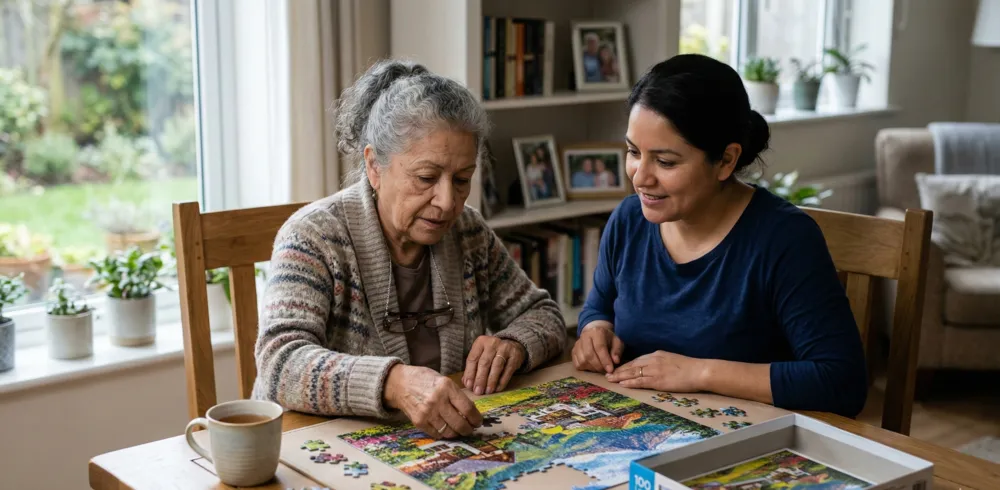
These activities aim to keep the mind active. Think about things that involve a bit of thinking, like simple puzzles or card games.
For someone in the earlier stages, more complex puzzles might be suitable. As dementia advances, simpler matching games or word association tasks could be more appropriate. The goal isn't to stump them, but to provide a gentle mental workout.
2. Physical Activities
Movement is important for everyone, and people with dementia are no exception. This doesn't mean running marathons. It could be as simple as a short walk, some gentle stretching, or even dancing to music.
Regular physical activity can help with mood and sleep. Even simple tasks like folding laundry or sorting objects can provide a sense of accomplishment and keep hands busy.
3. Social Activities
Neuroscience tells us that connecting with others is vital. This can be one-on-one interaction with a caregiver or family member, or group activities if the person is comfortable.
Talking about familiar topics, looking through old photo albums, or listening to music together can spark memories and conversation. Even just sitting with someone and holding their hand can be a form of social connection.
4. Creative and Expressive Activities
These activities allow for self-expression and can be very therapeutic. Painting, drawing, or even playing with clay can be good options. Using large paper and bright colors can make it easier.
Music is also a powerful tool; singing familiar songs or listening to music from their younger years can bring back memories and improve mood.
5. Sensory Activities
When cognitive abilities decline, engaging the senses can be very effective. This involves activities that use touch, smell, sight, sound, and taste.
Examples include smelling flowers, feeling different textures (like soft fabrics or smooth stones), listening to nature sounds, or tasting familiar foods. These activities can be calming and grounding.
6. Everyday Life Activities
Sometimes, the most meaningful activities are those that mimic daily routines. Simple chores like folding towels, setting the table, or watering plants can provide a sense of purpose and familiarity.
These tasks can help maintain a connection to their past roles and responsibilities. Cooking or baking simple recipes, with assistance, can also be a rewarding experience.
Adapting Activities for Different Stages of Dementia
As dementia progresses, a person's abilities and needs change, and so should the activities they participate in. Tailoring activities to the specific stage of dementia is key to maintaining engagement, providing enjoyment, and supporting well-being.
It's important to remember that these are general guidelines, and individual experiences can vary greatly. Observing the person's reactions and preferences is always the best approach.
Early Stage
During the early stages of dementia, people often retain many of their previous abilities and interests. Activities can be more complex and engaging, focusing on maintaining cognitive function and social connections. The goal is to keep the person feeling challenged but not overwhelmed.
Cognitive Engagement: Activities like puzzles, card games (e.g., concentration games), reading, or engaging in hobbies they previously enjoyed can be beneficial. These activities help stimulate the mind and can provide a sense of accomplishment.
Social Interaction: Continuing to participate in social events, clubs, or spending time with friends and family is important. Group activities like book clubs or discussion groups can be particularly rewarding.
Planning and Problem-Solving: Simple planning tasks, like planning a meal or a short outing, can help maintain cognitive skills. However, it's important to offer support and break down tasks if needed.
Middle Stage
In the middle stages, people may experience more significant memory loss and changes in communication and cognitive abilities. Activities often need to be simplified, and more support may be required. The focus shifts towards sensory experiences, familiar routines, and one-step tasks.
Simplified Tasks: Break down activities into smaller, manageable steps. For example, instead of asking someone to bake a cake, they might be guided to stir ingredients or add a pre-measured item.
Sensory and Music Activities: Engaging the senses can be very effective. This includes listening to familiar music, looking at old photographs, or interacting with objects that have different textures. Music, especially songs with personal meaning, can often evoke positive emotions and memories.
Reminiscence Activities: Looking through photo albums, discussing past events, or handling familiar objects can help trigger memories and encourage conversation. These activities can provide comfort and a sense of connection to their past.
Gentle Physical Activity: Simple exercises, walking, or chair-based movements can help maintain physical health and reduce restlessness.
Late Stage
During the late stages of dementia, patients may have significant challenges with communication, mobility, and awareness. Activities are typically focused on comfort, sensory stimulation, and simple, one-step interactions. The emphasis is on providing a sense of connection and peace.
Sensory Engagement: Focus on the five senses. This can include gentle hand massages with scented lotions, listening to calming music, feeling different textures (like soft fabrics or smooth stones), or tasting familiar, simple foods.
Music and Sound: Playing music that is soothing or has personal significance can be very comforting. Even simple sounds, like nature sounds, can be engaging.
Comforting Touch: Gentle touch, like holding hands or stroking an arm, can provide reassurance and a sense of connection.
Simple Movements: Gentle rocking, swaying, or simple range-of-motion exercises can be beneficial if tolerated. The primary goal in this stage is to provide comfort, connection, and a positive sensory experience.
It is important to approach all activities with patience and flexibility, adapting as needed based on the person's response.
Bringing It All Together
Finding the right activities for someone with dementia is really about connection and making moments count. It doesn't always have to be a grand production; sometimes, simple things like looking at old photos, listening to familiar music, or even folding laundry can bring comfort and a sense of purpose. The key is to pay attention to what brings a smile to their face and what they can still do, adapting as needed.
Remember, the goal isn't perfection, but shared experience and maintaining their dignity. If you're finding it tough to manage at home, exploring options like memory care or home care services can offer additional support, ensuring your loved one stays engaged and well-cared for.
Frequently Asked Questions
Why are activities important for someone with dementia?
Activities are really important because they help people with dementia feel more purposeful and valued. They can boost confidence, create connections, and even bring a sense of accomplishment. Keeping engaged can really improve their overall quality of life and help them feel happier.
What kind of activities are good for people with dementia?
There are many types of activities that can be helpful. These include things that challenge the mind, like puzzles or word games; physical activities, such as walking or chair yoga; social activities, like talking with friends or joining a group; creative activities, like painting or singing; sensory activities, like smelling flowers or touching different textures; and even simple everyday tasks, like folding laundry.
How should activities be changed for different stages of dementia?
As dementia progresses, activities need to be adjusted. For early stages, more complex tasks might be suitable. In the middle stages, breaking activities into smaller steps is often best. For the late stages, simpler, sensory-focused activities or those that require just one step tend to work well.
Can people in the late stages of dementia still enjoy activities?
Absolutely. Even with significant memory loss, people in the late stages can still enjoy and benefit from sensory experiences. Looking at old photos, listening to familiar music, or holding a soft blanket can bring comfort and engagement.
How long should an activity last for someone with dementia?
There isn't a set time for everyone. Experts suggest around 15 to 30 minutes of mental activity daily, along with some physical movement. It's important to watch for signs of tiredness or confusion, which might mean it's time to stop or switch activities.
Are there specific games that are good for dementia patients?
Yes, simple board games like 'Guess Who?' or 'Battleship' can be great because they make people think without being too confusing. Card games like Uno or Go Fish are also good choices. Puzzles with large pieces or bright colors can also be very beneficial.
How can music help someone with dementia?
Music is very powerful. Listening to familiar songs or singing can improve mood, help with communication, and even bring back cherished memories. Many people with dementia find music therapy very comforting and uplifting.
What are 'reminiscence activities'?
Reminiscence activities involve looking back at the past to bring up fond memories. This could include looking through old photo albums, listening to music from their younger days, or talking about past experiences. These activities use sensory and visual cues to help recall happy times.
Emotiv is a neurotechnology leader helping advance neuroscience research through accessible EEG and brain data tools.
Medical Disclaimer: The information provided on this website is for educational and informational purposes only and is not intended as medical or health advice. This content may contain errors and should not be relied upon to make life-altering health, medical, or lifestyle choices. Always seek the advice of your physician or other qualified health provider with any questions you may have regarding a medical condition or treatment.
Christian Burgos