EEG Equipment for Sale: A Complete Buyer's Guide
Emotiv
Updated on
Feb 26, 2026
EEG Equipment for Sale: A Complete Buyer's Guide
Emotiv
Updated on
Feb 26, 2026
EEG Equipment for Sale: A Complete Buyer's Guide
Emotiv
Updated on
Feb 26, 2026
Finding the right EEG equipment feels less like shopping and more like finding a research partner. The device you choose will directly impact your ability to gather clean data, analyze it effectively, and achieve your project’s objectives. It’s a choice that requires careful thought about your specific needs. Do you need high-density data for academic research, or a simple, portable device for a BCI project? Understanding the difference between clinical-grade precision and the flexibility of consumer-grade systems is key. With a wide variety of eeg equipment for sale, it’s crucial to match the tool to the task. This guide will give you the clarity you need to navigate your options and select a system that empowers your work from day one.
Key Takeaways
Focus on your project's needs, not just the specs: The right EEG device is the one that fits your specific goals, whether for academic research or personal exploration, not necessarily the one with the highest channel count.
Evaluate the entire ecosystem, not just the headset: The software, data accessibility, and available technical support are just as crucial as the hardware for ensuring your project's success from start to finish.
Prioritize long-term reliability over short-term savings: Buying new equipment provides a full warranty, dedicated support, and the latest software, which are crucial for avoiding the hidden costs and potential roadblocks that can come with used devices.
What is EEG Equipment and Who Uses It?
If you're new to the world of brain data, let's start with the basics. EEG, or electroencephalography, is a method for measuring the brain's electrical activity. Think of it as listening in on the conversations between brain cells. This technology uses small sensors, called electrodes, placed on the scalp to pick up on the tiny electrical signals your brain produces. The resulting data can offer incredible insights into different cognitive states, like how focused, excited, or relaxed a person is at any given moment.
Because of its versatility, EEG equipment isn't just for scientists in white lab coats. While it's a cornerstone tool for medical professionals and academic researchers, its use has expanded dramatically. Today, you'll find EEG technology in fields like neuromarketing, where it helps understand consumer responses, and in personal wellness, where people use it to explore their own cognitive patterns. Developers and creators also use EEG to build amazing new applications, from hands-free device control to interactive art installations. It’s a tool for anyone curious about the inner workings of the human brain.
Explore Different Types of EEG Systems
Not all EEG systems are created equal, and the right one for you depends entirely on your goals. Traditionally, you had large, wired systems that you’d find in a clinical or lab setting. While powerful, they aren't very portable. Today, the options are much broader. You can find portable, wireless systems that give you the freedom to collect data in real-world environments, which is a huge advantage for many types of research.
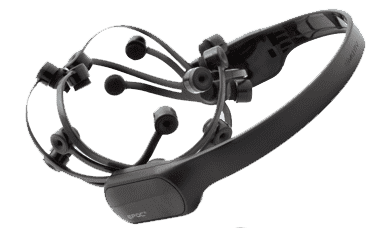
Consumer-grade headsets have also made EEG more accessible than ever. These devices are designed to be user-friendly and affordable, opening the door for individuals, educators, and small-scale researchers to experiment with brain data. Our own Epoc X headset is a great example of a professional-grade wireless system that combines high-quality data with ease of use.
Common Applications in Research and Wellness
In the research world, EEG is a workhorse. Scientists use it to study everything from the fundamentals of attention and memory to emotional responses to different stimuli. Because EEG provides data in real-time, it’s perfect for understanding the precise timing of cognitive processes. This makes it an invaluable tool for anyone conducting academic research in psychology, neuroscience, or human-computer interaction.
Beyond the lab, EEG is becoming a popular tool for personal development. Many people use EEG devices to get a clearer picture of their own mental states, like stress and focus levels throughout the day. This information can be used to support relaxation techniques or mindfulness practices. Our software provides access to cognitive wellness tools that help you visualize your brain activity and explore ways to find your focus.
What to Look for When Buying EEG Equipment
Choosing the right EEG equipment can feel like a big decision, but it doesn't have to be complicated. The best device for you is simply the one that aligns with your project's goals, whether you're conducting in-depth academic research, developing a new application, or exploring cognitive wellness tools. Think of it less as finding the "best" headset on the market and more as finding the best fit for your specific needs. To help you make an informed choice, let's walk through the four key factors you should consider before you buy.
Consider Channel Count and Electrode Setup
The number of channels on an EEG headset corresponds to the number of electrodes collecting data from your scalp. It’s a common misconception that more channels are always better. The right EEG headset isn't about having the most channels; it's about balancing your data needs with participant comfort and your budget. For high-density brain mapping or source localization in research, a higher channel count, like the 32 channels on our Flex headset, provides greater spatial resolution. However, for many brain-computer interface applications or wellness exercises, a lower channel count focused on specific brain regions, like our 5-channel Insight headset, is more than sufficient and often much easier to set up.
Prioritize Portability and Comfort
Gone are the days when EEG studies were confined to a lab with bulky, wired equipment. Modern EEG equipment is more portable and wireless than ever, making it much easier to use in various settings. If your work involves studying brain activity during real-world tasks, a lightweight and wireless design is a must. Comfort is also crucial, especially for sessions that last more than a few minutes. An uncomfortable headset can distract the user and even introduce noise into the data. Our headsets, from the multi-channel Epoc X to the discreet MN8 EEG earbuds, are designed for real-world use, giving you the freedom to collect clean data just about anywhere.
Evaluate Software and Data Collection Features
The hardware is only half the story; the software is what brings your data to life. When evaluating a system, look at the entire software ecosystem that comes with it. Does it provide raw data access? Is the interface intuitive for your skill level? The right software should match your project's complexity. For example, our EmotivPRO software is built for researchers who need to perform detailed analysis and record synchronized events. For those more focused on personal use, the Emotiv App offers accessible tools to understand your own cognitive states. For developers, having access to an API is essential for building custom applications.
Understand Electrode Technology and Impedance
The electrodes are the sensors that make contact with the scalp, and their technology directly impacts signal quality and setup time. The three main types are gel, saline, and dry. Gel-based electrodes can offer a strong, stable signal but require significant prep and cleanup. Dry electrodes are quick to set up but can sometimes be more susceptible to movement artifacts. We often use saline-based electrodes in our headsets because they provide a great middle ground: excellent signal quality with a much faster and cleaner setup. Whichever type you choose, you’ll need to pay attention to impedance, which is a measure of the connection quality. A low impedance ensures you’re recording clear brain activity, not electrical noise.
A Look at Top EEG Brands and Models
Choosing the right EEG equipment means understanding the landscape of what’s available. The market includes everything from accessible consumer devices to highly specialized clinical systems. Your ideal match will depend entirely on your project's goals, your participants, and your budget. It’s not about finding the single "best" device, but about finding the best fit for your specific needs. Let's walk through the main categories to help you see where different brands and models fit in.
Discover Emotiv's EEG Headsets
At Emotiv, we design our headsets to strike a careful balance between accessibility and high-quality data. We offer a range of devices to suit different applications, from our 2-channel MN8 EEG earbuds that provide access to cognitive wellness tools, to our multi-channel Epoc X and Flex headsets for detailed research. A common misconception is that consumer-grade EEG devices are trying to be identical to clinical systems. Instead, our goal is to provide reliable, research-grade data in a portable and user-friendly package. The right headset is about finding the perfect combination of data needs, comfort, and budget to answer your questions.
Comparing Clinical-Grade Systems
Clinical-grade EEG systems are in a class of their own, designed specifically for medical diagnostics in hospitals and clinics. In the United States, this equipment must meet strict FDA standards for safety and efficacy to ensure the data is reliable for medical applications. These systems are built for precision and are often less portable and significantly more expensive. When a hospital chooses EEG equipment, they are looking at factors like compatibility with existing medical systems and advanced diagnostic features. While they are the gold standard for clinical use, they are often impractical for academic or commercial projects.
Exploring Devices for Research
For academic studies, neuromarketing, and BCI development, researchers need equipment that is both robust and flexible. In recent years, EEG technology has become more affordable, portable, and wireless, opening up new possibilities for academic research and education. EEG is an attractive option because it offers high temporal resolution, meaning it can detect very small changes in brain activity as they happen. Devices like our Flex and Epoc X headsets are designed for this space. They provide the high-density data and raw EEG access researchers need without the high cost and immobility of traditional clinical systems.
How Much Does EEG Equipment Cost?
The price of EEG equipment can vary dramatically, from a few hundred dollars for basic devices to over a hundred thousand for advanced clinical systems. The final cost depends on what you need, including the number of channels, software capabilities, and the level of support included. Understanding the different price tiers and what you get for your money is key to making a smart investment for your research or project. Let's break down what you can expect to pay.
Breaking Down New Equipment Costs
New, clinical-grade EEG systems typically range from $20,000 to $150,000. This wide spectrum reflects differences in channel density, data resolution, and bundled software for complex analysis. However, the field has evolved, and you no longer need a massive budget to get high-quality data. Our accessible EEG headsets are designed for research applications, providing reliable brain data at a fraction of that cost. For example, our 14-channel Epoc X headset offers a portable and powerful solution for researchers who need flexibility without compromising on data quality. This makes it possible for more labs, developers, and institutions to conduct meaningful neuroscience research.
Exploring the Used Equipment Market
If you're working with a limited budget, the used market can seem appealing. You can often find pre-owned EEG systems for between $5,000 and $50,000. The price depends heavily on the device's age, its condition, and what features or accessories are included in the sale. While the initial savings can be significant, it's important to approach this market with a healthy dose of caution. You're trading a lower price for a higher degree of risk. Before you commit, make sure you understand exactly what you're getting, from the hardware's history to the software's compatibility with your current setup.
Plan Your Budget and Uncover Hidden Costs
The sticker price on used equipment rarely tells the whole story. A budget-friendly device can quickly become expensive when you account for potential hidden costs. The equipment might be outdated, lack the necessary software licenses, or arrive without a warranty or any access to technical support. This is a critical consideration, as troubleshooting complex equipment without help can halt your project indefinitely. When you buy new from us, you get a complete package. Our systems are designed to work seamlessly with software like EmotivPRO for advanced data analysis and are backed by our support team, ensuring you can get started right away.
Where Can You Buy EEG Equipment?
Once you know what you’re looking for, the next step is figuring out where to find it. You have a few solid options for purchasing EEG equipment, each with its own set of benefits. The right choice for you will likely depend on your specific needs, budget, and the level of support you want.
Buying Directly from the Manufacturer
Going straight to the source is often the most reliable way to buy EEG equipment. When you purchase directly from a manufacturer, like us at Emotiv, you can be sure you’re getting the latest technology and software. It also gives you a direct line to a dedicated support team for any questions you might have. Buying from the manufacturer provides an extra layer of assurance, as the equipment must meet specific safety and efficacy standards before it can be sold. It’s the simplest way to get authentic products, whether you’re interested in a multi-channel headset like our Epoc X or one of our more portable options for your project.
Finding Authorized Distributors
If you're outfitting a large lab or need equipment for a hospital, an authorized distributor can be a fantastic resource. These partners often have deep expertise in specific fields and can offer valuable insights to help you choose the right setup. They can guide you on everything from quality and compatibility to advanced features that suit your particular application. This is particularly helpful for complex academic research projects where you might need to integrate EEG data with other tools and technologies. They act as a knowledgeable guide to make sure you get exactly what you need.
Using Online Marketplaces: What to Know
Online marketplaces are another place to find EEG equipment, offering both new and used devices from various brands. Websites like LabX serve as a hub where labs and individuals can buy and sell equipment. This can be a good way to see a wide range of options or find a specific piece of gear that might be harder to locate. If you go this route, especially for used equipment, it’s important to do your homework. Always verify the seller's reputation, ask detailed questions about the device's condition and history, and clarify what kind of warranty or support, if any, is included. While you might find a good deal, you want to be sure the equipment is reliable and safe.
Should You Buy New or Used EEG Equipment?
Deciding between new and used EEG equipment is a big step. The lower price tag on a used device can be tempting, especially when you're working with a tight budget. However, it's a classic case of weighing upfront savings against long-term reliability and support. Buying new gives you peace of mind, the latest technology, and a direct line to the manufacturer for help. On the other hand, a used system could be a great deal or a source of unexpected problems.
This decision isn't just about the hardware itself. It's also about the software, the warranty, and the support you'll receive after your purchase. For researchers, developers, and anyone relying on accurate data, these factors are just as important as the device. Before you decide, it’s helpful to look closely at the benefits of buying new versus the potential risks that come with a pre-owned system. Let's break down what you need to consider so you can make the best choice for your specific needs.
The Pros of Buying New
When you buy new EEG equipment, you're getting more than just a device in a box. You're investing in reliability and security. New systems come with a full manufacturer's warranty, ensuring that if anything goes wrong, you're covered. You also get access to dedicated technical support, which is invaluable when you're setting up experiments or troubleshooting. Plus, you can be confident you’re receiving the most current hardware and software available. In the United States, new equipment sold for certain applications must meet specific safety and efficacy standards, giving you an extra layer of assurance that your device performs as expected.
The Risks of Buying Used
While the initial cost of used equipment is lower, it comes with significant risks. You often don't know the device's history, how it was used, or if it has any underlying issues. Many used sales are "as-is," meaning you have no recourse if the equipment fails. A pre-owned device may be outdated, lack essential software components, or be incompatible with current operating systems. More importantly, it likely won't come with a warranty or any form of technical support. This can leave you on your own to solve complex technical problems, potentially costing you more in time and lost productivity than you saved on the purchase.
Compare Warranties and Tech Support
The warranty and support plan are critical parts of your EEG equipment purchase. When you buy new from a manufacturer, this support is part of the package. You have a team to contact for questions, troubleshooting, and repairs. With used equipment from a third-party seller, you're typically on your own. Some sellers may offer certified pre-owned options, which can be a safer bet, but many online listings provide no guarantees. It's also worth noting that some clinical-grade EEG systems can only be sold to or on the order of a physician, which can complicate the process of buying and using them secondhand. Always clarify the warranty and support terms before making a purchase.
Avoid These Common EEG Buying Mistakes
Buying your first EEG device is a significant investment, and it’s easy to get tripped up by a few common misunderstandings. Knowing what to watch out for can save you time, money, and frustration down the road. To help you make a confident choice, let's walk through some of the most frequent mistakes buyers make and how you can steer clear of them. By understanding the nuances of different systems and their capabilities, you can find the equipment that truly fits your project's needs.
Mistake: Confusing Consumer vs. Clinical Precision
A common point of confusion is the difference between consumer-grade and clinical-grade EEG systems. While both measure brain activity, they are designed for very different purposes. Clinical systems used in hospitals are built for diagnosing medical conditions and require a specific level of precision and regulatory approval. Consumer devices, on the other hand, are designed for applications like academic research, BCI development, and personal wellness. It’s not about one being better than the other; it’s about choosing the right tool for the job. A device like our Epoc X headset provides high-resolution data perfect for research, but it isn't intended to replace a diagnostic tool in a clinical setting.
Mistake: Believing Myths About Comfort and Safety
If you're new to EEG, you might have heard that the process is uncomfortable or even invasive. This is a persistent myth. Modern EEG technology is completely non-invasive and painless. The sensors simply rest on the scalp to detect the tiny electrical signals your brain naturally produces. There are no needles or shocks involved. We design our headsets to be lightweight and comfortable for extended wear, whether you're conducting a long research session or exploring our cognitive wellness tools. The goal is to make brain data accessible and easy to gather, and that starts with a safe and comfortable user experience.
Mistake: Assuming All Equipment is Compatible
It’s tempting to think you can mix and match hardware, software, and accessories from different brands, but this can lead to major headaches. Not all EEG equipment is designed to work together. A headset from one manufacturer is unlikely to be compatible with the data analysis software from another. This is why it’s so important to consider the entire ecosystem before you buy. Our hardware is designed to integrate seamlessly with our software platforms like EmotivPRO, ensuring that your data collection and analysis workflow is smooth from start to finish. Always verify compatibility to avoid getting stuck with a system that doesn’t work.
How to Evaluate EEG Quality and Support
Choosing the right EEG equipment goes far beyond comparing technical specifications on a product page. The quality of the data you collect and the support you receive after your purchase are just as important as channel count or battery life. Think of it as choosing a long-term partner for your project. Poor support can lead to project delays, while low-quality hardware can produce unreliable data, undermining your work. You want technology that is not only powerful but also dependable, safe, and backed by a team that can help you succeed. A great device is supported by robust software and a helpful community, ensuring you can focus on your research or application without getting stuck on technical hurdles.
Check for Certifications and Standards
How do you know if a device is built to last and safe to use? Look for certifications. These aren't just fancy logos on a box; they are proof that the equipment meets specific safety and performance standards. These standards often cover everything from electrical safety to material quality, ensuring the device is safe for you and any participants. In the United States, for example, the FDA has requirements for EEG equipment sold for certain uses. In Europe, the CE mark indicates conformity with health, safety, and environmental protection standards. Checking for these certifications gives you confidence that you're investing in a high-quality, reliable tool that produces trustworthy data. It’s a critical step that separates professional-grade equipment from consumer gadgets.
Assess Technical Support and Maintenance
Even with the best equipment, you’ll eventually have a question or need some help. That’s when you’ll be glad you considered the quality of technical support. Before you buy, find out what kind of support is available. Is there a dedicated support team you can contact via email or phone? What are their typical response times? Look for comprehensive online resources like a knowledge base, tutorials, and active community forums where you can get answers from experts and peers. Understanding the warranty and repair options is also key. A company that provides accessible, responsive support shows that they stand behind their product and are invested in your success long after the initial sale.
Review Software Integration and User Experience
An EEG headset is only as good as the software that powers it. The user experience can make the difference between a smooth, productive session and a frustrating one. Look for software that is intuitive and easy to set up, allowing you to start collecting data quickly. It’s also important to consider the entire software ecosystem. Can you easily export data in standard formats like CSV or EDF for use in other programs? For more advanced work, our EmotivPRO software offers real-time data visualization and analysis, while our developer resources provide the tools to build custom applications. The right software makes your hardware more powerful and versatile, turning it from a simple device into a complete solution.
Ready to Buy? Your Final Checklist
You’ve done the research, compared the specs, and narrowed down your options. It’s an exciting step! Before you make that final decision, let’s run through a quick checklist to ensure you’ve covered all your bases. Thinking through these final points will help you feel confident in your purchase and ensure the equipment you choose is the perfect fit for your goals, both now and in the future.
Don't Forget Accessories and Consumables
When you budget for an EEG system, remember to think beyond the headset's price tag. Your total investment includes any accessories and consumables needed to operate it. For example, our saline-based headsets like the Epoc X require sensor pads hydrated with a saline solution, while gel-based systems need conductive gel. These items, along with replacement sensors or carrying cases, are part of the long-term cost of ownership. Factoring these into your budget from the start ensures you have everything you need to get your project running smoothly without any surprises.
Think About Future-Proofing Your Tech
The right EEG headset for you today should also serve you well tomorrow. As your research questions evolve or your project scales, you'll want adaptable tech. The best equipment balances your current data needs and budget with your future ambitions. Consider a system that is part of a larger ecosystem. For instance, access to software like our EmotivPRO for analysis or our developer tools can open up new possibilities. Choosing a device that grows with you through software updates is a smart way to protect your investment.
Match the Equipment to Your Specific Needs
Ultimately, the best EEG equipment is the one that directly addresses your specific questions. A common misconception is that consumer-grade devices are the same as clinical systems; each is designed for different purposes. Before you buy, revisit your primary goal. Are you conducting neuromarketing studies that require quick setup? Or are you a developer building a brain-computer interface? A researcher might need the high-density data from a Flex headset, while someone exploring cognitive wellness tools may find Insight is a perfect fit. Always match the tool to the task.
Related Articles
Frequently Asked Questions
Is EEG technology safe to use? Absolutely. Modern EEG technology is completely non-invasive and safe. The sensors in our headsets are designed to be passive listeners; they simply rest on your scalp and detect the faint electrical signals your brain naturally produces. There are no shocks or invasive procedures involved. We design our equipment to be comfortable and to meet specific safety standards, so you can feel confident using it for your projects or personal exploration.
Do I need more channels to get better data? Not necessarily. The ideal number of channels depends entirely on what you want to accomplish. A higher channel count, like you'd find on our Flex headset, is excellent for research that requires high-density brain mapping and detailed spatial information. However, for many applications, including wellness exercises or building certain brain-computer interfaces, a lower channel count is perfectly sufficient and makes the setup process much quicker. It's about matching the tool to your specific goal.
What's the difference between your headsets and the ones used in hospitals? The main difference comes down to their intended purpose. Clinical-grade systems are designed for medical diagnosis and must meet strict regulatory requirements for that use. Our headsets are created for research, development, and personal wellness applications. They provide reliable, high-resolution data in a portable and user-friendly package, making advanced brain data accessible for projects outside of a clinical setting.
How user-friendly is the software for someone without a technical background? We designed our software ecosystem to be approachable for users with varying levels of experience. For those just starting out or focused on personal use, the Emotiv App offers an intuitive interface to visualize your cognitive states. For researchers and developers who need more control, EmotivPRO provides advanced tools for in-depth data analysis. Our goal is to provide a smooth experience, whether you're running a complex experiment or are simply curious about your own brain activity.
What kind of support can I expect after I buy a headset? When you purchase new equipment from us, you're getting a complete support system. All our new headsets come with a manufacturer's warranty and access to our dedicated technical support team to help with setup and troubleshooting. We also provide extensive online resources, including tutorials and a detailed knowledge base, to ensure you have everything you need to get your project up and running successfully.
Finding the right EEG equipment feels less like shopping and more like finding a research partner. The device you choose will directly impact your ability to gather clean data, analyze it effectively, and achieve your project’s objectives. It’s a choice that requires careful thought about your specific needs. Do you need high-density data for academic research, or a simple, portable device for a BCI project? Understanding the difference between clinical-grade precision and the flexibility of consumer-grade systems is key. With a wide variety of eeg equipment for sale, it’s crucial to match the tool to the task. This guide will give you the clarity you need to navigate your options and select a system that empowers your work from day one.
Key Takeaways
Focus on your project's needs, not just the specs: The right EEG device is the one that fits your specific goals, whether for academic research or personal exploration, not necessarily the one with the highest channel count.
Evaluate the entire ecosystem, not just the headset: The software, data accessibility, and available technical support are just as crucial as the hardware for ensuring your project's success from start to finish.
Prioritize long-term reliability over short-term savings: Buying new equipment provides a full warranty, dedicated support, and the latest software, which are crucial for avoiding the hidden costs and potential roadblocks that can come with used devices.
What is EEG Equipment and Who Uses It?
If you're new to the world of brain data, let's start with the basics. EEG, or electroencephalography, is a method for measuring the brain's electrical activity. Think of it as listening in on the conversations between brain cells. This technology uses small sensors, called electrodes, placed on the scalp to pick up on the tiny electrical signals your brain produces. The resulting data can offer incredible insights into different cognitive states, like how focused, excited, or relaxed a person is at any given moment.
Because of its versatility, EEG equipment isn't just for scientists in white lab coats. While it's a cornerstone tool for medical professionals and academic researchers, its use has expanded dramatically. Today, you'll find EEG technology in fields like neuromarketing, where it helps understand consumer responses, and in personal wellness, where people use it to explore their own cognitive patterns. Developers and creators also use EEG to build amazing new applications, from hands-free device control to interactive art installations. It’s a tool for anyone curious about the inner workings of the human brain.
Explore Different Types of EEG Systems
Not all EEG systems are created equal, and the right one for you depends entirely on your goals. Traditionally, you had large, wired systems that you’d find in a clinical or lab setting. While powerful, they aren't very portable. Today, the options are much broader. You can find portable, wireless systems that give you the freedom to collect data in real-world environments, which is a huge advantage for many types of research.
Consumer-grade headsets have also made EEG more accessible than ever. These devices are designed to be user-friendly and affordable, opening the door for individuals, educators, and small-scale researchers to experiment with brain data. Our own Epoc X headset is a great example of a professional-grade wireless system that combines high-quality data with ease of use.
Common Applications in Research and Wellness
In the research world, EEG is a workhorse. Scientists use it to study everything from the fundamentals of attention and memory to emotional responses to different stimuli. Because EEG provides data in real-time, it’s perfect for understanding the precise timing of cognitive processes. This makes it an invaluable tool for anyone conducting academic research in psychology, neuroscience, or human-computer interaction.
Beyond the lab, EEG is becoming a popular tool for personal development. Many people use EEG devices to get a clearer picture of their own mental states, like stress and focus levels throughout the day. This information can be used to support relaxation techniques or mindfulness practices. Our software provides access to cognitive wellness tools that help you visualize your brain activity and explore ways to find your focus.
What to Look for When Buying EEG Equipment
Choosing the right EEG equipment can feel like a big decision, but it doesn't have to be complicated. The best device for you is simply the one that aligns with your project's goals, whether you're conducting in-depth academic research, developing a new application, or exploring cognitive wellness tools. Think of it less as finding the "best" headset on the market and more as finding the best fit for your specific needs. To help you make an informed choice, let's walk through the four key factors you should consider before you buy.
Consider Channel Count and Electrode Setup
The number of channels on an EEG headset corresponds to the number of electrodes collecting data from your scalp. It’s a common misconception that more channels are always better. The right EEG headset isn't about having the most channels; it's about balancing your data needs with participant comfort and your budget. For high-density brain mapping or source localization in research, a higher channel count, like the 32 channels on our Flex headset, provides greater spatial resolution. However, for many brain-computer interface applications or wellness exercises, a lower channel count focused on specific brain regions, like our 5-channel Insight headset, is more than sufficient and often much easier to set up.
Prioritize Portability and Comfort
Gone are the days when EEG studies were confined to a lab with bulky, wired equipment. Modern EEG equipment is more portable and wireless than ever, making it much easier to use in various settings. If your work involves studying brain activity during real-world tasks, a lightweight and wireless design is a must. Comfort is also crucial, especially for sessions that last more than a few minutes. An uncomfortable headset can distract the user and even introduce noise into the data. Our headsets, from the multi-channel Epoc X to the discreet MN8 EEG earbuds, are designed for real-world use, giving you the freedom to collect clean data just about anywhere.
Evaluate Software and Data Collection Features
The hardware is only half the story; the software is what brings your data to life. When evaluating a system, look at the entire software ecosystem that comes with it. Does it provide raw data access? Is the interface intuitive for your skill level? The right software should match your project's complexity. For example, our EmotivPRO software is built for researchers who need to perform detailed analysis and record synchronized events. For those more focused on personal use, the Emotiv App offers accessible tools to understand your own cognitive states. For developers, having access to an API is essential for building custom applications.
Understand Electrode Technology and Impedance
The electrodes are the sensors that make contact with the scalp, and their technology directly impacts signal quality and setup time. The three main types are gel, saline, and dry. Gel-based electrodes can offer a strong, stable signal but require significant prep and cleanup. Dry electrodes are quick to set up but can sometimes be more susceptible to movement artifacts. We often use saline-based electrodes in our headsets because they provide a great middle ground: excellent signal quality with a much faster and cleaner setup. Whichever type you choose, you’ll need to pay attention to impedance, which is a measure of the connection quality. A low impedance ensures you’re recording clear brain activity, not electrical noise.
A Look at Top EEG Brands and Models
Choosing the right EEG equipment means understanding the landscape of what’s available. The market includes everything from accessible consumer devices to highly specialized clinical systems. Your ideal match will depend entirely on your project's goals, your participants, and your budget. It’s not about finding the single "best" device, but about finding the best fit for your specific needs. Let's walk through the main categories to help you see where different brands and models fit in.
Discover Emotiv's EEG Headsets
At Emotiv, we design our headsets to strike a careful balance between accessibility and high-quality data. We offer a range of devices to suit different applications, from our 2-channel MN8 EEG earbuds that provide access to cognitive wellness tools, to our multi-channel Epoc X and Flex headsets for detailed research. A common misconception is that consumer-grade EEG devices are trying to be identical to clinical systems. Instead, our goal is to provide reliable, research-grade data in a portable and user-friendly package. The right headset is about finding the perfect combination of data needs, comfort, and budget to answer your questions.
Comparing Clinical-Grade Systems
Clinical-grade EEG systems are in a class of their own, designed specifically for medical diagnostics in hospitals and clinics. In the United States, this equipment must meet strict FDA standards for safety and efficacy to ensure the data is reliable for medical applications. These systems are built for precision and are often less portable and significantly more expensive. When a hospital chooses EEG equipment, they are looking at factors like compatibility with existing medical systems and advanced diagnostic features. While they are the gold standard for clinical use, they are often impractical for academic or commercial projects.
Exploring Devices for Research
For academic studies, neuromarketing, and BCI development, researchers need equipment that is both robust and flexible. In recent years, EEG technology has become more affordable, portable, and wireless, opening up new possibilities for academic research and education. EEG is an attractive option because it offers high temporal resolution, meaning it can detect very small changes in brain activity as they happen. Devices like our Flex and Epoc X headsets are designed for this space. They provide the high-density data and raw EEG access researchers need without the high cost and immobility of traditional clinical systems.
How Much Does EEG Equipment Cost?
The price of EEG equipment can vary dramatically, from a few hundred dollars for basic devices to over a hundred thousand for advanced clinical systems. The final cost depends on what you need, including the number of channels, software capabilities, and the level of support included. Understanding the different price tiers and what you get for your money is key to making a smart investment for your research or project. Let's break down what you can expect to pay.
Breaking Down New Equipment Costs
New, clinical-grade EEG systems typically range from $20,000 to $150,000. This wide spectrum reflects differences in channel density, data resolution, and bundled software for complex analysis. However, the field has evolved, and you no longer need a massive budget to get high-quality data. Our accessible EEG headsets are designed for research applications, providing reliable brain data at a fraction of that cost. For example, our 14-channel Epoc X headset offers a portable and powerful solution for researchers who need flexibility without compromising on data quality. This makes it possible for more labs, developers, and institutions to conduct meaningful neuroscience research.
Exploring the Used Equipment Market
If you're working with a limited budget, the used market can seem appealing. You can often find pre-owned EEG systems for between $5,000 and $50,000. The price depends heavily on the device's age, its condition, and what features or accessories are included in the sale. While the initial savings can be significant, it's important to approach this market with a healthy dose of caution. You're trading a lower price for a higher degree of risk. Before you commit, make sure you understand exactly what you're getting, from the hardware's history to the software's compatibility with your current setup.
Plan Your Budget and Uncover Hidden Costs
The sticker price on used equipment rarely tells the whole story. A budget-friendly device can quickly become expensive when you account for potential hidden costs. The equipment might be outdated, lack the necessary software licenses, or arrive without a warranty or any access to technical support. This is a critical consideration, as troubleshooting complex equipment without help can halt your project indefinitely. When you buy new from us, you get a complete package. Our systems are designed to work seamlessly with software like EmotivPRO for advanced data analysis and are backed by our support team, ensuring you can get started right away.
Where Can You Buy EEG Equipment?
Once you know what you’re looking for, the next step is figuring out where to find it. You have a few solid options for purchasing EEG equipment, each with its own set of benefits. The right choice for you will likely depend on your specific needs, budget, and the level of support you want.
Buying Directly from the Manufacturer
Going straight to the source is often the most reliable way to buy EEG equipment. When you purchase directly from a manufacturer, like us at Emotiv, you can be sure you’re getting the latest technology and software. It also gives you a direct line to a dedicated support team for any questions you might have. Buying from the manufacturer provides an extra layer of assurance, as the equipment must meet specific safety and efficacy standards before it can be sold. It’s the simplest way to get authentic products, whether you’re interested in a multi-channel headset like our Epoc X or one of our more portable options for your project.
Finding Authorized Distributors
If you're outfitting a large lab or need equipment for a hospital, an authorized distributor can be a fantastic resource. These partners often have deep expertise in specific fields and can offer valuable insights to help you choose the right setup. They can guide you on everything from quality and compatibility to advanced features that suit your particular application. This is particularly helpful for complex academic research projects where you might need to integrate EEG data with other tools and technologies. They act as a knowledgeable guide to make sure you get exactly what you need.
Using Online Marketplaces: What to Know
Online marketplaces are another place to find EEG equipment, offering both new and used devices from various brands. Websites like LabX serve as a hub where labs and individuals can buy and sell equipment. This can be a good way to see a wide range of options or find a specific piece of gear that might be harder to locate. If you go this route, especially for used equipment, it’s important to do your homework. Always verify the seller's reputation, ask detailed questions about the device's condition and history, and clarify what kind of warranty or support, if any, is included. While you might find a good deal, you want to be sure the equipment is reliable and safe.
Should You Buy New or Used EEG Equipment?
Deciding between new and used EEG equipment is a big step. The lower price tag on a used device can be tempting, especially when you're working with a tight budget. However, it's a classic case of weighing upfront savings against long-term reliability and support. Buying new gives you peace of mind, the latest technology, and a direct line to the manufacturer for help. On the other hand, a used system could be a great deal or a source of unexpected problems.
This decision isn't just about the hardware itself. It's also about the software, the warranty, and the support you'll receive after your purchase. For researchers, developers, and anyone relying on accurate data, these factors are just as important as the device. Before you decide, it’s helpful to look closely at the benefits of buying new versus the potential risks that come with a pre-owned system. Let's break down what you need to consider so you can make the best choice for your specific needs.
The Pros of Buying New
When you buy new EEG equipment, you're getting more than just a device in a box. You're investing in reliability and security. New systems come with a full manufacturer's warranty, ensuring that if anything goes wrong, you're covered. You also get access to dedicated technical support, which is invaluable when you're setting up experiments or troubleshooting. Plus, you can be confident you’re receiving the most current hardware and software available. In the United States, new equipment sold for certain applications must meet specific safety and efficacy standards, giving you an extra layer of assurance that your device performs as expected.
The Risks of Buying Used
While the initial cost of used equipment is lower, it comes with significant risks. You often don't know the device's history, how it was used, or if it has any underlying issues. Many used sales are "as-is," meaning you have no recourse if the equipment fails. A pre-owned device may be outdated, lack essential software components, or be incompatible with current operating systems. More importantly, it likely won't come with a warranty or any form of technical support. This can leave you on your own to solve complex technical problems, potentially costing you more in time and lost productivity than you saved on the purchase.
Compare Warranties and Tech Support
The warranty and support plan are critical parts of your EEG equipment purchase. When you buy new from a manufacturer, this support is part of the package. You have a team to contact for questions, troubleshooting, and repairs. With used equipment from a third-party seller, you're typically on your own. Some sellers may offer certified pre-owned options, which can be a safer bet, but many online listings provide no guarantees. It's also worth noting that some clinical-grade EEG systems can only be sold to or on the order of a physician, which can complicate the process of buying and using them secondhand. Always clarify the warranty and support terms before making a purchase.
Avoid These Common EEG Buying Mistakes
Buying your first EEG device is a significant investment, and it’s easy to get tripped up by a few common misunderstandings. Knowing what to watch out for can save you time, money, and frustration down the road. To help you make a confident choice, let's walk through some of the most frequent mistakes buyers make and how you can steer clear of them. By understanding the nuances of different systems and their capabilities, you can find the equipment that truly fits your project's needs.
Mistake: Confusing Consumer vs. Clinical Precision
A common point of confusion is the difference between consumer-grade and clinical-grade EEG systems. While both measure brain activity, they are designed for very different purposes. Clinical systems used in hospitals are built for diagnosing medical conditions and require a specific level of precision and regulatory approval. Consumer devices, on the other hand, are designed for applications like academic research, BCI development, and personal wellness. It’s not about one being better than the other; it’s about choosing the right tool for the job. A device like our Epoc X headset provides high-resolution data perfect for research, but it isn't intended to replace a diagnostic tool in a clinical setting.
Mistake: Believing Myths About Comfort and Safety
If you're new to EEG, you might have heard that the process is uncomfortable or even invasive. This is a persistent myth. Modern EEG technology is completely non-invasive and painless. The sensors simply rest on the scalp to detect the tiny electrical signals your brain naturally produces. There are no needles or shocks involved. We design our headsets to be lightweight and comfortable for extended wear, whether you're conducting a long research session or exploring our cognitive wellness tools. The goal is to make brain data accessible and easy to gather, and that starts with a safe and comfortable user experience.
Mistake: Assuming All Equipment is Compatible
It’s tempting to think you can mix and match hardware, software, and accessories from different brands, but this can lead to major headaches. Not all EEG equipment is designed to work together. A headset from one manufacturer is unlikely to be compatible with the data analysis software from another. This is why it’s so important to consider the entire ecosystem before you buy. Our hardware is designed to integrate seamlessly with our software platforms like EmotivPRO, ensuring that your data collection and analysis workflow is smooth from start to finish. Always verify compatibility to avoid getting stuck with a system that doesn’t work.
How to Evaluate EEG Quality and Support
Choosing the right EEG equipment goes far beyond comparing technical specifications on a product page. The quality of the data you collect and the support you receive after your purchase are just as important as channel count or battery life. Think of it as choosing a long-term partner for your project. Poor support can lead to project delays, while low-quality hardware can produce unreliable data, undermining your work. You want technology that is not only powerful but also dependable, safe, and backed by a team that can help you succeed. A great device is supported by robust software and a helpful community, ensuring you can focus on your research or application without getting stuck on technical hurdles.
Check for Certifications and Standards
How do you know if a device is built to last and safe to use? Look for certifications. These aren't just fancy logos on a box; they are proof that the equipment meets specific safety and performance standards. These standards often cover everything from electrical safety to material quality, ensuring the device is safe for you and any participants. In the United States, for example, the FDA has requirements for EEG equipment sold for certain uses. In Europe, the CE mark indicates conformity with health, safety, and environmental protection standards. Checking for these certifications gives you confidence that you're investing in a high-quality, reliable tool that produces trustworthy data. It’s a critical step that separates professional-grade equipment from consumer gadgets.
Assess Technical Support and Maintenance
Even with the best equipment, you’ll eventually have a question or need some help. That’s when you’ll be glad you considered the quality of technical support. Before you buy, find out what kind of support is available. Is there a dedicated support team you can contact via email or phone? What are their typical response times? Look for comprehensive online resources like a knowledge base, tutorials, and active community forums where you can get answers from experts and peers. Understanding the warranty and repair options is also key. A company that provides accessible, responsive support shows that they stand behind their product and are invested in your success long after the initial sale.
Review Software Integration and User Experience
An EEG headset is only as good as the software that powers it. The user experience can make the difference between a smooth, productive session and a frustrating one. Look for software that is intuitive and easy to set up, allowing you to start collecting data quickly. It’s also important to consider the entire software ecosystem. Can you easily export data in standard formats like CSV or EDF for use in other programs? For more advanced work, our EmotivPRO software offers real-time data visualization and analysis, while our developer resources provide the tools to build custom applications. The right software makes your hardware more powerful and versatile, turning it from a simple device into a complete solution.
Ready to Buy? Your Final Checklist
You’ve done the research, compared the specs, and narrowed down your options. It’s an exciting step! Before you make that final decision, let’s run through a quick checklist to ensure you’ve covered all your bases. Thinking through these final points will help you feel confident in your purchase and ensure the equipment you choose is the perfect fit for your goals, both now and in the future.
Don't Forget Accessories and Consumables
When you budget for an EEG system, remember to think beyond the headset's price tag. Your total investment includes any accessories and consumables needed to operate it. For example, our saline-based headsets like the Epoc X require sensor pads hydrated with a saline solution, while gel-based systems need conductive gel. These items, along with replacement sensors or carrying cases, are part of the long-term cost of ownership. Factoring these into your budget from the start ensures you have everything you need to get your project running smoothly without any surprises.
Think About Future-Proofing Your Tech
The right EEG headset for you today should also serve you well tomorrow. As your research questions evolve or your project scales, you'll want adaptable tech. The best equipment balances your current data needs and budget with your future ambitions. Consider a system that is part of a larger ecosystem. For instance, access to software like our EmotivPRO for analysis or our developer tools can open up new possibilities. Choosing a device that grows with you through software updates is a smart way to protect your investment.
Match the Equipment to Your Specific Needs
Ultimately, the best EEG equipment is the one that directly addresses your specific questions. A common misconception is that consumer-grade devices are the same as clinical systems; each is designed for different purposes. Before you buy, revisit your primary goal. Are you conducting neuromarketing studies that require quick setup? Or are you a developer building a brain-computer interface? A researcher might need the high-density data from a Flex headset, while someone exploring cognitive wellness tools may find Insight is a perfect fit. Always match the tool to the task.
Related Articles
Frequently Asked Questions
Is EEG technology safe to use? Absolutely. Modern EEG technology is completely non-invasive and safe. The sensors in our headsets are designed to be passive listeners; they simply rest on your scalp and detect the faint electrical signals your brain naturally produces. There are no shocks or invasive procedures involved. We design our equipment to be comfortable and to meet specific safety standards, so you can feel confident using it for your projects or personal exploration.
Do I need more channels to get better data? Not necessarily. The ideal number of channels depends entirely on what you want to accomplish. A higher channel count, like you'd find on our Flex headset, is excellent for research that requires high-density brain mapping and detailed spatial information. However, for many applications, including wellness exercises or building certain brain-computer interfaces, a lower channel count is perfectly sufficient and makes the setup process much quicker. It's about matching the tool to your specific goal.
What's the difference between your headsets and the ones used in hospitals? The main difference comes down to their intended purpose. Clinical-grade systems are designed for medical diagnosis and must meet strict regulatory requirements for that use. Our headsets are created for research, development, and personal wellness applications. They provide reliable, high-resolution data in a portable and user-friendly package, making advanced brain data accessible for projects outside of a clinical setting.
How user-friendly is the software for someone without a technical background? We designed our software ecosystem to be approachable for users with varying levels of experience. For those just starting out or focused on personal use, the Emotiv App offers an intuitive interface to visualize your cognitive states. For researchers and developers who need more control, EmotivPRO provides advanced tools for in-depth data analysis. Our goal is to provide a smooth experience, whether you're running a complex experiment or are simply curious about your own brain activity.
What kind of support can I expect after I buy a headset? When you purchase new equipment from us, you're getting a complete support system. All our new headsets come with a manufacturer's warranty and access to our dedicated technical support team to help with setup and troubleshooting. We also provide extensive online resources, including tutorials and a detailed knowledge base, to ensure you have everything you need to get your project up and running successfully.
Finding the right EEG equipment feels less like shopping and more like finding a research partner. The device you choose will directly impact your ability to gather clean data, analyze it effectively, and achieve your project’s objectives. It’s a choice that requires careful thought about your specific needs. Do you need high-density data for academic research, or a simple, portable device for a BCI project? Understanding the difference between clinical-grade precision and the flexibility of consumer-grade systems is key. With a wide variety of eeg equipment for sale, it’s crucial to match the tool to the task. This guide will give you the clarity you need to navigate your options and select a system that empowers your work from day one.
Key Takeaways
Focus on your project's needs, not just the specs: The right EEG device is the one that fits your specific goals, whether for academic research or personal exploration, not necessarily the one with the highest channel count.
Evaluate the entire ecosystem, not just the headset: The software, data accessibility, and available technical support are just as crucial as the hardware for ensuring your project's success from start to finish.
Prioritize long-term reliability over short-term savings: Buying new equipment provides a full warranty, dedicated support, and the latest software, which are crucial for avoiding the hidden costs and potential roadblocks that can come with used devices.
What is EEG Equipment and Who Uses It?
If you're new to the world of brain data, let's start with the basics. EEG, or electroencephalography, is a method for measuring the brain's electrical activity. Think of it as listening in on the conversations between brain cells. This technology uses small sensors, called electrodes, placed on the scalp to pick up on the tiny electrical signals your brain produces. The resulting data can offer incredible insights into different cognitive states, like how focused, excited, or relaxed a person is at any given moment.
Because of its versatility, EEG equipment isn't just for scientists in white lab coats. While it's a cornerstone tool for medical professionals and academic researchers, its use has expanded dramatically. Today, you'll find EEG technology in fields like neuromarketing, where it helps understand consumer responses, and in personal wellness, where people use it to explore their own cognitive patterns. Developers and creators also use EEG to build amazing new applications, from hands-free device control to interactive art installations. It’s a tool for anyone curious about the inner workings of the human brain.
Explore Different Types of EEG Systems
Not all EEG systems are created equal, and the right one for you depends entirely on your goals. Traditionally, you had large, wired systems that you’d find in a clinical or lab setting. While powerful, they aren't very portable. Today, the options are much broader. You can find portable, wireless systems that give you the freedom to collect data in real-world environments, which is a huge advantage for many types of research.
Consumer-grade headsets have also made EEG more accessible than ever. These devices are designed to be user-friendly and affordable, opening the door for individuals, educators, and small-scale researchers to experiment with brain data. Our own Epoc X headset is a great example of a professional-grade wireless system that combines high-quality data with ease of use.
Common Applications in Research and Wellness
In the research world, EEG is a workhorse. Scientists use it to study everything from the fundamentals of attention and memory to emotional responses to different stimuli. Because EEG provides data in real-time, it’s perfect for understanding the precise timing of cognitive processes. This makes it an invaluable tool for anyone conducting academic research in psychology, neuroscience, or human-computer interaction.
Beyond the lab, EEG is becoming a popular tool for personal development. Many people use EEG devices to get a clearer picture of their own mental states, like stress and focus levels throughout the day. This information can be used to support relaxation techniques or mindfulness practices. Our software provides access to cognitive wellness tools that help you visualize your brain activity and explore ways to find your focus.
What to Look for When Buying EEG Equipment
Choosing the right EEG equipment can feel like a big decision, but it doesn't have to be complicated. The best device for you is simply the one that aligns with your project's goals, whether you're conducting in-depth academic research, developing a new application, or exploring cognitive wellness tools. Think of it less as finding the "best" headset on the market and more as finding the best fit for your specific needs. To help you make an informed choice, let's walk through the four key factors you should consider before you buy.
Consider Channel Count and Electrode Setup
The number of channels on an EEG headset corresponds to the number of electrodes collecting data from your scalp. It’s a common misconception that more channels are always better. The right EEG headset isn't about having the most channels; it's about balancing your data needs with participant comfort and your budget. For high-density brain mapping or source localization in research, a higher channel count, like the 32 channels on our Flex headset, provides greater spatial resolution. However, for many brain-computer interface applications or wellness exercises, a lower channel count focused on specific brain regions, like our 5-channel Insight headset, is more than sufficient and often much easier to set up.
Prioritize Portability and Comfort
Gone are the days when EEG studies were confined to a lab with bulky, wired equipment. Modern EEG equipment is more portable and wireless than ever, making it much easier to use in various settings. If your work involves studying brain activity during real-world tasks, a lightweight and wireless design is a must. Comfort is also crucial, especially for sessions that last more than a few minutes. An uncomfortable headset can distract the user and even introduce noise into the data. Our headsets, from the multi-channel Epoc X to the discreet MN8 EEG earbuds, are designed for real-world use, giving you the freedom to collect clean data just about anywhere.
Evaluate Software and Data Collection Features
The hardware is only half the story; the software is what brings your data to life. When evaluating a system, look at the entire software ecosystem that comes with it. Does it provide raw data access? Is the interface intuitive for your skill level? The right software should match your project's complexity. For example, our EmotivPRO software is built for researchers who need to perform detailed analysis and record synchronized events. For those more focused on personal use, the Emotiv App offers accessible tools to understand your own cognitive states. For developers, having access to an API is essential for building custom applications.
Understand Electrode Technology and Impedance
The electrodes are the sensors that make contact with the scalp, and their technology directly impacts signal quality and setup time. The three main types are gel, saline, and dry. Gel-based electrodes can offer a strong, stable signal but require significant prep and cleanup. Dry electrodes are quick to set up but can sometimes be more susceptible to movement artifacts. We often use saline-based electrodes in our headsets because they provide a great middle ground: excellent signal quality with a much faster and cleaner setup. Whichever type you choose, you’ll need to pay attention to impedance, which is a measure of the connection quality. A low impedance ensures you’re recording clear brain activity, not electrical noise.
A Look at Top EEG Brands and Models
Choosing the right EEG equipment means understanding the landscape of what’s available. The market includes everything from accessible consumer devices to highly specialized clinical systems. Your ideal match will depend entirely on your project's goals, your participants, and your budget. It’s not about finding the single "best" device, but about finding the best fit for your specific needs. Let's walk through the main categories to help you see where different brands and models fit in.
Discover Emotiv's EEG Headsets
At Emotiv, we design our headsets to strike a careful balance between accessibility and high-quality data. We offer a range of devices to suit different applications, from our 2-channel MN8 EEG earbuds that provide access to cognitive wellness tools, to our multi-channel Epoc X and Flex headsets for detailed research. A common misconception is that consumer-grade EEG devices are trying to be identical to clinical systems. Instead, our goal is to provide reliable, research-grade data in a portable and user-friendly package. The right headset is about finding the perfect combination of data needs, comfort, and budget to answer your questions.
Comparing Clinical-Grade Systems
Clinical-grade EEG systems are in a class of their own, designed specifically for medical diagnostics in hospitals and clinics. In the United States, this equipment must meet strict FDA standards for safety and efficacy to ensure the data is reliable for medical applications. These systems are built for precision and are often less portable and significantly more expensive. When a hospital chooses EEG equipment, they are looking at factors like compatibility with existing medical systems and advanced diagnostic features. While they are the gold standard for clinical use, they are often impractical for academic or commercial projects.
Exploring Devices for Research
For academic studies, neuromarketing, and BCI development, researchers need equipment that is both robust and flexible. In recent years, EEG technology has become more affordable, portable, and wireless, opening up new possibilities for academic research and education. EEG is an attractive option because it offers high temporal resolution, meaning it can detect very small changes in brain activity as they happen. Devices like our Flex and Epoc X headsets are designed for this space. They provide the high-density data and raw EEG access researchers need without the high cost and immobility of traditional clinical systems.
How Much Does EEG Equipment Cost?
The price of EEG equipment can vary dramatically, from a few hundred dollars for basic devices to over a hundred thousand for advanced clinical systems. The final cost depends on what you need, including the number of channels, software capabilities, and the level of support included. Understanding the different price tiers and what you get for your money is key to making a smart investment for your research or project. Let's break down what you can expect to pay.
Breaking Down New Equipment Costs
New, clinical-grade EEG systems typically range from $20,000 to $150,000. This wide spectrum reflects differences in channel density, data resolution, and bundled software for complex analysis. However, the field has evolved, and you no longer need a massive budget to get high-quality data. Our accessible EEG headsets are designed for research applications, providing reliable brain data at a fraction of that cost. For example, our 14-channel Epoc X headset offers a portable and powerful solution for researchers who need flexibility without compromising on data quality. This makes it possible for more labs, developers, and institutions to conduct meaningful neuroscience research.
Exploring the Used Equipment Market
If you're working with a limited budget, the used market can seem appealing. You can often find pre-owned EEG systems for between $5,000 and $50,000. The price depends heavily on the device's age, its condition, and what features or accessories are included in the sale. While the initial savings can be significant, it's important to approach this market with a healthy dose of caution. You're trading a lower price for a higher degree of risk. Before you commit, make sure you understand exactly what you're getting, from the hardware's history to the software's compatibility with your current setup.
Plan Your Budget and Uncover Hidden Costs
The sticker price on used equipment rarely tells the whole story. A budget-friendly device can quickly become expensive when you account for potential hidden costs. The equipment might be outdated, lack the necessary software licenses, or arrive without a warranty or any access to technical support. This is a critical consideration, as troubleshooting complex equipment without help can halt your project indefinitely. When you buy new from us, you get a complete package. Our systems are designed to work seamlessly with software like EmotivPRO for advanced data analysis and are backed by our support team, ensuring you can get started right away.
Where Can You Buy EEG Equipment?
Once you know what you’re looking for, the next step is figuring out where to find it. You have a few solid options for purchasing EEG equipment, each with its own set of benefits. The right choice for you will likely depend on your specific needs, budget, and the level of support you want.
Buying Directly from the Manufacturer
Going straight to the source is often the most reliable way to buy EEG equipment. When you purchase directly from a manufacturer, like us at Emotiv, you can be sure you’re getting the latest technology and software. It also gives you a direct line to a dedicated support team for any questions you might have. Buying from the manufacturer provides an extra layer of assurance, as the equipment must meet specific safety and efficacy standards before it can be sold. It’s the simplest way to get authentic products, whether you’re interested in a multi-channel headset like our Epoc X or one of our more portable options for your project.
Finding Authorized Distributors
If you're outfitting a large lab or need equipment for a hospital, an authorized distributor can be a fantastic resource. These partners often have deep expertise in specific fields and can offer valuable insights to help you choose the right setup. They can guide you on everything from quality and compatibility to advanced features that suit your particular application. This is particularly helpful for complex academic research projects where you might need to integrate EEG data with other tools and technologies. They act as a knowledgeable guide to make sure you get exactly what you need.
Using Online Marketplaces: What to Know
Online marketplaces are another place to find EEG equipment, offering both new and used devices from various brands. Websites like LabX serve as a hub where labs and individuals can buy and sell equipment. This can be a good way to see a wide range of options or find a specific piece of gear that might be harder to locate. If you go this route, especially for used equipment, it’s important to do your homework. Always verify the seller's reputation, ask detailed questions about the device's condition and history, and clarify what kind of warranty or support, if any, is included. While you might find a good deal, you want to be sure the equipment is reliable and safe.
Should You Buy New or Used EEG Equipment?
Deciding between new and used EEG equipment is a big step. The lower price tag on a used device can be tempting, especially when you're working with a tight budget. However, it's a classic case of weighing upfront savings against long-term reliability and support. Buying new gives you peace of mind, the latest technology, and a direct line to the manufacturer for help. On the other hand, a used system could be a great deal or a source of unexpected problems.
This decision isn't just about the hardware itself. It's also about the software, the warranty, and the support you'll receive after your purchase. For researchers, developers, and anyone relying on accurate data, these factors are just as important as the device. Before you decide, it’s helpful to look closely at the benefits of buying new versus the potential risks that come with a pre-owned system. Let's break down what you need to consider so you can make the best choice for your specific needs.
The Pros of Buying New
When you buy new EEG equipment, you're getting more than just a device in a box. You're investing in reliability and security. New systems come with a full manufacturer's warranty, ensuring that if anything goes wrong, you're covered. You also get access to dedicated technical support, which is invaluable when you're setting up experiments or troubleshooting. Plus, you can be confident you’re receiving the most current hardware and software available. In the United States, new equipment sold for certain applications must meet specific safety and efficacy standards, giving you an extra layer of assurance that your device performs as expected.
The Risks of Buying Used
While the initial cost of used equipment is lower, it comes with significant risks. You often don't know the device's history, how it was used, or if it has any underlying issues. Many used sales are "as-is," meaning you have no recourse if the equipment fails. A pre-owned device may be outdated, lack essential software components, or be incompatible with current operating systems. More importantly, it likely won't come with a warranty or any form of technical support. This can leave you on your own to solve complex technical problems, potentially costing you more in time and lost productivity than you saved on the purchase.
Compare Warranties and Tech Support
The warranty and support plan are critical parts of your EEG equipment purchase. When you buy new from a manufacturer, this support is part of the package. You have a team to contact for questions, troubleshooting, and repairs. With used equipment from a third-party seller, you're typically on your own. Some sellers may offer certified pre-owned options, which can be a safer bet, but many online listings provide no guarantees. It's also worth noting that some clinical-grade EEG systems can only be sold to or on the order of a physician, which can complicate the process of buying and using them secondhand. Always clarify the warranty and support terms before making a purchase.
Avoid These Common EEG Buying Mistakes
Buying your first EEG device is a significant investment, and it’s easy to get tripped up by a few common misunderstandings. Knowing what to watch out for can save you time, money, and frustration down the road. To help you make a confident choice, let's walk through some of the most frequent mistakes buyers make and how you can steer clear of them. By understanding the nuances of different systems and their capabilities, you can find the equipment that truly fits your project's needs.
Mistake: Confusing Consumer vs. Clinical Precision
A common point of confusion is the difference between consumer-grade and clinical-grade EEG systems. While both measure brain activity, they are designed for very different purposes. Clinical systems used in hospitals are built for diagnosing medical conditions and require a specific level of precision and regulatory approval. Consumer devices, on the other hand, are designed for applications like academic research, BCI development, and personal wellness. It’s not about one being better than the other; it’s about choosing the right tool for the job. A device like our Epoc X headset provides high-resolution data perfect for research, but it isn't intended to replace a diagnostic tool in a clinical setting.
Mistake: Believing Myths About Comfort and Safety
If you're new to EEG, you might have heard that the process is uncomfortable or even invasive. This is a persistent myth. Modern EEG technology is completely non-invasive and painless. The sensors simply rest on the scalp to detect the tiny electrical signals your brain naturally produces. There are no needles or shocks involved. We design our headsets to be lightweight and comfortable for extended wear, whether you're conducting a long research session or exploring our cognitive wellness tools. The goal is to make brain data accessible and easy to gather, and that starts with a safe and comfortable user experience.
Mistake: Assuming All Equipment is Compatible
It’s tempting to think you can mix and match hardware, software, and accessories from different brands, but this can lead to major headaches. Not all EEG equipment is designed to work together. A headset from one manufacturer is unlikely to be compatible with the data analysis software from another. This is why it’s so important to consider the entire ecosystem before you buy. Our hardware is designed to integrate seamlessly with our software platforms like EmotivPRO, ensuring that your data collection and analysis workflow is smooth from start to finish. Always verify compatibility to avoid getting stuck with a system that doesn’t work.
How to Evaluate EEG Quality and Support
Choosing the right EEG equipment goes far beyond comparing technical specifications on a product page. The quality of the data you collect and the support you receive after your purchase are just as important as channel count or battery life. Think of it as choosing a long-term partner for your project. Poor support can lead to project delays, while low-quality hardware can produce unreliable data, undermining your work. You want technology that is not only powerful but also dependable, safe, and backed by a team that can help you succeed. A great device is supported by robust software and a helpful community, ensuring you can focus on your research or application without getting stuck on technical hurdles.
Check for Certifications and Standards
How do you know if a device is built to last and safe to use? Look for certifications. These aren't just fancy logos on a box; they are proof that the equipment meets specific safety and performance standards. These standards often cover everything from electrical safety to material quality, ensuring the device is safe for you and any participants. In the United States, for example, the FDA has requirements for EEG equipment sold for certain uses. In Europe, the CE mark indicates conformity with health, safety, and environmental protection standards. Checking for these certifications gives you confidence that you're investing in a high-quality, reliable tool that produces trustworthy data. It’s a critical step that separates professional-grade equipment from consumer gadgets.
Assess Technical Support and Maintenance
Even with the best equipment, you’ll eventually have a question or need some help. That’s when you’ll be glad you considered the quality of technical support. Before you buy, find out what kind of support is available. Is there a dedicated support team you can contact via email or phone? What are their typical response times? Look for comprehensive online resources like a knowledge base, tutorials, and active community forums where you can get answers from experts and peers. Understanding the warranty and repair options is also key. A company that provides accessible, responsive support shows that they stand behind their product and are invested in your success long after the initial sale.
Review Software Integration and User Experience
An EEG headset is only as good as the software that powers it. The user experience can make the difference between a smooth, productive session and a frustrating one. Look for software that is intuitive and easy to set up, allowing you to start collecting data quickly. It’s also important to consider the entire software ecosystem. Can you easily export data in standard formats like CSV or EDF for use in other programs? For more advanced work, our EmotivPRO software offers real-time data visualization and analysis, while our developer resources provide the tools to build custom applications. The right software makes your hardware more powerful and versatile, turning it from a simple device into a complete solution.
Ready to Buy? Your Final Checklist
You’ve done the research, compared the specs, and narrowed down your options. It’s an exciting step! Before you make that final decision, let’s run through a quick checklist to ensure you’ve covered all your bases. Thinking through these final points will help you feel confident in your purchase and ensure the equipment you choose is the perfect fit for your goals, both now and in the future.
Don't Forget Accessories and Consumables
When you budget for an EEG system, remember to think beyond the headset's price tag. Your total investment includes any accessories and consumables needed to operate it. For example, our saline-based headsets like the Epoc X require sensor pads hydrated with a saline solution, while gel-based systems need conductive gel. These items, along with replacement sensors or carrying cases, are part of the long-term cost of ownership. Factoring these into your budget from the start ensures you have everything you need to get your project running smoothly without any surprises.
Think About Future-Proofing Your Tech
The right EEG headset for you today should also serve you well tomorrow. As your research questions evolve or your project scales, you'll want adaptable tech. The best equipment balances your current data needs and budget with your future ambitions. Consider a system that is part of a larger ecosystem. For instance, access to software like our EmotivPRO for analysis or our developer tools can open up new possibilities. Choosing a device that grows with you through software updates is a smart way to protect your investment.
Match the Equipment to Your Specific Needs
Ultimately, the best EEG equipment is the one that directly addresses your specific questions. A common misconception is that consumer-grade devices are the same as clinical systems; each is designed for different purposes. Before you buy, revisit your primary goal. Are you conducting neuromarketing studies that require quick setup? Or are you a developer building a brain-computer interface? A researcher might need the high-density data from a Flex headset, while someone exploring cognitive wellness tools may find Insight is a perfect fit. Always match the tool to the task.
Related Articles
Frequently Asked Questions
Is EEG technology safe to use? Absolutely. Modern EEG technology is completely non-invasive and safe. The sensors in our headsets are designed to be passive listeners; they simply rest on your scalp and detect the faint electrical signals your brain naturally produces. There are no shocks or invasive procedures involved. We design our equipment to be comfortable and to meet specific safety standards, so you can feel confident using it for your projects or personal exploration.
Do I need more channels to get better data? Not necessarily. The ideal number of channels depends entirely on what you want to accomplish. A higher channel count, like you'd find on our Flex headset, is excellent for research that requires high-density brain mapping and detailed spatial information. However, for many applications, including wellness exercises or building certain brain-computer interfaces, a lower channel count is perfectly sufficient and makes the setup process much quicker. It's about matching the tool to your specific goal.
What's the difference between your headsets and the ones used in hospitals? The main difference comes down to their intended purpose. Clinical-grade systems are designed for medical diagnosis and must meet strict regulatory requirements for that use. Our headsets are created for research, development, and personal wellness applications. They provide reliable, high-resolution data in a portable and user-friendly package, making advanced brain data accessible for projects outside of a clinical setting.
How user-friendly is the software for someone without a technical background? We designed our software ecosystem to be approachable for users with varying levels of experience. For those just starting out or focused on personal use, the Emotiv App offers an intuitive interface to visualize your cognitive states. For researchers and developers who need more control, EmotivPRO provides advanced tools for in-depth data analysis. Our goal is to provide a smooth experience, whether you're running a complex experiment or are simply curious about your own brain activity.
What kind of support can I expect after I buy a headset? When you purchase new equipment from us, you're getting a complete support system. All our new headsets come with a manufacturer's warranty and access to our dedicated technical support team to help with setup and troubleshooting. We also provide extensive online resources, including tutorials and a detailed knowledge base, to ensure you have everything you need to get your project up and running successfully.