How EEG Helps Design Better Learning Environments
H.B. Duran
Updated on
Jul 24, 2026
How EEG Helps Design Better Learning Environments
H.B. Duran
Updated on
Jul 24, 2026
How EEG Helps Design Better Learning Environments
H.B. Duran
Updated on
Jul 24, 2026
Learning is shaped by more than lesson plans and assessments. Classroom design, digital experiences, collaboration, instructional methods, and cognitive demands all influence how learners engage with new information.
As education research evolves, investigators are increasingly exploring how learning environments affect attention, mental effort, and engagement throughout the learning process.
Traditional educational research often focuses on outcomes such as examination scores, task completion, or course performance. While these measures remain important, they cannot always explain why one learning experience is more effective than another.</p>
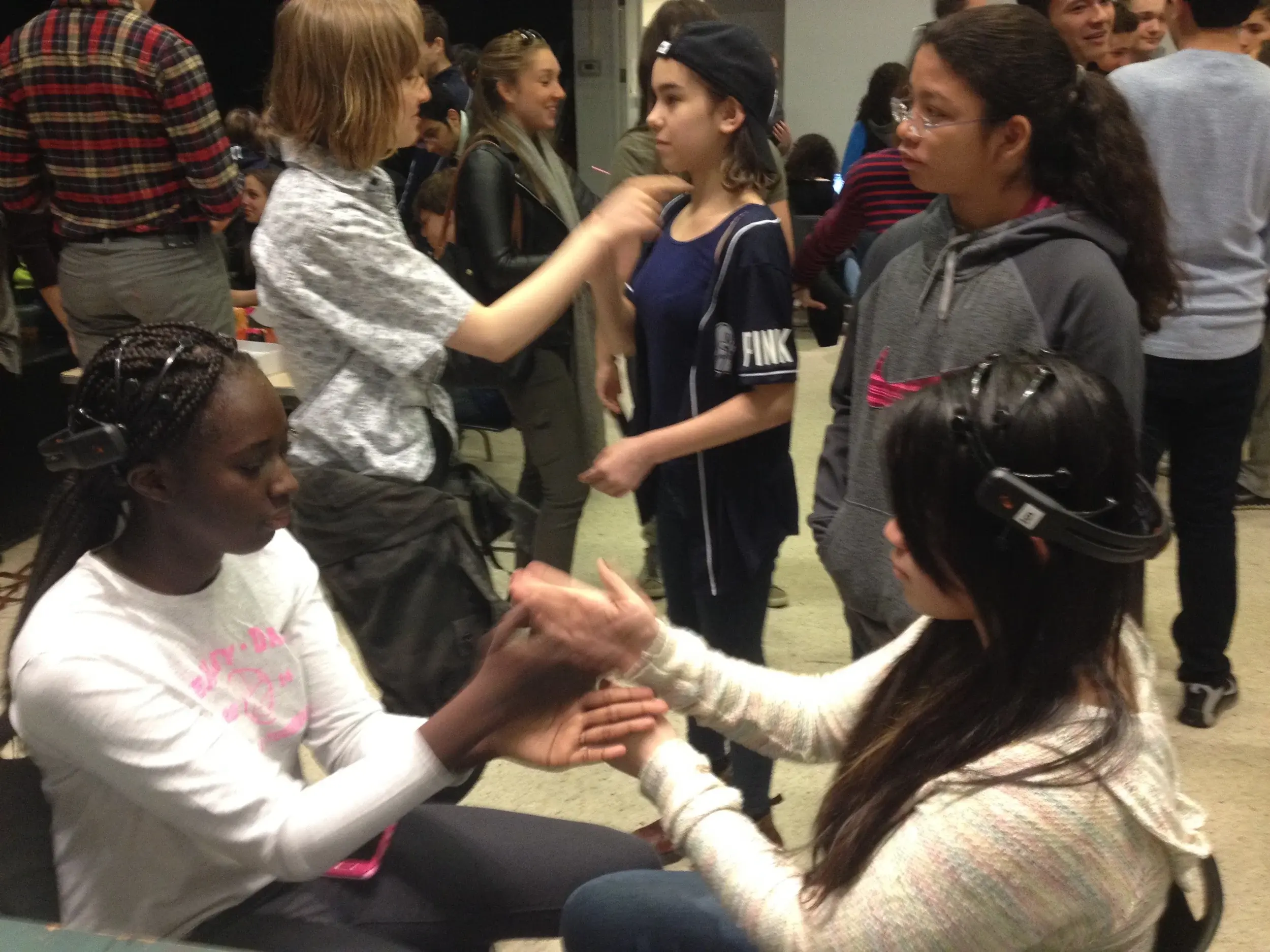
Researchers are increasingly combining behavioral assessments with physiological measurements such as electroencephalography (EEG) to better understand how learners experience educational activities as they unfold. Rather than replacing traditional educational assessments, EEG provides continuous physiological data that helps researchers investigate changes in attention, cognitive load, cognitive stress, and other aspects of cognition during authentic learning experiences.
Key Takeaways
Learning environments influence attention, cognitive load, and learner engagement throughout the educational process.
Behavioral assessments explain outcomes, while EEG provides continuous physiological measurements during learning activities.
Wireless EEG has expanded opportunities to conduct education research in authentic classrooms and other naturalistic settings.
Combining behavioral and physiological measurements provides a more comprehensive understanding of learning experiences.
Selecting an EEG system begins with the research question and study design.
Why Learning Environments Matter
Every learning environment introduces different cognitive demands. Researchers investigate questions such as:
Does classroom design influence attention?
How does collaboration affect learning?
Do virtual learning environments increase cognitive demand?
Which instructional methods reduce unnecessary mental effort?
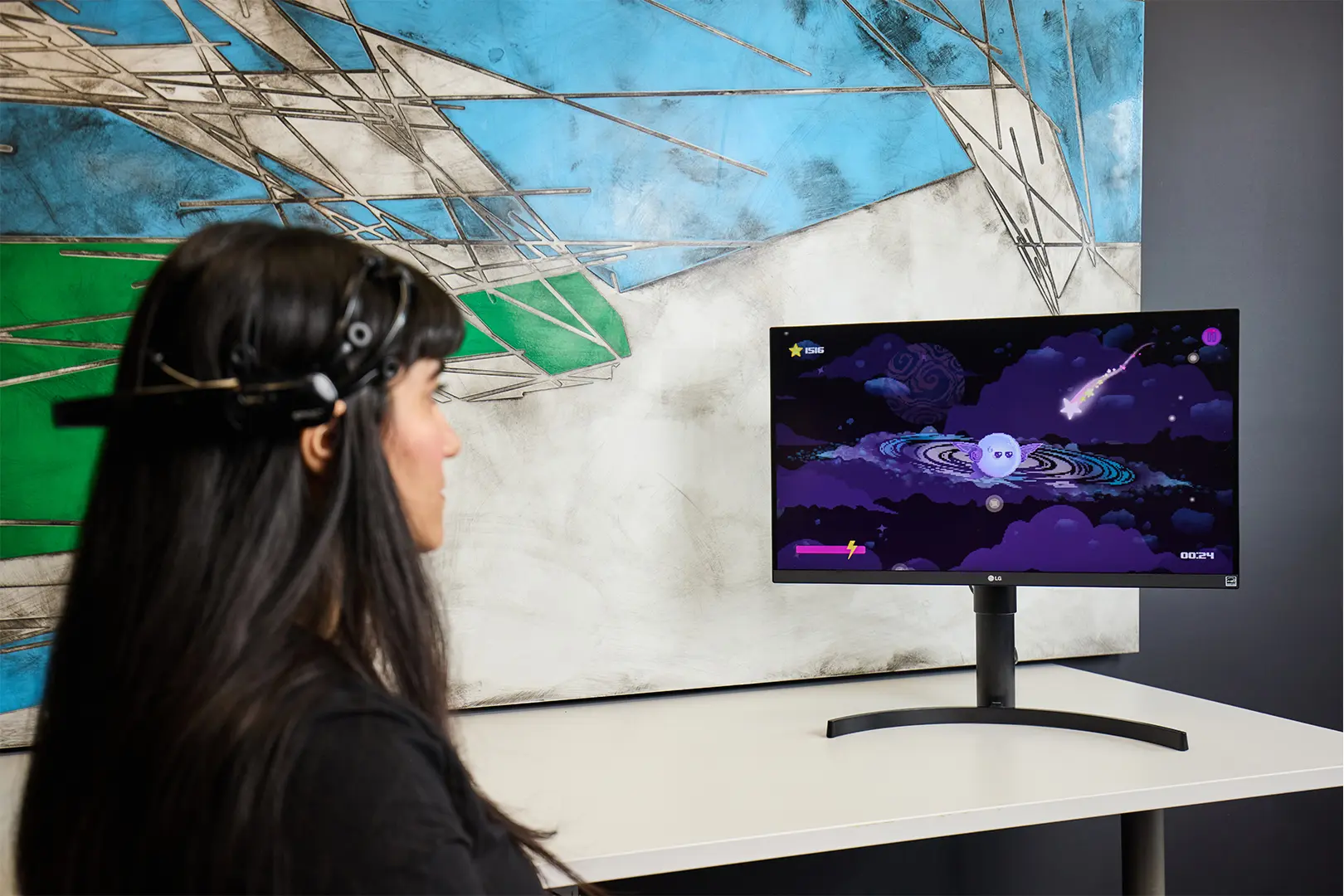
How do interactive technologies influence engagement?
Answering these questions helps researchers improve educational experiences rather than simply evaluate final outcomes.
What Recent Research Reveals
Recent studies using Emotiv EEG technology demonstrate how researchers are expanding education research beyond traditional laboratory settings. Studies have explored relationships between cognitive load, emotional state, and learning performance while investigating how physiological measurements complement behavioral assessments [1], [2].
Other researchers have examined adaptive learning environments that combine EEG with learning analytics to better understand learner experiences during digital education [3]. Rather than relying solely on observable performance, these studies investigate how physiological data can provide additional context throughout the learning process.
Systematic reviews also highlight growing interest in conducting EEG research within authentic educational settings, including classrooms, collaborative learning activities, and other naturalistic environments [5], [6].
Together, these studies illustrate an important shift in education research: understanding not only whether learning occurs, but how learners experience educational environments as cognition unfolds.
Designing Better Learning Experiences
Insights from EEG research can help investigators evaluate questions related to:
Instructional design
Classroom environments
Digital learning
Collaborative education
Attention during lessons
Cognitive load
Mental effort
Combined with traditional educational assessments, these measurements support a more comprehensive understanding of learning.
Choosing an EEG System for Education Research
Different education research questions require different EEG systems. Selecting the appropriate solution depends on the study design, participant population, recording environment, and research objectives.
Flex Gel and Flex Saline
Flex supports configurable electrode placement with up to 32 EEG channels, making it well suited for advanced education research requiring customized sensor configurations, wireless data collection, and research-grade EEG acquisition.
Epoc X
Epoc X is a 14-channel wireless EEG headset designed for cognitive neuroscience, classroom research, and mobile studies that require research-grade data collection with streamlined deployment.
Insight
Insight is a lightweight five-channel wireless EEG headset designed for rapid deployment in educational and human factors research where portability and ease of use are priorities.
Looking Ahead
Education research continues to move toward more authentic learning environments.
Wireless EEG technology allows researchers to investigate cognition where learning naturally occurs, creating new opportunities to study attention, cognitive load, and learning experiences in classrooms, collaborative settings, and digital education.
Put Your Framework Into Practice
You've explored how researchers use EEG to investigate learning environments beyond traditional educational assessments. Compare Emotiv EEG systems to identify the channel configurations, mobility, and research capabilities that best support your education research objectives.
References
[1] F. Ungureanu, C. Cimpanu, and T. Dumitriu, "The Impact of Learning Through Cognitive Load Assessment and Emotional State Evaluation," eLearning and Software for Education, 2020.
[2] F. Ungureanu, T. Dumitriu, V. I. Manta, and C. Cimpanu, "Cognitive Load and Short Term Memory Evaluation Based on EEG Techniques," eLearning and Software for Education, 2017.
[3] A. Kanimozhi and V. Cyril Raj, "An Adaptive E-Learning Environment Centred on Learner's Emotional Behaviour," IEEE Conference Publication.
[4] A. O. Rodríguez et al., "Emotional Characterization of Children Through a Learning Environment Using Learning Analytics and AR-Sandbox," 2020.
[5] H. Zeng, X. Huang, Y. Liu, and X. Gu, "Exploring Neural Evidence of Attention in Classroom Environments: A Scoping Review," Brain Sciences, 2025.
[6] A. García-Monge et al., "Electroencephalography in Naturalistic and Semi-Naturalistic Educational Contexts: A Systematic Review," 2024.
Learning is shaped by more than lesson plans and assessments. Classroom design, digital experiences, collaboration, instructional methods, and cognitive demands all influence how learners engage with new information.
As education research evolves, investigators are increasingly exploring how learning environments affect attention, mental effort, and engagement throughout the learning process.
Traditional educational research often focuses on outcomes such as examination scores, task completion, or course performance. While these measures remain important, they cannot always explain why one learning experience is more effective than another.</p>
Researchers are increasingly combining behavioral assessments with physiological measurements such as electroencephalography (EEG) to better understand how learners experience educational activities as they unfold. Rather than replacing traditional educational assessments, EEG provides continuous physiological data that helps researchers investigate changes in attention, cognitive load, cognitive stress, and other aspects of cognition during authentic learning experiences.
Key Takeaways
Learning environments influence attention, cognitive load, and learner engagement throughout the educational process.
Behavioral assessments explain outcomes, while EEG provides continuous physiological measurements during learning activities.
Wireless EEG has expanded opportunities to conduct education research in authentic classrooms and other naturalistic settings.
Combining behavioral and physiological measurements provides a more comprehensive understanding of learning experiences.
Selecting an EEG system begins with the research question and study design.
Why Learning Environments Matter
Every learning environment introduces different cognitive demands. Researchers investigate questions such as:
Does classroom design influence attention?
How does collaboration affect learning?
Do virtual learning environments increase cognitive demand?
Which instructional methods reduce unnecessary mental effort?
How do interactive technologies influence engagement?
Answering these questions helps researchers improve educational experiences rather than simply evaluate final outcomes.
What Recent Research Reveals
Recent studies using Emotiv EEG technology demonstrate how researchers are expanding education research beyond traditional laboratory settings. Studies have explored relationships between cognitive load, emotional state, and learning performance while investigating how physiological measurements complement behavioral assessments [1], [2].
Other researchers have examined adaptive learning environments that combine EEG with learning analytics to better understand learner experiences during digital education [3]. Rather than relying solely on observable performance, these studies investigate how physiological data can provide additional context throughout the learning process.
Systematic reviews also highlight growing interest in conducting EEG research within authentic educational settings, including classrooms, collaborative learning activities, and other naturalistic environments [5], [6].
Together, these studies illustrate an important shift in education research: understanding not only whether learning occurs, but how learners experience educational environments as cognition unfolds.
Designing Better Learning Experiences
Insights from EEG research can help investigators evaluate questions related to:
Instructional design
Classroom environments
Digital learning
Collaborative education
Attention during lessons
Cognitive load
Mental effort
Combined with traditional educational assessments, these measurements support a more comprehensive understanding of learning.
Choosing an EEG System for Education Research
Different education research questions require different EEG systems. Selecting the appropriate solution depends on the study design, participant population, recording environment, and research objectives.
Flex Gel and Flex Saline
Flex supports configurable electrode placement with up to 32 EEG channels, making it well suited for advanced education research requiring customized sensor configurations, wireless data collection, and research-grade EEG acquisition.
Epoc X
Epoc X is a 14-channel wireless EEG headset designed for cognitive neuroscience, classroom research, and mobile studies that require research-grade data collection with streamlined deployment.
Insight
Insight is a lightweight five-channel wireless EEG headset designed for rapid deployment in educational and human factors research where portability and ease of use are priorities.
Looking Ahead
Education research continues to move toward more authentic learning environments.
Wireless EEG technology allows researchers to investigate cognition where learning naturally occurs, creating new opportunities to study attention, cognitive load, and learning experiences in classrooms, collaborative settings, and digital education.
Put Your Framework Into Practice
You've explored how researchers use EEG to investigate learning environments beyond traditional educational assessments. Compare Emotiv EEG systems to identify the channel configurations, mobility, and research capabilities that best support your education research objectives.
References
[1] F. Ungureanu, C. Cimpanu, and T. Dumitriu, "The Impact of Learning Through Cognitive Load Assessment and Emotional State Evaluation," eLearning and Software for Education, 2020.
[2] F. Ungureanu, T. Dumitriu, V. I. Manta, and C. Cimpanu, "Cognitive Load and Short Term Memory Evaluation Based on EEG Techniques," eLearning and Software for Education, 2017.
[3] A. Kanimozhi and V. Cyril Raj, "An Adaptive E-Learning Environment Centred on Learner's Emotional Behaviour," IEEE Conference Publication.
[4] A. O. Rodríguez et al., "Emotional Characterization of Children Through a Learning Environment Using Learning Analytics and AR-Sandbox," 2020.
[5] H. Zeng, X. Huang, Y. Liu, and X. Gu, "Exploring Neural Evidence of Attention in Classroom Environments: A Scoping Review," Brain Sciences, 2025.
[6] A. García-Monge et al., "Electroencephalography in Naturalistic and Semi-Naturalistic Educational Contexts: A Systematic Review," 2024.
Learning is shaped by more than lesson plans and assessments. Classroom design, digital experiences, collaboration, instructional methods, and cognitive demands all influence how learners engage with new information.
As education research evolves, investigators are increasingly exploring how learning environments affect attention, mental effort, and engagement throughout the learning process.
Traditional educational research often focuses on outcomes such as examination scores, task completion, or course performance. While these measures remain important, they cannot always explain why one learning experience is more effective than another.</p>
Researchers are increasingly combining behavioral assessments with physiological measurements such as electroencephalography (EEG) to better understand how learners experience educational activities as they unfold. Rather than replacing traditional educational assessments, EEG provides continuous physiological data that helps researchers investigate changes in attention, cognitive load, cognitive stress, and other aspects of cognition during authentic learning experiences.
Key Takeaways
Learning environments influence attention, cognitive load, and learner engagement throughout the educational process.
Behavioral assessments explain outcomes, while EEG provides continuous physiological measurements during learning activities.
Wireless EEG has expanded opportunities to conduct education research in authentic classrooms and other naturalistic settings.
Combining behavioral and physiological measurements provides a more comprehensive understanding of learning experiences.
Selecting an EEG system begins with the research question and study design.
Why Learning Environments Matter
Every learning environment introduces different cognitive demands. Researchers investigate questions such as:
Does classroom design influence attention?
How does collaboration affect learning?
Do virtual learning environments increase cognitive demand?
Which instructional methods reduce unnecessary mental effort?
How do interactive technologies influence engagement?
Answering these questions helps researchers improve educational experiences rather than simply evaluate final outcomes.
What Recent Research Reveals
Recent studies using Emotiv EEG technology demonstrate how researchers are expanding education research beyond traditional laboratory settings. Studies have explored relationships between cognitive load, emotional state, and learning performance while investigating how physiological measurements complement behavioral assessments [1], [2].
Other researchers have examined adaptive learning environments that combine EEG with learning analytics to better understand learner experiences during digital education [3]. Rather than relying solely on observable performance, these studies investigate how physiological data can provide additional context throughout the learning process.
Systematic reviews also highlight growing interest in conducting EEG research within authentic educational settings, including classrooms, collaborative learning activities, and other naturalistic environments [5], [6].
Together, these studies illustrate an important shift in education research: understanding not only whether learning occurs, but how learners experience educational environments as cognition unfolds.
Designing Better Learning Experiences
Insights from EEG research can help investigators evaluate questions related to:
Instructional design
Classroom environments
Digital learning
Collaborative education
Attention during lessons
Cognitive load
Mental effort
Combined with traditional educational assessments, these measurements support a more comprehensive understanding of learning.
Choosing an EEG System for Education Research
Different education research questions require different EEG systems. Selecting the appropriate solution depends on the study design, participant population, recording environment, and research objectives.
Flex Gel and Flex Saline
Flex supports configurable electrode placement with up to 32 EEG channels, making it well suited for advanced education research requiring customized sensor configurations, wireless data collection, and research-grade EEG acquisition.
Epoc X
Epoc X is a 14-channel wireless EEG headset designed for cognitive neuroscience, classroom research, and mobile studies that require research-grade data collection with streamlined deployment.
Insight
Insight is a lightweight five-channel wireless EEG headset designed for rapid deployment in educational and human factors research where portability and ease of use are priorities.
Looking Ahead
Education research continues to move toward more authentic learning environments.
Wireless EEG technology allows researchers to investigate cognition where learning naturally occurs, creating new opportunities to study attention, cognitive load, and learning experiences in classrooms, collaborative settings, and digital education.
Put Your Framework Into Practice
You've explored how researchers use EEG to investigate learning environments beyond traditional educational assessments. Compare Emotiv EEG systems to identify the channel configurations, mobility, and research capabilities that best support your education research objectives.
References
[1] F. Ungureanu, C. Cimpanu, and T. Dumitriu, "The Impact of Learning Through Cognitive Load Assessment and Emotional State Evaluation," eLearning and Software for Education, 2020.
[2] F. Ungureanu, T. Dumitriu, V. I. Manta, and C. Cimpanu, "Cognitive Load and Short Term Memory Evaluation Based on EEG Techniques," eLearning and Software for Education, 2017.
[3] A. Kanimozhi and V. Cyril Raj, "An Adaptive E-Learning Environment Centred on Learner's Emotional Behaviour," IEEE Conference Publication.
[4] A. O. Rodríguez et al., "Emotional Characterization of Children Through a Learning Environment Using Learning Analytics and AR-Sandbox," 2020.
[5] H. Zeng, X. Huang, Y. Liu, and X. Gu, "Exploring Neural Evidence of Attention in Classroom Environments: A Scoping Review," Brain Sciences, 2025.
[6] A. García-Monge et al., "Electroencephalography in Naturalistic and Semi-Naturalistic Educational Contexts: A Systematic Review," 2024.
Continue reading