تصمیمگیری برای ترک ویپینگ یک قدم مهم در جهت بازیابی سلامتی و تندرستی شماست. اگرچه ممکن است این عادت به دلایل مختلفی شروع شده باشد، اما میتواند به سرعت به یک چرخه پیچیده شامل وابستگی جسمی و روانی تبدیل شود.
این راهنما توصیههای عملی و Insightهای مفیدی را برای کمک به شما در ترک ویپینگ ارائه میدهد.
حلقه عادت ویپینگ چگونه کار میکند؟
چرا ویپینگ چیزی فراتر از یک اعتیاد ساده به نیکوتین است؟
بسیاری از افراد ویپینگ را با این تصور شروع میکنند که این کار فقط مربوط به نیکوتین است، اما واقعیت پیچیدهتر از این حرفهاست. اگرچه نیکوتین به شدت اعتیادآور است، اما عمل ویپینگ اغلب به یک الگوی رفتاری تبدیل میشود؛ حلقهای که مغز آن را یاد میگیرد و تکرار میکند.
این حلقه شامل یک محرک (نشانه)، یک روال و یک پاداش است. محرک ممکن است یک احساس، یک مکان یا زمان خاصی از روز باشد. روال، همان عمل فیزیکی ویپینگ است. پاداش نیز تسکین یا حس موقتی است که تجربه میشود.
با گذشت زمان، این چرخه خودکار میشود و شکستن آن را حتی زمانی که تمایل شدیدی به ترک وجود دارد، دشوار میسازد. این عادت نه تنها با اثرات شیمیایی نیکوتین، بلکه با پیوند ذهنی آموختهشده میان این اقدام و فایده درکشده از آن تقویت میشود.
چگونه میتوانید چرخه شخصی «محرک-روال-پاداش» خود را شناسایی کنید؟
برای درک چگونگی متوقف کردن ویپینگ، مفید است که حلقه عادت شخصی خود را کالبدشکافی کنید. این کار مستلزم آن است که توجه دقیقی به زمان و دلیل دست بردن به ویپ داشته باشید. موارد زیر را در نظر بگیرید:
محرکها: چه موقعیتها، احساسات یا زمانهایی از روز معمولاً قبل از ویپینگ رخ میدهند؟ محرکهای رایج شامل استرس، بیحوصلگی، تمام شدن غذا یا تعاملات اجتماعی هستند.
روالها: این خود عمل ویپینگ است. به اقدامات خاص مربوط به آن، مانند بیرون آوردن دستگاه، کام گرفتن و مدت زمان آن توجه کنید.
پاداشها: در آن لحظه از ویپینگ چه چیزی به دست میآورید؟ آیا حس آرامش، یک حواسپرتی، حس اجتماعی بودن یا یک حس فیزیکی است؟
با شناسایی این اجزا، میتوانید الگوهایی را که باعث تداوم این عادت میشوند، تشخیص دهید.
دوپامین چه نقشی در تقویت عادت ویپینگ ایفا میکند؟
دوپامین یک پیامرسان عصبی در مغز است که با لذت و پاداش مرتبط است. وقتی ویپ میکشید، به خصوص زمانی که حاوی نیکوتین است، دوپامین آزاد میشود و حس رضایت ایجاد میکند.
این ترشح رفتار را تقویت میکند و باعث میشود مغز بخواهد این عمل را تکرار کند تا دوز دیگری از دوپامین دریافت کند. این پاسخ عصبی-شیمیایی دلیل اصلی دشوار بودن شکستن عادتها، از جمله ویپینگ است.
مغز یاد میگیرد که ویپینگ را با یک حس مثبت مرتبط کند و این ارتباط، تمایل به ویپینگ مجدد را هدایت میکند.
چرا «فقط متوقف کردن» برای مغز شما اینقدر سخت است؟
صرفاً تصمیمگیری برای توقف ویپینگ اغلب کافی نیست زیرا حلقه عادت عمیقاً ریشهدار شده است. مغز مسیرهای عصبی قدرتمندی مرتبط با ویپینگ ایجاد کرده است.
هنگامی که یک محرک ظاهر میشود، مغز به طور خودکار روال را فعال کرده و پاداش را پیشبینی میکند. این پاسخ خودکار، تصمیمگیری آگاهانه را دور میزند.
علاوه بر این، علائم فیزیکی ترک نیکوتین میتواند باعث ناراحتی شده و لایه دیگری از سختی را اضافه کند. سیستم پاداش مغز به نیکوتین عادت میکند، که باعث میشود عدم وجود آن ناخوشایند به نظر برسد و تمایل به از سرگیری ویپینگ را تقویت کند.
چگونه میتوانید محرکهای ویپینگ خود را شناسایی و مدیریت کنید؟
چگونه یک دفترچه یادداشت محرکها بسازید و از آن استفاده کنید؟
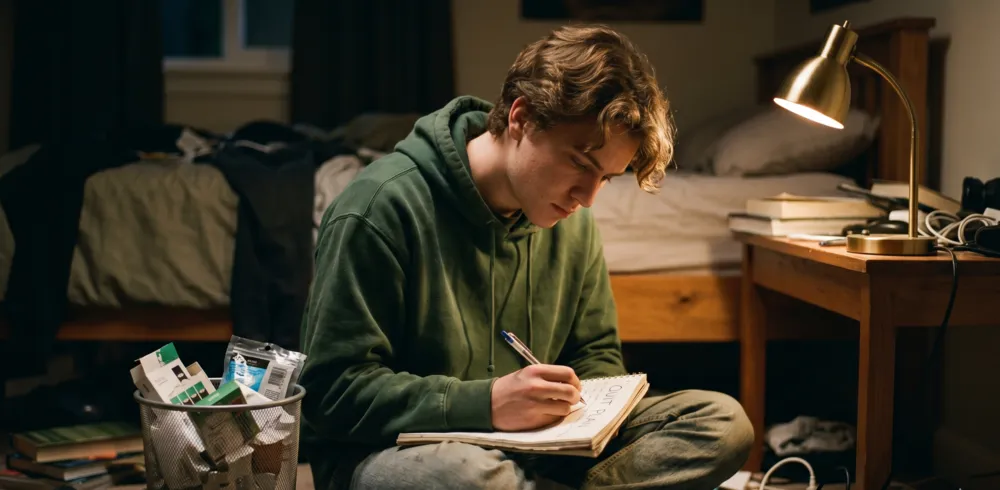
دفترچه یادداشت محرکها ابزار سادهای است که به شما کمک میکند الگوها را ببینید. هر زمان که تمایل به ویپینگ پیدا کردید، بنویسید که درست قبل از آن چه اتفاقی در حال رخ دادن بود.
ساعت، مکانی که در آن بودید، افرادی که با آنها بودید و احساسی که داشتید را یادداشت کنید. با گذشت زمان، موضوعات مشترکی را مشاهده خواهید کرد. این آگاهی کلید شکستن عادت است.
رایجترین محرکهای ویپینگ کدامند؟
استرس: بسیاری از افراد زمانی که احساس کلافگی یا اضطراب میکنند ویپ میکشند. ممکن است راهی سریع برای آرامش به نظر برسد، اما مشکل اصلی را حل نمیکند.
بیحوصلگی: نداشتن کاری برای انجام دادن میتواند منجر به دست بردن به ویپ شود. این کار یک خلاء را پر میکند، اما راهی سازنده برای گذراندن وقت نیست.
موقعیتهای اجتماعی: دیدن ویپ کشیدن دیگران یا قرار گرفتن در مکانهایی که ویپینگ در آنها رایج است، میتواند شما را به همراهی ترغیب کند. فشار همسالان، حتی به صورت نامحسوس، نقش ایفا میکند.
محرکهای محیطی چگونه بر هوس ویپینگ تأثیر میگذارند؟
برخی مکانها یا اشیاء میتوانند با ویپینگ پیوند بخورند. به عنوان مثال، بوی مایع ویپ، دیدن دستگاه ویپ یا حتی فقط نشستن در جای همیشگی ویپ کشیدن میتواند باعث ایجاد وسوسه شود.
روال ویپ کشیدن همراه با قهوه صبحگاهی یا هنگام رانندگی نیز میتواند یک محرک قوی باشد.
آیا تغییرات عاطفی میتوانند به عنوان محرکهای ویپینگ عمل کنند؟
احساسات محرکهای قدرتمندی هستند. اگر احساس ناراحتی، اضطراب یا حتی شادی دارید و میخواهید جشن بگیرید، ممکن است ویپینگ به ذهنتان خطور کند.
یادگیری مدیریت این احساسات به روشهای دیگر بسیار مهم است. به عنوان مثال، به جای ویپ کشیدن در هنگام اضطراب، کشیدن چند نفس عمیق یا یک پیادهروی کوتاه میتواند کمککننده باشد.
در اینجا نگاهی به نحوه بروز محرکهای مختلف میاندازیم:
نوع محرک | مثالها |
|---|---|
عاطفی | استرس، اضطراب، غم، هیجان، بیحوصلگی |
محیطی | مکانهای خاص، دیدن محصولات ویپ |
اجتماعی | ویپ کشیدن دوستان، جمعهای اجتماعی |
مبتنی بر روال | بعد از غذا، در حین رفت و آمد، همراه با قهوه |
چگونه میتوانید جعبه ابزاری از مکانیسمهای مقابلهای سالم بسازید؟
ترک ویپینگ مستلزم توسعه روشهای جدید برای مدیریت موقعیتها و احساساتی است که قبلاً منجر به ویپینگ میشدند. این فرآیند درباره ساختن مجموعهای شخصی از ابزارها برای مدیریت هوسها و جایگزینی حلقه عادت ریشهدار است.
بنابراین، ایجاد یک جعبه ابزار قوی میتواند شانس موفقیت پایدار را به میزان قابل توجهی افزایش دهد.
چگونه حرکت فیزیکی دست به دهان ویپینگ را جایگزین کنید؟
عمل فیزیکی ویپینگ، به ویژه حرکت دست به دهان، اغلب بخش عمیقاً ریشهداری از این عادت است. یافتن اقدامات جایگزین میتواند به ارضای این نیاز فیزیکی بدون متوسل شدن به نیکوتین کمک کند. این جایگزینها را در نظر بگیرید:
آدامس یا قرص نعناع: آدامس بدون قند یا قرصهای نعناع تند میتوانند تحریک دهانی و تغییر در طعم را ایجاد کنند.
میانوعدههای سالم: میانوعدههای ترد مانند خلال هویج، کرفس یا آجیل را برای زمانی که تمایل به گذاشتن چیزی در دهان دارید، دم دست نگه دارید.
اسباببازیهای فیجت: اسباببازیهای فیجت کوچک و نامشخص میتوانند دستها را مشغول نگه دارند و یک حواسپرتی حسی ایجاد کنند.
نوشیدن آب: نوشیدن جرعه جرعه آب به آرامی میتواند به مدیریت عادت دهانی کمک کرده و شما را هیدراته نگه دارد.
کدام تمرینات ذهنآگاهی و تنفسی به رفع هوس کمک میکنند؟
هوسها میتوانند شدید باشند، اما موقتی هستند. تکنیکهای ذهنآگاهی و تمرینات تنفسی خاص میتوانند با متمرکز کردن شما در لحظه حال و آرام کردن سیستم عصبی به مدیریت این نوسانات کمک کنند.
تنفس عمیق: به آرامی از طریق بینی نفس بکشید، چند ثانیه نگه دارید و به آرامی از طریق دهان بازدم کنید. این کار میتواند به کاهش پاسخهای فیزیولوژیکی به استرس کمک کند.
مدیتیشن اسکن بدن: توجه خود را به بخشهای مختلف بدن معطوف کنید و بدون قضاوت متوجه هرگونه احساسی شوید. این کار میتواند به فاصله گرفتن از هوس کمک کند.
مشاهده آگاهانه: هوس را بدون جنگیدن با آن بپذیرید. شدت، مدت زمان و هرگونه حس فیزیکی مرتبط با آن را مشاهده کنید و تشخیص دهید که این حس خواهد گذشت.
چگونه میتوانید استرس و بیحوصلگی را بدون ویپینگ مدیریت کنید؟
استرس و بیحوصلگی از محرکهای رایج ویپینگ هستند. شناسایی و درگیر شدن در فعالیتهایی که واقعاً به این احساسات پاسخ میدهند، میتواند از لغزش مجدد جلوگیری کند.
فعالیت بدنی: ورزش، حتی یک پیادهروی کوتاه، میتواند اندورفین آزاد کند، استرس را کاهش دهد و یک حواسپرتی سالم ایجاد کند.
سرگرمیهای جذاب: سرگرمیهای جدیدی را کشف یا شروع کنید که نیاز به تمرکز دارند و حس موفقیت ایجاد میکنند، مانند مطالعه، نقاشی، نواختن یک ساز یا باغبانی.
ارتباط اجتماعی: وقت گذراندن با دوستان یا خانواده حمایتگر، یا شرکت در فعالیتهای گروهی، میتواند با احساس تنهایی و بیحوصلگی مقابله کند.
راههای خلاقانه: نوشتن خاطرات روزانه، نویسندگی یا دیگر اشکال بیان خلاقانه میتواند راههای مؤثری برای پردازش احساسات و کاهش استرس باشد.
تکنیک «تاخیر و حواسپرتی» چگونه کار میکند؟
تکنیک «تأخیر و حواسپرتی» یک استراتژی ساده اما مؤثر برای مدیریت هوسهای فوری است. این تکنیک شامل به تعویق انداختن آگاهانه تمایل به ویپ کشیدن و هدایت مجدد توجه به چیزی دیگر است.
پذیرش هوس: تشخیص دهید که این تمایل وجود دارد.
تأخیر: به خود بگویید قبل از اقدام، زمان مشخصی مثلاً 5 یا 10 دقیقه منتظر خواهید ماند. اغلب، شدت هوس در این مدت کاهش مییابد.
حواسپرتی: به طور فعال در فعالیتی شرکت کنید که نیاز به توجه شما دارد. این کار میتواند هر چیزی باشد، از تماس با یک دوست، گوش دادن به موسیقی، انجام یک کار کوتاه خانه یا بازی با گوشی. هدف این است که تمرکز خود را از هوس دور کنید تا زمانی که فروکش کند.
نقش نوروفیدبک در ترک ویپینگ چیست؟
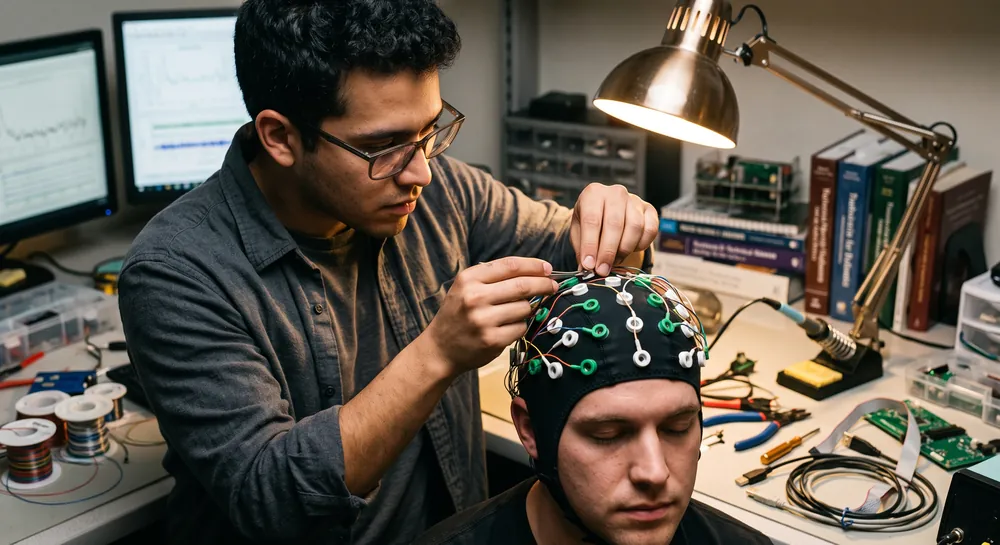
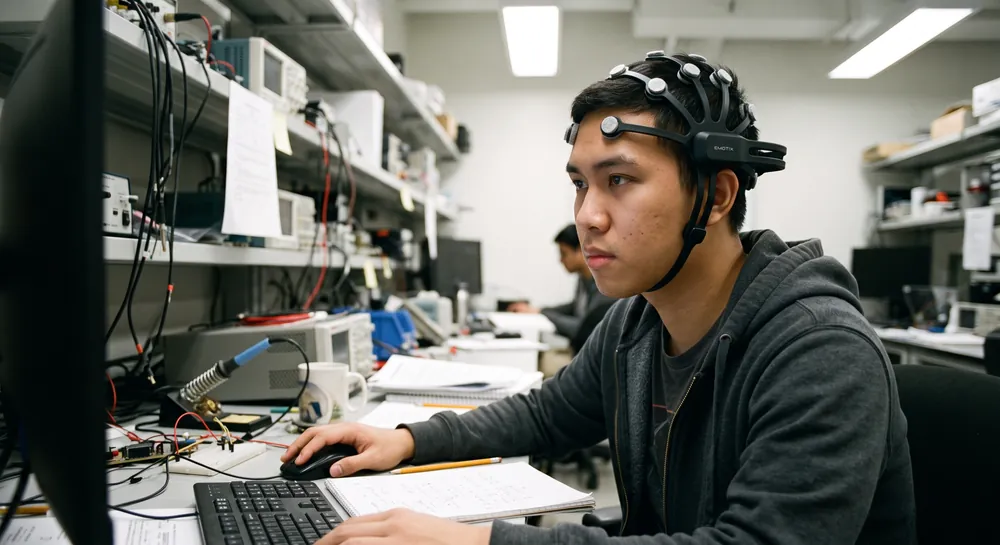
همانطور که جعبه ابزاری برای مدیریت محرکهای ویپینگ میسازید، ممکن است با فناوریهای نوظهور علوم اعصاب مواجه شوید که برای هدف قرار دادن هوسها در منشأ عصبی آنها طراحی شدهاند. یکی از این تکنیکها نوروفیدبک است؛ شکل تخصصی از آموزش مغز که از الکتروانسفالوگرافی (EEG) برای کمک به افراد در به دست گرفتن کنترل داوطلبانه پاسخهای بیولوژیکی خود به محرکهای اعتیاد استفاده میکند.
این فناوری با اندازهگیری فعالیت امواج مغزی در زمان واقعی و نمایش آن روی صفحه نمایش (اغلب از طریق یک رابط بصری یا صوتی تعاملی) به فرد اجازه میدهد واکنش فوری مغز خود را به استرس یا محرکهای ویپینگ نظارت کند.
از طریق تمرینات هدایتشده و تکراری، فرد تلاش میکند آگاهانه آن پاسخها را تغییر دهد و یاد بگیرد که الگوهای عصبی-فیزیولوژیکی خاص مرتبط با برانگیختگی شدید و تمایل شدید به مصرف نیکوتین را خودتنظیمی کند. تئوری این است که این کار به ساخت یک «سیستم ترمز» بیولوژیکی کمک میکند که مستقیماً مکمل استراتژیهای مقابله رفتاری است.
اگرچه چشمانداز استفاده از فناوری برای هدف قرار دادن مستقیم پاسخ هوس مغز جذاب است، اما درک واقعیت بالینی فعلی این ابزارها بسیار مهم است. نوروفیدبک یک رویکرد تحقیقاتی و تجربی است، نه یک درمان خط اول استاندارد برای وابستگی به نیکوتین.
چگونه طرز فکر خود را برای زندگی بدون ویپ بازسازی کنید؟
بازسازی شناختی چگونه میتواند به ترک ویپینگ کمک کند؟
بازسازی شناختی شامل شناسایی و به چالش کشیدن افکار منفی یا غیرمفید مرتبط با ویپینگ است. به عنوان مثال، به جای فکر کردن به اینکه «برای آرام شدن نیاز به ویپ دارم»، فرد میتواند این فکر را به این صورت بازسازی کند که «من میتوانم راههای سالمتری برای مدیریت استرس پیدا کنم که شامل ویپینگ نباشد».
این فرآیند به از بین بردن ضرورت درکشده ویپینگ کمک کرده و باور به استراتژیهای مقابلهای جایگزین را جایگزین آن میکند. موضوع، درک این نکته است که فواید درکشده ویپینگ اغلب کوتاهمدت بوده و پیامدهای منفی آن بسیار بیشتر است.
با تغییر آگاهانه این روایتهای درونی، افراد میتوانند تضعیف تسلط ذهنی این عادت را آغاز کنند.
چگونه باید محیط خود را برای موفقیت در ترک ویپینگ آماده کنید؟
تغییر دادن محیط زندگی نقش مهمی در حمایت از گذار به دور از ویپینگ ایفا میکند. این کار شامل سختتر کردن انجام این عادت و آسانتر کردن اتخاذ رفتارهای جدید و سالمتر است. اصلاحات محیطی زیر را در نظر بگیرید:
حذف وسایل مربوط به ویپینگ: تمام دستگاههای ویپ، مایعات الکترونیکی و لوازم جانبی مرتبط را دور بریزید. این کار دسترسی فوری را از بین میبرد و به عنوان اعلام تعهد فیزیکی برای ترک عمل میکند.
شناسایی و تغییر مکانهای محرک: مکانها یا موقعیتهایی را که معمولاً ویپینگ در آنها رخ میدهد، مانند یک صندلی خاص، ماشین یا در طول برخی از جمعهای اجتماعی، شناسایی کنید. تلاشهای آگاهانهای برای تغییر روالهای مرتبط با این محرکها انجام دهید یا در مرحله اولیه ترک به طور کلی از آنها دوری کنید.
معرفی محرکهای جدید: نشانههای ویپینگ را با عناصر محیطی مثبت جایگزین کنید. این کار میتواند شامل در دسترس نگه داشتن میانوعدههای سالم، ایجاد فضایی راحت برای فعالیتهای آرامشبخش یا اطمینان از عاری بودن فضای کار شما از وسایلی باشد که شما را به یاد ویپینگ میاندازند.
ایجاد محیطی که از سبک زندگی بدون ویپ پشتیبانی میکند، طرز فکر جدید را تقویت کرده و احتمال لغزش مجدد را کاهش میدهد. این کار درباره همسو کردن مسیرِ دارای کمترین مقاومت با نتیجه مطلوب یعنی ترک کردن است.
چگونه میتوانید مسیر بدون ویپ خود را پایدار نگه دارید؟
ترک ویپینگ قدمی بزرگ در جهت بازپسگیری سلامت و سلامت روان شماست. اگرچه این مسیر ممکن است با چالشهایی همراه باشد، به یاد داشته باشید که شما از قدرت درونی برای غلبه بر این عادت برخوردارید.
با درک جنبههای ذهنی و فیزیکی اعتیاد به عنوان یک اختلال مغزی، به کارگیری استراتژیهای مبتنی بر علم و ساختن یک سیستم حمایتی قوی، میتوانید پتانسیل رهایی را داشته باشید.
آزادی و اعتمادی را که با یک زندگی بدون دغدغه ویپینگ به دست میآید، در آغوش بکشید. این فرصت شما برای ایجاد آیندهای سالمتر و رضایتبخشتر است، هر بار با یک نفس عمیق.
سوالات متداول
چرا متوقف کردن ویپینگ، حتی اگر خودم بخواهم، اینقدر سخت است؟
ترک ویپینگ سخت است زیرا فقط مربوط به نیکوتین نیست. مغز شما یک حلقه عادت ایجاد میکند که در آن به دلیل یک محرک (مانند استرس یا بیحوصلگی) کاری (ویپینگ) انجام میدهید و پاداشی (حس تسکین) دریافت میکنید. این حلقه خودکار میشود و مغز شما به آن عادت میکند. درست مثل این است که مغز شما روالی دارد که آن را دنبال میکند و شکستن آن روال به چیزی بیش از گفتن «من متوقف خواهم شد» نیاز دارد.
خطرات اصلی ویپینگ برای سلامتی چیست؟
ویپینگ میتواند به روشهای مختلفی به ریهها و بدن شما آسیب برساند. ذرات ریز و مواد شیمیایی موجود در جویس ویپ، مانند نیکوتین و اسانسها، میتوانند به عمق ریههای شما نفوذ کنند. این امر میتواند منجر به مشکلات تنفسی، سرفه، درد قفسه سینه و حتی آسیبهای جدی ریوی شود. این یک فعالیت بیضرر نیست و بدن شما نیازی به این مواد شیمیایی ندارد.
آیا ویپینگ واقعا اعتیادآور است؟
بله، ویپینگ اعتیادآور است، عمدتاً به دلیل نیکوتینی که دارد. نیکوتین مادهای است که میتواند مغز شما را به خواستن بیشتر ترغیب کند و ترک آن پس از عادت کردن بسیار دشوار است. بسیاری از مردم قدرت اعتیادآوری نیکوتین را دستکم میگیرند، به خصوص زمانی که به روشهایی مصرف میشود که حس متفاوانی نسبت به سیگار کشیدن سنتی دارد.
چگونه میتوانم دلایل شخصی خود را برای ویپینگ شناسایی کنم؟
برای درک اینکه چرا ویپ میکشید، سعی کنید یک دفترچه یادداشت داشته باشید. هر بار که ویپ میکشید و اتفاقاتی که درست قبل از آن رخ داده است را یادداشت کنید. بنویسید که آیا احساس استرس، بیحوصلگی یا شادی داشتید یا اینکه با افراد خاصی یا در مکانهای خاصی بودید. این کار به شما کمک میکند الگوها و محرکهایی را که منجر به ویپ کشیدن شما میشوند، ببینید.
محرکهای رایجی که مرا به ویپ کشیدن ترغیب میکنند کدامند؟
محرکهای رایج شامل احساس استرس، بیحوصلگی، اضطراب یا حتی داشتن وقت آزاد است. موقعیتهای اجتماعی، مانند حضور در کنار دوستانی که ویپ میکشند نیز میتواند محرک بزرگی باشد. گاهی اوقات، کارهای روزمره مانند نوشیدن قهوه صبحگاهی یا نشستن در ماشین میتواند بدون اینکه متوجه شوید با ویپینگ پیوند بخورد.
چگونه میتوانم طرز فکر خود را نسبت به ویپینگ تغییر دهم؟
تغییر طرز فکر شامل بازنگری در نحوه نگاه شما به ویپینگ است. به جای اینکه آن را راه حلی برای مشکلات ببینید، سعی کنید آن را به عنوان عادتی ببینید که مانع پیشرفت شماست. روی مزایای ترک، مانند سلامت بهتر و آزادی بیشتر تمرکز کنید. به خود یادآوری کنید که چرا میخواهید ترک کنید و خود را به عنوان یک فرد غیرویپری تصور کنید.
حمایت اجتماعی در زمان ترک ویپینگ چقدر اهمیت دارد؟
حمایت اجتماعی بسیار مهم است. مطلع کردن دوستان و خانواده از اینکه در حال ترک هستید میتواند به شما کمک کند تا احساس مسئولیتپذیری کنید. همچنین ممکن است نیاز به تعیین مرزهایی داشته باشید، مانند درخواست از دوستان برای ویپ نکشیدن در اطراف شما یا دوری از مکانهایی که ویپینگ در آنها رایج است. داشتن افرادی که از تصمیم شما حمایت میکنند، این فرآیند را بسیار آسانتر میکند.
Emotiv یک شرکت پیشرو در فناوری عصبی است که با ابزارهای در دسترس EEG و دادههای مغزی به پیشبرد پژوهشهای علوم اعصاب کمک میکند.
سلب مسئولیت پزشکی: اطلاعات ارائه شده در این وبسایت صرفاً برای اهداف آموزشی و اطلاعرسانی است و به عنوان توصیه پزشکی یا بهداشتی در نظر گرفته نشده است. این محتوا ممکن است حاوی خطا باشد و نباید برای تصمیمگیریهای حیاتی در زمینه سلامت، پزشکی یا سبک زندگی به آن استناد کرد. همیشه برای هرگونه سؤال در رابطه با یک شرایط پزشکی یا درمان، از پزشک خود یا سایر ارائهدهندگان واجد شرایط مراقبتهای بهداشتی راهنمایی بخواهید.
کریستین بورگوس