اختلال دوقطبی، وضعیتی که بهخاطر نوسانات شدید خلقوخو و انرژی شناخته میشود، بدون توجه به جنسیت افراد را به شکلهای متفاوتی تحت تأثیر قرار میدهد. با این حال، راههای مشخصی وجود دارد که علائم اختلال دوقطبی در زنان میتواند در آنها برجسته شود و گاهی تشخیص را کمی دشوار کند.
درک این الگوهای منحصربهفرد گامی بزرگ برای دریافت کمک و حمایت مناسب است.
چرا اختلال دوقطبی در زنان به شکل متفاوتی ظاهر میشود
چرا تشخیص تفاوتهای جنسیتی در علائم دوقطبی اهمیت دارد؟
تحقیقات نشان میدهند که زنان اغلب اختلال دوقطبی را به شیوههایی متفاوت از مردان تجربه میکنند. این تفاوتها میتوانند به طور قابلتوجهی بر نحوه تشخیص، درمان و تأثیر این اختلال بر زندگی فرد اثر بگذارند.
شناخت این الگوهای خاص جنسیتی برای ارائه مراقبتهای دقیقتر و مؤثرتر کلیدی است. به عنوان مثال، احتمال تجربه دورههای افسردگی در زنان بیشتر است و این دورهها معمولاً طولانیتر و شدیدتر هستند. این امر گاهی اوقات میتواند منجر به تشخیص نادرست شود و این وضعیت با افسردگی تکقطبی اشتباه گرفته شود که خود موجب تأخیر در دریافت درمان مناسب میگردد.
نوسانات هورمونی و عوامل اجتماعی چگونه تجربه یک زن را شکل میدهند؟
عوامل متعددی میتوانند در تفاوتهای مشاهدهشده در نحوه بروز اختلال دوقطبی در زنان نقش داشته باشند.
تصور میشود تغییرات هورمونی، بهویژه تغییرات مربوط به چرخه قاعدگی، بارداری و یائسگی، نقش مهمی ایفا میکنند. این نوسانات گاهی میتوانند باعث تحریک یا تشدید دورههای خلقی شوند.
با این حال، این موضوع صرفاً به هورمونها مربوط نمیشود. عوامل اجتماعی و محیطی، مانند انتظارات جامعه، مسئولیتهای مراقبتی و تأثیر تروما نیز میتوانند تجربه اختلال دوقطبی را در زنان شکل دهند.
کدام الگوهای علامتی متمایز بهطور معمول در زنان مشاهده میشوند؟
وقتی اختلال دوقطبی در زنان ظاهر میشود، گاهی اوقات میتواند کمی متفاوت از مردان به نظر برسد. در حالی که ویژگیهای اصلی شیدایی (مانیا) و افسردگی وجود دارند، نحوه بروز آنها میتواند ویژگیهای منحصربهفردی داشته باشد.
چرا دورههای افسردگی اغلب بر تجربه زندگی با دوقطبی در زنان غالب است؟
به نظر میرسد که زنان مبتلا به اختلال دوقطبی بیشتر از دورههای شیدایی، دورههای افسردگی را تجربه میکنند. این فازهای افسردگی همچنین میتوانند طولانیتر و شدیدتر باشند.
این الگو دلیل بزرگی است بر اینکه چرا اختلال دوقطبی در زنان گاهی با اختلال افسردگی اساسی اشتباه گرفته میشود که میتواند منجر به تأخیر در دریافت درمان صحیح شود. تمرکز اغلب به مدیریت دورههای بیحالی و ناامیدی معطوف میشود که معمولاً مخلترین بخش بیماری برای زنان است.
ویژگیهای شایع افسردگی دوقطبی "غیرمعمول" که اغلب در زنان یافت میشود چیست؟
علاوه بر داشتن دورههای افسردگی بیشتر، زنان ممکن است ویژگیهایی را تجربه کنند که گاهی اوقات به عنوان ویژگیهای "غیرمعمول" (آتیپیک) افسردگی شناخته میشوند. این موارد میتواند شامل مواردی مانند خوابیدن بیش از حد معمول (پرخوابی) و افزایش محسوس اشتها یا وزن باشد.
یکی دیگر از ویژگیهای شایع، احساس سنگینی در اندامها است که اغلب به عنوان فلج سربی توصیف میشود. این علائم میتوانند با نشانههای کلاسیکتر افسردگی متفاوت باشند و ممکن است به سردرگمی در تشخیص کمک کنند.
شیدایی آشفته یا ملالآور چیست و چرا در زنان شایعتر است؟
شیدایی ملالآور (Dysphoric mania) که گاهی شیدایی مختلط یا حالتهای مختلط نامیده میشود، یکی از جنبههای بسیار چالشبرانگیز اختلال دوقطبی است. این حالت زمانی رخ میدهد که فرد علائم شیدایی و افسردگی را به طور همزمان یا با توالی سریع تجربه میکند.
تصور کنید به شدت بیقرار، آشفته و دارای افکار مسابقهای (علائم شیدایی) هستید و در عین حال احساس غم و اندوه عمیق، ناامیدی و بیارزشی (علائم افسردگی) میکنید. این ترکیب میتواند بسیار رنجآور باشد و گزارش شده که در زنان شایعتر است.
این تضاد درونی شدید و ناراحتی میتواند عملکرد روزانه را به شدت دشوار کند.
چرا زنان مبتلا به اختلال دوقطبی بیشتر در معرض چرخه سریع و حالتهای مختلط هستند؟
به نظر میرسد زنان مبتلا به اختلال دوقطبی احتمال بیشتری برای تجربه دوره چرخه سریع (Rapid cycling) دارند. این به معنای داشتن چهار یا چند دوره خلقی متمایز — خواه مانیک، هیپومانیک یا افسردگی — در طول یک سال است.
این جابجایی سریع بین خلقوخوها میتواند باعث شود بیماری غیرقابل پیشبینی و مدیریت آن سختتر به نظر برسد. چرخه سریع همراه با شیوع روزافزون حالتهای مختلط، میتواند به طور قابلتوجهی بر توانایی یک زن برای حفظ ثبات در کار، روابط و به طور کلی زندگی تأثیر بگذارد.
نقش هورمونها در ناپایداری خلقوخو
علائم PMDD و اختلال دوقطبی چگونه در زنان با هم تداخل پیدا میکنند؟
بسیاری از زنان مبتلا به اختلال دوقطبی، تغییرات خلقی را تجربه میکنند که به نظر میرسد با چرخههای قاعدگی آنها همسو است. این امر گاهی اوقات تشخیص بین اختلال دوقطبی و اختلال ملال پیش از قاعدگی (PMDD) — شکل شدیدی از سندرم پیش از قاعدگی — را دشوار میسازد.
علائم PMDD، مانند نوسانات خلقی شدید، تحریکپذیری و افسردگی، میتوانند به ویژه در مرحله پیش از قاعدگی تداخل شدیدی با علائم دوقطبی داشته باشند. تحقیقات نشان میدهد که زنان مبتلا به اختلال دوقطبی ممکن است به طور کلی میزان ابتلای بالاتری به PMDD داشته باشند، که نشاندهنده یک تعامل پیچیده بین نوسانات هورمونی و تنظیم خلقوخوست.
چرخه قاعدگی از چه راههایی میتواند دورههای خلقی دوقطبی را تحریک یا بدتر کند؟
ماهیت چرخهای قاعدگی زنان شامل تغییرات قابلتوجهی در سطح هورمونها، در درجه اول استروژن و پروژسترون است. این تغییرات هورمونی میتوانند مستقیماً بر سلامت مغز و فعالیت پیامرسانهای عصبی تأثیر بگذارند و به طور بالقوه باعث شروع یا بدتر شدن دورههای خلقی در افراد مبتلا به اختلال دوقطبی شوند.
برخی از زنان گزارش میدهند که در روزهای منتهی به پریود خود، علائم افسردگی یا تحریکپذیری افزایش مییابد، در حالی که برخی دیگر ممکن است در نقاط مختلف چرخه خود ناپایداری خلقی شدیدتری را تجربه کنند. این حساسیت به تغییرات هورمونی به این معنی است که مدیریت اختلال دوقطبی اغلب نیاز به توجه به این نوسانات ماهانه دارد.
دوران پیشیائسگی و یائسگی چه تأثیری بر مدیریت علائم دوقطبی دارند؟
با به پایان رسیدن دوران باروری و ورود زنان به سنین پیشیائسگی و یائسگی، آنها تغییرات هورمونی اساسی دیگری، به ویژه کاهش استروژن را تجربه میکنند.
این دوره میتواند زمان چالشبرانگیزی برای افراد مبتلا به اختلال دوقطبی باشد. کاهش استروژن با افزایش نوسانات خلقی، تحریکپذیری و احتمال بیشتر تجربه دورههای افسردگی مرتبط دانسته شده است.
برخی از زنان ممکن است متوجه شوند که علائم اختلال دوقطبی موجود در آنها در این مرحله از زندگی بارزتر یا مدیریت آن سختتر میشود. نظارت دقیق و تنظیمات احتمالی در برنامههای درمانی اغلب برای مقابله با این تغییرات مرتبط با هورمون ضروری است.
شایعترین چالشهای تشخیصی و تشخیصهای نادرستی که زنان با آن مواجه هستند چیست؟
تشخیص اختلال دوقطبی در زنان با موانع منحصربهفردی همراه است و این مسائل میتواند منجر به گامهای اشتباه مکرر قبل از گذاشتن نام بیماری اصلی شود. اختلال دوقطبی اغلب علائم سایر مشکلات رایج سلامت روان در زنان را تقلید میکند که این امر روند کار را هم برای بیماران و هم برای پزشکان پیچیده میسازد.
در ادامه، هر یک از چالشهای اصلی توضیح داده شده است که نشان میدهد چگونه همپوشانی علائم و تفاوتهای ظریف بیولوژیکی نقش ایفا میکنند.
چرا زنان مبتلا به دوقطبی اغلب به اشتباه مبتلا به افسردگی تشخیص داده میشوند؟
زنان مبتلا به اختلال دوقطبی نسبت به مردان دورههای افسردگی بیشتری را تجربه میکنند. این امر منجر به وضعیتی میشود که در آن آنچه واقعاً افسردگی دوقطبی است، اغلب به عنوان اختلال افسردگی اساسی (MDD) برچسبگذاری میشود. دلایل مهم این موضوع عبارتند از:
علائم افسردگی اغلب اولین علائمی هستند که ظاهر میشوند — گاهی اوقات برای سالها.
علائم هیپومانیک ممکن است نادیده گرفته شوند یا کوچک انگاشته شوند، به ویژه زمانی که خفیفتر هستند.
سابقه خانوادگی و پیشینه بالینی همیشه به طور کامل بررسی نمیشوند.
ویژگی | اختلال دوقطبی (زنان) | اختلال افسردگی اساسی (MDD) |
|---|---|---|
دورههای خلقی غالب | افسردگی | افسردگی |
سابقه مانیا/هیپومانیا | اغلب نادیده گرفته میشود | وجود ندارد |
پاسخ به داروهای ضد افسردگی | خطر چرخش به سمت فاز شیدایی | عموماً مثبت |
تشخیص اشتباه میتواند درمان مناسب را به تأخیر بیندازد و حتی در صورت استفاده از داروهای ضد افسردگی بدون تثبیتکنندههای خلق، ممکن است باعث ناپایداری خلقی شود.
تحقیقات EEG چگونه برای یافتن نشانگرهای زیستی عینی جهت تشخیص مورد استفاده قرار میگیرند؟
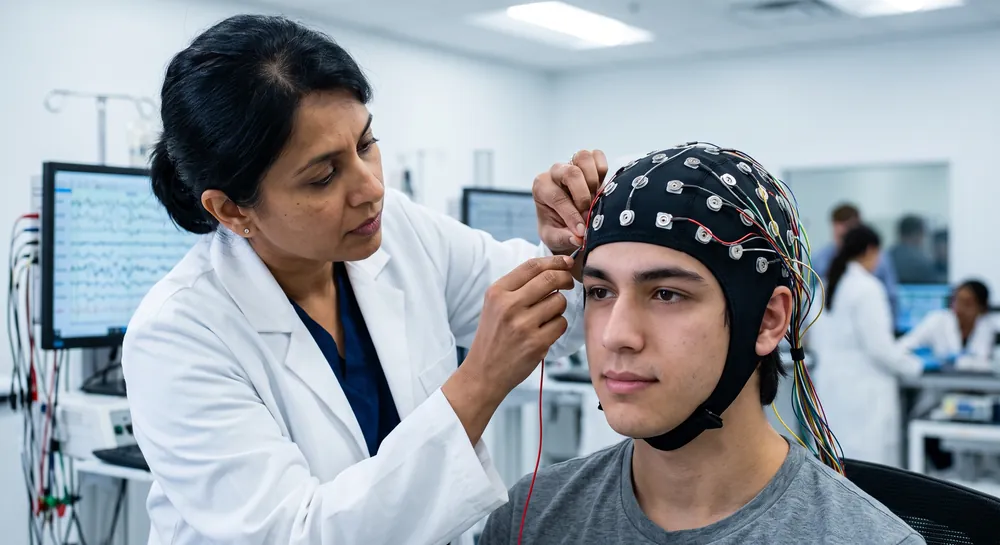
تشخیص اشتباه مکرر اختلال دوقطبی به عنوان افسردگی تکقطبی همچنان یک مانع بزرگ در سلامت روان زنان است. برای رفع این مشکل، دانشمندان به طور فعال در حال بررسی این موضوع هستند که آیا استفاده از الکتروانسفالوگرافی کمی (qEEG) میتواند ابزاری زیستی و عینی برای تمایز بین این دو وضعیت ارائه دهد یا خیر.
از طریق اندازهگیری فعالیت الکتریکی مغز، محققان در جستجوی نشانگرهای زیستی عصبیفیزیولوژیکی متمایز (الگوهای خاص امواج مغزی یا امضاهای پردازش شناختی) هستند که بین افراد دارای افسردگی دوقطبی و مبتلایان به افسردگی تکقطبی تفاوت دارند.
به عنوان مثال، مطالعات اخیر منتشر شده در مجلات معتبر علمی نوروفیزیولوژی و روانپزشکی، تفاوتهای خاصی را در دینامیک امواج آلفا در حالت استراحت برجسته میکنند.
تحقیقات نشان میدهند افراد مبتلا به افسردگی تکقطبی به طور مکرر نشانههایی از عدم تقارن آلفای پیشانی بروز میدهند — یک عدم تعادل واضح در فعالیت امواج مغزی آلفا بین نیمکرههای چپ و راست لوب پیشانی که با گوشهگیری عاطفی مرتبط است. در مقابل، بیماران مبتلا به افسردگی دوقطبی معمولاً این الگوی نامتقارن را نشان نمیدهند.
علاوه بر این، دانشمندان تفاوتهای آشکاری را در قدرت آلفای مرکزی-آهیانهای و تنوع فاز موج تتا بین دو گروه مشاهده کردهاند، که نشان میدهد با وجود اینکه علائم ظاهری افسردگی ممکن است یکسان به نظر برسد، این دو اختلال شبکههای تنظیم هیجانی مغز را به روشهای اساساً متفاوت و البته قابل اندازهگیری مختل میکنند.
شناسایی یک معیار معتبر و مبتنی بر زیستشناسی، گامی مهم در کاهش نرخ بالای تشخیصهای اشتباه خواهد بود، به ویژه برای زنانی که علائم دوقطبی آنها بیشتر به سمت دورههای افسردگی سوق دارد تا شیدایی کلاسیک. با این حال، درک این نکته حیاتی است که استفاده از EEG برای این نوع تشخیص افتراقی در حال حاضر صرفاً در حوزه تحقیقات در حال انجام است.
پزشکان چگونه میتوانند علائم دوقطبی را از اختلال شخصیت مرزی تشخیص دهند؟
یکی دیگر از موارد سردرگمی بین اختلال دوقطبی، به ویژه نوع دوم، و اختلال شخصیت مرزی (BPD) است. هر دو وضعیت میتوانند شامل خلقوخوی ناپایدار و رفتارهای تکانشی باشند، اما چند تفاوت کلیدی وجود دارد:
تغییرات خلقی دوقطبی معمولاً چند روز یا چند هفته طول میکشد، نه فقط چند ساعت.
نوسانات خلقی BPD نسبت به رویدادهای بیرونی واکنشپذیرتر بوده و اغلب کوتاهمدت هستند.
اختلال دوقطبی چرخههایی را نشان میدهد که تا حدی قابل پیشبینی هستند، در حالی که BPD بیشتر موقعیتی است.
چالش اصلی این است که بیثباتی عاطفی در هر دو مشترک است، بنابراین بررسی دقیق سوابق شخصی و خانوادگی به همراه جدول زمانی بروز علائم، برای تشخیص بسیار حیاتی است.
اختلالات اضطرابی همزمان چگونه بر فرآیند تشخیص دوقطبی در زنان تأثیر میگذارند؟
زنان مبتلا به اختلال دوقطبی همچنین بیشتر در معرض ابتلا به اختلالات اضطرابی همزمان مانند اضطراب فراگیر یا اختلال هراس (پانیک) هستند. این همپوشانی لایه دیگری از پیچیدگی را ایجاد میکند:
اضطراب میتواند بالا رفتن خلق یا علائم هیپومانیک زمینهای را پنهان کند.
درمان اضطراب به تنهایی ممکن است به ناپایداری خلقی زمینهای نپردازد.
تعاملات میان علائم ممکن است نحوه بروز هر دو اختلال و پاسخ آنها به درمان را تغییر دهد.
بنابراین، زمانی که اضطراب وجود دارد، اختلال دوقطبی ممکن است برای سالها پنهان بماند تا اینکه یک دوره شیدایی یا هیپومانی واضح ظاهر شود. ارزیابی جامع، نظارت دقیق و ارتباط مستمر، شانس تشخیص صحیح را بهبود میبخشد.
چه شرایط سلامت روان دیگری به طور مکرر با اختلال دوقطبی در زنان همزمان رخ میدهد؟
بسیار رایج است که افراد مبتلا به اختلال دوقطبی علاوه بر اضطراب، شرایط سلامت روان دیگری را نیز در کنار آن تجربه کنند. برای زنان مبتلا به اختلال دوقطبی، به نظر میرسد شرایط خاصی بیشتر تکرار میشود. این موضوع میتواند تشخیص را دشوارتر و درمان را پیچیدهتر کند.
یک موضوع مهم دیگر، احتمال بالاتر ابتلا به اختلالات سوء مصرف مواد است. گاهی اوقات، افراد ممکن است برای مقابله با نوسانات خلقی شدید یا رنج ناشی از بیماری خود به الکل یا مواد مخدر روی آورند. با این حال، این کار اغلب شرایط را بدتر میکند و پتانسیل تحریک دورههای خلقی شدیدتر یا تداخل در عملکرد داروها را دارد.
اختلال نقص توجه/بیشفعالی (ADHD) نیز اغلب در کنار اختلال دوقطبی در زنان دیده میشود. علائم ADHD مانند مشکل در تمرکز، تکانشگری و بیقراری گاهی اوقات ممکن است با علائم شیدایی یا هیپومانیک اشتباه گرفته شود، یا خود مدیریت اختلال دوقطبی را پیچیده کند.
این شرایط همزمان بدان معناست که درمان اغلب باید چندوجهی باشد. این موضوع فقط درباره مدیریت خود اختلال دوقطبی نیست، بلکه شامل رسیدگی به اضطراب، سوء مصرف مواد یا ADHD که ممکن است وجود داشته باشد نیز میشود.
چگونه شناخت الگوهای بروز منحصربهفرد میتواند منجر به حمایت بهتر از زنان شود؟
واضح است که اختلال دوقطبی برای همه به یک شکل بروز نمیکند و زنان اغلب آن را به شیوههایی تجربه میکنند که به راحتی نادیده گرفته شده یا اشتباه تشخیص داده میشود.
بنابراین، شناخت این الگوهای منحصربهفرد، مانند احتمال بیشتر دورههای افسردگی، چرخه سریع و تأثیر تغییرات هورمونی، گام بزرگی است. این درک کلید دریافت کمک مناسب در زمان سریعتر است.
برنامههای درمانی مبتنی بر علوم اعصاب باید این تفاوتها را در نظر بگیرند و دارو، رواندرمانی و حمایت از سبک زندگی را ترکیب کنند تا واقعاً تفاوتی ایجاد شود.
منابع
Slyepchenko, A., Minuzzi, L., & Frey, B. N. (2021). Comorbid premenstrual dysphoric disorder and bipolar disorder: a review. Frontiers in psychiatry, 12, 719241. https://doi.org/10.3389/fpsyt.2021.719241
Zou, Y. Z., Chen, T., & Wang, C. B. (2026). Differential diagnosis of bipolar II disorder and major depressive disorder: Integrating multimodal approaches to overcome clinical challenges. World journal of psychiatry, 16(1), 111800. https://doi.org/10.5498/wjp.v16.i1.111800
Chen, A., & Han, C. (2025). Oscillatory biomarkers for differentiating between unipolar depression and bipolar disorder using resting‐state electroencephalography. Brain‐X, 3(4), e70041. https://doi.org/10.1002/brx2.70041
سوالات متداول
اختلال دوقطبی در زنان چه تفاوتی با مردان دارد؟
زنان مبتلا به اختلال دوقطبی اغلب دورههای افسردگی بیشتری را تجربه میکنند و خلقوخوی آنها سریعتر تغییر میکند، حالتی که به آن چرخه سریع میگویند. آنها همچنین ممکن است با چالشهای مربوط به تغییرات هورمونی در طول زندگی خود مواجه شوند که میتواند بر علائم آنها تأثیر بگذارد.
چرا زنان تمایل به تجربه دورههای افسردگی بیشتری دارند؟
تصور میشود تغییرات هورمونی، مانند تغییرات در طول چرخه قاعدگی یا یائسگی، ممکن است نقش داشته باشند. همچنین، گاهی اوقات در زنان به اشتباه افسردگی تشخیص داده میشود که میتواند دریافت کمک مناسب برای اختلال دوقطبی را به تأخیر بیندازد.
«چرخه سریع» چیست و چرا در زنان شایعتر است؟
چرخه سریع به معنای تجربه چهار یا چند بار نوسان خلقی (از شیدایی به افسردگی یا برعکس) در یک سال است. در حالی که هنوز کاملاً مشخص نیست چرا این پدیده در زنان شایعتر است، عواملی مانند تغییرات هورمونی و استرس ممکن است در آن نقش داشته باشند.
آیا چرخه قاعدگی یک زن میتواند بر علائم اختلال دوقطبی او تأثیر بگذارد؟
بله، بسیاری از زنان متوجه میشوند که علائم آنها در نزدیکی دوران پریودشان بدتر میشود. فراز و نشیبهای هورمونی در طول چرخه ماهانه گاهی اوقات میتواند نوسانات خلقی را شدیدتر کند.
بارداری و یائسگی چه تأثیری بر اختلال دوقطبی در زنان دارند؟
بارداری گاهی اوقات میتواند خلقوخو را تثبیت کند، اما میتواند دورههایی را نیز تحریک کند. پس از زایمان، خطر ابتلا به مشکلات خلقی شدید بیشتر است. در دوران یائسگی نیز تغییرات هورمونی میتواند علائمی مانند تحریکپذیری و افسردگی را بدتر کند.
چرا زنان مبتلا به اختلال دوقطبی اغلب اشتباه تشخیص داده میشوند؟
احتمال بروز علائم افسردگی در زنان بیشتر است که این امر به راحتی میتواند با افسردگی معمولی اشتباه گرفته شود. این میتواند منجر به تجویز درمان اشتباه برای مدت طولانی شود.
تفاوت بین اختلال دوقطبی و اختلال شخصیت مرزی (BPD) در زنان چیست؟
در حالی که هر دو میتوانند شامل احساسات شدید و نوسانات خلقی باشند، اختلال دوقطبی معمولاً شامل دورههای متمایز شیدایی/هیپومانی و افسردگی است. BPD اغلب شامل روابط ناپایدارتر و ترس از رها شدن است، با تغییرات خلقی که میتواند مکررتر بوده و توسط رویدادهای بیرونی تحریک شود.
آیا اختلالات اضطرابی در کنار اختلال دوقطبی در زنان شایع است؟
بله، اختلالات اضطرابی مکرراً همراه با اختلال دوقطبی در زنان دیده میشود. این ترکیب میتواند تشخیص را دشوارتر کند، زیرا علائم اضطراب گاهی اوقات با علائم دوقطبی همپوشانی دارد یا آن را پنهان میکند.
برخی از شرایط همزمان معمول با اختلال دوقطبی در زنان چیست؟
علاوه بر اضطراب، زنان مبتلا به اختلال دوقطبی ممکن است مشکلاتی را در رابطه با سوء مصرف مواد یا اختلال نقص توجه/بیشفعالی (ADHD) نیز تجربه کنند. این موارد میتوانند علائم و درمان را پیچیدهتر کنند.
Emotiv یک شرکت پیشرو در فناوری عصبی است که با ابزارهای در دسترس EEG و دادههای مغزی به پیشبرد پژوهشهای علوم اعصاب کمک میکند.
سلب مسئولیت پزشکی: اطلاعات ارائه شده در این وبسایت صرفاً برای اهداف آموزشی و اطلاعرسانی است و به عنوان توصیه پزشکی یا بهداشتی در نظر گرفته نشده است. این محتوا ممکن است حاوی خطا باشد و نباید برای تصمیمگیریهای حیاتی در زمینه سلامت، پزشکی یا سبک زندگی به آن استناد کرد. همیشه برای هرگونه سؤال در رابطه با یک شرایط پزشکی یا درمان، از پزشک خود یا سایر ارائهدهندگان واجد شرایط مراقبتهای بهداشتی راهنمایی بخواهید.
کریستین بورگوس